


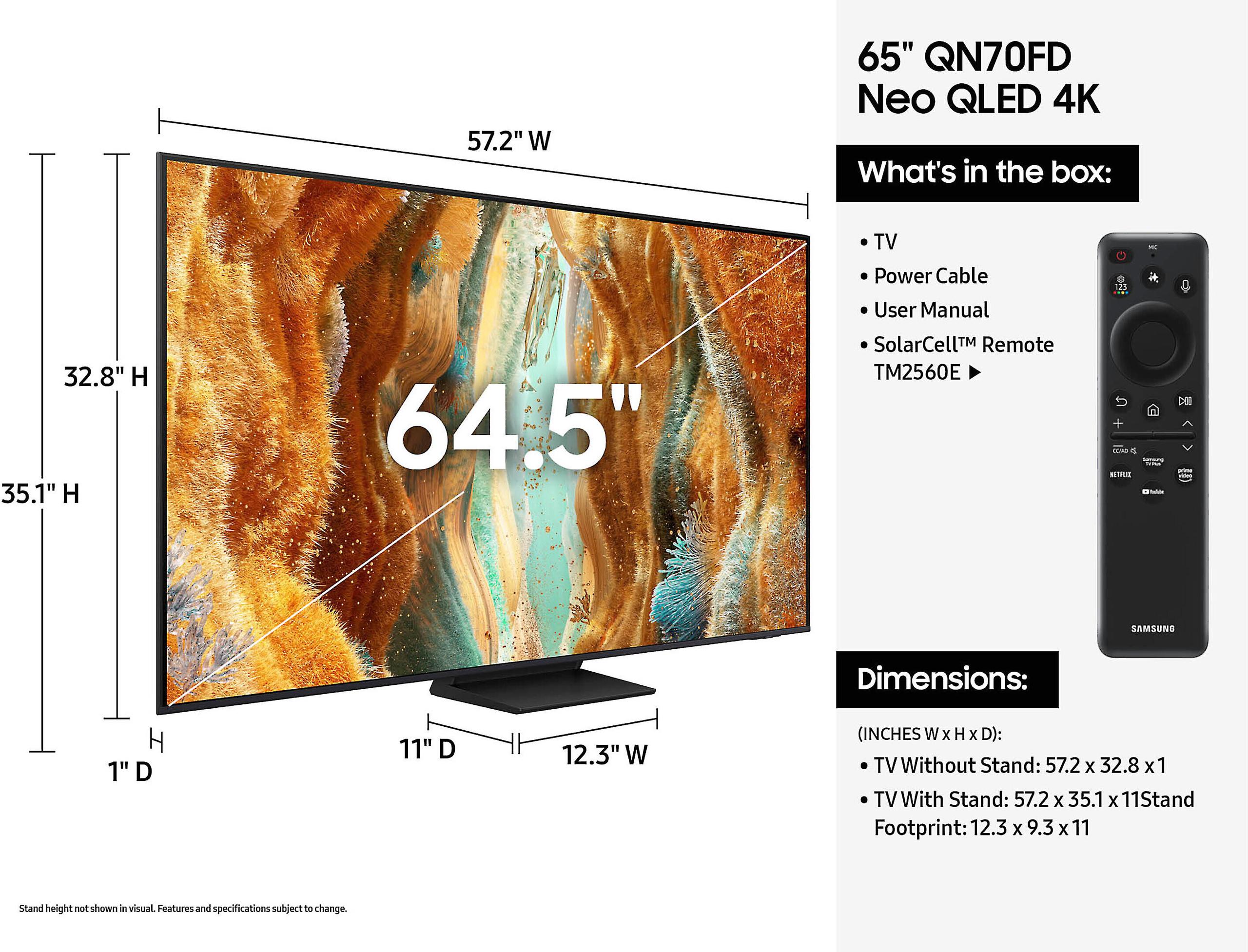
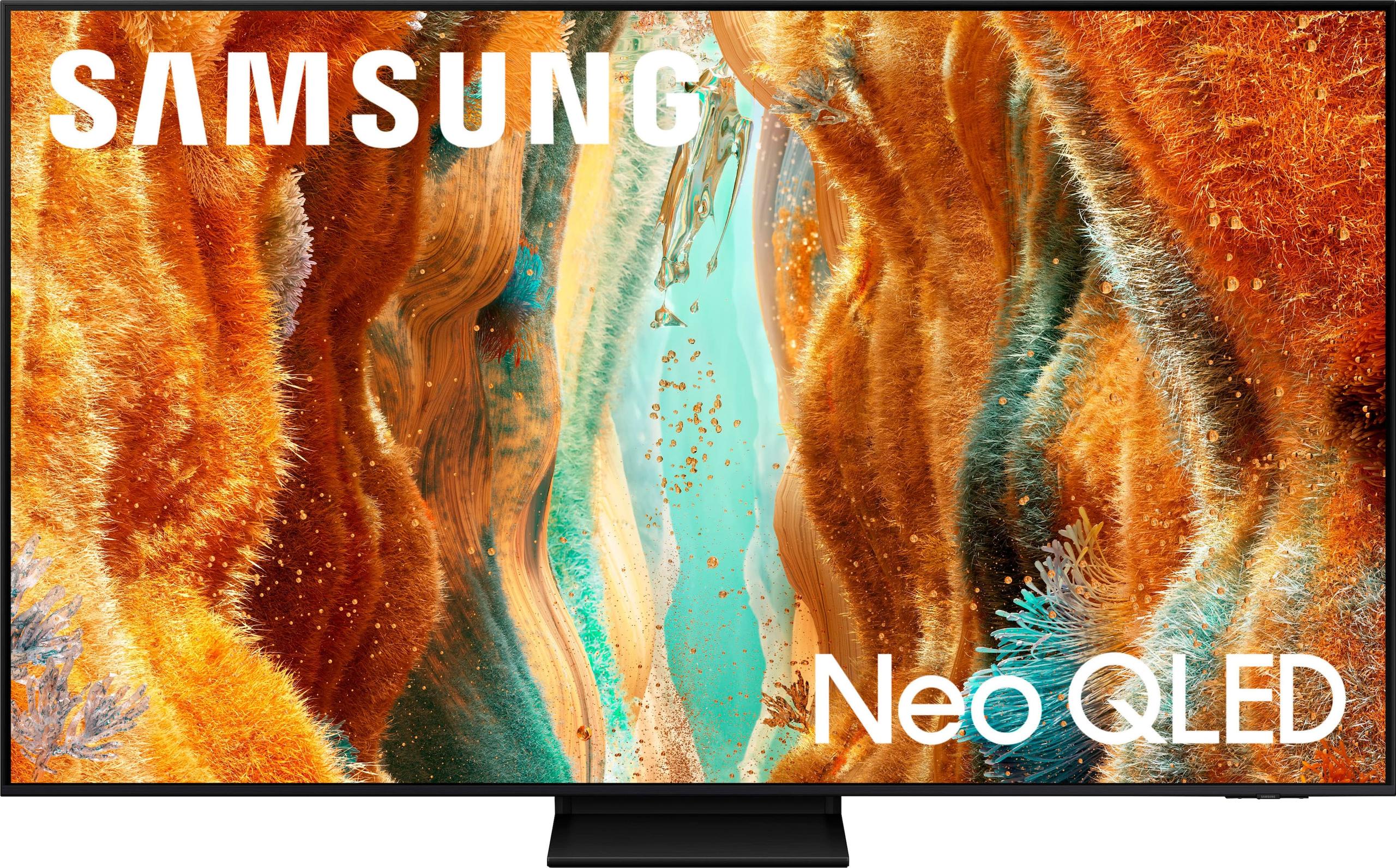
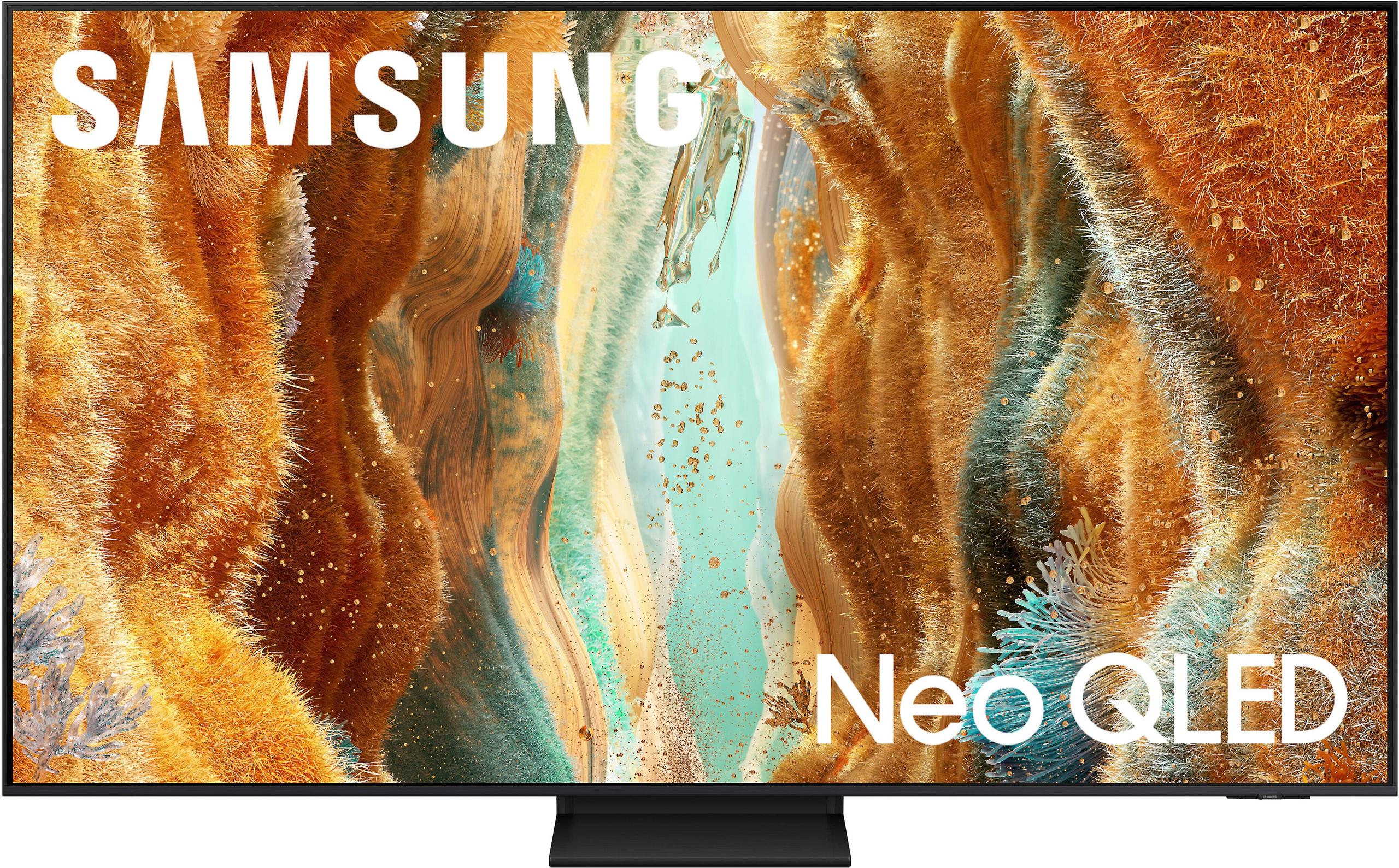
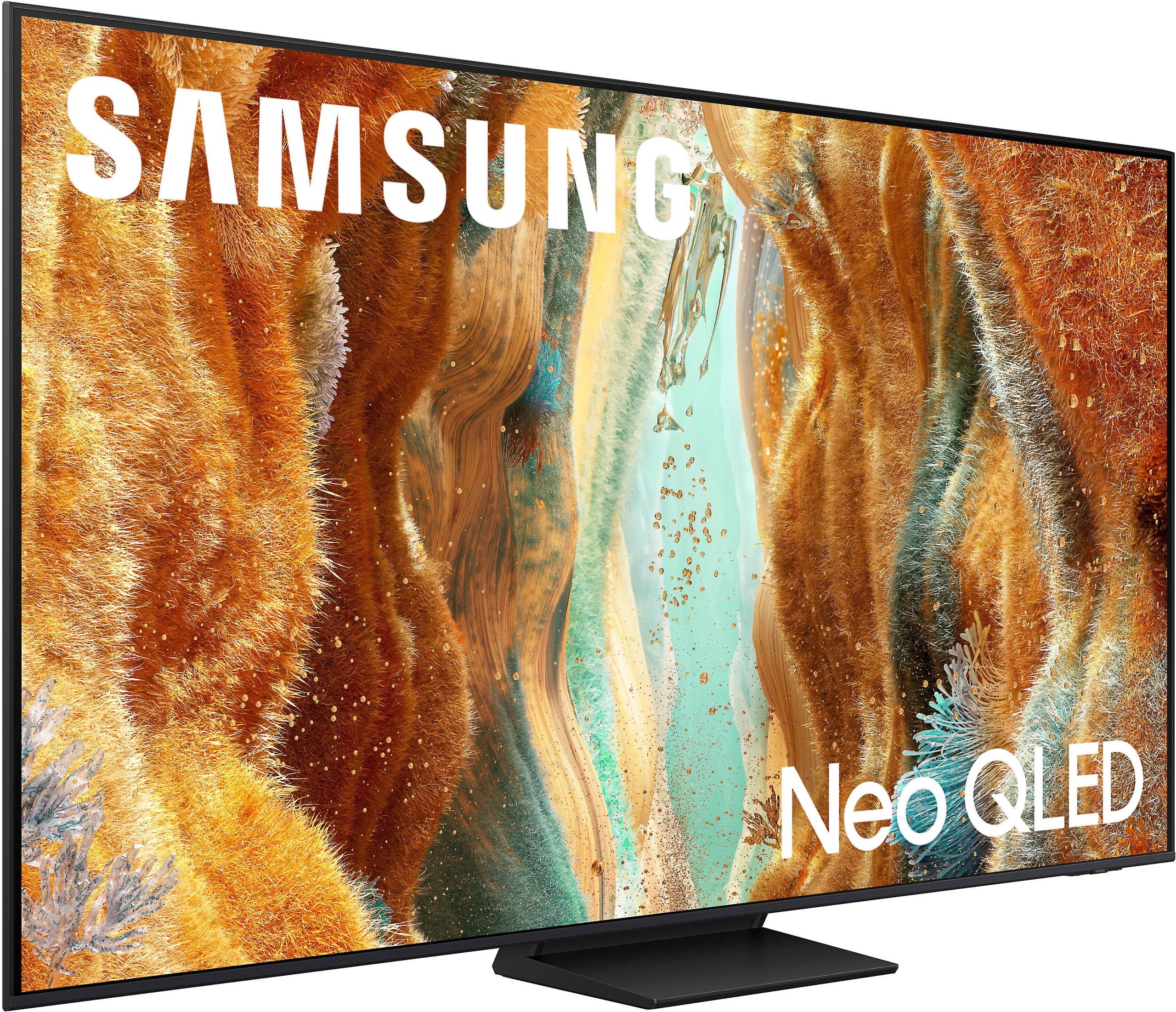
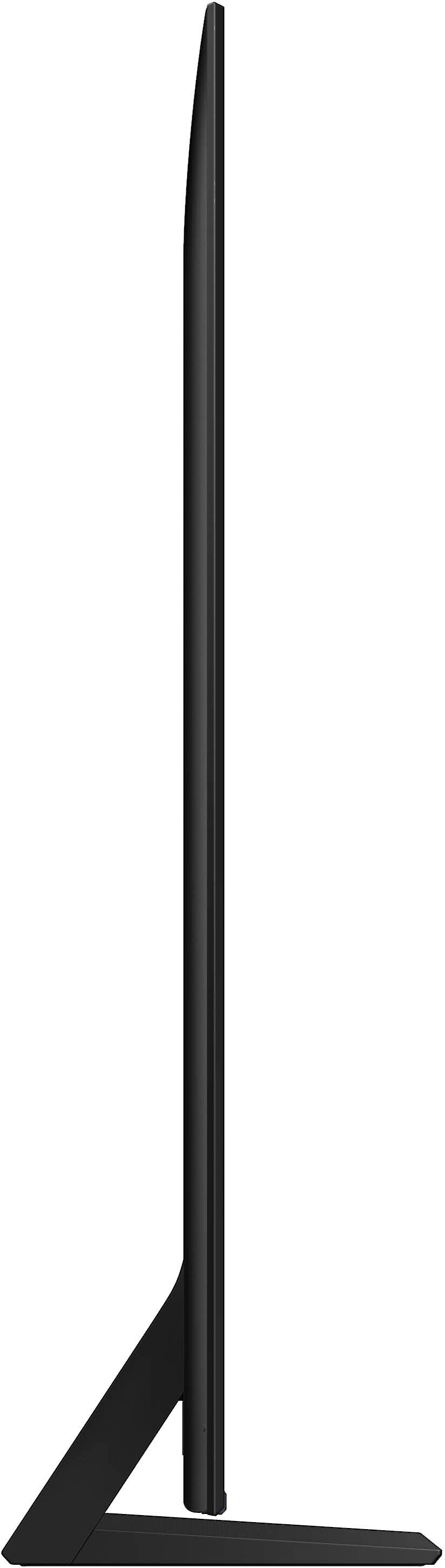

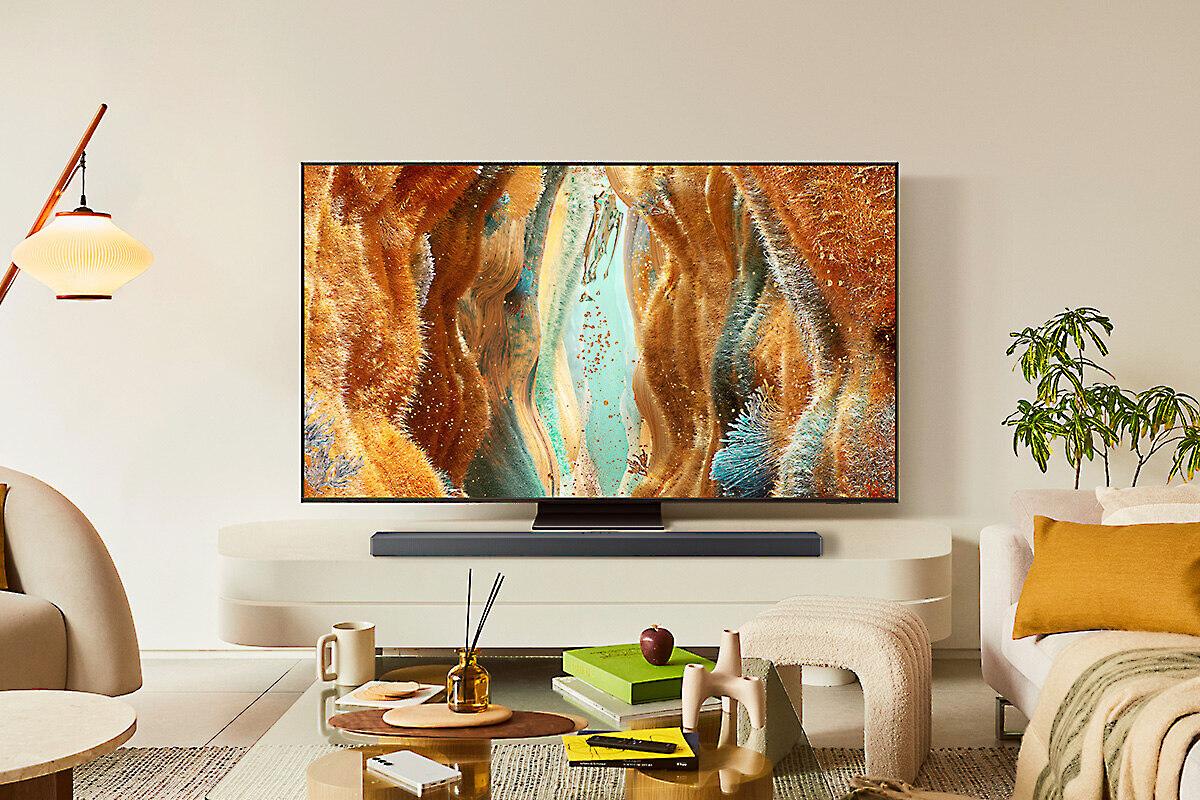

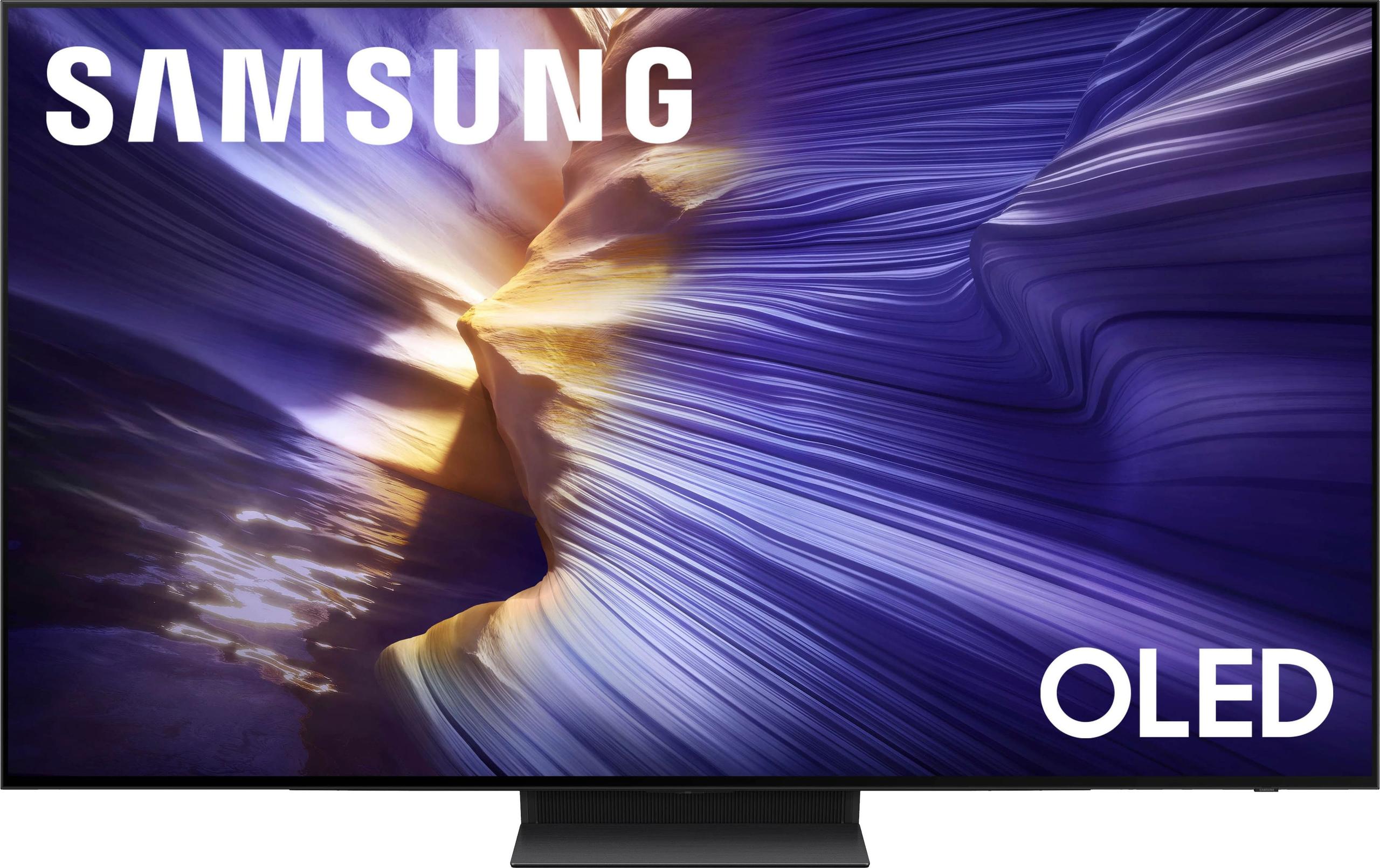
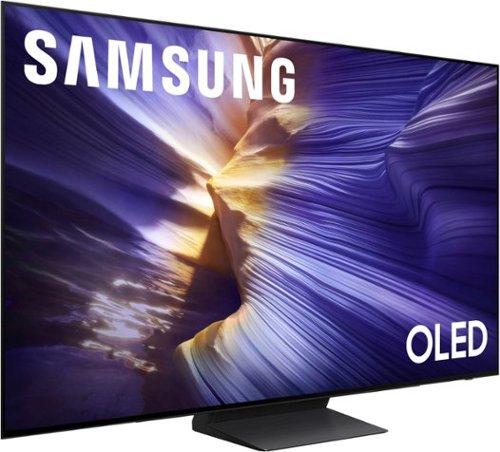
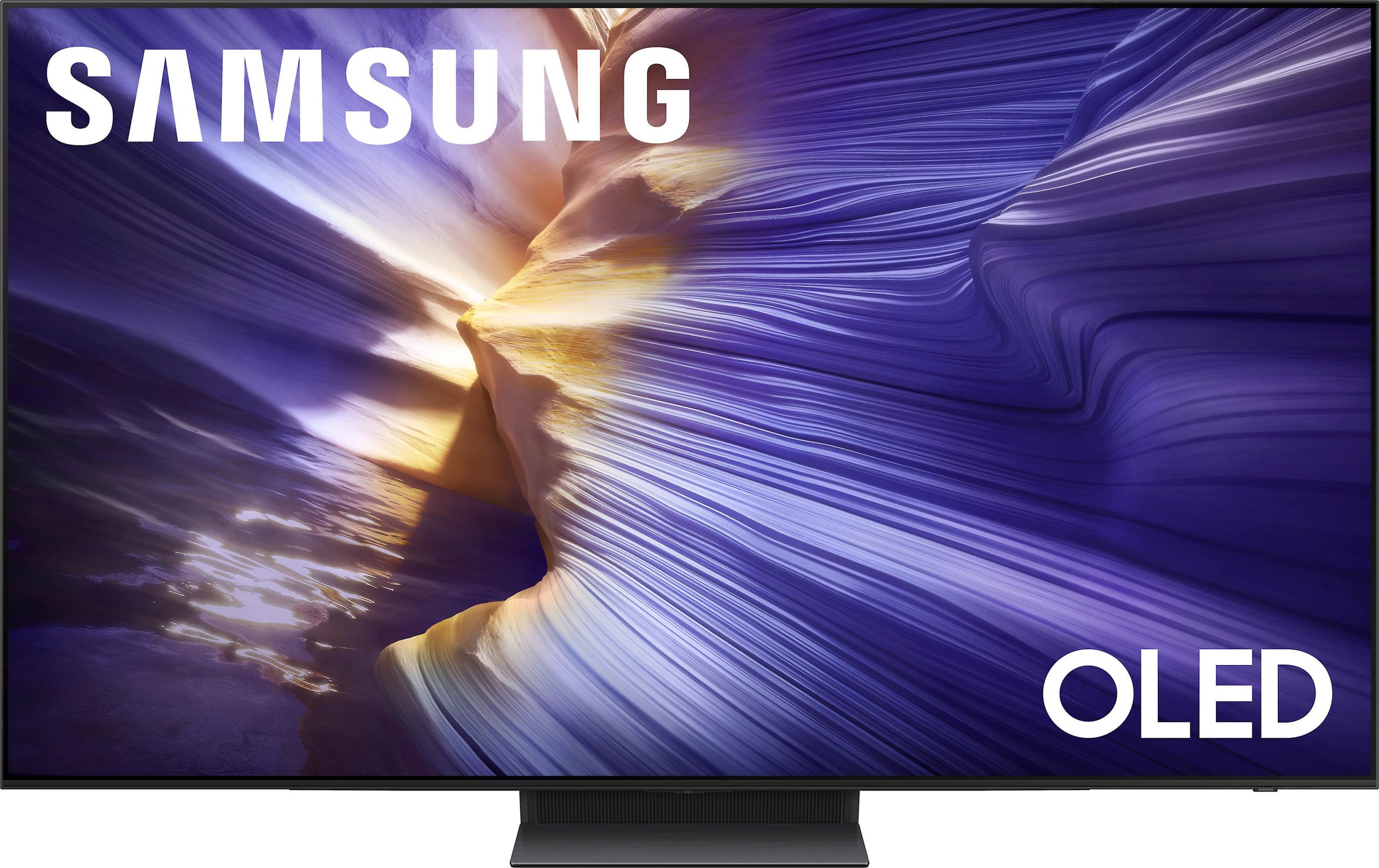
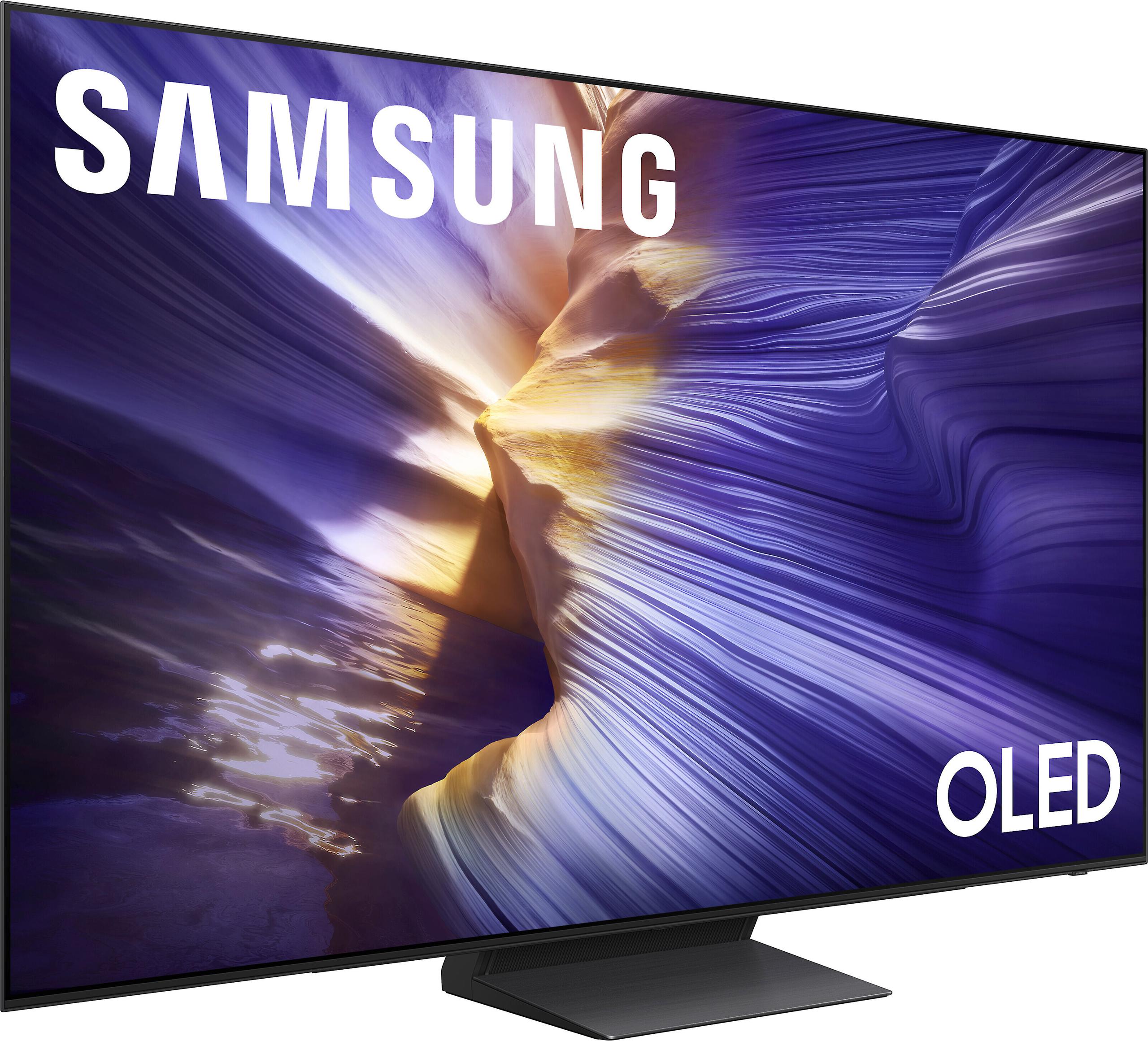
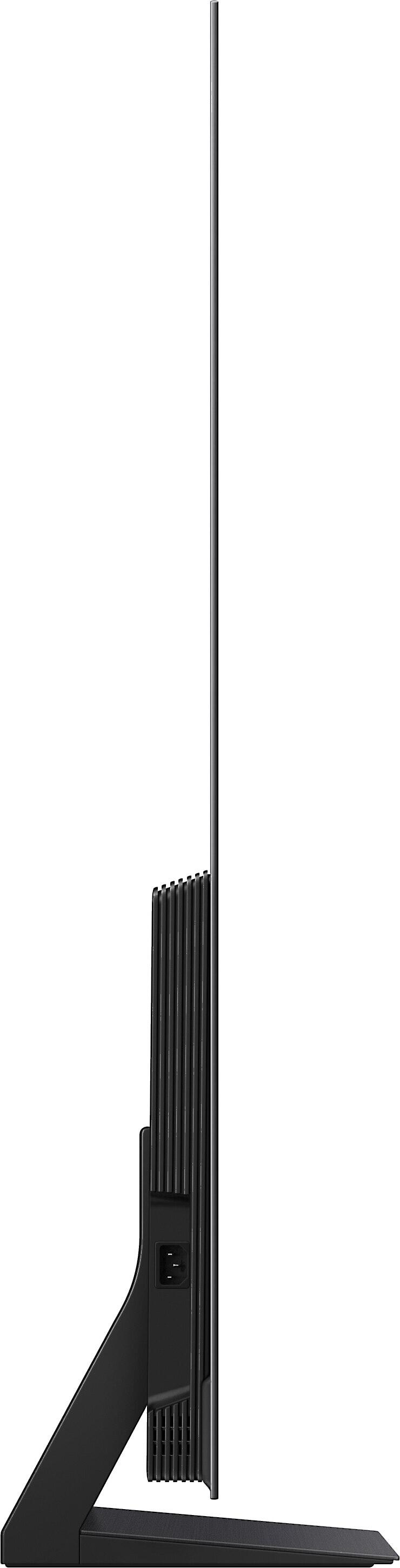


If you're shopping for a premium 65-inch TV in 2025, you've likely narrowed it down to two compelling Samsung options: the QN70F Neo QLED and the S90F OLED. Both represent significant leaps forward in display technology, but they take fundamentally different approaches to creating stunning pictures. Understanding these differences will help you make the right choice for your home and viewing habits.
Before diving into specifics, let's understand what we're comparing. The QN70F uses Neo QLED technology, which is Samsung's premium version of LCD (Liquid Crystal Display) technology enhanced with Mini LED backlighting. Think of it as thousands of tiny LED lights behind the screen that can dim or brighten in zones to create better contrast.
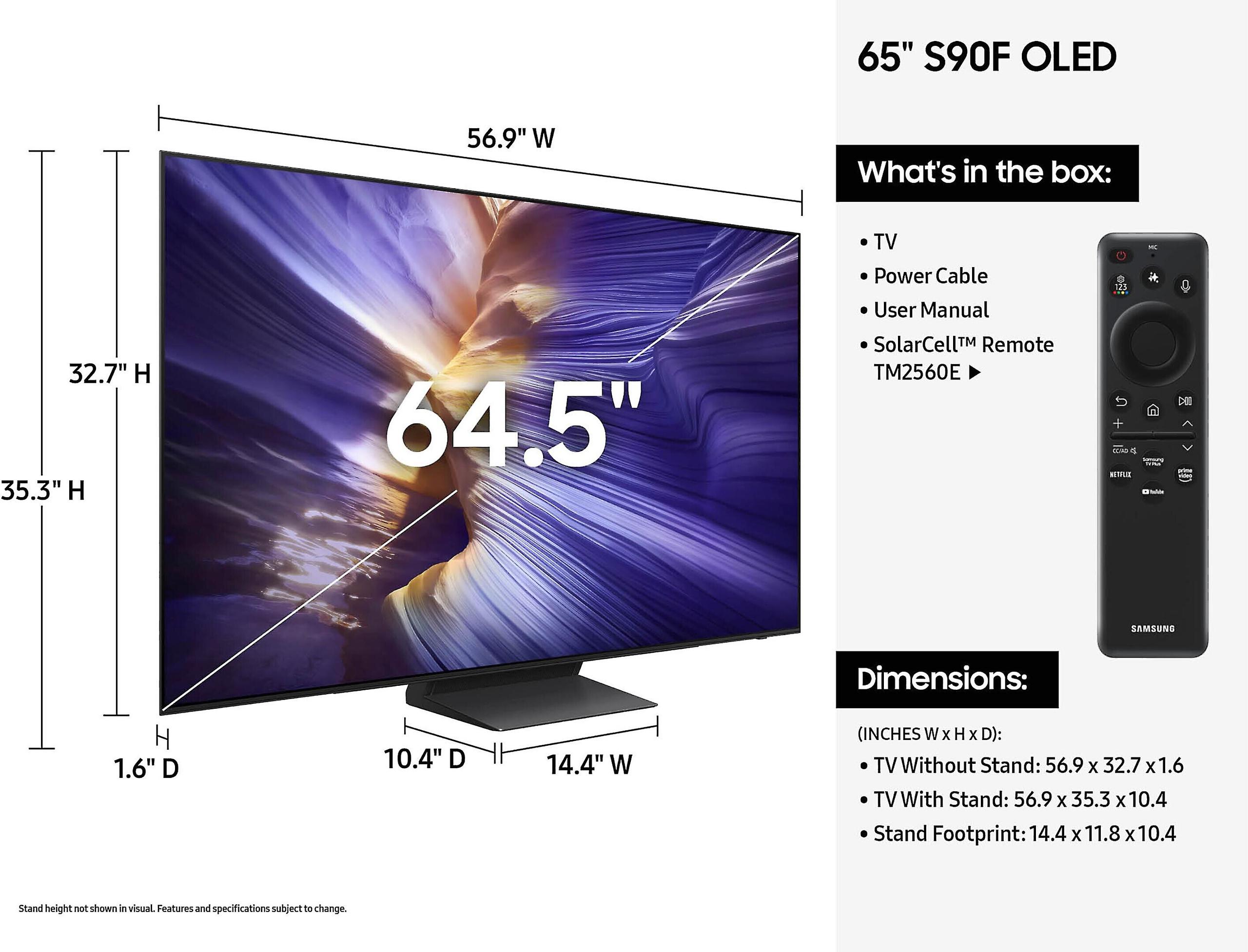
The S90F, on the other hand, uses OLED (Organic Light-Emitting Diode) technology, where each individual pixel creates its own light and can turn completely off. It's like having 8.3 million tiny light bulbs that can independently control brightness and color.
Both TVs launched in early 2025 as part of Samsung's most advanced lineup to date, incorporating their new Vision AI technology that promises smarter content optimization and enhanced user experiences. The timing is significant—2025 marks a maturation point for both technologies, with OLED panels becoming more durable and Mini LED systems becoming more sophisticated.
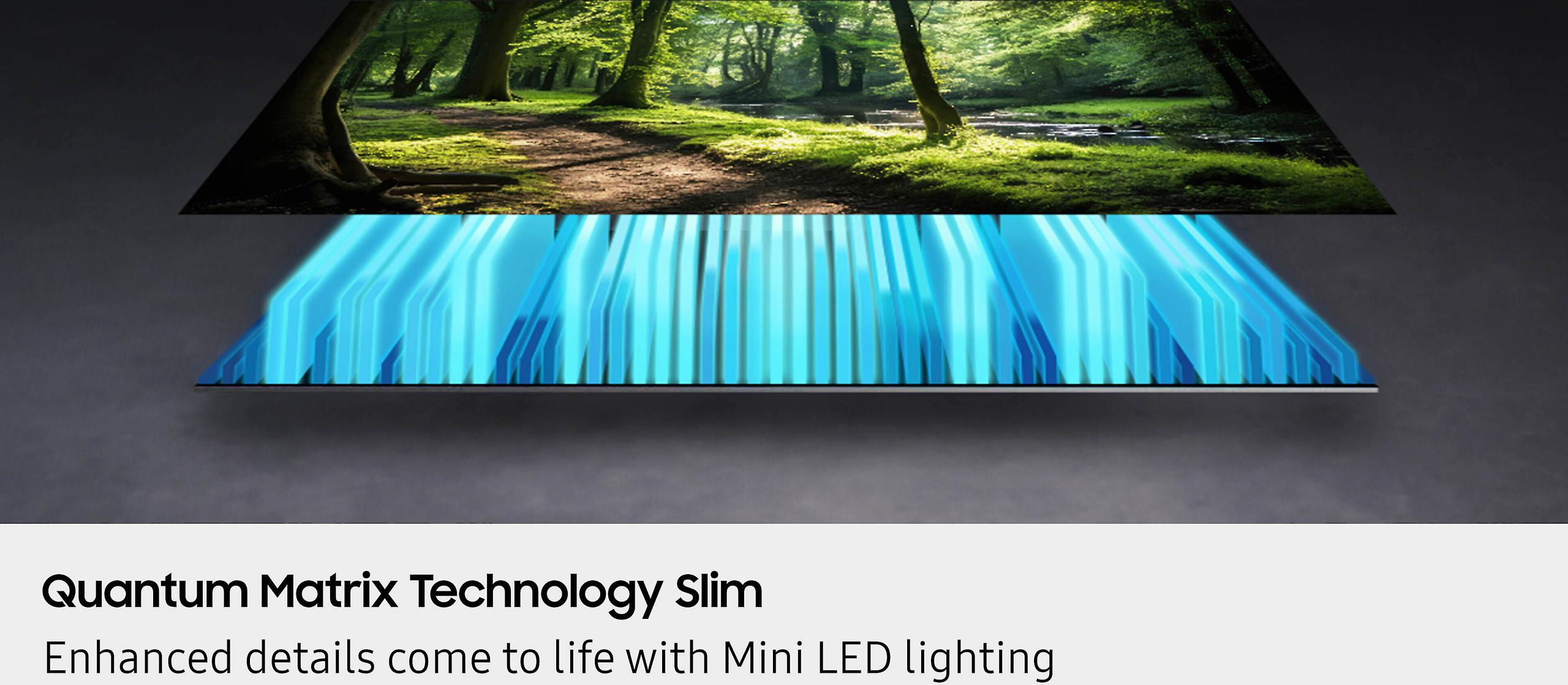
The QN70F represents Samsung's entry point into their Neo QLED lineup, but don't let "entry-level" fool you. It uses Quantum Matrix Slim technology, which packs thousands of Mini LEDs into zones behind the screen. These zones can independently brighten or dim to improve contrast—a technique called local dimming.
What makes this impressive is the sheer number of LEDs involved. Traditional LED TVs might have a few dozen LED zones, while the QN70F has significantly more, allowing for more precise control over brightness. The quantum dot layer (that's where "Q" in QLED comes from) converts the blue LED light into incredibly pure colors, particularly reds and greens.
However, there's an inherent limitation: since the LEDs shine through the LCD panel, you can't achieve perfect blacks. There's always some light bleeding through, especially around bright objects on dark backgrounds—an effect called "blooming."
The S90F takes a completely different approach. Each pixel generates its own light using organic compounds that emit light when electricity passes through them. When a pixel needs to be black, it simply turns off completely—no light, no glow, perfect black.
This creates what's called "infinite contrast ratio" because you're dividing any brightness level by zero (perfect black). In practical terms, this means watching a movie with space scenes will show truly dark space, making stars pop with incredible realism.
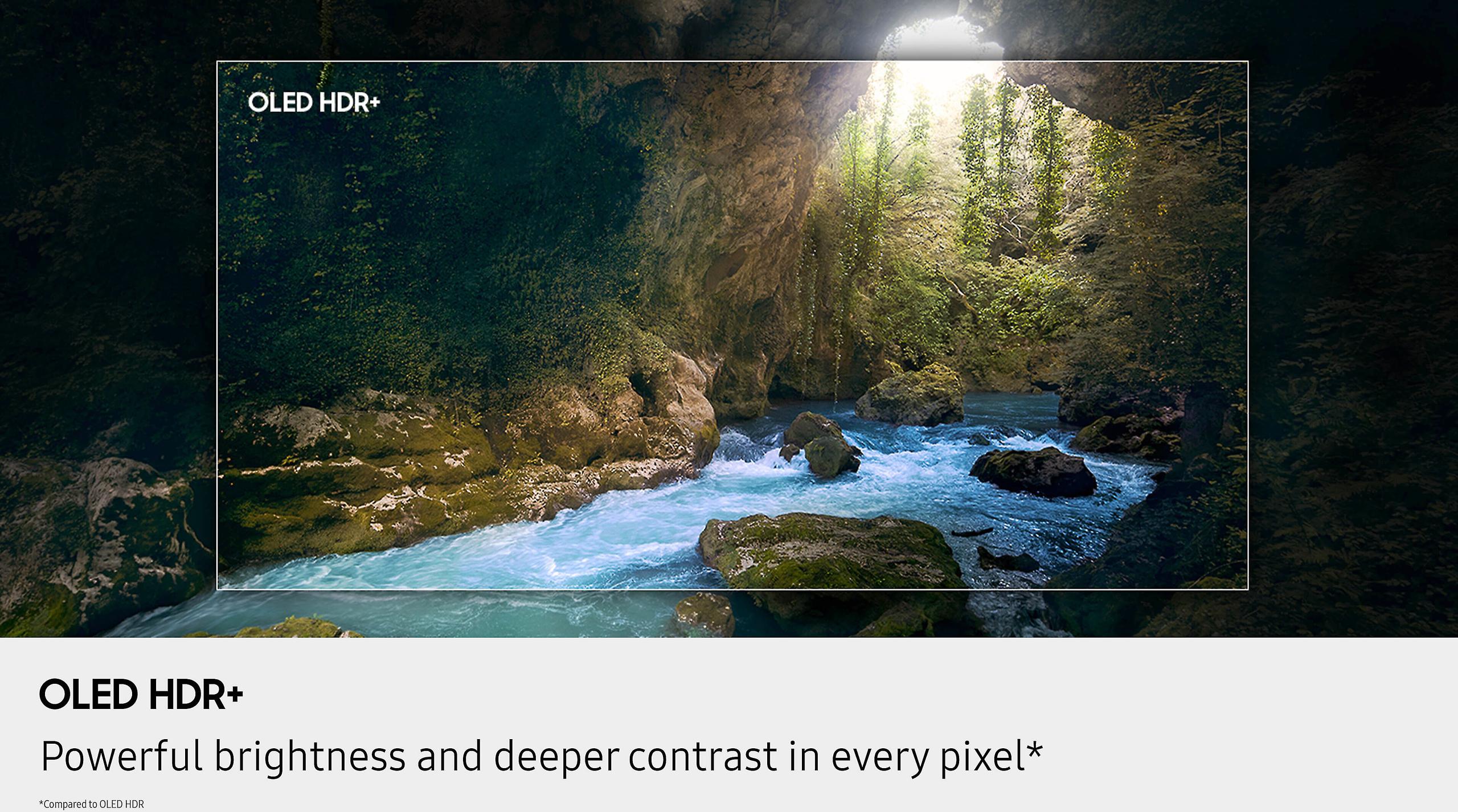
The S90F also benefits from what Samsung calls OLED HDR+, which combines the natural contrast advantages of OLED with enhanced brightness processing to reveal details in both the darkest shadows and brightest highlights.
This is where the biggest difference lies, and it's immediately noticeable. The S90F delivers perfect blacks that make the QN70F look gray by comparison in dark room viewing. When you're watching a movie like Interstellar or Blade Runner 2049, those deep space scenes and moody cinematography truly shine on OLED.
However, the story becomes more nuanced in brighter rooms. The QN70F can push much higher peak brightness levels, which helps combat room reflections and maintains image visibility under bright ambient lighting. If your TV room has large windows and gets a lot of natural light, this brightness advantage becomes meaningful.
Both TVs support HDR10 and HDR10+ (though notably, neither supports Dolby Vision—a Samsung limitation that persists in 2025). The S90F generally produces more vibrant, saturated colors, particularly in HDR content. Its ability to show perfect blacks makes colors appear more vivid by contrast.
The QN70F delivers solid color performance with its quantum dot technology, but it can struggle to maintain color saturation when the local dimming system is working hard to control brightness across different zones. You might notice this during HDR scenes with mixed bright and dark content.
Here's where OLED technology shows another clear advantage. The S90F maintains excellent color and brightness consistency even when viewed from the side. This makes it ideal for larger families or rooms where people sit at various angles to the TV.
The QN70F, like most LCD displays, shows noticeable color shifting and brightness reduction when viewed off-center. If your seating arrangement has people watching from the sides, this becomes a significant consideration.
Gaming has become a crucial TV consideration in 2025, and both models cater to serious gamers with advanced features. The S90F supports up to 144Hz refresh rates with its Motion Xcelerator 144Hz technology, while the QN70F offers 120Hz with enhancement up to 144Hz.
But refresh rate numbers only tell part of the story. The more important metric for gamers is pixel response time—how quickly pixels can change from one color to another. OLED technology provides essentially instantaneous response, meaning no ghosting or smearing during fast-paced action. LCD technology, including the Mini LED system in the QN70F, inherently has slower pixel response times that can create visible artifacts during rapid movement.
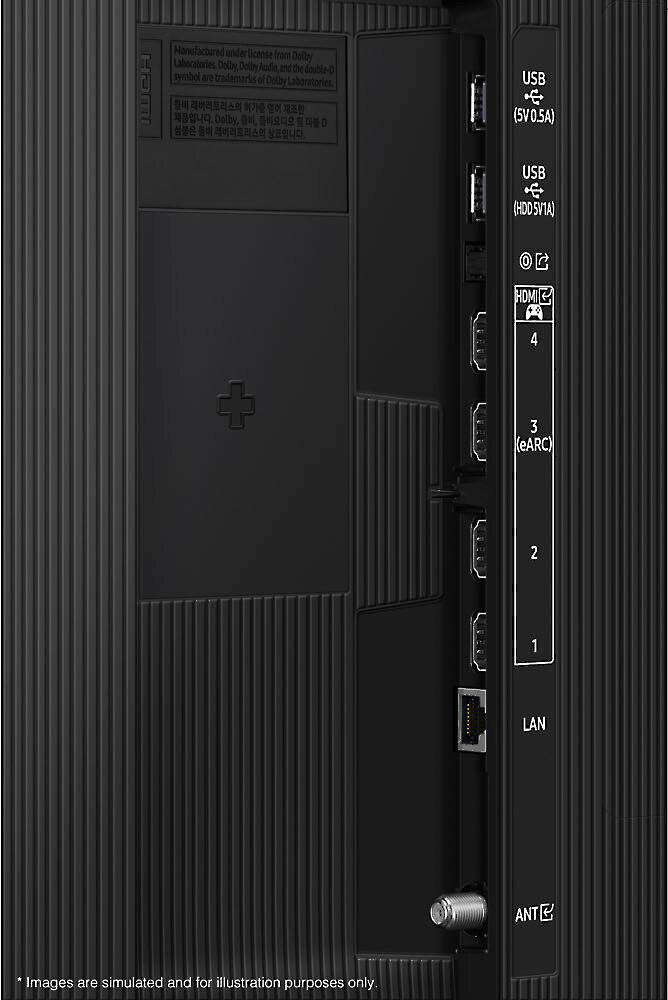
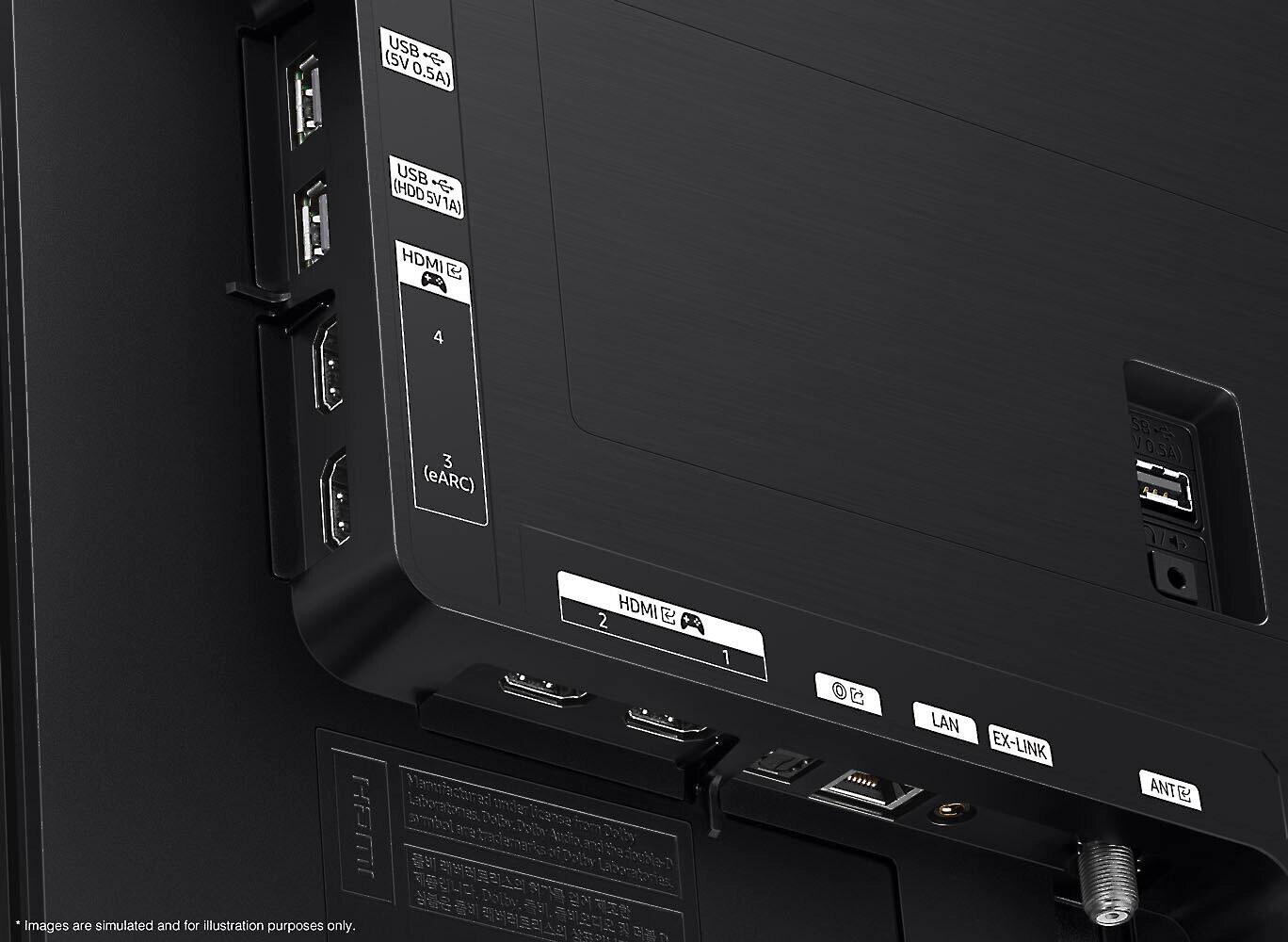
Both TVs feature multiple HDMI 2.1 ports supporting 4K gaming at high refresh rates, AMD FreeSync Premium Pro, and Samsung's Game Mode optimization. However, the S90F typically achieves lower input lag—the delay between your controller input and on-screen response—making it the better choice for competitive gaming.
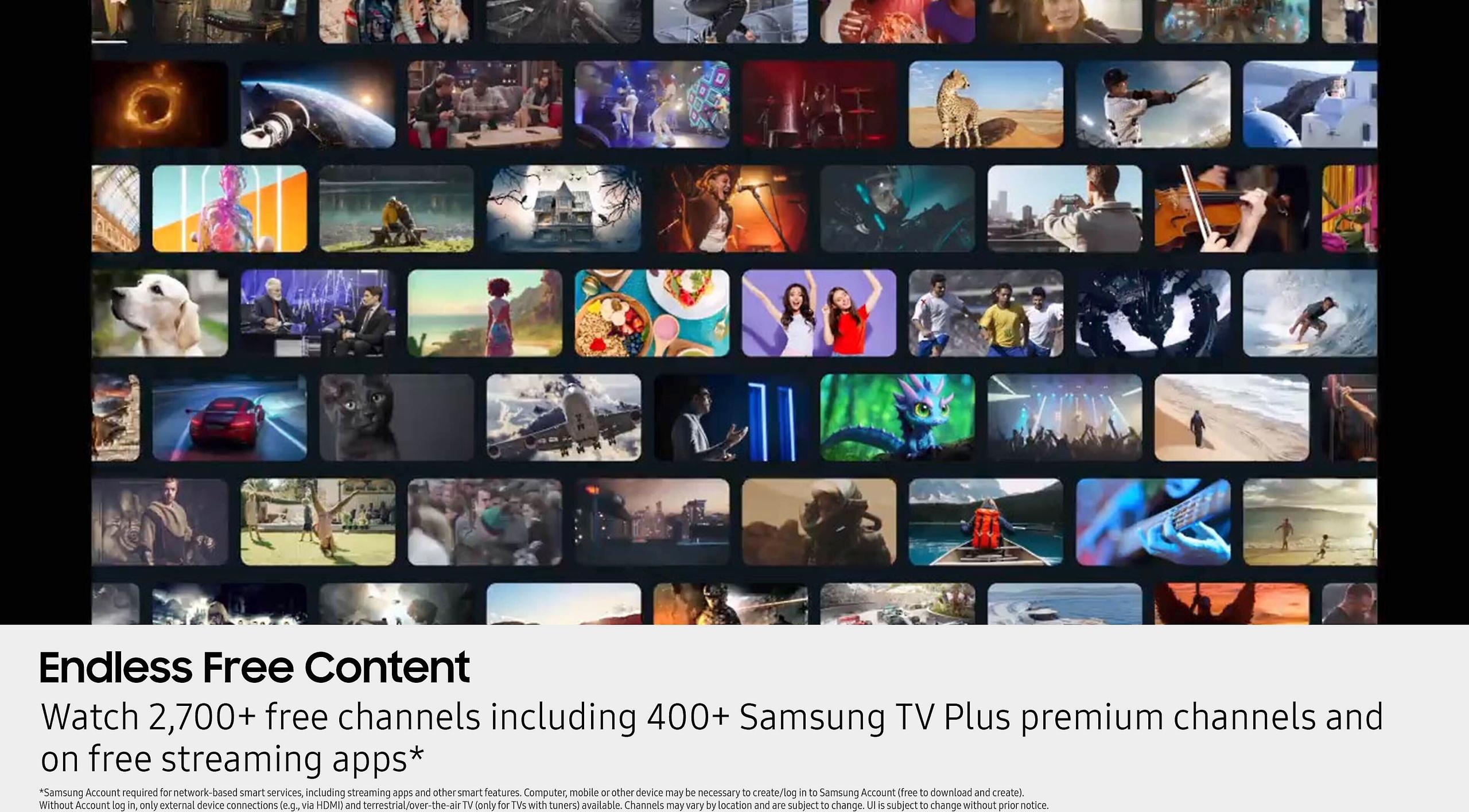
Both the QN70F and S90F run Samsung's Vision AI platform on the Tizen operating system, representing a significant upgrade from previous years. The AI can identify actors on screen, provide content recommendations, and even offer real-time subtitle translation—features that seemed futuristic just a few years ago.
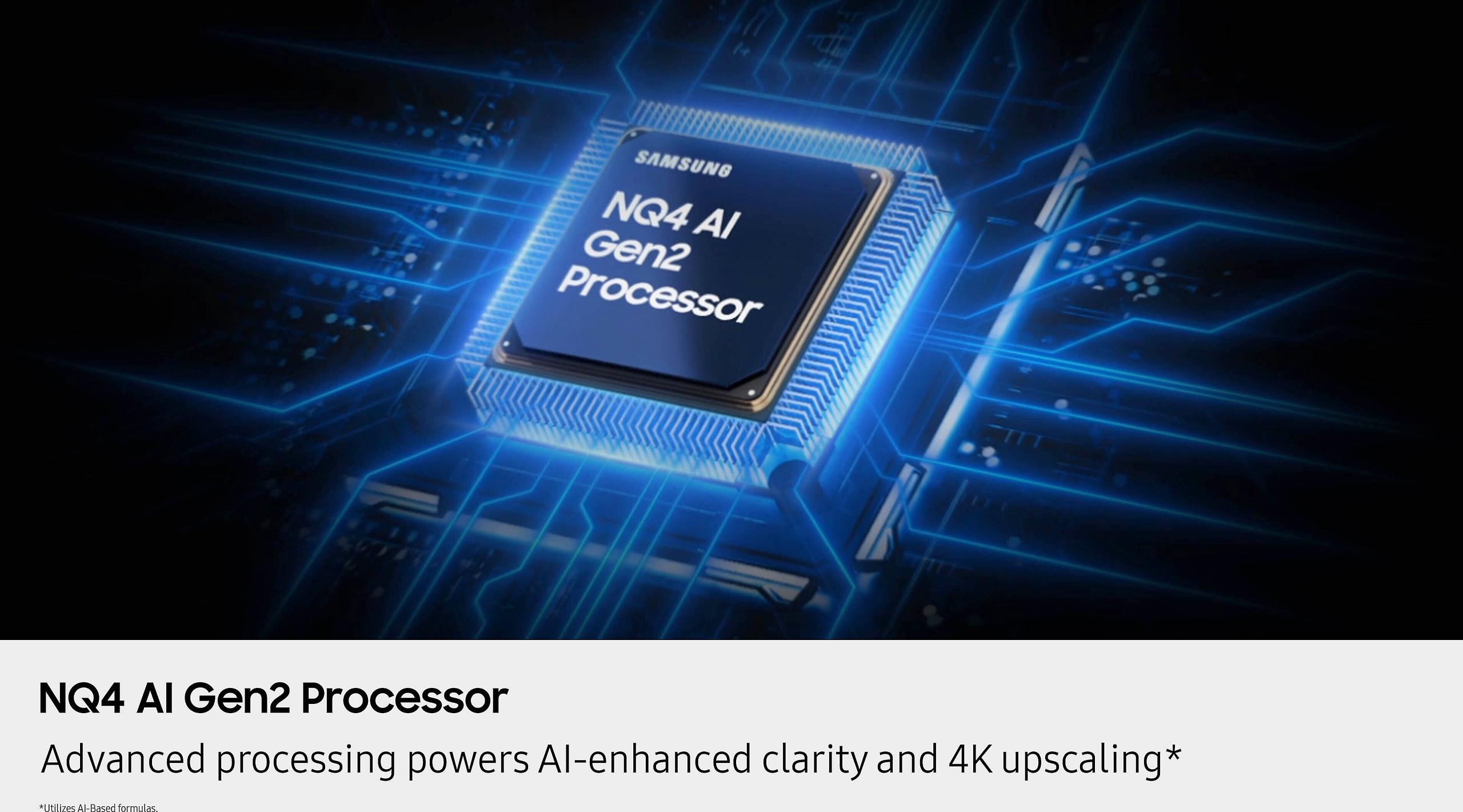
The 4K AI upscaling deserves special mention. Both TVs can take lower resolution content and intelligently enhance it to look closer to native 4K quality. The S90F features "4K AI Upscaling Pro" powered by 128 AI neural networks, while the QN70F uses a slightly less advanced version. In practical terms, both do an excellent job making your old Blu-rays and streaming content look sharp on the large 65-inch screen.
Neither TV will replace a dedicated sound system, but both offer respectable audio for their slim profiles. The S90F includes Adaptive Sound Pro, which uses AI to optimize audio based on both the content type and your room's acoustics. The QN70F features Object Tracking Sound (OTS Lite) with a 20W, 2-channel system and Active Voice Amplifier Pro for clearer dialogue.
For serious home theater use, you'll likely want to add a soundbar or surround sound system regardless of which TV you choose. Both support Samsung's Q-Symphony feature, which allows compatible Samsung soundbars to work in harmony with the TV's built-in speakers for enhanced audio.
If you're building a dedicated home theater room, the S90F is generally the superior choice. Its perfect blacks and superior contrast make it ideal for darkened viewing environments where movies truly shine. The wider viewing angles also work better for theater seating arrangements.
However, consider your room's lighting control. If you can't achieve true darkness—perhaps due to ambient light from adjacent rooms or outside sources—the QN70F's higher brightness capabilities might serve you better.
The S90F also handles motion better, which is particularly important for action movies and sports. Film enthusiasts will appreciate its more accurate color reproduction and the way shadows and highlights blend naturally together.
OLED burn-in remains a legitimate consideration, though modern panels have dramatically improved since the early days. The S90F includes various protection mechanisms, and Samsung offers a standard warranty. Still, if you plan to leave static images on screen for extended periods (like news channels with permanent logos or gaming HUDs), LCD technology in the QN70F eliminates this concern entirely.
Another factor is Samsung's "panel lottery" with OLED models. Depending on size and region, the S90F might use either QD-OLED or WOLED panels, which can create performance variations. The 65-inch model could receive either technology, making the purchase somewhat unpredictable.
At the time of writing, both TVs occupy different positions in Samsung's lineup, with the S90F positioned as a mid-tier OLED and the QN70F as an entry-level Neo QLED. This positioning reflects in their feature sets and performance capabilities.
The S90F offers better performance per dollar when considering picture quality, gaming capabilities, and overall versatility. However, the QN70F provides access to Samsung's premium smart features and solid performance at a more accessible price point.
Choose the S90F OLED if you're a movie enthusiast who values the best possible picture quality, especially in controlled lighting environments. It's also the clear winner for serious gamers who want the most responsive experience and highest refresh rates. The superior viewing angles make it ideal for families with varied seating arrangements.
The QN70F Neo QLED makes more sense if you're primarily concerned with brightness performance in well-lit rooms, want to avoid any burn-in concerns, or are looking for solid performance at a more moderate investment level. It's also the safer choice for users who display static content frequently.
Both TVs represent excellent options in Samsung's 2025 lineup, but they serve different priorities. The S90F delivers superior performance across most objective measures—contrast, color accuracy, gaming response, and viewing angles. For most users prioritizing picture quality and willing to invest in the best experience, it's the clear choice.
The QN70F serves as a capable alternative that eliminates OLED-specific concerns while providing solid performance and access to Samsung's advanced smart features. It's particularly well-suited for bright room viewing and budget-conscious buyers who still want premium features.
Ultimately, your room environment, viewing habits, and priorities will determine which technology serves you better. Both will provide years of excellent viewing, but understanding their fundamental differences ensures you'll choose the one that best matches your specific needs and preferences.
| Samsung 65" QN70F Neo QLED | Samsung 65" S90F OLED |
|---|---|
| Display Technology - Fundamentally different approaches to creating images | |
| Neo QLED with Mini LED backlighting | OLED with self-illuminating pixels |
| Black Levels - Critical for contrast and movie watching | |
| Deep blacks but some light bleeding | Perfect blacks (pixels turn completely off) |
| Peak Brightness - Important for bright room viewing | |
| High brightness (exact specs not disclosed) | ~1,500 nits peak brightness |
| Refresh Rate - Essential for smooth gaming and sports | |
| 120Hz (up to 144Hz enhanced) | Native 144Hz with Motion Xcelerator |
| Gaming Response Time - Affects competitive gaming performance | |
| Slower LCD pixel response (potential ghosting) | Instantaneous OLED response (no ghosting) |
| Viewing Angles - Matters for family seating arrangements | |
| Limited off-angle performance (typical LCD) | Excellent viewing from all angles |
| HDR Support - Determines premium content compatibility | |
| HDR10, HDR10+ (no Dolby Vision) | HDR10, HDR10+ (no Dolby Vision) |
| AI Processor - Powers upscaling and smart features | |
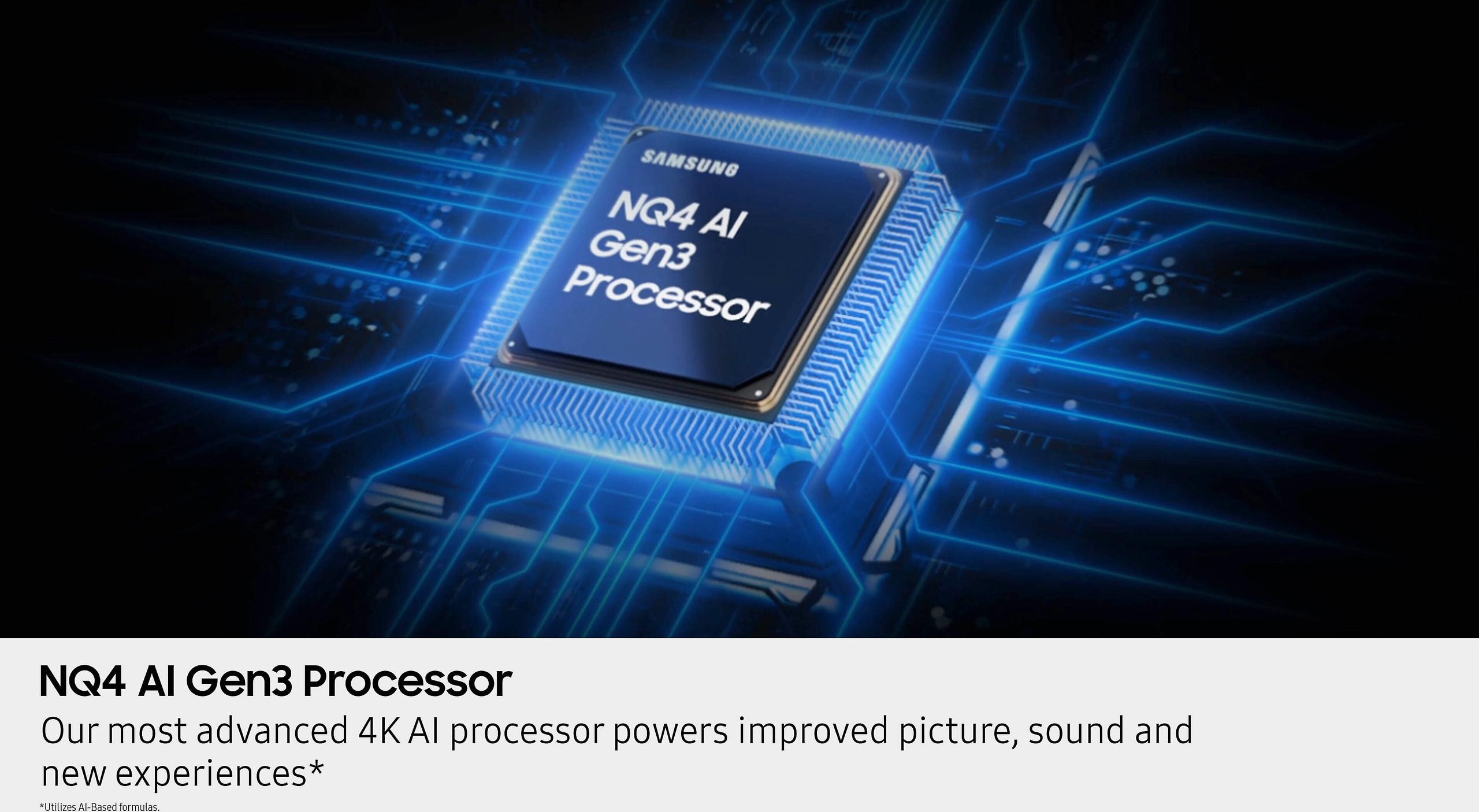
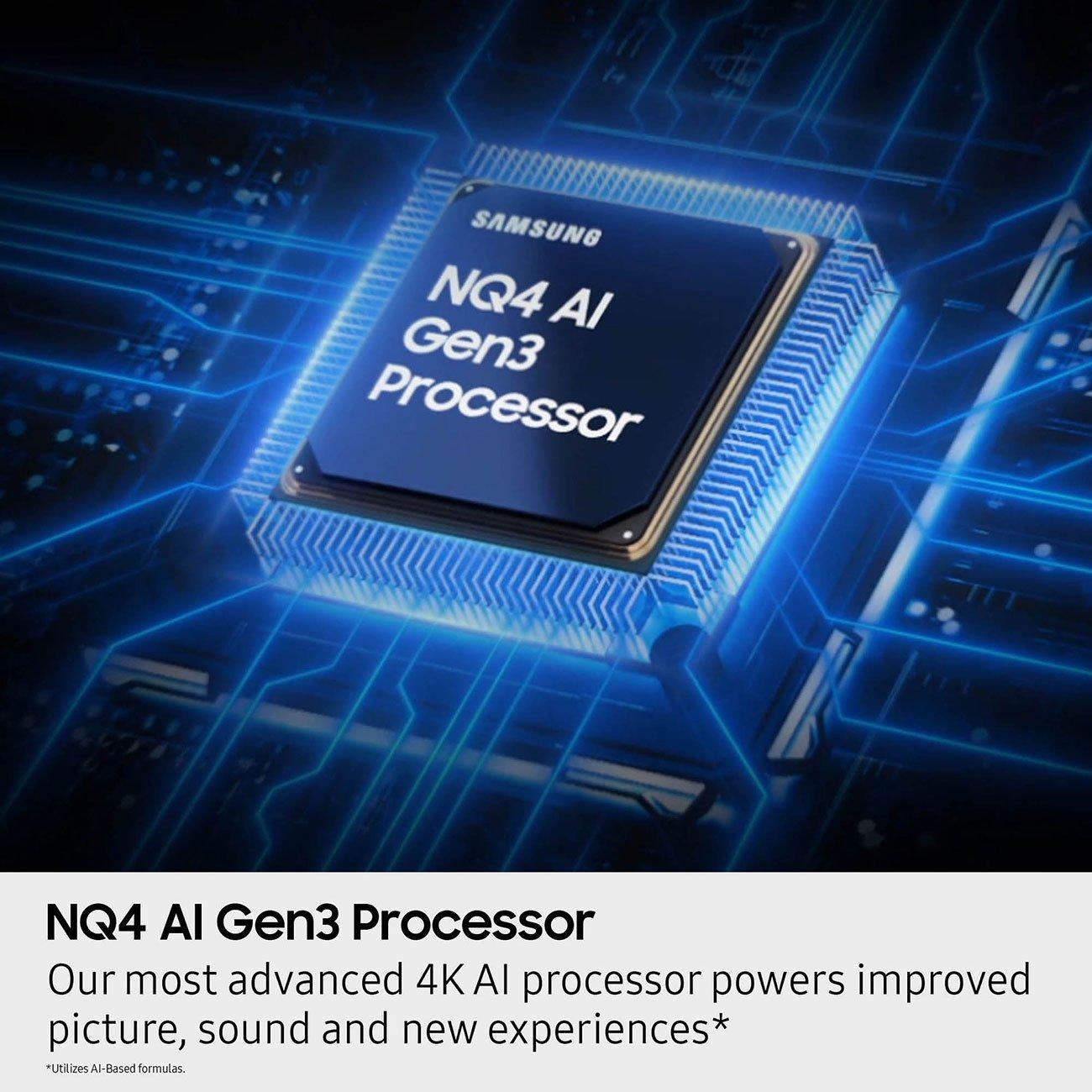
| NQ4 AI Gen2 Processor | NQ4 AI Gen3 Processor |
| Smart Platform - Same across both models | |
| Samsung Vision AI with Tizen OS | Samsung Vision AI with Tizen OS |
| Audio Output - Both benefit from external sound systems | |
| 20W, 2CH with Object Tracking Sound | Adaptive Sound Pro with room optimization |
| Burn-in Risk - Long-term reliability consideration | |
| No burn-in concerns (LCD technology) | Minimal risk with modern OLED protection |
| Best Use Cases - Where each model excels | |
| Bright rooms, budget-conscious buyers, burn-in concerns | Dark rooms, movie enthusiasts, serious gamers |
The Samsung S90F OLED delivers superior picture quality for movies due to its perfect black levels and infinite contrast ratio. Each pixel can turn completely off, creating true blacks that make colors appear more vibrant and realistic. The Samsung QN70F Neo QLED offers good picture quality but cannot achieve the same level of contrast due to its LCD backlight technology.
The QN70F Neo QLED uses Mini LED backlighting behind an LCD panel with local dimming zones, while the S90F OLED uses self-illuminating pixels that can turn completely on or off individually. This fundamental difference means OLED provides perfect blacks and better contrast, while Neo QLED typically offers higher peak brightness levels.
The Samsung S90F OLED is better for gaming with its native 144Hz refresh rate, instantaneous pixel response time, and minimal input lag. The Samsung QN70F Neo QLED offers solid gaming performance at 120Hz but has slower pixel response times that can cause motion blur during fast-paced games.
The QN70F Neo QLED performs better in bright rooms due to its higher peak brightness capabilities that help combat ambient light and reflections. The S90F OLED can struggle with visibility in very bright environments, making it better suited for controlled lighting conditions or dedicated home theater rooms.
Yes, both the Samsung QN70F and Samsung S90F run the same Vision AI platform on Samsung's Tizen operating system, offering identical smart features including AI upscaling, content recommendations, and real-time subtitle translation. The main difference is the S90F uses a slightly more advanced AI processor.
The Samsung S90F OLED offers significantly better viewing angles, maintaining consistent color and brightness even when viewed from the side. The QN70F Neo QLED shows noticeable color shifting and brightness reduction when viewed off-center, which is typical of LCD technology.
Only the Samsung S90F OLED has potential burn-in risk if static images are displayed for extended periods, though modern OLED panels have greatly reduced this concern. The QN70F Neo QLED uses LCD technology and has no burn-in risk whatsoever, making it worry-free for displaying static content.
The Samsung S90F OLED is ideal for home theater use due to its perfect blacks, superior contrast, and excellent performance in dark environments. The deeper blacks make movie scenes more immersive, while the wider viewing angles work better for theater seating arrangements compared to the QN70F Neo QLED.
The Samsung S90F OLED offers native 144Hz refresh rate with Motion Xcelerator technology, while the Samsung QN70F Neo QLED provides 120Hz with enhancement capabilities up to 144Hz. For gaming and sports content, the S90F delivers smoother motion performance.
Value depends on your priorities and budget. The Samsung S90F OLED offers superior performance across most metrics including picture quality and gaming, making it better value for those prioritizing premium features. The QN70F Neo QLED provides solid performance at a more accessible entry point into Samsung's premium TV lineup.
Both the Samsung QN70F and Samsung S90F support HDR10 and HDR10+ formats with 4K resolution, but the S90F OLED typically displays HDR content with more impact due to its superior contrast capabilities. Neither TV supports Dolby Vision, which remains a Samsung limitation.
Choose the Samsung S90F OLED if you can control lighting and want the best picture quality for movies and gaming. Select the QN70F Neo QLED if you have a bright room with lots of windows, are concerned about burn-in, or prefer a more budget-friendly option while still getting Samsung's premium smart features.
We've done our best to create useful and informative comparisons to help you decide what product to buy. Our research uses advanced automated methods to create this comparison and perfection is not possible - please contact us for corrections or questions. These are the sites we've researched in the creation of this article: rtings.com - youtube.com - wifihifi.com - samsung.com - samsung.com - samsung.com - samsung.com - flatpanelshd.com - news.samsung.com - bestbuy.com - youtube.com - t3.com - bestbuy.com - stereonet.com - samsung.com - bestbuy.com - flatpanelshd.com - myallsouth.com - pcrichard.com - samsung.com - bestbuy.com - samsung.com - samsung.com - samsung.com

Privacy Policy
Terms and Conditions - Affiliate Policy
Home Security
© Copyright 2008-2026.
11816 Inwood Rd #1211, Dallas, TX 75244