


![LG B5 Series OLED 65" 4K Smart TV 2025[1][7][9]](https://images.hometheaterreview.com/htr-stateless/2025/07/31238cd0-lg-b5-series-oled-65-4k-smart-tv-2025179.jpg)
![LG B5 Series OLED 65" 4K Smart TV 2025[1][7][9]](https://images.hometheaterreview.com/htr-stateless/2025/07/3368ce40-25ef-4d07-b442-bb0af89e3a29.jpg)
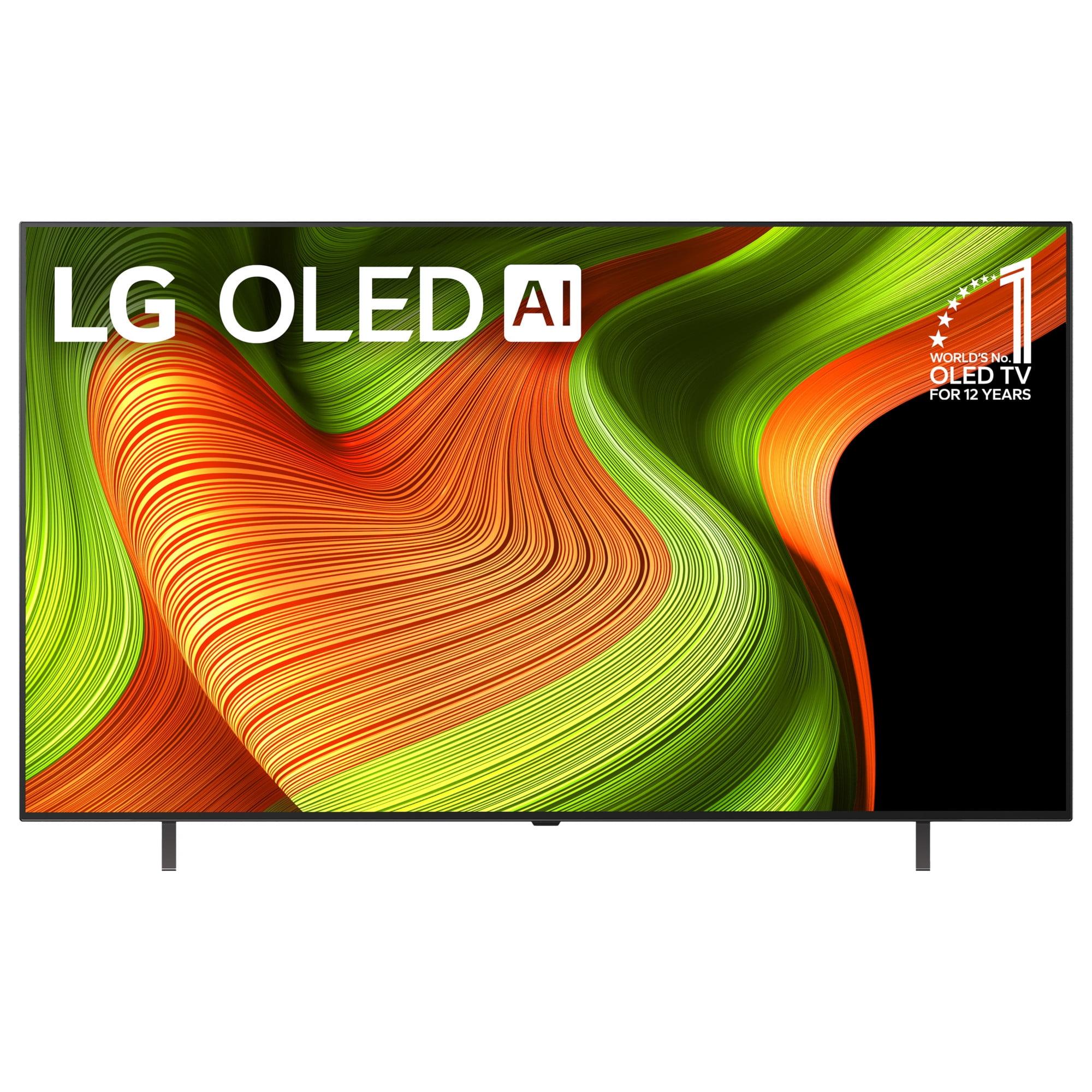
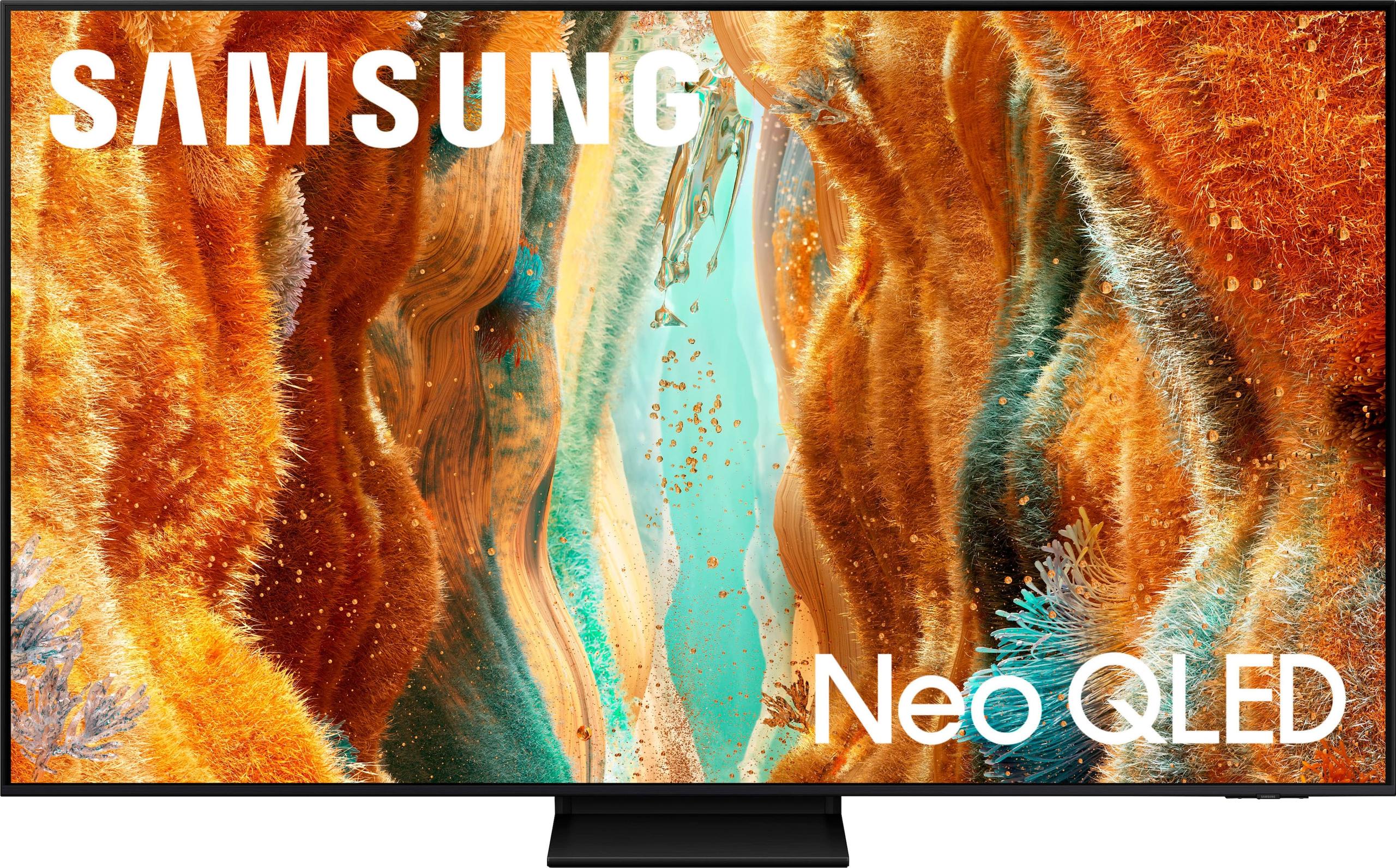
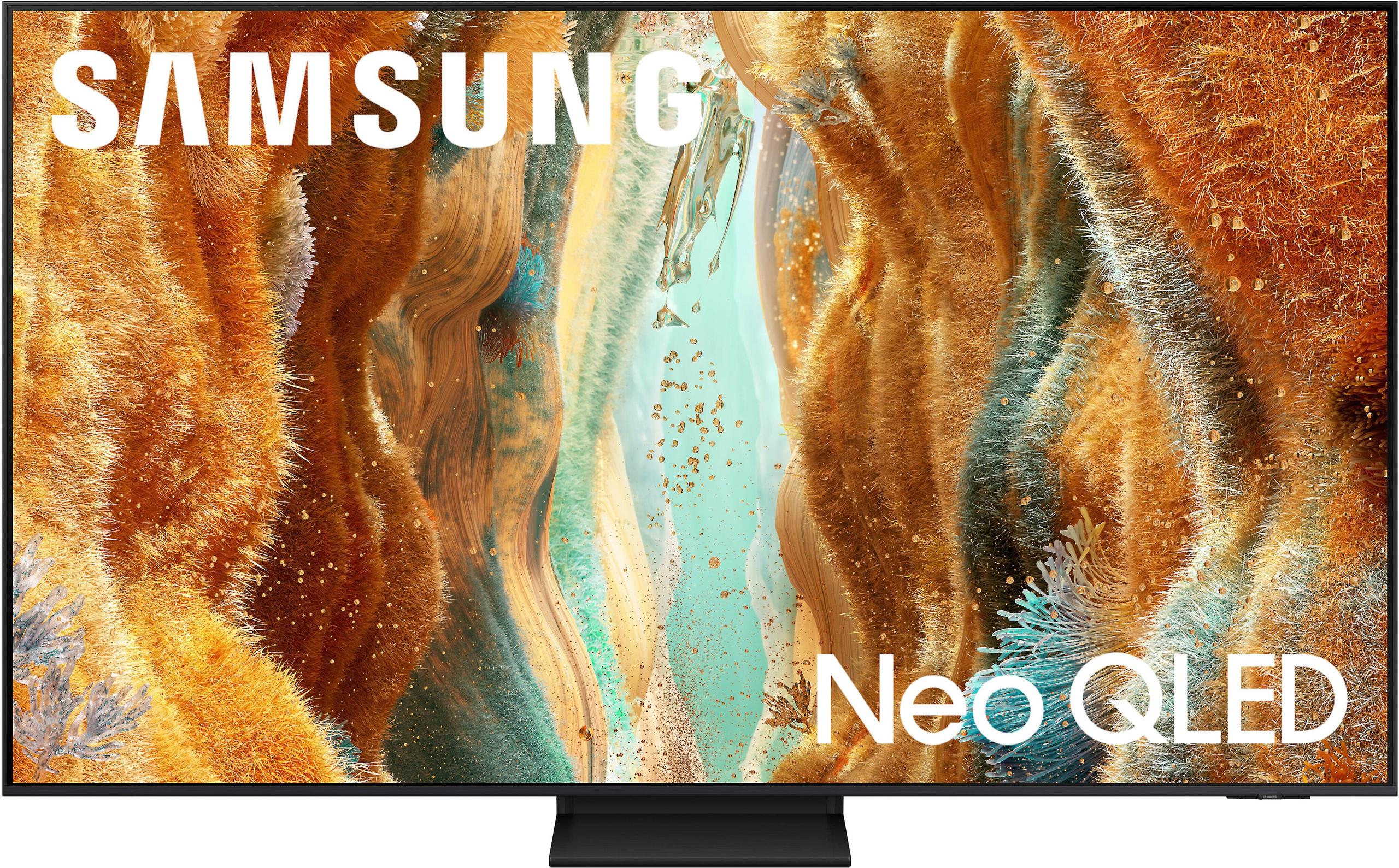
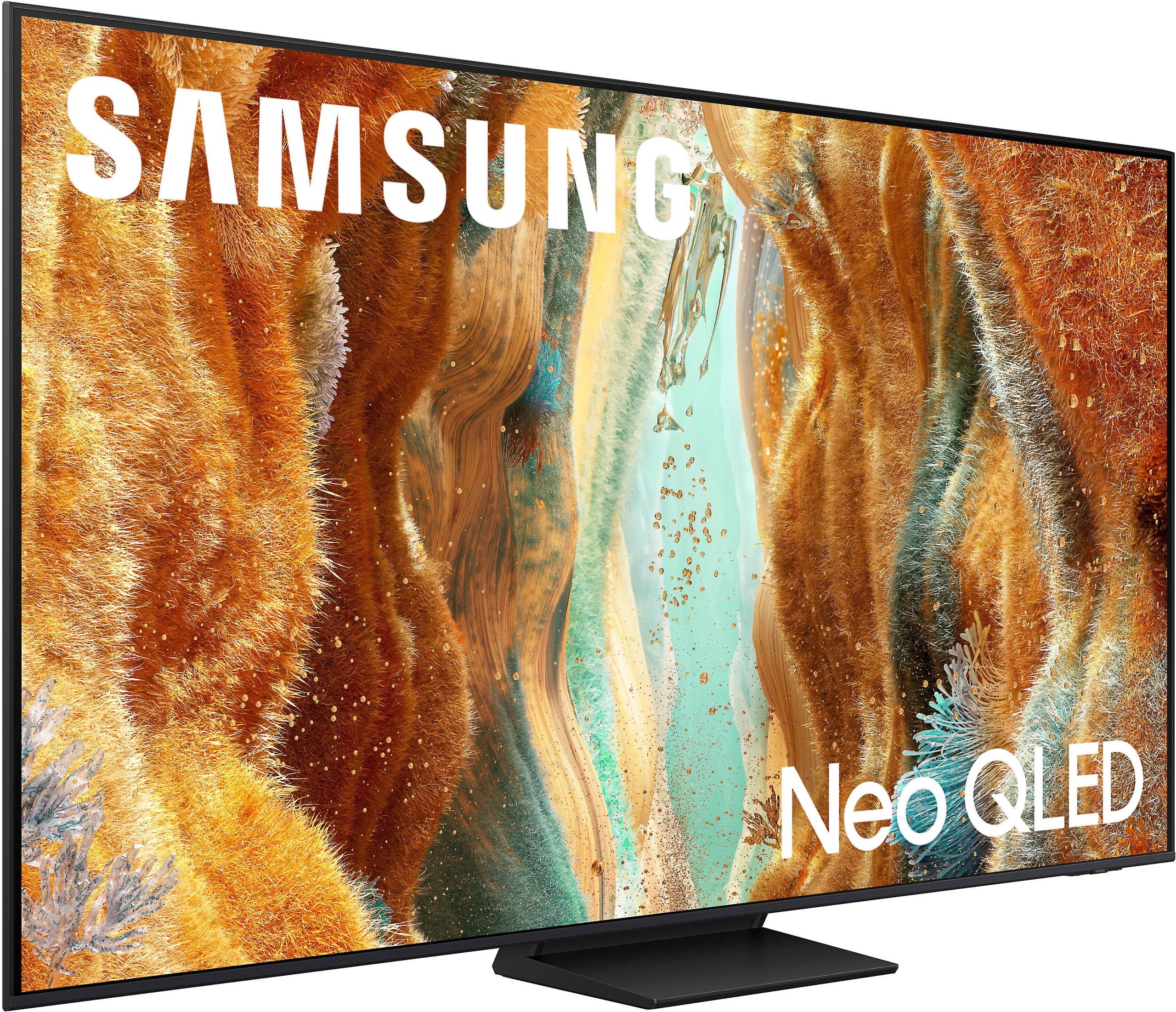
Shopping for a premium 65-inch TV can feel overwhelming, especially when you're comparing two fundamentally different technologies that both promise amazing picture quality. The Samsung 65" QN70F Neo QLED and LG B5 Series OLED represent the best of both worlds in 2025's TV market—but they achieve excellence through completely different approaches.
At the time of writing, both TVs are priced competitively in the premium segment, making your choice less about budget and more about which technology better fits your viewing environment and preferences. Let me walk you through everything you need to know to make the right decision for your home.
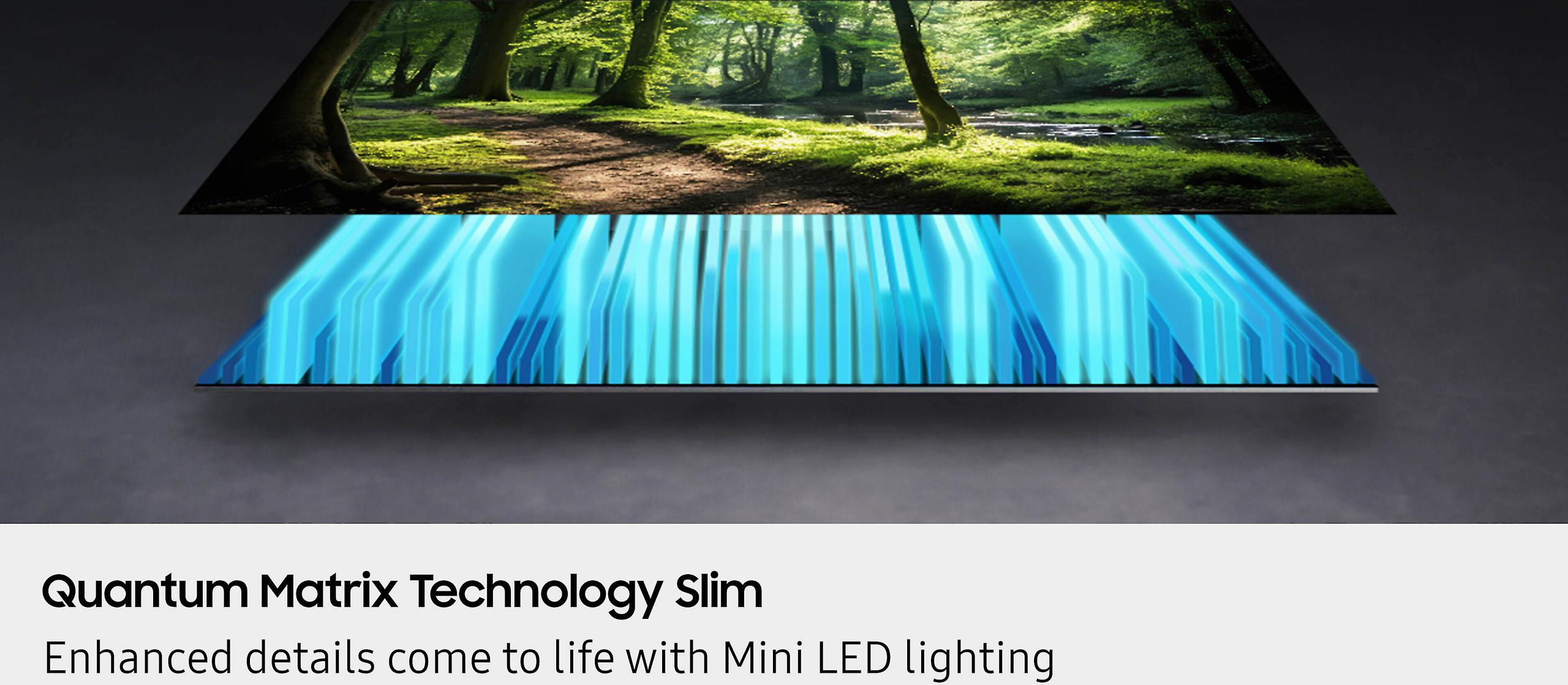
Before diving into specific models, it's crucial to understand what makes these technologies tick. The Samsung QN70F uses Neo QLED technology, which is Samsung's marketing term for their quantum dot displays with mini LED backlighting. Think of it as thousands of tiny LED lights behind the screen that can dim independently to create contrast—it's like having precise control over a flashlight shining through a stained glass window.
The LG B5 OLED, on the other hand, uses OLED (Organic Light-Emitting Diode) technology where each individual pixel creates its own light. Imagine each pixel as a tiny lightbulb that can turn completely on, completely off, or anywhere in between. This fundamental difference creates dramatically different viewing experiences.
Both technologies emerged from manufacturers trying to solve the same problem: how do you get deep blacks and bright whites in the same image? Samsung's approach uses sophisticated backlighting, while LG's approach eliminates the backlight entirely.
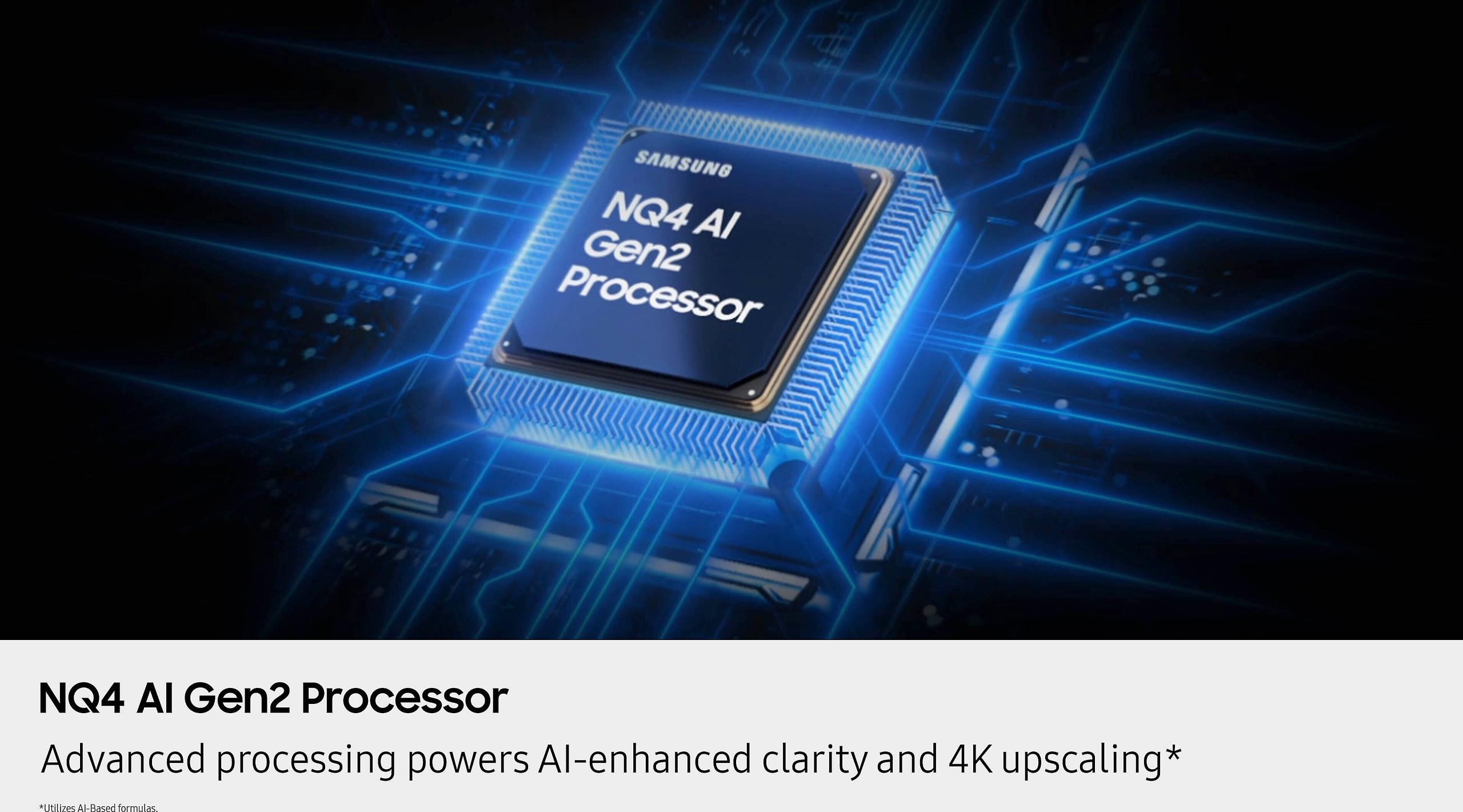
Released in 2025, the Samsung QN70F represents Samsung's entry point into their Neo QLED lineup, but don't let "entry-level" fool you. This TV packs Samsung's new NQ4 AI Gen2 processor, which is significantly more powerful than previous generations and enables some genuinely useful AI features.
The QN70F uses Quantum Matrix Technology Slim with mini LEDs positioned along the bottom edge of the display. While this isn't full-array local dimming (where LEDs are spread across the entire back of the screen), Samsung has made significant improvements in 2025. The mini LEDs are much smaller than traditional LEDs, allowing for more precise lighting control and better contrast than previous edge-lit designs.
The Quantum Dot layer acts like a color filter that converts the blue LED backlight into incredibly pure and vibrant colors. When I first saw quantum dot technology in action several years ago, the color improvement was immediately noticeable—reds looked redder, greens more vivid, without that oversaturated "sports bar TV" look that some displays have.
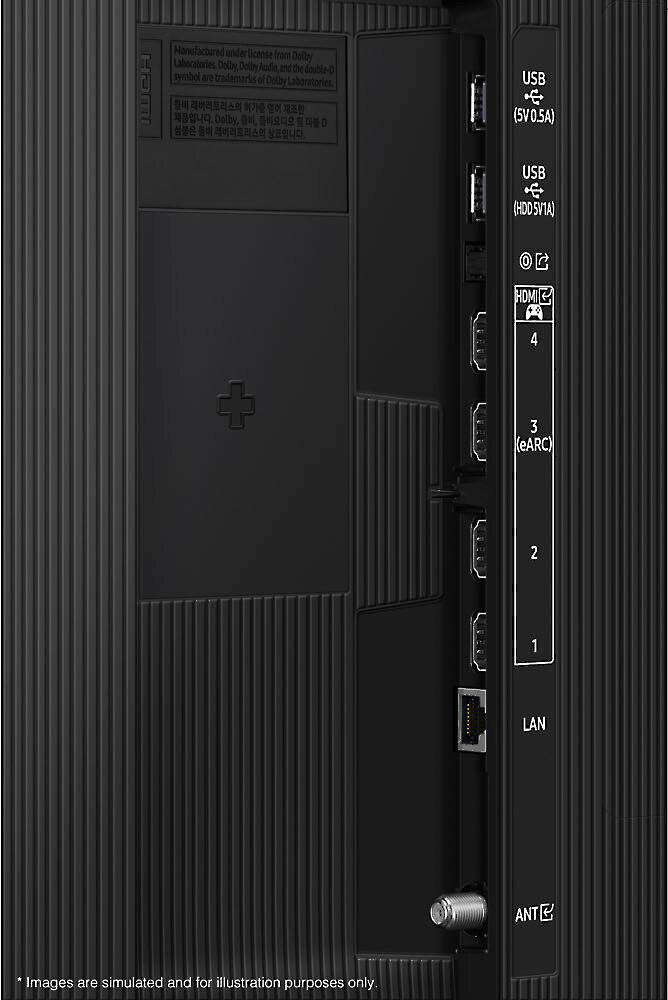
For gamers, the Samsung QN70F offers solid performance with support for up to 144Hz refresh rates through its Motion Xcelerator technology, though the native panel refresh rate is 100Hz. All four HDMI ports support HDMI 2.1, meaning you can connect multiple next-gen gaming consoles without compromising on features.
The TV supports AMD FreeSync technology, which synchronizes the display's refresh rate with your gaming device's frame rate to eliminate screen tearing—those horizontal lines that appear when the display and graphics card fall out of sync. It's particularly beneficial for PC gaming and newer consoles.
Samsung's Vision AI features are genuinely impressive in 2025. The "click-to-search" functionality lets you pause any content and get information about actors, products, or locations on screen. The live translation feature provides real-time subtitles in your preferred language for foreign content—incredibly useful for international programming.
The Tizen operating system feels responsive and intuitive, with support for all major streaming platforms. Samsung's integration with their ecosystem of soundbars and other devices through Q-Symphony creates a more cohesive home entertainment setup.
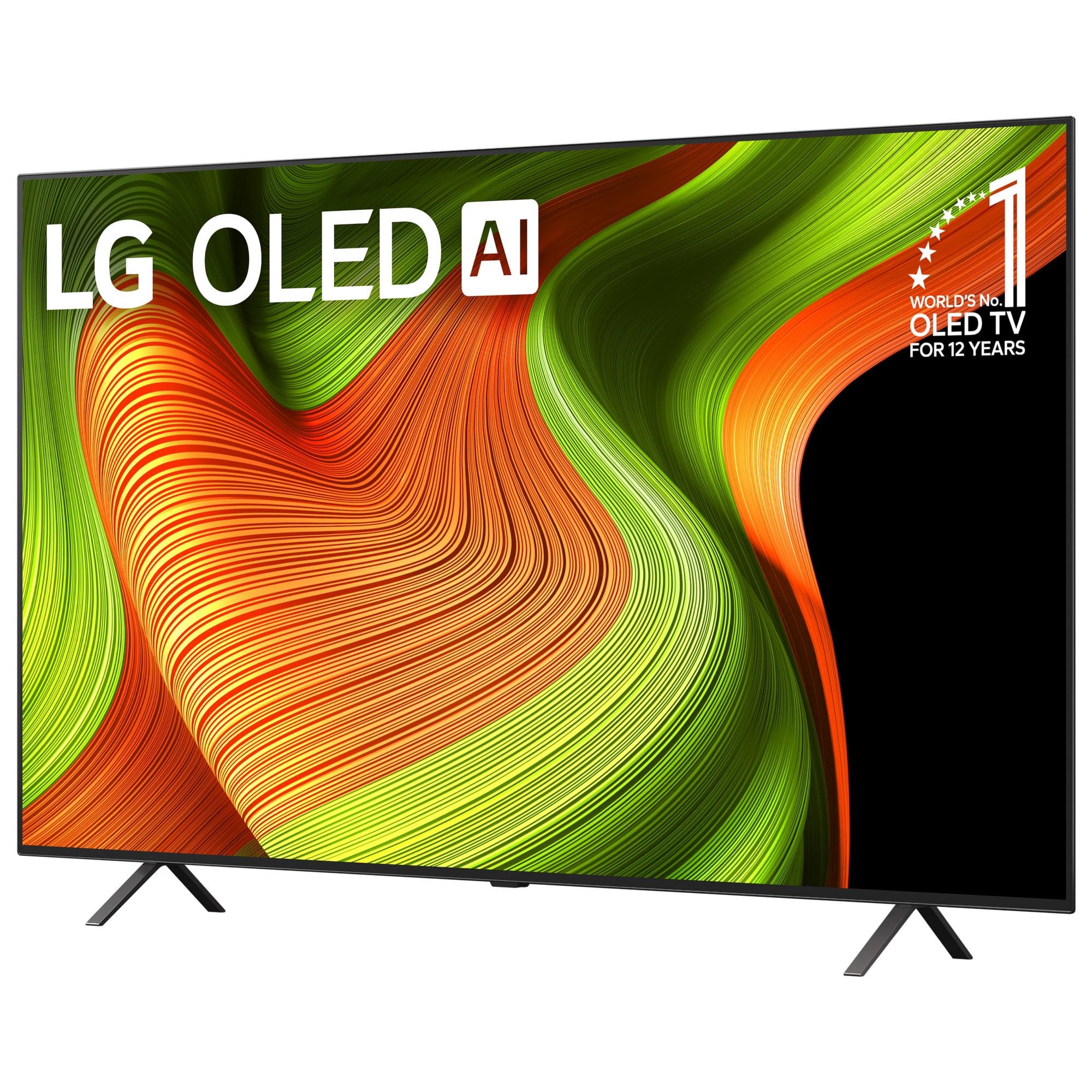
The LG B5 OLED launched in 2025 as LG's most accessible OLED option, but it still delivers the fundamental OLED advantages that make this technology so compelling. LG has been refining OLED technology for over a decade, and the improvements in 2025 are subtle but meaningful.
The magic of OLED lies in pixel-level control. Each of the 8.3 million pixels in this 4K display can turn completely off, creating true blacks that no backlit display can match. When you're watching a scene with stars against a night sky, those black areas are actually black—not dark gray like you get with LED backlighting.
This creates an infinite contrast ratio, meaning the difference between the darkest and brightest parts of the image is theoretically unlimited. In practical terms, this translates to incredible depth and dimensionality in images, especially in dark room viewing.
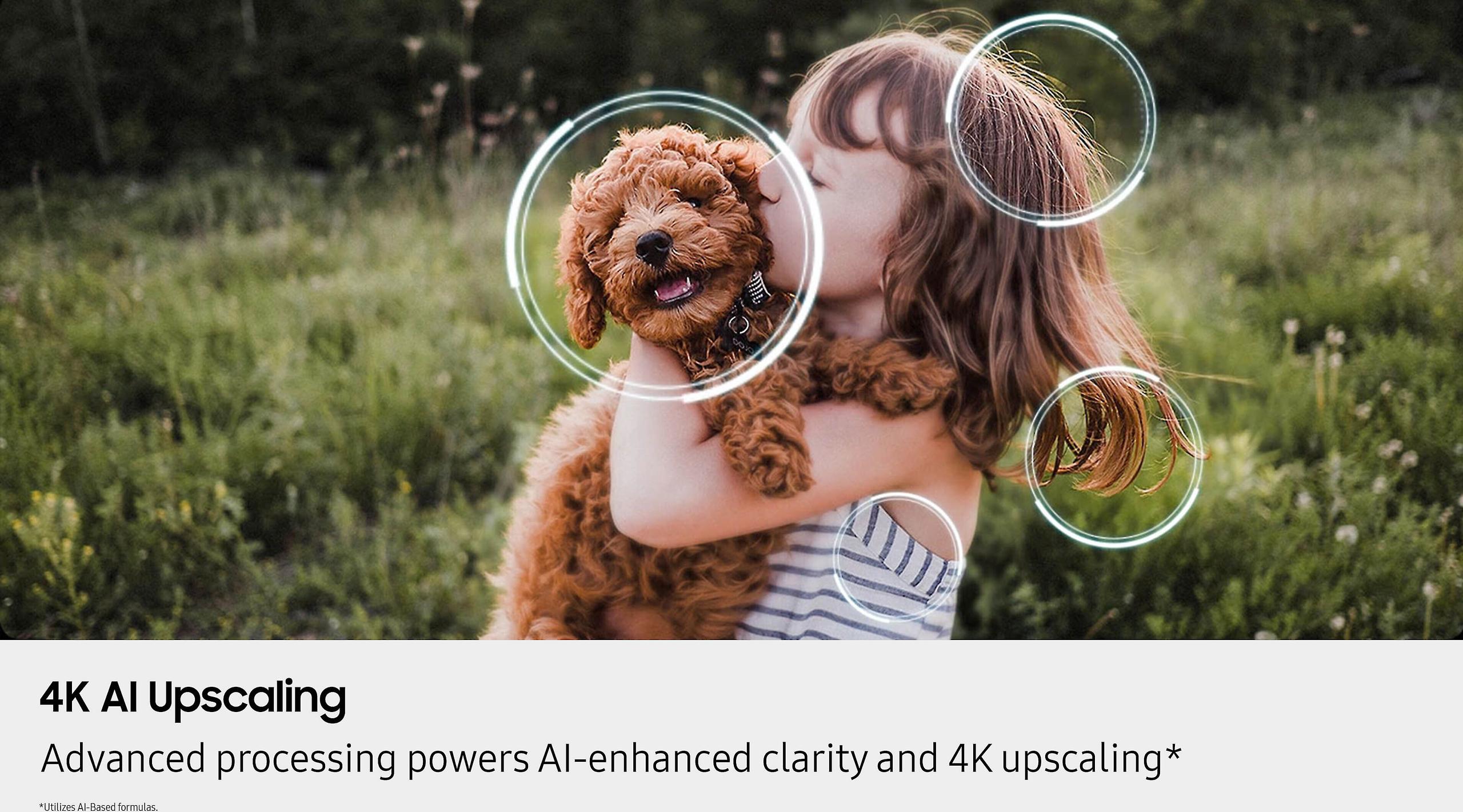
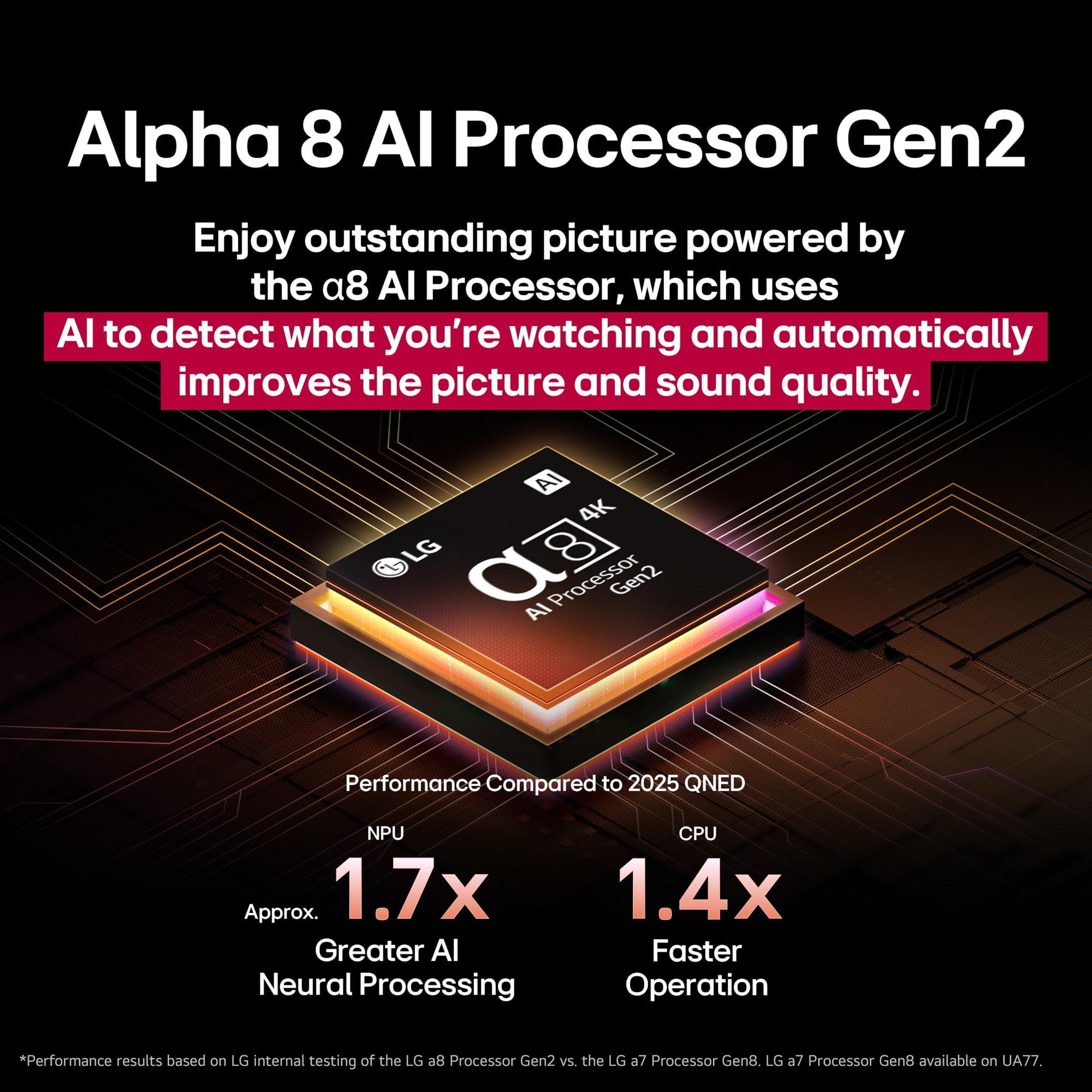
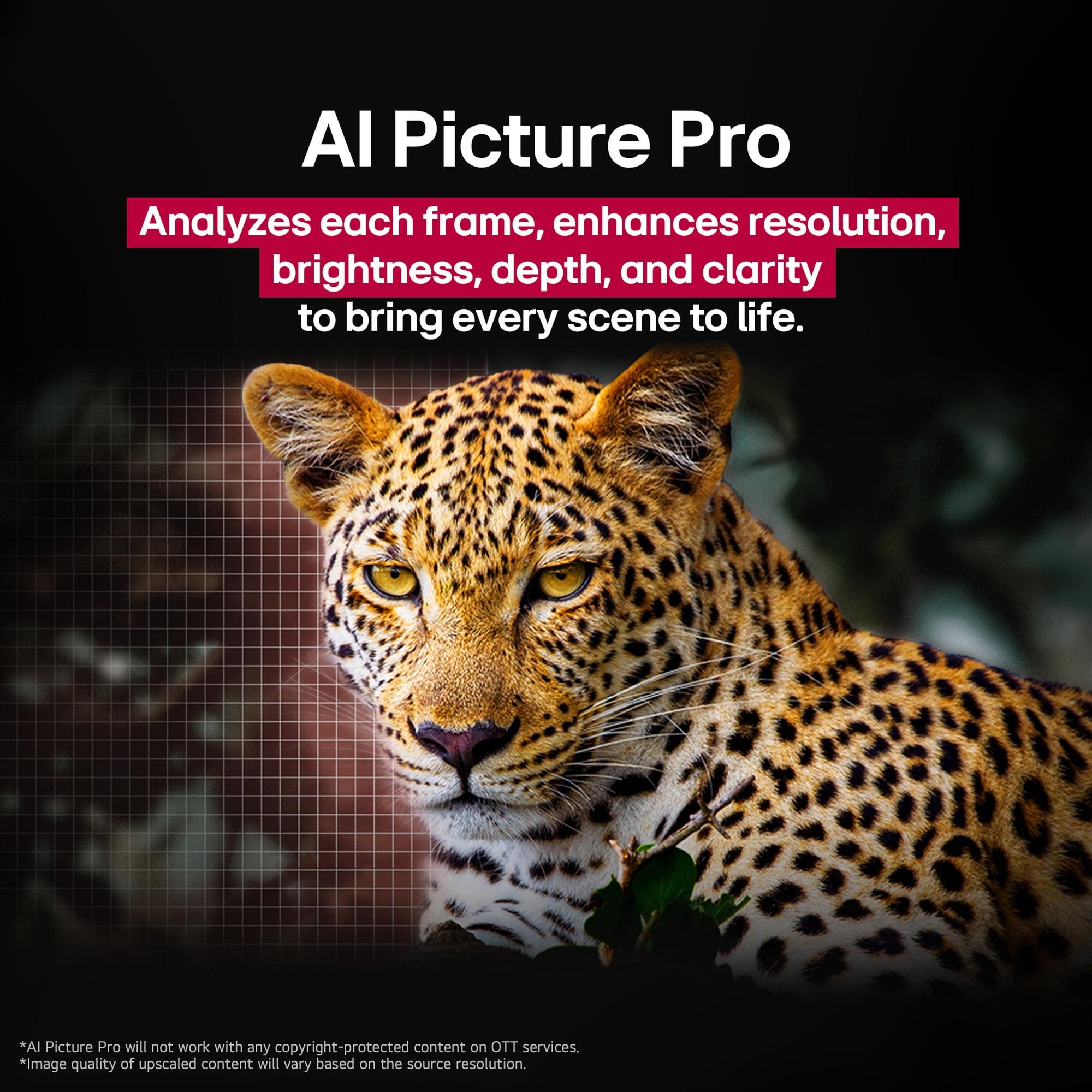
LG's α8 AI Processor Gen2 is 1.4 times faster than the previous generation and brings significant improvements to content analysis and optimization. The processor automatically detects what type of content you're watching—sports, movies, animation—and adjusts the picture settings accordingly.
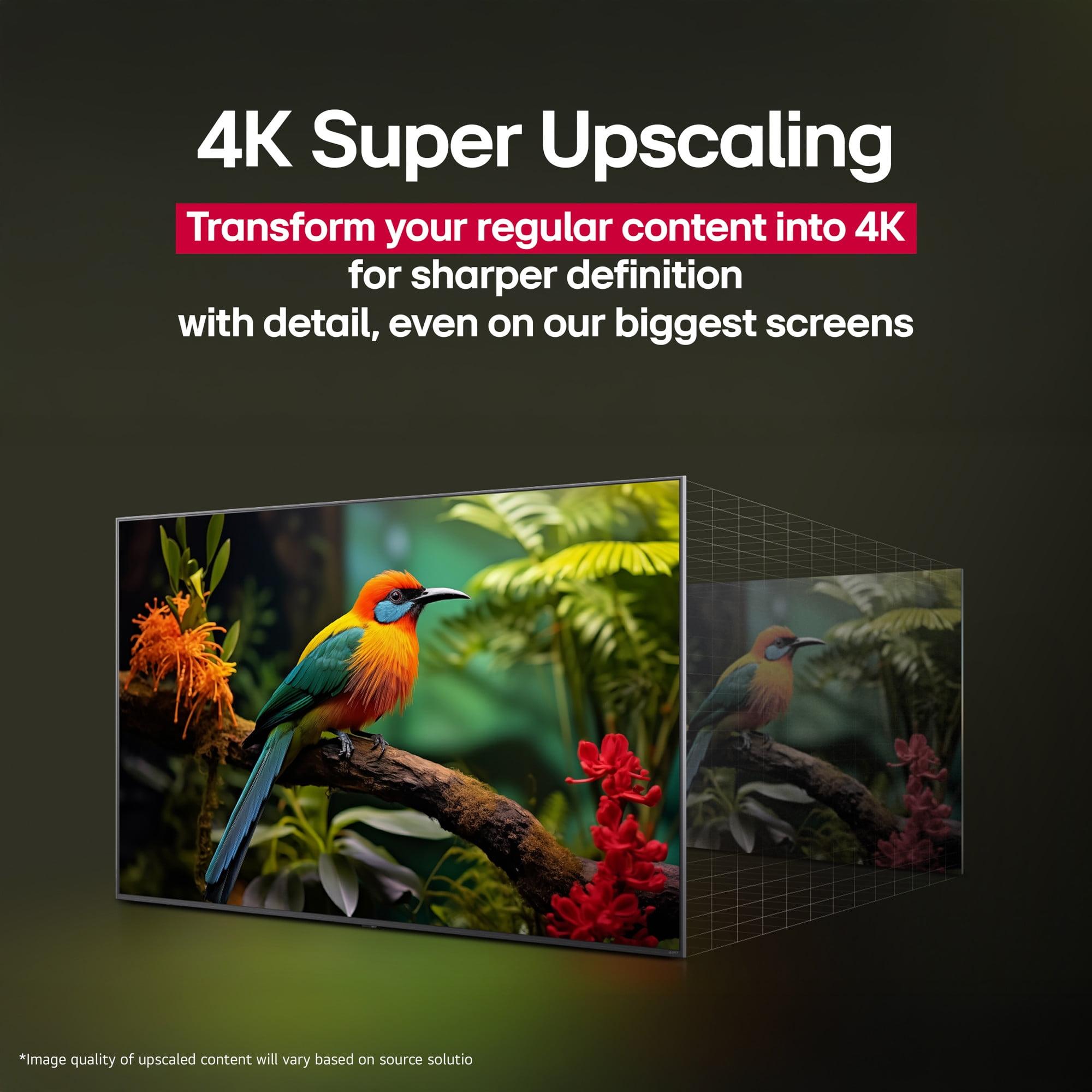
The AI upscaling is particularly impressive with older content. I've noticed dramatic improvements when watching older TV shows or lower-resolution streaming content, with the processor adding detail and sharpness that makes 1080p content look surprisingly close to native 4K.
The LG B5 OLED truly shines for gaming with a response time under 0.1 milliseconds—essentially instantaneous. For competitive gaming, this can mean the difference between landing a shot or missing it. The TV supports both NVIDIA G-Sync and AMD FreeSync Premium, making it compatible with a wider range of gaming hardware.
The Game Dashboard provides quick access to gaming-specific settings without leaving your game, and the Game Optimizer automatically configures display settings based on the type of game you're playing.
This is where the fundamental technology differences become most apparent. The Samsung QN70F can achieve significantly higher peak brightness levels thanks to its mini LED backlight. In practical terms, this means HDR content looks more impactful in bright rooms, and the TV remains visible and vibrant even with windows or lamps creating ambient light.
The LG B5 OLED has more limited peak brightness, which can make HDR content appear less dramatic in bright environments. However, the perfect black levels mean that the contrast between dark and bright elements is actually superior to the Samsung in controlled lighting conditions.
For HDR gaming, the Samsung supports HDR10+ Adaptive, which dynamically adjusts HDR settings based on your gaming environment. The LG supports Dolby Vision for gaming, which many consider superior for movie content but has less gaming-specific optimization.
Both TVs excel in color performance but in different ways. The Samsung QN70F with its quantum dot technology produces incredibly vibrant, saturated colors that pop off the screen. This makes it excellent for sports, animation, and content where you want colors to really grab your attention.
The LG B5 OLED tends toward more natural, film-accurate colors out of the box. Professional calibrators often prefer OLED displays because they more closely match the color standards used in movie production. If you're a film enthusiast who wants to see movies as the director intended, OLED typically gets you closer to that goal without professional calibration.
The LG B5 OLED has perfect viewing angles—the picture looks identical whether you're sitting directly in front or off to the side. This makes it ideal for wide seating arrangements or open-concept living spaces.
The Samsung QN70F includes Wide Viewing Angle technology that significantly improves off-axis viewing compared to traditional LCD displays, though it still can't match OLED's perfection. However, Samsung's approach to reflection handling is often superior, with better anti-glare coatings that can handle ambient light more gracefully.
Both platforms have matured significantly, but they offer different approaches to smart TV functionality. LG's webOS 25 on the B5 OLED introduces Quick Cards that let you organize apps into categories and provides instant access to over 300 free channels through LG Channels. The new AI button on the remote provides direct access to voice commands and AI features.
Samsung's Tizen platform on the QN70F integrates more deeply with Samsung's ecosystem and includes more advanced AI features like real-time translation and content identification. If you already use Samsung smartphones or other devices, the integration benefits are substantial.
Neither TV will blow you away with built-in audio, but both offer good integration with external sound systems. The Samsung QN70F includes Object Tracking Sound Lite and Q-Symphony support, which means compatible Samsung soundbars can work in harmony with the TV's built-in speakers for a more immersive experience.
The LG B5 OLED supports Dolby Atmos decoding and works well with LG's soundbar lineup, though the integration isn't quite as seamless as Samsung's approach.
For home theater enthusiasts, I'd recommend planning for a separate sound system regardless of which TV you choose. Both displays deserve audio that matches their video capabilities.
If you're building a dedicated home theater, the choice becomes more clear-cut. The LG B5 OLED is the better choice for controlled lighting environments. The perfect blacks create a more cinematic experience, especially for movie content with dark scenes. The superior viewing angles also work better for theater-style seating arrangements.
However, if your "home theater" is really a multi-purpose family room with windows and ambient lighting, the Samsung QN70F might serve you better. Its higher brightness capability means you won't need to make your room as dark to get good picture quality.
The decision between these TVs ultimately comes down to your viewing environment and priorities. Here's my recommendation framework:
Choose the Samsung QN70F Neo QLED if:
Choose the LG B5 OLED if:
At the time of writing, both TVs offer compelling value propositions in the premium TV segment. The Samsung QN70F provides more versatility across different viewing conditions, while the LG B5 OLED offers superior picture quality in optimal conditions.
For most buyers, I lean slightly toward the Samsung QN70F because of its versatility. Unless you can guarantee a controlled lighting environment, the Samsung's higher brightness and better reflection handling make it more practical for everyday use. The slim design is also a significant advantage for wall mounting.
However, if you're a movie enthusiast or serious gamer who can optimize your viewing environment, the LG B5 OLED delivers a picture quality experience that's hard to match. The perfect blacks and infinite contrast create a more immersive viewing experience that, once you've experienced it, makes other displays look washed out in comparison.
Both TVs represent significant technological achievements and will provide years of excellent viewing. The "wrong" choice doesn't exist here—only the choice that's less optimal for your specific situation. Consider your room, your viewing habits, and your priorities, and either TV will serve you well in 2025 and beyond.
| Samsung 65" QN70F Neo QLED 4K Vision AI Smart TV 2025 | LG B5 Series OLED 65" 4K Smart TV 2025 |
|---|---|
| Display Technology - Fundamental difference that affects all picture quality aspects | |
| Neo QLED with Quantum Mini LED backlighting | Self-lit OLED pixels (no backlight needed) |
| Peak Brightness - Critical for HDR impact and bright room viewing | |
| Higher brightness from Mini LED backlight (excellent for bright rooms) | Limited peak brightness but superior contrast in dark rooms |
| Black Levels - Most noticeable difference in dark scene performance | |
| Good blacks with local dimming zones, potential for blooming | Perfect blacks with infinite contrast ratio |
| Processor - Drives AI features and picture optimization | |
| NQ4 AI Gen2 with Vision AI features | α8 AI Gen2 (1.4x faster than previous generation) |
| Gaming Refresh Rate - Important for smooth gaming performance | |
| 100Hz native (up to 144Hz with Motion Xcelerator) | 120Hz native with comprehensive VRR support |
| Gaming Response Time - Critical for competitive gaming | |
| Standard LCD response time | <0.1ms (essentially instantaneous) |
| HDR Format Support - Affects compatibility with content and gaming | |
| HDR10+ Adaptive (including gaming optimization) | Dolby Vision, HDR10, HLG (no HDR10+ support) |
| HDMI 2.1 Ports - Essential for next-gen gaming consoles | |
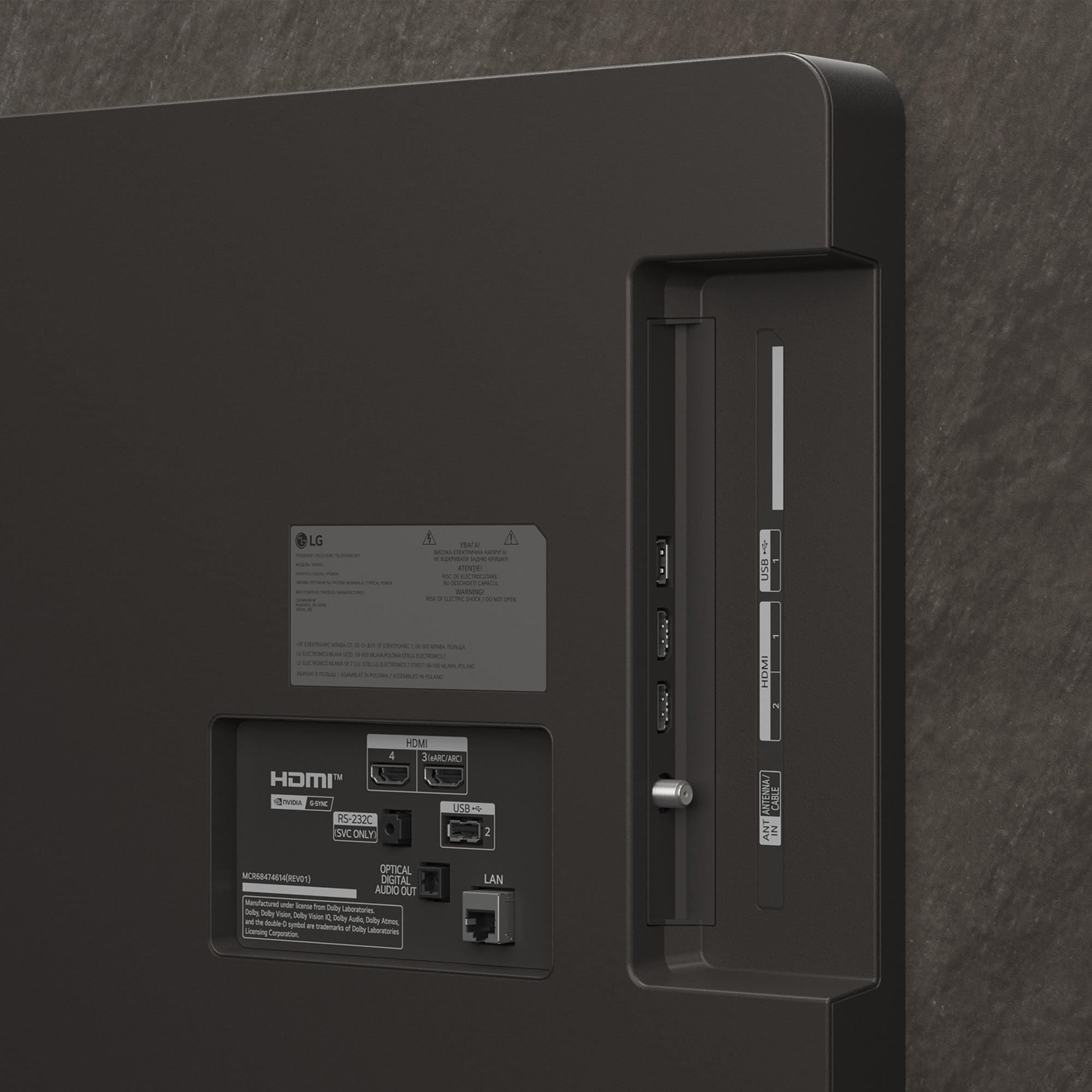
| 4 ports supporting 4K@144Hz | 4 ports supporting 4K@120Hz |
| Smart TV Platform - Daily interface and app experience | |
| Tizen with Vision AI (click-to-search, live translation) | webOS 25 with Quick Cards and 300+ free channels |
| Design Profile - Important for wall mounting aesthetics | |
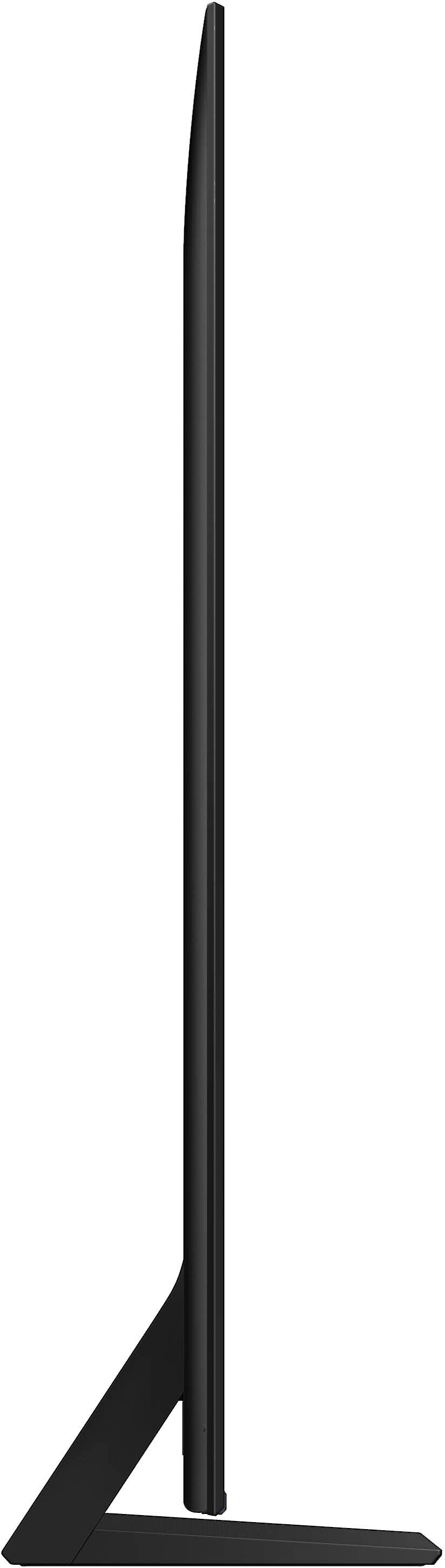
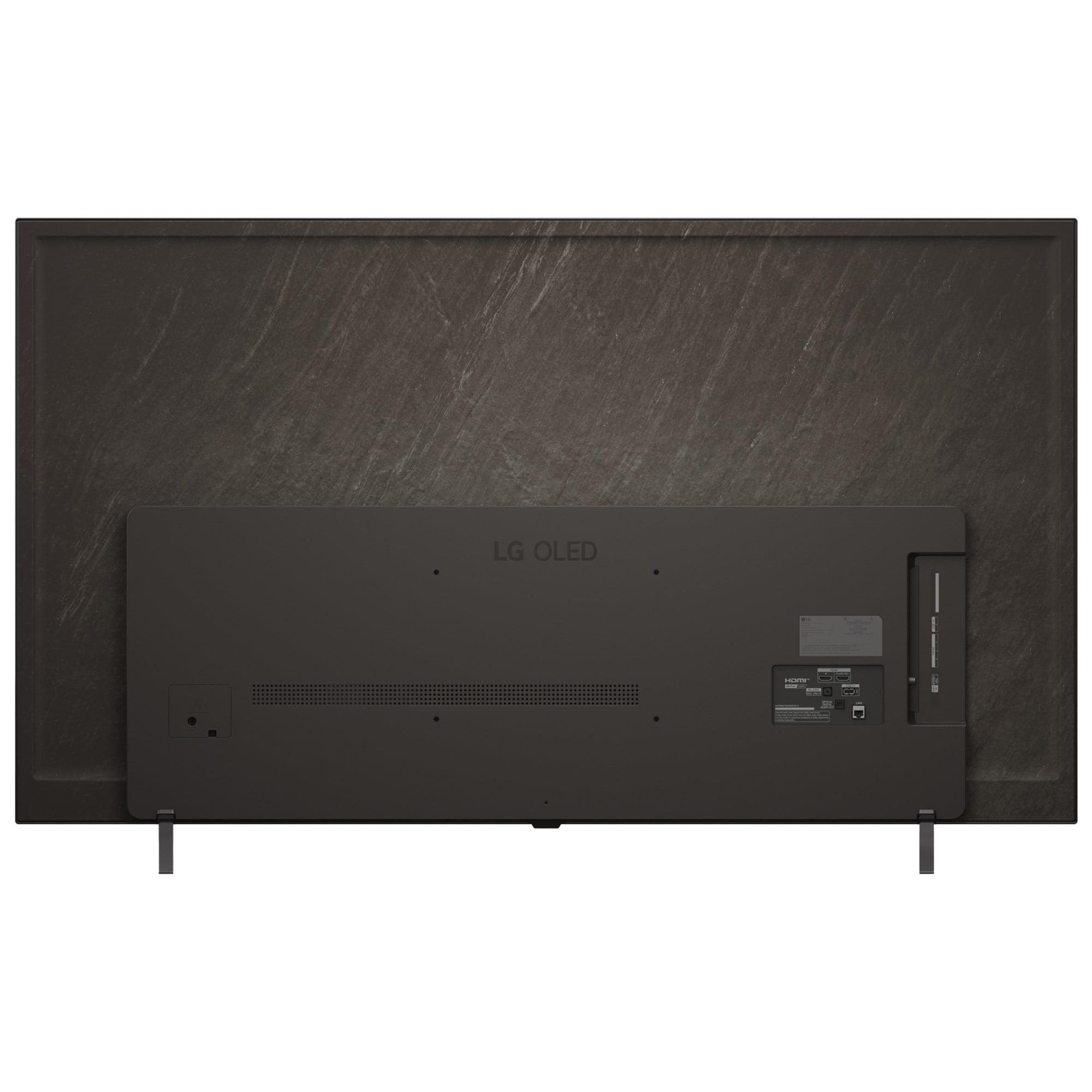
| Ultra-slim 1-inch AirSlim design | Standard OLED thickness |
| Viewing Angles - Crucial for wide seating arrangements | |
| Wide Viewing Angle technology (good but not perfect) | Perfect viewing angles from any position |
| Room Versatility - How well it performs in different lighting conditions | |
| Excellent in bright rooms, good in dark rooms | Outstanding in dark rooms, limited in bright rooms |
| Gaming Ecosystem Support - Compatibility with gaming features | |
| AMD FreeSync, HDR10+ Adaptive Gaming | NVIDIA G-Sync, AMD FreeSync Premium, Game Dashboard |
The LG B5 Series OLED delivers superior movie picture quality thanks to its perfect black levels and infinite contrast ratio. Each pixel can turn completely off, creating true blacks that make dark movie scenes look incredibly realistic. The Samsung QN70F Neo QLED offers excellent picture quality with vibrant colors from quantum dot technology, but cannot achieve the same deep blacks due to its LED backlighting system.
The Samsung QN70F Neo QLED uses mini LED backlighting with quantum dots to create bright, colorful images, while the LG B5 Series OLED uses self-lit organic pixels that can turn completely on or off individually. Neo QLED excels in bright rooms with higher peak brightness, while OLED provides perfect contrast and viewing angles but with lower overall brightness capabilities.
The LG B5 Series OLED is superior for competitive gaming with its <0.1ms response time, 120Hz native refresh rate, and support for both NVIDIA G-Sync and AMD FreeSync Premium. The Samsung QN70F Neo QLED offers solid gaming performance with 100Hz native refresh rate (up to 144Hz) and AMD FreeSync support, making it excellent for casual gaming but not quite as responsive as the OLED.
The Samsung QN70F Neo QLED performs significantly better in bright rooms due to its mini LED backlighting that can achieve higher peak brightness levels. This makes HDR content more impactful and keeps the picture visible even with windows or ambient lighting. The LG B5 Series OLED has limited brightness and may appear washed out in very bright environments.
The Samsung QN70F Neo QLED runs Tizen with Vision AI features including click-to-search, live translation, and content recommendations. The LG B5 Series OLED uses webOS 25 with Quick Cards for app organization, access to 300+ free channels, and an AI button on the remote for enhanced voice control. Both platforms support all major streaming services.
The LG B5 Series OLED has perfect viewing angles with no color shift or brightness loss when viewed from the side, making it ideal for wide seating arrangements. The Samsung QN70F Neo QLED includes Wide Viewing Angle technology that significantly improves off-axis viewing compared to traditional LCD displays, but still cannot match OLED's perfection.
For dedicated home theater rooms with controlled lighting, the LG B5 Series OLED is the better choice due to its perfect blacks and cinematic picture quality. However, if your home theater is a multi-purpose room with ambient light, the Samsung QN70F Neo QLED may be more practical due to its superior brightness performance and slim wall-mount design.
The LG B5 Series OLED supports Dolby Vision, HDR10, and HLG formats, providing excellent compatibility with streaming content and movies. The Samsung QN70F Neo QLED supports HDR10+ Adaptive (including gaming optimization) but does not support Dolby Vision, which is commonly used by Netflix and other streaming services.
The LG B5 Series OLED offers 120Hz native refresh rate with comprehensive VRR support, while the Samsung QN70F Neo QLED provides 100Hz native with Motion Xcelerator technology supporting up to 144Hz. Both TVs include four HDMI 2.1 ports, but the LG B5 is better optimized for console gaming at 120Hz.
The Samsung QN70F Neo QLED is generally better for sports due to its higher brightness levels that work well in bright living rooms where sports are typically watched. The quantum dot technology also produces vibrant colors that make sports content pop. The LG B5 Series OLED offers smooth motion handling but may not be bright enough for optimal daytime sports viewing.
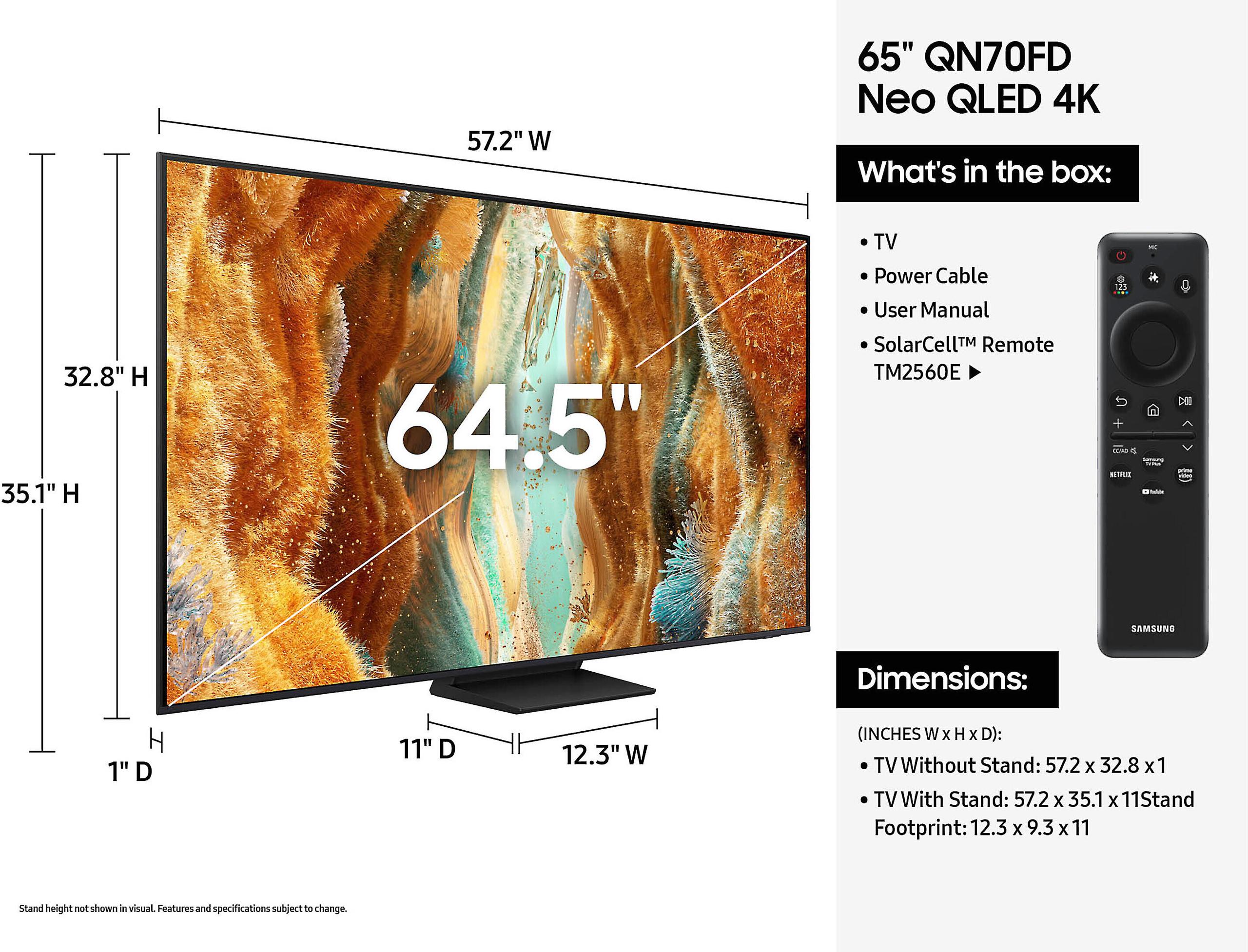
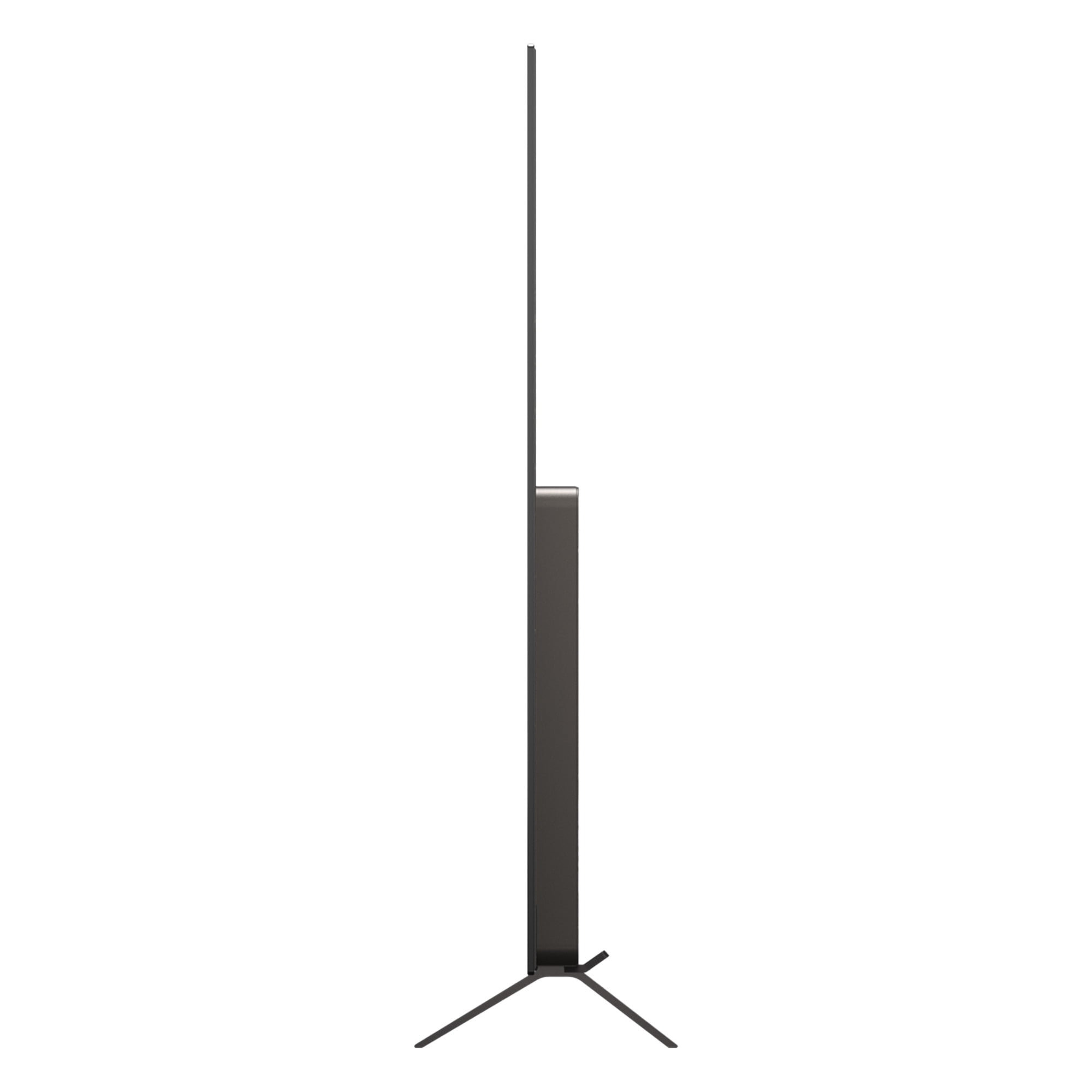
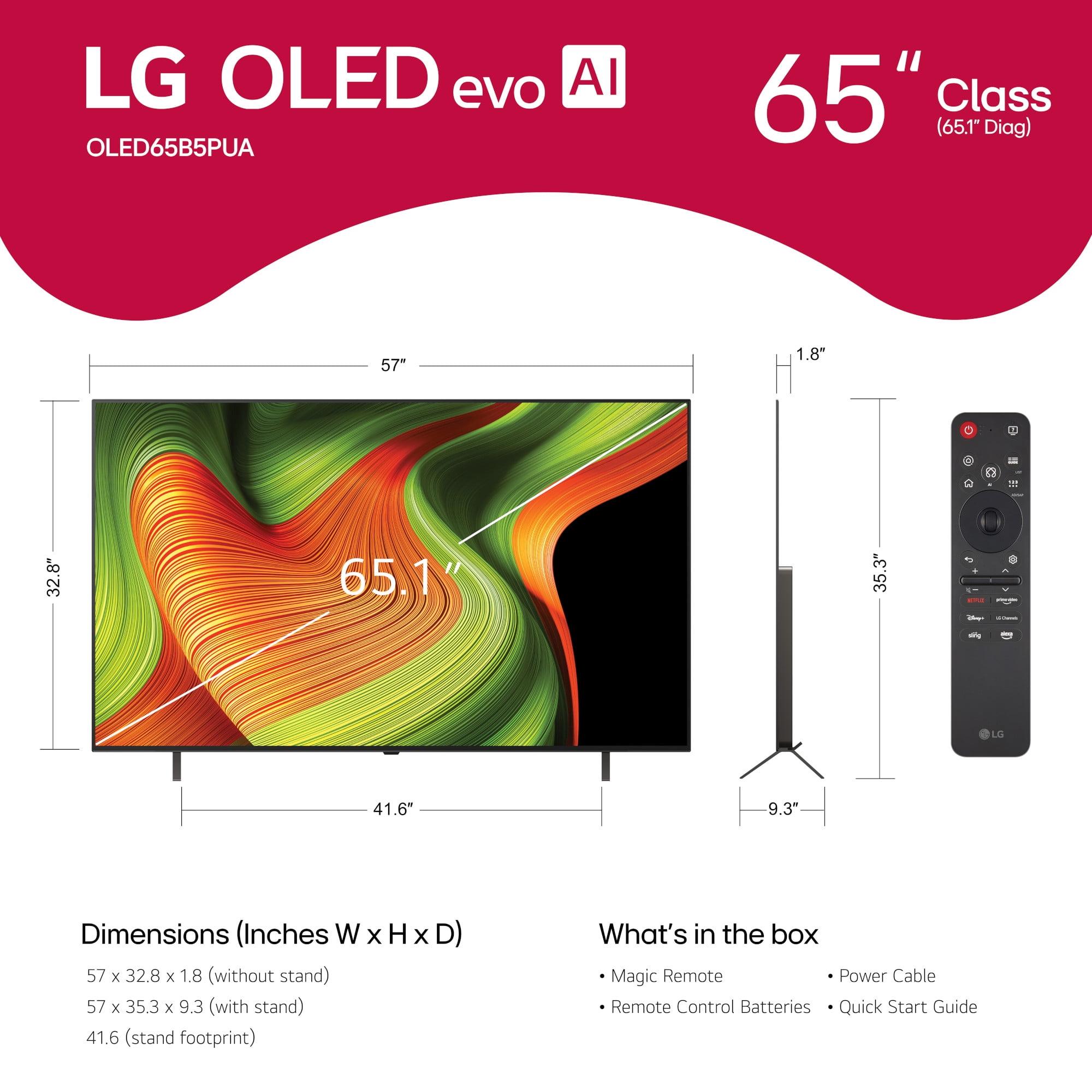
The Samsung QN70F Neo QLED features an ultra-slim 1-inch AirSlim design that's ideal for wall mounting and modern aesthetics. The LG B5 Series OLED has a standard OLED thickness with premium build quality and minimal bezels. Both TVs offer elegant designs, but the Samsung has a significant advantage for ultra-thin wall installations.
The Samsung QN70F Neo QLED typically offers better value for most buyers due to its versatility across different lighting conditions and room types. The LG B5 Series OLED provides superior picture quality in optimal conditions but requires a controlled viewing environment to fully realize its potential, making it better suited for dedicated movie enthusiasts and serious gamers.
We've done our best to create useful and informative comparisons to help you decide what product to buy. Our research uses advanced automated methods to create this comparison and perfection is not possible - please contact us for corrections or questions. These are the sites we've researched in the creation of this article: rtings.com - youtube.com - wifihifi.com - samsung.com - samsung.com - samsung.com - samsung.com - flatpanelshd.com - news.samsung.com - bestbuy.com - eftm.com - bestbuy.com - rtings.com - youtube.com - rtings.com - tomsguide.com - youtube.com - nationalproductreview.com.au - lg.com - manchesterbrothers.com - avsforum.com - lg.com - lg.com - lg.com - lg.com - retailspecs.com - american-homeappliance.com - perpichtv.com

Privacy Policy
Terms and Conditions - Affiliate Policy
Home Security
© Copyright 2008-2026.
11816 Inwood Rd #1211, Dallas, TX 75244