



When I first started writing about TVs a decade ago, the choice was simpler: bigger was better, and LCD was basically your only option. Today's premium TV market tells a completely different story. We're looking at two fundamentally different technologies that each excel in their own ways, and honestly, both will blow your mind compared to what we had just a few years ago.
The Samsung QN70F Neo QLED and LG G4 OLED represent the current state of premium TV technology in 2024-2025, but they take radically different approaches to delivering that stunning picture quality we all want. At the time of writing, there's a significant price gap between these models—the Samsung QN70F positions itself as an entry-level premium option, while the LG G4 commands flagship pricing that reflects its cutting-edge OLED technology.
Before diving into specifics, let's talk about what makes these TVs tick. The fundamental difference comes down to how they create light and color.
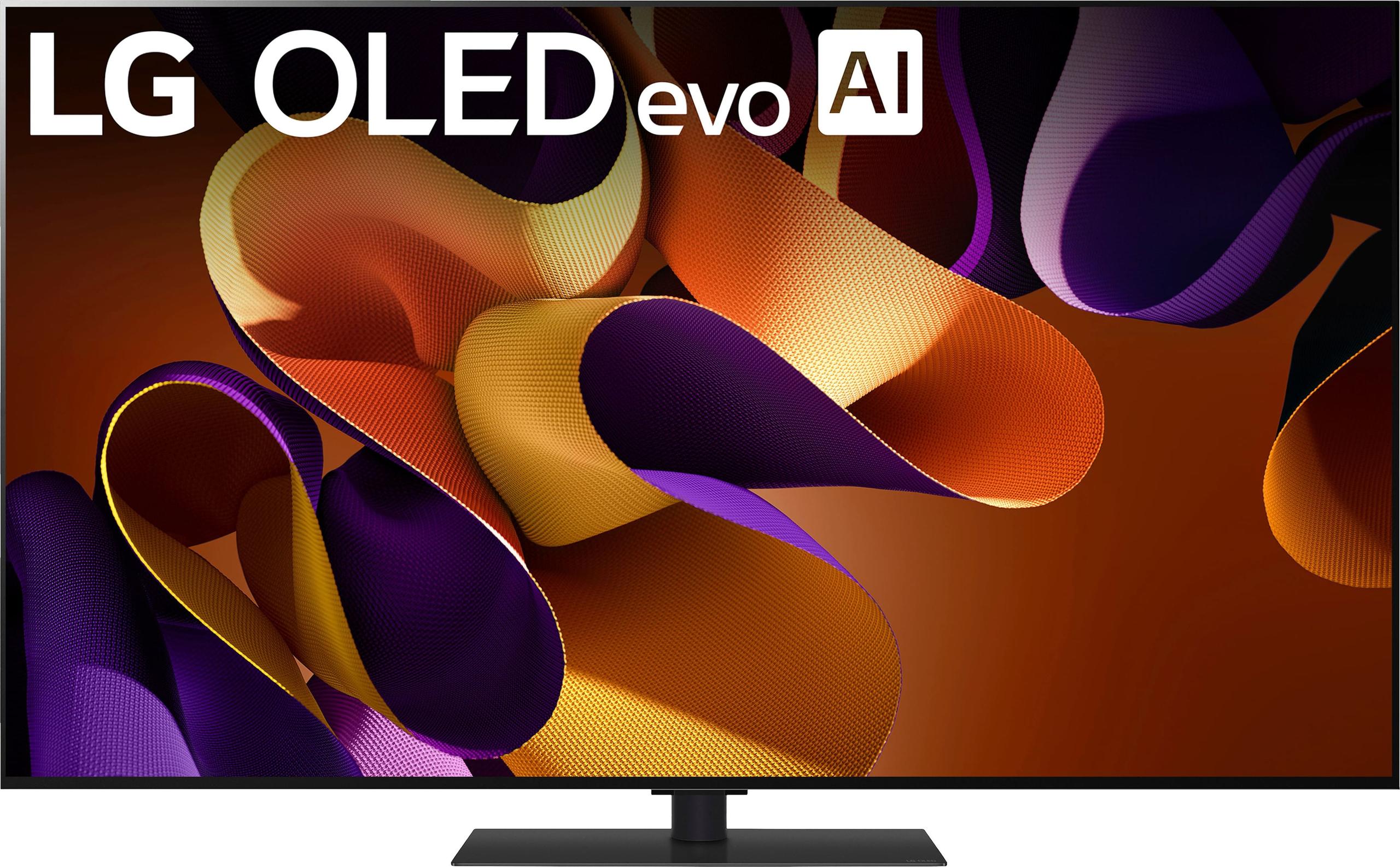
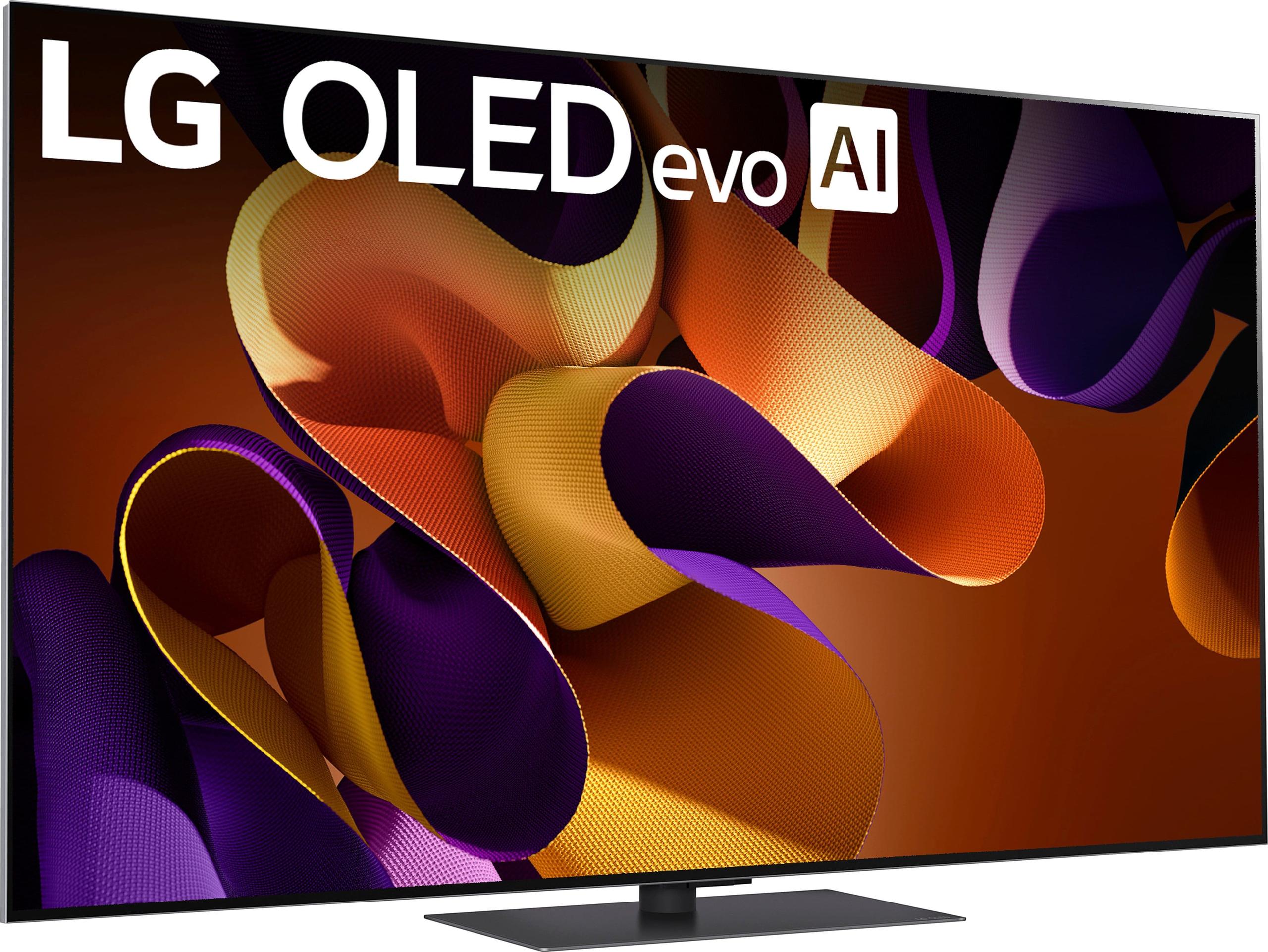
OLED Technology (LG G4) The LG G4 uses OLED (Organic Light-Emitting Diode) technology, where each individual pixel produces its own light. Think of it like having millions of tiny light bulbs that can turn on, off, or dim independently. When a pixel needs to show black, it simply turns off completely—no light escapes, creating what we call "perfect blacks." This is why OLED TVs have such incredible contrast ratios that can make your jaw drop during dark movie scenes.
The G4 specifically uses LG's latest OLED evo panel enhanced with MLA (Micro Lens Array) technology. These microscopic lenses sit over each pixel and redirect light forward instead of letting it scatter in all directions. It's like putting tiny focused flashlights on each pixel—you get more brightness without using more power or shortening the panel's lifespan.
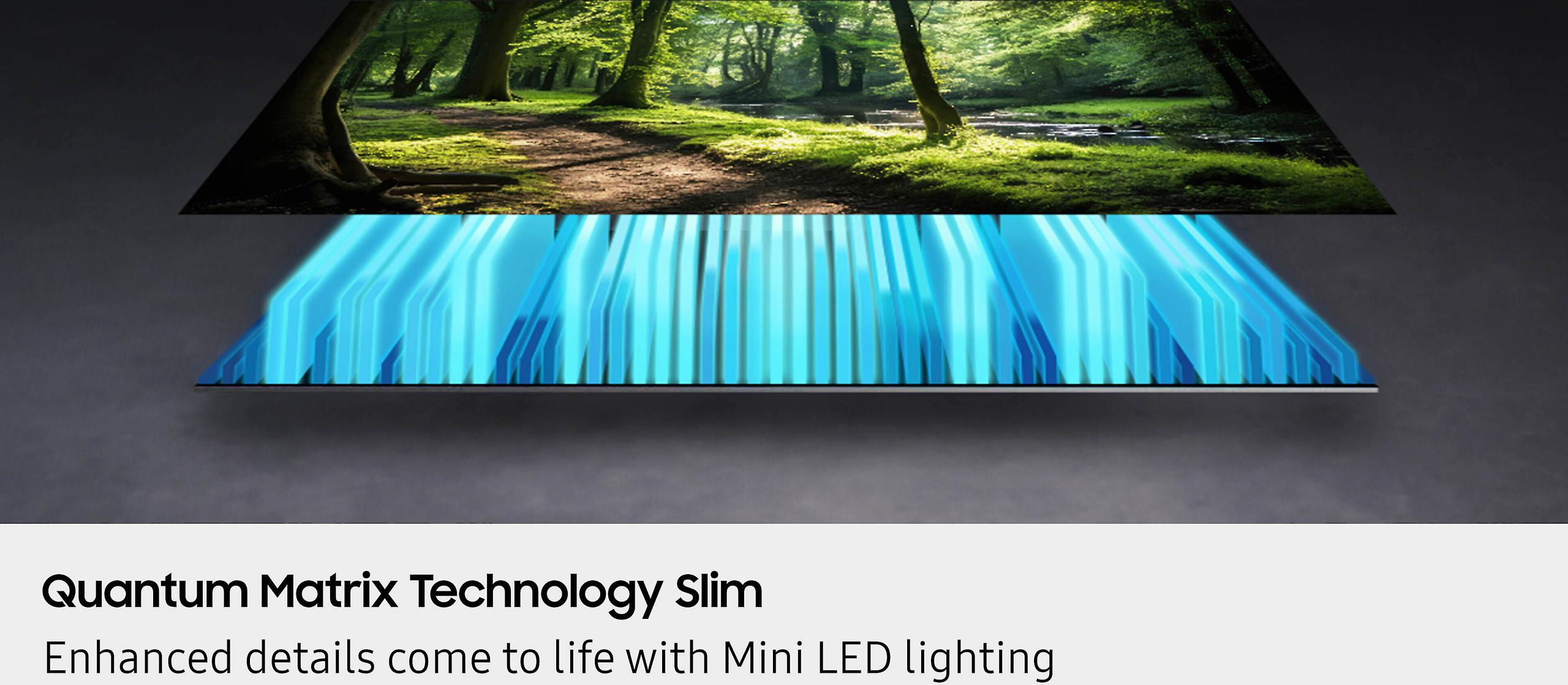
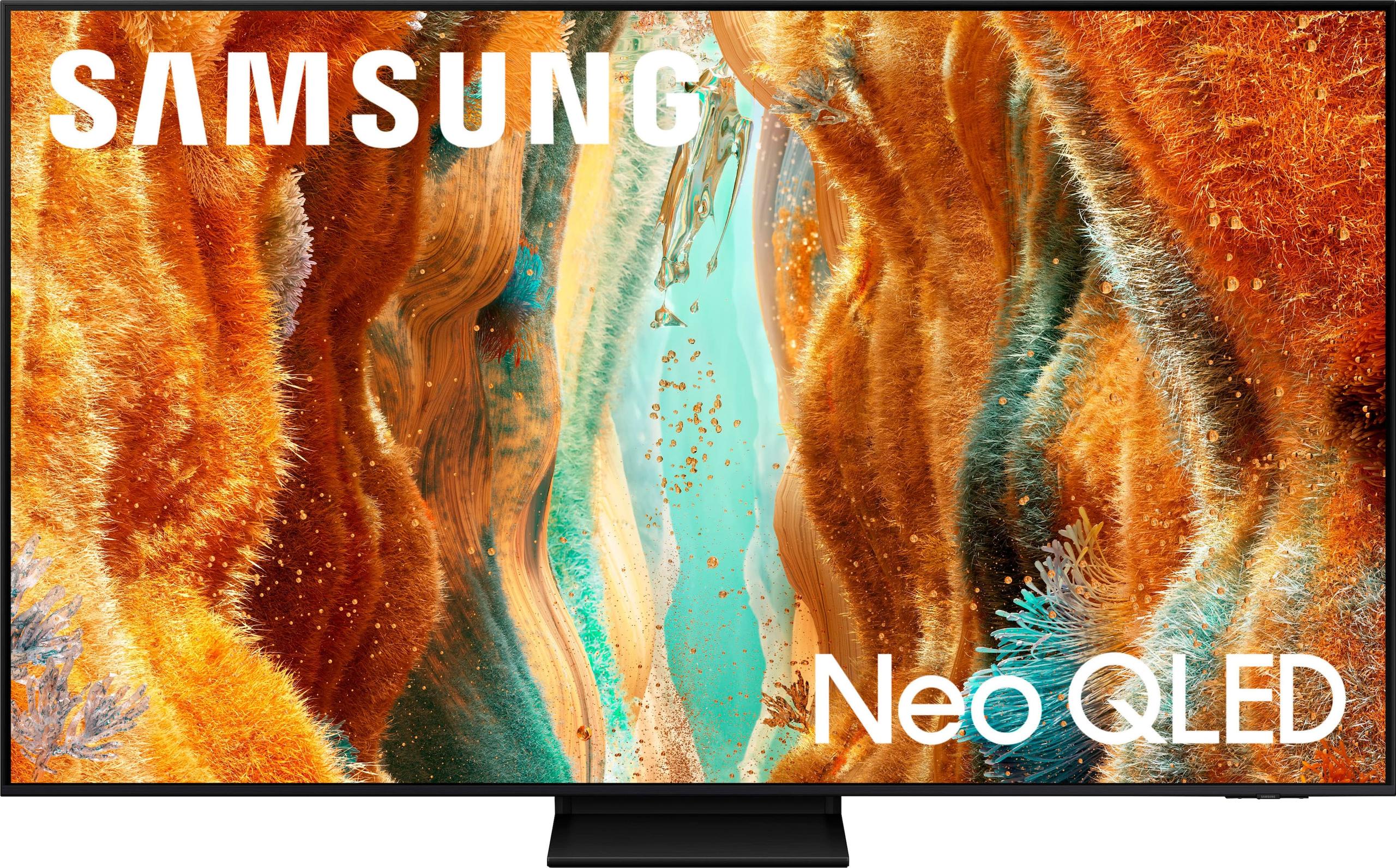
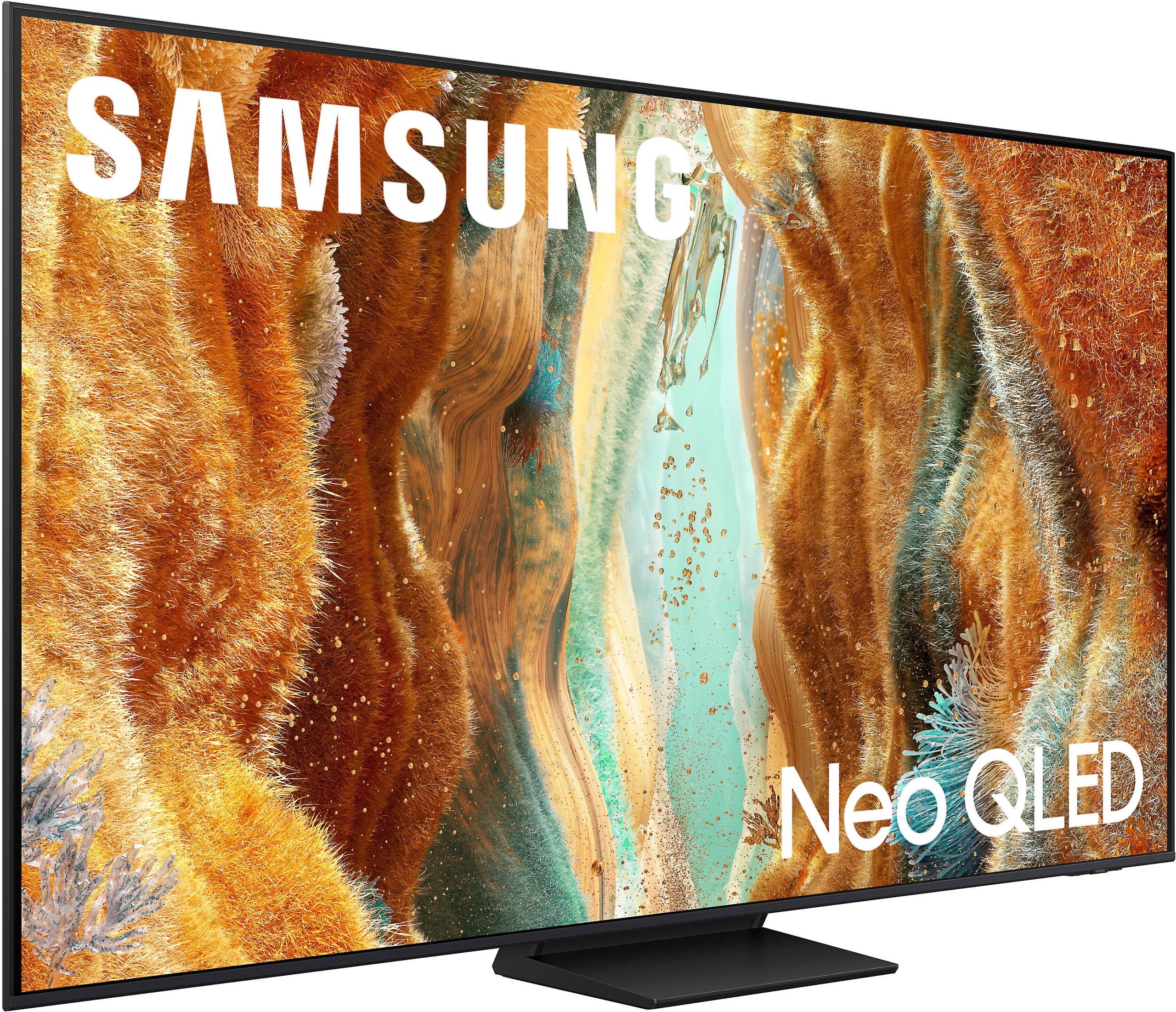
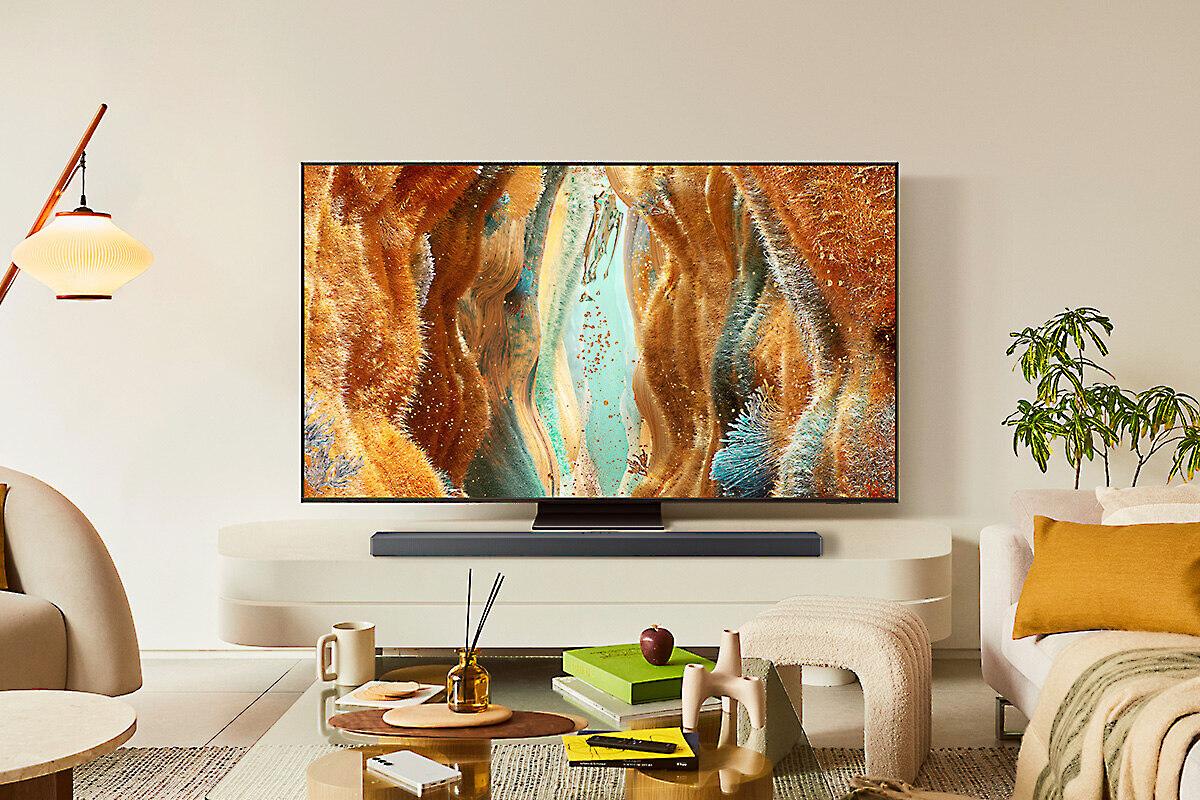
Neo QLED Technology (Samsung QN70F) The Samsung QN70F uses Neo QLED 4K display technology with something called Quantum Matrix Technology Slim. This is Samsung's advanced version of LED-LCD technology, where a backlight system illuminates a liquid crystal display panel from behind. The "Neo" part refers to Samsung's use of Mini LEDs—much smaller LED lights that can be controlled more precisely than traditional LEDs.
However, the QN70F uses an edge-lit system rather than the full-array local dimming you'll find in Samsung's higher-end models. This means the Mini LEDs are positioned around the edges of the screen and use light guides to distribute brightness across the panel. While this keeps costs down and allows for an ultra-thin design, it can't match the precise zone control of full-array systems or the pixel-level control of OLED.
This is where these TVs show their biggest differences, and it's probably the most important factor for your viewing experience. Contrast ratio measures the difference between the brightest white and the darkest black a TV can display—higher contrast creates more dramatic, lifelike images.
The LG G4 delivers infinite contrast because its OLED pixels can turn completely off. When you're watching a space movie with stars against the black void, those black areas are truly black—no light bleeds through at all. After spending time with various OLED panels over the years, I can tell you this creates an almost three-dimensional quality to images that's genuinely striking.
The Samsung QN70F, being an edge-lit LED system, can't achieve the same level of contrast. Black areas will have a slight glow—what we call "black level crush"—because the backlight can't turn off completely in specific areas. However, Samsung's processing does an admirable job minimizing this effect, and most viewers won't notice it unless they're directly comparing to an OLED.
Here's where things get interesting. The Samsung QN70F can get significantly brighter than the LG G4, which matters if your living room gets a lot of natural light. LED-based displays traditionally excel in bright environments because they can pump out more raw luminance (brightness).
The LG G4 has made huge strides here with its MLA technology and Brightness Booster Max, achieving up to 150% more brightness than previous OLED generations. In testing, it can hit peaks around 1,000-1,200 nits (the measurement unit for brightness), which is plenty for most home environments. But the Samsung QN70F can likely push even higher, making it better suited for very bright rooms or if you like watching TV during sunny afternoons.
Both TVs excel at color, but in different ways that reflect their manufacturers' philosophies.
The LG G4 focuses on color accuracy—reproducing colors exactly as content creators intended. It can achieve 100% of the DCI-P3 color space (the standard used in movie production) and maintains this accuracy across different brightness levels. If you're serious about movies and want to see them as the director intended, this precision matters enormously.
The Samsung QN70F takes a more crowd-pleasing approach with Samsung's characteristic vibrant, punchy colors. Their processing tends to enhance saturation and make colors "pop" more than they might in real life. Some purists might call this inaccurate, but many people prefer this look because it makes everything feel more dynamic and engaging.
Both TVs recognize that gaming has become crucial for premium TV buyers, especially with PlayStation 5 and Xbox Series X pushing 4K at high refresh rates.
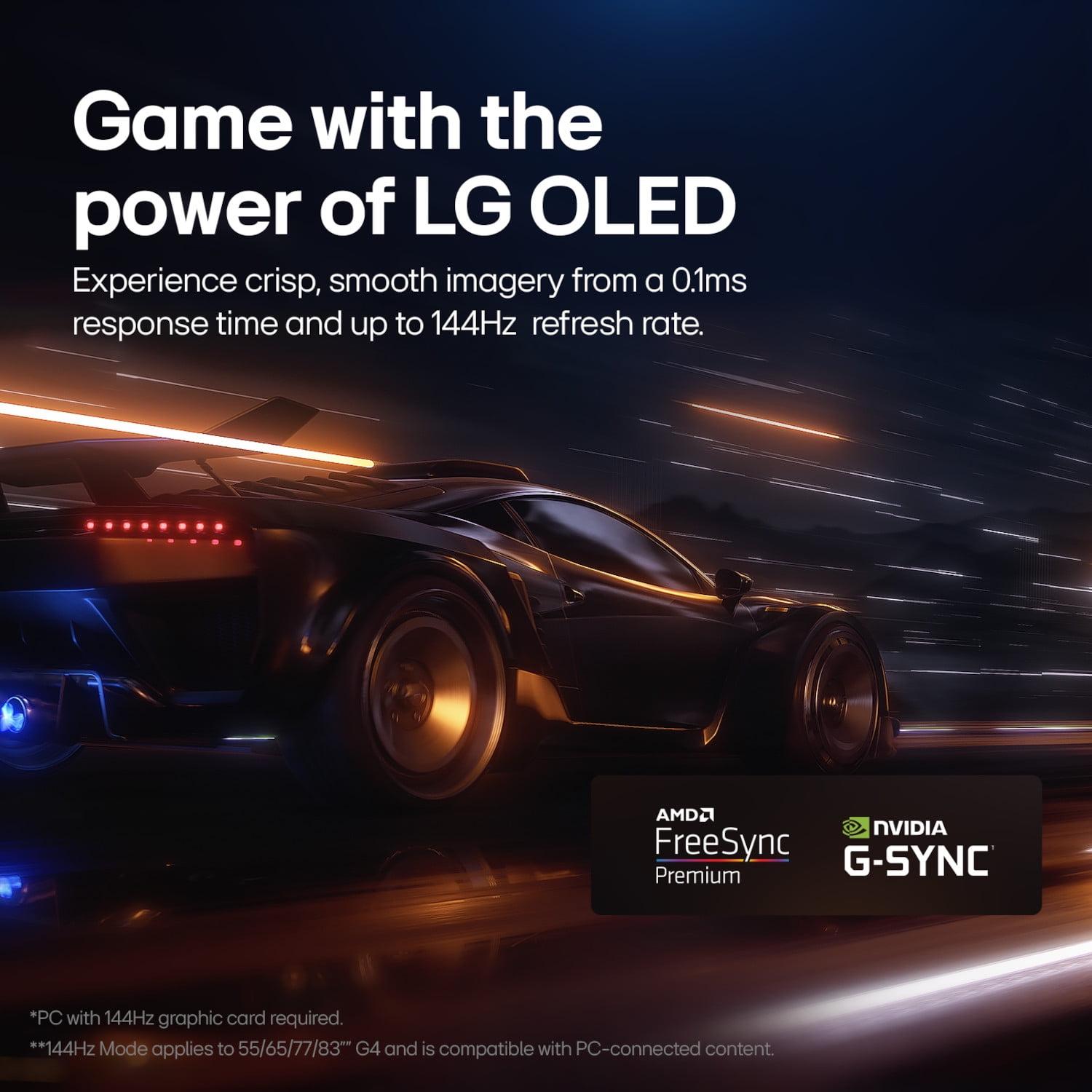
The LG G4 absolutely dominates here with a 0.1ms response time—essentially instantaneous. This is crucial for competitive gaming where every millisecond counts. Its input lag (the delay between pressing a button and seeing the action on screen) is also extremely low across all gaming modes.
The Samsung QN70F offers solid gaming performance with support for 4K at 144Hz and variable refresh rate (VRR) technology, which synchronizes the TV's refresh rate with your gaming device to eliminate screen tearing. While its response time isn't quite as low as the G4's, it's still excellent for all but the most competitive gaming scenarios.
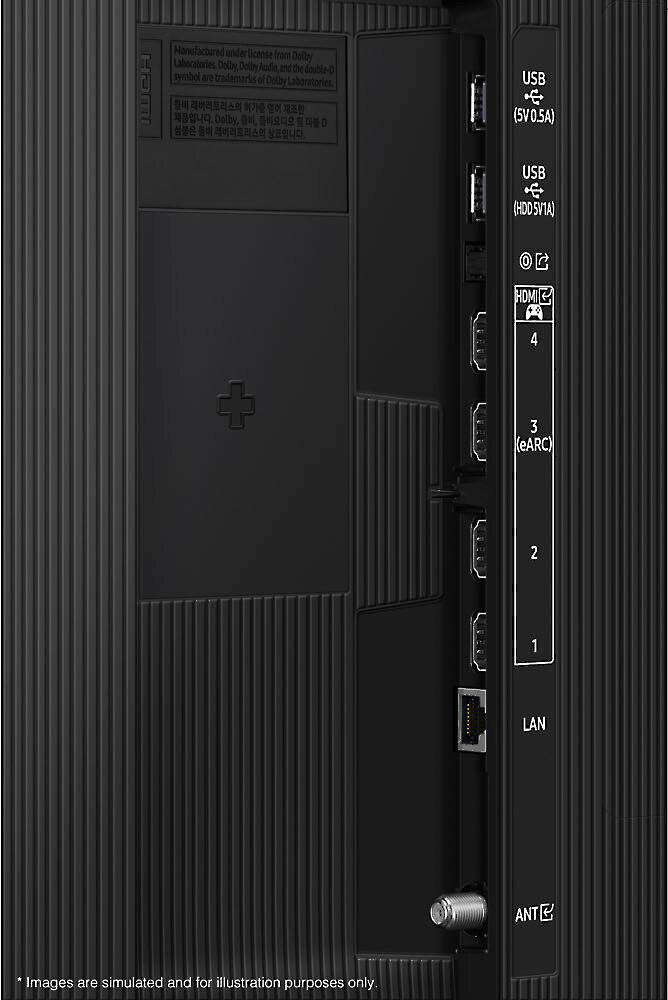
Both TVs include multiple HDMI 2.1 ports, which is essential for next-generation gaming. These ports support the full bandwidth needed for 4K gaming at high refresh rates, along with features like Auto Low Latency Mode (ALLM) that automatically switches the TV to its fastest gaming settings when it detects a game console.
The LG G4 provides four full-bandwidth HDMI 2.1 ports, while the Samsung QN70F also offers four HDMI 2.1 connections. This abundance means you won't need to swap cables between different gaming devices or streaming boxes.
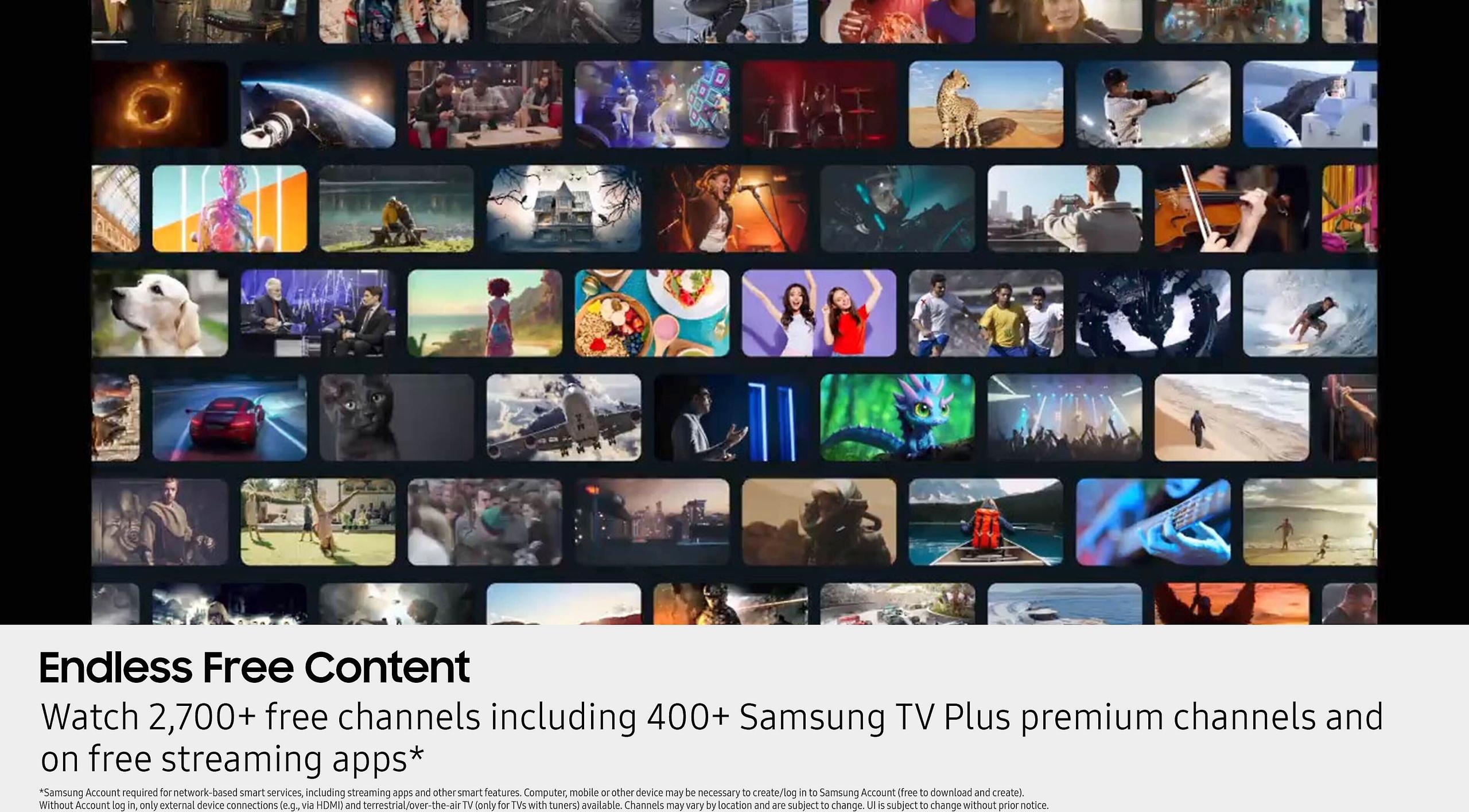
The Samsung QN70F introduces Samsung Vision AI, which represents a significant leap in smart TV capabilities for 2025. Features like "Click to Search" let you instantly get information about actors, products, or locations you see on screen. "Live Translate" provides real-time subtitle translations for foreign content—genuinely useful for international programming.
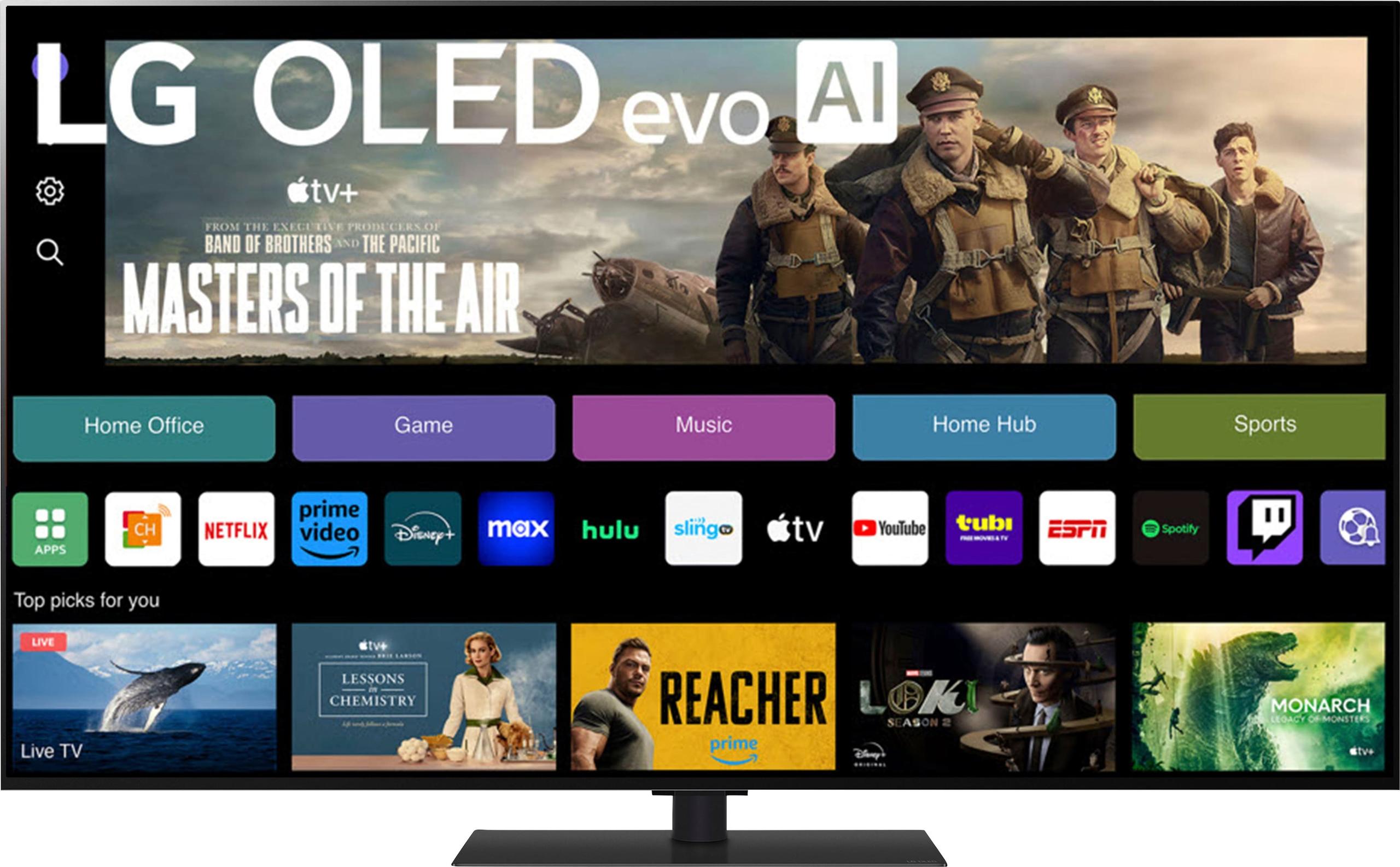
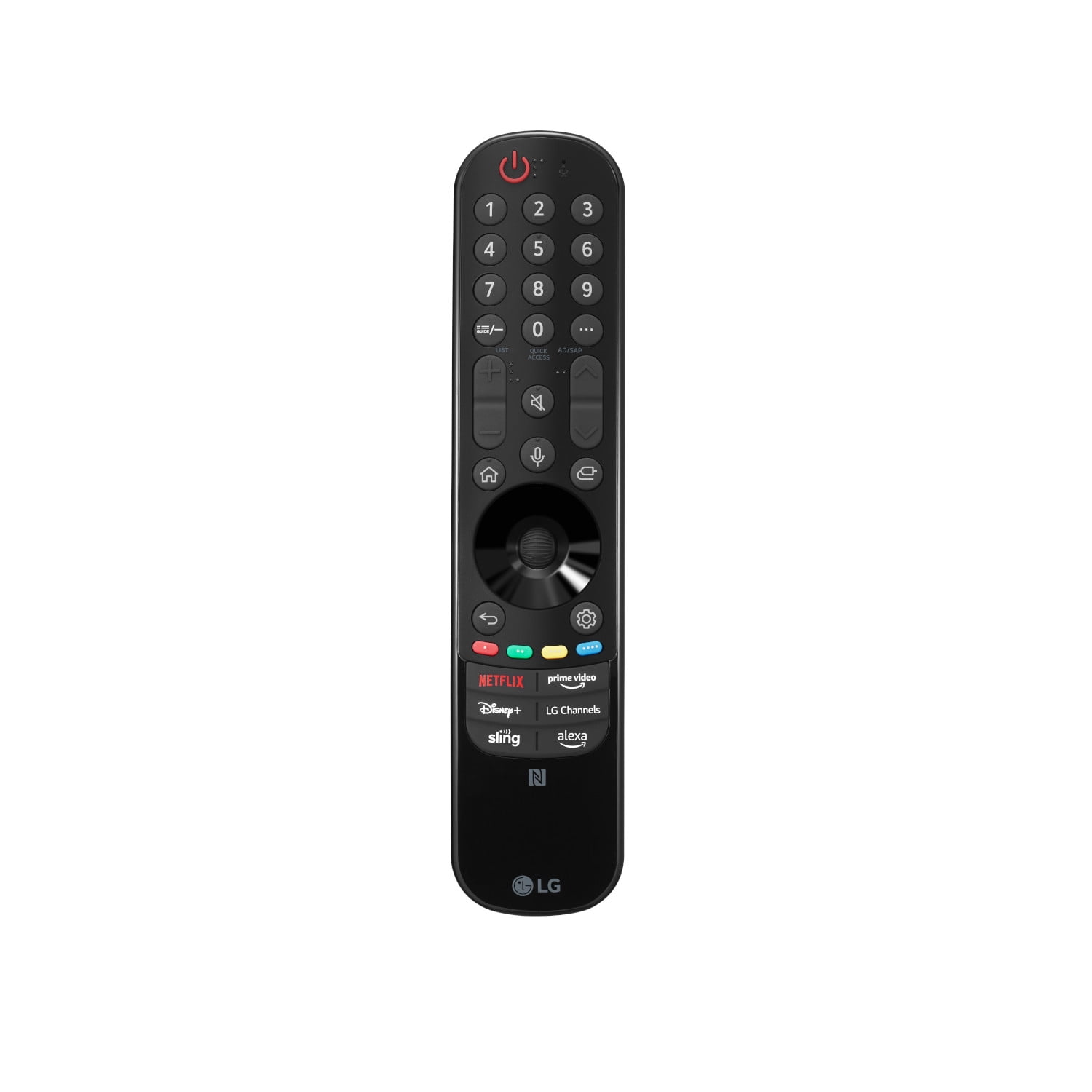
The LG G4 runs webOS 24, which focuses more on intuitive navigation and content organization. LG's Magic Remote with pointer functionality feels more natural than traditional directional remotes, and features like Quick Cards help organize your favorite streaming apps efficiently.
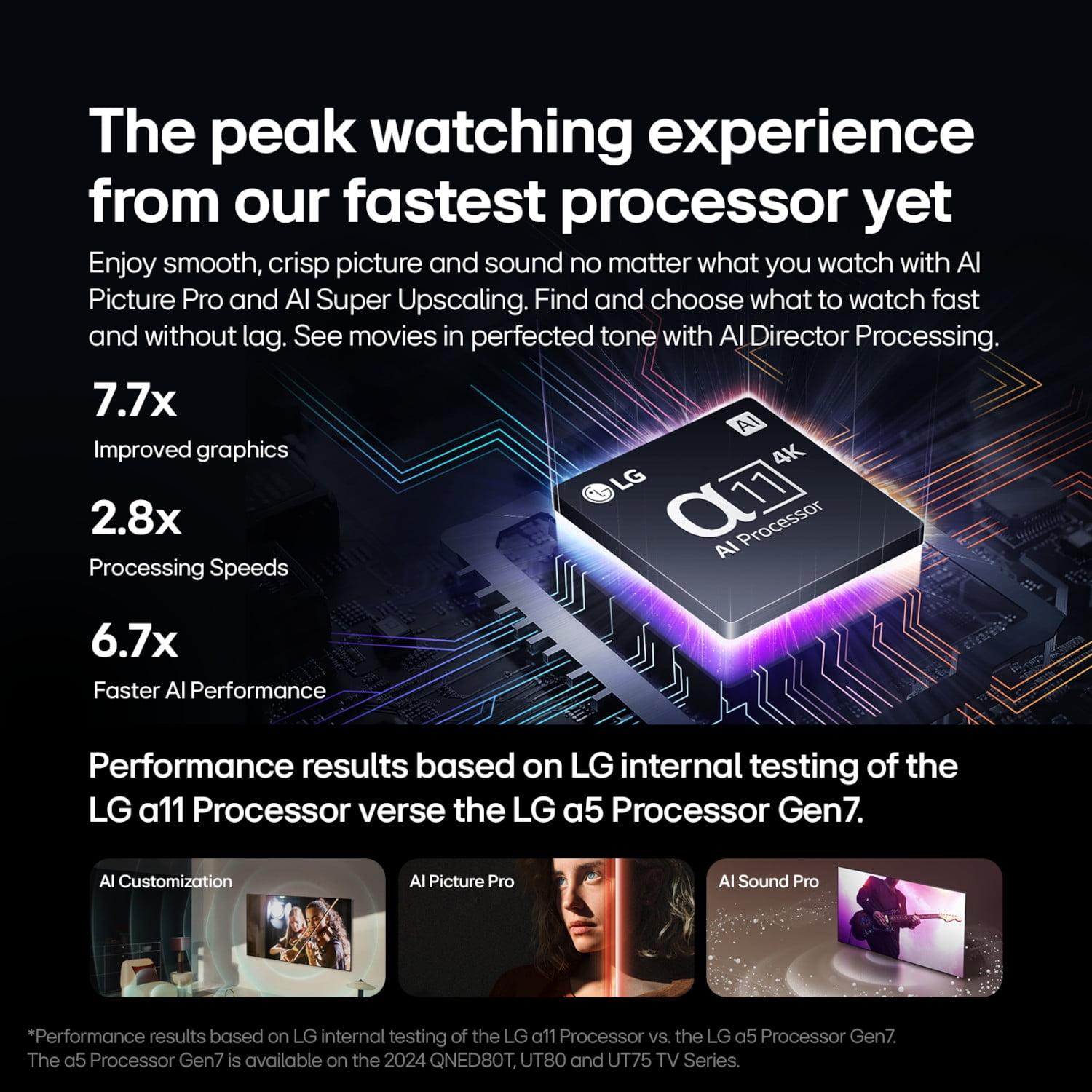
The LG G4's α11 AI Processor 4K delivers 70% improved graphics performance compared to previous generations. This processing power enables advanced upscaling that can make lower-resolution content look sharper and more detailed on the 4K panel.
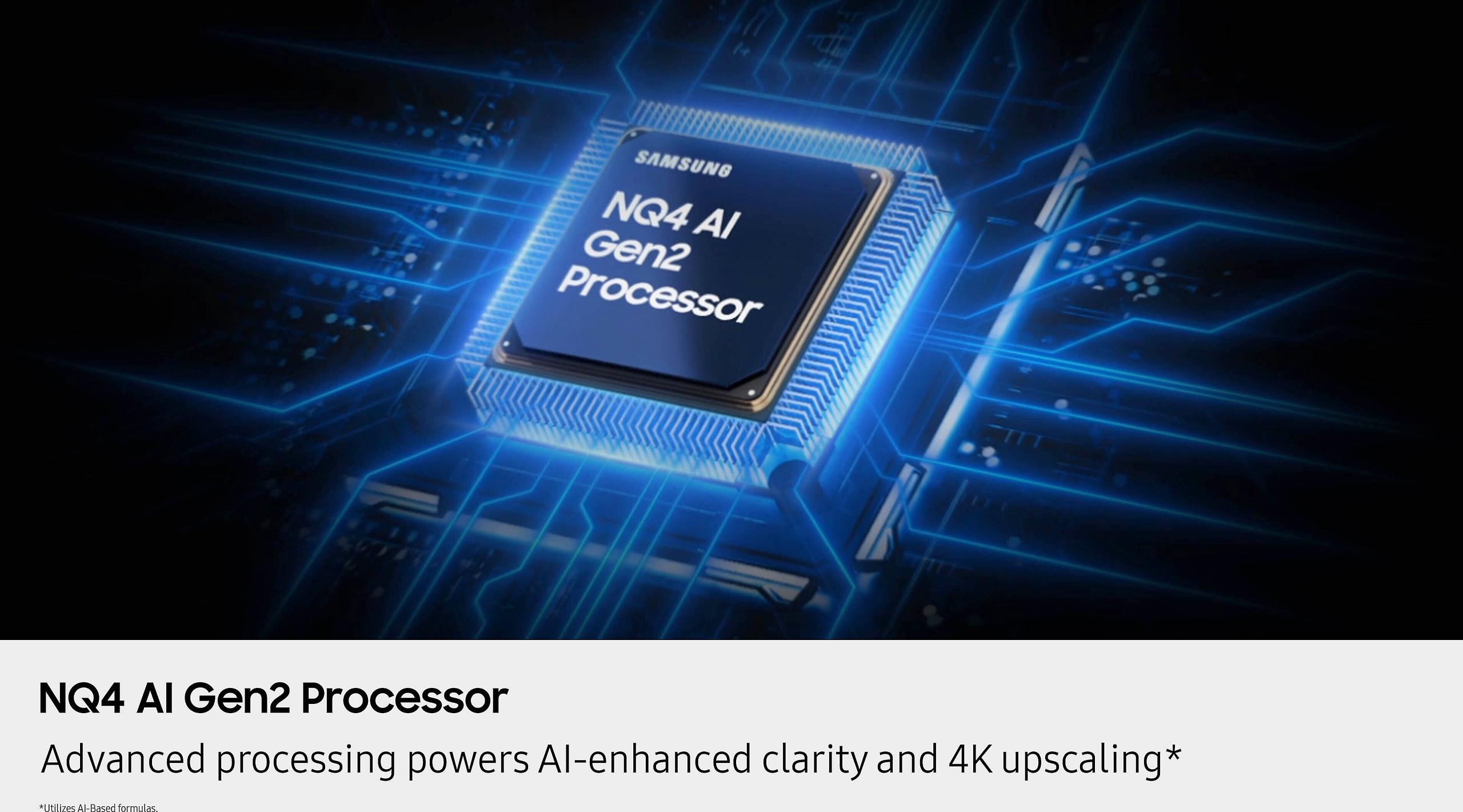
The Samsung QN70F's NQ4 AI Gen2 Processor focuses on analyzing content in real-time to optimize picture settings automatically. While not as powerful as Samsung's flagship processors, it still provides solid performance for AI-driven features and upscaling.
Neither TV will replace a dedicated sound system, but their built-in audio tells different stories about design priorities.
The LG G4 includes a 4.2 channel system with 60W of total power, and its AI Sound Pro can virtually upscale audio to simulate 11.1.2 surround sound. The Dolby Atmos support creates a more immersive audio experience than you'd expect from built-in speakers.
The Samsung QN70F features Object Tracking Sound Lite, which moves audio around the screen to follow on-screen action—cars racing across the screen actually sound like they're moving from left to right. The Active Voice Amplifier Pro enhances dialogue clarity, which is genuinely helpful if you struggle to hear conversations over background music and sound effects.
At the time of writing, the price difference between these models is substantial—the LG G4 commands a significant premium that reflects its flagship OLED technology, while the Samsung QN70F offers advanced features at a more accessible price point.
The Samsung QN70F represents exceptional value for buyers who want modern premium TV features without flagship pricing. You're getting 2025 technology including Vision AI capabilities, solid gaming performance with full HDMI 2.1 support, and Neo QLED picture quality that will satisfy most viewers.
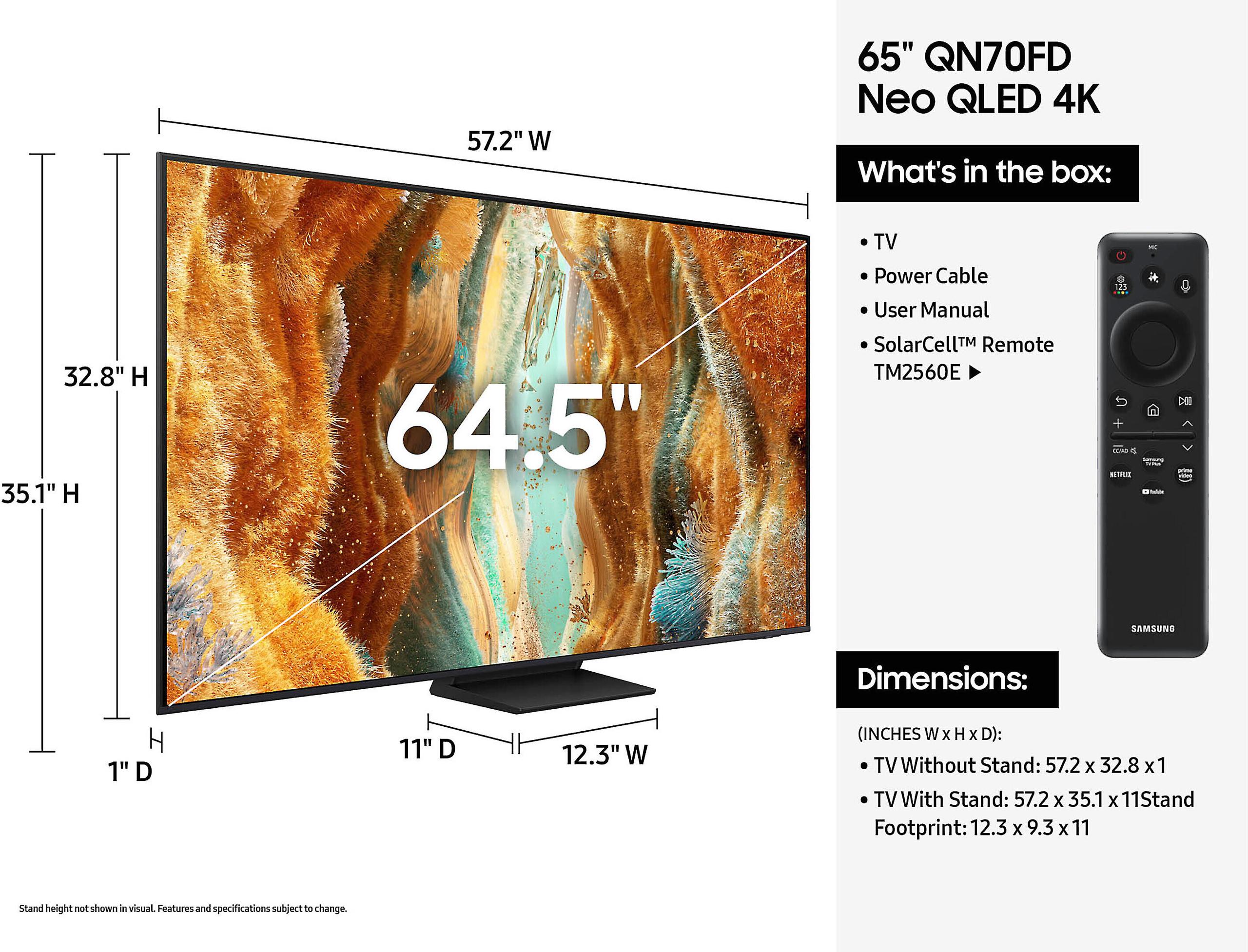
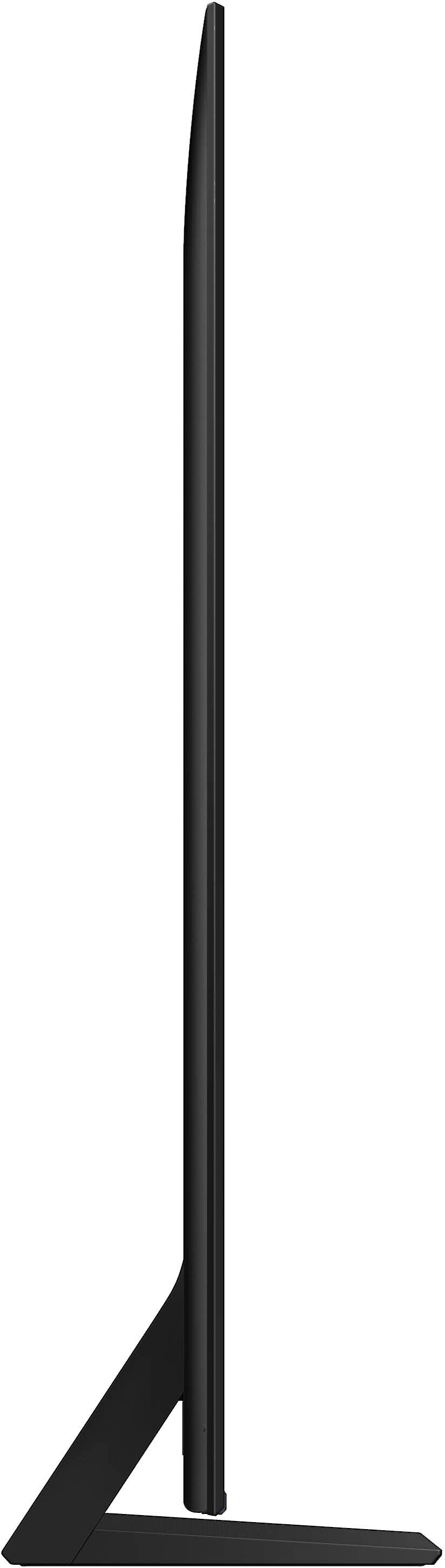
This TV makes particular sense if you're upgrading from an older LCD TV, have a bright living room, or want the peace of mind that comes with LED technology's resistance to burn-in. The edge-lit design keeps the profile ultra-thin for wall mounting, and Samsung's vibrant color presentation creates an engaging viewing experience for everything from sports to streaming content.
The LG G4's higher price reflects genuine technological advantages that matter for serious TV enthusiasts. The perfect blacks, superior contrast, and reference-quality color accuracy create a viewing experience that's noticeably better, especially in dark or dimly lit rooms.
If you're building a dedicated home theater, the G4's advantages become even more apparent. Movie night becomes genuinely cinematic when dark scenes maintain perfect shadow detail without any distracting backlight bleed. The wide viewing angles mean everyone in the room gets the same excellent picture quality, regardless of seating position.
For dedicated home theater setups, the LG G4 edges ahead due to its superior contrast performance in dark environments. The perfect blacks create that immersive, cinema-like experience that home theater enthusiasts crave. Combined with Filmmaker Mode for accurate color reproduction, you're getting a display that respects the director's creative intent.
The Samsung QN70F can still work well in home theater applications, especially if you occasionally watch during the day or prefer Samsung's more vibrant color presentation. Its superior brightness helps maintain image quality even with some ambient light present.
Both TVs support Dolby Vision HDR and can handle the high-quality streaming content or 4K Blu-rays that form the backbone of serious home theater collections.
You want modern premium TV features without the flagship price tag. The Samsung QN70F makes sense for buyers who primarily watch in bright or mixed lighting conditions, prefer Samsung's punchy color presentation, or want the latest AI features without paying OLED prices. It's an excellent choice for families who want one great TV that handles everything well—streaming, gaming, sports, and movies.
The burn-in resistance of LED technology also makes it ideal if you plan to use the TV extensively for gaming or have family members who might leave static images on screen for extended periods.
Picture quality is your top priority and you're willing to pay for the best current display technology. The LG G4 is the clear choice for cinephiles, serious gamers who want the absolute lowest input lag, or anyone building a dedicated home theater where contrast performance matters most.
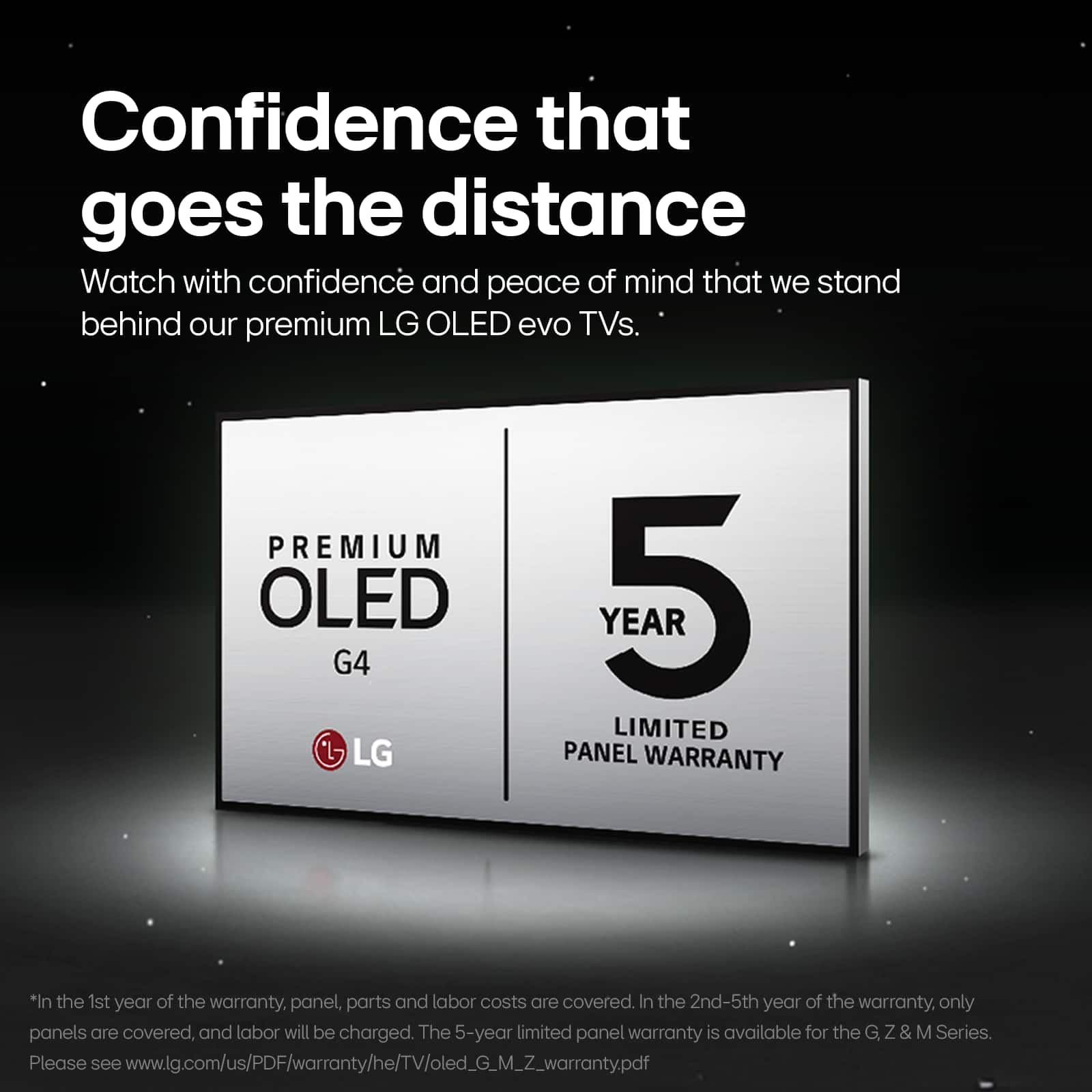
The 5-year panel warranty with burn-in protection addresses OLED's traditional concern, making it a safer long-term investment than previous OLED generations. If you primarily watch in dark or controlled lighting conditions, the G4's advantages become even more apparent.
Both TVs represent excellent choices in their respective categories, and honestly, coming from an older TV, either will probably amaze you with their picture quality and features. The decision ultimately comes down to your priorities: exceptional value with solid performance (Samsung QN70F) or premium technology with superior picture quality (LG G4).
The beauty of today's TV market is that there's no truly wrong choice here—just different approaches to delivering great entertainment experiences. Consider your viewing environment, budget, and what matters most to you, and either of these TVs will serve you well for years to come.
| Samsung 65" QN70F Neo QLED 4K Vision AI Smart TV 2025 | LG 65" G4 Series OLED evo 4K UHD Smart TV 2024 |
|---|---|
| Display Technology - Determines contrast performance and overall picture quality | |
| Neo QLED with edge-lit Mini LED backlighting | OLED evo with self-lit pixels and MLA technology |
| Contrast Ratio - Most important factor for cinematic viewing experience | |
| Good contrast with slight backlight bleed in dark scenes | Infinite contrast with perfect blacks |
| Peak Brightness - Critical for bright room viewing and HDR content | |
| Higher brightness capability, excellent for bright rooms | Up to 150% brighter than previous OLED (good for most rooms) |
| Processor - Powers upscaling, AI features, and overall performance | |
| NQ4 AI Gen2 Processor with Samsung Vision AI | α11 AI Processor 4K (70% faster graphics than previous gen) |
| Gaming Response Time - Essential for competitive gaming | |
| Low input lag with 4K 144Hz support | 0.1ms response time (industry-leading) |
| HDMI 2.1 Ports - Future-proofing for next-gen gaming consoles | |
| 4 HDMI 2.1 ports with VRR and ALLM | 4 HDMI 2.1 ports with full bandwidth |
| Smart TV Platform - Affects daily usability and app performance | |
| Tizen OS with Vision AI features (Click to Search, Live Translate) | webOS 24 with Magic Remote and AI Concierge |
| Audio System - Built-in sound quality without external speakers | |
| Object Tracking Sound Lite, 20W output, 2CH | 4.2 channel system, 60W output with Dolby Atmos |
| Color Accuracy vs Vibrancy - Different approaches to color reproduction | |
| Vibrant, punchy colors that pop (Samsung's signature look) | Reference-quality color accuracy (100% color fidelity certified) |
| Viewing Angles - Important for wide seating arrangements | |
| Wide Viewing Angle technology (good performance) | Excellent viewing angles from any position |
| Burn-in Resistance - Long-term durability consideration | |
| LED technology eliminates burn-in concerns | OLED with 5-year panel warranty including burn-in protection |
| Design Profile - Aesthetics and wall mounting considerations | |
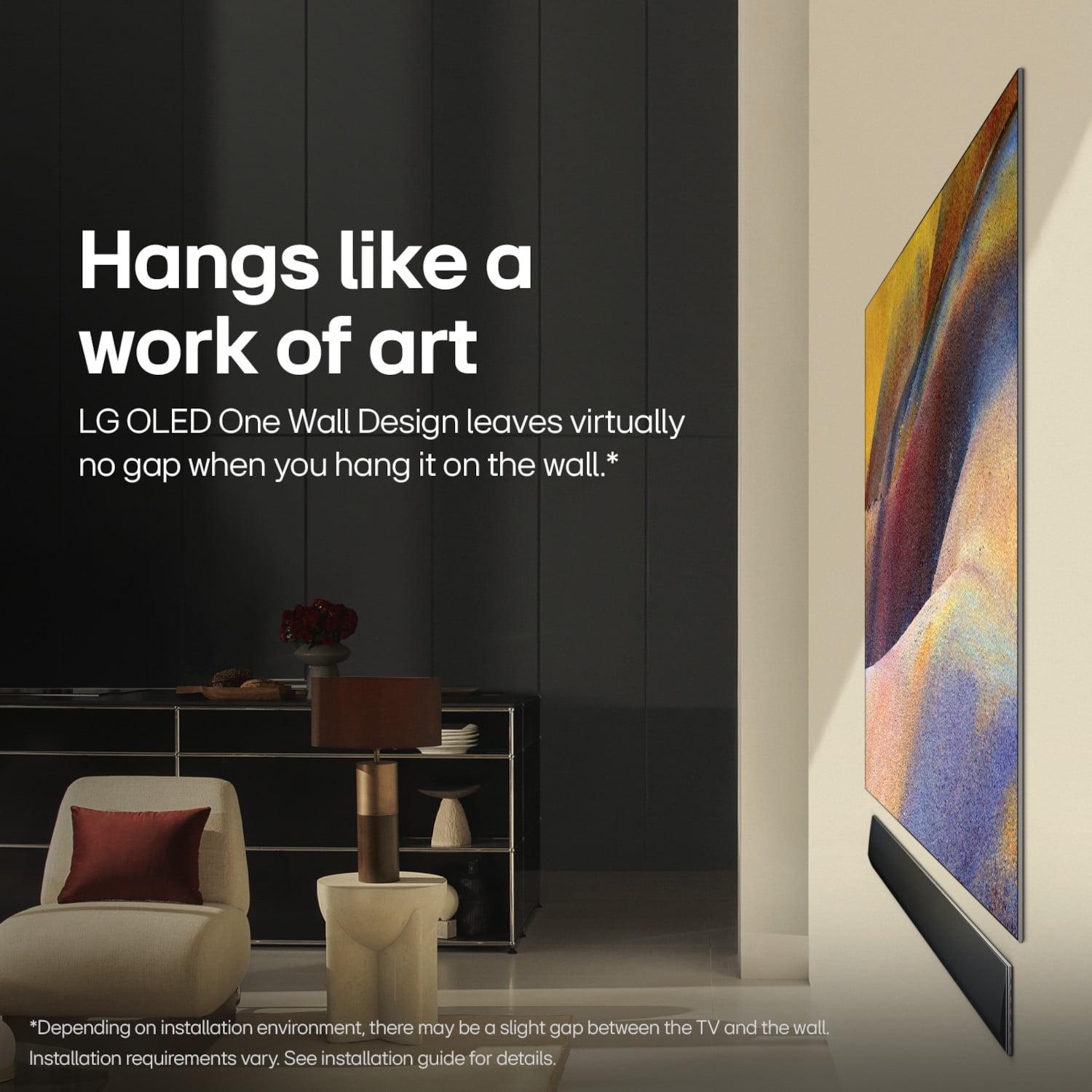
| Ultra-slim profile (~1 inch deep) ideal for wall mounting | Gallery Design with flush wall-mount capability |
| Best Use Case - Who should consider each model | |
| Value-focused buyers wanting premium features in bright rooms | Picture quality enthusiasts and home theater setups |
The LG G4 OLED delivers superior picture quality for movies due to its perfect black levels and infinite contrast ratio. Each pixel can turn completely off, creating true blacks that make dark movie scenes look incredibly realistic. The Samsung QN70F offers good picture quality with vibrant colors, but can't match OLED's contrast performance in dark viewing environments.
OLED technology in the LG G4 uses self-lit pixels that can turn on and off individually, creating perfect blacks and infinite contrast. Neo QLED in the Samsung QN70F uses Mini LED backlighting behind an LCD panel, offering bright, vibrant images but with some light bleed in dark scenes. OLED excels in dark rooms, while Neo QLED performs better in bright environments.
Both TVs excel at gaming, but the LG G4 has a slight edge with its 0.1ms response time and four full HDMI 2.1 ports. The Samsung QN70F also offers excellent gaming with 4K 144Hz support, VRR, and low input lag. Both support next-gen gaming consoles perfectly, so your choice depends on whether you prioritize the absolute lowest response time.
The Samsung QN70F features the latest Vision AI technology with Click to Search and Live Translate capabilities, running on Samsung's Tizen OS. The LG G4 uses webOS 24 with the intuitive Magic Remote and AI Concierge features. Both offer extensive streaming app support, but Samsung's Vision AI provides more advanced content recognition features.
The Samsung QN70F performs better in bright rooms thanks to its higher peak brightness capability from LED backlighting technology. The LG G4 has improved brightness with its MLA technology but still works best in controlled lighting conditions. If your living room gets lots of natural light, the Samsung is the better choice.
The Samsung QN70F uses LED technology, so there are no burn-in concerns whatsoever. The LG G4 is an OLED display, which can potentially experience burn-in with static images, but LG includes a 5-year panel warranty that covers burn-in protection. Modern OLED panels are much more resistant to burn-in than earlier generations.
The Samsung QN70F offers exceptional value, providing premium Neo QLED technology and 2025 features at an entry-level price point. The LG G4 commands a premium price that reflects its flagship OLED technology and superior picture quality. Your choice depends on whether you prioritize budget-friendly performance or willing to pay more for the best picture quality.
The LG G4 has superior built-in audio with a 4.2 channel system outputting 60W and Dolby Atmos support. The Samsung QN70F offers Object Tracking Sound Lite with 20W output from a 2-channel system. While both TVs benefit from external sound systems, the LG provides noticeably better built-in audio quality.
The LG G4 is the clear winner for dedicated home theaters due to its perfect blacks, superior contrast, and reference-quality color accuracy in dark environments. The Samsung QN70F can work in home theater setups but excels more in mixed-use living rooms. For serious movie watching in dark rooms, OLED technology provides the most cinematic experience.
Yes, both TVs support HDR content. The LG G4 supports HDR10, Dolby Vision, and HLG with excellent brightness and color accuracy. The Samsung QN70F supports HDR10+ and provides vibrant HDR performance with good brightness levels. Both will enhance your streaming and 4K Blu-ray viewing experience significantly.
The LG G4 offers excellent viewing angles from any seating position without color or contrast degradation. The Samsung QN70F includes Wide Viewing Angle technology that provides good performance from off-center positions, though not quite matching OLED's consistency. For large rooms with multiple seating areas, the LG maintains better picture quality across all positions.
Both TVs are built to last, but they face different longevity considerations. The Samsung QN70F uses LED technology that doesn't degrade over time and has no burn-in risk. The LG G4 includes a comprehensive 5-year panel warranty covering burn-in, and modern OLED panels are much more durable than earlier generations. Both should provide many years of excellent performance with proper use.
We've done our best to create useful and informative comparisons to help you decide what product to buy. Our research uses advanced automated methods to create this comparison and perfection is not possible - please contact us for corrections or questions. These are the sites we've researched in the creation of this article: rtings.com - youtube.com - wifihifi.com - samsung.com - samsung.com - samsung.com - samsung.com - flatpanelshd.com - news.samsung.com - bestbuy.com - hometechnologyreview.com - hometechnologyreview.com - whathifi.com - hometechnologyreview.com - youtube.com - tomsguide.com - tomsguide.com - smarthomesounds.co.uk - rtings.com - rtings.com - bhphotovideo.com - youtube.com - schaeferstv.com - bestbuy.com - costco.com - lg.com - lg.com - shopsilica.com - bestbuy.com - techradar.com - bestbuy.com - bestbuy.com - lg.com - lgnewsroom.com

Privacy Policy
Terms and Conditions - Affiliate Policy
Home Security
© Copyright 2008-2026.
11816 Inwood Rd #1211, Dallas, TX 75244