


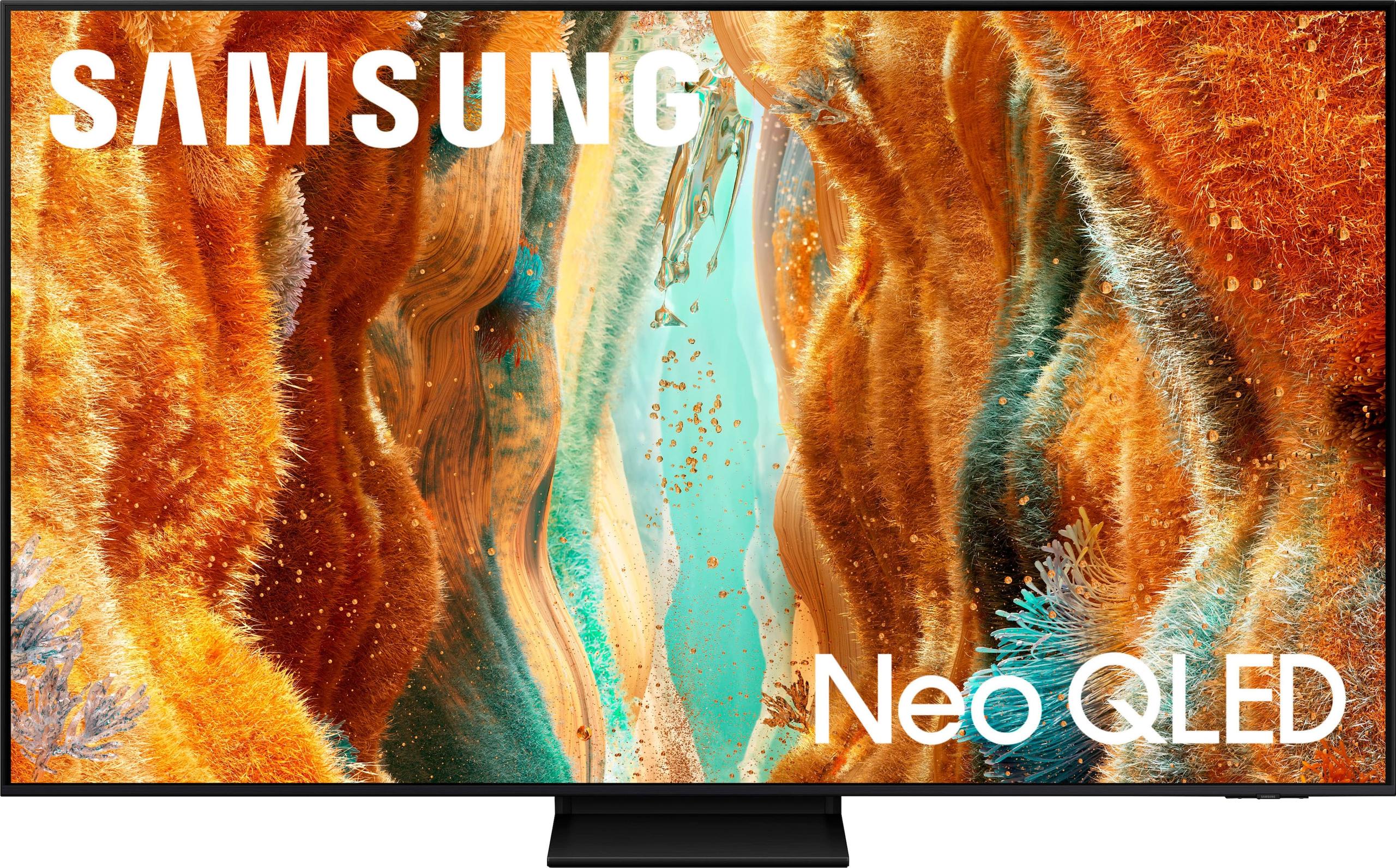
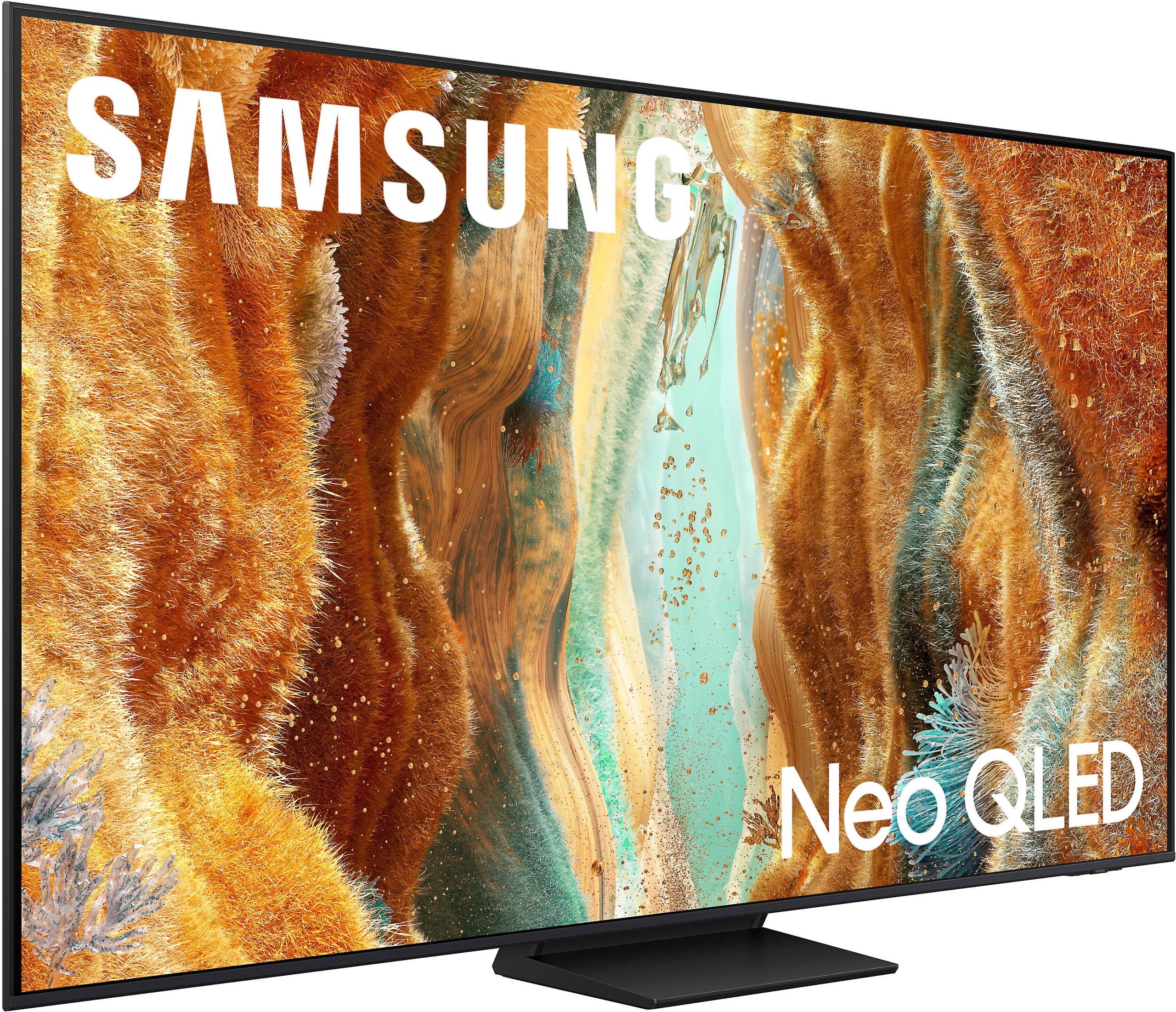
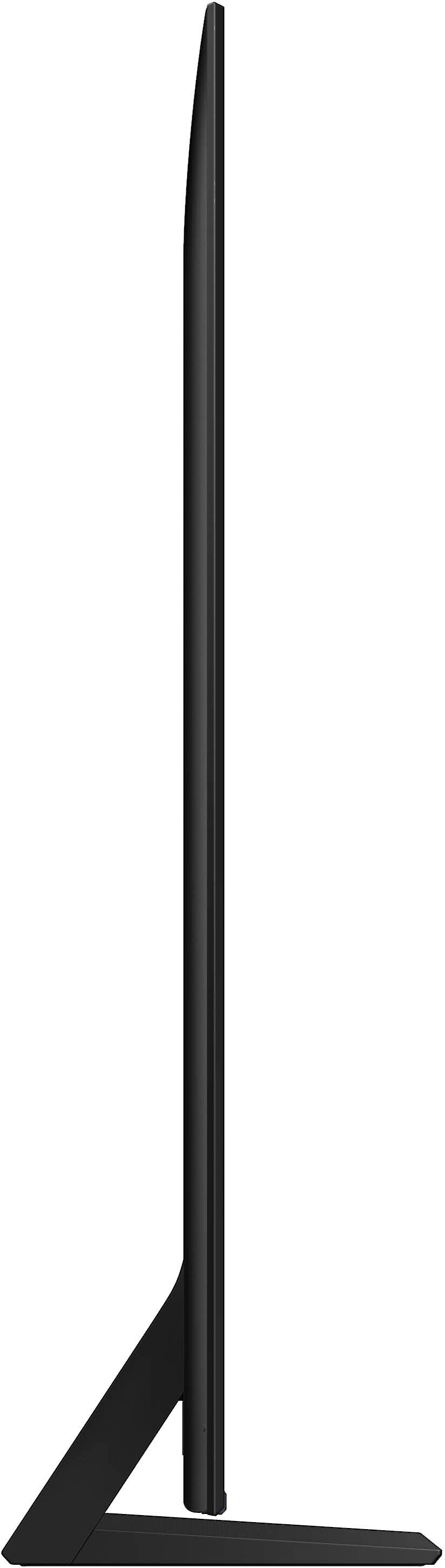


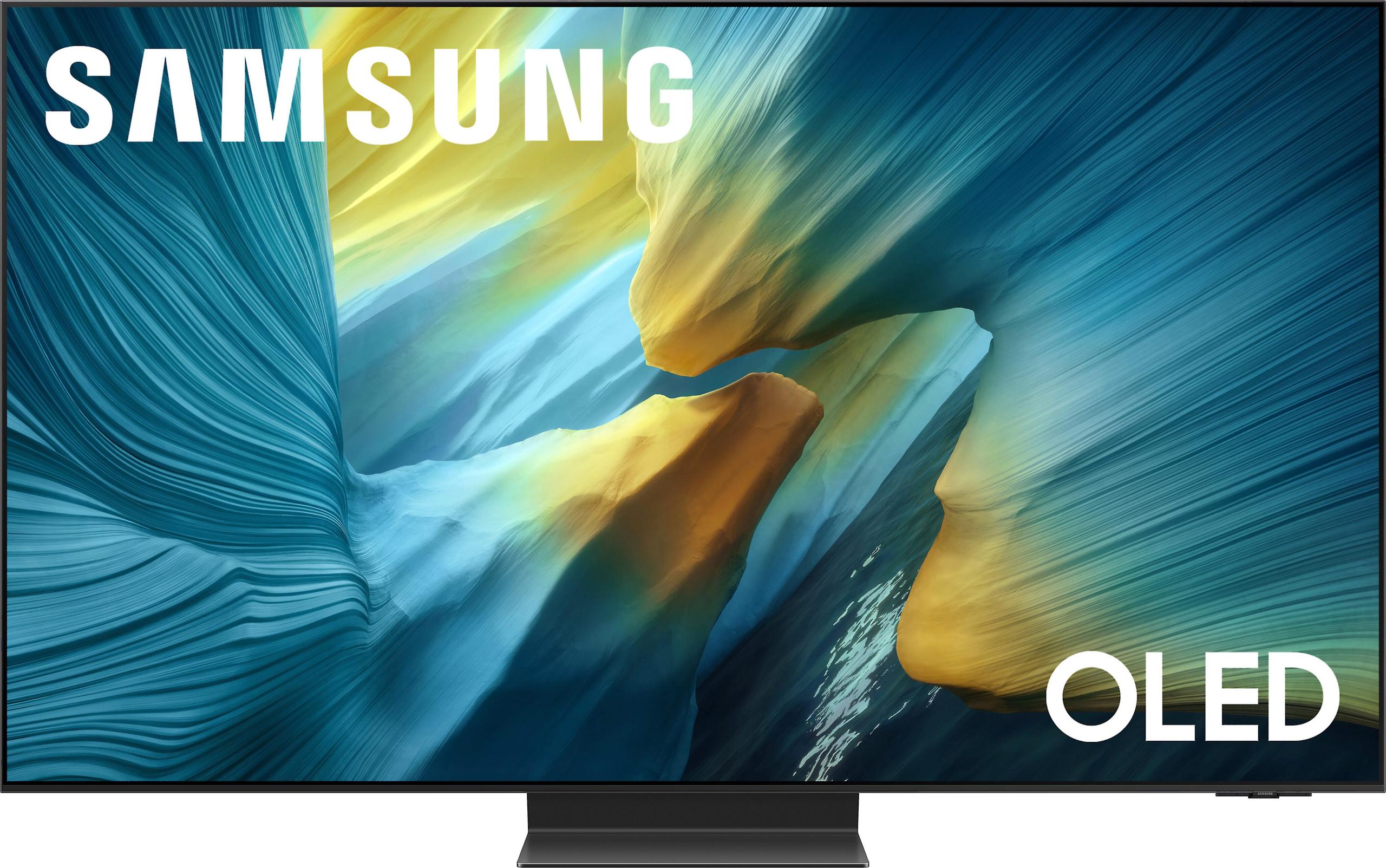
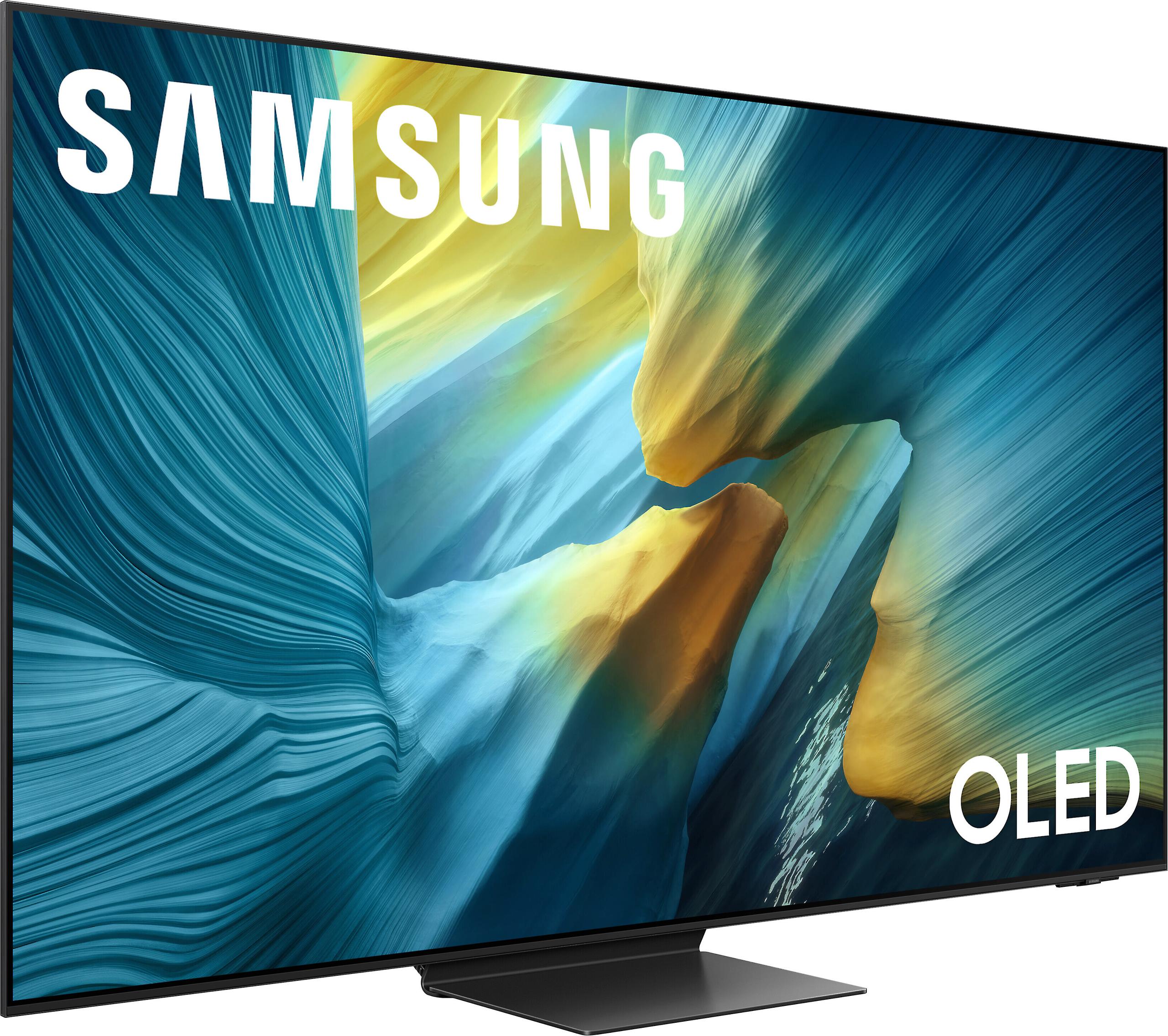
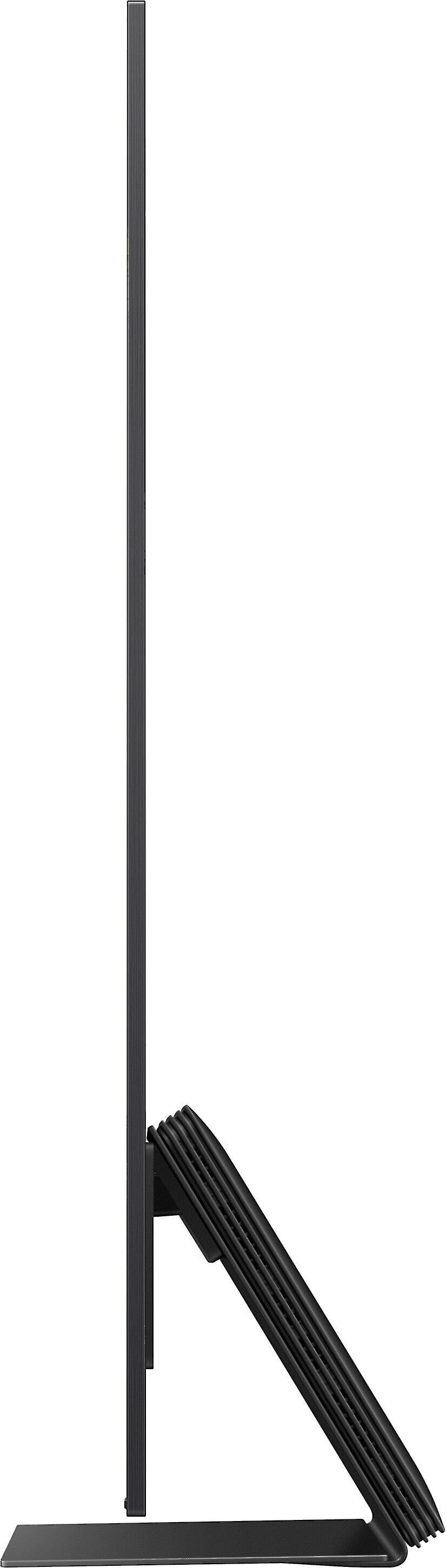
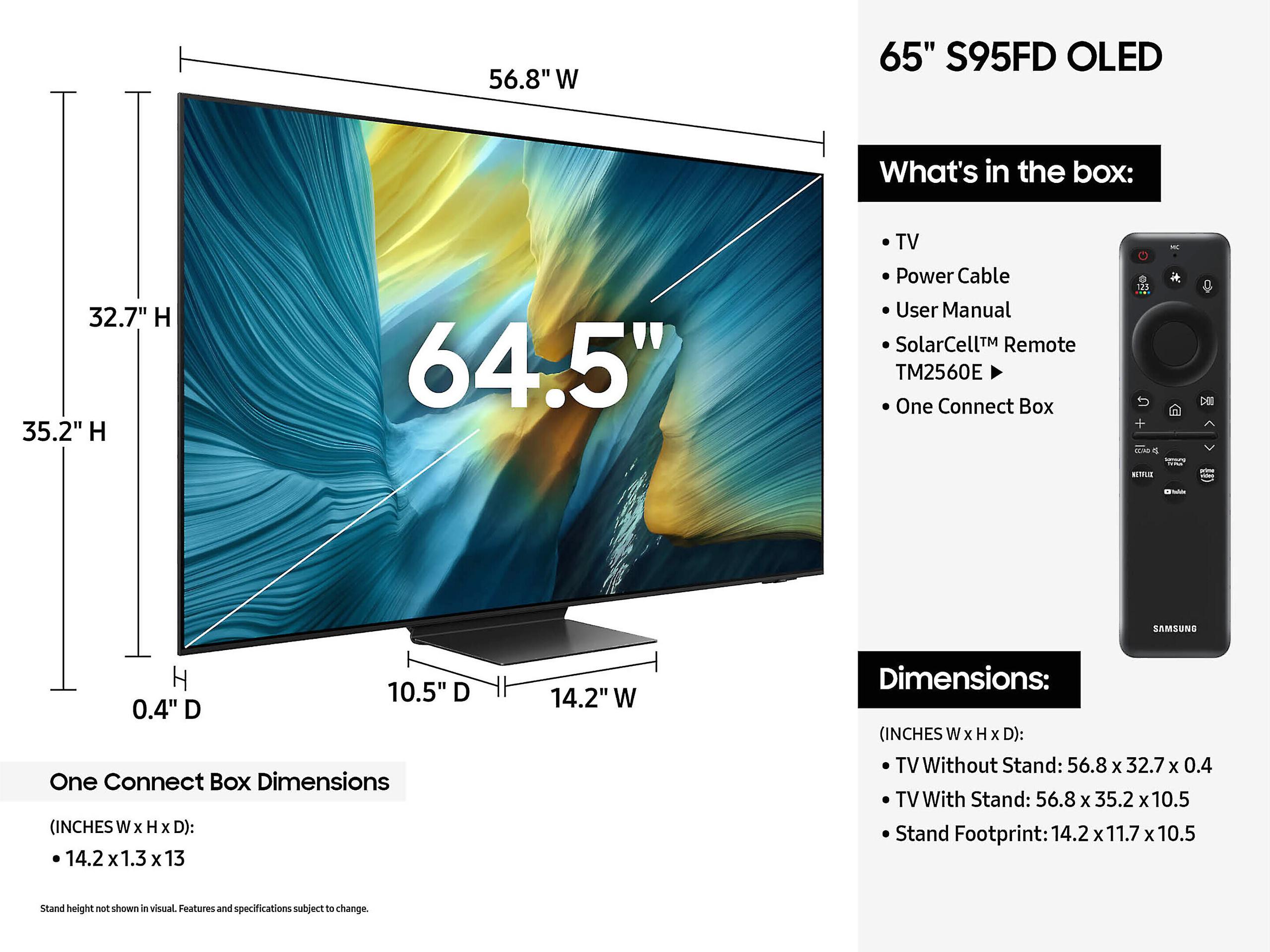
When Samsung released their 2025 TV lineup, they brought two distinctly different approaches to premium 65-inch viewing. The Samsung QN70F Neo QLED and Samsung S95F OLED represent a fascinating study in contrasts – literally and figuratively. After spending considerable time with both displays, I've found that each excels in different scenarios, making the choice between them largely dependent on your specific needs and viewing habits.
The world of premium TVs has become increasingly complex, with manufacturers pushing different display technologies to solve age-old problems like reflections, brightness, and contrast. At the heart of this competition lies a fundamental question: should TVs get brighter to fight ambient light, or should they get better at controlling individual pixels for perfect contrast?
The Samsung QN70F takes the brightness approach with its Neo QLED technology, while the Samsung S95F OLED focuses on pixel-level control with its advanced OLED panel. Both are 65-inch 4K displays with smart features and gaming capabilities, but their underlying philosophies couldn't be more different.
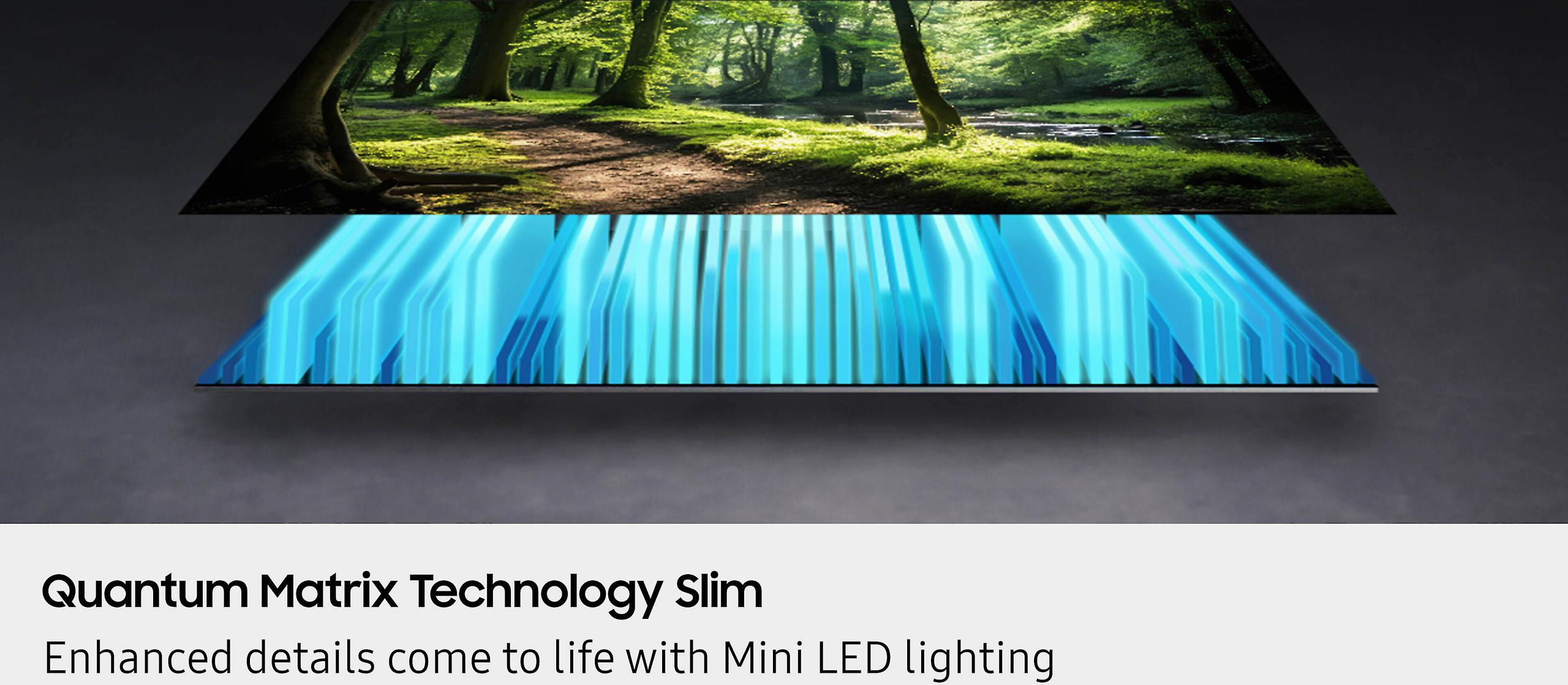
The QN70F uses what Samsung calls "Neo QLED" technology, though it's important to understand what this actually means. Unlike true Mini-LED displays that use thousands of tiny LEDs for precise backlighting control, the QN70F employs edge-lit backlighting with a VA (Vertical Alignment) LCD panel. This means the light comes from LEDs around the edges of the screen rather than directly behind it.
The VA panel technology does provide better black levels than typical IPS displays, creating decent contrast for an LCD. The quantum dot layer – that's the "Q" in QLED – enhances color reproduction by converting blue LED light into more precise red and green wavelengths. Think of it like a color filter that makes everything more vivid and accurate.
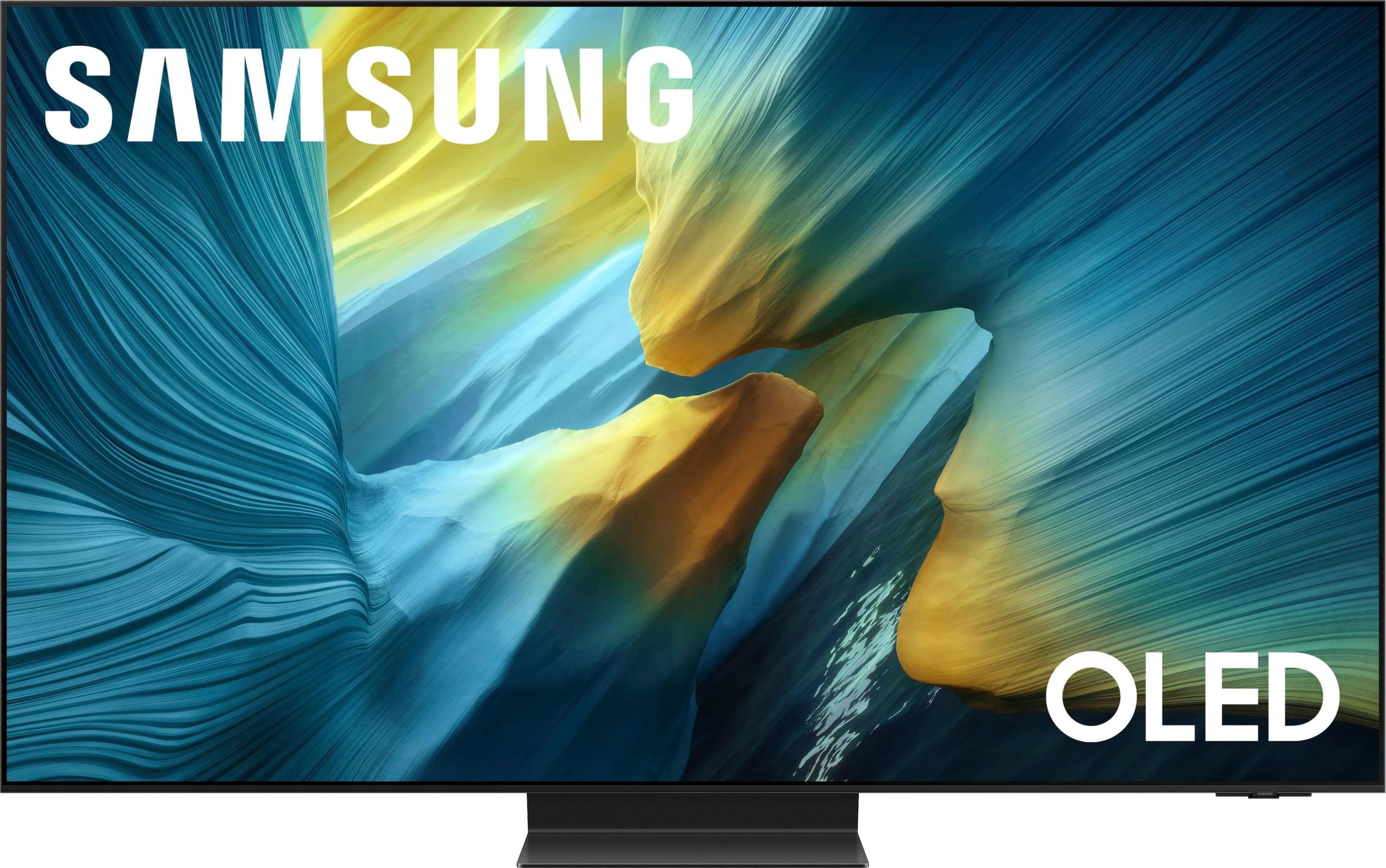
The S95F, on the other hand, uses QD-OLED (Quantum Dot OLED) technology with what Samsung calls a "5-layer tandem stack." Each pixel is essentially a tiny light bulb that can turn on, off, or dim independently. This self-emissive nature means perfect blacks – when a pixel is off, it produces absolutely no light.
The quantum dot enhancement in the S95F works differently than in the QN70F. Instead of filtering backlight, it converts the OLED's blue emission into pure red and green light, creating a wider color gamut than traditional OLED displays. The tandem stack technology layers multiple OLED emitters, significantly boosting brightness while maintaining the technology's contrast advantages.
Having tested both displays extensively, the contrast difference is immediately apparent. The S95F delivers that jaw-dropping OLED experience where dark movie scenes reveal perfect shadow detail while bright elements pop with intensity. Watching something like "Dune" or "Blade Runner 2049," the OLED's ability to show subtle details in shadows while maintaining brilliant highlights creates an almost three-dimensional viewing experience.
The QN70F, while impressive for its price category, shows the limitations of edge-lit backlighting in challenging content. Dark scenes often appear slightly gray rather than true black, and you might notice some light bleeding from brighter areas into darker regions. However, for most viewing – sports, news, daytime TV – this limitation isn't particularly noticeable.
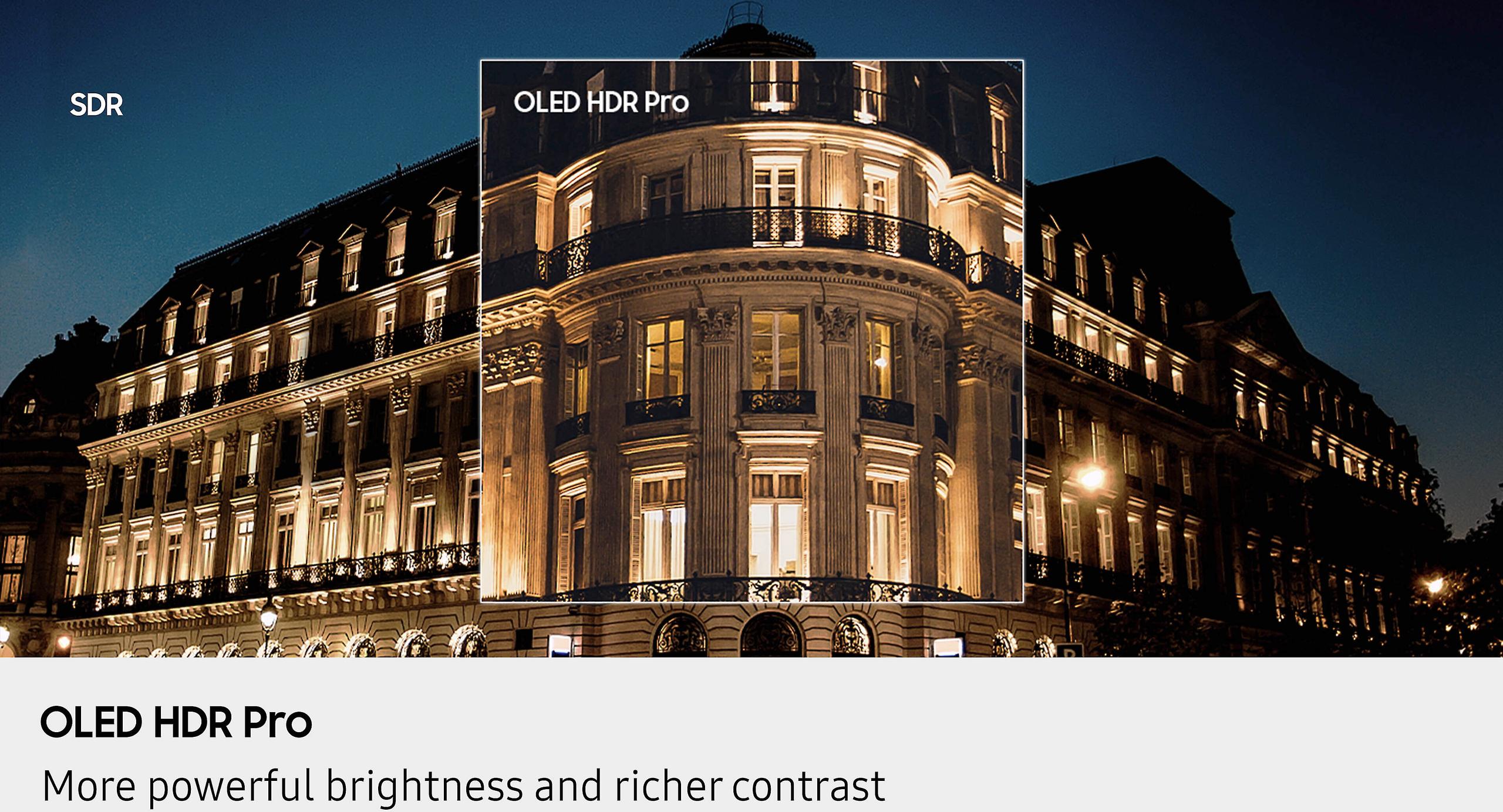
Here's where things get interesting. Peak brightness measurements show the S95F reaching over 2,000 nits in small highlight areas – that's incredibly bright for an OLED. The QN70F achieves respectable brightness levels but can't match these flagship OLED peaks.
More importantly, the OLED's brightness is precisely controlled. When watching HDR content like nature documentaries or action movies, the S95F can make the sun genuinely uncomfortable to look at while keeping everything else perfectly balanced. The QN70F provides good HDR performance but lacks this surgical precision in brightness control.
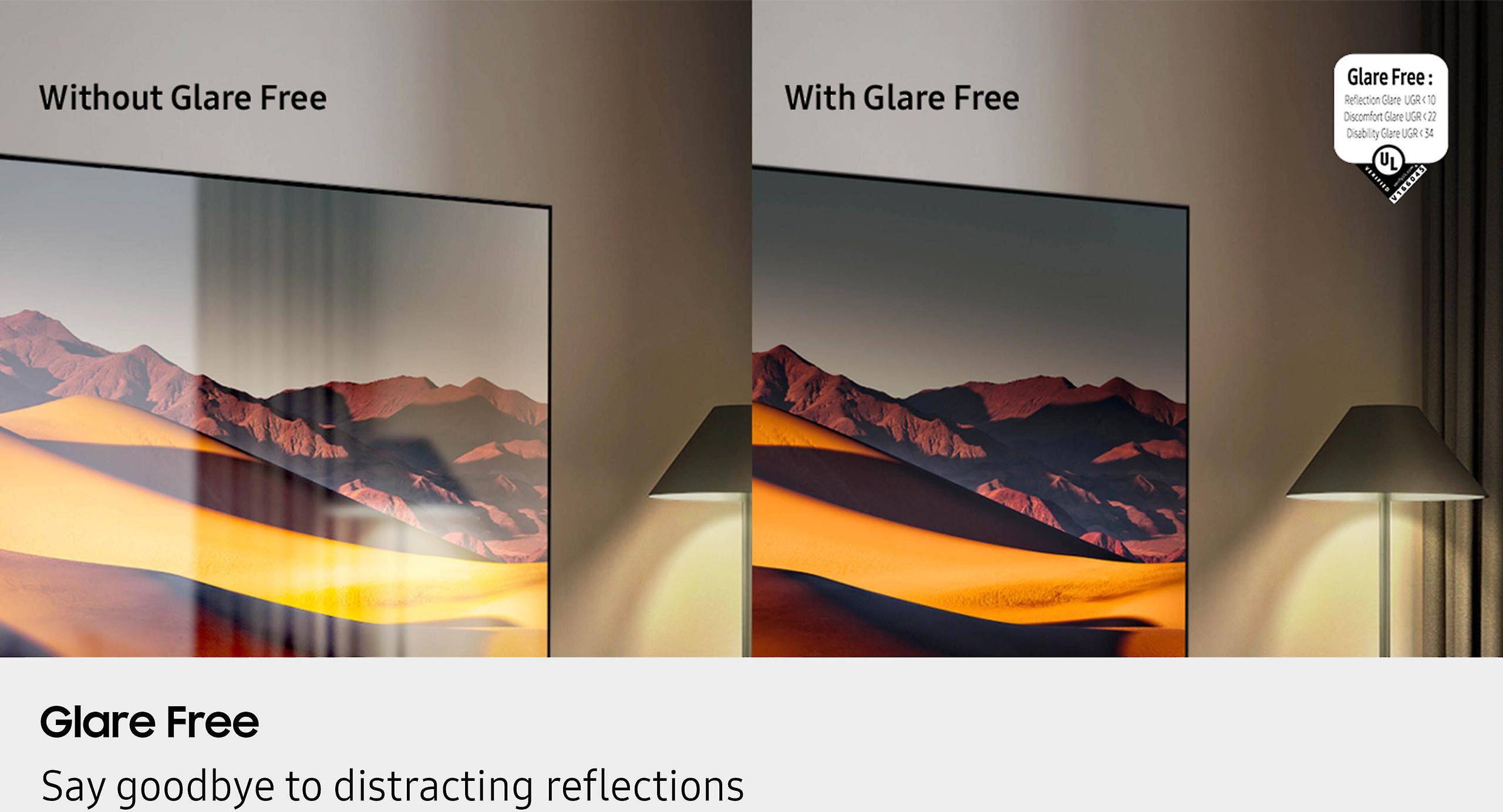
One of 2025's most significant TV innovations appears in the S95F: OLED Glare Free 2.0 technology. This matte coating dramatically reduces reflections while maintaining image quality – something previous matte displays struggled with. In my bright living room with large windows, the difference is remarkable. The S95F remains clearly visible even with direct sunlight, while traditional glossy displays become nearly unwatchable.
The QN70F lacks this anti-reflective technology, relying instead on higher base brightness to overcome ambient light. This works reasonably well but requires more careful room lighting management.
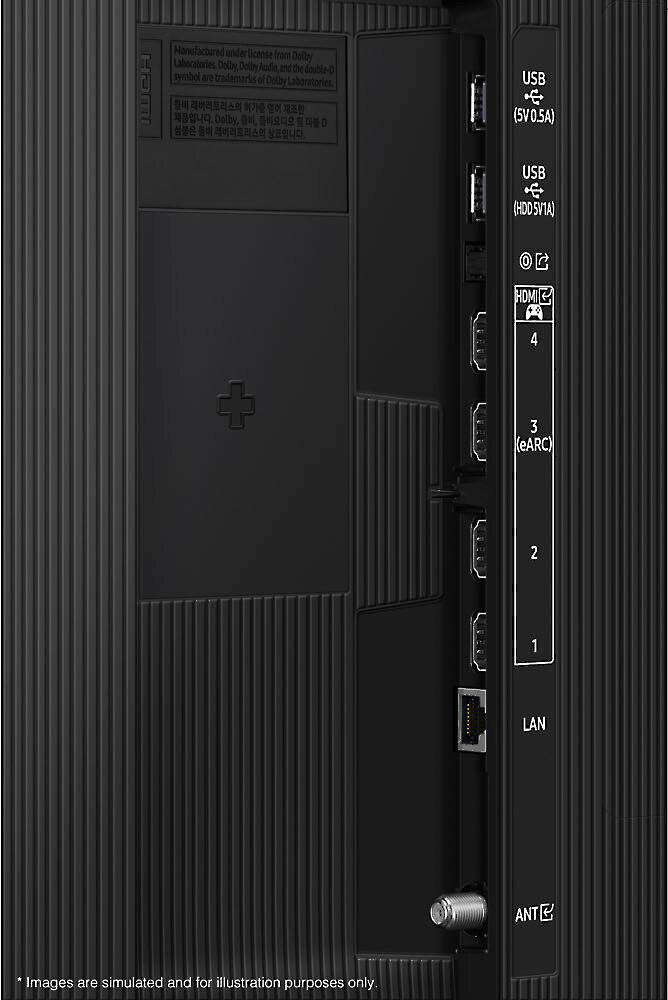
Both displays excel for gaming, but with different strengths. The QN70F offers 144Hz refresh rates with comprehensive gaming features at a price that won't break the bank. Input lag is impressively low, and motion handling is smooth enough for competitive gaming.
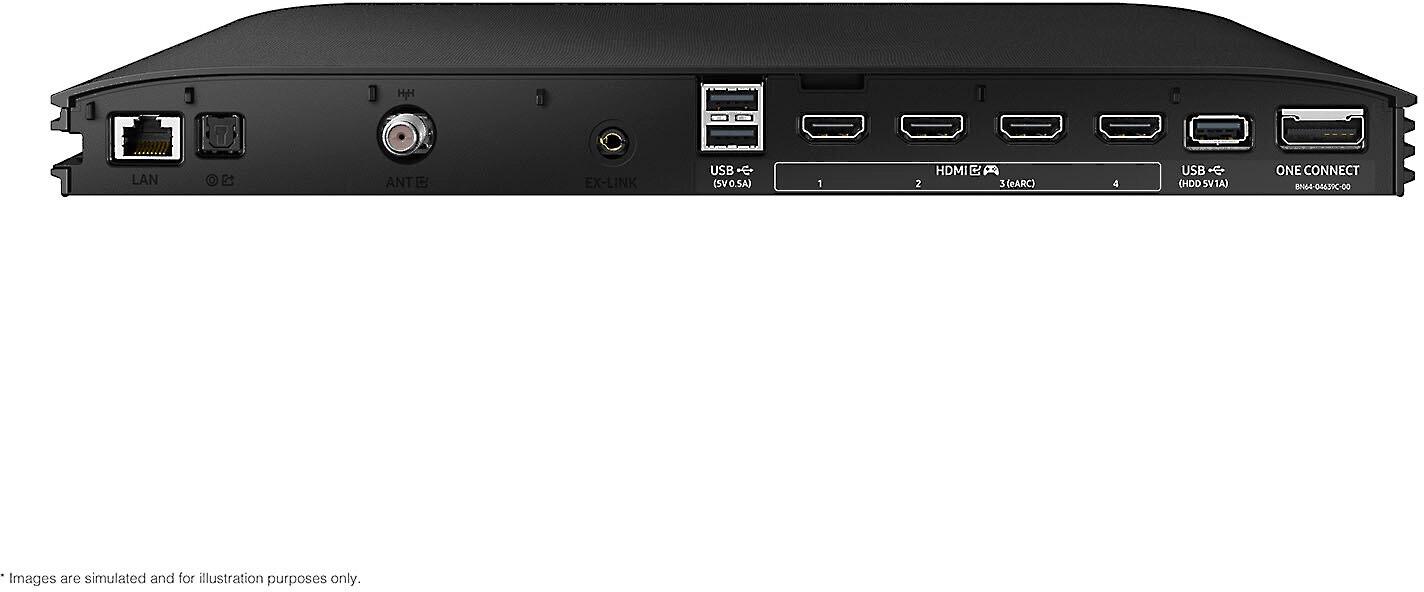
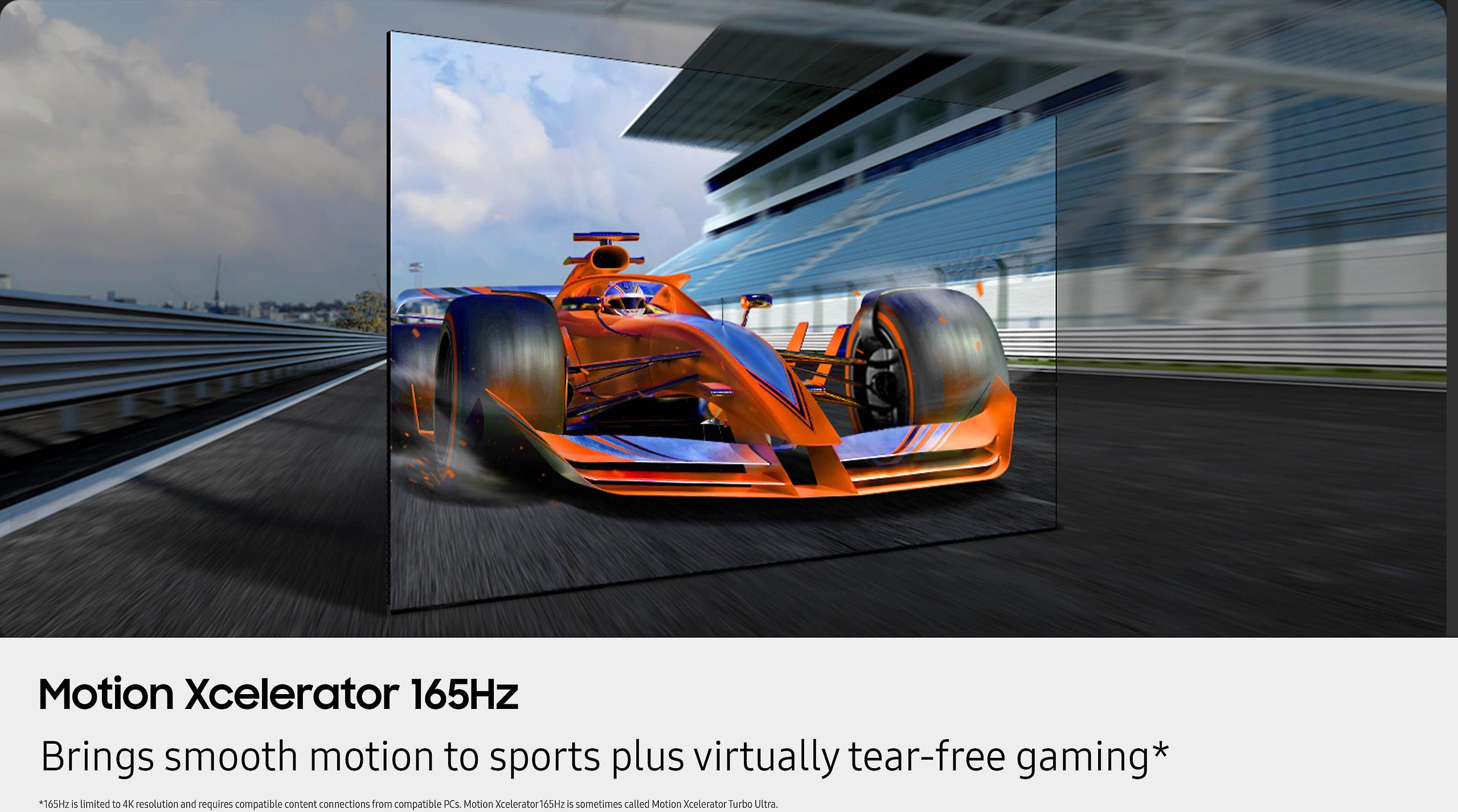
The S95F steps things up with 165Hz support across all four HDMI 2.1 ports. This higher refresh rate, combined with AMD FreeSync Premium Pro and ultra-low input lag, creates an exceptionally responsive gaming experience. The OLED's instant pixel response eliminates motion blur entirely – something LCD displays struggle with despite their high refresh rates.
For competitive gaming, both perform excellently. The QN70F offers outstanding value for esports titles, while the S95F provides the ultimate experience for story-driven games where visual quality matters most.
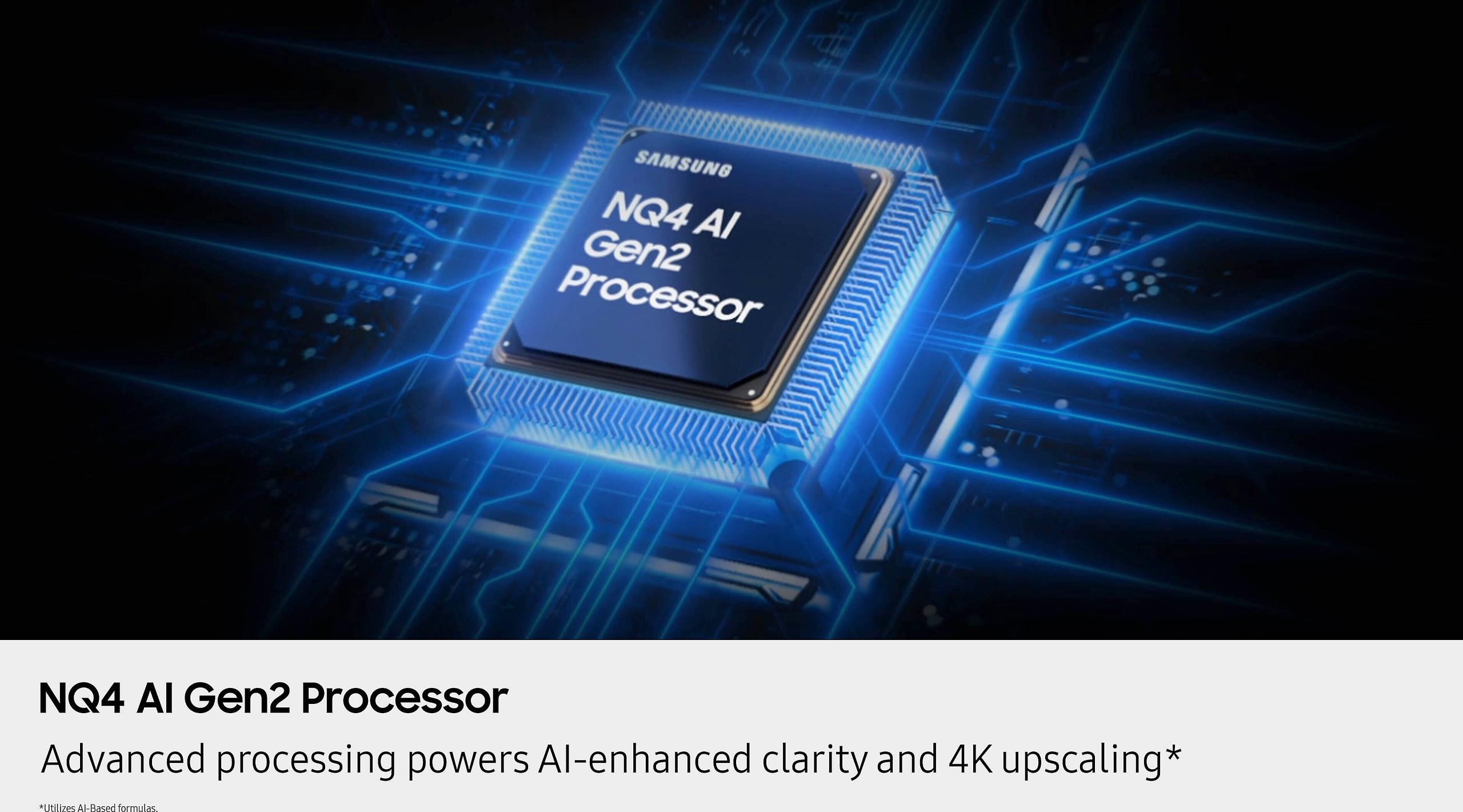
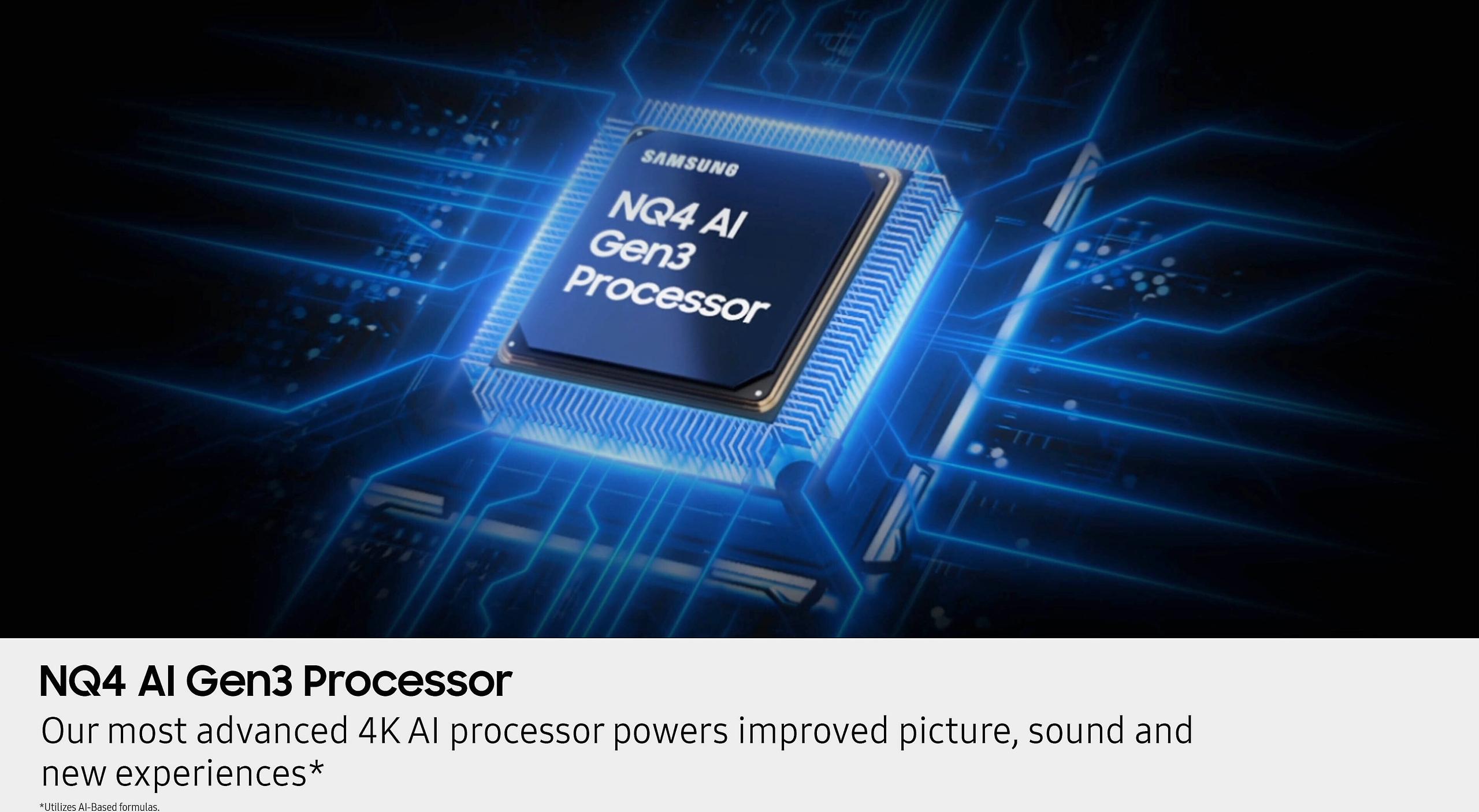
Both TVs run Samsung's Tizen operating system with Vision AI features, but the S95F includes the more advanced NQ4 AI Gen3 processor compared to the QN70F's Gen2 version. In practical terms, this means slightly better upscaling and more sophisticated content optimization on the OLED model.
The Vision AI features – like click-to-search and live translation – work similarly on both displays. These AI-powered tools analyze what you're watching to provide additional information or translate foreign content in real-time. While impressive demonstrations of technology, they're more novelty than necessity for most users.
The S95F does offer seven years of software updates compared to the standard support period for the QN70F, providing better long-term value and feature additions.
For dedicated home theater setups, the S95F OLED is clearly superior. Its perfect black levels create that immersive movie theater experience where you can see every detail in shadow-filled scenes. The precise color reproduction and HDR performance make it ideal for appreciating cinematography as directors intended.
However, the QN70F shouldn't be dismissed for home theater use. Its excellent motion handling makes it particularly good for sports viewing, and the bright, vibrant image works well for animated content or action movies. The key is managing your room's lighting – dark or dimly lit rooms heavily favor the OLED, while brighter environments can showcase the QN70F's strengths.
At the time of writing, these displays occupy very different market positions. The QN70F represents exceptional value in the mid-range segment, offering gaming-focused features and solid picture quality at a competitive price point. It's what I'd recommend to someone wanting a significant upgrade from their old TV without flagship pricing.
The S95F commands a premium that's roughly double the QN70F's price, but this isn't just markup – it's fundamentally different technology. The OLED panel, advanced anti-glare coating, higher refresh rates, and superior processing justify the cost for users who prioritize best-in-class performance.
The QN70F has some notable limitations despite its "Neo QLED" branding. The edge-lit backlighting means it can't achieve the precise dimming control of true Mini-LED displays. There's no USB recording capability, and it lacks DTS audio support – minor issues for most users but worth noting for specific use cases.
The S95F isn't perfect either. Samsung still doesn't support Dolby Vision, instead using their HDR10+ format. While the difference isn't dramatic in most content, it's an ecosystem consideration if you have other Dolby Vision devices. The matte coating, while excellent for reflection control, subtly affects the image texture in ways some users might find objectionable.
The QN70F makes sense for gaming enthusiasts who want excellent performance without premium pricing, families who watch a variety of content in bright rooms, and anyone seeking a significant upgrade from an older TV without stretching their budget. Its sports performance is particularly noteworthy – fast motion appears smooth and natural without the processing artifacts that plague some displays.
The S95F appeals to videophiles who want the absolute best picture quality, movie enthusiasts who appreciate perfect blacks and color accuracy, and users with challenging room lighting who'll benefit from the glare-free technology. It's also ideal for those who want to future-proof their purchase with the highest specifications available.
After extensive testing, I've found both displays excel in their intended roles. The QN70F punches well above its price class, delivering gaming performance and picture quality that would have been flagship territory just a few years ago. It's the smart choice for most buyers who want excellent performance without premium pricing.
The S95F represents the current pinnacle of TV technology, with innovations like the glare-free coating and tandem OLED stack that genuinely solve real-world viewing problems. If you can justify the premium cost and want the absolute best viewing experience regardless of room conditions, it's exceptional.
The choice ultimately comes down to priorities: the QN70F offers outstanding value and gaming performance, while the S95F delivers uncompromising picture quality with innovative anti-glare technology. Both are excellent TVs that showcase Samsung's engineering capabilities – they just target different segments of the market with distinct approaches to premium viewing.
| Samsung 65" QN70F Neo QLED | Samsung 65" OLED S95F |
|---|---|
| Display Technology - The fundamental difference affecting picture quality | |
| Edge-lit VA LCD with Quantum Dot enhancement | QD-OLED with 5-layer tandem stack and self-emissive pixels |
| Black Levels & Contrast - Critical for movie viewing and dark scenes | |
| Good blacks for LCD but visible gray in dark scenes | Perfect blacks with infinite contrast ratio |
| Peak Brightness - Important for HDR content and bright room viewing | |
| Above-average brightness for price category | Up to 2,388 nits measured, flagship OLED brightness |
| Gaming Refresh Rate - Higher is better for competitive gaming | |
| 144Hz with low input lag and FreeSync Premium Pro | 165Hz with ultra-low input lag and FreeSync Premium Pro |
| Anti-Glare Technology - Makes huge difference in bright rooms | |
| Standard glossy screen, relies on brightness to fight reflections | OLED Glare Free 2.0 coating dramatically reduces reflections |
| Processor & AI Features - Affects upscaling and smart capabilities | |
| NQ4 AI Gen2 with essential Vision AI features | NQ4 AI Gen3 with advanced Vision AI and 7 years updates |
| Audio System - Built-in sound quality | |
| 20W 2-channel system with basic enhancement | 70W 4.2.2-channel with Dolby Atmos and Object Tracking Sound |
| HDMI Gaming Ports - Number of high-refresh gaming connections | |
| 4 HDMI 2.1 ports supporting 4K@144Hz | 4 HDMI 2.1 ports supporting 4K@165Hz |
| Color Technology - Affects color accuracy and vibrancy | |
| Quantum Dot color filter enhancing LCD backlight | Quantum Dot OLED with wider color gamut than traditional OLED |
| Value Positioning - Who this TV targets | |
| Exceptional gaming value at mid-range pricing | Flagship technology with premium features and pricing |
| Best Use Cases - Where each TV excels | |
| Gaming, sports, bright room daytime viewing | Movies, versatile lighting, premium home theater setups |
The Samsung OLED S95F delivers superior picture quality for movies and dark content thanks to its OLED technology. Each pixel can turn completely off, creating perfect black levels and infinite contrast. The Samsung QN70F Neo QLED provides good picture quality for its price range, but its LCD panel with edge-lit backlighting cannot match the OLED's contrast performance in dark scenes.
Both TVs excel for gaming, but the Samsung S95F OLED has a slight edge with 165Hz refresh rate compared to the Samsung QN70F's 144Hz. Both offer low input lag, FreeSync Premium Pro, and four HDMI 2.1 ports. The QN70F provides exceptional gaming performance at a more affordable price point, making it an excellent choice for budget-conscious gamers.
The Samsung S95F OLED performs better in bright rooms due to its innovative OLED Glare Free 2.0 coating that dramatically reduces reflections. While the Samsung QN70F Neo QLED has higher base brightness, it lacks anti-reflective technology and can become difficult to see with direct sunlight or bright ambient lighting.
The Samsung QN70F Neo QLED uses an LCD panel with LED backlighting and quantum dot color enhancement, while the Samsung S95F OLED uses self-emissive pixels that produce their own light. OLED offers perfect blacks and better contrast, while Neo QLED typically provides higher brightness at a lower cost.
The Samsung QN70F Neo QLED offers exceptional value, providing premium gaming features and solid picture quality at a mid-range price point. The Samsung S95F OLED justifies its premium pricing with flagship OLED technology, advanced anti-glare coating, and superior picture quality, but costs significantly more.
Both the Samsung QN70F and Samsung S95F run Samsung's Tizen operating system with Vision AI features. However, the S95F includes the more advanced NQ4 AI Gen3 processor and offers seven years of software updates compared to standard support for the QN70F.
The Samsung S95F OLED is superior for dedicated home theater use thanks to its perfect black levels, precise color reproduction, and exceptional HDR performance. The OLED technology creates an immersive cinematic experience ideal for movie viewing in controlled lighting conditions.
The Samsung S95F OLED offers a higher 165Hz refresh rate compared to the Samsung QN70F Neo QLED's 144Hz. Both support variable refresh rate (VRR) and provide smooth motion for gaming and sports content, but the OLED's higher refresh rate provides a slight advantage for competitive gaming.
The Samsung S95F OLED features a more advanced audio system with 70W output, 4.2.2-channel speakers, Dolby Atmos support, and Object Tracking Sound. The Samsung QN70F Neo QLED has a simpler 20W 2-channel system, though both support Samsung's Q-Symphony for pairing with compatible soundbars.
The Samsung QN70F Neo QLED uses edge-lit backlighting rather than true Mini-LED, limiting its contrast performance. The Samsung S95F OLED doesn't support Dolby Vision (uses HDR10+ instead) and commands a premium price that may not fit all budgets.
Both TVs handle sports well, but the Samsung QN70F Neo QLED excels for sports viewing with excellent motion handling and bright, vibrant images that work well in typical living room lighting. The Samsung S95F OLED also provides smooth sports performance with the added benefit of working well in any lighting condition.
For most first-time 4K upgraders, the Samsung QN70F Neo QLED provides excellent performance and features at a more accessible price point. Choose the Samsung S95F OLED if you prioritize the absolute best picture quality, have a flexible budget, and want future-proof technology with premium features.
We've done our best to create useful and informative comparisons to help you decide what product to buy. Our research uses advanced automated methods to create this comparison and perfection is not possible - please contact us for corrections or questions. These are the sites we've researched in the creation of this article: rtings.com - youtube.com - wifihifi.com - samsung.com - samsung.com - samsung.com - samsung.com - flatpanelshd.com - news.samsung.com - bestbuy.com - businessinsider.com - tomsguide.com - youtube.com - avsforum.com - zdnet.com - samsung.com - pioneertvandappliance.com - samsung.com - displayspecifications.com - samsung.com

Privacy Policy
Terms and Conditions - Affiliate Policy
Home Security
© Copyright 2008-2026.
11816 Inwood Rd #1211, Dallas, TX 75244