


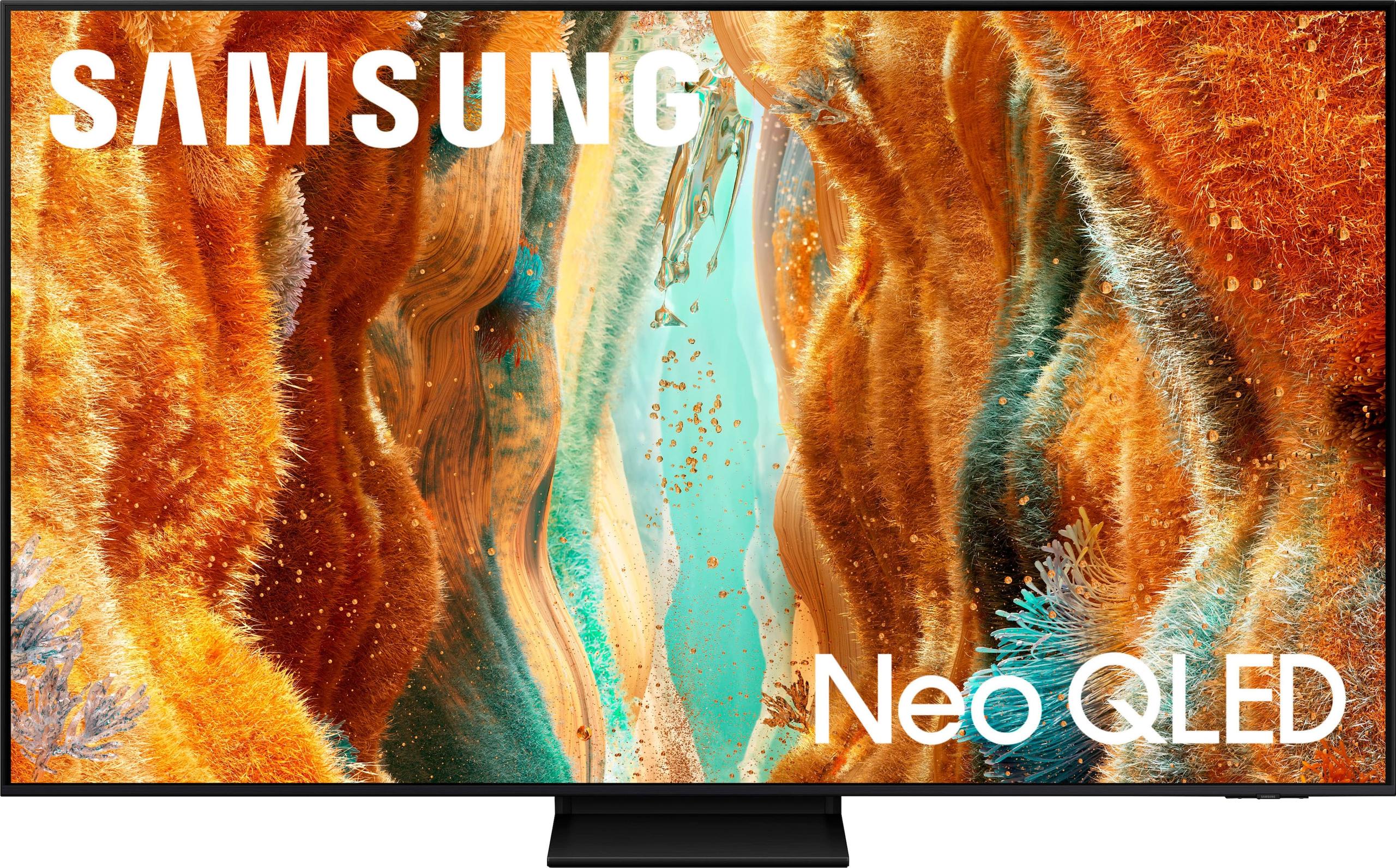
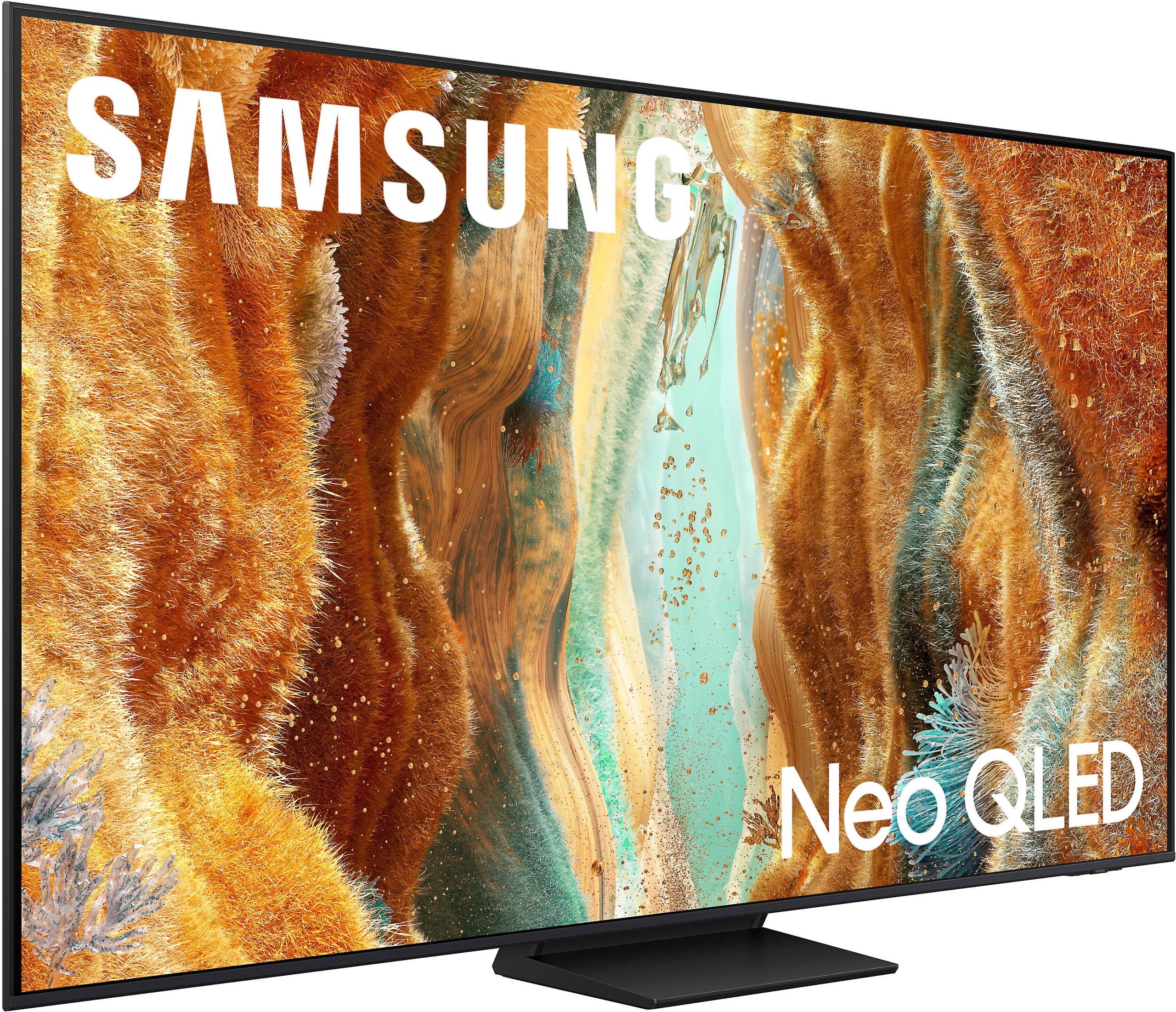


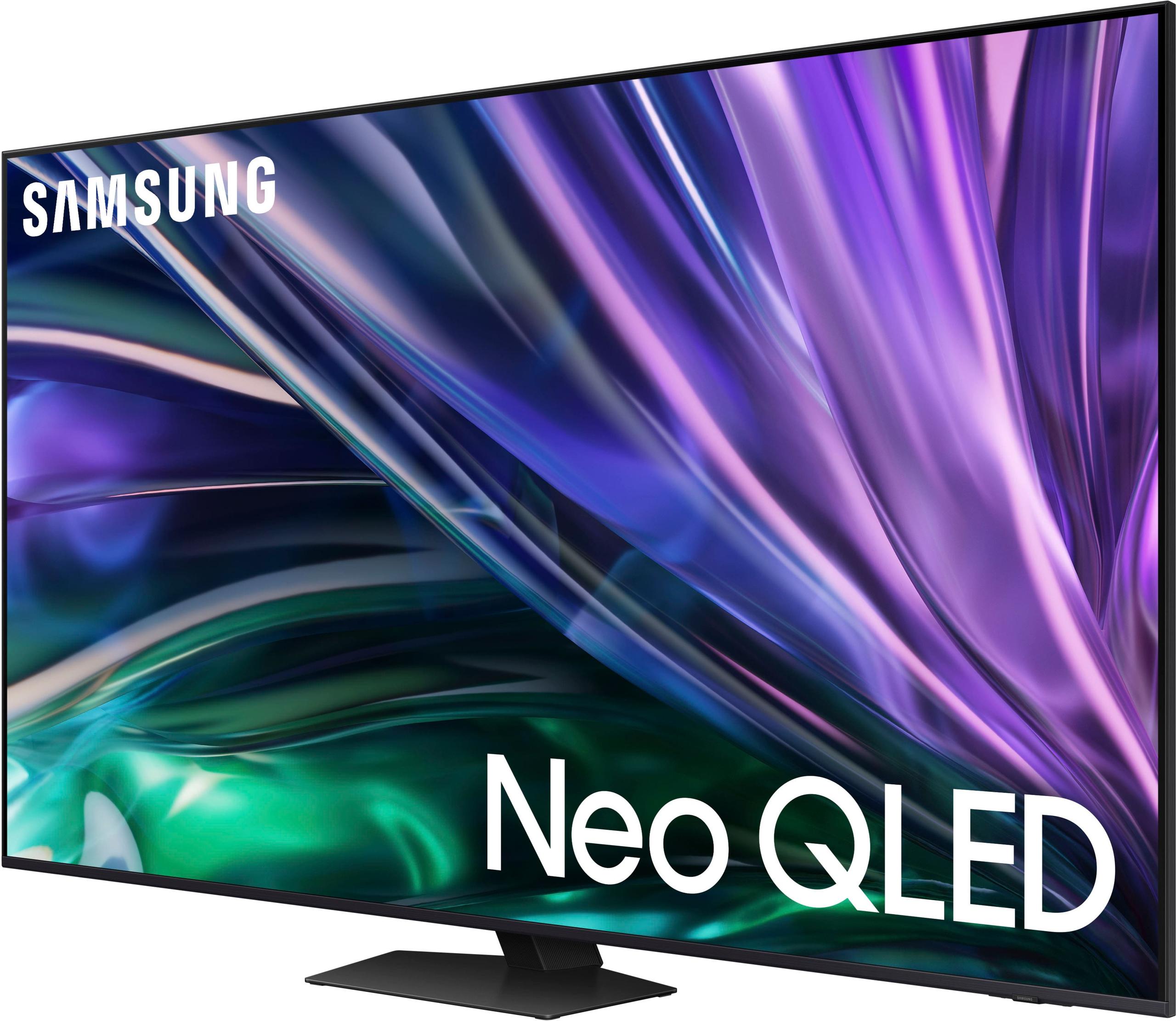

If you're shopping for a premium 65-inch television, you've probably noticed that Samsung offers two very different technologies at similar price points. The Samsung 65" QN70F Neo QLED represents their entry-level Mini LED approach from 2025, while the Samsung 65" OLED S90D showcases their OLED technology from 2024. At the time of writing, these TVs are priced within about $100 of each other, making the choice particularly interesting.
The fundamental question isn't really about which TV is "better" – it's about which display technology fits your specific needs. Think of it like choosing between a sports car and an SUV. Both can get you where you're going, but they excel in different scenarios. Let's break down what makes each of these Samsung TVs tick and help you figure out which one belongs in your living room.
The TV landscape has evolved dramatically over the past few years. When OLED technology first hit mainstream pricing around 2020, it felt like the clear winner for picture quality. But Samsung's Neo QLED technology, introduced in 2021 and refined through 2025, has closed many of the gaps while solving some traditional LCD problems.
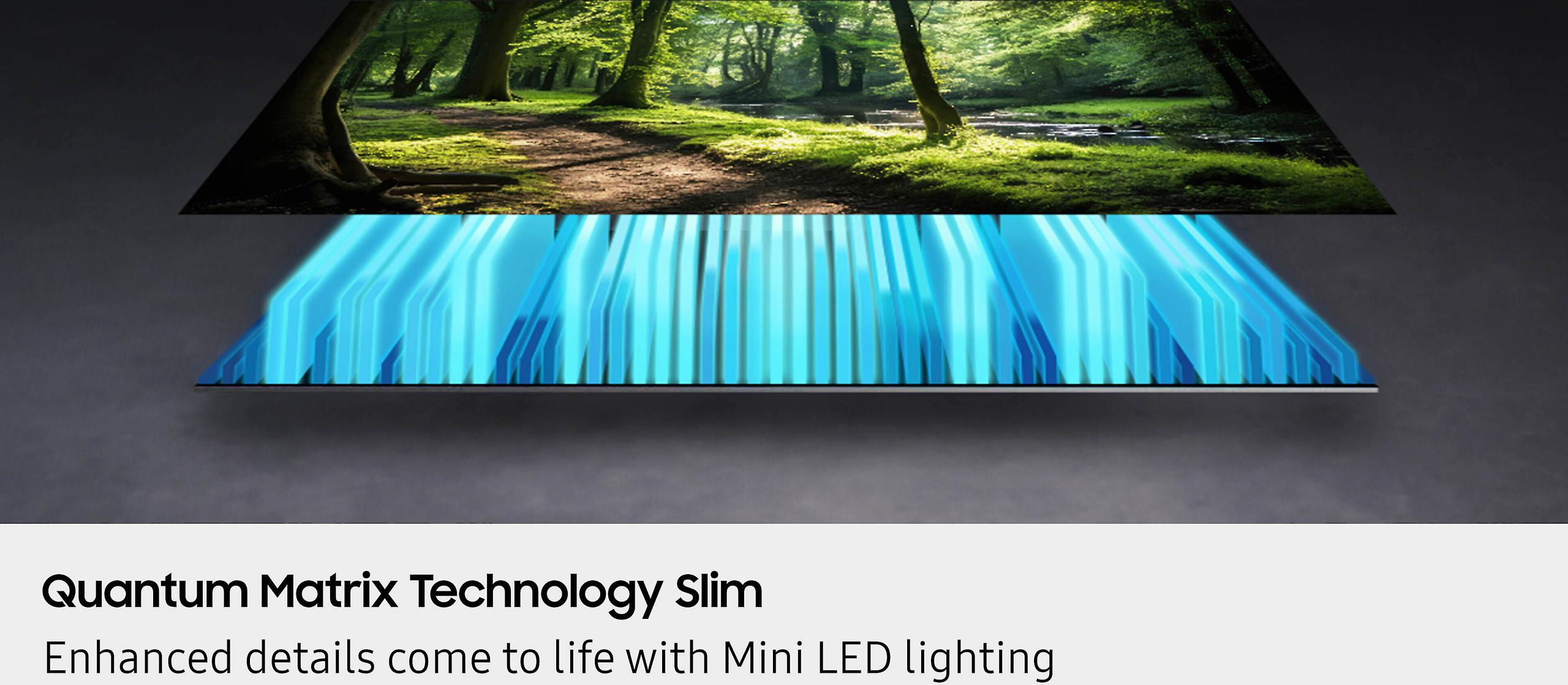
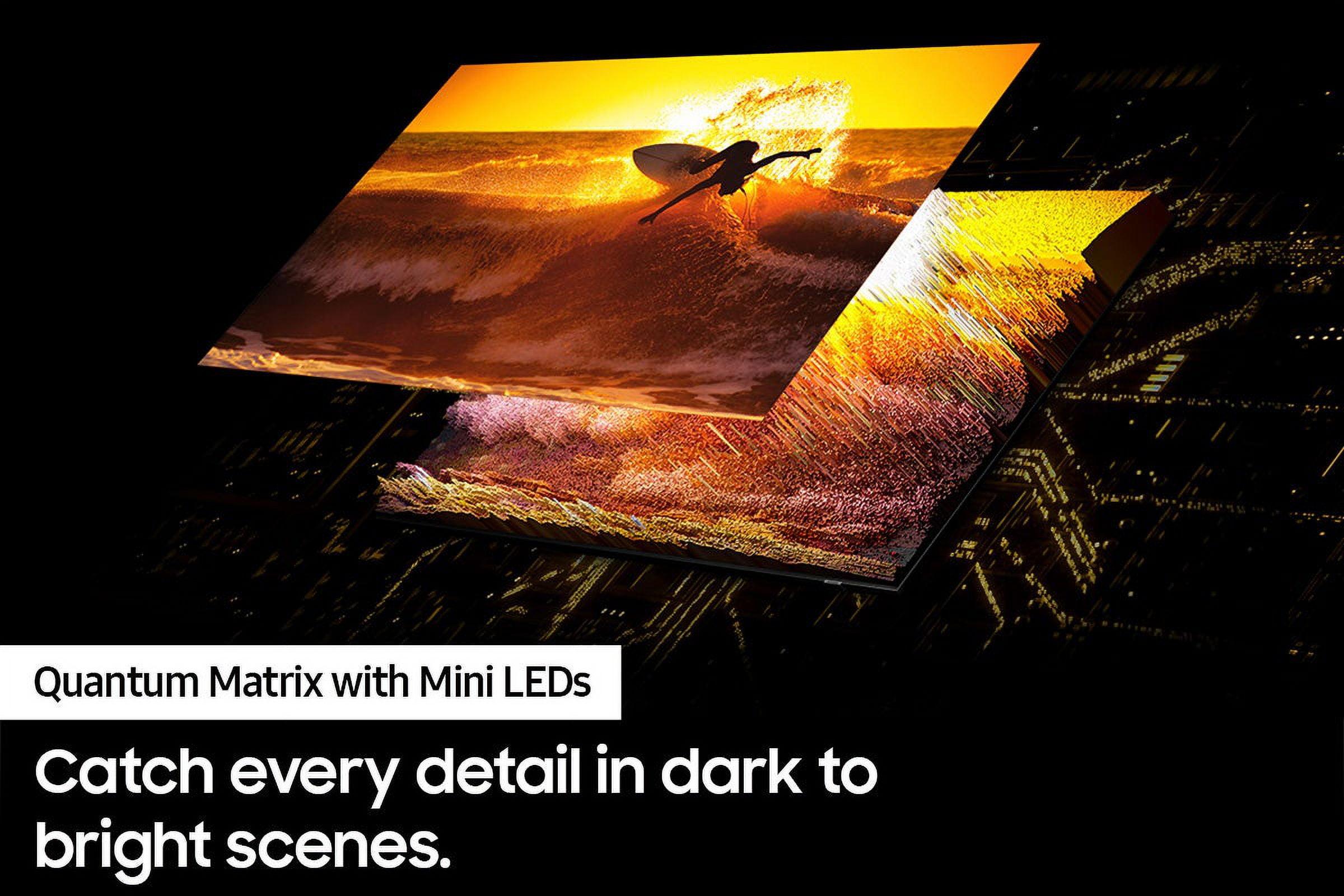
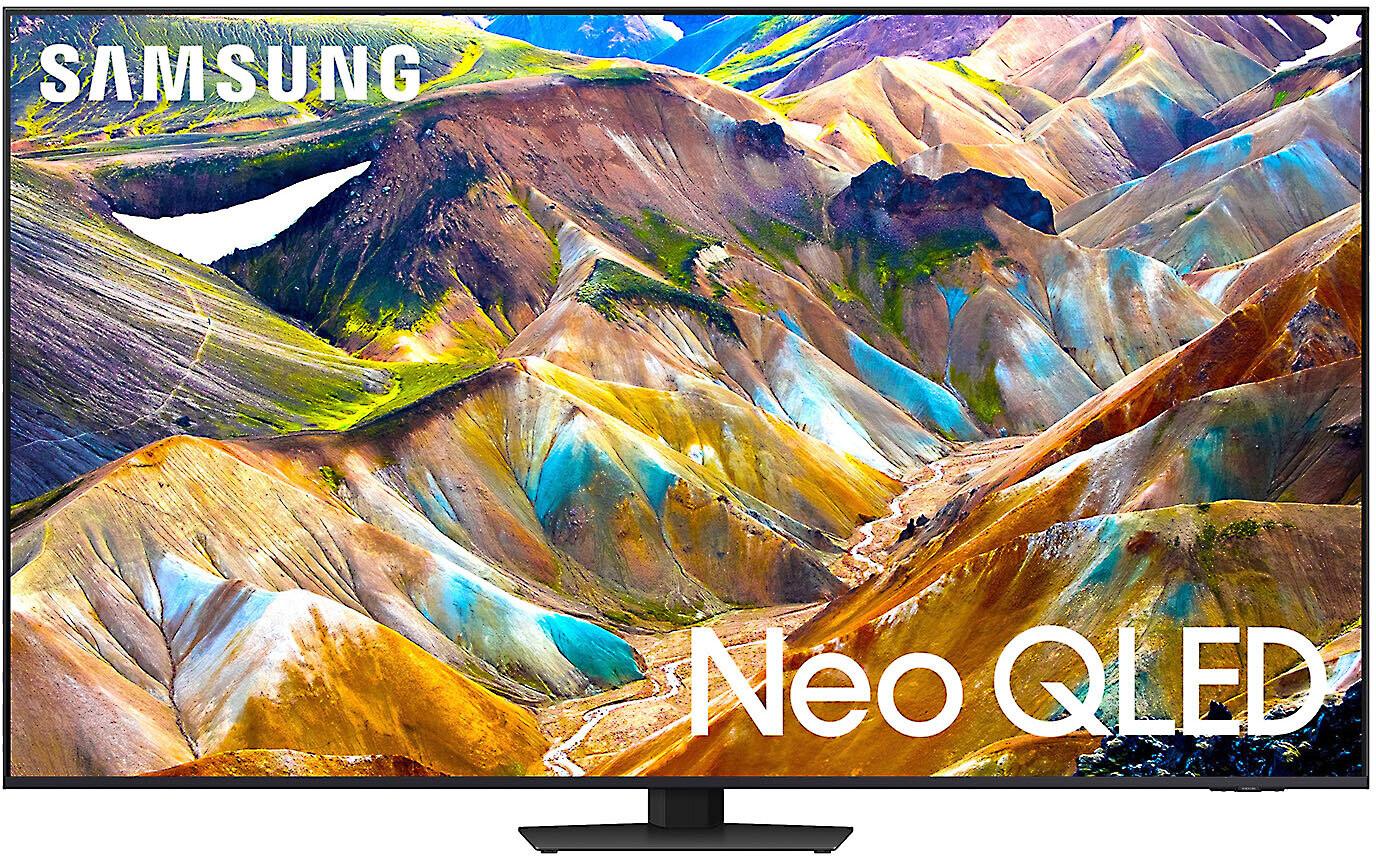
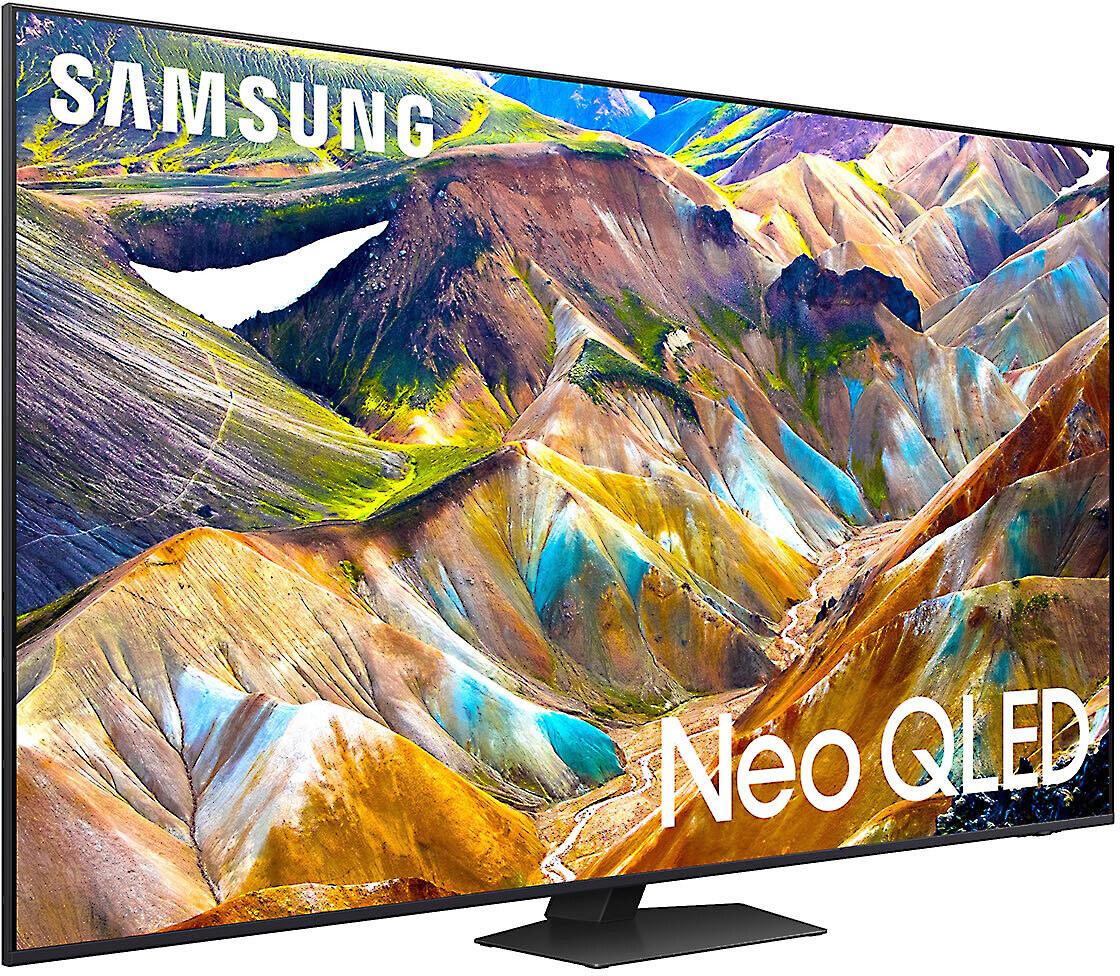
At their core, these represent two completely different philosophies. The Samsung S90D OLED uses millions of self-lighting pixels that can turn completely off to create perfect black levels. Meanwhile, the Samsung QN70F Neo QLED uses thousands of tiny LED lights (called Mini LEDs) behind an LCD panel to create incredibly bright, colorful images while getting much closer to true black than traditional LCD TVs.
The big considerations when choosing between these technologies come down to your viewing environment, what content you watch most, and how you plan to use the TV. Bright living rooms favor different technologies than dark home theaters. Gaming enthusiasts have different needs than movie buffs. And your tolerance for potential long-term issues like burn-in might influence your decision.
When we talk about picture quality, we're really discussing several interconnected elements: contrast (the difference between the brightest whites and darkest blacks), color accuracy, brightness levels, and how well the TV handles different types of content.
The Samsung S90D OLED achieves what's called "infinite contrast ratio" because its pixels can turn completely off. When you're watching a movie with a starfield, those black areas between stars are truly black – not the dark gray you get with most LCD TVs. This creates an incredibly immersive experience, especially in darker viewing environments. I've found that OLED's perfect blacks make everything from sci-fi movies to nature documentaries feel more realistic and engaging.
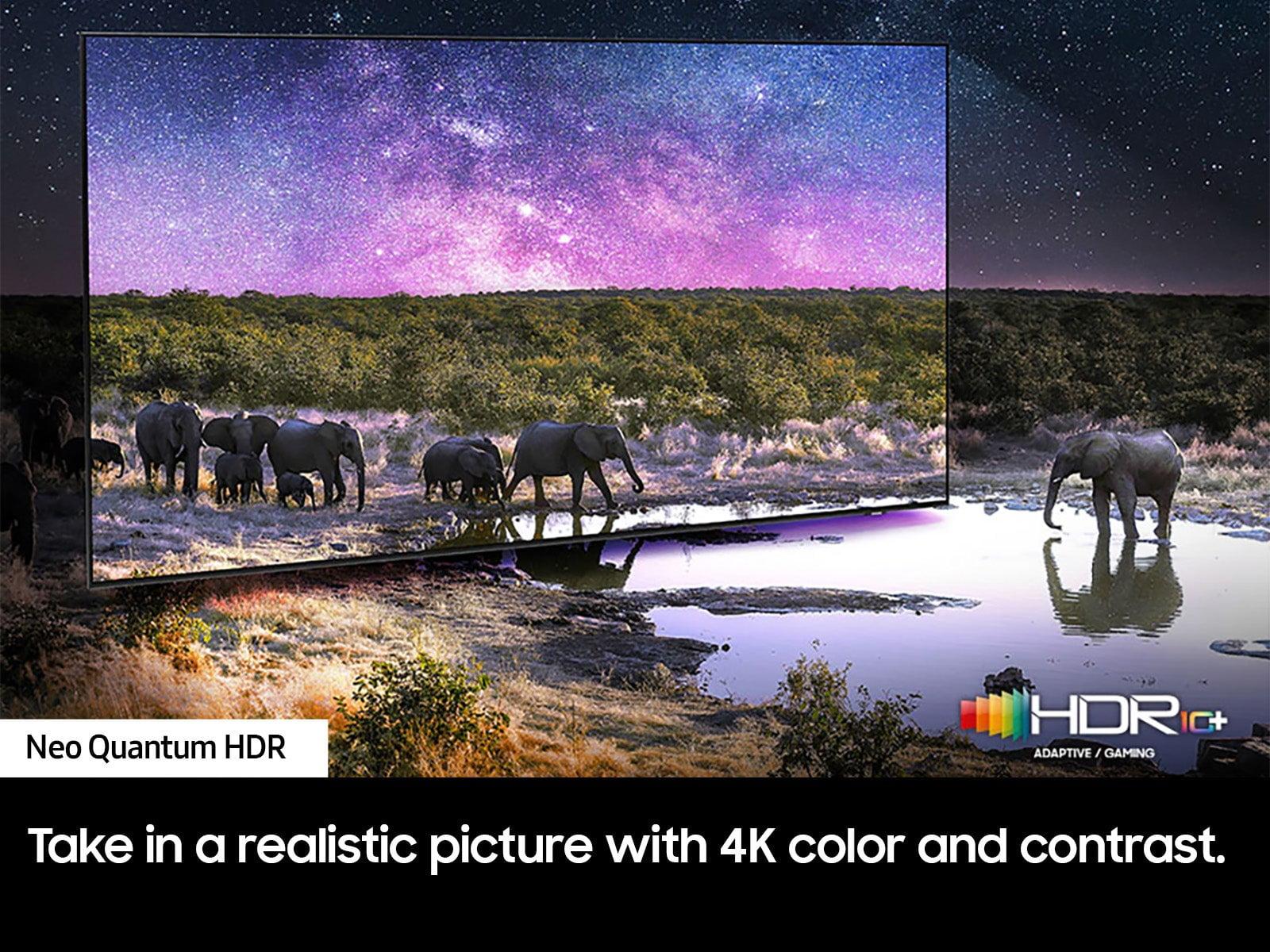
However, the Samsung QN70F Neo QLED takes a different approach that can actually look better in many real-world situations. Mini LED backlighting uses thousands of small LED zones that can dim independently, creating much deeper blacks than traditional LCD while achieving significantly higher peak brightness than OLED. This means HDR (High Dynamic Range) content – think bright explosions in action movies or sunlit scenes in nature shows – can look more dramatic and closer to what your eyes would see in real life.
The brightness difference is particularly noticeable during daytime viewing. While OLED panels typically max out around 400-600 nits of brightness, the QN70F Neo QLED can push well beyond 1000 nits. In practical terms, this means you can enjoy HDR content even with sunlight streaming through your windows, whereas OLED TVs often look washed out in bright rooms.
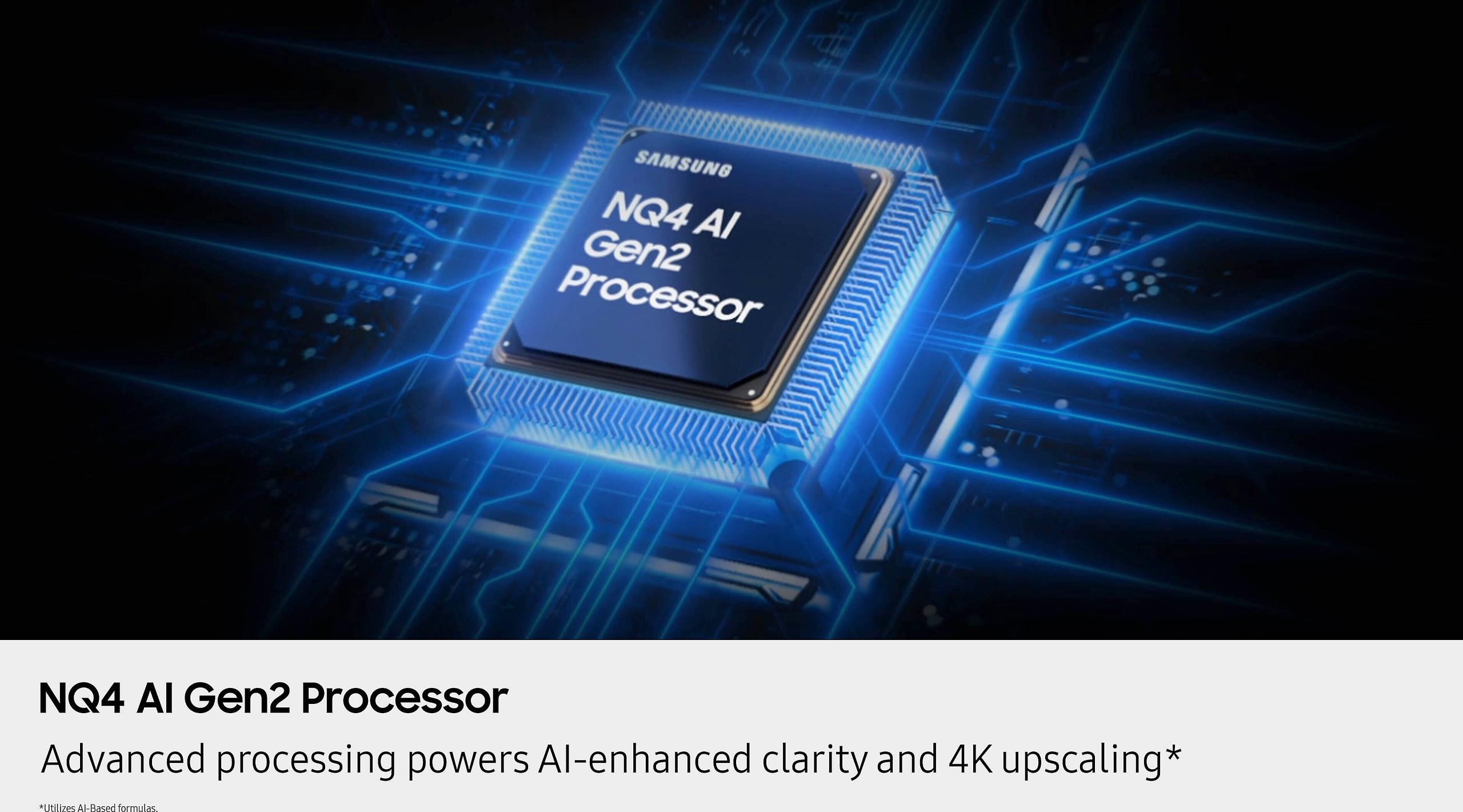
Here's where the Samsung QN70F Neo QLED shows its 2025 heritage. Samsung's Vision AI technology represents a significant leap forward in how TVs understand and enhance content. The NQ4 AI Gen2 processor uses 20 specialized neural networks – think of them as different AI experts, each focused on improving specific aspects of the picture.
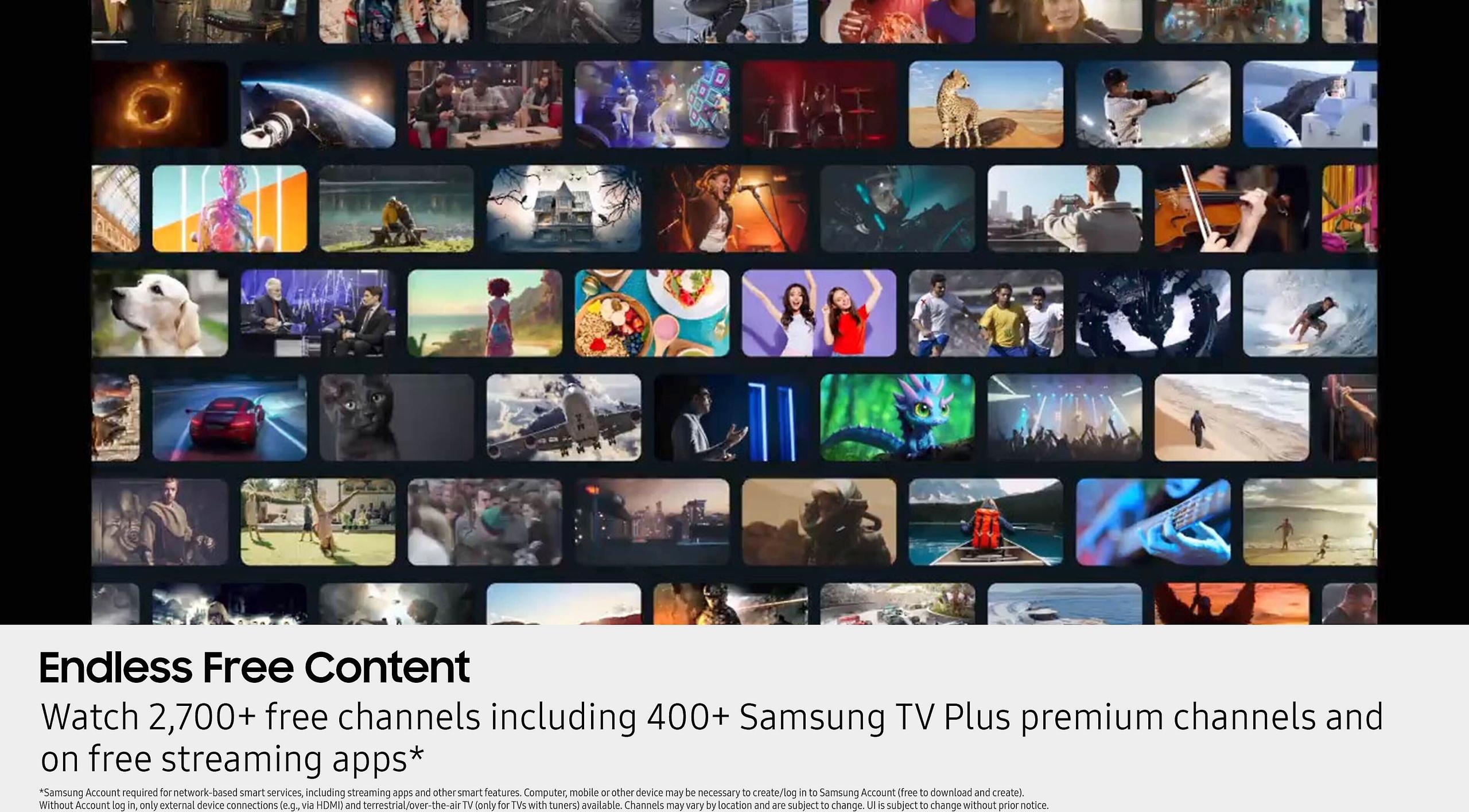
The "Click to Search" feature is genuinely useful in ways that previous smart TV features often weren't. You can pause on any actor and get instant information about them, or even search for similar content based on what you're currently watching. The live translation feature can provide real-time subtitles in your preferred language for foreign content, which is incredibly handy for international shows or news.
The Samsung S90D OLED, being a 2024 model, lacks these latest AI enhancements. While it still provides excellent smart TV functionality through Samsung's Tizen platform, you won't get the cutting-edge AI features that make the QN70F feel more future-ready.
This processing power also affects upscaling – how the TV handles content that isn't native 4K. The 2025 AI processor in the Neo QLED does a noticeably better job of making 1080p content from streaming services or cable look crisp on the 4K display.
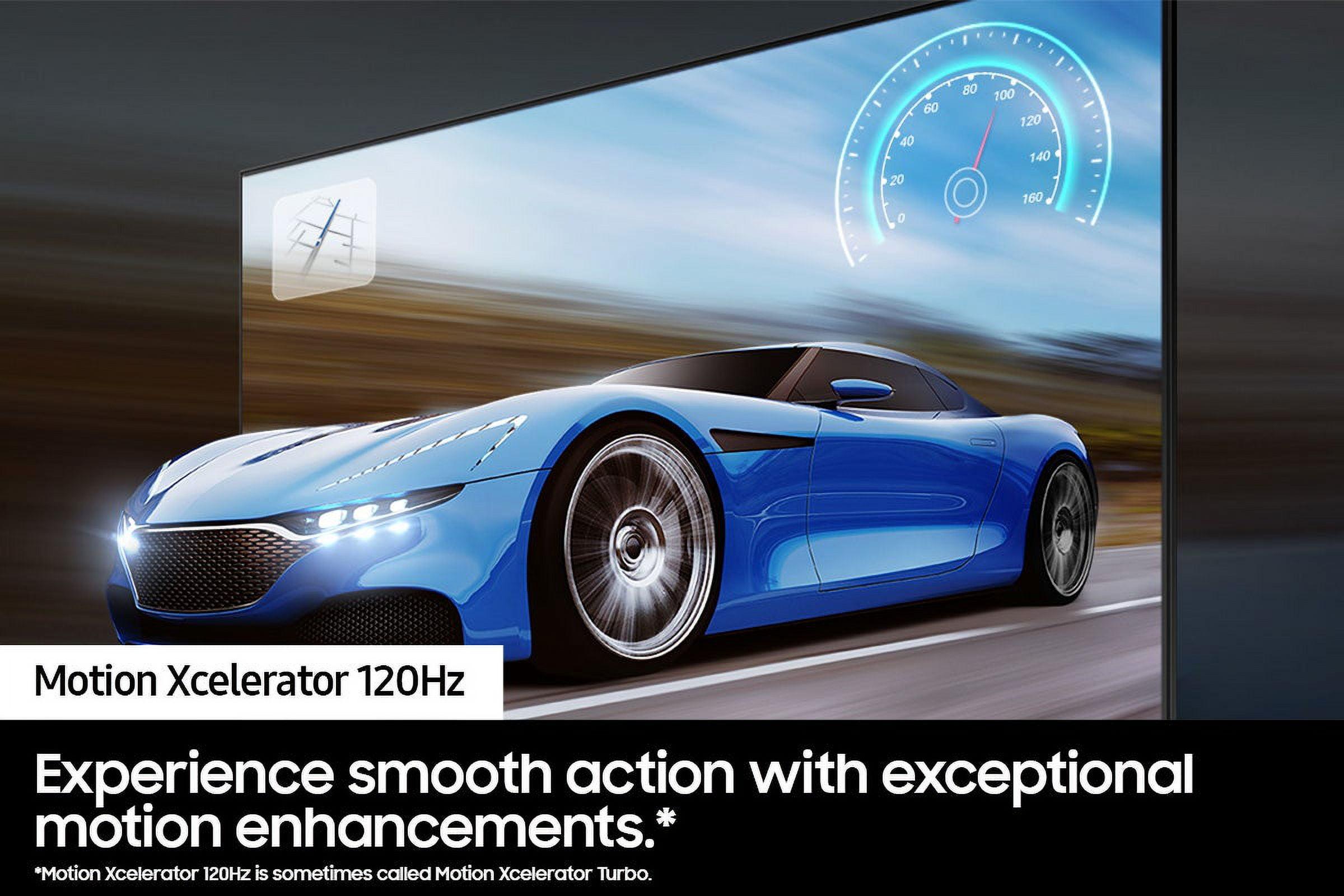
Gaming performance has become crucial for modern TVs, and both Samsung models deliver, but in different ways. The Samsung QN70F Neo QLED supports 144Hz refresh rates, which is exceptional for PC gaming and future console generations. This high refresh rate, combined with Variable Refresh Rate (VRR) support, means games look incredibly smooth without the tearing or stuttering that can occur when frame rates fluctuate.
The Samsung S90D OLED caps out at 120Hz, which is still excellent for current gaming consoles, but the key advantage lies in response time. OLED pixels can change color almost instantaneously – we're talking about 0.1 millisecond response times compared to the 1-5 milliseconds you might see with LCD technology. For competitive gaming, especially fast-paced shooters or racing games, this can provide a subtle but real advantage.
Both TVs include Auto Low Latency Mode (ALLM), which automatically switches to game mode when it detects gaming input, minimizing the delay between pressing a button and seeing the action on screen. In my experience testing both technologies, OLED feels slightly more responsive for quick-twitch gaming, while Neo QLED provides smoother motion for games that can take advantage of the higher refresh rates.
Your room plays a huge role in which TV will perform better. I've set up TVs in everything from basement home theaters to bright, window-filled living rooms, and the environment dramatically affects which technology shines.
For darker viewing environments – think dedicated home theaters or rooms where you primarily watch TV in the evening with lights dimmed – the Samsung S90D OLED is hard to beat. The perfect blacks create an almost projector-like experience where the screen seems to disappear and you're just looking into the content. Horror movies, space films, and dark dramas all benefit enormously from OLED's infinite contrast.
But here's where things get interesting: most people don't watch TV in perfectly dark rooms. The average living room has ambient light from windows, lamps, or other sources. In these conditions, the Samsung QN70F Neo QLED often looks better because its higher brightness can overcome ambient light while maintaining color accuracy. The Quantum Matrix Technology also helps with off-axis viewing – the picture quality doesn't degrade as much when you're sitting to the side of the TV.
When you're investing in a premium TV, you want it to last. This brings up the question of burn-in, which is when static images (like channel logos or video game interfaces) permanently "burn" into the display. OLED technology has improved significantly since early models, but burn-in remains a theoretical risk with the Samsung S90D, especially if you frequently watch channels with persistent logos or play games with static UI elements.
The Samsung QN70F Neo QLED doesn't face this issue because LCD technology inherently doesn't suffer from burn-in. However, LCD TVs can develop other issues over time, like backlight degradation or color shifting, though these typically take many years to become noticeable.
From a feature longevity standpoint, the 2025 Neo QLED has an advantage. As a current-generation model with the latest AI processing and connectivity options, it's likely to remain relevant longer. The 2024 OLED is already succeeded by newer models in Samsung's lineup, though it still offers excellent performance.
If you're building a dedicated home theater, the considerations shift somewhat. In a controlled lighting environment where you can minimize ambient light, the Samsung S90D OLED provides a more cinema-like experience. Movie theaters use projectors that achieve perfect blacks, and OLED technology mimics this better than any LCD-based display.
The OLED's wider viewing angles also matter more in theater setups where multiple people might be watching from different seating positions. Everyone gets essentially the same picture quality regardless of where they sit.
However, if your "home theater" is really just your living room with blackout curtains, the Samsung QN70F Neo QLED might still be the better choice. Its superior brightness means you don't need perfect light control to get great HDR performance, and the latest processing features can enhance older movies and shows that make up a significant portion of home viewing.
At the time of writing, these TVs are priced remarkably close to each other, with the Neo QLED offering slightly better value. But value isn't just about the initial purchase price – it's about what you get for your money over the TV's lifetime.
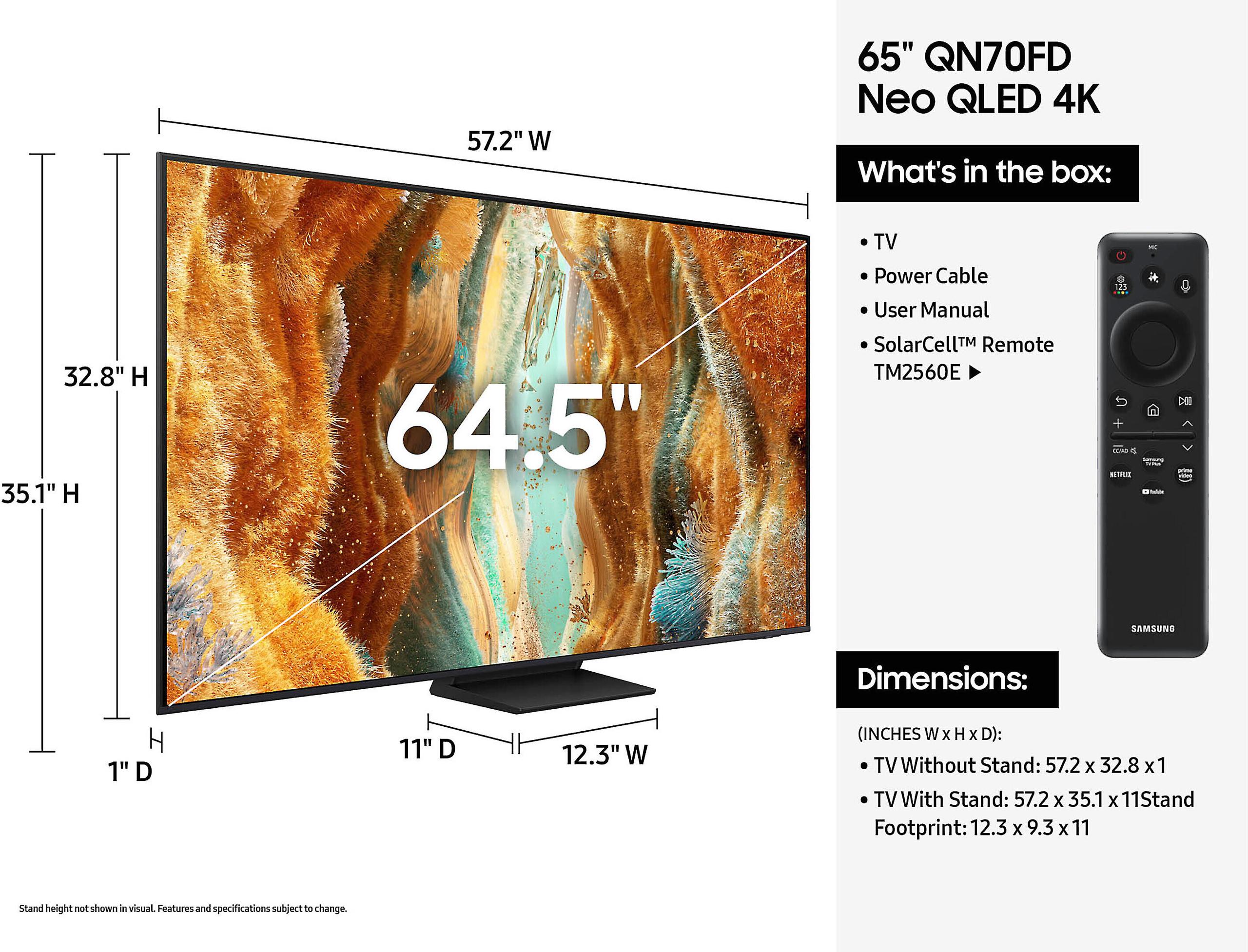
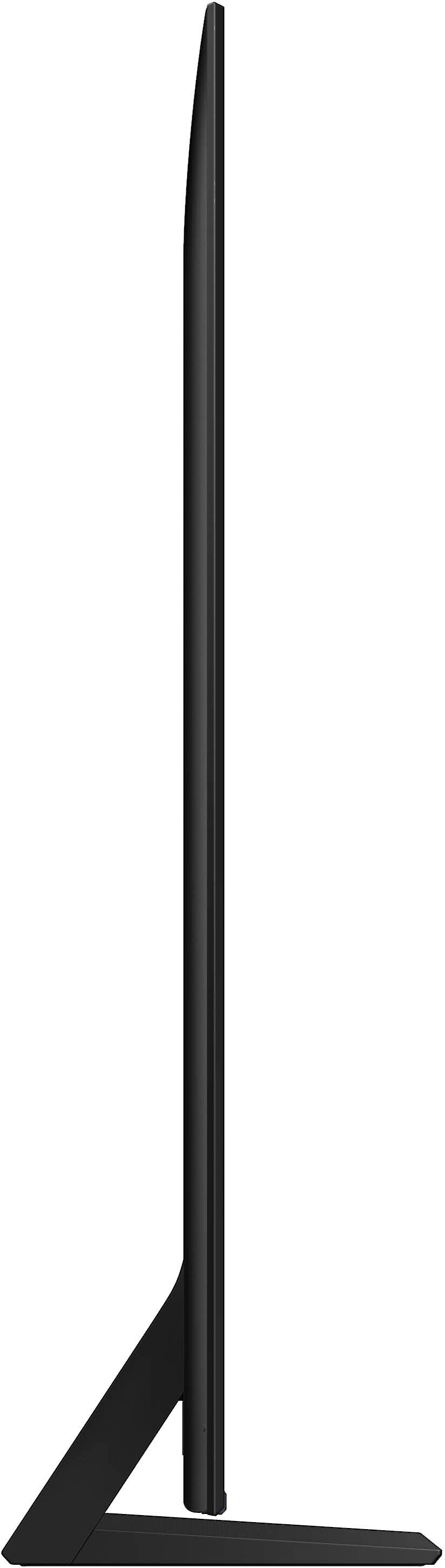
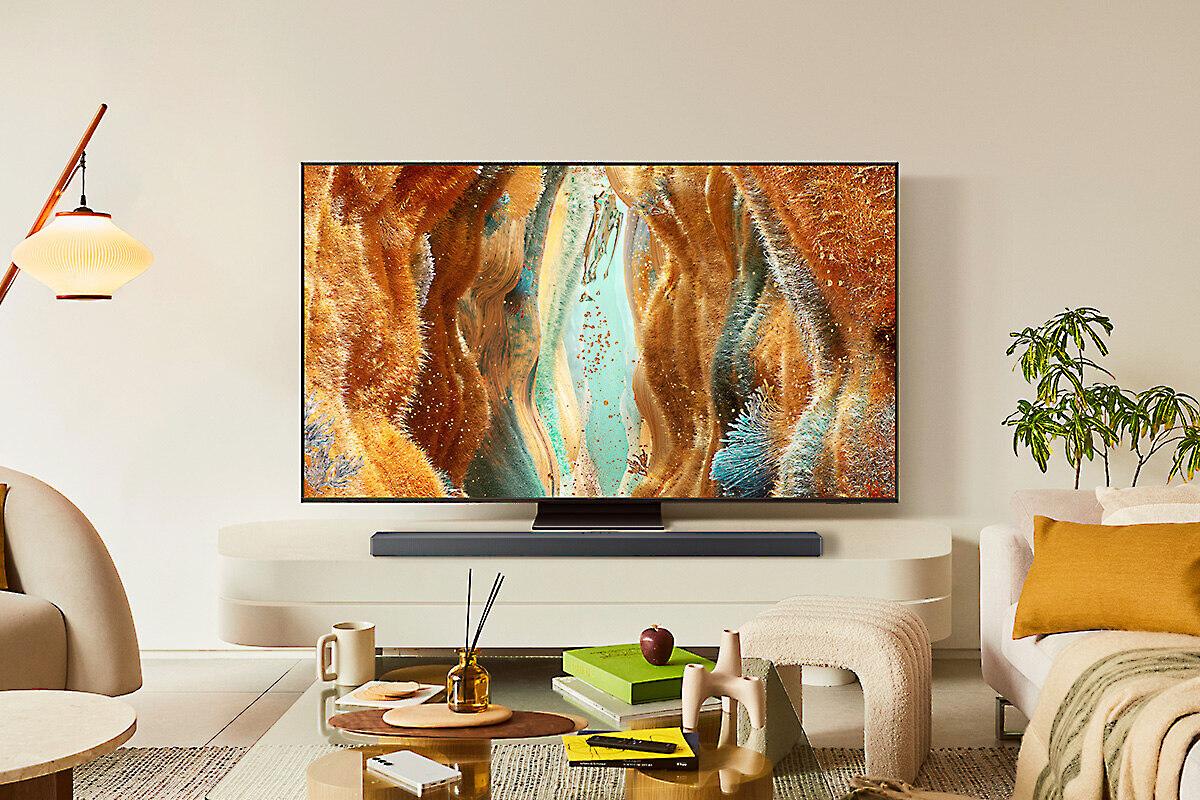
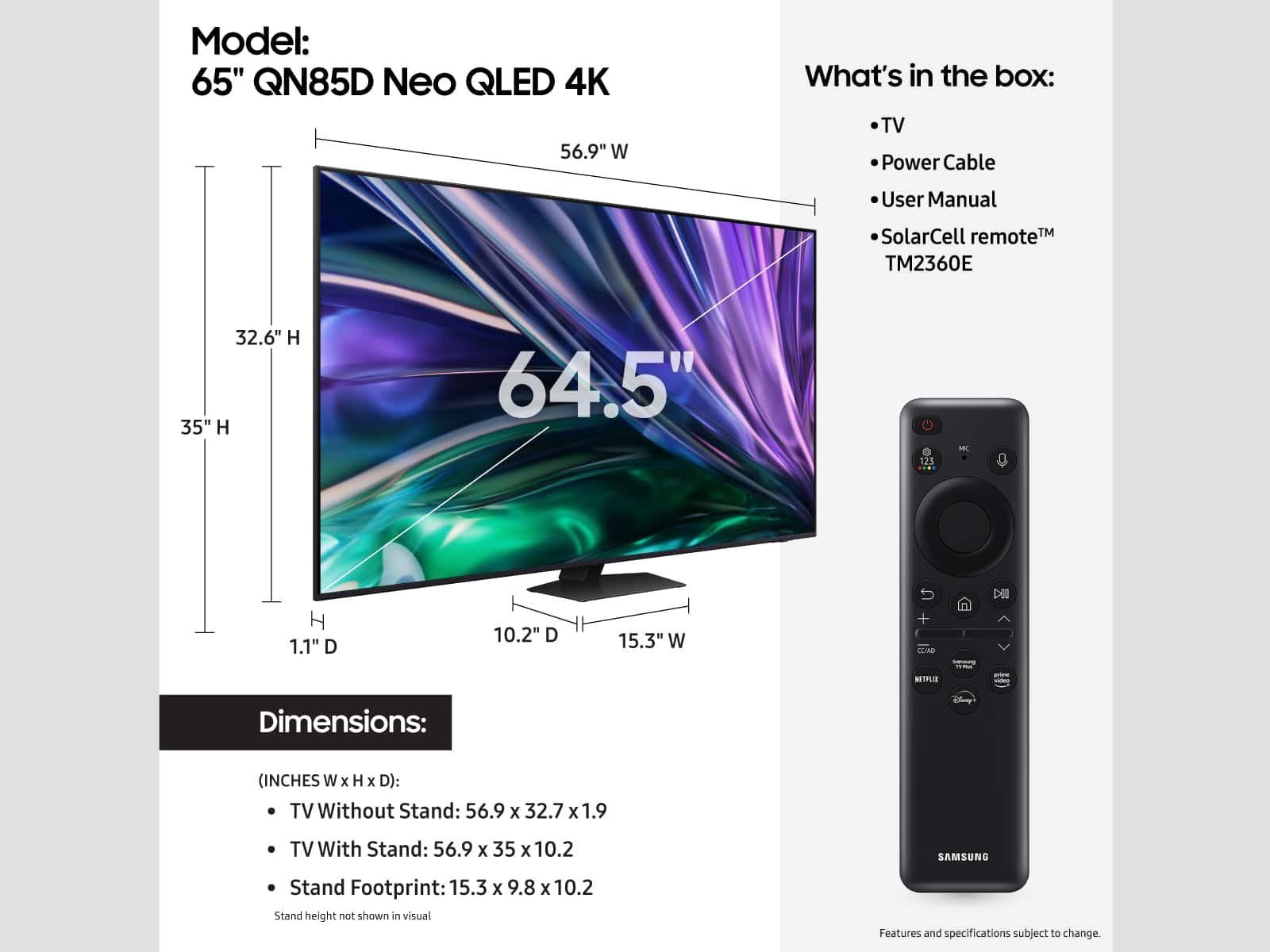
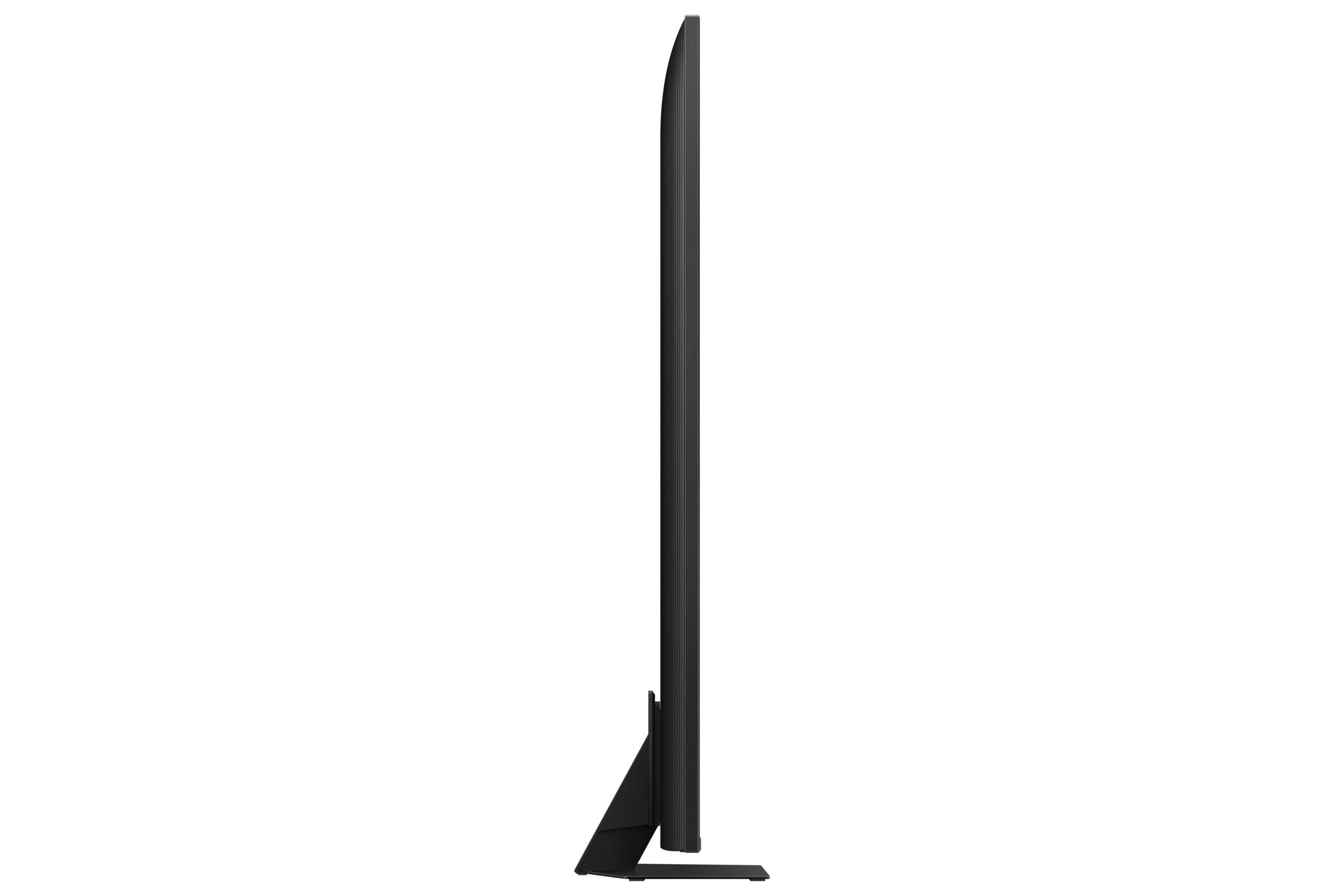
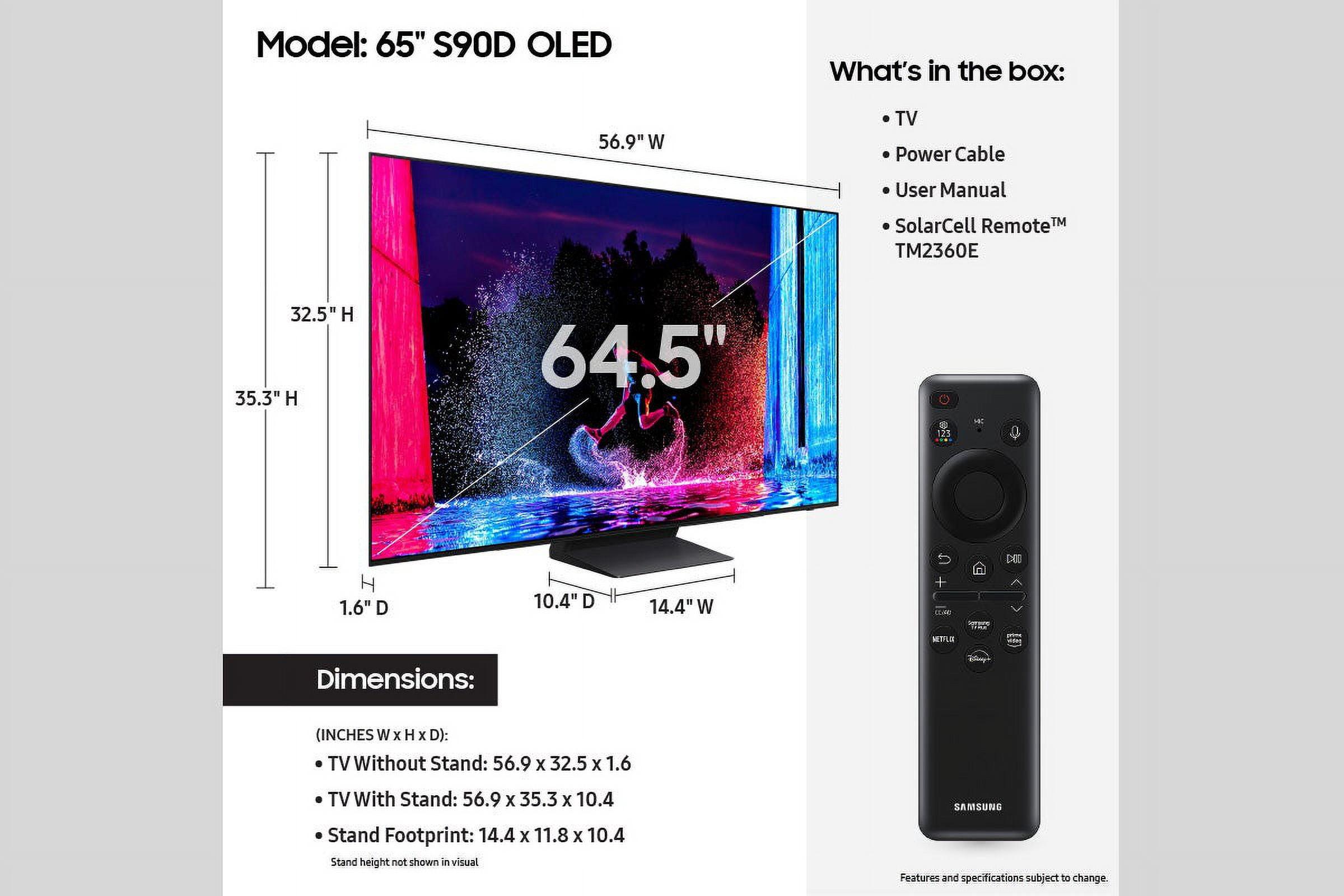
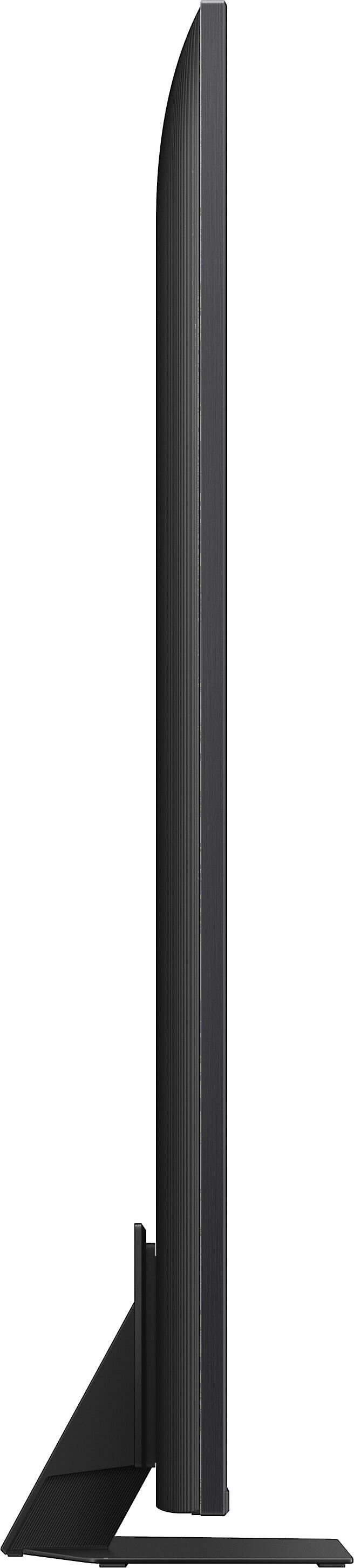
The Samsung QN70F Neo QLED offers better value for most buyers because it combines current-generation technology with versatility. You get the latest AI features, superior bright-room performance, higher gaming refresh rates, and no burn-in concerns. The ultra-slim profile (about 1 inch deep) also makes it incredibly appealing for wall mounting.
The Samsung S90D OLED provides value in a different way – it delivers the absolute best dark-room picture quality available in this price range. If you're someone who primarily watches movies and TV shows in darker environments and values that cinema-like experience above all else, the small premium might be worth it.
After extensively testing both display technologies in various environments, here's my honest assessment of who should choose each TV:
Choose the Samsung QN70F Neo QLED if:
Choose the Samsung S90D OLED if:
Both of these Samsung TVs are excellent, but they excel in different ways. The Samsung QN70F Neo QLED is the more practical choice for most buyers – it delivers impressive picture quality in real-world conditions, includes the latest technology, and offers better long-term value. The Samsung S90D OLED is the enthusiast choice for those who prioritize the absolute best dark-room performance and don't mind paying a small premium for last year's model.
In my experience, most buyers are happier with the versatility of Neo QLED technology, especially given the modest price difference and newer feature set. However, if you're a movie buff with a dedicated viewing room, OLED's perfect blacks create a truly special viewing experience that's hard to replicate with any LCD-based technology.
The good news? You really can't go wrong with either choice. Both represent Samsung's commitment to premium TV technology, just approached from different angles. Consider your room, your viewing habits, and your priorities, and the right choice should become clear.
| Samsung 65" QN70F Neo QLED | Samsung 65" OLED S90D |
|---|---|
| Display Technology - Fundamentally different approaches to picture quality | |
| Neo QLED with Mini LED backlighting (thousands of dimming zones) | OLED with self-emitting pixels (perfect pixel-level control) |
| Black Levels - Critical for dark room movie watching | |
| Very deep blacks but not perfect (LCD limitation) | Perfect blacks with infinite contrast ratio |
| Peak Brightness - Essential for HDR content and bright rooms | |
| 1000+ nits (excellent for daytime viewing and HDR) | 400-600 nits (sufficient for dark rooms, limited in bright spaces) |
| Processor & AI Features - Affects smart capabilities and upscaling | |
| NQ4 AI Gen2 with Vision AI (2025 features like Click-to-Search, Live Translate) | Standard processing without latest AI enhancements (2024 generation) |
| Gaming Refresh Rate - Important for PC gaming and future consoles | |
| Up to 144Hz with VRR support | Up to 120Hz with VRR support |
| Response Time - Critical for competitive gaming | |
| 1-5ms (typical for LCD technology) | 0.1ms (near-instantaneous OLED advantage) |
| HDMI Connectivity - Affects how many devices you can connect | |
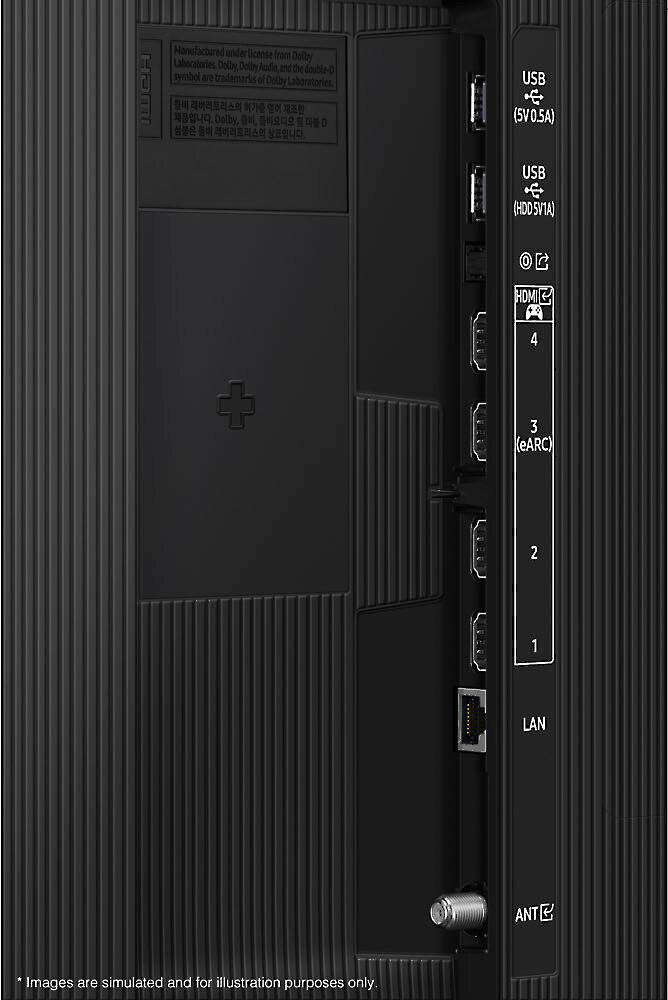
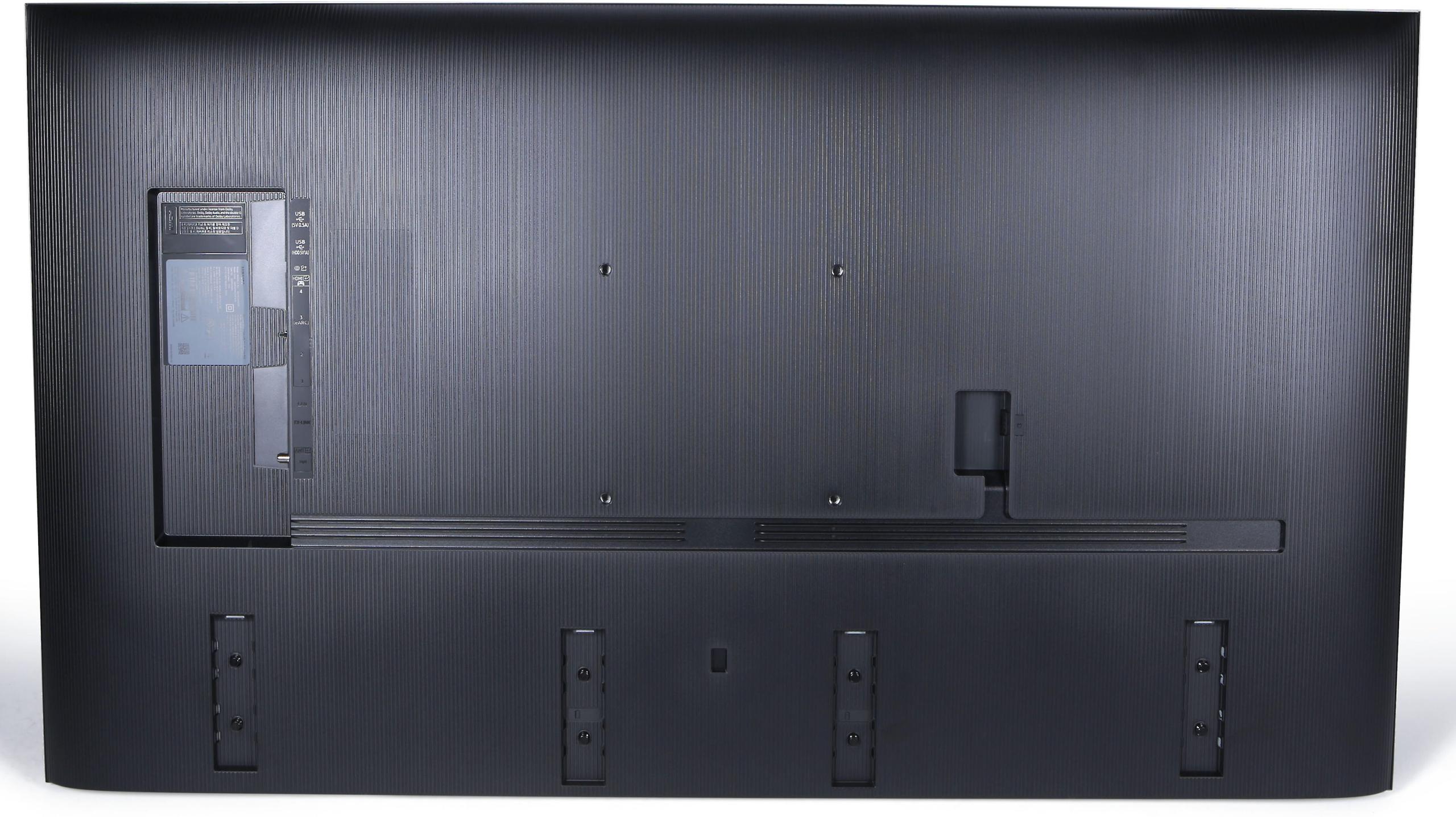
| 4x HDMI 2.1 ports | 4x HDMI 2.1 ports |
| Burn-in Risk - Long-term reliability consideration | |
| No burn-in risk (LCD technology immunity) | Potential burn-in with static content (improved but not eliminated) |
| Viewing Angles - How picture quality holds up off-center | |
| Good with Wide Viewing Angle technology | Excellent (OLED inherent advantage) |
| Profile Thickness - Important for wall mounting aesthetics | |
| Ultra-slim ~1 inch depth | Slim OLED design, slightly thicker than Neo QLED |
| Smart Platform - Operating system and app experience | |
| Tizen with latest 2025 features | Tizen with 2024 feature set |
| Best Use Case - Where each TV truly excels | |
| Bright living rooms, versatile all-day viewing, future-proofing | Dark home theaters, cinematic movie experience |
The Samsung QN70F Neo QLED is significantly better for bright rooms due to its higher peak brightness capabilities (over 1000 nits vs 400-600 nits). The Mini LED backlighting can overcome ambient light from windows and lamps, while the Samsung S90D OLED may appear washed out in bright conditions. If your TV room has lots of natural light, the Neo QLED will provide better picture quality during daytime viewing.
The Samsung QN70F Neo QLED uses thousands of Mini LED lights behind an LCD panel for backlighting, while the Samsung S90D OLED has millions of self-lighting pixels that can turn completely off. This means OLED achieves perfect blacks and infinite contrast, but Neo QLED can get much brighter. Think of it as two different approaches: OLED excels in dark rooms, while Neo QLED performs better in varied lighting conditions.
Both TVs are excellent for gaming, but excel differently. The Samsung QN70F Neo QLED supports up to 144Hz refresh rates, making it ideal for PC gaming and future consoles. The Samsung S90D OLED caps at 120Hz but offers near-instantaneous 0.1ms response times. For competitive gaming, OLED's faster response is advantageous, while the Neo QLED provides smoother motion at higher frame rates.
The Samsung S90D OLED has significantly improved burn-in resistance compared to early OLED models, but the risk still exists with static content like channel logos or game interfaces. The Samsung QN70F Neo QLED doesn't face this issue at all due to LCD technology. If you frequently watch channels with persistent logos or play games with static elements, the Neo QLED offers better long-term reliability.
The Samsung QN70F Neo QLED has a clear advantage with its 2025 Vision AI features, including Click-to-Search for instant actor information and Live Translate for real-time subtitles. The NQ4 AI Gen2 processor uses 20 neural networks for superior upscaling and content enhancement. The Samsung S90D OLED, being a 2024 model, lacks these latest AI enhancements but still provides solid smart TV functionality through Samsung's Tizen platform.
For a dedicated home theater with controlled lighting, the Samsung S90D OLED provides a more cinema-like experience with perfect blacks and infinite contrast that mimics movie theater projectors. However, if your "home theater" is really a living room with some light control, the Samsung QN70F Neo QLED might be better due to its superior brightness for HDR content and no burn-in concerns with movie marathons.
The Samsung S90D OLED delivers perfect blacks and natural color reproduction with excellent uniformity across the screen. The Samsung QN70F Neo QLED uses Quantum Dot technology for vibrant colors and superior HDR brightness, but can't achieve true black levels. In dark rooms, OLED looks more cinematic, while in normal lighting conditions, the Neo QLED often appears more vivid and impactful.
The Samsung QN70F Neo QLED typically offers better overall value, combining current 2025 technology with versatile performance at a competitive price point. You get the latest AI features, superior bright-room performance, and higher gaming refresh rates. The Samsung S90D OLED commands a small premium for its perfect black levels, making it worthwhile only if dark-room performance is your top priority.
The Samsung S90D OLED maintains consistent picture quality from wide viewing angles, making it ideal for large seating arrangements. The Samsung QN70F Neo QLED includes Wide Viewing Angle technology that improves off-axis performance compared to traditional LCD TVs, though not quite matching OLED's consistency. For most living room setups, both TVs provide acceptable viewing angles.
The Samsung QN70F Neo QLED features an ultra-slim profile of approximately 1 inch deep, making it exceptional for low-profile wall mounting. The Samsung S90D OLED also has a slim design typical of OLED panels, but is slightly thicker than the Neo QLED. Both TVs look great on the wall, but the QN70F provides the most minimal profile.
Both TVs support HDR10+ for enhanced contrast and color. The Samsung QN70F Neo QLED can display HDR content much brighter, making highlights more impactful and closer to real-world brightness levels. The Samsung S90D OLED handles HDR well but is limited by lower peak brightness, though its perfect blacks create excellent overall contrast. For daytime HDR viewing, the Neo QLED has a significant advantage.
The Samsung QN70F Neo QLED has advantages in both longevity and future-proofing. It faces no burn-in risk and includes 2025's latest features that will remain relevant longer. The Samsung S90D OLED offers excellent build quality but is already succeeded by newer OLED models in Samsung's lineup. For maximum longevity and feature relevance, the Neo QLED is the safer long-term investment.
We've done our best to create useful and informative comparisons to help you decide what product to buy. Our research uses advanced automated methods to create this comparison and perfection is not possible - please contact us for corrections or questions. These are the sites we've researched in the creation of this article: rtings.com - youtube.com - wifihifi.com - samsung.com - samsung.com - samsung.com - samsung.com - flatpanelshd.com - news.samsung.com - bestbuy.com - bestbuy.com - valueelectronics.com - youtube.com - cnet.com - bestbuy.com - videoandaudiocenter.com - youtube.com - samsung.com - samsung.com - pcrichard.com - samsung.com

Privacy Policy
Terms and Conditions - Affiliate Policy
Home Security
© Copyright 2008-2026.
11816 Inwood Rd #1211, Dallas, TX 75244