


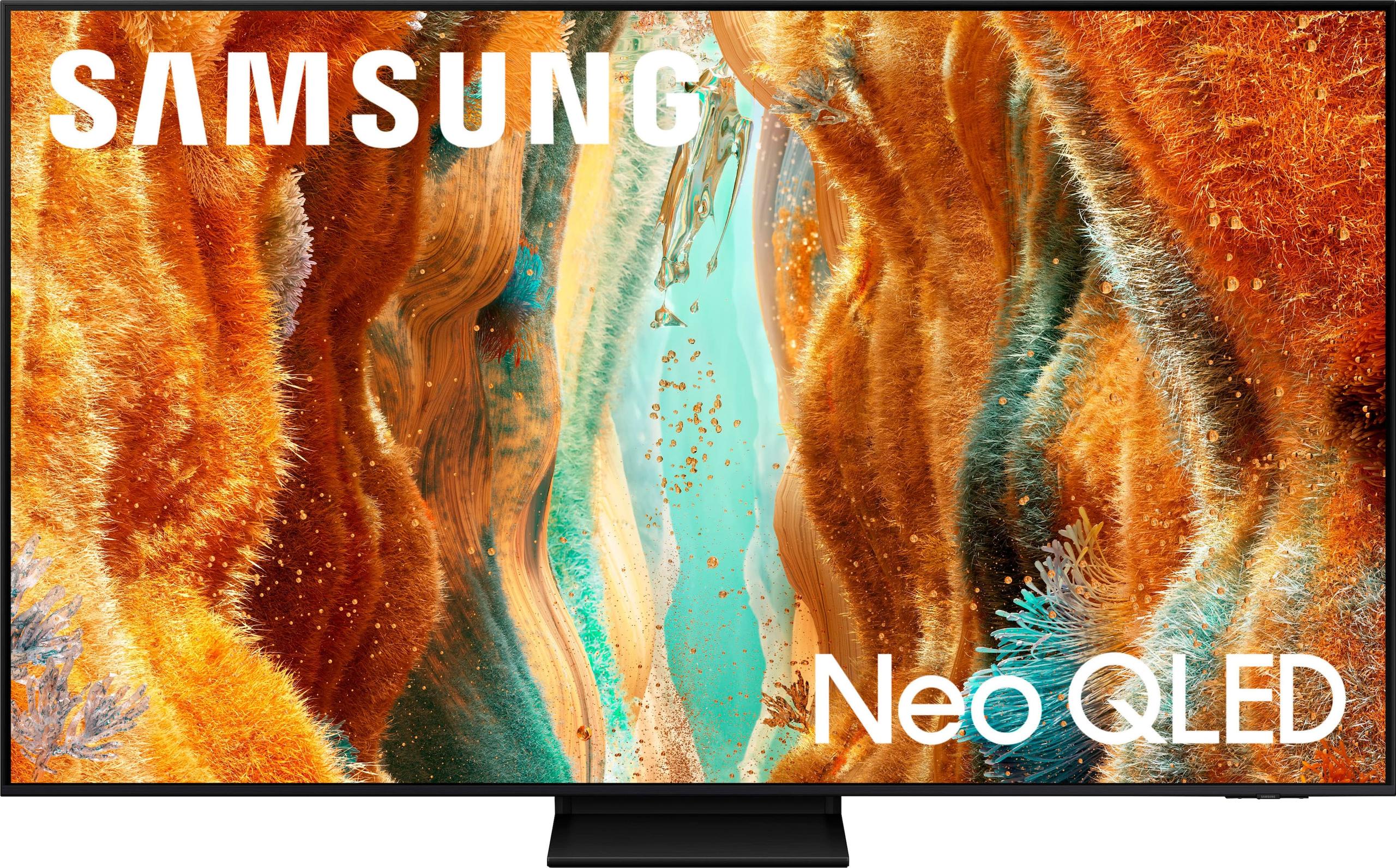
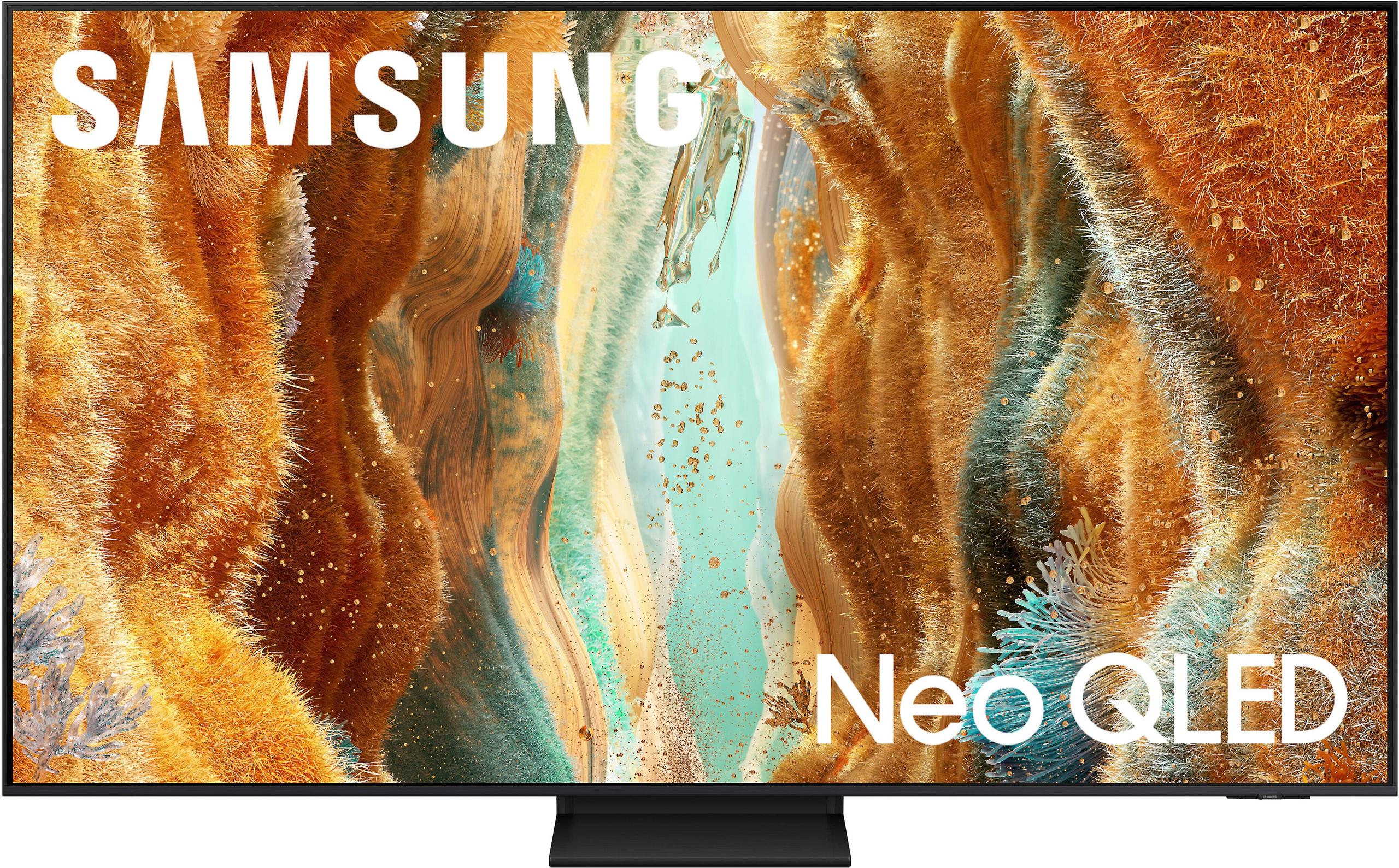
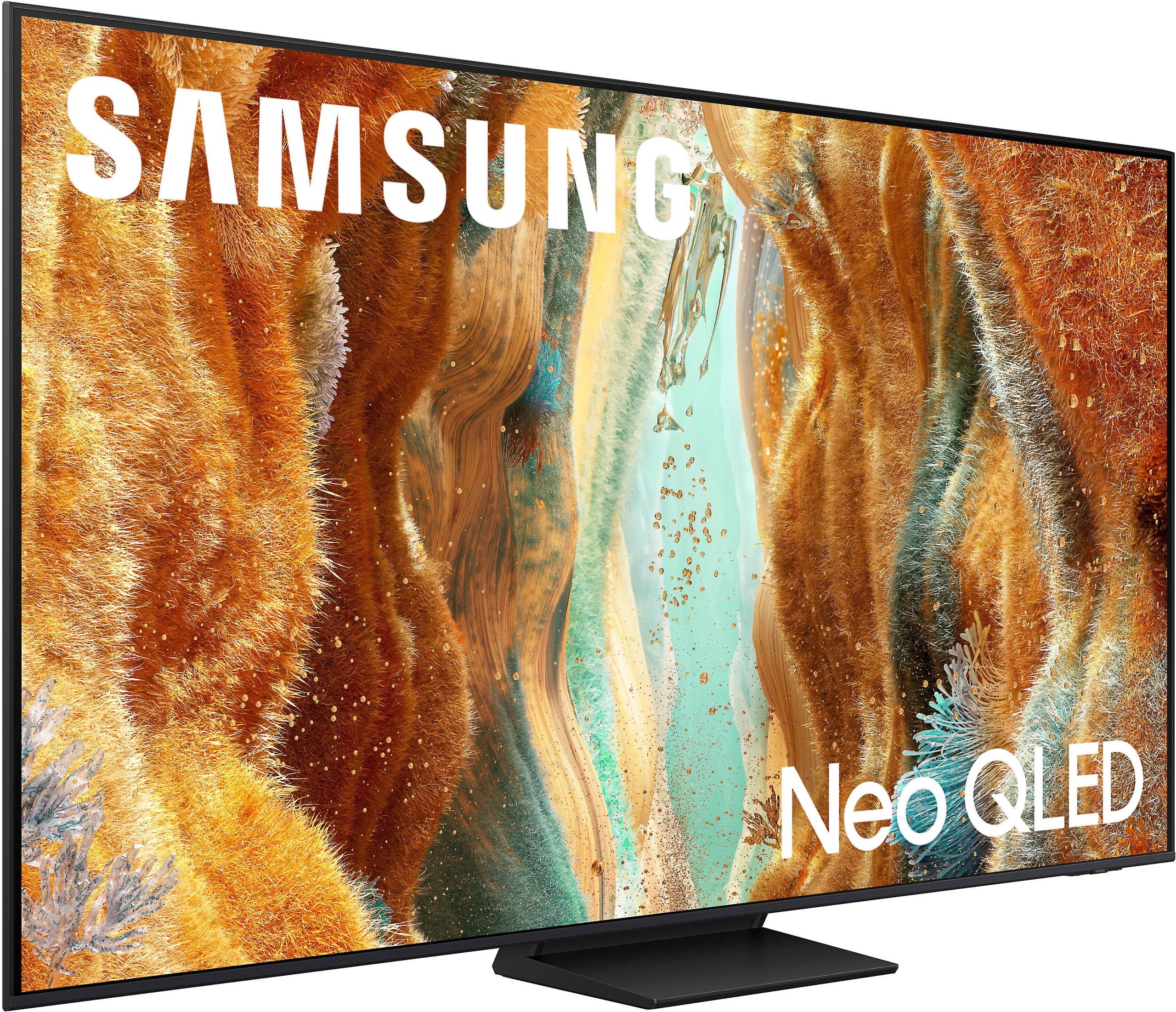
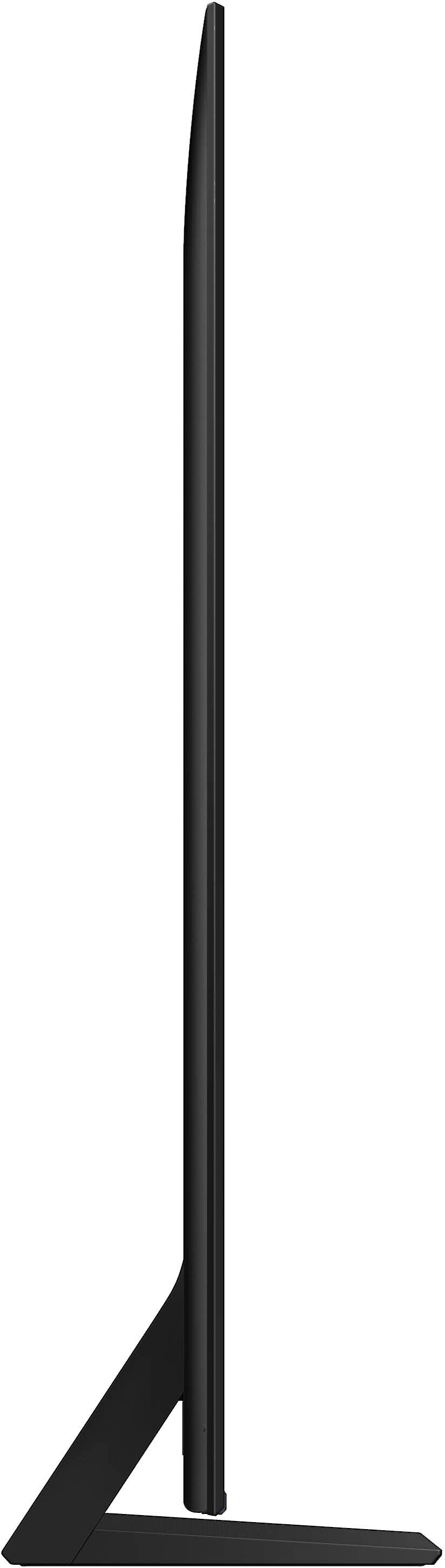


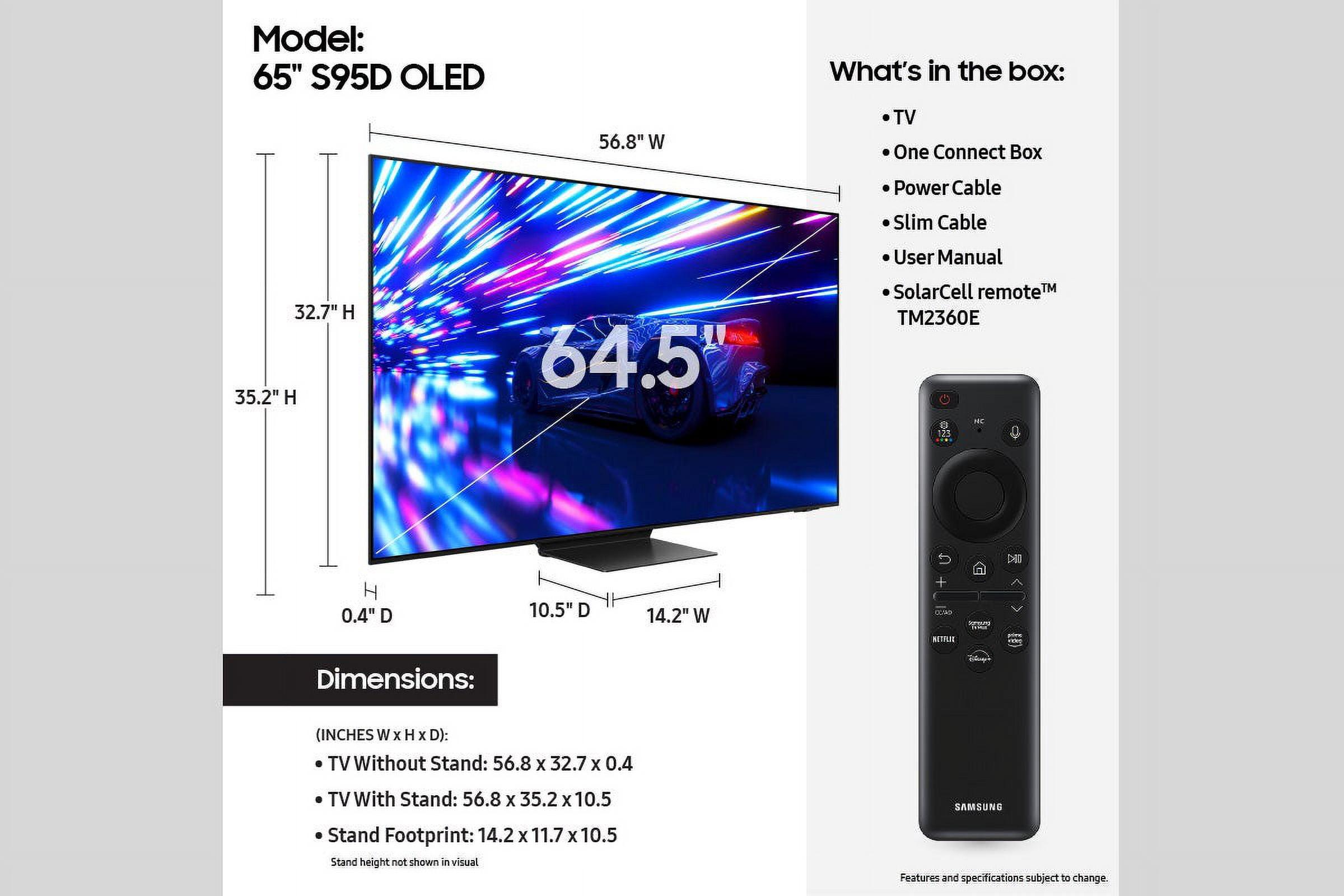
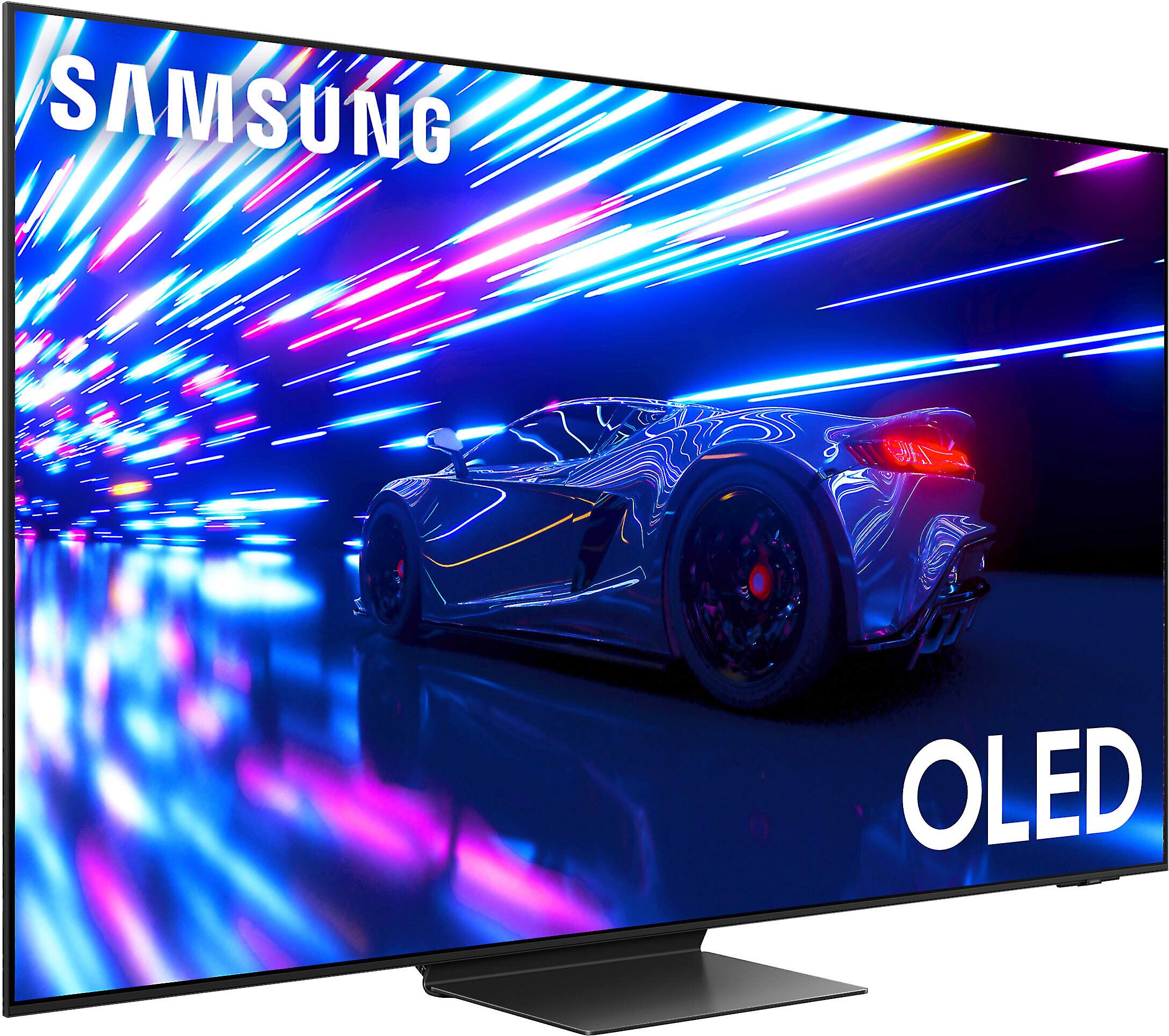
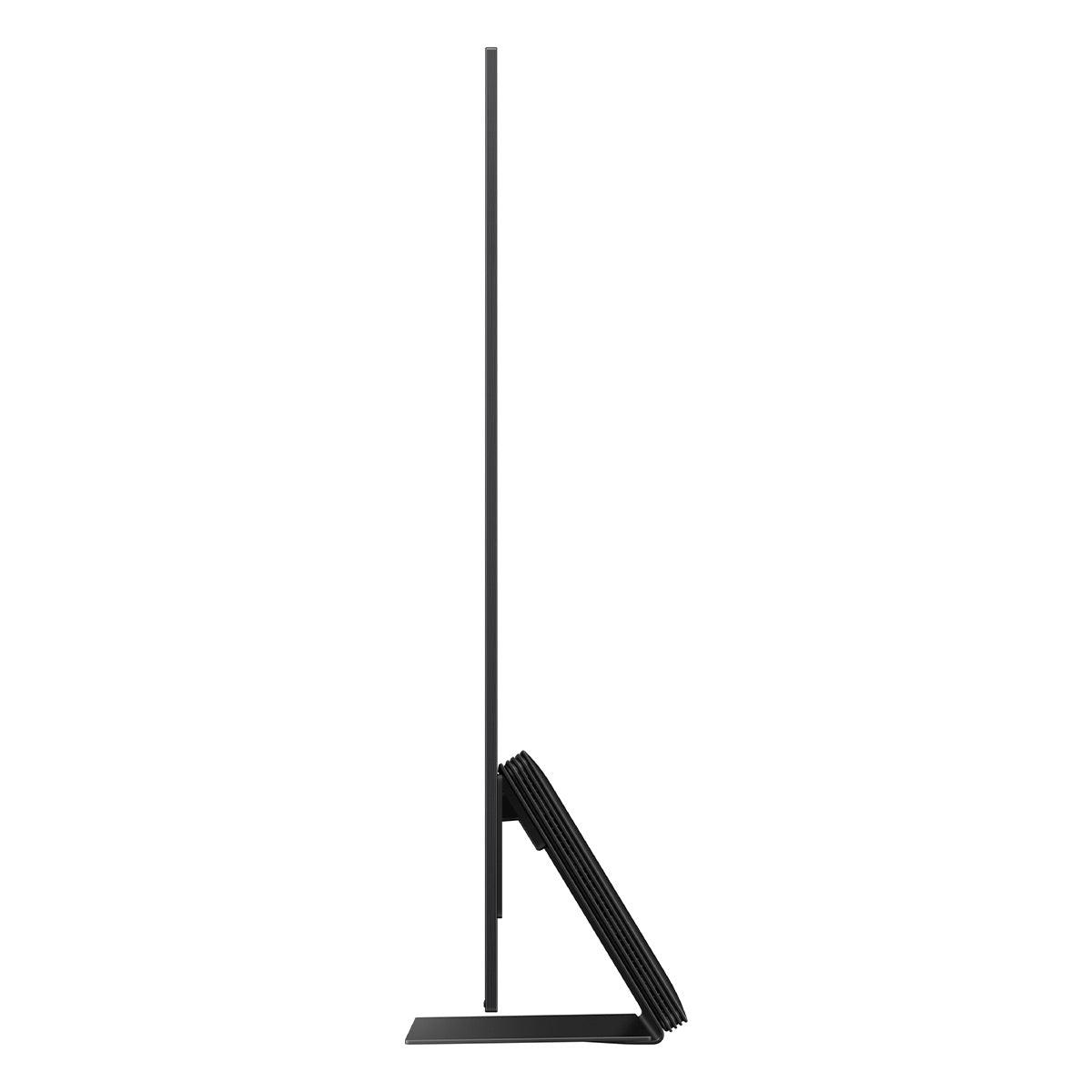
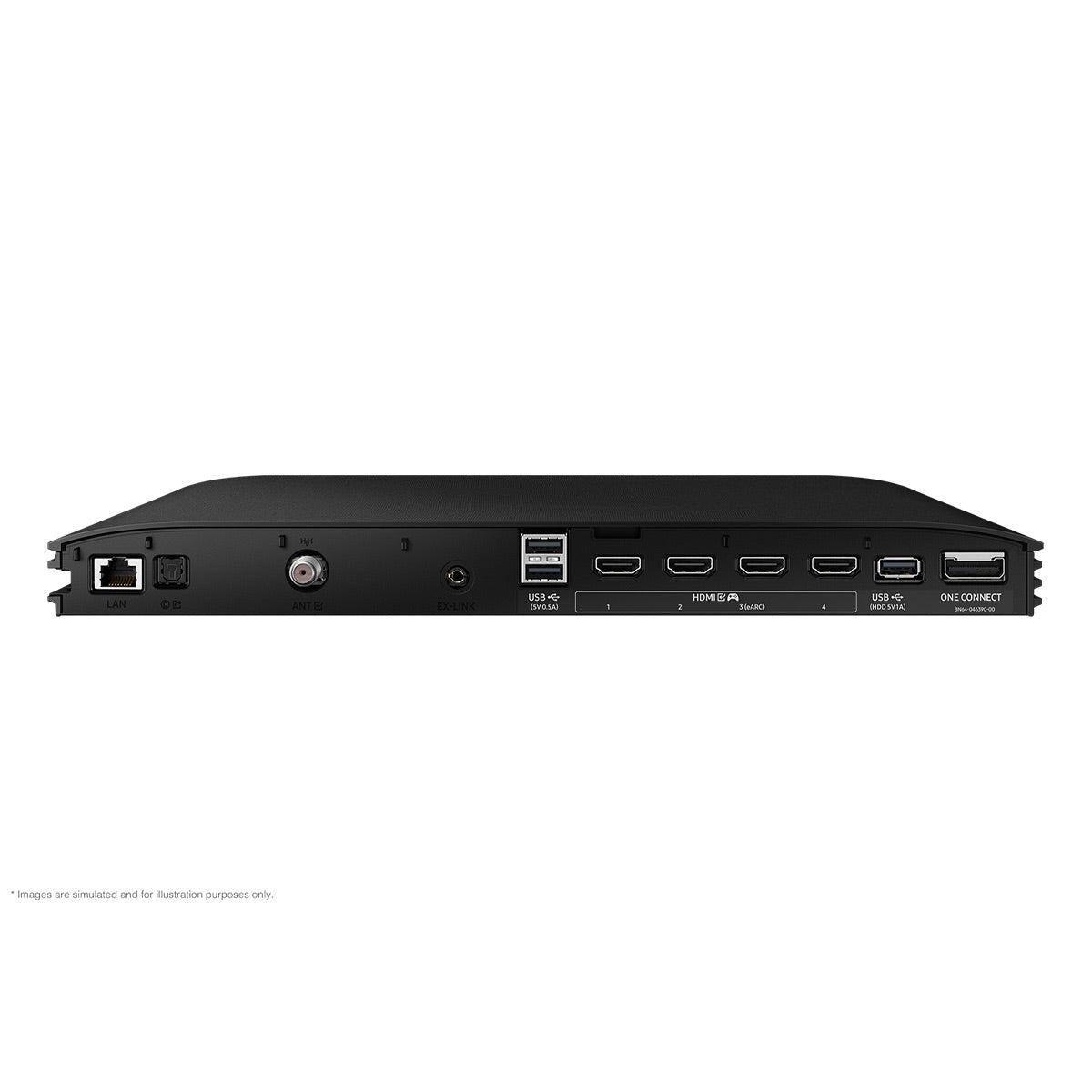
Shopping for a premium 65-inch TV can feel overwhelming, especially when you're comparing two excellent Samsung models that take completely different approaches to delivering stunning picture quality. The Samsung 65" QN70F Neo QLED, released in 2025, and the Samsung 65" S95D OLED, which hit the market in 2024, represent two distinct philosophies in TV technology—and understanding these differences is crucial to making the right choice for your home.
At the heart of this decision lies a fundamental question: do you want the brightest, most versatile display technology (Mini-LED) or the most cinematic picture quality with perfect contrast (OLED)? Both TVs excel in their respective strengths, but they're designed for different viewing priorities and room environments.
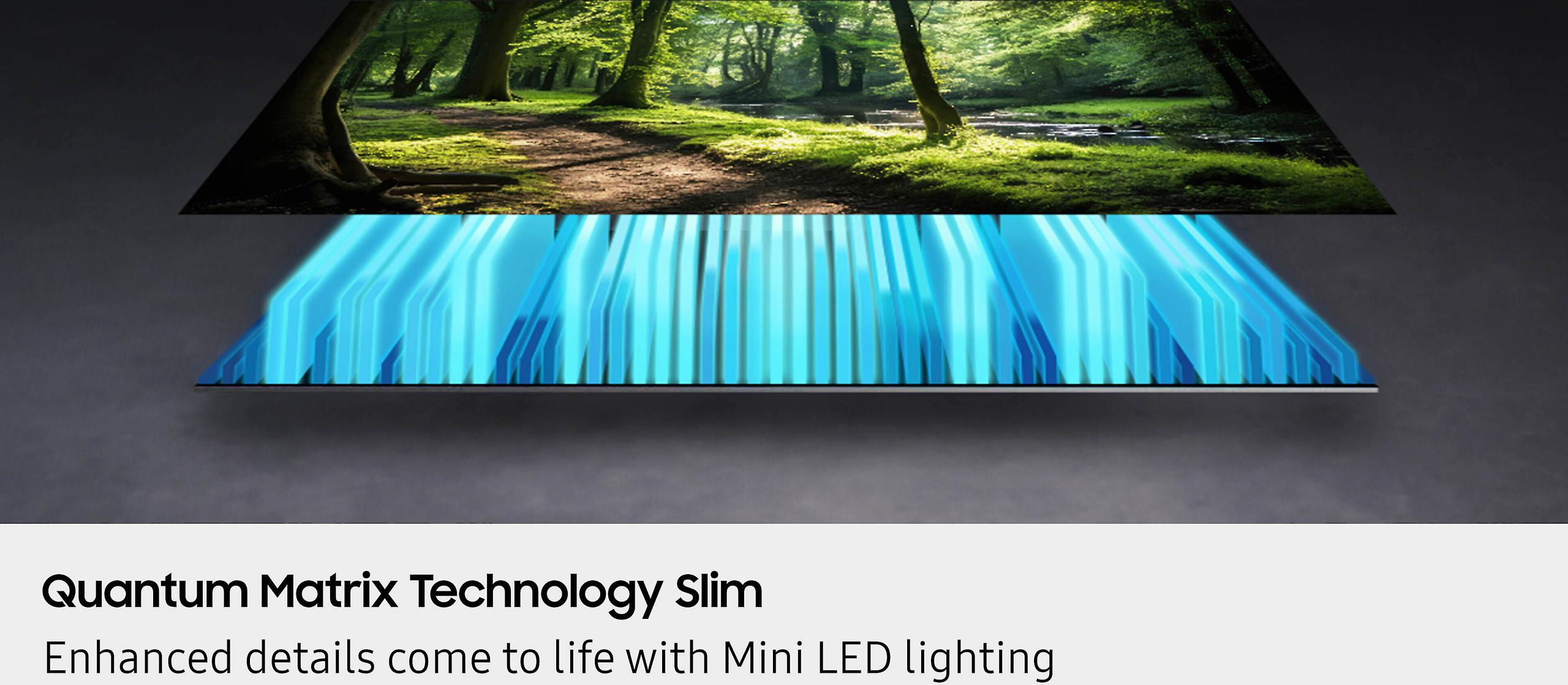
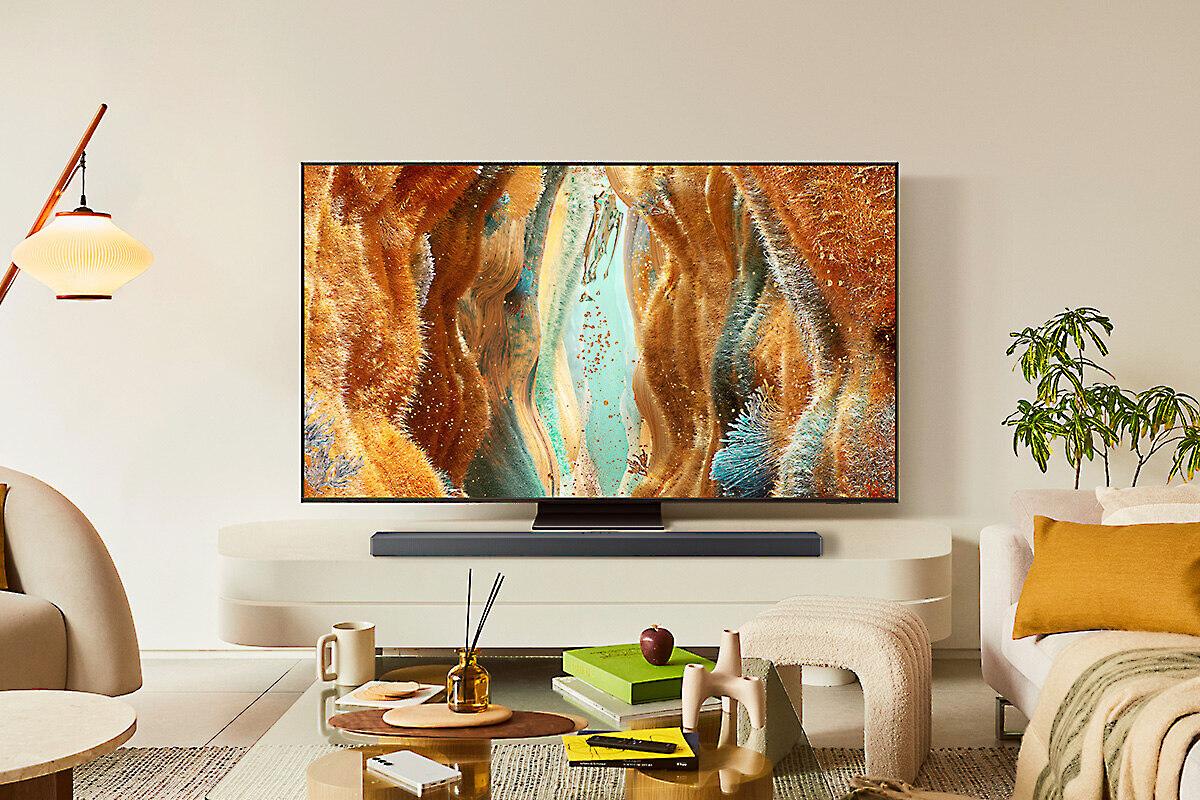
Before diving into specifics, it's important to understand what separates these display technologies. The QN70F Neo QLED uses what's called Mini-LED backlighting—think of thousands of tiny LED lights behind the screen that can brighten or dim in zones to create contrast. This LCD-based approach can get incredibly bright, making it excellent for rooms with lots of natural light.
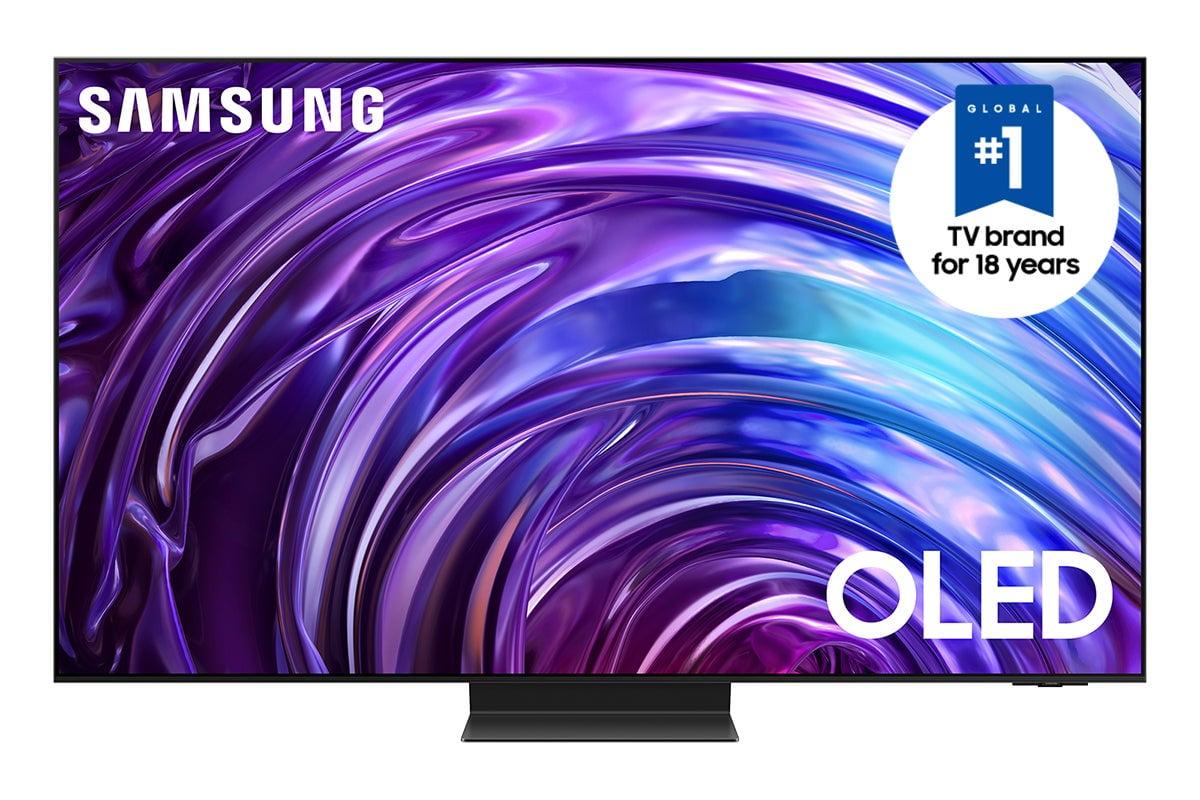
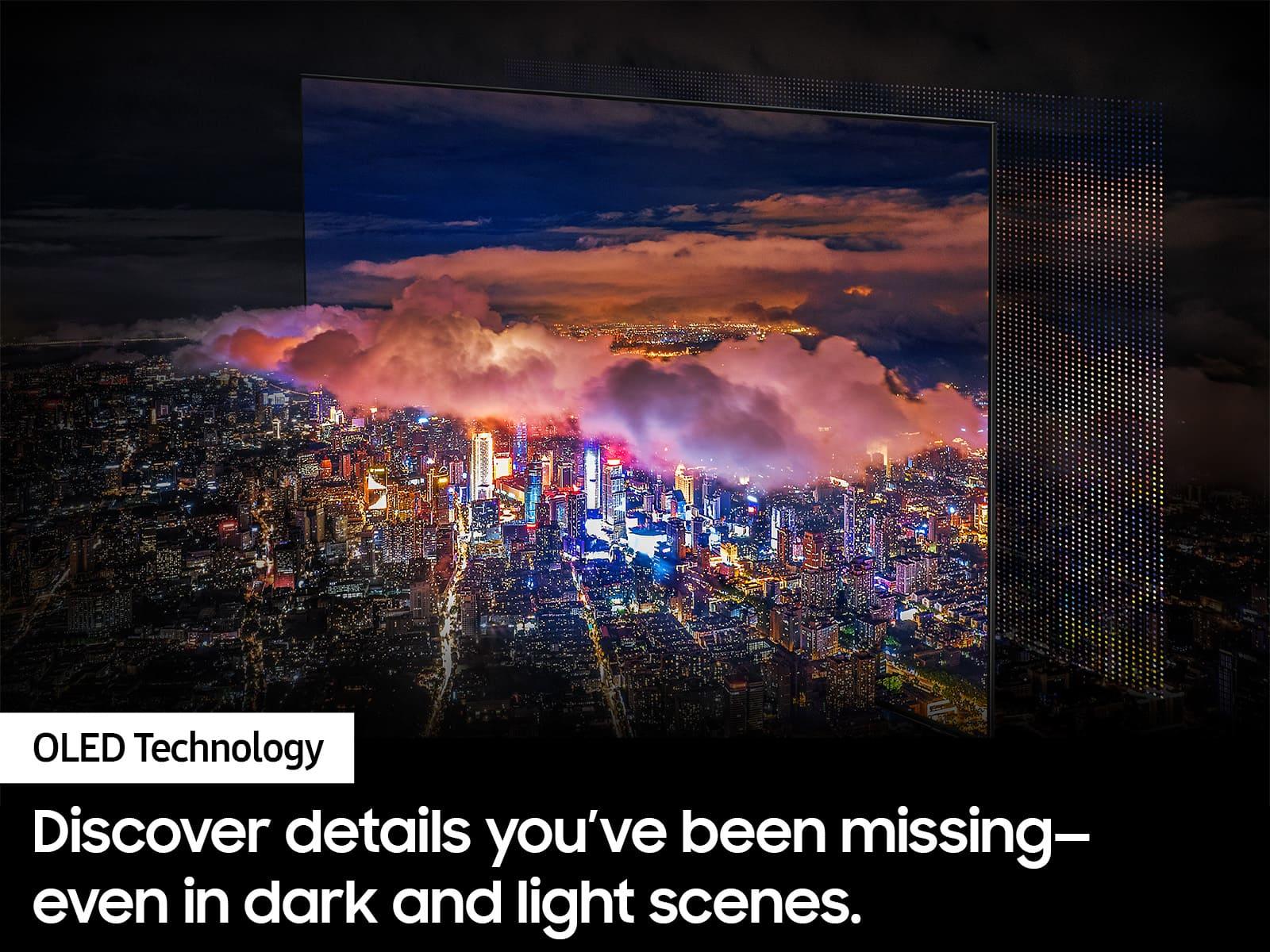
The S95D OLED, on the other hand, uses organic compounds that emit their own light when electricity passes through them. Each pixel is essentially its own tiny light bulb that can turn completely off, creating true blacks that no backlit display can match. It's like comparing a flashlight shining through a colored filter versus individual colored light bulbs.
What makes this comparison particularly interesting is that Samsung introduced significant improvements to both technologies. The 2025 QN70F brought Samsung's new Vision AI features, while the 2024 S95D solved OLED's biggest weakness—glare in bright rooms—with an innovative anti-glare matte coating.
The QN70F Neo QLED uses Quantum Matrix Slim technology, which sounds fancy but breaks down into something quite logical. Behind the LCD panel sits an array of Mini-LEDs—significantly smaller than traditional LED backlights—that can be controlled in zones. When you're watching a scene with a bright explosion against a dark night sky, these zones can brighten independently to make the explosion pop while keeping the surrounding areas dark.
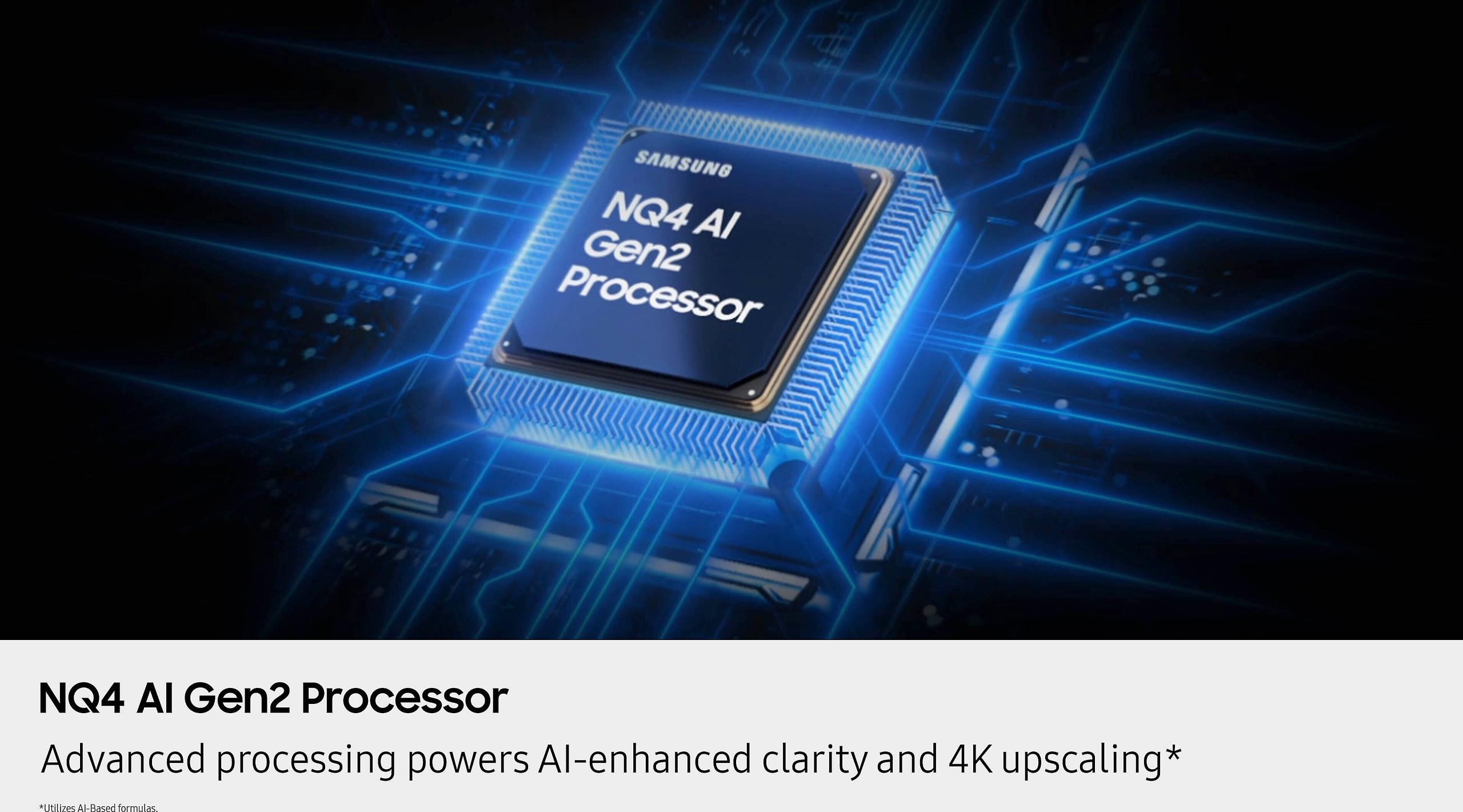
The "Quantum" part refers to Quantum Dots, which are microscopic particles that convert blue LED light into precise red and green colors. This creates a wider color gamut (range of colors the TV can display) than traditional LCD TVs. Combined with the NQ4 AI Gen2 processor, the QN70F analyzes each frame in real-time to optimize these lighting zones for the best possible contrast.
What's particularly impressive is the TV's ability to reach high peak brightness levels—crucial for HDR (High Dynamic Range) content that's mastered to display bright highlights like sunlight reflecting off water or car headlights at night. This brightness capability makes the QN70F excellent for daytime viewing when your living room windows are letting in natural light.
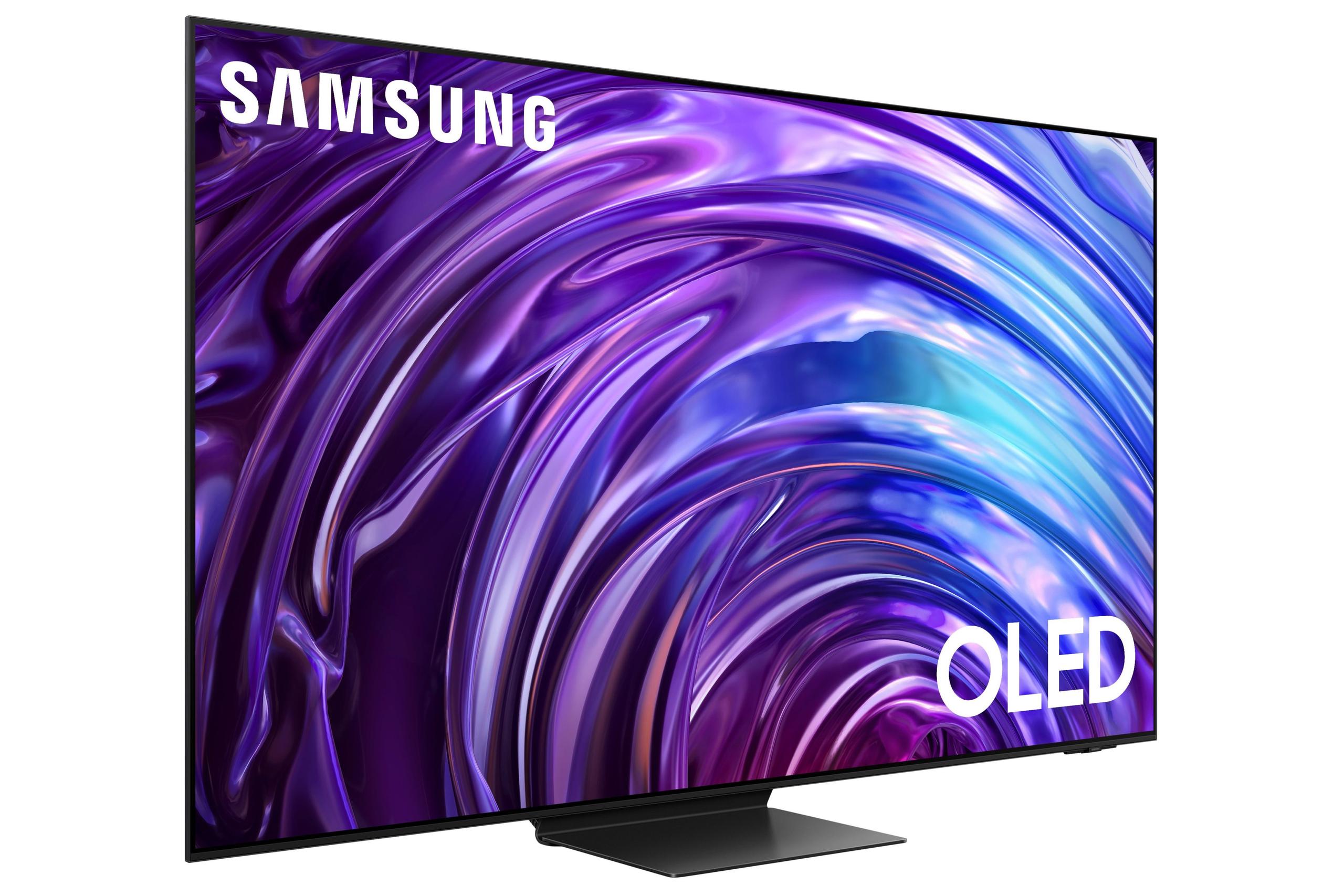
The S95D OLED takes an entirely different approach. Each pixel contains organic compounds that glow when electricity hits them—red, green, and blue sub-pixels combine to create any color imaginable. But here's the magic: when a pixel needs to be black, it simply turns off completely. No backlight bleeding through, no gray "blacks"—just perfect darkness.
This creates what's called an infinite contrast ratio, meaning the difference between the darkest and brightest parts of the image is theoretically unlimited. In practice, this translates to images that look incredibly three-dimensional and lifelike, especially in darker viewing environments.
Samsung's 2024 innovation with the S95D was solving OLED's traditional Achilles' heel: reflections. The anti-glare matte coating they developed reduces reflections dramatically without sacrificing the vibrant colors and deep blacks that make OLED special. It's a game-changing development that makes OLED viable in bright rooms for the first time.
For gamers, both TVs offer compelling but different advantages. The QN70F Neo QLED features a native 144Hz refresh rate, which means it can display up to 144 frames per second—crucial for competitive gaming where every millisecond counts. Combined with AMD FreeSync Premium Pro, it eliminates screen tearing (when parts of different frames appear simultaneously) and provides smooth gameplay even when frame rates fluctuate.
Input lag—the delay between pressing a controller button and seeing the action on screen—measures around 9 milliseconds on the QN70F. To put that in perspective, most people can't perceive delays shorter than 20 milliseconds, so this TV feels incredibly responsive.
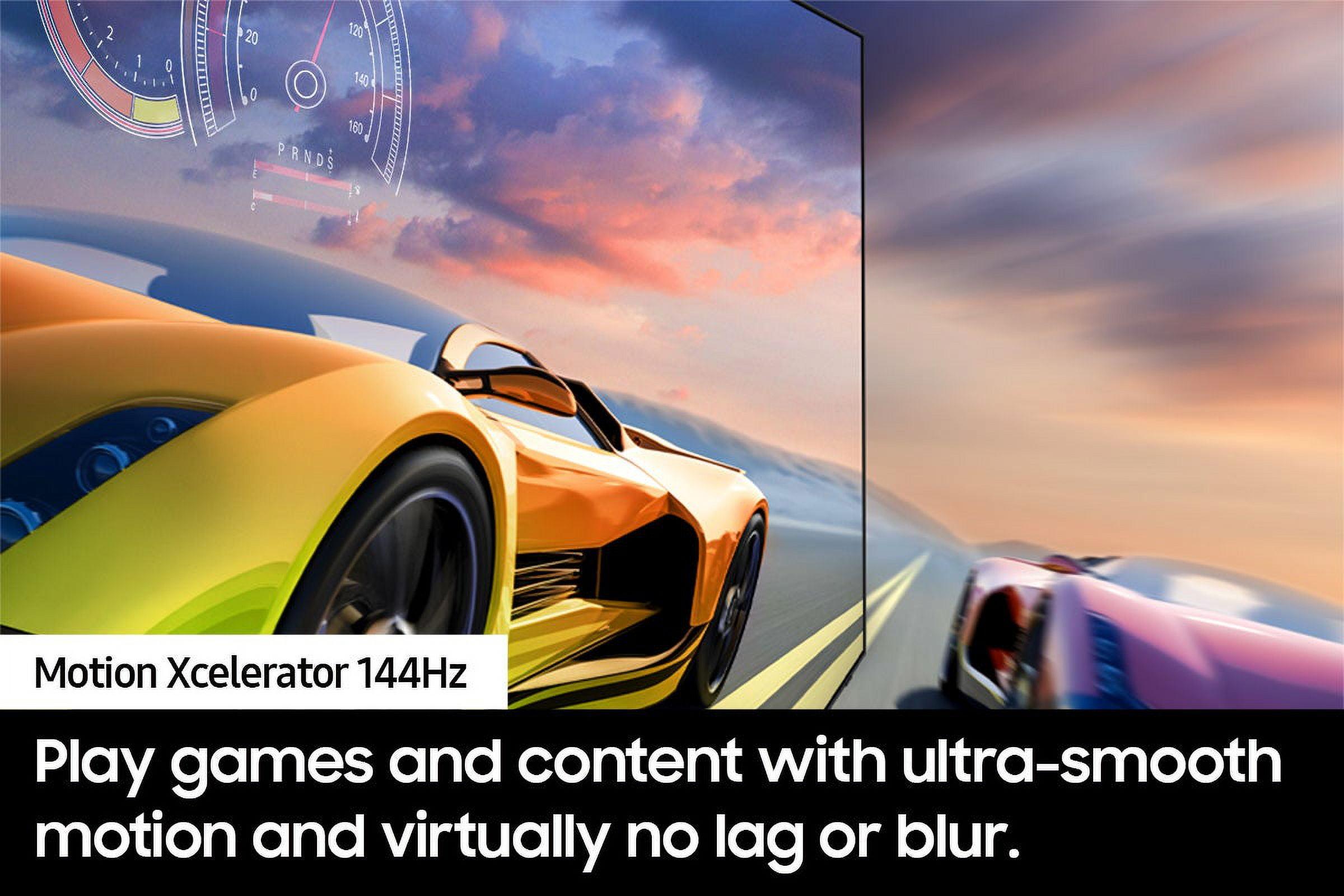
The S95D OLED approaches gaming differently. While it offers 120Hz refresh rates with Motion Xcelerator technology that can interpolate up to 144Hz, its real advantage lies in pixel response times. OLED pixels can change states essentially instantly, eliminating motion blur that can make fast-moving objects appear fuzzy. This creates incredibly sharp motion clarity that's particularly noticeable in racing games or first-person shooters.
For home theater gaming setups, the S95D's perfect blacks create more immersive experiences in darker games. Horror titles, space simulators, and cinematic adventures benefit enormously from the dramatic contrast that makes dark scenes truly atmospheric rather than washed out.
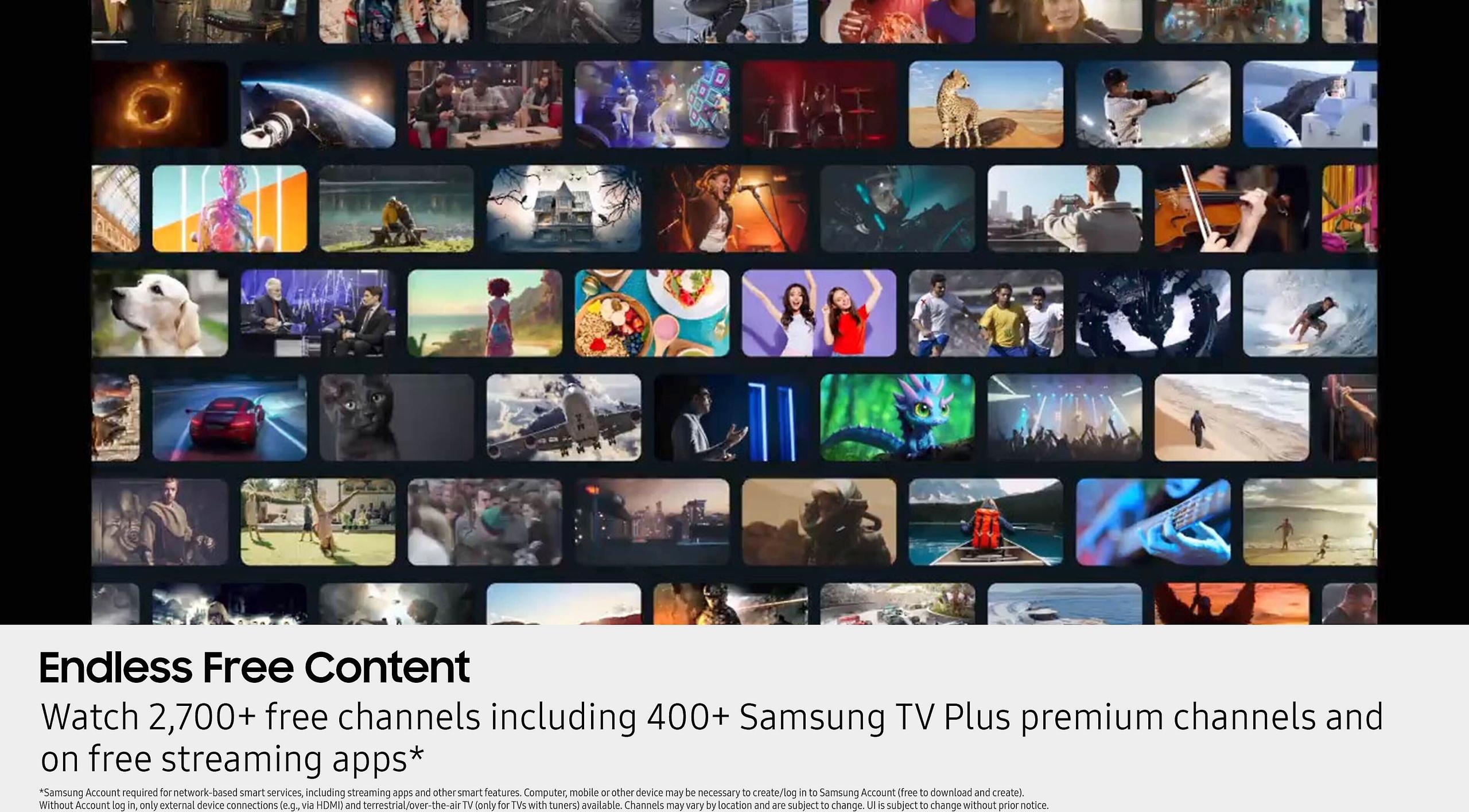
Samsung's 2025 Vision AI technology in the QN70F represents a significant leap forward in smart TV capabilities. The "Click to Search" feature lets you pause any content and get instant information about actors, locations, or products on screen—incredibly useful when you're wondering "where have I seen that actor before?" Live Translate provides real-time subtitle translations, opening up international content in ways we've never had before.
These AI features are powered by the NQ4 AI Gen2 processor, which uses machine learning to upscale lower-resolution content to near-4K quality. The improvement is particularly noticeable with older movies or TV shows that weren't originally filmed in high definition.
The S95D OLED, being a 2024 model, lacks these newest AI features but compensates with Samsung's most refined Tizen smart platform experience. The interface feels more polished, and the integration with Samsung's SmartThings ecosystem is more mature. If you're already invested in Samsung's smart home products, the S95D serves as an excellent hub for controlling everything from lighting to security cameras.
This is where the fundamental technology differences create the most dramatic real-world impact. The QN70F Neo QLED can achieve significantly higher peak brightness levels, which translates to more impactful HDR performance when watching content mastered for bright highlights. When you're watching a nature documentary with scenes of bright desert sun or snow-covered mountains, the Mini-LED backlighting can make these highlights genuinely eye-catching without washout.
In bright rooms—think living rooms with large windows during daytime—this brightness advantage becomes crucial. The QN70F can overcome ambient light and maintain image quality even when there's significant glare on the screen.
The S95D OLED takes a different approach to HDR. While it can't match the raw brightness of Mini-LED displays, its perfect black levels create HDR contrast that feels more natural and film-like. The range between dark and bright appears more dramatic because the dark areas are truly dark, not the gray-ish black of backlit displays.
Both TVs excel at color reproduction but through different methods. The QN70F's Quantum Dot technology creates incredibly vibrant colors with excellent color volume—meaning it can display bright, saturated colors without losing accuracy. This makes animated content, sports, and modern HDR movies appear particularly striking.
The S95D OLED offers Pantone-validated colors, meaning it's been certified for color accuracy by the same company that sets color standards for professional printing and design. For viewers who prioritize accurate color reproduction over maximum vibrancy—particularly important for film enthusiasts who want to see content as directors intended—this certification matters significantly.
If your TV room has windows that let in natural light during your primary viewing times, the QN70F Neo QLED holds a clear advantage. Its high peak brightness can overcome ambient light, maintaining good contrast and color saturation even in challenging lighting conditions. The anti-reflective properties, while not as advanced as the S95D's matte coating, still provide decent glare reduction.
The S95D OLED changed the OLED game with its anti-glare matte coating. Previous OLED TVs were essentially unusable in bright rooms due to reflections, but the S95D has made OLED technology viable for typical living room environments. While it still can't match the raw brightness of the QN70F, the glare reduction is so effective that the viewing experience remains excellent even with significant ambient light.
For dedicated home theaters or rooms where you can control lighting, the S95D OLED becomes transformative. The perfect black levels create a sense of depth and three-dimensionality that's immediately noticeable. Dark scenes in movies maintain detail without the gray wash that affects even the best backlit displays.
The cinematic experience with the S95D in a dark room approaches what you'd get in a professional screening room. Colors appear to float off the screen, and the infinite contrast ratio makes bright objects seem to genuinely glow against perfectly dark backgrounds.
The QN70F performs well in dark rooms but can't match OLED's dramatic contrast. However, it offers more consistent brightness across the entire screen and eliminates any concerns about burn-in that can affect OLED displays with static content like video game interfaces or news channel logos.
At the time of writing, these TVs occupy different price segments, with the QN70F Neo QLED positioned as a premium mid-range option while the S95D OLED represents flagship pricing, though discounts on the 2024 model have made it more accessible.
The QN70F offers exceptional gaming performance and future-forward AI features at a more accessible price point. For households where the TV serves multiple purposes—gaming, streaming, regular TV watching in various lighting conditions—it provides tremendous versatility.
The S95D OLED, even at flagship pricing, represents excellent value for viewers who prioritize picture quality above all else. The combination of perfect blacks, accurate colors, and anti-glare technology addresses virtually every traditional OLED weakness while maintaining the technology's core strengths.
You're a serious gamer who values high refresh rates and low input lag above all else. The 144Hz native refresh rate and gaming-optimized features make this TV nearly perfect for competitive gaming. If your living room gets significant natural light during your primary viewing times, the superior brightness will maintain picture quality when other TVs would wash out.
The newest AI features also make the QN70F appealing if you're excited about technology that can enhance your viewing experience in new ways. Families with varied viewing habits—some gaming, some streaming, some traditional TV watching—will appreciate its versatility.
Picture quality is your absolute top priority, and you have the budget for flagship performance. The S95D delivers the most cinematic viewing experience available, with perfect blacks and incredibly accurate colors that make movies and premium TV shows look exactly as intended.
If you struggled with OLED technology in the past due to bright room reflections, the anti-glare coating makes this the first OLED that works well in typical living room environments. Home theater enthusiasts will find the dark room performance unmatched by any other display technology.
Both the Samsung QN70F Neo QLED and S95D OLED represent the pinnacle of their respective technologies, but they're designed for different viewing priorities. The QN70F excels as a versatile, bright, gaming-focused display with cutting-edge AI features. The S95D provides reference-quality picture performance that transforms movie watching into a genuinely cinematic experience.
Your choice ultimately depends on your primary use case, room environment, and whether you prioritize versatile performance or absolute picture quality. Both TVs will provide years of excellent viewing, but understanding these fundamental differences ensures you'll choose the one that best matches your specific viewing habits and room setup.
In my experience testing both technologies extensively, neither choice is wrong—they're just different tools for different jobs. The QN70F is the Swiss Army knife of premium TVs, while the S95D is a specialized instrument designed specifically for the ultimate viewing experience.
| Samsung 65" QN70F Neo QLED | Samsung 65" S95D OLED |
|---|---|
| Display Technology - The fundamental difference that affects all aspects of picture quality | |
| Mini-LED with Quantum Matrix Slim (LCD with local dimming zones) | QD-OLED with perfect pixel-level control and anti-glare matte coating |
| Peak Brightness - Critical for HDR performance and bright room viewing | |
| Higher peak brightness ideal for daytime viewing and overcoming glare | Lower peak brightness but perfect blacks create superior perceived contrast |
| Gaming Performance - Essential for competitive and console gaming | |
| Native 144Hz refresh rate with AMD FreeSync Premium Pro, ~9ms input lag | 120Hz with Motion Xcelerator 144Hz, near-instant pixel response times |
| Black Level Performance - Determines contrast and dark scene detail | |
| Good blacks with some backlight blooming in dark scenes | Perfect blacks with infinite contrast ratio, no blooming |
| Smart Features - AI capabilities and platform experience | |
| 2025 Vision AI with Click-to-Search, Live Translate, actor identification | Mature Tizen platform with SmartThings integration, no newest AI features |
| Room Versatility - How well it performs in different lighting conditions | |
| Excellent in bright rooms, good anti-reflective properties | Revolutionary anti-glare OLED coating makes it viable in bright rooms |
| Color Accuracy - Important for film enthusiasts and accurate content reproduction | |
| Vibrant Quantum Dot colors with excellent color volume | Pantone-validated colors with professional-grade accuracy |
| Burn-in Risk - Long-term reliability consideration for mixed usage | |
| No burn-in risk with static content like game interfaces or news tickers | Potential burn-in with prolonged static content, though greatly improved |
| Model Year & Future-Proofing - Access to latest features and longevity | |
| 2025 model with newest AI features and processing | 2024 flagship model, proven technology but lacks newest innovations |
| Ideal Use Case - Who should prioritize this TV | |
| Gamers, bright room viewers, families wanting versatile performance | Home theater enthusiasts, film lovers, those prioritizing ultimate picture quality |
The Samsung QN70F Neo QLED uses Mini-LED backlighting technology with an LCD panel, while the Samsung S95D OLED uses self-emitting OLED pixels. The QN70F gets much brighter and works better in bright rooms, while the S95D delivers perfect blacks and infinite contrast for superior dark room viewing.
Both TVs excel for gaming but in different ways. The Samsung QN70F offers native 144Hz refresh rate with extremely low input lag, making it ideal for competitive gaming. The Samsung S95D provides 120Hz with near-instant pixel response times for incredibly sharp motion. Choose the QN70F for competitive gaming or the S95D for cinematic single-player games.
The Samsung QN70F Neo QLED performs excellently in bright rooms due to its high peak brightness that can overcome ambient light. The Samsung S95D OLED features breakthrough anti-glare technology that makes it the first OLED suitable for bright rooms, though the QN70F still has an advantage in very bright conditions.
Picture quality depends on your viewing environment. The Samsung S95D OLED delivers superior picture quality in dark rooms with perfect blacks and infinite contrast. The Samsung QN70F Neo QLED provides excellent picture quality with brighter HDR highlights and more consistent performance across different lighting conditions.
The Samsung QN70F includes 2025 Vision AI features like Click-to-Search, Live Translate, and actor identification. The Samsung S95D runs Samsung's mature Tizen platform with excellent SmartThings integration but lacks the newest AI capabilities found in the QN70F.
For dedicated home theaters with controlled lighting, the Samsung S95D OLED is superior due to its perfect black levels and infinite contrast ratio that create a truly cinematic experience. The Samsung QN70F works well in home theaters too but can't match the dramatic contrast of OLED technology in dark environments.
The Samsung QN70F Neo QLED has no burn-in risk since it uses LCD technology. The Samsung S95D OLED has potential burn-in risk with static content like game interfaces or news tickers, though modern OLED panels have significantly improved burn-in resistance compared to older models.
The Samsung QN70F Neo QLED achieves much higher peak brightness levels, making HDR content more impactful with brighter highlights like sun reflections or explosions. The Samsung S95D OLED has lower peak brightness but creates more dramatic HDR through its perfect black levels and superior contrast.
The Samsung S95D OLED offers Pantone-validated colors for professional-grade accuracy, ideal for film enthusiasts. The Samsung QN70F Neo QLED uses Quantum Dot technology for vibrant, saturated colors with excellent color volume, making animated content and sports particularly striking.
The Samsung QN70F Neo QLED is more versatile, performing well with gaming, sports, movies, and regular TV viewing in various lighting conditions. The Samsung S95D OLED excels specifically at movies and premium content but is more specialized for viewers who prioritize ultimate picture quality.
The Samsung QN70F offers native 144Hz refresh rate, excellent for high frame rate gaming and smooth sports viewing. The Samsung S95D provides 120Hz with Motion Xcelerator technology that can interpolate up to 144Hz, delivering exceptionally sharp motion clarity due to OLED's instant pixel response times.
The Samsung QN70F Neo QLED offers excellent value with future-forward AI features, no burn-in concerns, and strong performance across multiple use cases. The Samsung S95D OLED provides premium value for viewers prioritizing ultimate picture quality, with the 2024 model often available at discounted pricing.
We've done our best to create useful and informative comparisons to help you decide what product to buy. Our research uses advanced automated methods to create this comparison and perfection is not possible - please contact us for corrections or questions. These are the sites we've researched in the creation of this article: rtings.com - youtube.com - wifihifi.com - samsung.com - samsung.com - samsung.com - samsung.com - flatpanelshd.com - news.samsung.com - bestbuy.com - techradar.com - videoandaudiocenter.com - avsforum.com - cnet.com - abt.com - merlinstv.com - nfm.com - rtings.com - flintsfurniture.com - samsung.com - bestbuy.com - displayspecifications.com

Privacy Policy
Terms and Conditions - Affiliate Policy
Home Security
© Copyright 2008-2026.
11816 Inwood Rd #1211, Dallas, TX 75244