


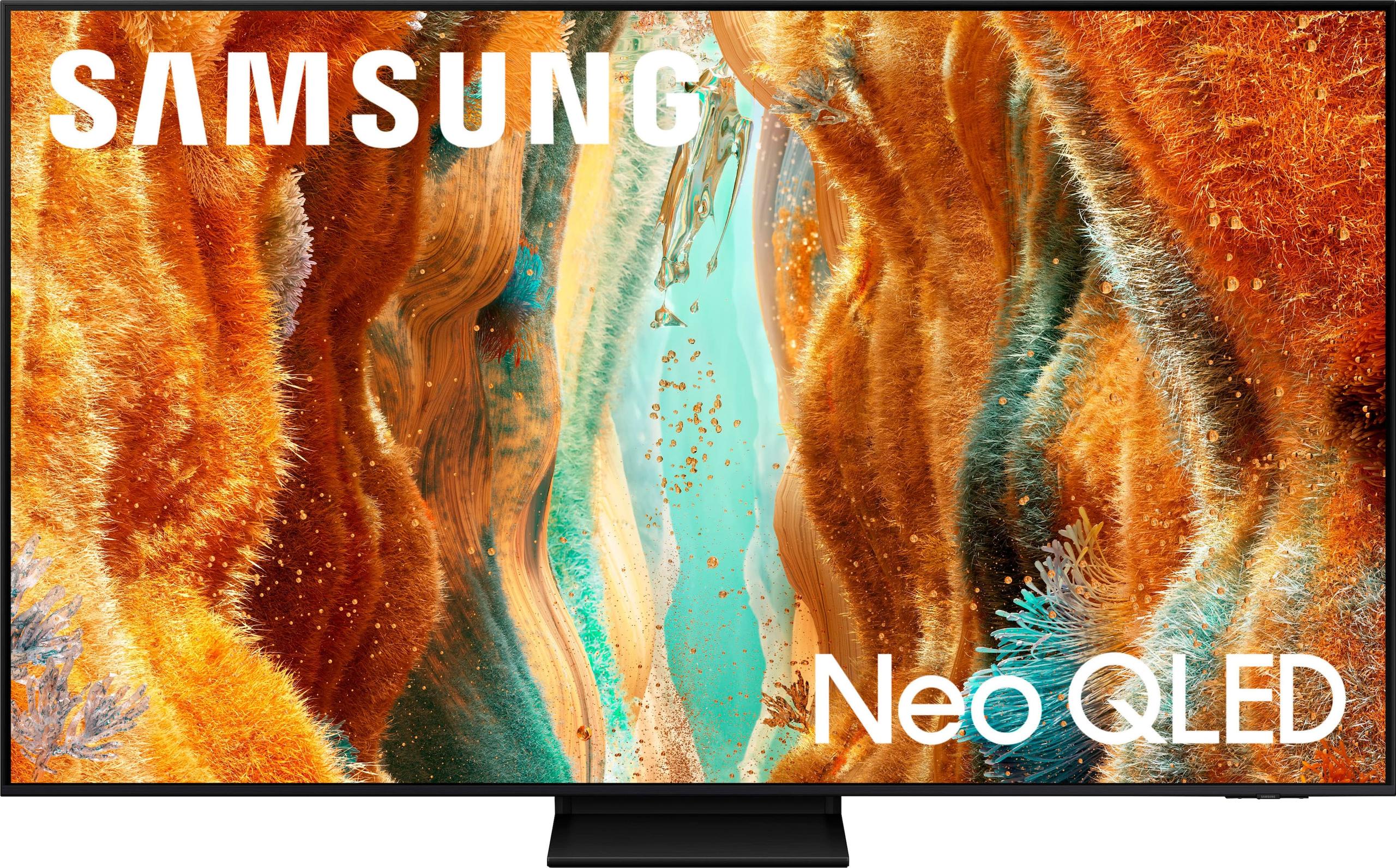
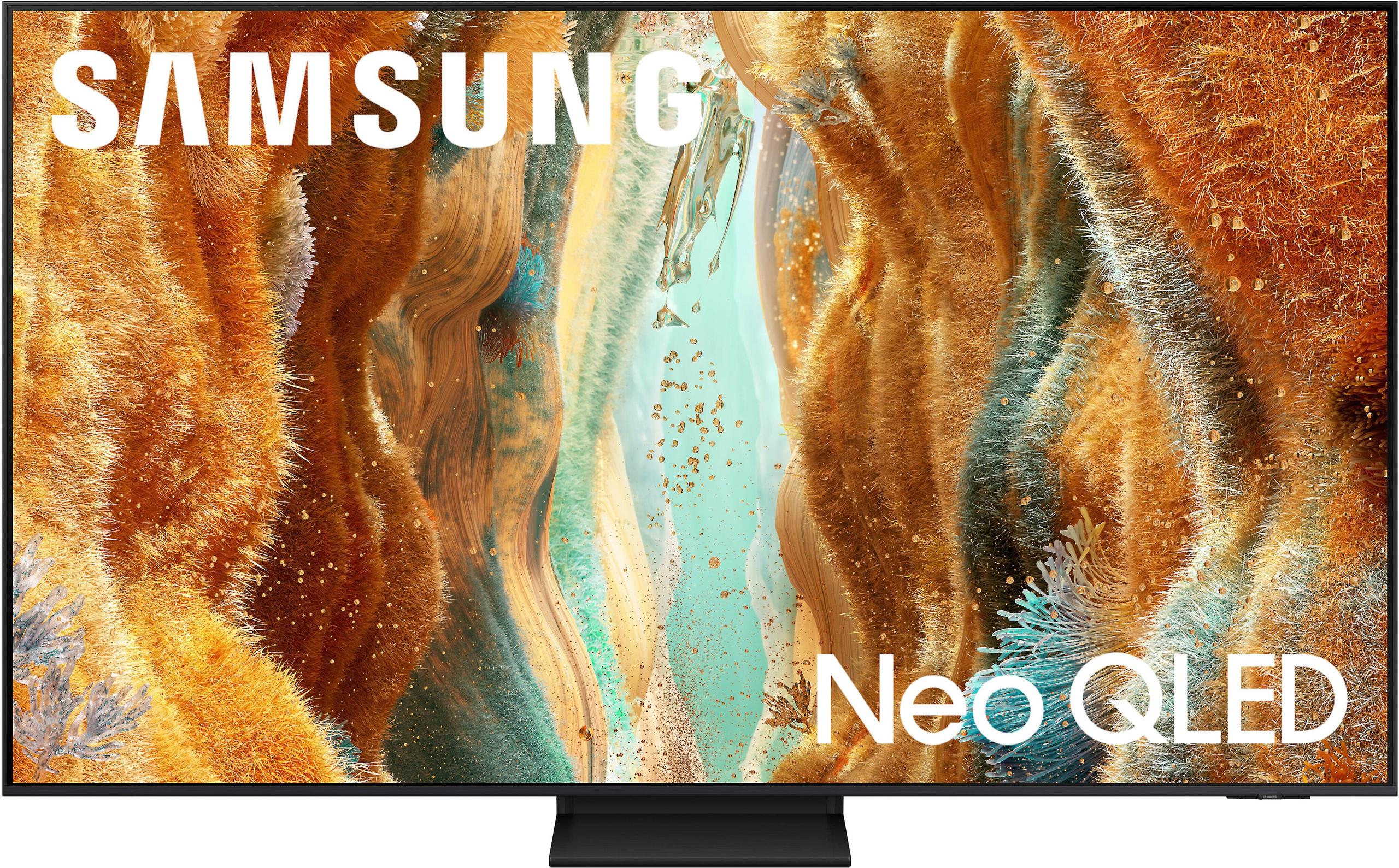
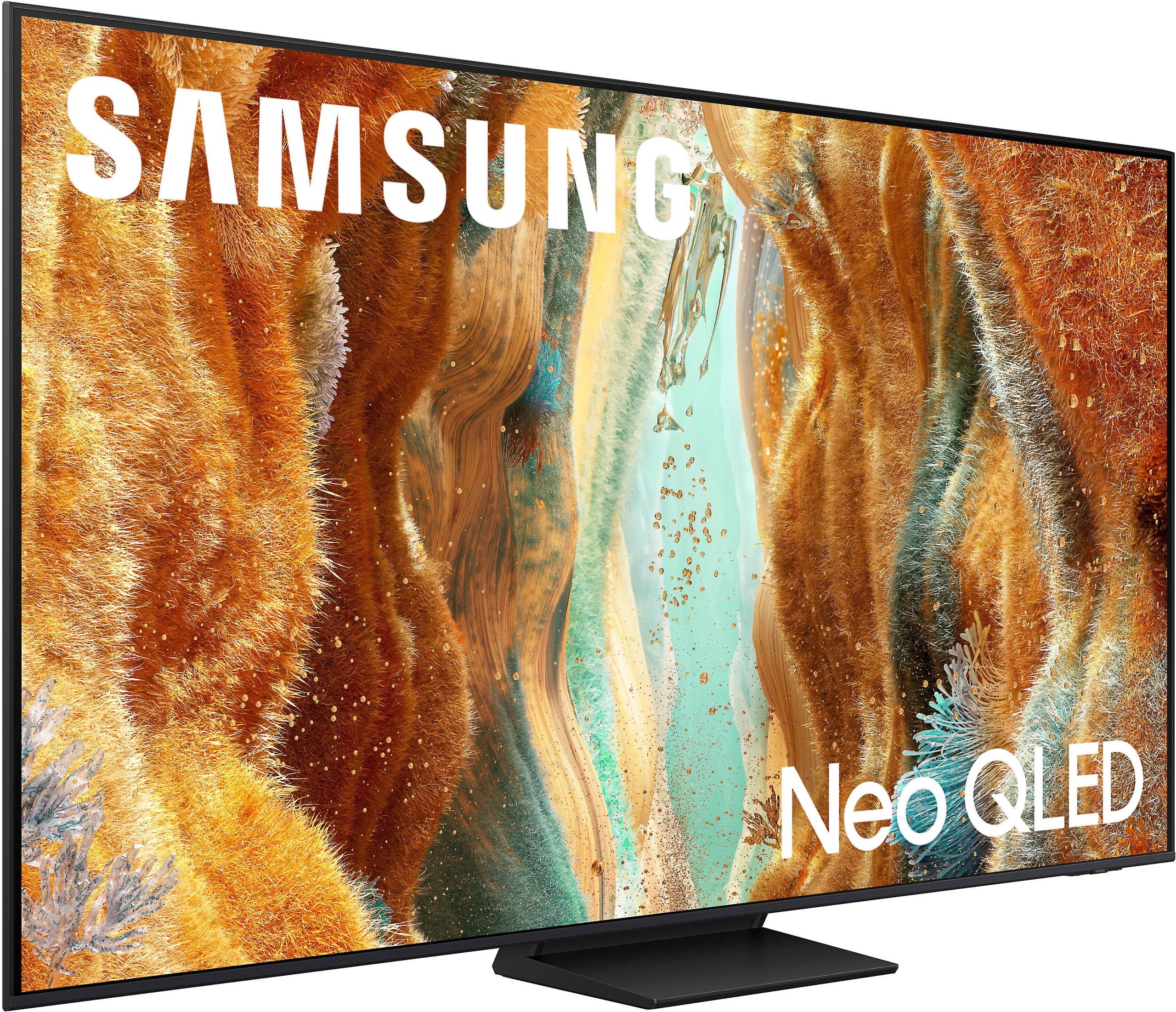




Shopping for a new 65-inch TV can feel overwhelming with all the technical jargon and marketing claims floating around. When you're looking at the Samsung QN70F Neo QLED and the Sony BRAVIA 2 II, you're comparing two fundamentally different approaches to delivering great picture quality—and understanding these differences is key to making the right choice for your home.
The 65-inch category has become the goldilocks zone for most living rooms. It's large enough to deliver that cinematic experience we all crave, but not so massive that it overwhelms your space or your wallet. Both Samsung and Sony released their 2025 models earlier this year, and each represents significant improvements over their 2024 predecessors.
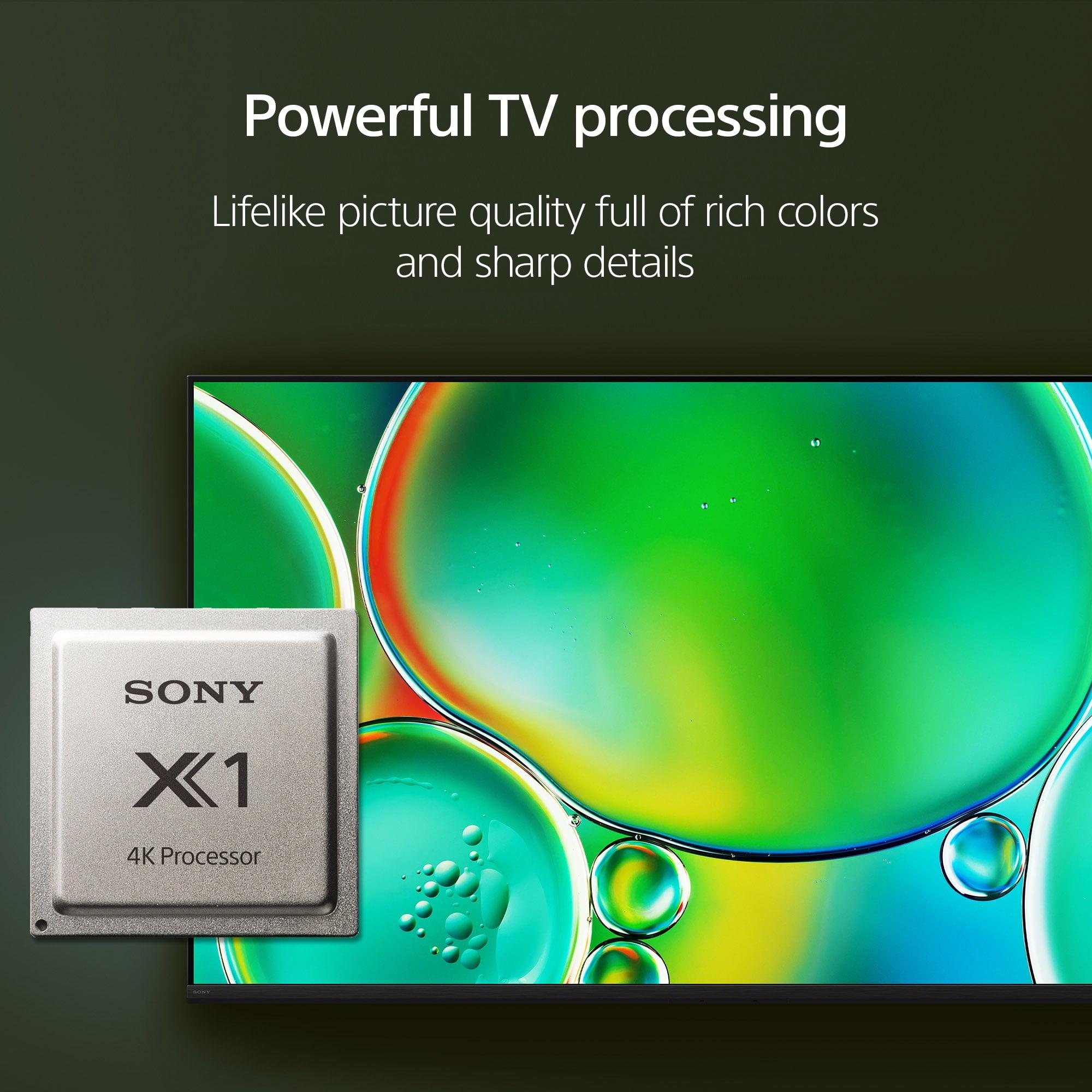
What's particularly interesting about this year's releases is how both companies have pushed premium technologies down to more affordable price points. The Samsung QN70F brings Mini LED technology—previously reserved for flagship models—to a mid-range price, while the Sony BRAVIA 2 II includes Sony's excellent X1 processor, which was formerly found only in their higher-end TVs.
When evaluating any TV in this category, you should focus on five key areas: display technology and picture quality, smart features, gaming performance, audio quality, and overall value. Let's break down how these two models stack up in each area.
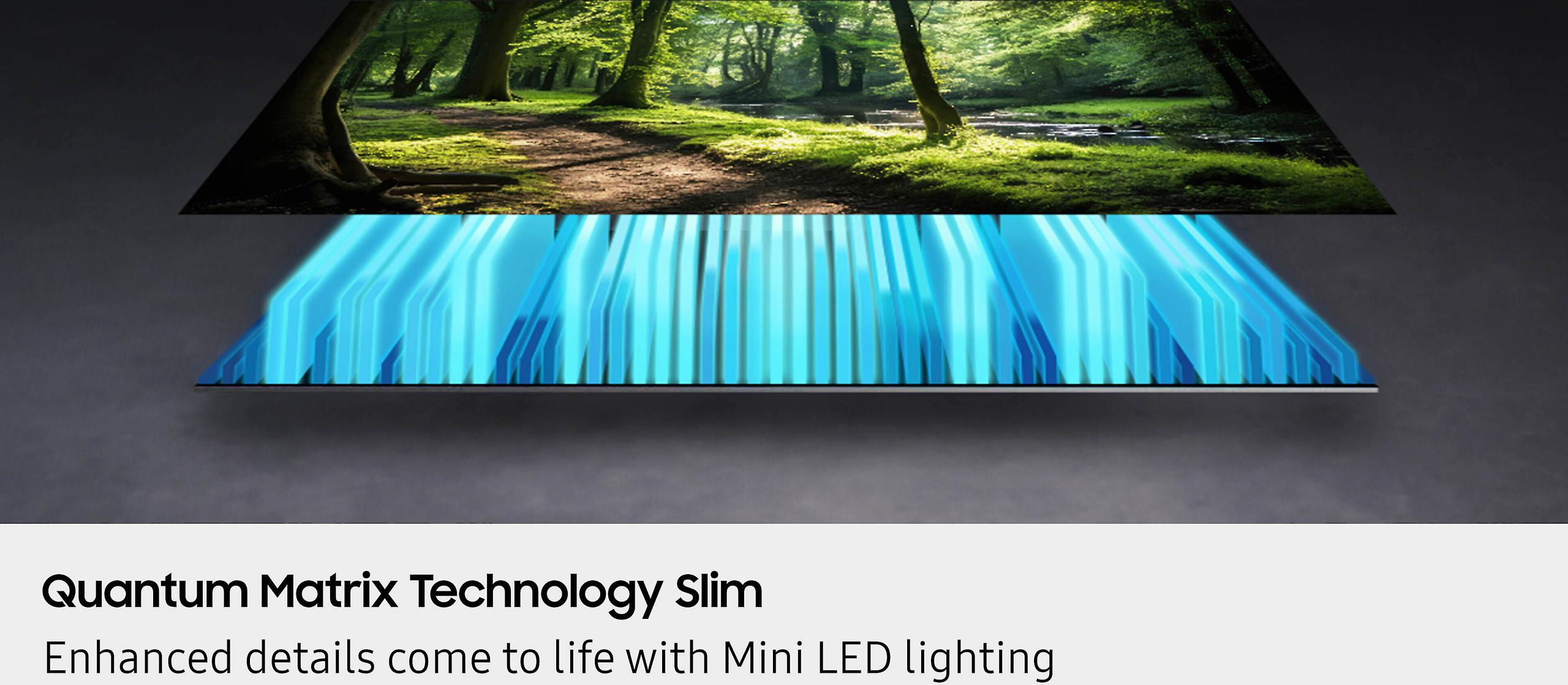
The Samsung QN70F uses what Samsung calls "Quantum Matrix Technology Slim" with Mini LED backlighting. Now, let me explain what this actually means for you. Traditional LED TVs have relatively large LED lights around the edges or behind the screen. Mini LEDs are much smaller—we're talking about LEDs that are less than 0.2mm in size. This allows Samsung to pack more of them into the same space, giving them much more precise control over which parts of the screen are bright and which are dark.
Think of it like painting with a fine brush versus a house-painting brush. The finer brush (Mini LEDs) lets you add detail and create better contrast between light and dark areas. In the Samsung QN70F, these Mini LEDs are positioned along the bottom edge of the screen, and they work together with quantum dots—tiny particles that can produce very pure colors when hit with light—to create what Samsung calls Neo QLED technology.
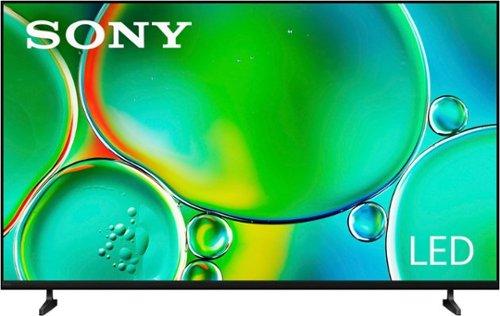
The practical result? You get brighter highlights, deeper shadows, and more vibrant colors than you'd see with a standard LED TV. This is particularly noticeable when watching HDR content like movies on Netflix or Disney+ that are mastered to take advantage of these enhanced contrast capabilities.
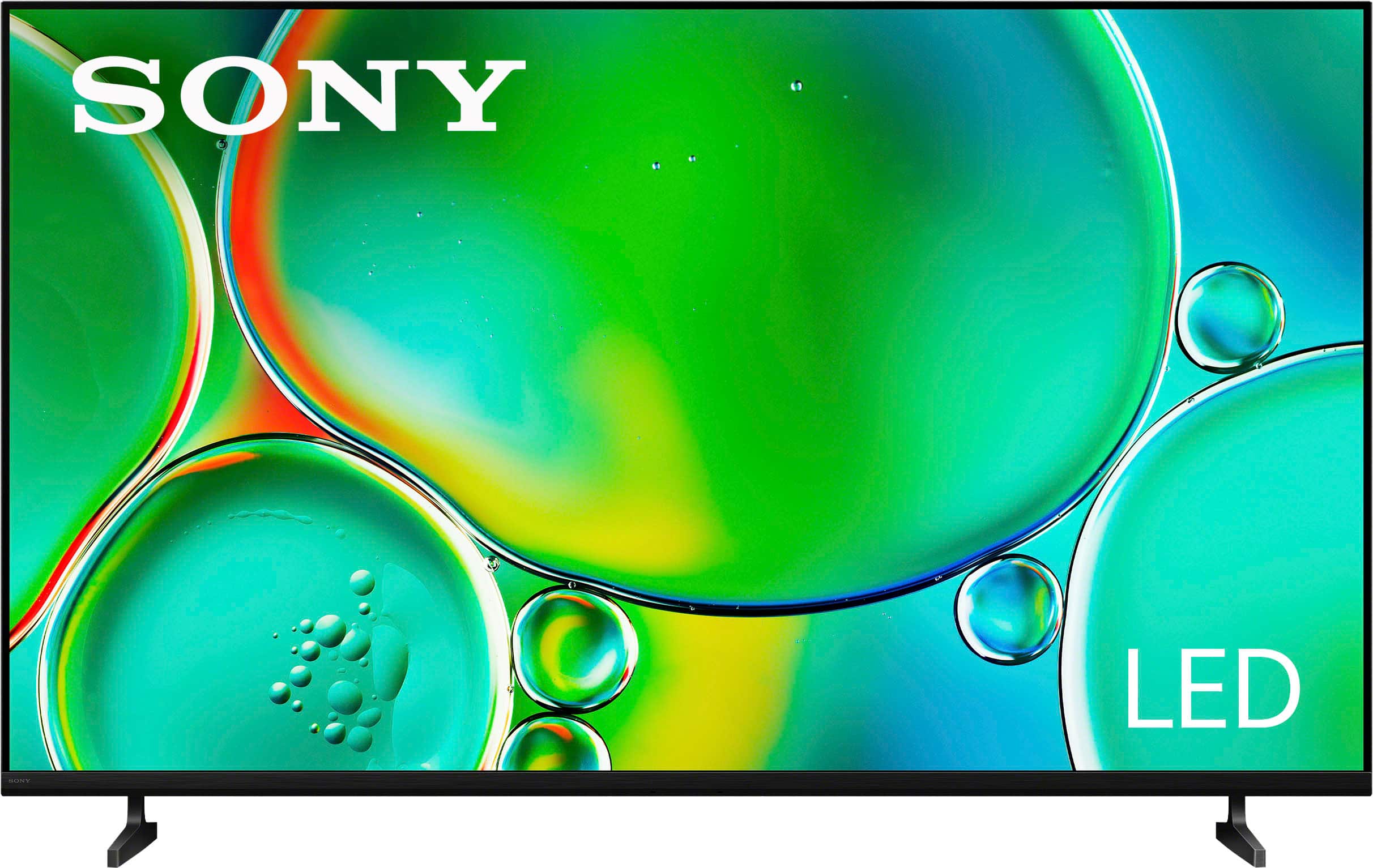
The Sony BRAVIA 2 II takes a different path. Instead of focusing primarily on brighter lights and more precise dimming, Sony has concentrated on what they do best: color accuracy and natural image processing. Their 4K Processor X1 analyzes every pixel of the image and compares it against a massive database of visual information to determine the most accurate way to display colors and textures.
Sony's "4K X-Reality PRO" technology is particularly impressive. When you're watching older content that wasn't originally filmed in 4K—like a classic movie or TV show—this system doesn't just stretch the image to fit your 4K screen. It actually analyzes the content frame by frame and rebuilds it with additional detail and clarity. The result often looks better than the original source material.
The Sony BRAVIA 2 II also includes "Live Color" technology, which expands the range of colors the TV can display. While it may not get as bright as the Samsung in peak highlights, many viewers prefer Sony's more natural, film-like color reproduction.
In my experience, the choice between these approaches often comes down to your viewing environment and preferences. The Samsung QN70F excels in brighter rooms where you need that extra brightness to overcome ambient light. Its Mini LED system can produce highlight brightness that cuts through glare from windows or lamps, making it excellent for daytime viewing.
The Sony BRAVIA 2 II, on the other hand, really shines (pun intended) in more controlled lighting environments. If you've set up a dedicated viewing area or home theater space where you can control the lighting, Sony's focus on color accuracy and natural image processing often produces more pleasing, lifelike images.
For home theater enthusiasts who want that cinema-quality experience, both TVs support HDR10 and other high dynamic range formats, but they handle them differently. The Samsung's brighter peak brightness means HDR highlights pop more dramatically, while the Sony's superior color processing means HDR colors look more natural and film-like.
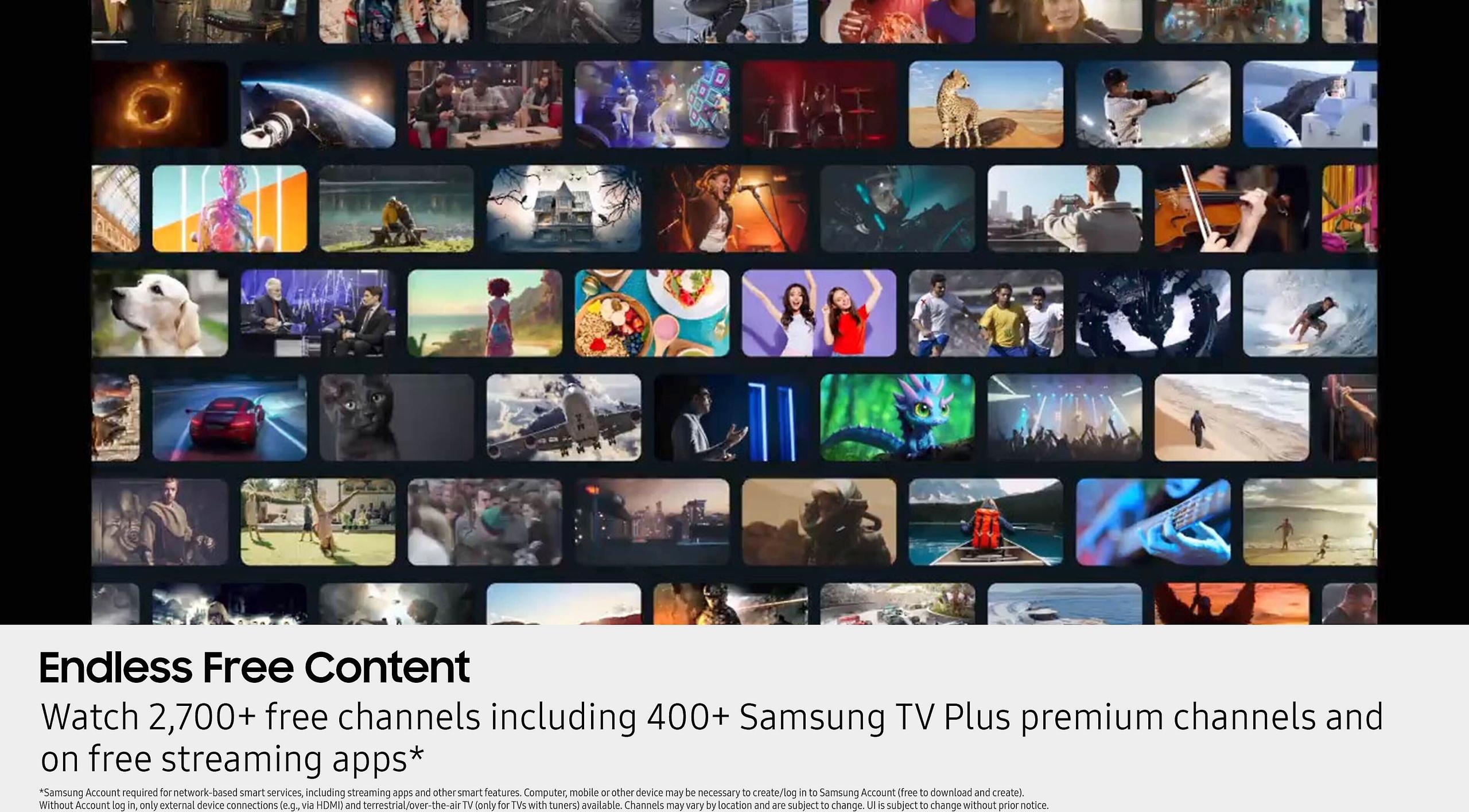
The Samsung QN70F introduces Samsung Vision AI, which feels genuinely futuristic in ways that actually matter to everyday viewing. The "Click to Search" feature is probably the most practically useful AI feature I've encountered in a TV. When you're watching something and want to know "where have I seen that actor before?" or "what song is playing in this scene?", you can simply click on what you're curious about and get instant information.
The "Live Translate" feature is another standout. If you're watching foreign content or international news, the TV can provide real-time subtitle translations in your preferred language. This isn't just Google Translate slapped onto a TV—it's specifically optimized for video content and works surprisingly well with different accents and speaking speeds.
Samsung's AI Mode continuously adjusts picture and sound settings based on what you're watching and your room conditions. It learns your preferences over time and can automatically switch between settings optimized for sports, movies, or gaming without you having to manually adjust anything.
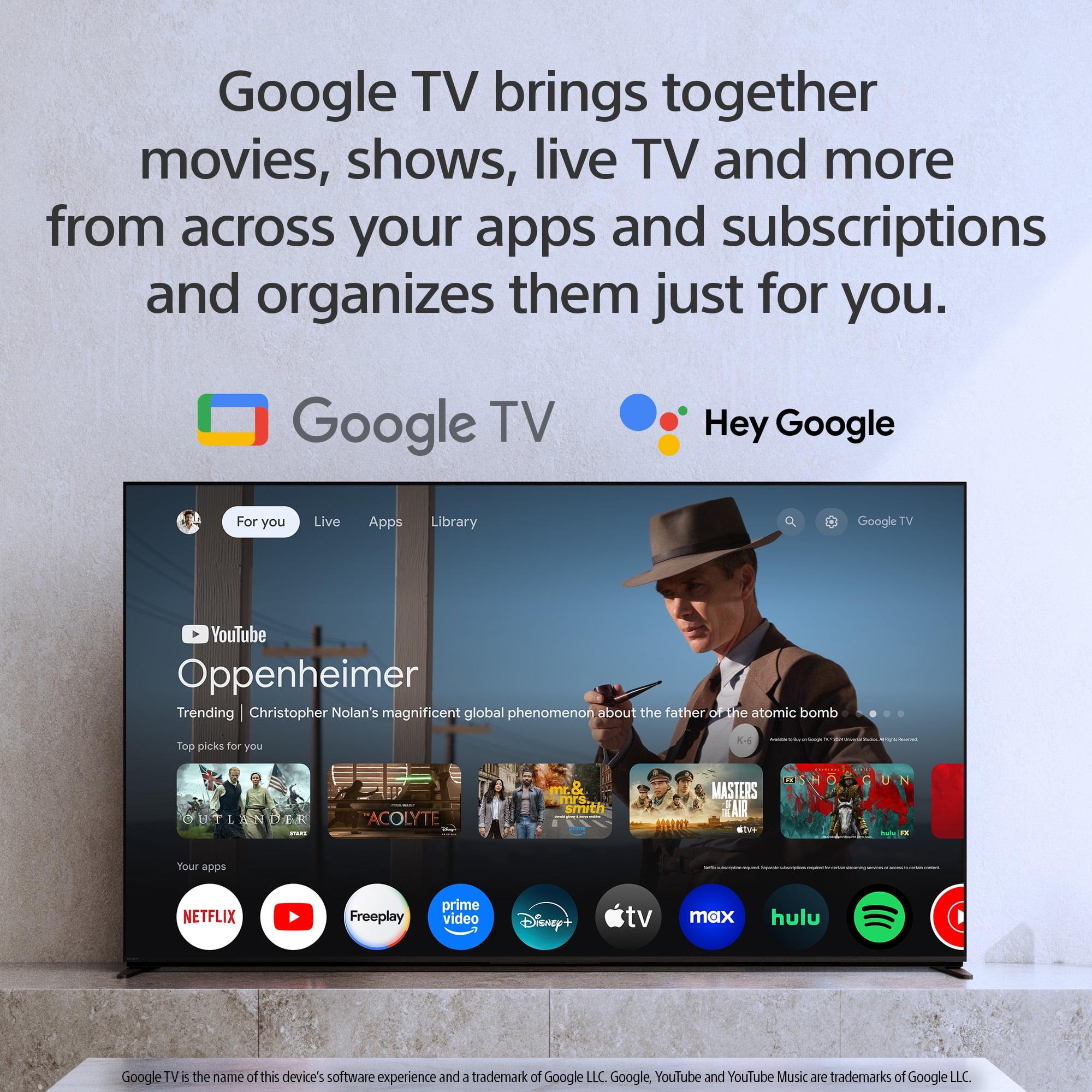
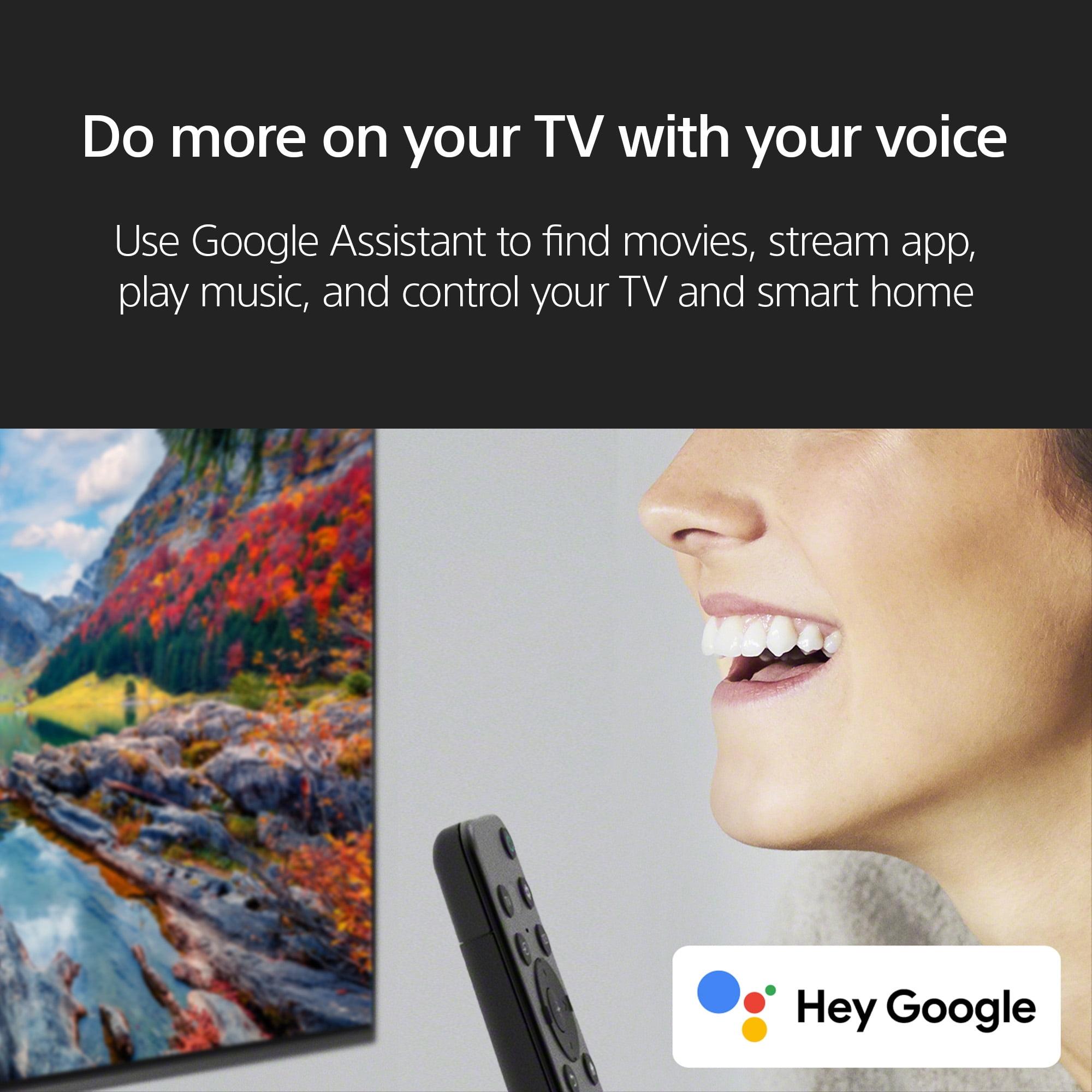
The Sony BRAVIA 2 II runs Google TV, which is essentially an enhanced version of Android TV. If you've used YouTube TV, Google Play Movies, or other Google services, you'll feel right at home. The interface is clean, intuitive, and excellent at helping you discover content across different streaming services.
One significant advantage of Google TV is its integration with the broader Google ecosystem. If you use Google Photos, your family pictures can become screensavers. If you have Google Home devices, voice commands work seamlessly. The platform also supports Apple AirPlay 2, so iPhone users can easily cast content to the TV.
Google TV's content aggregation is particularly well-done. Instead of having to remember which streaming service has which show, the platform presents a unified view of available content across Netflix, Hulu, Disney+, and other services you subscribe to.
For users who want cutting-edge AI features and don't mind a learning curve, the Samsung QN70F offers genuinely innovative capabilities that can enhance daily viewing. However, if you prefer a more straightforward, reliable smart TV experience with broad app compatibility, the Sony BRAVIA 2 II provides exactly that without unnecessary complexity.
This is where the two TVs diverge most dramatically. The Samsung QN70F is clearly designed with serious gamers in mind, while the Sony BRAVIA 2 II covers gaming basics competently but without advanced features.
The Samsung QN70F supports 4K resolution at 144Hz refresh rate, which means it can display up to 144 unique frames per second. For context, most TVs max out at 60Hz, and even many gaming-focused TVs only reach 120Hz. This higher refresh rate results in smoother motion during fast-paced games, especially noticeable in racing games, first-person shooters, or sports games where quick reactions matter.
The TV includes Variable Refresh Rate (VRR) technology, specifically AMD FreeSync Premium Pro. This synchronizes the TV's refresh rate with your gaming console or PC's graphics card output, eliminating screen tearing (those annoying horizontal lines that sometimes appear during gameplay) and reducing input lag—the delay between when you press a button and when the action appears on screen.
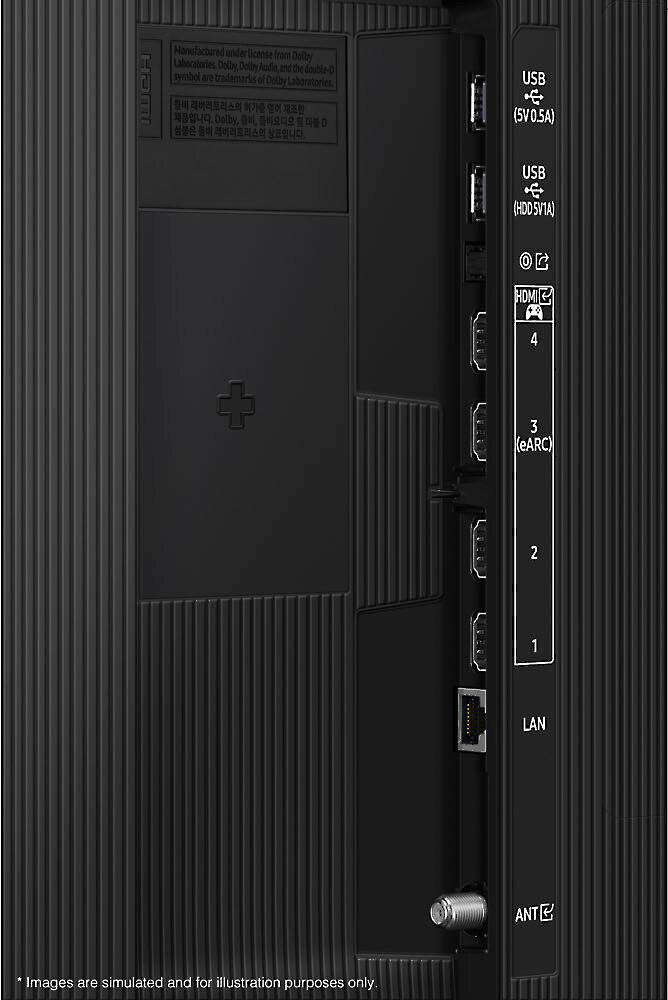
All four HDMI ports support HDMI 2.1, the latest standard that provides the bandwidth necessary for 4K gaming at high refresh rates. This means you won't have to worry about which port to use for your PlayStation 5, Xbox Series X, or gaming PC.
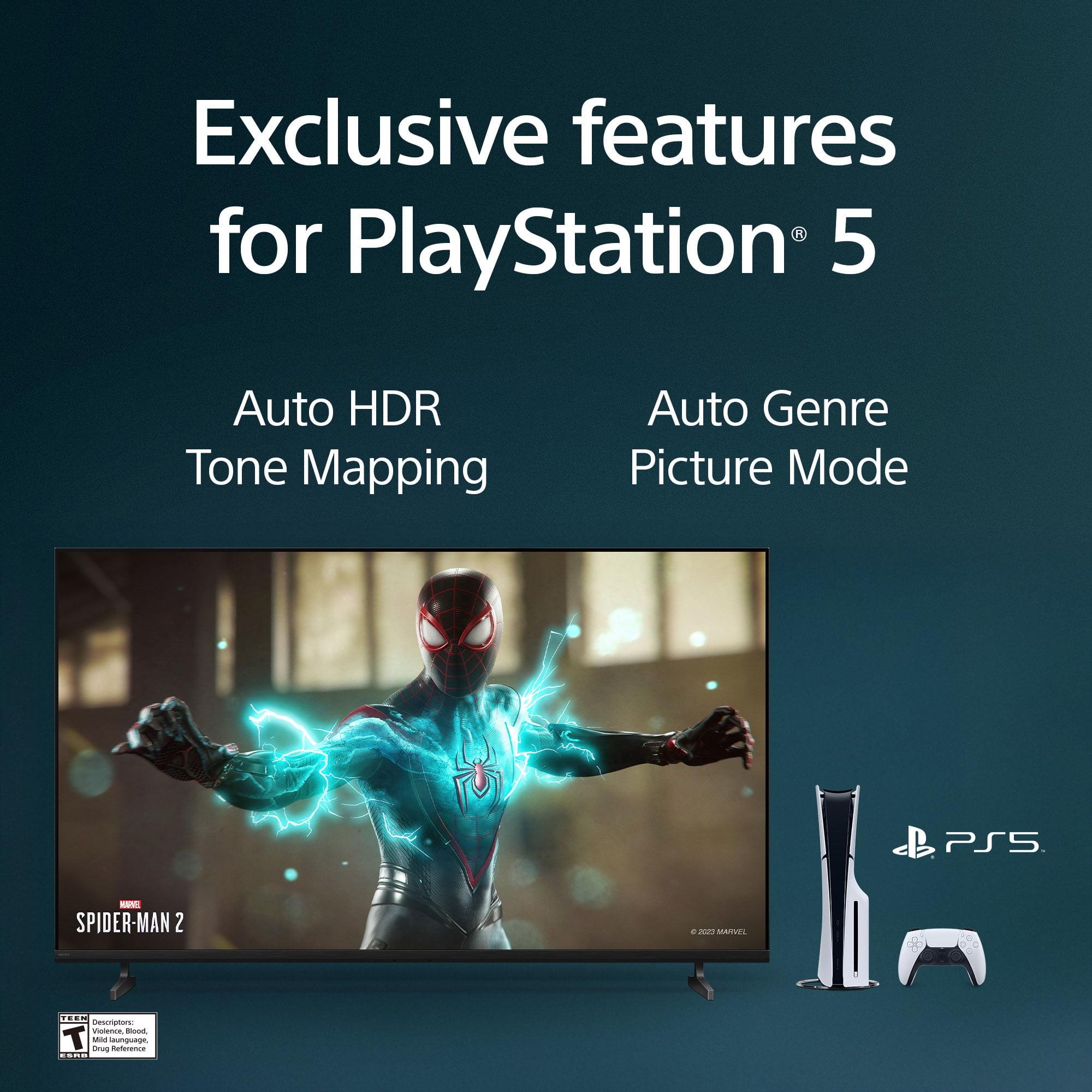
The Sony BRAVIA 2 II supports 4K gaming up to 60Hz, which covers the capabilities of most current gaming consoles perfectly well. It includes Auto Low Latency Mode (ALLM), which automatically switches the TV to its lowest-lag gaming mode when it detects a gaming console, and it has specific optimizations for PlayStation 5 including Auto HDR Tone Mapping.
While 60Hz might sound limiting compared to Samsung's 144Hz, it's worth noting that most console games currently target 60 frames per second anyway. The Sony will handle current-generation gaming perfectly well, but it may not be as future-proof for upcoming games that take advantage of higher refresh rates.
If gaming is a priority—especially PC gaming or if you want the most future-proof console experience—the Samsung QN70F is the clear winner. For casual gamers who primarily play single-player games or less competitive multiplayer titles, the Sony BRAVIA 2 II provides everything you need.
This is one area where the Sony BRAVIA 2 II clearly outperforms the Samsung QN70F. Sony's Open Baffle Speaker system produces 40 watts of total power compared to Samsung's 20 watts, and the difference is immediately noticeable.
The Sony includes Dolby Atmos support, which creates a more immersive three-dimensional sound experience by bouncing audio off your ceiling to create height effects. When watching movies with Dolby Atmos soundtracks, you'll hear helicopters flying overhead or rain falling from above, not just from the left and right speakers.
Sony's "Clear Phase" technology adjusts the timing of different audio frequencies to create better acoustic harmony, resulting in clearer dialogue and more balanced sound across different types of content.
The Samsung QN70F includes "Object Tracking Sound Lite," which tries to match audio positioning with visual elements on screen, and "Active Voice Amplifier Pro," which boosts dialogue volume when it detects background noise in your room. These are helpful features, but they don't compensate for the fundamental difference in speaker power and quality.
If you're planning to add a soundbar or home theater system eventually, the audio difference becomes less important. However, if you want the best possible built-in audio experience, the Sony BRAVIA 2 II is significantly better out of the box.
At the time of writing, these TVs occupy different price tiers, which makes the value comparison more nuanced than a simple feature-for-feature comparison.
The Samsung QN70F represents significant value in the Mini LED category. Typically, Mini LED technology commands premium prices, but Samsung has managed to include it in a more accessible package. You're getting display technology that was previously reserved for much more expensive TVs, along with genuinely innovative AI features and excellent gaming capabilities.
For home theater enthusiasts who want the best possible picture quality in bright rooms, or gamers who want cutting-edge performance, the Samsung offers features you simply cannot get elsewhere at this price point.
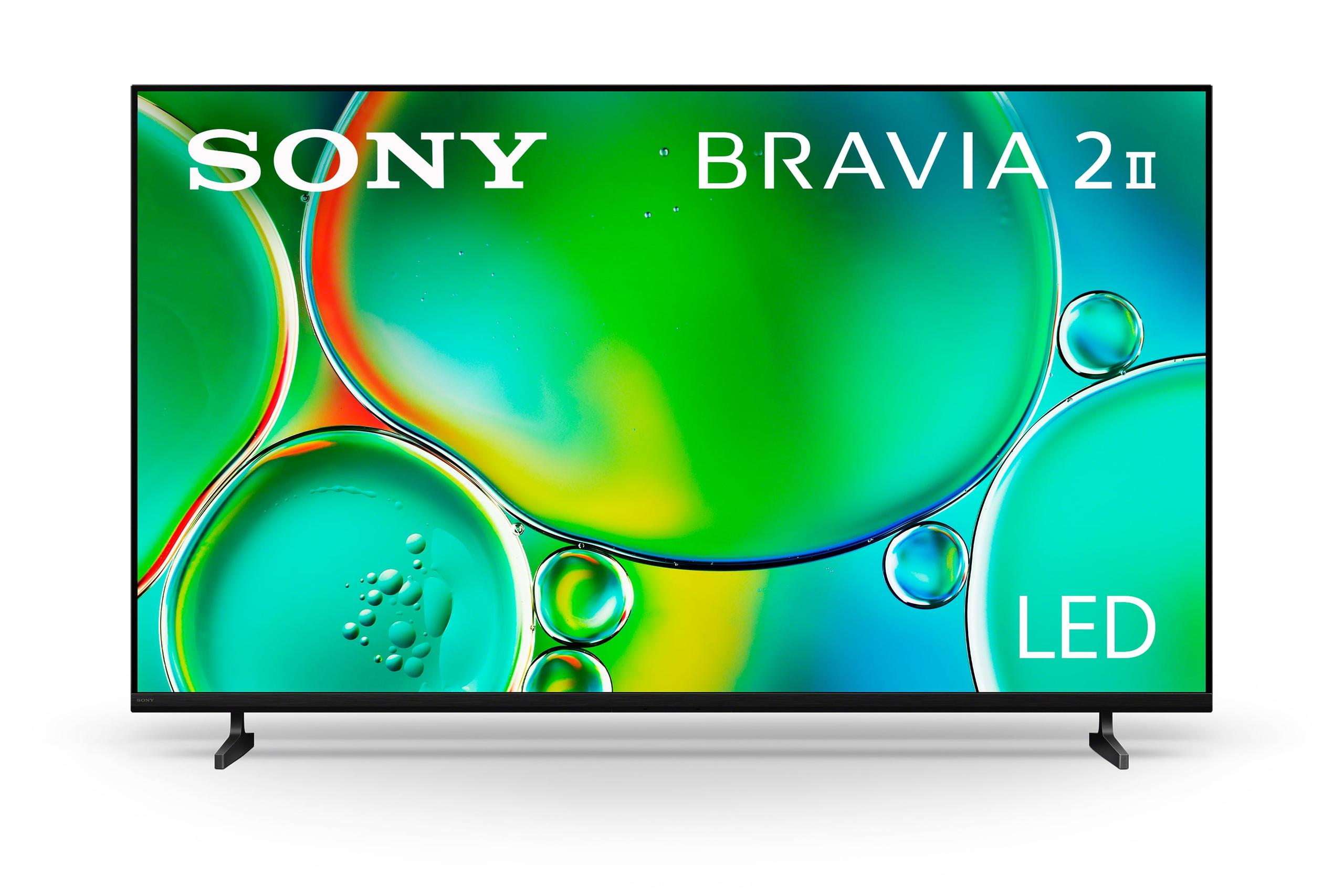
The Sony BRAVIA 2 II positions itself as an entry-level 2025 model, but "entry-level" from Sony still means exceptional color accuracy, reliable build quality, and the user-friendly Google TV platform. You're getting Sony's renowned picture processing and significantly better audio than competing TVs in its price range.
For viewers who prioritize natural, accurate picture quality and don't need advanced gaming features, the Sony delivers premium brand quality at a very reasonable price point.
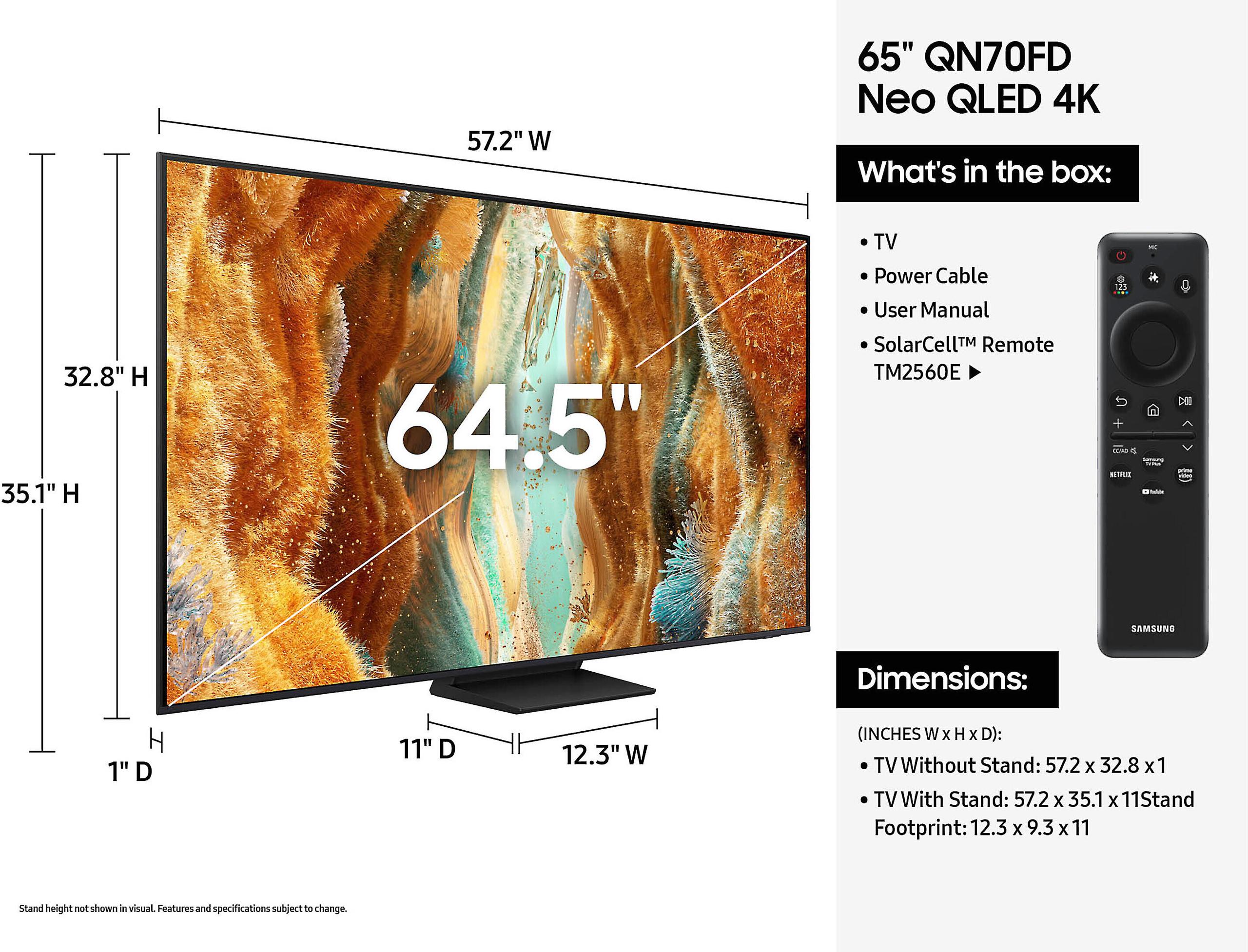
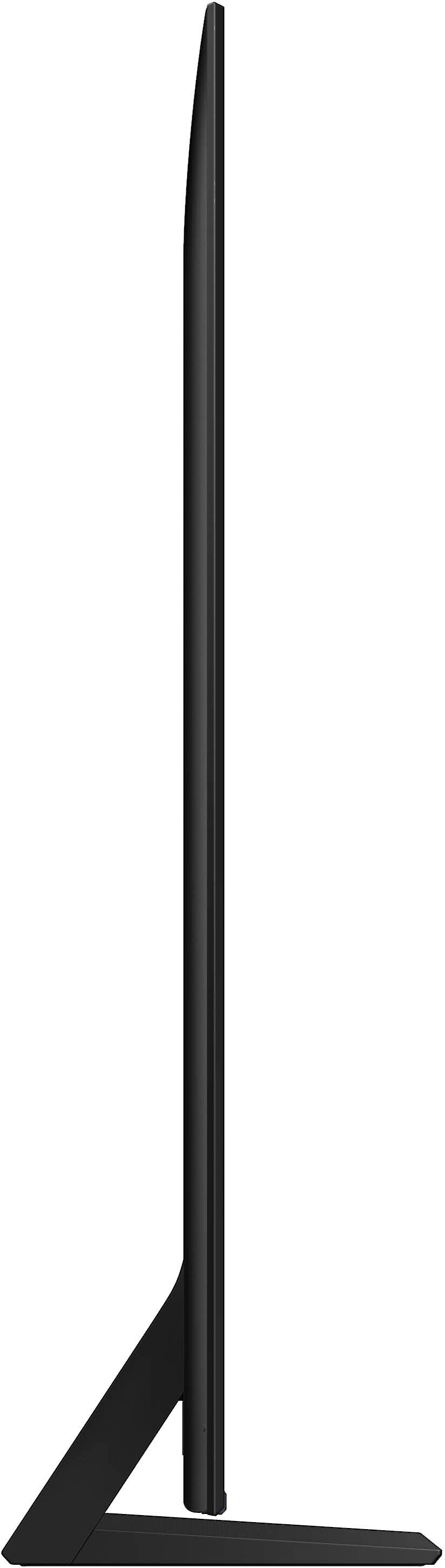
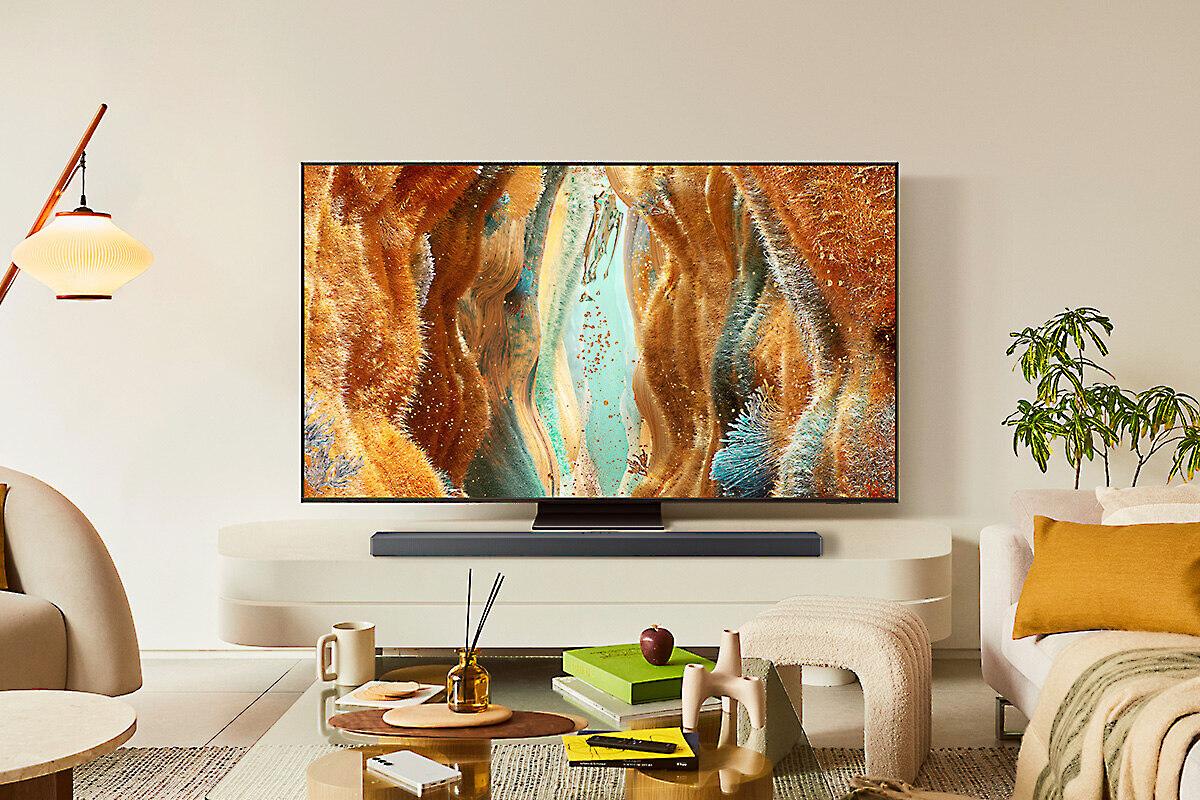
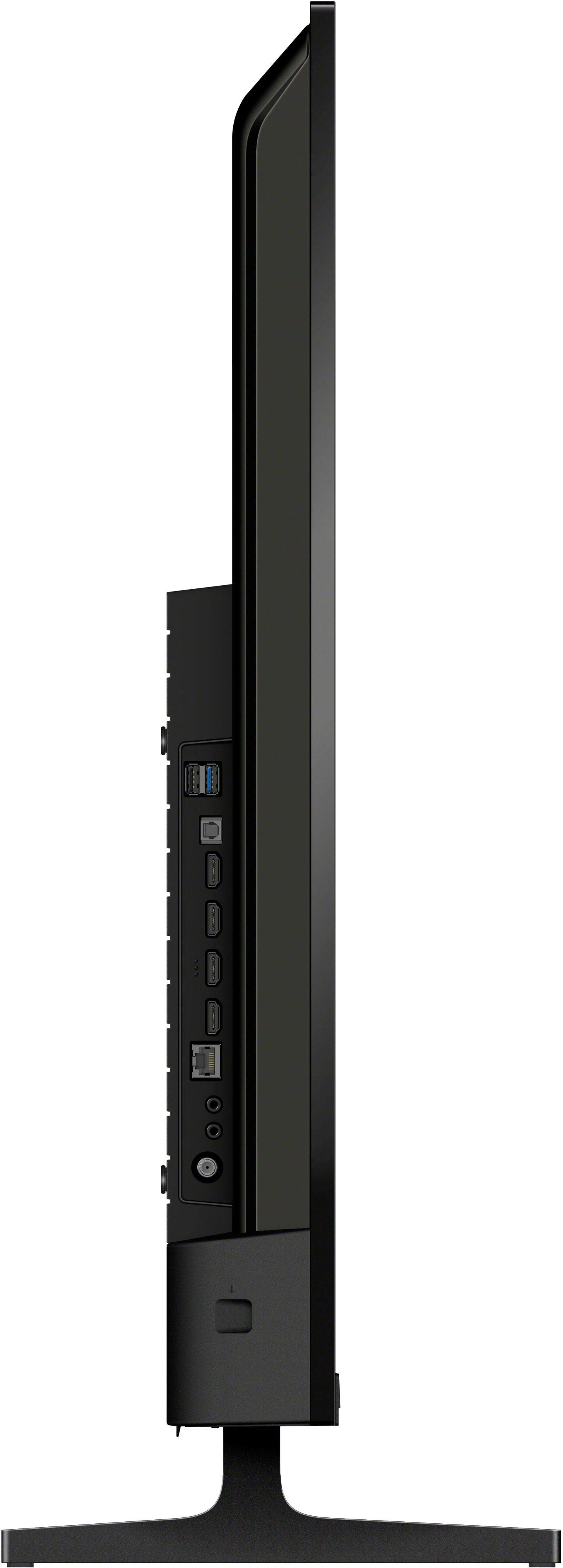
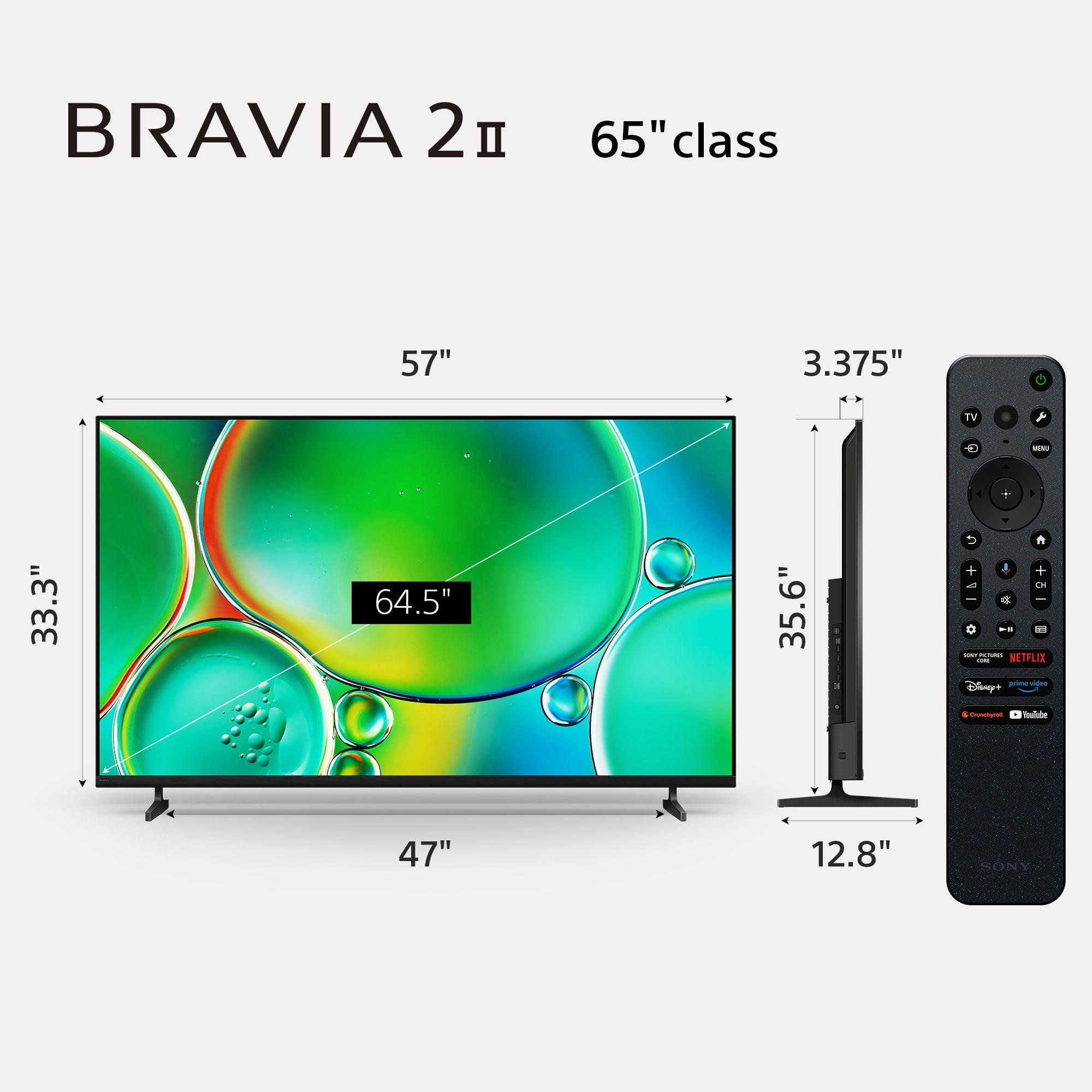
Both TVs feature modern, slim designs that work well wall-mounted or on stands. The Samsung QN70F measures approximately one inch deep, making it ideal for flush wall mounting in a home theater setup. The Sony BRAVIA 2 II offers a similarly sleek profile with what Sony describes as a "metal frame" construction.
Neither TV will dominate your room visually when turned off—they both achieve that "floating screen" aesthetic that works well in contemporary home decor.
After spending time with both televisions, I've developed strong opinions about who should choose which model.
You're a serious gamer who wants the absolute best performance for next-generation consoles or PC gaming. The 144Hz refresh rate, VRR support, and multiple HDMI 2.1 ports make this a genuinely future-proof gaming display.
You watch TV primarily during the day or in bright rooms. The Mini LED backlighting provides brightness levels that can compete with ambient light from windows or overhead lighting.
You're intrigued by AI features and want to experience cutting-edge smart TV technology. Samsung's Vision AI features are genuinely useful and represent the direction smart TVs are heading.
You're setting up a dedicated home theater and want the most impressive HDR performance possible. The enhanced brightness and contrast capabilities make HDR movies and shows more impactful.
You prioritize natural, accurate colors and prefer a more cinematic picture quality. Sony's color science and image processing create a more film-like viewing experience.
You want the best built-in audio quality without immediately adding a soundbar. The 40-watt speaker system with Dolby Atmos support is significantly better than most TV speakers.
You prefer a straightforward, reliable smart TV platform and value Google TV's content discovery and ecosystem integration.
You're looking for exceptional value and want premium brand quality without premium pricing. This TV punches well above its weight class in terms of overall quality.
You primarily watch movies and TV shows rather than gaming, and you value picture accuracy over peak brightness.
Both the Samsung QN70F and Sony BRAVIA 2 II represent significant improvements over their 2024 predecessors and showcase how TV technology continues to evolve. Samsung's push to bring Mini LED and AI features to more accessible price points, combined with Sony's commitment to exceptional color accuracy and user experience, gives consumers genuine choice between two excellent but different approaches to 4K television.
The decision ultimately comes down to understanding your priorities and viewing habits. Both TVs will deliver excellent 4K picture quality and reliable smart TV functionality—the differences lie in the details of how they achieve those results and which additional features matter most to your specific situation.
In my experience, you're unlikely to be disappointed with either choice, but taking the time to match the TV's strengths to your specific needs will ensure you get the most satisfaction from your purchase over the years to come.
| Samsung 65" QN70F Neo QLED | Sony BRAVIA 2 II 65" 4K LED |
|---|---|
| Display Technology - Core factor determining picture quality and brightness | |
| Neo QLED with Mini LED backlighting (Quantum Matrix Slim) | Direct LED with LCD panel |
| Peak Brightness - Critical for HDR content and bright room viewing | |
| Higher peak brightness with Mini LED control | Moderate brightness, optimized for controlled lighting |
| Processor - Determines upscaling quality and smart features | |
| NQ4 AI Gen2 with 20 neural networks | 4K Processor X1 |
| Gaming Performance - Essential for console and PC gamers | |
| 4K at 144Hz, VRR, AMD FreeSync Premium Pro, 4 HDMI 2.1 ports | 4K at 60Hz, ALLM, PlayStation 5 optimizations, no VRR |
| Smart Platform - Affects daily usability and app selection | |
| Tizen OS with Samsung Vision AI (Click to Search, Live Translate) | Google TV with Google Assistant, broader app compatibility |
| Audio Output - Important if not using external sound system | |
| 20W, Object Tracking Sound Lite, Active Voice Amplifier Pro | 40W Open Baffle speakers, Dolby Atmos, DTS:X support |
| Color Technology - Impacts color accuracy and vibrancy | |
| Quantum Dot technology for enhanced color volume | Live Color technology and 4K X-Reality PRO for natural colors |
| HDR Support - Determines quality of movie and streaming content | |
| Neo Quantum HDR, HDR10+, Supreme UHD Dimming | HDR10, HLG, Dynamic Contrast Enhancer |
| Design Profile - Matters for wall mounting and room aesthetics | |
| Ultra-slim ~1" depth, ideal for flush wall mounting | Slim profile with metal frame construction |
| AI Features - New capabilities that enhance viewing experience | |
| Advanced Vision AI with content recognition and real-time translation | Basic AI upscaling, no advanced recognition features |
| Best For - Target user based on priorities and usage | |
| Gamers, bright rooms, cutting-edge features, home theater setups | Movie lovers, natural colors, Google ecosystem, budget-conscious buyers |
The Samsung QN70F Neo QLED delivers brighter, more vibrant images with superior HDR performance thanks to its Mini LED backlighting and quantum dot technology. However, the Sony BRAVIA 2 II excels in color accuracy and natural image processing, making it ideal for viewers who prefer cinematic, film-like picture quality. For home theater setups, the Samsung works better in brighter rooms while the Sony shines in controlled lighting environments.
The Samsung QN70F Neo QLED uses Mini LED backlighting with quantum dots, providing more precise brightness control and wider color coverage than traditional LED TVs. The Sony BRAVIA 2 II uses direct LED backlighting, which is simpler but relies on Sony's superior color processing to deliver excellent picture quality. Neo QLED technology generally offers better contrast and brightness, especially for HDR content.
The Samsung QN70F Neo QLED is significantly better for gaming, supporting 4K at 144Hz, Variable Refresh Rate (VRR), and AMD FreeSync Premium Pro across all four HDMI 2.1 ports. The Sony BRAVIA 2 II is limited to 4K at 60Hz without VRR support, though it includes PlayStation 5 optimizations. Serious gamers should choose the Samsung for future-proof performance.
The Samsung QN70F Neo QLED runs Tizen OS with advanced Vision AI features like Click to Search and Live Translate, offering cutting-edge smart capabilities. The Sony BRAVIA 2 II uses Google TV, providing excellent content discovery, broader app compatibility, and seamless integration with Google services. Google TV is more user-friendly for most people, while Samsung offers more innovative AI features.
The Sony BRAVIA 2 II has superior built-in audio with 40W Open Baffle speakers supporting Dolby Atmos and DTS:X, delivering much better sound quality than the Samsung's 20W system. The Samsung QN70F Neo QLED includes Object Tracking Sound Lite and voice enhancement features, but cannot match Sony's speaker power and audio processing capabilities.
The Samsung QN70F Neo QLED achieves higher peak brightness thanks to its Mini LED backlighting system, making it excellent for bright rooms and daytime viewing. The Sony BRAVIA 2 II offers moderate brightness levels optimized for controlled lighting conditions. For rooms with lots of windows or ambient light, the Samsung's superior brightness provides a significant advantage.
Both TVs offer excellent value in different ways. The Samsung QN70F Neo QLED provides premium Mini LED technology and advanced features typically found in more expensive models. The Sony BRAVIA 2 II delivers Sony's renowned picture processing and superior audio at an entry-level price point. Your choice depends on whether you prioritize cutting-edge features or proven quality at a lower cost.
The Samsung QN70F Neo QLED excels at HDR with Neo Quantum HDR support, brighter highlights, and better contrast thanks to Mini LED technology. The Sony BRAVIA 2 II supports HDR10 and HLG with excellent color processing, though with lower peak brightness. For the most impactful HDR experience, especially in bright rooms, the Samsung performs better.
For home theater use, both TVs have merits. The Samsung QN70F Neo QLED offers superior contrast and brightness for dramatic HDR movies, plus advanced gaming capabilities. The Sony BRAVIA 2 II provides more natural, cinema-like colors and significantly better built-in audio. In a controlled lighting environment, Sony's color accuracy often looks more film-like, while Samsung impresses with brighter, more dynamic images.
Both the Samsung QN70F Neo QLED and Sony BRAVIA 2 II feature slim, modern designs suitable for wall mounting. The Samsung measures approximately 1 inch deep, making it ideal for flush wall installations. The Sony offers a metal frame construction with a similarly sleek profile. Both TVs blend well into contemporary room designs without dominating the space.
The Samsung QN70F Neo QLED appears more future-proof with its 144Hz gaming support, advanced AI features, and Mini LED technology that's becoming the new standard. The Sony BRAVIA 2 II offers reliable, proven technology that will handle current content excellently but may lack some newer capabilities. For long-term use, especially for gaming, the Samsung provides better future-proofing.
Both Samsung and Sony are premium TV manufacturers with excellent reputations. Samsung leads in display technology innovation and smart features, while Sony is renowned for superior color accuracy and build quality. Samsung typically offers more cutting-edge features, while Sony focuses on refined, reliable performance. Your choice should depend more on specific features and performance needs than brand alone.
We've done our best to create useful and informative comparisons to help you decide what product to buy. Our research uses advanced automated methods to create this comparison and perfection is not possible - please contact us for corrections or questions. These are the sites we've researched in the creation of this article: rtings.com - youtube.com - wifihifi.com - samsung.com - samsung.com - samsung.com - samsung.com - flatpanelshd.com - news.samsung.com - bestbuy.com - bestbuy.com - notebookcheck.net - rtings.com - youtube.com - youtube.com - rtings.com - avsforum.com - croma.com - totonstv.com - electronics.sony.com - listenup.com - pcrichard.com - youtube.com - flanners.com - brandsmartusa.com - displayspecifications.com - pioneertvandappliance.com - donstv.com

Privacy Policy
Terms and Conditions - Affiliate Policy
Home Security
© Copyright 2008-2026.
11816 Inwood Rd #1211, Dallas, TX 75244