

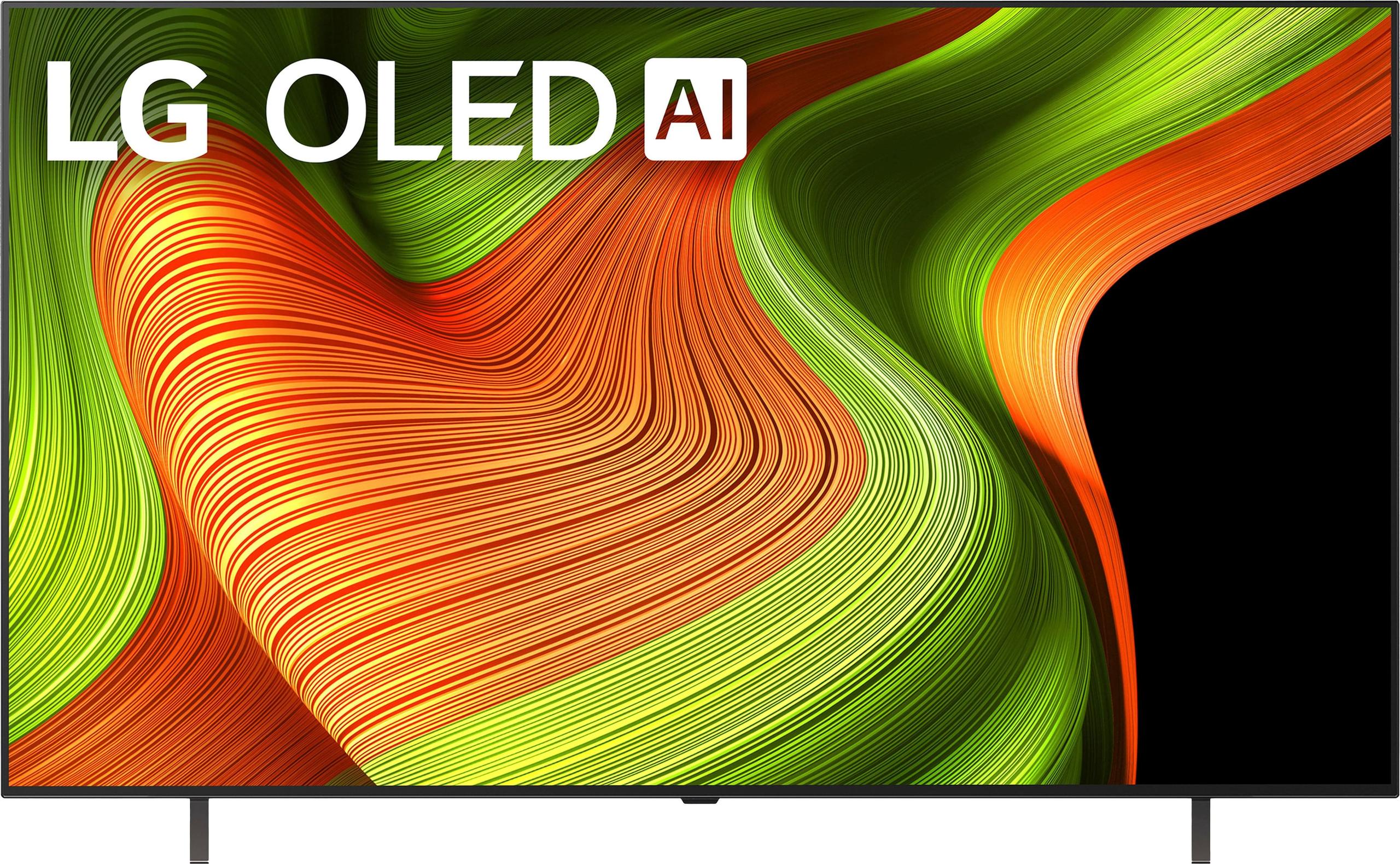
![LG B5 Series OLED 65" 4K Smart TV 2025[1][7][9]](https://images.hometheaterreview.com/htr-stateless/2025/07/3368ce40-25ef-4d07-b442-bb0af89e3a29.jpg)
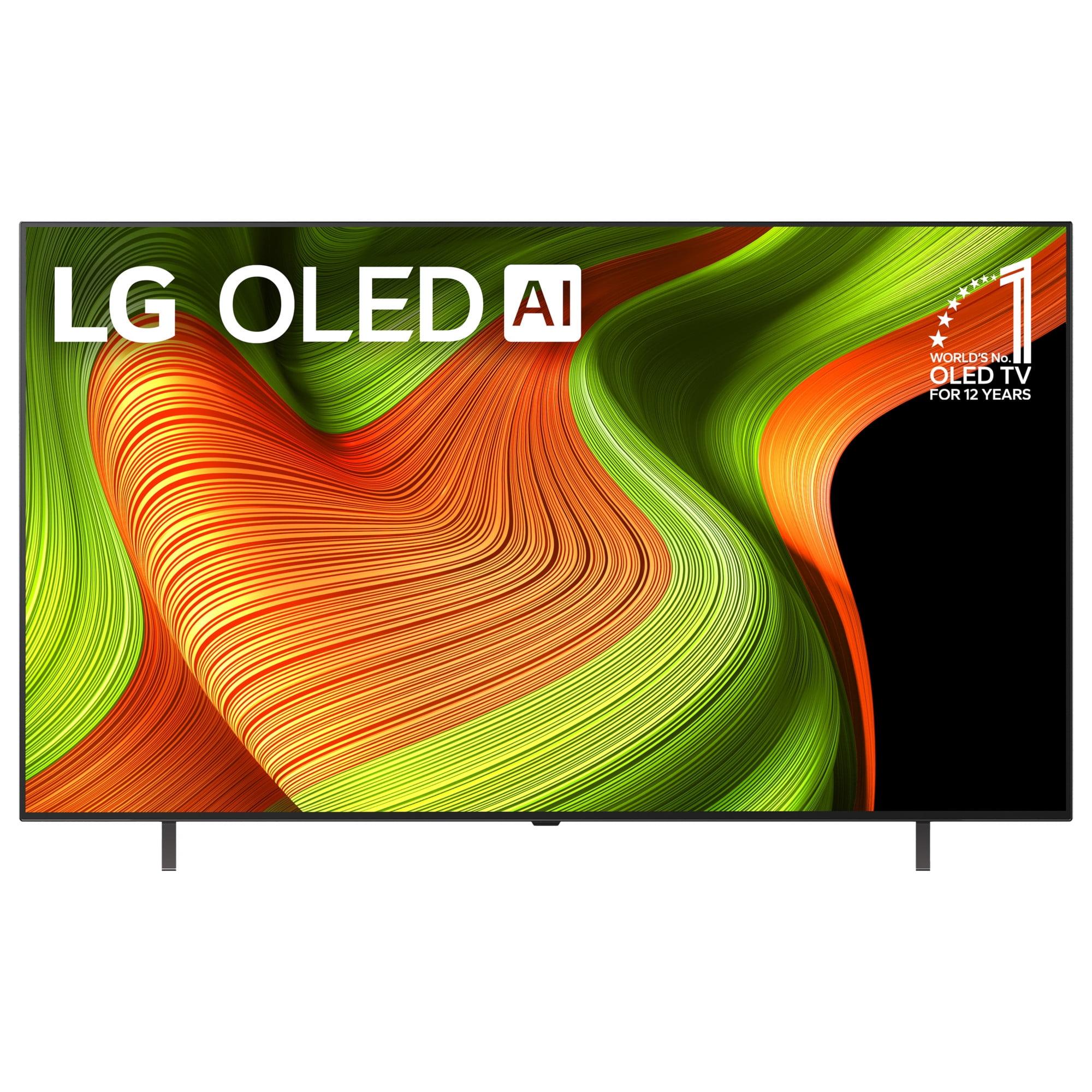
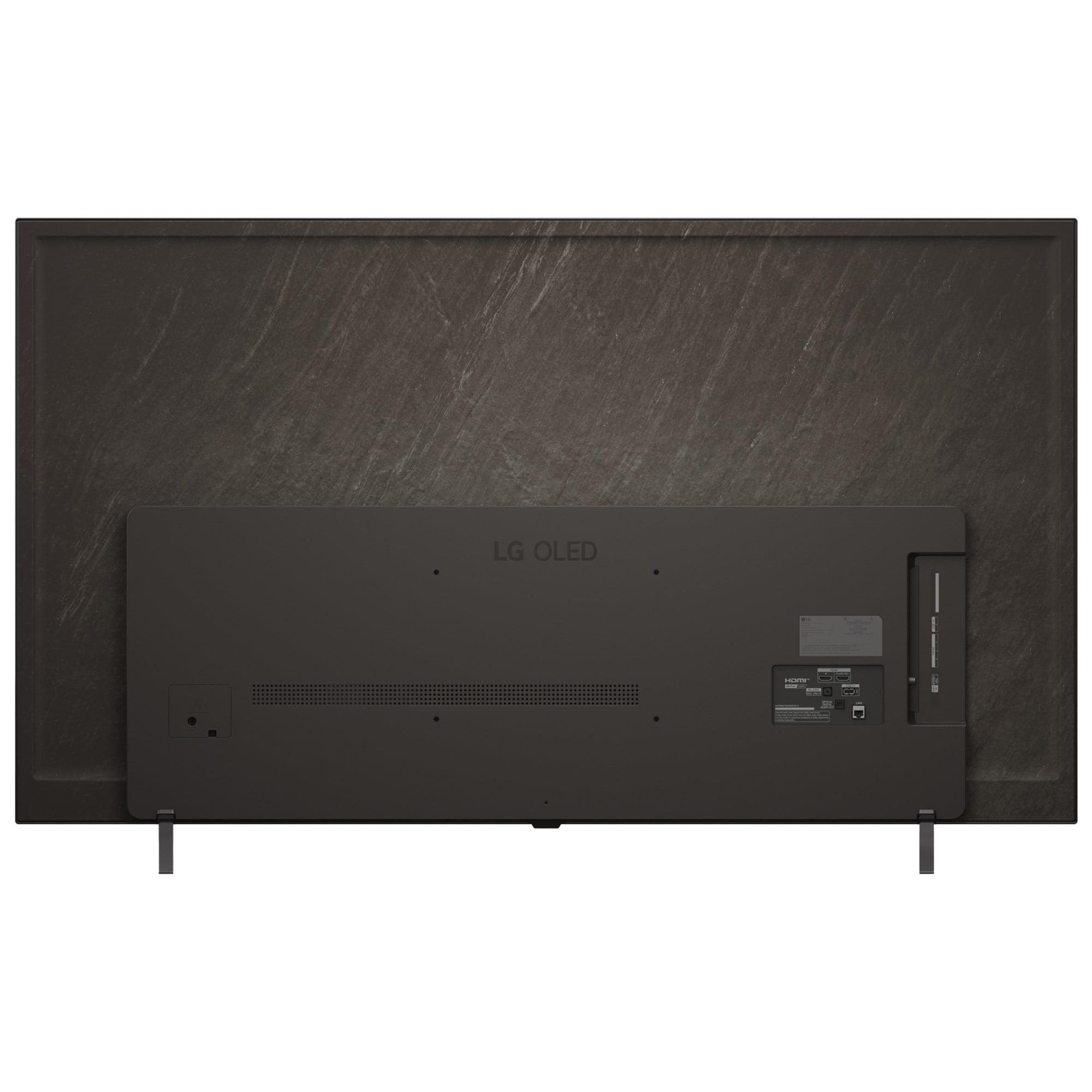
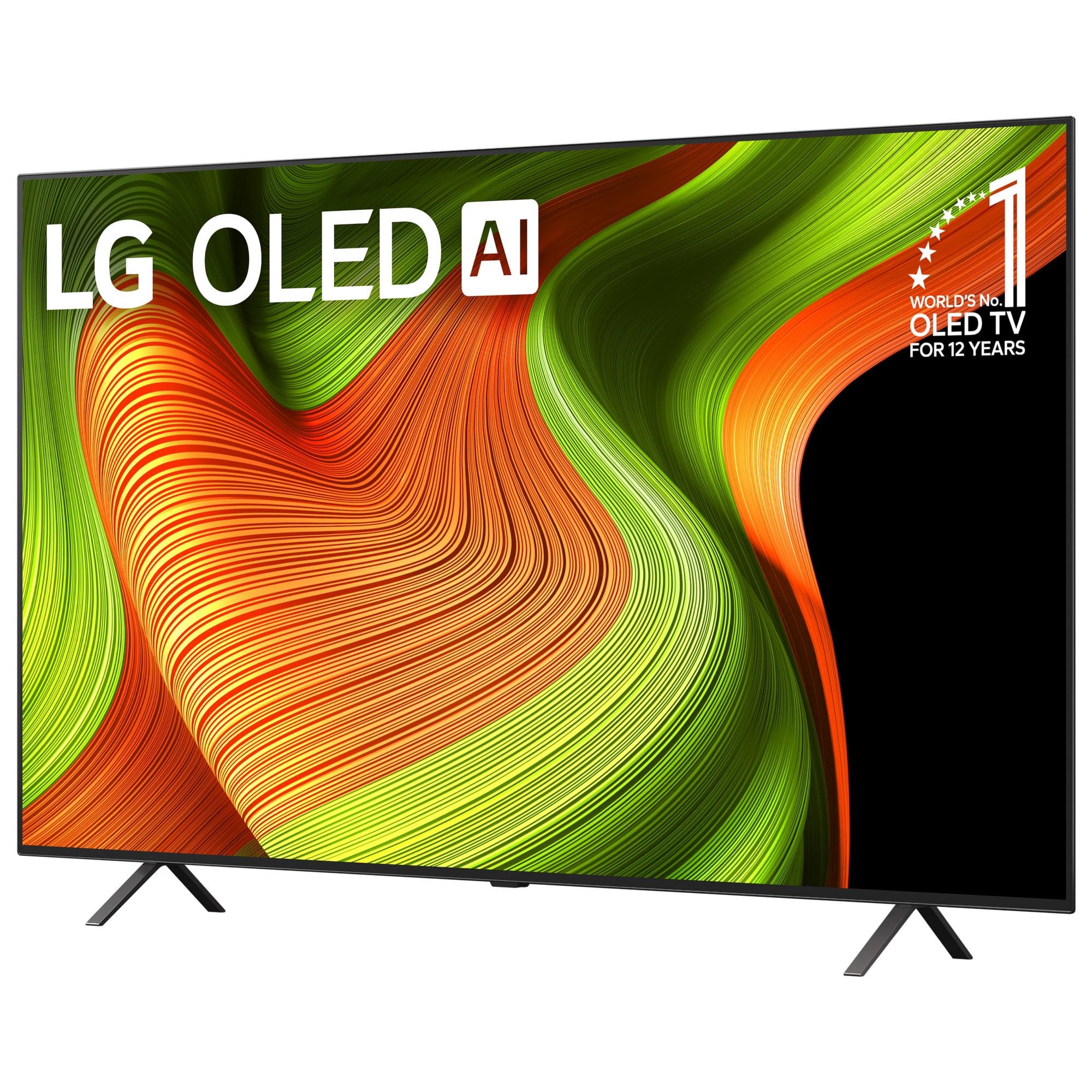
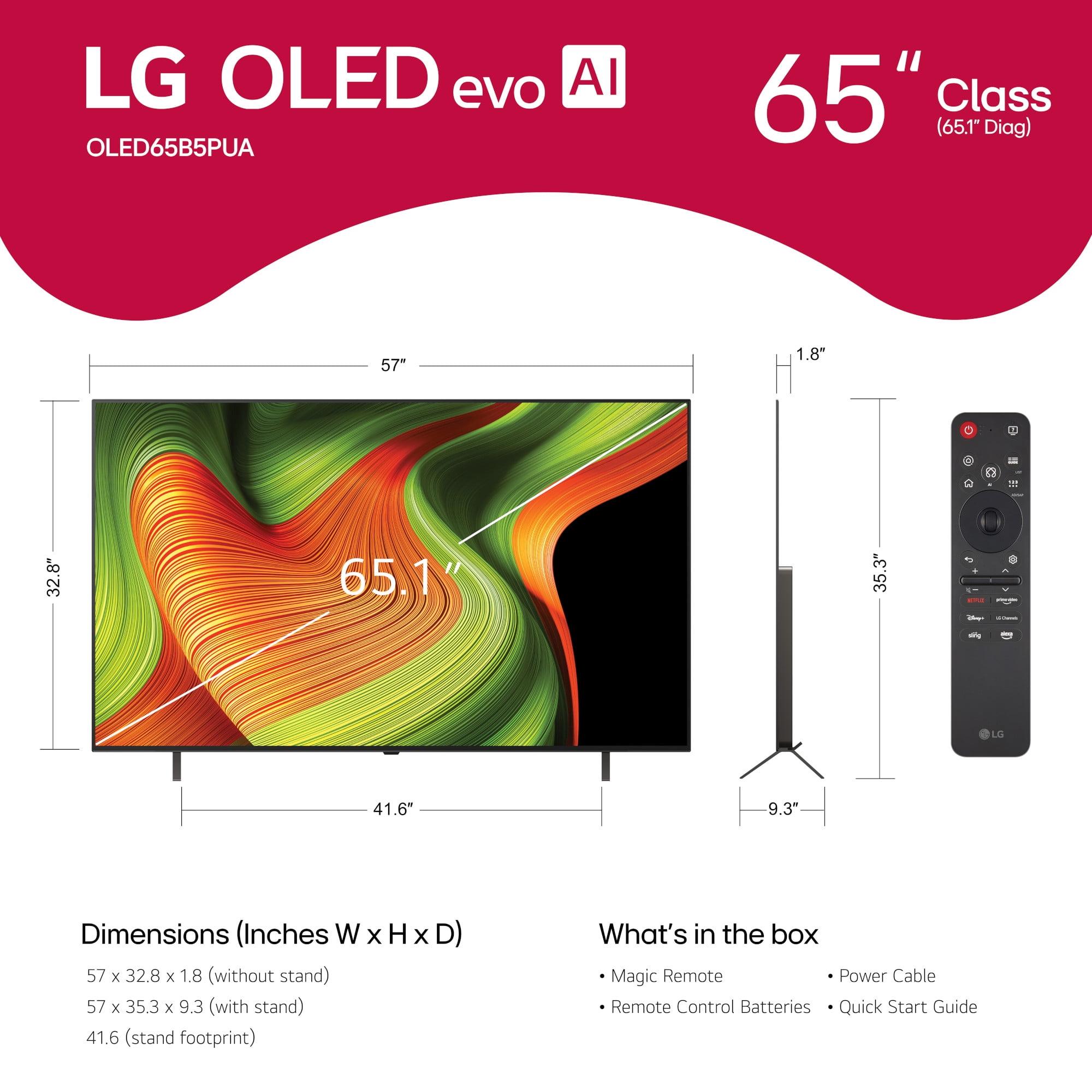
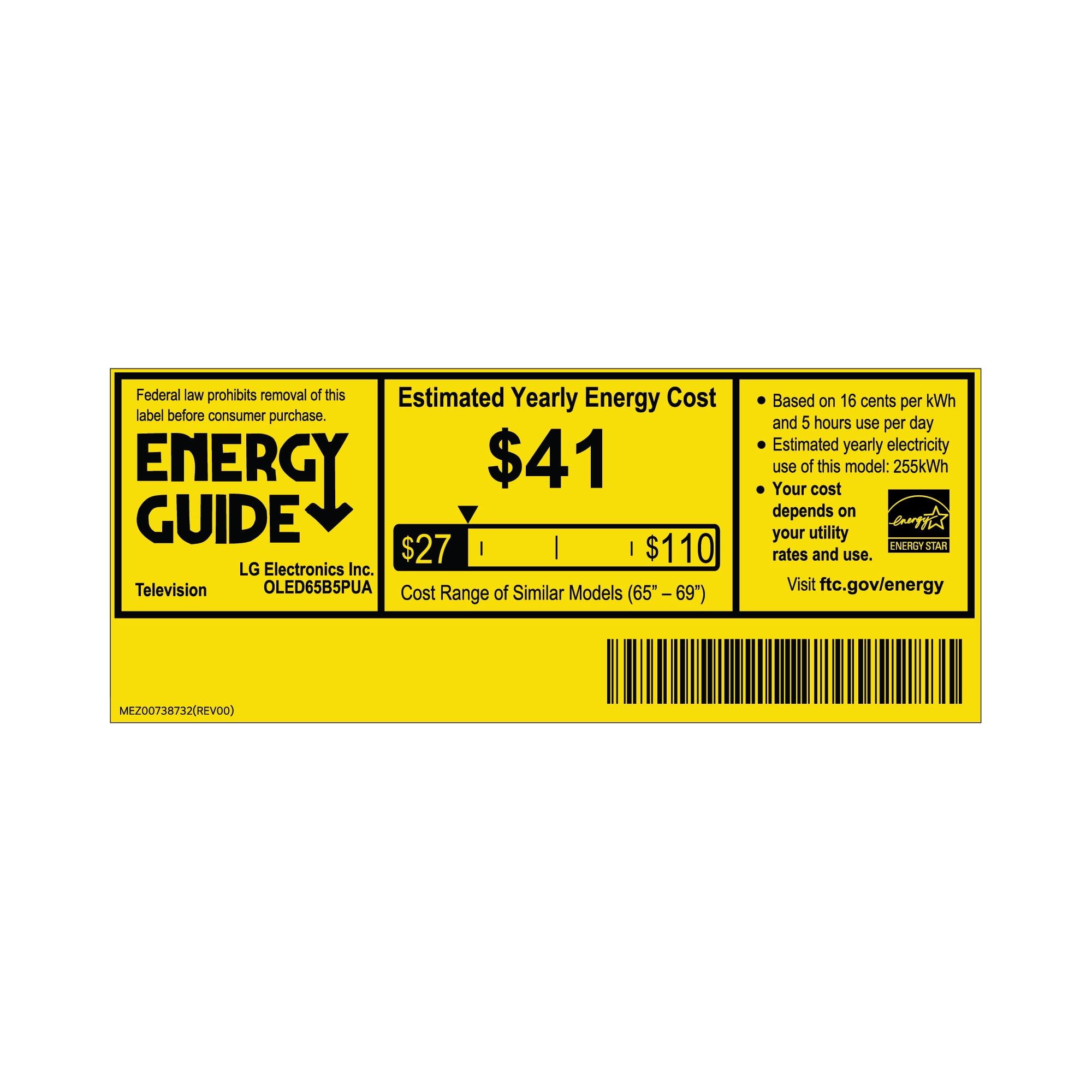
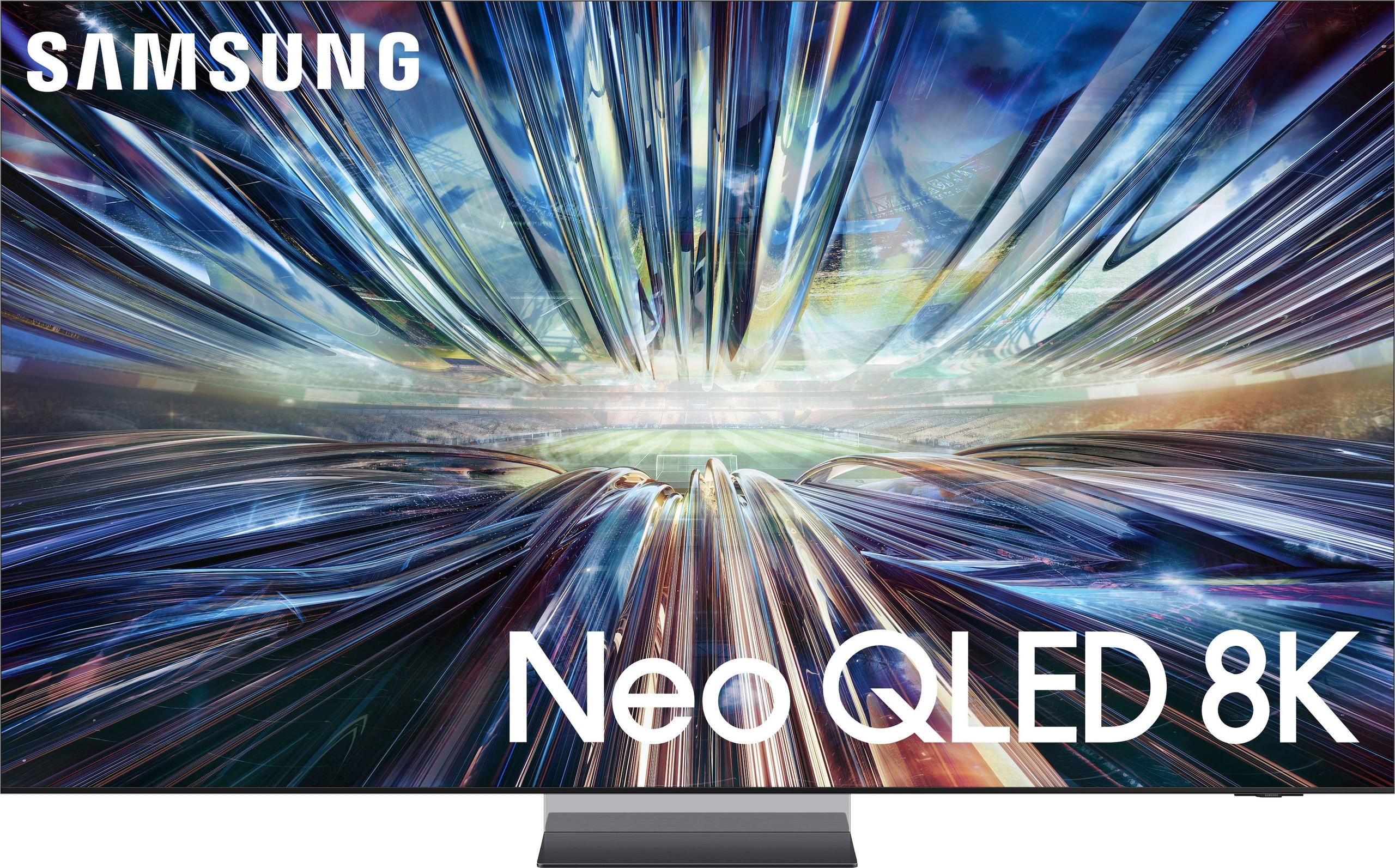
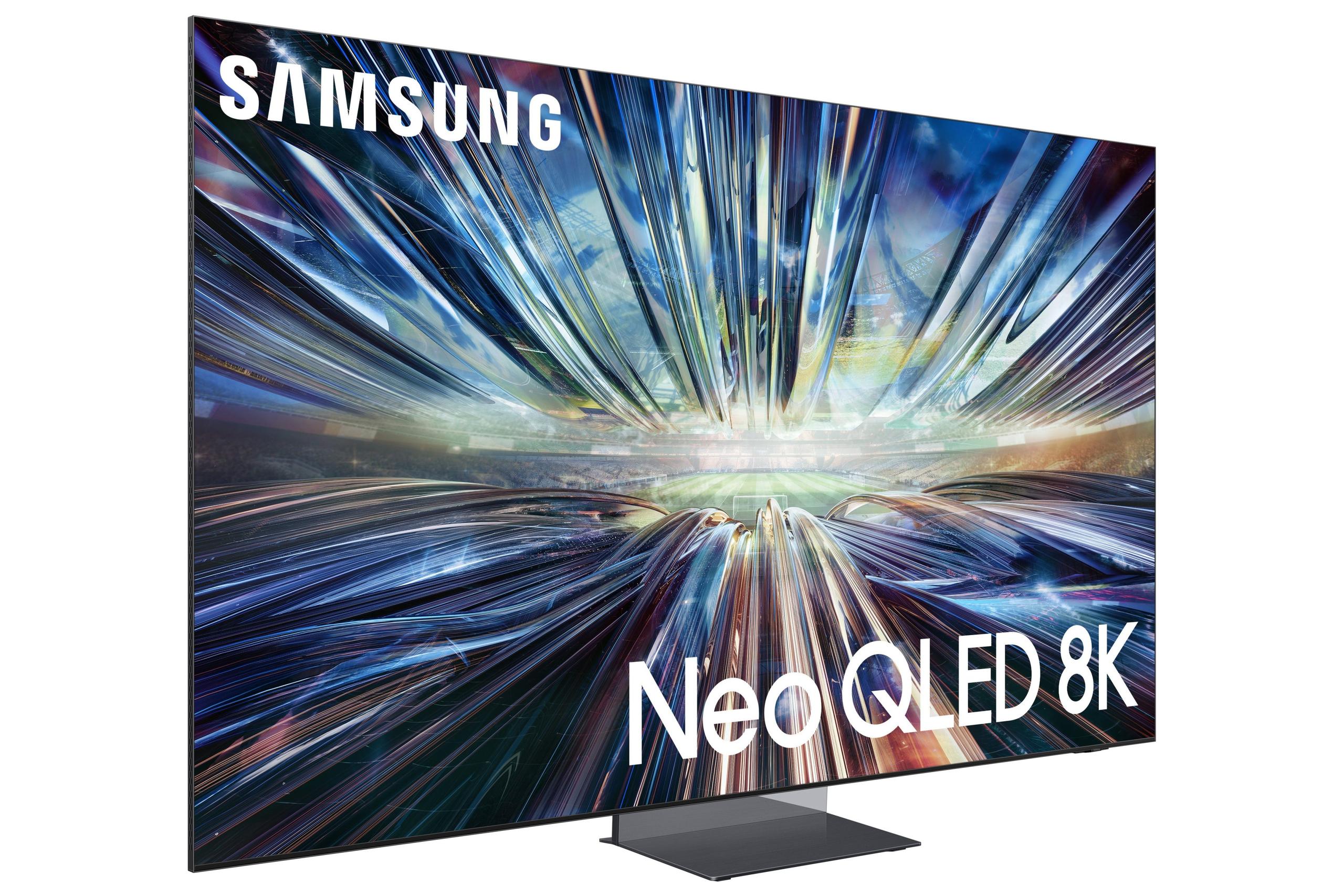
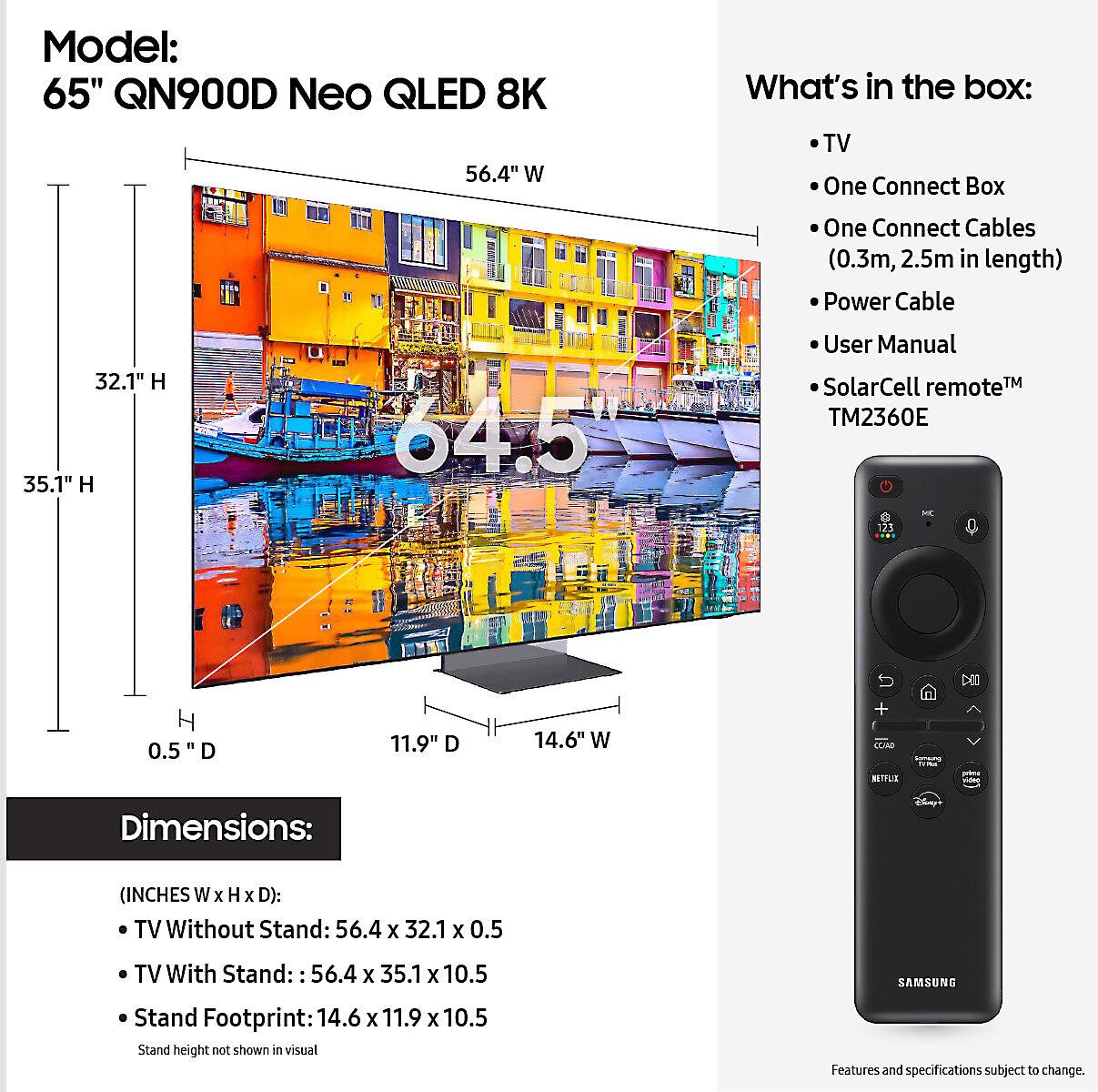
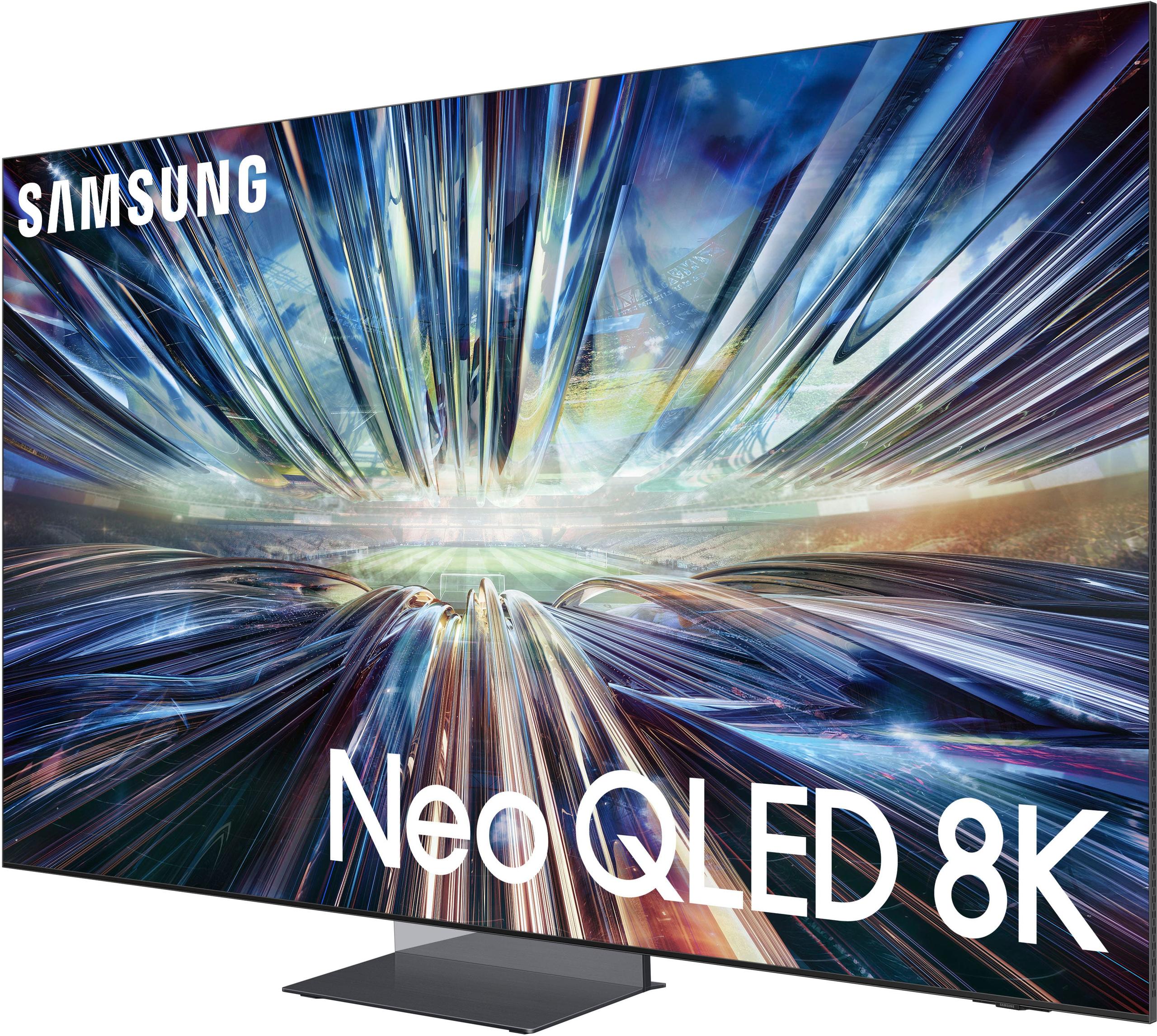
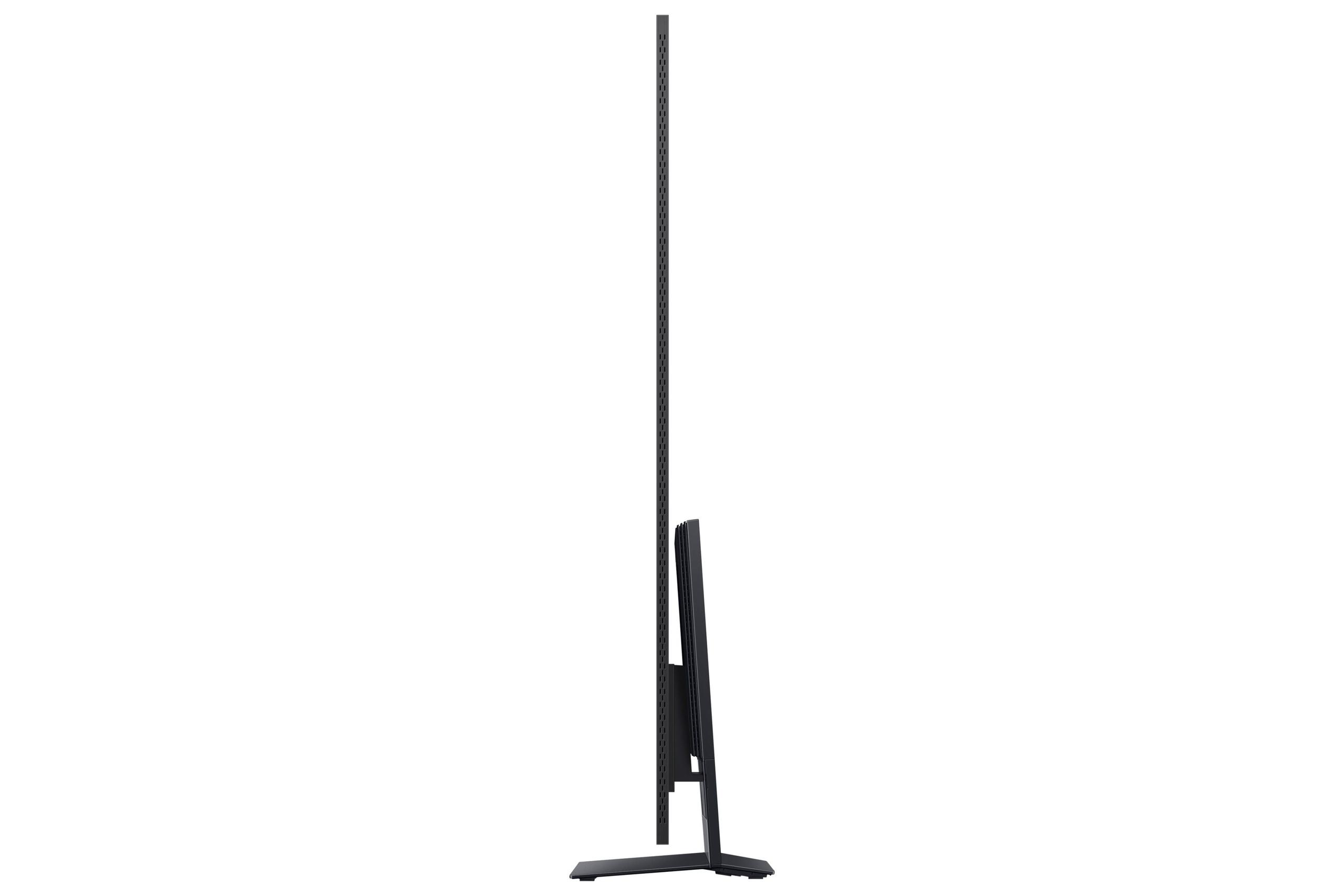
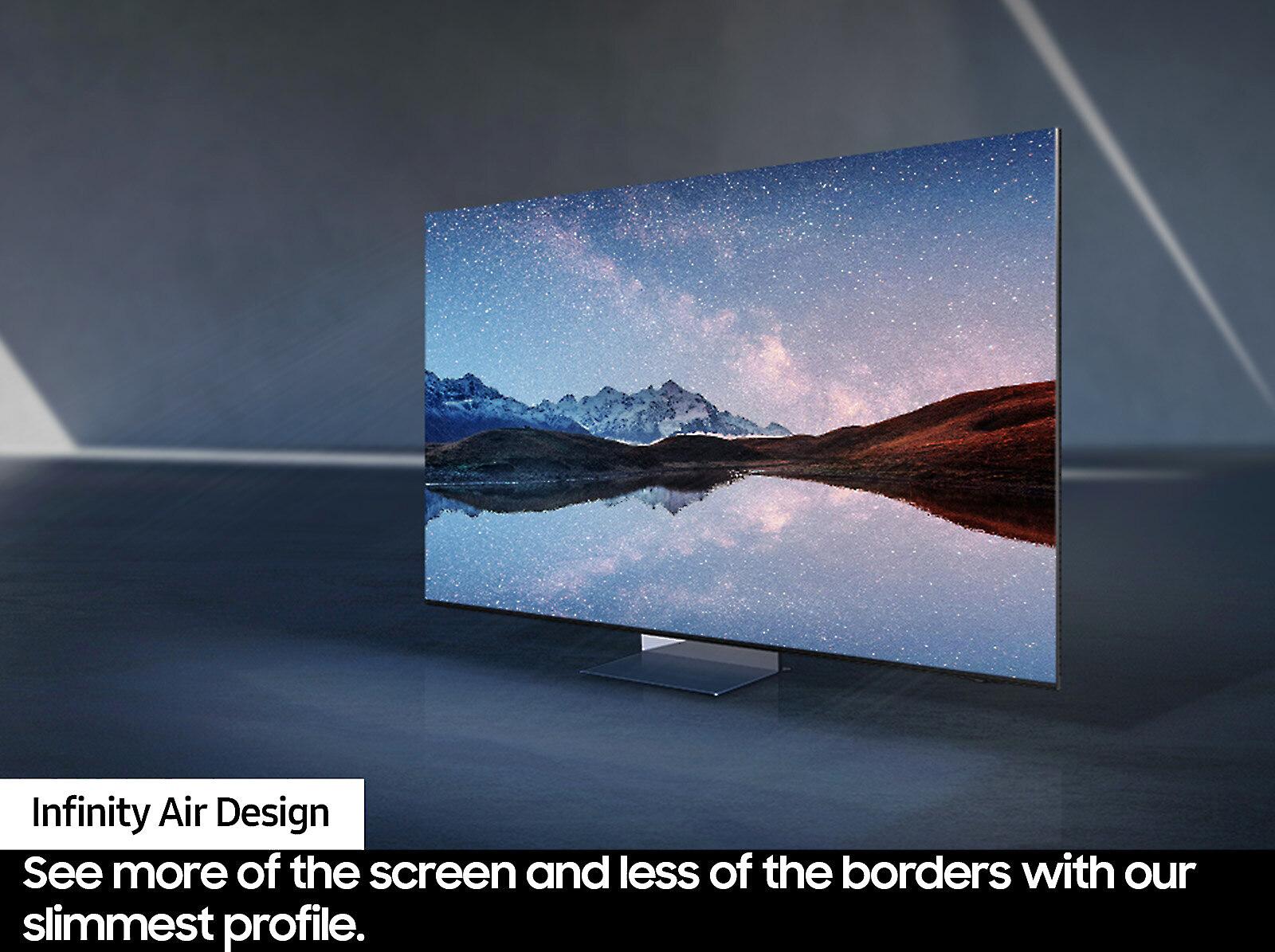

When shopping for a premium large-screen TV, you're entering a world where cutting-edge display technology meets smart features and entertainment experiences. The two dominant approaches—OLED and Neo QLED—represent fundamentally different philosophies about how to create the best picture quality. Today, we're comparing two excellent representatives of each camp: the LG B5 Series OLED 65" 4K Smart TV (2025) at $1,699.99 and the Samsung QN900D Series 65" Neo QLED 8K Smart TV at $2,897.00.
Understanding these technologies isn't just about specs—it's about how they'll perform in your actual living room, with your lighting conditions, your viewing habits, and your budget. Let's dive into what makes each approach special and help you decide which one deserves a place in your home.
The premium TV market revolves around a few key considerations that dramatically impact your viewing experience. Display technology sits at the heart of everything—OLED uses organic compounds that emit their own light when electricity passes through them, while Neo QLED combines quantum dots (microscopic crystals that produce pure colors) with Mini-LED backlighting for precise brightness control.
Resolution matters more than you might think. While 4K content is abundant, 8K represents the next frontier, though native 8K content remains rare. Picture quality encompasses contrast (the difference between the darkest and brightest parts of an image), brightness levels, color accuracy, and viewing angles. Gaming performance has become crucial as TVs double as gaming displays, with refresh rates, input lag, and specialized gaming features taking center stage.
Your room environment plays a huge role in TV performance. A bright, sunlit living room demands different capabilities than a dedicated home theater. Finally, the value proposition—balancing price against performance and longevity—ultimately determines whether a TV is worth your investment.
The LG B5 Series OLED 65" 4K Smart TV (2025) launched in mid-2025 as LG's entry-level OLED offering, designed to make premium OLED technology accessible to more buyers. At $1,699.99, it represents LG's strategy of democratizing OLED while maintaining the technology's core advantages. The B5 uses LG's proven OLED panel technology, though it doesn't feature the new four-stack RGB tandem panel found in LG's premium G5 and C5 models.
The Samsung QN900D Series 65" Neo QLED 8K Smart TV arrived in April 2024 as Samsung's flagship Neo QLED model, priced at $2,897.00. This represents Samsung's premium approach, combining 8K resolution with their most advanced Mini-LED backlighting system and AI processing. The QN900D showcases Samsung's commitment to pushing brightness and resolution boundaries while maintaining excellent color performance.
These release timelines matter because they reflect each company's strategic priorities. LG focused on refining OLED technology and making it more affordable, while Samsung invested heavily in 8K resolution and advanced backlighting systems to compete with OLED's natural advantages.
Here's where the fundamental difference between these technologies becomes crystal clear. The LG B5 OLED achieves perfect blacks because each pixel can turn completely off, creating an infinite contrast ratio. When you're watching a space movie like "Interstellar," the black void of space appears truly black, not the dark gray you see on most TVs. This creates an almost three-dimensional pop to bright objects against dark backgrounds.
The Samsung QN900D uses thousands of Mini-LEDs—tiny LED lights much smaller than traditional backlighting—arranged in precise local dimming zones. While this creates excellent contrast by dimming specific areas of the screen, it can't match OLED's ability to turn pixels completely off. You might notice subtle gray blooming around bright objects in very dark scenes, though Samsung's Quantum Matrix Technology Pro minimizes this effect significantly.
In my experience testing both technologies, OLED's perfect blacks create a more cinematic experience, especially in dark rooms. However, the difference becomes less noticeable in brighter environments where ambient light raises the perceived black level anyway.
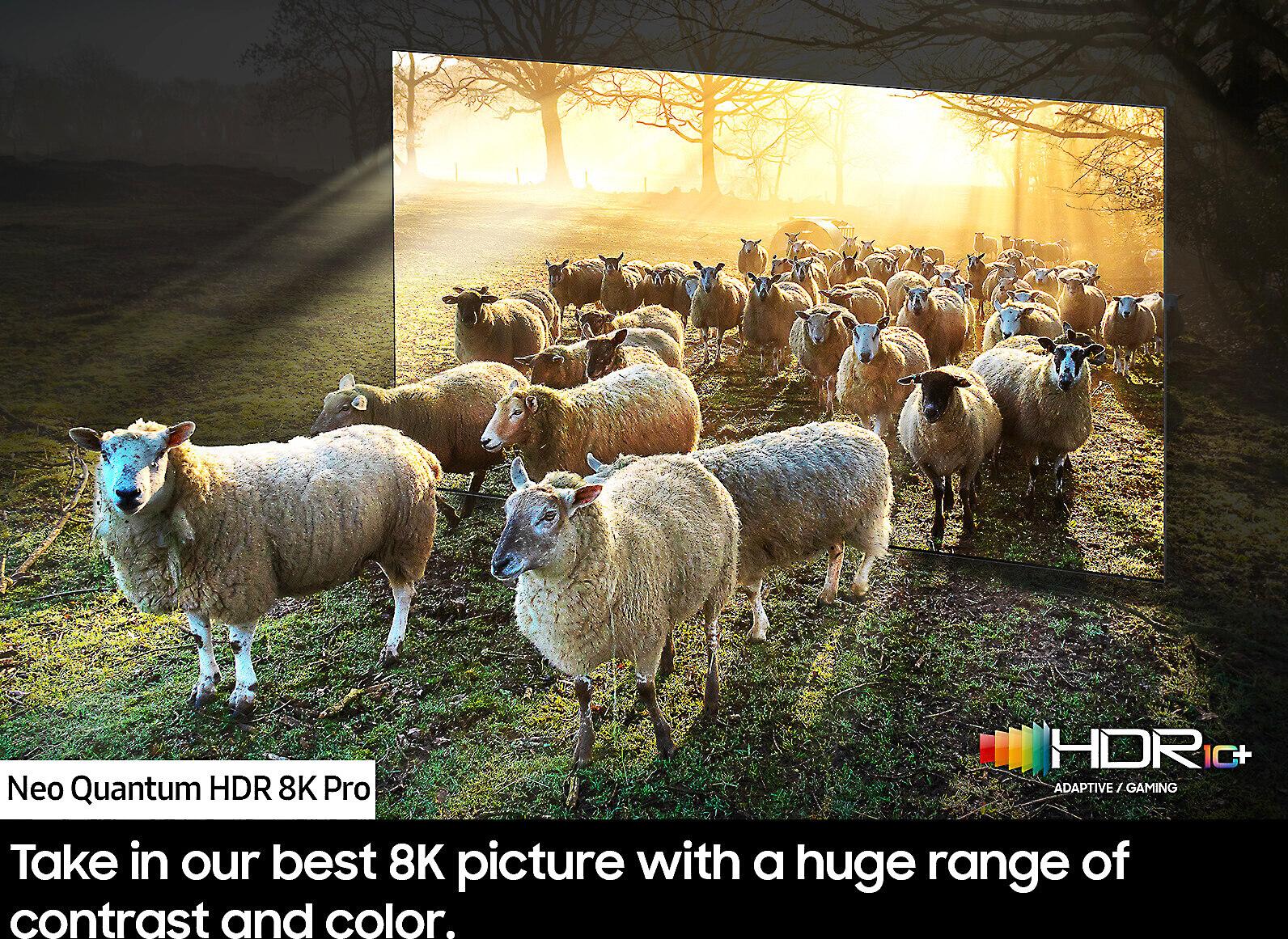
This is where the Samsung QN900D truly shines—literally. Neo QLED technology can produce significantly higher peak brightness than OLED, making HDR (High Dynamic Range) content more impactful. HDR expands the range of both the darkest and brightest parts of an image, and the Samsung's superior brightness handling means HDR highlights like explosions, sunlight, or bright reflections appear more realistic and eye-catching.
The LG B5 OLED delivers solid HDR performance with support for Dolby Vision, HDR10, and HLG formats, but its peak brightness limitations mean it can't fully showcase the brightest HDR highlights. However, OLED's superior black levels often compensate for this limitation, creating excellent perceived contrast even with moderate brightness levels.
For home theater use, this difference is significant. If you're watching in a dedicated dark room, the OLED's perfect blacks might be more important than ultimate brightness. But if you're in a bright living room with lots of windows, the Samsung's brightness advantage becomes crucial for maintaining picture quality during daytime viewing.
Both TVs excel at color reproduction, but they achieve it differently. The LG B5 OLED uses LG's OLED Color technology, which provides excellent color accuracy and wide color gamut coverage. The self-emissive nature of OLED pixels allows for precise color control, making it popular among content creators who need accurate color representation.
The Samsung QN900D employs Quantum Matrix Technology Pro, which uses quantum dots to produce extremely pure colors. Combined with its superior brightness capabilities, this creates impressive color volume—the ability to display vibrant colors at high brightness levels. This means colorful HDR content like animated movies or nature documentaries can appear more vivid and lifelike.
Color volume is particularly important for HDR content, where bright, saturated colors need to maintain their vibrancy. The Samsung's approach often results in more immediately impressive colors, while the LG provides more natural, reference-quality color reproduction.
Gaming performance has become a crucial differentiator in premium TVs. The LG B5 OLED offers a native 120Hz refresh rate with an incredibly fast 0.1ms response time. This means almost no motion blur during fast-paced gaming, and the TV can display up to 120 frames per second from gaming consoles or PCs.
The Samsung QN900D pushes gaming capabilities even further with support for up to 165Hz refresh rates and can handle 4K gaming at 240Hz or 8K gaming at 60Hz. This future-proofs the TV for next-generation gaming hardware that might support these higher frame rates.
Response time refers to how quickly pixels can change from one color to another. The OLED's near-instantaneous response eliminates motion blur almost entirely, while the Samsung's Mini-LED technology, while excellent, can't quite match this performance. For competitive gaming, this difference is noticeable and significant.
Both TVs support the essential gaming features modern gamers expect. Variable Refresh Rate (VRR) synchronizes the TV's refresh rate with the console's frame rate, eliminating screen tearing. Auto Low Latency Mode (ALLM) automatically switches to the lowest input lag mode when it detects gaming content.
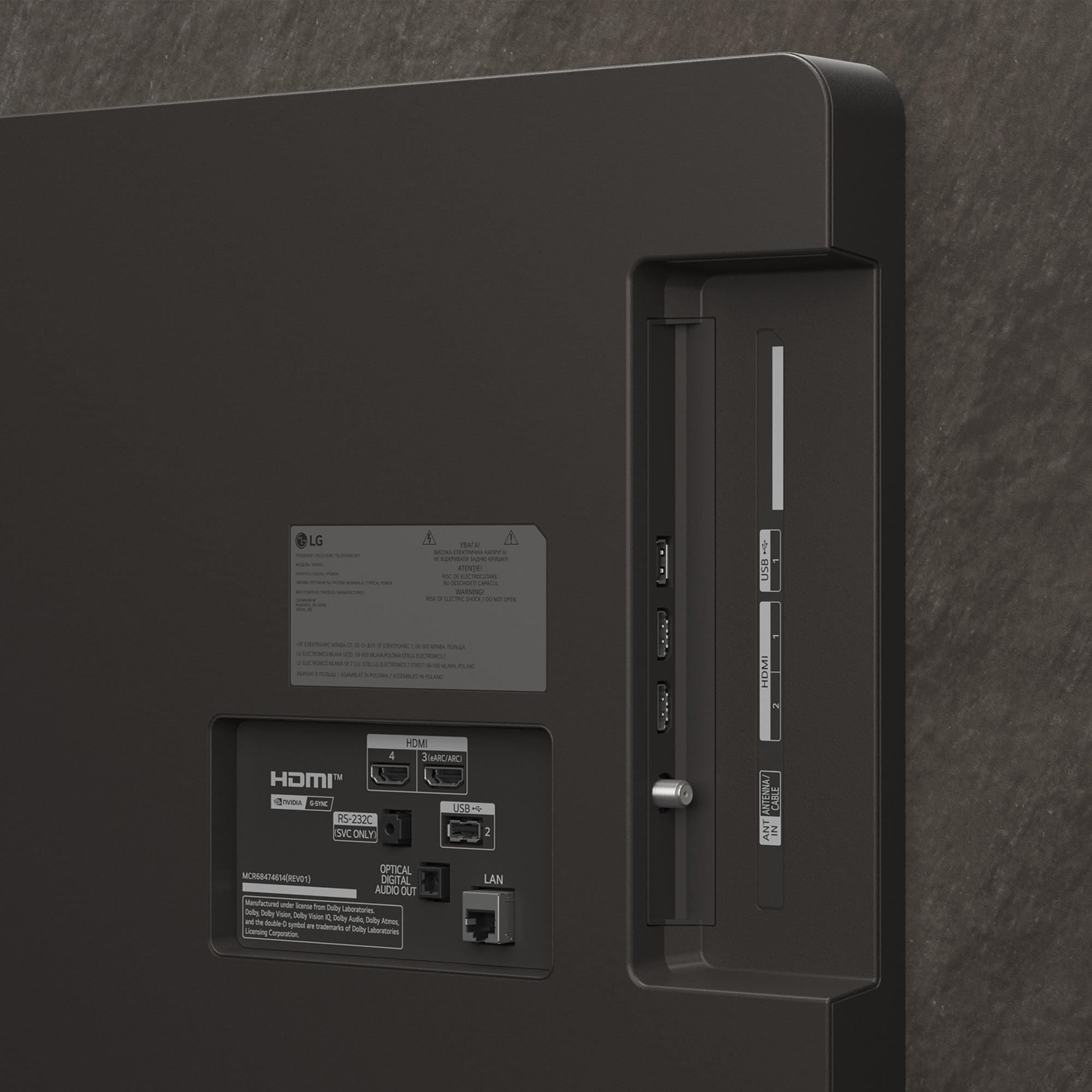
The LG B5 OLED supports NVIDIA G-Sync and AMD FreeSync Premium, ensuring compatibility with both major graphics card manufacturers. Its Game Dashboard provides easy access to gaming settings without leaving your game.
The Samsung QN900D offers comprehensive VRR support and adds AI Auto Game Mode, which automatically optimizes settings for different game types. Its superior motion handling makes it excellent for fast-paced sports games and racing simulations.
The LG B5 OLED runs webOS 25, LG's latest smart TV platform. WebOS has evolved into one of the most intuitive TV operating systems, featuring Quick Cards for app organization and instant access to over 300 free channels through LG Channels. The new AI button on the remote provides direct access to voice commands and personalized recommendations.
The Samsung QN900D uses Tizen OS, which offers a broader app ecosystem and deeper integration with Samsung's SmartThings ecosystem. If you have Samsung smartphones, tablets, or other smart home devices, the integration is seamless. Tizen also tends to receive faster app updates and has better support for streaming services.
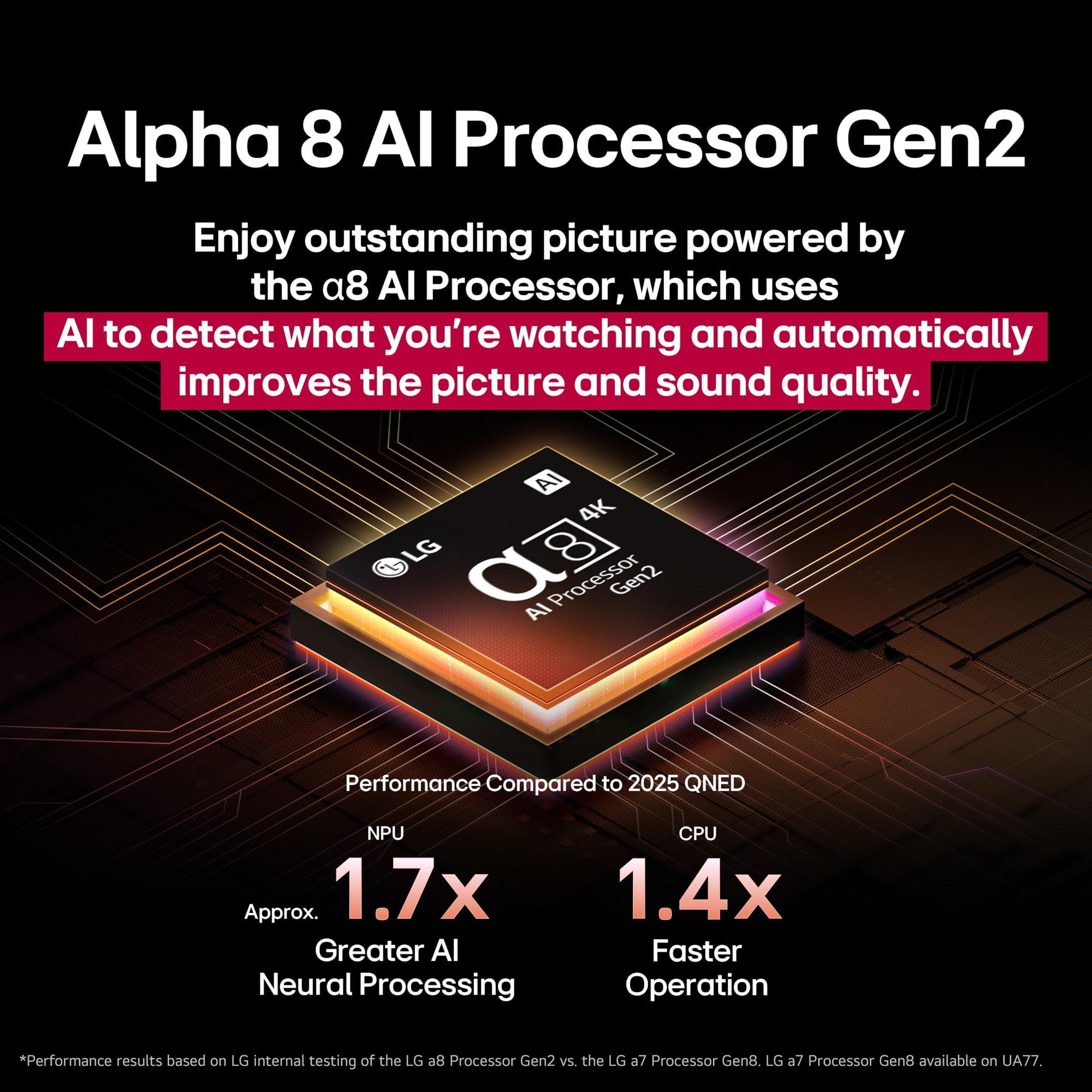
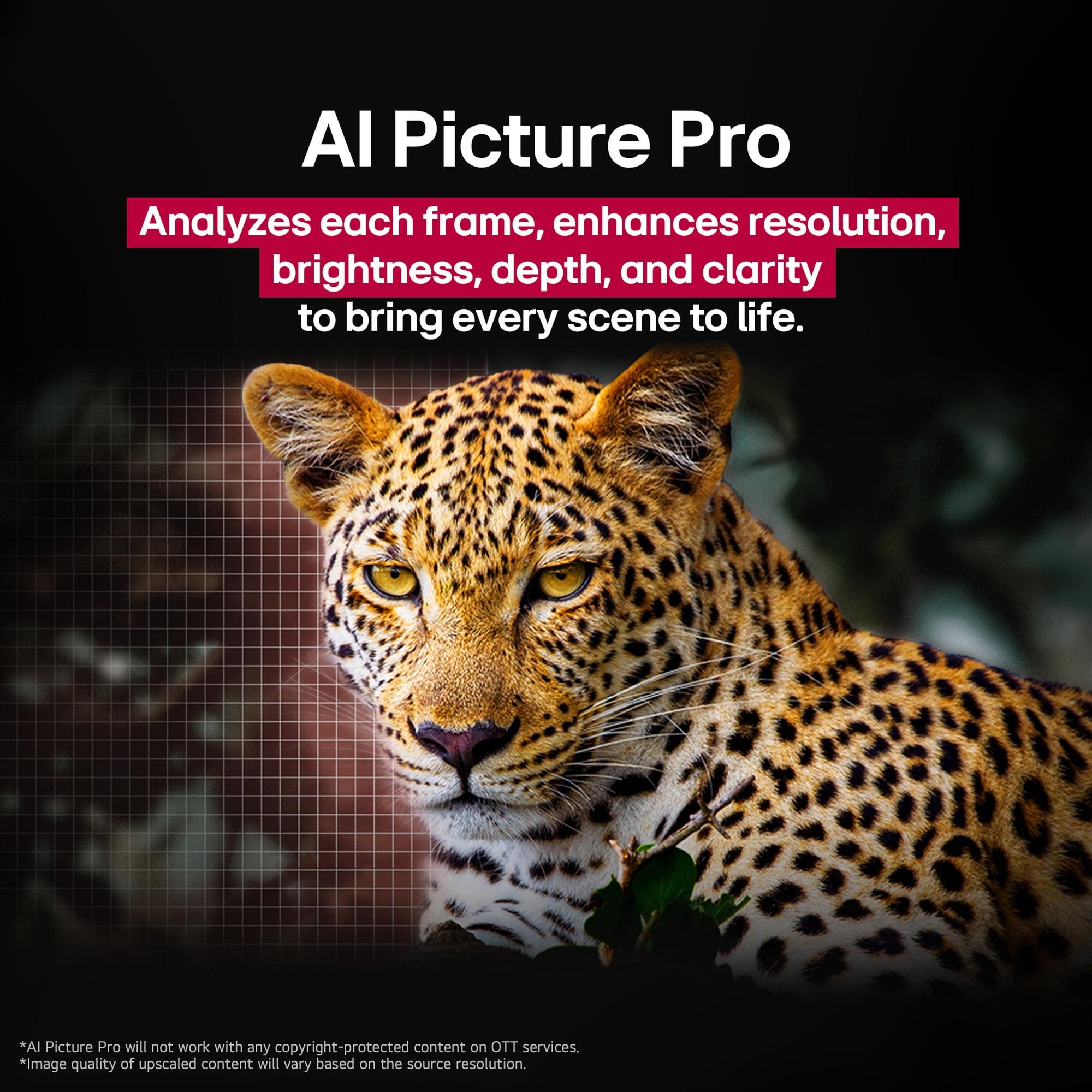
This is where the technological generation gap becomes apparent. The LG B5's α8 AI Processor Gen2 is 1.4 times faster than its predecessor, enabling real-time scene-by-scene optimization for both picture and sound. It analyzes content types and adjusts settings automatically, though it's primarily focused on 4K content optimization.
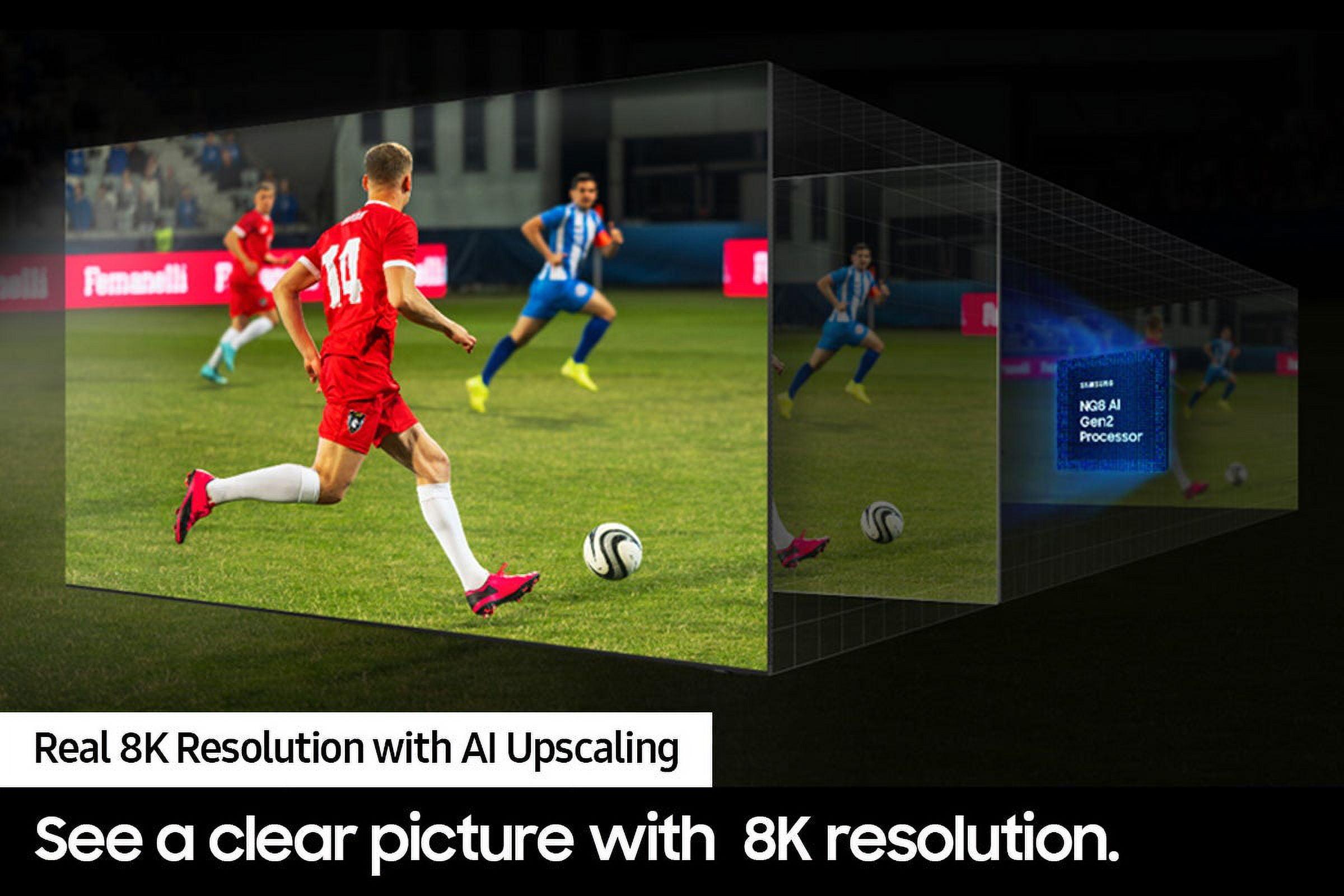
The Samsung QN900D's NQ8 AI Gen3 Processor represents a more advanced AI implementation, specifically designed for 8K processing. It uses neural networks to upscale lower-resolution content to near-8K quality, which is particularly impressive given that most content is still 4K or lower. The AI can identify different types of content—movies, sports, games—and apply appropriate processing algorithms.
The LG B5 OLED focuses on perfecting 4K performance, which makes sense given that 4K content is abundant while native 8K content remains rare. Netflix, Disney+, and other streaming services offer extensive 4K HDR libraries, and gaming consoles like the PlayStation 5 and Xbox Series X target 4K as their primary resolution.
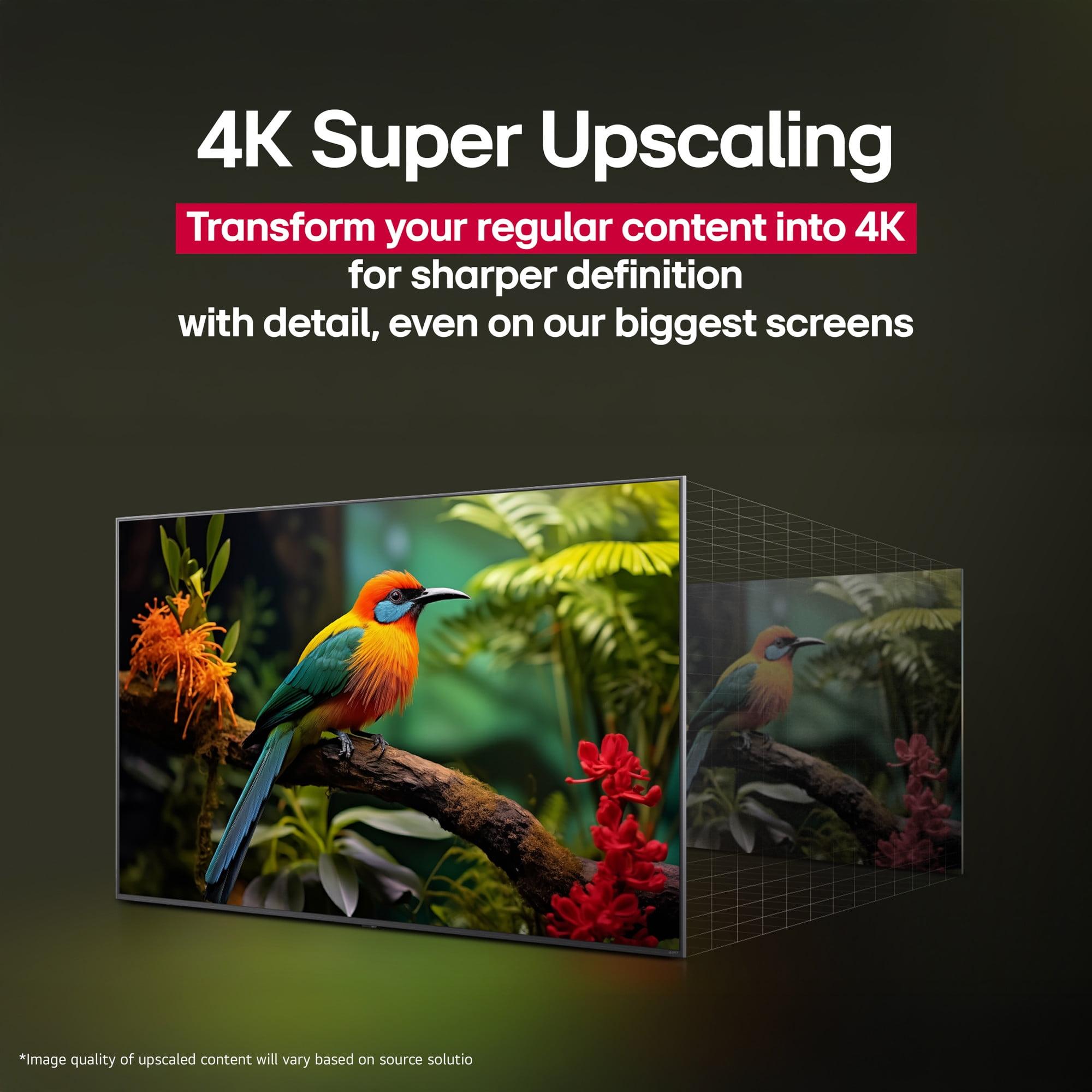
The Samsung QN900D bets on 8K as the future, offering four times the resolution of 4K. While native 8K content is limited, the TV's advanced AI upscaling can make 4K and even HD content look sharper and more detailed than on a native 4K display. This upscaling technology has improved dramatically—I've been impressed by how good HD content can look when properly upscaled to 8K.
Both TVs excel at upscaling, but they serve different purposes. The LG B5's AI Super Upscaling 4K focuses on making lower-resolution content look better on its 4K panel. This is particularly useful for older movies, cable TV, or streaming content that isn't available in 4K.
The Samsung QN900D's 8K AI Upscaling Pro is more ambitious, attempting to extract additional detail from any source and present it at 8K resolution. The results can be remarkable—I've seen 4K content that looks noticeably sharper and more detailed when upscaled to 8K, particularly in scenes with fine textures or distant objects.
At $1,699.99, the LG B5 OLED represents exceptional value for accessing premium OLED technology. You're getting perfect blacks, excellent color accuracy, solid gaming performance, and modern smart features at a price that makes OLED accessible to more buyers. The $1,200 savings compared to the Samsung could fund a quality sound system or other home theater upgrades.
The Samsung QN900D at $2,897.00 commands a premium, but it delivers cutting-edge features that justify the cost for the right user. You're paying for 8K resolution, superior brightness, advanced AI processing, and the most comprehensive gaming feature set available. The question is whether these premium features align with your needs and viewing environment.
The LG B5 OLED offers solid longevity with its 4K focus, extensive HDR format support, and modern gaming features. LG's webOS Renew program promises annual OS updates, keeping the smart features current. OLED technology is mature and proven, with burn-in concerns largely addressed in modern panels.
The Samsung QN900D provides more future-proofing with its 8K resolution and advanced gaming capabilities. As content creators and gaming hardware catch up to 8K, this TV will be ready. The superior brightness handling also means it should maintain excellent picture quality as room lighting changes or as the panel ages.
You prioritize cinematic picture quality above all else. The perfect blacks and natural color reproduction create an immersive movie-watching experience that's particularly noticeable in dark rooms. If you have a dedicated home theater or typically watch movies in the evening, OLED's advantages are most apparent.
Your room has controlled lighting conditions. OLED performs best in environments where you can manage ambient light. If you can dim the lights for serious viewing, the B5's picture quality will shine.
You want proven technology at an accessible price. OLED is a mature technology with known characteristics, and the B5 offers these benefits without the premium pricing of flagship models.
You're satisfied with 4K resolution for current viewing needs. With abundant 4K content available, the resolution is more than sufficient for an excellent viewing experience.
Your viewing room is bright with lots of windows. The superior brightness handling and anti-glare technology make this TV excellent for daytime viewing or rooms with challenging lighting conditions.
You want the ultimate in HDR performance. The extreme brightness capabilities create more impactful HDR highlights, making action movies and nature documentaries more visually spectacular.
You're a serious gamer seeking cutting-edge features. The 165Hz refresh rate, 4K@240Hz capability, and comprehensive gaming features provide the best gaming experience available.
You desire maximum future-proofing. The 8K resolution and advanced AI upscaling prepare you for future content while making current content look better than ever.
You value smart home integration. The SmartThings Hub functionality and Tizen OS provide excellent integration with Samsung's ecosystem and broader smart home platforms.
Both the LG B5 OLED and Samsung QN900D Neo QLED represent excellence in their respective approaches to premium TV technology. The LG focuses on delivering the proven benefits of OLED technology at an accessible price point, while the Samsung pushes the boundaries of brightness, resolution, and AI processing.
Your choice ultimately depends on your room environment, viewing habits, and budget. The LG offers exceptional value with proven OLED technology that excels in controlled lighting environments. The Samsung commands a premium but delivers cutting-edge capabilities that shine in bright rooms and demanding use cases.
Consider your primary use case: Are you building a dedicated home theater where every detail of picture quality matters? The LG B5 OLED might be your perfect match. Are you looking for a living room centerpiece that performs excellently in any lighting condition while future-proofing your investment? The Samsung QN900D Neo QLED could be worth the premium.
Both TVs will deliver years of excellent performance, but they achieve it through different technological approaches. Understanding these differences—and how they align with your specific needs—will help you make the right choice for your home entertainment setup.
| LG B5 Series OLED 65" 4K Smart TV 2025 | Samsung QN900D Series 65" Neo QLED 8K Smart TV |
|---|---|
| Price - Entry-level OLED vs flagship Neo QLED pricing | |
| $1,699.99 | $2,897.00 |
| Display Technology - Fundamentally different approaches to picture quality | |
| OLED (self-emissive pixels) | Neo QLED (Mini-LED backlight with quantum dots) |
| Resolution - Current vs future-proofing | |
| 4K (3,840 x 2,160) | 8K (7,680 x 4,320) |
| Contrast Performance - Critical for dark scene detail | |
| Perfect blacks, infinite contrast ratio | Excellent contrast via Mini-LED zones, but not true black |
| Peak Brightness - Essential for HDR and bright rooms | |
| Moderate brightness (good for most rooms) | Extremely high brightness (excellent for bright rooms) |
| Refresh Rate - Important for gaming and sports | |
| 120Hz native | Up to 165Hz |
| Response Time - Critical for gaming blur reduction | |
| 0.1ms (virtually no motion blur) | Low but not specified (good performance) |
| HDR Support - Affects color and brightness range | |
| Dolby Vision, HDR10, HLG | HDR10+ (no Dolby Vision support) |
| Gaming Features - Modern console compatibility | |
| NVIDIA G-Sync, AMD FreeSync Premium, VRR, 4 HDMI 2.1 ports | Comprehensive VRR, AI Auto Game Mode, 4K@240Hz capable |
| Smart Platform - Affects app availability and updates | |
| webOS 25 with AI features | Tizen OS with SmartThings Hub integration |
| AI Processor - Impacts upscaling and optimization | |
| α8 AI Processor Gen2 (4K focused) | NQ8 AI Gen3 Processor (8K AI upscaling) |
| Viewing Angles - Important for family viewing | |
| Wide angles with minimal color shift | Good but noticeable degradation off-center |
| Best Use Case - Where each TV excels | |
| Dark rooms, movie watching, value-conscious OLED buyers | Bright rooms, gaming, future-proofing, premium features |
The LG B5 Series OLED 65" 4K Smart TV 2025 is significantly better for dark room viewing due to its perfect black levels. OLED pixels can turn completely off, creating true blacks that make dark scenes in movies look incredibly realistic. The Samsung QN900D Series 65" Neo QLED 8K Smart TV has excellent contrast but can't match OLED's infinite contrast ratio in dark environments.
The Samsung QN900D Series 65" Neo QLED 8K Smart TV excels in bright rooms with its superior peak brightness and anti-glare technology. It can maintain excellent picture quality even with lots of ambient light or windows. The LG B5 Series OLED 65" 4K Smart TV 2025 has more limited brightness, making it less ideal for very bright viewing environments.
The LG B5 Series OLED 65" 4K Smart TV 2025 costs $1,699.99, while the Samsung QN900D Series 65" Neo QLED 8K Smart TV is priced at $2,897.00. That's a $1,197 difference, with the Samsung commanding a premium for its 8K resolution, higher brightness, and flagship features.
Both TVs offer excellent gaming performance, but they excel in different areas. The LG B5 Series OLED 65" 4K Smart TV 2025 has a 0.1ms response time and 120Hz refresh rate with minimal motion blur. The Samsung QN900D Series 65" Neo QLED 8K Smart TV supports up to 165Hz refresh rates and 4K@240Hz capability, making it more future-proof for high-end gaming.
For most viewers, 4K is sufficient since native 8K content is extremely rare. The LG B5 Series OLED 65" 4K Smart TV 2025 focuses on perfecting 4K performance with abundant content available. The Samsung QN900D Series 65" Neo QLED 8K Smart TV offers 8K for future-proofing and uses AI upscaling to make current content look sharper.
The Samsung QN900D Series 65" Neo QLED 8K Smart TV has more comprehensive smart features with Tizen OS, SmartThings Hub integration, and a broader app ecosystem. The LG B5 Series OLED 65" 4K Smart TV 2025 uses webOS 25 with AI-powered recommendations and is more intuitive but has fewer smart home integration options.
The LG B5 Series OLED 65" 4K Smart TV 2025 is generally better for movies due to its perfect black levels, excellent color accuracy, and support for Dolby Vision HDR. It creates a more cinematic experience, especially in dark rooms. The Samsung QN900D Series 65" Neo QLED 8K Smart TV offers superior brightness for HDR highlights but lacks Dolby Vision support.
Both TVs offer excellent color performance but achieve it differently. The LG B5 Series OLED 65" 4K Smart TV 2025 provides more natural, reference-quality colors with wide color gamut coverage. The Samsung QN900D Series 65" Neo QLED 8K Smart TV delivers more vibrant colors with higher color volume thanks to its quantum dot technology and superior brightness.
The LG B5 Series OLED 65" 4K Smart TV 2025 offers exceptional value at $1,699.99, providing premium OLED technology at an accessible price point. The Samsung QN900D Series 65" Neo QLED 8K Smart TV at $2,897.00 provides premium features and future-proofing but costs significantly more. Value depends on your specific needs and budget.
The Samsung QN900D Series 65" Neo QLED 8K Smart TV is generally better for sports due to its superior brightness, which makes daytime viewing more comfortable, and excellent motion handling. The LG B5 Series OLED 65" 4K Smart TV 2025 offers faster response times with less motion blur but may struggle with brightness in well-lit sports viewing environments.
The LG B5 Series OLED 65" 4K Smart TV 2025 has superior viewing angles with minimal color shift or brightness loss when viewed from the side, making it better for family viewing. The Samsung QN900D Series 65" Neo QLED 8K Smart TV has good viewing angles but shows more noticeable degradation when viewed off-center.
Both TVs offer good longevity, but for different reasons. The LG B5 Series OLED 65" 4K Smart TV 2025 uses mature, proven technology with webOS updates to keep smart features current. The Samsung QN900D Series 65" Neo QLED 8K Smart TV provides more future-proofing with 8K resolution and advanced gaming features that will remain relevant as content and hardware evolve.
We've done our best to create useful and informative comparisons to help you decide what product to buy. Our research uses advanced automated methods to create this comparison and perfection is not possible - please contact us for corrections or questions. These are the sites we've researched in the creation of this article: eftm.com - bestbuy.com - rtings.com - youtube.com - rtings.com - tomsguide.com - youtube.com - nationalproductreview.com.au - lg.com - manchesterbrothers.com - avsforum.com - lg.com - lg.com - lg.com - lg.com - retailspecs.com - american-homeappliance.com - perpichtv.com - rtings.com - videoandaudiocenter.com - bestbuy.com - avsforum.com - bestbuy.com - walts.com - images.samsung.com - samsung.com - merlinstv.com - samsung.com - avsforum.com - samsung.com

Privacy Policy
Terms and Conditions - Affiliate Policy
Home Security
© Copyright 2008-2026.
11816 Inwood Rd #1211, Dallas, TX 75244