








![LG B5 Series OLED 65" 4K Smart TV 2025[1][7][9]](https://images.hometheaterreview.com/htr-stateless/2025/07/31238cd0-lg-b5-series-oled-65-4k-smart-tv-2025179.jpg)
![LG B5 Series OLED 65" 4K Smart TV 2025[1][7][9]](https://images.hometheaterreview.com/htr-stateless/2025/07/3368ce40-25ef-4d07-b442-bb0af89e3a29.jpg)


The world of premium televisions has never been more exciting—or more confusing. In 2025, we're seeing manufacturers push boundaries in completely different directions, creating TVs that excel in specific scenarios rather than trying to be everything to everyone. This brings us to two fascinating 65-inch displays that represent opposite philosophies: the Hisense S7N CanvasTV, which doubles as living room art, and the LG B5 Series OLED, which prioritizes pure picture performance and gaming excellence.
Understanding which TV fits your lifestyle requires diving deep into how these technologies work and what they actually mean for your daily viewing experience. At the time of writing, both represent excellent value in their respective categories, though they serve fundamentally different needs.
Before comparing these specific models, it's crucial to understand what separates premium TVs from budget options. The display technology itself—OLED versus QLED—creates the foundation for everything else these TVs can do.
OLED (Organic Light-Emitting Diode) technology uses millions of tiny organic compounds that emit their own light when electricity passes through them. Think of each pixel as a microscopic light bulb that can turn completely on, completely off, or anywhere in between. This pixel-level control creates what's called "perfect black"—areas of the screen that emit literally zero light, just like a movie theater screen before the projector turns on.
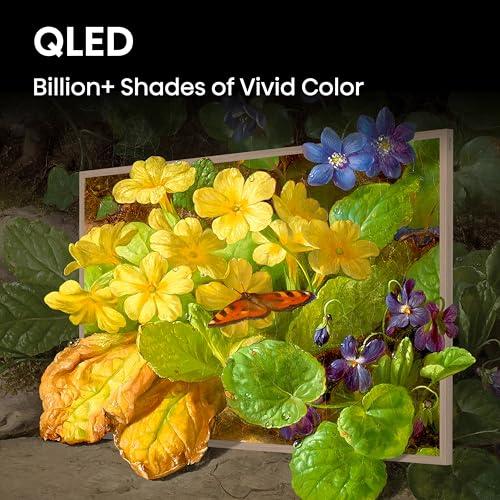
QLED (Quantum Dot LED) takes a different approach. It starts with traditional LED backlighting but adds a layer of quantum dots—microscopic semiconductor particles that absorb light and re-emit it at specific colors. When blue LED light hits these quantum dots, they produce incredibly pure red and green light, creating over a billion possible color combinations. The result is more vibrant colors and higher brightness than traditional LED TVs can achieve.
The choice between these technologies shapes everything about your viewing experience, from how well you can see the screen in a bright room to how games and movies look in your home theater.
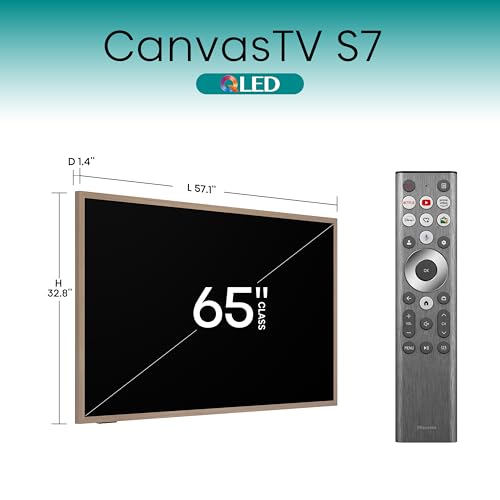
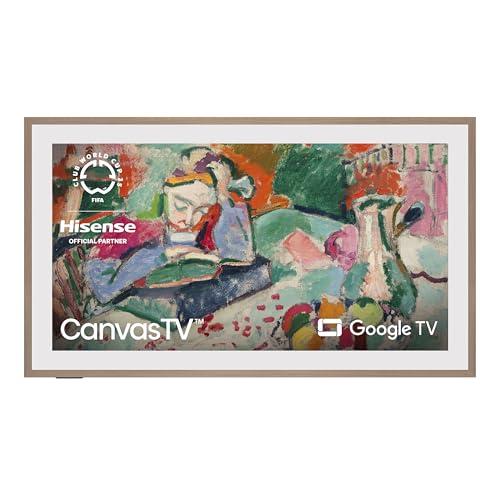
Released in 2024, the Hisense S7N CanvasTV represents something genuinely new in television design. Rather than hiding the TV when it's off, Hisense embraced the opposite philosophy: make the TV so attractive when displaying art that you'll want to showcase it.
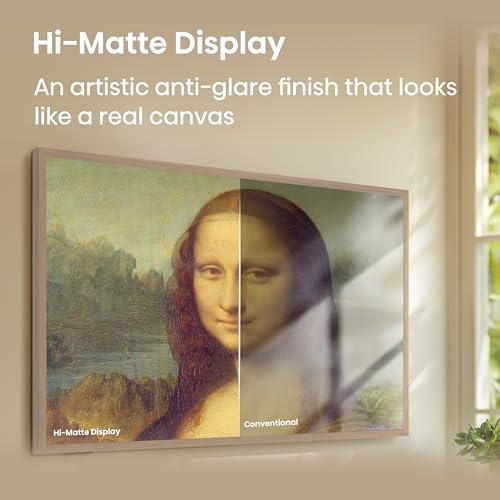
The centerpiece feature is what Hisense calls the Hi-Matte Display—an anti-glare coating that reduces reflections to just 5% of what you'd see on a glossy screen. Having evaluated numerous TVs in bright rooms, this difference is dramatic. Where most TVs become mirrors in sunny rooms, the CanvasTV maintains clear, vibrant images even with windows directly behind your seating area.
This anti-glare technology works through microscopic surface textures that scatter reflected light in multiple directions rather than bouncing it straight back to your eyes. The trade-off is slightly softer image sharpness compared to glossy screens, but most viewers find this barely noticeable while the glare reduction is immediately obvious.
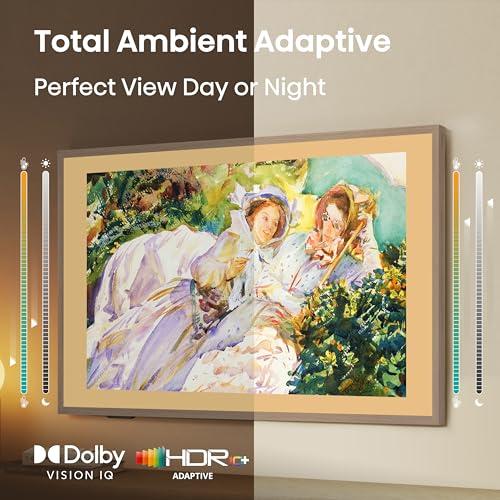
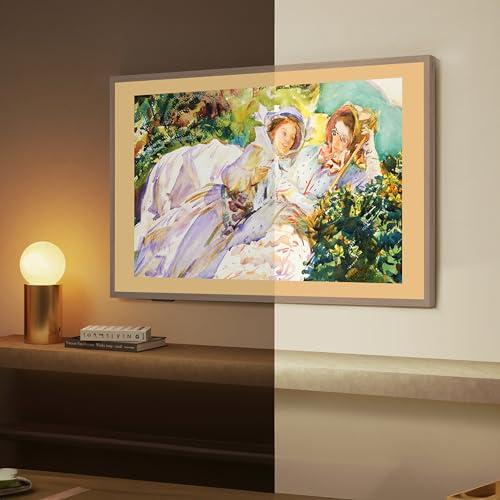
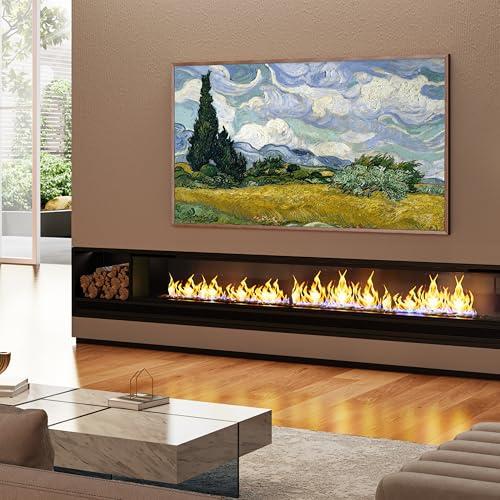
The Art Mode functionality goes beyond simple screen savers. The TV includes 120+ pre-loaded masterpieces from famous museums and allows you to upload personal photos or artwork. Motion sensors automatically activate Art Mode when someone enters the room, while light sensors adjust the display brightness to match ambient lighting—mimicking how real paintings look different throughout the day.
Perhaps most importantly, there's no subscription fee for the art content. This might seem minor, but Samsung's competing Frame TV charges ongoing fees for its art library, making the Hisense option significantly more affordable over time.
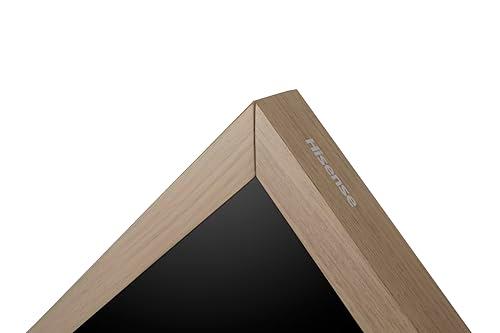
The magnetic frame system deserves special mention. The included teak frame can be swapped for white or walnut options in under a minute, letting you match the TV to different décor changes. Combined with the ultra-slim wall mount that positions the TV just 3mm from the wall, the effect genuinely resembles a framed painting rather than mounted electronics.
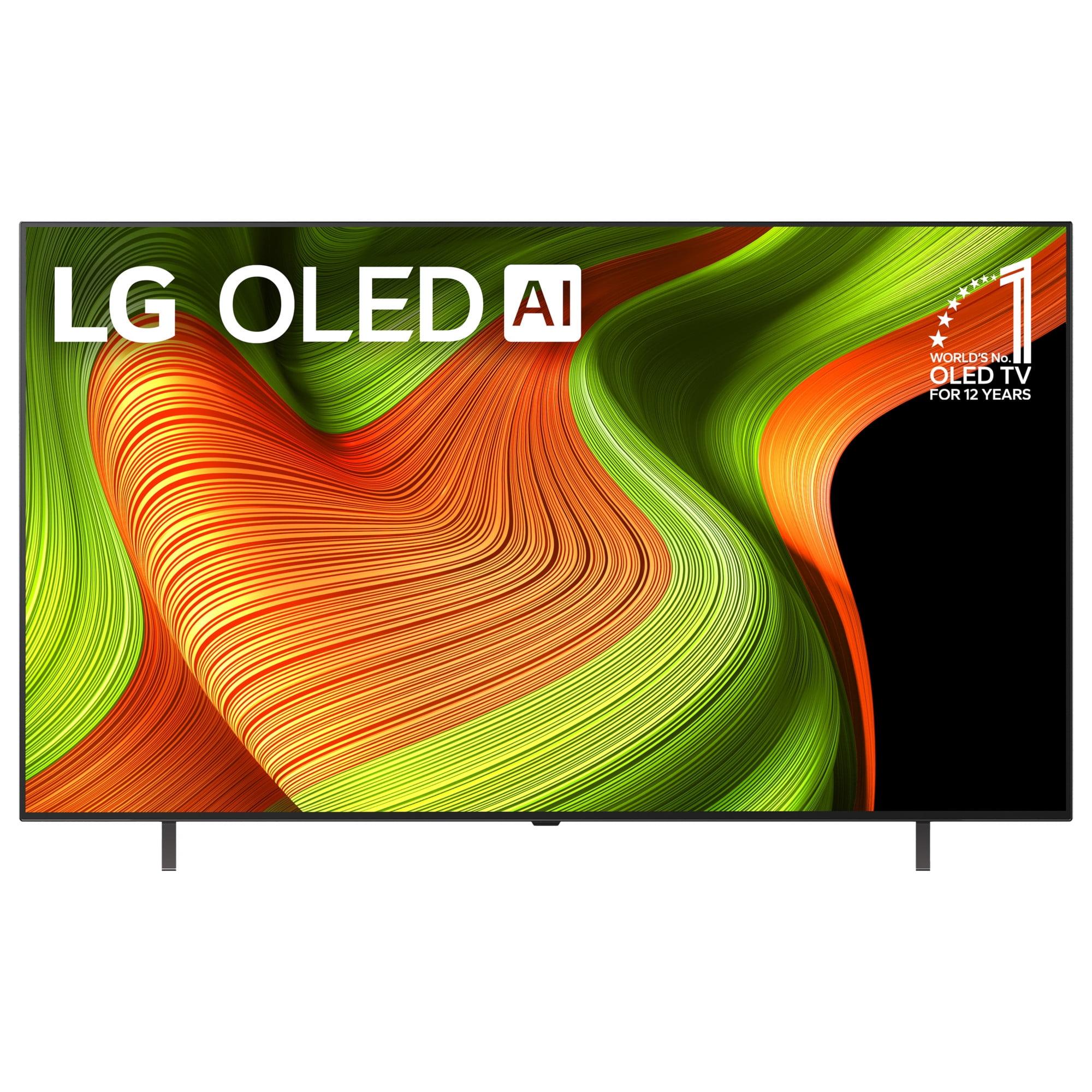
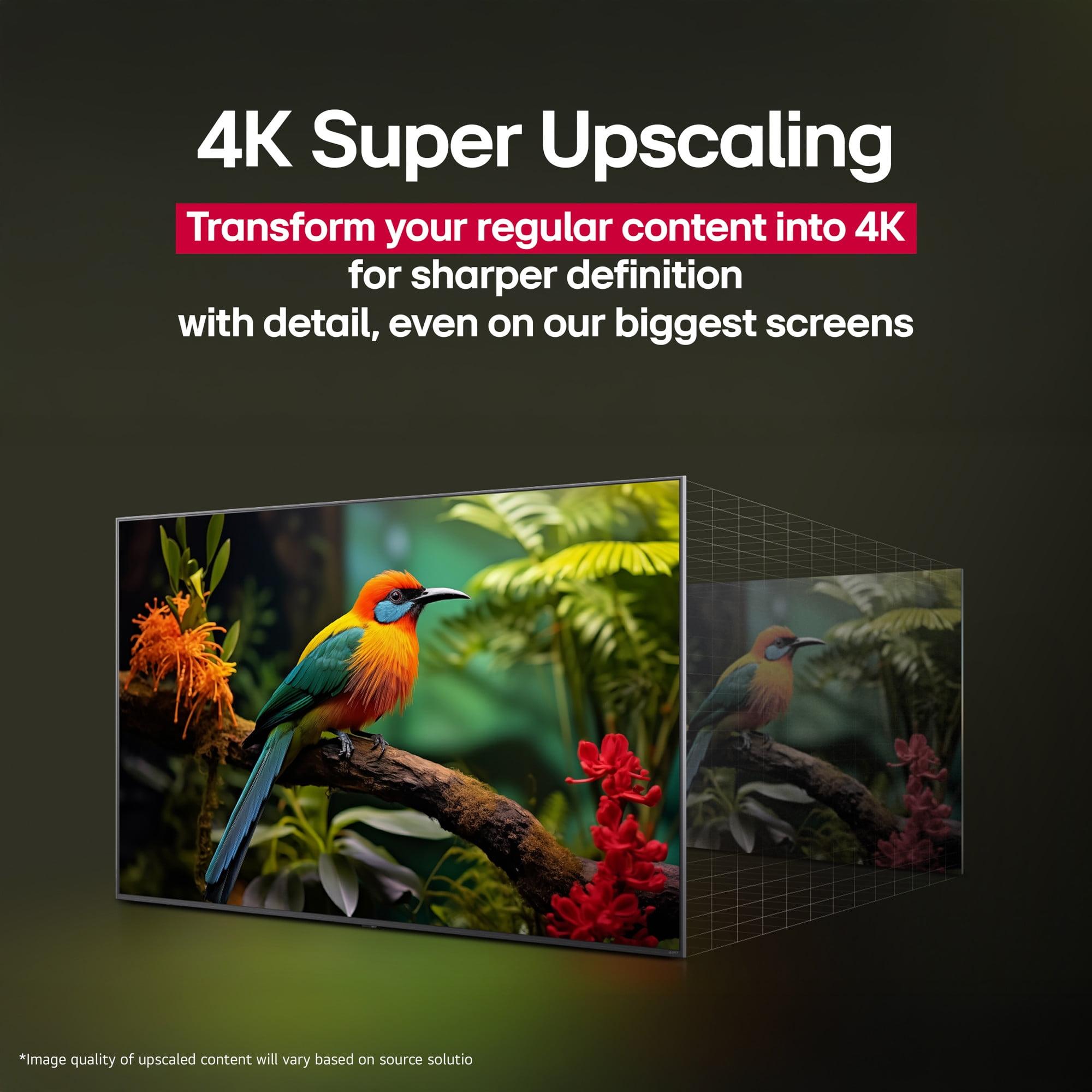
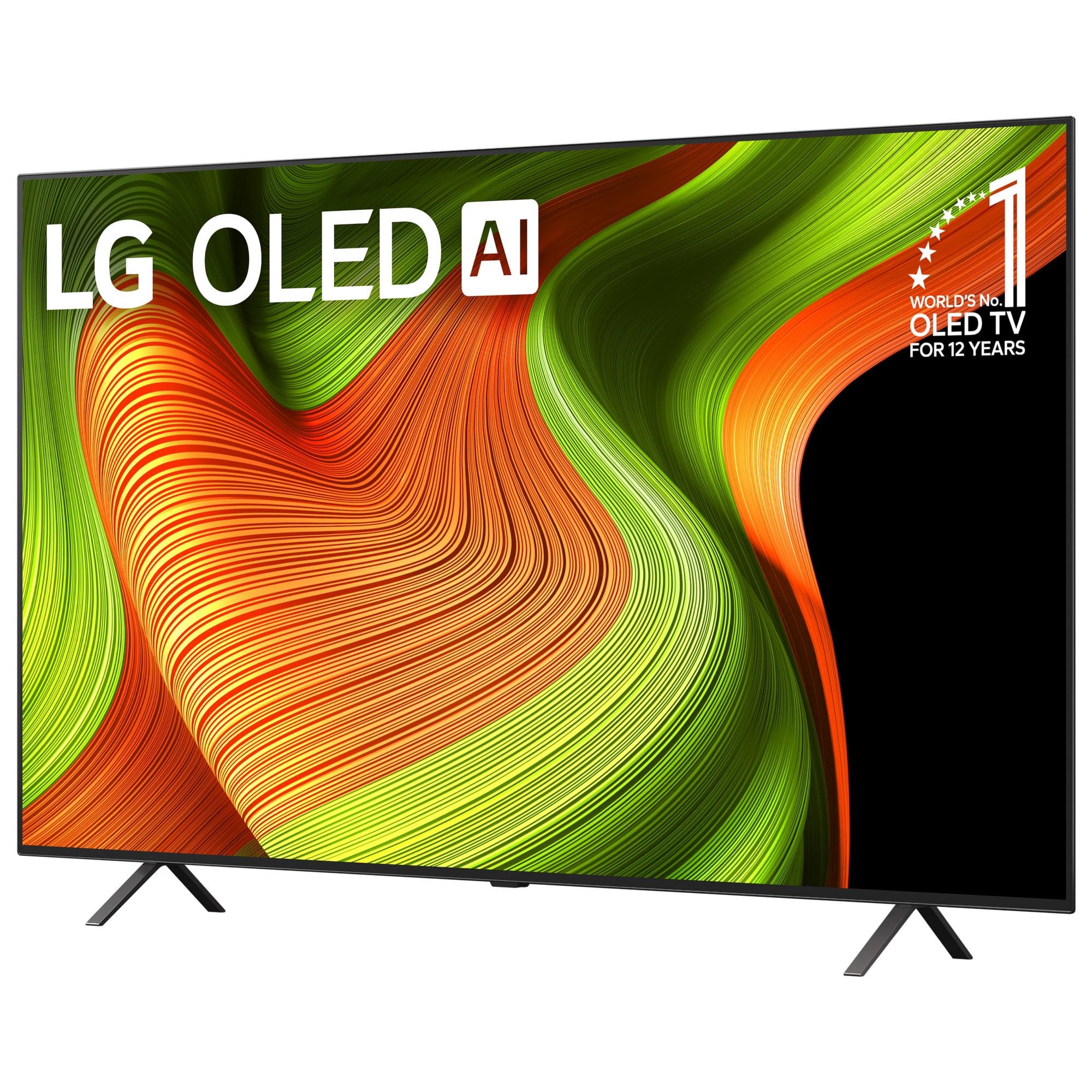
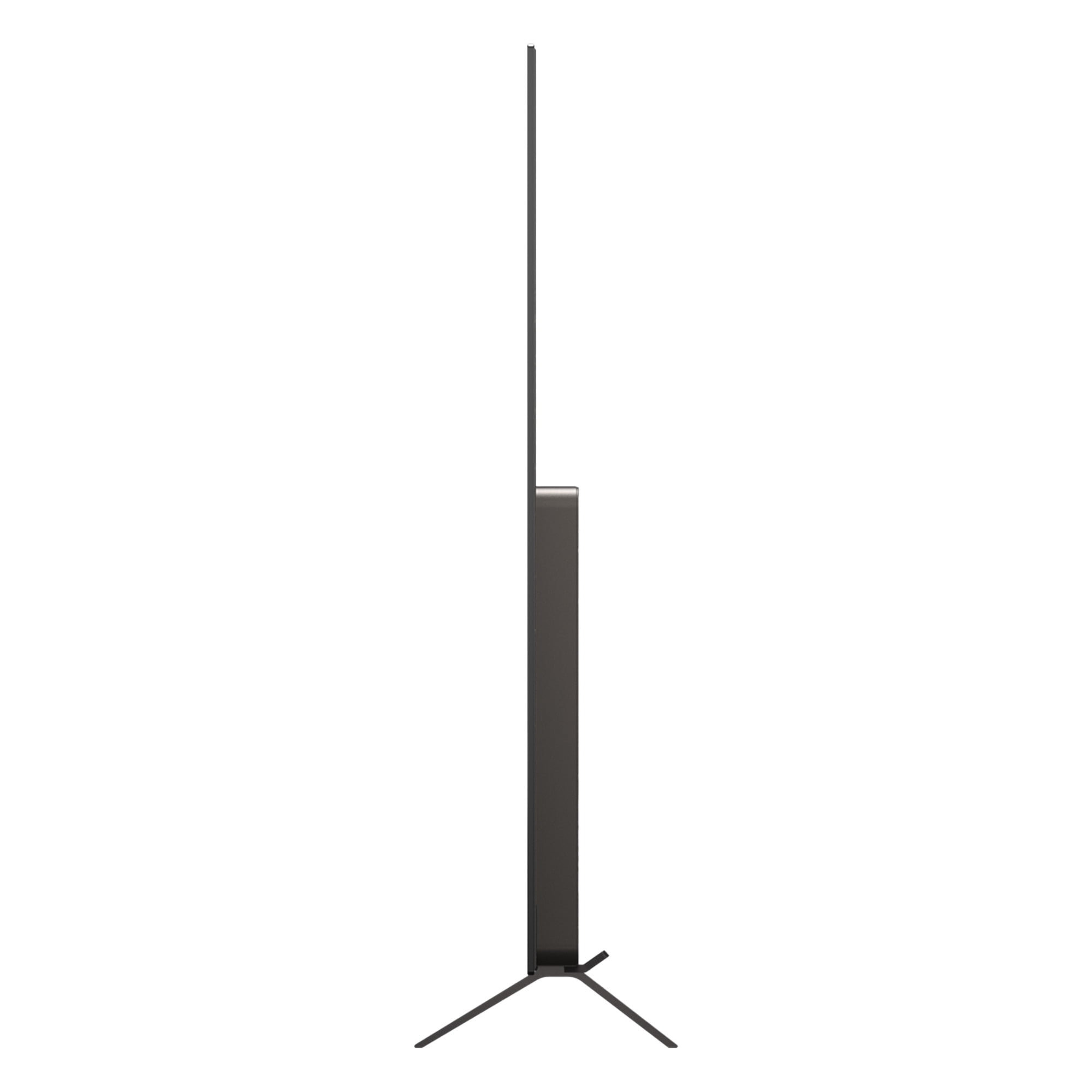
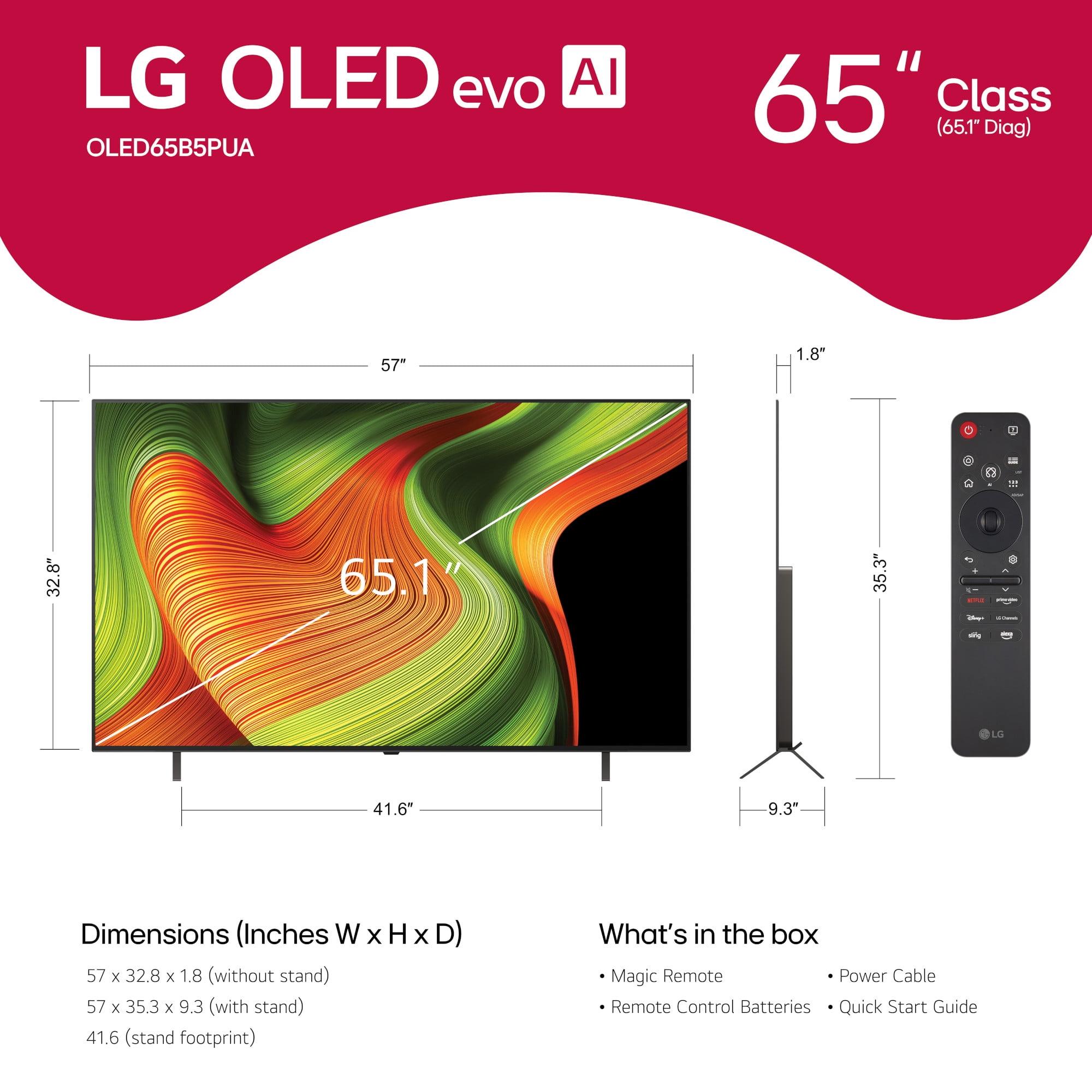
LG's 2025 B5 Series OLED takes the opposite approach, focusing entirely on picture quality and smart features rather than aesthetics. This represents LG's entry-level OLED for 2025, though "entry-level" in OLED terms still means premium performance that most LED TVs can't match.
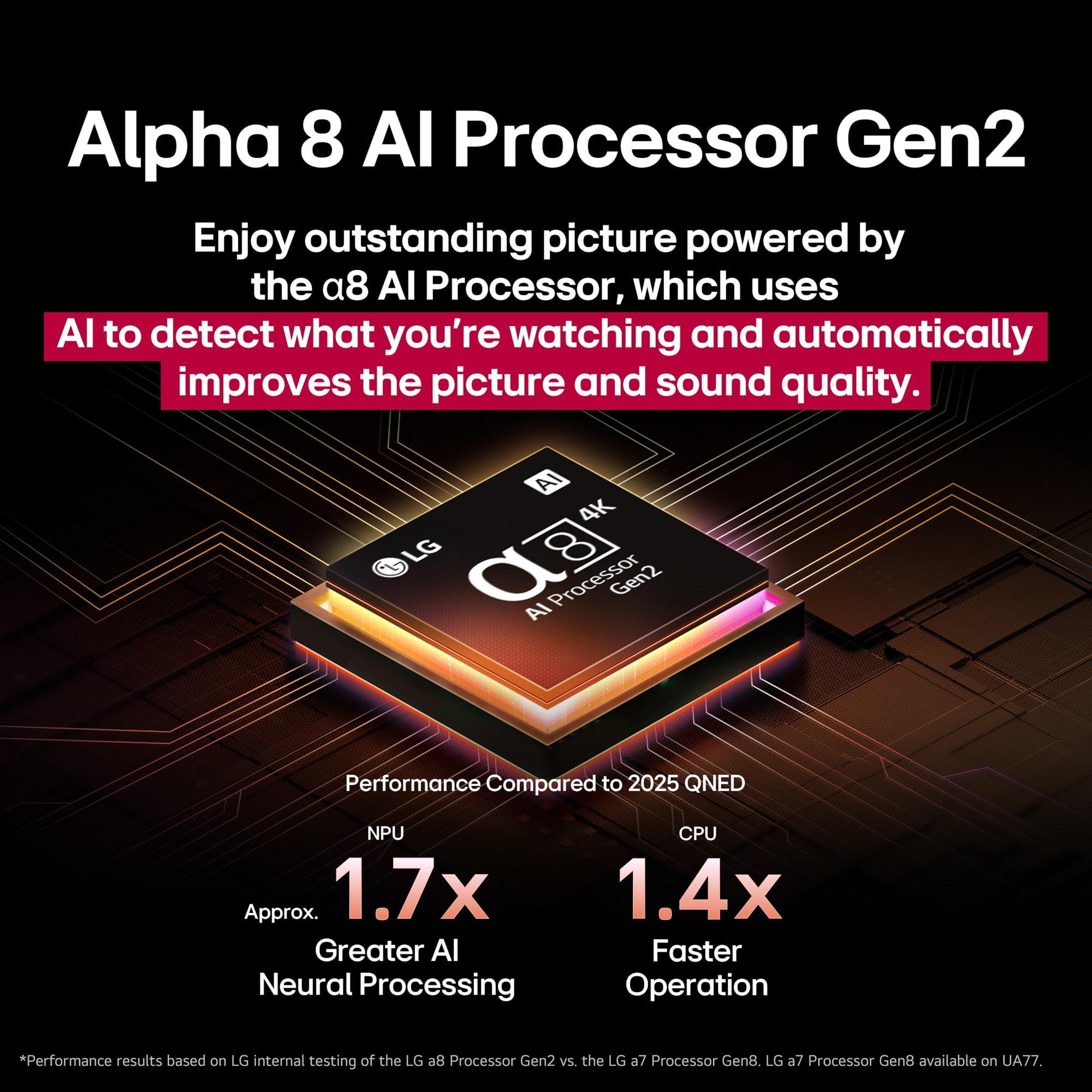
The heart of this TV is the new α8 AI Processor 4K Gen2, which LG claims operates 1.4 times faster than the previous generation. This isn't marketing fluff—the processor analyzes each scene in real-time, adjusting color, contrast, and brightness based on the content type. Watching a dark thriller automatically optimizes shadow detail, while bright sports content gets enhanced color saturation and motion processing.
The OLED panel itself uses what's called "self-emissive" technology. Each pixel produces its own light and can turn completely off to create true black. This creates an infinite contrast ratio—the mathematical difference between the brightest whites and darkest blacks. In practical terms, this means watching movies with dark scenes becomes dramatically more engaging, as you can actually see detail in shadows that disappear on most TVs.
However, OLED technology has one significant limitation: brightness. The LG B5 can't match the peak brightness of premium QLED TVs like the Hisense CanvasTV. In bright rooms, this means HDR content won't have the same punch, and the screen can appear washed out in direct sunlight.
The webOS 25 smart platform brings genuinely useful AI features. The new "Quick Cards" system groups apps by category—all your streaming services in one card, all your games in another. The AI voice commands understand context better than previous generations, so you can say "show me something funny" and get comedy recommendations across all your installed apps.
For gaming, the technical differences between these TVs create clear performance gaps that serious gamers will notice immediately.
The LG B5 OLED delivers what's essentially instantaneous response—less than 0.1 milliseconds from when you press a controller button to when the action appears on screen. This sub-millisecond response time gives competitive gamers a real advantage in fast-paced shooters or fighting games where frame-perfect timing matters.
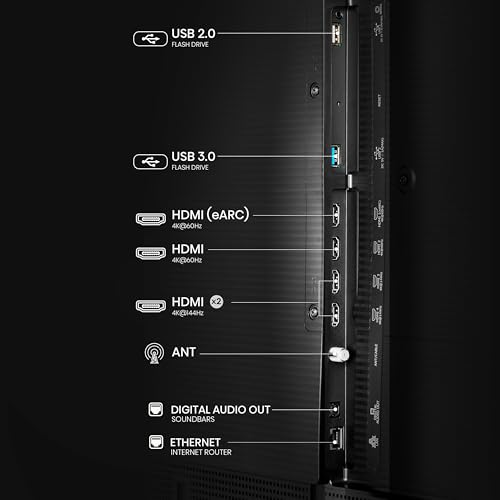
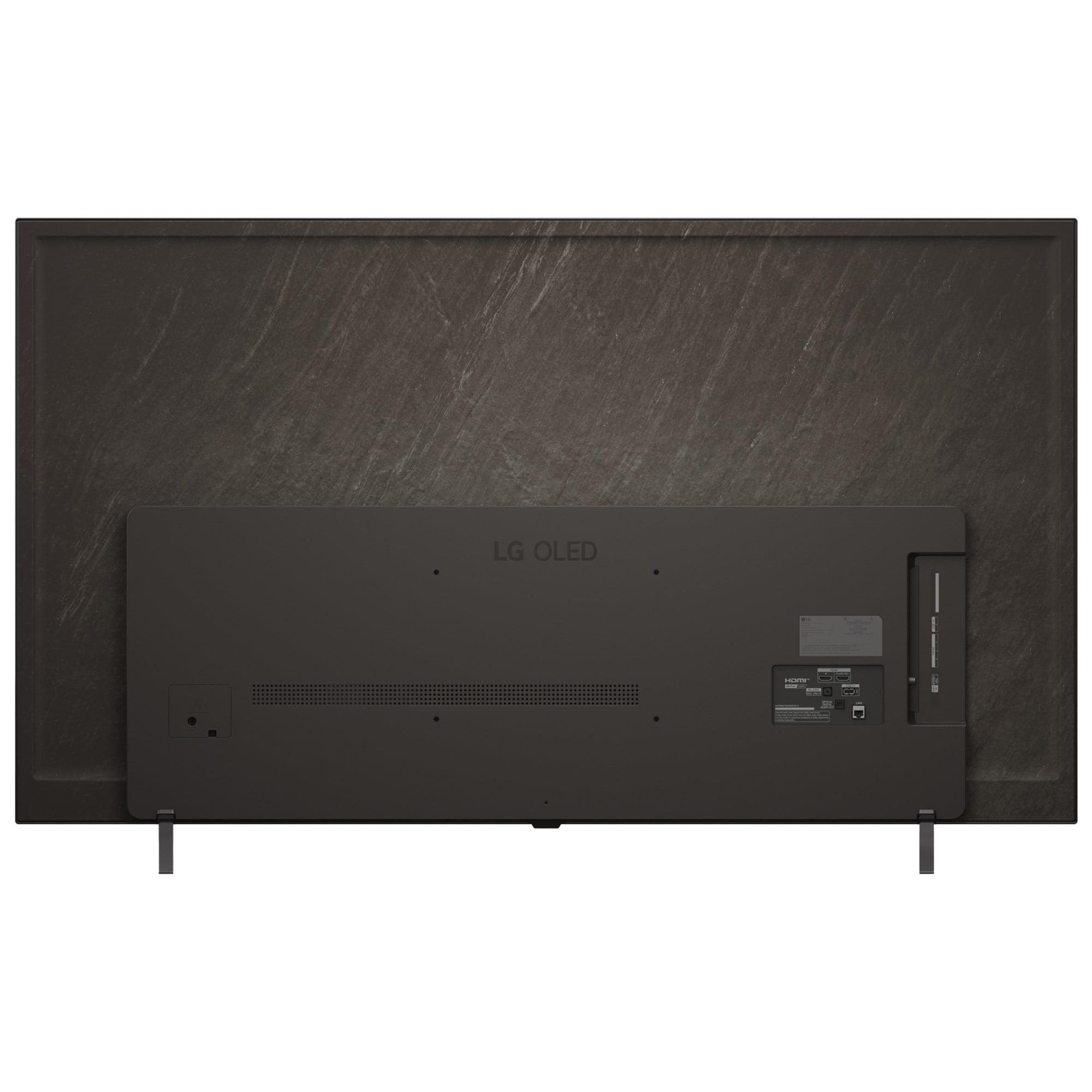
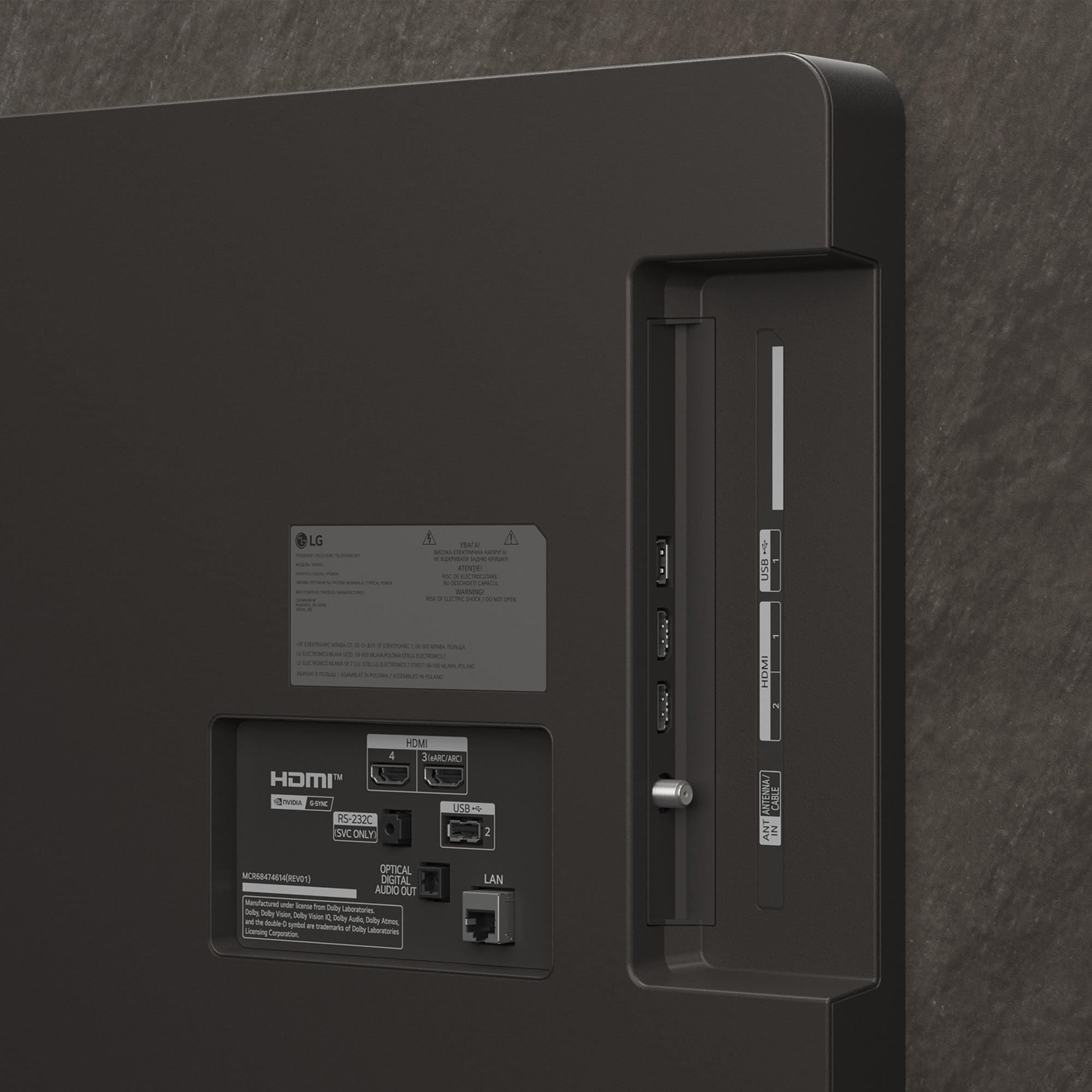
The TV also includes four HDMI 2.1 ports, all supporting 4K resolution at 120Hz refresh rate. This means every gaming console or PC can connect with full bandwidth, and features like Variable Refresh Rate (VRR) work seamlessly to eliminate screen tearing—those horizontal lines that appear when the TV and gaming device get out of sync.
The Hisense CanvasTV offers different gaming strengths. Its 144Hz native refresh rate actually exceeds what current gaming consoles can output, but provides future-proofing for high-end PC gaming. The 4.8ms response time and 5.4ms input lag, while excellent for most gaming scenarios, can't match OLED's near-instantaneous performance.
Where the Hisense shines is in bright room gaming. The anti-glare coating means you can game during the day without closing curtains or fighting screen reflections. For casual gaming or single-player experiences where millisecond response times matter less, this practical advantage often outweighs the OLED's technical superiority.
Your room's lighting conditions will likely determine which TV works better for your specific situation. This isn't about personal preference—it's about physics.
In dark or dimly lit rooms, the LG B5 OLED creates an almost magical viewing experience. The perfect blacks mean starfield scenes in space movies show actual black space with pinpoint stars, rather than the gray background you see on most TVs. HDR content pops with dramatic contrast that makes you feel like you're looking through a window rather than at a screen.
However, introduce significant ambient light, and the OLED's advantages diminish rapidly. The screen can appear washed out in bright rooms, and direct sunlight makes it nearly unwatchable. You'll find yourself constantly adjusting curtains or room lighting to optimize the viewing experience.
The Hisense CanvasTV handles bright rooms with confidence. The quantum dot technology produces vibrant colors that remain visible even in direct sunlight, while the Hi-Matte coating eliminates the mirror-like reflections that plague most TVs. You can position this TV anywhere in your room without worrying about lighting conditions.
The trade-off is that perfect black performance. While the CanvasTV produces good blacks for a QLED display, they appear more like dark gray when compared directly to OLED technology. In bright rooms, you won't notice this difference. In dark home theater environments, it becomes more apparent.
Both TVs offer sophisticated smart platforms, but with different philosophies. The LG B5 runs webOS 25, which emphasizes AI-driven personalization. The TV learns your viewing habits and suggests content across all your apps. The new AI voice features understand natural language better, letting you ask complex questions like "show me action movies from the 2000s with good ratings" and get useful results.
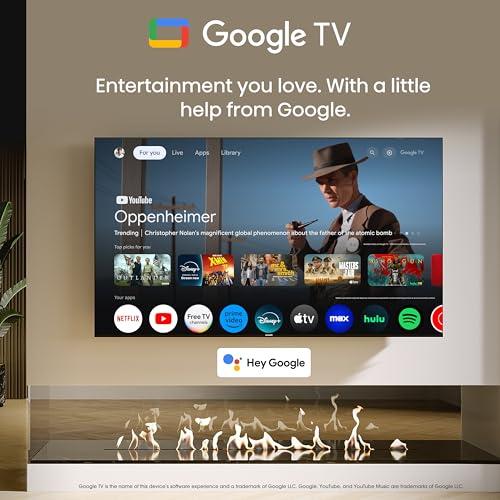
The Hisense CanvasTV uses Google TV, which excels at integrating with Google's ecosystem. If you use Google services extensively, the seamless integration with Gmail, Photos, and Assistant feels natural. The interface is clean and responsive, though it lacks some of the AI sophistication found in LG's platform.
One area where LG pulls ahead is long-term software support. The webOS Renew program promises annual operating system updates, keeping the TV feeling modern for years. Google TV receives regular updates too, but LG's commitment to yearly major upgrades provides more confidence in long-term usability.
For dedicated home theater setups, the choice becomes clearer. The LG B5 OLED excels in controlled lighting environments where you can optimize room conditions for viewing. The perfect blacks create the cinematic experience that home theater enthusiasts seek, and FILMMAKER MODE ensures movies display exactly as directors intended.
The TV's Dolby Atmos support and eARC (enhanced Audio Return Channel) connectivity work seamlessly with high-end soundbars and AV receivers. The AI processor's scene-by-scene audio optimization means even the built-in speakers sound better than expected, though serious home theater setups will use external audio regardless.
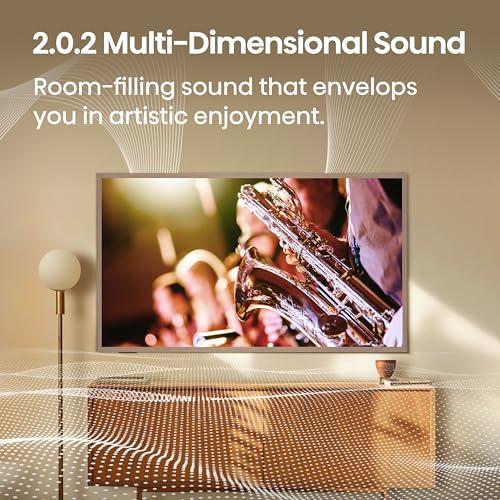
The Hisense CanvasTV serves home theaters differently. Its 2.0.2 channel sound system with upward-firing speakers creates surprisingly immersive audio for a flat-panel TV. The higher brightness helps HDR content maintain impact even in rooms that can't achieve complete darkness.
However, the anti-glare coating, while beneficial in bright rooms, can make the image appear slightly soft in the perfectly controlled lighting of a dedicated home theater. This trade-off makes the CanvasTV better suited for multipurpose living rooms rather than purpose-built home theaters.
At the time of writing, both TVs represent strong value in their categories, though they target different budgets and priorities. The Hisense CanvasTV delivers premium QLED performance with unique art functionality at a price point that makes it accessible to more buyers. The absence of subscription fees for art content adds to its long-term value proposition.
The LG B5 OLED commands a premium price but delivers technology that's genuinely difficult to find elsewhere at this price point. OLED displays traditionally cost significantly more, making this an entry point into premium display technology.
Both TVs should remain relevant for years. The Hisense has enough HDMI 2.1 bandwidth for future gaming consoles, while its art functionality won't become obsolete. The LG includes future-proofing through software updates and gaming features that exceed current console capabilities.
Choose the Hisense S7N CanvasTV if you have a bright living room where the TV serves multiple purposes beyond entertainment. The art functionality isn't just a gimmick—it genuinely transforms how the TV integrates with your living space. You'll appreciate the excellent bright-room performance and never worry about closing curtains for optimal viewing.
This TV particularly suits buyers who value aesthetics alongside performance, want strong gaming capabilities without needing absolute millisecond precision, and prefer not to dedicate their room lighting to optimizing TV performance.
Choose the LG B5 Series OLED if picture quality is your primary concern and you can control your room's lighting. The gaming performance is exceptional, the smart features are sophisticated, and the OLED technology creates a viewing experience that's difficult to match at any price point.
This TV excels for serious gamers who need every competitive advantage, movie enthusiasts who prioritize cinematic picture quality, and buyers who want the most advanced smart TV features available.
The decision ultimately comes down to your room, your priorities, and how you actually use your TV. Both represent excellent 2025 technology, but they solve different problems and excel in different environments. Understanding which problems you need solved will guide you to the right choice.
| Hisense 65" S7N CanvasTV QLED | LG B5 Series OLED 65" |
|---|---|
| Display Technology - Fundamentally affects picture quality and room performance | |
| QLED with Quantum Dot Color (LED backlight with quantum dot enhancement) | Self-emissive OLED (each pixel produces its own light) |
| Black Levels - Critical for dark scene detail and contrast | |
| Good blacks (5000:1 contrast ratio) but visible as dark gray | Perfect blacks with infinite contrast ratio |
| Peak Brightness - Essential for HDR impact and bright room viewing | |
| 450 cd/m² peak (excellent for bright rooms and daytime viewing) | Lower peak brightness (struggles in bright ambient light) |
| Anti-Glare Performance - Determines usability in bright rooms | |
| Hi-Matte coating reduces reflections to 5% (exceptional bright room performance) | Standard glossy finish (can appear washed out in bright light) |
| Gaming Response Time - Critical for competitive gaming | |
| 4.8ms response time, 5.4ms input lag (good for casual gaming) | <0.1ms response time (essentially instantaneous, ideal for competitive gaming) |
| Gaming Refresh Rate - Affects motion smoothness | |
| 144Hz native (supports 4K@144Hz, 1080p@240Hz) | 120Hz native (supports 4K@120Hz across all HDMI 2.1 ports) |
| HDMI 2.1 Ports - Future-proofing for next-gen consoles | |
| 2 HDMI 2.1 ports (ports 3 and 4) | 4 HDMI 2.1 ports (all support full bandwidth gaming) |
| Smart Platform - Daily usability and feature updates | |
| Google TV (excellent Google ecosystem integration) | webOS 25 with α8 AI Processor (advanced AI features, annual OS updates) |
| Art Display Features - Unique aesthetic functionality | |
| 120+ pre-loaded masterpieces, customizable frames, motion sensors (no subscription fees) | Standard TV design only (no art display capabilities) |
| Wall Mounting Design - Integration with home décor | |
| Ultra-slim mount (3mm from wall), magnetic interchangeable frames | Standard wall mount design (sleek but traditional TV appearance) |
| Audio System - Built-in sound quality | |
| 2.0.2 channel system with upward-firing speakers, DTS Virtual:X | Standard audio with Dolby Atmos support and AI sound optimization |
| Color Performance - Accuracy vs vibrancy trade-off | |
| Over 1 billion colors via quantum dots (more vibrant, less accurate) | Wide color gamut with natural reproduction (more accurate, less punchy) |
| Home Theater Suitability - Performance in dedicated viewing rooms | |
| Better for multipurpose living rooms (anti-glare coating can soften image) | Ideal for dedicated home theaters (perfect blacks shine in controlled lighting) |
| Long-term Value - Software support and feature longevity | |
| No ongoing subscription costs for art features, regular Google TV updates | webOS Renew program promises annual major OS upgrades |
The LG B5 Series OLED delivers superior picture quality for movies and TV shows, especially in dark or dimly lit rooms. Its OLED technology produces perfect blacks and infinite contrast, creating a more cinematic viewing experience. However, the Hisense S7N CanvasTV performs better in bright rooms due to its higher peak brightness and anti-glare coating, making it more versatile for daytime viewing.
The LG B5 Series OLED is better for serious gaming with its sub-millisecond response time and four HDMI 2.1 ports supporting 4K at 120Hz. It includes advanced gaming features like NVIDIA G-Sync and AMD FreeSync Premium. The Hisense CanvasTV offers a higher 144Hz refresh rate but has slower response times, making it suitable for casual gaming but less ideal for competitive play.
The Hisense S7N CanvasTV significantly outperforms the LG B5 OLED in bright rooms. Its Hi-Matte display coating reduces reflections to just 5%, and the QLED technology maintains vibrant colors even in direct sunlight. The LG OLED can appear washed out in bright ambient light and may require closing curtains for optimal viewing.
The LG B5 Series OLED runs webOS 25 with advanced AI features, personalized recommendations, and annual OS updates through the webOS Renew program. The Hisense CanvasTV uses Google TV, which offers excellent integration with Google services and a clean, responsive interface. Both platforms provide access to all major streaming apps.
The art feature on the Hisense S7N CanvasTV includes 120+ pre-loaded masterpieces, customizable magnetic frames, and motion sensors that activate art display when you enter the room. Unlike competing art TVs, there are no ongoing subscription fees. This feature genuinely transforms the TV into functional wall art when not watching content, making it valuable for design-conscious buyers.
The LG B5 Series OLED excels in dedicated home theater setups where lighting can be controlled. Its perfect blacks and superior contrast create the cinematic experience that home theater enthusiasts seek. FILMMAKER MODE preserves directors' creative intent, and Dolby Atmos support enhances the audio experience. The Hisense CanvasTV is better suited for multipurpose living rooms.
The Hisense CanvasTV offers a higher native 144Hz refresh rate, supporting 4K at 144Hz and 1080p at 240Hz for high-end PC gaming. The LG B5 OLED provides 120Hz refresh rate across all four HDMI 2.1 ports, which matches current gaming console capabilities. Both exceed what most gaming systems currently output.
Both TVs offer strong value in their respective categories. The Hisense S7N CanvasTV provides dual functionality as both a premium TV and art display without ongoing subscription costs. The LG B5 Series OLED delivers premium OLED technology at an entry-level price point for the category, making high-end display technology more accessible.
The Hisense CanvasTV features a unique ultra-slim wall mount that positions the TV just 3mm from the wall, plus magnetic interchangeable frames in different wood finishes. The LG B5 OLED has a traditional sleek TV design with minimal bezels and standard mounting options. The Hisense prioritizes aesthetic integration, while the LG focuses on premium electronics styling.
The LG B5 Series OLED produces perfect blacks since individual pixels can turn completely off, creating infinite contrast ratio. The Hisense CanvasTV offers good contrast (5000:1) for a QLED display but cannot achieve true blacks - dark areas appear as dark gray. This difference is most noticeable when viewing dark content in dimly lit rooms.
The Hisense S7N CanvasTV features a 2.0.2 channel system with upward-firing speakers and DTS Virtual:X for more immersive sound. The LG B5 OLED includes standard audio with Dolby Atmos support and AI-powered sound optimization. Both benefit from external soundbars, but the Hisense provides better built-in audio performance.
Choose the LG B5 Series OLED if you can control room lighting and prioritize perfect picture quality for movies and competitive gaming. Select the Hisense CanvasTV if your room has significant natural light, you value the art display functionality, or you prefer vibrant colors over perfect blacks. Consider your room's lighting conditions as the primary deciding factor.
We've done our best to create useful and informative comparisons to help you decide what product to buy. Our research uses advanced automated methods to create this comparison and perfection is not possible - please contact us for corrections or questions. These are the sites we've researched in the creation of this article: bestbuy.com - hisense.sg - tomsguide.com - content.syndigo.com - rtings.com - hisense-usa.com - youtube.com - bestbuy.com - youtube.com - displayspecifications.com - displayspecifications.com - manuals.plus - displayspecifications.com - bestbuy.com - hisense-canada.com - manuals.plus - bargainoutletandmore.com - bestbuy.com - device.report - eftm.com - bestbuy.com - rtings.com - youtube.com - rtings.com - tomsguide.com - youtube.com - nationalproductreview.com.au - lg.com - manchesterbrothers.com - avsforum.com - lg.com - lg.com - lg.com - lg.com - retailspecs.com - american-homeappliance.com - perpichtv.com

Privacy Policy
Terms and Conditions - Affiliate Policy
Home Security
© Copyright 2008-2026.
11816 Inwood Rd #1211, Dallas, TX 75244