

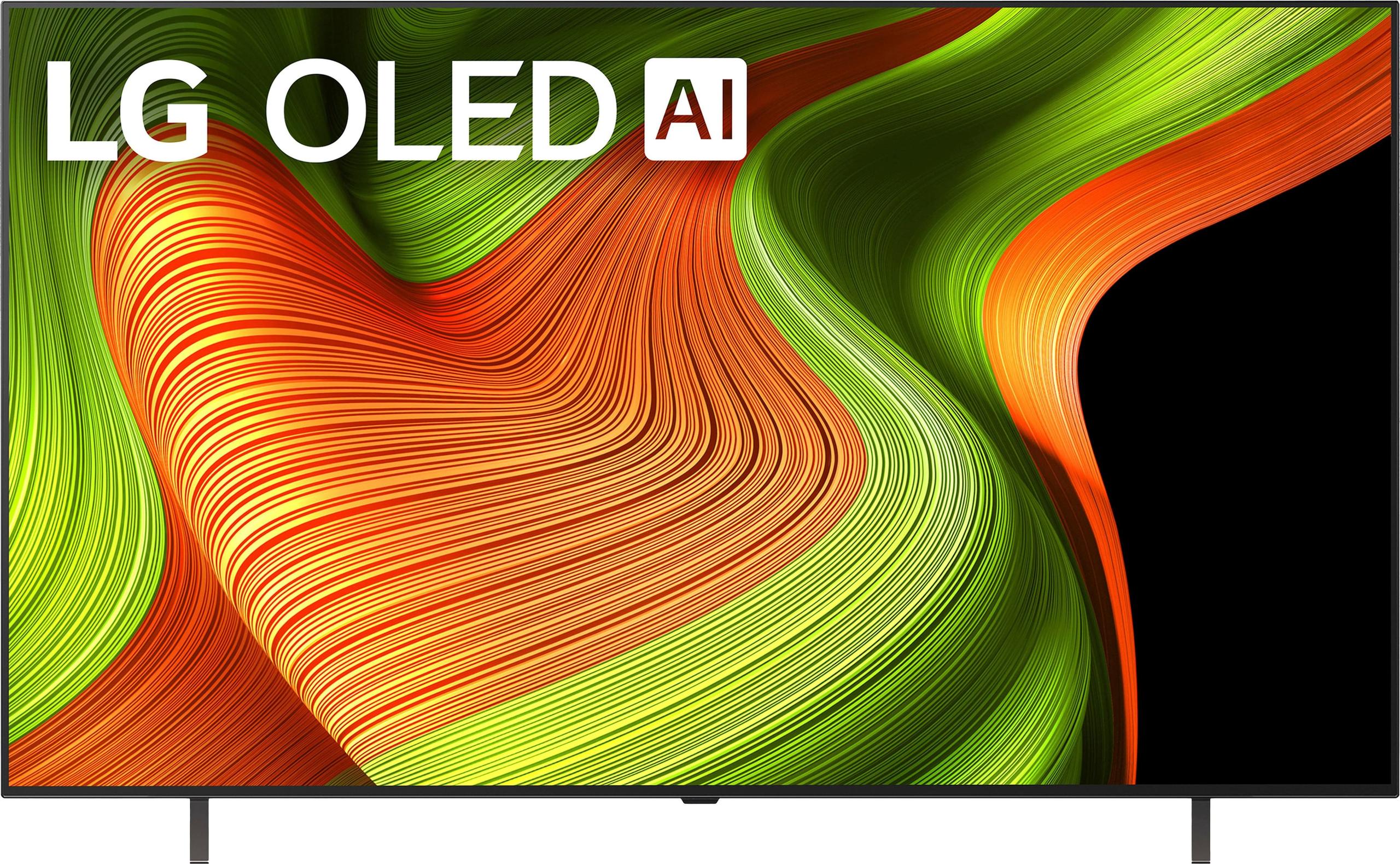
![LG B5 Series OLED 65" 4K Smart TV 2025[1][7][9]](https://images.hometheaterreview.com/htr-stateless/2025/07/3368ce40-25ef-4d07-b442-bb0af89e3a29.jpg)
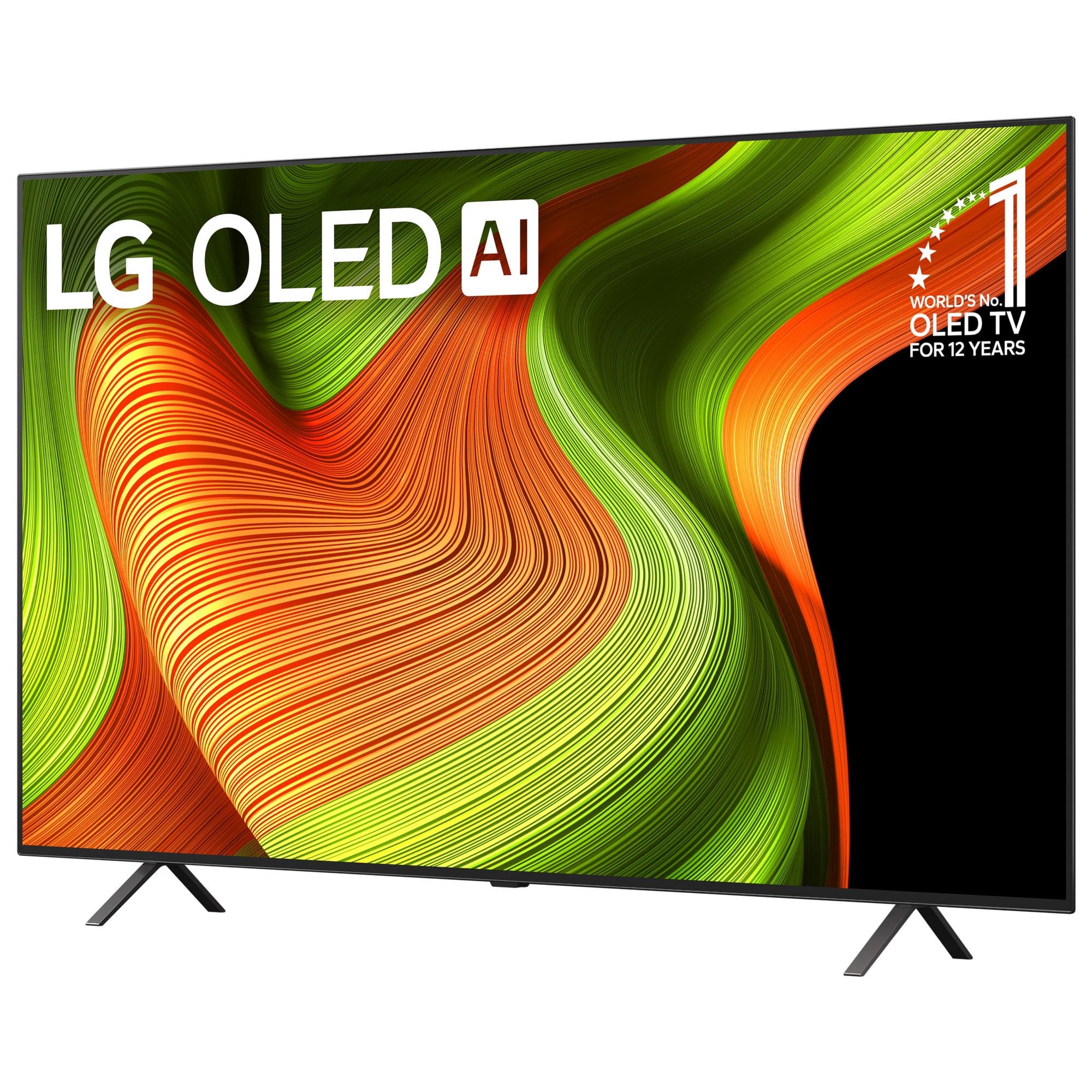
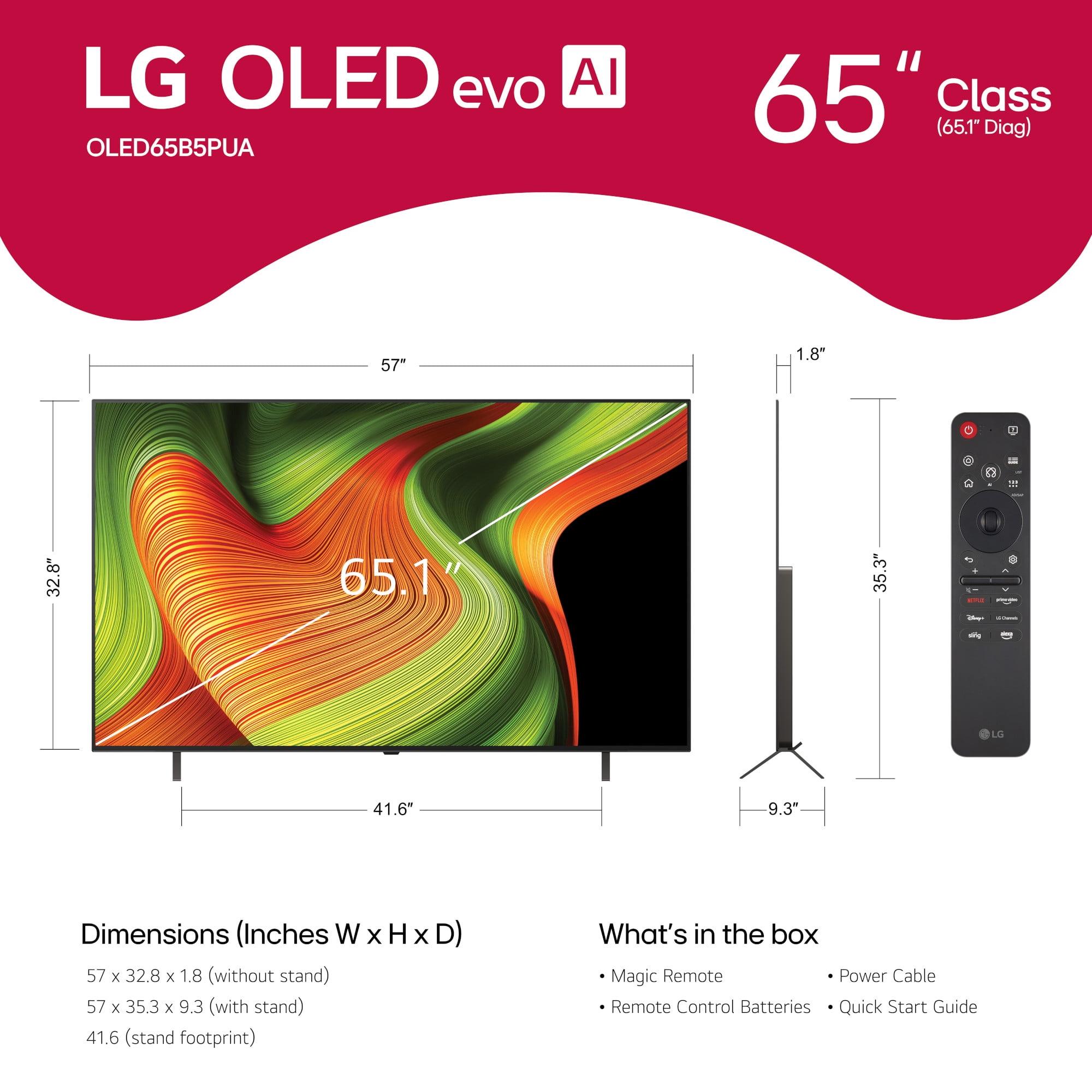
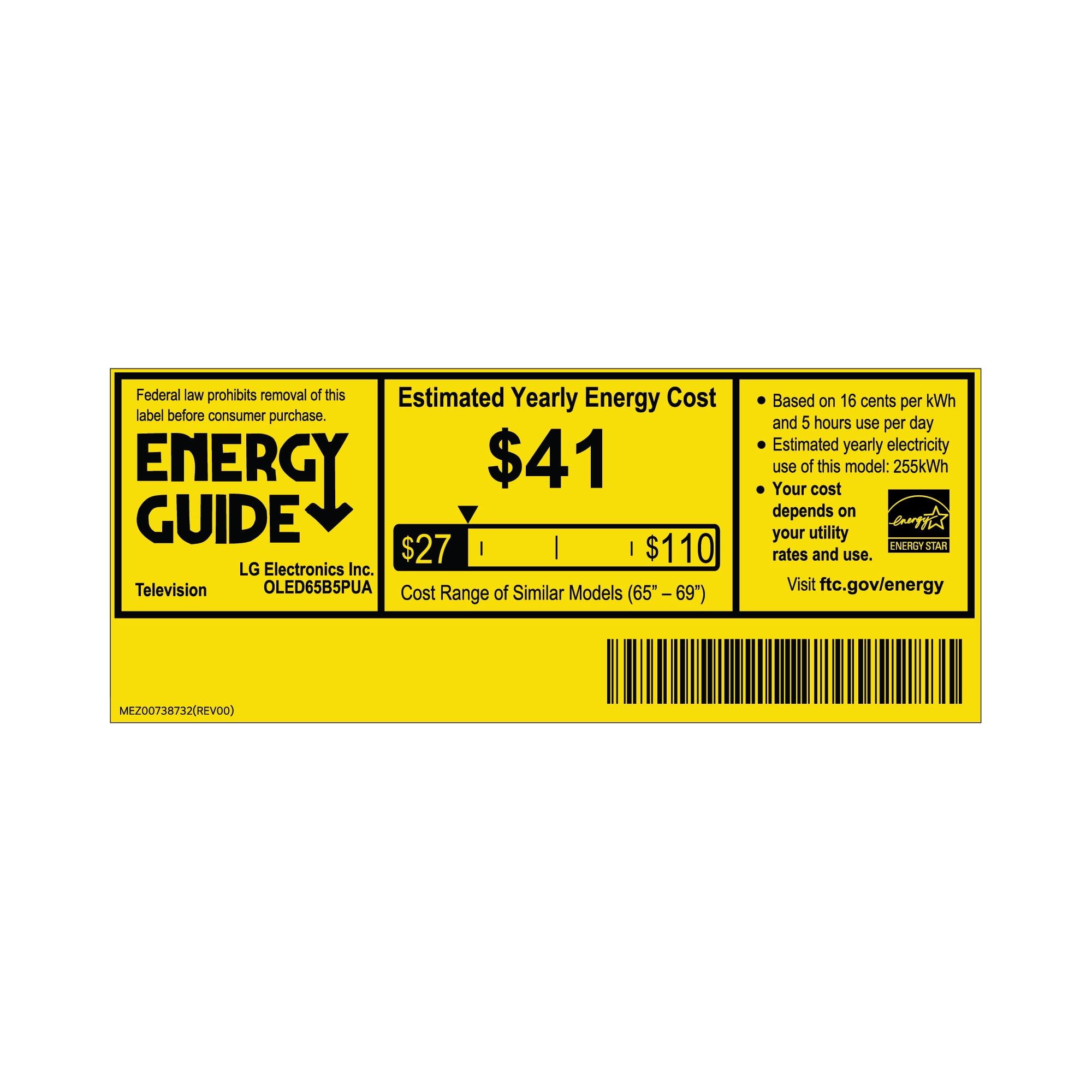
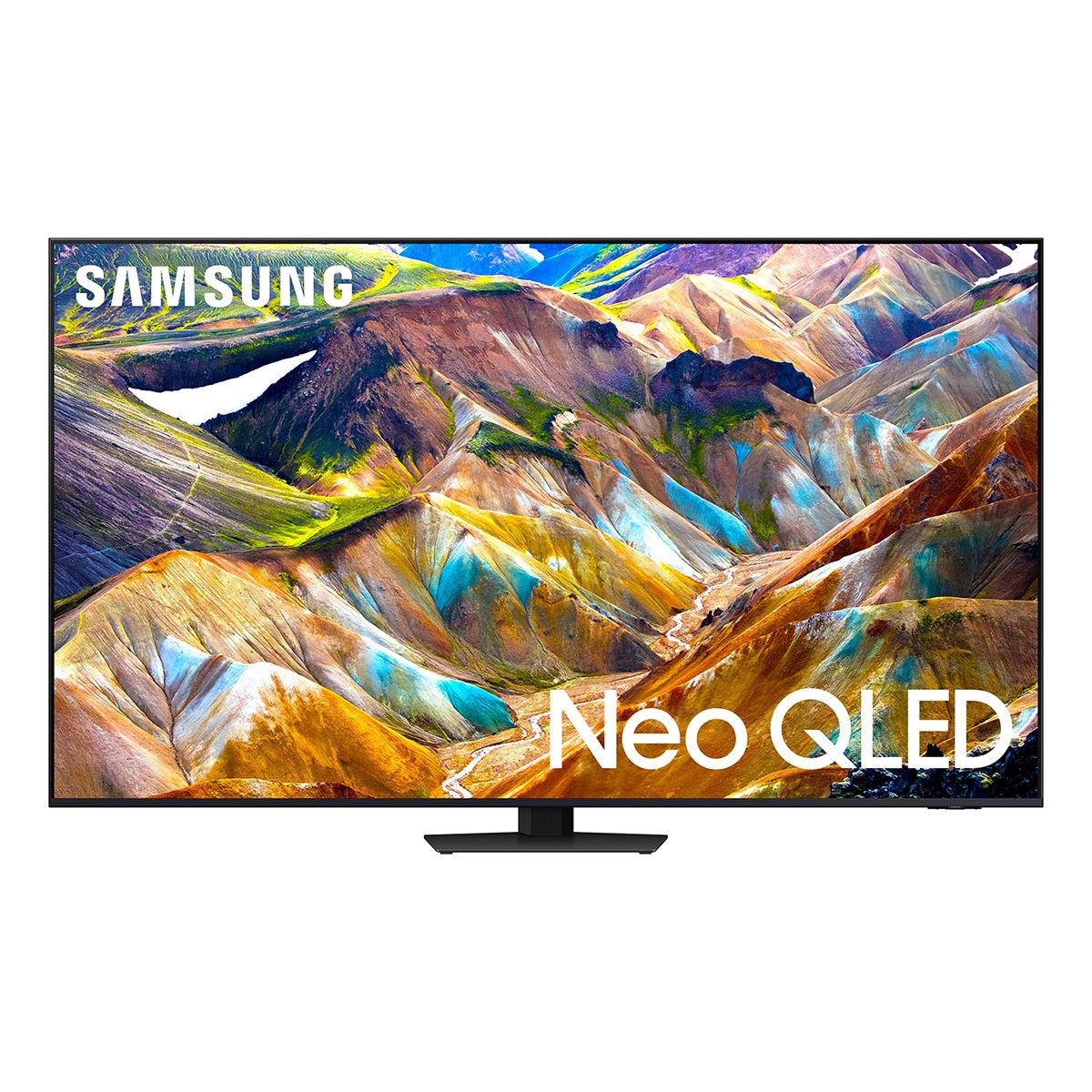
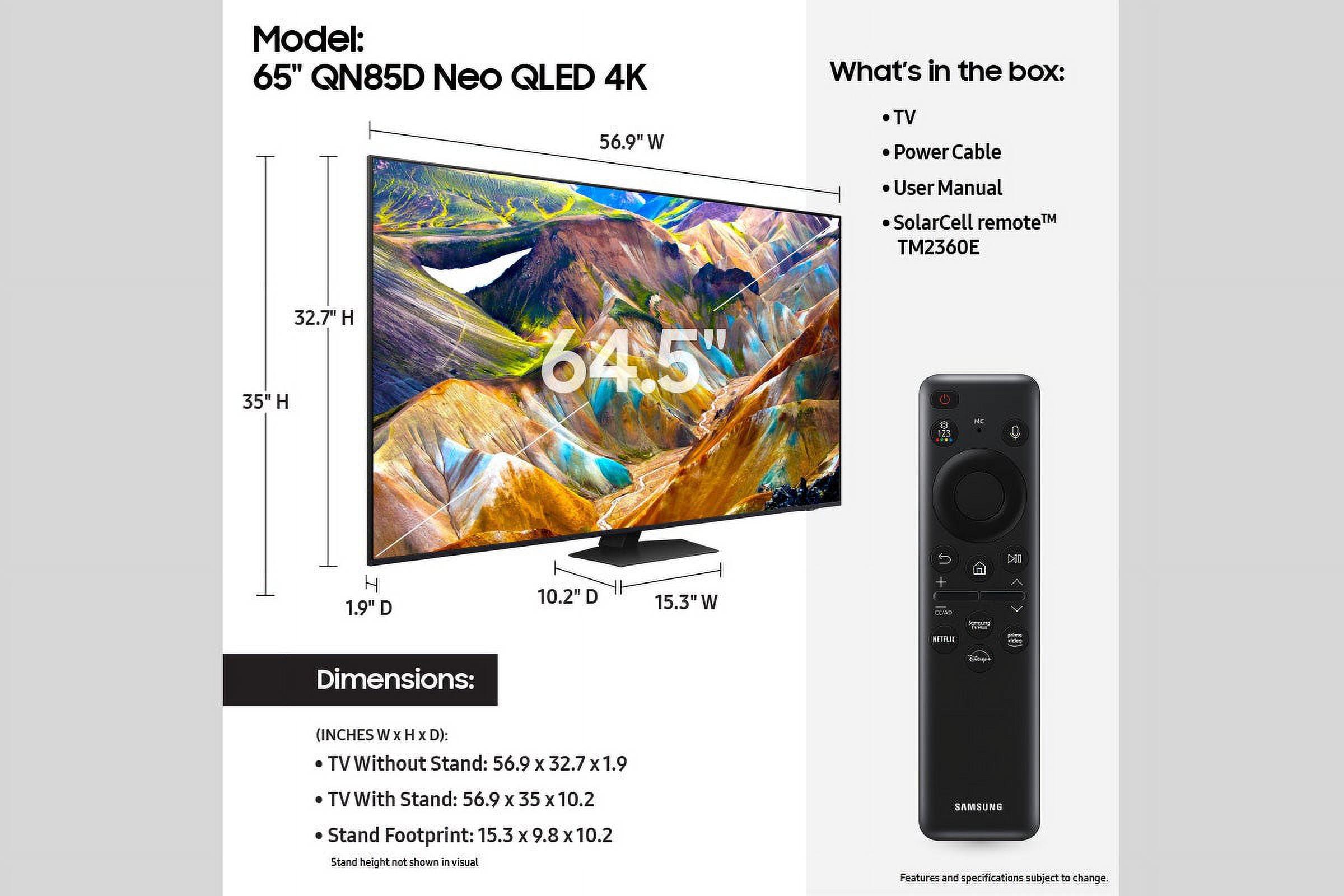

Shopping for a new 65-inch TV can feel overwhelming, especially when you're looking at premium models that cost close to $1,700. Two standout options that launched in 2025 are the LG B5 Series OLED 65" 4K Smart TV 2025 at $1,699.99 and the Samsung 65" QN85D Neo QLED 4K Smart TV at around $1,700. Both represent the latest in display technology, but they take completely different approaches to delivering great picture quality.
The fundamental difference between these TVs comes down to how they create the image you see. It's like comparing a collection of individual candles (OLED) to a really sophisticated flashlight system (Neo QLED). Each approach has its own strengths and weaknesses, and understanding these differences will help you make the right choice for your home.
OLED stands for Organic Light Emitting Diode, which sounds complicated but works in a beautifully simple way. Each pixel in an OLED display is essentially a tiny light bulb that can turn on, off, or dim independently. When you see a starry night sky on the LG B5 Series OLED, the black areas are truly black because those pixels are completely off – they're not producing any light at all.
This pixel-level control is what gives OLED its "infinite contrast ratio." In practical terms, this means you can have a bright white star sitting right next to a pitch-black sky without any unwanted glow or halo effects. It's particularly noticeable when watching movies with letterbox bars (those black strips at the top and bottom of widescreen movies) – on an OLED, those bars disappear completely into the darkness.
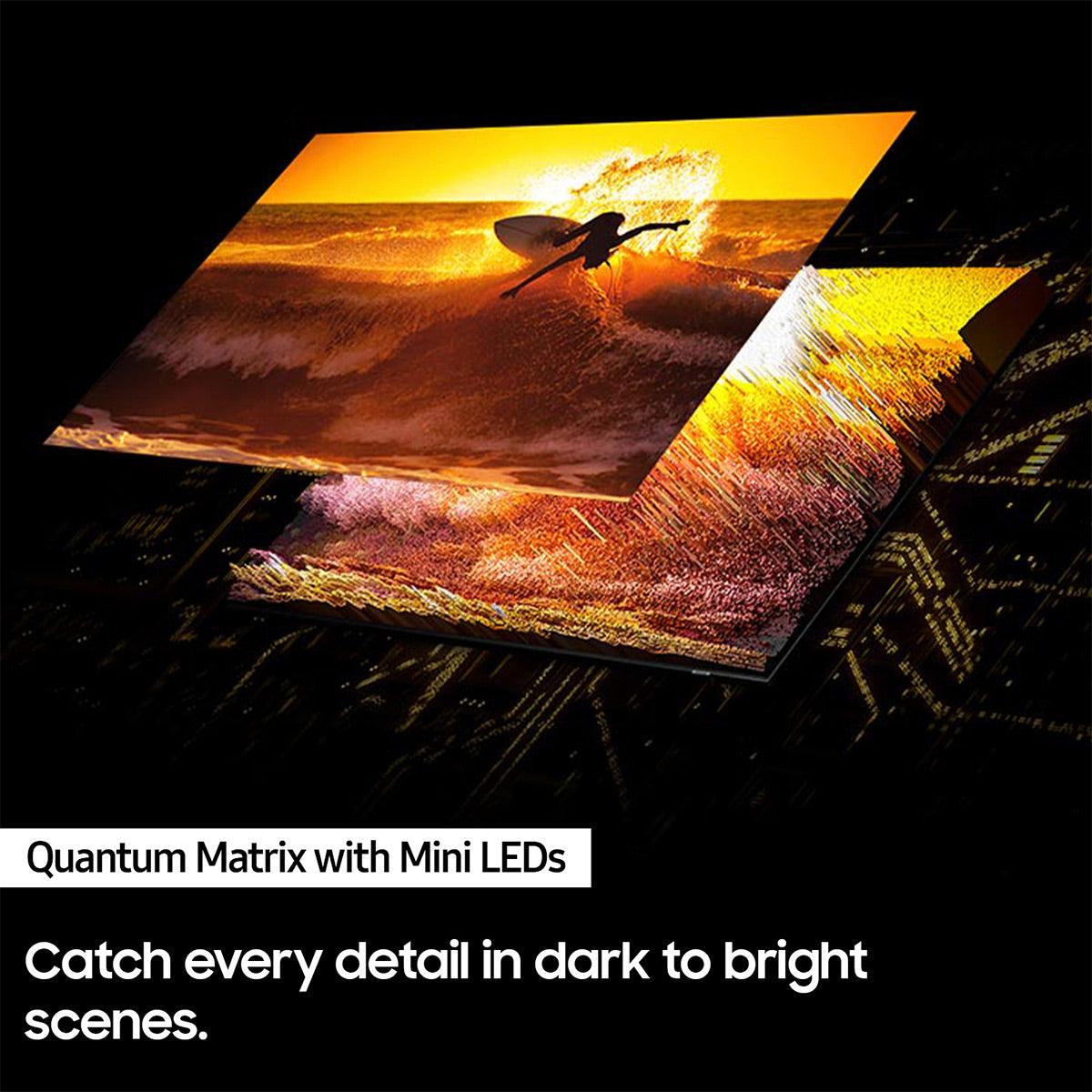
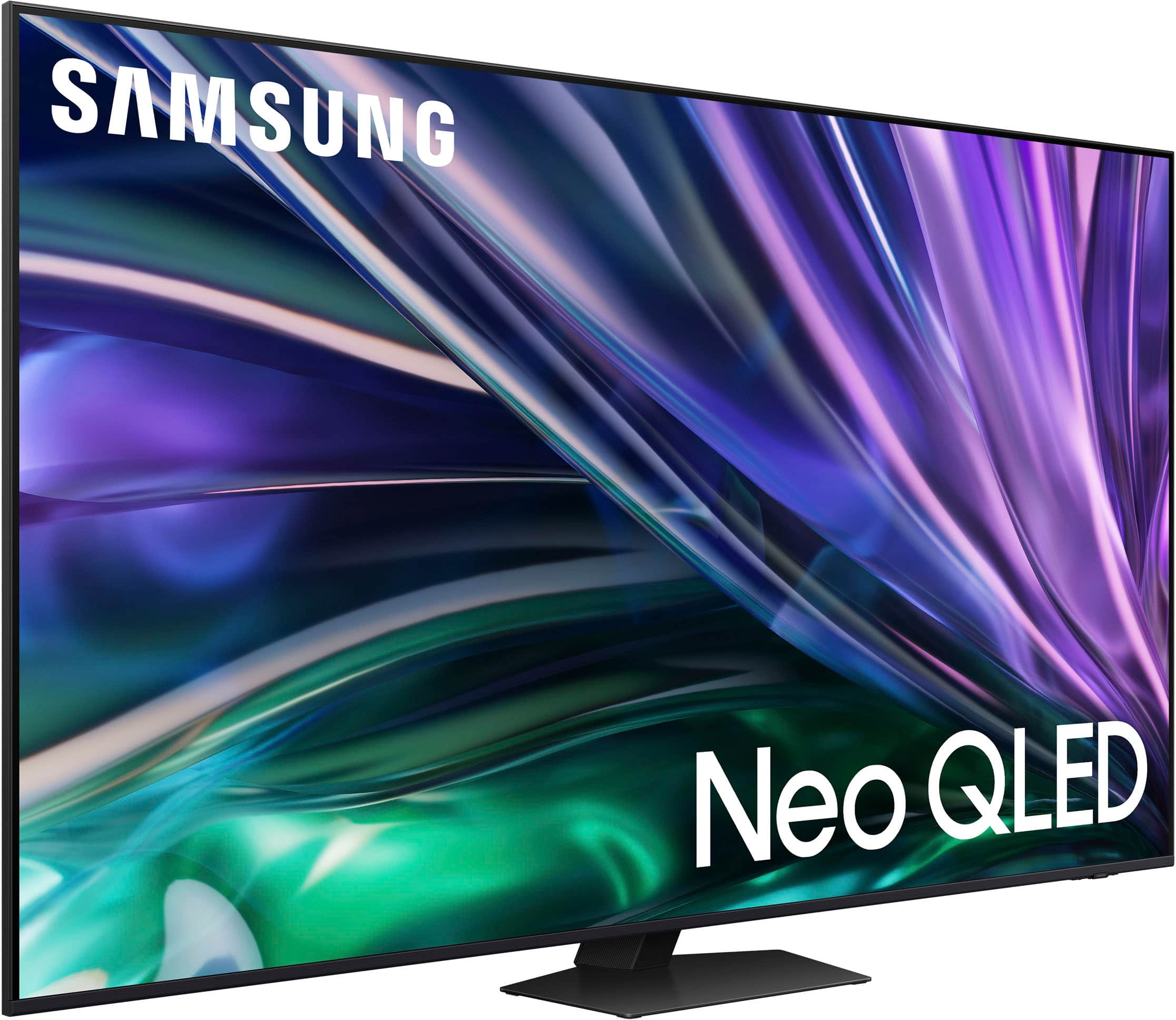
The Samsung QN85D Neo QLED takes a different approach. It uses what's called a Mini-LED backlight system, which is essentially thousands of tiny LEDs behind the screen that can brighten or dim in zones. Think of it like having a grid of flashlights behind a translucent screen, where each flashlight can be controlled independently.
The "Quantum Dot" part refers to microscopic particles that enhance color production. When the Mini-LED backlight hits these quantum dots, they emit very pure, saturated colors. This technology allows the Samsung to achieve much higher brightness levels than OLED – we're talking about peaks of over 1,000 nits compared to the LG's 600-700 nits. A "nit" is simply a unit of measurement for brightness, and higher numbers mean the TV can get brighter.
Here's where it gets interesting for everyday viewing. The Samsung's higher brightness makes it exceptional for bright rooms. If your TV sits opposite a large window or in a sunlit family room, the Samsung will maintain its picture quality much better than the LG. The quantum dot technology also produces incredibly vibrant colors that really pop during sports broadcasts or nature documentaries.
However, the LG's perfect blacks create a more cinematic experience in darker environments. When I watch movies in my dimmed home theater, the OLED's ability to make parts of the screen completely disappear creates an almost magical viewing experience. The Samsung, despite its impressive local dimming, can sometimes show slight "blooming" – a subtle glow around bright objects on dark backgrounds.
This is where the biggest difference lies between these two technologies. The LG B5 OLED achieves perfect black levels because pixels can turn completely off. This creates what's called "infinite contrast" – the difference between the darkest and brightest parts of the image is as dramatic as it can possibly be.
The Samsung QN85D, while impressive, can't quite match this. Its Mini-LED system uses local dimming zones (areas of the backlight that can be controlled independently), but these zones are still larger than individual pixels. So while a dark scene will look very good, you might notice subtle lighting in areas that should be completely black.
HDR (High Dynamic Range) is designed to show a wider range of brightness levels, from deep shadows to brilliant highlights. This is where the Samsung QN85D really shines, literally. Its higher peak brightness means that HDR content – like the glint of sunlight on water or the glow of a lightsaber – appears much more impactful and true to life.
The LG B5, while supporting the same HDR formats (Dolby Vision, HDR10, HLG), can't get as bright. This doesn't mean HDR looks bad, but the highlights won't be as dazzling. However, because the LG can achieve deeper blacks, the overall contrast in HDR content can sometimes appear more dramatic despite the lower peak brightness.
Both TVs excel in color reproduction, but in different ways. The Samsung's quantum dot technology allows it to produce a wider color gamut (range of colors) and maintain that color accuracy even at higher brightness levels. This "color volume" means you get rich, saturated colors even in bright scenes.
The LG B5 uses what's called "OLED Color" technology, which produces incredibly accurate colors with smooth gradations. While it might not achieve the same color volume as the Samsung at high brightness levels, its color accuracy in typical viewing scenarios is exceptional.
Both TVs are excellent for gaming, but they excel in different areas. The LG B5 OLED offers what many consider the ultimate gaming experience due to its incredibly fast response time of just 0.1 milliseconds. This means virtually no motion blur during fast-paced gaming, which is particularly important for competitive gaming where every frame counts.
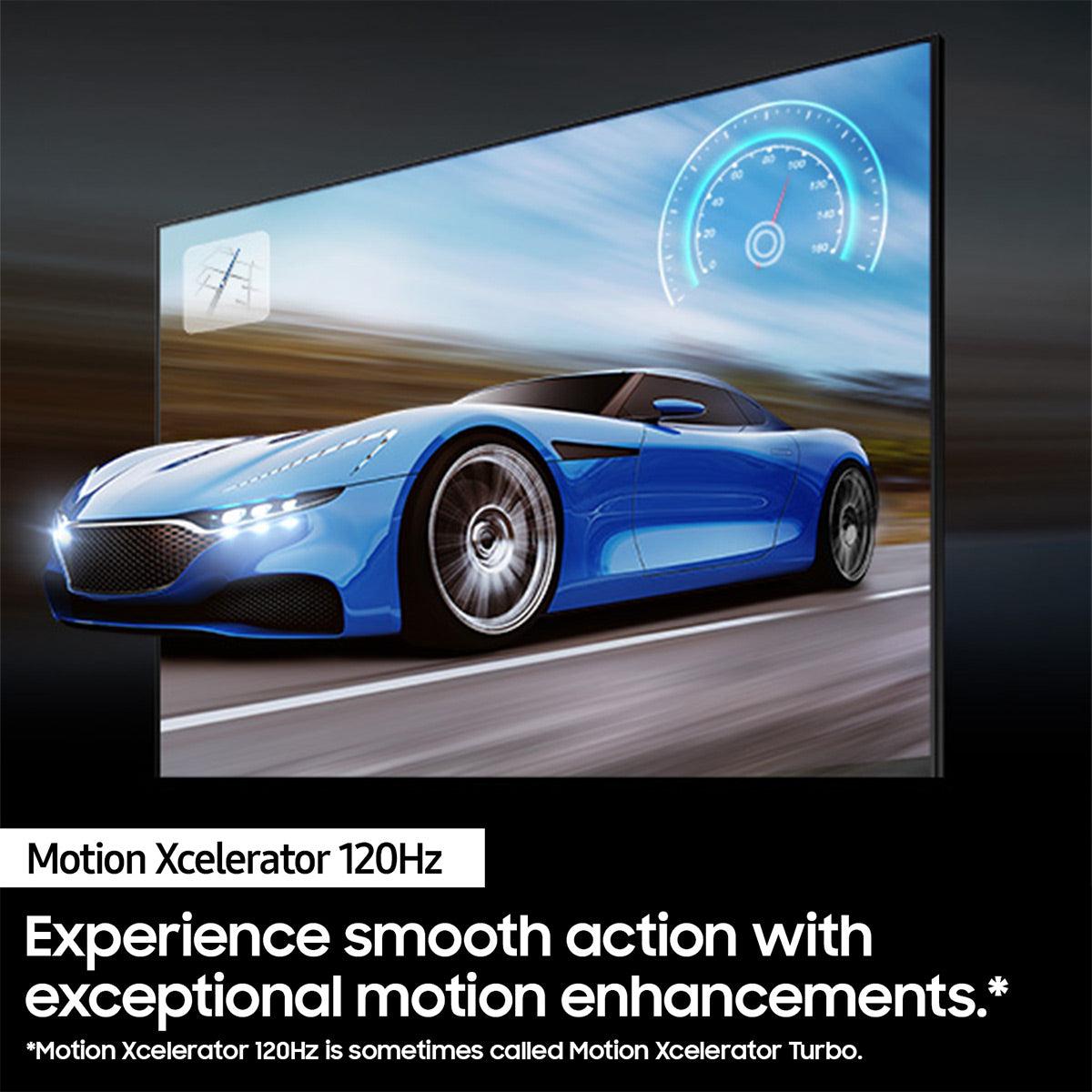
The Samsung QN85D counters with its Motion Xcelerator Turbo 120Hz technology and supports refresh rates up to 144Hz at 4K resolution (compared to the LG's 120Hz maximum). In practical terms, this difference won't matter much since current gaming consoles are limited to 4K at 120Hz, but it future-proofs the TV for PC gaming.
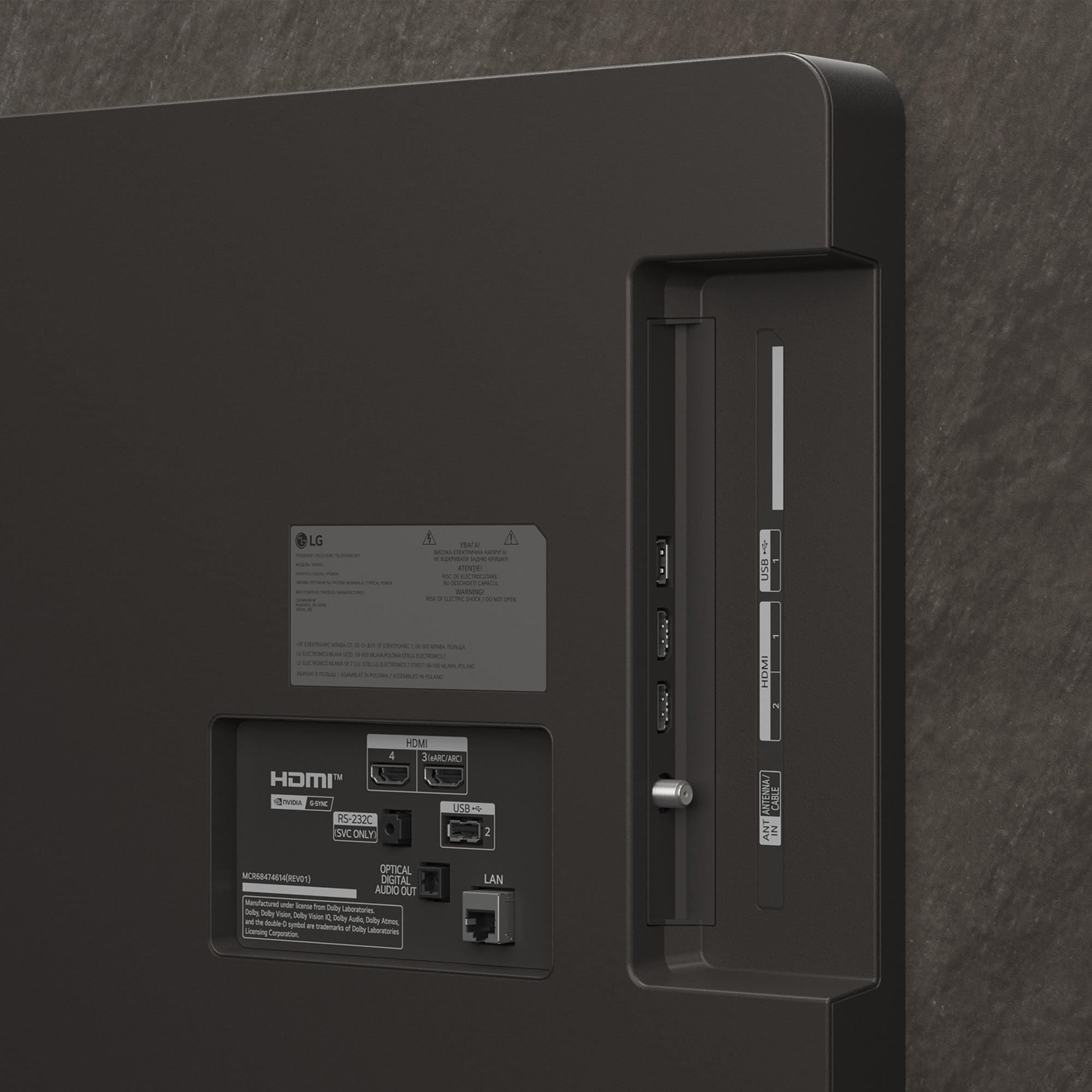
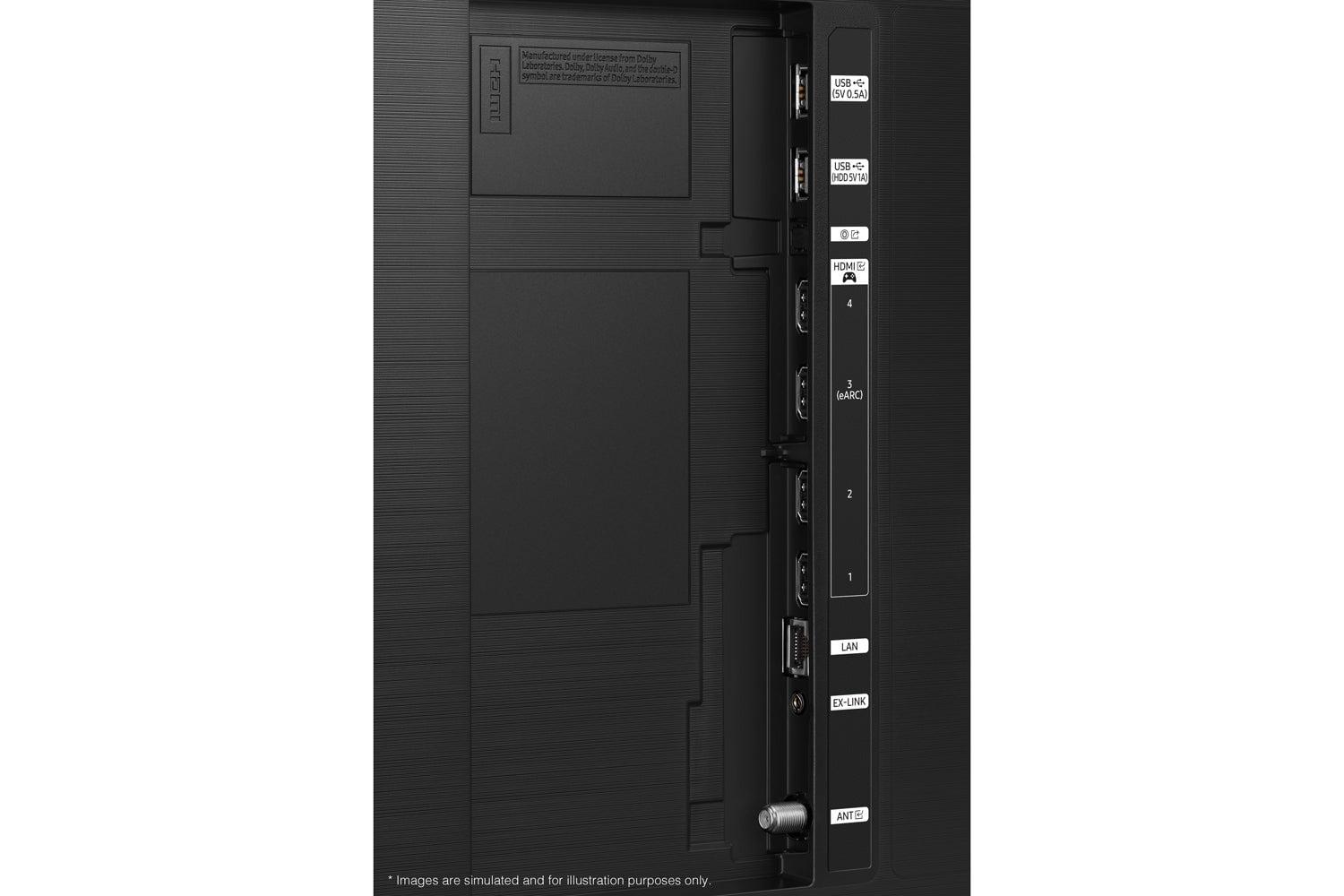
Both TVs include all the modern gaming features you'd expect: HDMI 2.1 ports, Variable Refresh Rate (VRR) to eliminate screen tearing, and Auto Low Latency Mode (ALLM) to minimize input lag. The LG supports both NVIDIA G-Sync and AMD FreeSync Premium, while the Samsung focuses on FreeSync Premium.
For gaming in darker rooms, the LG's perfect blacks create incredible atmosphere in games like horror titles or space adventures. The Samsung's higher brightness is better for competitive gaming in bright rooms where you need to see every detail clearly.
The LG B5 Series OLED runs WebOS 25, LG's latest smart TV platform. It's known for its clean, intuitive interface and excellent app support. The new version includes AI-powered features like personalized recommendations and voice control that actually works well. The Magic Remote has been redesigned with a dedicated AI button for quick access to voice commands and smart features.
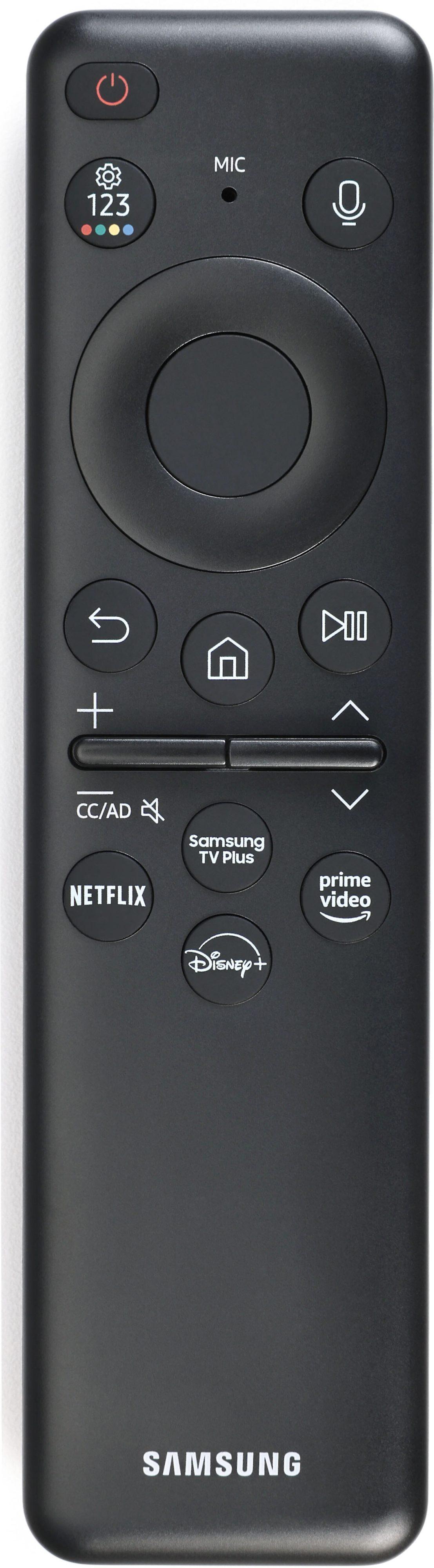
The Samsung QN85D uses Tizen OS, which is equally capable but has a different feel. Tizen tends to be very fast and responsive, with excellent integration with Samsung's ecosystem of devices. If you own a Samsung phone or use Samsung Smart Things for home automation, the integration is seamless.
Both platforms support all the major streaming services, but there are subtle differences in how they handle content discovery and recommendations. WebOS tends to feel more neutral, while Tizen sometimes pushes Samsung's own content services more prominently.
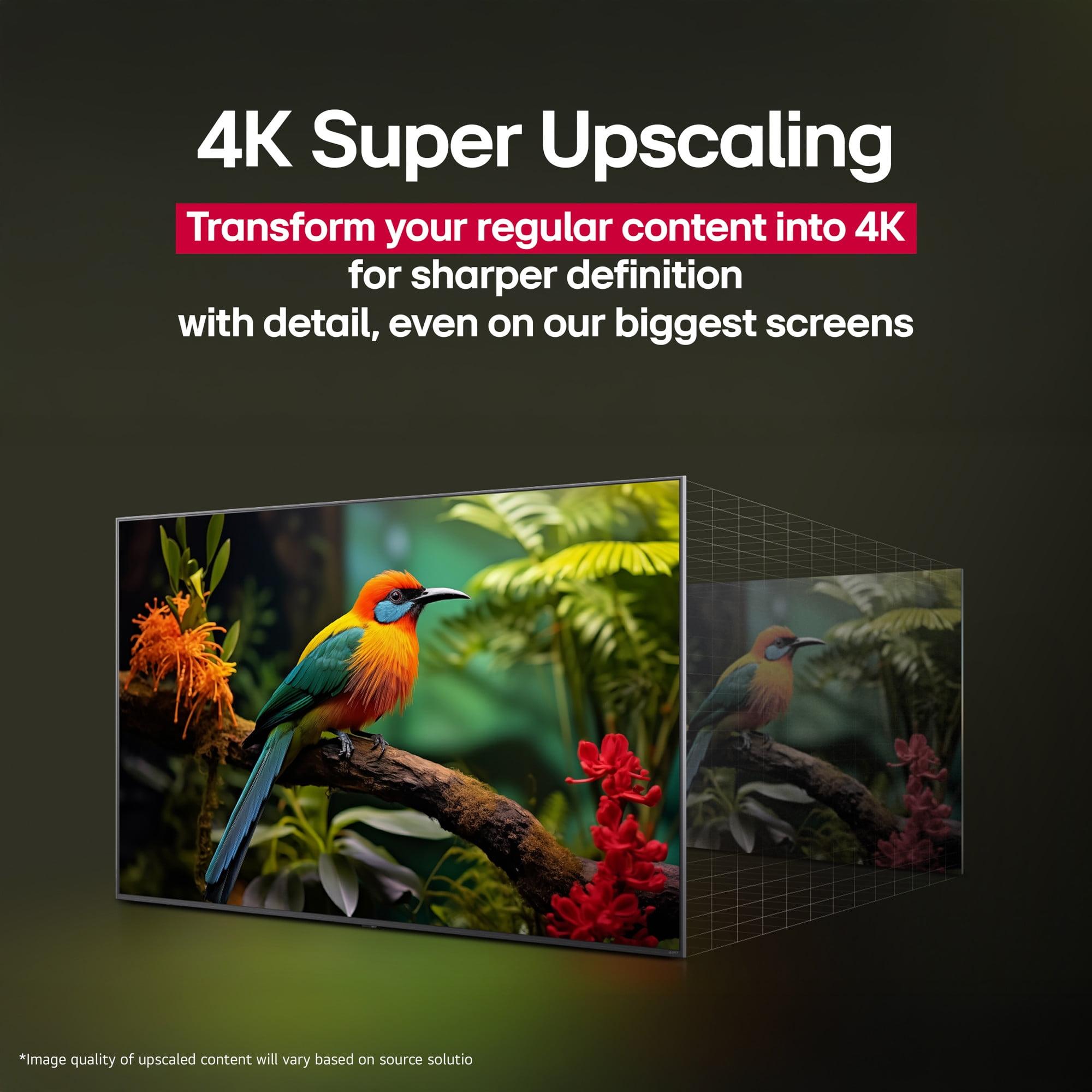
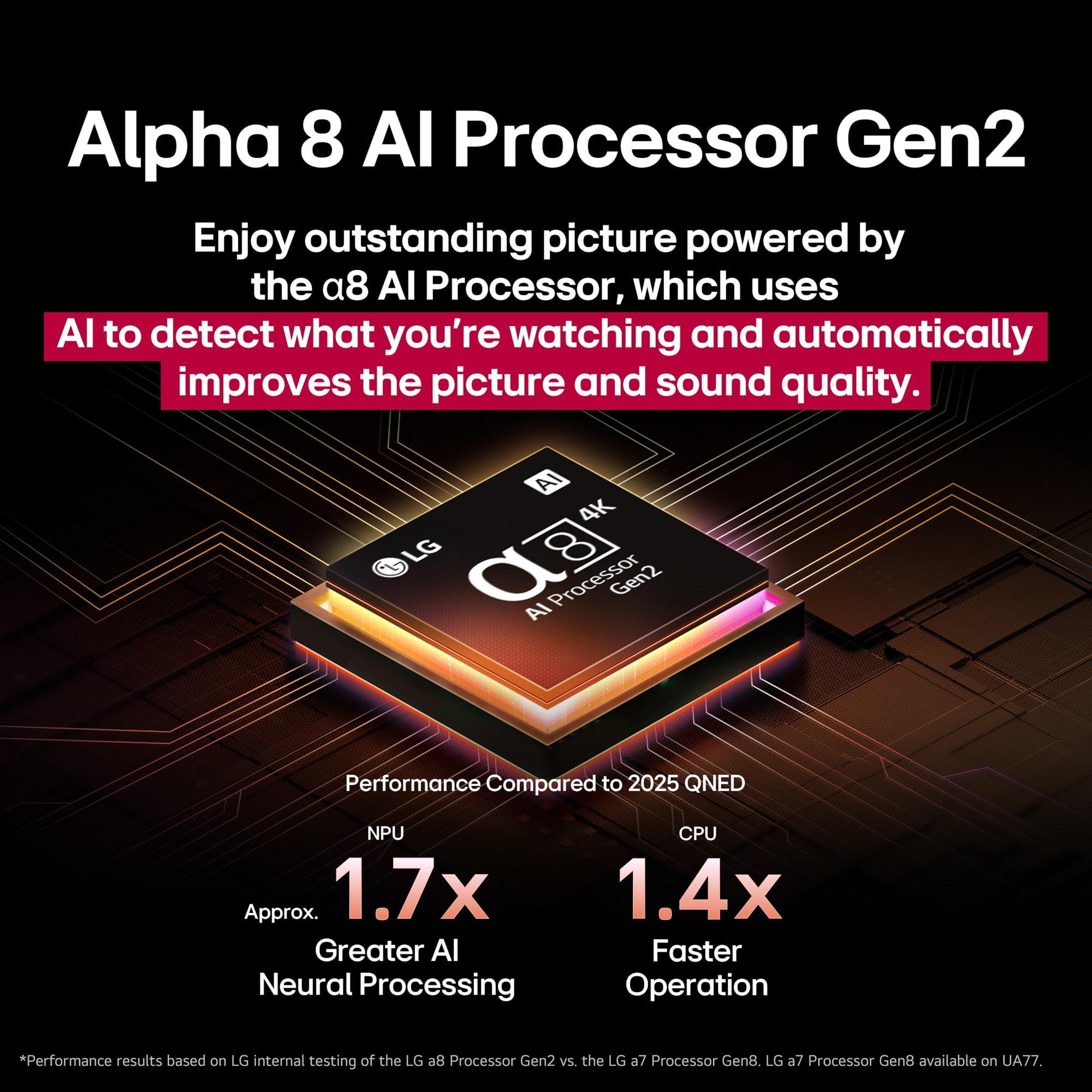
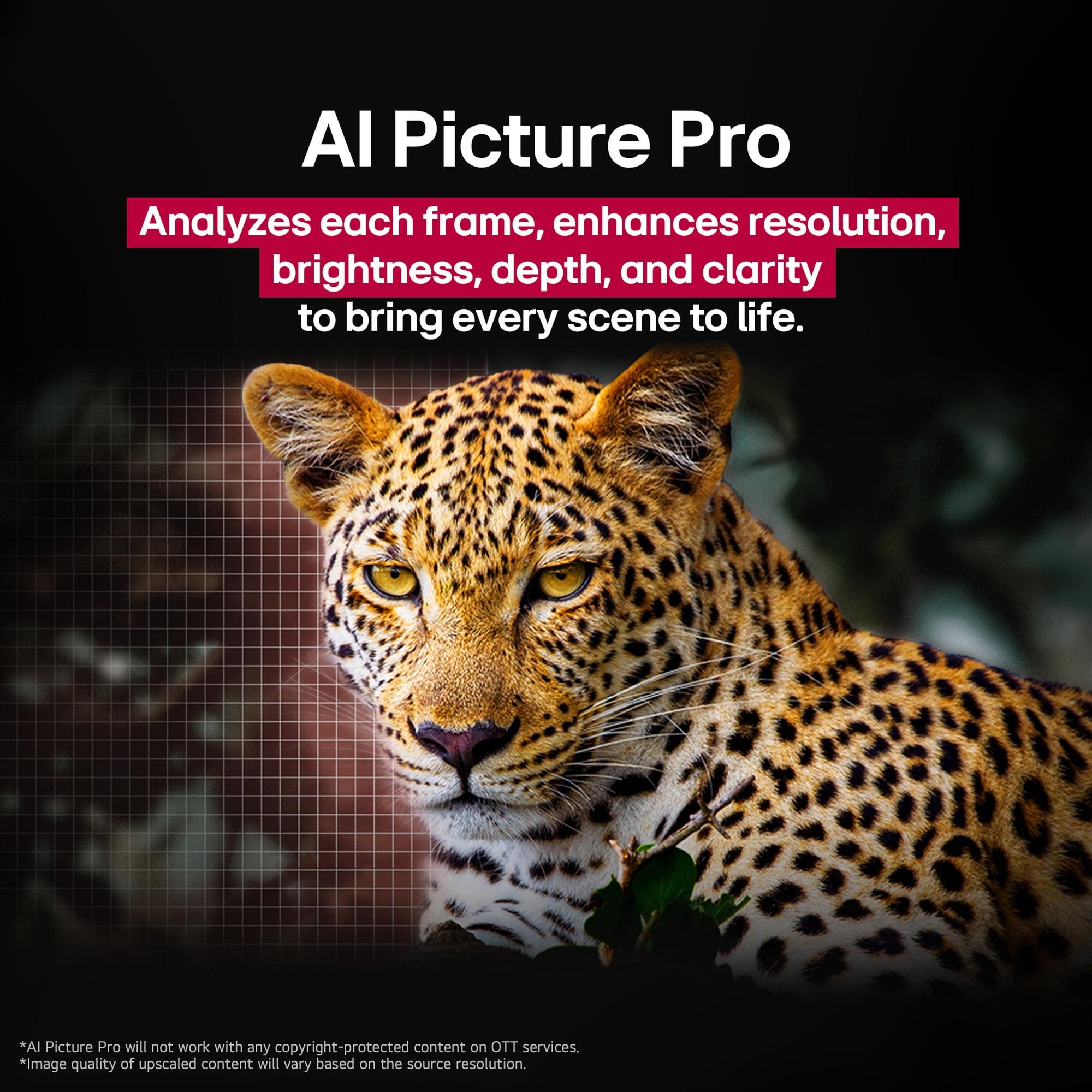
Both TVs have embraced AI in meaningful ways. The LG's α8 AI Processor 4K Gen2 is 1.4 times faster than the previous generation and uses machine learning to optimize picture and sound settings automatically. It can recognize the type of content you're watching and adjust accordingly – darker and more cinematic for movies, brighter and more vivid for sports.
The Samsung's NQ4 AI Gen2 Processor offers similar smart optimization with features like Auto HDR Remastering, which analyzes non-HDR content and enhances it to look more like HDR. This works surprisingly well with older TV shows and movies.
This is one area where the Samsung QN85D has a significant advantage. Its built-in audio system features a 4.2.2 channel configuration with 60 watts of power, compared to the LG's more basic 2.0 channel, 20-watt system. The Samsung includes Object Tracking Sound Lite, which moves audio around the screen to match the action – so when a car drives from left to right, the sound follows convincingly.
The LG's audio is adequate but clearly designed with the expectation that you'll add a soundbar. If you're planning to invest in a separate audio system anyway, this difference becomes less important. However, if you want good sound right out of the box, the Samsung has the edge.
For dedicated home theater use, the choice depends heavily on your room setup. The LG B5 OLED excels in light-controlled environments where you can minimize ambient light. Its perfect blacks create the most cinematic experience possible, with letterbox bars that completely disappear and shadow details that are preserved without any unwanted glow.
The Samsung works better in multi-purpose rooms where you might watch TV during the day with curtains open. Its higher brightness means you won't lose picture quality in brighter conditions, though you'll sacrifice some of that cinematic contrast.
For serious home theater enthusiasts, the LG's support for FILMMAKER MODE is particularly valuable. This feature preserves the director's original creative intent by disabling motion smoothing and adjusting color and aspect ratios automatically. While the Samsung has similar features, the OLED's perfect blacks make the filmmaker's vision more authentic.
One concern that still comes up with OLED technology is burn-in – the possibility of static images leaving permanent marks on the screen. Modern OLEDs like the LG B5 Series OLED have numerous protections against this, including pixel refreshing, automatic brightness limiting, and logo detection. In normal use, burn-in is extremely rare, but it's worth considering if you plan to use the TV for hours of news channels with static logos or as a PC monitor.
The Samsung QN85D doesn't have any burn-in risk due to its traditional LCD technology. This makes it worry-free for any type of content, including gaming with static HUD elements or channels with persistent logos.
The choice between these two excellent TVs comes down to your specific needs and viewing environment. Choose the LG B5 Series OLED if you prioritize the ultimate picture quality for movies and gaming, especially in darker rooms. Its perfect blacks and infinite contrast create an unmatched viewing experience for cinematic content.
Go with the Samsung QN85D Neo QLED if your TV will be used in a bright room, you want excellent built-in audio, or you prefer the peace of mind that comes with traditional LCD durability. Its superior brightness and color volume make it exceptional for HDR content and daytime viewing.
Both TVs represent excellent value at their respective price points, offering premium features and future-proof connectivity. The decision ultimately comes down to whether you value the OLED's perfect contrast or the Samsung's superior brightness and audio. Either way, you're getting a TV that will deliver years of exceptional viewing experiences.
| LG B5 Series OLED 65" 4K Smart TV 2025 | Samsung 65" QN85D Neo QLED 4K Smart TV |
|---|---|
| Display Technology - Fundamentally affects picture quality and viewing experience | |
| OLED with self-lit pixels | Neo QLED with Mini-LED backlighting |
| Peak Brightness - Critical for HDR impact and bright room performance | |
| ~600-700 nits (excellent for dark rooms) | 1,000+ nits (superior for bright rooms and HDR) |
| Black Levels - Determines contrast and cinematic quality | |
| Perfect blacks (0 nits, infinite contrast) | Very good blacks but not perfect (slight glow possible) |
| Response Time - Most important for competitive gaming | |
| 0.1ms (virtually eliminates motion blur) | ~1-2ms (excellent for gaming, minimal blur) |
| Gaming Refresh Rate - Higher rates provide smoother motion | |
| 120Hz at 4K (matches all current consoles) | 144Hz at 4K (future-proofs for PC gaming) |
| Audio System - Determines if you need external speakers | |
| 2.0 channels, 20W (basic, soundbar recommended) | 4.2.2 channels, 60W (excellent built-in audio) |
| Smart Platform - Affects daily usability and app performance | |
| WebOS 25 with AI features | Tizen OS with Samsung ecosystem integration |
| Burn-in Risk - Long-term durability consideration | |
| Possible but rare with modern protections | None (traditional LCD technology) |
| Viewing Angles - Important for family viewing | |
| Excellent (no color/contrast loss) | Good (some degradation at extreme angles) |
| Price - Value proposition at launch | |
| $1,699.99 | ~$1,700 |
| Best For - Primary use case recommendation | |
| Dark room cinematic viewing and competitive gaming | Bright room viewing and worry-free family use |
The LG B5 Series OLED 65" 4K Smart TV 2025 is significantly better for dark room viewing due to its perfect black levels. Unlike the Samsung, OLED pixels can turn completely off, creating true blacks with no light bleeding or blooming effects. This makes movies and shows look more cinematic in dimmed environments.
The Samsung 65" QN85D Neo QLED 4K Smart TV excels in bright rooms with its much higher peak brightness of over 1,000 nits compared to the LG's 600-700 nits. The Samsung's Mini-LED technology maintains picture quality and color accuracy even with lots of ambient light from windows or lamps.
Both TVs are excellent for gaming, but the LG B5 Series OLED has a slight edge with its 0.1ms response time, eliminating virtually all motion blur. The Samsung offers 4K/144Hz support (vs LG's 120Hz), but current consoles are limited to 120Hz anyway. Both support VRR, ALLM, and have four HDMI 2.1 ports.
OLED technology in the LG B5 Series OLED delivers perfect blacks and infinite contrast but with lower brightness. Neo QLED in the Samsung QN85D provides much higher brightness and vibrant colors but can't achieve true black levels, sometimes showing slight blooming around bright objects on dark backgrounds.
The Samsung 65" QN85D Neo QLED 4K Smart TV has significantly better built-in audio with its 4.2.2 channel system and 60W output, plus Object Tracking Sound Lite. The LG has a basic 2.0 channel, 20W system that's clearly designed for use with a soundbar.
Only the LG B5 Series OLED has potential burn-in risk from static images, though modern OLEDs have extensive protections making this extremely rare in normal use. The Samsung QN85D uses traditional LCD technology with no burn-in risk, making it worry-free for any content type.
The Samsung 65" QN85D Neo QLED delivers more impactful HDR due to its higher peak brightness, making highlights like sunlight or explosions more dramatic. The LG B5 OLED provides excellent HDR contrast with its perfect blacks, though highlights won't be as bright.
Both TVs are priced very similarly at around $1,700. The LG B5 Series OLED costs $1,699.99, while the Samsung QN85D has a comparable price point, making the decision based on features rather than cost.
Both offer excellent smart platforms - the LG B5 OLED runs WebOS 25 with AI-powered recommendations and voice control, while the Samsung QN85D uses Tizen OS with seamless Samsung device integration. Both support all major streaming services with fast, responsive interfaces.
For dedicated home theater setups, the LG B5 Series OLED 65" 4K Smart TV 2025 is superior due to its perfect blacks that make letterbox bars disappear completely and create the most cinematic experience. It also supports FILMMAKER MODE for authentic director's intent viewing.
The LG B5 Series OLED maintains perfect picture quality from any viewing angle with no color or contrast loss. The Samsung QN85D has good viewing angles but shows some color shifting and contrast reduction when viewed from extreme side angles.
Choose the LG B5 Series OLED if you can control lighting and prioritize cinematic picture quality. Select the Samsung 65" QN85D Neo QLED 4K Smart TV if your room is bright, you want excellent built-in audio, or prefer worry-free operation without burn-in concerns.
We've done our best to create useful and informative comparisons to help you decide what product to buy. Our research uses advanced automated methods to create this comparison and perfection is not possible - please contact us for corrections or questions. These are the sites we've researched in the creation of this article: eftm.com - bestbuy.com - rtings.com - youtube.com - rtings.com - tomsguide.com - youtube.com - nationalproductreview.com.au - lg.com - manchesterbrothers.com - avsforum.com - lg.com - lg.com - lg.com - lg.com - retailspecs.com - american-homeappliance.com - perpichtv.com - videoandaudiocenter.com - shopjetson.com - mysoundconcepts.com - samsung.com - merlinstv.com - youtube.com - samsung.com - samsung.com

Privacy Policy
Terms and Conditions - Affiliate Policy
Home Security
© Copyright 2008-2026.
11816 Inwood Rd #1211, Dallas, TX 75244