

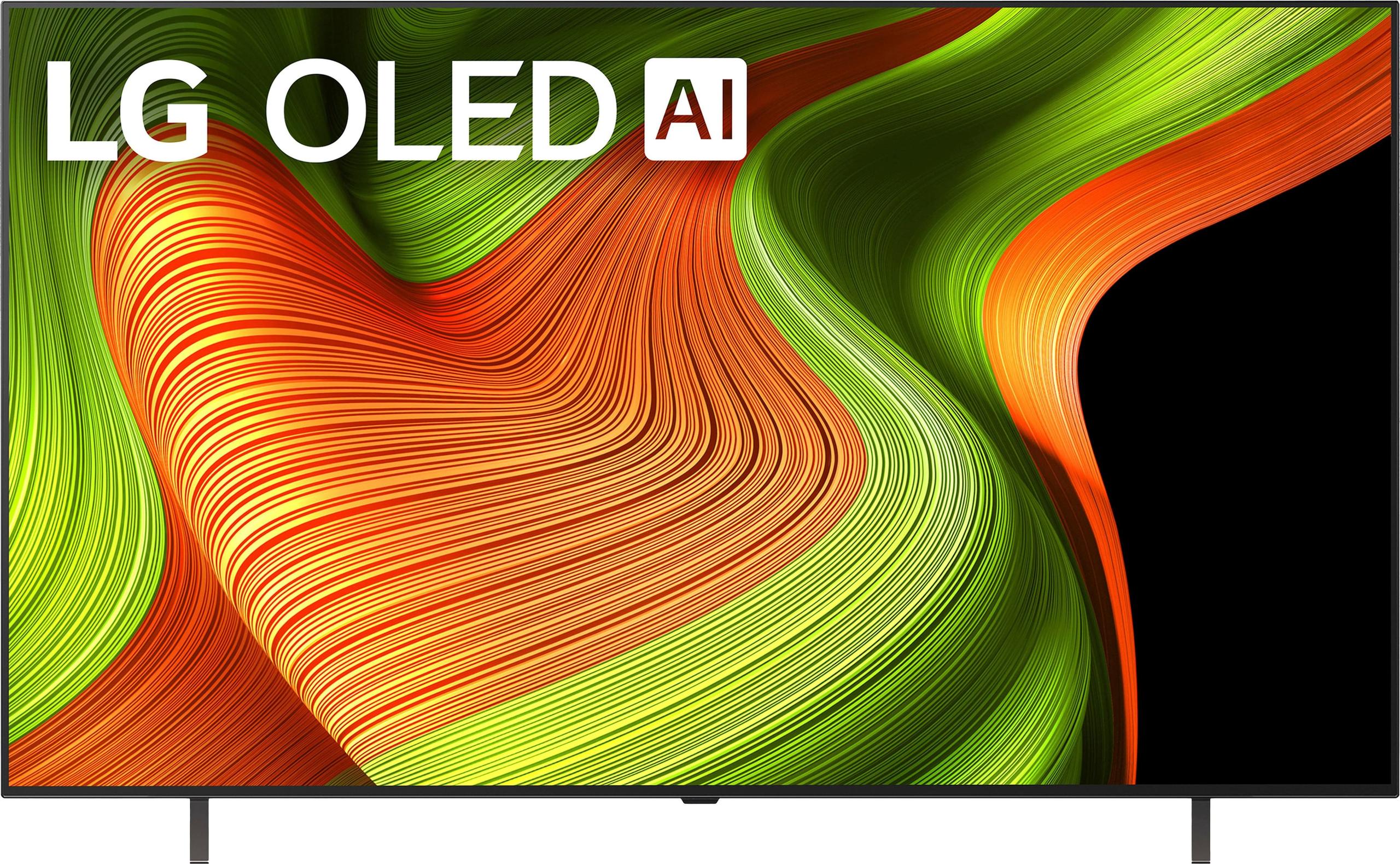
![LG B5 Series OLED 65" 4K Smart TV 2025[1][7][9]](https://images.hometheaterreview.com/htr-stateless/2025/07/3368ce40-25ef-4d07-b442-bb0af89e3a29.jpg)
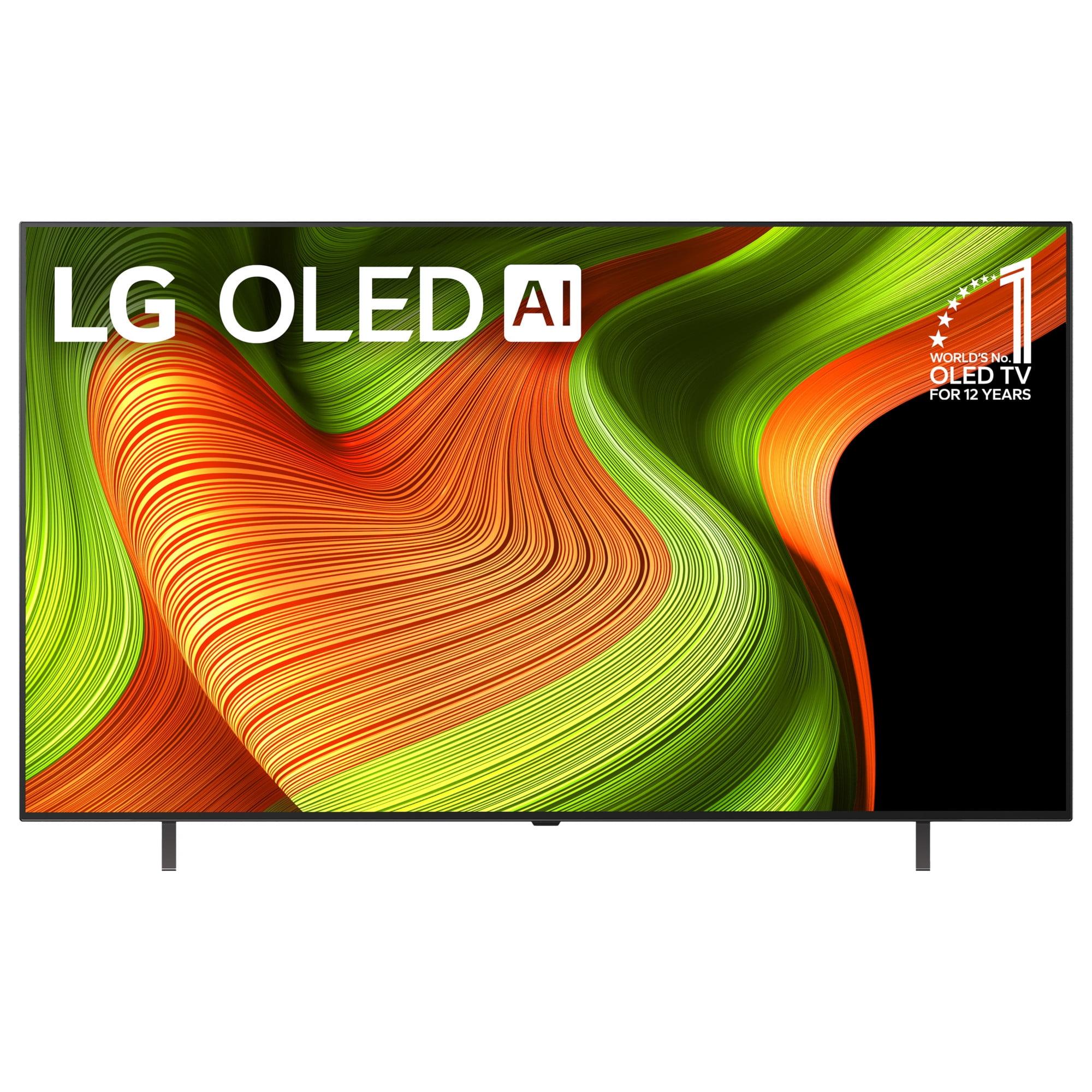
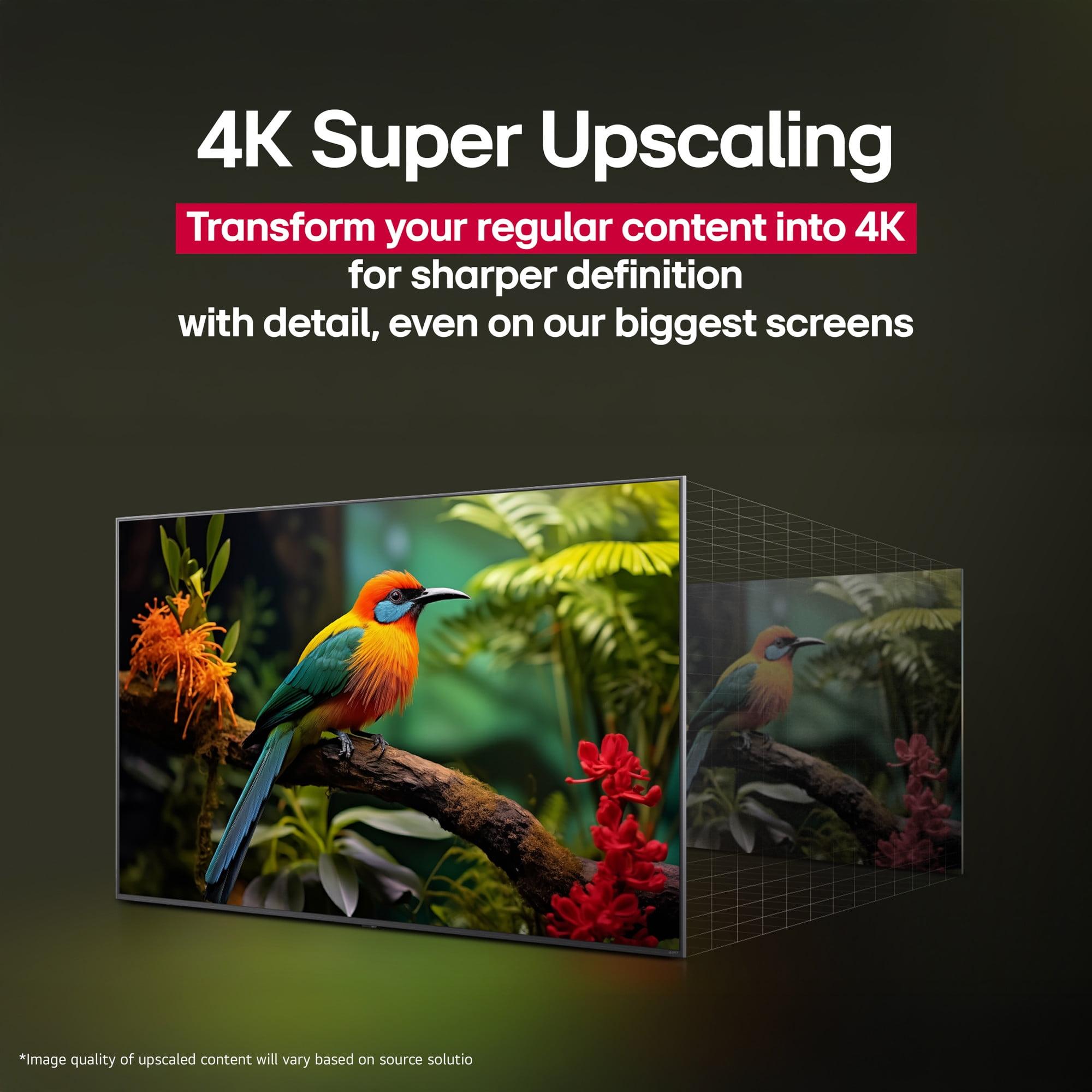


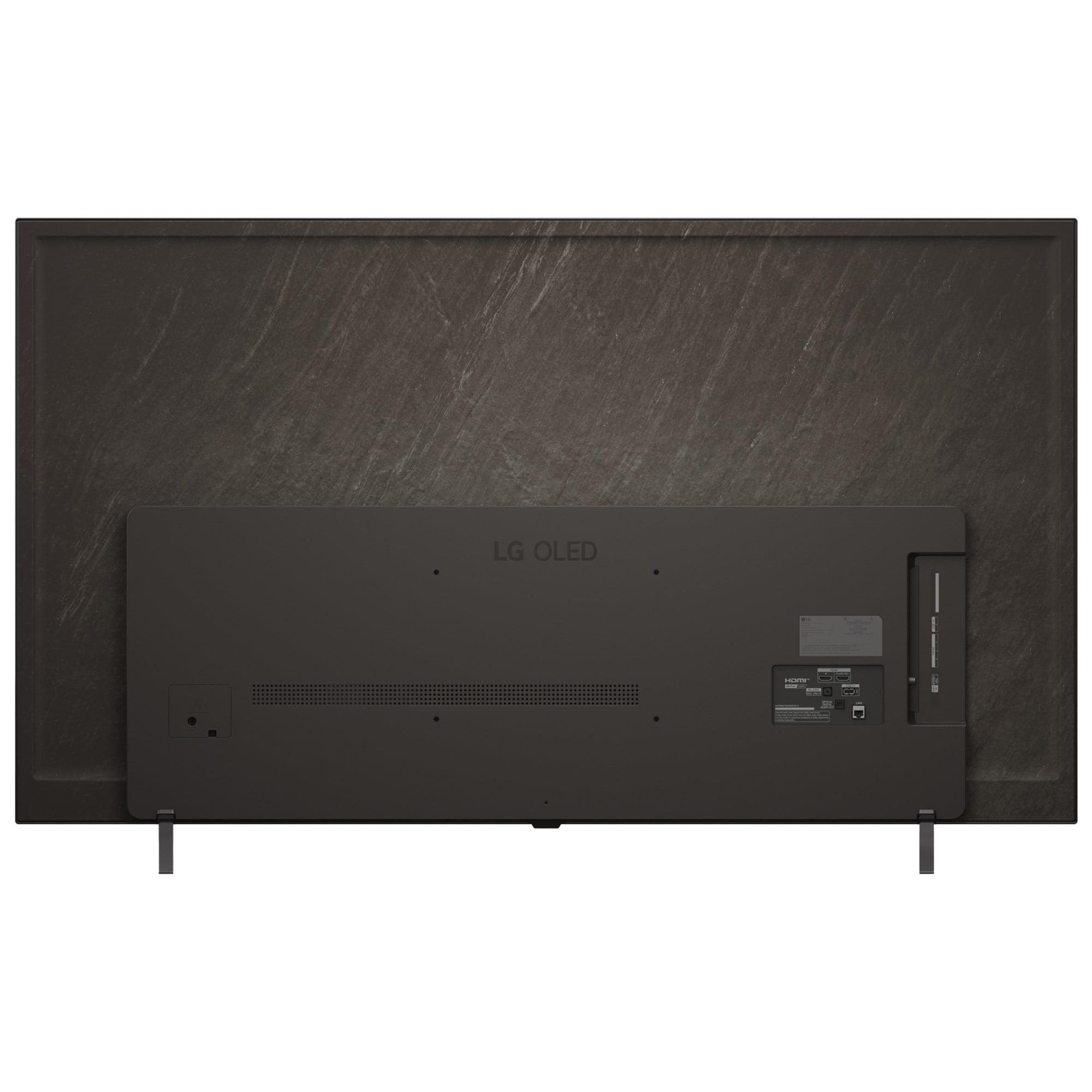
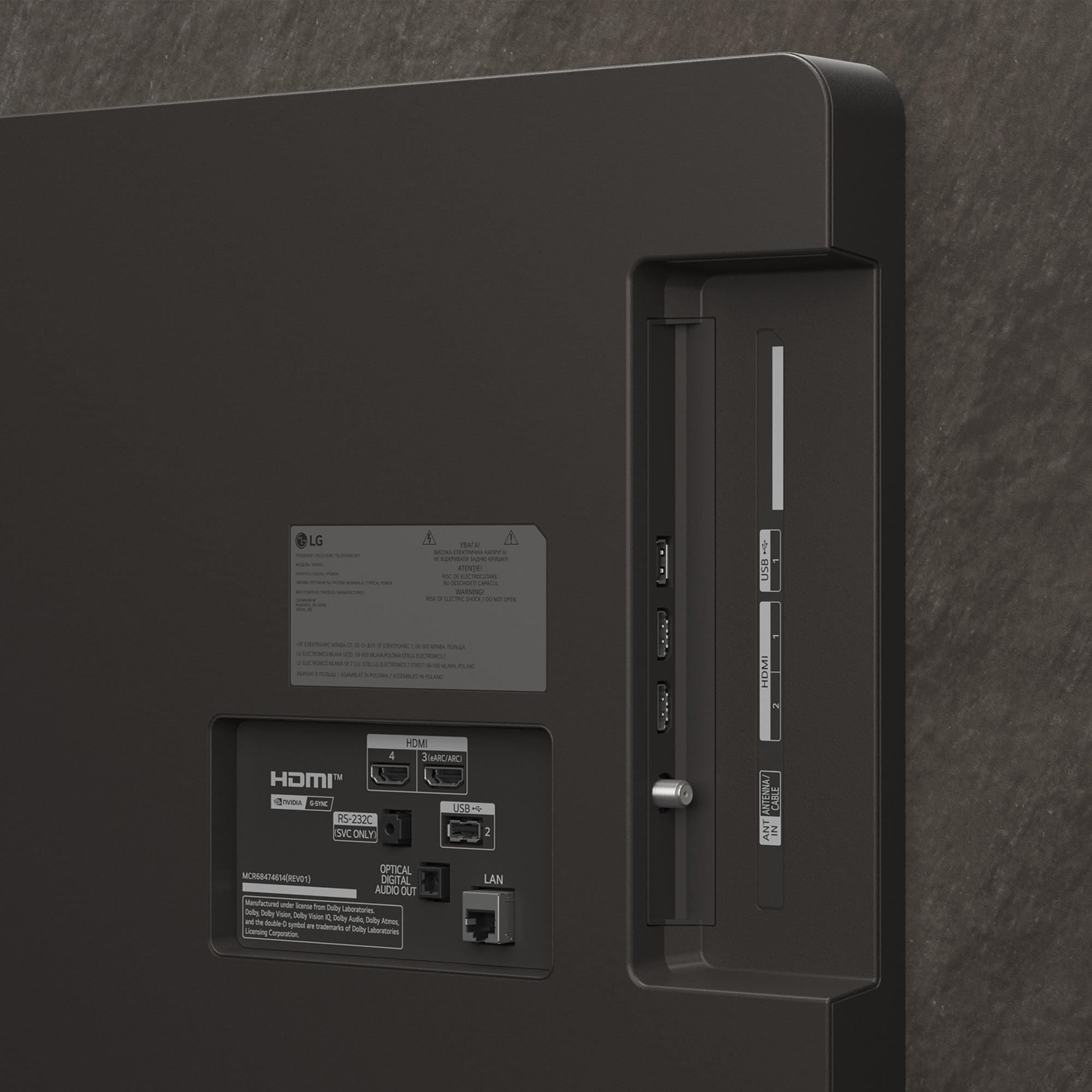
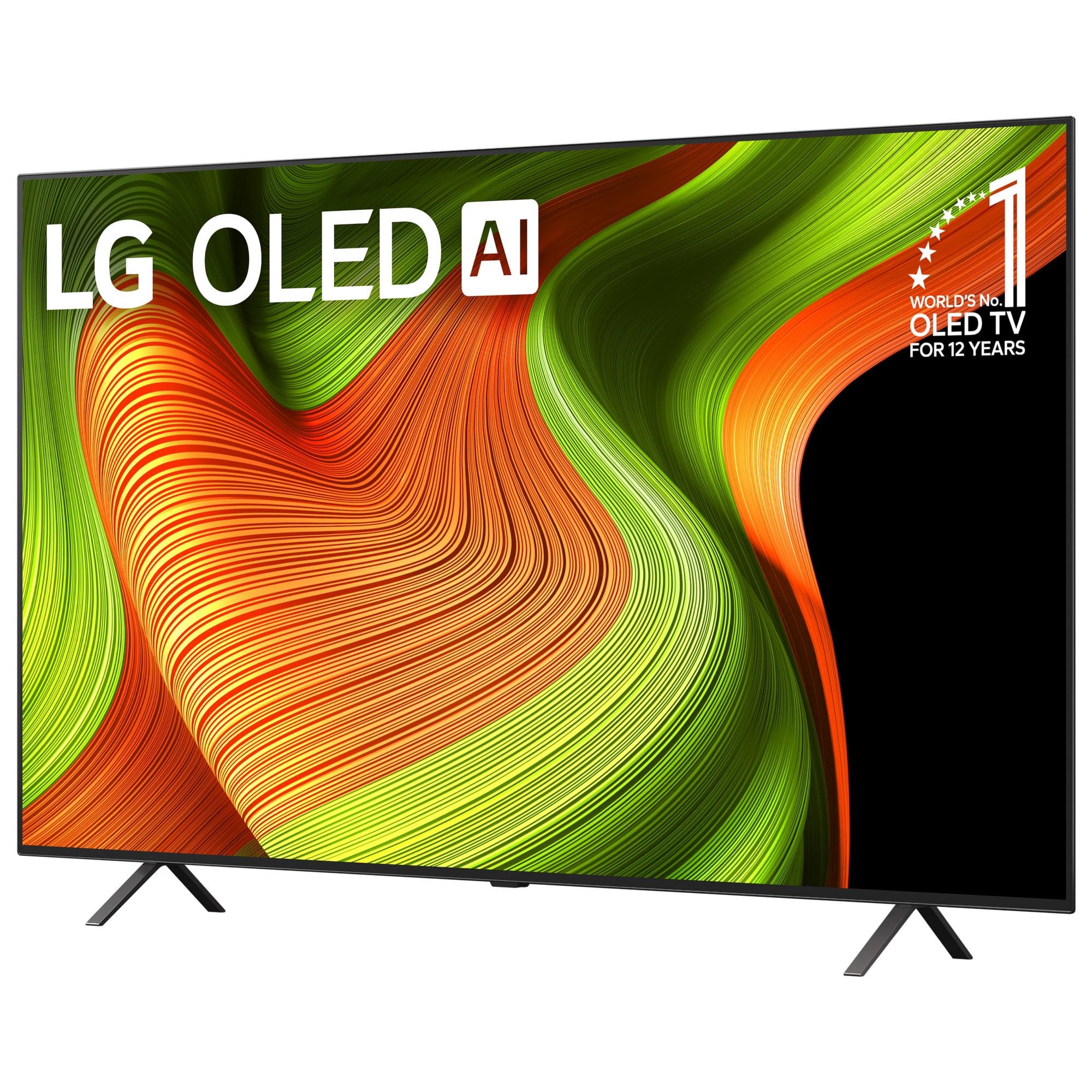
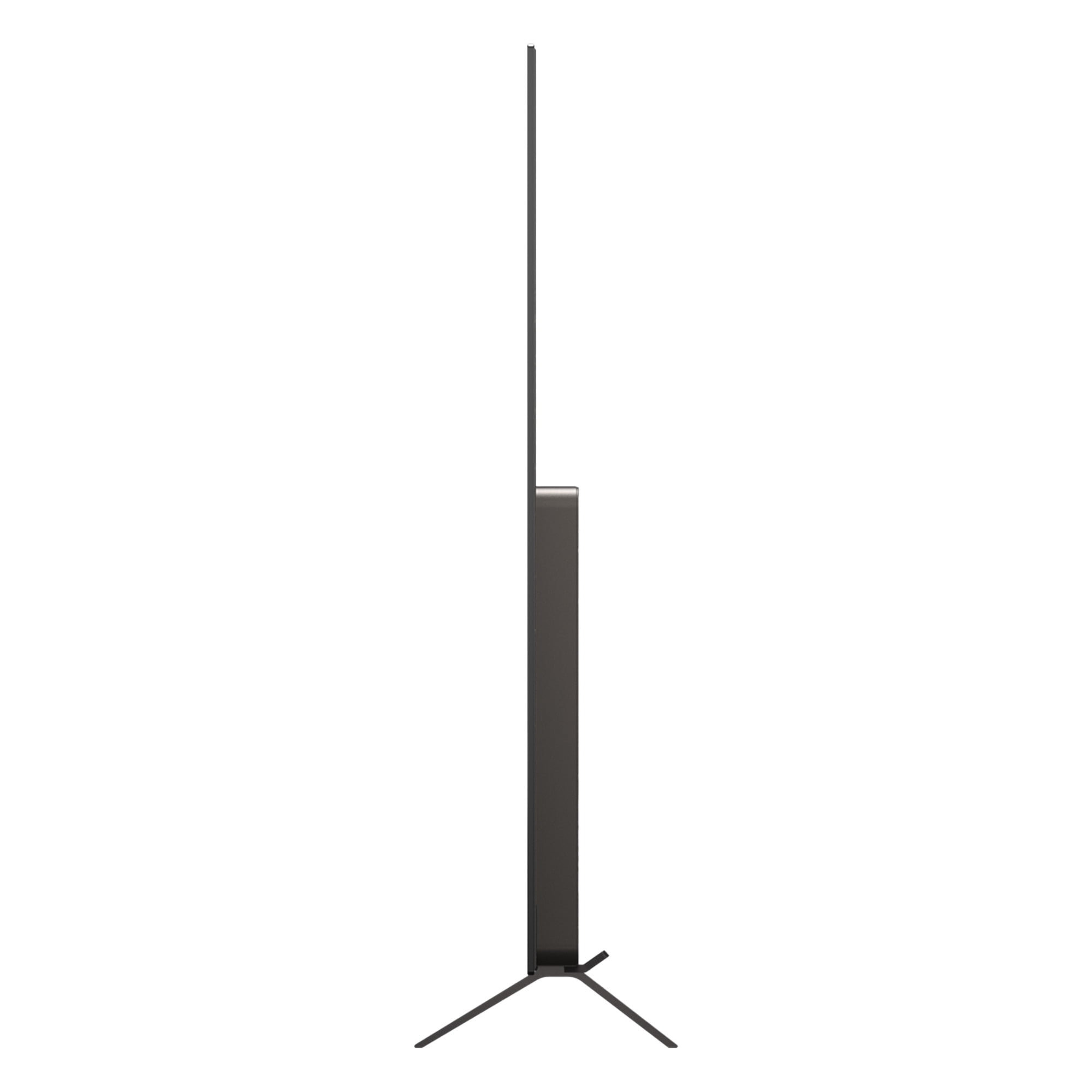
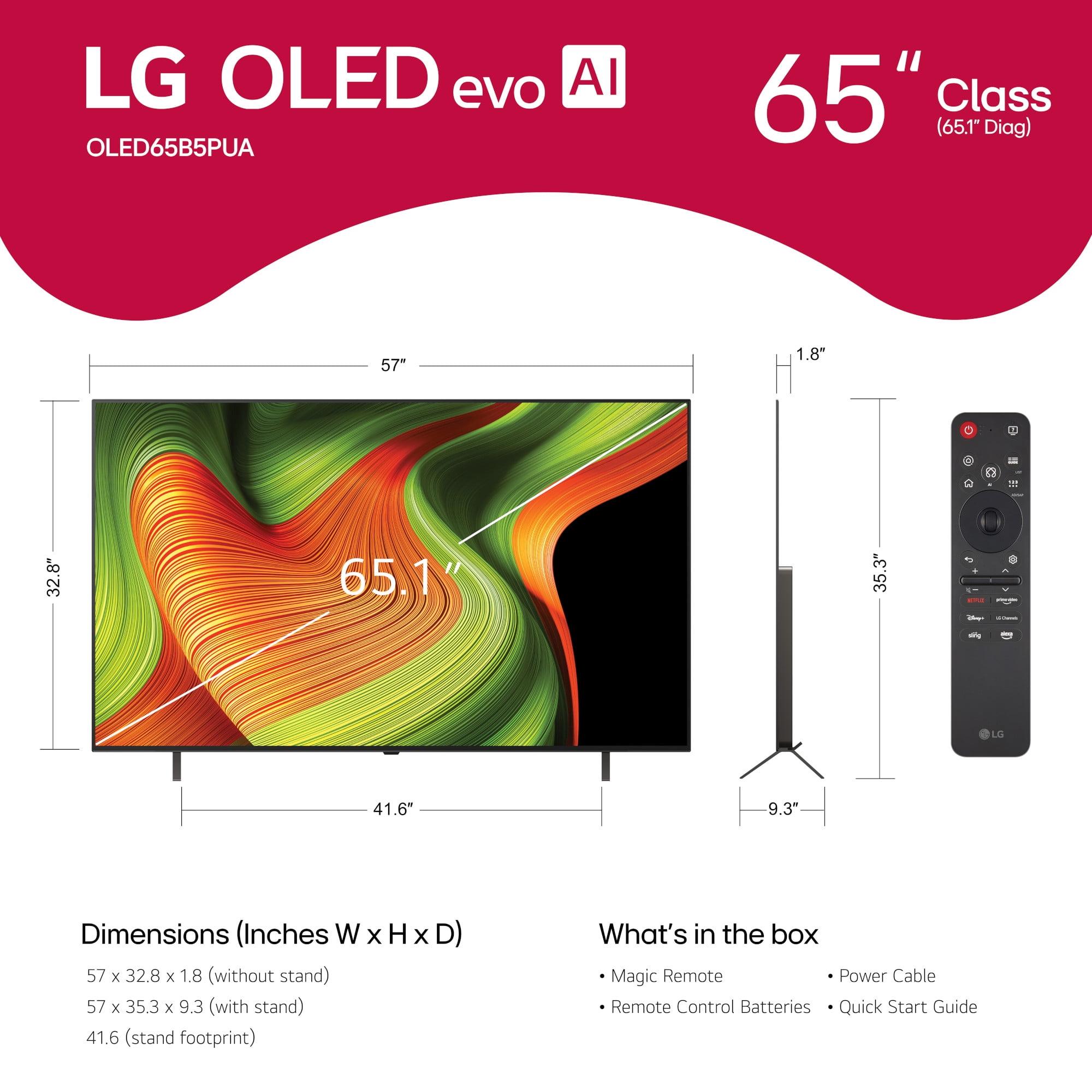
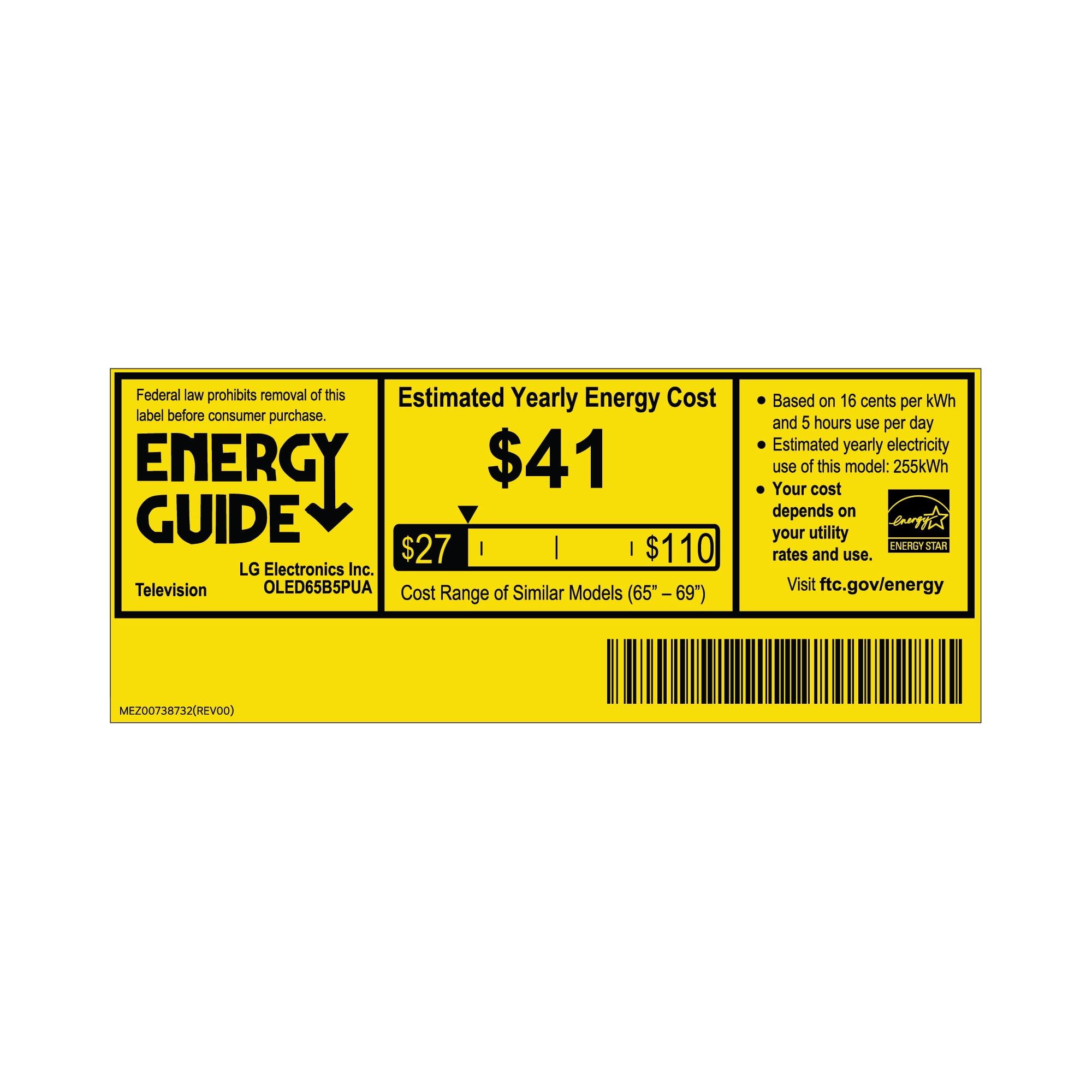
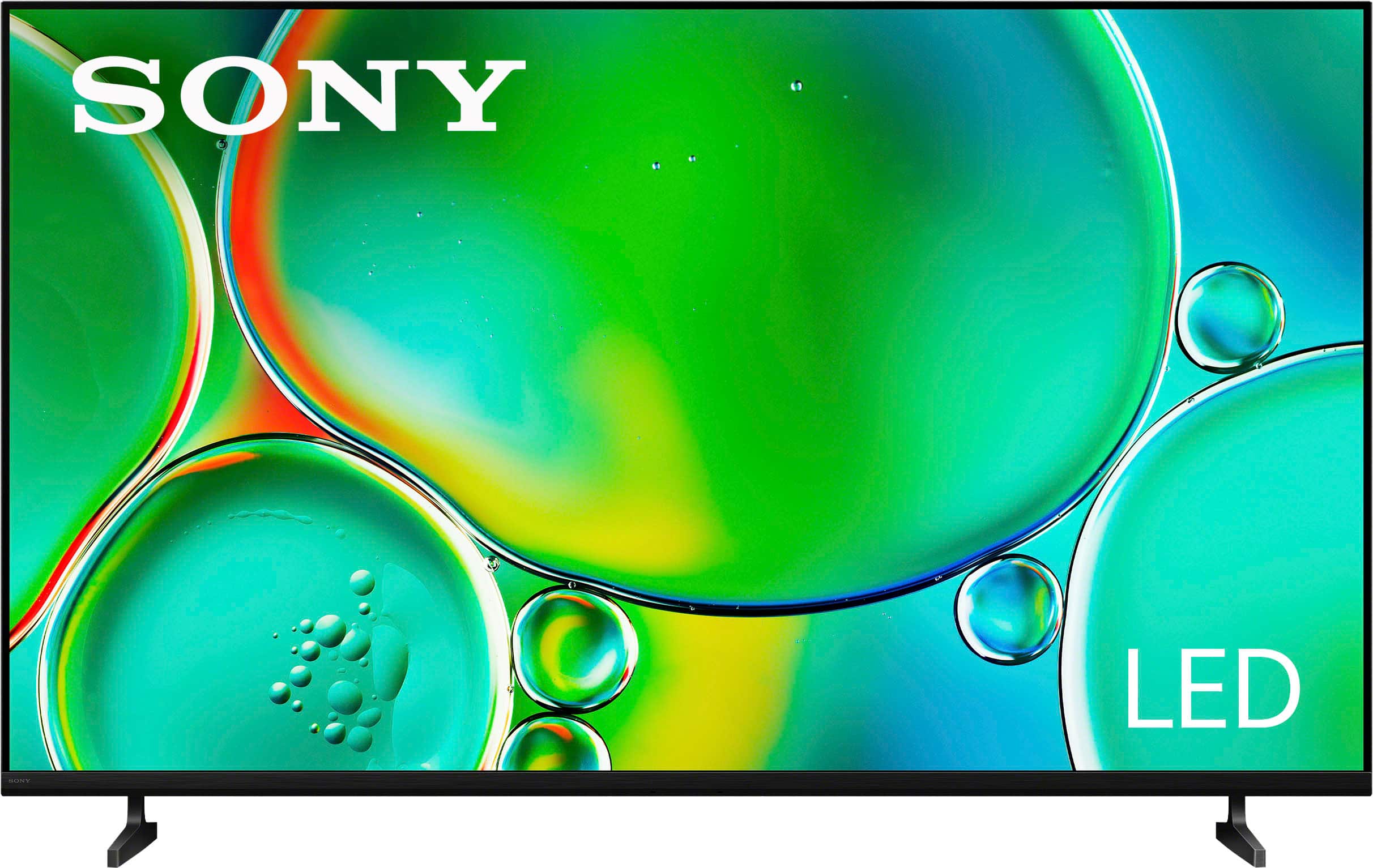
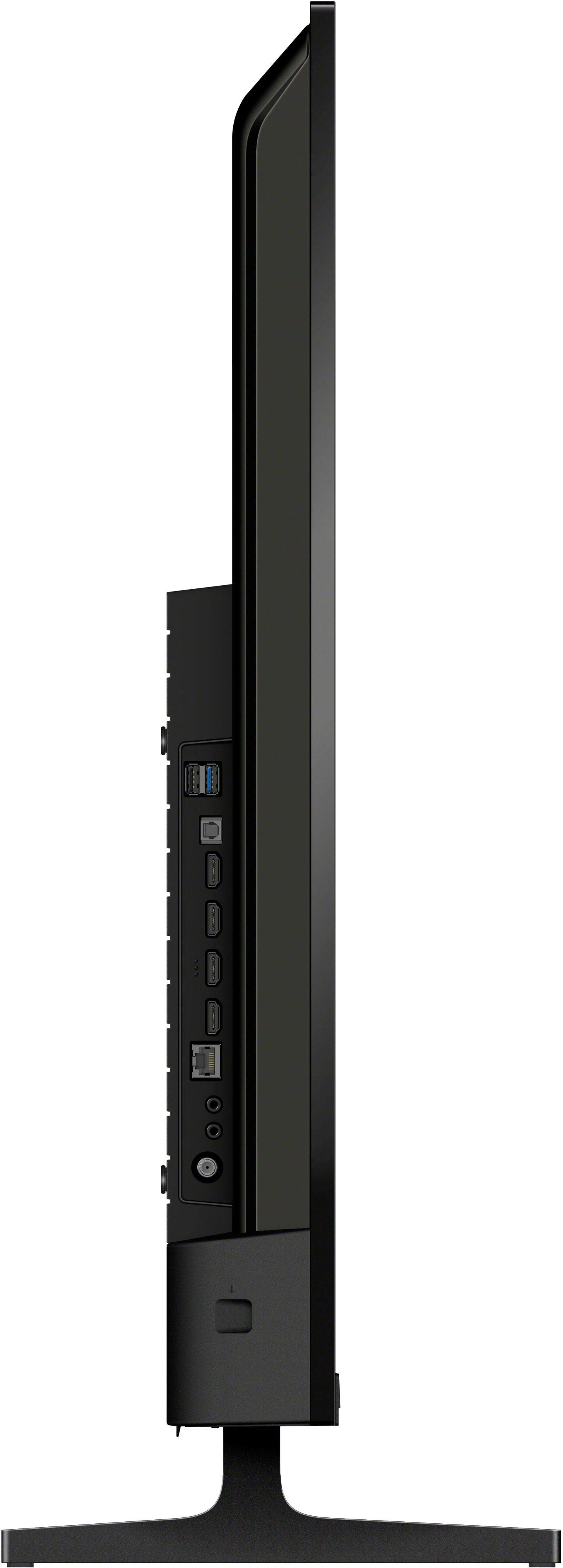
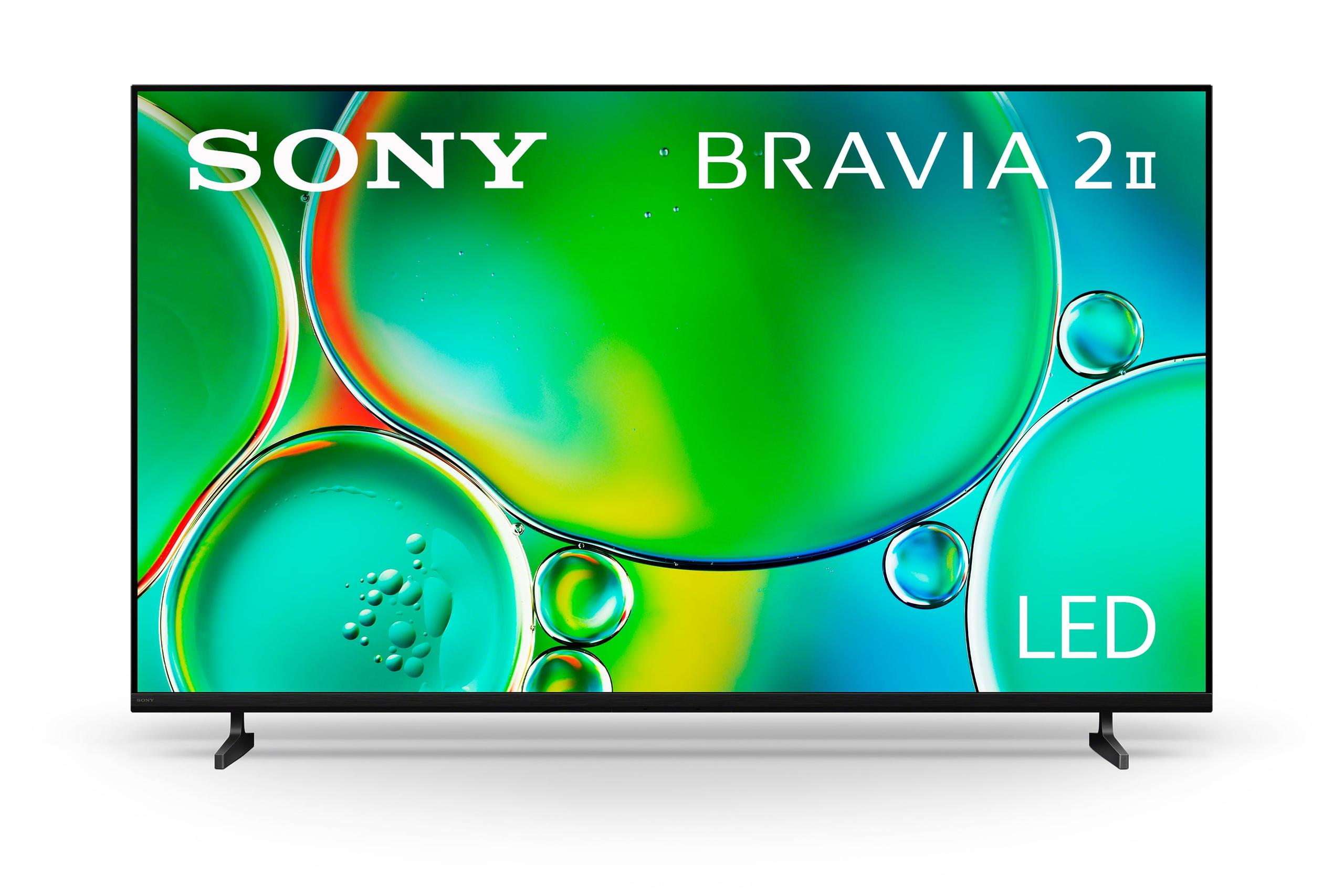
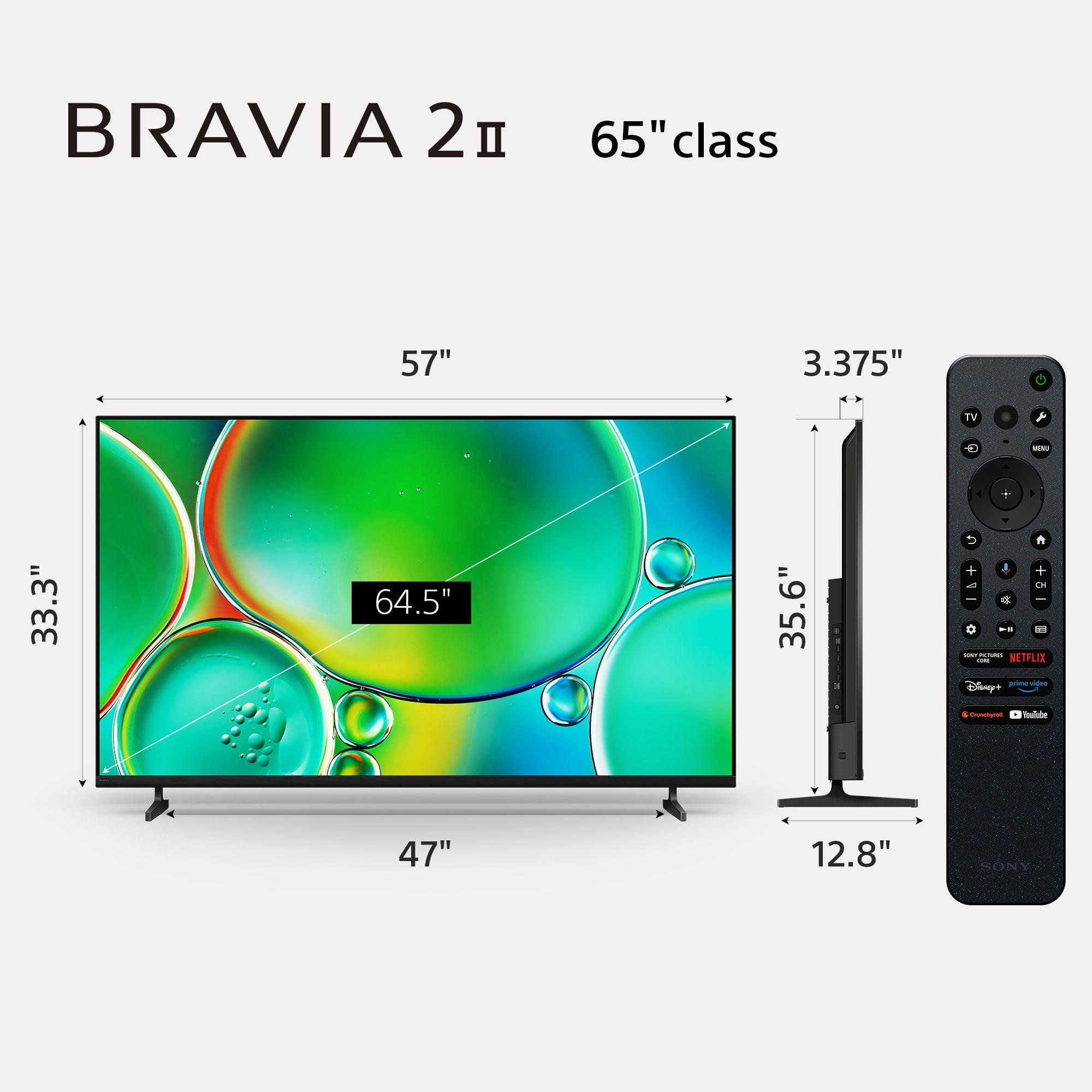



Shopping for a new 65" 4K TV can feel overwhelming, especially when you're comparing different display technologies and price points. Today, we're diving deep into two very different approaches to the same goal: the premium LG B5 Series OLED 65" 4K Smart TV 2025 ($1,699.99) and the budget-friendly Sony BRAVIA 2 II 65" 4K LED Google TV 2025 ($649.99). While both deliver 4K resolution on a 65-inch screen, their fundamental technologies and target audiences couldn't be more different.
The TV market has reached an interesting crossroads. OLED technology, once reserved for flagship models costing $3,000+, has trickled down to more accessible price points. Meanwhile, LED technology has matured to deliver impressive picture quality at budget-friendly prices. The choice between these technologies often comes down to your priorities: do you want the absolute best picture quality, or are you looking for solid performance without breaking the bank?
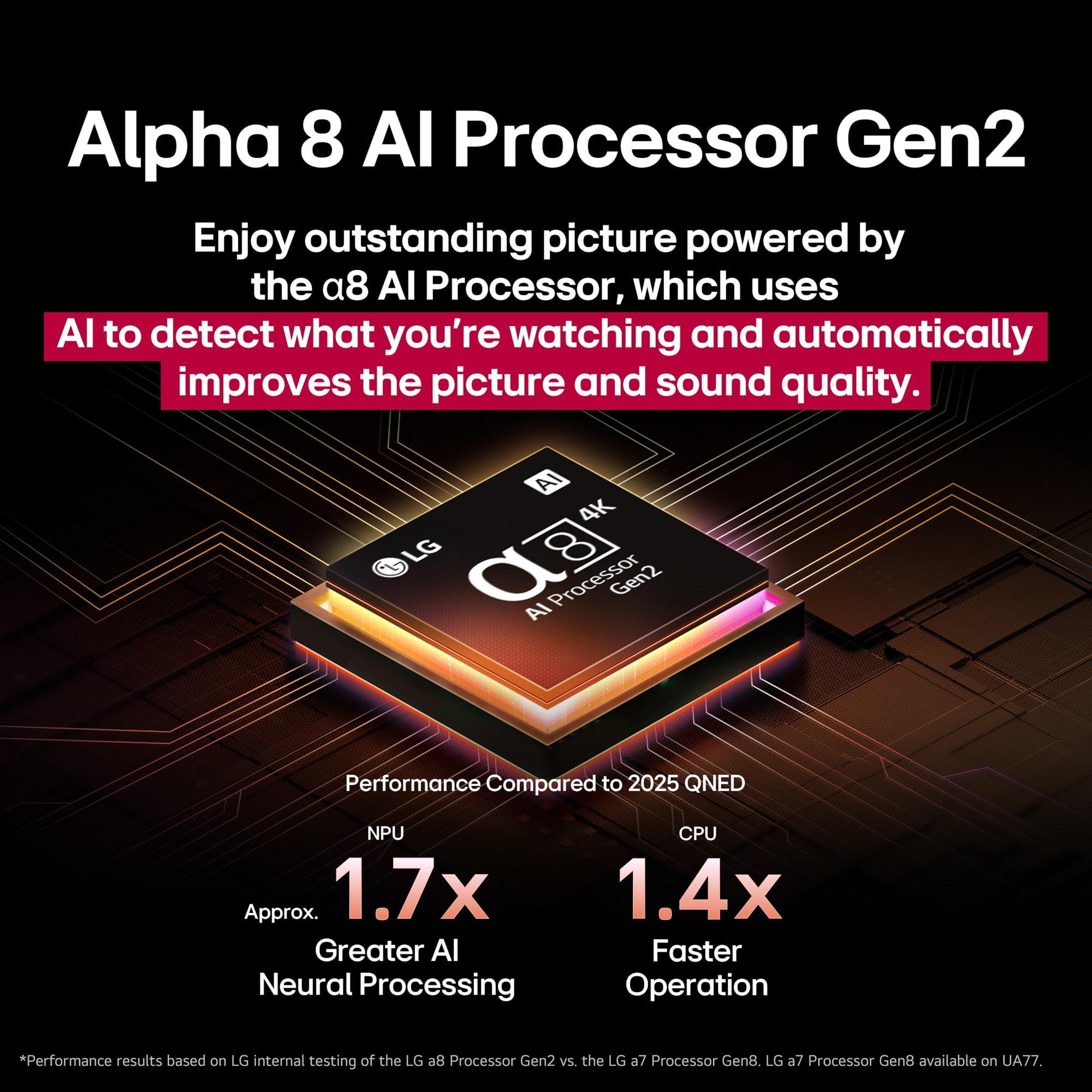
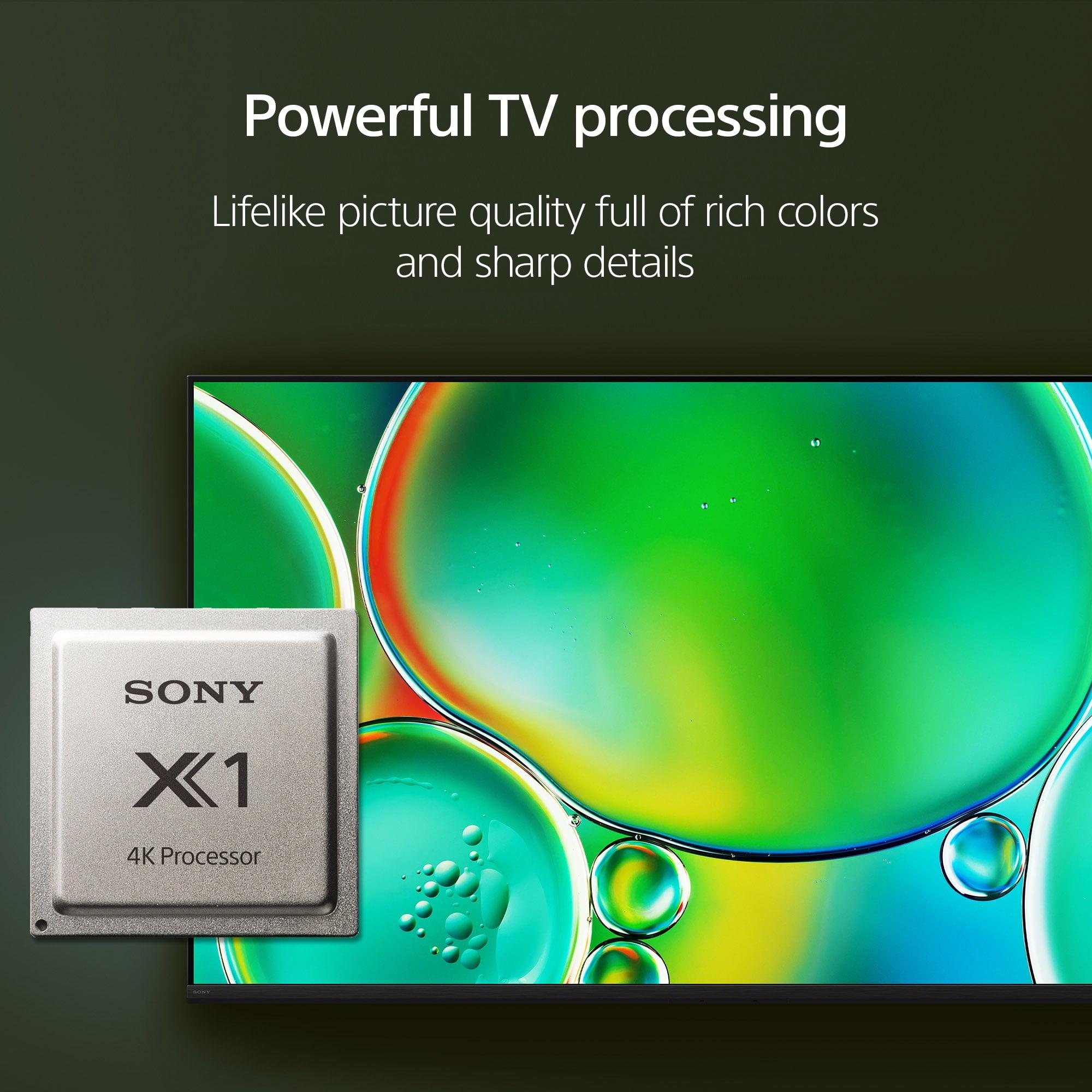
Both TVs arrived in 2025 with significant improvements over their predecessors. The LG B5 OLED features the new α8 AI Processor Gen2, which Sony claims delivers 1.7 times greater AI neural processing than the previous generation. This isn't just marketing speak – it means the TV can analyze and optimize both picture and sound in real-time, adjusting settings based on what you're watching. The Sony BRAVIA 2 II, meanwhile, brings the previously premium X1 Processor down to the entry-level segment, along with robust Google TV integration that wasn't available in earlier budget Sony models.
Let's start with the most important distinction between these TVs: their display technology. The LG B5 OLED uses organic light-emitting diodes, where each pixel produces its own light and can turn completely off. Think of it like having 8.3 million tiny light bulbs (one for each pixel) that can individually dim or brighten. When a pixel needs to display pure black, it simply turns off completely.
The Sony BRAVIA 2 II uses LED backlighting behind an LCD panel. This means there's a constant light source behind the screen, and the LCD layer acts like a window blind, blocking or allowing light through to create the image. While this system has improved dramatically over the years, it can't achieve true black because there's always some light leaking through.
I've spent countless hours comparing these technologies side by side, and the difference is immediately apparent in dark scenes. When watching a movie like "Blade Runner 2049" or "The Dark Knight," the OLED's ability to display true blacks makes dark scenes significantly more immersive. You can actually see details in shadows that get lost in the gray-black of LED displays.
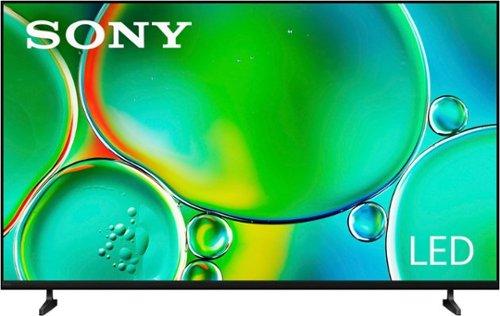
This is where the LG B5 OLED absolutely shines. With its infinite contrast ratio, dark scenes look genuinely dark, not the dark gray you get with LED TVs. When you're watching a space movie and see stars against the black void, the OLED makes those stars pop with an intensity that's impossible to achieve with backlighting.
The Sony BRAVIA 2 II, while delivering good contrast for its price point, simply cannot compete here. In a dark room, you'll notice the difference immediately. However, this doesn't mean the Sony is bad – it's just working within the limitations of LED technology. For many viewers, especially those watching in brighter rooms, this difference becomes less noticeable.
Here's where things get interesting. The LG B5 OLED's wide color gamut delivers exceptional color accuracy, with colors that appear natural and vibrant without being oversaturated. The OLED Color technology ensures that reds look genuinely red, not orange-red, and greens appear natural rather than artificial.
The Sony BRAVIA 2 II surprises many with its Live Color technology. Sony has always been known for excellent color processing, and they've managed to deliver impressive color reproduction even at this price point. In some cases, particularly with well-lit scenes, the Sony's colors can appear more vibrant than the LG's more natural approach. Neither is wrong – it's a matter of preference between accuracy and vibrancy.
This is where the Sony BRAVIA 2 II can hold its own. LED panels typically achieve higher peak brightness than OLEDs, making them better suited for bright rooms. While Sony hasn't disclosed exact brightness figures, LED TVs in this category often hit 400-500 nits, compared to the LG's likely 300-400 nits.
For HDR content, this brightness difference matters. HDR (High Dynamic Range) is designed to show a wider range of brightness levels, from deep blacks to bright highlights. The Sony's higher peak brightness means HDR highlights can appear more impactful, especially in bright rooms. However, the LG's perfect blacks give it an advantage in the dark portions of HDR content.
The LG supports Dolby Vision, HDR10, and HLG, while the Sony supports HDR10, HLG, and IMAX Enhanced but lacks Dolby Vision. Dolby Vision is increasingly common on streaming services and provides scene-by-scene optimization that can make a noticeable difference in picture quality.
If you're a serious gamer, the LG B5 OLED is the clear choice. Its native 120Hz refresh rate means it can display 120 frames per second, crucial for next-generation gaming consoles like the PlayStation 5 and Xbox Series X. The 0.1ms response time eliminates motion blur in fast-paced games, while Variable Refresh Rate (VRR) support prevents screen tearing.
The four HDMI 2.1 ports mean you can connect multiple gaming devices without switching cables. Features like NVIDIA G-Sync and AMD FreeSync Premium ensure smooth gameplay regardless of your graphics card. The Game Dashboard and Game Optimizer make it easy to adjust settings without diving into complex menus.
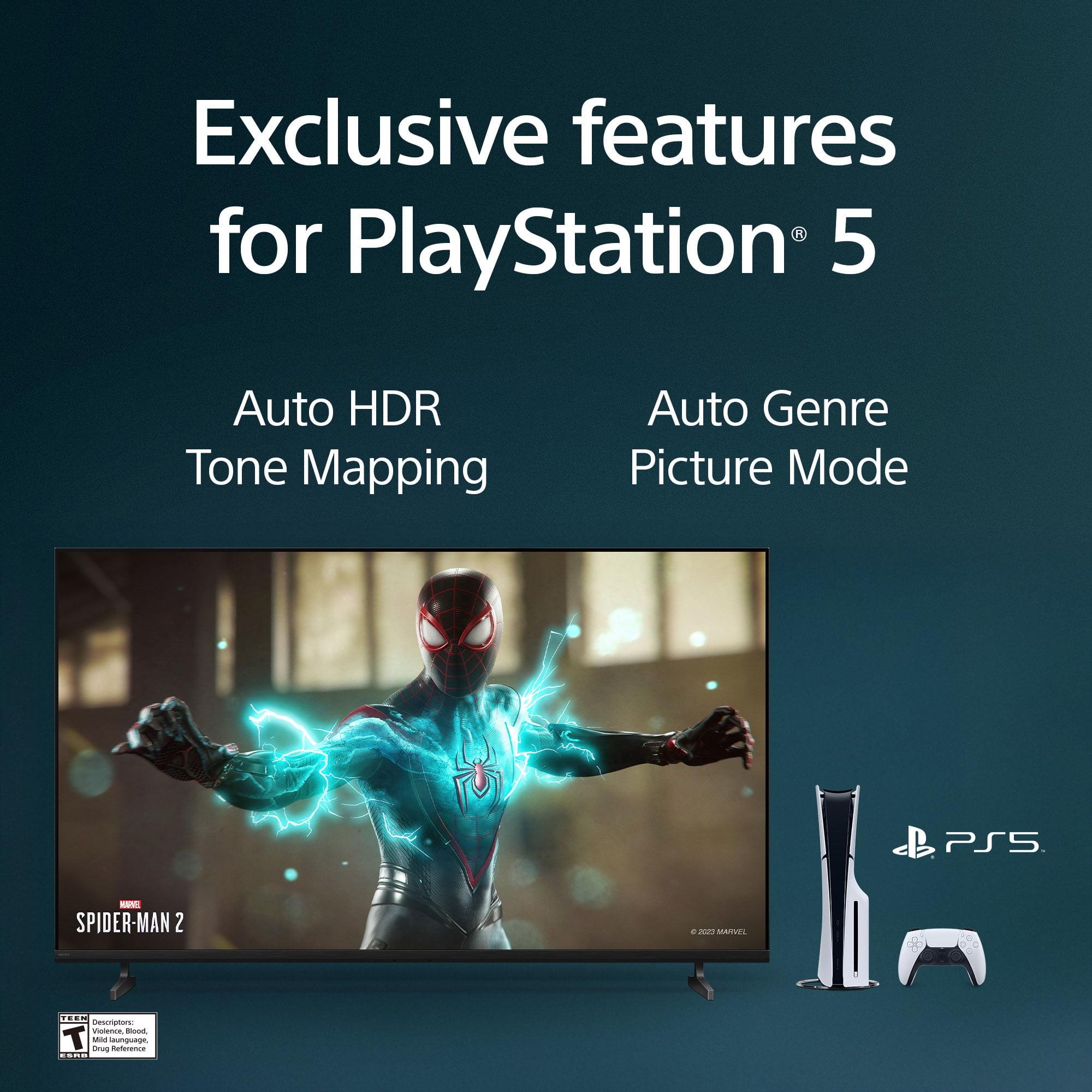
The Sony BRAVIA 2 II is limited to 60Hz, which immediately puts it at a disadvantage for serious gaming. While it includes PlayStation 5-specific features like Auto HDR Tone Mapping and a dedicated Game Menu, these can't overcome the fundamental limitation of the 60Hz panel. For casual gamers who primarily play single-player games, this might not matter. But for competitive gaming or anyone who wants to take full advantage of modern consoles, the 60Hz limitation is significant.
Both TVs offer robust smart features, but with different approaches. The LG B5 OLED runs webOS 25, which emphasizes AI-powered personalization. The AI can recognize your voice, provide personalized recommendations, and even adjust picture settings based on your viewing habits. The new AI button on the remote provides direct access to these features.
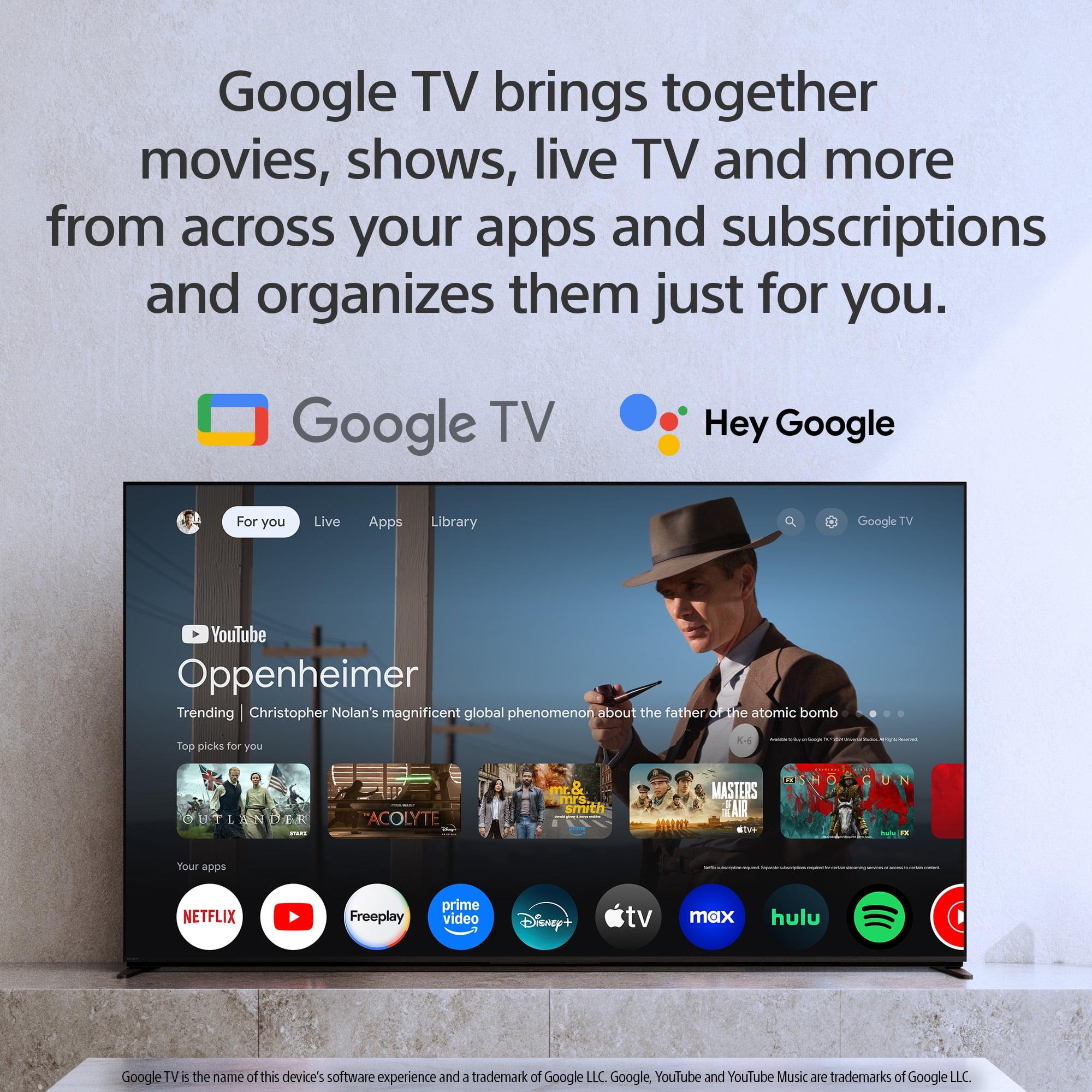
The Sony BRAVIA 2 II runs Google TV, which excels at content discovery and integration with the Google ecosystem. If you use Google services regularly, the Sony's integration feels more natural. The interface aggregates content from multiple streaming services, making it easier to find something to watch. Support for both Google Assistant and Alexa provides flexibility in voice control.
In practice, both systems work well, but they cater to different preferences. webOS feels more premium and customizable, while Google TV offers better content discovery and ecosystem integration.
Both TVs support Dolby Atmos, the current standard for immersive audio. The LG B5 OLED uses AI-enhanced sound optimization that adjusts audio based on room conditions and content type. The Sony BRAVIA 2 II features an Open Baffle Speaker system with DTS:X support and Clear Phase technology for improved acoustic harmony.
Honestly, built-in TV speakers have limitations regardless of the brand. For true home theater experience, you'll want to add a soundbar or surround sound system. Both TVs work well with external audio systems, though the LG offers seamless integration with LG soundbars.
For a dedicated home theater setup, the LG B5 OLED is the better choice. Its perfect blacks and superior contrast ratio make it ideal for dark room viewing, where the OLED technology truly shines. The FILMMAKER MODE preserves the director's creative intent by maintaining proper color temperature and aspect ratios.
The 120Hz refresh rate also benefits movie watching, especially with content that uses higher frame rates. The Dolby Vision support ensures you're getting the best possible HDR experience from streaming services and 4K Blu-rays.
The Sony BRAVIA 2 II can work in a home theater, but it's better suited for mixed-use environments. Its higher brightness makes it more versatile for rooms with ambient light, but it can't match the OLED's dark room performance.
Here's where the decision gets interesting. The Sony BRAVIA 2 II ($649.99) costs about $1,000 less than the LG B5 OLED ($1,699.99). That's not pocket change – it's the difference between a budget-friendly upgrade and a significant investment.
The Sony delivers solid 4K performance with good color reproduction and smart features. For many users, especially those upgrading from older non-4K TVs, the improvement will be dramatic. The Google TV interface is intuitive, and the build quality feels premium for the price.
The LG justifies its premium pricing with superior picture quality, gaming features, and OLED technology. If you're a movie enthusiast, serious gamer, or someone who appreciates the best possible picture quality, the extra cost provides tangible benefits.
Choose the LG B5 OLED if you:
Choose the Sony BRAVIA 2 II if you:
Both TVs serve their intended markets well. The LG B5 OLED offers a premium experience with picture quality that's genuinely impressive, while the Sony BRAVIA 2 II provides excellent value for mainstream users.
If you can afford the LG and appreciate superior picture quality, you'll likely be happier with the OLED in the long run. The technology simply delivers a better viewing experience, especially in dark rooms. However, if budget is a primary concern or you primarily watch in bright rooms, the Sony offers impressive performance at a much more accessible price point.
The choice ultimately depends on your priorities, viewing environment, and budget. Both represent solid options in their respective categories, but they're designed for different users with different needs.
| LG B5 Series OLED 65" 4K Smart TV 2025 | Sony BRAVIA 2 II 65" 4K LED Google TV 2025 |
|---|---|
| Price - The $1,000+ difference determines your feature set | |
| $1,699.99 | $649.99 |
| Display Technology - OLED vs LED fundamentally changes picture quality | |
| OLED with self-lit pixels for perfect blacks | LED backlight with LCD panel for good contrast |
| Black Levels - Critical for dark room viewing and movie quality | |
| Perfect blacks (infinite contrast ratio) | Good blacks but some light leakage |
| Refresh Rate - Essential for gaming and sports | |
| 120Hz native (smooth gaming and motion) | 60Hz (adequate for most content) |
| Gaming Features - Determines next-gen console compatibility | |
| 4 HDMI 2.1 ports, VRR, G-Sync, 0.1ms response | Basic VRR, ALLM, PlayStation 5 features |
| HDR Support - Affects streaming and 4K content quality | |
| Dolby Vision, HDR10, HLG | HDR10, HLG, IMAX Enhanced (no Dolby Vision) |
| Processor - Impacts upscaling and AI features | |
| α8 AI Processor Gen2 (1.7x faster AI processing) | 4K Processor X1 with X-Reality PRO |
| Smart Platform - Your daily interface experience | |
| webOS 25 with AI personalization | Google TV with superior content discovery |
| Peak Brightness - Important for bright room viewing | |
| Lower (better for dark rooms) | Higher (better for bright rooms) |
| Audio - Built-in sound quality | |
| Dolby Atmos with AI sound optimization | Open Baffle speakers, Dolby Atmos, DTS:X |
| Burn-in Risk - Long-term durability consideration | |
| Potential with static images (rare in normal use) | No burn-in risk |
| Best Use Case - Who should buy each | |
| Dark room viewing, serious gaming, movie enthusiasts | Bright rooms, casual use, budget-conscious buyers |
The LG B5 Series OLED 65" 4K Smart TV 2025 delivers superior picture quality with perfect blacks, infinite contrast, and vibrant colors thanks to its OLED technology. Each pixel can turn completely off, creating true blacks that make dark scenes in movies incredibly immersive. The Sony BRAVIA 2 II 65" 4K LED Google TV 2025 offers good picture quality for its price but cannot match the OLED's contrast and black levels.
The LG B5 Series OLED ($1,699.99) costs significantly more than the Sony BRAVIA 2 II ($649.99) - about $1,050 difference. This price gap reflects the premium OLED technology versus budget-friendly LED technology, with the LG targeting enthusiasts and the Sony serving mainstream buyers.
The LG B5 Series OLED is far superior for gaming with its 120Hz refresh rate, 0.1ms response time, and four HDMI 2.1 ports supporting VRR, G-Sync, and FreeSync. The Sony BRAVIA 2 II is limited to 60Hz and basic gaming features, making it suitable only for casual gaming rather than competitive or next-gen console gaming.
The Sony BRAVIA 2 II performs better in bright rooms due to its higher peak brightness from LED backlighting. The LG B5 Series OLED excels in dark to moderately lit rooms but may struggle with glare in very bright environments. For daytime viewing with lots of natural light, the Sony is the better choice.
Both platforms work well but serve different preferences. The LG B5 OLED runs webOS 25 with AI personalization and voice recognition features. The Sony BRAVIA 2 II uses Google TV, which offers superior content discovery and seamless integration with Google services. Choose based on your ecosystem preference.
The LG B5 Series OLED ($1,699.99) justifies its premium over the Sony BRAVIA 2 II ($649.99) if you prioritize picture quality, gaming performance, and dark room viewing. Movie enthusiasts and serious gamers will appreciate the OLED's superior technology, while casual viewers may find the Sony's performance adequate.
Both TVs support Dolby Atmos, with the LG B5 OLED featuring AI-enhanced sound optimization and the Sony BRAVIA 2 II offering an Open Baffle Speaker system with DTS:X support. However, for true home theater audio, both will benefit from adding a soundbar or surround sound system.
Yes, both handle 4K streaming well. The LG B5 Series OLED supports Dolby Vision, HDR10, and HLG for the best HDR experience. The Sony BRAVIA 2 II supports HDR10, HLG, and IMAX Enhanced but lacks Dolby Vision, which is increasingly common on streaming platforms.
The LG B5 Series OLED is ideal for home theaters due to its perfect blacks, superior contrast, and FILMMAKER MODE that preserves director's intent. The dark room performance and cinematic picture quality make it the clear choice for dedicated movie viewing spaces.
The LG B5 OLED has potential burn-in risk with prolonged static images, though this is rare with normal viewing habits. The Sony BRAVIA 2 II has no burn-in concerns due to its LED technology. Both TVs should provide years of reliable service with proper use.
The Sony BRAVIA 2 II ($649.99) offers exceptional value for budget-conscious buyers, delivering solid 4K performance at an accessible price. The LG B5 Series OLED ($1,699.99) provides premium value for those willing to pay more for superior picture quality and gaming features.
Choose the LG B5 Series OLED if you're a movie enthusiast, serious gamer, or want the best possible picture quality. Select the Sony BRAVIA 2 II if you're budget-conscious, watch primarily in bright rooms, or are upgrading from an older non-4K TV and want solid performance without premium pricing.
We've done our best to create useful and informative comparisons to help you decide what product to buy. Our research uses advanced automated methods to create this comparison and perfection is not possible - please contact us for corrections or questions. These are the sites we've researched in the creation of this article: eftm.com - bestbuy.com - rtings.com - youtube.com - rtings.com - tomsguide.com - youtube.com - nationalproductreview.com.au - lg.com - manchesterbrothers.com - avsforum.com - lg.com - lg.com - lg.com - lg.com - retailspecs.com - american-homeappliance.com - perpichtv.com - bestbuy.com - notebookcheck.net - rtings.com - youtube.com - youtube.com - rtings.com - avsforum.com - croma.com - totonstv.com - electronics.sony.com - listenup.com - pcrichard.com - youtube.com - flanners.com - brandsmartusa.com - displayspecifications.com - pioneertvandappliance.com - donstv.com

Privacy Policy
Terms and Conditions - Affiliate Policy
Home Security
© Copyright 2008-2026.
11816 Inwood Rd #1211, Dallas, TX 75244