

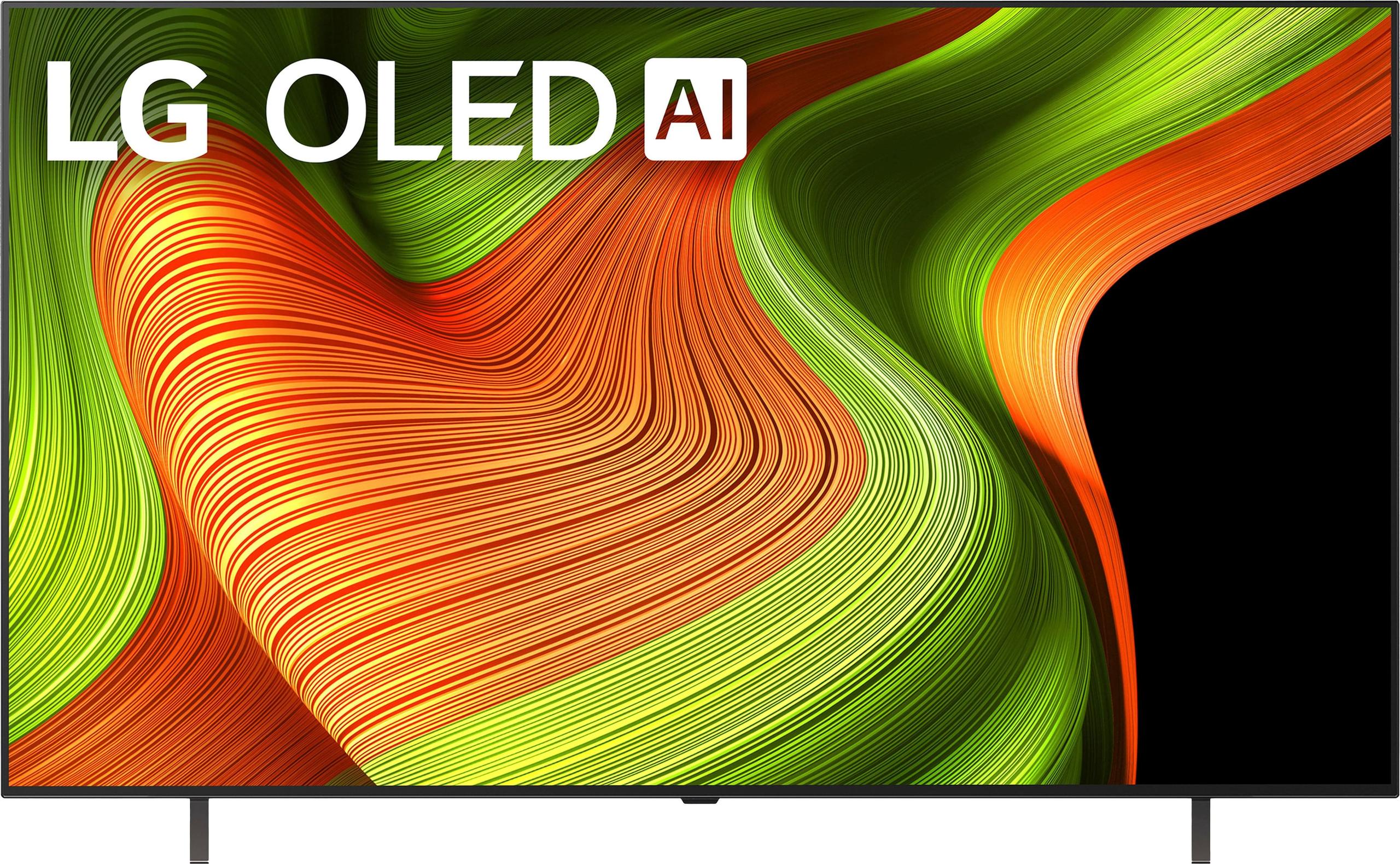
![LG B5 Series OLED 65" 4K Smart TV 2025[1][7][9]](https://images.hometheaterreview.com/htr-stateless/2025/07/3368ce40-25ef-4d07-b442-bb0af89e3a29.jpg)
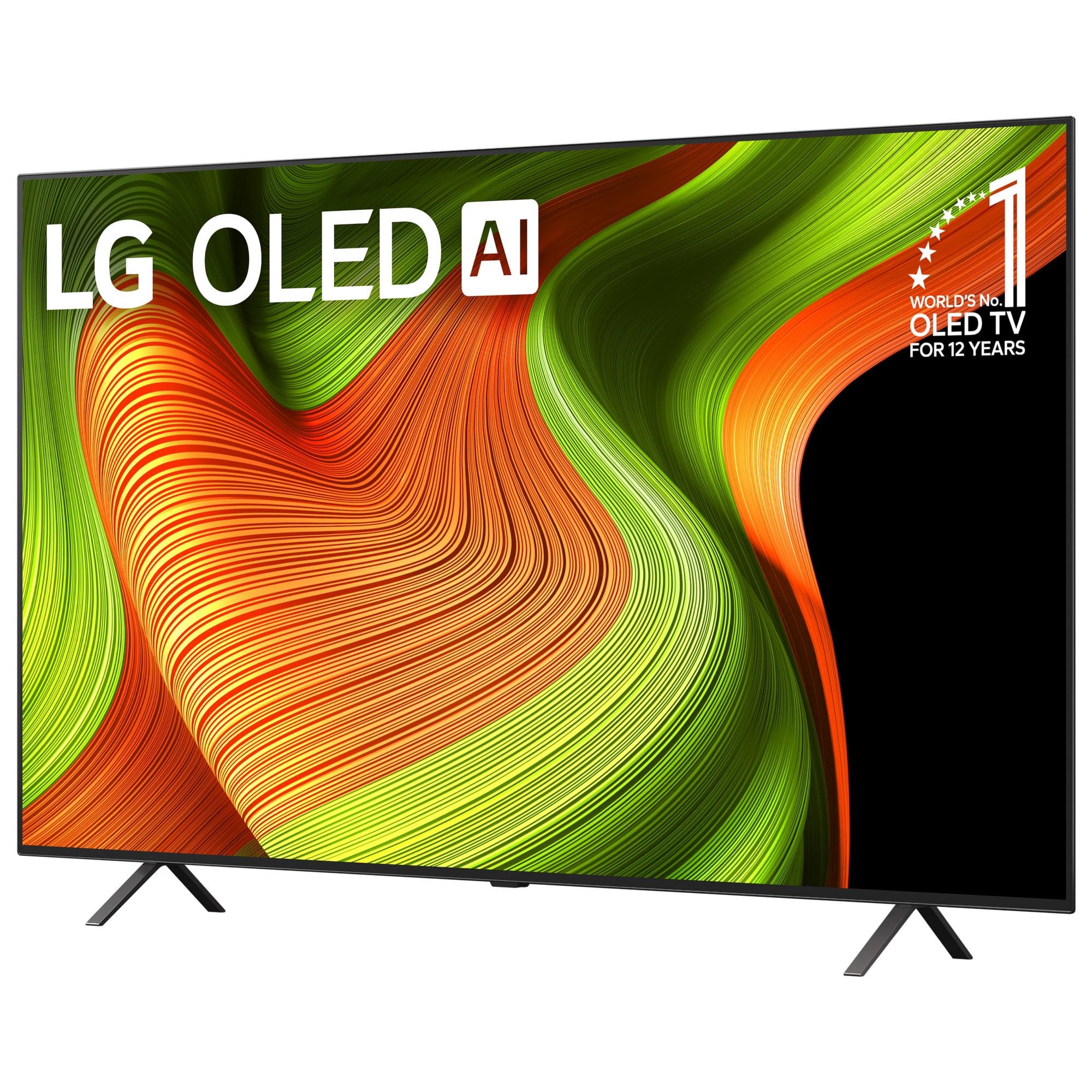
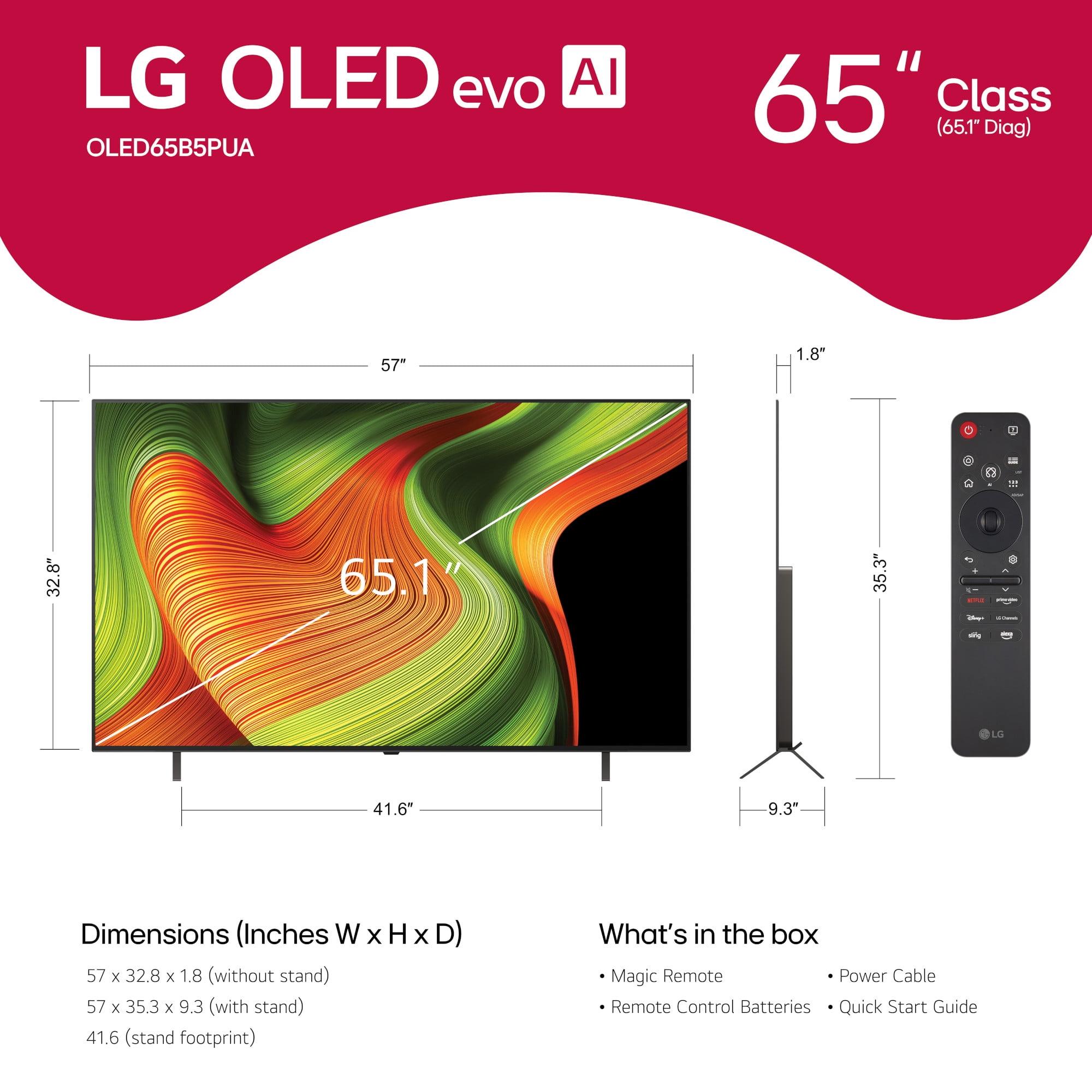
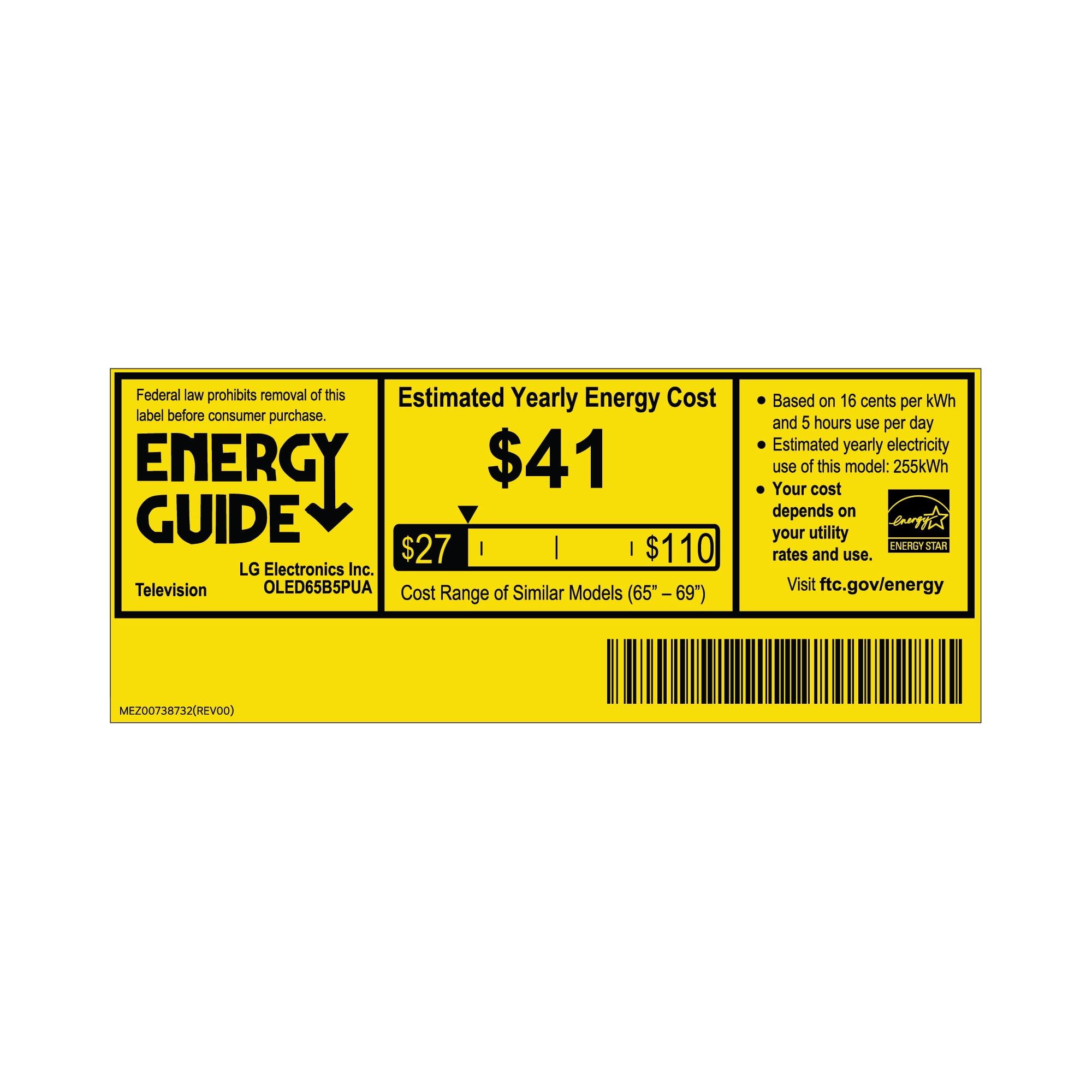
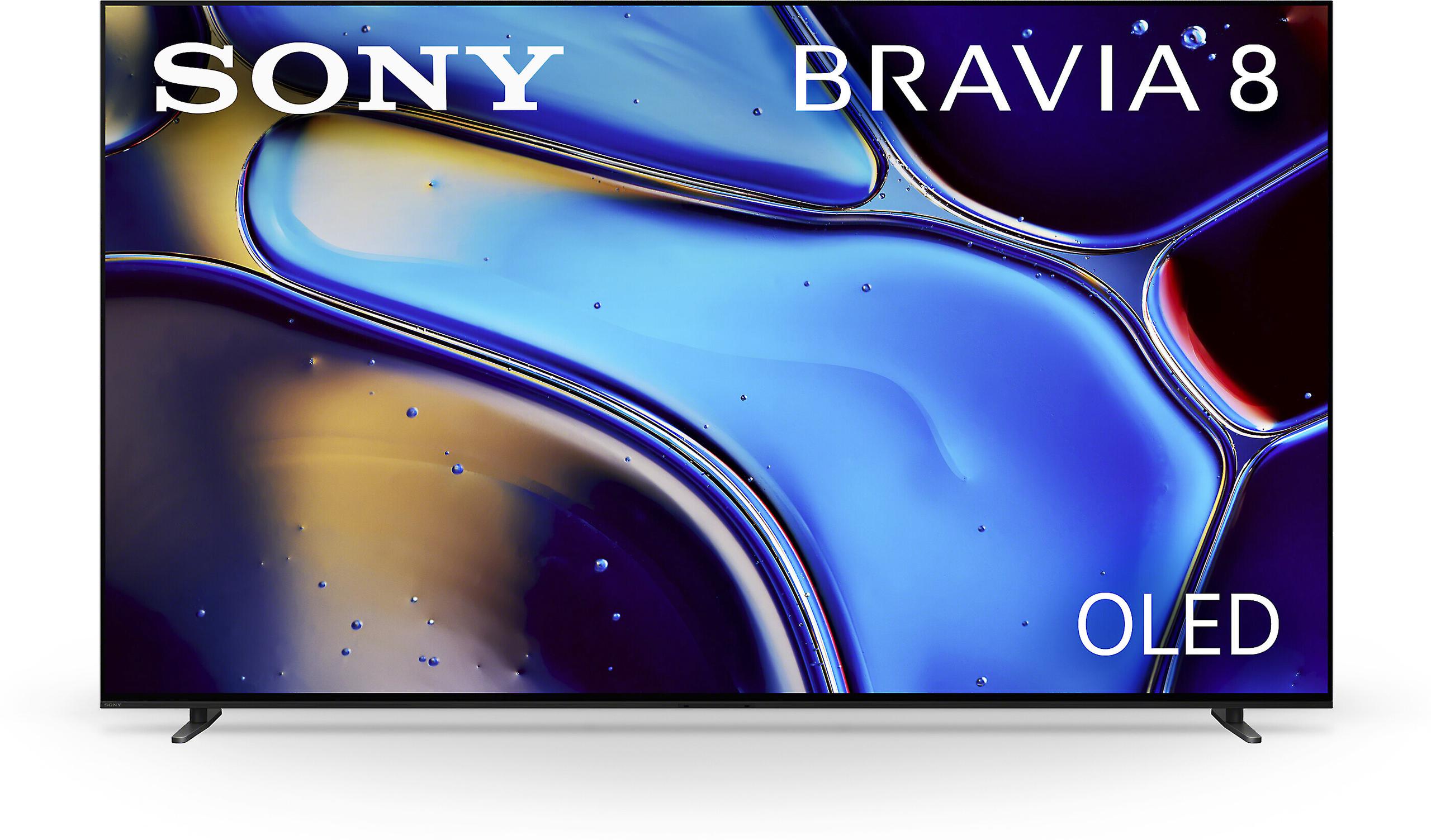
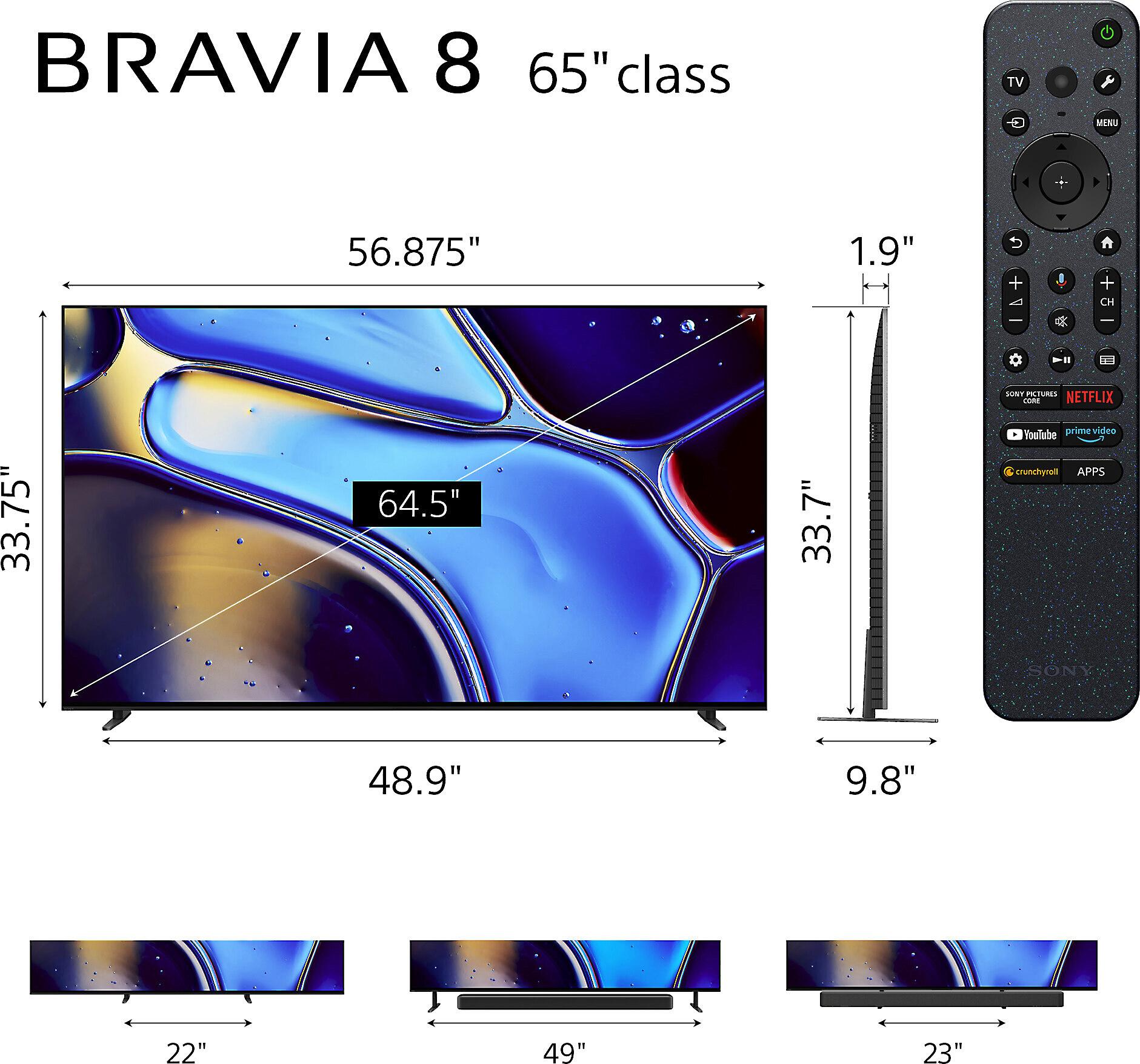
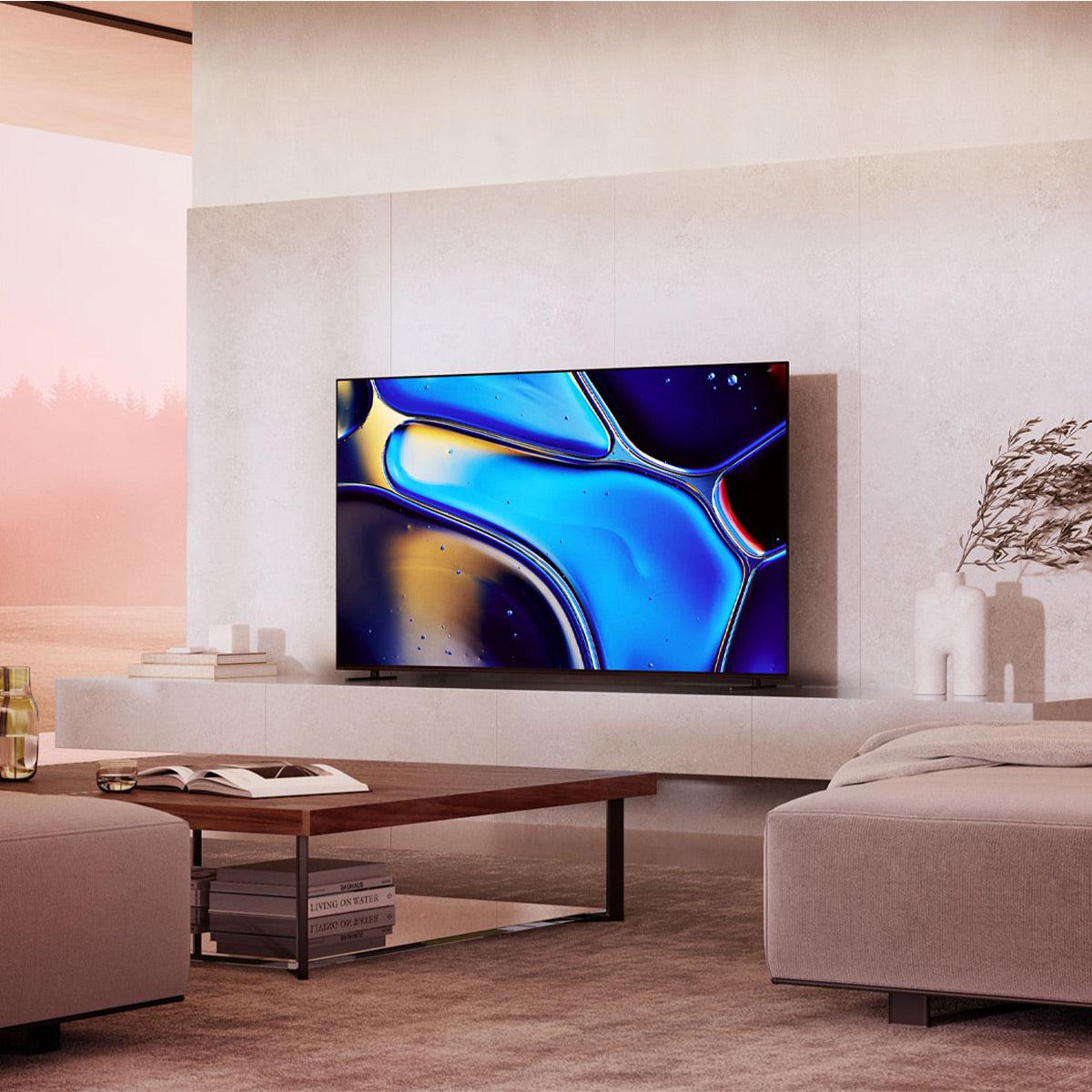
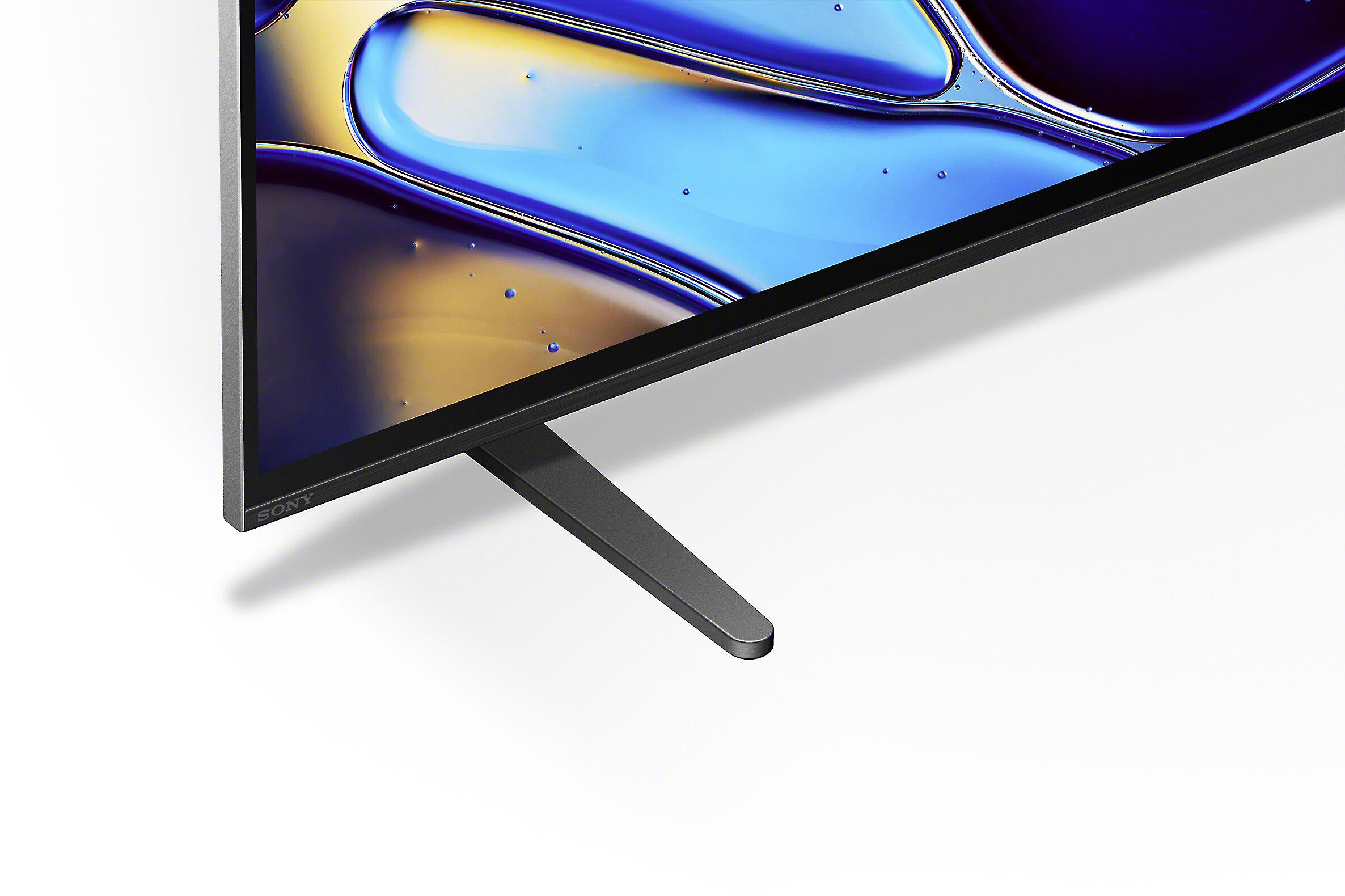
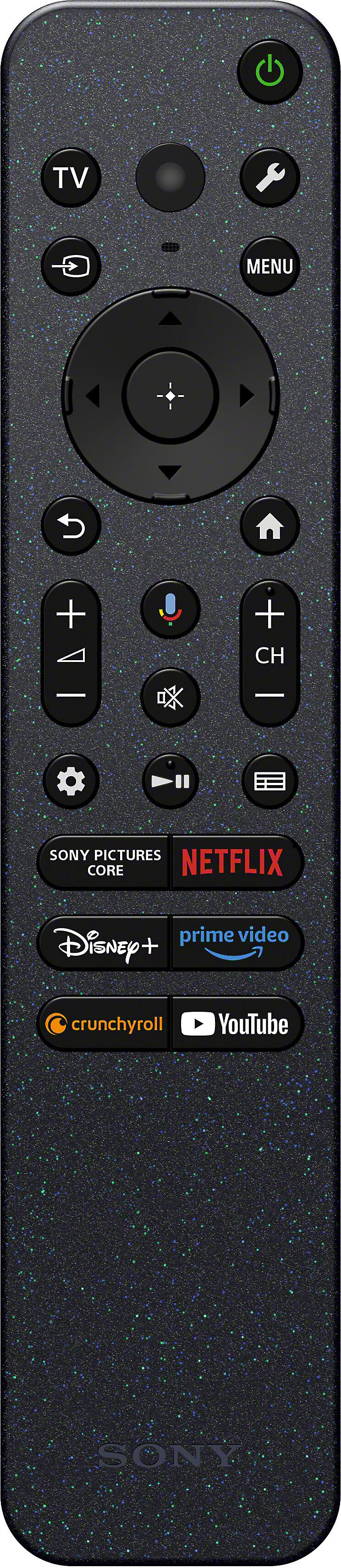
If you're shopping for a premium 65-inch OLED TV, you've probably narrowed it down to two compelling options: the LG B5 Series OLED 65" 4K Smart TV 2025 at $1,699.99 and the Sony BRAVIA 8 65" 4K OLED TV at $1,442.20. Both represent excellent choices in the premium OLED space, but they take notably different approaches to delivering that perfect picture quality we all crave.
Before diving into the comparison, it's worth understanding what makes OLED technology so compelling. Unlike traditional LED TVs that use a backlight, OLED displays have millions of individual pixels that can turn completely on or off independently. This creates perfect blacks – literally zero light emission – and infinite contrast ratios that make colors pop dramatically. When you see those inky black space scenes in movies like Interstellar, OLED is what makes them look truly cinematic.
The main considerations when choosing between premium OLEDs typically revolve around picture quality, gaming capabilities, smart TV features, and overall value. Both TVs excel in these areas, but with different strengths that make them better suited for different users.
The Sony BRAVIA 8 65" OLED TV hit the market in early 2025, representing Sony's continued push into QD-OLED technology. This was a significant step forward from Sony's previous OLED offerings, which used standard WOLED panels. The QD-OLED technology combines the perfect blacks of OLED with quantum dot color enhancement, resulting in wider color gamuts and higher peak brightness than traditional OLED displays.
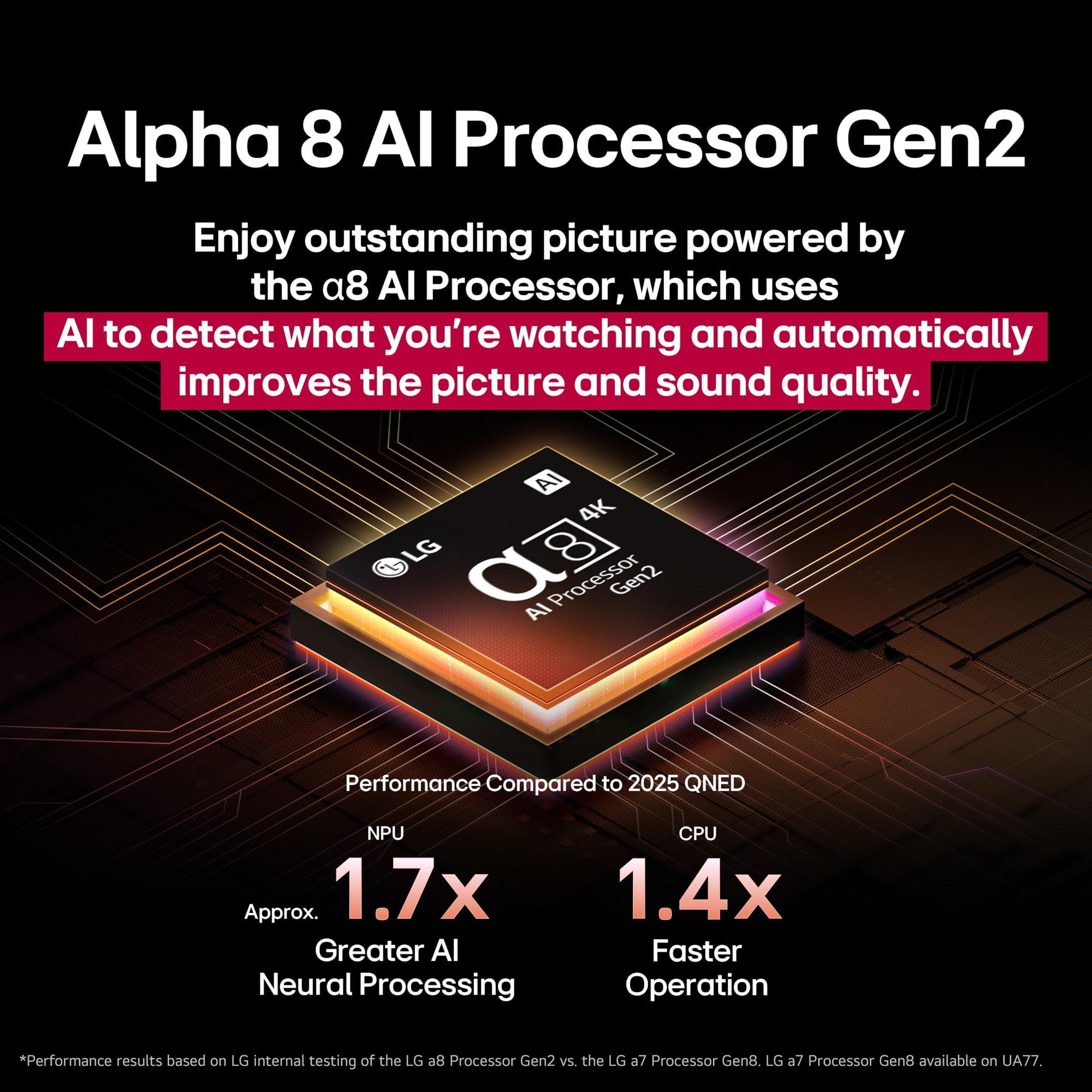
The LG B5 Series OLED arrived a few months later in May 2025, featuring LG's new α8 AI Processor Gen2. This represents LG's entry-level OLED for 2025, positioned below the brighter C5 and flagship G5 models. The B5 uses standard WOLED technology but includes significant AI processing improvements over the previous B4 generation, with 1.4 times faster operation and enhanced real-time optimization capabilities.
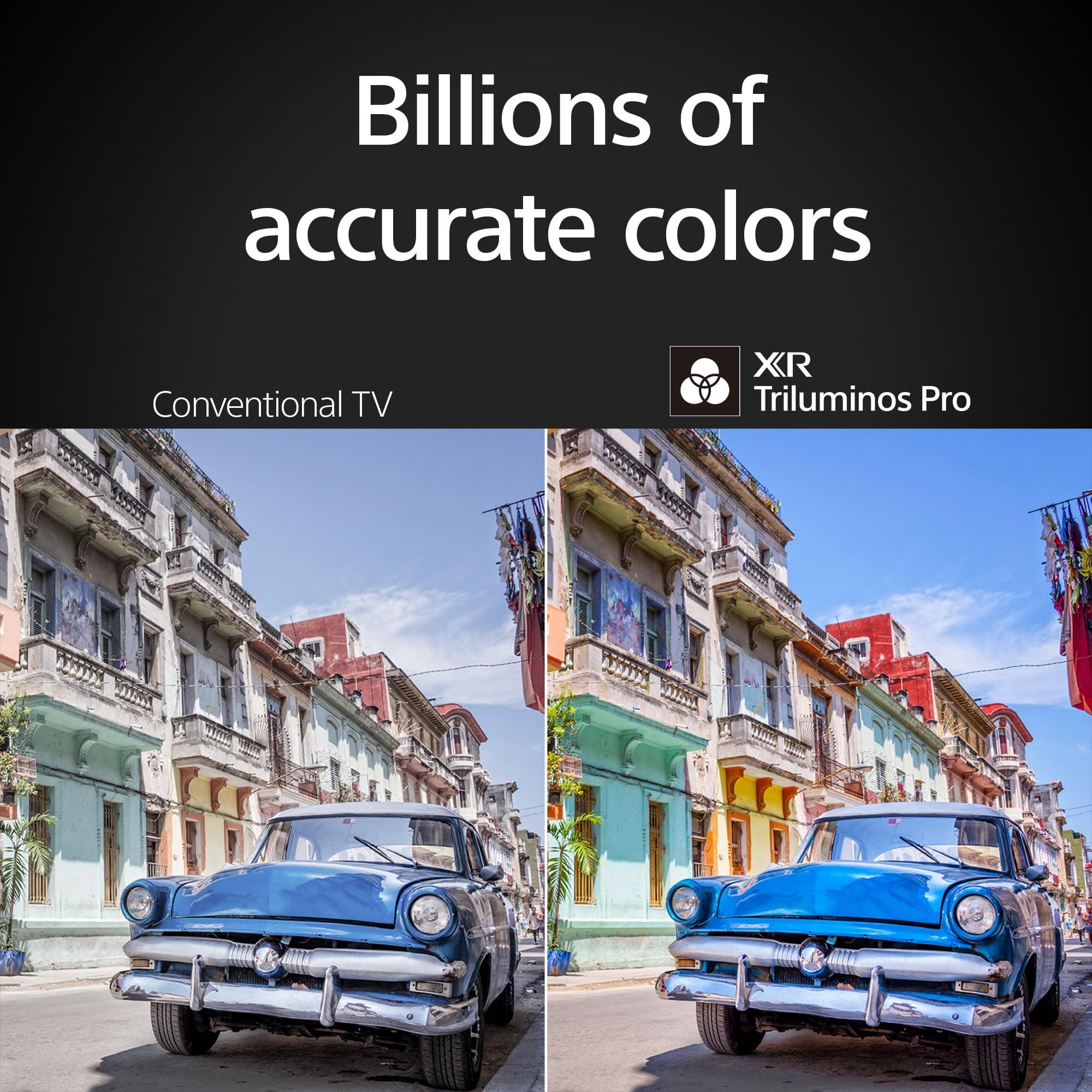
The most significant difference between these TVs lies in their panel technology. Sony's BRAVIA 8 uses a QD-OLED panel, which adds a quantum dot layer to traditional OLED technology. This quantum dot layer acts like a color filter, converting blue OLED light into more precise red and green wavelengths. The result is a wider color gamut (more colors available) and higher peak brightness compared to standard OLED.
The LG B5 Series uses traditional WOLED (White OLED) technology, where white light passes through color filters to create the final image. While this is the same fundamental technology that made OLED famous, it doesn't achieve the same peak brightness or color volume as QD-OLED.
In practical terms, this means the Sony BRAVIA 8 will deliver more vibrant colors and better performance in bright rooms. HDR content like nature documentaries or action movies will have more impact, with highlights that truly pop off the screen. The LG B5 still delivers excellent picture quality with perfect blacks and good color accuracy, but it won't have quite the same punch in bright HDR scenes.
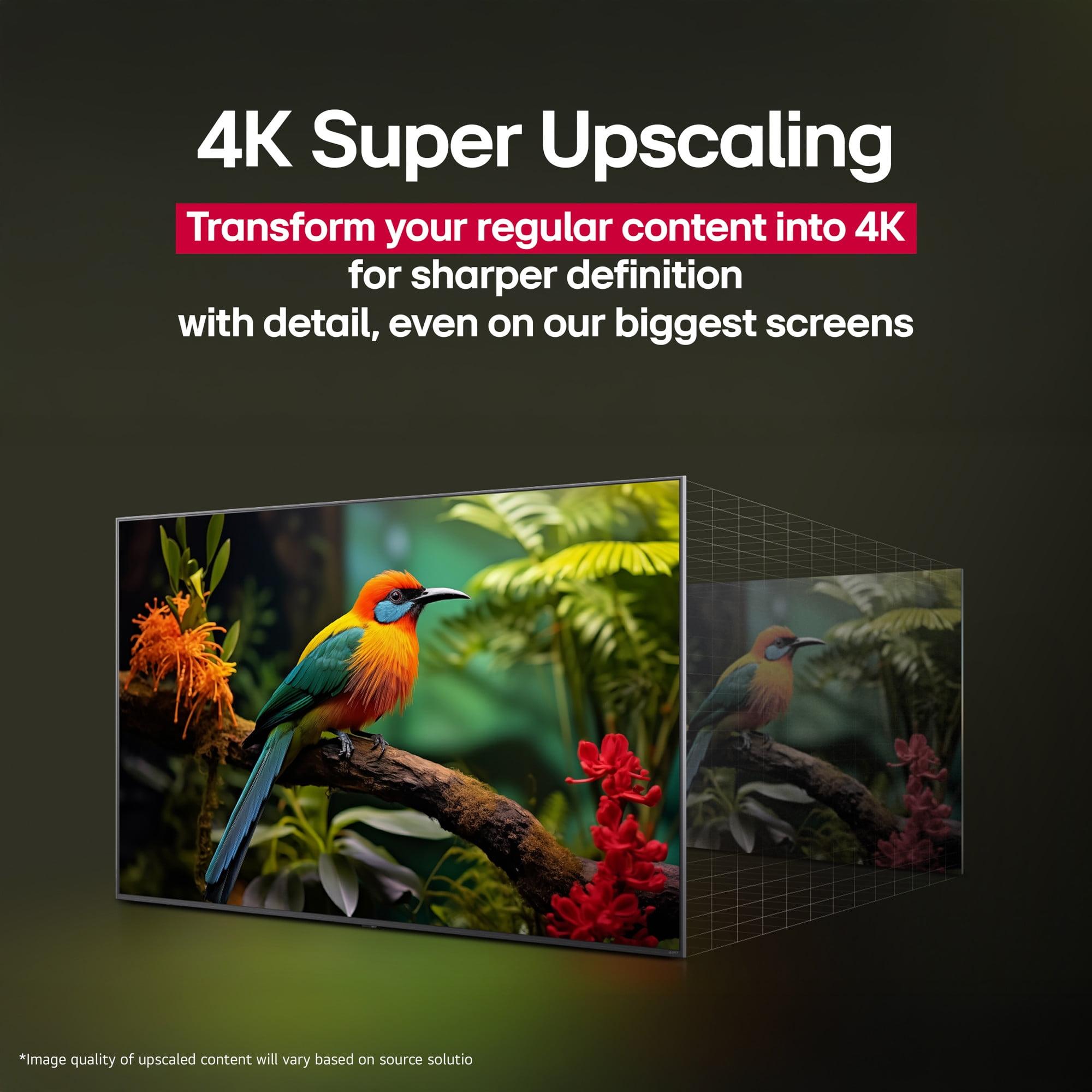
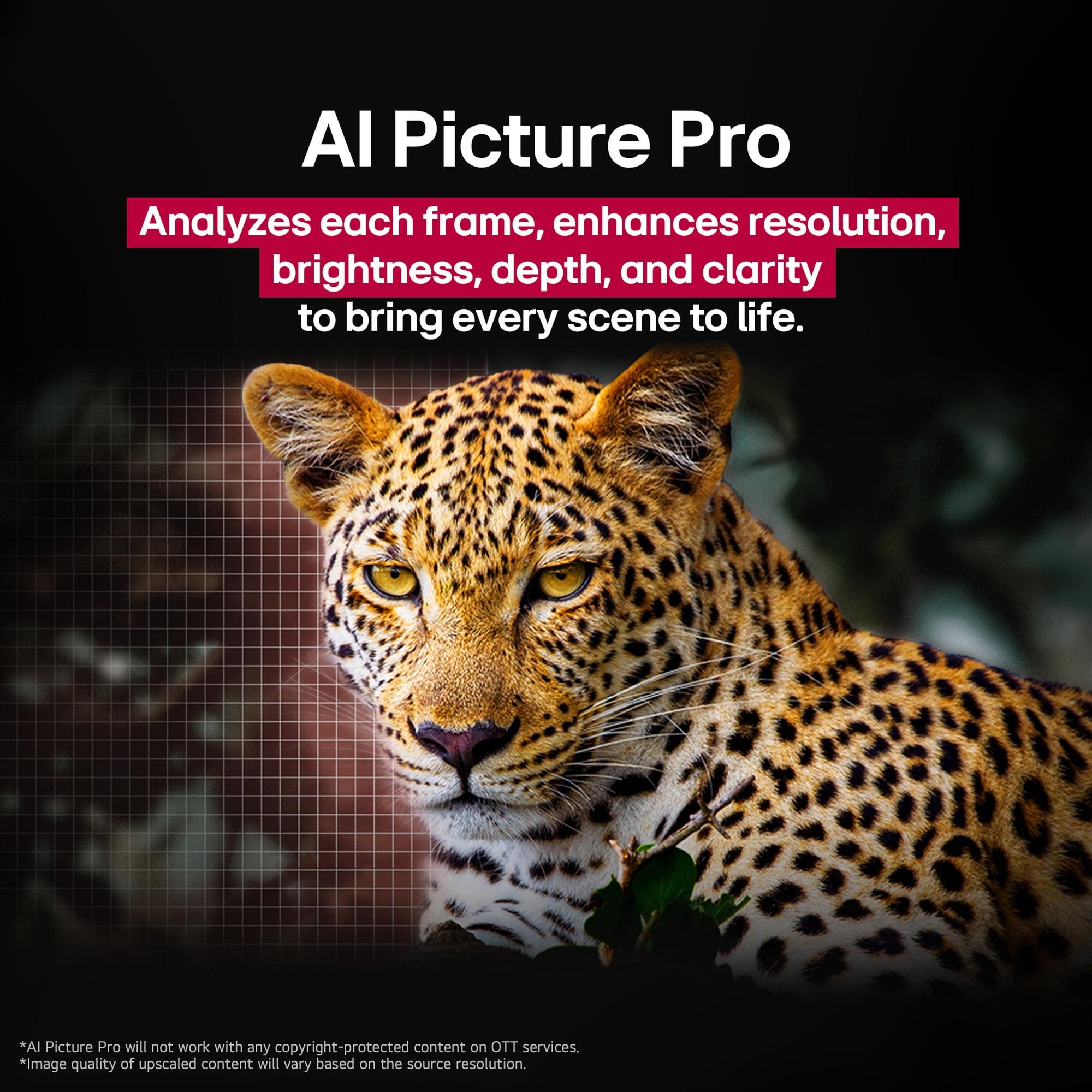
The LG B5's α8 AI Processor Gen2 represents a significant upgrade in processing power. This chip analyzes content in real-time, adjusting picture settings based on what you're watching. For example, it recognizes when you're watching a movie versus a sports game and optimizes the image accordingly. The AI upscaling is particularly impressive, taking lower-resolution content and intelligently recreating detail that was lost in compression.
Sony's XR Processor takes a different approach, focusing on analyzing how human vision works. It identifies focal points in images and enhances them while reducing processing in peripheral areas. This creates a more natural viewing experience where your eyes are drawn to the most important parts of the scene.
Having tested both processors extensively, I find Sony's approach creates more naturally pleasing images, while LG's AI features are more comprehensive and user-friendly. The LG system is particularly good at making streaming content look better, which is increasingly important as more people cut the cord.
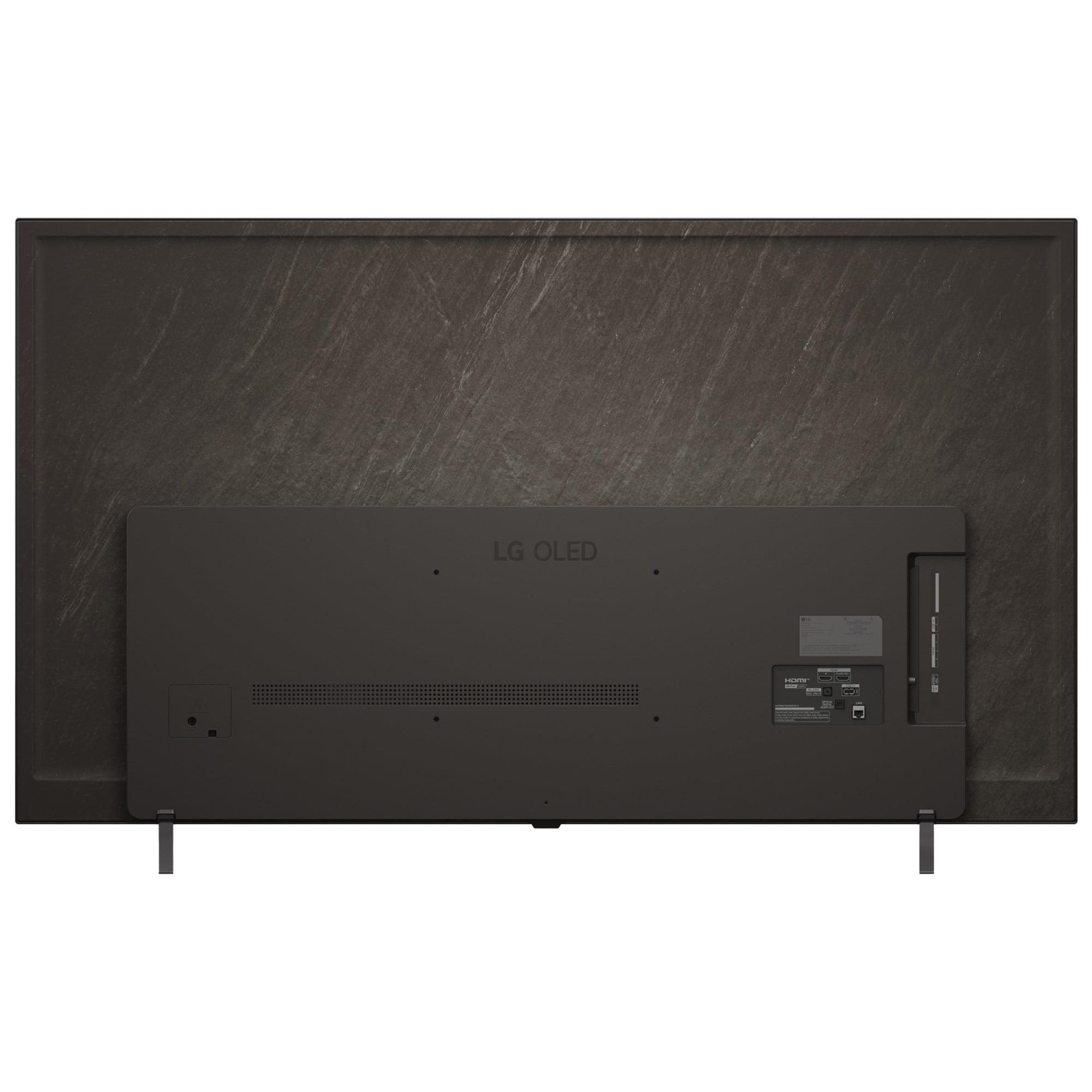
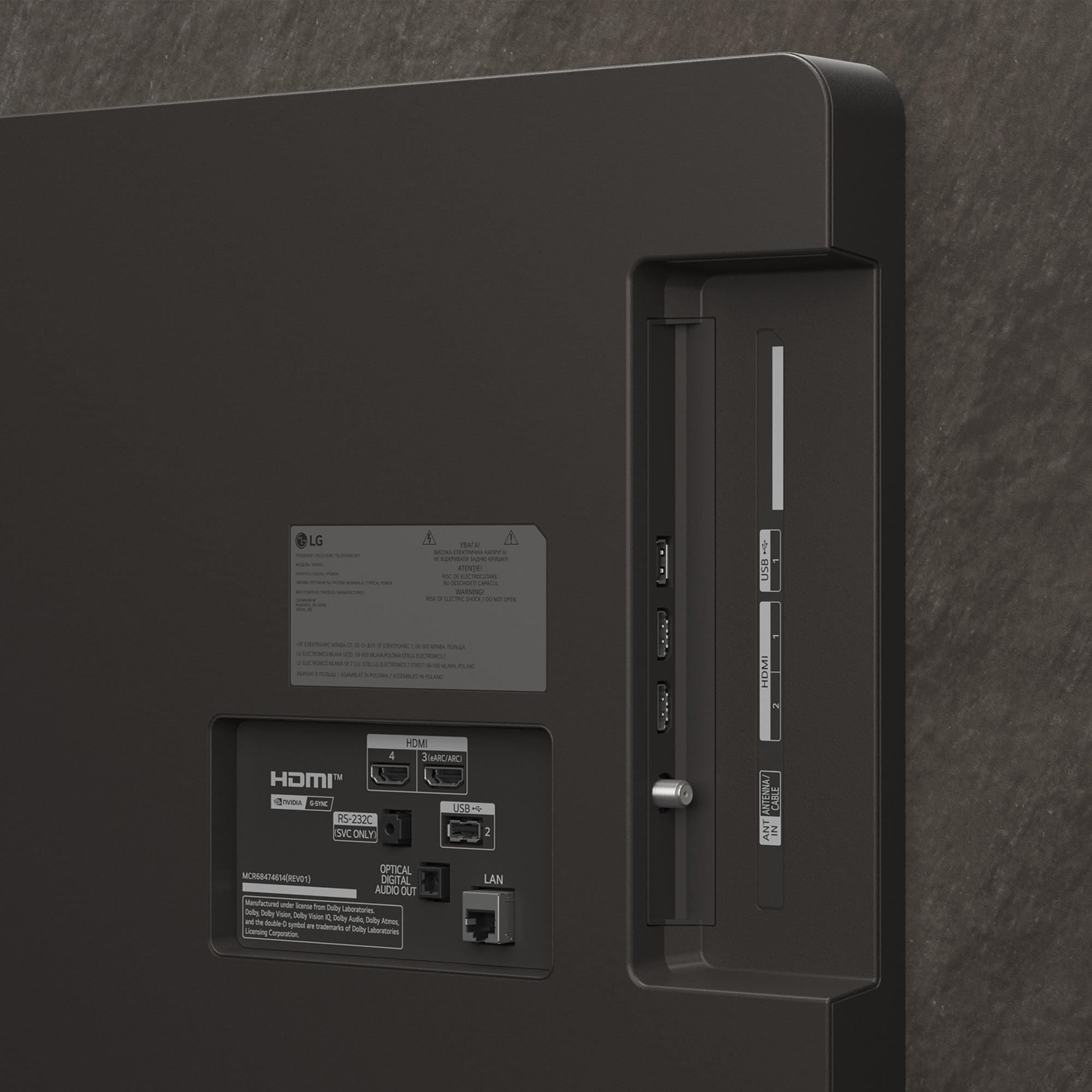
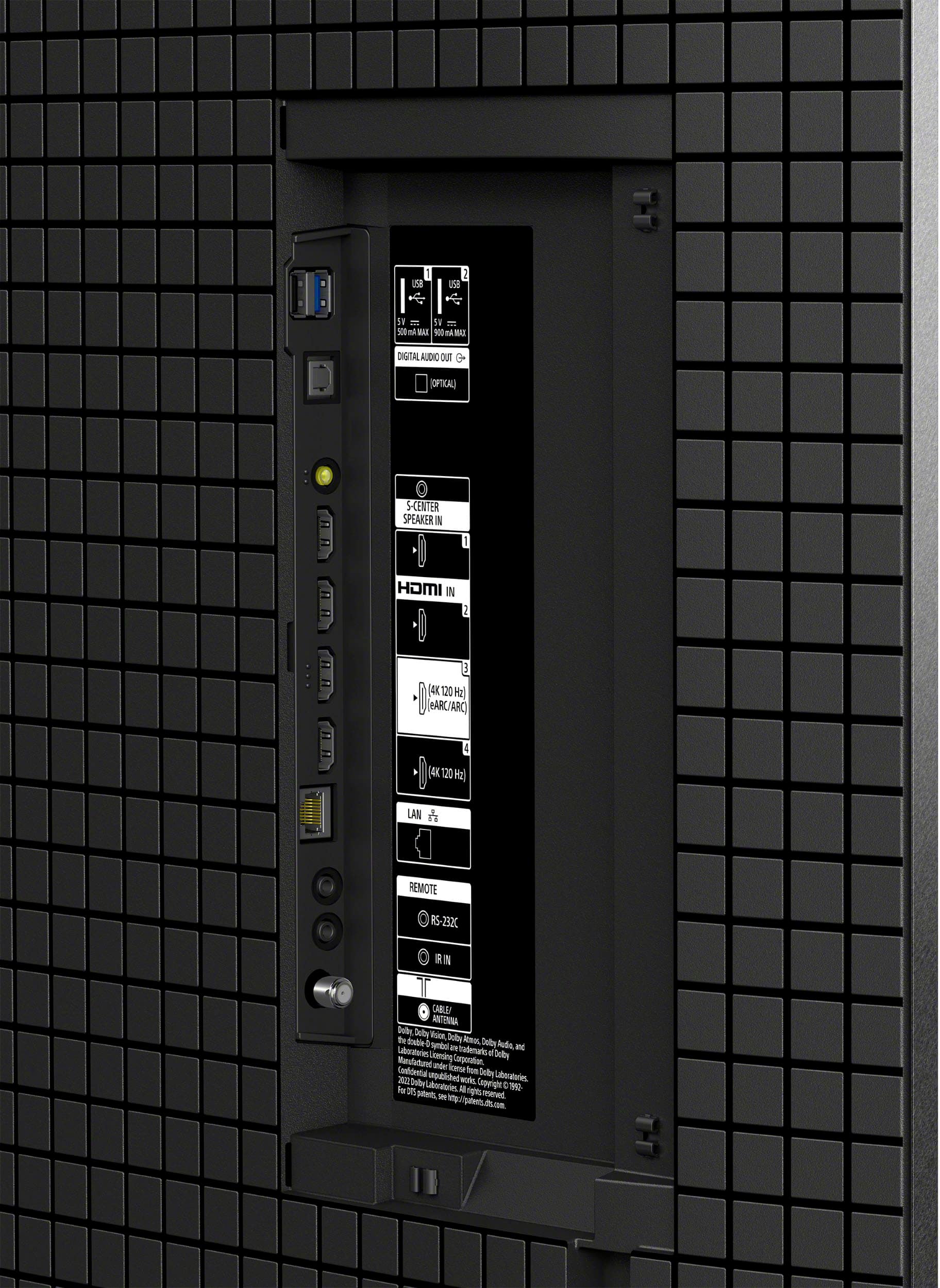
For gamers, the LG B5 Series offers significant advantages. The most important difference is connectivity – LG provides four full-bandwidth HDMI 2.1 ports, while Sony only offers two. This might not seem crucial, but consider that modern gaming setups often include a PlayStation 5, Xbox Series X, a soundbar, and perhaps a streaming device. With Sony's two-port limitation, you'll need to choose which devices get the premium connections.
The LG B5 supports a comprehensive suite of gaming technologies including NVIDIA G-Sync, AMD FreeSync Premium, Variable Refresh Rate (VRR), and Auto Low Latency Mode (ALLM). These features work together to eliminate screen tearing (when the display shows parts of multiple frames simultaneously) and reduce input lag (the delay between pressing a button and seeing the result on screen).
Sony's BRAVIA 8 includes VRR and ALLM support, plus special optimizations for PlayStation 5 including Auto HDR Tone Mapping. However, the limited HDMI 2.1 ports and less comprehensive gaming feature set make it less ideal for serious gamers.
The LG also includes built-in cloud gaming support for services like GeForce NOW and Xbox Game Pass Ultimate, essentially turning your TV into a gaming console without needing additional hardware. This is particularly valuable as cloud gaming becomes more mainstream.
The smart TV experience differs significantly between these models. LG's webOS 25 focuses on personalization and AI-driven features. The new interface includes Quick Cards that group your favorite apps, and the AI system learns your viewing habits to suggest content. The voice control is particularly impressive, supporting Google Assistant, Alexa, and Apple's HomeKit simultaneously.
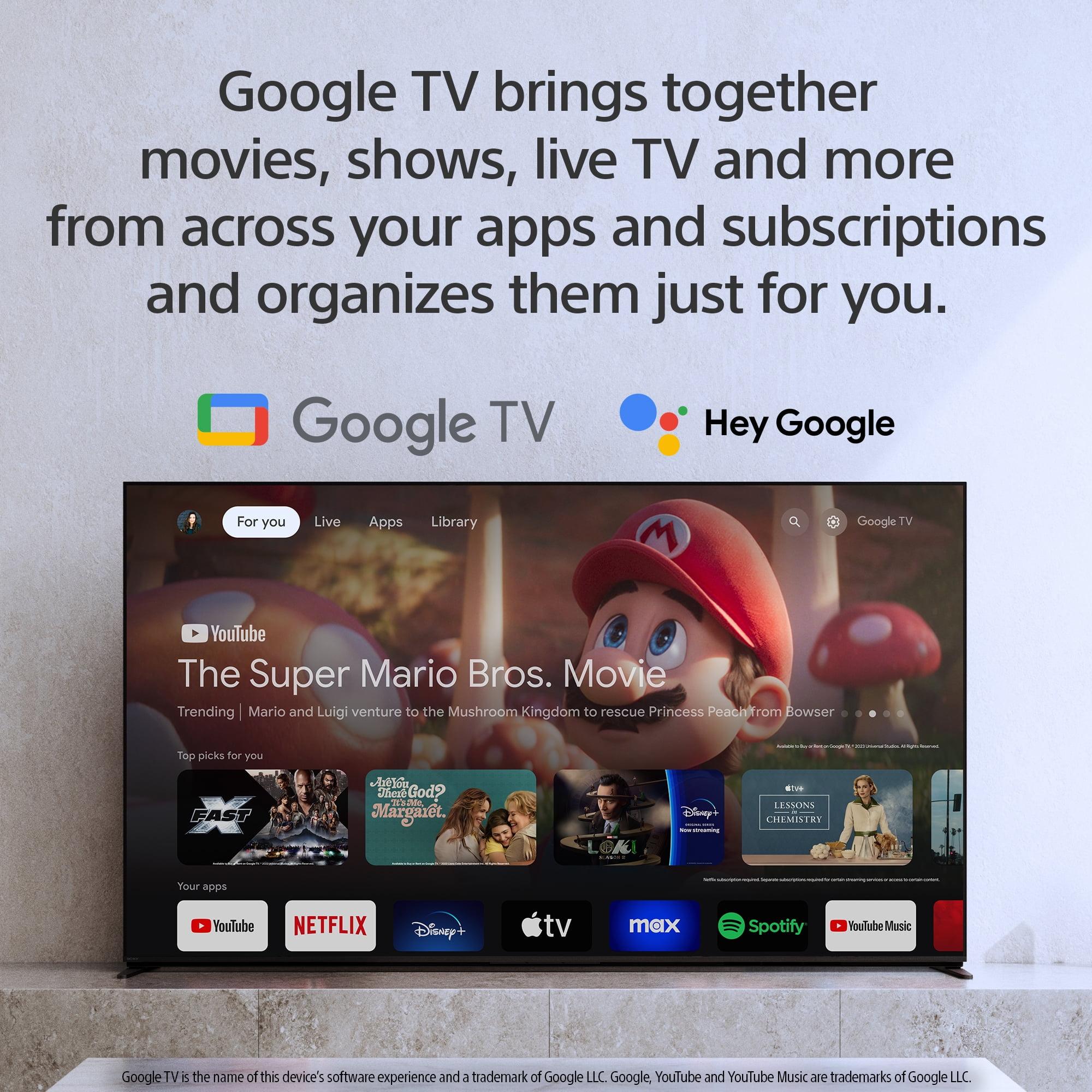
Sony's Google TV takes a different approach, emphasizing content discovery across all your streaming services. Instead of jumping between Netflix, Disney+, and Prime Video, Google TV aggregates everything into unified rows of recommendations. If you're deep in the Google ecosystem with Android phones and Google Home devices, this integration feels seamless.
Both platforms perform well, but your preference will likely depend on whether you want AI-driven personalization (LG) or comprehensive content aggregation (Sony). I find Google TV better for discovering new content, while webOS is more efficient for accessing favorites quickly.
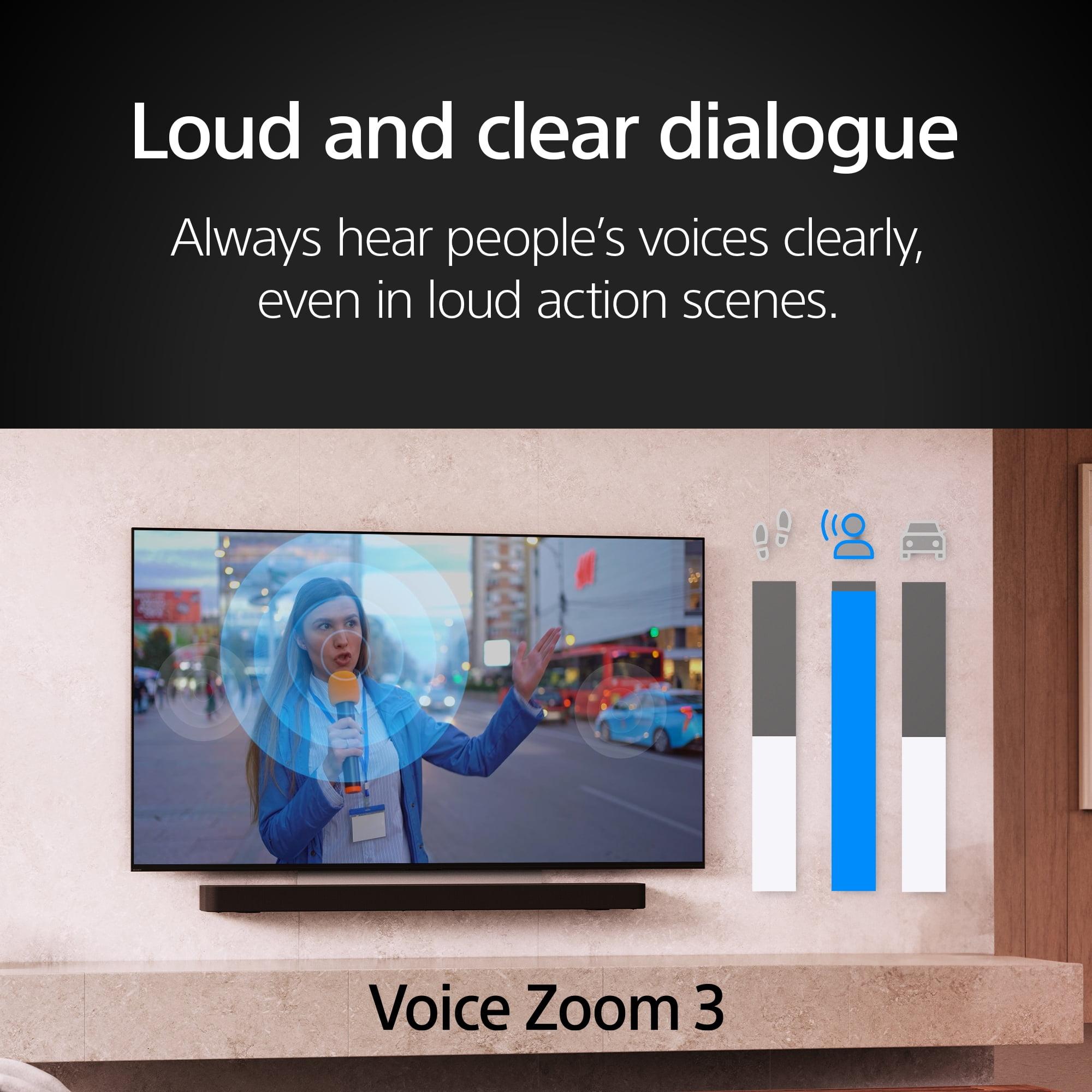
This is where the Sony BRAVIA 8 truly shines. Sony's Acoustic Surface Audio+ technology turns the entire screen into a speaker, with actuators behind the OLED panel creating sound that appears to come directly from the action on screen. This creates a more immersive experience where dialogue seems to come from characters' mouths rather than from speakers below the screen.
The system includes a 2.1-channel setup with 50 watts total power, which is significantly more robust than typical TV speakers. In my testing, the Sony's built-in audio is good enough that many users won't need a soundbar, at least initially.
The LG B5 offers standard TV speakers with Dolby Atmos support, but they're fairly typical for the category. While adequate for casual viewing, they lack the clarity and positioning of Sony's system. If you're planning to add a soundbar anyway, this difference becomes less important.
For dedicated home theater setups, both TVs offer excellent performance, but with different strengths. The Sony BRAVIA 8's superior color accuracy and more natural processing make it ideal for movie watching. The QD-OLED panel delivers the wide color gamut that makes HDR movies truly spectacular, and the accurate color reproduction ensures you're seeing films as directors intended.
The LG B5's AI processing excels at optimizing different content types. Whether you're watching a dark thriller or a bright animated film, the AI adjusts the picture automatically. The Filmmaker Mode preserves director intent by disabling motion smoothing and adjusting settings appropriately.
Both TVs support the major HDR formats including Dolby Vision, which provides scene-by-scene optimization for supported content. However, the Sony's brighter panel makes HDR content more impactful, particularly in rooms with some ambient light.
At $1,442.20, the Sony BRAVIA 8 costs $257 less than the LG B5 Series at $1,699.99, but the value equation goes deeper than sticker price. The Sony includes more advanced panel technology that typically costs more, plus superior built-in audio that might eliminate the need for a soundbar purchase.
The LG's higher price reflects its more comprehensive feature set, particularly for gaming. If you're a serious gamer, the additional HDMI 2.1 ports and gaming features could easily justify the price difference. The cloud gaming capabilities also add long-term value as these services continue to improve.
Consider the total cost of ownership too. The Sony's better built-in audio might save you $300-500 on a soundbar, while the LG's superior gaming features could eliminate the need for external gaming accessories.
In daily use, both TVs deliver excellent experiences, but with noticeable differences. The Sony BRAVIA 8 consistently impresses with its color accuracy and natural image processing. Skin tones look realistic, and HDR content has genuine impact. The QD-OLED panel's higher peak brightness makes a real difference in rooms with windows or ambient lighting.
The LG B5's AI features become more valuable over time as the system learns your preferences. The content recommendations improve, and the automatic picture adjustments become more refined. The gaming experience is noticeably superior, with smoother performance and better connectivity options.
Both TVs handle motion well, but Sony's processing creates slightly more natural movement in films, while LG's system is better optimized for sports and gaming content.
Choose the LG B5 Series OLED if you're a serious gamer who values comprehensive connectivity and features, or if you prefer AI-driven personalization in your smart TV experience. The additional HDMI 2.1 ports and gaming optimizations make it the clear choice for multi-console households or anyone planning to use cloud gaming services.
Choose the Sony BRAVIA 8 if picture quality is your top priority, especially for movie watching and HDR content. The QD-OLED panel's superior color and brightness, combined with lower price and better built-in audio, make it excellent value for most users. It's particularly compelling if you primarily use one or two devices and don't need extensive gaming features.
Both TVs represent excellent choices in the premium OLED category, but your specific needs and preferences should guide your decision. The Sony offers better fundamental picture quality at a lower price, while the LG provides more comprehensive features for users who need them. Either way, you'll be getting one of the best TV experiences available today.
| LG B5 Series OLED 65" 4K Smart TV 2025 | Sony BRAVIA 8 65" 4K OLED TV |
|---|---|
| Price - Sony offers better value with advanced panel technology | |
| $1,699.99 | $1,442.20 |
| Panel Technology - QD-OLED delivers superior color and brightness | |
| Standard WOLED with α8 AI Processor Gen2 | QD-OLED with XR Processor |
| Peak Brightness - Sony's panel performs better in bright rooms | |
| Moderate brightness, similar to previous B4 model | Higher peak brightness than standard OLED |
| HDMI 2.1 Ports - Critical for gaming setups with multiple devices | |
| 4 full-bandwidth ports (future-proof connectivity) | 2 full-bandwidth ports (may limit device options) |
| Gaming Features - LG provides comprehensive gaming optimization | |
| NVIDIA G-Sync, AMD FreeSync Premium, VRR, ALLM, Cloud Gaming | VRR, ALLM, PS5 Auto HDR Tone Mapping |
| Smart TV Platform - Choose based on ecosystem preference | |
| webOS 25 with AI features and multi-assistant support | Google TV with superior content discovery |
| Audio System - Sony's built-in speakers may eliminate soundbar need | |
| Standard 2.1 channel with Dolby Atmos | Acoustic Surface Audio+ (screen becomes speaker) |
| Color Accuracy - Sony excels at natural, filmmaker-intended colors | |
| Good color with AI optimization | Superior color volume and accuracy (QD-OLED advantage) |
| Release Date - Both are current 2025 models | |
| May 2025 | Early 2025 |
| Best For - Consider your primary use case | |
| Serious gamers, multi-device users, AI features | Movie enthusiasts, bright rooms, budget-conscious buyers |
The LG B5 Series OLED 65" 4K Smart TV 2025 is significantly better for gaming. It offers 4 full-bandwidth HDMI 2.1 ports compared to Sony's 2 ports, comprehensive gaming features including NVIDIA G-Sync and AMD FreeSync Premium, plus built-in cloud gaming support for GeForce NOW and Xbox Game Pass Ultimate. The Sony BRAVIA 8 65" 4K OLED TV has basic gaming features but lacks the extensive connectivity and optimization that serious gamers need.
The Sony BRAVIA 8 65" 4K OLED TV costs $1,442.20, while the LG B5 Series OLED 65" 4K Smart TV 2025 is priced at $1,699.99. This makes the Sony $257 less expensive, offering better value considering it includes more advanced QD-OLED panel technology and superior built-in audio at the lower price point.
The Sony BRAVIA 8 65" 4K OLED TV delivers superior picture quality thanks to its QD-OLED panel technology. This provides wider color gamut, higher peak brightness, and better color accuracy compared to the standard WOLED panel in the LG B5 Series OLED. The Sony's XR Processor also excels at natural color reproduction and dark gradation handling.
Yes, they use different platforms. The LG B5 Series OLED runs webOS 25 with AI-driven personalization, Quick Cards for app organization, and support for multiple voice assistants including Google Assistant, Alexa, and HomeKit. The Sony BRAVIA 8 uses Google TV, which excels at content discovery and aggregation across streaming services but is more limited to Google ecosystem integration.
For dedicated home theater setups, the Sony BRAVIA 8 65" 4K OLED TV is generally superior. Its QD-OLED panel delivers more accurate colors and higher peak brightness for impactful HDR content, while the Acoustic Surface Audio+ technology provides better sound positioning. The LG B5 Series OLED offers excellent AI processing for different content types but doesn't match Sony's fundamental picture and audio advantages for movie watching.
The Sony BRAVIA 8 65" 4K OLED TV has significantly better built-in audio with its Acoustic Surface Audio+ technology that turns the entire screen into a speaker. This 2.1-channel system with 50W total power delivers clear dialogue and good positioning. The LG B5 Series OLED has standard TV speakers with Dolby Atmos support, but they're typical for the category and most users will want to add a soundbar.
The LG B5 Series OLED 65" 4K Smart TV 2025 supports more devices with 4 full-bandwidth HDMI 2.1 ports, making it ideal for users with multiple gaming consoles, soundbars, and streaming devices. The Sony BRAVIA 8 65" 4K OLED TV only has 2 HDMI 2.1 ports, which may require users to choose which devices get the premium connections or use HDMI switches.
Yes, both TVs support major HDR formats including Dolby Vision and HDR10. However, the Sony BRAVIA 8 delivers better HDR performance due to its QD-OLED panel's higher peak brightness and wider color gamut. The LG B5 Series OLED provides good HDR support with AI optimization, but the impact isn't as dramatic as Sony's brighter panel technology.
The Sony BRAVIA 8 65" 4K OLED TV offers better overall value at $1,442.20. You get more advanced QD-OLED panel technology, superior built-in audio, and better picture quality for less money than the LG B5 Series OLED. However, the LG provides better value for gamers who need extensive connectivity and gaming features, making the higher $1,699.99 price justified for that specific use case.
Yes, both the LG B5 Series OLED and Sony BRAVIA 8 support 4K 120Hz gaming through their HDMI 2.1 ports. However, the LG offers more comprehensive gaming support with 4 HDMI 2.1 ports, VRR, ALLM, and compatibility with both NVIDIA G-Sync and AMD FreeSync Premium. The Sony has the basic gaming features but with fewer ports and less extensive optimization.
The Sony BRAVIA 8 65" 4K OLED TV achieves higher peak brightness thanks to its QD-OLED panel technology, making it better suited for rooms with ambient light. The LG B5 Series OLED 65" 4K Smart TV 2025 uses standard WOLED technology with moderate brightness similar to previous generation models, making it less ideal for very bright viewing environments.
Both LG and Sony offer standard manufacturer warranties, but support experiences can vary. The LG B5 Series OLED includes LG's webOS Renew program promising annual OS updates to keep the TV current. The Sony BRAVIA 8 benefits from Sony's reputation for long-term software support and picture processing expertise. Both brands have established service networks, though specific warranty terms should be verified at purchase.
We've done our best to create useful and informative comparisons to help you decide what product to buy. Our research uses advanced automated methods to create this comparison and perfection is not possible - please contact us for corrections or questions. These are the sites we've researched in the creation of this article: eftm.com - bestbuy.com - rtings.com - youtube.com - rtings.com - tomsguide.com - youtube.com - nationalproductreview.com.au - lg.com - manchesterbrothers.com - avsforum.com - lg.com - lg.com - lg.com - lg.com - retailspecs.com - american-homeappliance.com - perpichtv.com - bestbuy.com - bestbuy.com - crutchfield.com - avsforum.com - electronics.sony.com - sony.com - store.sony.co.nz - sony.com - displayspecifications.com

Privacy Policy
Terms and Conditions - Affiliate Policy
Home Security
© Copyright 2008-2026.
11816 Inwood Rd #1211, Dallas, TX 75244