

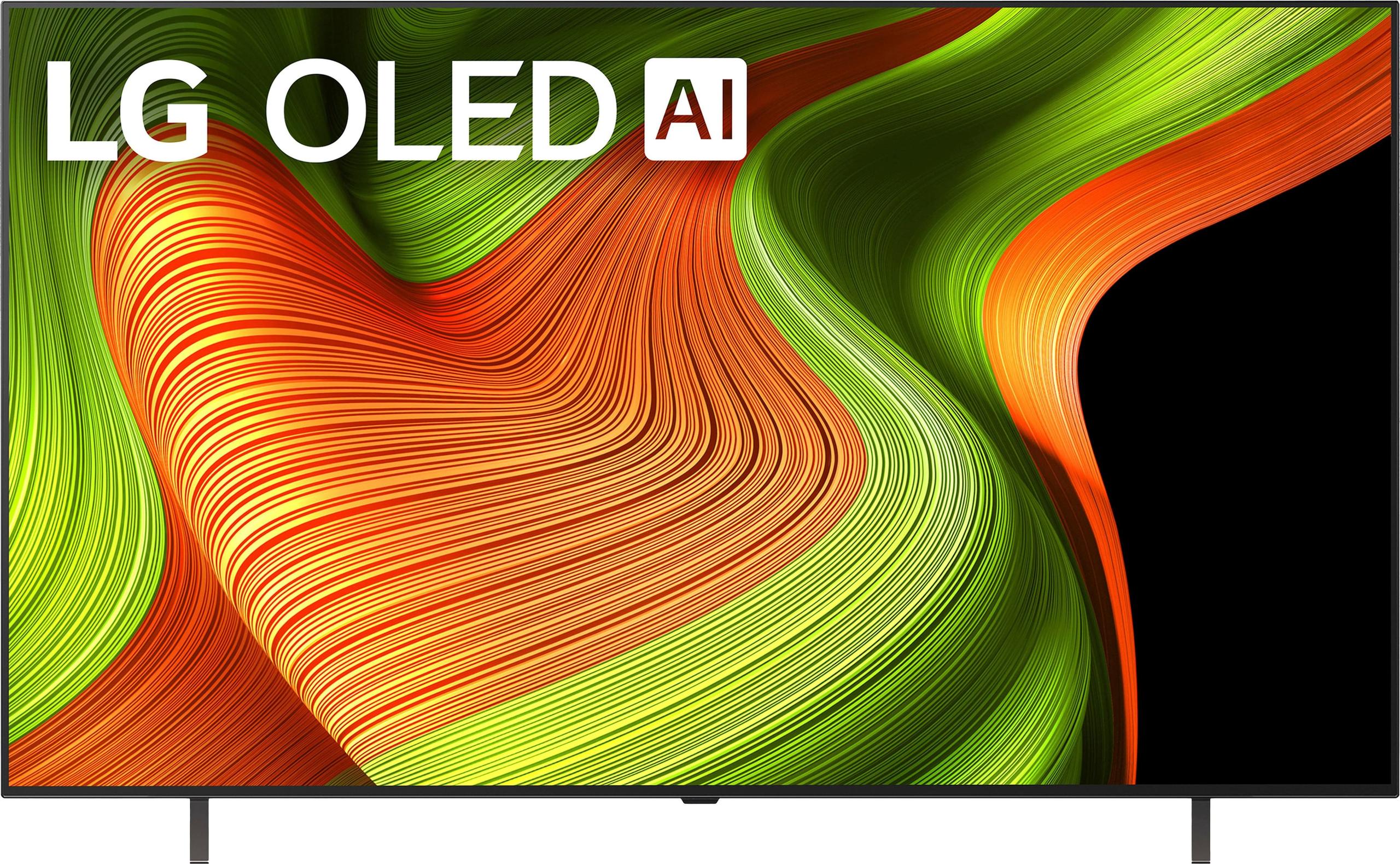
![LG B5 Series OLED 65" 4K Smart TV 2025[1][7][9]](https://images.hometheaterreview.com/htr-stateless/2025/07/3368ce40-25ef-4d07-b442-bb0af89e3a29.jpg)
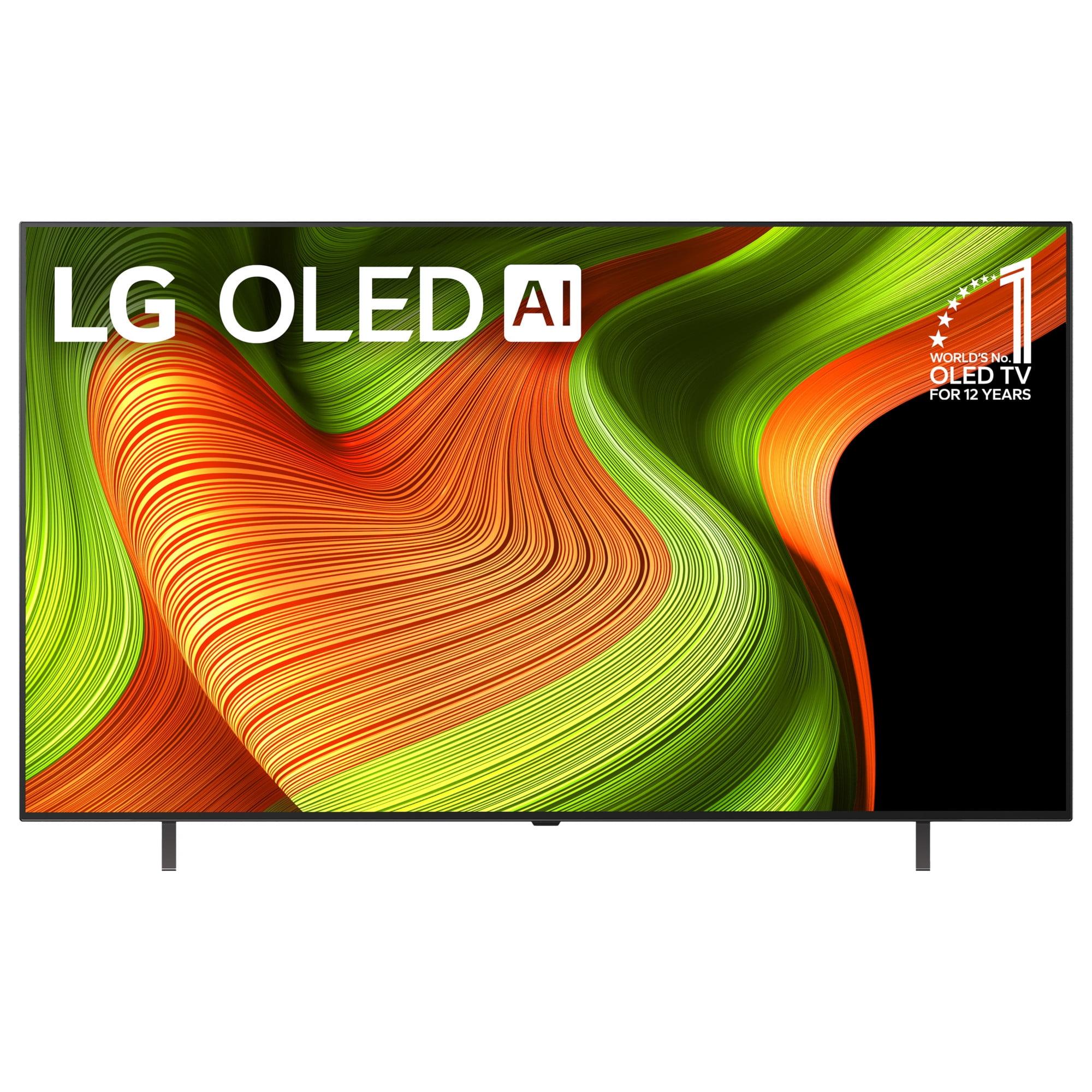
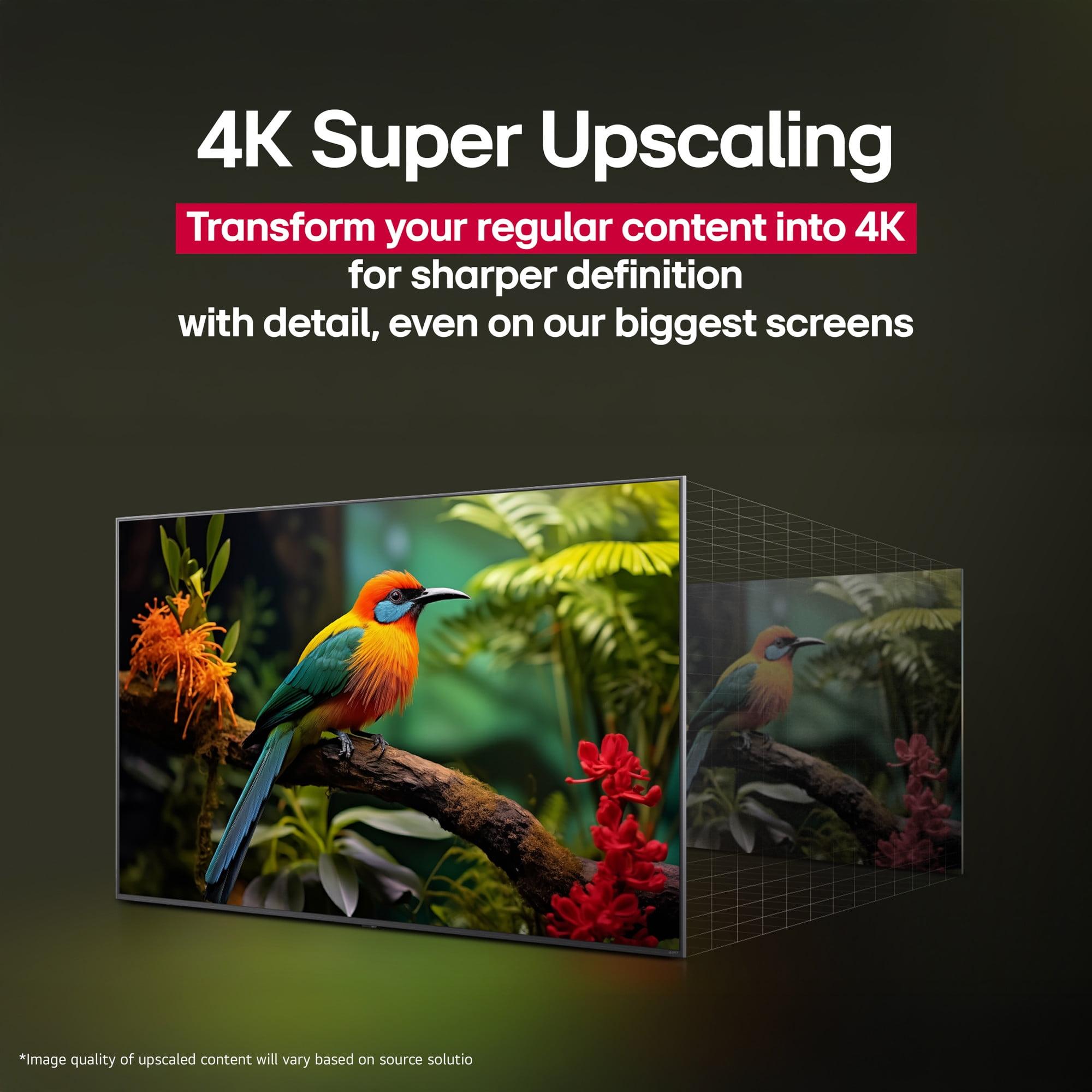
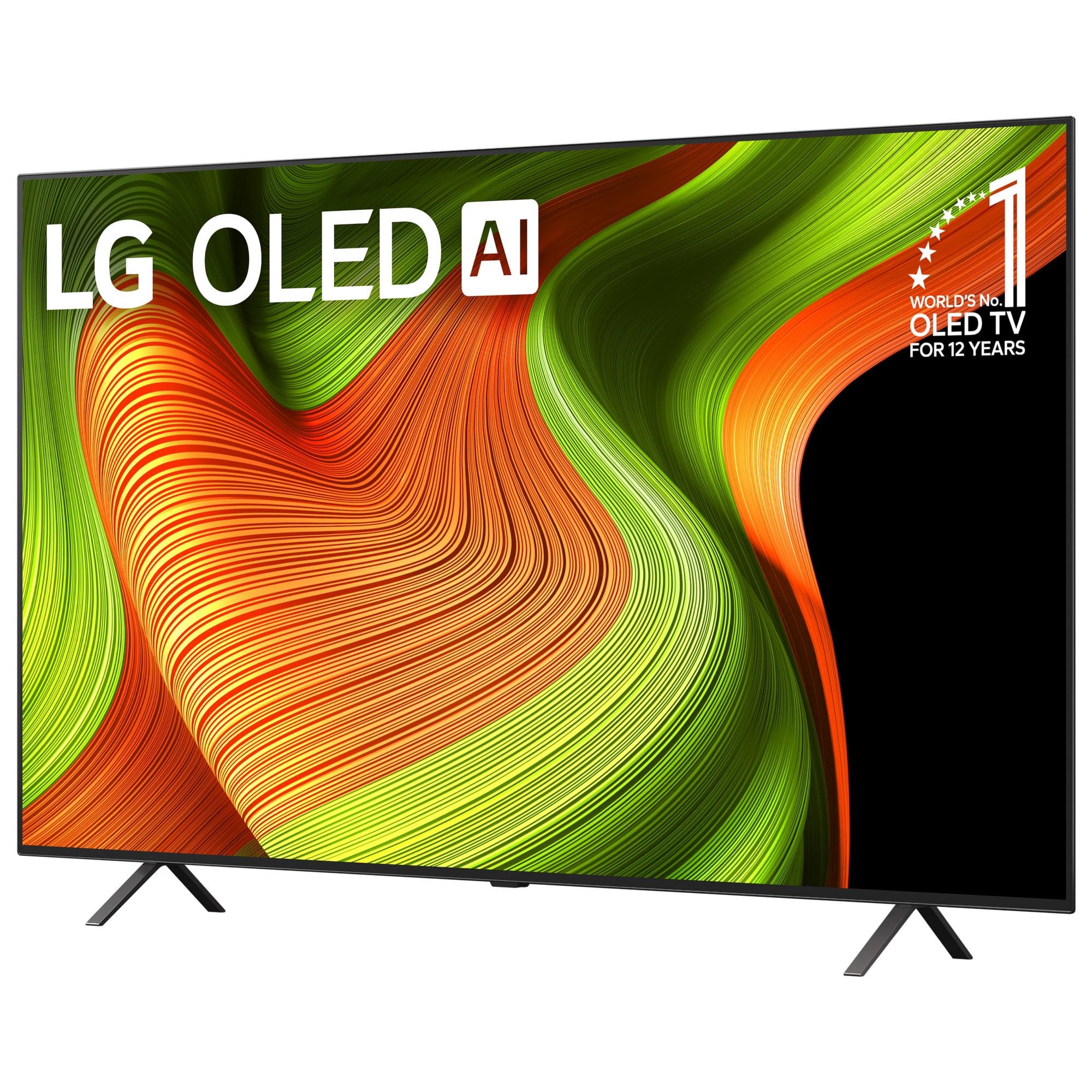
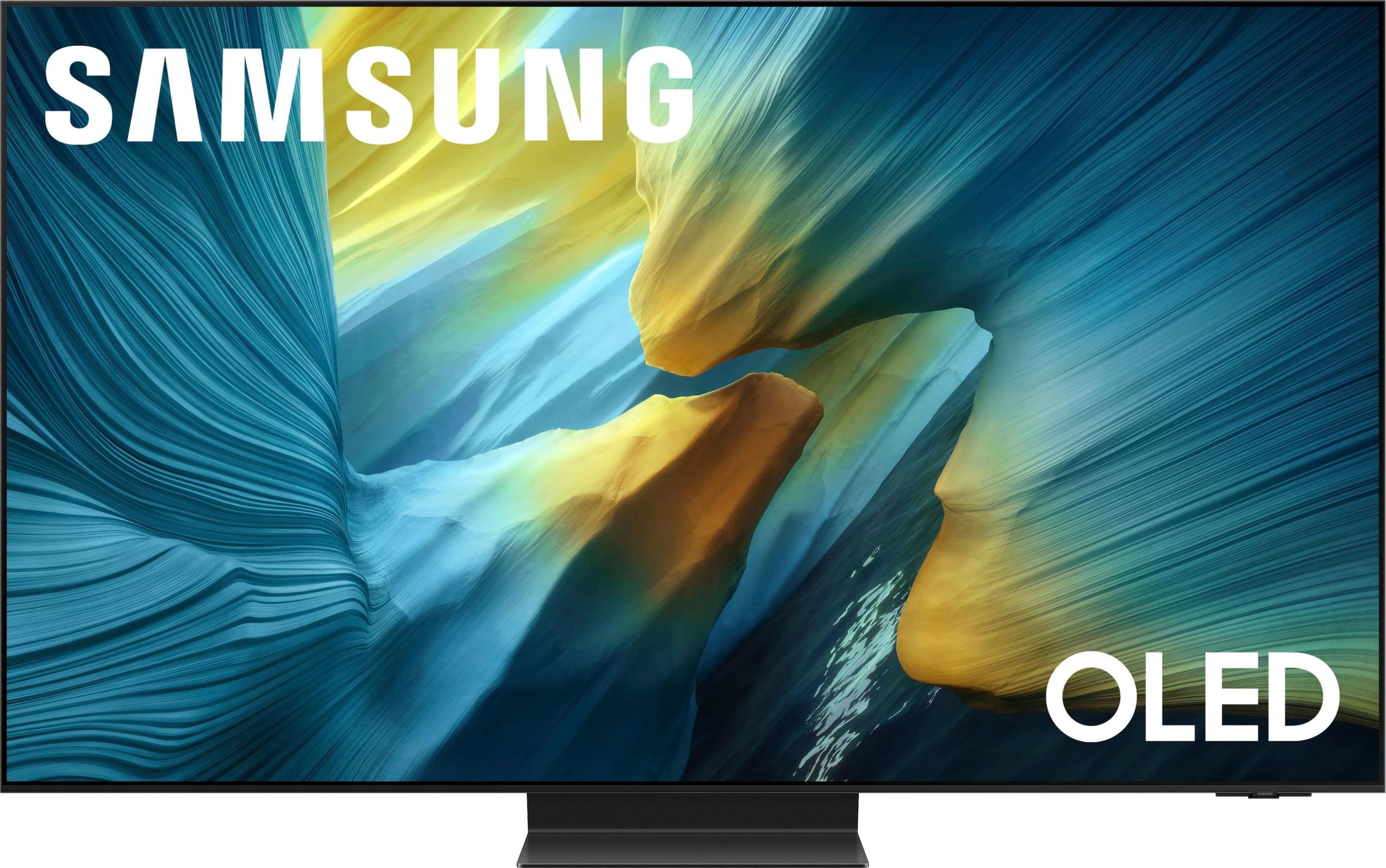
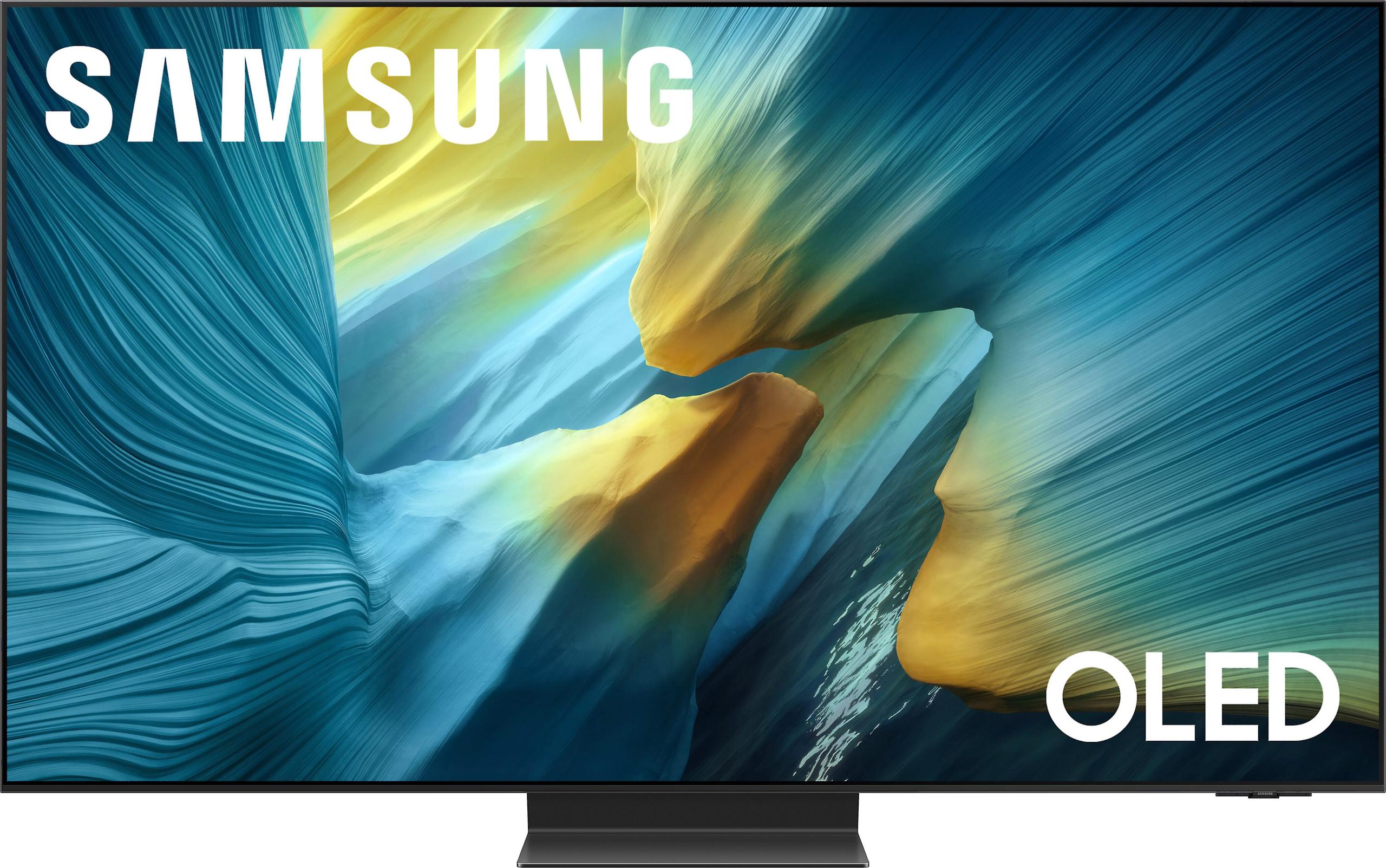
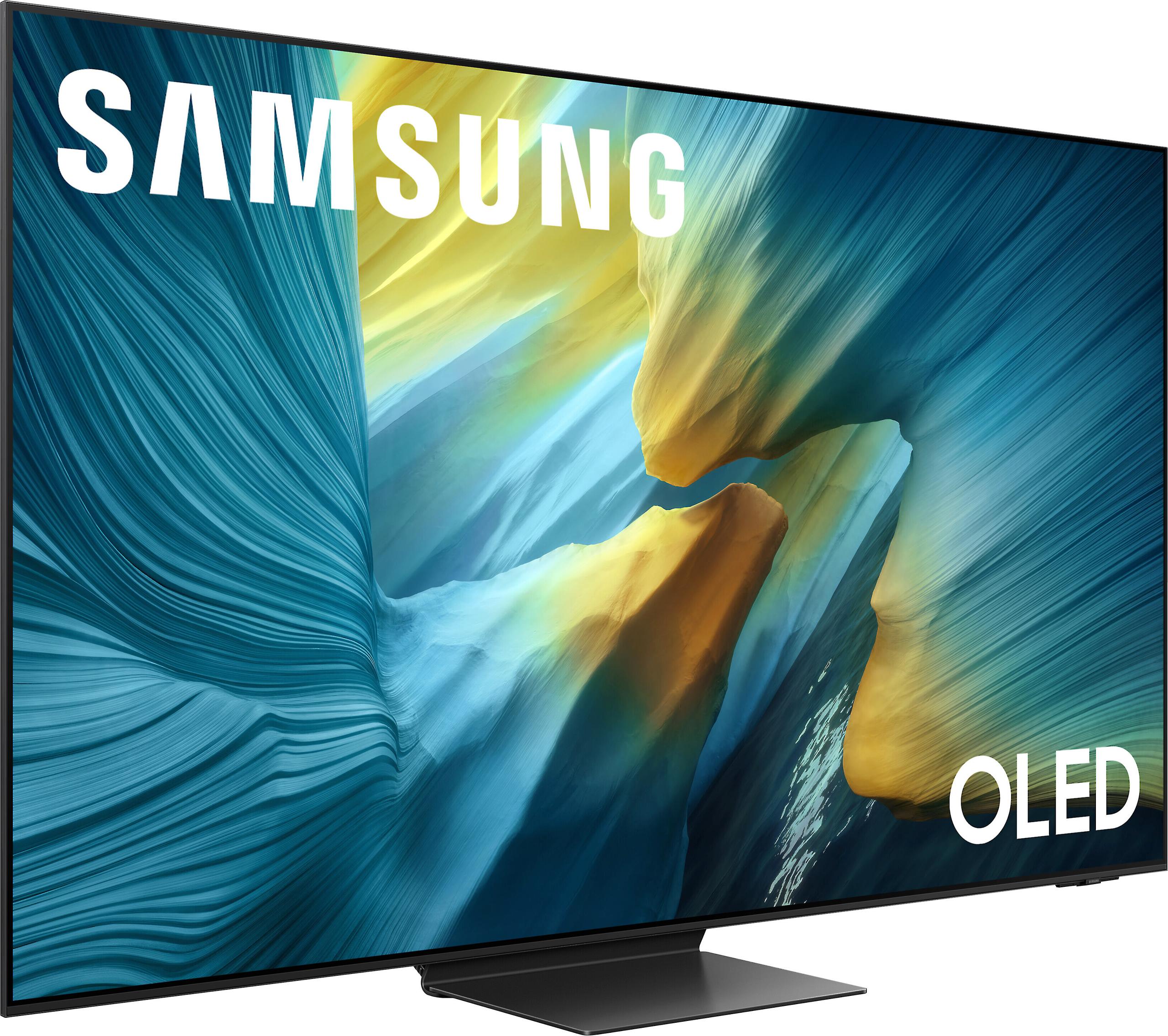
When you're shopping for a premium TV in 2025, OLED technology represents the gold standard for picture quality. Both the LG B5 Series OLED 65" 4K Smart TV 2025 at $1,699.99 and the Samsung 65" OLED S95F 4K Smart TV 2025 at $3,097.99 deliver the stunning visuals that make OLED displays so desirable. But with nearly $1,400 separating these two models, understanding their differences is crucial for making the right choice.
OLED technology works fundamentally differently from traditional LCD or LED TVs. Instead of using a backlight that shines through liquid crystals, each pixel in an OLED display is self-illuminating—meaning it produces its own light. This allows individual pixels to turn completely off, creating perfect blacks and infinite contrast ratios that LCD TVs simply cannot match.
When evaluating premium OLED TVs, several key factors separate good from great. Picture quality encompasses peak brightness (how bright the screen can get), color accuracy (how true colors appear), and contrast performance (the difference between the darkest and brightest parts of an image). Gaming performance involves input lag (the delay between pressing a button and seeing the result), refresh rates (how many times per second the screen updates), and specialized gaming features. The smart TV experience covers the operating system, app selection, and user interface quality. Finally, design and build quality affect both aesthetics and practical considerations like connectivity options.
The most significant difference between these TVs lies in their underlying panel technology. The LG B5 uses what's called a WOLED (White OLED) panel, while the Samsung S95F employs QD-OLED (Quantum Dot OLED) technology. Understanding this distinction is key to appreciating their performance differences.
WOLED panels, like those in the LG B5, create white light from their organic compounds, then use color filters to produce red, green, and blue pixels. This approach has been refined over years and delivers excellent color accuracy and natural-looking images. However, the color filtering process inherently reduces some of the light output, limiting peak brightness compared to other technologies.
QD-OLED panels take a different approach. They use blue OLED sub-pixels combined with quantum dots—microscopic semiconductor particles that convert blue light into pure red and green when excited. This method is more efficient, allowing higher peak brightness while maintaining OLED's perfect blacks. The result is more vibrant colors, especially in bright scenes, and better performance in well-lit rooms.
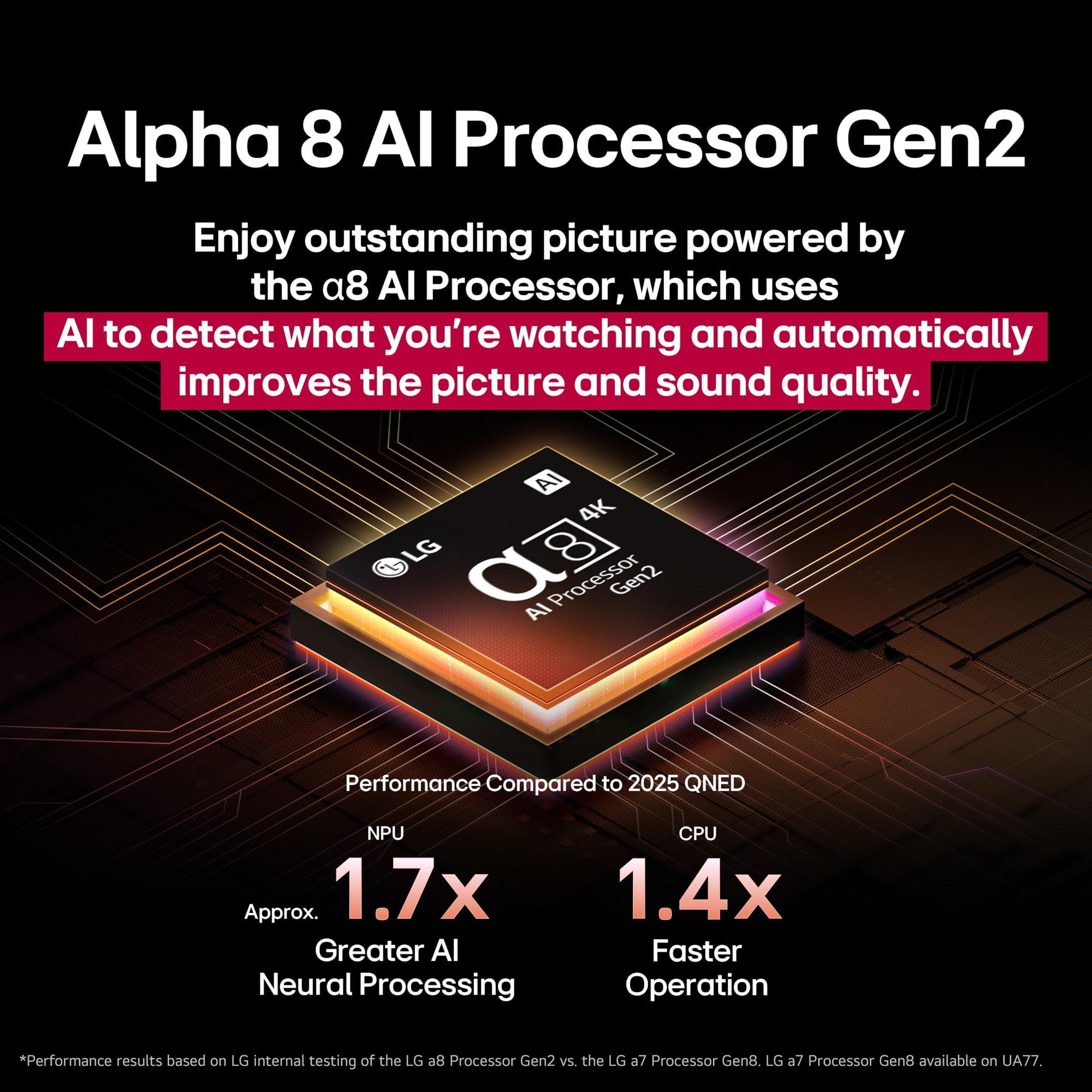
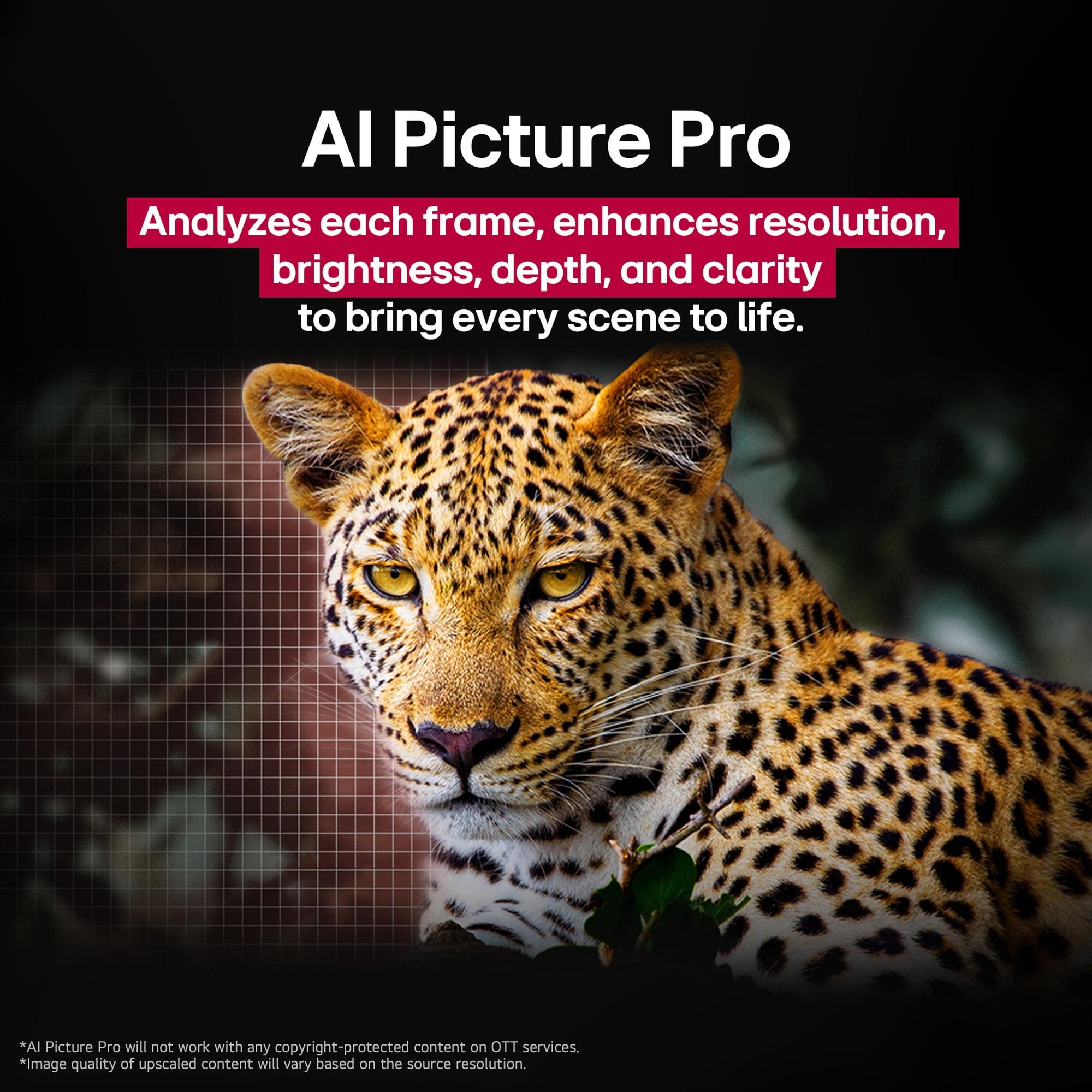
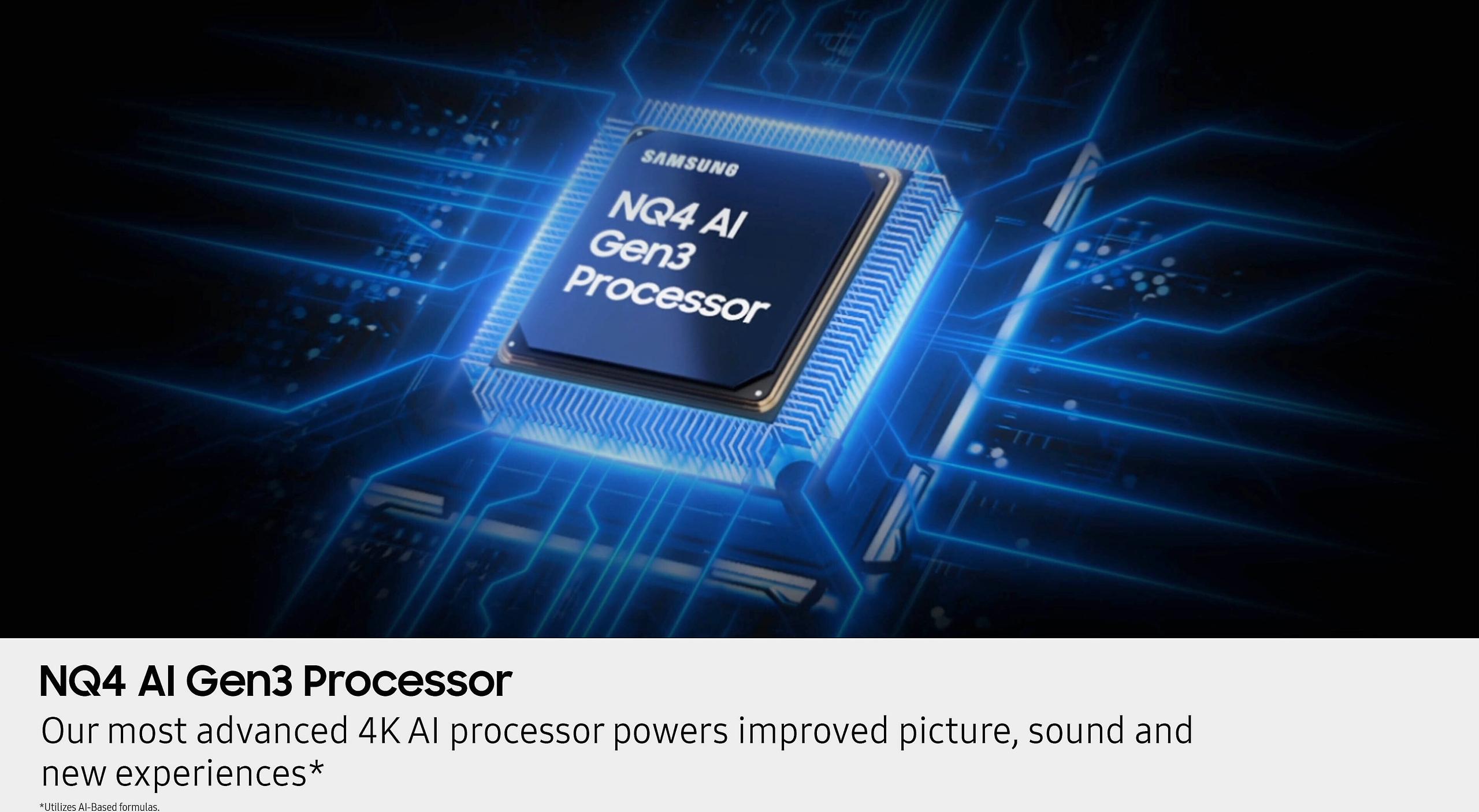
Both TVs were released in early 2025, representing the latest iterations of their respective technologies. The LG B5 includes LG's new α8 AI Processor Gen2, which is 1.4 times faster than the previous generation and offers improved AI-powered picture and sound optimization. The Samsung S95F features the NQ4 AI Gen3 Processor with Samsung Vision AI, powered by 128 neural networks for advanced content analysis and enhancement.
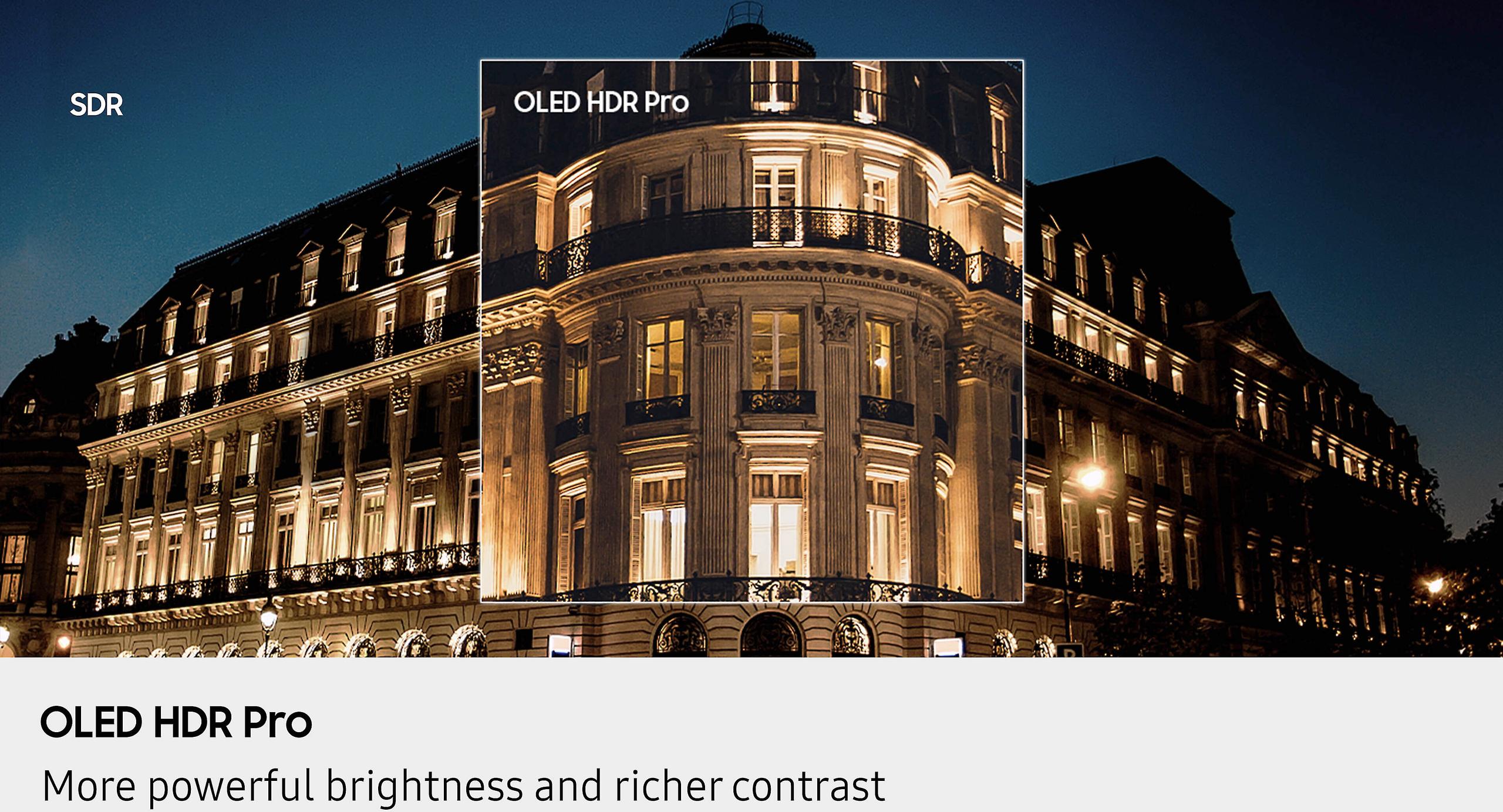
Peak brightness represents one of the most measurable differences between these displays. The Samsung S95F reaches up to 2,000 nits in HDR content—that's 30% brighter than Samsung's previous flagship. In practical terms, this means HDR (High Dynamic Range) content appears more impactful, with brighter highlights that better match what directors intended. Fireworks, sunsets, and reflections on water all appear more realistic and eye-catching.
The LG B5, while improved over previous generations, achieves more modest peak brightness levels. This doesn't necessarily mean worse picture quality—it means the TV performs better in darker viewing environments where extreme brightness isn't necessary. For most movie watching and streaming, the B5's brightness is perfectly adequate and often more comfortable for extended viewing sessions.
Color performance showcases another significant difference. The Samsung S95F's QD-OLED technology delivers what's called superior "color volume"—the ability to maintain vibrant, accurate colors even at high brightness levels. When watching nature documentaries or animated films, this translates to more saturated greens in forests, deeper blues in ocean scenes, and more vivid reds in sunsets. The quantum dot technology essentially allows the TV to maintain color purity across a wider range of brightness levels.
The LG B5 excels in color accuracy, particularly in darker scenes where its WOLED technology shines. Colors appear natural and film-like, which many home theater enthusiasts prefer for movie watching. The improved processor also enhances color reproduction in low-light scenes, reducing the color washing that affected some previous LG models.
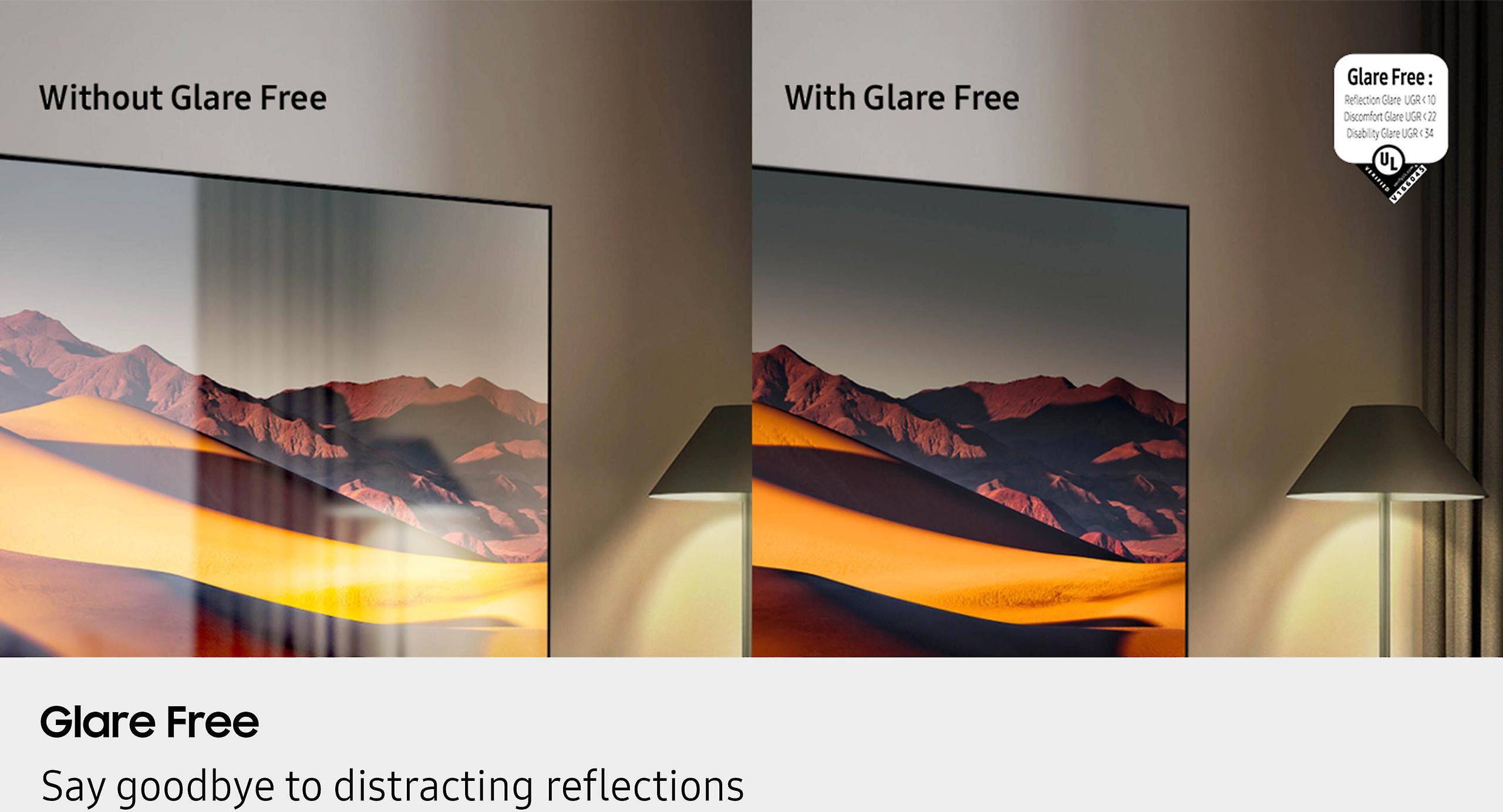
Contrast performance—the difference between the darkest and brightest parts of an image—benefits from OLED's inherent advantages in both TVs. However, the Samsung S95F includes OLED Glare Free 2.0 technology, which uses a specialized matte coating to reduce reflections. This anti-glare treatment makes the TV significantly more watchable in bright rooms, though it can slightly reduce the perceived depth of black levels compared to glossy screens.
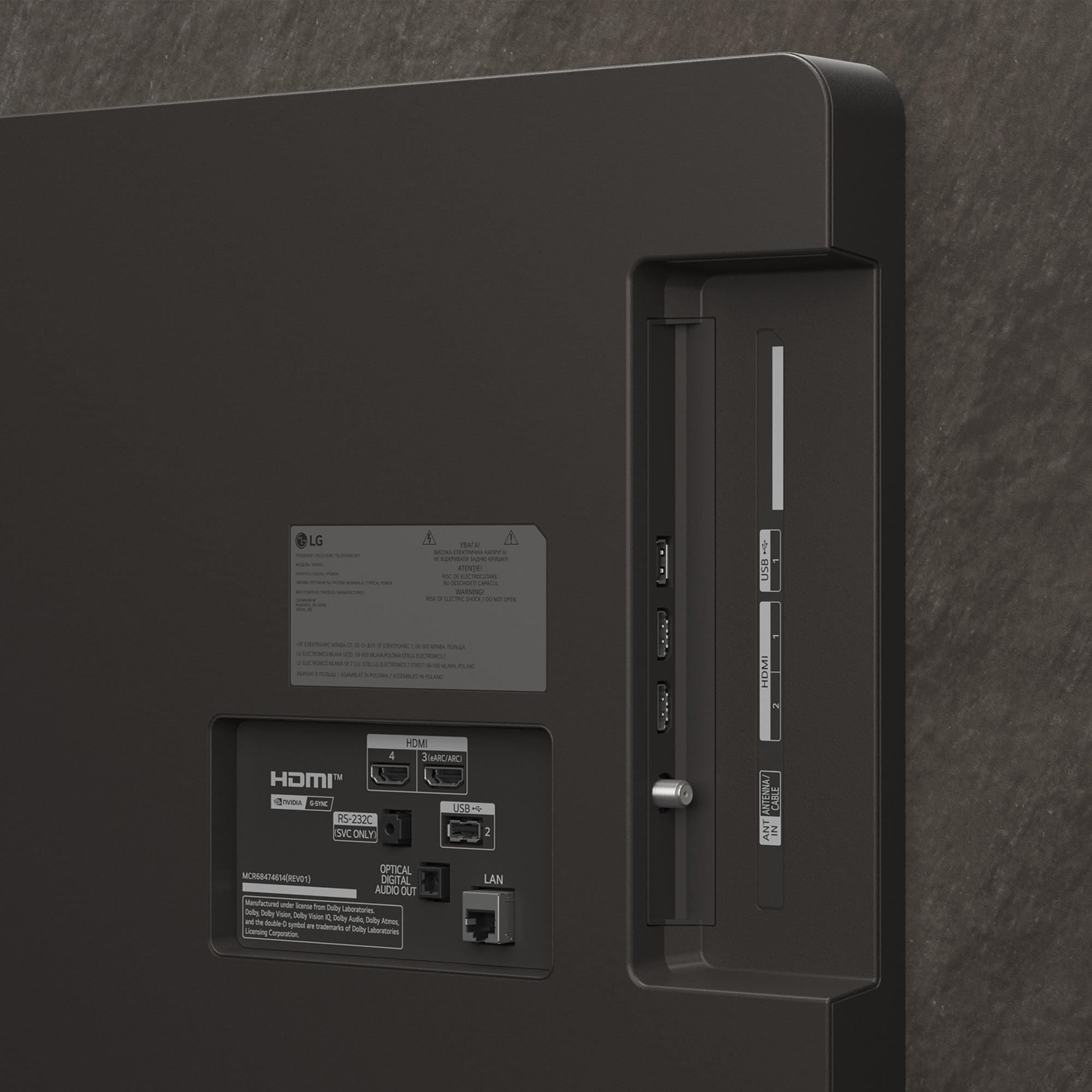
For gaming enthusiasts, both TVs offer compelling but different advantages. The LG B5 provides a native 120Hz refresh rate with four HDMI 2.1 ports, making it excellent for console gaming with PlayStation 5 and Xbox Series X. The TV supports both NVIDIA G-Sync and AMD FreeSync technologies, which eliminate screen tearing (when parts of different frames are displayed simultaneously) and provide smoother gameplay.
What sets the LG B5 apart for gaming is its Dolby Vision Gaming support. This feature allows compatible games to take advantage of Dolby Vision's enhanced HDR processing, potentially providing more accurate colors and better shadow detail in supported titles. The TV also includes LG's Game Dashboard, which provides quick access to gaming-specific settings without leaving your game.
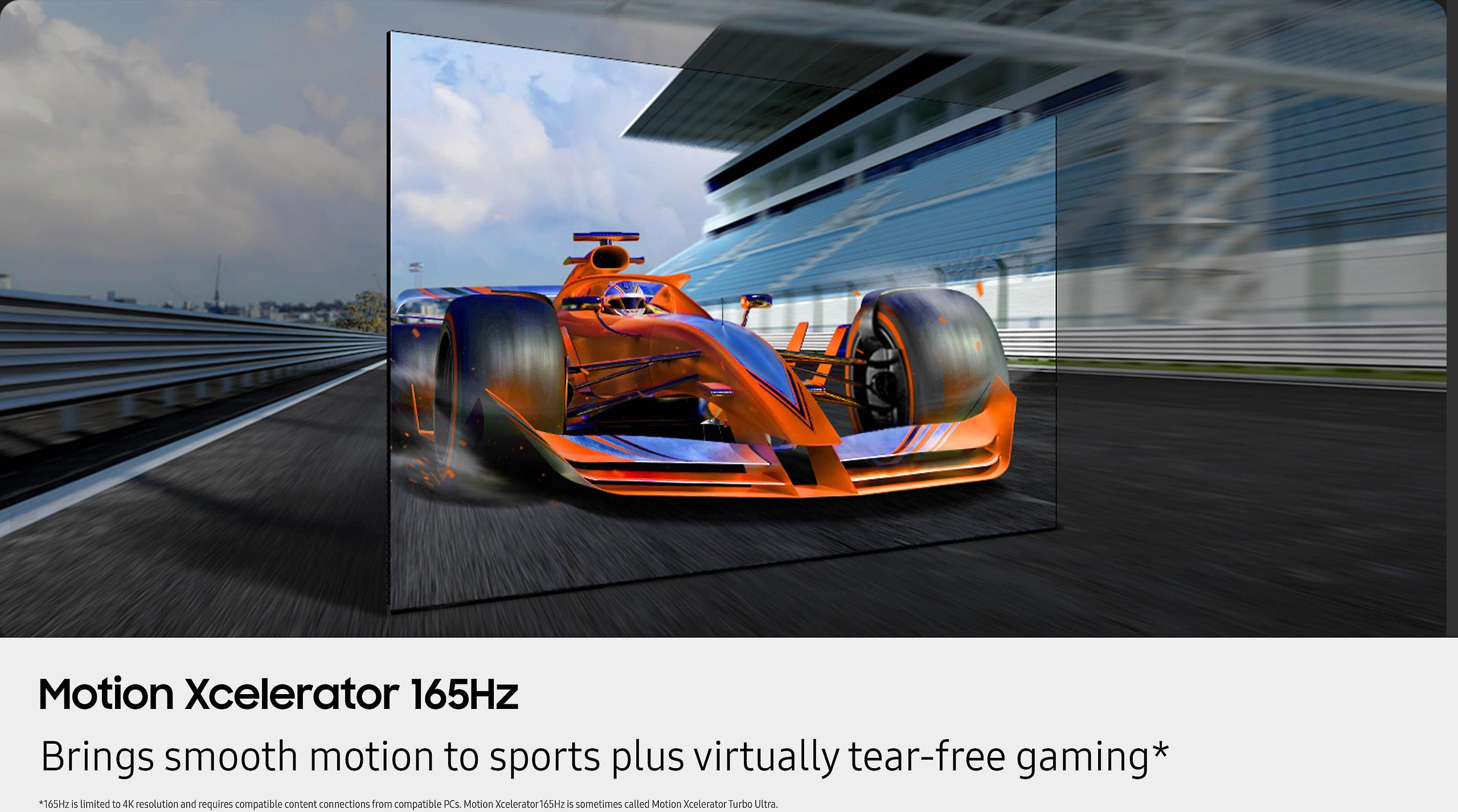
The Samsung S95F takes gaming performance further with its 165Hz refresh rate capability through Motion Xcelerator technology. While current consoles are limited to 120Hz, this higher refresh rate benefits PC gamers with high-end graphics cards. The TV also features AMD FreeSync Premium Pro certification and typically achieves lower input lag—the delay between pressing a button and seeing the action on screen.
Input lag is particularly important for competitive gaming. While both TVs perform well, the Samsung S95F consistently achieves slightly lower input lag measurements, especially at higher refresh rates. This difference might only matter to serious competitive gamers, but it's worth noting for those who prioritize the most responsive gaming experience possible.
Your TV's operating system shapes every interaction, from turning it on to finding content. The LG B5 runs webOS 25, which many users find intuitive and well-designed. The interface features Quick Cards that group your favorite apps and provide easy access to over 300 free streaming channels through LG Channels. The magic remote includes a new AI button that provides voice control and personalized recommendations.
WebOS excels in app selection and streaming service integration. Most major streaming platforms are readily available, and LG's partnership with streaming services often means early access to new features. The platform also handles Dolby Vision content seamlessly across multiple streaming services, which is particularly valuable given the B5's Dolby Vision support.
The Samsung S95F uses Tizen OS, which offers robust functionality but can have a steeper learning curve. Samsung's platform includes extensive customization options and integrates well with other Samsung devices. The TV features Samsung Vision AI, which analyzes content and automatically optimizes picture settings based on what you're watching.
Both platforms offer voice control, but they handle it differently. LG's system integrates with Google Assistant and Amazon Alexa, while Samsung relies primarily on Bixby. For smart home integration, both TVs support major platforms, though compatibility can vary by region and specific devices.
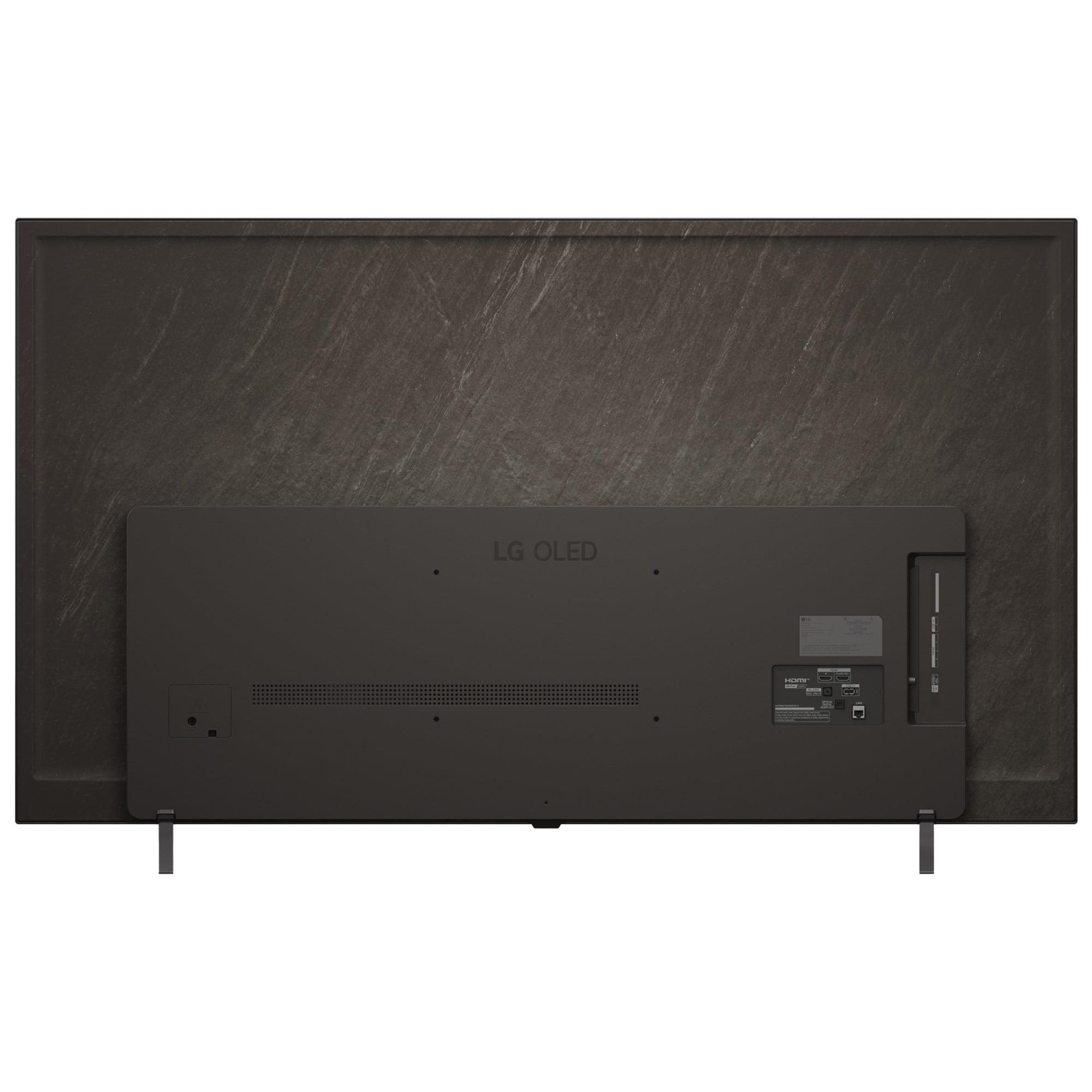
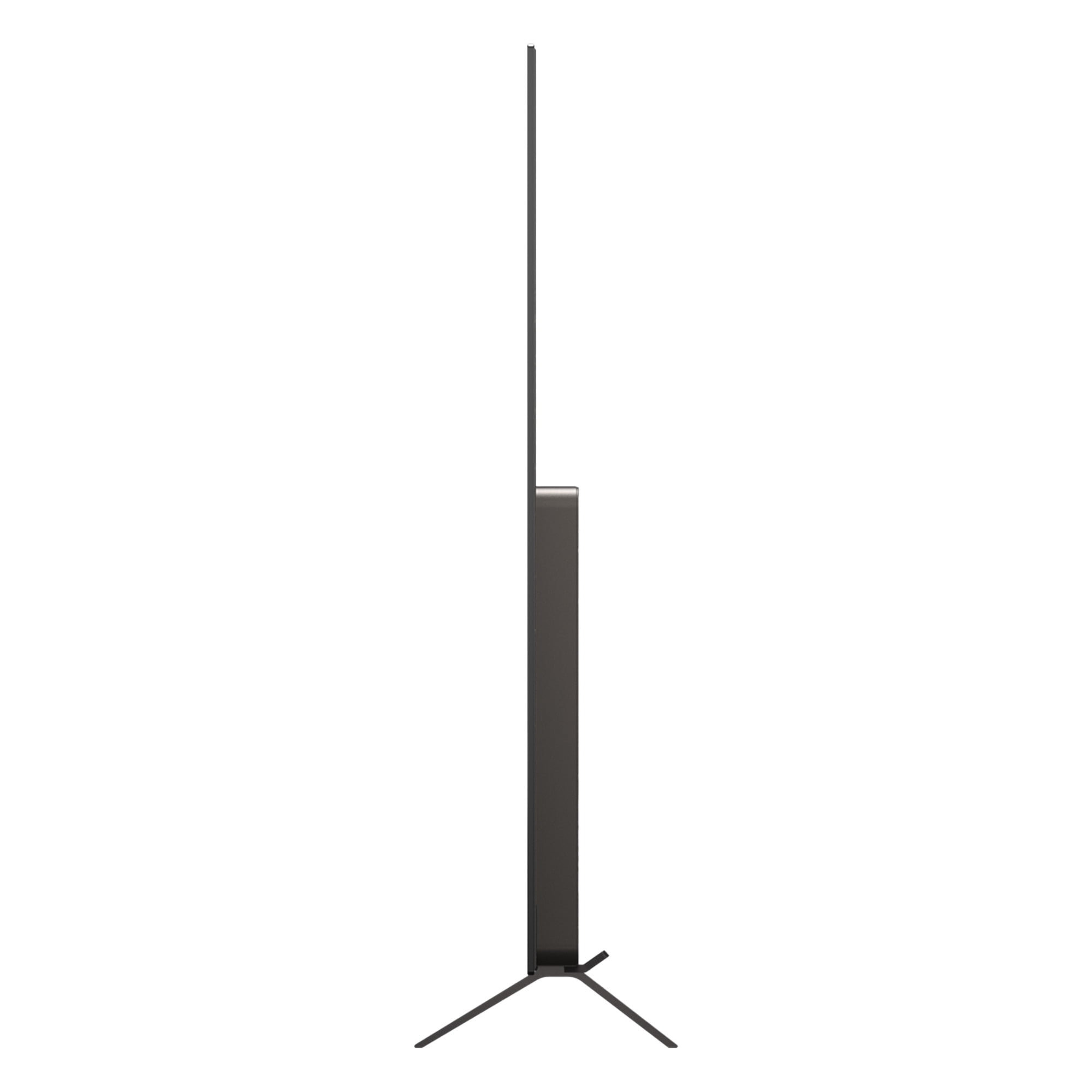
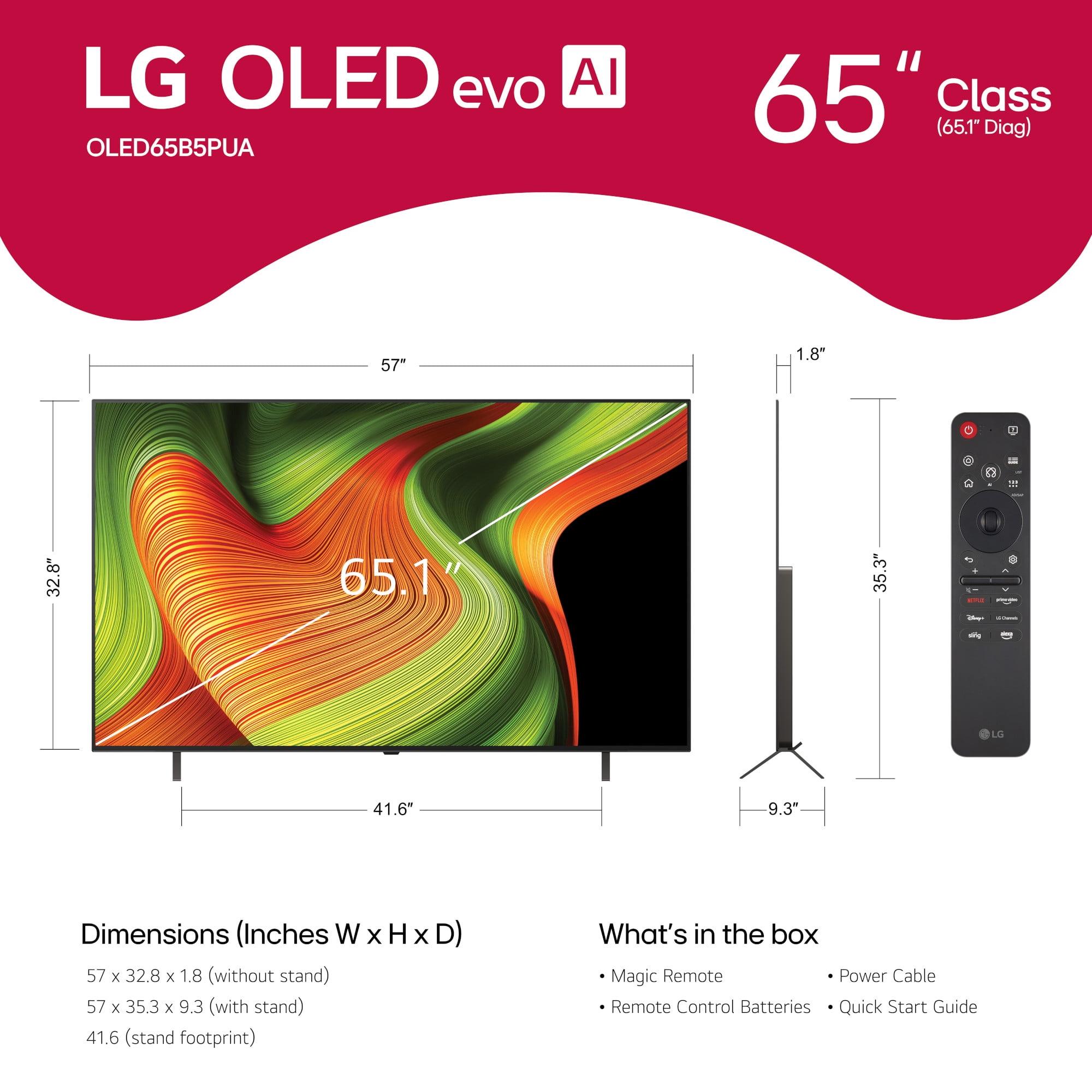
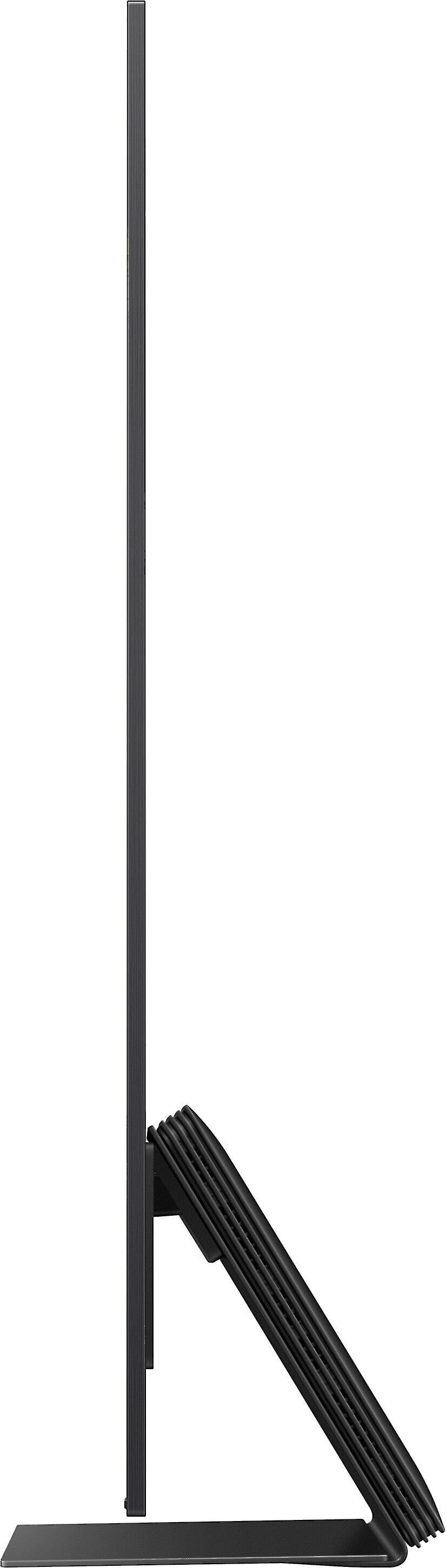
Both TVs showcase premium design philosophies, but with different approaches. The LG B5 features an ultra-slim profile with minimal bezels and a simple central pedestal stand. The design emphasizes clean lines and doesn't draw attention away from the screen itself. All ports are integrated into the TV, keeping cable management relatively straightforward.
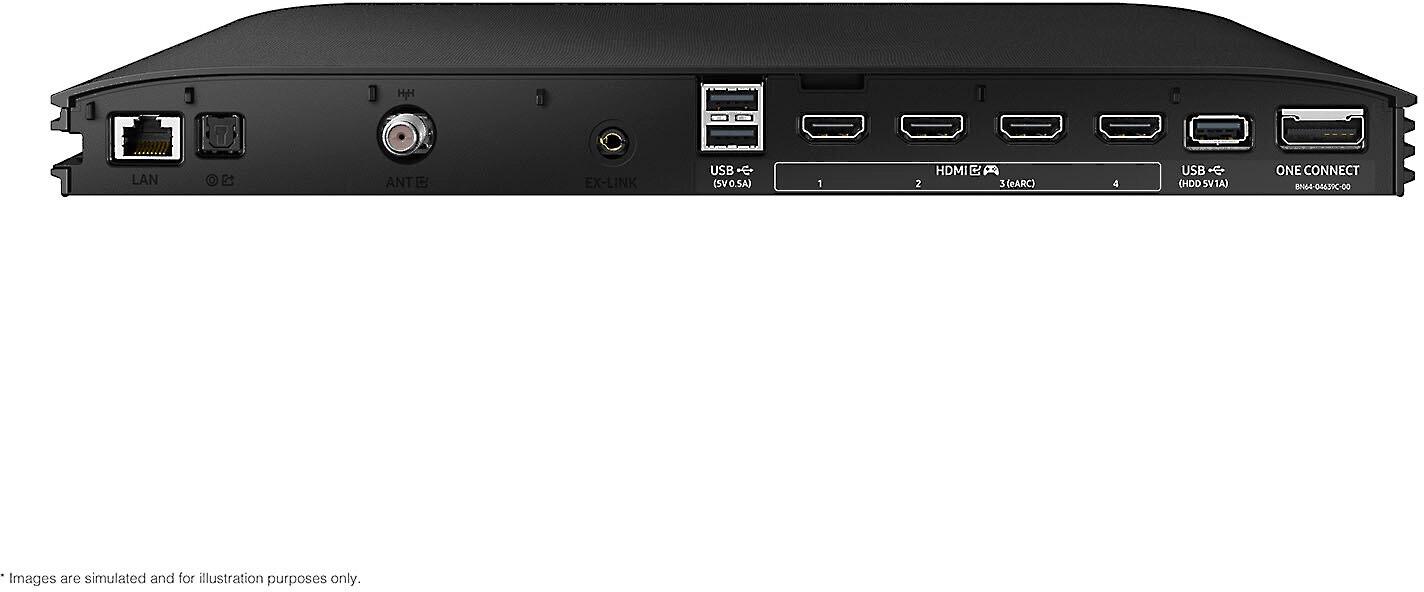
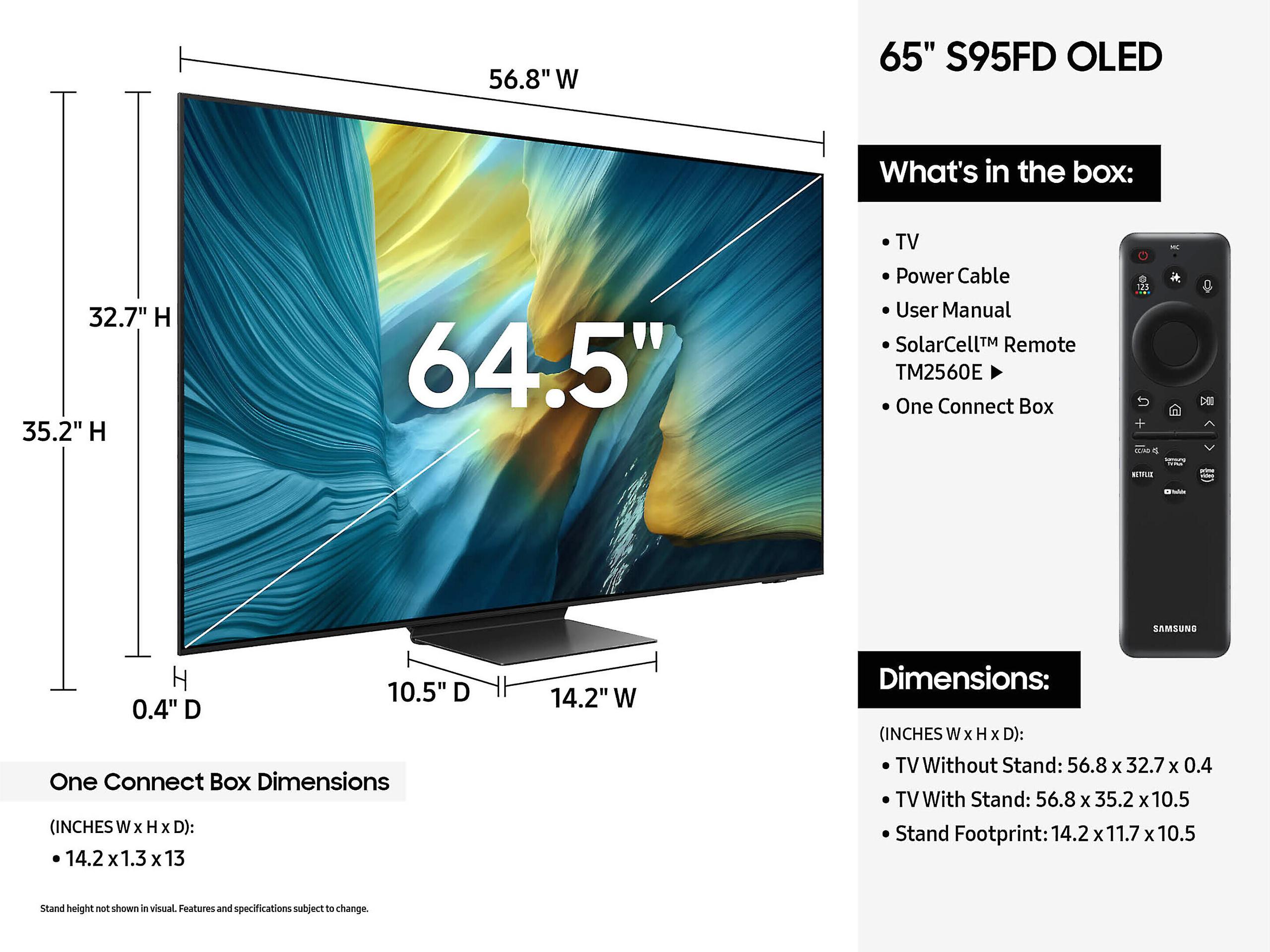
The Samsung S95F takes a more premium approach with its One Connect box—a separate unit that houses all the TV's ports and connects to the display via a single, nearly invisible cable. This design allows for extremely clean wall mounting, with only one thin cable running to the TV. The TV itself is razor-thin, and the build quality feels particularly premium.
For home theater installations, the One Connect box offers significant advantages. You can locate the box near your media components while keeping the TV itself clean and uncluttered. This approach also makes it easier to access ports for connecting new devices without reaching behind the TV.
HDR support represents a crucial differentiator between these TVs. The LG B5 supports Dolby Vision, HDR10, and HLG (Hybrid Log-Gamma). Dolby Vision is particularly important because it's widely used by streaming services like Netflix, Disney+, and Apple TV+, as well as many UHD Blu-ray releases. Dolby Vision uses dynamic metadata—information that tells the TV how to display each scene or even each frame for optimal results.
The Samsung S95F supports HDR10+, HDR10, and HLG, but notably lacks Dolby Vision support. HDR10+ provides similar dynamic metadata capabilities to Dolby Vision, but it's less widely adopted by content creators. When you play Dolby Vision content on the Samsung, it falls back to standard HDR10, which may not fully utilize the TV's capabilities.
This difference matters more for some content than others. If you primarily stream from services that offer Dolby Vision or collect UHD Blu-rays, the LG B5's support provides a meaningful advantage. However, if you mostly watch content from sources that use HDR10 or HDR10+, the Samsung's superior brightness and color performance might outweigh the format limitation.
For dedicated home theater setups, both TVs offer compelling advantages, but they serve different priorities. The LG B5 excels in controlled lighting environments where its natural color reproduction and Dolby Vision support create a truly cinematic experience. The TV includes FILMMAKER MODE, which automatically adjusts settings to match the director's intended viewing experience, disabling motion smoothing and adjusting color temperature accordingly.
The Samsung S95F's superior brightness makes it more versatile for home theaters that aren't completely light-controlled. Its anti-glare technology means you can enjoy high-quality viewing even with some ambient light, making it more practical for multi-purpose rooms that serve as both living spaces and entertainment centers.
Both TVs support advanced audio formats including Dolby Atmos, and they can work with compatible soundbars to create immersive audio experiences. The Samsung S95F's Q-Symphony technology specifically enhances integration with Samsung soundbars, while the LG B5 works well with LG's soundbar lineup.
The $1,400 price difference between these TVs represents the premium for Samsung's QD-OLED technology and additional features. The LG B5 delivers exceptional value by providing core OLED benefits—perfect blacks, excellent contrast, and vibrant colors—at a much more accessible price point. For most users, especially those viewing in controlled lighting conditions, the B5 provides a fantastic viewing experience that justifies its position as a premium TV.
The Samsung S95F commands its higher price through measurably superior performance in brightness, color volume, and anti-glare capability. If you're planning to use the TV in a bright room, prioritize the absolute best picture quality available, or want premium features like the One Connect box, the S95F offers clear advantages that may justify the additional cost.
Choose the LG B5 Series OLED 65" 4K Smart TV 2025 if you want excellent OLED performance at a reasonable price. It's ideal for movie enthusiasts who value Dolby Vision support and natural color reproduction. The B5 works best in controlled lighting environments and offers outstanding value for users who want premium picture quality without paying flagship prices.
Choose the Samsung 65" OLED S95F 4K Smart TV 2025 if you want the absolute best picture quality available and can justify the premium price. It's perfect for bright rooms, serious gamers who value high refresh rates, and users who prioritize peak performance over value. The S95F's superior brightness and anti-glare technology make it more versatile for various viewing environments.
Both TVs represent excellent choices within their respective market segments. The LG B5 proves that exceptional OLED performance doesn't require a premium price, while the Samsung S95F demonstrates what's possible when cost is less of a constraint. Your choice ultimately depends on your specific needs, viewing environment, and how much you're willing to invest in the ultimate viewing experience.
| LG B5 Series OLED 65" 4K Smart TV 2025 | Samsung 65" OLED S95F 4K Smart TV 2025 |
|---|---|
| Price - Major cost difference for similar core OLED benefits | |
| $1,699.99 | $3,097.99 |
| Panel Technology - Determines brightness and color performance | |
| WOLED (White OLED) with color filters | QD-OLED (Quantum Dot OLED) for superior brightness |
| Peak Brightness - Critical for HDR impact and bright room viewing | |
| Moderate improvement over previous generation | Up to 2,000 nits (30% brighter, excellent for bright rooms) |
| HDR Format Support - Affects streaming and disc compatibility | |
| Dolby Vision, HDR10, HLG (better streaming compatibility) | HDR10+, HDR10, HLG (no Dolby Vision support) |
| Gaming Refresh Rate - Higher rates benefit PC gaming | |
| 120Hz native (perfect for consoles) | 165Hz with Motion Xcelerator (advantage for PC gaming) |
| Anti-Glare Technology - Essential for bright room performance | |
| Standard OLED (some reflections in bright rooms) | OLED Glare Free 2.0 (excellent anti-reflection coating) |
| Smart TV Platform - Daily user experience | |
| webOS 25 (intuitive interface, excellent app selection) | Tizen OS (robust features, steeper learning curve) |
| Gaming Features - Specialized enhancements for gamers | |
| Dolby Vision Gaming, Game Dashboard, G-Sync/FreeSync | AI Auto Game Mode, Game Bar, FreeSync Premium Pro |
| Design and Connectivity - Impacts installation and cable management | |
| Ultra-slim with integrated ports | Razor-thin with One Connect box (cleaner wall mounting) |
| Processor - Handles AI features and content optimization | |
| α8 AI Processor Gen2 (1.4x faster processing) | NQ4 AI Gen3 with Samsung Vision AI (128 neural networks) |
| Best Use Cases - Where each TV excels | |
| Movie watching, controlled lighting, value-focused buyers | Bright rooms, PC gaming, users wanting peak performance |
The LG B5 Series OLED 65" 4K Smart TV 2025 at $1,699.99 offers significantly better value for most buyers. While the Samsung 65" OLED S95F 4K Smart TV 2025 at $3,097.99 delivers superior brightness and color performance, the $1,400 price difference is substantial. The LG B5 provides excellent OLED picture quality, perfect blacks, and vibrant colors at a much more accessible price point.
The primary difference is panel technology and brightness. The Samsung S95F uses QD-OLED technology that reaches up to 2,000 nits peak brightness, making it excellent for bright rooms. The LG B5 uses WOLED technology with more modest brightness levels but superior value and Dolby Vision support for streaming content.
Both TVs excel for gaming, but serve different needs. The LG B5 offers 120Hz refresh rate perfect for consoles, plus unique Dolby Vision Gaming support. The Samsung S95F provides 165Hz refresh rate and lower input lag, making it better for PC gaming and competitive players who need maximum responsiveness.
No, only the LG B5 Series OLED 65" 4K Smart TV 2025 supports Dolby Vision, HDR10, and HLG formats. The Samsung S95F supports HDR10+ and HDR10 but lacks Dolby Vision, which is widely used by Netflix, Disney+, and UHD Blu-rays. This gives the LG B5 better compatibility with streaming services.
The Samsung 65" OLED S95F 4K Smart TV 2025 performs significantly better in bright rooms thanks to its higher peak brightness (up to 2,000 nits) and OLED Glare Free 2.0 anti-reflection technology. The LG B5 works best in controlled lighting environments due to its lower brightness and more reflective screen.
Yes, they use different operating systems. The LG B5 runs webOS 25, which is known for its intuitive interface and excellent app selection. The Samsung S95F uses Tizen OS, which offers robust features but has a steeper learning curve. Both support major streaming apps and voice control.
For dedicated home theaters with controlled lighting, the LG B5 Series OLED 65" 4K Smart TV 2025 excels with its natural color reproduction, Dolby Vision support, and FILMMAKER MODE. For multi-purpose rooms that aren't completely dark, the Samsung S95F offers more flexibility with its superior brightness and anti-glare technology.
The Samsung S95F delivers more vibrant, punchy colors with superior color volume, especially in bright scenes, thanks to its QD-OLED technology. The LG B5 provides more natural, film-like colors with excellent accuracy, particularly in darker scenes. Both offer perfect blacks due to OLED technology.
Both TVs offer premium design, but differently. The LG B5 features an ultra-slim profile with integrated ports and a simple stand. The Samsung 65" OLED S95F 4K Smart TV 2025 includes a premium One Connect box that houses all ports, enabling cleaner wall mounting with just one cable to the TV.
The Samsung S95F offers 165Hz refresh rate and typically lower input lag, benefiting PC gamers. The LG B5 provides 120Hz refresh rate perfect for consoles, plus unique Dolby Vision Gaming support for enhanced HDR gaming. Both include HDMI 2.1 ports and variable refresh rate technologies.
The LG B5 Series OLED 65" 4K Smart TV 2025 is generally better for streaming due to its Dolby Vision support, which is used by Netflix, Disney+, Apple TV+, and other major services. The webOS platform also provides excellent streaming app integration and user experience.
The Samsung S95F justifies its premium price if you have a bright viewing room, want the absolute best picture quality available, or prioritize gaming performance. However, for most users in controlled lighting who want excellent OLED performance, the LG B5 offers outstanding value at its lower price point.
We've done our best to create useful and informative comparisons to help you decide what product to buy. Our research uses advanced automated methods to create this comparison and perfection is not possible - please contact us for corrections or questions. These are the sites we've researched in the creation of this article: eftm.com - bestbuy.com - rtings.com - youtube.com - rtings.com - tomsguide.com - youtube.com - nationalproductreview.com.au - lg.com - manchesterbrothers.com - avsforum.com - lg.com - lg.com - lg.com - lg.com - retailspecs.com - american-homeappliance.com - perpichtv.com - businessinsider.com - tomsguide.com - youtube.com - avsforum.com - zdnet.com - samsung.com - pioneertvandappliance.com - samsung.com - displayspecifications.com - samsung.com

Privacy Policy
Terms and Conditions - Affiliate Policy
Home Security
© Copyright 2008-2026.
11816 Inwood Rd #1211, Dallas, TX 75244