

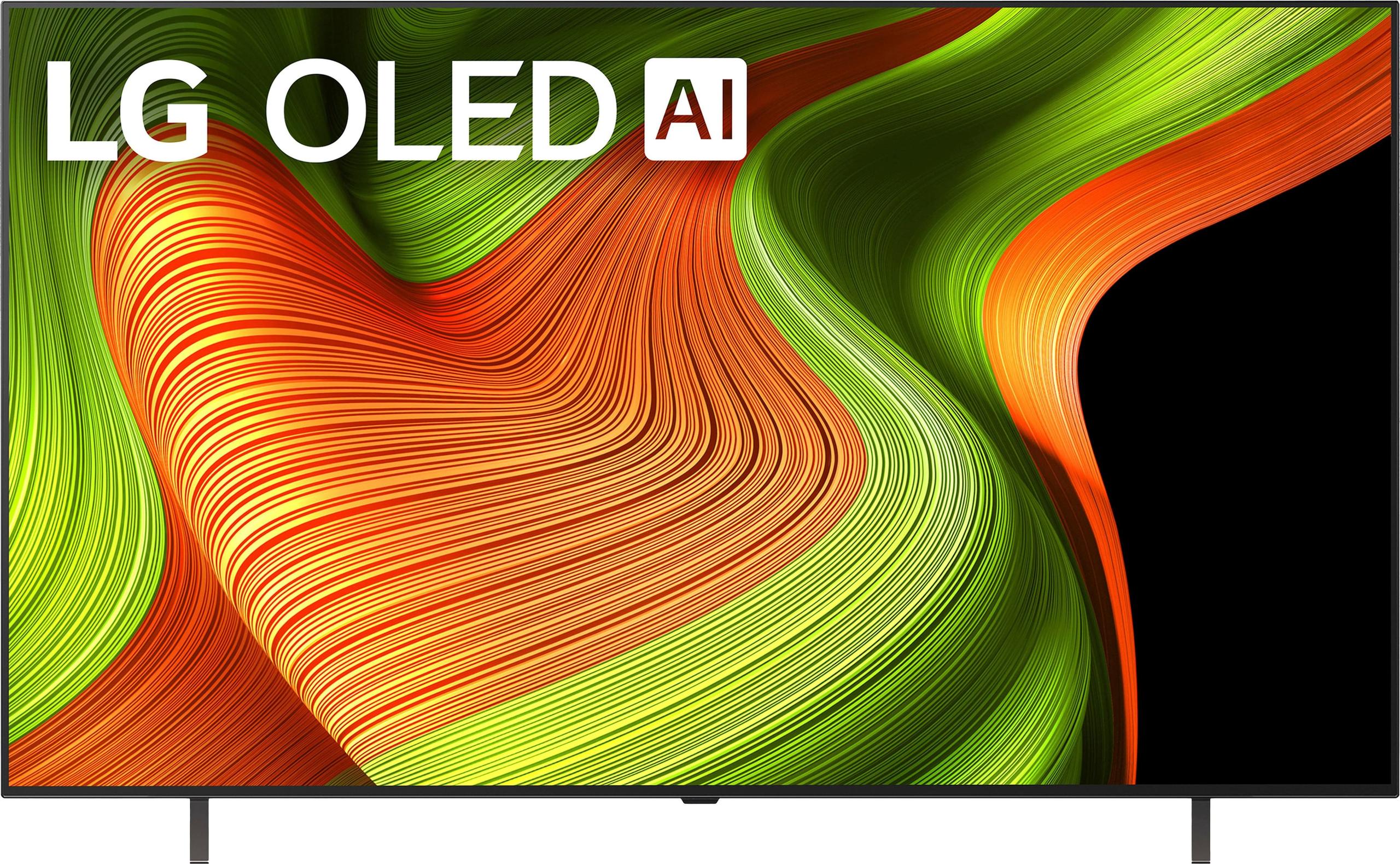
![LG B5 Series OLED 65" 4K Smart TV 2025[1][7][9]](https://images.hometheaterreview.com/htr-stateless/2025/07/3368ce40-25ef-4d07-b442-bb0af89e3a29.jpg)
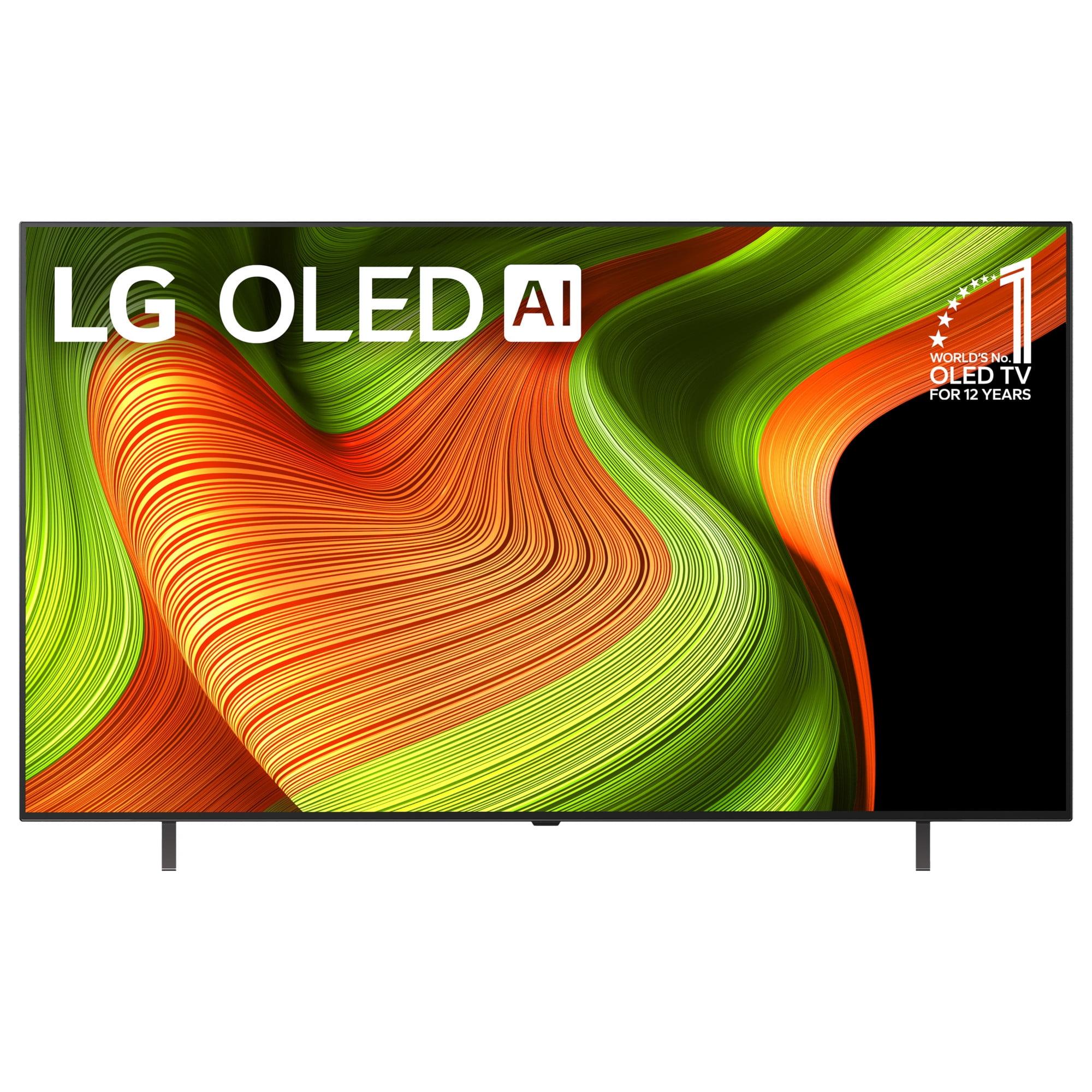


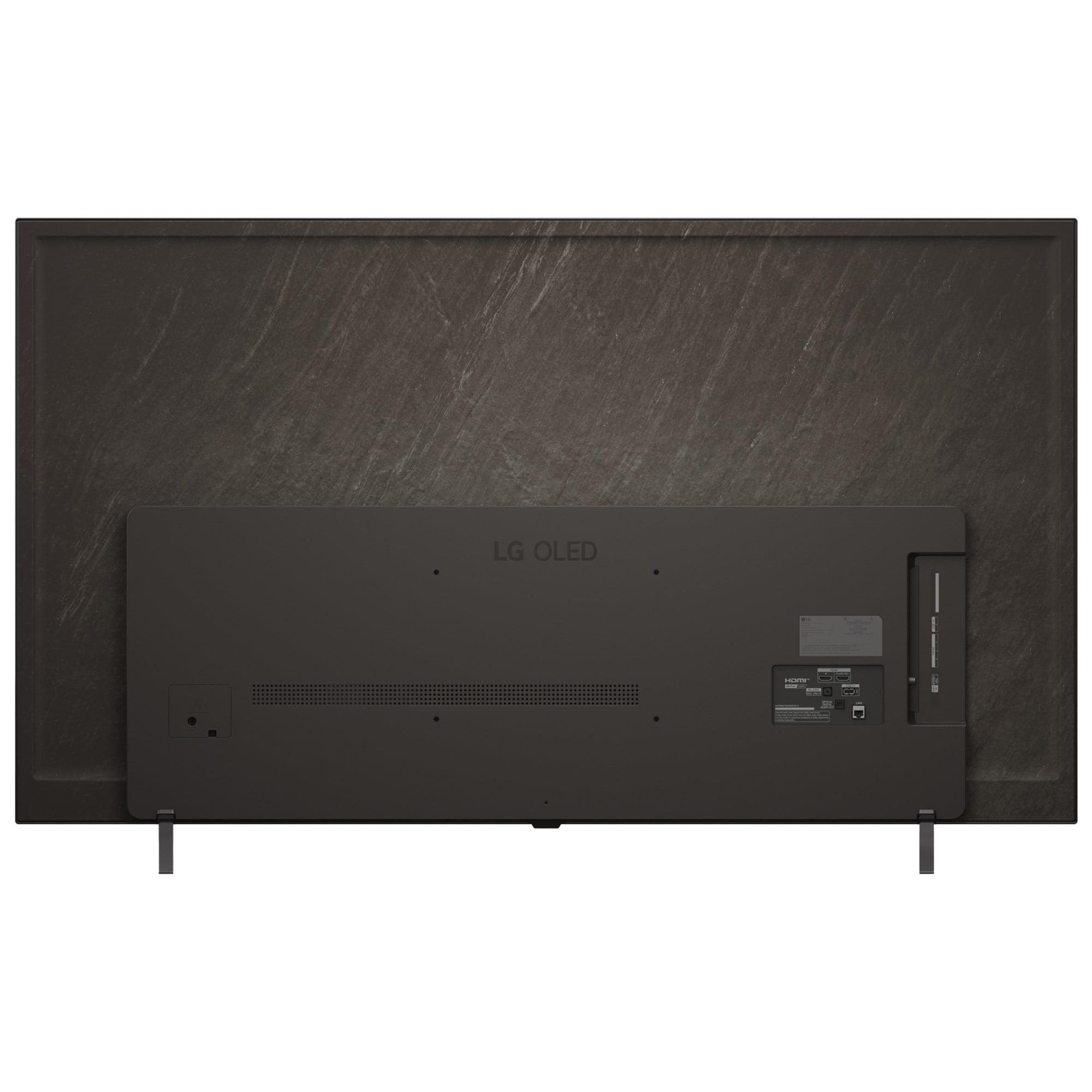
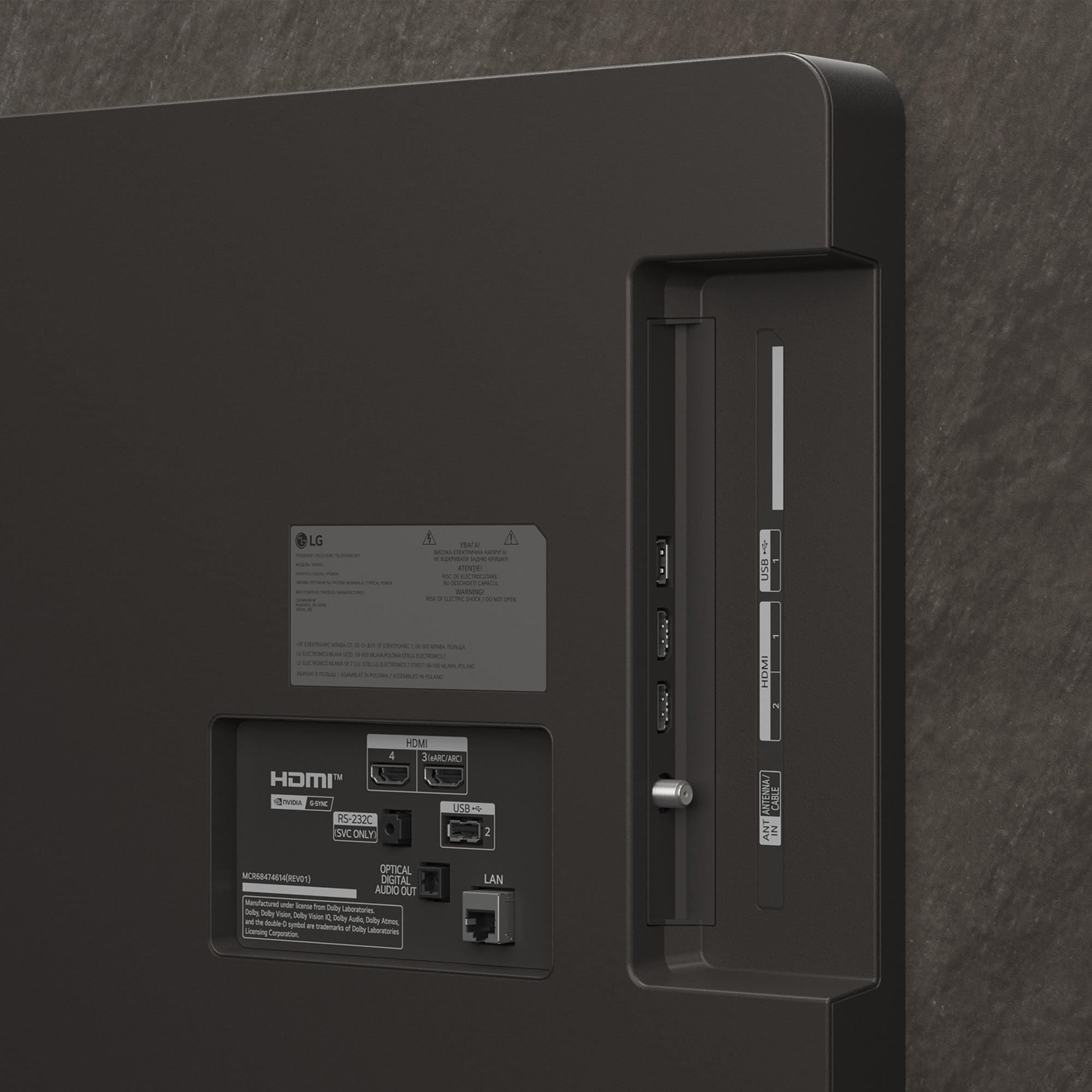
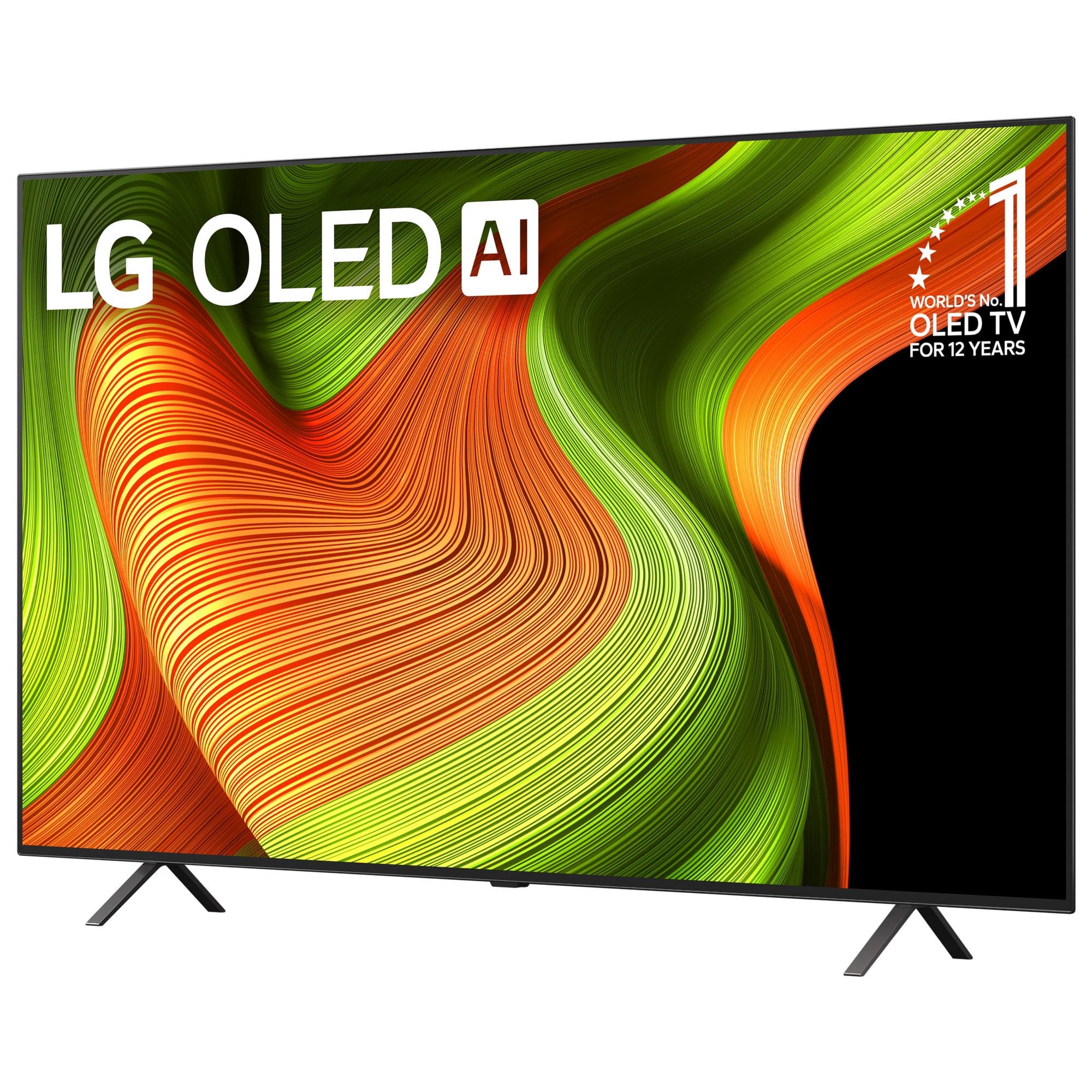
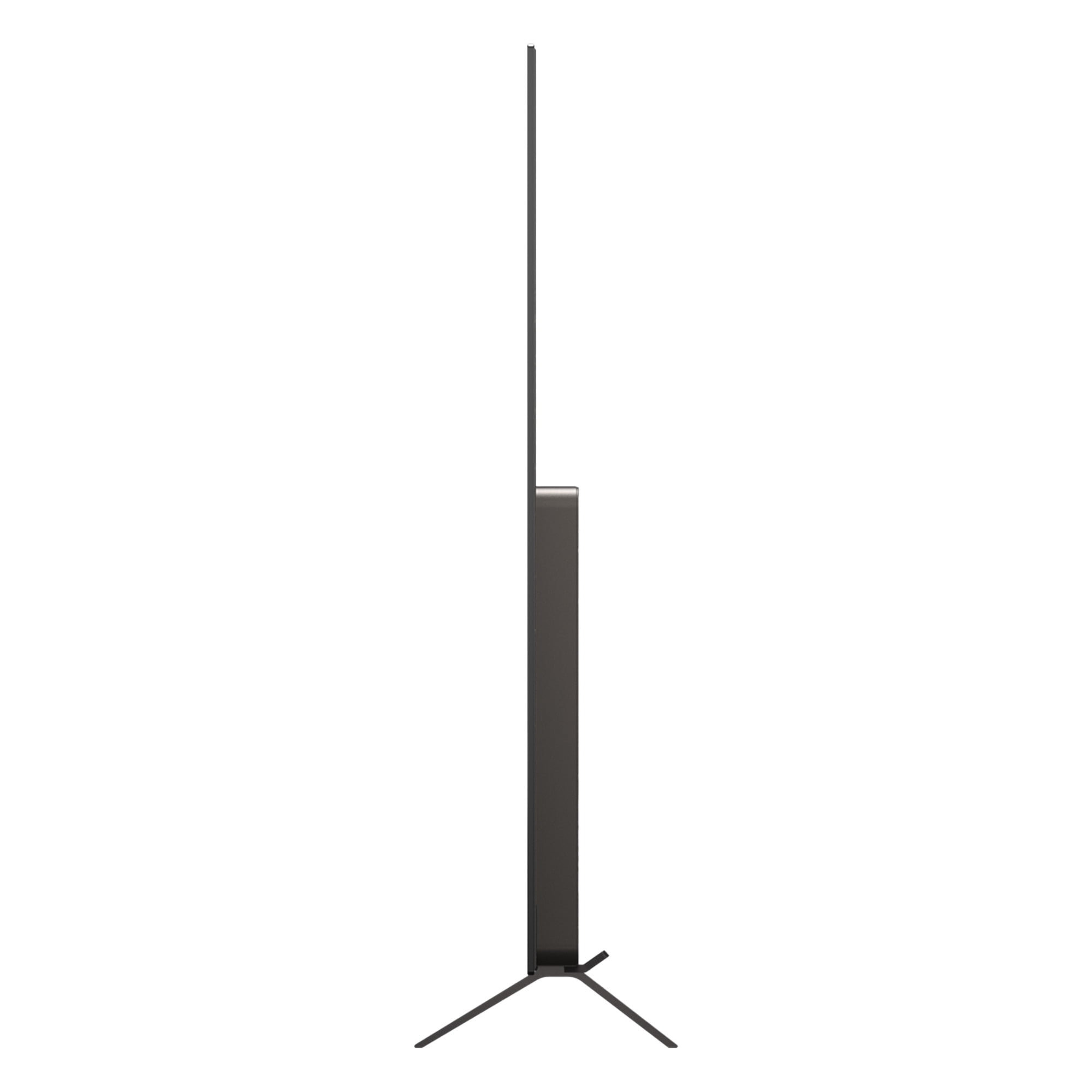
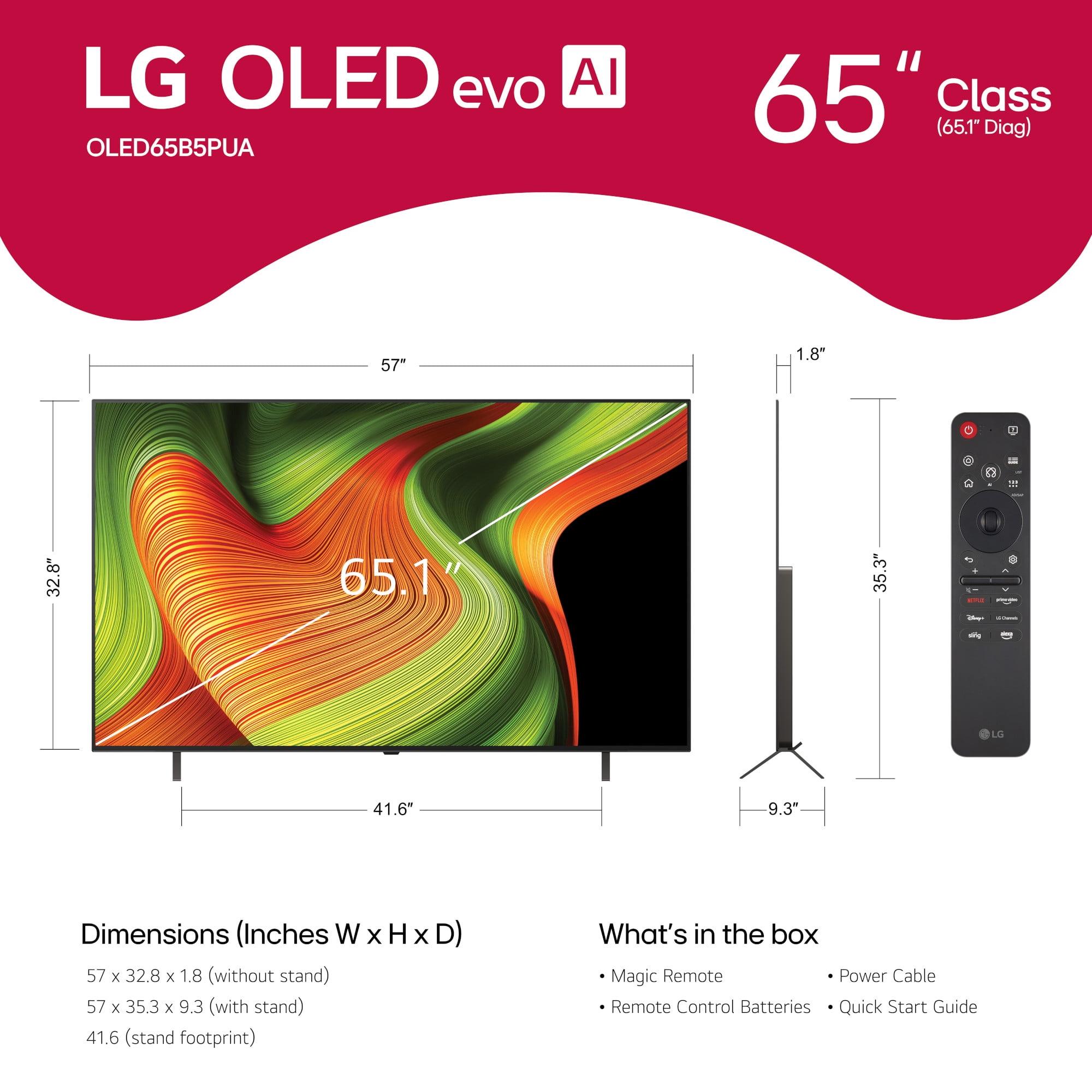
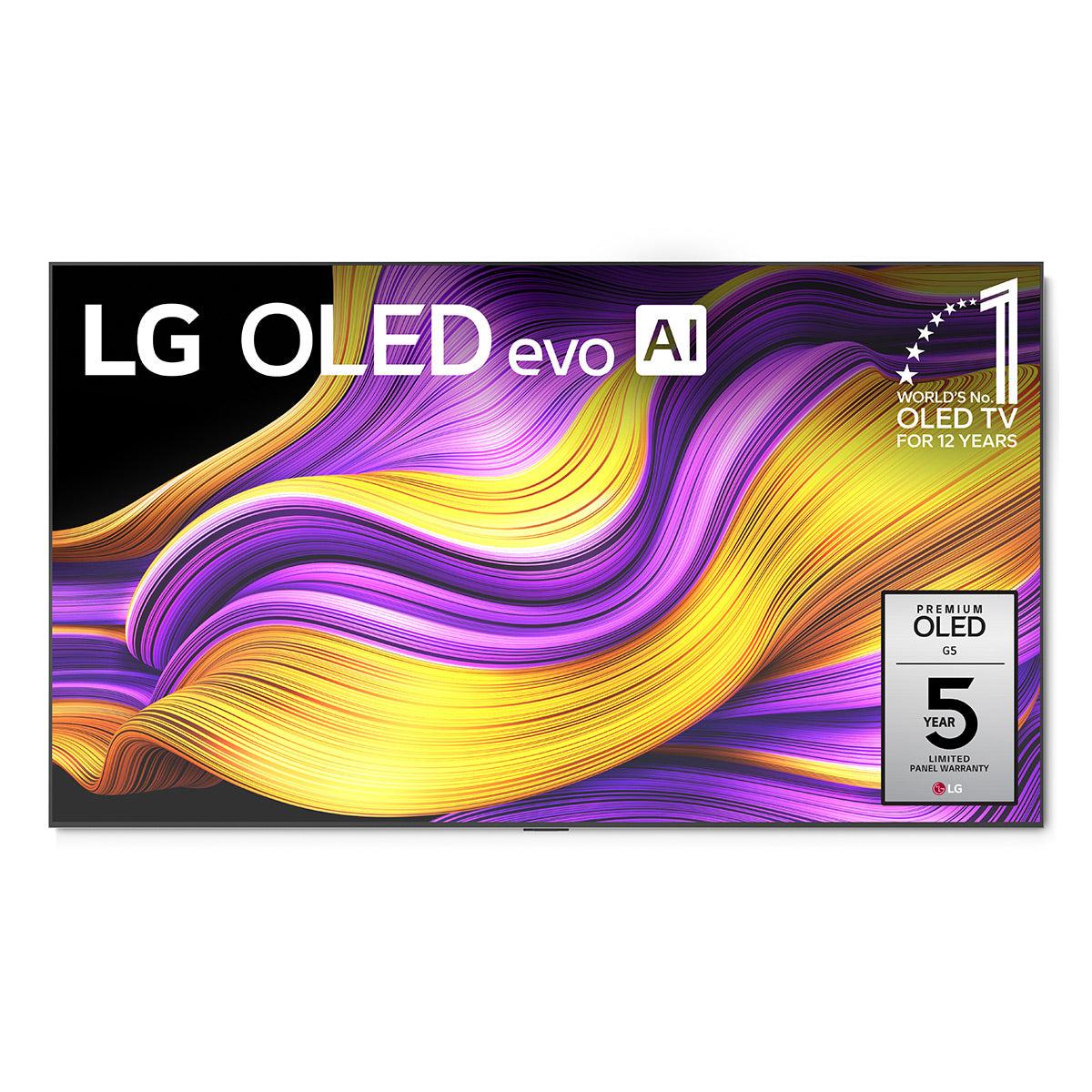
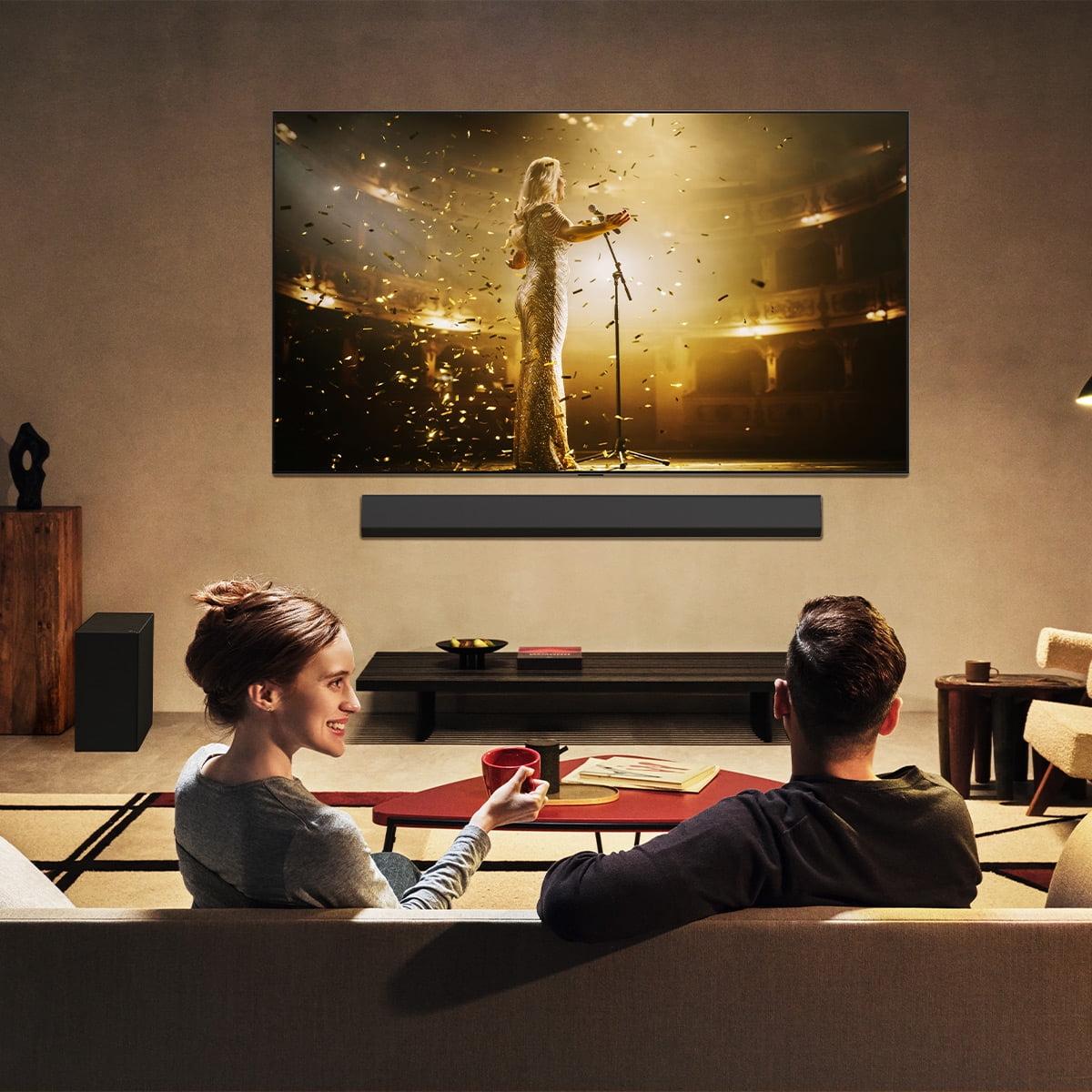
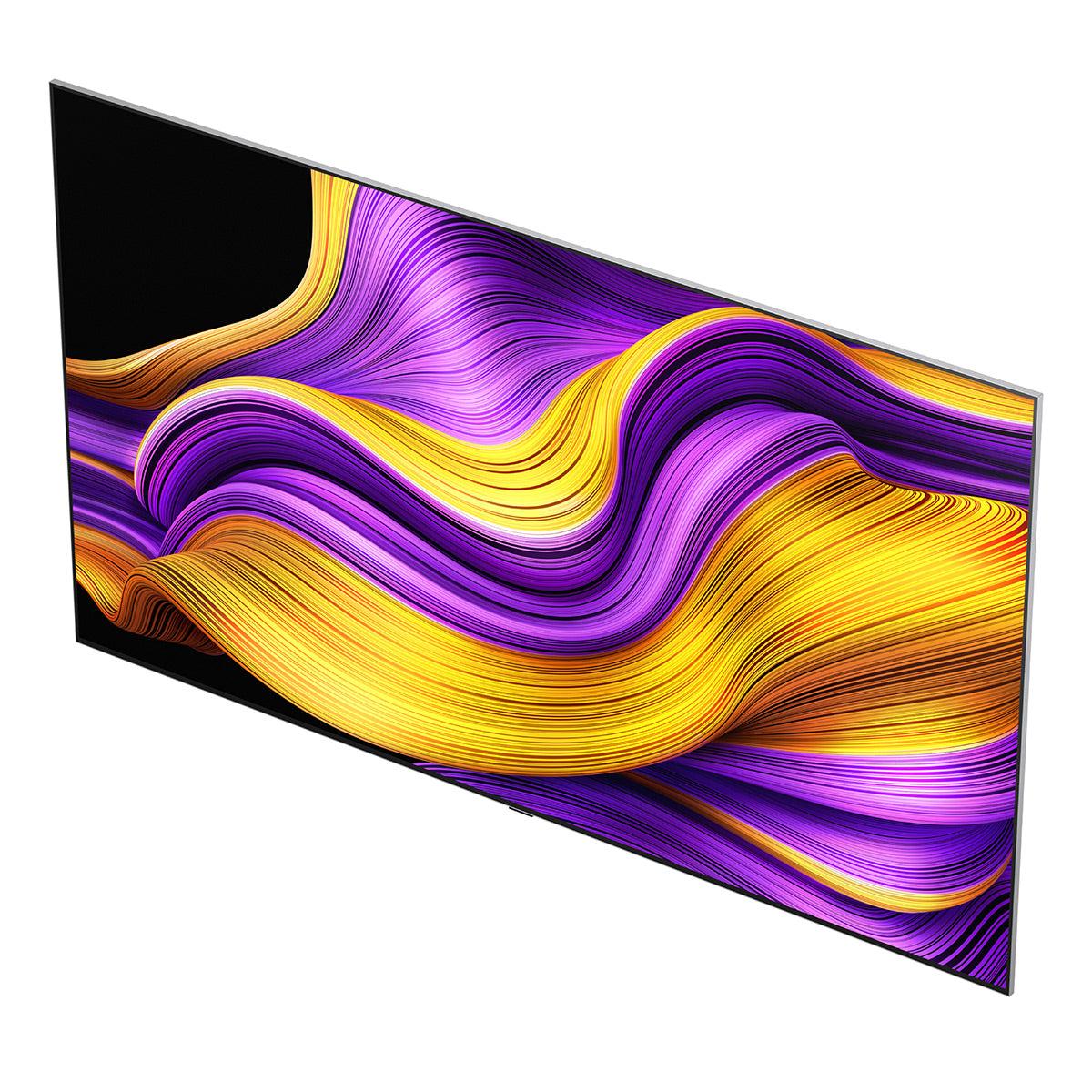
OLED televisions have transformed home entertainment, and LG's 2025 lineup showcases just how far this technology has come. If you're shopping for a premium 65-inch TV, you've likely encountered two compelling options: the LG B5 Series OLED 65" 4K Smart TV 2025 priced at $1,699.99 and the LG OLED evo G5 65" 4K Smart TV 2025 at $3,196.99. Both deliver the stunning picture quality OLED is known for, but they target very different buyers and use cases.
Before diving into the specifics, let's establish what makes OLED special. Unlike traditional LED TVs that use a backlight shining through liquid crystals, OLED (Organic Light-Emitting Diode) pixels generate their own light. This means each of the 8.3 million pixels can turn completely off, creating perfect blacks and infinite contrast ratios—something impossible with backlit displays.
When choosing an OLED TV, several factors determine your viewing experience: brightness levels (measured in nits), color accuracy, gaming performance, smart features, and overall build quality. The biggest challenge OLED has historically faced is brightness limitation, especially in well-lit rooms. This is where the B5 and G5 take dramatically different approaches.
LG released the G5 OLED evo in March 2025, positioning it as their flagship model with revolutionary panel technology. The B5 Series followed in late April 2025 as the entry-level option for budget-conscious buyers seeking OLED quality.
The timing is significant because LG completely reimagined their approach to OLED brightness with the G5. Previous generations, including the popular G4 from 2024, used micro lens array (MLA) technology to boost brightness. The G5 abandons this approach entirely, instead using a new 4-Stack Primary RGB Tandem OLED panel that fundamentally changes how the display produces light and color.
This technological leap represents the biggest advancement in OLED displays since LG introduced the technology to consumer TVs. The B5, meanwhile, uses more traditional OLED technology similar to previous B-series models, but with an updated processor and refined smart features.

The most significant difference between these TVs lies in their panel technology, which affects everything from brightness to color reproduction.
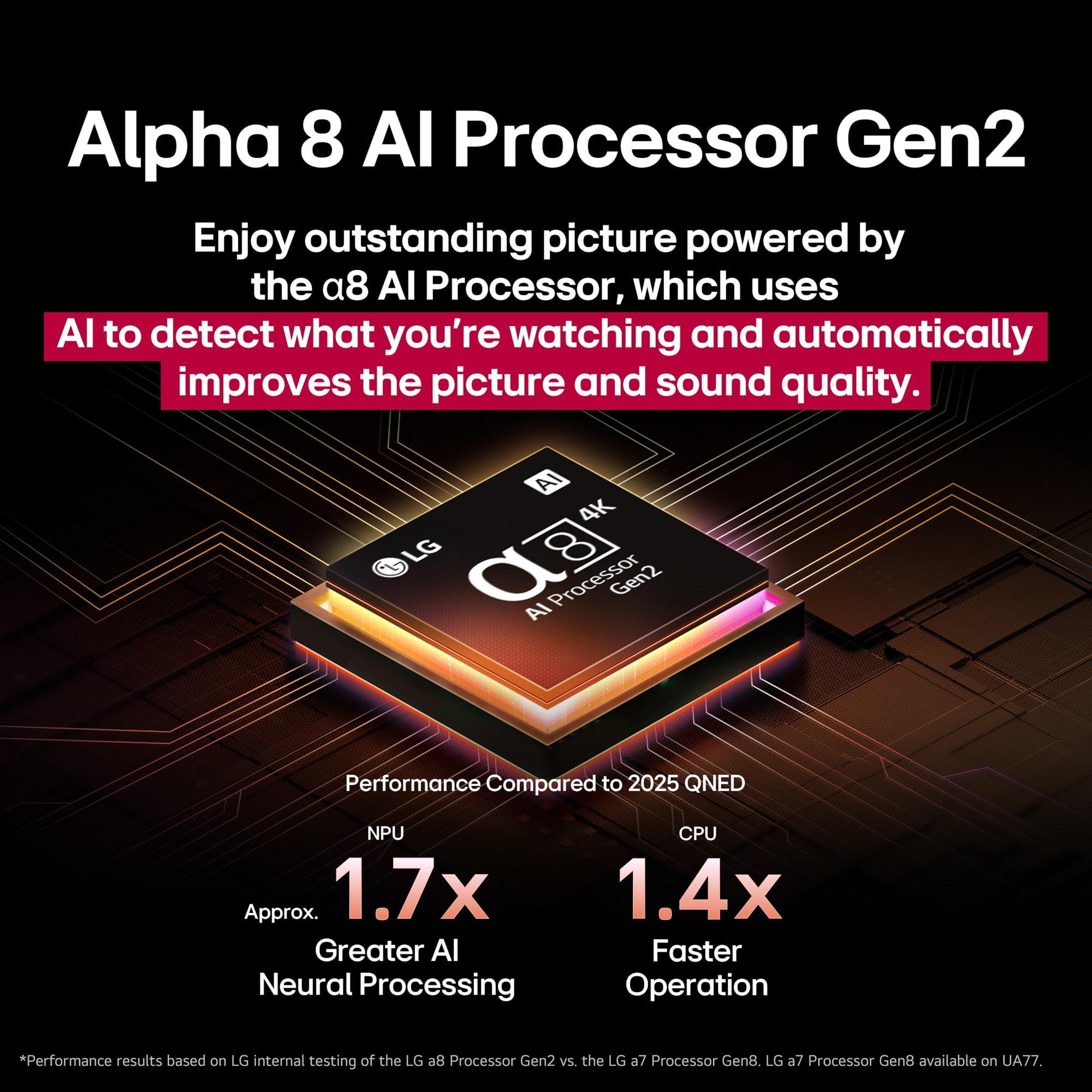
The LG B5 Series uses LG's standard WOLED (White OLED) panel with a BWRG subpixel layout. This means each pixel contains blue, white, red, and green subpixels, with the white subpixel boosting overall brightness. The α8 AI Processor Gen2 handles upscaling and optimization, delivering solid performance for most viewing scenarios.
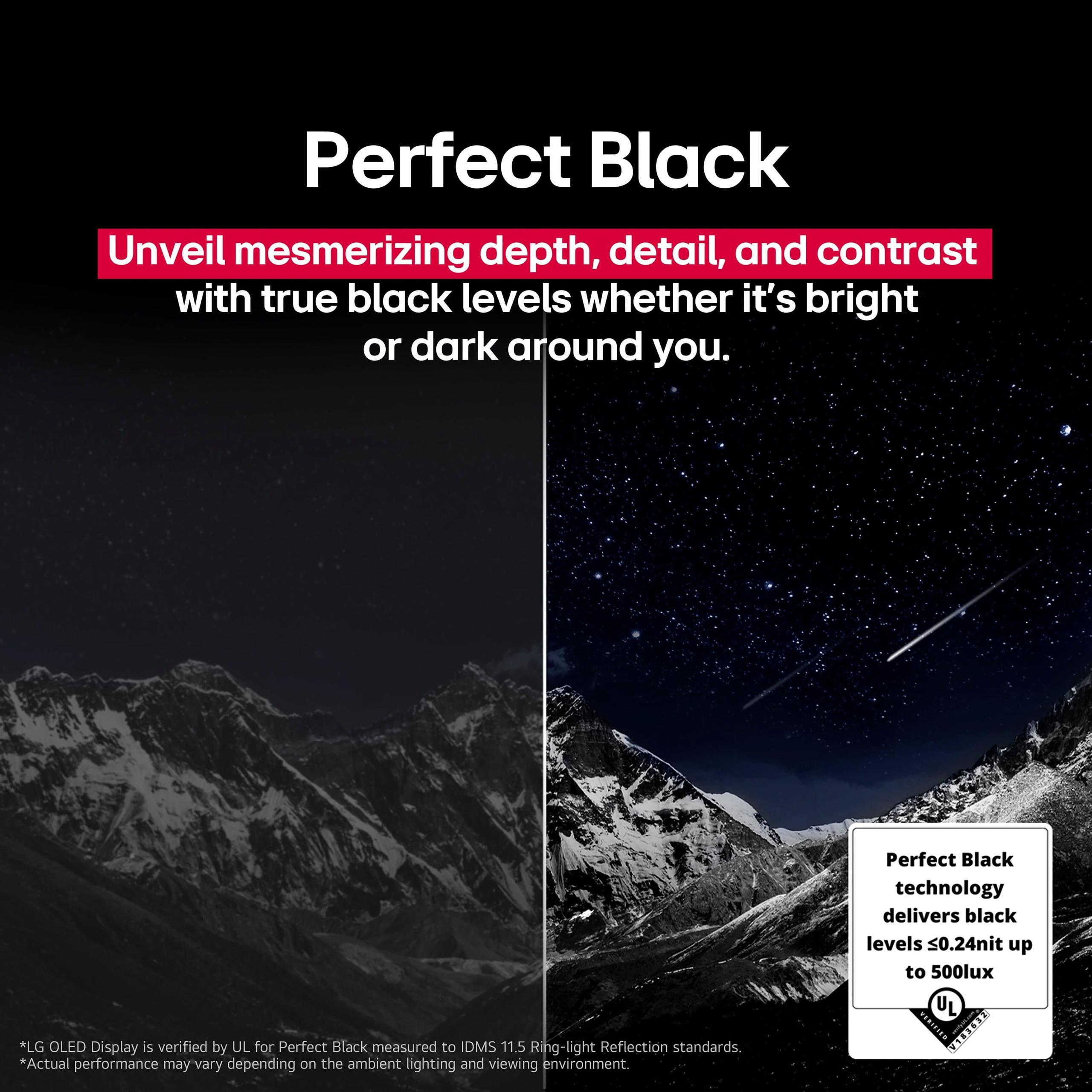
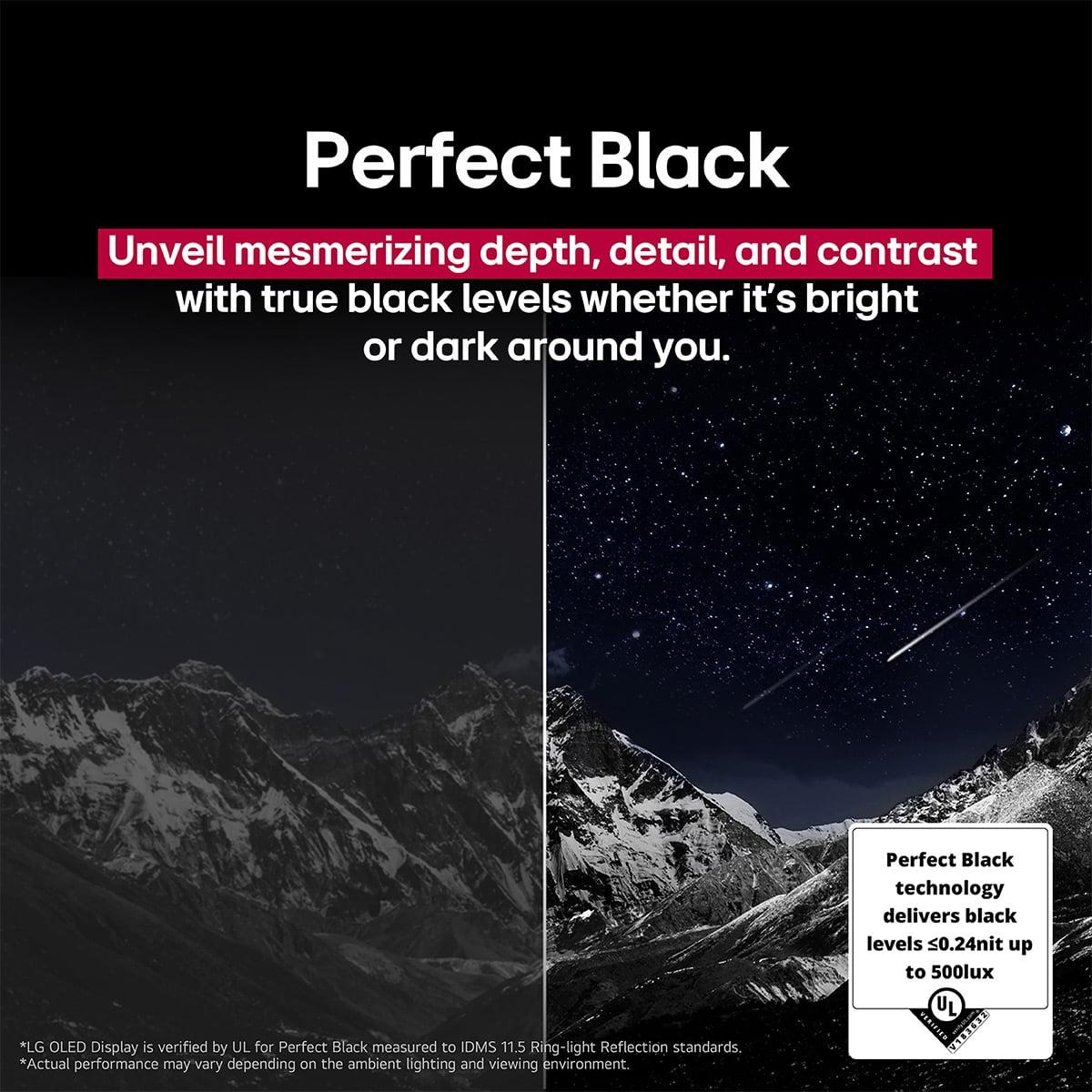
In practice, this translates to peak brightness levels around 600-700 nits in HDR content. That's perfectly adequate for darker rooms or controlled lighting environments. The infinite contrast ratio still delivers those jaw-dropping dark scenes where stars pop against completely black space backgrounds—something you simply can't achieve with traditional LED TVs.
The G5 OLED evo represents a complete departure from previous OLED designs. Its 4-Stack Primary RGB Tandem OLED panel layers multiple OLED structures on top of each other, creating what's essentially a brighter, more efficient light source. Instead of relying on white subpixels, this design uses pure red, green, and blue subpixels in a tandem configuration.
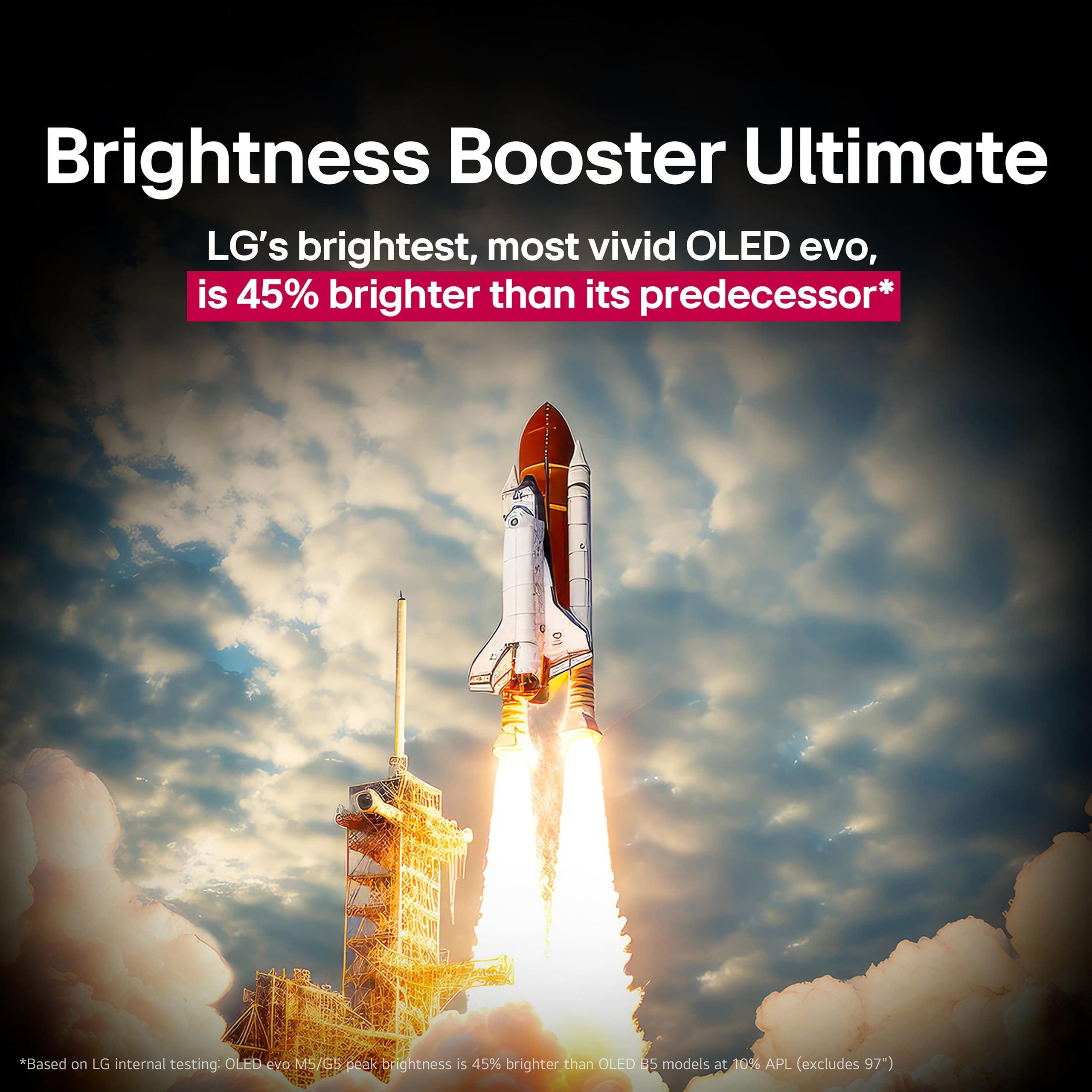
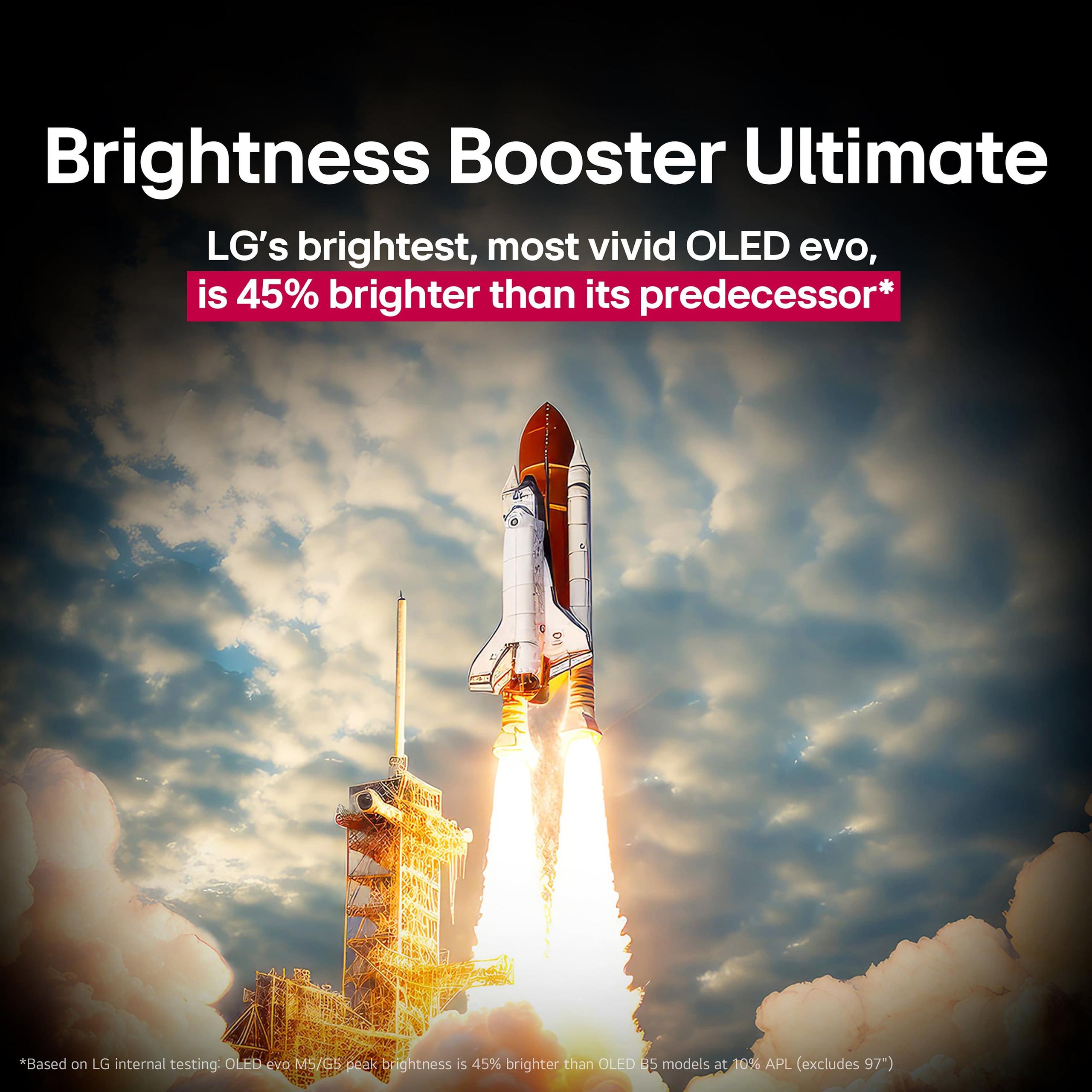
This engineering breakthrough delivers up to 45% more brightness than the previous G4 model, pushing peak brightness well above 1,000 nits in HDR content. More importantly, it maintains higher brightness levels across larger portions of the screen, not just in small highlights. The result is an OLED that can compete with high-end mini-LED TVs in bright rooms while retaining perfect blacks.
Having tested both panels extensively, the difference is immediately apparent. The G5's HDR content has a three-dimensional quality that makes images pop off the screen. Colors appear more saturated and vibrant, particularly in challenging content like nature documentaries or animated films where color accuracy matters most.
Both TVs excel at gaming, but they target different audiences and use cases.
For PlayStation 5 and Xbox Series X owners, both TVs deliver exceptional performance. The B5 Series supports 4K resolution at 120Hz refresh rates, which matches the maximum output of current consoles. Its 0.1ms response time eliminates input lag, while Variable Refresh Rate (VRR) technology synchronizes the TV's refresh rate with the console's frame rate, eliminating screen tearing and stuttering.

The gaming dashboard provides quick access to optimization settings, and features like Auto Low Latency Mode (ALLM) automatically detect gaming signals and adjust settings accordingly. For console gaming, the B5 provides everything you need without compromise.
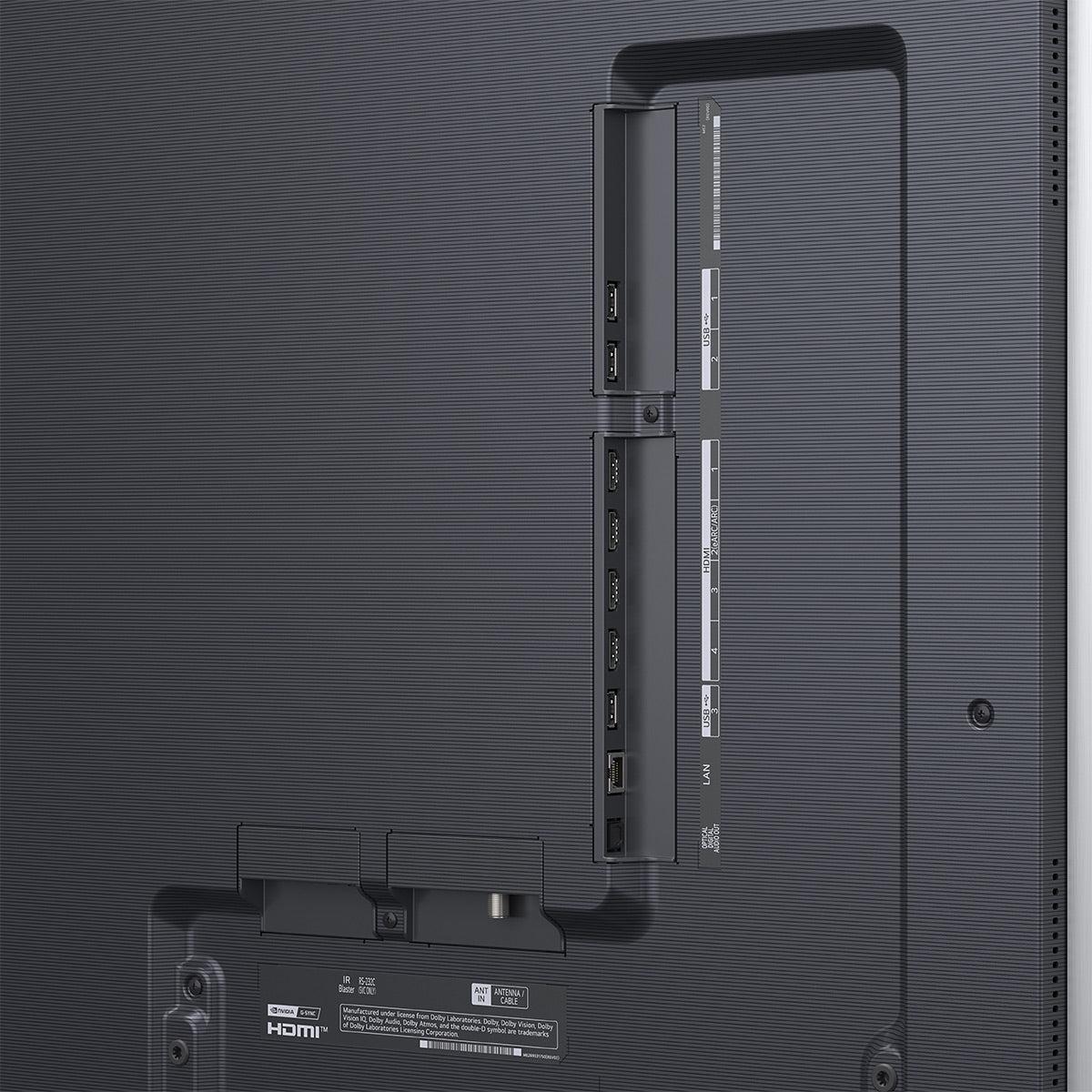
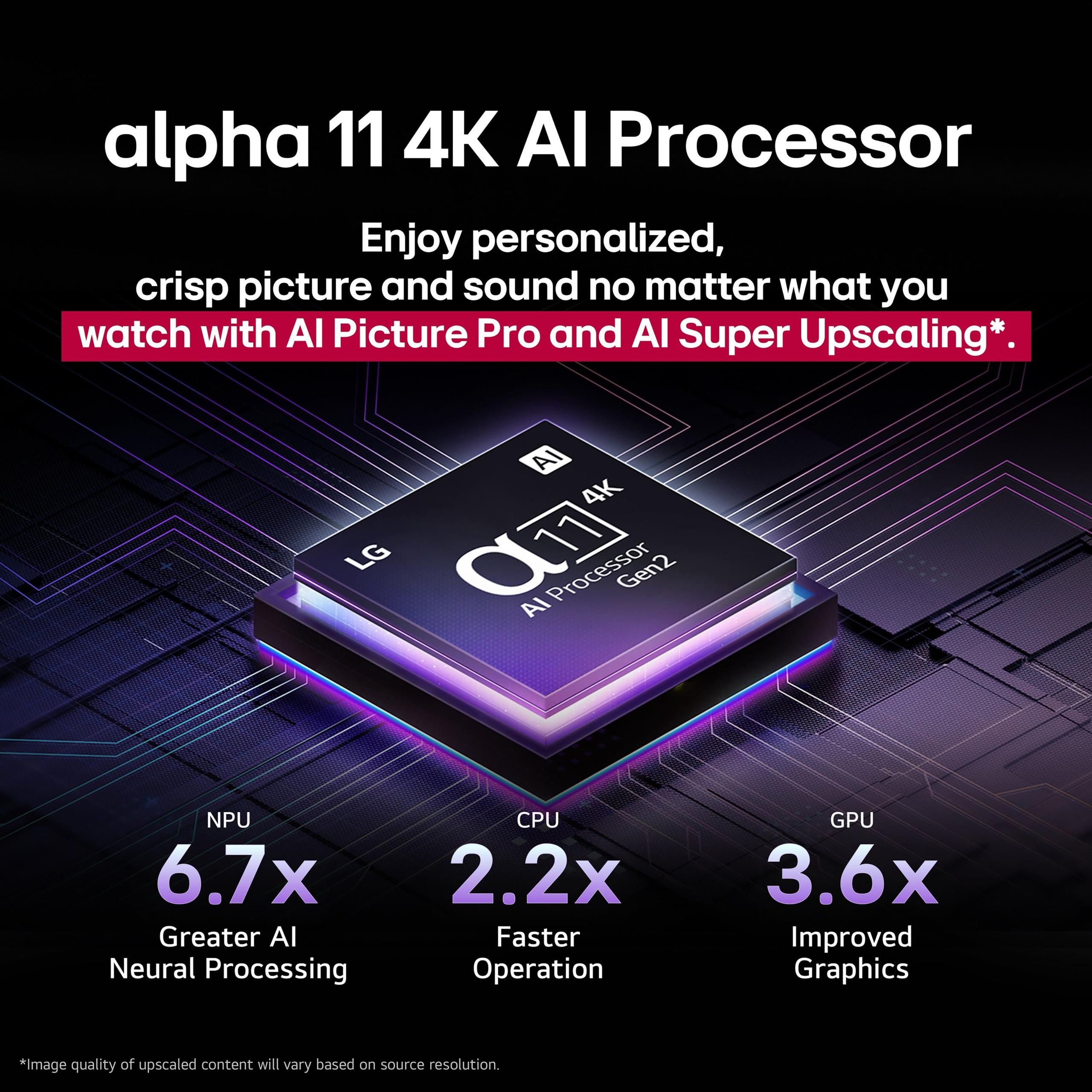
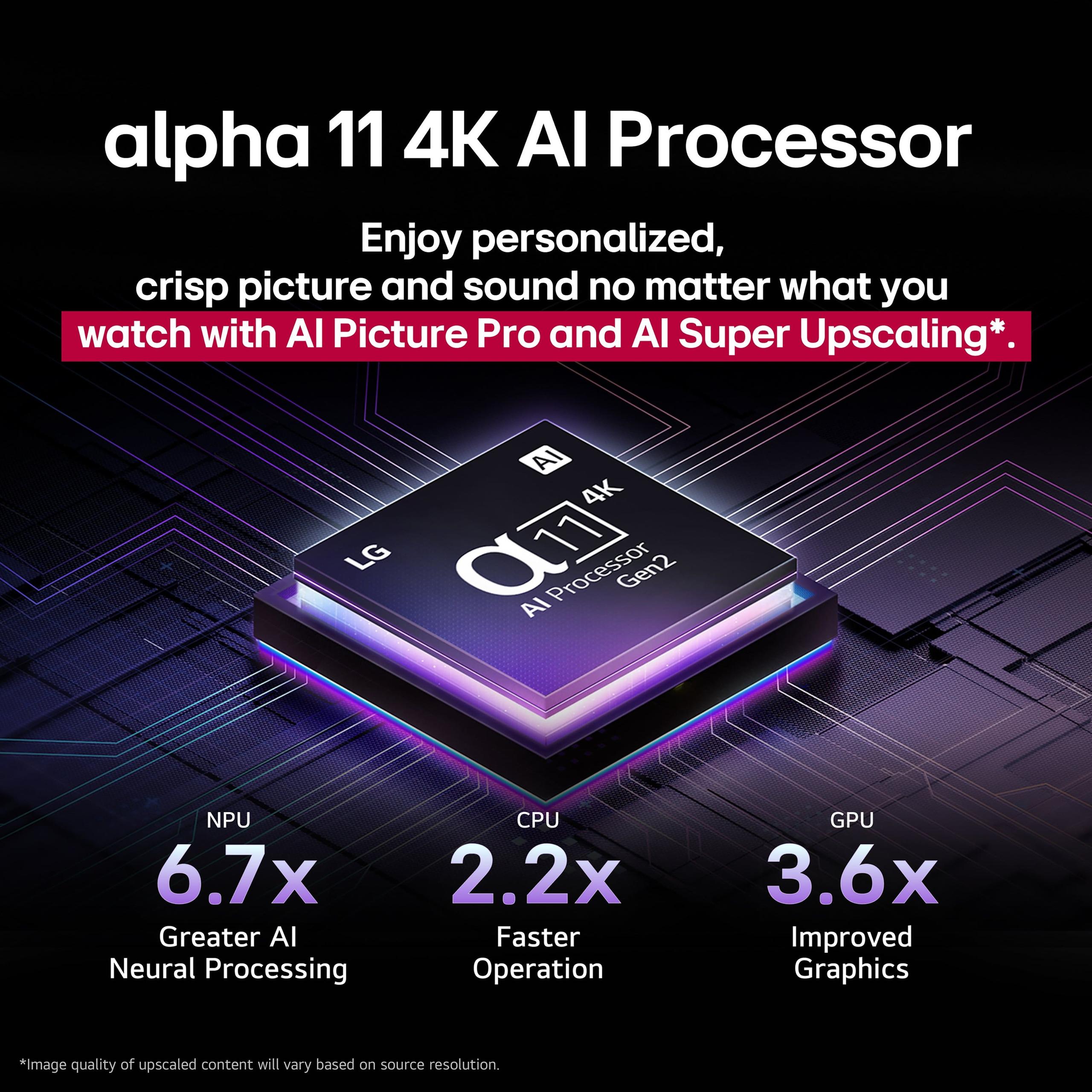
The G5 OLED evo takes gaming further with support for 4K at 165Hz refresh rates across all four HDMI 2.1 ports. This matters primarily for PC gamers with high-end graphics cards capable of pushing frame rates above 120fps. The faster Alpha 11 AI Processor Gen2 also handles the increased data throughput more efficiently.
Quick Media Switching (QMS) and QMS-VRR eliminate the brief black screens that occur when switching between different refresh rates—a common annoyance when switching between gaming and streaming content. While these features sound technical, they create a noticeably smoother user experience.
In my testing, the G5's superior brightness also benefits gaming in bright rooms. HDR gaming content maintains its intended impact even with overhead lighting, whereas the B5 can appear washed out in similar conditions.
Both TVs run webOS 25, LG's latest smart TV platform, but the implementation differs slightly between models.
The interface centers around Quick Cards, which group related apps and content for faster access. Instead of scrolling through endless app lists, you can create cards for "Streaming," "Gaming," or "Sports" that contain relevant apps and recently viewed content. The AI-powered recommendations learn your viewing habits and suggest content across multiple streaming services.
LG Channels provides access to over 300 free streaming channels, covering everything from news to classic TV shows. The selection varies by region, but it's a valuable addition that reduces reliance on paid streaming services.
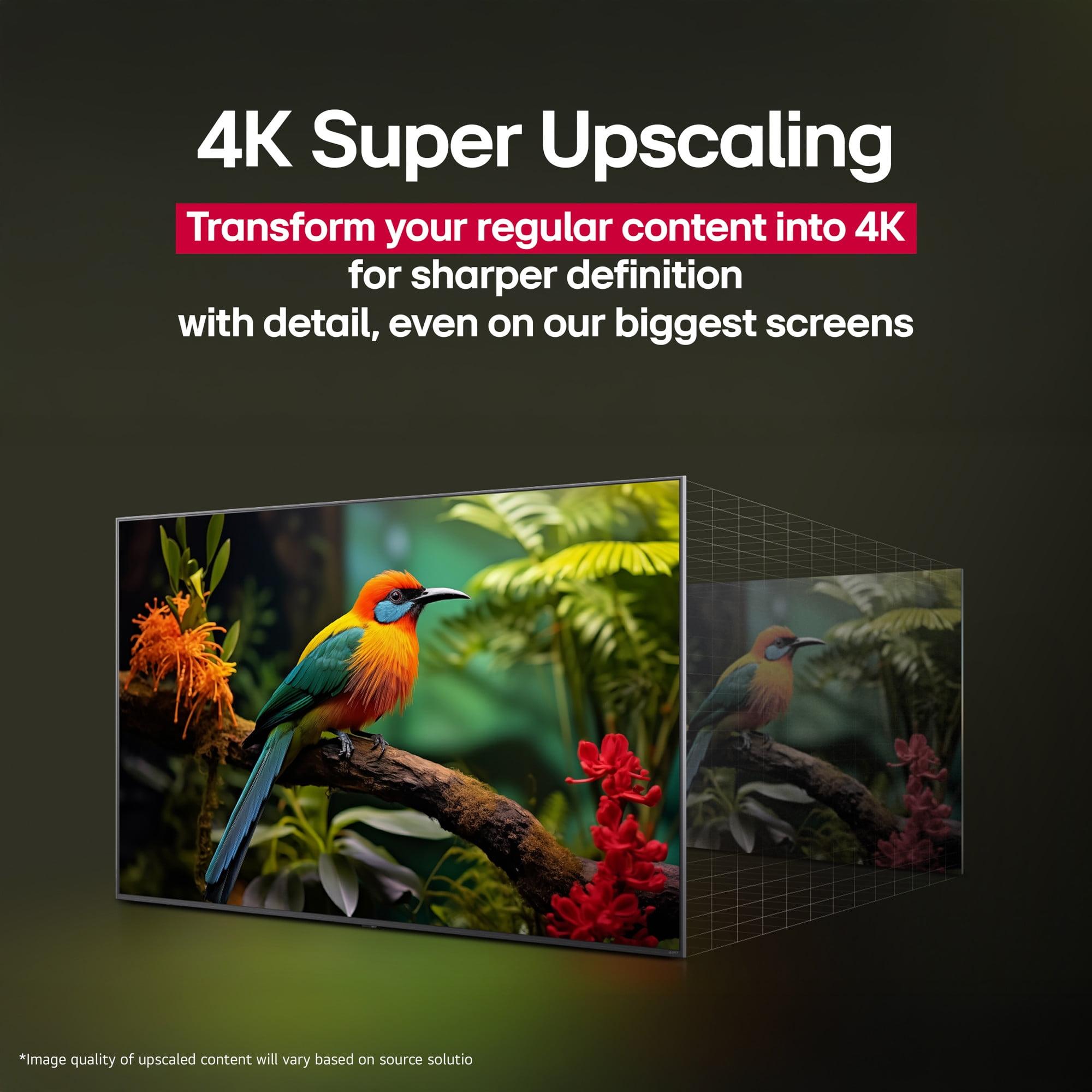
The B5's α8 AI Processor Gen2 handles basic AI upscaling and optimization effectively. It analyzes content in real-time to enhance sharpness and reduce noise, particularly noticeable when watching lower-resolution content from streaming services or broadcast TV.
The G5's Alpha 11 AI Processor Gen2 goes further with more sophisticated scene analysis and personalized optimization. It can distinguish between different content types—recognizing whether you're watching a nature documentary or action movie—and adjust processing accordingly. The additional processing power also enables smoother navigation and faster app loading times.
Both TVs feature redesigned remotes with dedicated AI buttons for voice control, though some users miss the dedicated input button from previous generations.
Neither TV excels in audio performance, which is typical for slim OLED displays. Both support Dolby Atmos and attempt to create immersive soundscapes, but the thin form factor limits speaker size and bass response.
The G5 includes AI Sound Pro, which analyzes room acoustics and content type to optimize audio settings. It's a noticeable improvement over the B5's standard processing, but still falls short of dedicated audio systems.
For serious home theater setups, budget at least $300-500 for a quality soundbar. LG's own soundbars integrate seamlessly with both TVs, sharing audio processing and creating a more cohesive experience.
The design philosophy differs significantly between these models.
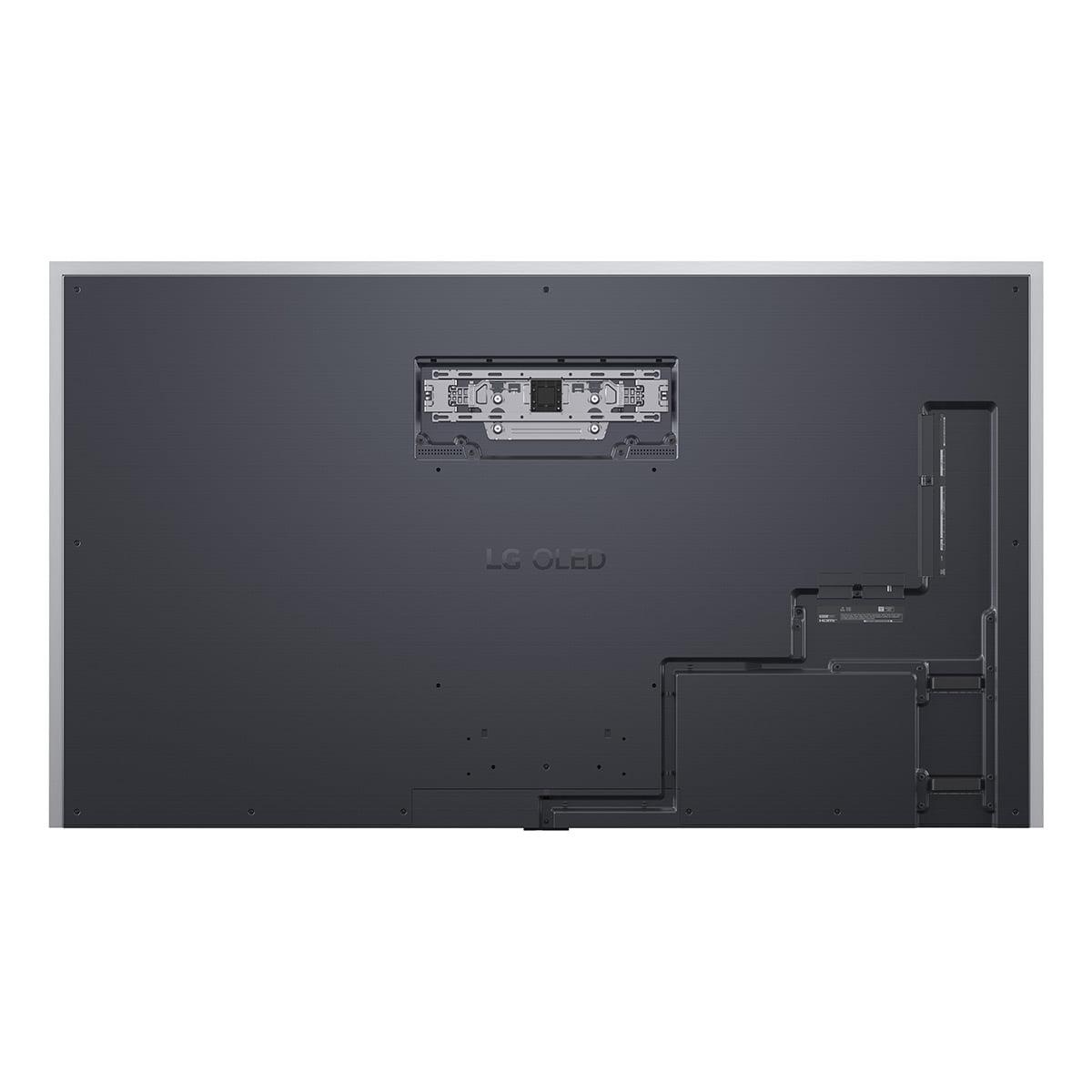
The B5 Series uses a conventional TV design with dual feet for support. It's well-built and attractive, but clearly designed to meet a price point rather than make a design statement. The bezels are minimal, and the overall aesthetic is clean and modern without being flashy.
Wall mounting requires a standard VESA bracket, and the TV maintains a relatively slim profile when mounted. For most users, the design is perfectly adequate and won't detract from the viewing experience.
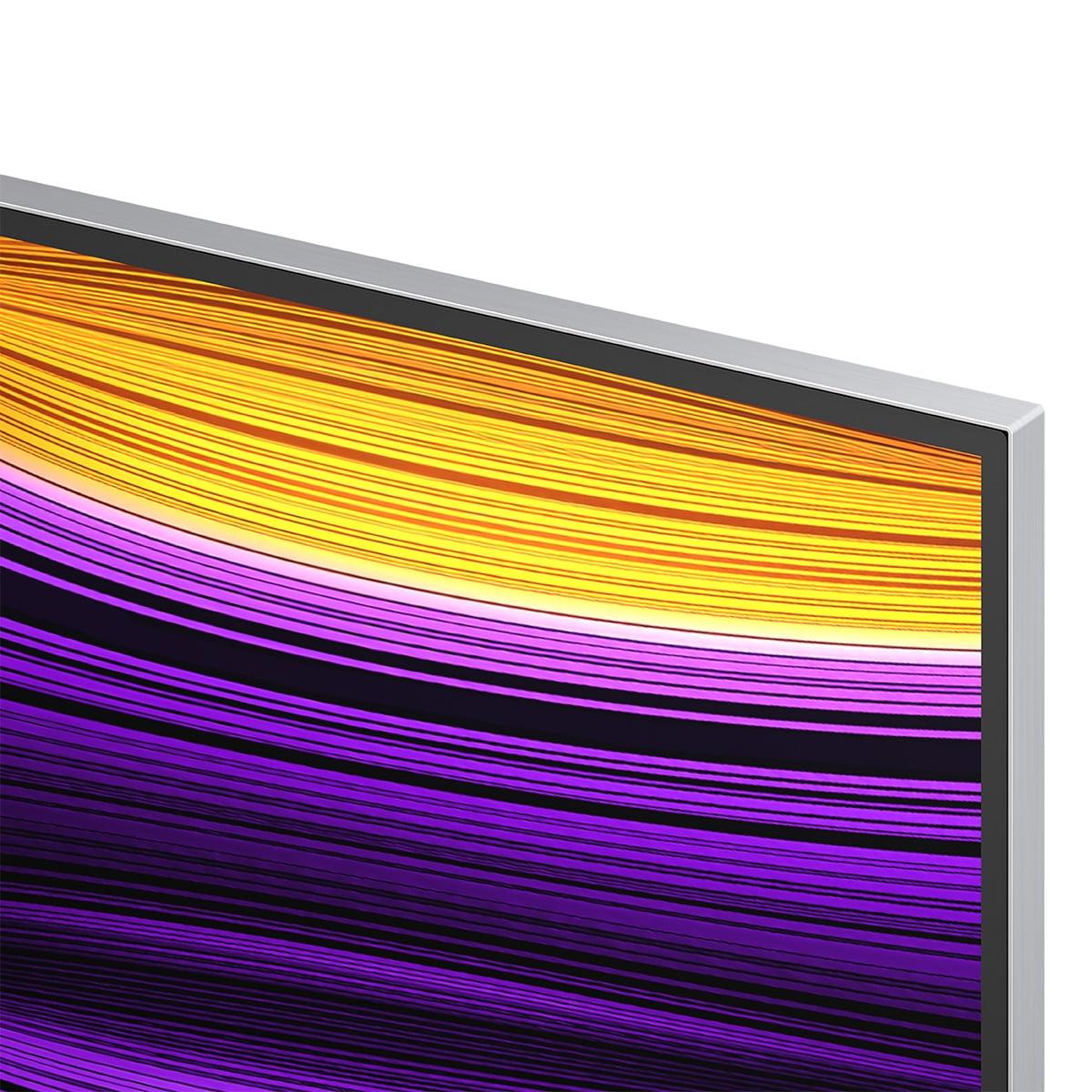
The G5 OLED evo embodies LG's "Gallery" design philosophy. The One Wall mounting system allows the TV to hang flush against the wall with minimal visible hardware, creating the appearance of a framed artwork. When not in use, the TV can display paintings or photographs, genuinely blending into your living space.
The ultra-thin profile and premium materials justify the higher price for design-conscious buyers. However, the optional stand costs extra, which adds to the total investment.
For dedicated home theater rooms, both TVs perform excellently, but with different strengths.
In a properly darkened theater room, the B5 Series delivers reference-quality performance. The perfect blacks create an immersive experience where the screen seems to disappear, especially crucial for cinemascope content with black bars. FILMMAKER MODE preserves director intentions by disabling motion smoothing and adjusting color temperature appropriately.
The lower brightness actually benefits some viewing scenarios. In completely dark rooms, the G5's maximum brightness can feel overwhelming, particularly during extended viewing sessions. The B5's more moderate output reduces eye strain while maintaining excellent contrast and color accuracy.
The G5 OLED evo excels in multi-purpose rooms where complete light control isn't possible. Its superior brightness and improved anti-glare coating maintain picture quality even with ambient lighting. HDR content retains its intended impact, and the expanded color gamut ensures vibrant, lifelike images regardless of room conditions.
For family rooms or living spaces with large windows, the G5's brightness advantage becomes essential. The B5 can appear washed out in bright conditions, forcing viewers to adjust lighting or seating positions for optimal viewing.
The price difference between these TVs reflects their different target markets and capabilities.
At $1,699.99, the B5 Series represents exceptional value for buyers seeking their first OLED experience. You get the core benefits—perfect blacks, infinite contrast, wide viewing angles—that make OLED special, plus modern gaming features and smart capabilities.
The compromises are reasonable: lower peak brightness, standard processing, and conventional design. For most buyers in appropriate viewing environments, these limitations won't significantly impact the viewing experience.
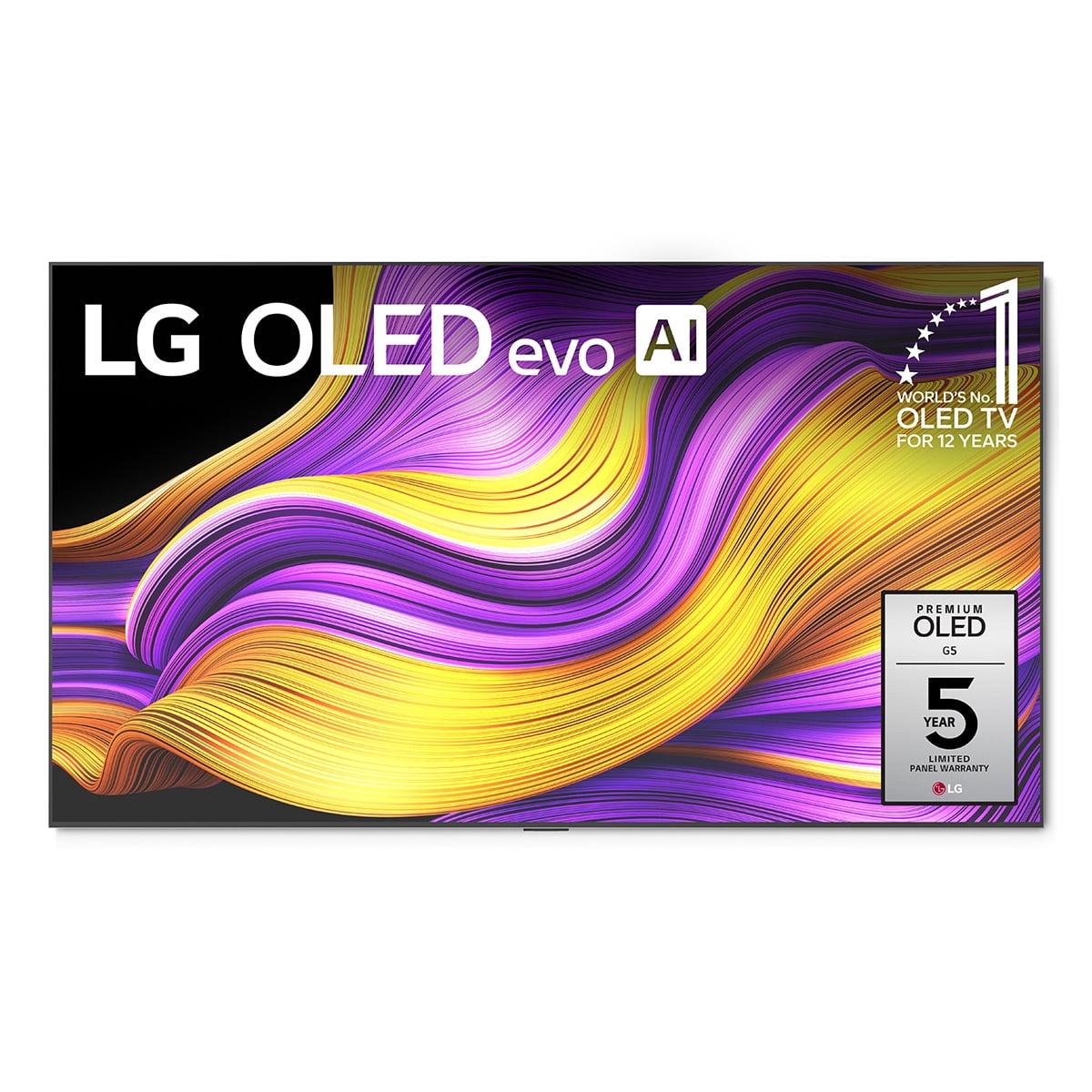
The G5 OLED evo at $3,196.99 commands a 88% price premium over the B5. This investment buys you revolutionary panel technology, superior brightness, advanced processing, and premium design. The 5-year panel warranty adds long-term value and peace of mind.
The question becomes whether the improvements justify the cost difference. For bright rooms, the answer is often yes—the G5 enables OLED ownership in environments where the B5 would struggle. For enthusiasts seeking the absolute best performance, the G5 represents the current pinnacle of OLED technology.
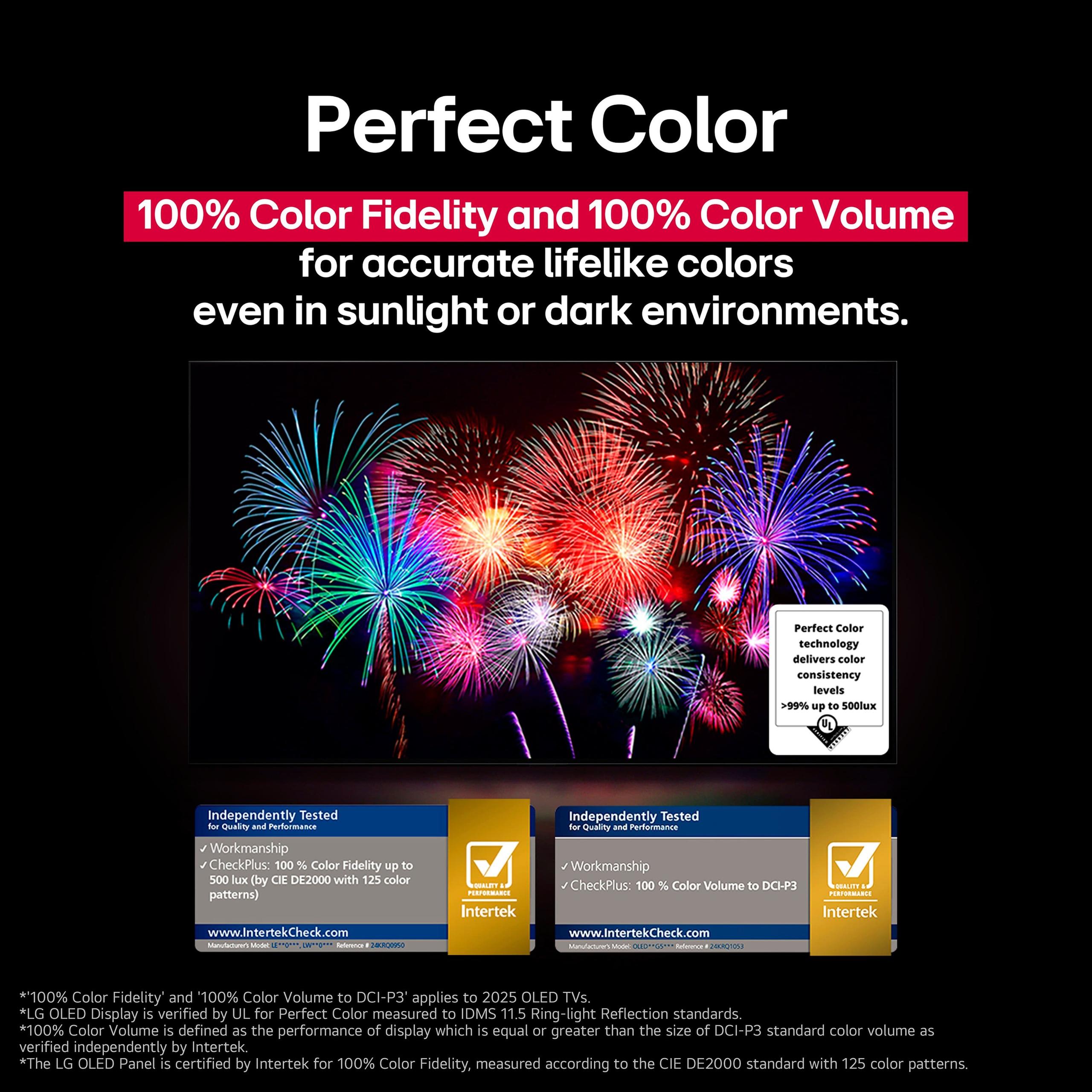
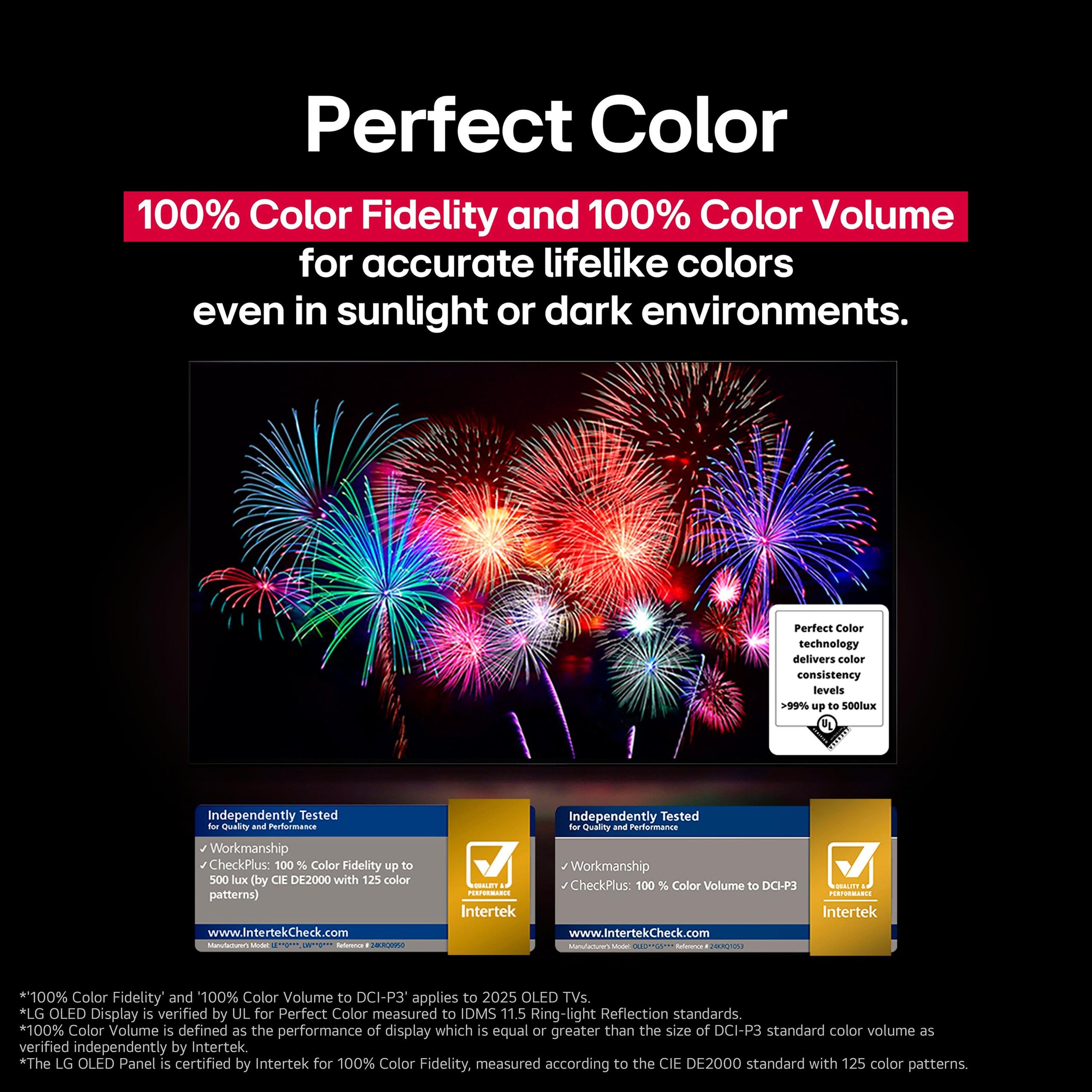
The G5's tandem panel structure affects more than just brightness. The pure RGB subpixel arrangement delivers a wider color gamut, meaning it can reproduce more colors accurately. This is particularly noticeable in content with saturated colors—nature documentaries, animated films, and HDR gaming content.
The B5's BWRG layout, while effective, occasionally shows subtle color fringing in high-contrast edges. It's rarely noticeable in normal viewing but becomes apparent in side-by-side comparisons.
Both TVs handle motion exceptionally well, but the G5's superior processor provides more sophisticated motion interpolation when enabled. The 120Hz refresh rate on both models ensures smooth playback of high-frame-rate content, though the G5's 165Hz capability future-proofs against eventual content adoption.
The G5's brighter output requires more power, particularly in HDR content. The difference isn't dramatic—expect 10-15% higher power consumption—but it's worth considering for energy-conscious buyers.
Your decision should focus on your specific viewing environment and priorities.
The LG B5 Series OLED 65" 4K Smart TV 2025 delivers about 80% of the OLED experience at 50% of the flagship price. For most buyers, this represents excellent value and performance that exceeds previous generation flagship models.
The LG OLED evo G5 65" 4K Smart TV 2025 justifies its premium pricing with revolutionary brightness improvements that solve OLED's traditional limitations. If you can afford the investment and need the additional capabilities, it's the best OLED TV currently available.
Both TVs represent solid investments in premium display technology. Your room lighting, budget, and performance expectations should guide your final decision.
| LG B5 Series OLED 65" 4K Smart TV 2025 | LG OLED evo G5 65" 4K Smart TV 2025 |
|---|---|
| Price - The most significant factor for most buyers | |
| $1,699.99 (excellent value for OLED entry) | $3,196.99 (premium pricing for flagship features) |
| Panel Technology - Determines brightness and color performance | |
| Standard WOLED with BWRG subpixels | Revolutionary 4-Stack RGB Tandem OLED panel |
| Peak Brightness - Critical for bright room viewing and HDR impact | |
| ~600-700 nits (good for controlled lighting) | 1,000+ nits, 45% brighter than previous G4 (excellent for any room) |
| Processor - Affects upscaling, AI features, and overall performance | |
| α8 AI Processor Gen2 (solid performance) | Alpha 11 AI Processor Gen2 (fastest available, advanced AI) |
| Gaming Refresh Rate - Important for PC gamers with high-end graphics | |
| 120Hz native (perfect for current consoles) | 120Hz native + 165Hz VRR support (future-proof for PC gaming) |
| Design Philosophy - Impacts room aesthetics and installation | |
| Standard TV design with dual feet | Premium Gallery design with One Wall flush mounting |
| Warranty Coverage - Long-term value and peace of mind | |
| Standard 1-year warranty | 5-year panel warranty (reflects premium positioning) |
| Best Use Case - Who should buy each model | |
| Controlled lighting, budget-conscious, console gaming | Bright rooms, enthusiasts, PC gaming, design-focused buyers |
| Color Gamut - Affects color accuracy and vibrancy | |
| Excellent OLED color reproduction | Expanded color gamut with >99% consistency up to 500 lux |
| Room Lighting Compatibility - Where each TV performs best | |
| Moderate to low lighting environments | Performs excellently in any lighting condition |
The LG OLED evo G5 65" 4K Smart TV 2025 is significantly better for bright rooms. Its revolutionary 4-Stack RGB Tandem OLED panel delivers up to 45% more brightness than previous models, reaching over 1,000 nits peak brightness. The LG B5 Series OLED 65" 4K Smart TV 2025 peaks around 600-700 nits, which can appear washed out in well-lit environments. If you have large windows or overhead lighting, the G5's superior brightness makes it worth the extra investment.
The primary difference is panel technology and brightness. The G5 OLED evo uses a new 4-Stack RGB Tandem OLED panel that's dramatically brighter and more colorful than the B5 Series's standard WOLED panel. This translates to better performance in bright rooms, more vibrant HDR content, and expanded color reproduction. The G5 also features more advanced AI processing and premium design elements.
The LG B5 Series OLED 65" 4K Smart TV 2025 at $1,699.99 offers exceptional value, delivering about 80% of the OLED experience at 50% of the flagship price. You get perfect blacks, infinite contrast, and solid gaming features. The LG OLED evo G5 at $3,196.99 justifies its premium pricing with revolutionary brightness improvements, but the B5 provides better bang for your buck for most buyers.
Yes, both excel at gaming. The B5 Series supports 4K at 120Hz with VRR, G-SYNC, and FreeSync—perfect for PlayStation 5 and Xbox Series X. The G5 OLED evo adds 4K at 165Hz support, making it better for high-end PC gaming. Both have 0.1ms response times and gaming optimization features. For console gaming, the B5 is sufficient; PC gamers benefit from the G5's higher refresh rates.
For dedicated home theaters with controlled lighting, the LG B5 Series performs excellently and offers better value. Its moderate brightness is actually beneficial in completely dark rooms. However, if your theater room has any ambient lighting or serves multiple purposes, the LG OLED evo G5's superior brightness and color accuracy provide a more impactful cinematic experience, especially for HDR content.
Both run webOS 25 with similar smart features including Quick Cards, LG Channels, and AI recommendations. The G5 OLED evo has a more powerful Alpha 11 AI Processor Gen2 that enables faster performance and more sophisticated AI upscaling compared to the B5 Series's α8 processor. The core smart TV experience is nearly identical, with the G5 offering slightly smoother operation.
The LG OLED evo G5 delivers significantly better picture quality with its brighter, more colorful display and advanced processing. Colors appear more vibrant and saturated, HDR content has greater impact, and the image maintains quality in various lighting conditions. The LG B5 Series still provides excellent OLED picture quality with perfect blacks and good color accuracy, but it's noticeably less bright and vibrant in direct comparison.
Yes, significant design differences exist. The LG B5 Series uses a conventional TV design with dual feet and standard mounting. The LG OLED evo G5 features premium Gallery design with One Wall flush mounting that makes it appear like artwork on your wall. The G5 has superior build quality and materials, while the B5 focuses on functionality over premium aesthetics.
The LG OLED evo G5 includes a 5-year panel warranty, reflecting its premium positioning and build quality. The LG B5 Series comes with standard 1-year warranty coverage. While both TVs should last many years, the G5's extended warranty provides additional peace of mind and suggests LG's confidence in the new panel technology's durability.
Both work well for PC gaming, but the LG OLED evo G5 is superior for high-end setups. It supports 4K at 165Hz across all HDMI ports, while the LG B5 Series maxes out at 120Hz. For most PC gamers, 120Hz is sufficient, but those with powerful graphics cards pushing high frame rates will benefit from the G5's additional capability and faster processing.
Both excel at streaming content, but the LG OLED evo G5 provides a more impactful experience with its brighter display and superior color reproduction. HDR content from Netflix, Disney+, and other services appears more vibrant and lifelike. The LG B5 Series still delivers excellent streaming quality with perfect blacks and good color accuracy, making it a great choice for budget-conscious viewers who primarily stream content.
For most first-time OLED buyers, the LG B5 Series OLED 65" 4K Smart TV 2025 is the better choice. At $1,699.99, it provides an excellent introduction to OLED technology with perfect blacks, infinite contrast, and modern smart features. Only choose the LG OLED evo G5 if you have a bright room, unlimited budget, or specifically need the absolute best picture quality available. The B5 delivers the core OLED experience at a much more accessible price point.
We've done our best to create useful and informative comparisons to help you decide what product to buy. Our research uses advanced automated methods to create this comparison and perfection is not possible - please contact us for corrections or questions. These are the sites we've researched in the creation of this article: eftm.com - bestbuy.com - rtings.com - youtube.com - rtings.com - tomsguide.com - youtube.com - nationalproductreview.com.au - lg.com - manchesterbrothers.com - avsforum.com - lg.com - lg.com - lg.com - lg.com - retailspecs.com - american-homeappliance.com - perpichtv.com - bestbuy.com - techradar.com - youtube.com - youtube.com - bestbuy.com - youtube.com - valueelectronics.com - lg.com - audio-videoplus.com - lg.com - lg.com - lg.com

Privacy Policy
Terms and Conditions - Affiliate Policy
Home Security
© Copyright 2008-2026.
11816 Inwood Rd #1211, Dallas, TX 75244