

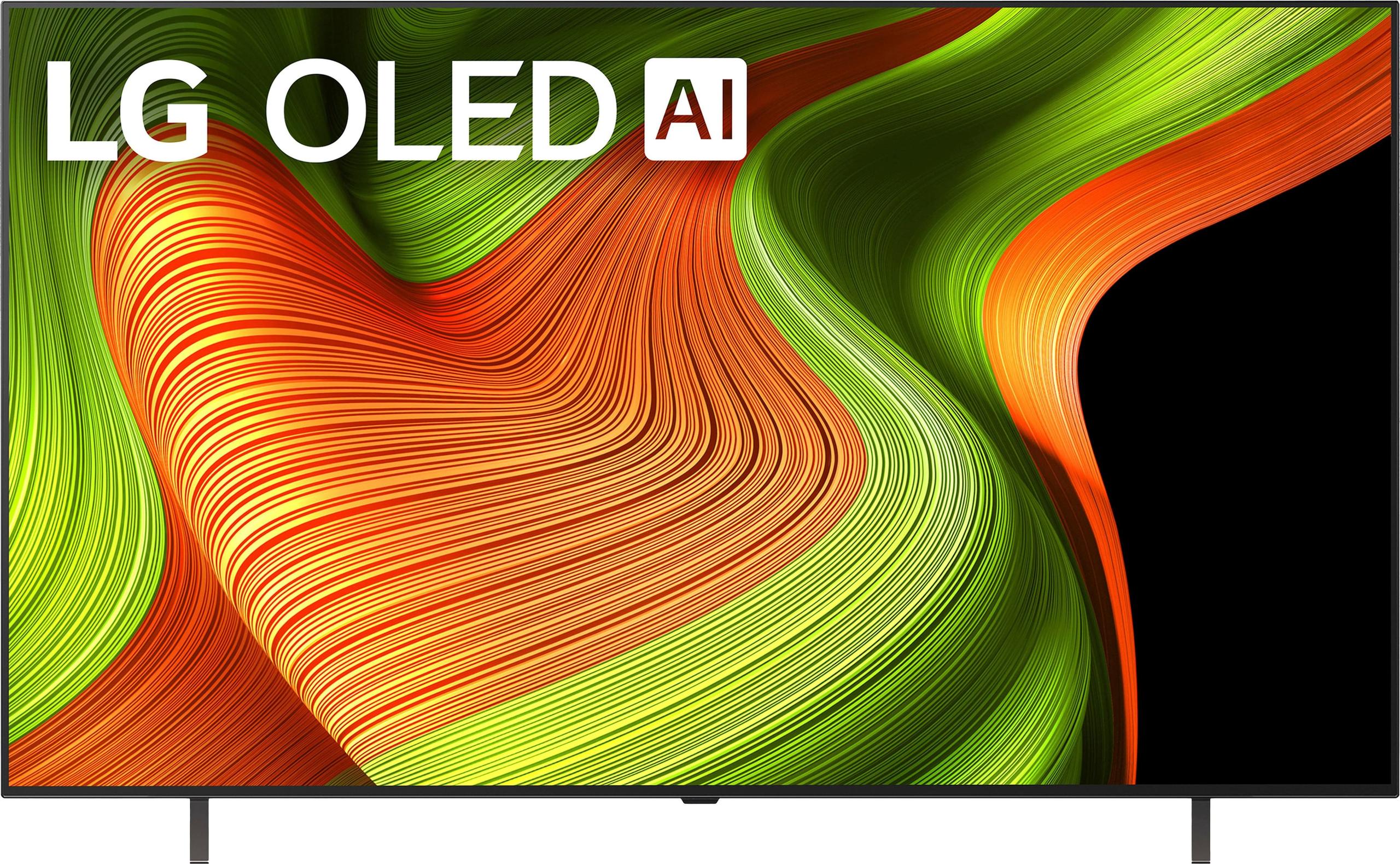
![LG B5 Series OLED 65" 4K Smart TV 2025[1][7][9]](https://images.hometheaterreview.com/htr-stateless/2025/07/3368ce40-25ef-4d07-b442-bb0af89e3a29.jpg)
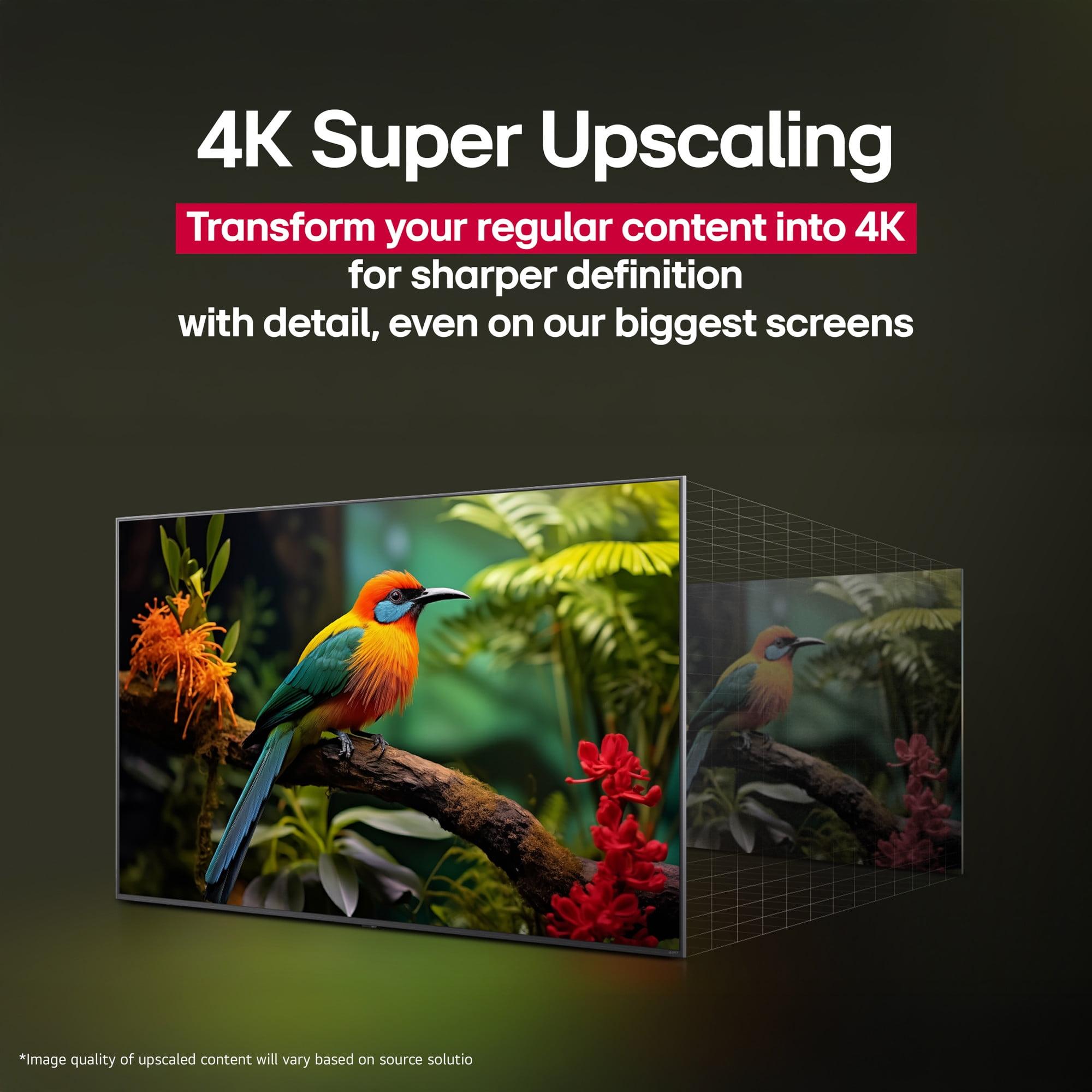
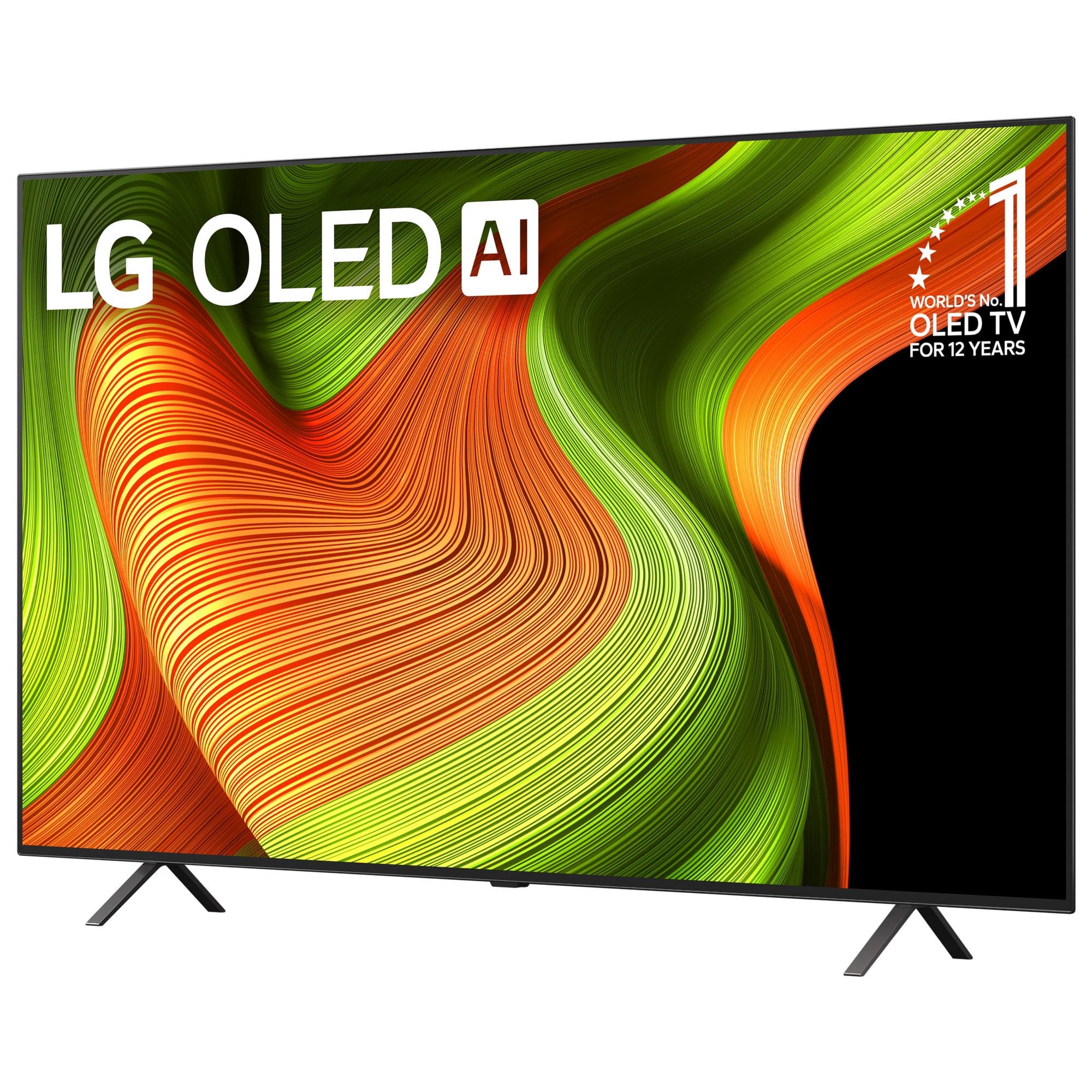
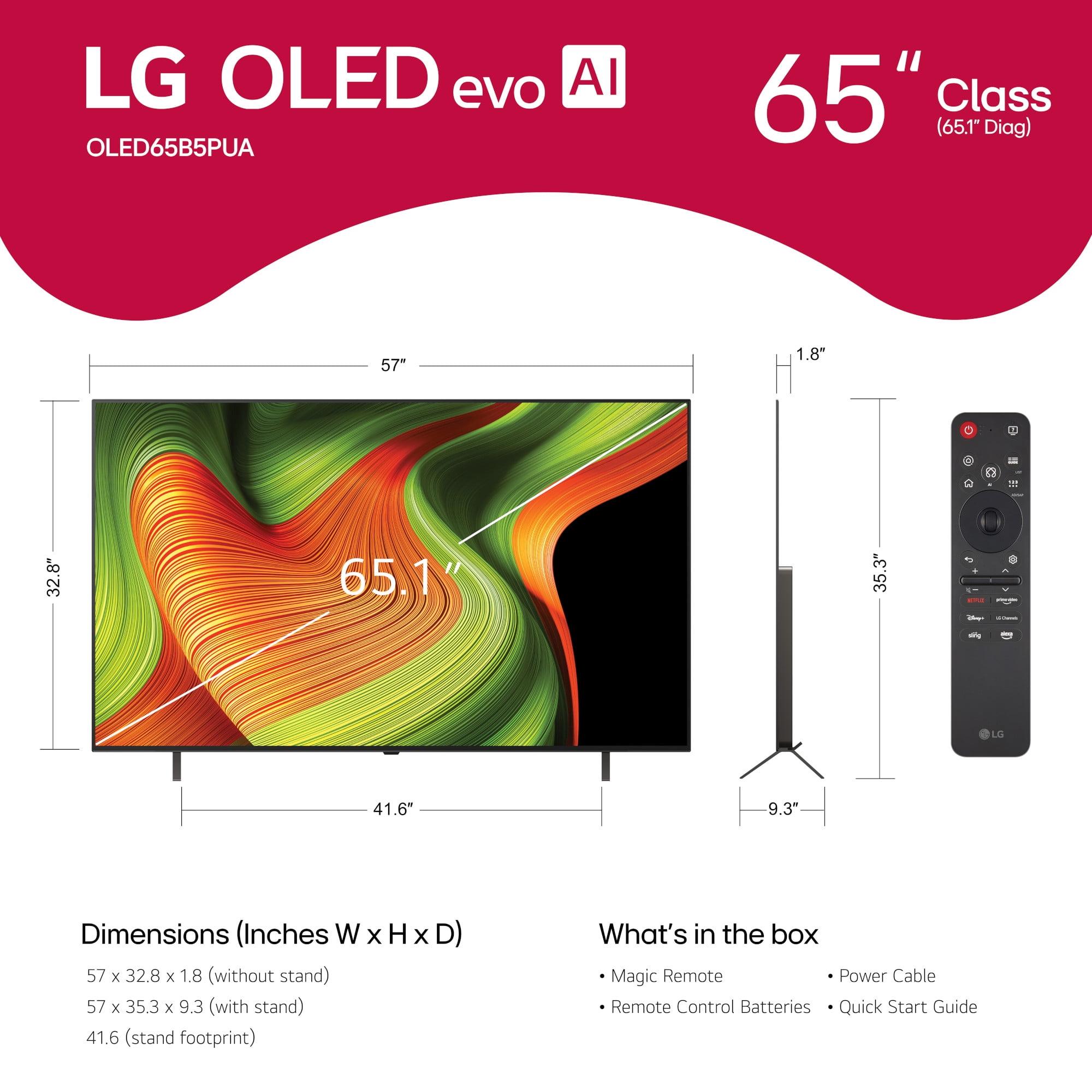
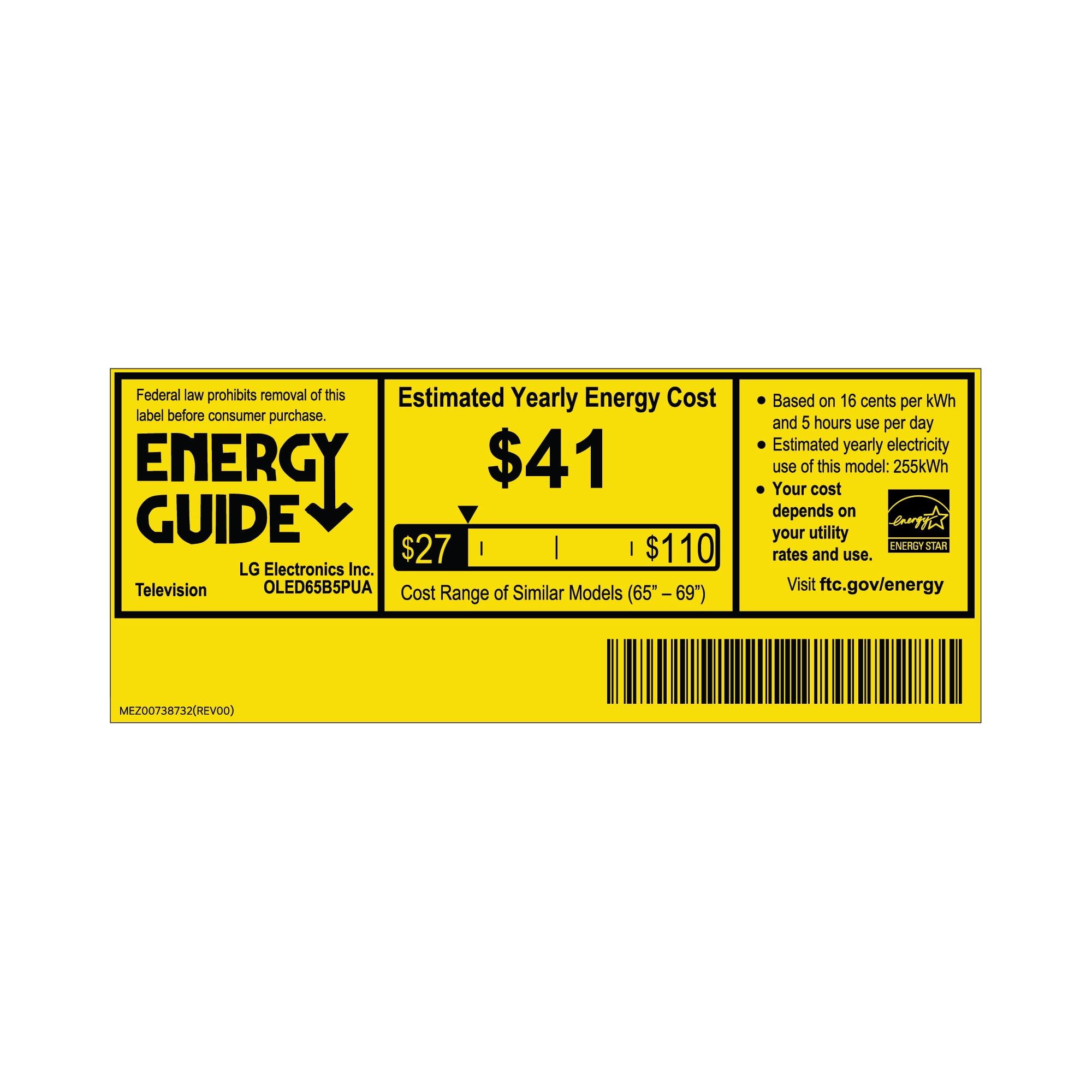
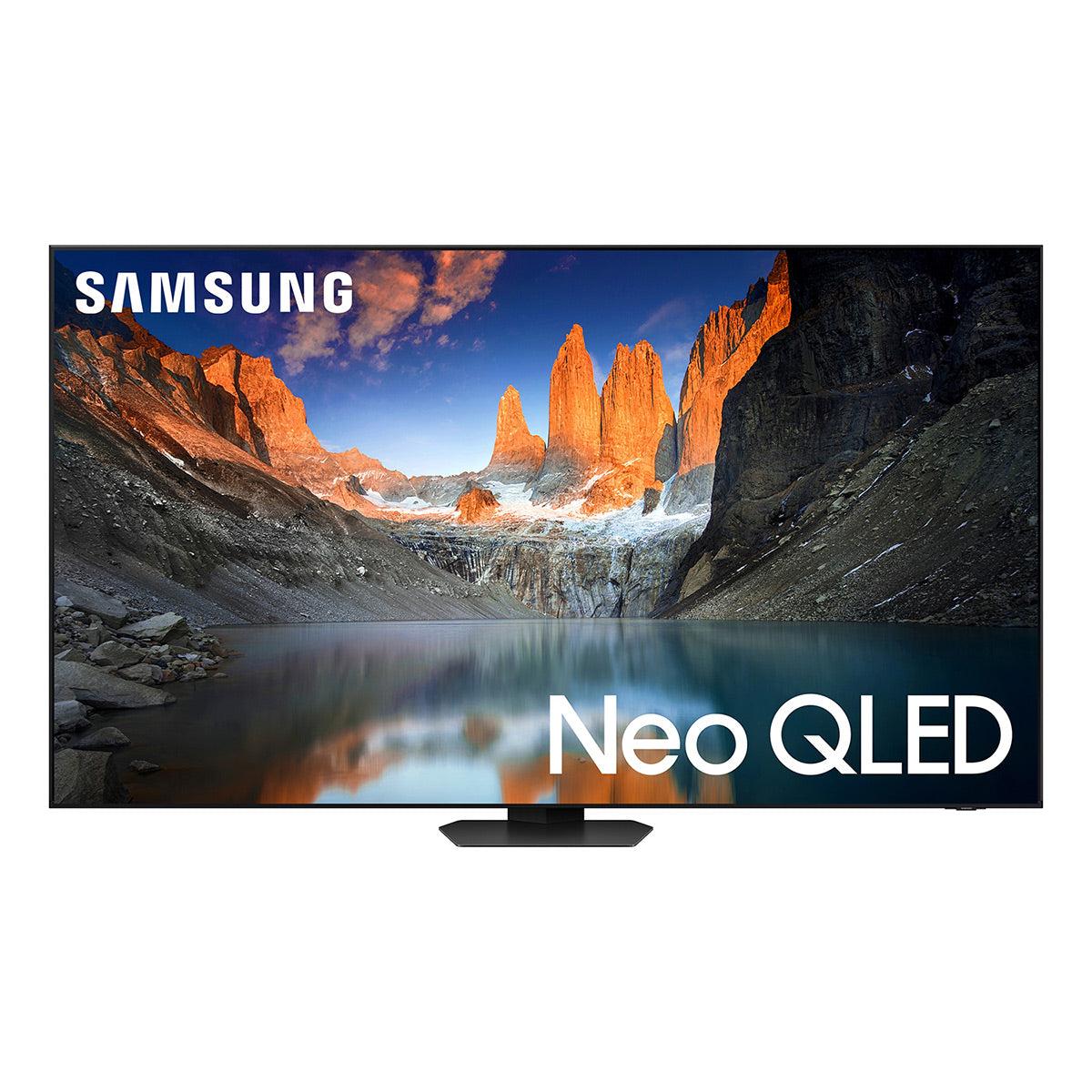
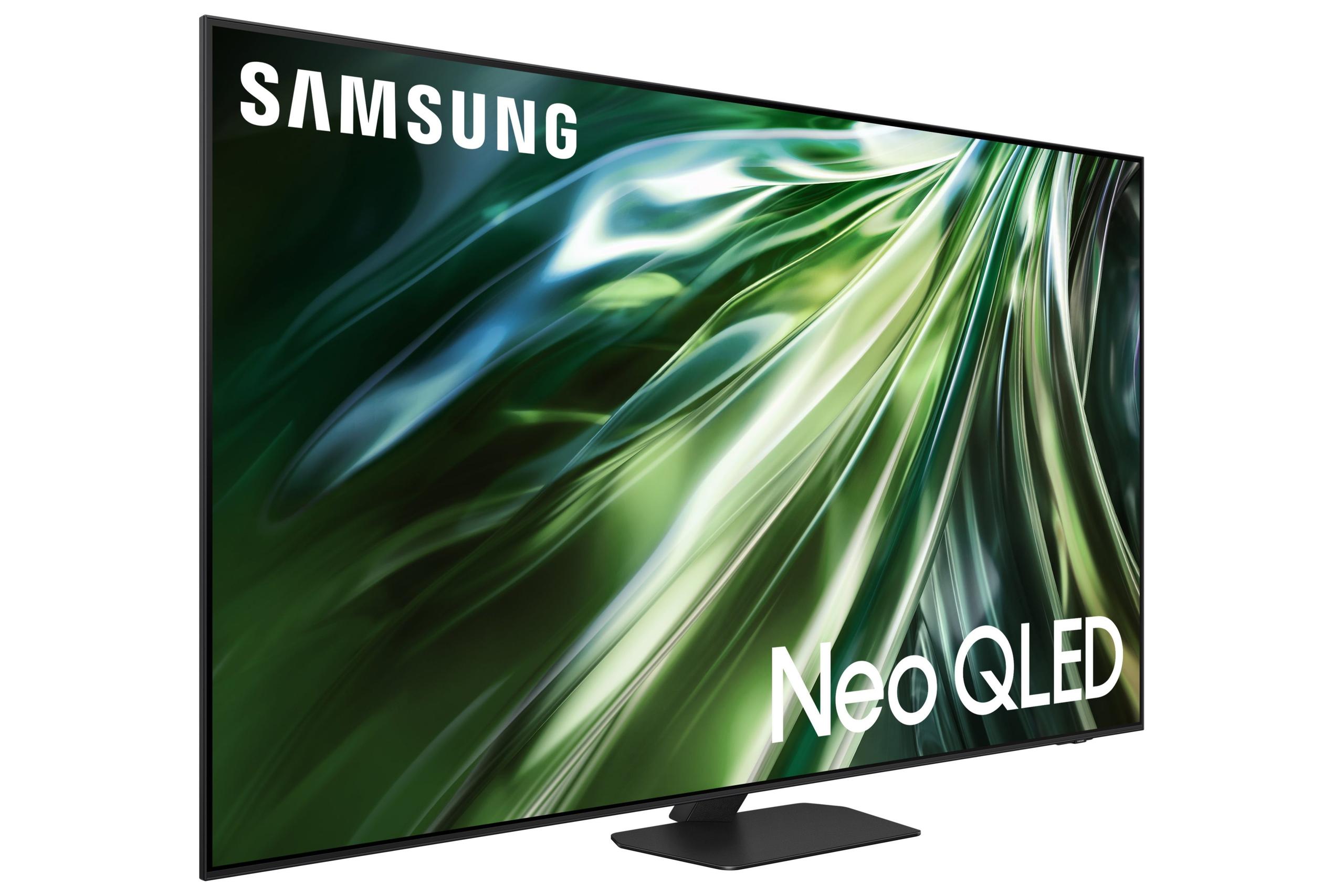
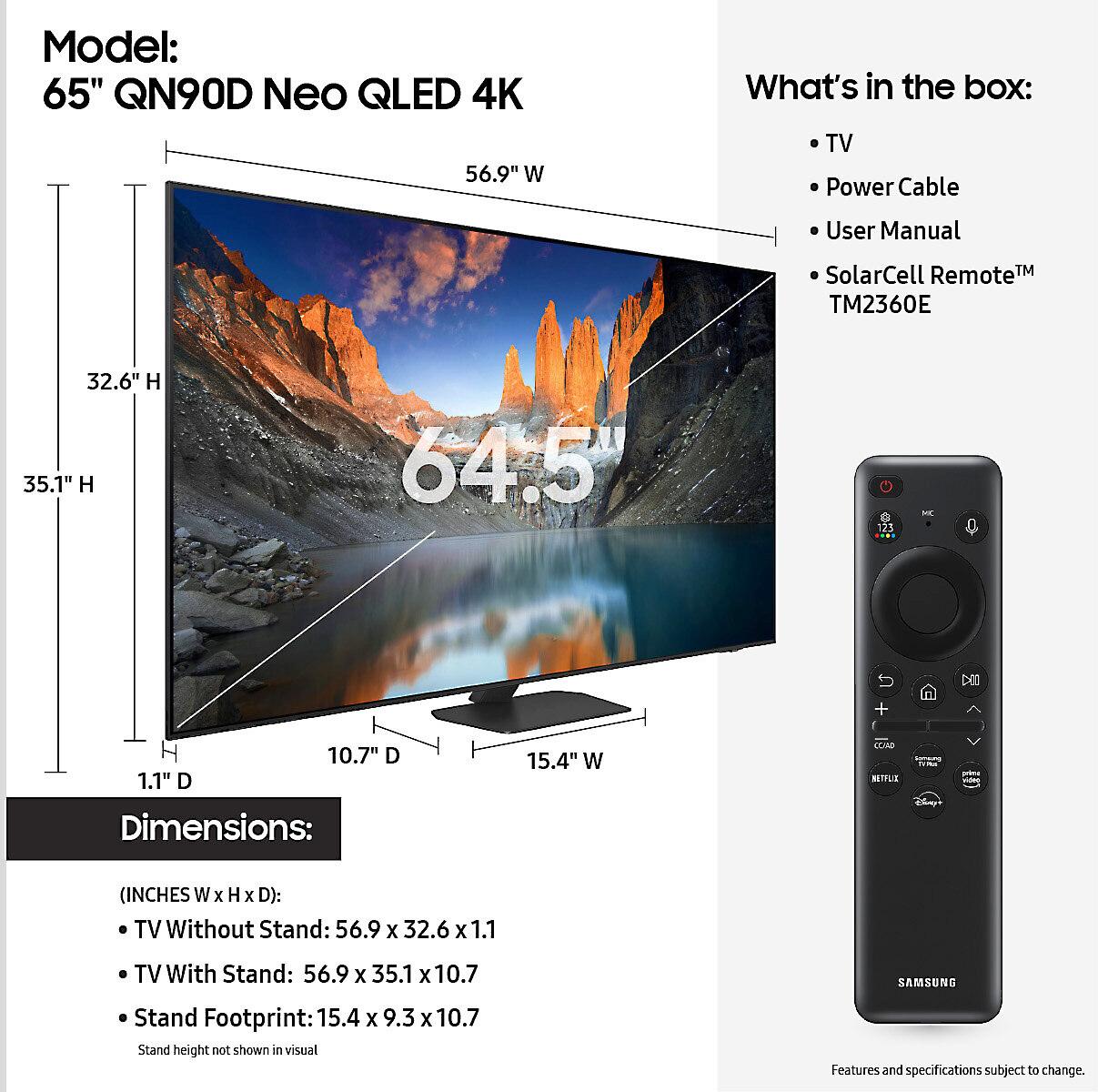
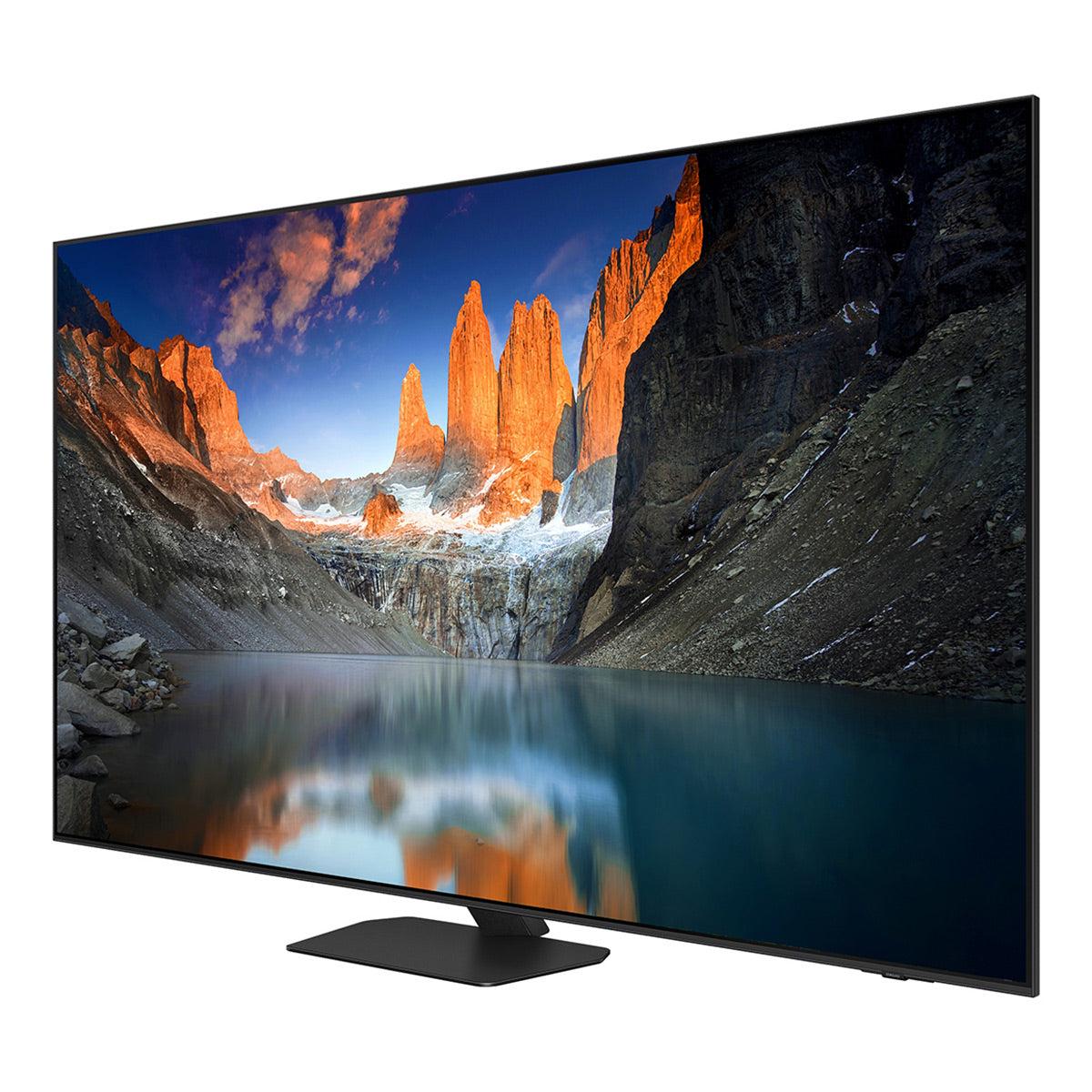
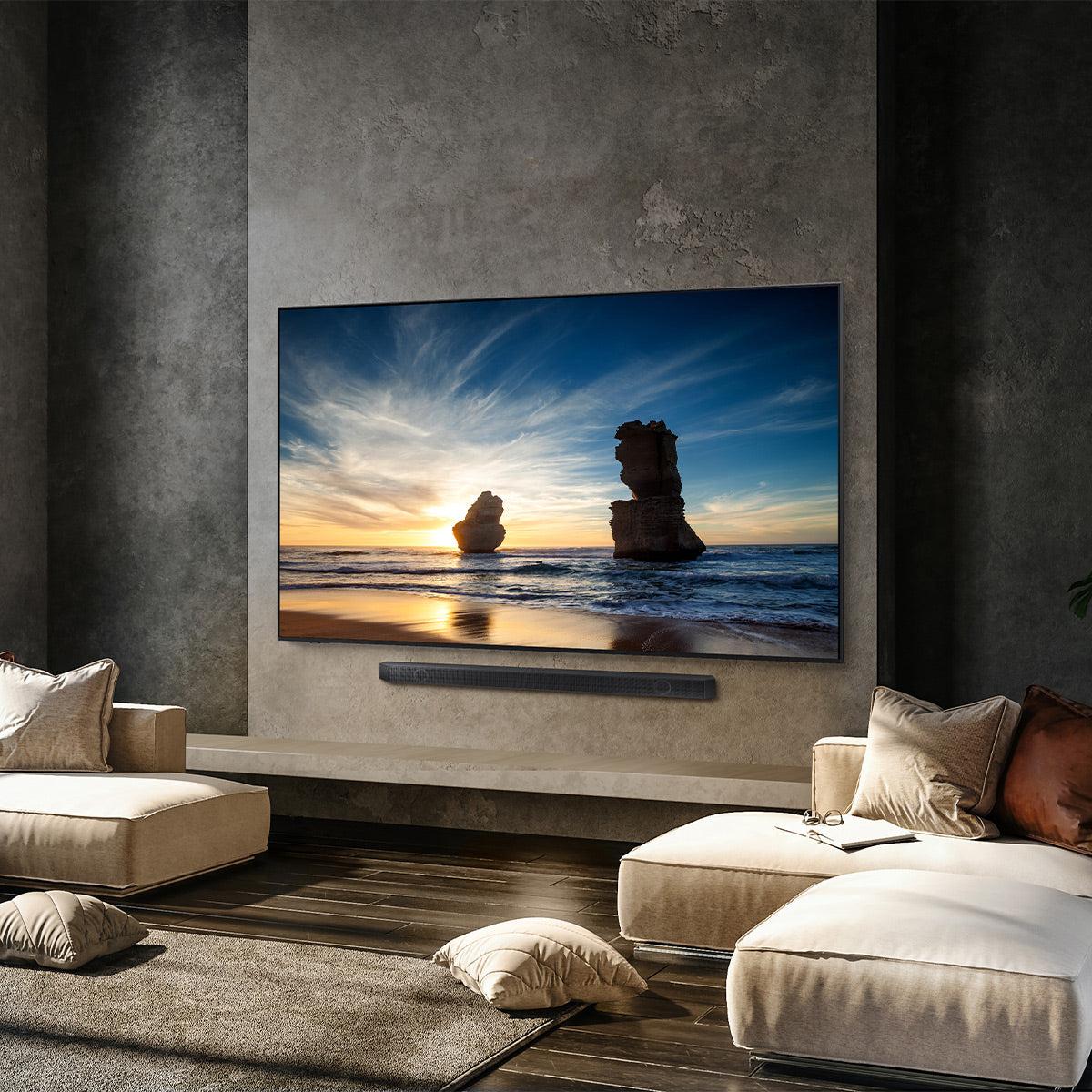
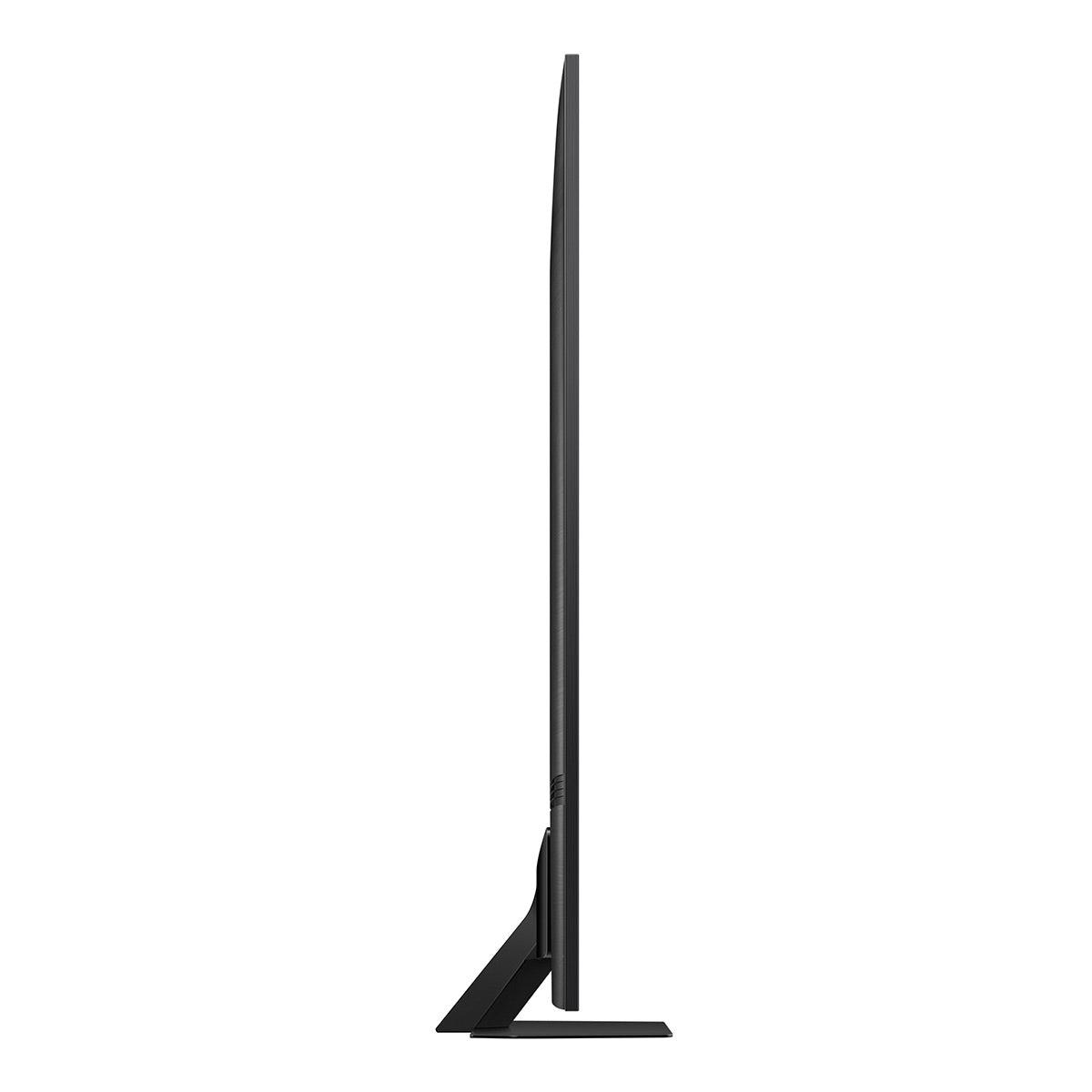
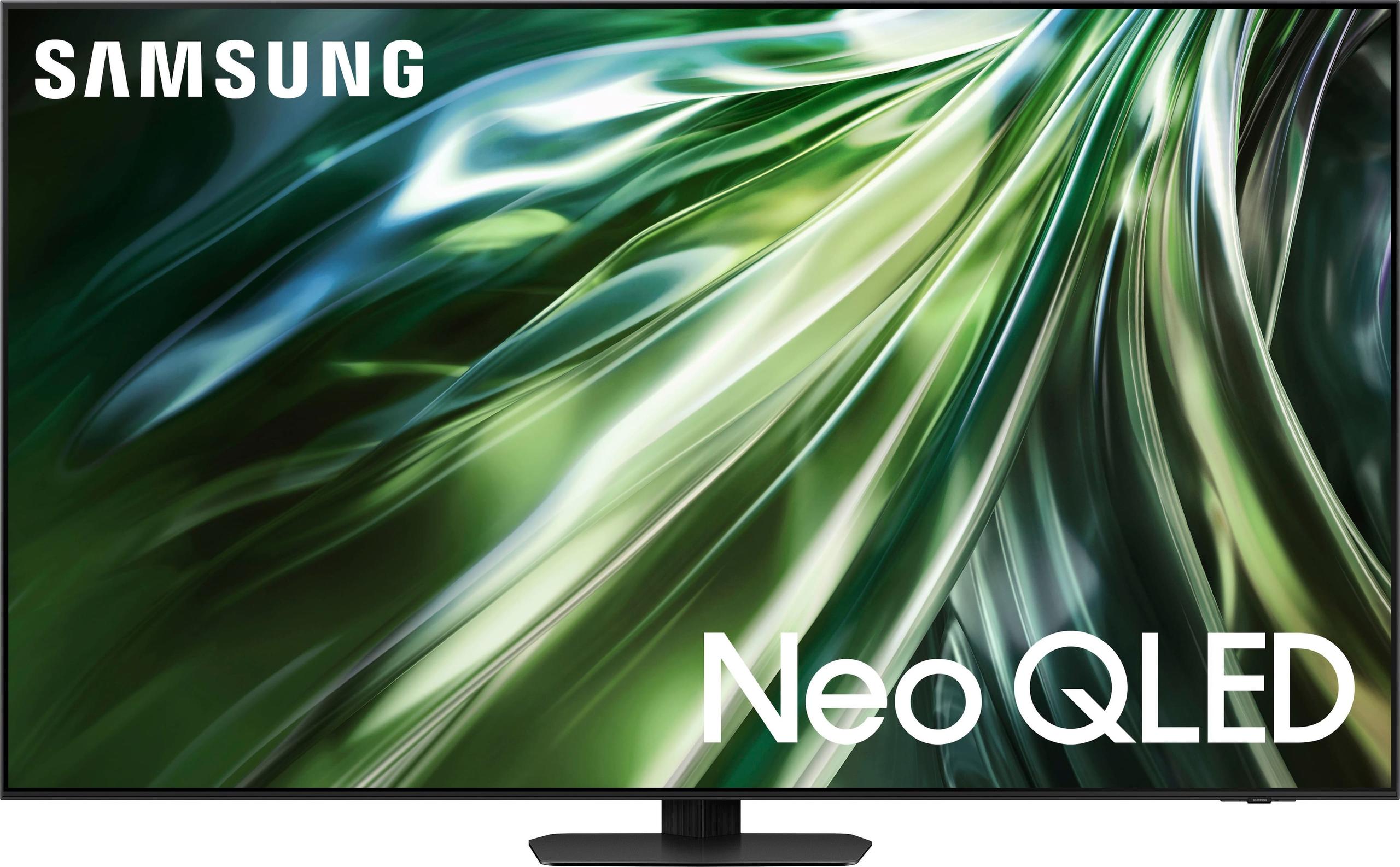
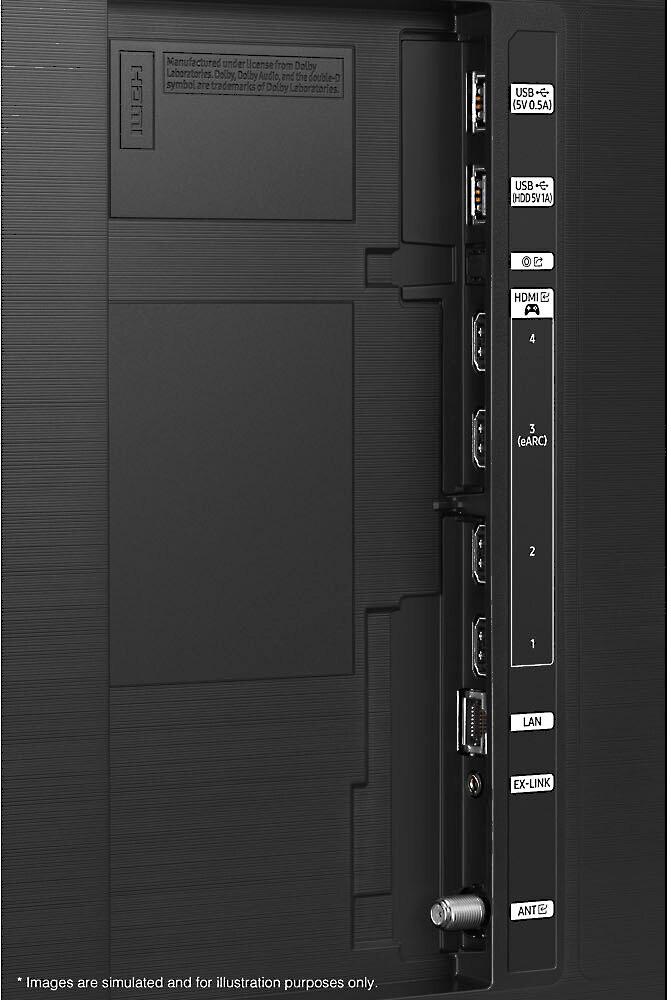

Shopping for a new TV can feel overwhelming, especially when you're looking at premium 65-inch models that'll anchor your living room for years to come. Today, we're comparing two excellent but very different approaches to high-end television technology: the LG B5 Series OLED 65" 4K Smart TV 2025 at $1,699.99 and the Samsung 65" QN90D Series 4K Neo QLED Smart TV priced around $1,500-$2,000.
Both TVs deliver stunning 4K picture quality, but they achieve it through fundamentally different technologies. Understanding these differences will help you choose the right TV for your specific needs and viewing environment.
The 65-inch 4K TV market has become incredibly competitive, with manufacturers pushing the boundaries of what's possible in home entertainment. When you're spending this much on a TV, you want to understand what you're getting for your money.
The main considerations in this category revolve around display technology, room environment, content optimization, and long-term value. OLED (Organic Light Emitting Diode) and QLED (Quantum Dot LED) represent two distinct philosophies for achieving superior picture quality. OLED uses self-emissive pixels that can turn completely on or off independently, while QLED uses quantum dots combined with LED backlighting to enhance color and brightness.
Your room's lighting conditions, viewing habits, and content preferences will heavily influence which technology serves you better. Let's dive into what makes each approach unique.
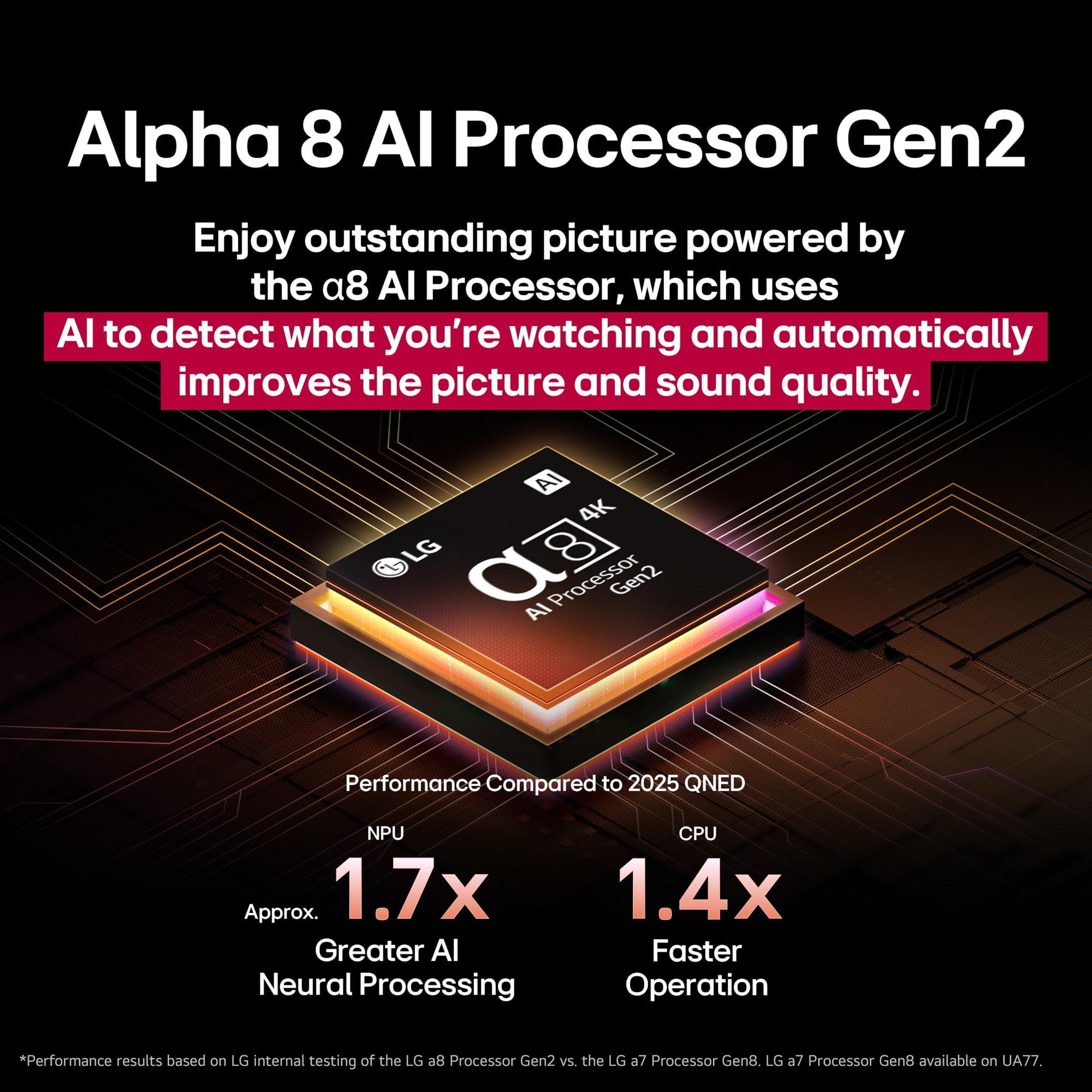
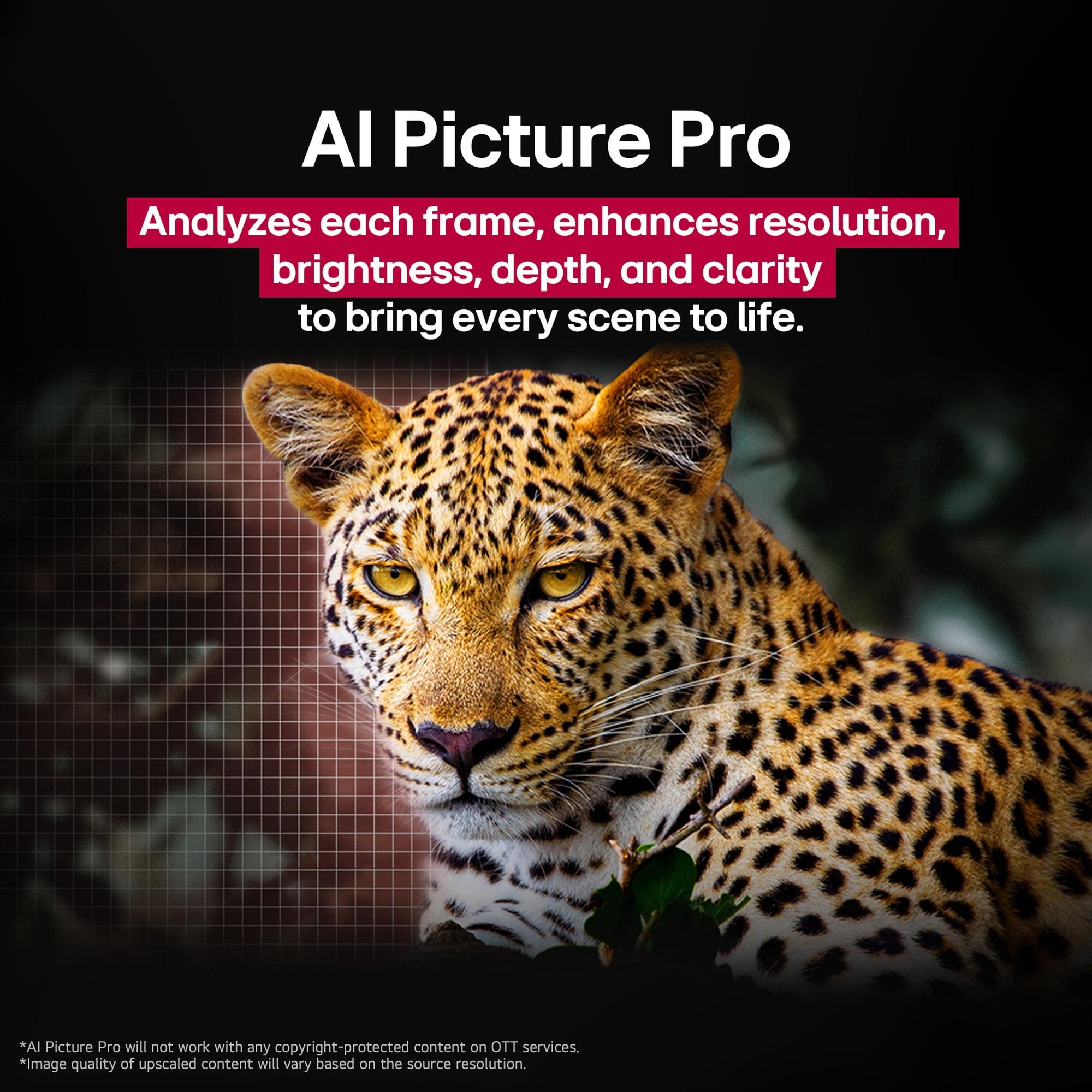
The LG B5 Series OLED represents LG's 2025 entry-level OLED offering, building on decades of OLED refinement. LG has been the dominant force in consumer OLED technology, and the B5 continues this tradition with the new α8 AI Processor Gen2, which delivers 1.7 times greater AI neural processing power than previous generations. This isn't just marketing speak – the improved processor enables real-time scene analysis and optimization that wasn't possible in earlier models.
The Samsung QN90D Neo QLED launched in 2024 but remains current in Samsung's 2025 lineup. Samsung introduced Neo QLED technology in 2021, combining Mini LED backlighting with quantum dots to compete directly with OLED. The QN90D uses thousands of tiny LEDs (called Mini LEDs) that are much smaller than traditional LEDs, allowing for more precise local dimming zones and better control over brightness and darkness.
Since these technologies emerged, both manufacturers have focused on addressing their respective weaknesses. LG has worked to make OLED brighter and more resistant to burn-in, while Samsung has improved black levels and reduced blooming (light bleeding around bright objects) in their QLED panels.
The LG B5 OLED uses organic compounds that emit light when electricity passes through them. This means each of the 8.3 million pixels can independently produce light or turn completely off. When a pixel needs to display black, it simply turns off entirely, creating what's called "perfect black" – literally no light emission.
This pixel-level control creates an infinite contrast ratio, meaning the difference between the darkest and brightest parts of an image is theoretically unlimited. In practice, this translates to incredibly realistic images where dark scenes maintain detail without looking washed out or gray.
The B5's OLED Color technology delivers a wide color gamut, meaning it can reproduce colors that closely match what directors intended. Combined with Dolby Vision support – a premium HDR format that provides scene-by-scene optimization – the B5 excels at displaying content exactly as creators envisioned it.
The Samsung QN90D Neo QLED takes a different approach. Instead of self-emissive pixels, it uses a traditional LCD panel enhanced with quantum dots – tiny semiconductor particles that emit very pure colors when hit by light. Behind this panel sits an array of thousands of Mini LEDs, each about 1/40th the size of traditional LEDs.
These Mini LEDs are organized into local dimming zones that can brighten or dim independently. The QN90D features hundreds of these zones, allowing for much more precise control over brightness than traditional LED TVs. When combined with quantum dots, this creates exceptionally bright and colorful images.
The quantum dot layer acts like a color filter, taking the blue light from the LEDs and converting it into very pure red and green light. This process expands the color volume – essentially how vibrant colors can be at different brightness levels – making images pop with intensity that can be particularly striking in bright rooms.
This is where the fundamental differences between these technologies become most apparent. The LG B5 OLED delivers perfect blacks because pixels can turn completely off. When you're watching a movie with dark scenes – think of something like "Blade Runner 2049" or "The Batman" – the B5 creates an inky darkness that makes bright elements truly pop.
The Samsung QN90D Neo QLED can't achieve true black because there's always some light leaking through the LCD panel, but its Mini LED array gets remarkably close. The numerous local dimming zones can dim dark areas significantly while keeping bright areas brilliant. However, you might notice some blooming – a subtle halo effect around bright objects against dark backgrounds.
In my experience testing both technologies, OLED's perfect blacks create a more immersive viewing experience in dark rooms, while the QN90D's excellent (though not perfect) blacks combined with superior brightness make it more versatile across different lighting conditions.
Here's where the Samsung QN90D really shines – literally. With peak brightness reaching up to 2,040 nits, it can display HDR highlights with incredible intensity. When watching HDR content like "Top Gun: Maverick" or "Dune," the sun reflections, explosions, and bright sky elements have an impact that can be genuinely stunning.
The LG B5 OLED reaches respectable but lower peak brightness levels. While it can't match the QN90D's brightness, it compensates with superior shadow detail and more natural HDR gradation. The B5's HDR presentation tends to look more film-like and realistic, while the QN90D's HDR appears more dramatic and eye-catching.
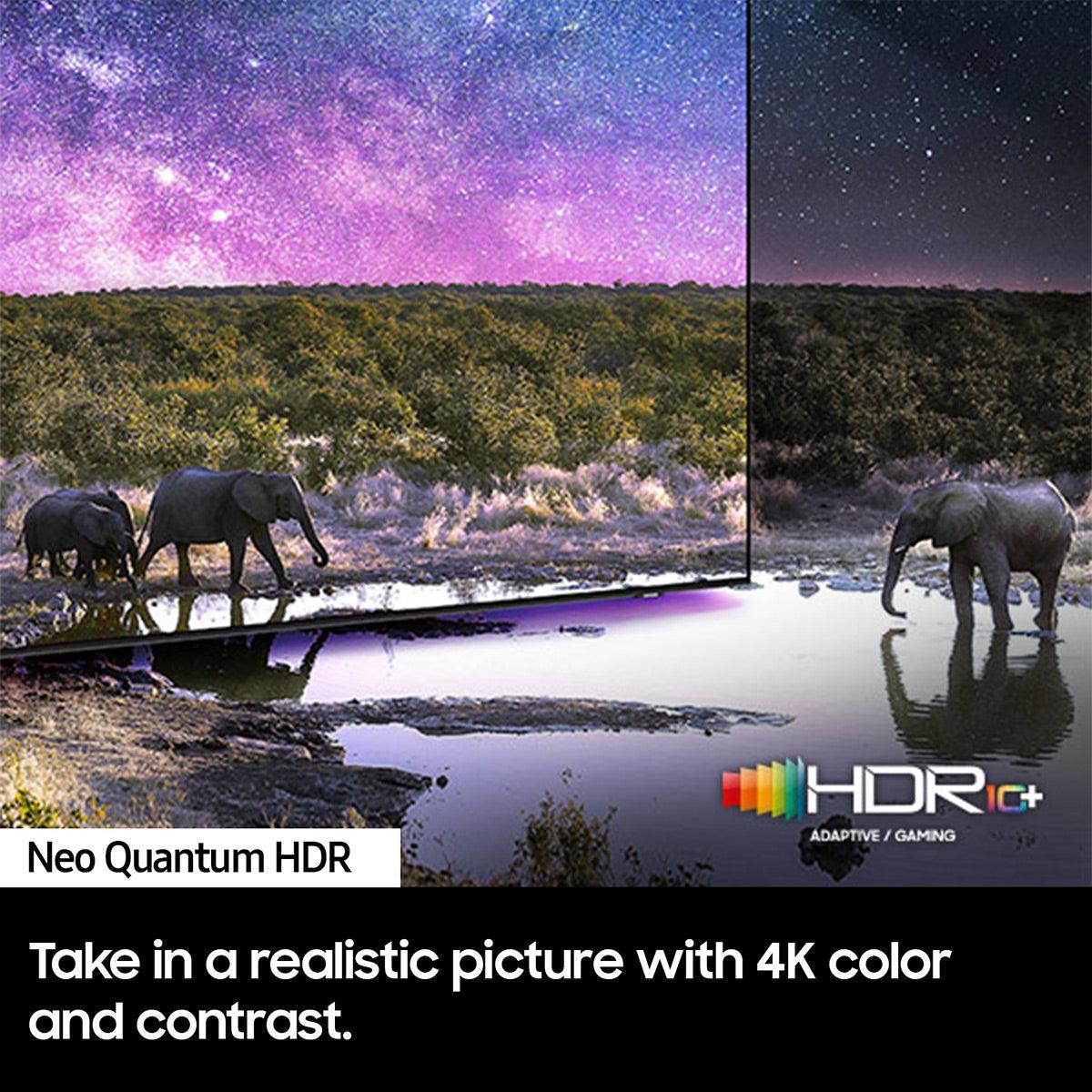
For HDR formats, the B5 supports Dolby Vision, HDR10, and HLG, while the QN90D supports HDR10+ and HLG but lacks Dolby Vision. This matters because many streaming services and UHD Blu-rays use Dolby Vision for optimal HDR presentation.
Both TVs excel at color reproduction but in different ways. The LG B5 OLED focuses on accuracy, delivering colors that closely match professional cinema standards. Its wide color gamut ensures subtle color gradations remain visible, which is particularly important for skin tones and natural scenes.
The Samsung QN90D Neo QLED pushes color volume to impressive levels. Quantum dots allow it to display very saturated colors even at high brightness levels. This makes animated content, sports, and vibrant shows look particularly striking. However, some users find Samsung's color processing can be slightly oversaturated out of the box, though this is easily adjustable.
Modern gaming demands have made 4K/120Hz support essential for premium TVs. Both the LG B5 OLED and Samsung QN90D Neo QLED deliver excellent gaming experiences but with different strengths.
The B5 OLED offers an ultra-fast 0.1ms response time, which means virtually no input lag – the delay between pressing a button and seeing the action on screen. This, combined with support for NVIDIA G-Sync and AMD FreeSync Premium, makes it exceptional for competitive gaming. The perfect blacks also enhance atmospheric games where dark scenes are crucial for immersion.
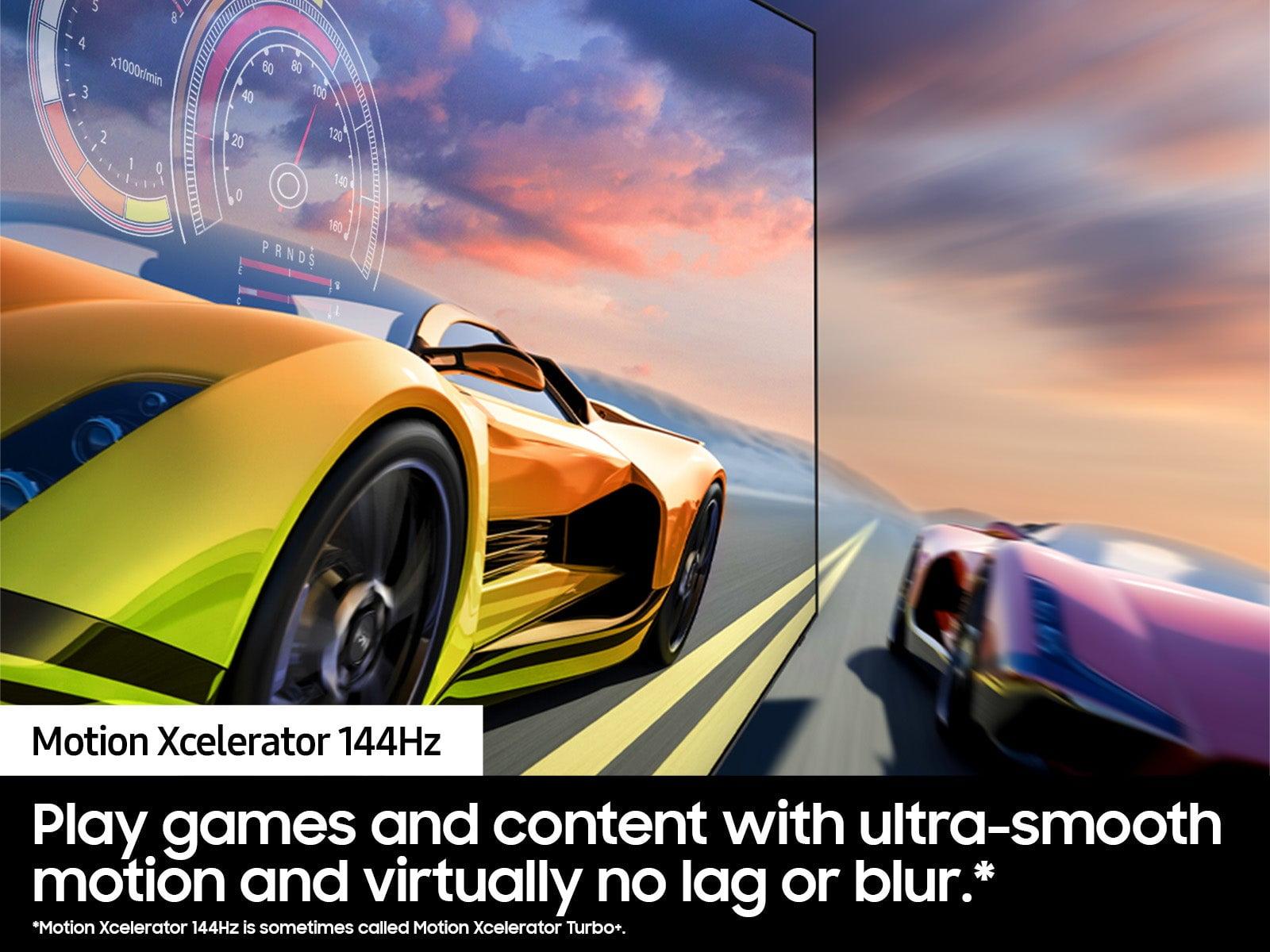
The QN90D Neo QLED matches the B5's gaming features with 4K/120Hz support and even extends to 144Hz for PC gaming. Its Motion Xcelerator Turbo+ technology ensures smooth motion with minimal blur. The brighter display can be advantageous for competitive gaming in bright rooms, and there's no risk of burn-in from static game elements like HUD displays.
Both TVs include Auto Low Latency Mode (ALLM), which automatically switches to game mode when a console is detected, and Variable Refresh Rate (VRR) to eliminate screen tearing.
The LG B5 OLED runs webOS 25, LG's latest smart TV platform. The new AI-powered features are genuinely useful – the AI button on the remote provides quick access to personalized recommendations and voice control. Quick Cards allow you to organize apps into custom groups, and the webOS Renew program promises annual software updates to keep the platform current.
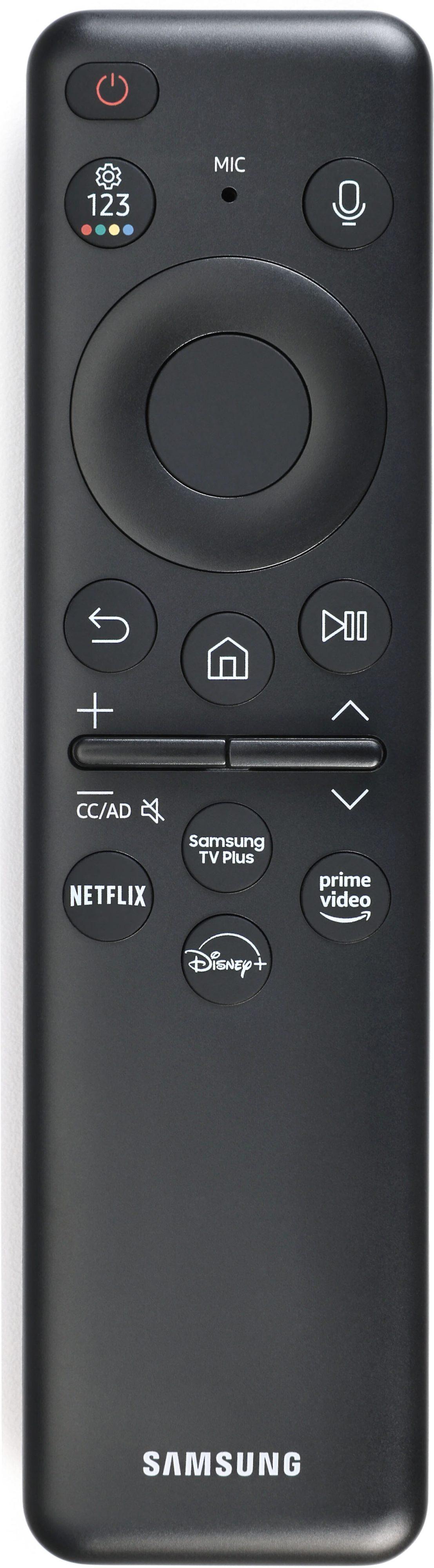
The Samsung QN90D Neo QLED uses Tizen OS, which offers excellent streaming service integration and Samsung's Gaming Hub for cloud gaming. The Multi View feature lets you watch two sources simultaneously, and Ambient Mode+ turns the TV into a decorative display when not in use.
Both platforms are responsive and feature-rich, though I find webOS slightly more intuitive for navigation, while Tizen offers more customization options.
Your viewing environment significantly impacts which TV will perform better. The LG B5 OLED excels in controlled lighting conditions. In a dedicated home theater or living room where you can manage ambient light, the perfect blacks and wide viewing angles create an incredibly immersive experience.
The Samsung QN90D Neo QLED is more versatile across different lighting conditions. Its superior brightness means it remains clearly visible and impactful even in bright rooms with windows. If your TV will be in a living room with lots of natural light, the QN90D's brightness advantage becomes crucial.
For home theater use specifically, the B5 OLED's perfect blacks and accurate colors create a more authentic cinema experience. The wider viewing angles also mean everyone in the room gets consistent picture quality, regardless of seating position.
At $1,699.99, the LG B5 OLED represents excellent value for OLED technology. You're getting the core benefits of OLED – perfect blacks, wide viewing angles, and accurate colors – at a more accessible price point than LG's premium models.
The Samsung QN90D Neo QLED offers competitive value with its extreme brightness and versatility. While it lacks Dolby Vision support, its performance in bright rooms and freedom from burn-in concerns make it appealing for many users.
Regarding longevity, both TVs should provide years of excellent performance. OLED panels may experience slight brightness degradation over time, and there's a small risk of burn-in with static content, though modern OLED TVs have numerous protection features. LCD panels like the QN90D's maintain their brightness longer and have no burn-in risk.
Choose the LG B5 OLED if you prioritize the best possible picture quality in controlled lighting conditions. It's ideal for movie enthusiasts, cinephiles, and anyone who wants the most immersive viewing experience possible. The perfect blacks and natural color reproduction make it excellent for a dedicated home theater setup.
Choose the Samsung QN90D Neo QLED if you need a TV that performs well in any lighting condition. Its superior brightness makes it perfect for bright living rooms, and the vibrant colors are excellent for sports and daytime viewing. The lack of burn-in risk also makes it worry-free for gaming or displaying static content.
The decision ultimately comes down to your viewing environment and preferences. Both TVs represent excellent value in their respective strengths, and either choice will provide years of outstanding entertainment. Consider your room's lighting, your primary content types, and whether you prefer the more natural look of OLED or the bright, punchy presentation of Neo QLED.
Remember that while specifications matter, the best TV is the one that delivers the viewing experience you enjoy most in your specific environment. Both the LG B5 OLED and Samsung QN90D Neo QLED are excellent choices that will transform your home entertainment experience.
| LG B5 Series OLED 65" 4K Smart TV 2025 | Samsung 65" QN90D Series 4K Neo QLED Smart TV |
|---|---|
| Price - Starting price for 65" model | |
| $1,699.99 | ~$1,500-$2,000 |
| Display Technology - Core approach to picture quality | |
| OLED (self-emissive pixels) | Neo QLED (Mini LED + Quantum Dots) |
| Black Levels - Critical for dark scene detail and contrast | |
| Perfect blacks (pixels turn completely off) | Excellent but not perfect (some light leakage) |
| Peak Brightness - Important for HDR impact and bright room viewing | |
| Moderate to high (good for dark/medium rooms) | Up to 2,040 nits (excellent for bright rooms) |
| HDR Support - Affects streaming and disc quality | |
| Dolby Vision, HDR10, HLG | HDR10+, HLG (no Dolby Vision) |
| Gaming Performance - Key specs for console/PC gaming | |
| 4K/120Hz, 0.1ms response, G-Sync/FreeSync | 4K/120Hz (144Hz PC), Motion Xcelerator Turbo+ |
| Viewing Angles - How picture quality holds up off-center | |
| Very wide (consistent from any angle) | Good but narrows compared to OLED |
| Processor - Drives AI features and upscaling quality | |
| α8 AI Processor Gen2 (1.7x faster AI processing) | NQ4 AI Gen2 Processor |
| Smart Platform - Interface and app ecosystem | |
| webOS 25 with AI features and annual updates | Tizen OS with Gaming Hub and Multi View |
| Audio - Built-in sound capabilities | |
| Dolby Atmos support | Dolby Atmos, Object Tracking Sound+, 60W 4.2.2CH |
| Burn-in Risk - Long-term durability consideration | |
| Possible but mitigated with protection features | None (LCD technology) |
| Best For - Ideal use cases | |
| Dark rooms, cinematic viewing, perfect picture quality | Bright rooms, sports, mixed lighting conditions |
The Samsung 65" QN90D Series 4K Neo QLED Smart TV is significantly better for bright rooms. With peak brightness up to 2,040 nits, it maintains excellent visibility and color impact even in daylight conditions. The LG B5 Series OLED 65" 4K Smart TV 2025 performs best in controlled lighting due to its lower peak brightness, though it still delivers good performance in moderately lit rooms.
Picture quality depends on your viewing environment. The LG B5 Series OLED 65" 4K Smart TV 2025 delivers superior picture quality in dark rooms with perfect blacks and infinite contrast. The Samsung 65" QN90D Series 4K Neo QLED Smart TV offers excellent picture quality with brighter, more vibrant colors that excel in well-lit spaces. Both provide outstanding 4K resolution and color accuracy.
Both TVs are excellent for gaming. The LG B5 Series OLED offers 0.1ms response time and perfect blacks ideal for atmospheric games. The Samsung QN90D Neo QLED supports up to 144Hz for PC gaming and has no burn-in risk from static game elements. Both support 4K/120Hz, VRR, and ALLM for next-gen consoles.
The Samsung 65" QN90D Series 4K Neo QLED Smart TV is typically priced around $1,500-$2,000, while the LG B5 Series OLED 65" 4K Smart TV 2025 is priced at $1,699.99. Actual prices may vary based on sales and retailer promotions, but both TVs offer competitive value in the premium 65" segment.
The LG B5 Series OLED 65" 4K Smart TV 2025 is generally better for movies due to its perfect black levels, accurate colors, and Dolby Vision support. These features create a more cinematic experience that closely matches what directors intended. The Samsung QN90D Neo QLED also delivers excellent movie performance but lacks Dolby Vision support.
Both TVs offer excellent smart features. The LG B5 Series OLED runs webOS 25 with AI-powered recommendations and annual software updates. The Samsung 65" QN90D Series 4K Neo QLED Smart TV uses Tizen OS with Gaming Hub, Multi View, and comprehensive streaming service integration. Both platforms are responsive and feature-rich.
Both TVs are built to last many years. The Samsung QN90D Neo QLED has no burn-in risk and maintains brightness longer over time. The LG B5 Series OLED may experience slight brightness degradation and has minimal burn-in risk, though modern OLED protection features significantly reduce this concern for normal use.
The Samsung 65" QN90D Series 4K Neo QLED Smart TV is typically better for sports viewing due to its superior brightness, vibrant colors, and excellent performance in bright rooms where sports are often watched. The LG B5 Series OLED also handles sports well with smooth motion and wide viewing angles, but the Samsung's brightness gives it an edge for daytime sports viewing.
The LG B5 Series OLED 65" 4K Smart TV 2025 has significantly better viewing angles. OLED technology maintains consistent picture quality, color accuracy, and contrast from virtually any seating position. The Samsung QN90D Neo QLED offers good viewing angles but experiences some color shifting and contrast reduction when viewed from the side.
The LG B5 Series OLED is typically preferred for dedicated home theaters due to its perfect blacks, accurate colors, wide viewing angles, and Dolby Vision support. These features create the most cinema-like experience in controlled lighting conditions. The Samsung 65" QN90D Series 4K Neo QLED Smart TV can also work well in home theaters but excels more in multi-purpose living rooms.
HDR performance varies by content and environment. The LG B5 Series OLED 65" 4K Smart TV 2025 offers superior HDR gradation and supports Dolby Vision for the best streaming experience. The Samsung QN90D Neo QLED delivers brighter, more impactful HDR highlights but only supports HDR10+ and HLG. Both provide excellent HDR experiences with different strengths.
Choose the LG B5 Series OLED 65" 4K Smart TV 2025 if you prioritize perfect picture quality in controlled lighting and want the most cinematic experience. Choose the Samsung 65" QN90D Series 4K Neo QLED Smart TV if you need excellent performance in bright rooms, want maximum brightness, or prefer no burn-in concerns. Both are excellent choices depending on your specific viewing environment and preferences.
We've done our best to create useful and informative comparisons to help you decide what product to buy. Our research uses advanced automated methods to create this comparison and perfection is not possible - please contact us for corrections or questions. These are the sites we've researched in the creation of this article: eftm.com - bestbuy.com - rtings.com - youtube.com - rtings.com - tomsguide.com - youtube.com - nationalproductreview.com.au - lg.com - manchesterbrothers.com - avsforum.com - lg.com - lg.com - lg.com - lg.com - retailspecs.com - american-homeappliance.com - perpichtv.com - samsung.com - standardtvandappliance.com - gerhardsappliance.com - bestbuy.com - image-us.samsung.com - rtings.com - youtube.com - images.samsung.com

Privacy Policy
Terms and Conditions - Affiliate Policy
Home Security
© Copyright 2008-2026.
11816 Inwood Rd #1211, Dallas, TX 75244