

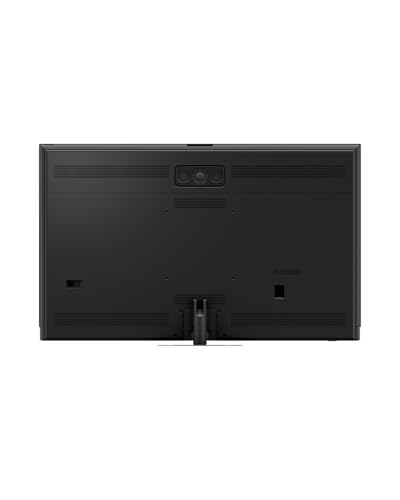

![LG B5 Series OLED 65" 4K Smart TV 2025[1][7][9]](https://images.hometheaterreview.com/htr-stateless/2025/07/31238cd0-lg-b5-series-oled-65-4k-smart-tv-2025179.jpg)
![LG B5 Series OLED 65" 4K Smart TV 2025[1][7][9]](https://images.hometheaterreview.com/htr-stateless/2025/07/3368ce40-25ef-4d07-b442-bb0af89e3a29.jpg)
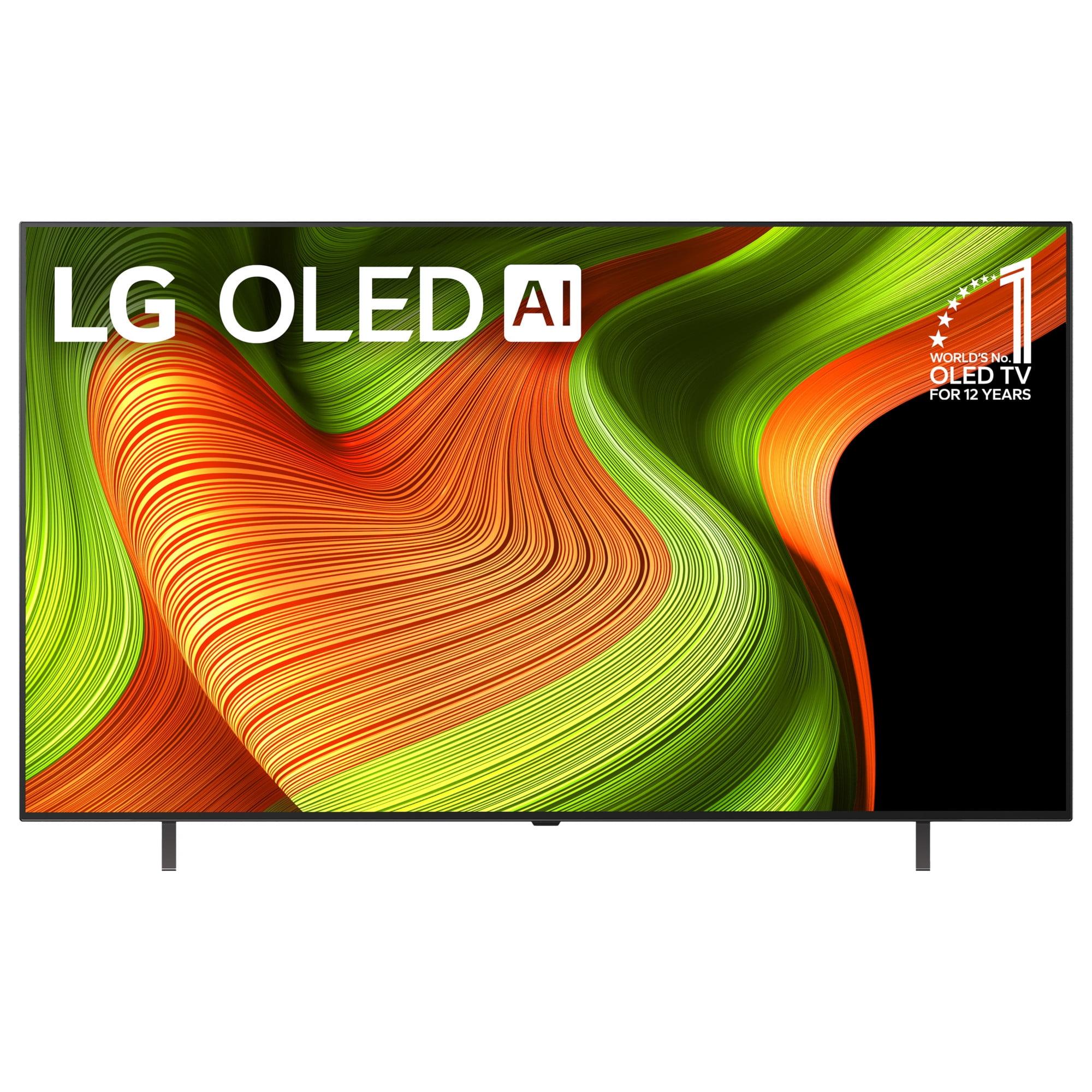
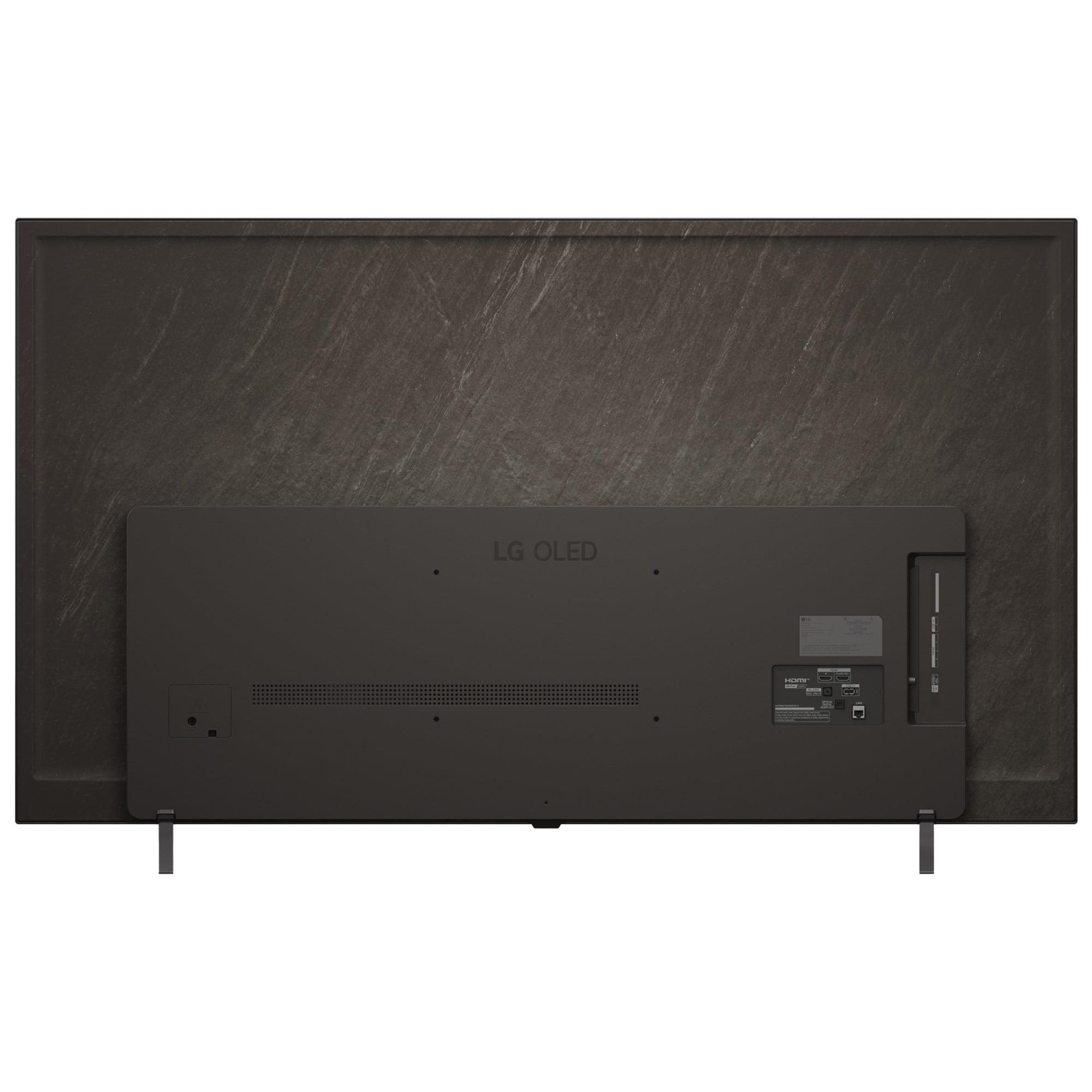
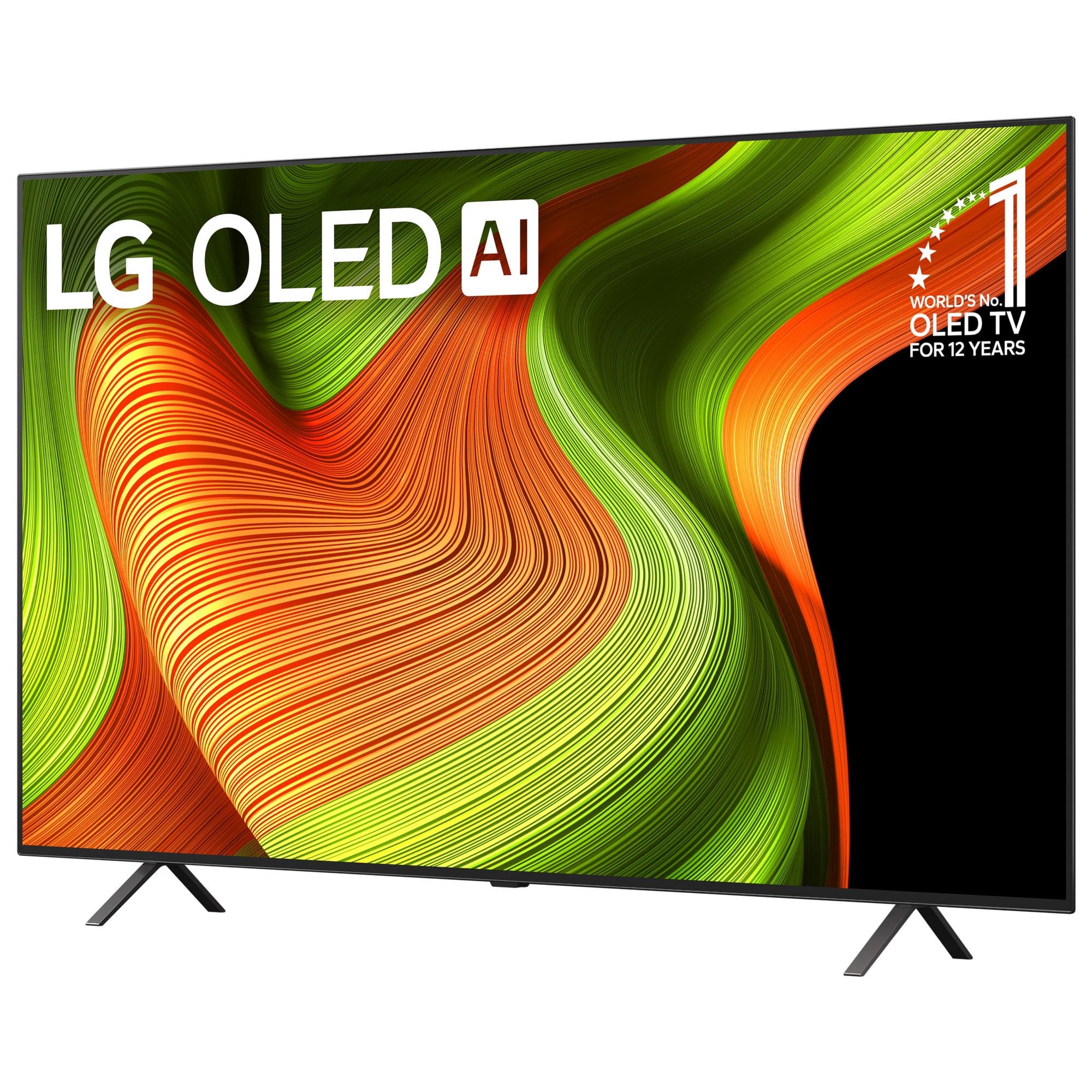
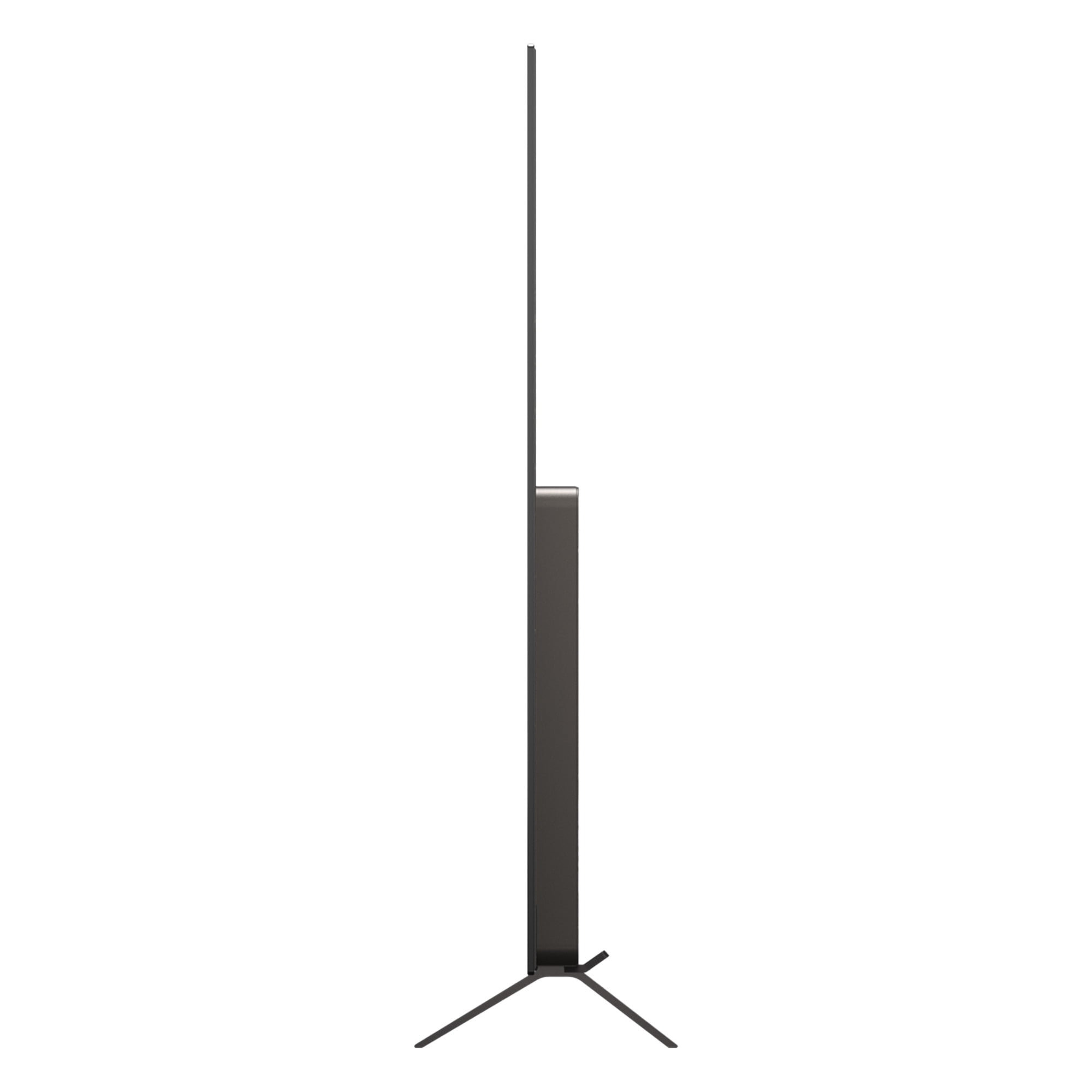
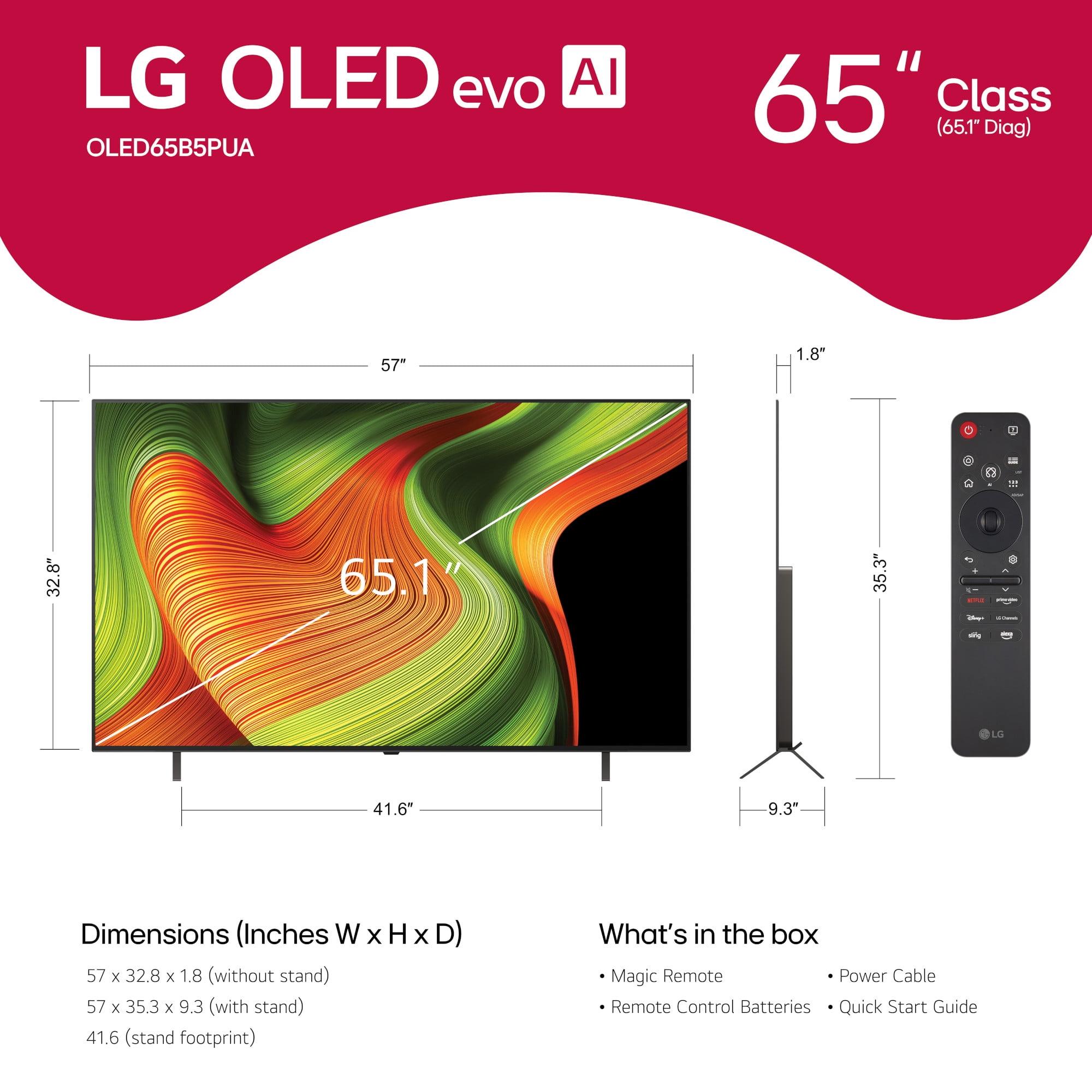
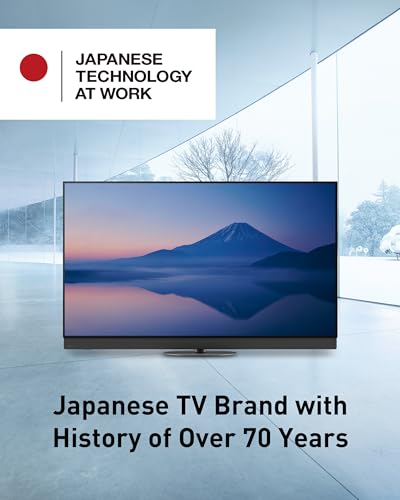
When you're ready to upgrade to OLED technology, the choice between a flagship model and an entry-level option can feel overwhelming. The Panasonic Z95B Series 65" OLED and LG B5 Series OLED 65" represent two dramatically different approaches to premium television design in 2025, with pricing that reflects their distinct target audiences. At the time of writing, you're looking at roughly triple the investment for the Panasonic compared to the LG—a price gap that demands careful consideration of what you actually get for that extra money.
OLED (Organic Light-Emitting Diode) panels work fundamentally differently from traditional LED-backlit LCD TVs. Instead of a backlight shining through colored filters, each pixel produces its own light. This means when a pixel needs to display black, it simply turns off completely, creating perfect blacks that no LCD can match. The result is infinite contrast—the difference between the darkest and brightest parts of an image—which makes everything from starlit night scenes to explosions look dramatically more realistic.
Both the Panasonic Z95B and LG B5 deliver this core OLED advantage, but they implement the technology very differently. The key considerations when choosing between OLED TVs are how bright they can get (crucial for HDR content and bright rooms), how accurately they reproduce colors, their gaming capabilities, audio quality, and the smart TV experience.
The most significant difference between these televisions lies in their panel construction, which directly impacts brightness and HDR performance. This is where the Panasonic Z95B justifies much of its premium pricing.
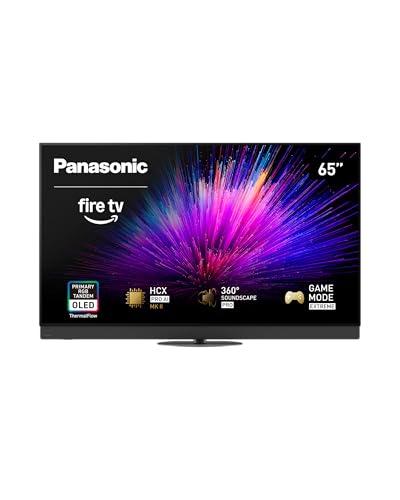
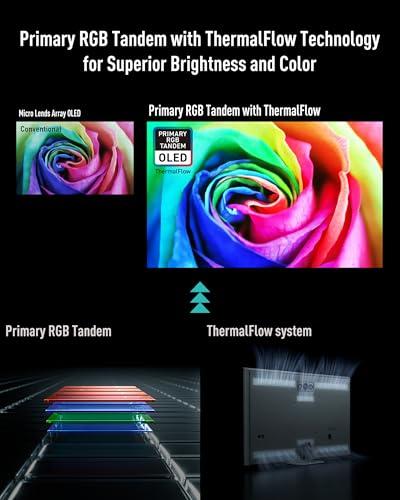
The Z95B uses what's called 4-stack Primary RGB Tandem OLED technology. Think of it like having multiple light bulbs behind each colored filter instead of just one. This "tandem" approach essentially stacks multiple OLED layers on top of each other, creating significantly more light output. The panel incorporates a ThermalFlow cooling system—borrowed from aerodynamic engineering—that keeps the panel running at optimal temperatures even when pushing maximum brightness.
This advanced panel technology delivers roughly 2-3 times the brightness of standard OLED panels. In practical terms, this means HDR content like sunlight reflecting off water or bright explosions have significantly more visual impact. The increased brightness also means the TV maintains excellent picture quality even in bright living rooms where standard OLEDs might look washed out.
The LG B5 uses LG's well-established OLED panel with 8.3 million self-lit pixels. While this delivers all the classic OLED benefits—perfect blacks, excellent contrast, and vibrant colors—it operates at more moderate brightness levels. This isn't necessarily a disadvantage; many viewers prefer the more controlled light output for comfortable extended viewing, especially in dimmer environments.
The brightness difference becomes most noticeable when watching HDR content in bright rooms or when you want that "wow factor" from spectacular highlights in movies. The Panasonic excels here, while the LG performs best in controlled lighting conditions.
Both TVs use sophisticated processors to optimize picture quality, but their philosophies differ significantly.
The Z95B employs the HCX Pro AI Processor MK II, which prioritizes color accuracy and professional-grade image processing. This TV includes ISFccc certification, meaning it meets standards set by the Imaging Science Foundation—the same organization that trains professional TV calibrators used by Hollywood studios. The processor supports Calman calibration, a professional tool that ensures the TV reproduces colors exactly as content creators intended.
One unique feature is the Panasonic's support for both HDR10+ and Dolby Vision simultaneously. Most TVs support one or the other, but this combination ensures maximum compatibility with streaming services and physical media. The TV also includes a special Prime Video Calibrated Mode that's specifically tuned for Amazon's streaming content.
However, based on our research of expert reviews, the most accurate picture modes on the Panasonic tend to be conservatively tuned for brightness, requiring some manual adjustment to achieve both accuracy and the visual impact you'd expect from such an expensive TV.
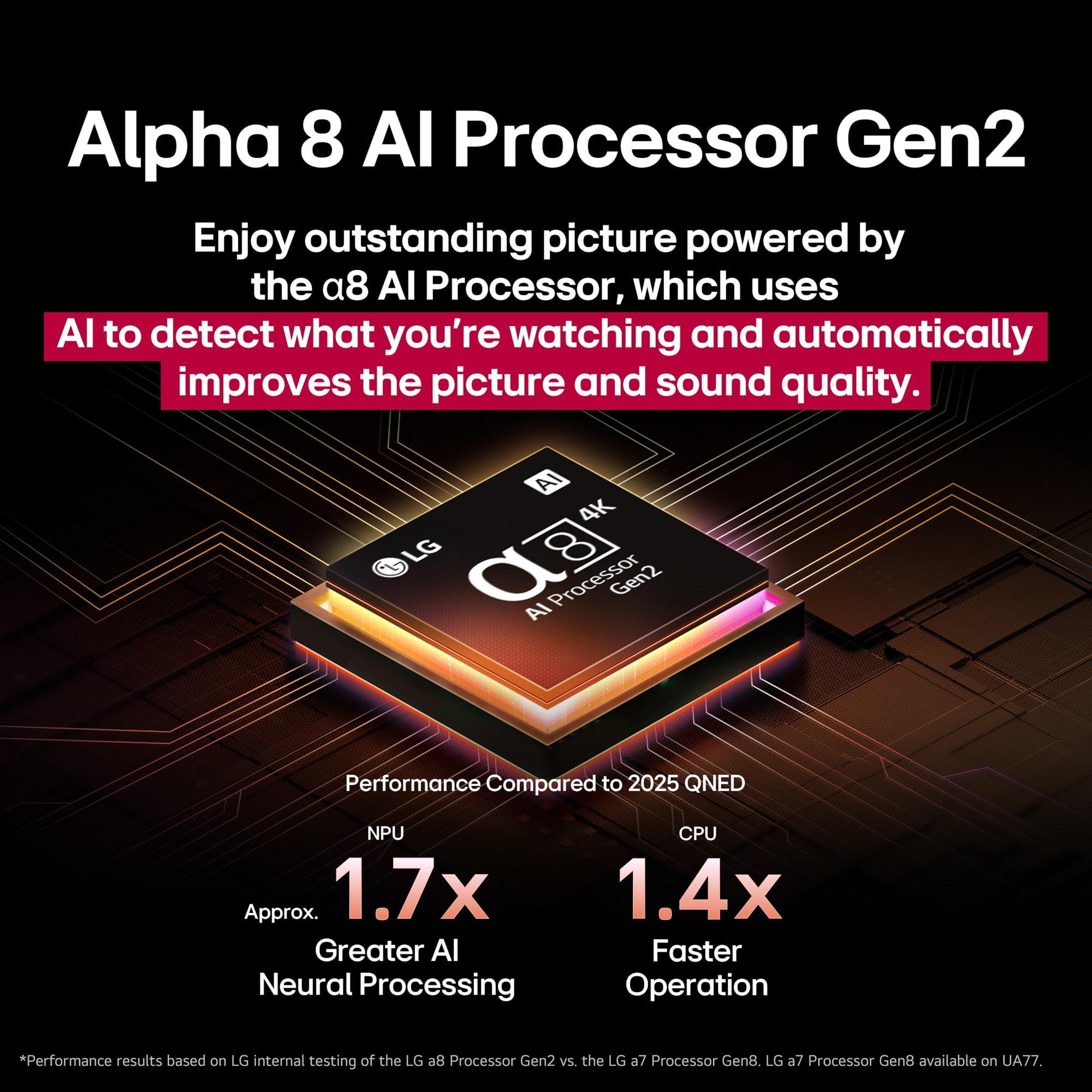
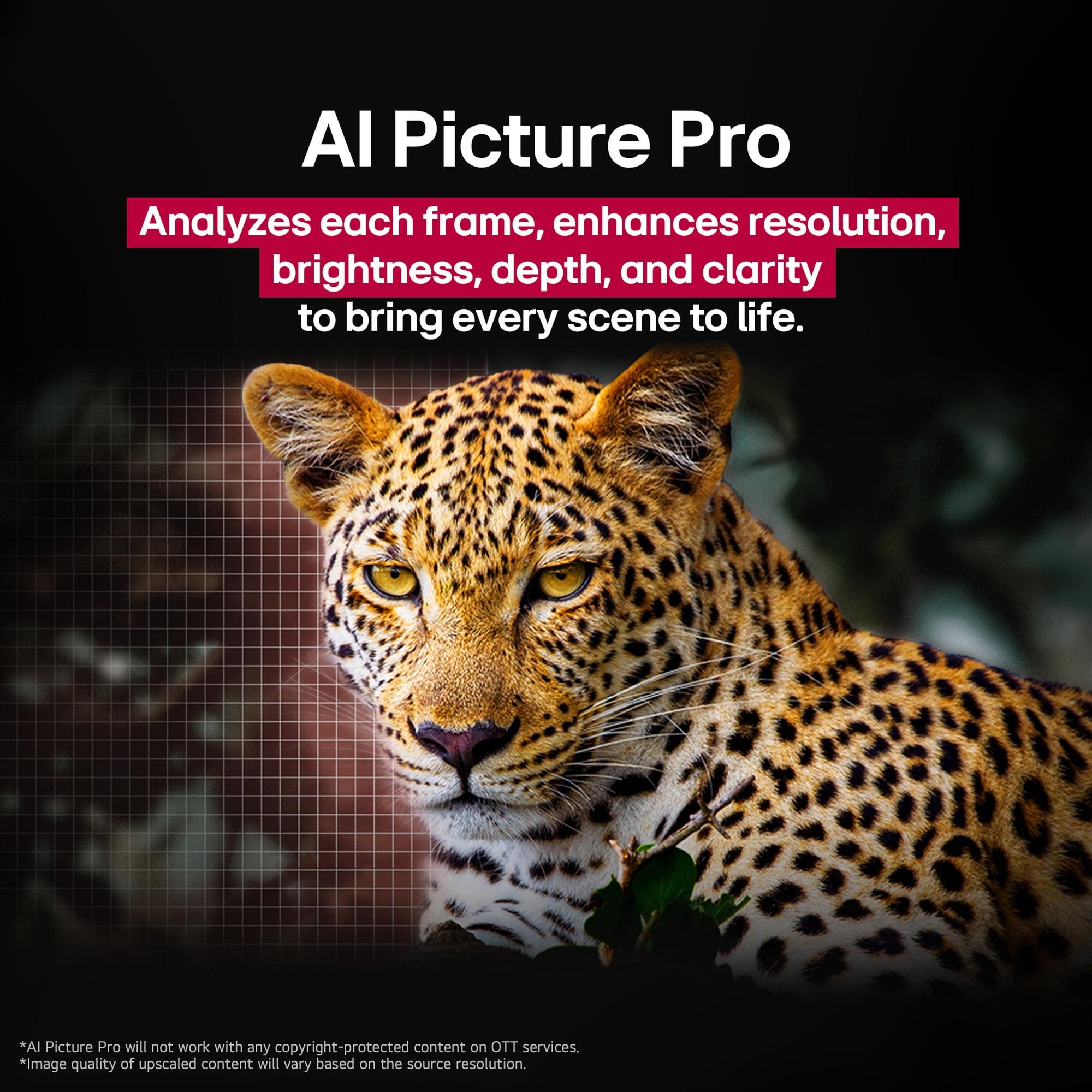
The LG B5 features the new α8 AI Processor 4K Gen2, which LG claims is 1.4 times faster than the previous generation. This processor continuously analyzes what you're watching and automatically adjusts picture settings accordingly. It recognizes the difference between sports, movies, and other content types, optimizing each accordingly.
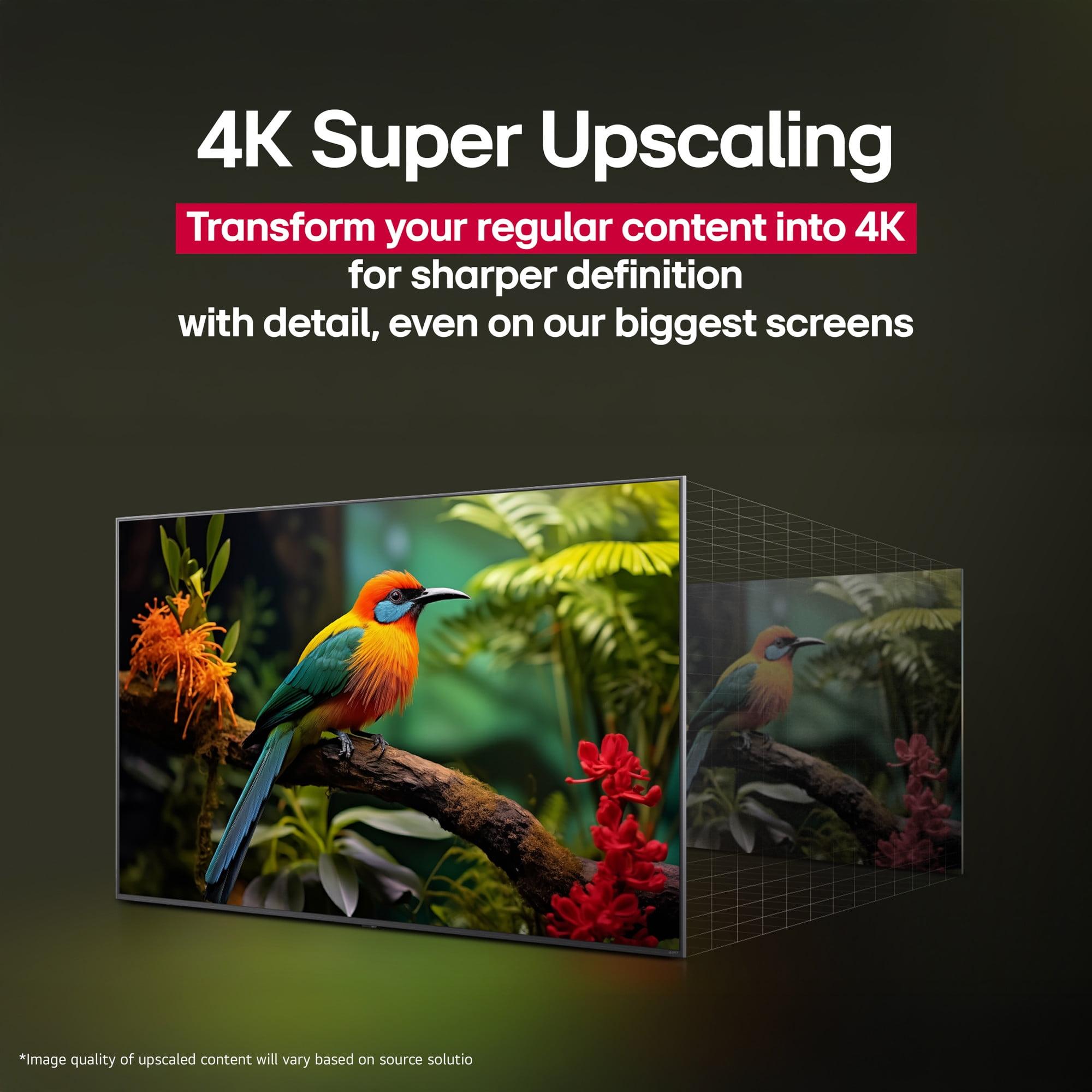
The AI upscaling feature intelligently enhances lower-resolution content to approximate 4K quality—particularly impressive when watching older movies or TV shows. The processor also provides excellent color that most viewers will love, even if it doesn't meet the technical precision standards that professionals might demand.
Both TVs deliver excellent gaming experiences but with different optimization approaches that matter depending on your gaming setup.
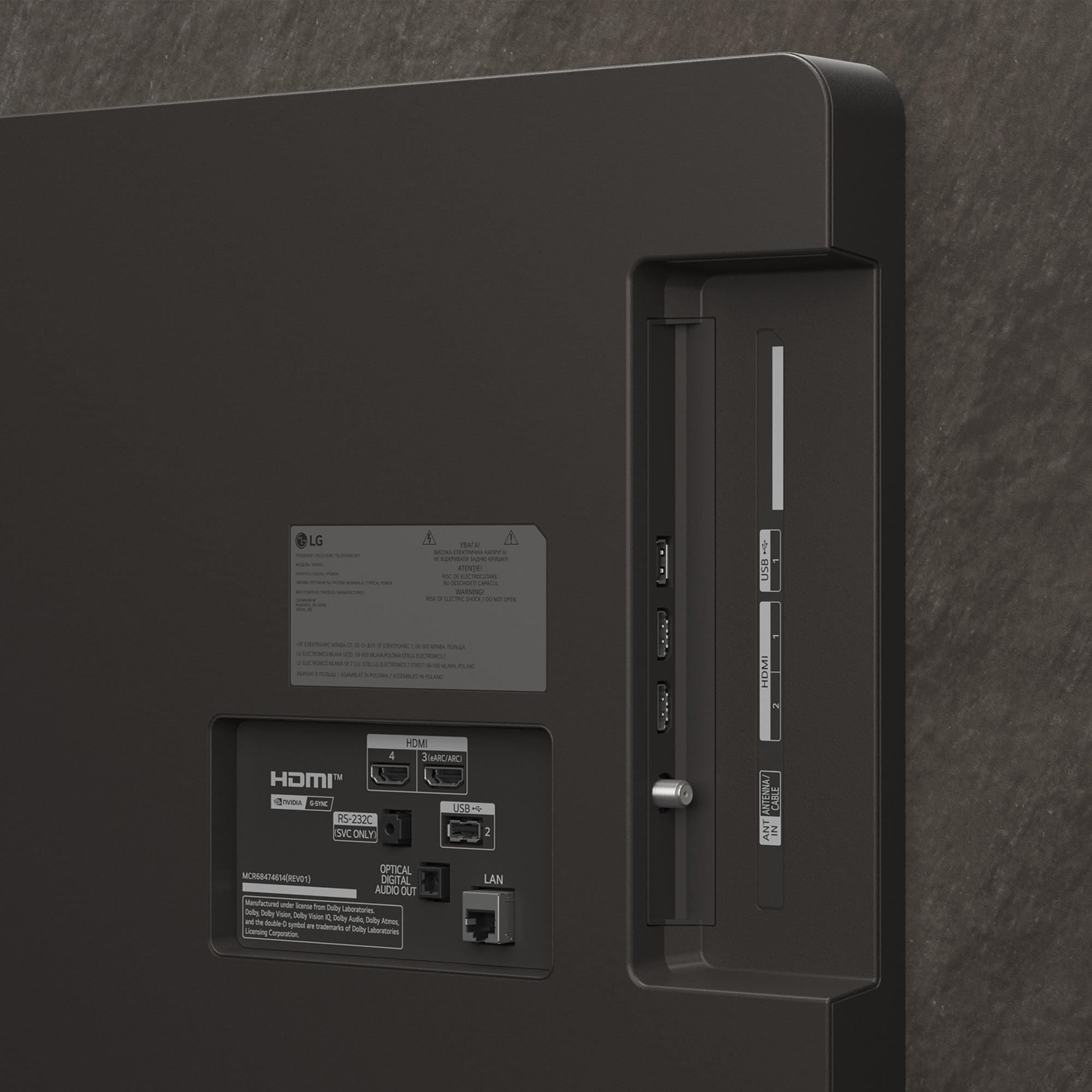
The LG B5 excels for console gaming with PlayStation 5 or Xbox Series X. It offers a native 120Hz refresh rate with an incredibly fast 0.1ms response time, which essentially eliminates input lag—the delay between pressing a button and seeing the action on screen. More importantly, all four HDMI ports support HDMI 2.1, meaning you can connect multiple next-generation devices without worrying about which port to use.
The TV includes NVIDIA G-Sync and AMD FreeSync Premium compatibility, along with VRR (Variable Refresh Rate) and ALLM (Auto Low Latency Mode). VRR synchronizes the TV's refresh rate with your gaming device's frame rate, eliminating screen tearing and stuttering. ALLM automatically switches the TV to its lowest-latency mode when it detects gaming content.
The Game Optimizer interface lets you adjust gaming settings without diving into complex menus—a feature that becomes invaluable when switching between different games or consoles.
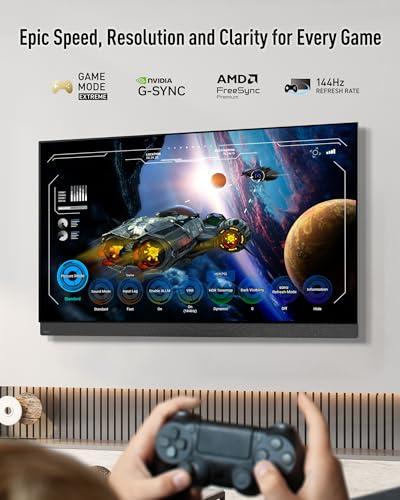
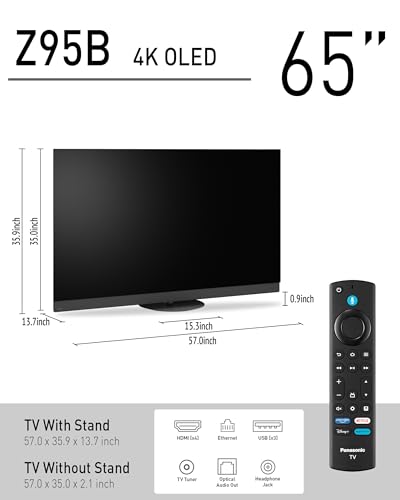
The Panasonic Z95B supports up to 144Hz refresh rate, making it better suited for competitive PC gaming where every frame counts. However, it only offers HDMI 2.1 on two ports instead of four, which could be limiting if you have multiple gaming devices.
For console gaming, the higher refresh rate doesn't provide practical benefits since PlayStation 5 and Xbox Series X are limited to 120Hz anyway. The Panasonic includes similar gaming features—AMD FreeSync Premium, NVIDIA G-Sync, VRR, and ALLM—but lacks the user-friendly gaming interface that makes the LG more convenient for console gamers.
This represents one of the most dramatic differences between these two TVs and significantly impacts their value propositions.
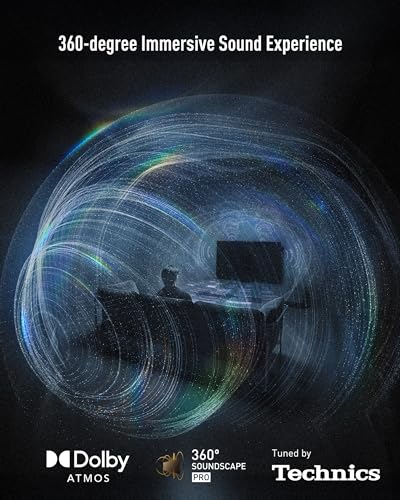
The Panasonic Z95B features a 10-channel Dolby Atmos/DTS:X system with Technics tuning that approaches the quality of a dedicated soundbar. The built-in 5.1.2 surround sound system includes a 30W subwoofer and what Panasonic calls 360° Soundscape Pro technology.
Based on expert reviews we've analyzed, the Z95B delivers significantly more powerful bass, clearer speech, and better captures the impact of explosions or engine rumbles compared to standard TV audio. This superior audio system could potentially eliminate the need for an external soundbar—a consideration worth factoring into your total investment.
The LG B5 includes basic Dolby Atmos support through built-in speakers, which is adequate for casual viewing but typically requires an external soundbar for serious listening. This is standard for entry-level OLEDs and shouldn't be considered a significant drawback—most buyers in this price range plan to add a soundbar anyway.
However, the money saved on the TV could fund a high-quality soundbar that might ultimately deliver better audio than the Panasonic's integrated system, giving you more flexibility in your audio setup.
Both TVs run different operating systems that significantly impact daily use.
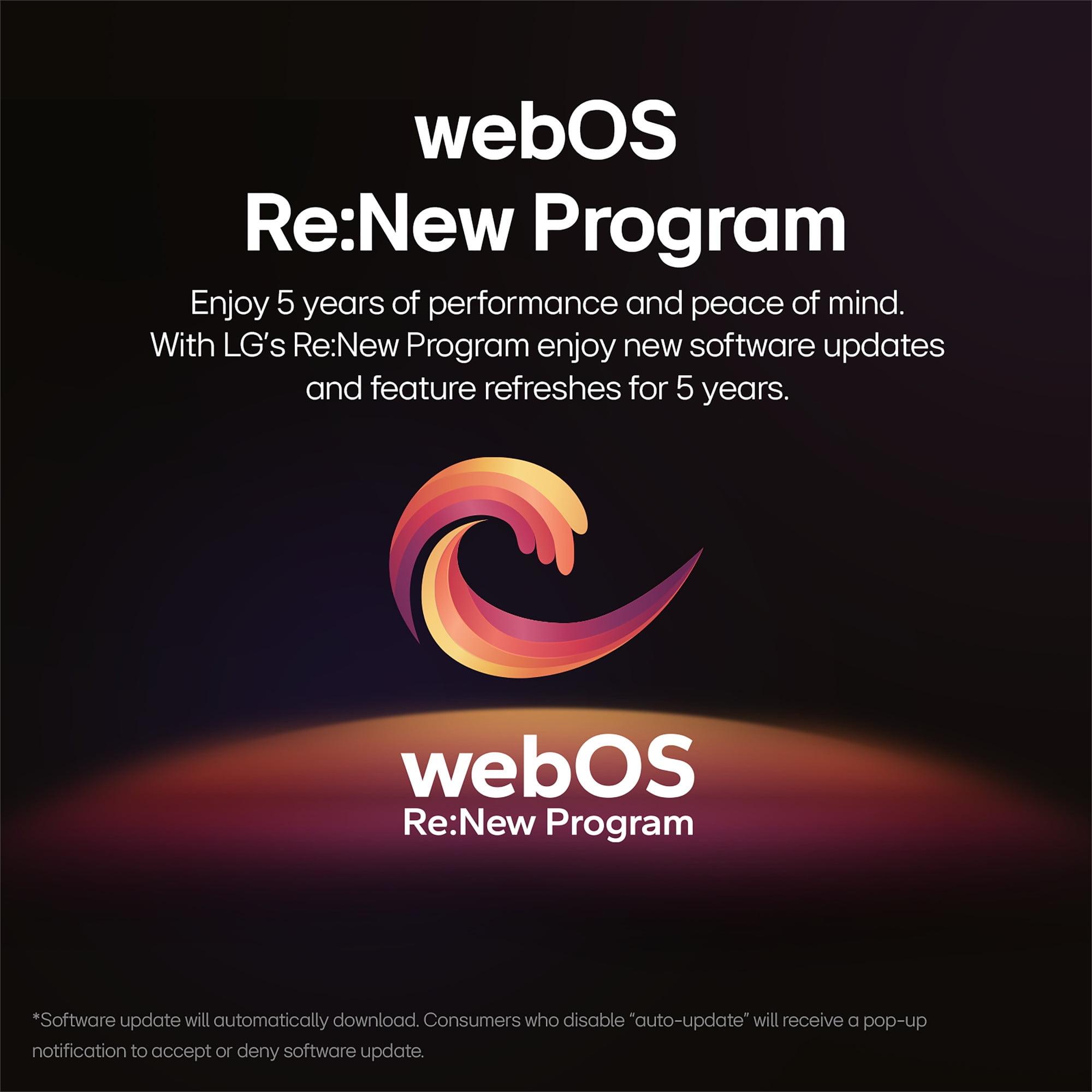
The LG B5 runs webOS 25, widely considered one of the most intuitive TV operating systems available. The interface feels responsive and organized, with features like Quick Cards that let you group favorite apps into categories. LG promises annual OS updates, helping keep the TV feeling modern over time.
The system provides access to over 300 free channels through LG Channels and includes AI-powered features through the redesigned remote control. Based on user feedback we've reviewed, webOS generally provides smoother long-term performance with fewer frustrating slowdowns over time.
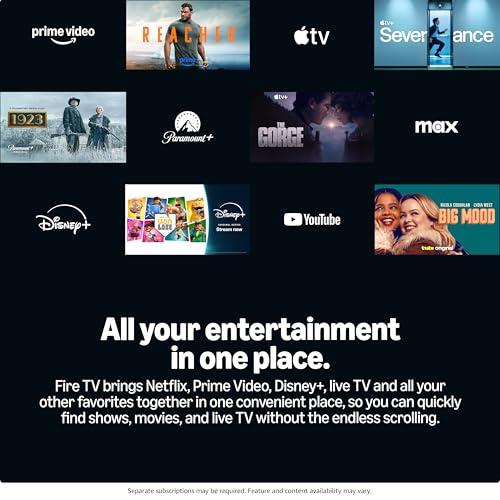
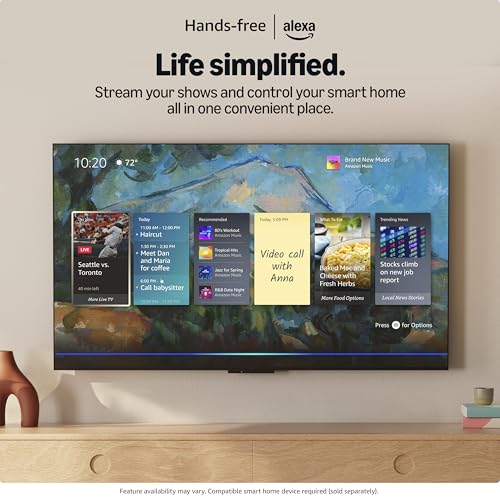
The Panasonic Z95B uses Fire TV OS with built-in Alexa, offering deep integration with Amazon's ecosystem. You can control smart home devices, ask questions, and navigate content using voice commands without picking up the remote.
However, expert reviews consistently describe the Fire OS interface as "old-fashioned and clunky" compared to more modern TV operating systems. While it provides access to all major streaming apps and works reliably, the daily user experience isn't as polished as what you'll find on the LG.
For dedicated home theater use, several factors become particularly important.
If your theater room has significant ambient light from windows or overhead lighting, the Panasonic Z95B provides a clear advantage. The advanced panel technology maintains picture quality and HDR impact even in challenging lighting conditions where the LG B5 might appear washed out.
The Panasonic offers ISFccc certification and Calman calibration support, making it the better choice if you plan to have the TV professionally calibrated or want to fine-tune settings yourself. These features ensure reference-level accuracy for serious cinephiles who demand the most authentic representation of movie content.
In a dedicated theater room, the Panasonic's superior integrated audio could simplify your setup while delivering impressive performance. However, if you're planning a full surround sound system anyway, the LG's lower price leaves more budget for dedicated audio components.
At the time of writing, these TVs serve distinctly different audiences despite sharing the same screen size and OLED technology.
The LG B5 delivers approximately 80% of the premium OLED experience at roughly one-third the flagship price. It provides all the core benefits that make OLED special—perfect blacks, excellent contrast, vibrant colors—along with strong gaming features that compete with much more expensive models.
This TV makes sense for first-time OLED buyers, console gamers prioritizing performance per dollar, and viewers who plan to add external audio systems. The money saved compared to flagship models can fund a high-quality soundbar and still leave you ahead financially.
The Panasonic Z95B justifies its premium pricing through advanced panel technology, professional-grade features, and superior integrated audio. The 2-3x brightness improvement, reference-level calibration capabilities, and soundbar-quality audio system serve specific use cases where these features provide real value.
This TV makes sense for serious home theater enthusiasts, viewers with bright room conditions, users who prioritize integrated audio solutions, and those who need professional calibration capabilities. The investment pays off if you use the advanced features and viewing environment demands the enhanced performance.
The choice between these TVs ultimately depends on your specific needs, viewing environment, and budget priorities.
Choose the LG B5 if you want excellent OLED picture quality without flagship pricing, primarily game on current consoles, plan to add a soundbar, watch in controlled lighting conditions, prefer LG's webOS interface, or want proven mainstream performance with exceptional value.
Choose the Panasonic Z95B if you need maximum brightness for bright rooms or impactful HDR, prioritize integrated premium audio, require professional calibration features, can justify the premium investment, benefit from higher refresh rates for PC gaming, or can accept Fire TV OS limitations for advanced display technology.
For most buyers, the LG B5 provides exceptional value by delivering the OLED experience at an accessible price point. The Panasonic Z95B serves specific use cases where its advanced features justify the significant price premium. Your decision should align with your viewing environment, audio preferences, and whether you need professional-grade features or prefer maximizing value in the premium OLED category.
The nearly threefold price difference reflects fundamentally different product philosophies rather than simple incremental improvements. Both represent excellent choices within their intended markets—the key is matching your specific needs with the right approach to premium OLED technology.
| Panasonic Z95B Series 65" OLED | LG B5 Series OLED 65" |
|---|---|
| Panel Technology - Determines peak brightness and HDR impact | |
| 4-stack Primary RGB Tandem OLED with ThermalFlow cooling (2-3x brighter than standard OLED) | Standard OLED with 8.3 million self-lit pixels (excellent for controlled lighting) |
| Peak Brightness - Critical for bright rooms and HDR highlights | |
| Significantly higher brightness ideal for bright rooms and impactful HDR | Moderate brightness best suited for dimmer viewing environments |
| Processor - Affects picture quality and smart features | |
| HCX Pro AI Processor MK II (professional-grade color accuracy) | α8 AI Processor 4K Gen2 (1.4x faster, consumer-friendly optimization) |
| Professional Calibration - Important for home theater enthusiasts | |
| ISFccc certified with Calman calibration support (reference-level accuracy) | Basic calibration options (good for most users) |
| HDR Format Support - Determines streaming and media compatibility | |
| Dolby Vision, HDR10+, HDR10, HLG (rare dual premium format support) | Dolby Vision, HDR10, HLG (missing HDR10+ support) |
| Gaming Refresh Rate - Matters for competitive PC gaming | |
| Up to 144Hz (advantage for high-end PC gaming) | Native 120Hz (perfect for consoles, adequate for most PC gaming) |
| HDMI 2.1 Ports - Important for multiple gaming devices | |
| 2 ports with HDMI 2.1 (may limit multiple device connections) | 4 ports with HDMI 2.1 (excellent for multiple consoles/devices) |
| Gaming Features - Essential for responsive gameplay | |
| VRR, ALLM, FreeSync Premium, G-Sync, Game Mode Extreme | VRR, ALLM, FreeSync Premium, G-Sync, Game Optimizer interface |
| Built-in Audio - Can eliminate need for external soundbar | |
| 10-channel Dolby Atmos/DTS:X with Technics tuning, 30W subwoofer (soundbar-quality) | Standard Dolby Atmos support (typically requires external soundbar) |
| Smart TV Platform - Affects daily user experience | |
| Fire TV OS with Alexa (comprehensive but "clunky" interface) | webOS 25 (intuitive, responsive, annual updates promised) |
| Target Audience - Who should consider each model | |
| Home theater enthusiasts, bright rooms, professional calibration needs | Mainstream premium buyers, console gamers, value-conscious OLED seekers |
| Value Proposition - Price-to-performance consideration | |
| Premium flagship with advanced panel tech and integrated audio | Exceptional OLED value delivering 80% of flagship experience |
The Panasonic Z95B is significantly better for bright rooms due to its advanced 4-stack Primary RGB Tandem OLED panel technology, which delivers 2-3 times higher peak brightness than standard OLED panels. The LG B5 uses a traditional OLED panel that performs best in controlled lighting conditions and may appear washed out in very bright environments.
The key difference is brightness capability and color processing approach. The Panasonic Z95B offers professional-grade color accuracy with ISFccc certification and significantly higher brightness for HDR content. The LG B5 provides excellent consumer-friendly picture quality with AI optimization that automatically adjusts settings based on content type.
For console gaming, the LG B5 has the advantage with four HDMI 2.1 ports supporting 4K/120Hz and a user-friendly Game Optimizer interface. For competitive PC gaming, the Panasonic Z95B offers up to 144Hz refresh rate, though it only has two HDMI 2.1 ports compared to the LG's four ports.
The Panasonic Z95B includes a premium 10-channel Dolby Atmos system with Technics tuning that approaches soundbar quality, potentially eliminating the need for external audio. The LG B5 has standard TV speakers that typically benefit from adding a soundbar for optimal audio experience.
The LG B5 runs webOS 25, which is widely praised for its intuitive interface, responsiveness, and promised annual updates. The Panasonic Z95B uses Fire TV OS with built-in Alexa, offering good Amazon ecosystem integration but reviews describe the interface as less polished than the LG's webOS platform.
Both excel for movies, but serve different home theater needs. The Panasonic Z95B is better for dedicated theater rooms with its professional calibration features, higher brightness for HDR impact, and superior integrated audio. The LG B5 delivers excellent movie performance at a more accessible price point, especially in dimmer viewing environments.
The LG B5 provides exceptional value by delivering approximately 80% of the premium OLED experience at roughly one-third the cost of flagship models. The Panasonic Z95B justifies its premium pricing through advanced panel technology, professional features, and integrated premium audio that serve specific high-end use cases.
Yes, both support HDR, but with different capabilities. The Panasonic Z95B supports Dolby Vision, HDR10+, HDR10, and HLG formats, making it one of the few TVs supporting both major premium HDR formats. The LG B5 supports Dolby Vision, HDR10, and HLG but lacks HDR10+ compatibility.
The LG B5 is ideal for first-time OLED buyers due to its accessible pricing, user-friendly webOS interface, and excellent performance that showcases all the key OLED benefits like perfect blacks and vibrant colors. The Panasonic Z95B is better suited for users already familiar with premium displays who need specific advanced features.
Both offer excellent gaming with VRR, ALLM, FreeSync Premium, and G-Sync support. The LG B5 provides better connectivity with four HDMI 2.1 ports and superior user interface for gaming settings. The Panasonic Z95B offers higher 144Hz refresh rate capability but with only two HDMI 2.1 ports.
Both handle streaming well, but the LG B5 offers a smoother experience with its superior webOS platform and AI-enhanced content optimization. The Panasonic Z95B includes special Prime Video Calibrated Mode and supports more HDR formats for maximum streaming compatibility, though its Fire TV interface is less refined than the LG's system.
Room lighting is crucial for your decision. Choose the Panasonic Z95B if you have bright rooms with lots of windows or overhead lighting, as its advanced panel maintains picture quality in challenging conditions. Select the LG B5 if you have good light control or primarily watch in dimmer environments where its excellent contrast and colors shine.
We've done our best to create useful and informative comparisons to help you decide what product to buy. Our research uses advanced automated methods to create this comparison and perfection is not possible - please contact us for corrections or questions. These are the sites we've researched in the creation of this article: rtings.com - whathifi.com - techradar.com - tomsguide.com - youtube.com - youtube.com - youtube.com - avsforum.com - bestbuy.com - manuals.plus - na.panasonic.com - panasonic.com - displayspecifications.com - valueelectronics.com - flatpanelshd.com - valueelectronics.com - displayspecifications.com - flatpanelshd.com - eftm.com - bestbuy.com - rtings.com - youtube.com - rtings.com - tomsguide.com - youtube.com - nationalproductreview.com.au - lg.com - manchesterbrothers.com - avsforum.com - lg.com - lg.com - lg.com - lg.com - retailspecs.com - american-homeappliance.com - perpichtv.com

Privacy Policy
Terms and Conditions - Affiliate Policy
Home Security
© Copyright 2008-2026.
11816 Inwood Rd #1211, Dallas, TX 75244