


![LG B5 Series OLED 65" 4K Smart TV 2025[1][7][9]](https://images.hometheaterreview.com/htr-stateless/2025/07/31238cd0-lg-b5-series-oled-65-4k-smart-tv-2025179.jpg)
![LG B5 Series OLED 65" 4K Smart TV 2025[1][7][9]](https://images.hometheaterreview.com/htr-stateless/2025/07/3368ce40-25ef-4d07-b442-bb0af89e3a29.jpg)
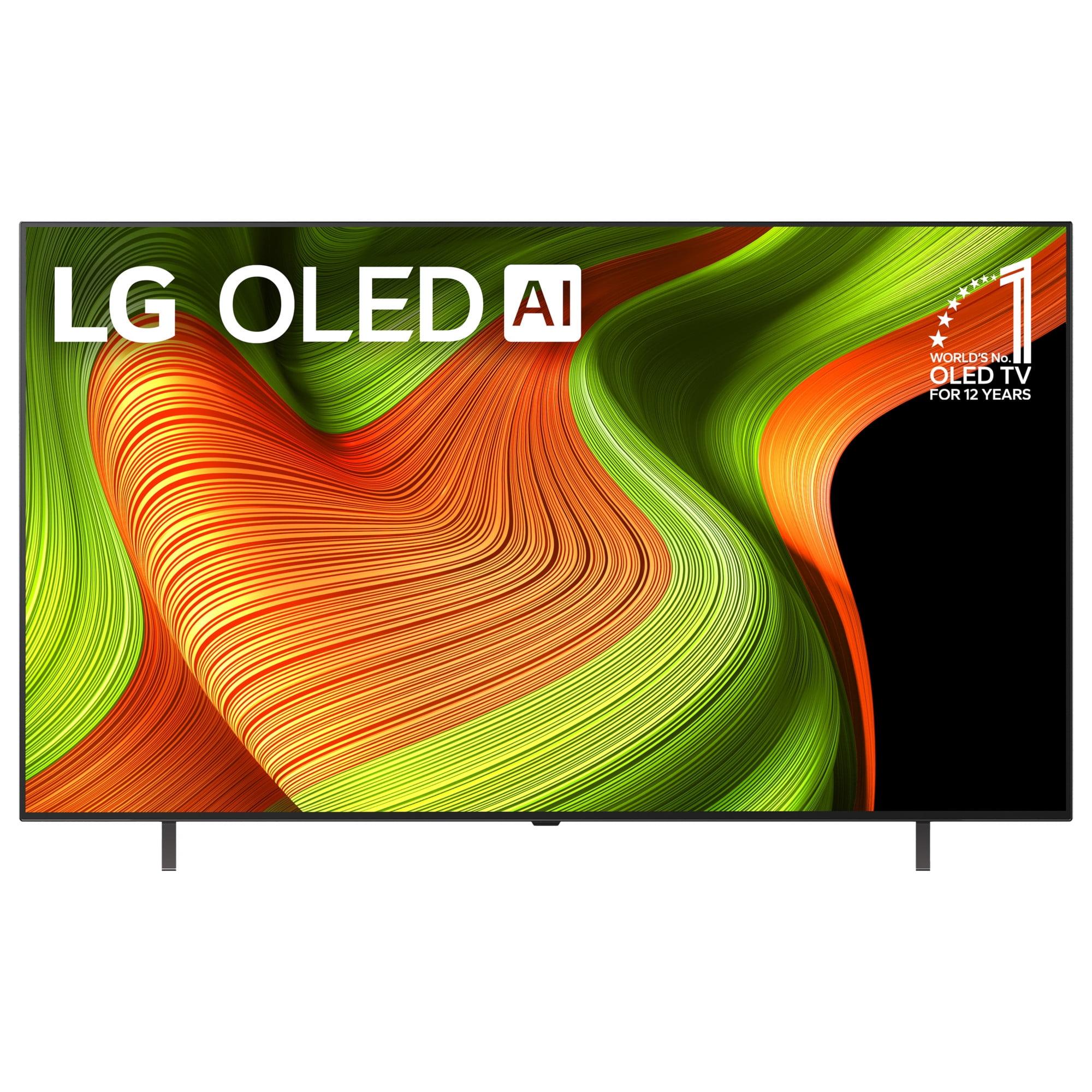


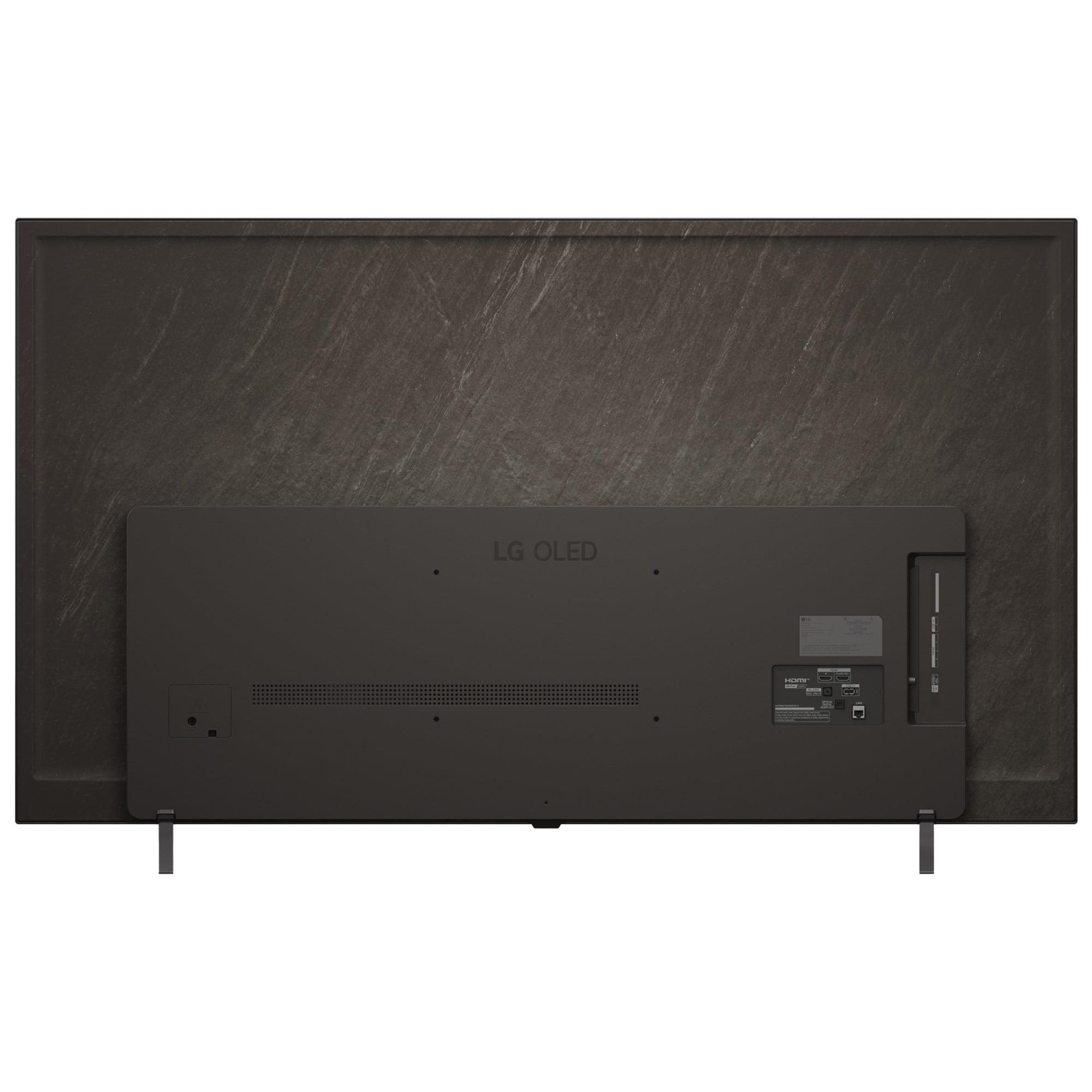
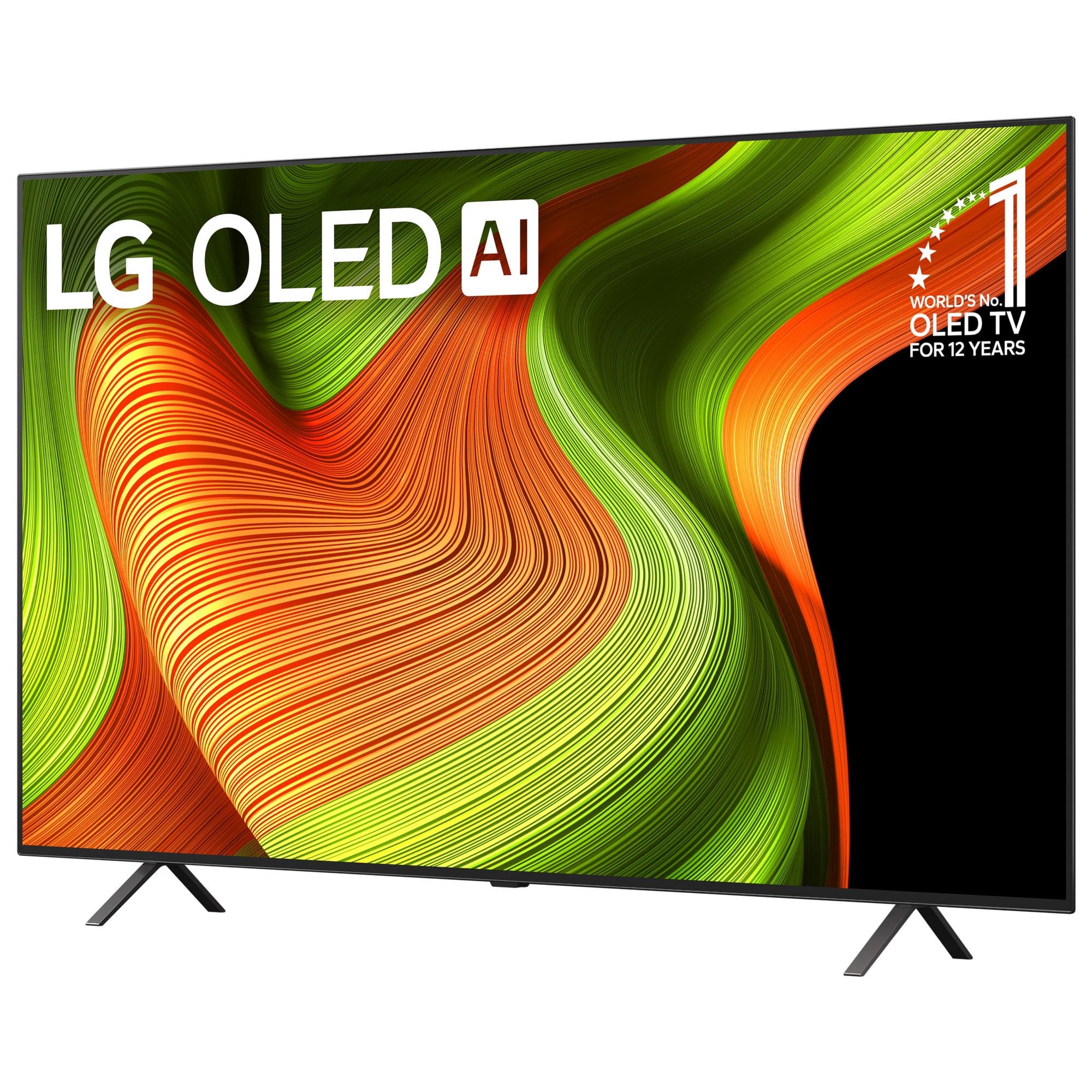
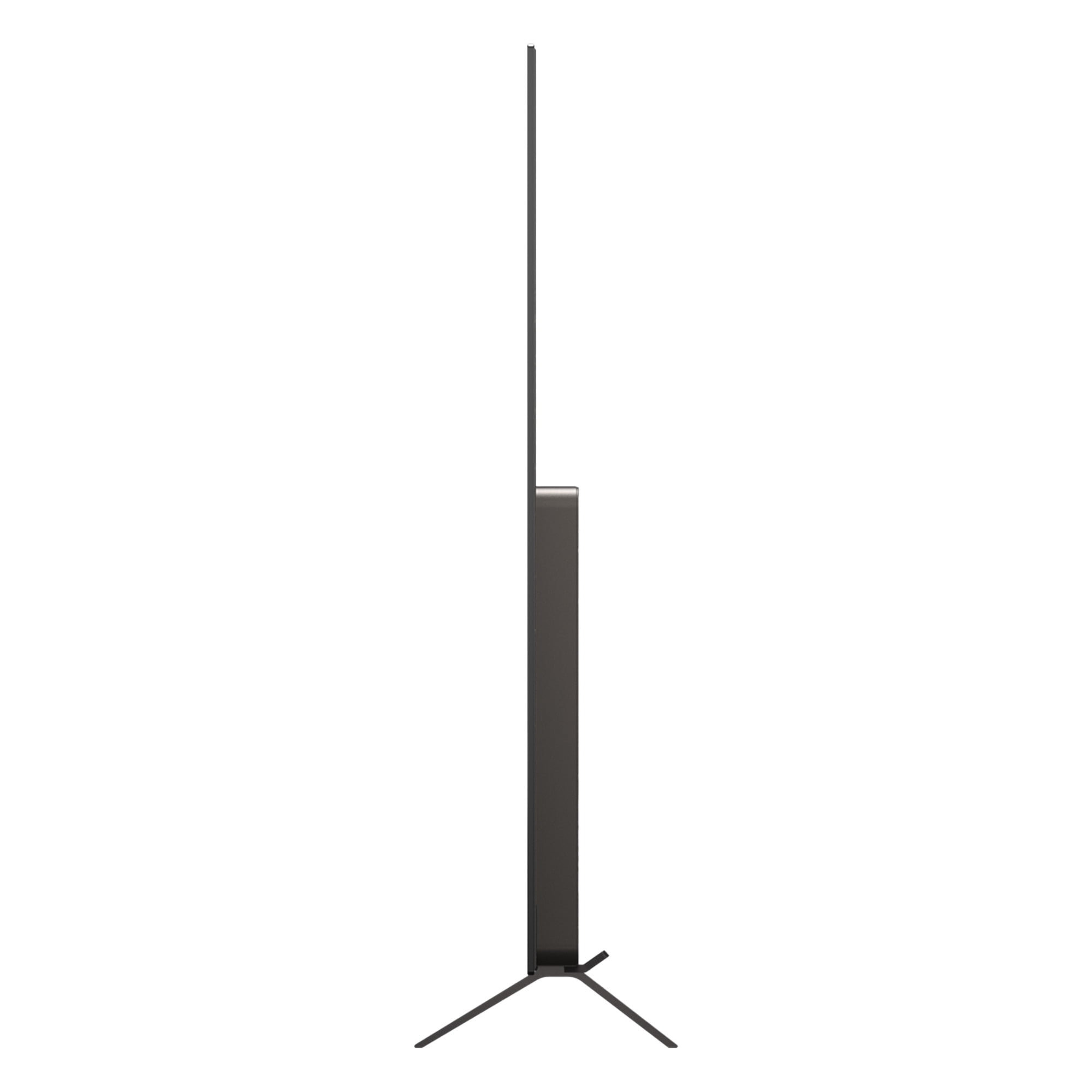
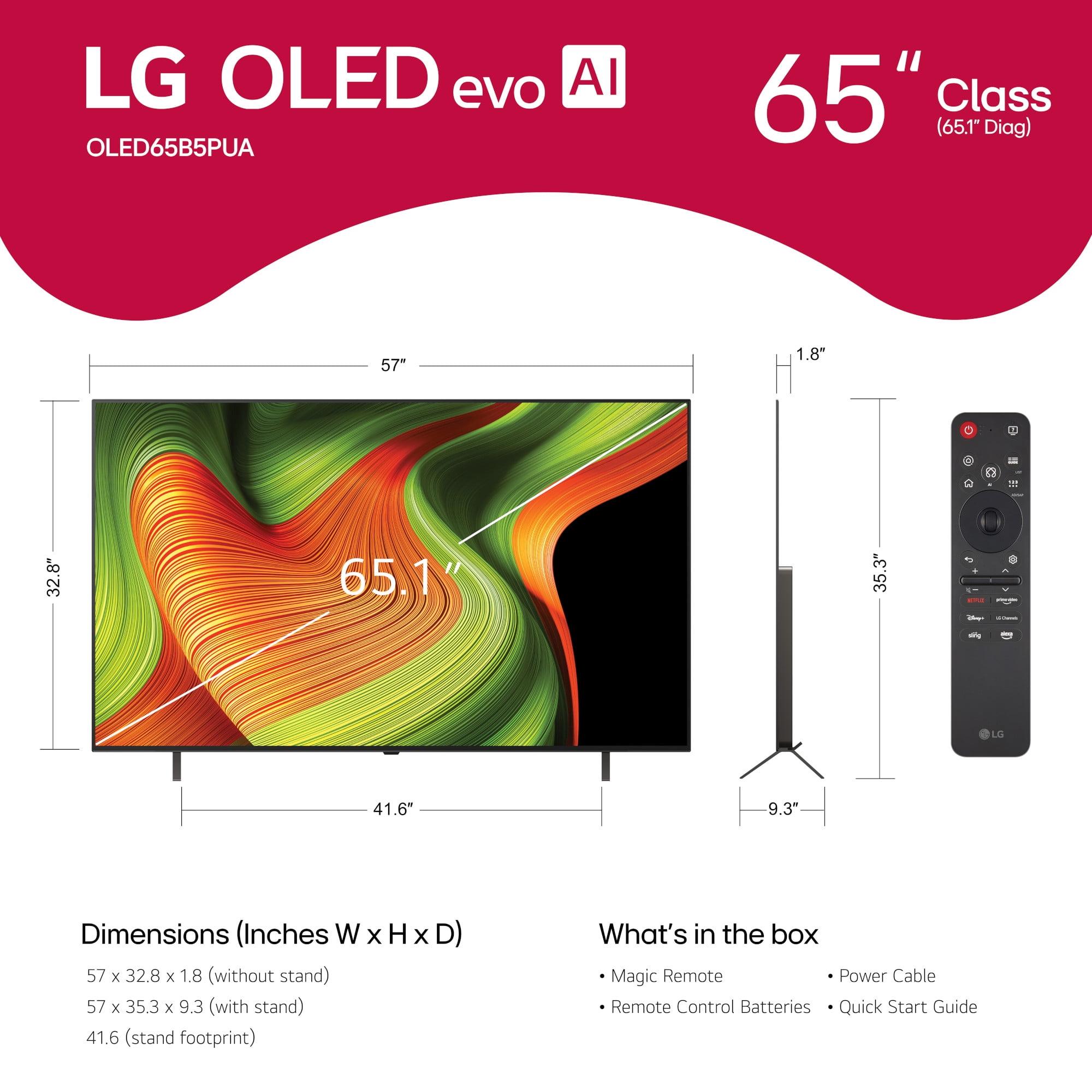
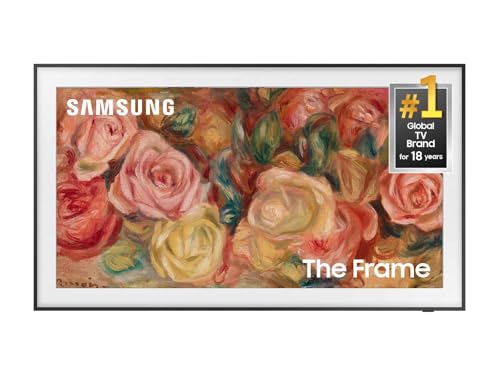
When shopping for a premium 65-inch TV, you're likely weighing two very different philosophies about what a television should be. The Samsung 65" The Frame QLED 4K 2024 TV asks "why can't your TV be beautiful when it's off?" while the LG B5 Series OLED 65" 4K Smart TV 2025 responds with "shouldn't your TV deliver the best possible picture when it's on?"
Both approaches have merit, but they serve fundamentally different needs. After researching extensive user feedback and expert reviews, I've found that your choice between these TVs depends heavily on whether you prioritize aesthetic integration or pure performance. Let me break down what makes each unique and help you figure out which one belongs in your living room.
The biggest difference between these TVs isn't their size or smart features—it's how they create the picture you see. The Samsung Frame uses QLED technology, which places a layer of quantum dots (tiny particles that enhance color) in front of an LED backlight. Think of it like a sophisticated flashlight shining through colored filters to create your image.
The LG B5, on the other hand, uses OLED technology where each individual pixel produces its own light. Imagine having 8.3 million tiny lightbulbs that can turn completely on, completely off, or anywhere in between. This fundamental difference affects everything from how dark your blacks look to how much the TV costs to run.
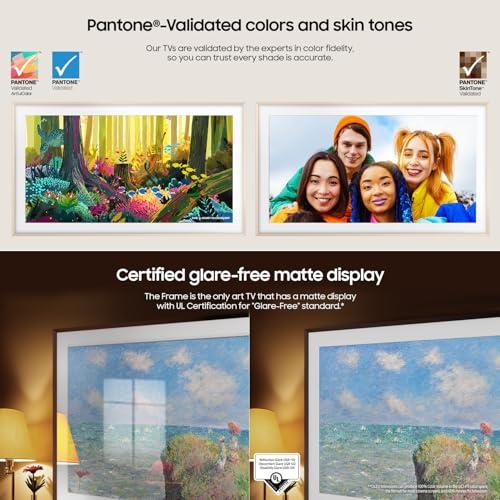
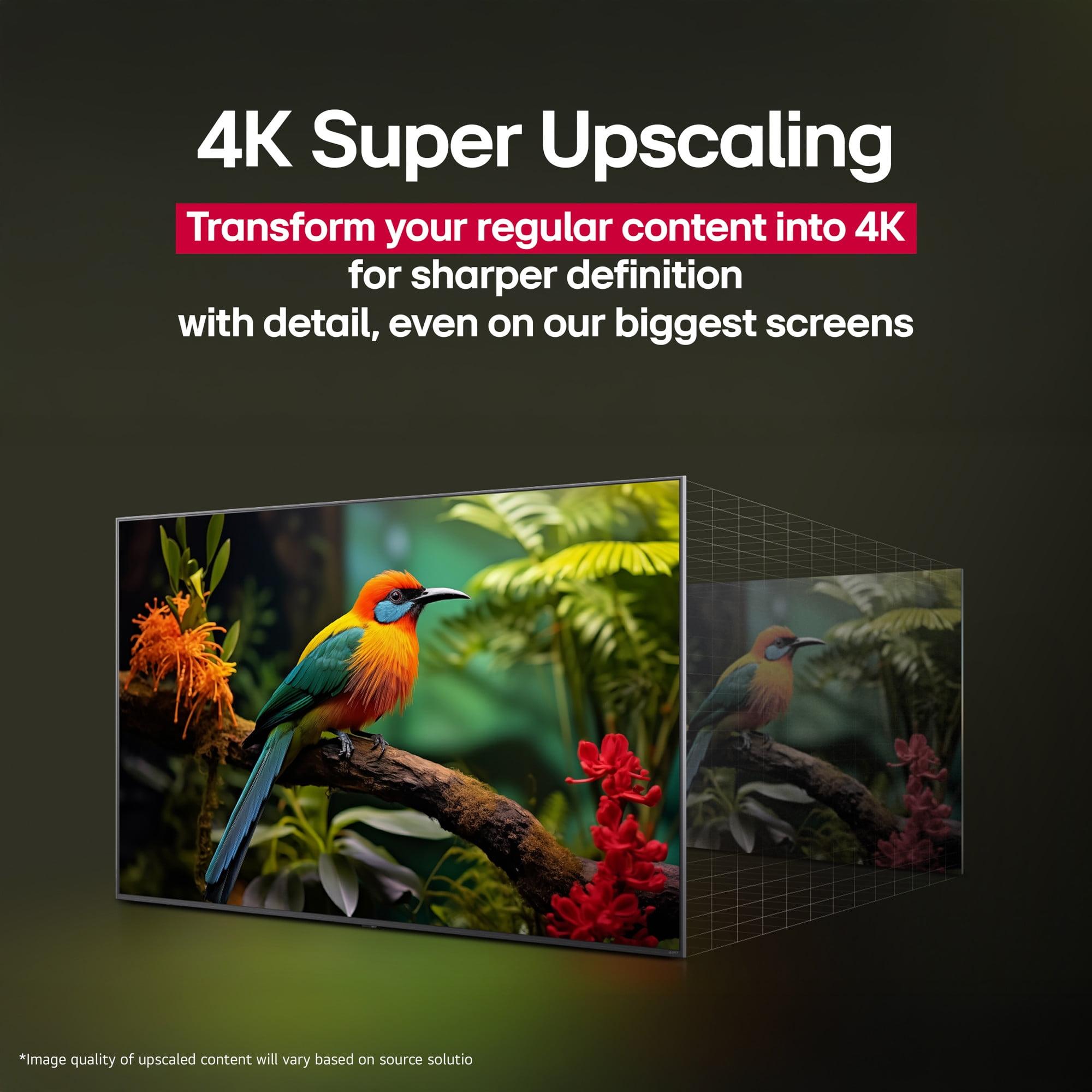
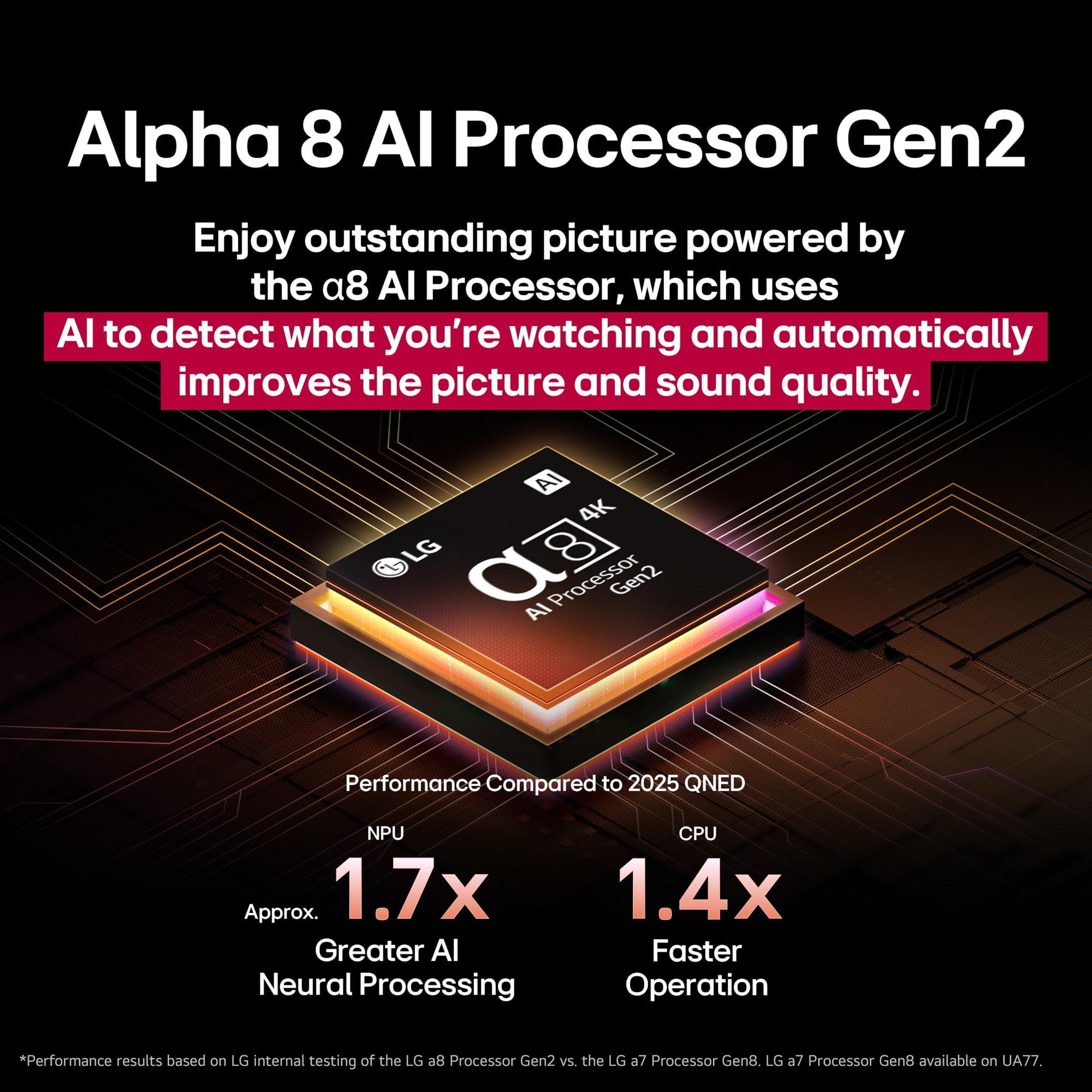
Both TVs launched in their respective years—the Samsung Frame in 2024 and the LG B5 in 2025—representing the latest iterations of their manufacturers' design philosophies. Samsung's 2024 Frame introduced Pantone art certification and improved anti-glare technology, while LG's 2025 B5 brought their new α8 AI Processor Gen2 with faster processing and better upscaling than previous generations.
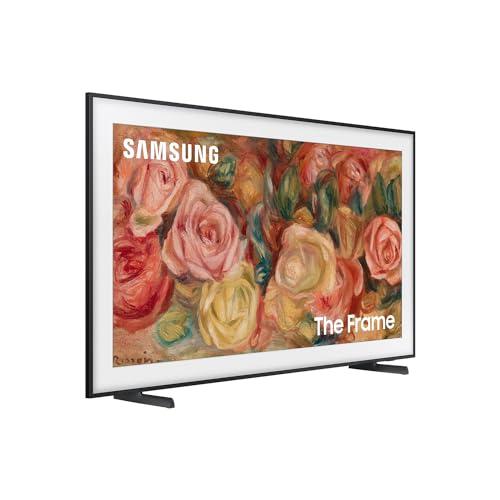
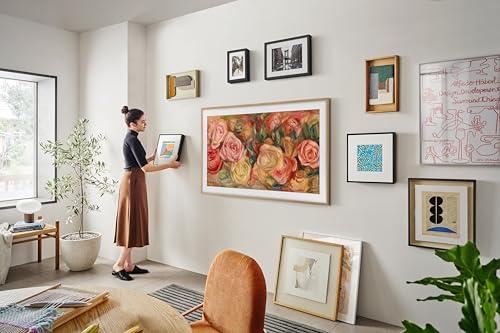
What makes the Samsung Frame special isn't necessarily what it does when it's on, but what it becomes when it's off. Samsung designed this TV around the concept of "ambient integration"—the idea that your TV shouldn't dominate your room's aesthetic when you're not watching it.
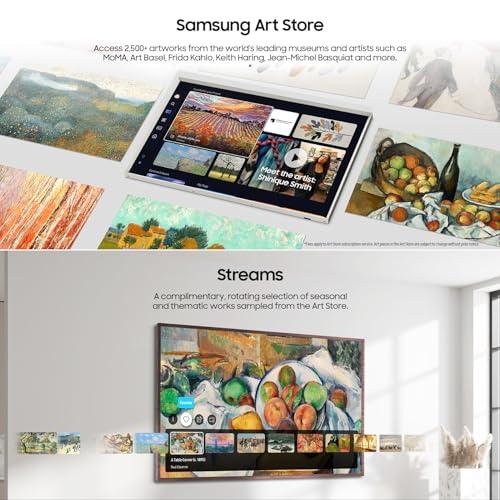
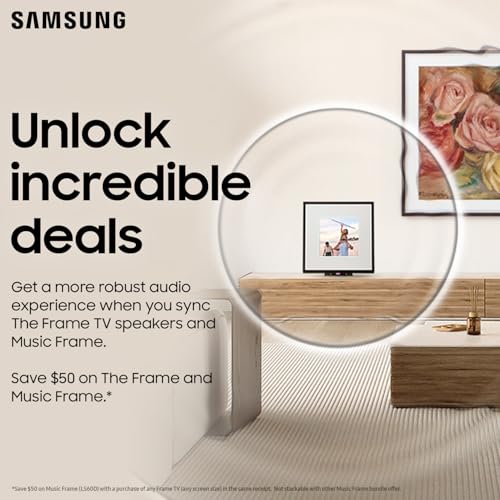
The Frame's Art Mode transforms the display into a digital canvas, showing everything from classic masterpieces to your family photos. The motion sensor detects when someone enters the room and activates the display, making it feel like real artwork hanging on your wall. The matte anti-glare coating is crucial here—it scatters ambient light to eliminate reflections, making the displayed art look more like a real canvas than a glowing screen.
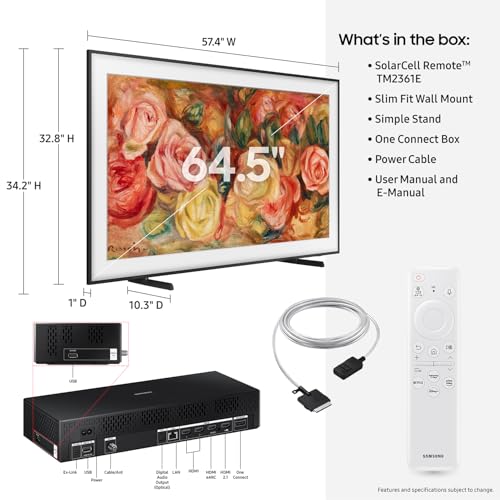
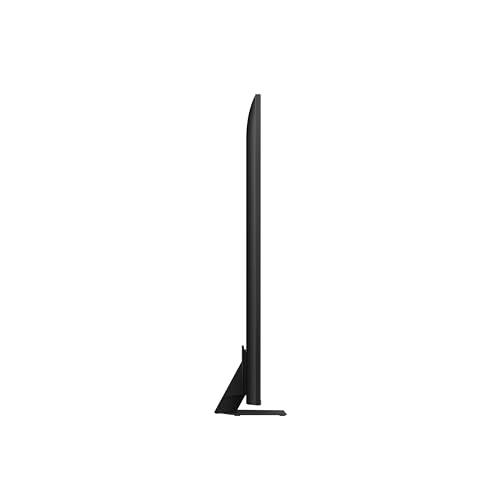
Samsung's customizable bezels (sold separately) let you match your home's decor, whether that's a sleek modern look or traditional wood frames. The One Connect Box centralizes all your cable connections, meaning only one nearly invisible cable runs to the TV itself. When wall-mounted with the included slim-fit mount, the Frame sits just one inch from the wall—closer than most picture frames.
This design philosophy extends to the display technology itself. The matte finish that makes art look realistic also helps with TV viewing in bright rooms. Based on user feedback, the Frame handles direct sunlight and overhead lighting better than almost any other TV, making it excellent for living rooms with lots of windows.
Here's where the technology differences become most apparent. The LG B5 delivers what many consider reference-quality picture performance, while the Samsung Frame makes compromises for its aesthetic focus.
Black Levels and Contrast: This is OLED's biggest advantage. When the LG B5 needs to show something black, those pixels simply turn off completely—creating true, perfect black. The Samsung Frame, using edge-lit LED backlighting without local dimming (a technology that dims specific zones of the backlight), can only get as dark as its backlight allows, resulting in grayish blacks.
In practical terms, this means dark movie scenes look dramatically different. When watching something like John Wick or The Batman, the LG B5 maintains detail in shadows while keeping blacks truly black. The Samsung Frame tends to show these scenes as washed out or grayish, losing the dramatic impact the director intended.
HDR Performance: High Dynamic Range (HDR) content—which includes most streaming movies and shows today—benefits from both high brightness and deep blacks. The Samsung Frame can get brighter (around 590 nits peak brightness) than the LG B5 (600-700 nits), but the OLED's perfect blacks create a more dramatic overall contrast experience.
More importantly, the LG B5 supports Dolby Vision, the premium HDR format used by Netflix, Disney+, and Apple TV+. The Samsung Frame only supports HDR10+, which is less widely used. This means you'll get better picture quality from streaming services on the LG B5.
Color Accuracy: The Samsung Frame benefits from quantum dot technology and even has Pantone certification for art display, ensuring colors in artwork appear as intended. However, the LG B5's OLED technology typically produces more accurate colors in video content, with better saturation and more natural skin tones.
Both TVs cater to gamers, but with different levels of commitment. The LG B5 clearly prioritizes gaming performance, while the Samsung Frame offers adequate gaming features without making it the focus.
Input Lag and Response Time: Input lag is the delay between when you press a button and when you see the action on screen—crucial for competitive gaming. The LG B5 achieves sub-0.1 millisecond response times, meaning virtually no delay between your controller and the screen. The Samsung Frame manages respectable 9.2ms input lag, which is perfectly fine for casual gaming but might frustrate serious competitive players.
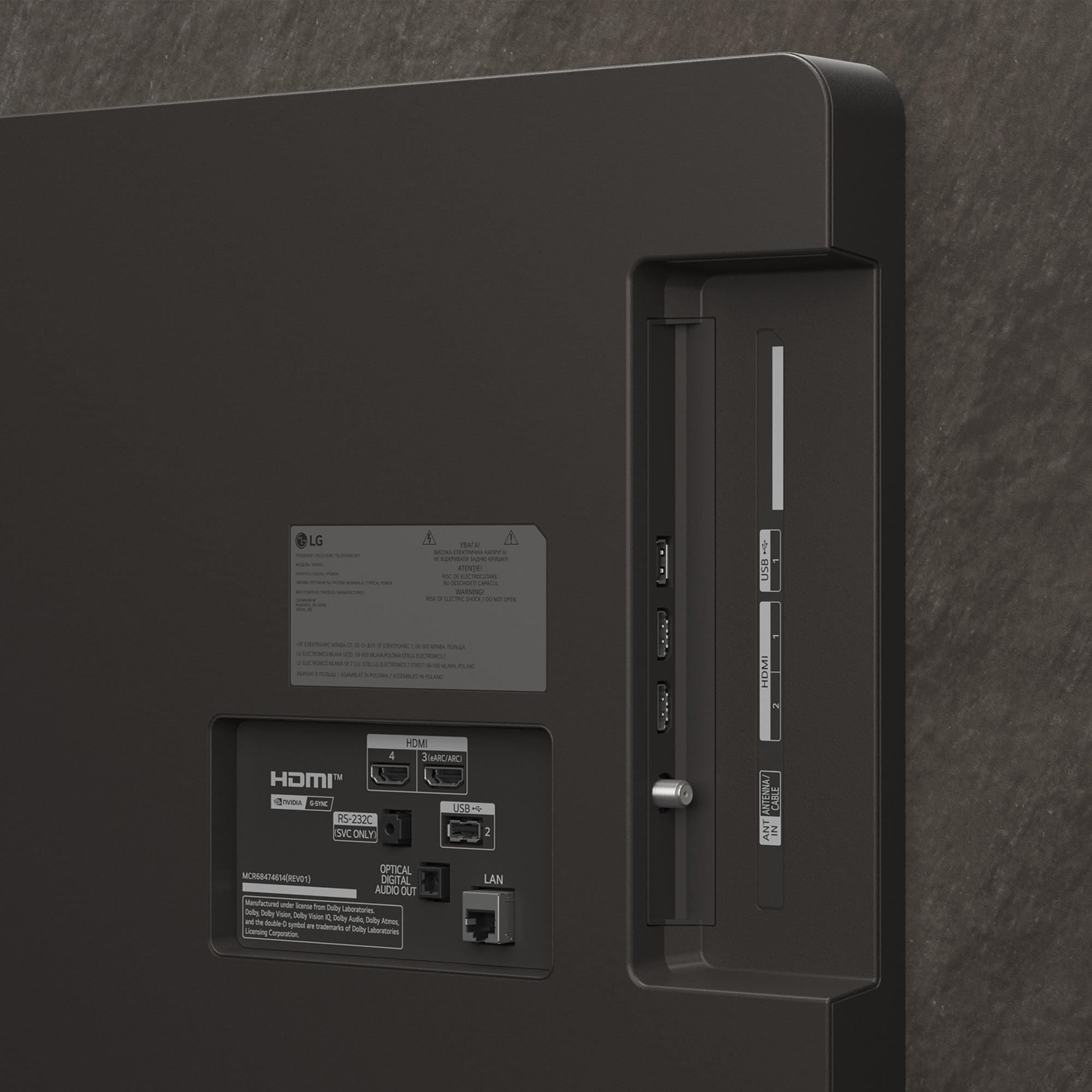
HDMI 2.1 and 4K Gaming: This is where the difference becomes practically significant. HDMI 2.1 supports the highest bandwidth signals from modern gaming consoles, enabling 4K resolution at 120 frames per second with Variable Refresh Rate (VRR) support. The LG B5 includes four HDMI 2.1 ports, meaning you can connect multiple next-generation consoles, a PC, and other high-bandwidth devices simultaneously. The Samsung Frame only has one HDMI 2.1 port, limiting you to a single high-end gaming device.
VRR is particularly important—it synchronizes your TV's refresh rate with your gaming device's output, eliminating screen tearing and stuttering. Both TVs support this, but the LG B5's multiple HDMI 2.1 ports make it more versatile for households with multiple gaming systems.
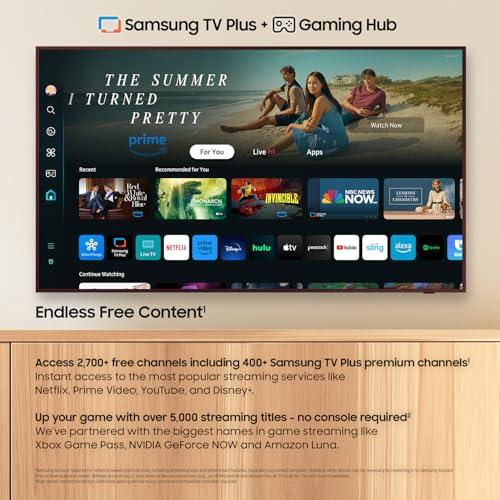
Your smart TV platform affects every interaction with your TV, from finding shows to adjusting settings. The LG B5 runs webOS 25, which includes AI-powered features like personalized recommendations, voice recognition that learns your preferences, and Quick Cards that organize your favorite apps into categories.
The Samsung Frame uses Samsung's Tizen operating system, which is functional but generally considered less sophisticated than LG's offering. Where Tizen does excel is in art curation—the Samsung Art Store offers curated collections, though full access requires a subscription.
LG's commitment to software updates is notable here. They promise five years of webOS updates for the LG B5, helping ensure your TV stays current with new streaming services and features. Samsung's update policy for the Samsung Frame is less clearly defined.
This might be the most important consideration for many buyers. The Samsung Frame excels in bright rooms—its matte anti-glare coating handles direct sunlight and overhead lighting better than nearly any other TV. If your primary viewing area has large windows or bright lighting that you can't control, the Frame's reflection handling is genuinely impressive.
The LG B5, like most OLEDs, performs best in controlled lighting conditions. While it can handle moderate ambient light just fine, direct sunlight or bright overhead lights can wash out the image and make viewing uncomfortable. However, in medium to dark rooms, the OLED's perfect blacks and superior contrast create a more immersive experience.
For dedicated home theater setups, the LG B5 is clearly superior. Its perfect blacks and wide viewing angles make it ideal for movie watching, especially in a darkened room where you can appreciate the dramatic contrast. The support for Dolby Vision also means you're getting the filmmaker's intended experience from most streaming content.
At the time of writing, the Samsung Frame typically commands a premium price, often 30-50% more than the LG B5 for similar screen sizes. This price difference reflects what you're buying: with Samsung, you're paying for the unique design, art functionality, and bright-room performance. With LG, you're paying for superior picture quality and gaming features.
The Samsung Frame's total cost of ownership includes potential additional expenses—custom bezels can cost $100-300, and full access to Samsung's art library requires an ongoing subscription. The LG B5 includes everything you need out of the box.
From a pure performance-per-dollar perspective, the LG B5 offers significantly better value. You're getting picture quality that rivals TVs costing much more, comprehensive gaming features, and a robust smart platform. The Samsung Frame asks you to pay a premium for its unique positioning as functional art.
Choose the Samsung Frame if:
Choose the LG B5 if:
The Samsung Frame succeeds brilliantly at what it's designed to do—integrate seamlessly into your living space while providing adequate TV performance. It's genuinely impressive how well the art mode works and how effectively the matte screen handles bright rooms.
However, the LG B5 delivers superior performance in almost every measurable way while costing significantly less. Its picture quality, gaming features, and smart platform represent better value for most buyers focused on the TV-watching experience.
My recommendation comes down to this: if you're buying a TV primarily as a piece of technology to deliver entertainment, choose the LG B5. If you're buying a TV as a piece of furniture that also needs to function as entertainment, the Samsung Frame might justify its premium.
The LG B5 particularly shines for home theater enthusiasts, gamers, and anyone who watches a lot of streaming content. Its Dolby Vision support, perfect blacks, and comprehensive gaming features make it an excellent choice for the next five to seven years.
The Samsung Frame serves a specific but valuable niche for design-conscious buyers who need a TV that performs well in bright rooms and contributes positively to their home's aesthetic when not in use. Just understand that you're paying a significant premium for these unique capabilities.
Both are quality TVs, but they're solving different problems. Choose based on which problem matters more to you: having the best possible picture or having a TV that disappears into your decor.
| Samsung 65" The Frame QLED 4K 2024 TV | LG B5 Series OLED 65" 4K Smart TV 2025 |
|---|---|
| Display Technology - Fundamentally affects picture quality and design | |
| QLED with LED backlighting and matte anti-glare coating | Self-emissive OLED pixels with perfect black capability |
| Black Levels - Critical for movie watching and contrast | |
| Gray blacks due to edge-lit LED without local dimming | Perfect blacks with infinite contrast ratio |
| Peak Brightness - Important for HDR and bright room viewing | |
| ~590 nits (better for very bright rooms) | ~600-700 nits (sufficient for most lighting conditions) |
| HDR Support - Affects streaming quality from Netflix, Disney+, etc. | |
| HDR10, HDR10+ (no Dolby Vision) | HDR10, HDR10+, Dolby Vision (premium format) |
| Reflection Handling - Key for daytime viewing | |
| Excellent with matte display, eliminates glare | Good but more susceptible to reflections than Frame |
| Viewing Angles - Important for wide seating arrangements | |
| Average, image quality degrades at extreme angles | Wide viewing angles with consistent picture quality |
| Gaming Features - Critical for console and PC gaming | |
| 1 HDMI 2.1 port, 120Hz, VRR, ~9.2ms input lag | 4 HDMI 2.1 ports, 120Hz, VRR, <0.1ms response time |
| Smart TV Platform - Affects daily usability and app selection | |
| Tizen OS with basic features and Art Store access | webOS 25 with AI features, 5-year update promise |
| Unique Features - Differentiating capabilities | |
| Art Mode, customizable bezels, One Connect Box | Perfect blacks, Dolby Vision, comprehensive gaming |
| Design Philosophy - Who this TV is designed for | |
| Aesthetic integration, doubles as wall art when off | Traditional premium TV focused on picture performance |
| Best Use Cases - Where each TV excels | |
| Bright living rooms, design-focused spaces, casual viewing | Dark rooms, home theater, gaming, movie enthusiasts |
The LG B5 Series OLED delivers superior picture quality with perfect blacks, infinite contrast ratio, and Dolby Vision support. The Samsung 65" The Frame QLED 4K 2024 TV offers decent picture quality but can't match OLED's black levels due to its edge-lit LED backlighting without local dimming.
The Samsung Frame uses QLED technology with LED backlighting and quantum dots, while the LG B5 OLED uses self-emissive pixels that can turn completely on or off. This means the LG creates perfect blacks and infinite contrast, while the Samsung relies on a backlight that can only dim to gray levels.
The Samsung 65" The Frame QLED 4K 2024 TV excels in bright rooms thanks to its matte anti-glare display that eliminates reflections from sunlight and overhead lighting. The LG B5 Series OLED performs best in controlled lighting conditions and can struggle with direct sunlight.
The LG B5 OLED is significantly better for gaming with four HDMI 2.1 ports, sub-0.1ms response time, and comprehensive gaming features. The Samsung Frame offers adequate gaming performance but only has one HDMI 2.1 port and higher input lag.
The LG B5 Series OLED has superior smart features with webOS 25, AI-powered recommendations, and a 5-year software update commitment. The Samsung Frame runs Tizen OS which is functional but less advanced, though it does offer unique Art Store integration.
Yes, the Samsung 65" The Frame QLED 4K 2024 TV transforms into a digital art display when not in use, with customizable bezels and a motion sensor that activates when someone enters the room. The matte finish makes displayed art look more like a real canvas than a glowing screen.
The LG B5 OLED is superior for home theater use with perfect blacks, Dolby Vision support, and wide viewing angles that create an immersive cinema experience. The Samsung Frame lacks the deep blacks and premium HDR support needed for optimal movie watching in dark rooms.
Both TVs support 4K resolution and HDR content, but the LG B5 Series OLED supports Dolby Vision (the premium HDR format) while the Samsung Frame only supports HDR10 and HDR10+. This means better streaming quality from Netflix and Disney+ on the LG.
The LG B5 OLED offers significantly better value with superior picture quality, gaming features, and smart platform at a lower price point. The Samsung 65" The Frame QLED 4K 2024 TV commands a premium for its unique design and art functionality.
The LG B5 Series OLED has four HDMI 2.1 ports supporting 4K at 120Hz, perfect for multiple gaming consoles and devices. The Samsung Frame has four HDMI ports but only one supports HDMI 2.1 bandwidth, limiting high-end device connections.
The LG B5 OLED comes with a 5-year software update commitment from LG, ensuring continued app support and new features. Samsung's update policy for the Samsung 65" The Frame QLED 4K 2024 TV is less clearly defined, though both should receive several years of support.
Choose the Samsung Frame if you have a bright living room, prioritize aesthetic integration, and want your TV to function as wall art. Choose the LG B5 OLED if you prioritize picture quality, gaming performance, and want the best value for premium TV features.
We've done our best to create useful and informative comparisons to help you decide what product to buy. Our research uses advanced automated methods to create this comparison and perfection is not possible - please contact us for corrections or questions. These are the sites we've researched in the creation of this article: tomsguide.com - rtings.com - rtings.com - youtube.com - bestbuy.com - techlicious.com - youtube.com - smalllilystudio.com - theeverymom.com - livingetc.com - pcrichard.com - image-us.samsung.com - samsung.com - images.samsung.com - samsung.com - buydig.com - tvsbook.com - bestbuy.com - samsung.com - samsung.com - flatpanelshd.com - eftm.com - bestbuy.com - rtings.com - youtube.com - rtings.com - tomsguide.com - youtube.com - nationalproductreview.com.au - lg.com - manchesterbrothers.com - avsforum.com - lg.com - lg.com - lg.com - lg.com - retailspecs.com - american-homeappliance.com - perpichtv.com

Privacy Policy
Terms and Conditions - Affiliate Policy
Home Security
© Copyright 2008-2026.
11816 Inwood Rd #1211, Dallas, TX 75244