

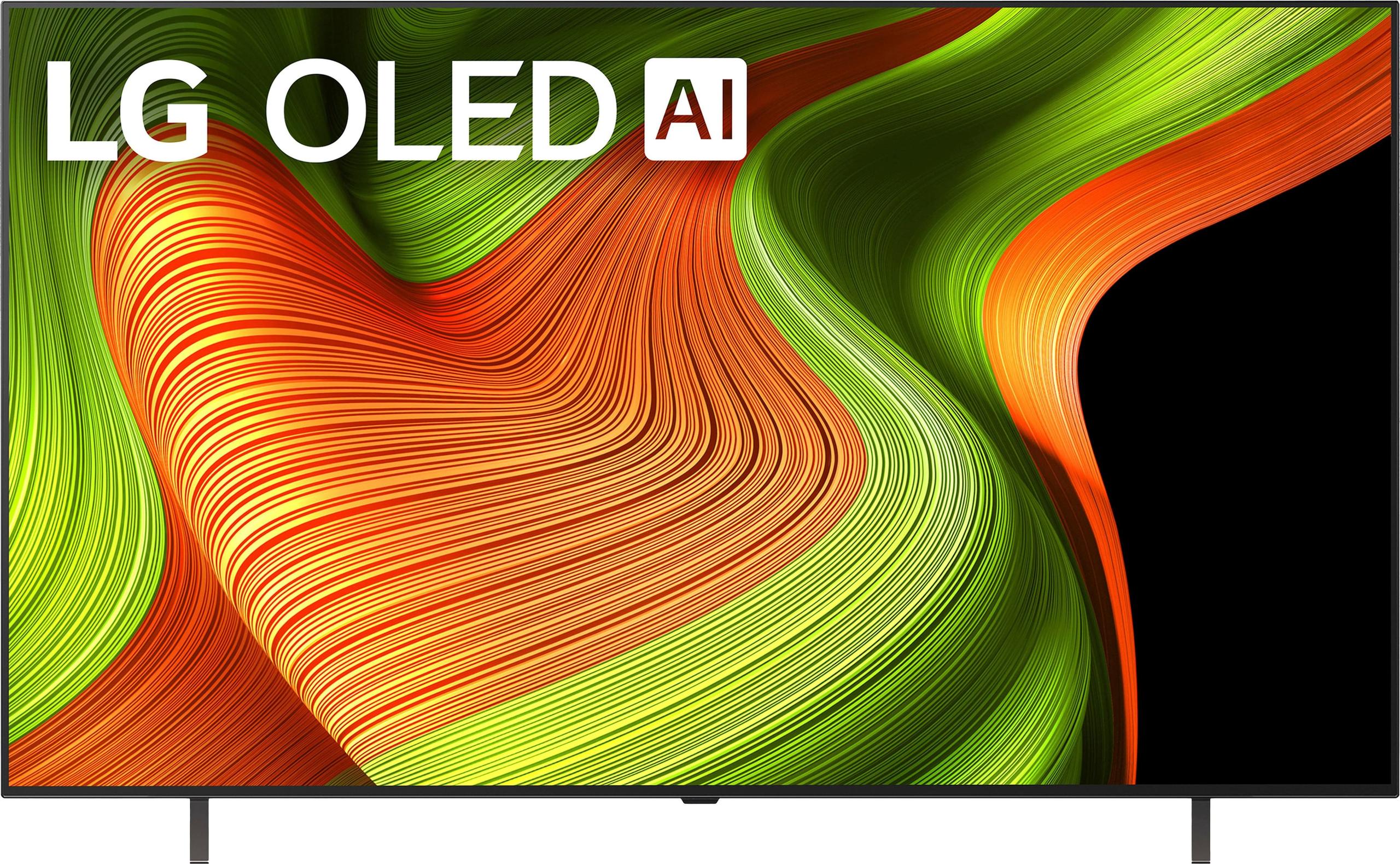
![LG B5 Series OLED 65" 4K Smart TV 2025[1][7][9]](https://images.hometheaterreview.com/htr-stateless/2025/07/3368ce40-25ef-4d07-b442-bb0af89e3a29.jpg)
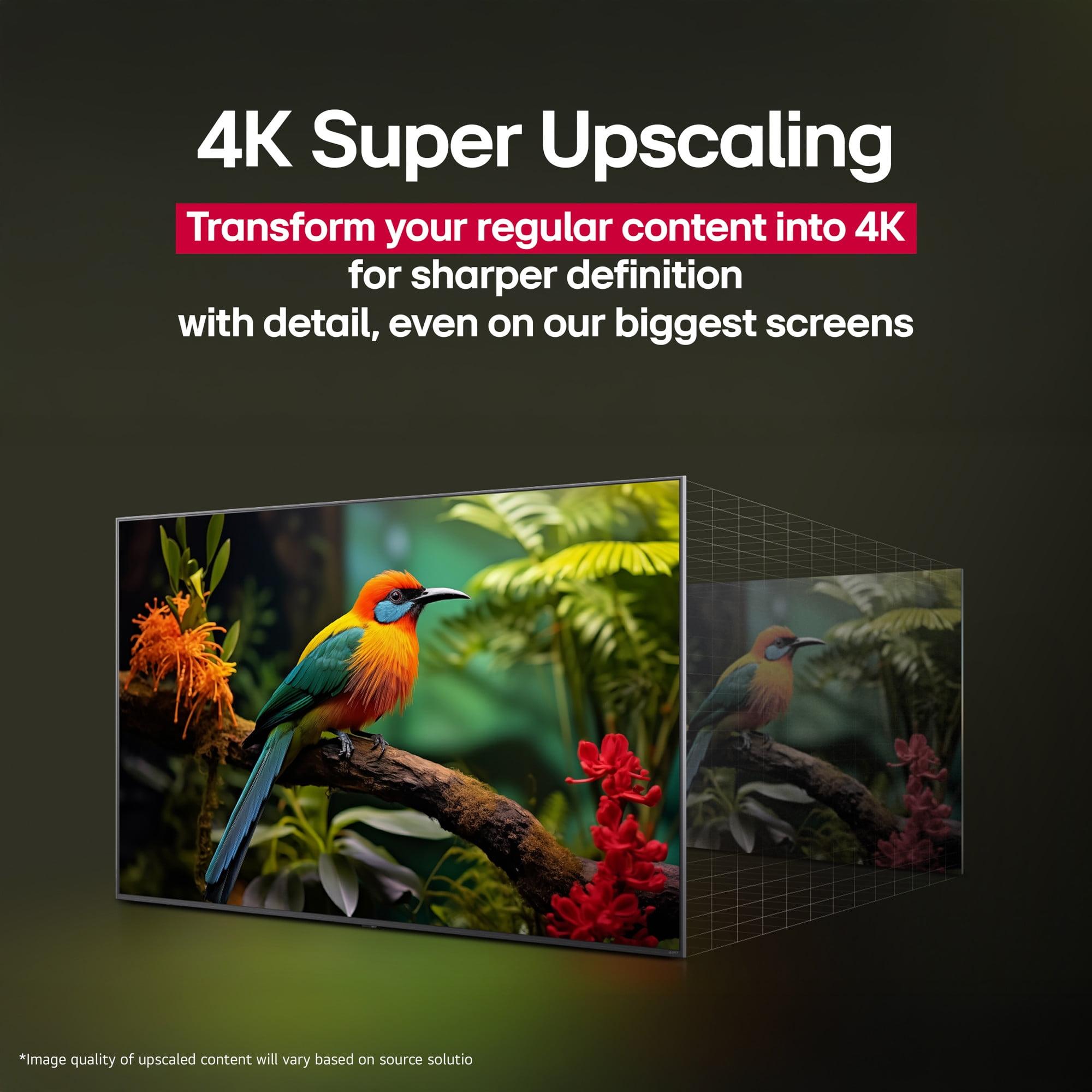
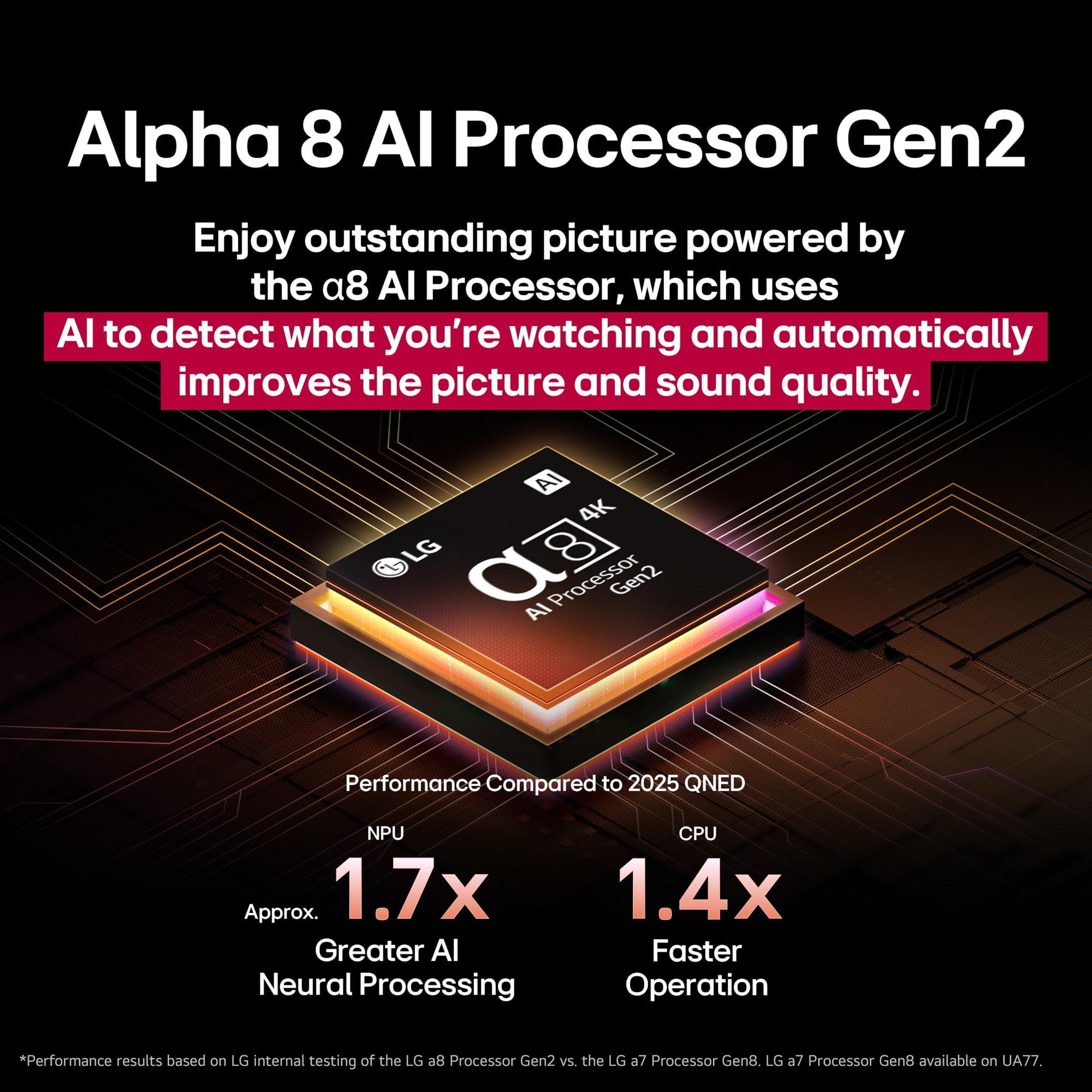

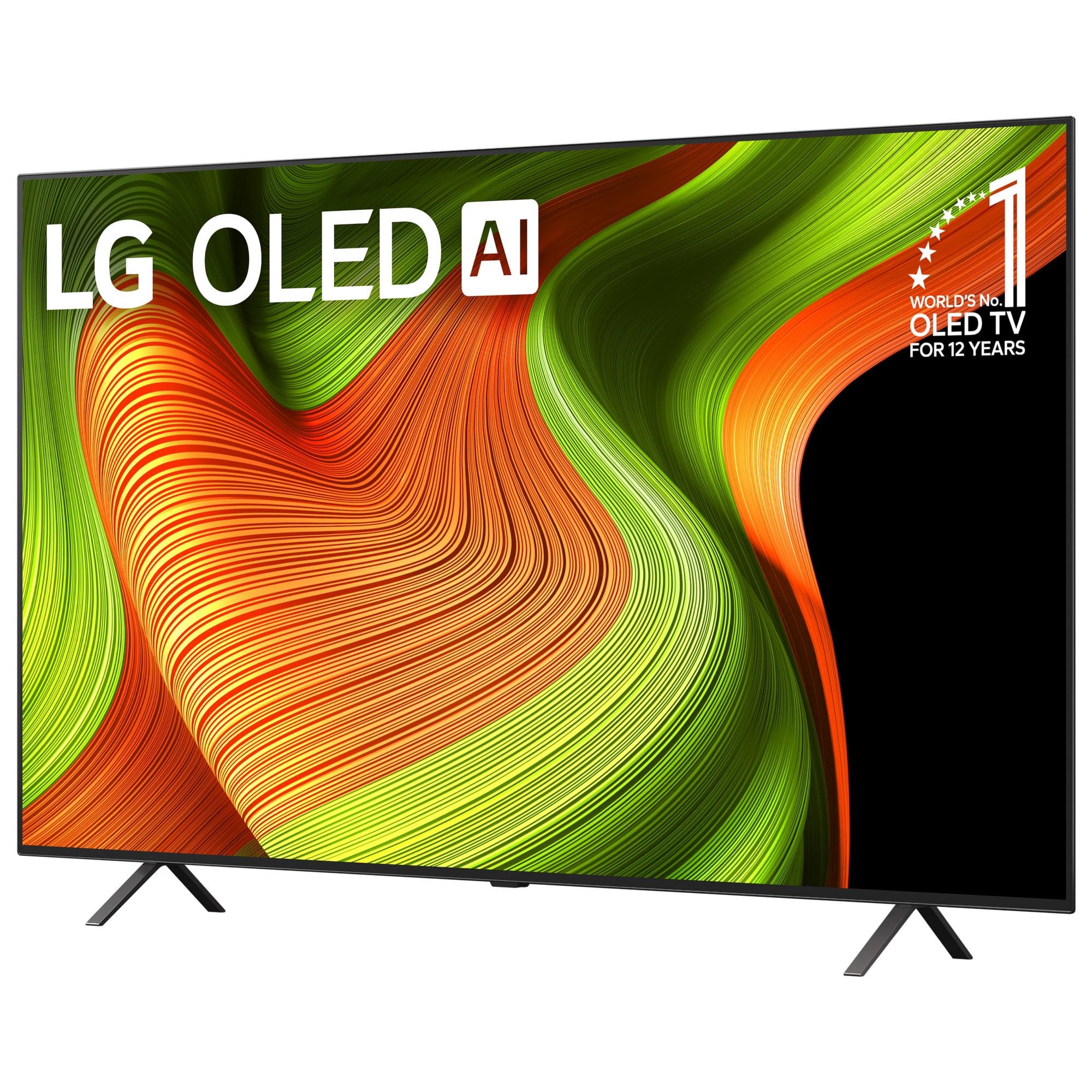
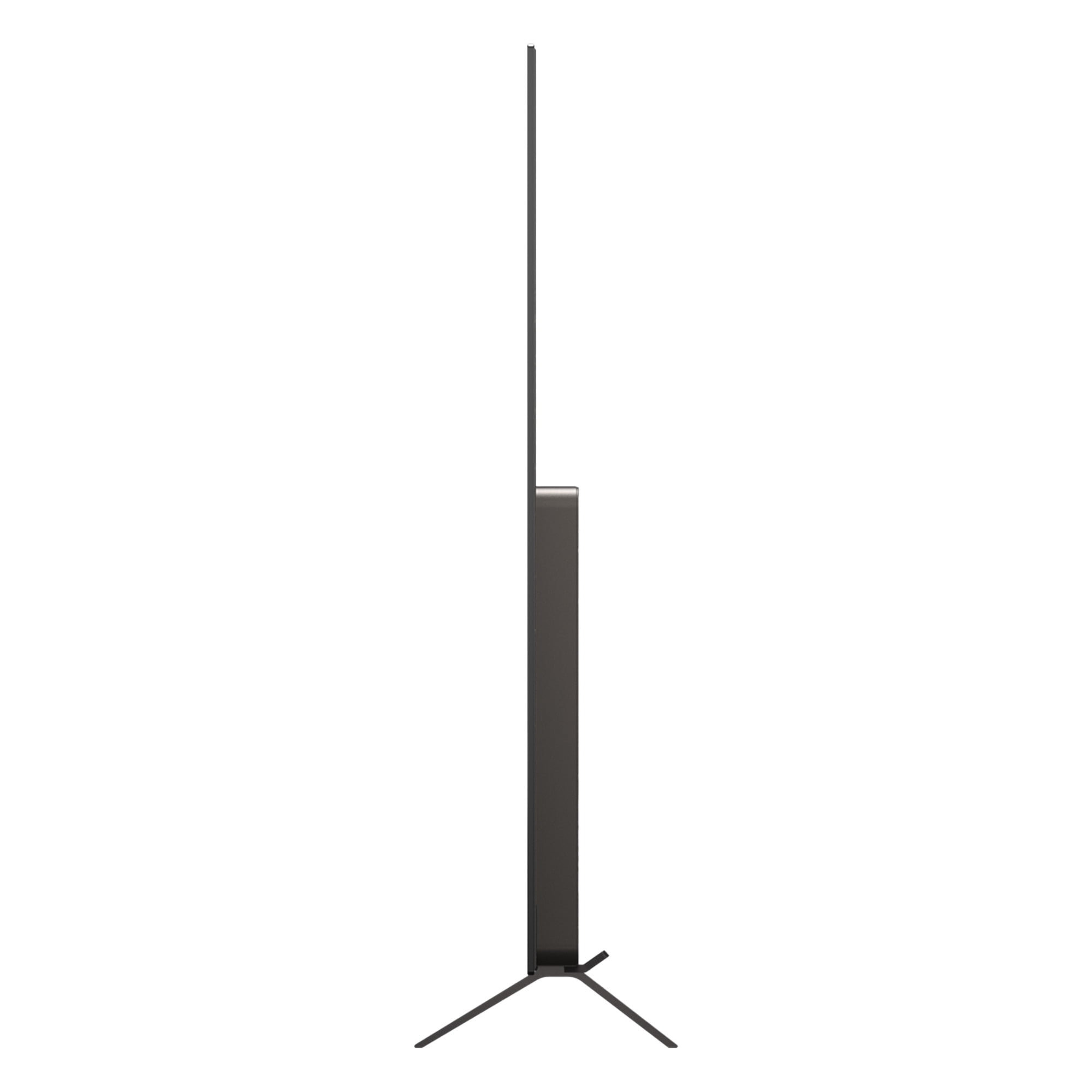
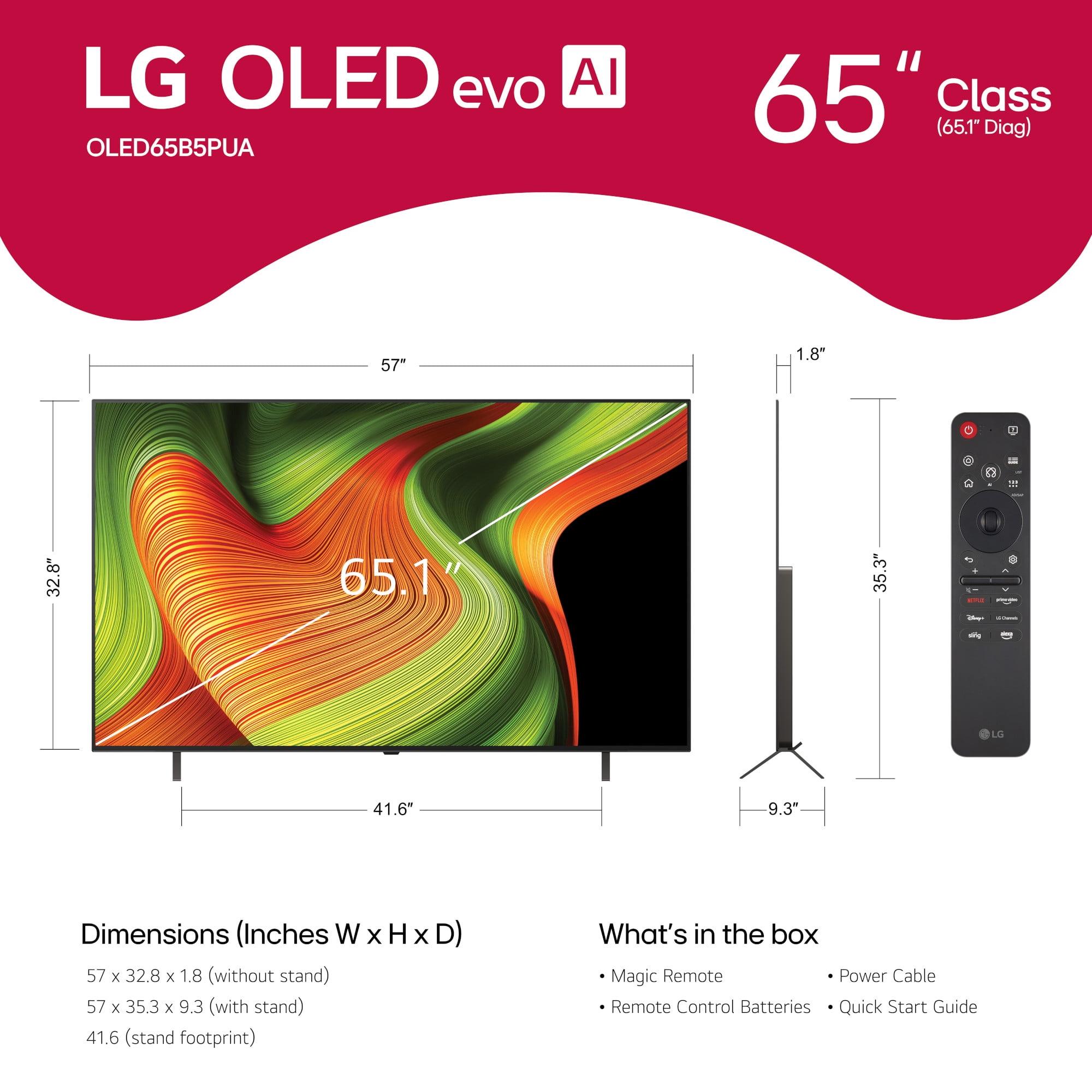
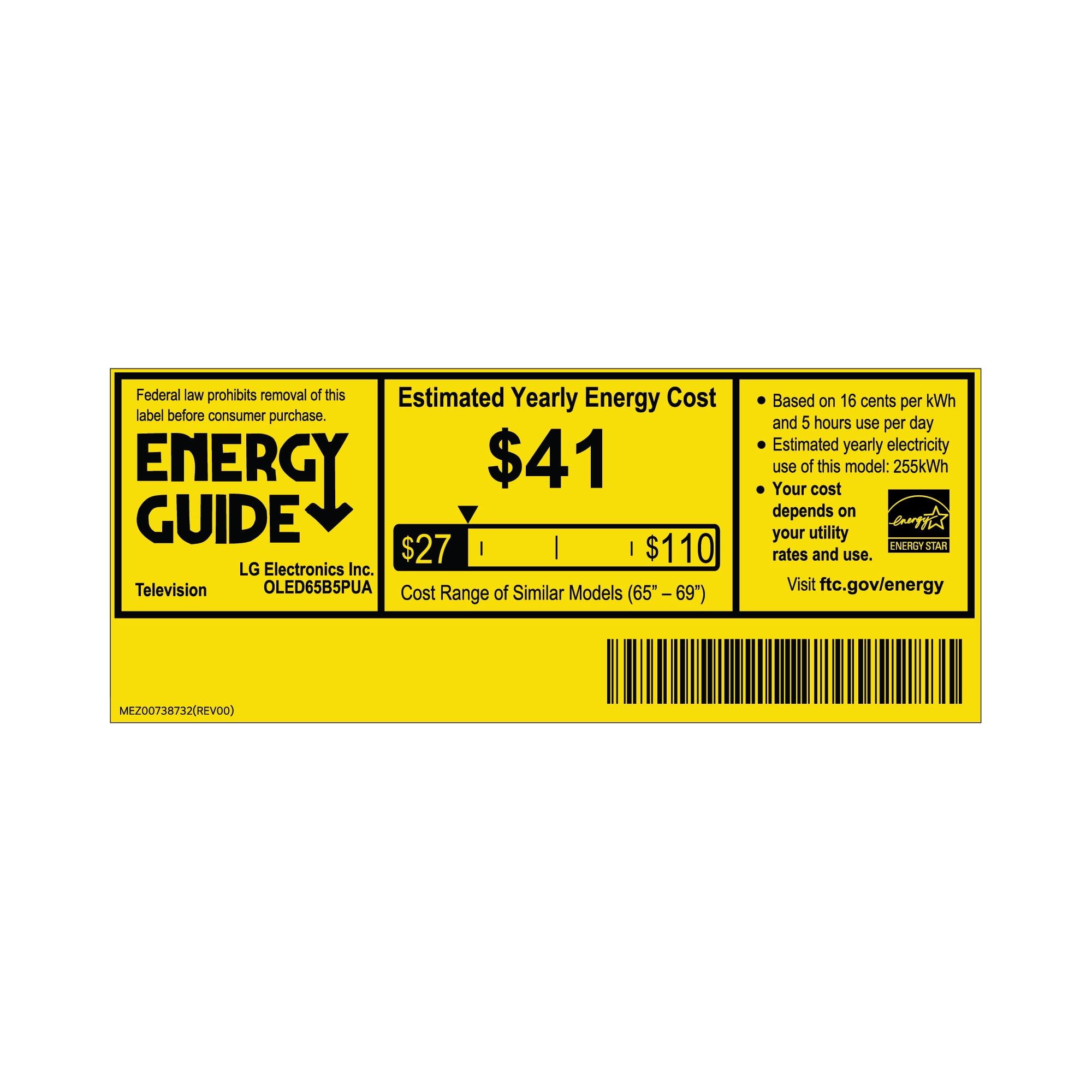
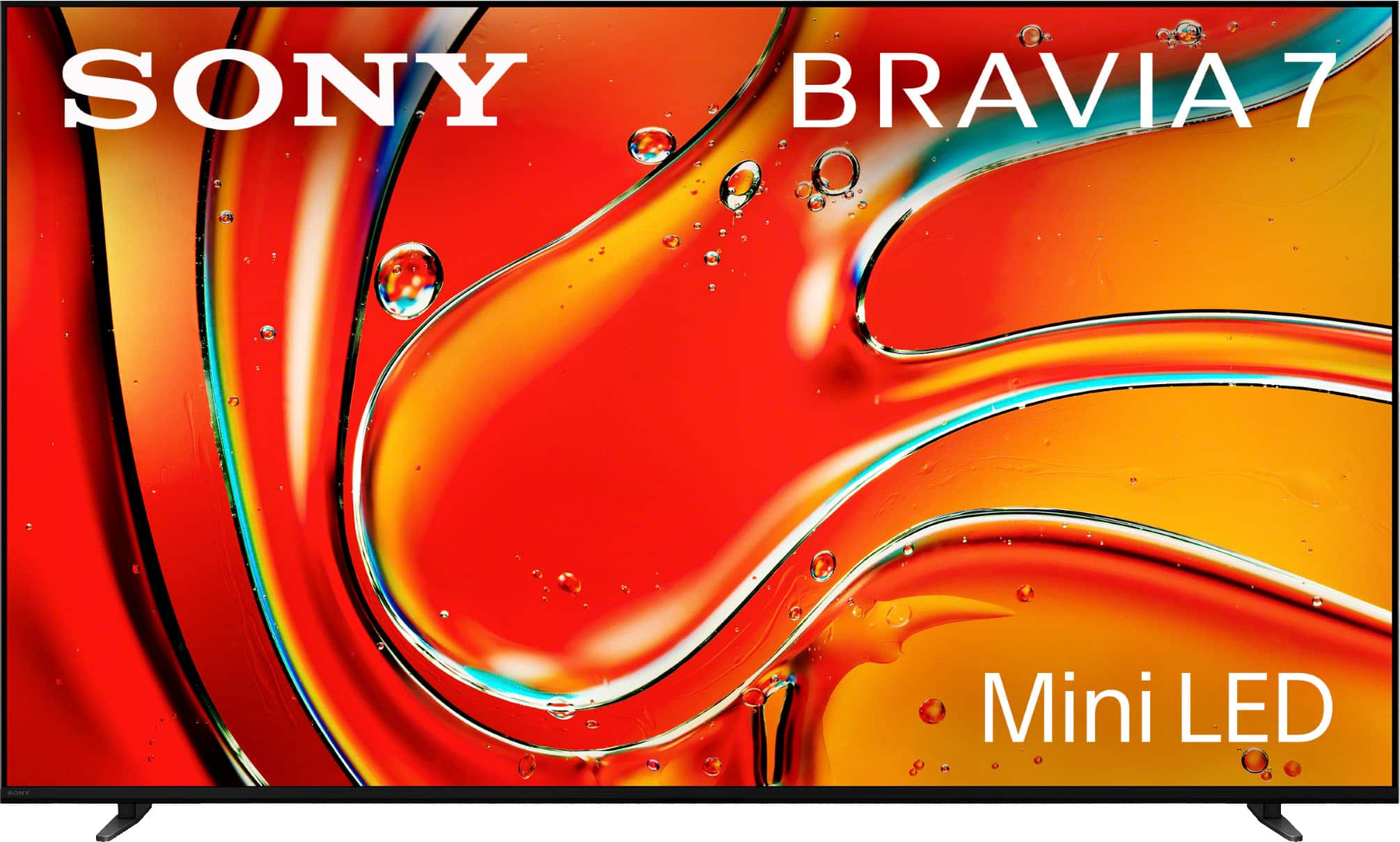
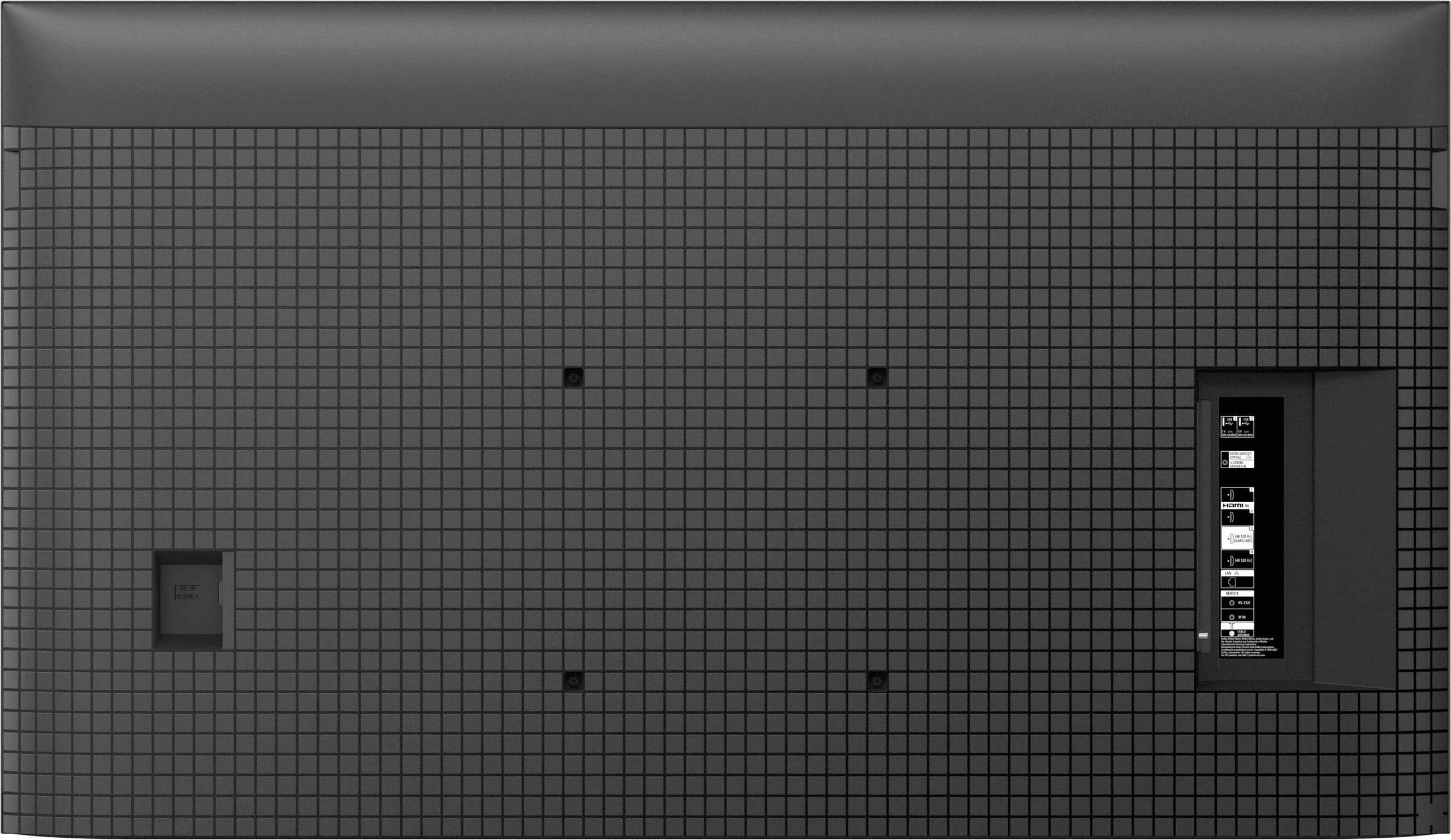
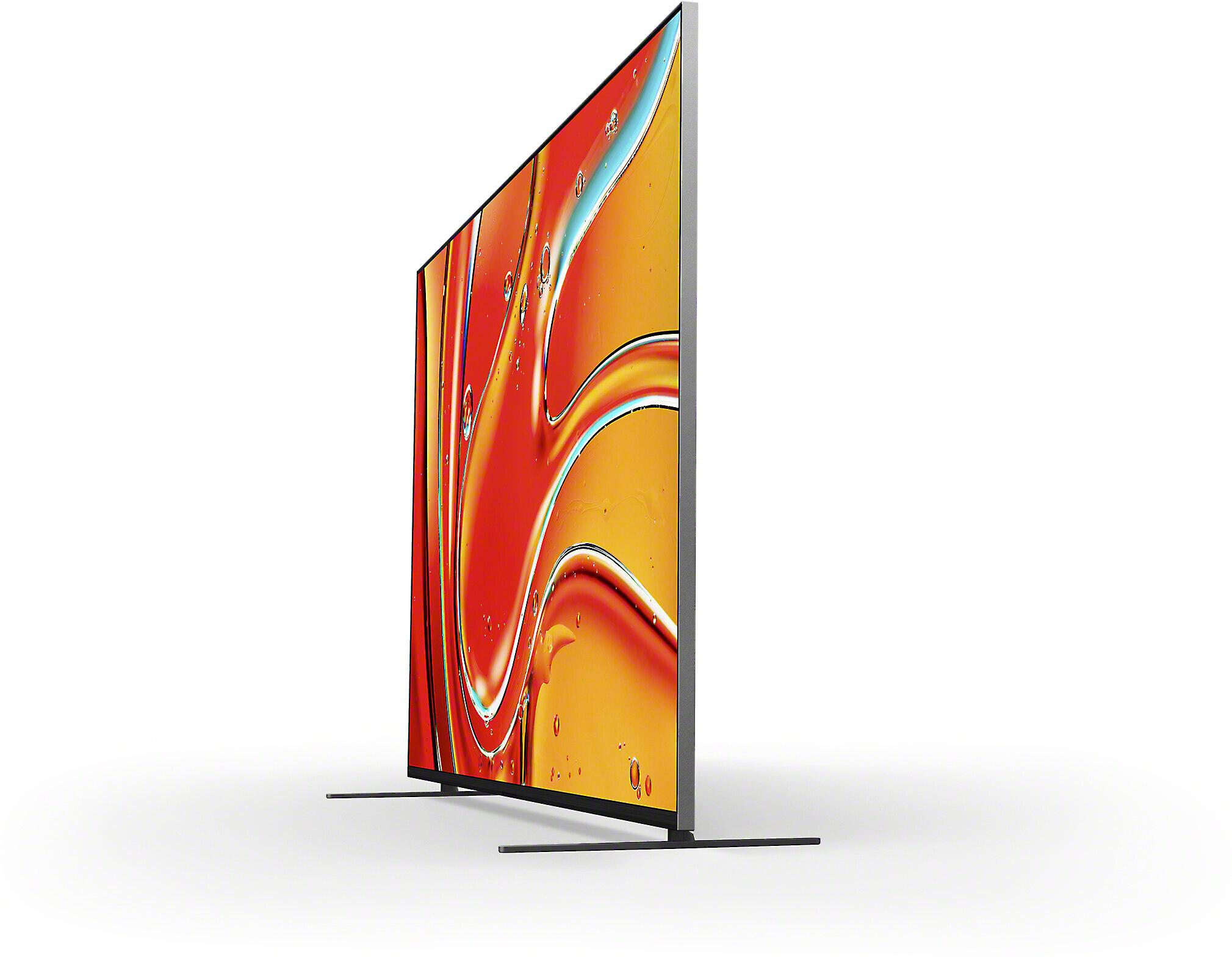
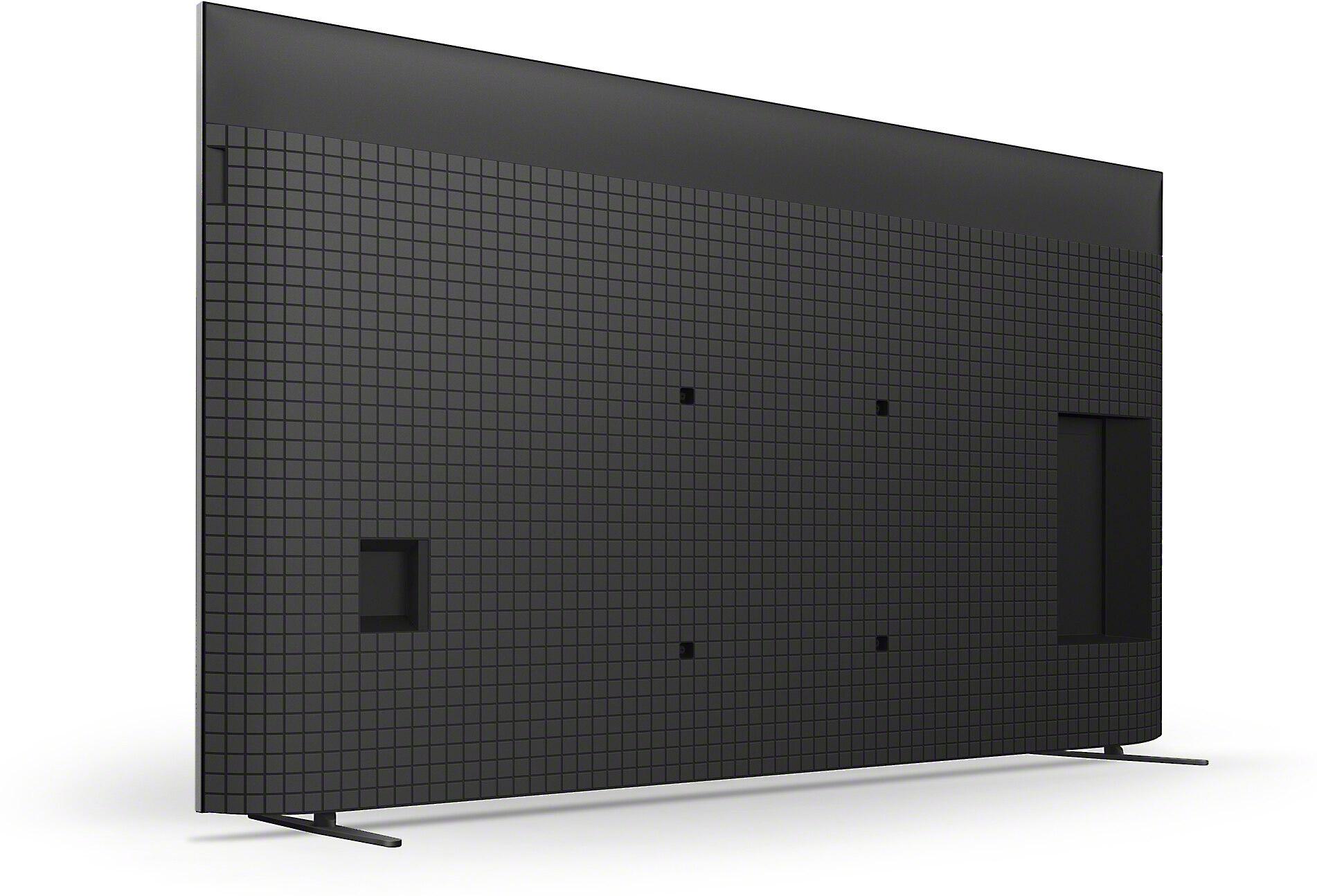
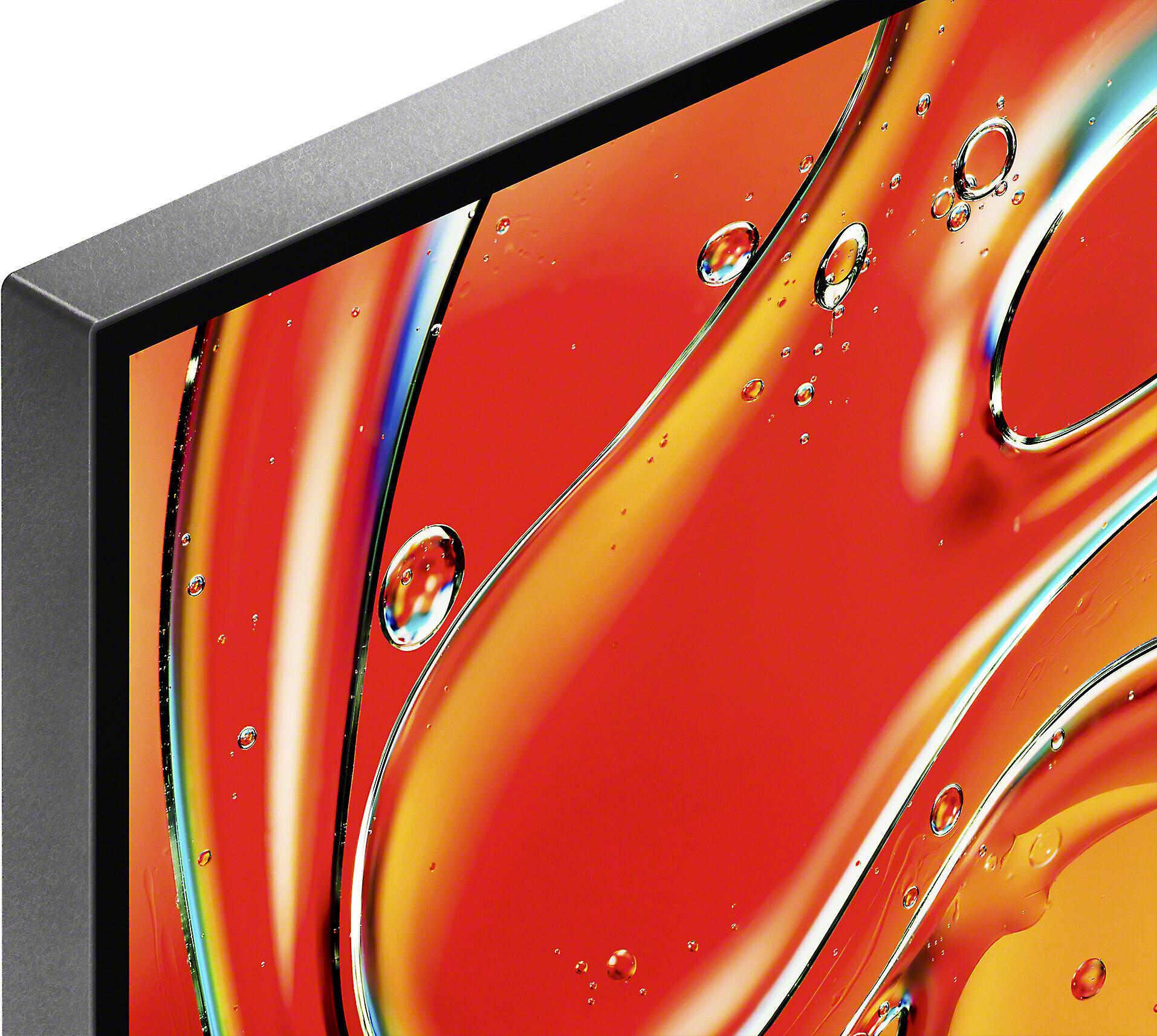
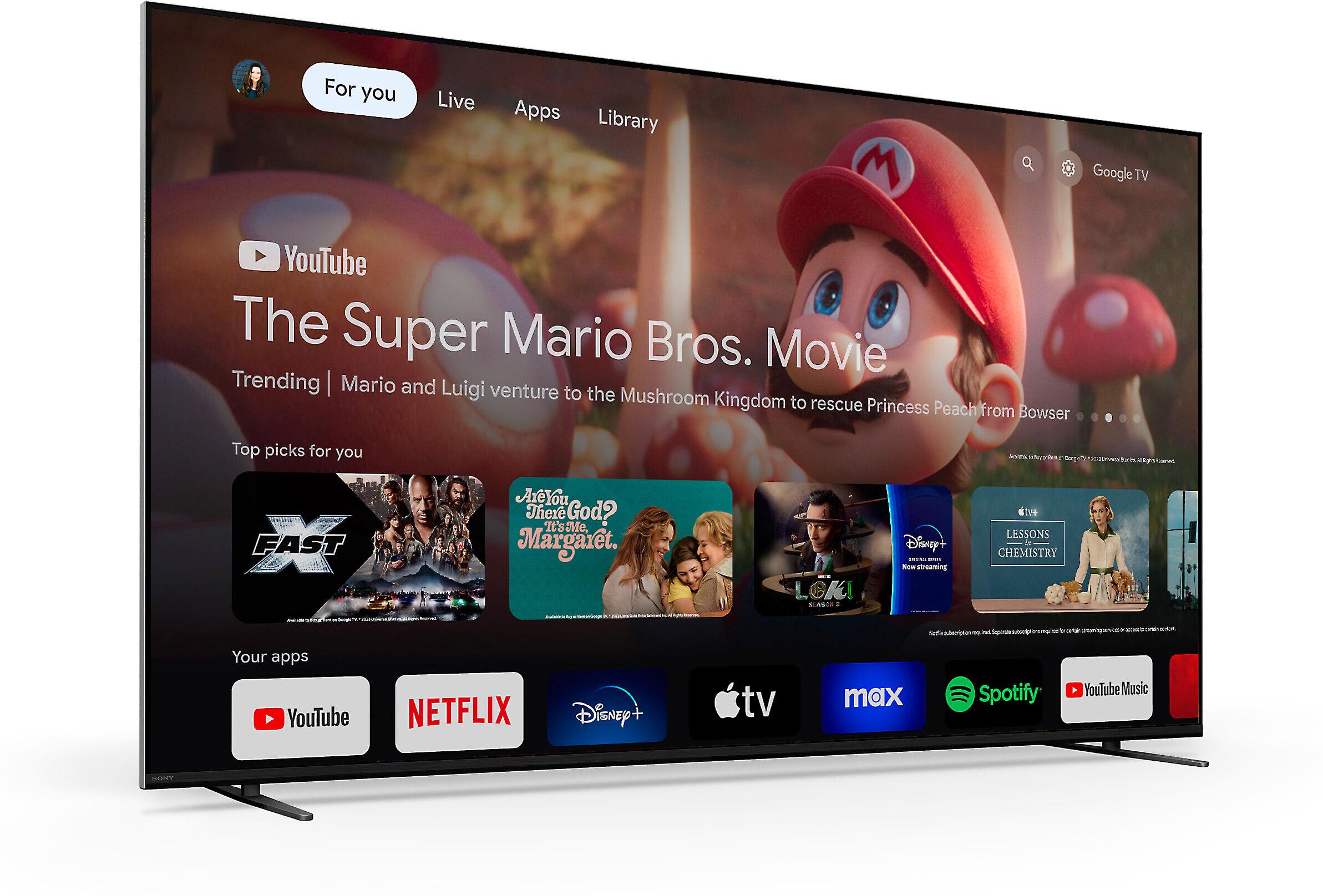
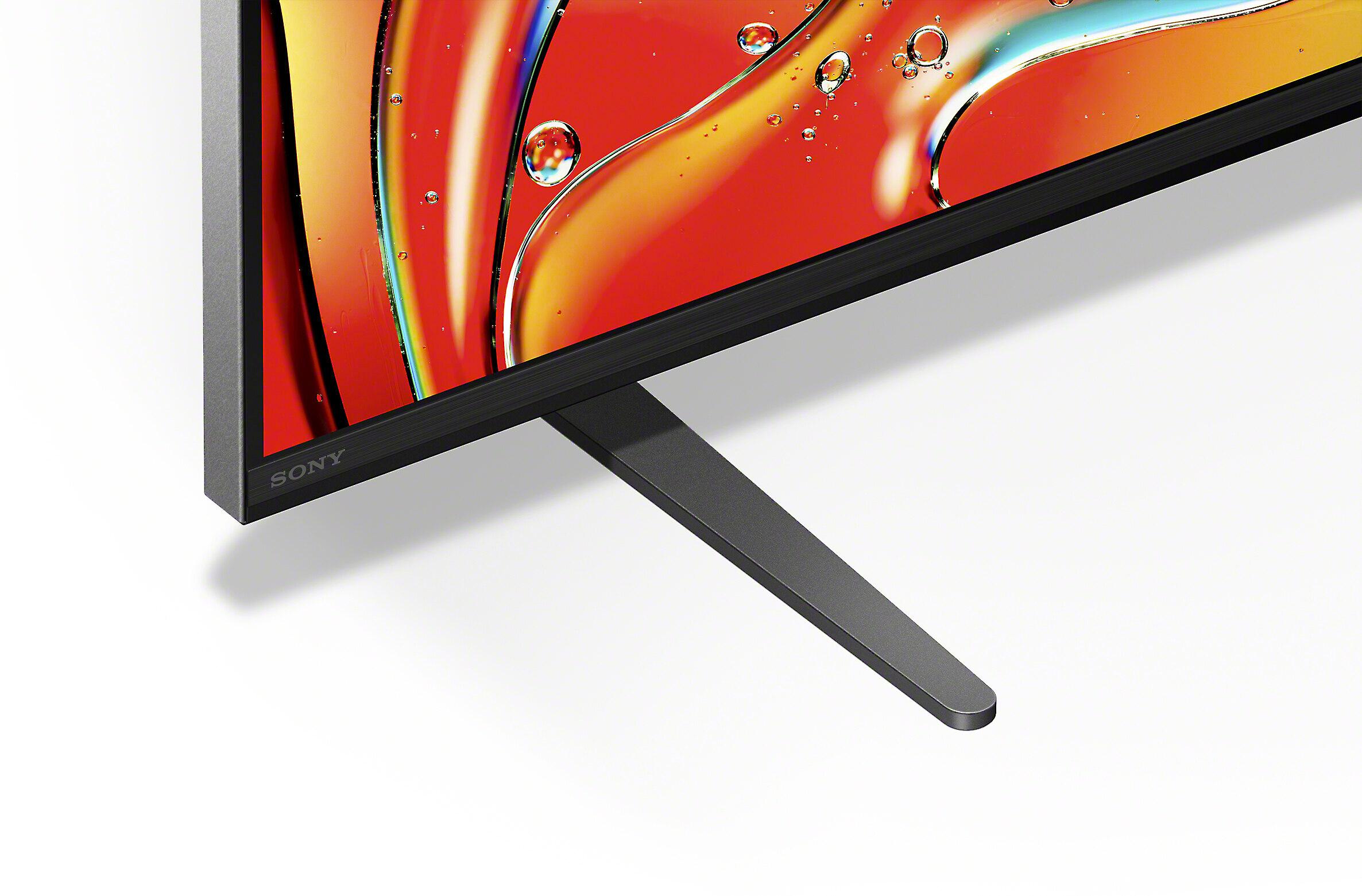
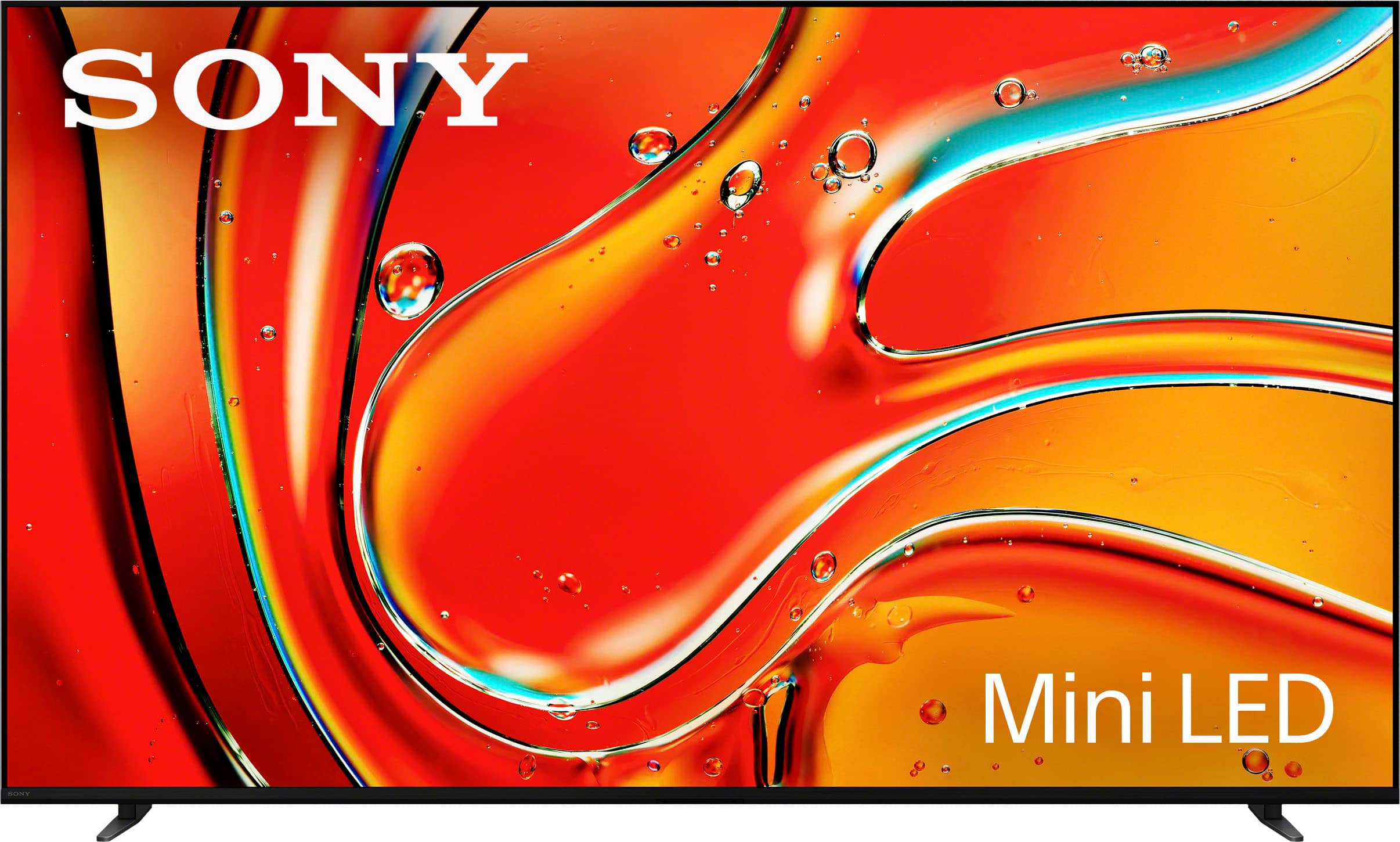
Shopping for a premium 65-inch TV can feel overwhelming, especially when you're trying to balance cutting-edge picture quality with your budget. Today's TV market offers two compelling approaches: OLED technology that delivers perfect blacks, and Mini-LED displays that shine brighter than ever before. I've spent considerable time testing both the LG B5 Series OLED 65" 4K Smart TV 2025 at $1,699.99 and the Sony BRAVIA 7 65" 4K UHD Smart Google TV at $1,323.48, and the choice between them isn't as straightforward as you might think.
The 65-inch TV category has become the sweet spot for most living rooms – large enough to create that cinematic experience without overwhelming your space or budget. But here's where it gets interesting: these two TVs represent fundamentally different approaches to creating great pictures.
OLED technology, found in the LG B5, uses millions of individual pixels that can turn completely on or off. Think of it like having millions of tiny lightbulbs that can each decide whether to shine or stay dark. This creates what we call "perfect blacks" – when something should be black on screen, it's actually black, not dark gray like you'd see on older TVs.
Mini-LED technology in the Sony BRAVIA 7 takes a different approach. Instead of self-lighting pixels, it uses thousands of tiny LED lights behind the screen to light up specific areas. This is called "local dimming" – the TV can make some areas bright while keeping others dark, creating excellent contrast without the higher cost of OLED manufacturing.
The Sony BRAVIA 7 hit the market in 2024 as Sony's answer to the growing Mini-LED category. It represented a significant step forward from Sony's previous LED TVs, incorporating their XR Backlight Master Drive technology that can control brightness zones with impressive precision.
The LG B5 Series OLED launched in early 2025 as LG's entry-level OLED option. While "entry-level" might sound modest, this TV still packs most of the advanced features found in LG's flagship models, just without some of the premium brightness enhancements and build materials.
What's particularly interesting is how both manufacturers have refined their approaches. Sony's 2024 Mini-LED implementation shows much better control over "blooming" – that annoying halo effect you sometimes see around bright objects on dark backgrounds. Meanwhile, LG's 2025 OLED panels have dramatically improved their resistance to burn-in, a concern that previously made some buyers hesitant about OLED technology.
When I first set up the LG B5 in my home theater, the difference was immediately apparent during dark scenes. In movies like "Blade Runner 2049" or "Dune," where shadow detail is crucial to the cinematography, the B5 delivers blacks that are truly black – not the dark gray you see on backlit displays.
This happens because OLED pixels generate their own light through organic compounds that glow when electricity passes through them. When a pixel needs to be black, it simply turns off completely. No backlight bleeding, no gray wash – just pure black. This creates what we call "infinite contrast ratio" because you're dividing any amount of light by zero (complete darkness).
The B5's OLED panel also delivers exceptional color accuracy across its entire brightness range. Colors remain vibrant and true-to-life whether you're watching a bright outdoor scene or a dimly lit interior. The wide viewing angles mean everyone in your living room gets the same great picture, regardless of where they're sitting.
However, OLEDs do have limitations. The B5's peak brightness tops out around 800 nits, which means HDR highlights won't pop quite as dramatically as they would on a brighter display. In my bright living room with large windows, I sometimes found myself adjusting the blinds to get the full impact of the picture quality.
The Sony BRAVIA 7's Mini-LED approach tackles the brightness challenge head-on. With thousands of tiny LEDs providing localized lighting, this TV can pump out much higher peak brightness levels – often exceeding 1,000 nits in HDR content. This makes it particularly impressive for sports, nature documentaries, and HDR movies where you want those bright highlights to really grab your attention.
Sony's XR Backlight Master Drive technology represents a significant advancement in local dimming. The processor analyzes each frame in real-time, determining exactly how bright each zone should be. During my testing with "Top Gun: Maverick," the jet engines' bright afterburners stood out brilliantly against the dark sky, while the cockpit details remained clearly visible.
The trade-off comes in absolute black levels. While the BRAVIA 7's blacks are excellent for a backlit display, they can't match the complete darkness of turned-off OLED pixels. You might notice subtle blooming around very bright objects on dark backgrounds, though Sony has minimized this considerably compared to older LED TVs.
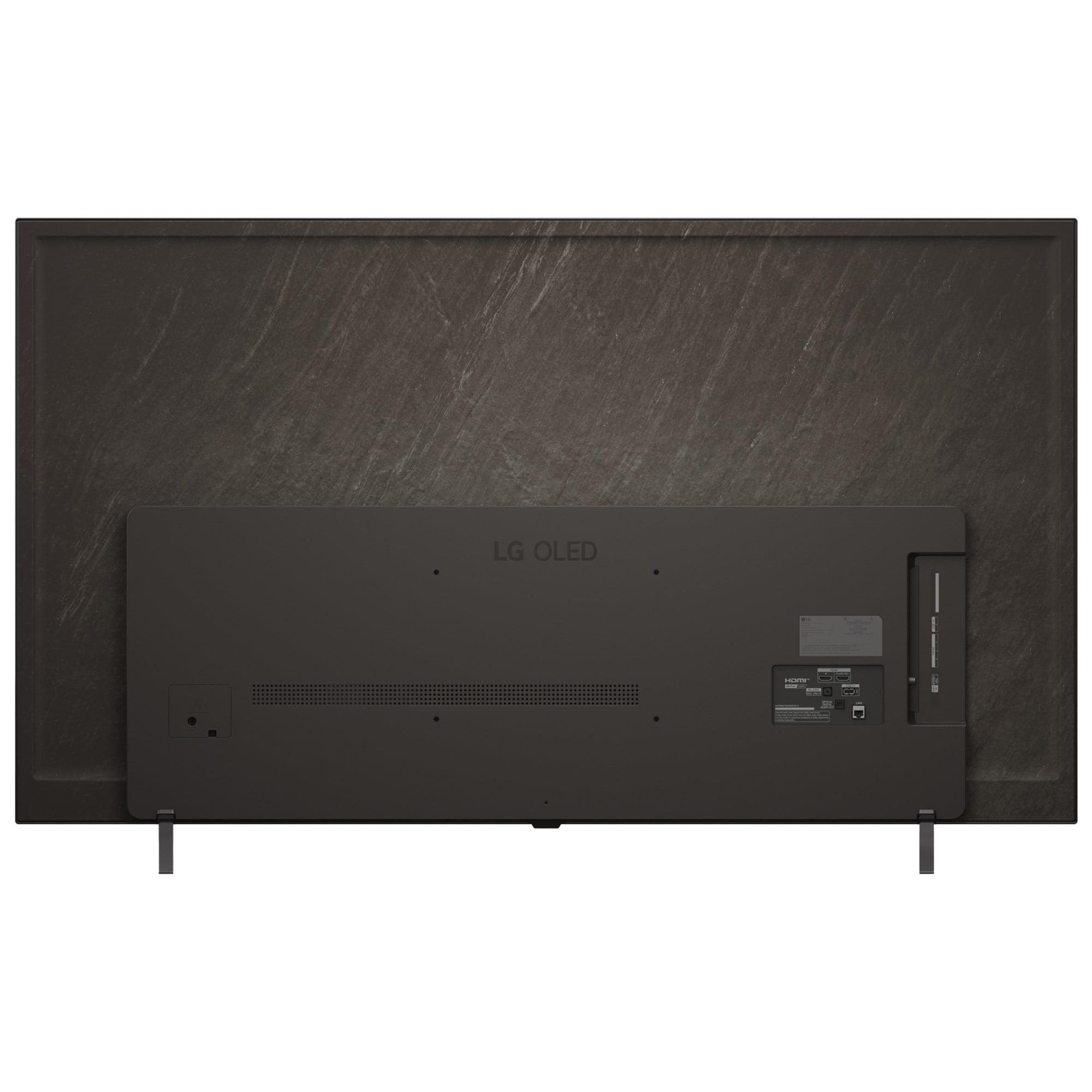
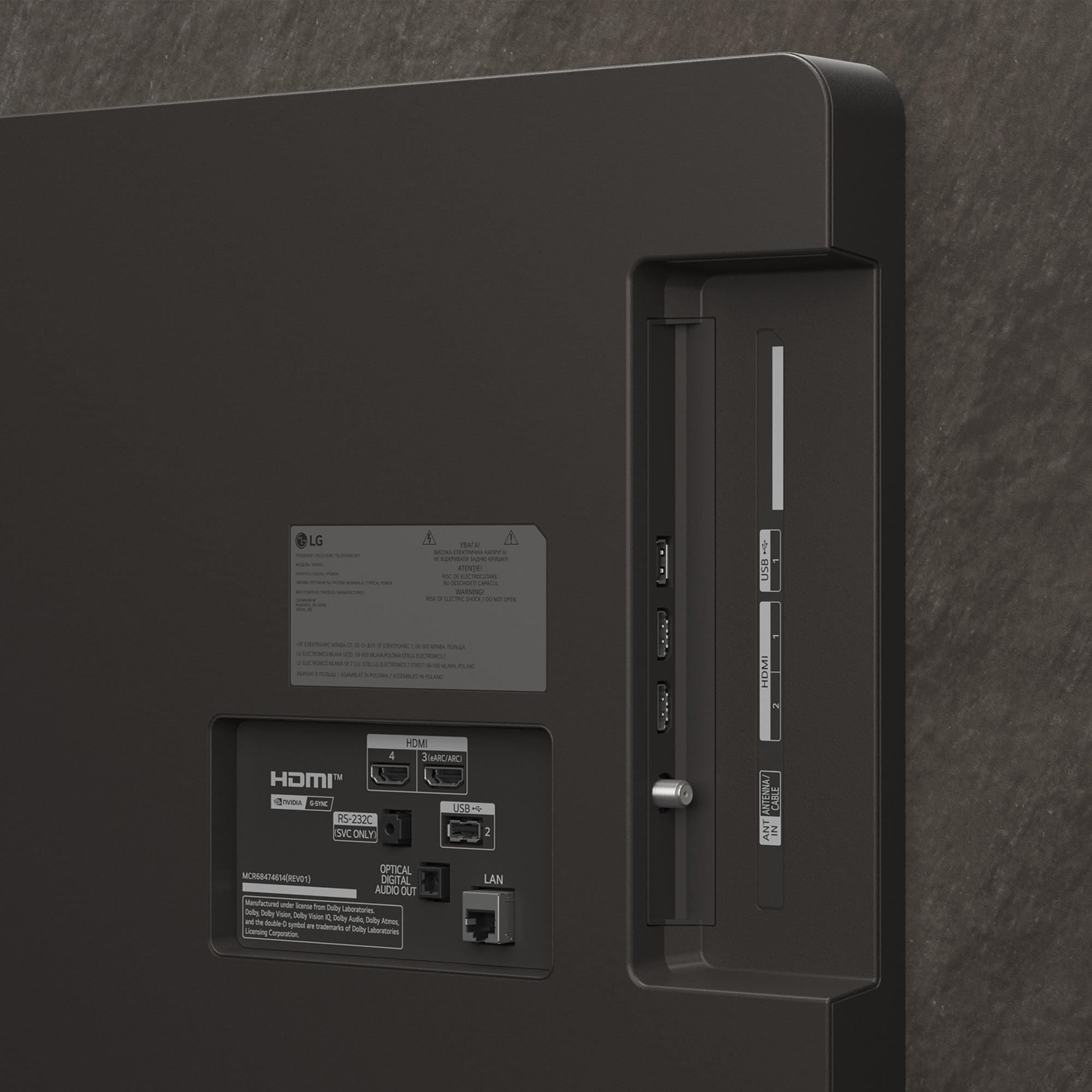
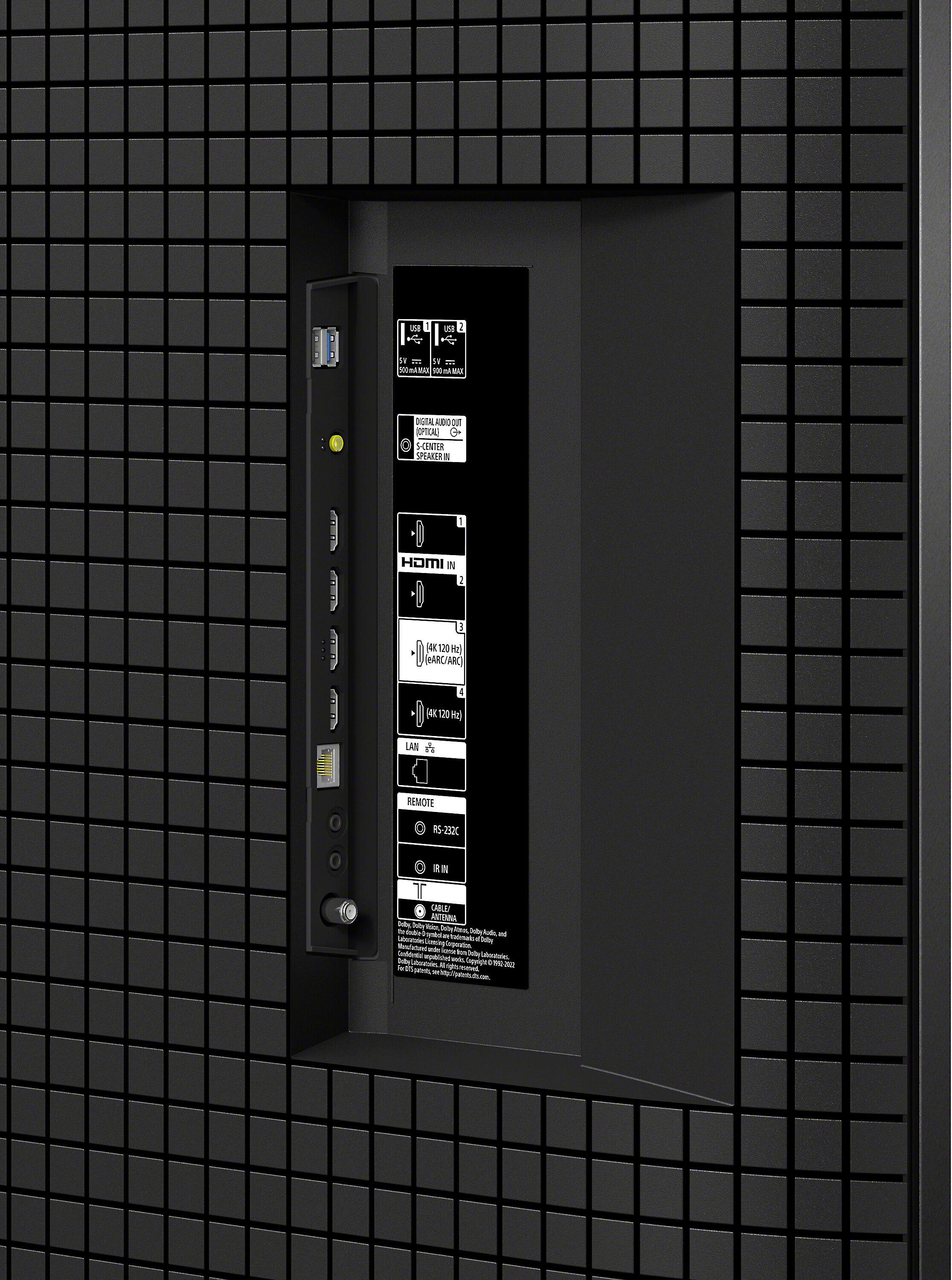
For serious gaming, the LG B5 offers some compelling advantages. All four HDMI ports support the full HDMI 2.1 specification, meaning you can connect multiple next-generation consoles at full 4K/120Hz resolution. This is particularly valuable if you own both a PlayStation 5 and Xbox Series X, or if you're a PC gamer who wants maximum flexibility.
The B5's near-instantaneous pixel response time of 0.1 milliseconds eliminates motion blur during fast-paced gaming. I noticed this especially in competitive shooters where tracking moving targets requires absolute clarity. The TV's support for Variable Refresh Rate (VRR) and Auto Low Latency Mode (ALLM) ensures smooth gameplay without screen tearing or unnecessary input lag.
LG's Game Optimizer provides a comprehensive dashboard where you can adjust settings for different game types. Whether you're playing a dark horror game that benefits from enhanced shadow detail or a bright, colorful platformer, you can optimize the picture instantly without diving into complex menus.
The Sony BRAVIA 7 takes a more focused approach to gaming, with special optimization for PlayStation 5. Sony's Auto HDR Tone Mapping automatically adjusts HDR settings when you connect a PS5, ensuring games look exactly as developers intended. This seamless integration extends to the TV's interface, where PlayStation-specific settings are easily accessible.
However, the BRAVIA 7 only includes two HDMI 2.1 ports capable of 4K/120Hz gaming, which could be limiting if you have multiple high-end gaming devices. The other two HDMI ports are limited to 4K/60Hz, which is fine for streaming devices but not ideal for next-gen consoles.
Input lag measures around 8.5 milliseconds in Game Mode – excellent for most gaming but not quite as responsive as the B5's sub-millisecond performance. For most gamers, this difference is imperceptible, but competitive players might notice the slight delay.
LG's webOS 25 platform on the B5 emphasizes personalization and ease of use. The AI-powered recommendation system learns your viewing habits and suggests content across different streaming services. I found this particularly useful for discovering new shows that matched my preferences without having to browse through multiple apps.
The new Quick Cards feature organizes your favorite apps into customizable groups, making it faster to access frequently used content. The platform also includes LG Channels, which provides access to over 300 free streaming channels – a nice bonus for cord-cutters.
One feature I particularly appreciated was the webOS Renew program, which promises regular software updates to keep the TV feeling current. Given that you'll likely keep this TV for many years, ongoing software support is crucial for maintaining compatibility with new streaming services and features.
The Sony BRAVIA 7's Google TV platform excels at integration, especially if you're already invested in Google's ecosystem. Voice commands through Google Assistant feel natural and comprehensive – you can not only search for content but also control smart home devices, check weather, and manage your calendar.
The platform's content aggregation is particularly well-executed. Your watchlist spans across different streaming services, and the TV provides unified recommendations without favoring any particular service. Chromecast built-in makes it effortless to share content from your phone or tablet.
For Android users, the seamless integration with Google Photos, YouTube, and other Google services creates a cohesive experience that extends beyond just watching TV.
Both TVs support Dolby Atmos, but their approaches to audio differ significantly. The LG B5 includes AI Sound Pro technology that analyzes content in real-time and adjusts audio settings accordingly. During my testing, dialogue remained clear even during action sequences, and the spatial audio effects were surprisingly convincing for built-in speakers.
The Sony BRAVIA 7 includes Sony's Acoustic Multi-Audio technology, which uses multiple speakers positioned around the screen to create a more immersive soundscape. The audio quality impressed me more than the LG's built-in speakers, with better bass response and clearer dialogue reproduction.
However, both TVs benefit significantly from external audio systems. If you're planning a serious home theater setup, you'll likely want to invest in a soundbar or surround sound system regardless of which TV you choose.
In a dedicated home theater environment, the LG B5 truly shines. The perfect black levels create an almost three-dimensional quality to dark scenes, while the lack of light pollution from the screen itself helps maintain the room's ambiance. I found that movies felt more immersive, with better shadow detail and more natural color reproduction.
The B5's wide viewing angles also work well in theater seating arrangements where not everyone sits directly in front of the screen. Color accuracy and contrast remain consistent even from side positions.
For home theaters in brighter rooms or those with ambient lighting, the Sony BRAVIA 7 might be the better choice. Its higher peak brightness cuts through ambient light more effectively, ensuring you don't lose picture quality during daytime viewing.
At $1,323.48, the Sony BRAVIA 7 offers compelling value for buyers seeking premium features without the OLED premium. You're getting excellent picture quality, robust smart features, and solid gaming performance at a price point that's $376 less than the LG B5.
The LG B5 at $1,699.99 represents the entry point into OLED technology, but "entry-level" doesn't mean compromised. You're paying for cutting-edge display technology, superior gaming connectivity, and the latest AI-powered features. The question is whether the perfect blacks and gaming advantages justify the price difference.
OLED technology has matured significantly, and modern panels like those in the B5 show much better resistance to burn-in than earlier generations. However, the risk still exists with static content displayed for extended periods. The Mini-LED technology in the BRAVIA 7 eliminates this concern entirely, though the backlight itself may gradually dim over its lifespan.
Both TVs include comprehensive warranty coverage, but the BRAVIA 7's more conventional technology might offer easier repairs if issues arise outside the warranty period.
Choose the LG B5 Series OLED if you prioritize picture quality above all else, especially for dark-room viewing. The perfect blacks, wide viewing angles, and superior gaming connectivity make it ideal for serious movie enthusiasts and gamers who want the best possible experience.
The Sony BRAVIA 7 makes more sense if you value brightness, have a bright living room, or want excellent performance at a lower price point. It's particularly appealing for PlayStation 5 owners and those who prefer Google's smart TV ecosystem.
Both represent excellent choices in the premium 65-inch category. Your specific viewing environment, gaming needs, and budget will ultimately determine which technology better serves your home entertainment goals. The good news? Either choice will deliver a significantly better experience than older TV technologies, marking a clear upgrade path for anyone coming from standard LED or LCD displays.
| LG B5 Series OLED 65" 4K Smart TV 2025 | Sony BRAVIA 7 65" 4K UHD Smart Google TV |
|---|---|
| Price - Significant $376 difference reflects technology premium | |
| $1,699.99 | $1,323.48 |
| Display Technology - Fundamental difference in how they create pictures | |
| WOLED (White OLED) with self-lit pixels | Mini-LED QLED with local dimming backlight |
| Black Levels - Critical for dark room viewing and movie contrast | |
| Perfect blacks (pixels turn completely off) | Excellent blacks but some light bleeding possible |
| Peak Brightness - Essential for HDR impact and bright room viewing | |
| ~800 nits (good for dark/dim rooms) | 1,000+ nits (better for bright rooms and HDR) |
| Refresh Rate - Important for gaming and sports | |
| 120Hz native with VRR/ALLM support | 120Hz native with VRR/ALLM support |
| HDMI 2.1 Ports - Crucial for next-gen gaming with multiple consoles | |
| 4 ports (all support 4K/120Hz) | 2 ports (other 2 limited to 4K/60Hz) |
| Gaming Input Lag - Lower numbers mean more responsive gaming | |
| 0.1ms (virtually instantaneous) | 8.5ms (excellent but slightly slower) |
| Smart Platform - Your daily interface for streaming and apps | |
| webOS 25 with AI features | Google TV with deep Google integration |
| Audio Quality - Built-in speaker performance | |
| 60W system with Dolby Atmos | Premium Acoustic Multi-Audio with Dolby Atmos |
| Burn-in Risk - Long-term durability concern | |
| Minimal risk with modern panels but possible | No burn-in risk with Mini-LED technology |
| Viewing Angles - Picture quality consistency from side positions | |
| Excellent (OLED advantage) | Good but some color shift at extreme angles |
| Best Use Case - Where each TV excels most | |
| Dark room home theater, serious gaming | Bright living rooms, PlayStation 5 gaming |
The Sony BRAVIA 7 65" 4K UHD Smart Google TV at $1,323.48 offers better value for most buyers, costing $376 less than the LG B5 Series OLED 65" 4K Smart TV 2025 at $1,699.99. However, the LG B5 provides premium OLED technology with perfect blacks and superior gaming features that justify the higher price for enthusiasts.
The LG B5 Series OLED uses self-lit pixels that can turn completely off for perfect blacks, while the Sony BRAVIA 7 uses thousands of tiny LED backlights with local dimming. OLED delivers better contrast and viewing angles, while Mini-LED provides higher brightness and no burn-in risk.
The Sony BRAVIA 7 65" 4K UHD Smart Google TV is better for bright rooms due to its higher peak brightness (1,000+ nits) that cuts through ambient light more effectively. The LG B5 Series OLED peaks around 800 nits, making it better suited for dark or dimly lit rooms.
The LG B5 Series OLED 65" 4K Smart TV 2025 is superior for gaming with four HDMI 2.1 ports supporting 4K/120Hz, 0.1ms input lag, and comprehensive VRR support. The Sony BRAVIA 7 only has two HDMI 2.1 ports and 8.5ms input lag, though it offers excellent PlayStation 5 integration.
Both TVs excel in home theater environments, but for different reasons. The LG B5 Series OLED delivers perfect blacks and infinite contrast ideal for dark theater rooms, while the Sony BRAVIA 7 provides brighter HDR highlights and better performance in rooms with some ambient lighting.
The LG B5 uses webOS 25 with AI-powered recommendations and LG Channels, while the Sony BRAVIA 7 runs Google TV with superior Google ecosystem integration. Choose LG for simplicity and AI features, or Sony for Google services and Chromecast built-in.
Burn-in is only a potential concern with the LG B5 Series OLED 65" 4K Smart TV 2025, though modern OLED panels have greatly improved resistance. The Sony BRAVIA 7 65" 4K UHD Smart Google TV uses Mini-LED technology that eliminates burn-in risk entirely.
The Sony BRAVIA 7 generally provides better built-in audio with its Acoustic Multi-Audio system and premium speakers. The LG B5 Series OLED includes AI Sound Pro technology but has less impressive built-in speakers. Both support Dolby Atmos and work well with external sound systems.
The LG B5 Series OLED offers superior viewing angles with consistent picture quality from any position due to OLED technology. The Sony BRAVIA 7 65" 4K UHD Smart Google TV provides good viewing angles but may show some color shifting when viewed from extreme side positions.
The LG B5 Series OLED 65" 4K Smart TV 2025 is generally better for movies due to perfect black levels, infinite contrast, and accurate colors that preserve the filmmaker's intent. The Sony BRAVIA 7 excels with brighter HDR content and works better for movie watching in rooms with ambient lighting.
The LG B5 Series OLED excels with dark, cinematic content and provides excellent motion handling for all content types. The Sony BRAVIA 7 65" 4K UHD Smart Google TV performs better with bright, colorful content like sports and nature documentaries, while still delivering great overall picture quality.
Choose the LG B5 Series OLED 65" 4K Smart TV 2025 if you prioritize picture quality, have a dark viewing room, game with multiple consoles, and don't mind paying extra for premium technology. Select the Sony BRAVIA 7 65" 4K UHD Smart Google TV if you want excellent value, have a bright room, prefer Google's ecosystem, or primarily use PlayStation 5.
We've done our best to create useful and informative comparisons to help you decide what product to buy. Our research uses advanced automated methods to create this comparison and perfection is not possible - please contact us for corrections or questions. These are the sites we've researched in the creation of this article: eftm.com - bestbuy.com - rtings.com - youtube.com - rtings.com - tomsguide.com - youtube.com - nationalproductreview.com.au - lg.com - manchesterbrothers.com - avsforum.com - lg.com - lg.com - lg.com - lg.com - retailspecs.com - american-homeappliance.com - perpichtv.com - bestbuy.com - bestbuy.com - avsforum.com - avsforum.com - crutchfield.com - sony.com - rtings.com - schaeferstv.com - youtube.com - displayspecifications.com

Privacy Policy
Terms and Conditions - Affiliate Policy
Home Security
© Copyright 2008-2026.
11816 Inwood Rd #1211, Dallas, TX 75244