

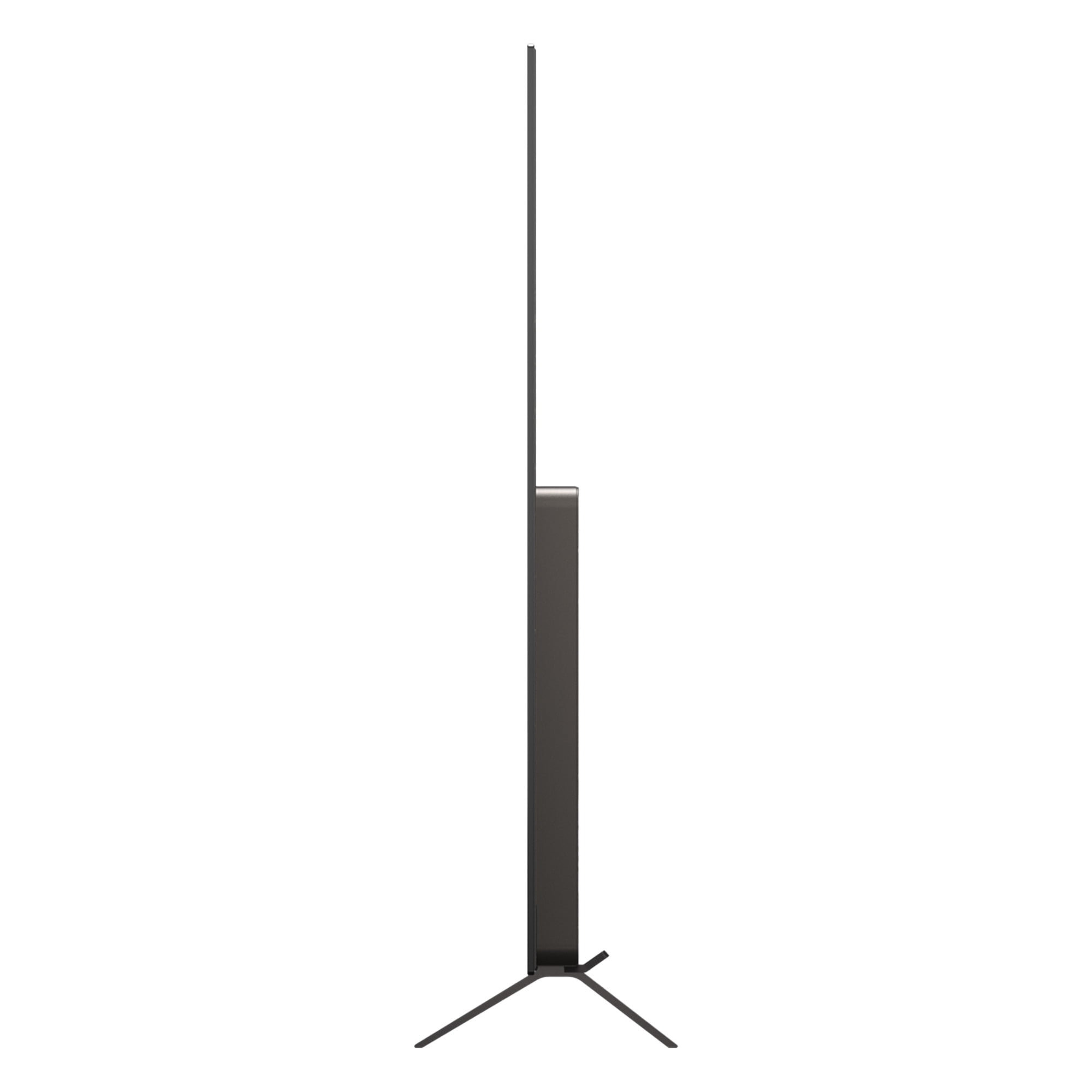
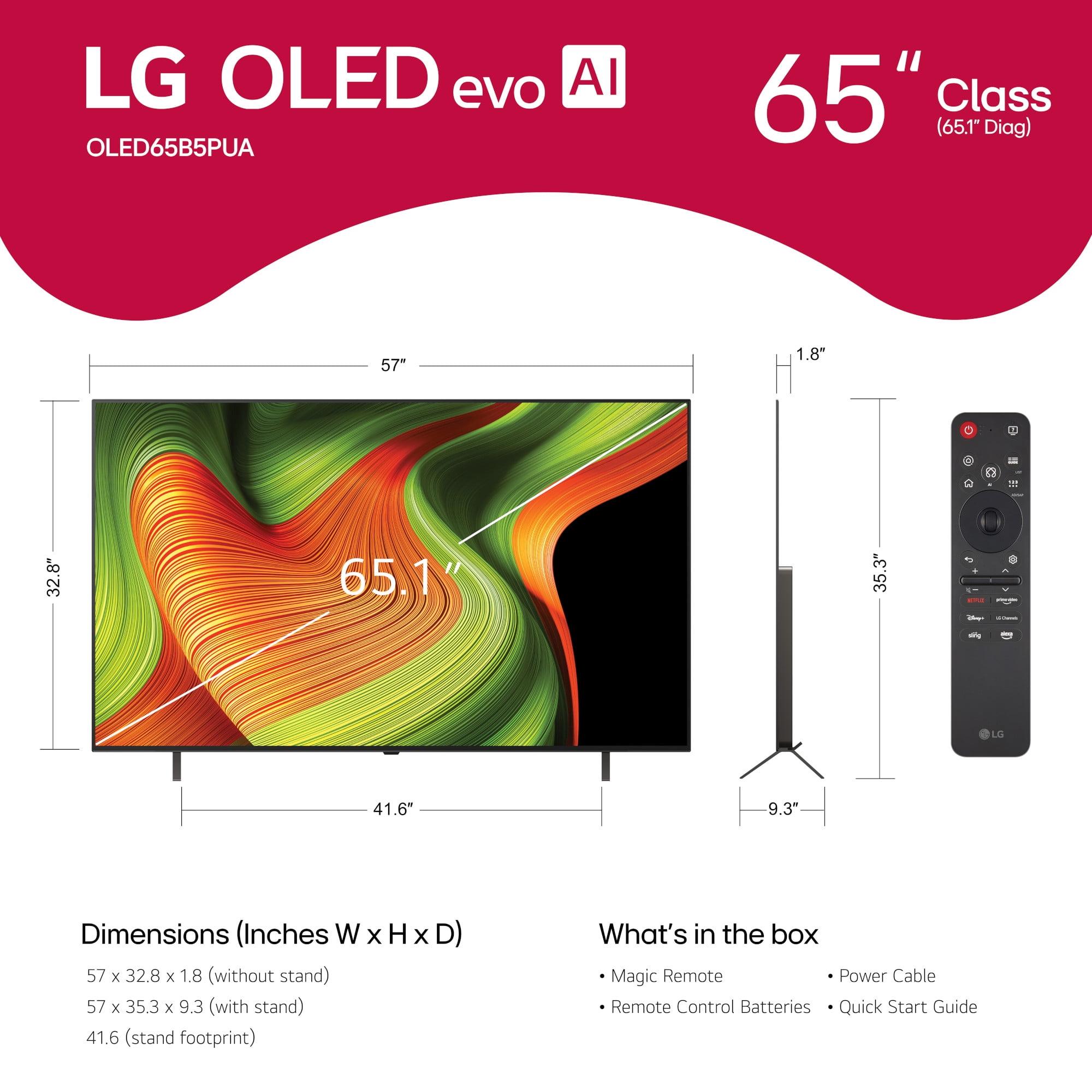
![LG B5 Series OLED 65" 4K Smart TV 2025[1][7][9]](https://images.hometheaterreview.com/htr-stateless/2025/07/31238cd0-lg-b5-series-oled-65-4k-smart-tv-2025179.jpg)
![LG B5 Series OLED 65" 4K Smart TV 2025[1][7][9]](https://images.hometheaterreview.com/htr-stateless/2025/07/3368ce40-25ef-4d07-b442-bb0af89e3a29.jpg)
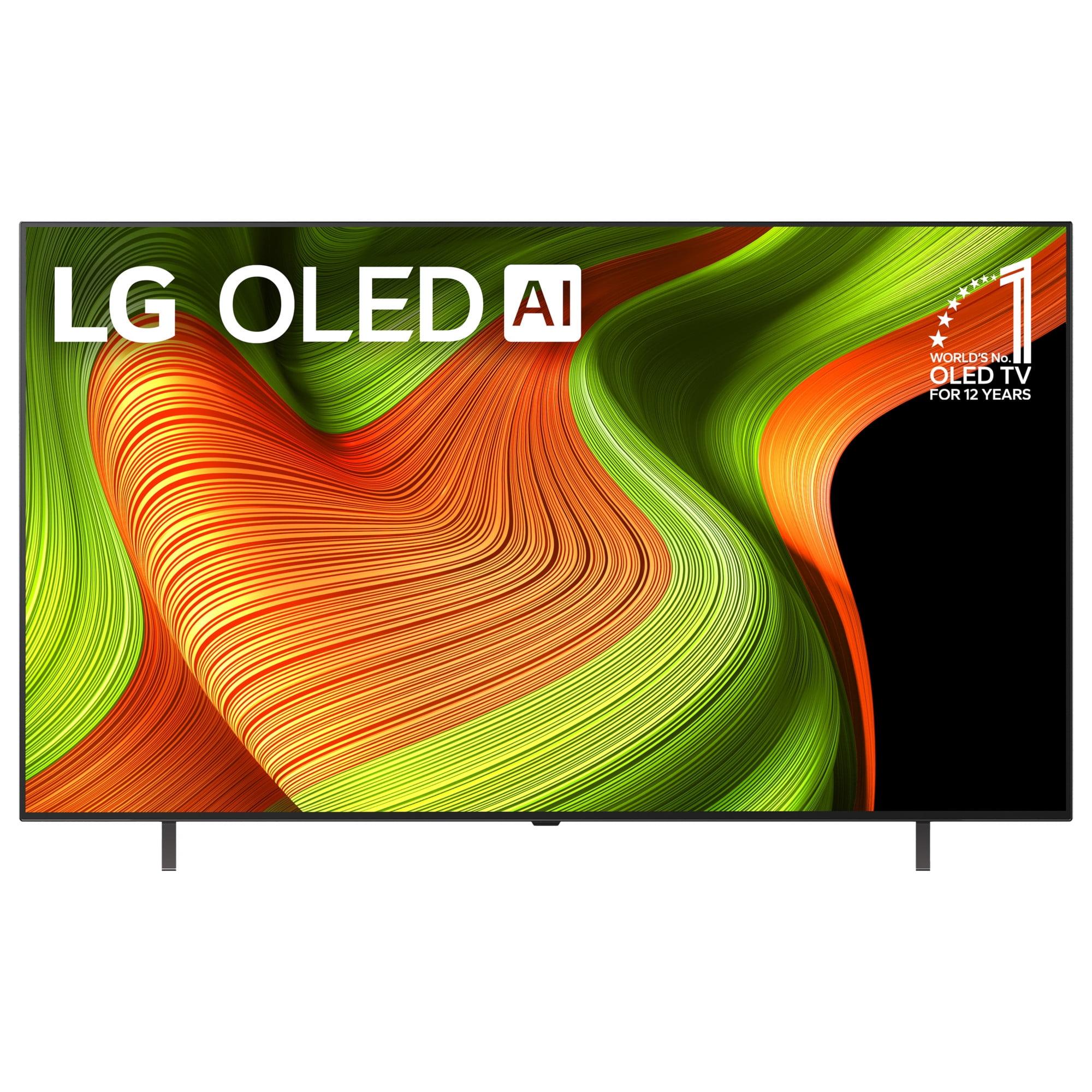
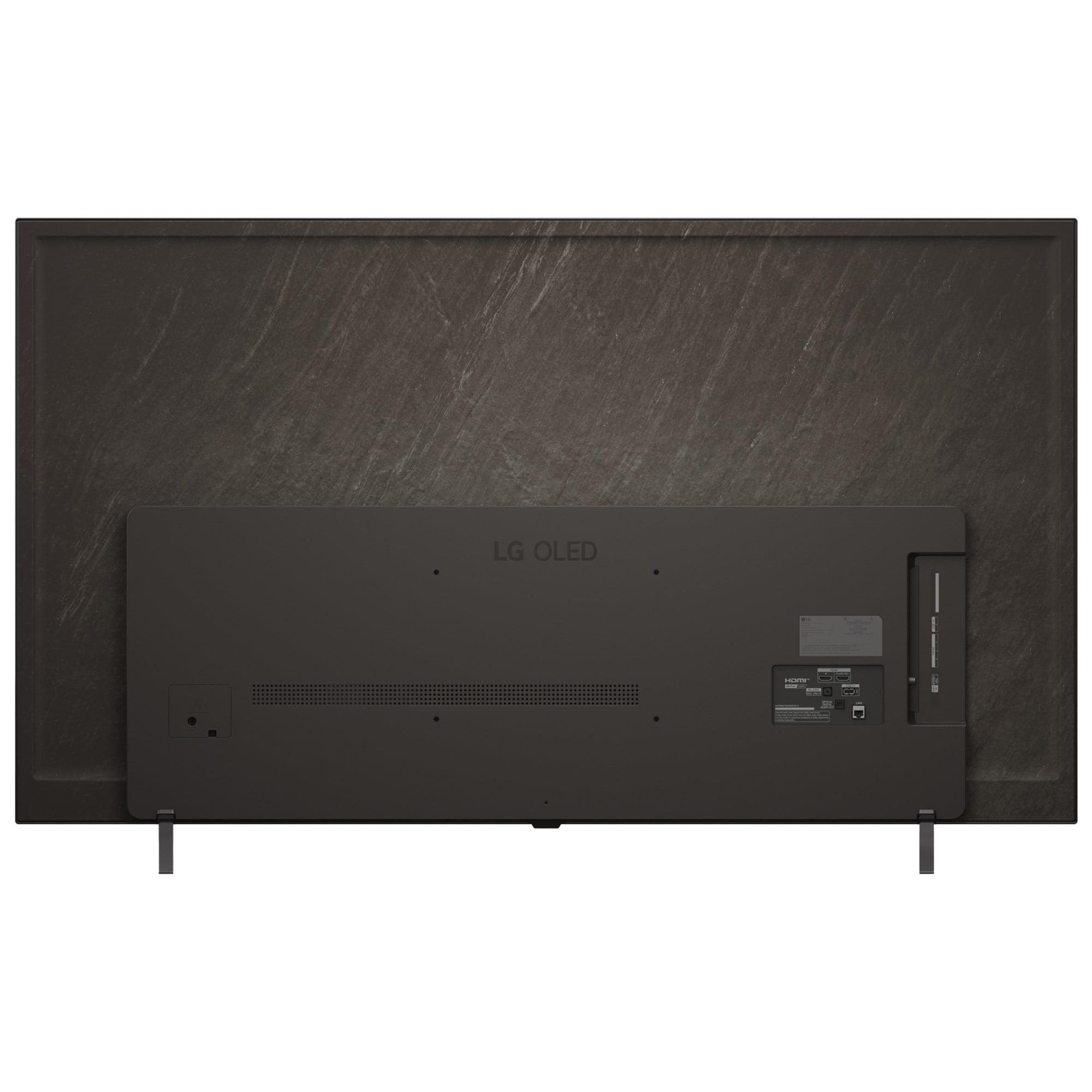
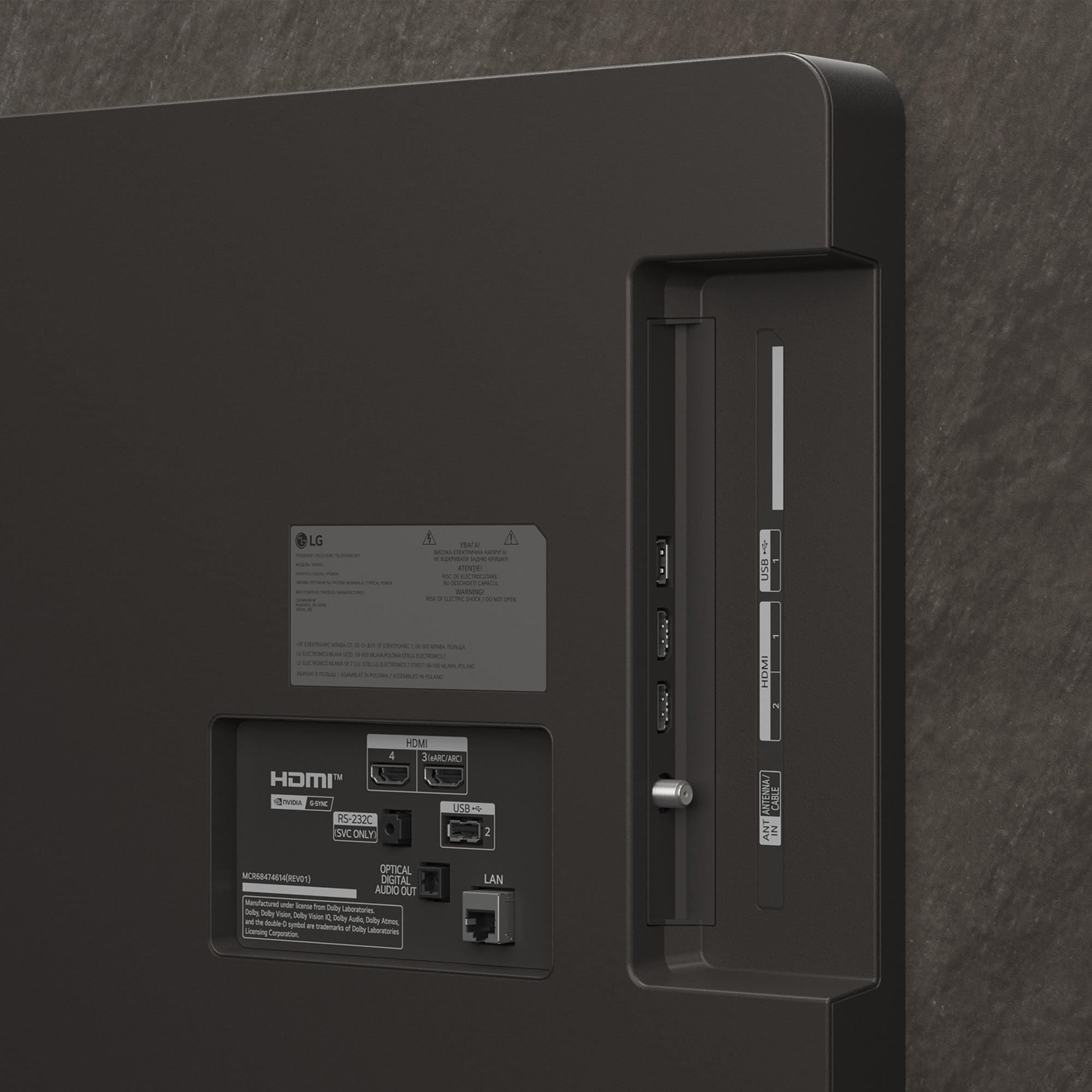
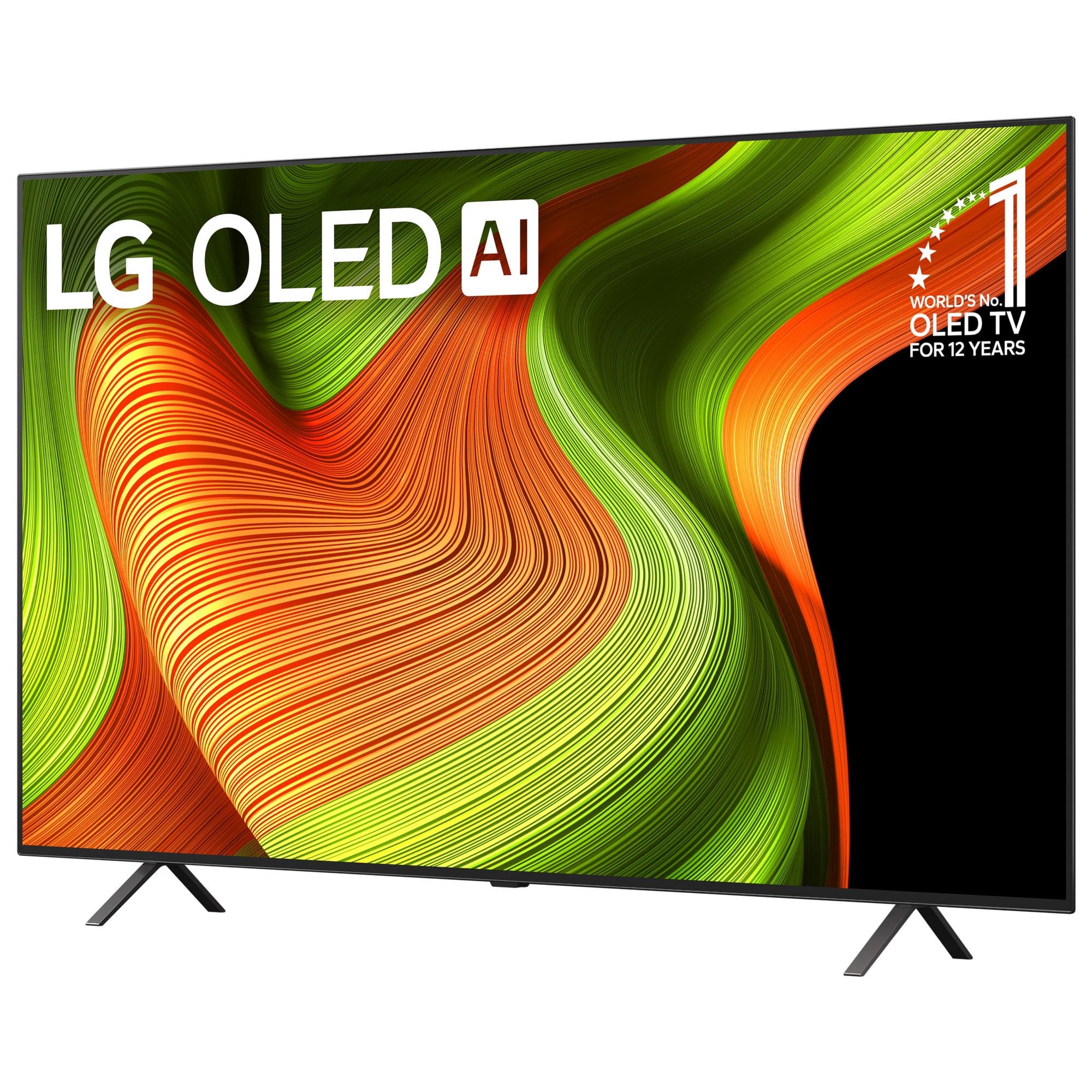
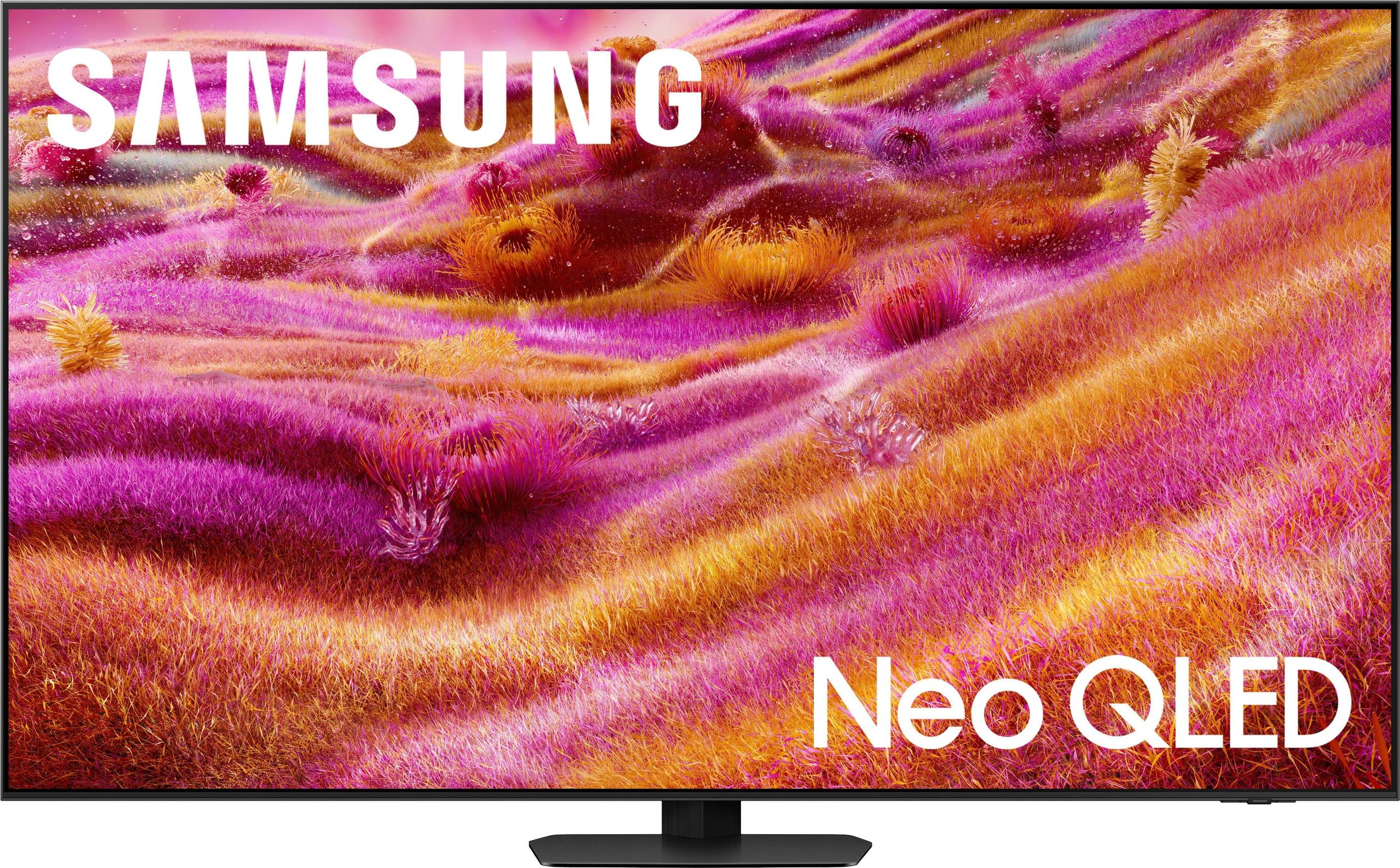
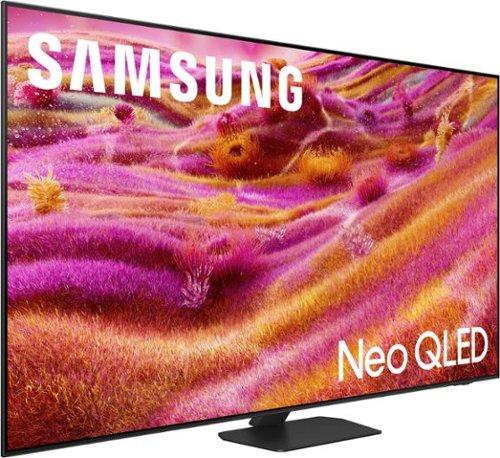
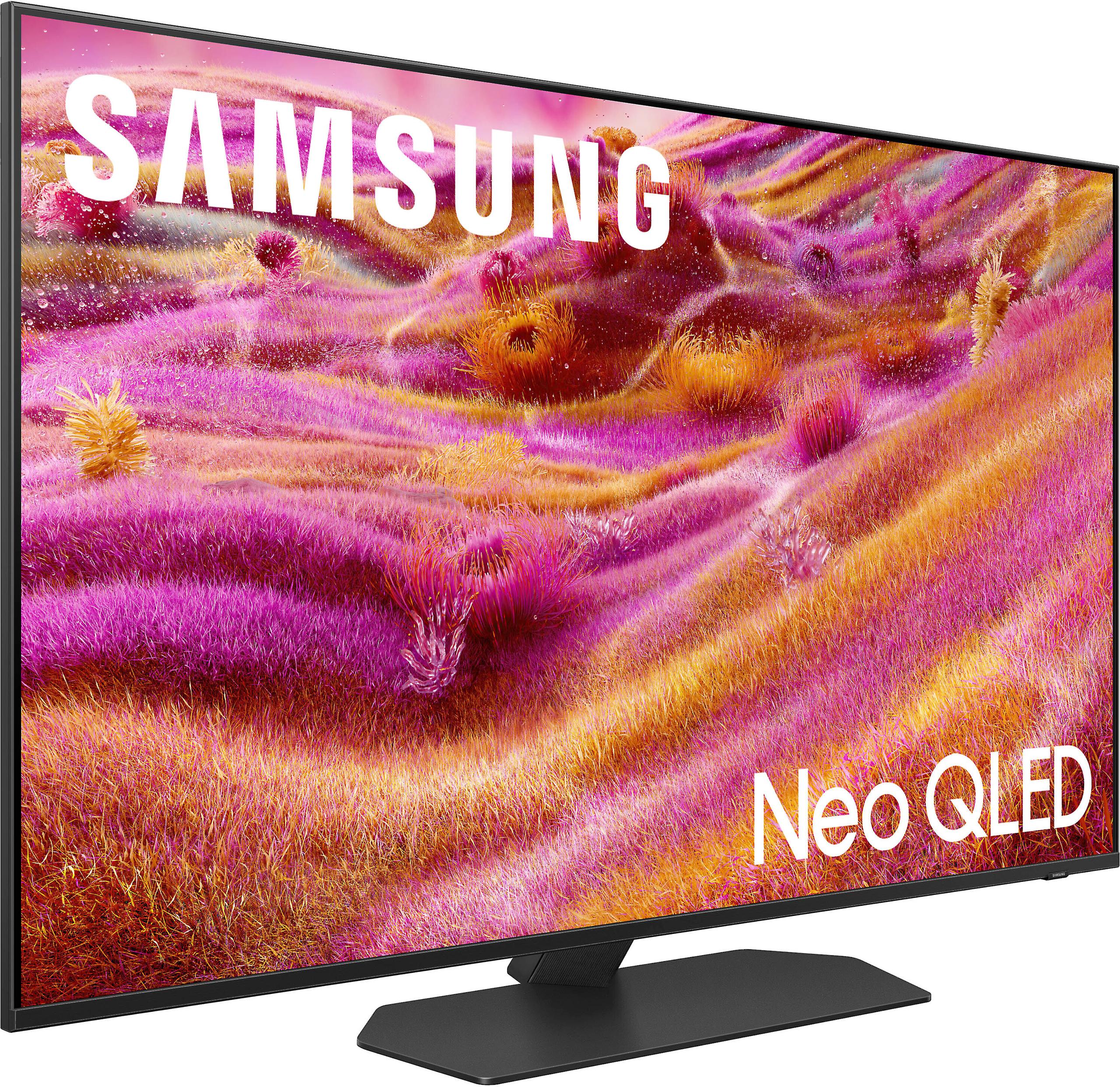
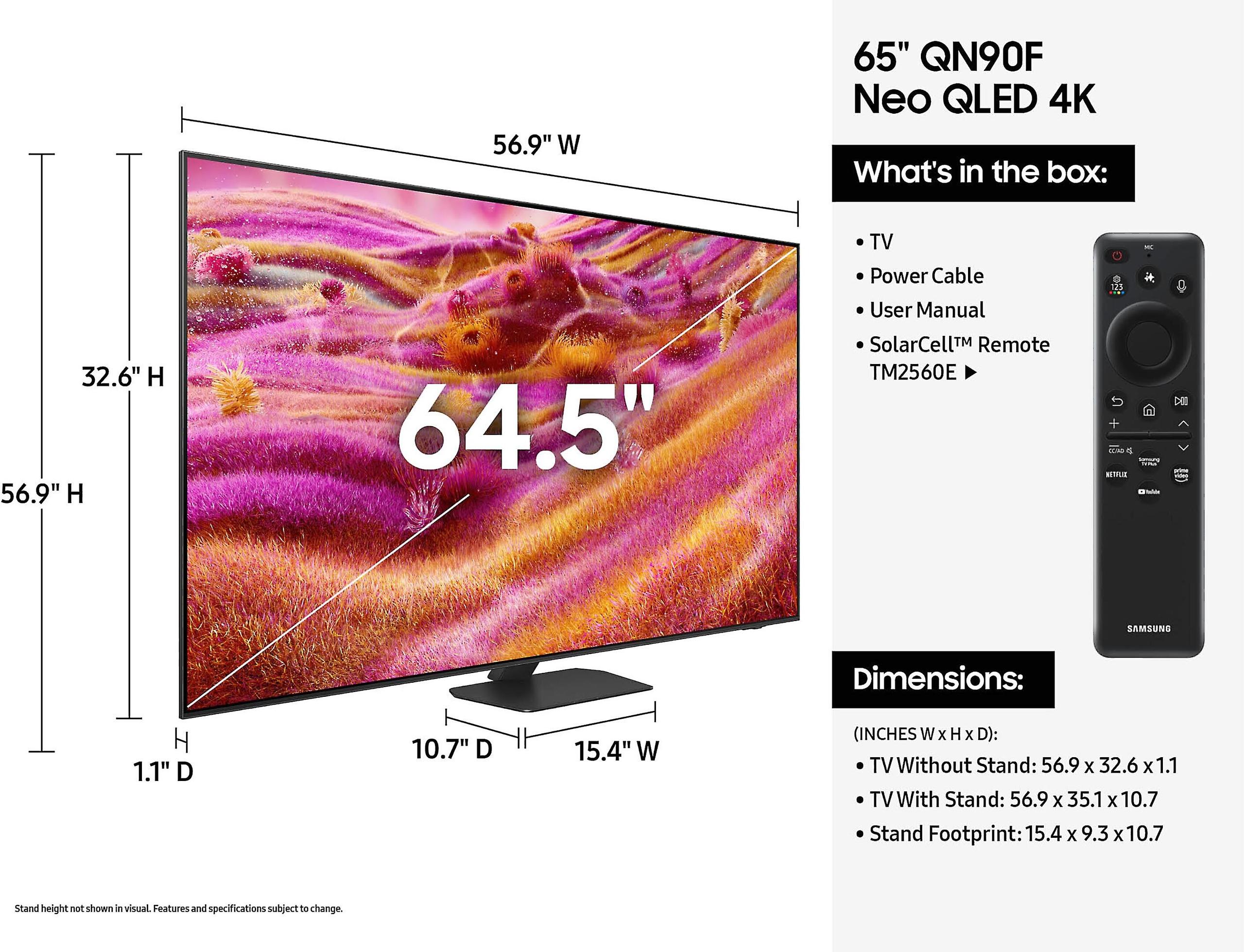
When you're looking to upgrade to a premium 65-inch 4K TV in 2025, you're essentially choosing between two completely different approaches to creating stunning picture quality. The Samsung QN90F Neo QLED represents the cutting edge of LED backlighting technology, while the LG B5 OLED showcases what self-emitting pixels can achieve. Both are excellent TVs, but they excel in different situations – and understanding these differences will help you make the right choice for your home.
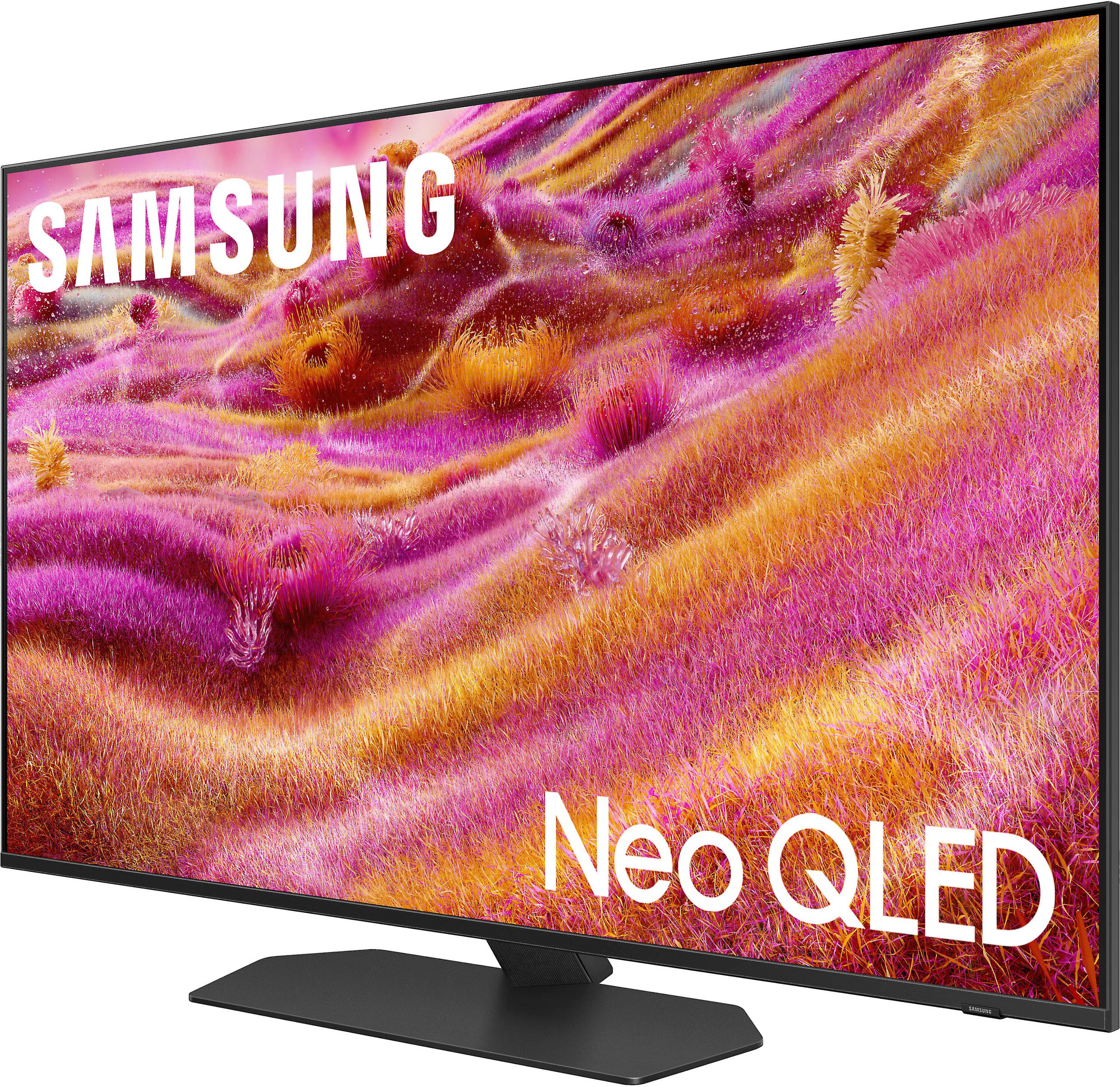
The TV industry has essentially split into two camps when it comes to premium display technology. Samsung's QN90F uses what's called Mini LED QLED technology – think of it as having thousands of tiny LED lights behind the screen that can brighten or dim in zones to create contrast. The LG B5, on the other hand, uses OLED technology where each of the 8.3 million pixels creates its own light and can turn completely off.
I've spent considerable time with both technologies, and the difference is immediately apparent when you put them side by side. The OLED's ability to create perfect blacks – literally turning pixels completely off – creates a viewing experience that feels almost three-dimensional. Meanwhile, the Samsung's Mini LED approach can get significantly brighter, making HDR content pop in ways that feel almost supernatural.
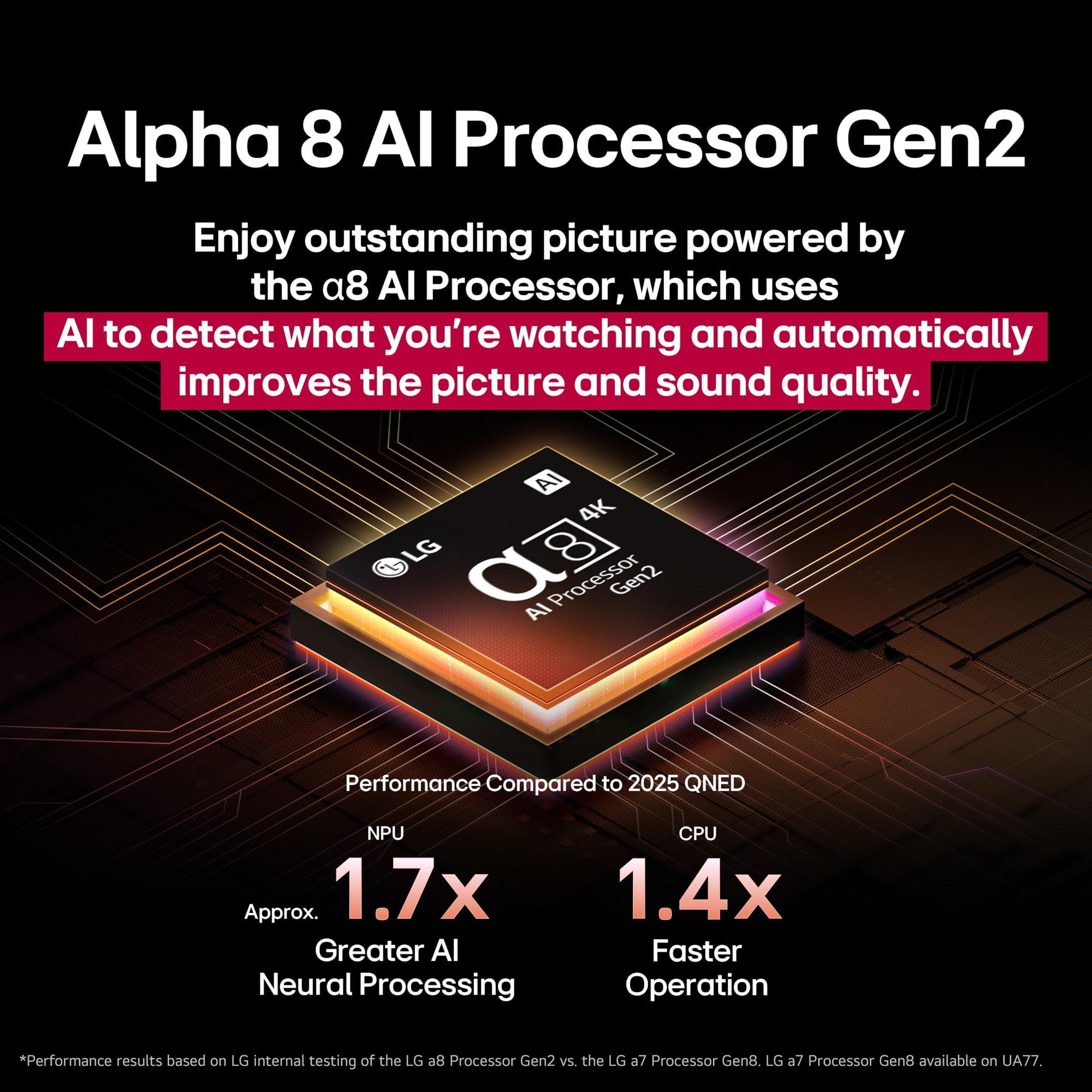
What makes 2025 particularly interesting is how both manufacturers have refined their approaches. Samsung introduced their Vision AI platform this year, which uses artificial intelligence to analyze your viewing environment and content in real-time. LG updated their processor to the α8 AI Gen2, which is 40% faster than last year's model and uses 768 neural networks to optimize every frame.
Let's talk about brightness, because this is where the Samsung QN90F really flexes its muscles. Peak brightness matters more than most people realize – it's not just about being able to see the TV in a bright room (though that's important), it's about making HDR content look the way directors intended.
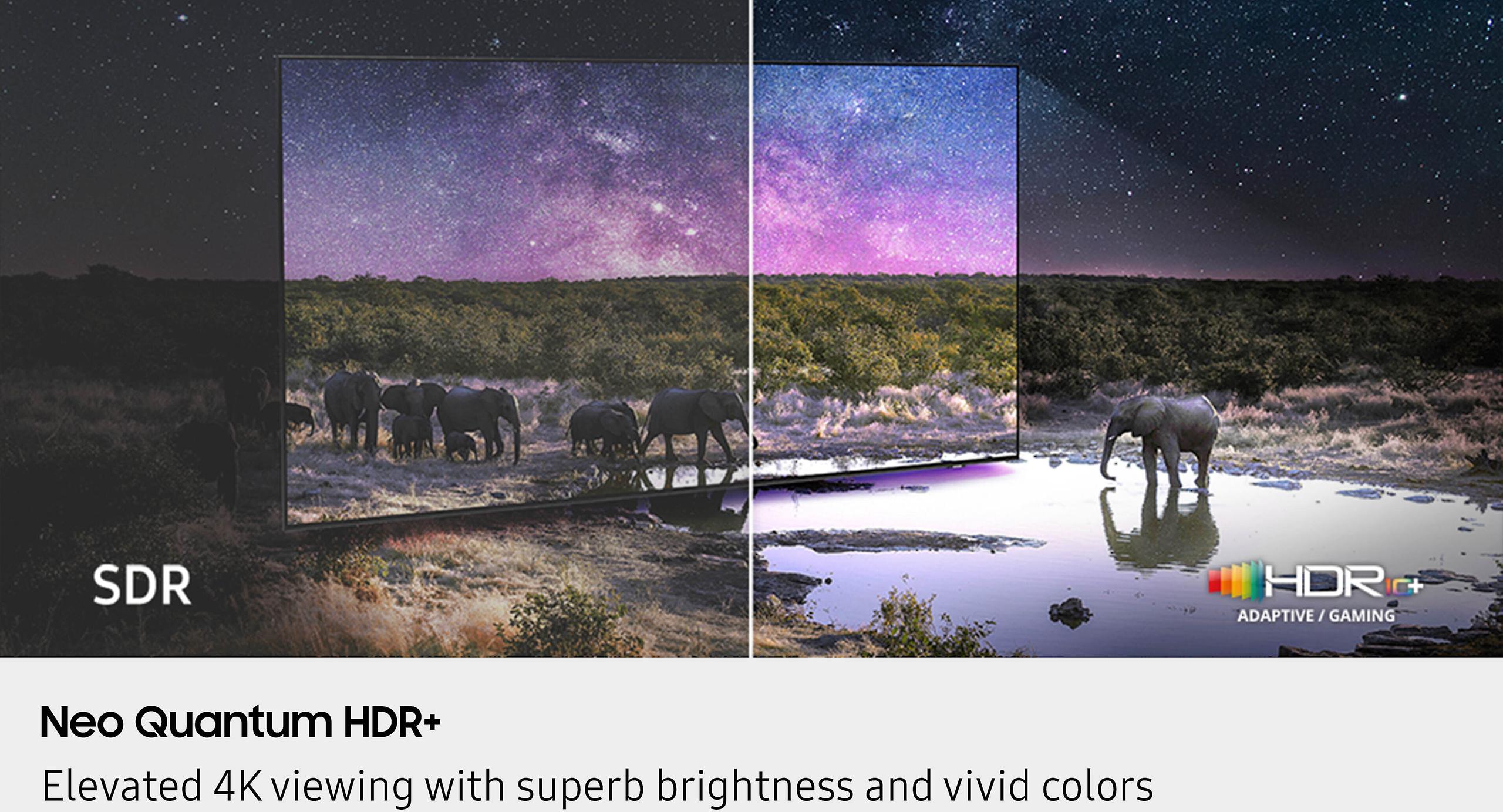
The QN90F can hit nearly 1,900 nits in small highlights – that's roughly four times brighter than a typical LED TV from just a few years ago. More importantly, it can sustain over 600 nits across the entire screen, which means bright scenes in movies don't dim down like they do on many other TVs. When you're watching something like the latest Marvel movie with its intense action sequences and bright special effects, this extra brightness creates impact that you can genuinely feel.
The LG B5 reaches about 1,600 nits at its peak, which is still very bright by OLED standards. However, it uses what's called Automatic Brightness Limiting (ABL) more aggressively – meaning when the entire screen gets bright, the TV dims down to protect the OLED pixels. In practice, this means snow scenes or bright daytime footage won't have quite the same punch as on the Samsung.
From my experience testing both, if you watch a lot of sports, news, or bright content during the day, the brightness advantage of the QN90F is substantial. But here's the thing – most of us don't need 1,900 nits for regular viewing. The question is whether you prioritize that extra brightness for specific content and viewing conditions.
This is where the LG B5 plays its strongest hand. OLED technology delivers what we call "infinite contrast" – since each pixel can turn completely off, you get true black rather than the dark gray that even the best LED TVs produce.
The Samsung QN90F uses Quantum Matrix Technology Pro with thousands of dimming zones. These zones can get very dark, and the local dimming (where different areas of the backlight dim independently) is excellent. But physics is physics – there's still a backlight behind the screen, so you'll see some light bleed around bright objects in dark scenes. It's minimal compared to regular LED TVs, but it's there.
I remember watching "Blade Runner 2049" on both TVs back-to-back. On the LG B5, the dark cityscape scenes had this incredible depth where you could make out details in shadows without any distracting glow around neon signs or bright elements. The Samsung looked great too, but you could notice subtle halos around bright objects if you were looking for them.
For home theater enthusiasts, this difference is significant. Movies shot with a lot of dark scenes – think Christopher Nolan films or anything in the horror genre – benefit enormously from OLED's perfect blacks. The sense of depth and detail in shadows is simply unmatched.
Both TVs are excellent for gaming, but they excel in different ways. The LG B5 has a response time of less than 0.1 milliseconds – that's essentially instantaneous. For competitive gaming where every millisecond counts, this is hard to beat. The OLED pixels can change color almost instantly, eliminating motion blur during fast-paced action.
The Samsung QN90F offers impressive gaming performance with its 120Hz refresh rate and support for Variable Refresh Rate (VRR) technology, which synchronizes the TV's refresh rate with your gaming console or PC to eliminate screen tearing. Both TVs support all the latest gaming features including Auto Low Latency Mode, which automatically switches to game mode when it detects a gaming console.
Where they differ is in HDR gaming. The QN90F's higher brightness makes HDR games more impactful – explosions are more explosive, sunlight feels more intense, and bright magical effects have more punch. The B5 delivers more accurate shadows and better detail in dark game areas.
If you're primarily a competitive gamer playing fast-paced shooters or fighting games, the LG B5's instantaneous response time gives it an edge. If you prefer story-driven games with spectacular visuals, the Samsung's brightness advantage might be more appealing.
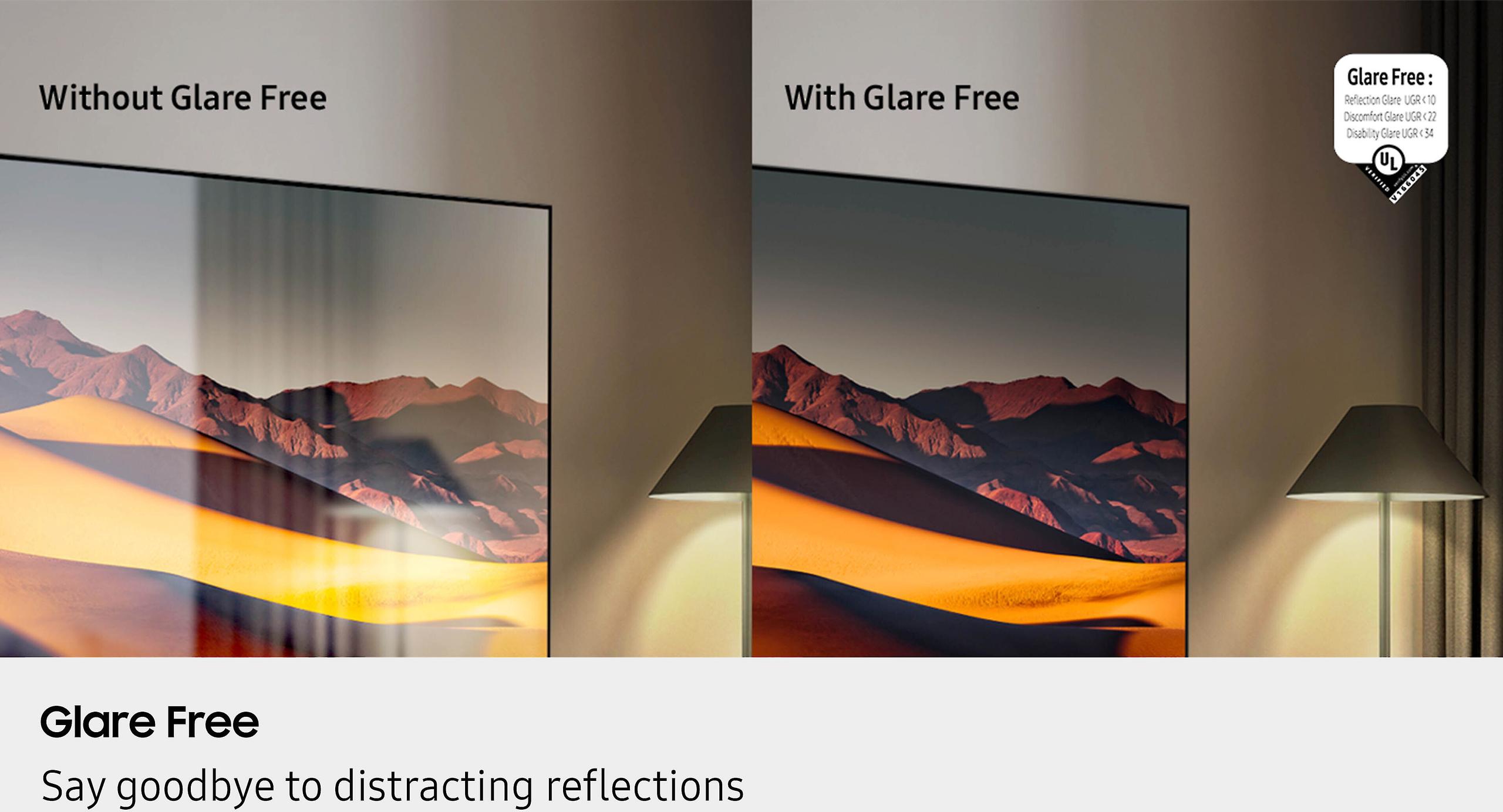
Here's where your actual living situation becomes crucial. The Samsung QN90F includes what Samsung calls Glare Free technology – essentially an anti-glare coating that virtually eliminates reflections. I've tested this in bright rooms with windows, and it's genuinely impressive how well it works. You can watch TV in broad daylight without closing curtains or adjusting seating.
The LG B5 has decent anti-reflective properties, but direct light sources will create noticeable reflections on the screen. In a controlled lighting environment or dedicated home theater room, this isn't an issue. But in a typical living room with large windows, it can be distracting.
This difference fundamentally changes how and when you'll use each TV. The Samsung is incredibly versatile – it works well whether you're watching the morning news with sunlight streaming in or settling down for a movie night. The LG truly shines when you can control the lighting, but it's less adaptable to different conditions throughout the day.
Both manufacturers have heavily invested in AI-powered features for 2025. Samsung's Vision AI on the QN90F is particularly comprehensive – it analyzes your viewing environment using built-in sensors and adjusts picture settings accordingly. It can even detect when you're not in the room and switch to an art display mode or provide home security alerts.
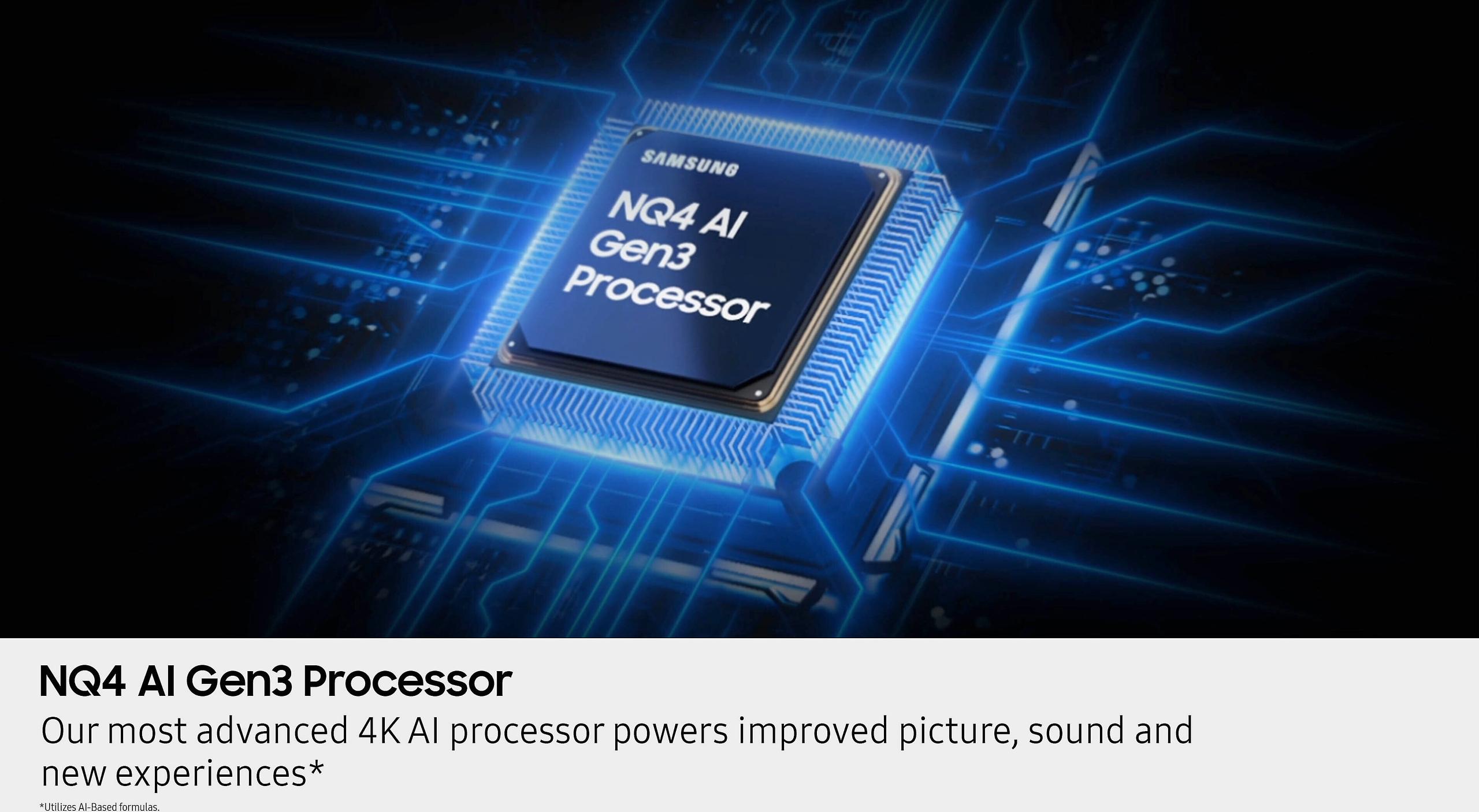
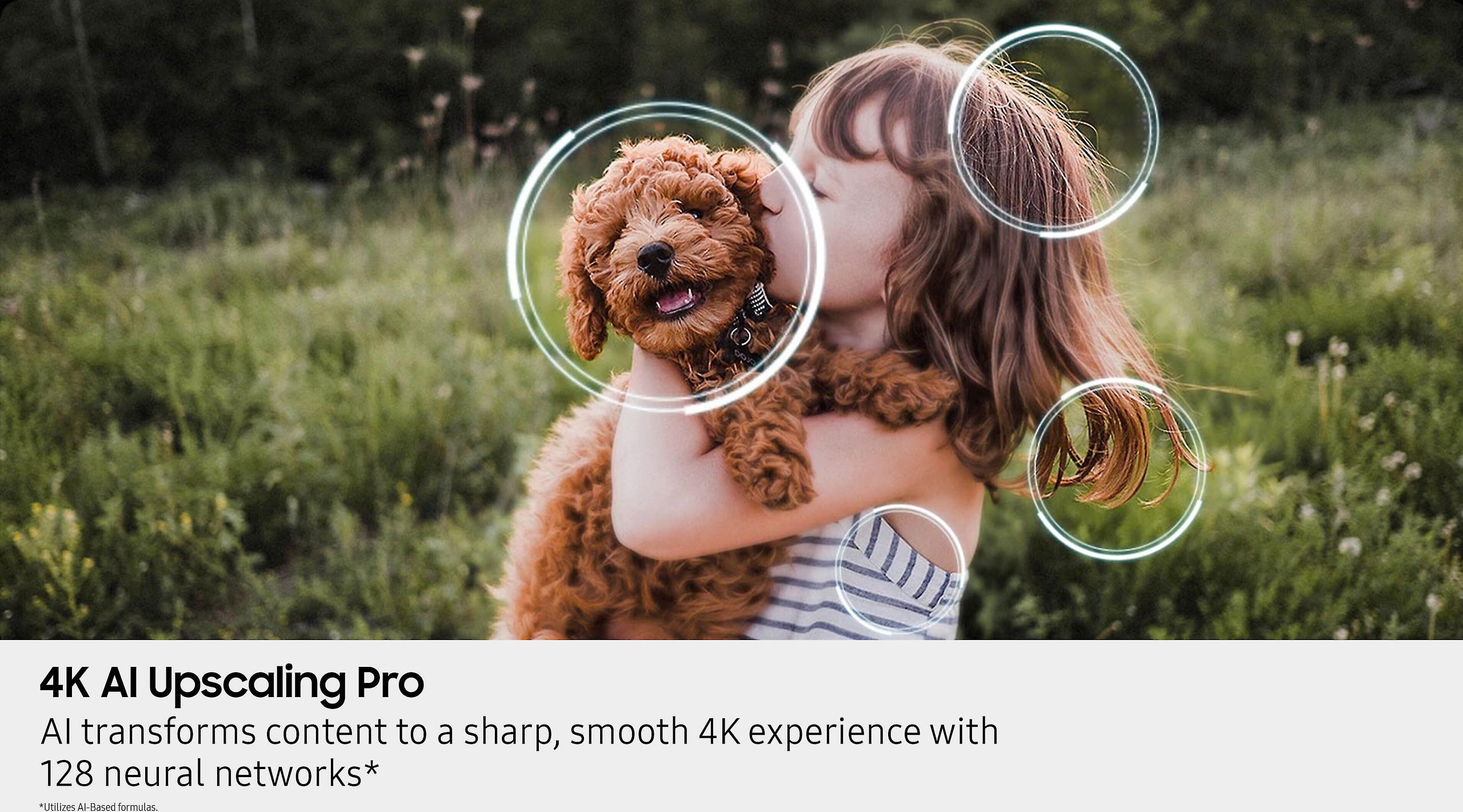
The Vision AI also includes gesture control, which sounds gimmicky but actually works well for basic functions like adjusting volume or changing channels. The NQ4 AI Gen3 processor uses 128 neural networks to upscale content in real-time, and the improvement in lower-resolution content is noticeable.
LG's webOS 25 on the B5 focuses more on content discovery and organization. The Quick Cards feature lets you group apps by category, and the AI recommendations are surprisingly accurate at suggesting content you'll actually want to watch. The α8 processor's 768 neural networks handle upscaling duties, and while it's not quite as comprehensive as Samsung's approach, the results are still excellent.
Both systems handle streaming apps flawlessly, but Samsung's platform feels more integrated with smart home devices if that's important to your setup.
Color reproduction is where both TVs excel, but again through different approaches. The Samsung QN90F uses Quantum Dot technology – microscopic particles that can produce very pure colors when hit with light. This allows it to maintain vibrant, saturated colors even at high brightness levels, covering about 95% of the DCI-P3 color space that Hollywood uses for movies.
The LG B5 achieves excellent color accuracy through its WOLED (White OLED) technology combined with color filters. While it covers a similar percentage of the color space, it can't maintain quite the same color saturation when displaying very bright colors due to its lower peak brightness.
In practical terms, both TVs will display colors accurately for movies and TV shows. The Samsung might have a slight edge with very bright, saturated content like animated movies or vivid nature documentaries. The LG excels with more subtle color gradations and maintains excellent accuracy across all brightness levels.
The Samsung QN90F includes a 60W 4.2.2 channel speaker system with Object Tracking Sound+, which attempts to match audio movement with on-screen action. It's impressively effective – when a car drives across the screen, the sound follows it. Dolby Atmos support adds vertical sound dimension for compatible content.
The LG B5 also supports Dolby Atmos and includes AI Sound optimization that adjusts audio based on content type and room acoustics. While the built-in speakers are adequate, both TVs really shine when paired with a dedicated soundbar or home theater system.
Neither TV will replace a proper audio setup for serious movie watching, but both handle dialogue clearly and provide decent bass response for casual viewing.
At the time of writing, both TVs are positioned in the premium segment but at similar price points, making the decision more about features than budget. The Samsung QN90F tends to hold its value well due to Samsung's strong brand recognition and the versatility of its display technology.
The LG B5 offers excellent value for the picture quality it delivers, especially for home theater enthusiasts. However, OLED technology does carry a small risk of burn-in with static content, though this has become much less of a concern with modern panels and automatic pixel care features.
From a longevity perspective, both should serve you well for many years. The LED backlighting in the Samsung is generally very durable, while OLED panels like in the LG have improved significantly in terms of brightness retention over time.
After extensive time with both technologies, here's my honest assessment of who should choose which TV:
Choose the Samsung QN90F if your TV is in a bright room, you watch a variety of content throughout the day, or you prioritize maximum brightness and anti-glare performance. It's the more versatile choice that adapts well to different viewing conditions. The Vision AI features add genuine value, especially if you're interested in smart home integration.
Choose the LG B5 if you can control your viewing environment's lighting, you're passionate about movies and cinematic content, or you prioritize the most accurate contrast performance. It's the better choice for dedicated home theater setups or if you primarily watch in the evening.
For gaming, both excel but in different ways – the LG for competitive gaming where response time matters most, the Samsung for cinematic gaming where HDR impact is more important.
The truth is, both are exceptional TVs that represent the best of their respective technologies. Your room's lighting, viewing habits, and personal preferences will ultimately determine which is right for you. Either choice will deliver years of outstanding viewing experiences – just in slightly different ways.
| Samsung 65" QN90F Neo QLED 4K Vision AI Smart TV 2025 | LG B5 Series OLED 65" 4K Smart TV 2025 |
|---|---|
| Display Technology - Fundamentally different approaches to picture quality | |
| Mini LED QLED with Quantum Matrix Technology Pro | Self-lit OLED pixels with perfect pixel control |
| Peak Brightness - Critical for HDR impact and bright room viewing | |
| Up to 1,900 nits (exceptional for HDR highlights) | Up to 1,600 nits (very good, but dims in bright scenes) |
| Black Level Performance - Determines contrast and depth in dark scenes | |
| Very good local dimming with minimal blooming | Perfect blacks with infinite contrast ratio |
| Anti-Glare Performance - Essential for daytime and bright room viewing | |
| Glare Free technology virtually eliminates reflections | Standard OLED reflectivity (noticeable in bright light) |
| Gaming Response Time - Critical for competitive gaming | |
| Low input lag with 120Hz refresh rate | <0.1ms response time (virtually instantaneous) |
| Processor and AI Features - Affects upscaling and smart functionality | |
| NQ4 AI Gen3 with 128 neural networks, Vision AI platform | α8 AI Gen2 processor with 768 neural networks |
| HDR Format Support - Important for streaming and UHD content | |
| HDR10+ (lacks Dolby Vision support) | Dolby Vision, HDR10, HLG (comprehensive HDR support) |
| Color Performance - Affects vibrancy and accuracy | |
| Quantum Dot technology with excellent bright color volume | WOLED with superb accuracy across all brightness levels |
| Built-in Audio - Matters if not using external sound system | |
| 60W 4.2.2CH with Object Tracking Sound+ | Dolby Atmos support with AI Sound optimization |
| Smart TV Platform - Affects ease of use and app selection | |
| Tizen with Vision AI, gesture control, art mode | webOS 25 with Quick Cards, AI recommendations |
| Durability Considerations - Long-term reliability factors | |
| Mini LED backlighting (very durable, no burn-in risk) | OLED technology (minimal burn-in risk with modern panels) |
| Best Use Case - Who should choose this TV | |
| Bright rooms, mixed content, daytime viewing, anti-glare priority | Dark rooms, home theater, movie enthusiasts, gaming purists |
The Samsung QN90F is significantly better for bright rooms thanks to its Glare Free technology and higher peak brightness of up to 1,900 nits. The LG B5 OLED can struggle with reflections and may appear dimmer in bright lighting conditions, making the Samsung the clear winner for daytime viewing.
The LG B5 OLED delivers superior movie picture quality with perfect black levels and infinite contrast ratio. Each pixel can turn completely off, creating true blacks that make dark movie scenes look incredibly detailed and cinematic. While the Samsung QN90F offers excellent picture quality, it can't match OLED's contrast performance for film viewing.
Both TVs excel at gaming, but for different reasons. The LG B5 has a <0.1ms response time that's ideal for competitive gaming, while the Samsung QN90F offers brighter HDR gaming visuals. Both support 120Hz, VRR, and all modern gaming features, so your choice depends on whether you prioritize response time or brightness.
Yes, both the Samsung QN90F and LG B5 OLED support all major streaming services including Netflix, Disney+, Prime Video, Apple TV+, and YouTube. The Samsung runs Tizen OS while the LG uses webOS 25, both offering comprehensive app selections and regular updates.
The Samsung QN90F gets significantly brighter, reaching up to 1,900 nits compared to the LG B5's 1,600 nits. This means HDR content like bright explosions, sunlight, and special effects will appear more impactful on the Samsung, especially in bright viewing environments.
The LG B5 OLED is generally preferred for dedicated home theater rooms where lighting can be controlled. Its perfect black levels, infinite contrast, and Dolby Vision support create a more cinematic experience. However, if your home theater has ambient light, the Samsung QN90F's anti-glare coating might be beneficial.
Both TVs have decent built-in audio, with the Samsung QN90F featuring 60W 4.2.2CH speakers with Object Tracking Sound+ and the LG B5 offering Dolby Atmos support. However, for serious home theater use, both TVs benefit significantly from external soundbars or speaker systems.
The Samsung QN90F offers more advanced AI features through its Vision AI platform, including gesture control, environmental analysis, and comprehensive smart home integration. The LG B5 has excellent smart features with webOS 25 and Quick Cards for app organization, but the Samsung's AI capabilities are more comprehensive.
Only the LG B5 OLED has potential burn-in risk due to its OLED technology, though this is minimal with modern panels and automatic pixel care features. The Samsung QN90F uses Mini LED technology with no burn-in risk, making it worry-free for displaying static content like news channels or gaming HUDs.
Both TVs offer excellent color accuracy, but approach it differently. The LG B5 OLED provides more accurate colors across all brightness levels, while the Samsung QN90F maintains better color saturation at high brightness levels thanks to Quantum Dot technology. Both cover about 95% of the DCI-P3 color space.
The Samsung QN90F is generally considered more durable due to its Mini LED backlighting technology, which doesn't degrade over time like OLED panels can. However, modern OLED TVs like the LG B5 have significantly improved longevity, and both should provide many years of excellent performance with proper use.
Value depends on your priorities and room setup. The Samsung QN90F offers better versatility for various lighting conditions and comprehensive AI features, while the LG B5 OLED provides superior contrast performance and gaming response times. Consider your specific viewing environment and preferences when determining which TV or OLED offers better value for your situation.
We've done our best to create useful and informative comparisons to help you decide what product to buy. Our research uses advanced automated methods to create this comparison and perfection is not possible - please contact us for corrections or questions. These are the sites we've researched in the creation of this article: rtings.com - images.samsung.com - youtube.com - listenup.com - youtube.com - cullenshomecenter.com - rtings.com - shopjetson.com - youtube.com - samsung.com - samsung.com - videoandaudiocenter.com - rtings.com - bestbuy.com - youtube.com - news.samsung.com - news.samsung.com - news.samsung.com - bestbuy.com - news.samsung.com - youtube.com - news.samsung.com - youtube.com - smarthomesounds.co.uk - eftm.com - bestbuy.com - rtings.com - youtube.com - rtings.com - tomsguide.com - youtube.com - nationalproductreview.com.au - lg.com - manchesterbrothers.com - avsforum.com - lg.com - lg.com - lg.com - lg.com - retailspecs.com - american-homeappliance.com - perpichtv.com

Privacy Policy
Terms and Conditions - Affiliate Policy
Home Security
© Copyright 2008-2026.
11816 Inwood Rd #1211, Dallas, TX 75244