

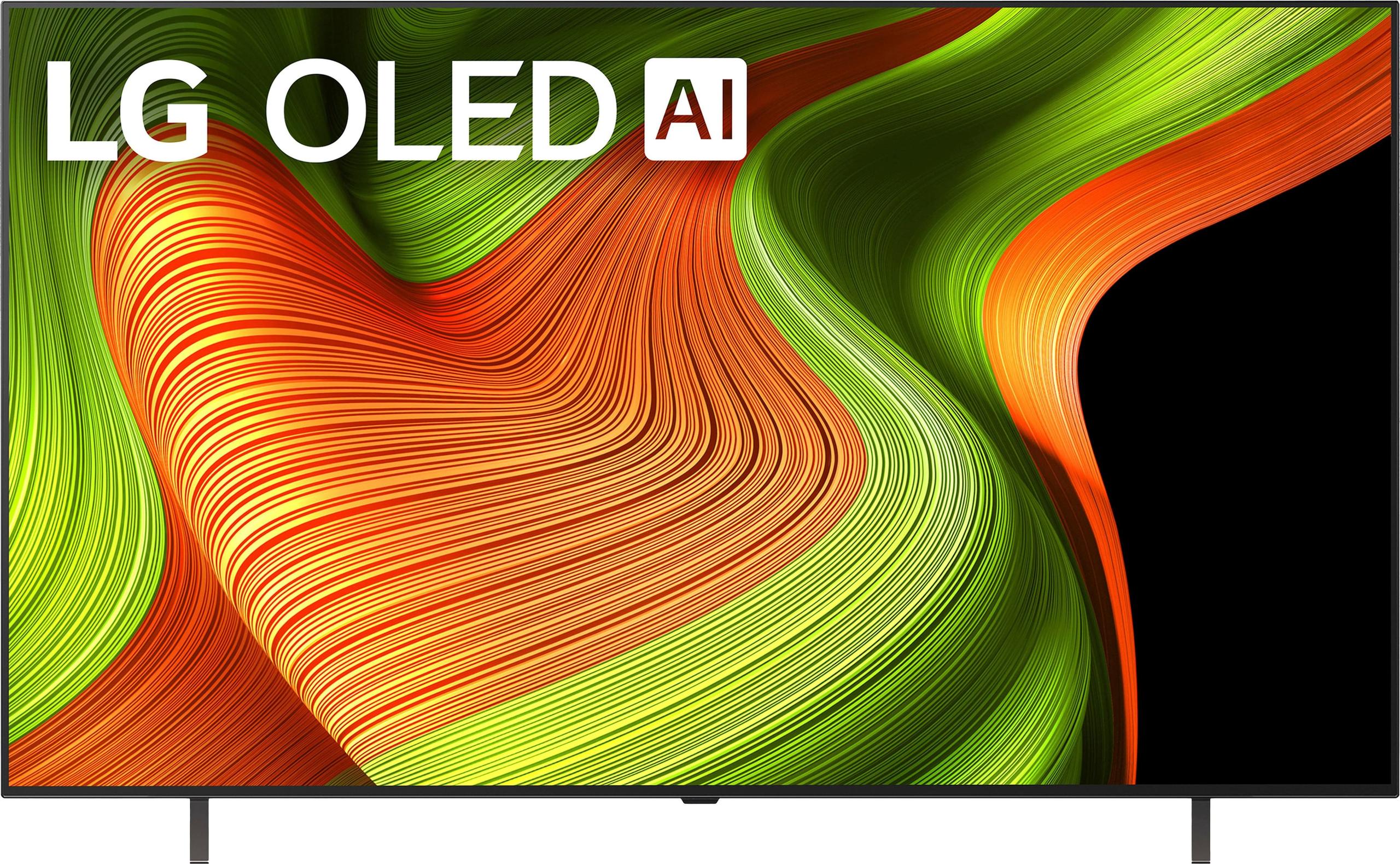
![LG B5 Series OLED 65" 4K Smart TV 2025[1][7][9]](https://images.hometheaterreview.com/htr-stateless/2025/07/3368ce40-25ef-4d07-b442-bb0af89e3a29.jpg)
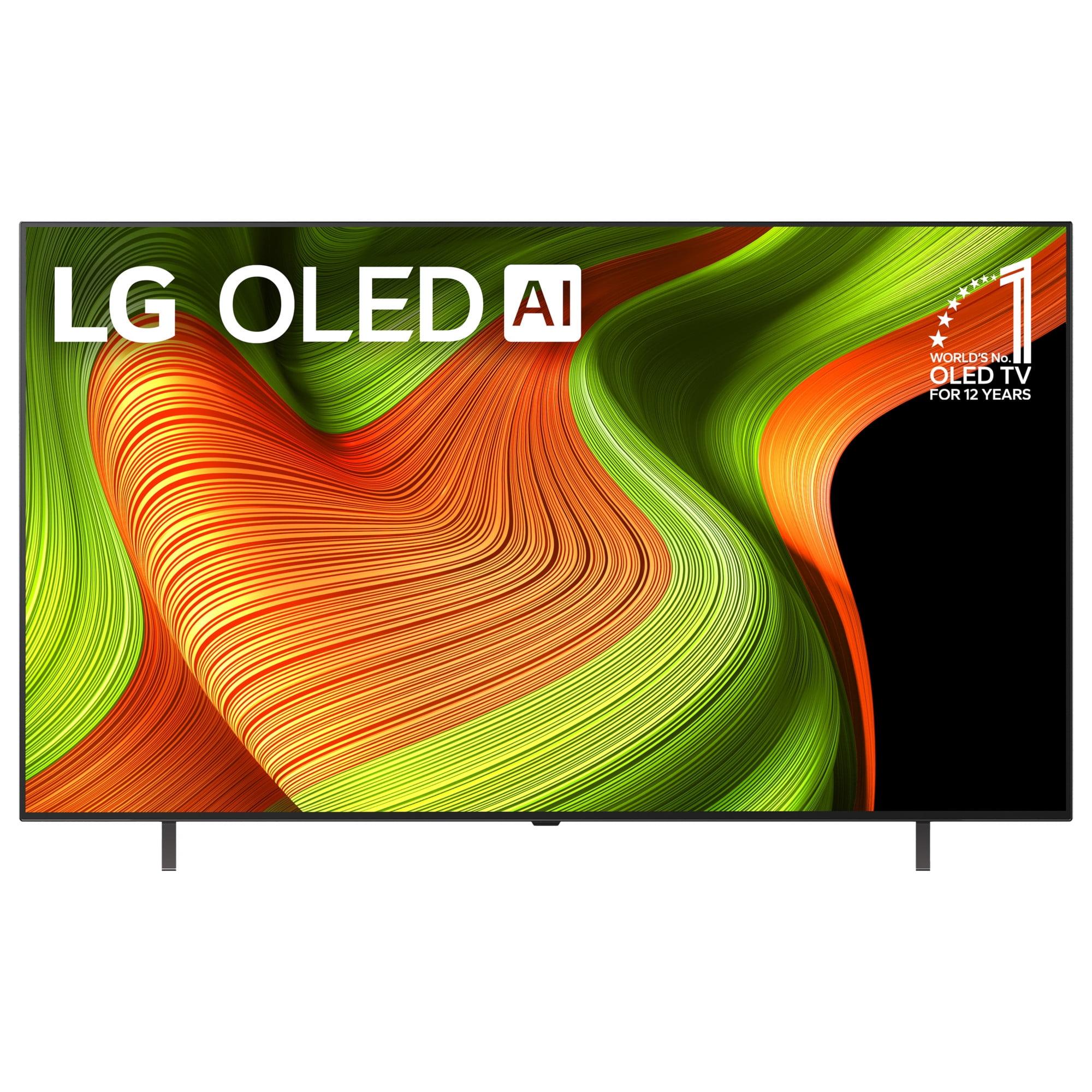
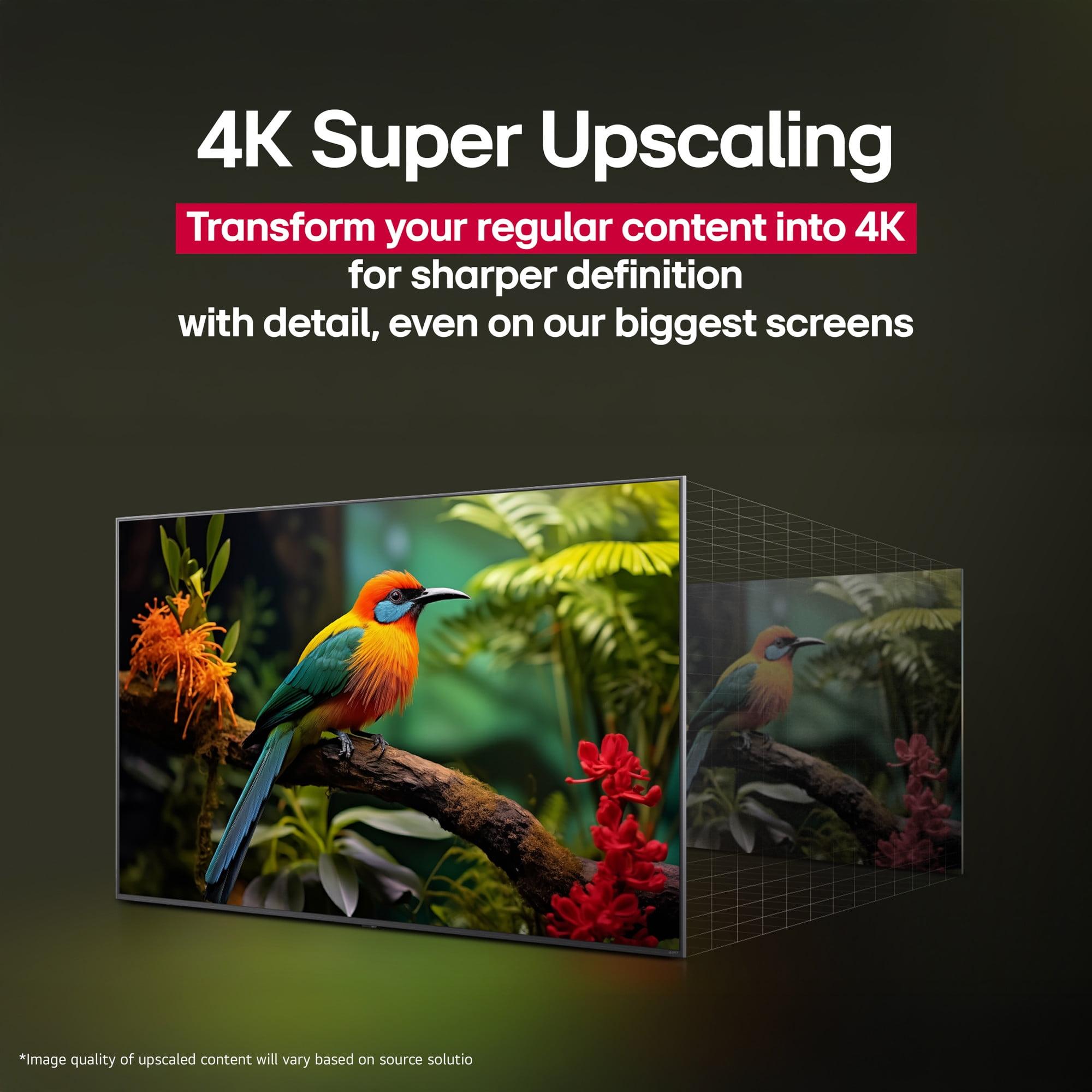
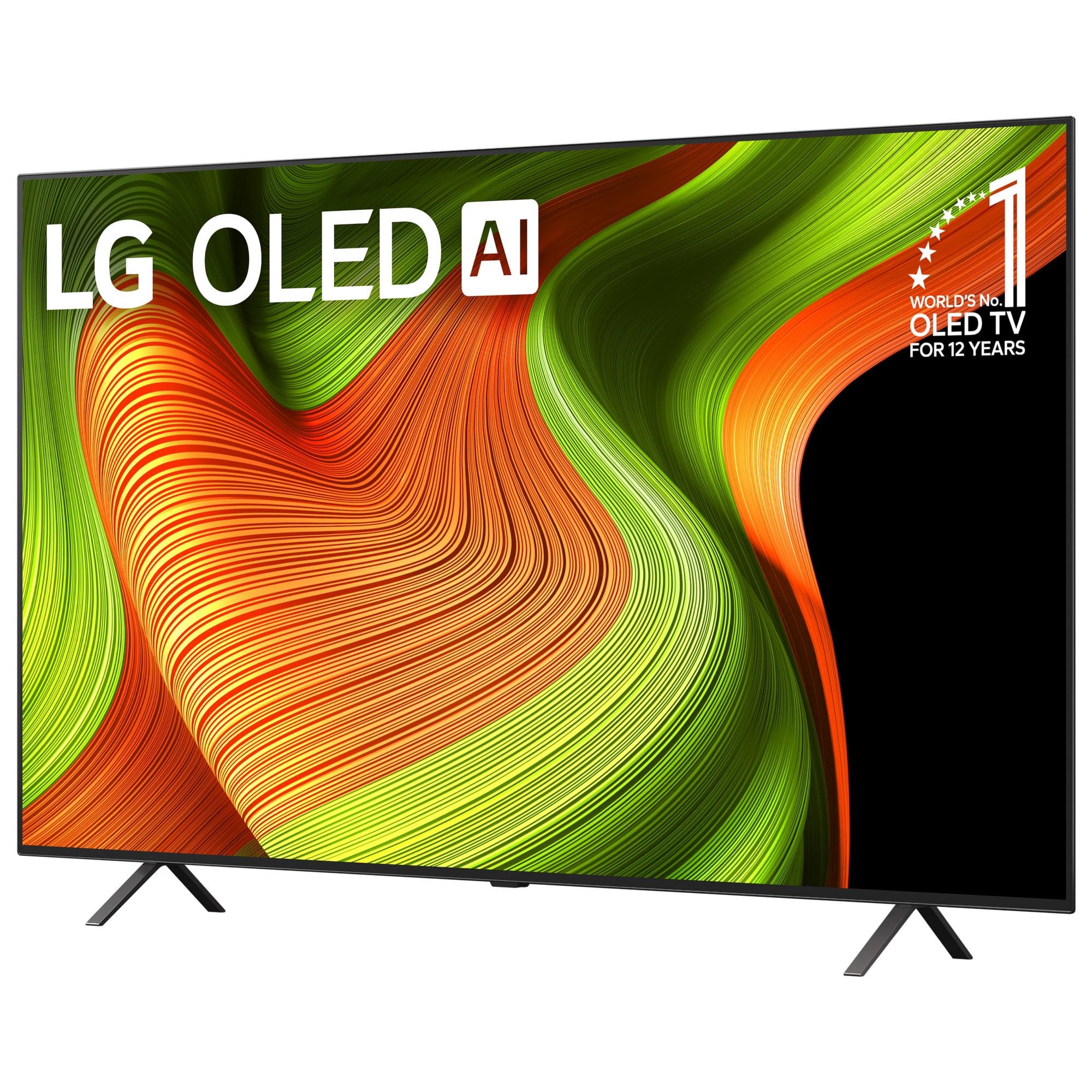
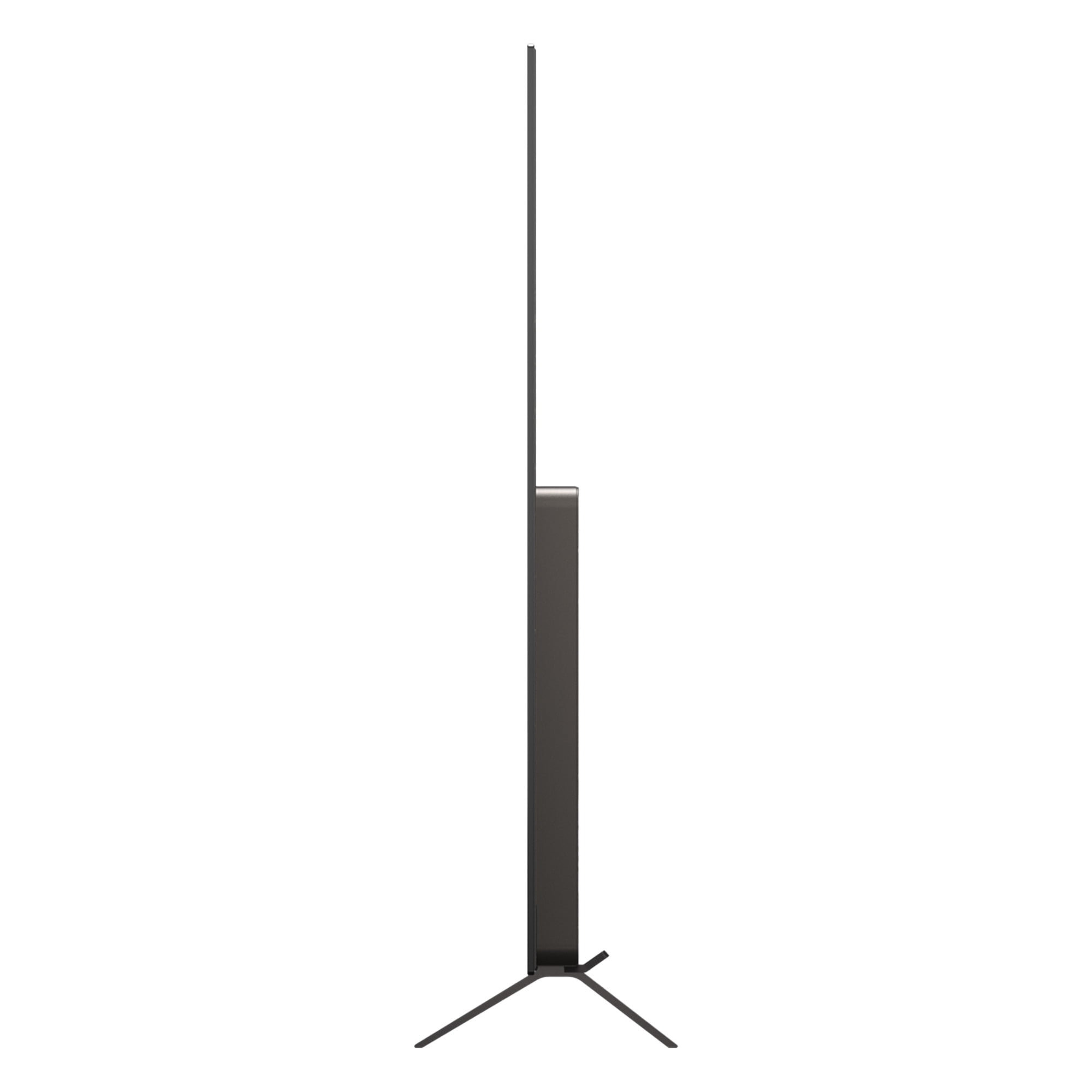
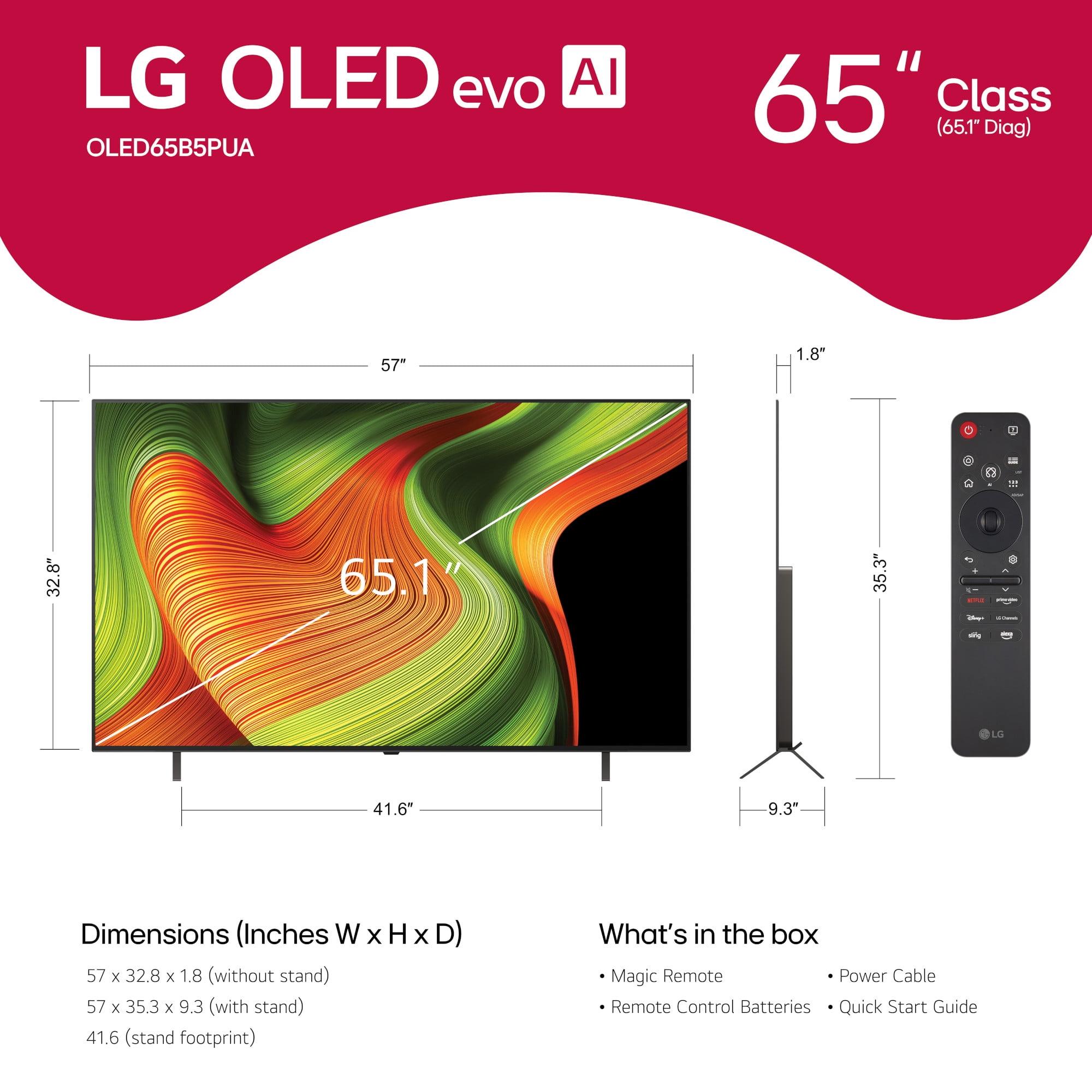
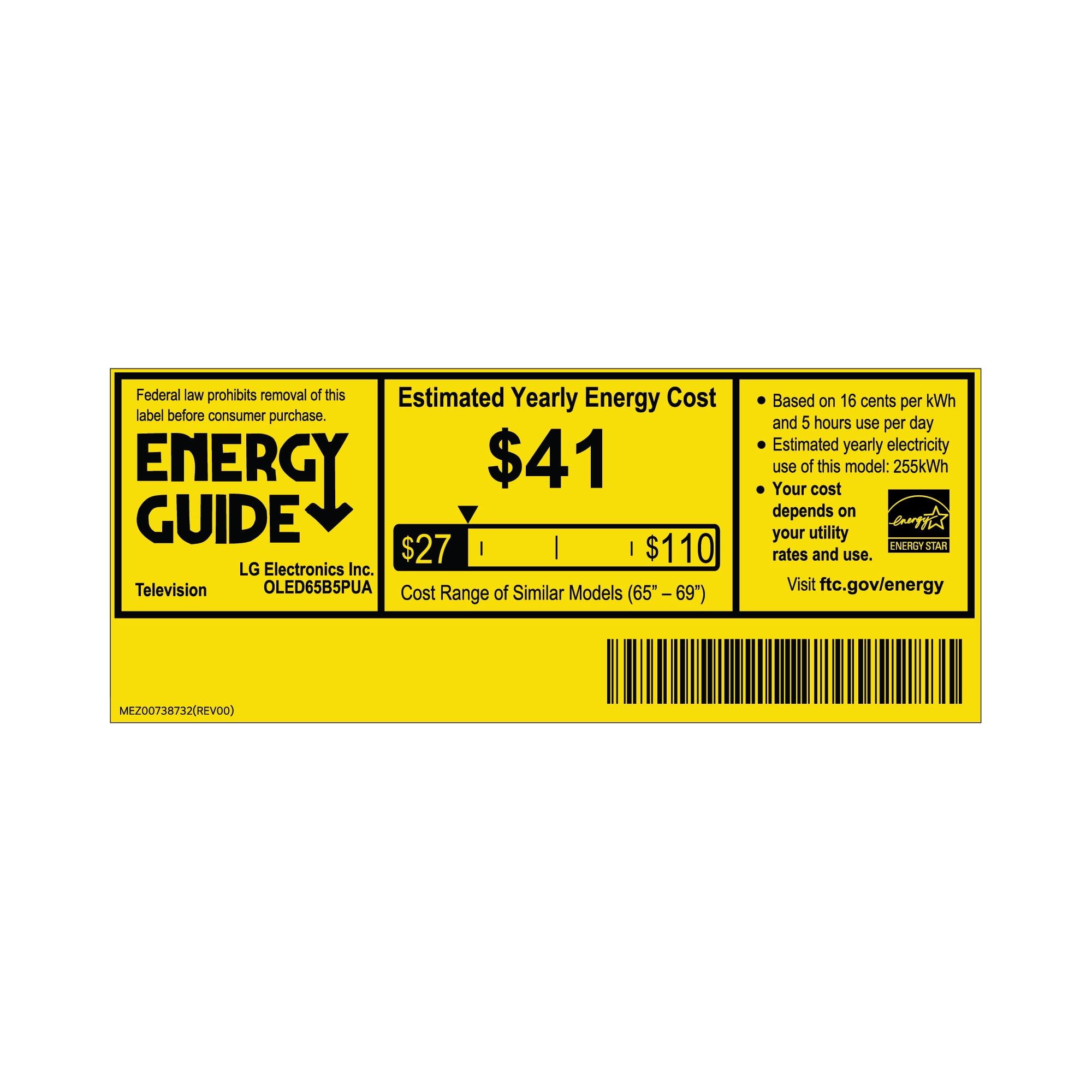
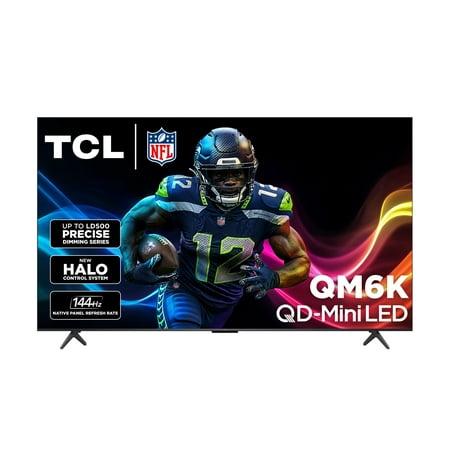
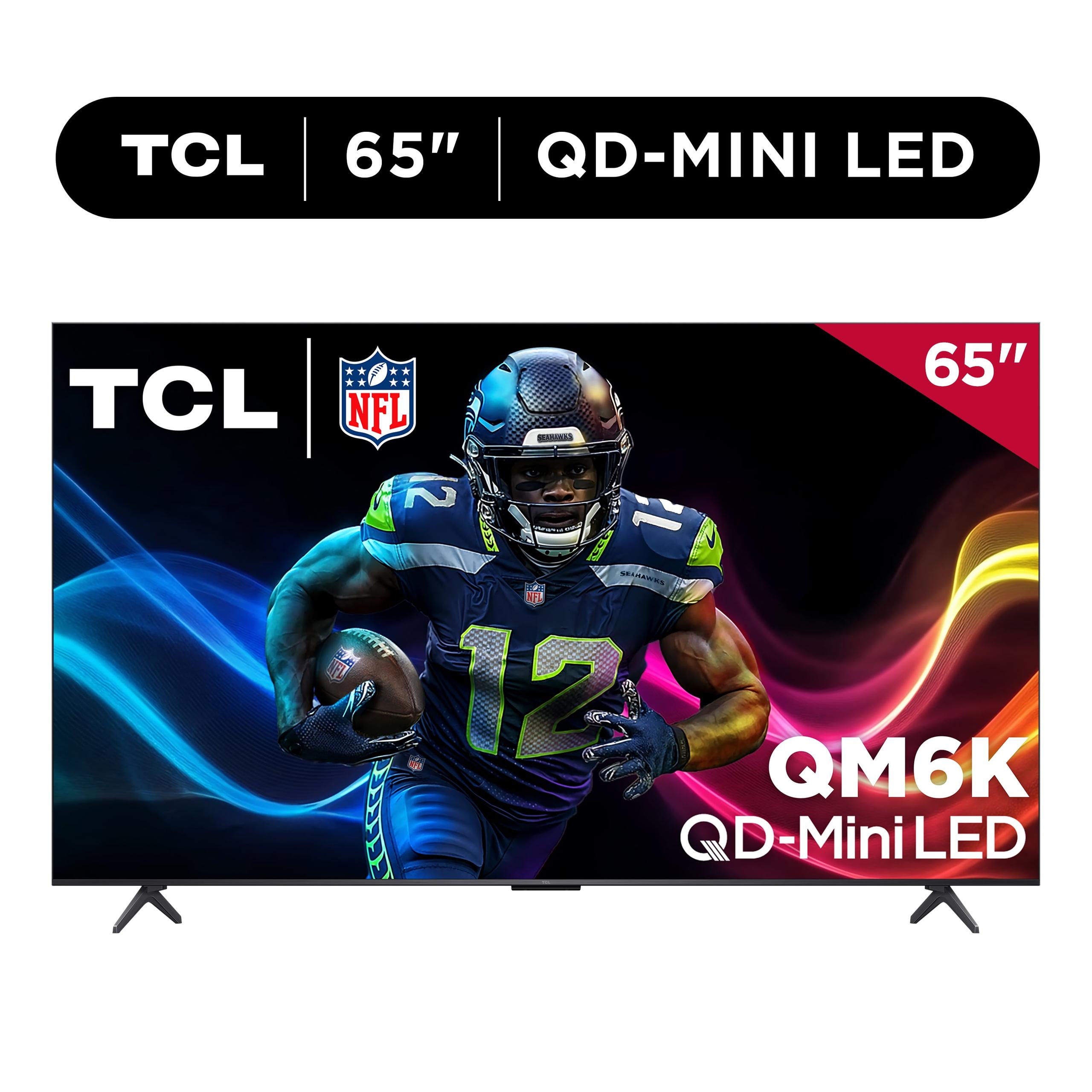
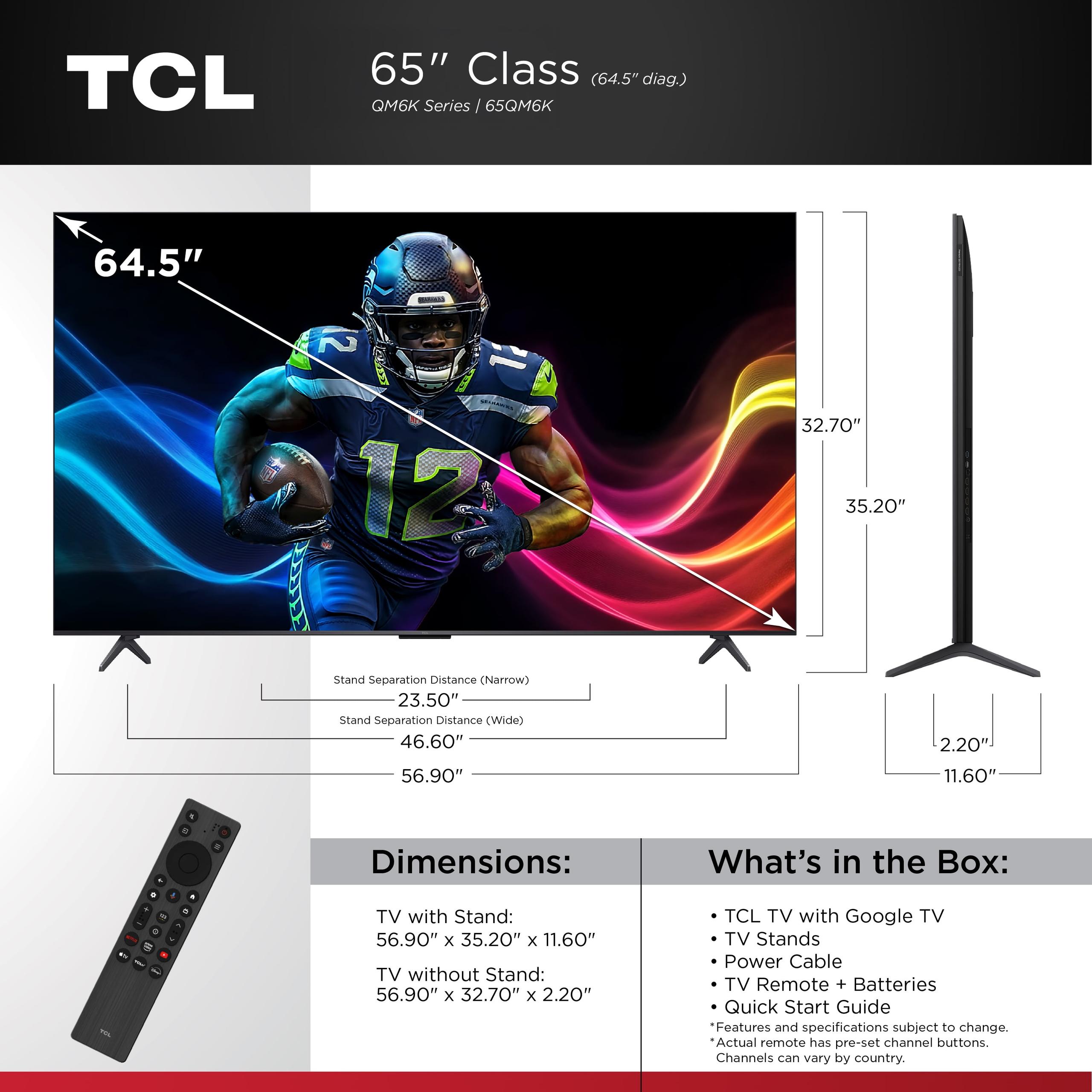
Shopping for a premium 65" TV in 2025 means choosing between two fundamentally different display technologies, each with distinct advantages. The LG B5 Series OLED 65" 4K Smart TV 2025 at $1,699.99 and the TCL 65" QM6K QD-Mini LED 4K TV at $699.99 represent the best of both worlds: cutting-edge OLED technology and innovative LED advancement.
Both TVs hit the market in spring 2025 after being showcased at CES, but they take completely different approaches to delivering exceptional picture quality. Understanding these differences will help you choose the right TV for your specific needs and budget.
The premium TV market has evolved dramatically over the past few years. OLED technology, once prohibitively expensive, has become more accessible, while LED TVs have incorporated quantum dots and mini-LED backlighting to close the performance gap. These improvements mean you can get flagship-level features at various price points.
The key considerations when choosing between these technologies include picture quality (how good the image looks), value proposition (what you get for your money), room environment (how much light you have), and specific use cases like gaming or movie watching. Each technology excels in different areas, making the choice highly dependent on your priorities.
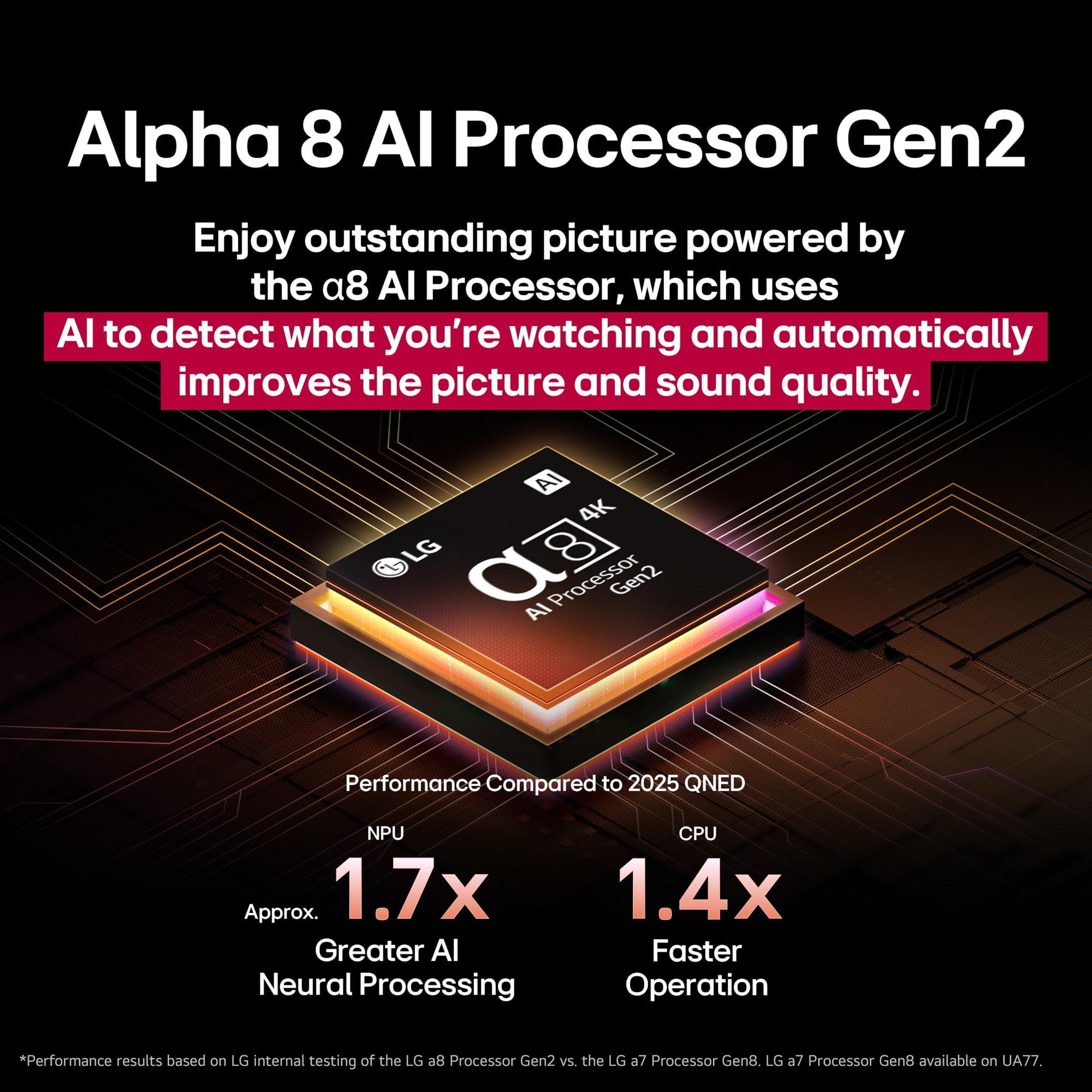
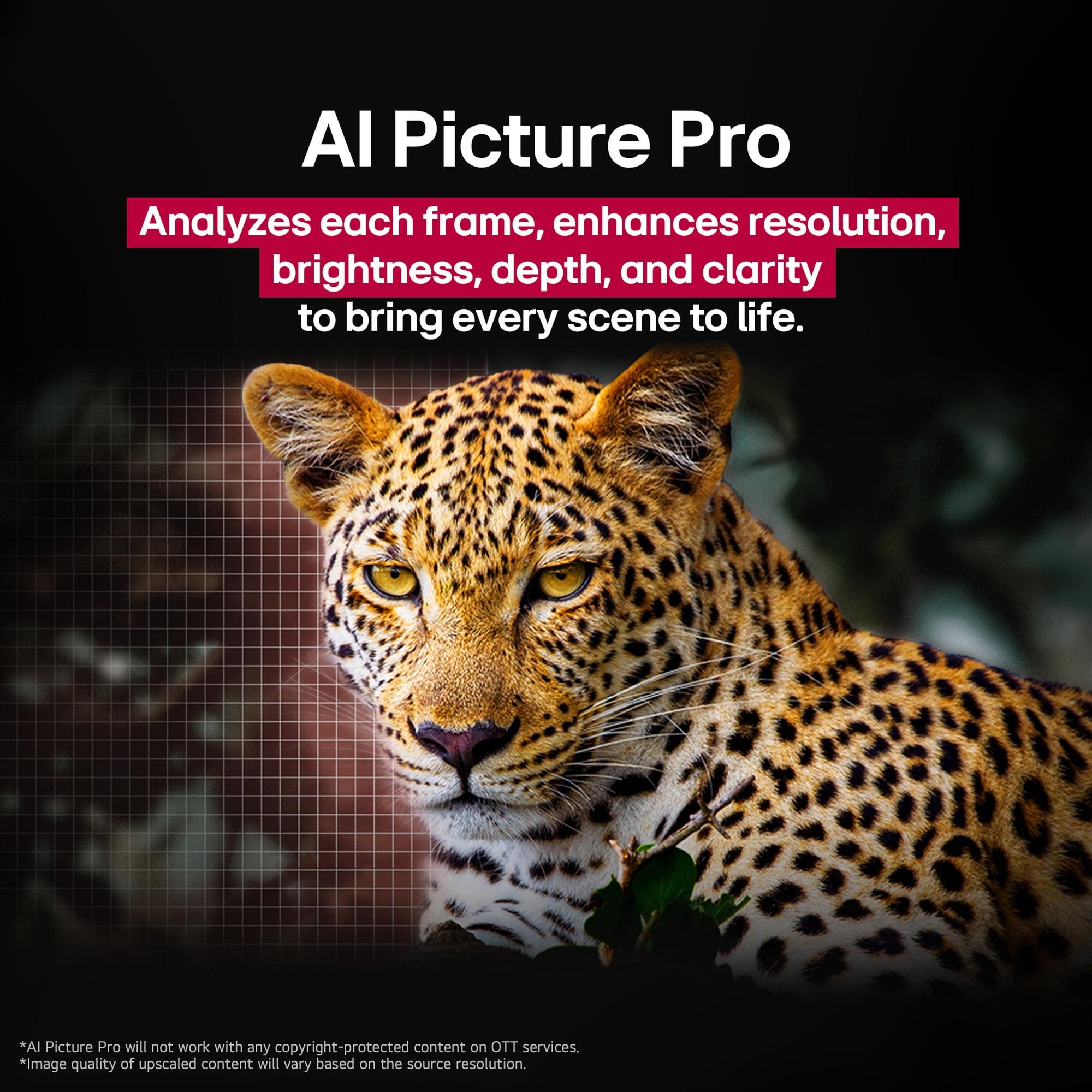
The LG B5 Series OLED 65" represents LG's entry-level OLED offering for 2025, though "entry-level" in the OLED world still means premium performance. Released in spring 2025, it features LG's α8 AI Processor Gen2, which is 1.4 times faster than the previous generation and delivers significantly improved AI processing for both picture and sound optimization.
What makes this TV special is its use of OLED (Organic Light-Emitting Diode) technology. Unlike traditional LED TVs that use a backlight behind the screen, each pixel in an OLED display produces its own light. This means individual pixels can turn completely off, creating true blacks and infinite contrast ratios – something that's impossible with backlit displays.
The B5 Series uses what's called W-OLED (White OLED) technology, which adds a white subpixel to the traditional red, green, and blue pixels. This white subpixel helps achieve higher brightness levels than older OLED panels, addressing one of the technology's historical weaknesses. While it doesn't use LG's newest "Brightness Booster Ultimate" panel found in their flagship models, it's still significantly brighter than OLEDs from just a few years ago.
The TCL QM6K QD-Mini LED 65" takes a different approach, combining several advanced LED technologies to deliver flagship performance at a mainstream price. Released alongside the LG B5 in spring 2025, it's actually one of the first 2025 TVs to hit the market.
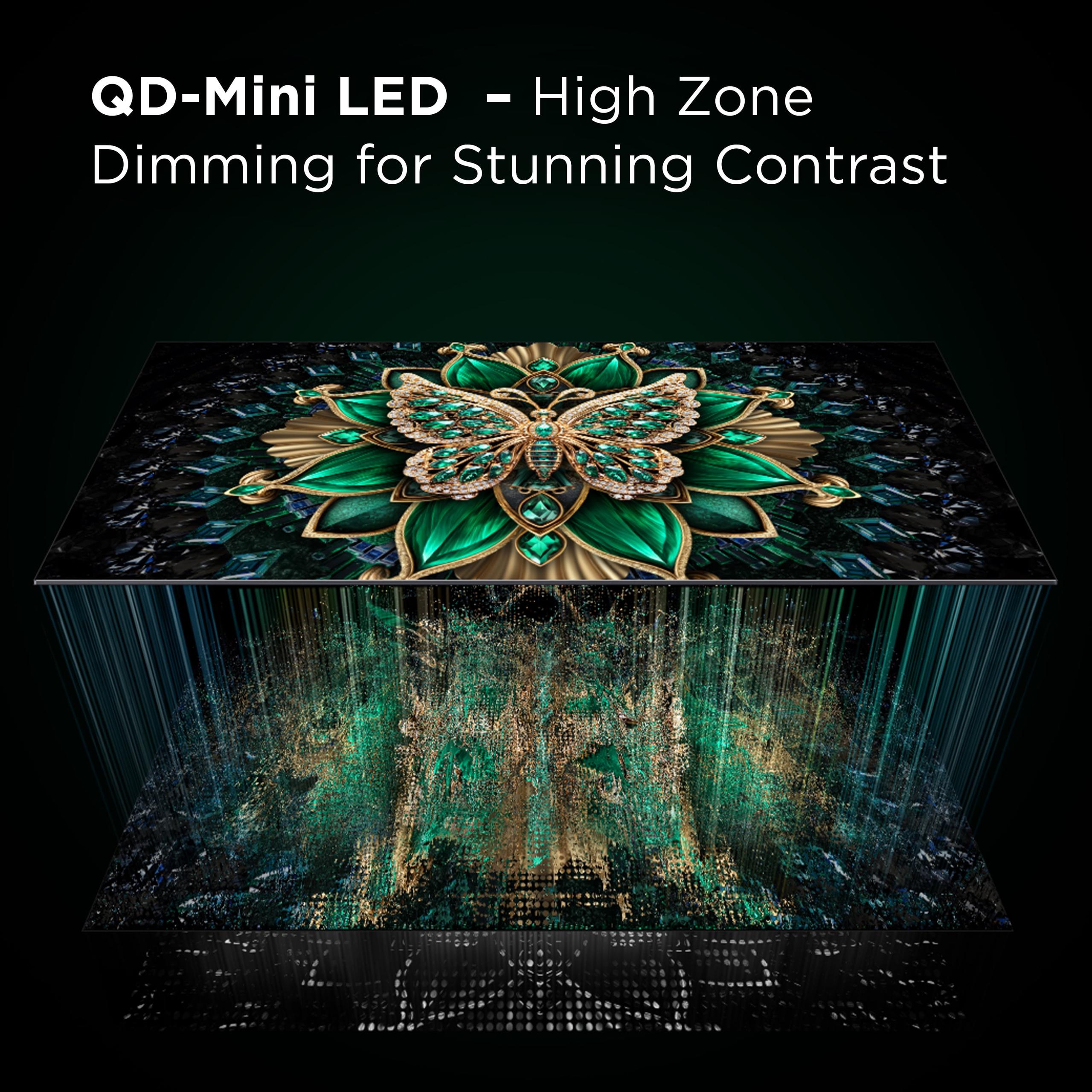
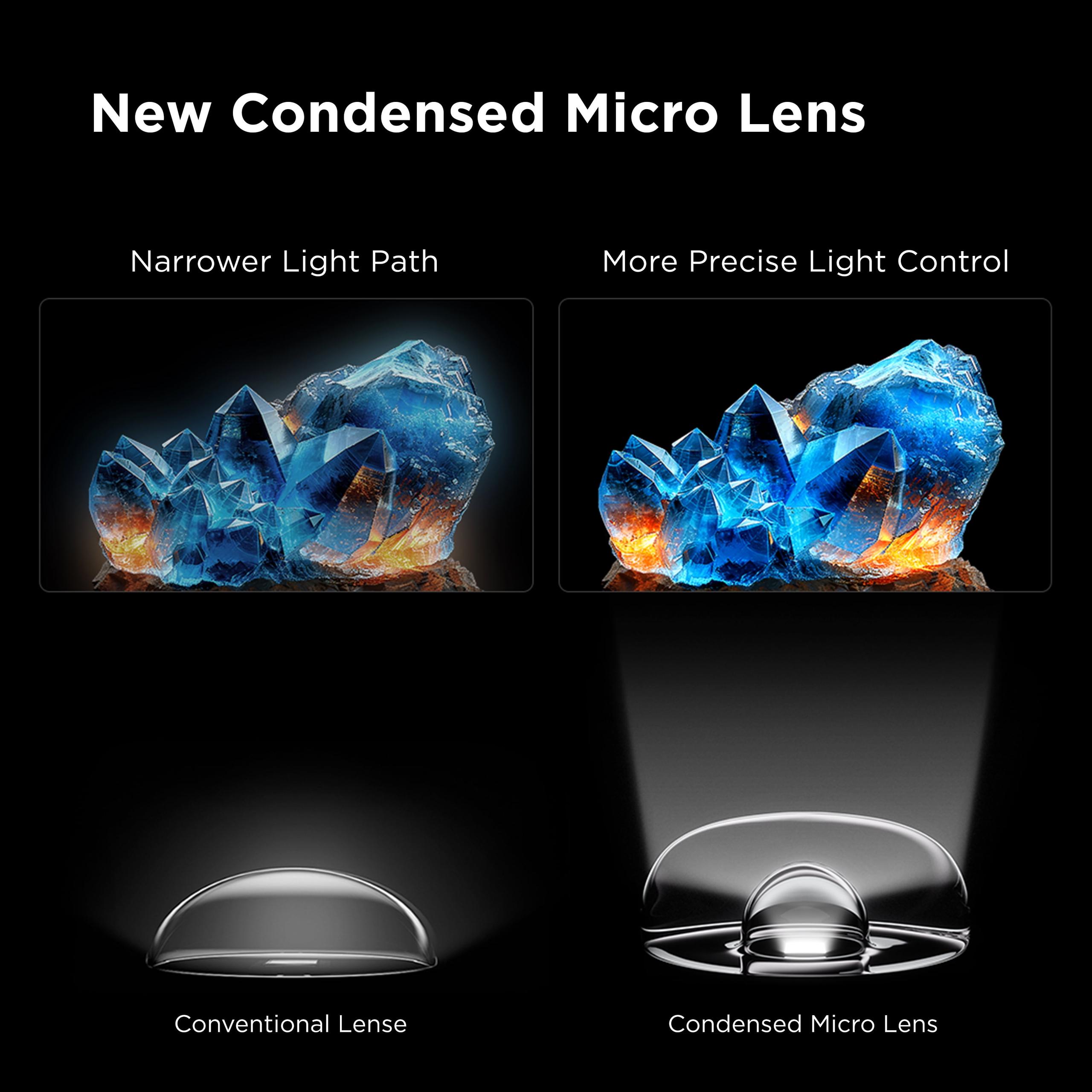
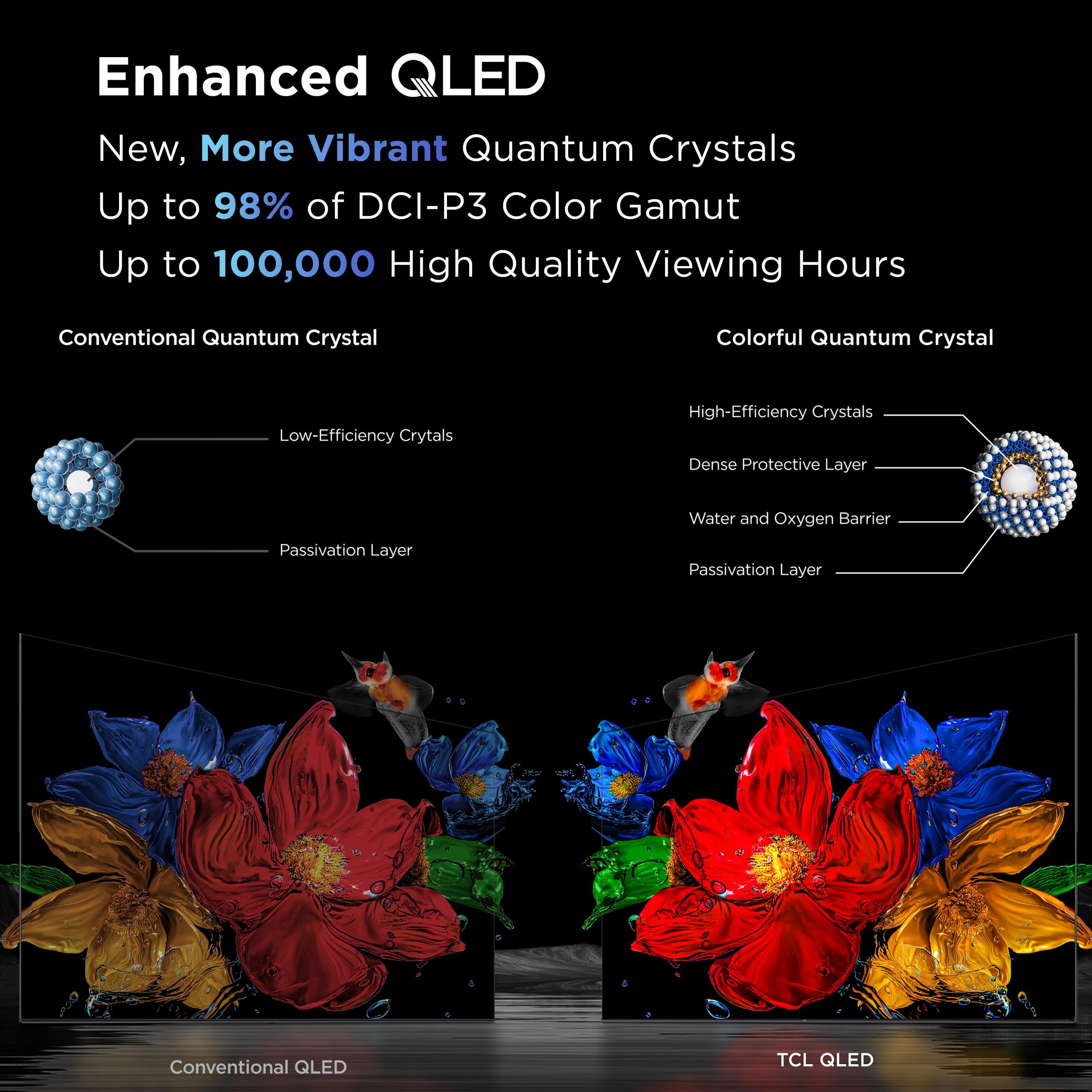
The QM6K uses QD-Mini LED technology, which combines quantum dots with mini-LED backlighting. Quantum dots are tiny semiconductor particles that can produce very pure colors when excited by light. When you combine these with mini LEDs – LEDs that are much smaller than traditional LED backlights – you get a display that can be incredibly bright while maintaining excellent color accuracy.
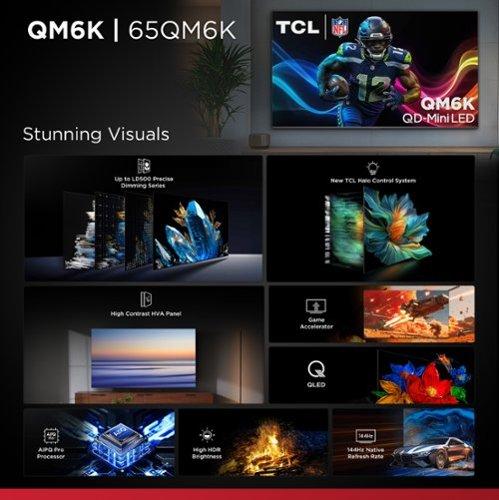
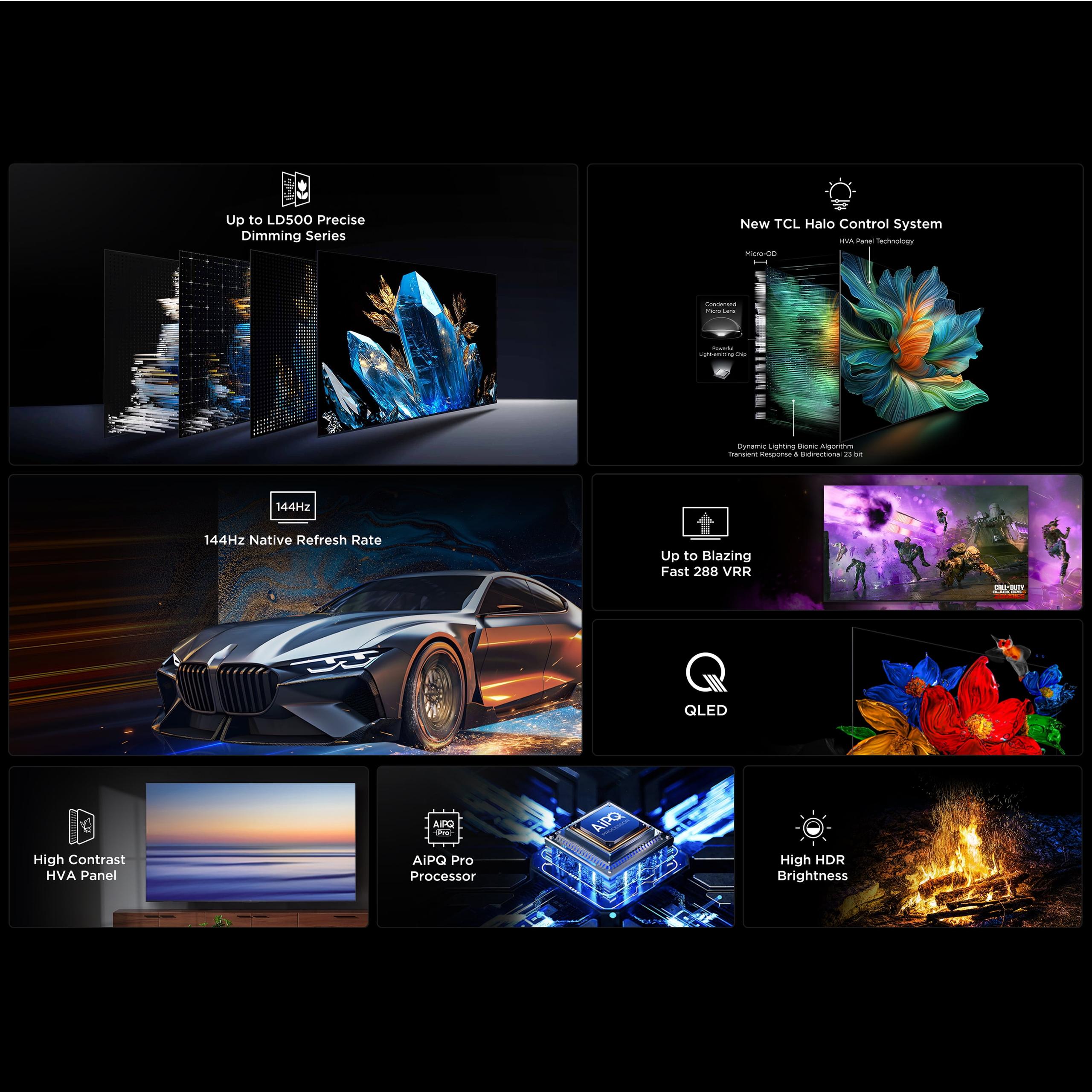
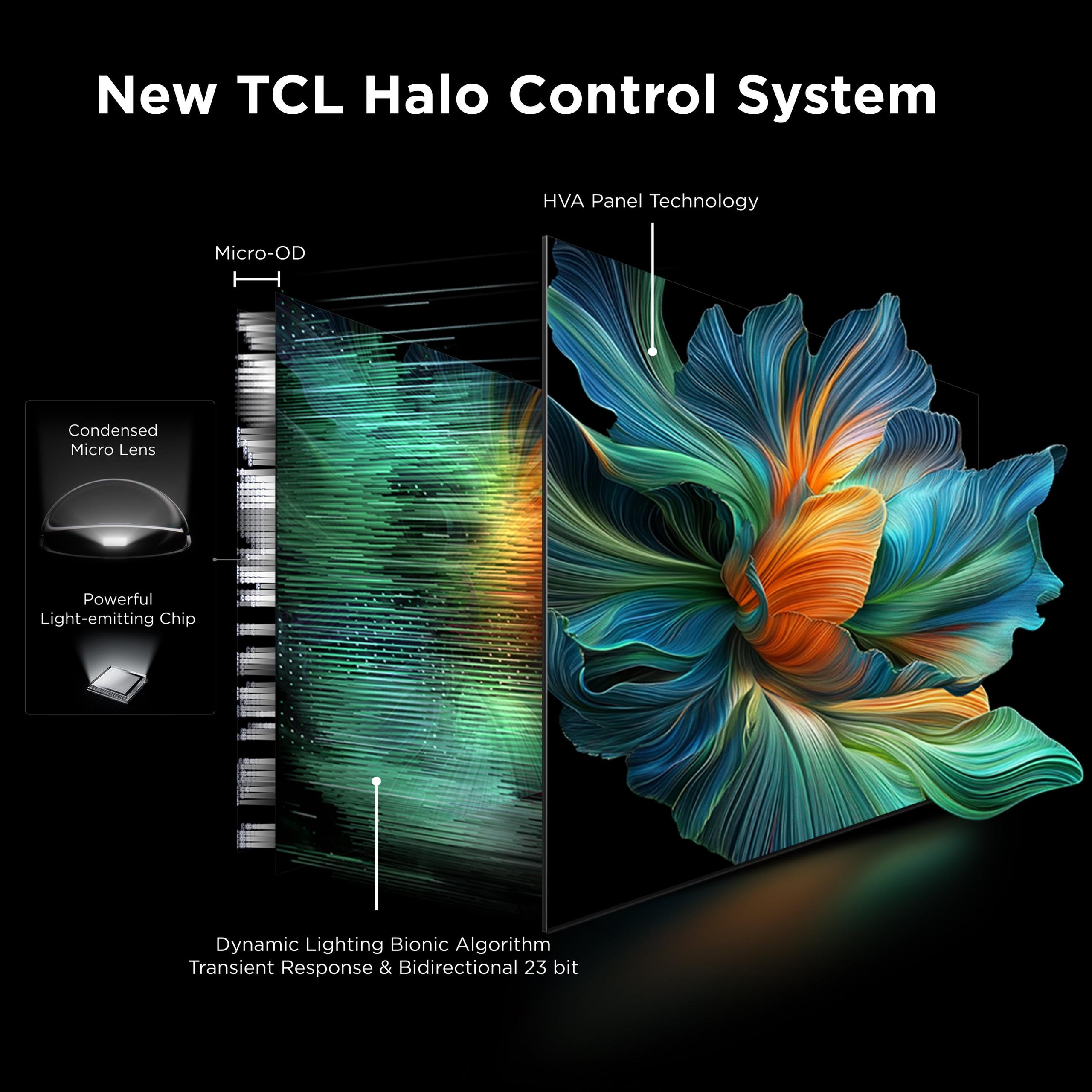
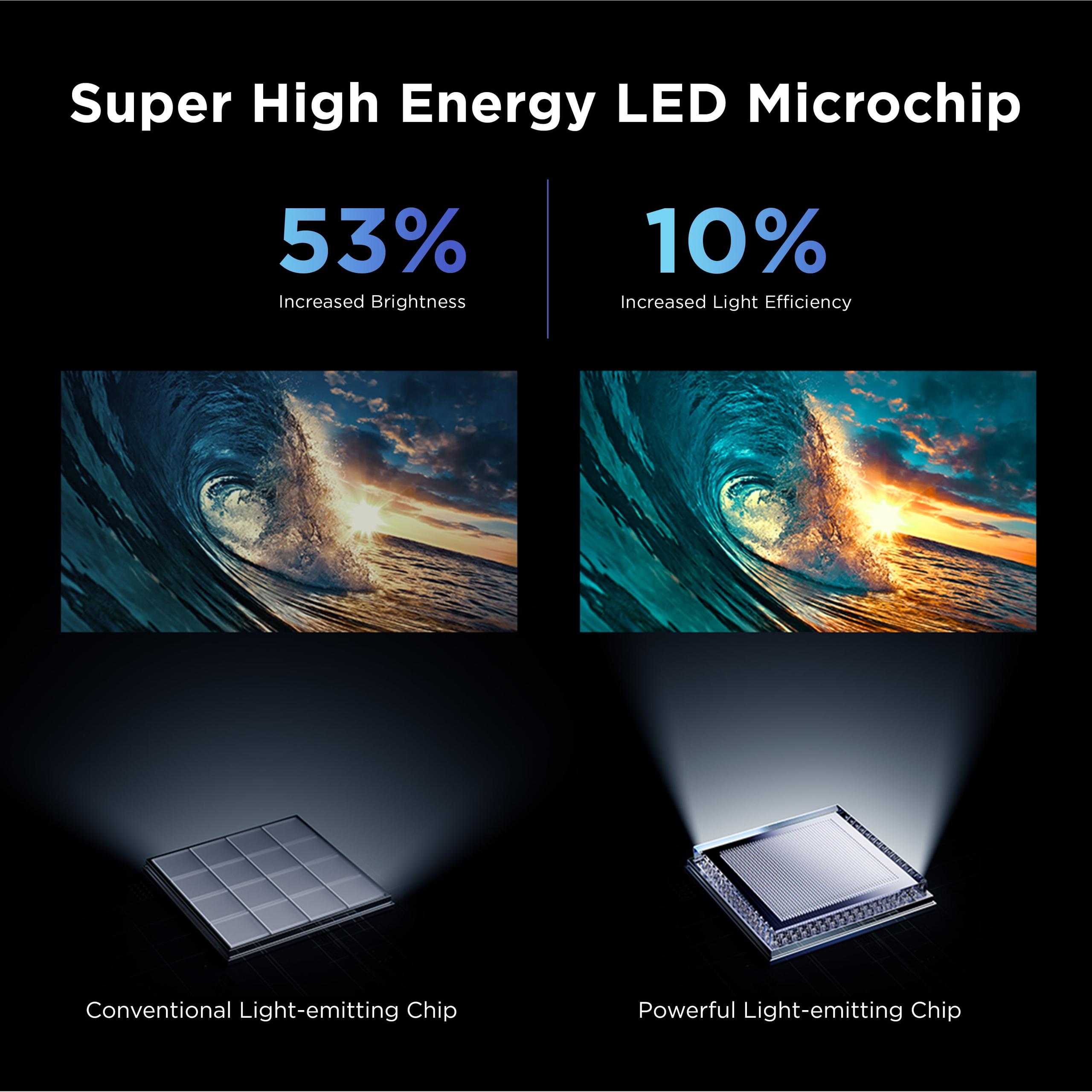
TCL's implementation includes up to 500 local dimming zones, which means the backlight can be controlled in 500 different areas independently. This creates much better contrast than traditional LED TVs, though it still can't match OLED's pixel-level control. The company has also introduced their Super High Energy LED Chip, which is 53% brighter than previous generations while being 10% more energy efficient.
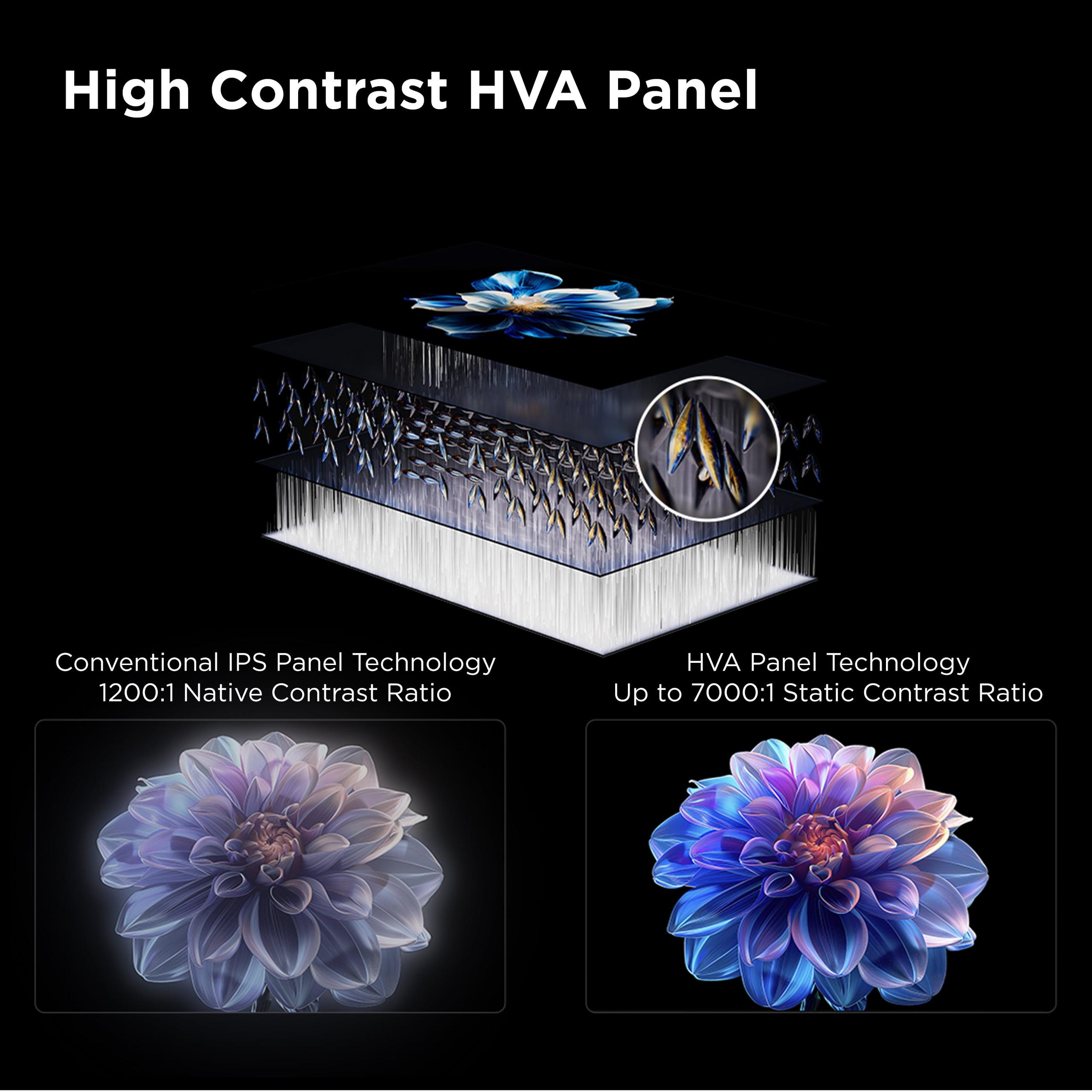
This is where the fundamental difference between these technologies becomes most apparent. The LG B5 OLED delivers perfect blacks because pixels can turn completely off. When you're watching a movie with a dark scene, those black areas are truly black – not the dark gray you might see on LED TVs.
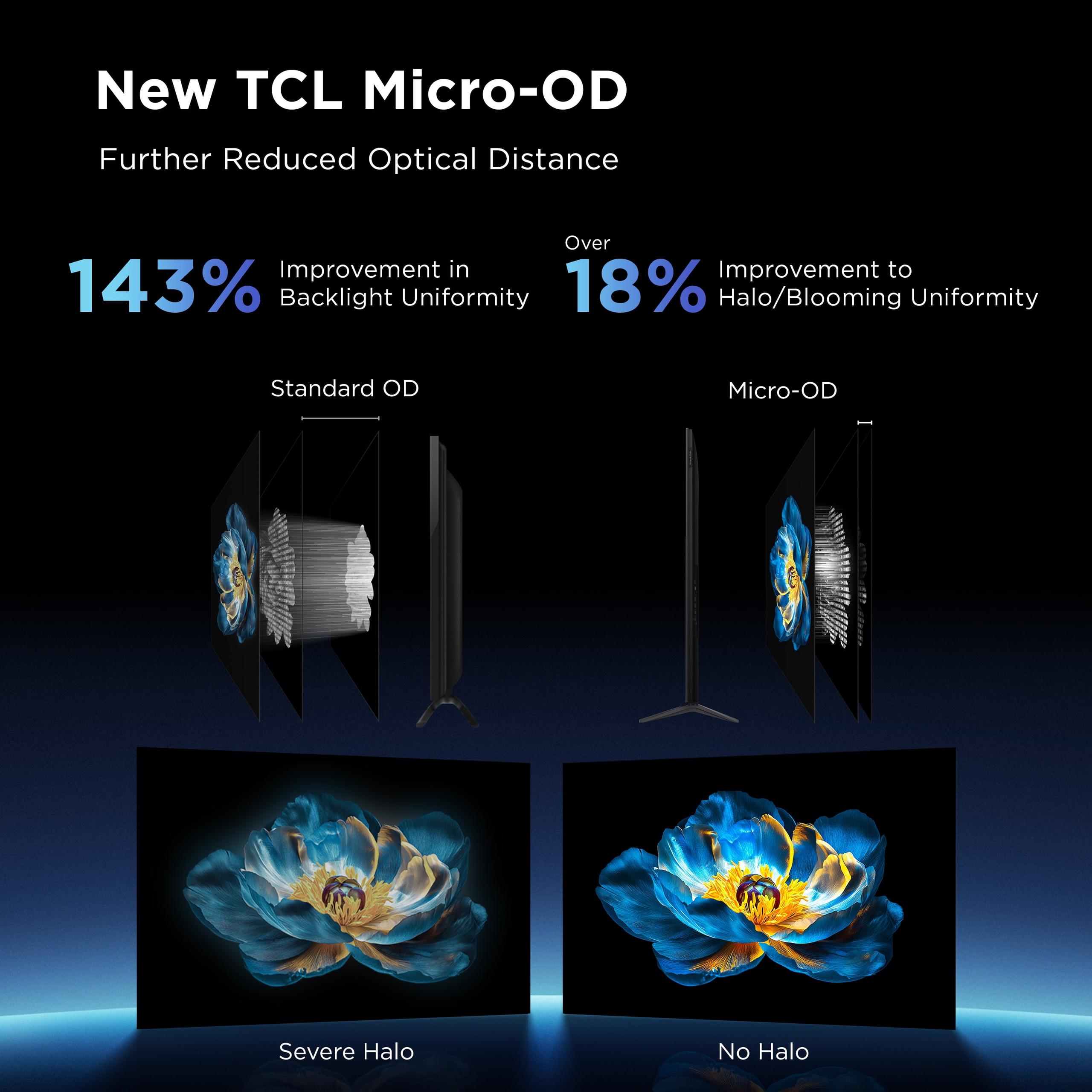
The TCL QM6K, despite having 500 local dimming zones, still uses a backlight. While it can dim specific areas very effectively, some light will always leak through in dark scenes. However, TCL has made significant improvements with their Micro-OD (Optical Distance) technology, which reduces the distance between the backlight and the LCD panel. This helps control "blooming" – the halo effect you sometimes see around bright objects on dark backgrounds.
In practical terms, if you're watching a movie like "Blade Runner 2049" with its mix of bright neon lights and deep shadows, the LG B5 will show you exactly what the director intended. The TCL QM6K will look very good, but you might notice some slight blooming around bright objects in the darkest scenes.
Here's where the TCL QM6K shines – literally. Mini-LED technology can achieve much higher peak brightness than current OLED panels. The QM6K can hit brightness levels that make HDR content really pop, especially in bright rooms. This is particularly noticeable with HDR10+ and Dolby Vision content, where bright highlights like explosions or sunlight can be displayed with impressive intensity.
The LG B5 OLED is brighter than older OLED TVs, but it still can't match the peak brightness of the TCL QM6K. However, OLED's infinite contrast ratio means that even at lower brightness levels, HDR content can look incredibly impactful because of the perfect blacks surrounding bright objects.
Both TVs excel in color reproduction, but they achieve it differently. The LG B5 uses OLED's inherent color accuracy, combined with LG's color processing algorithms. The result is very natural, film-like colors that maintain accuracy across different viewing angles.
The TCL QM6K leverages quantum dot technology to achieve what's called a wide color gamut – the range of colors it can display. Quantum dots can produce very pure, saturated colors, which is particularly beneficial for animated content and vibrant HDR material. The colors might appear slightly more "punchy" than the LG B5, though some viewers prefer the more natural OLED presentation.
Gaming has become a crucial consideration for TV buyers, and both models deliver excellent performance, though with different strengths.
The TCL QM6K takes the lead in raw gaming specifications with its 144Hz native refresh rate and Game Accelerator 288 technology, which enables variable refresh rates up to 288Hz. This is particularly beneficial for PC gaming, where higher refresh rates can provide smoother gameplay and a competitive advantage.
The LG B5 OLED operates at 120Hz, which is perfectly adequate for current gaming consoles (PlayStation 5 and Xbox Series X are capped at 120Hz anyway). However, OLED technology provides an inherent advantage with its 0.1ms response time. This ultra-fast pixel response eliminates motion blur and ghosting, creating incredibly smooth motion in fast-paced games.
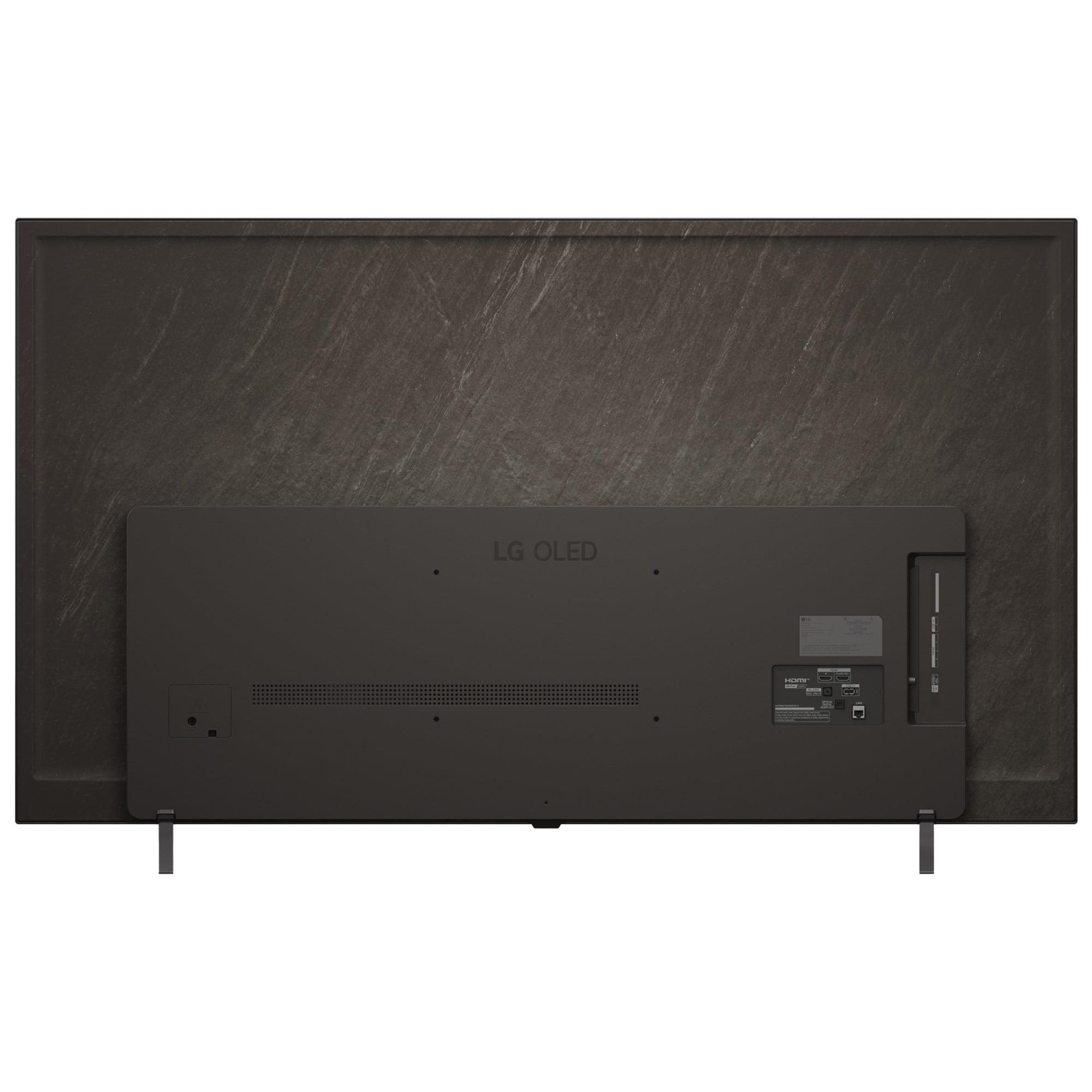
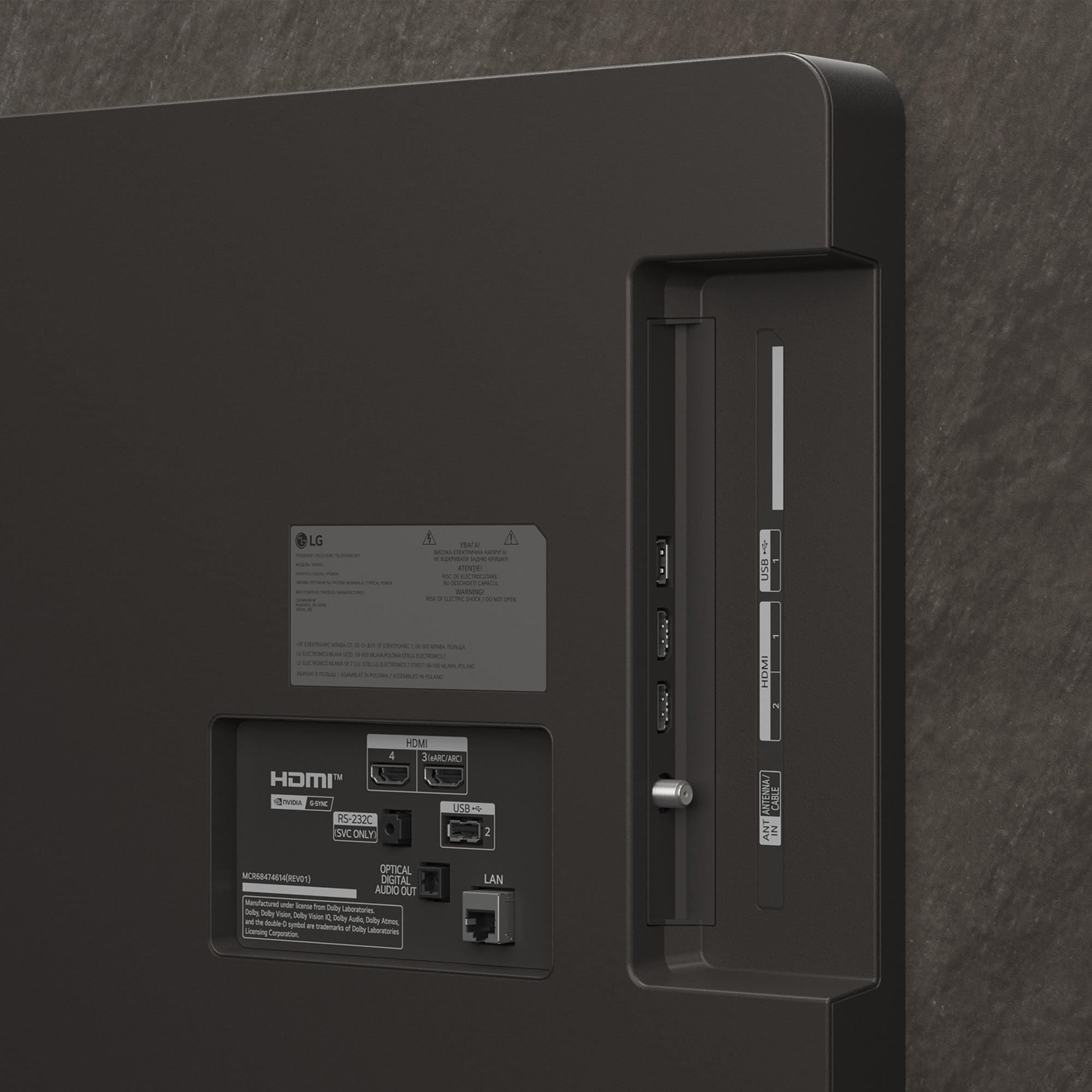
Both TVs support the latest gaming technologies, including HDMI 2.1, Variable Refresh Rate (VRR), and Auto Low Latency Mode (ALLM). The LG B5 OLED includes NVIDIA G-Sync and AMD FreeSync Premium support, along with LG's Game Dashboard and Game Optimizer for easy access to gaming settings.
The TCL QM6K supports FreeSync Premium Pro and offers similar gaming optimization features. Both TVs have multiple HDMI 2.1 ports, so you can connect current and future gaming consoles without worrying about bandwidth limitations.
The software experience can make or break your daily TV usage, and these TVs take different approaches.
The LG B5 OLED runs webOS 25, LG's proprietary smart TV platform. The latest version introduces AI-powered features like personalized recommendations and voice ID, which can recognize different family members and customize the interface accordingly. The new Quick Cards feature allows you to group your favorite apps for faster access, and LG Channels provides instant access to over 300 free streaming channels.
The TCL QM6K uses Google TV, which excels at content discovery and recommendations. If you're already integrated into the Google ecosystem, you'll appreciate the seamless integration with your Google account, Photos, and other services. The interface is generally more intuitive for Android users, and app compatibility tends to be broader.
Both platforms support major streaming services and voice assistants, so your choice might come down to personal preference and existing ecosystem integration.
Neither TV will replace a dedicated sound system, but they both offer respectable built-in audio with room for upgrade.
The LG B5 OLED includes Dolby Atmos support and AI-enhanced audio processing that adjusts sound based on content type and room acoustics. The FILMMAKER MODE feature preserves audio as directors intended, which is particularly beneficial for movie watching.
The TCL QM6K features a 2.1 channel Onkyo speaker system with Dolby Atmos and DTS Virtual:X support. The built-in audio quality is generally good, with better bass response than typical TV speakers.
Both TVs work well with soundbars and home theater systems, though the LG B5 has been specifically optimized for integration with LG's own soundbar lineup.
This is where the comparison becomes particularly interesting. The TCL QM6K, at $699.99, costs less than half the price of the LG B5 OLED at $1,699.99, yet delivers many flagship-level features.
The TCL QM6K offers exceptional value, delivering approximately 80% of flagship performance at 40% of the price. You get advanced gaming features, high brightness, quantum dot color enhancement, and comprehensive smart TV functionality. For many buyers, this represents the sweet spot between features and affordability.
The LG B5 OLED commands a premium for OLED technology, but that premium gets you picture quality that's simply impossible with LED technology. The perfect blacks, infinite contrast, and superior viewing angles justify the higher price for viewers who prioritize absolute picture quality.
OLED technology tends to age gracefully, and LG's webOS Renew program promises annual software updates to keep the TV feeling current. However, there's always been concern about OLED burn-in, though modern OLEDs like the B5 have sophisticated protection mechanisms that make this largely a non-issue with typical usage.
The TCL QM6K eliminates burn-in concerns entirely and offers lower replacement costs if needed. TCL has also improved their warranty support and software update commitment in recent years.
If you're setting up a dedicated home theater, several factors become particularly important.
In a controlled lighting environment, the LG B5 OLED is hard to beat. The perfect blacks create an immersive cinematic experience that's particularly noticeable in dark scenes. The infinite contrast ratio means you'll see details in shadows that might be lost on LED displays.
The FILMMAKER MODE feature is especially valuable in home theater setups, as it disables motion smoothing and adjusts color settings to match the director's intent. This creates a more authentic cinematic experience.
If your viewing room has significant ambient light, the TCL QM6K's higher brightness becomes a major advantage. The quantum dot enhanced colors also maintain their vibrancy better in bright conditions, while OLED displays can appear washed out in very bright rooms.
OLED technology maintains color accuracy and contrast from virtually any viewing angle, making it ideal for wider seating arrangements. The LG B5 OLED will look consistent whether you're sitting directly in front or off to the side.
The TCL QM6K, like most LED TVs, has more limited viewing angles. Colors and contrast degrade as you move away from the center viewing position, which might be a consideration for larger seating arrangements.
Choosing between these TVs ultimately depends on your priorities, budget, and viewing environment.
Prioritize absolute picture quality above all else and have the budget for OLED technology. This TV excels for movie enthusiasts who watch primarily in dark or dimly lit rooms. The perfect blacks and infinite contrast create an incredibly immersive viewing experience that's particularly noticeable in cinematic content.
If you have a dedicated home theater setup where picture quality is paramount, the LG B5 OLED delivers the premium experience you're looking for. The superior viewing angles also make it ideal for wider seating arrangements.
Want exceptional value and flagship-level features at a mainstream price. This TV is perfect for bright room viewing, gaming enthusiasts who want the highest refresh rates, and anyone who prioritizes maximum brightness for HDR content.
The TCL QM6K is also the better choice if you're concerned about burn-in (though this is rarely an issue with modern OLEDs) or if you simply want the most features for your money.
Both TVs represent excellent choices within their respective categories. The TCL QM6K offers remarkable value, delivering flagship features at a price that makes premium TV technology accessible to more buyers. The LG B5 OLED provides the superior picture quality that only OLED technology can deliver, justifying its premium pricing for viewers who prioritize absolute image quality.
Your room environment, viewing habits, and budget will ultimately determine which TV is right for you. Both represent the best of their respective technologies and will provide years of exceptional viewing experience.
| LG B5 Series OLED 65" 4K Smart TV 2025 | TCL 65" QM6K QD-Mini LED 4K TV |
|---|---|
| Price - Major factor in value consideration | |
| $1,699.99 | $699.99 |
| Display Technology - Fundamental difference affecting picture quality | |
| OLED with self-lit pixels for perfect blacks | QD-Mini LED with quantum dots and 500 local dimming zones |
| Peak Brightness - Critical for HDR impact and bright room viewing | |
| Good for OLED (brighter than older models) | Very high with 53% brightness increase over previous generation |
| Black Levels - Most important for movie watching and contrast | |
| Perfect blacks (pixels turn completely off) | Very good blacks with minimal blooming |
| Refresh Rate - Important for gaming and smooth motion | |
| 120Hz native | 144Hz native with Game Accelerator 288 (up to 288Hz VRR) |
| Response Time - Critical for gaming performance | |
| 0.1ms (instantaneous pixel response) | Low input lag in Game Mode |
| Processor - Affects picture optimization and smart features | |
| α8 AI Processor Gen2 (1.4x faster than previous generation) | AiPQ Pro Processor with real-time optimization |
| HDR Support - Essential for premium content experience | |
| Dolby Vision, HDR10, HLG with FILMMAKER MODE | Dolby Vision IQ, HDR10+, HDR10, HLG |
| Smart Platform - Daily user experience and app ecosystem | |
| webOS 25 with AI features and 300+ free channels | Google TV with superior content discovery |
| Gaming Features - Important for console and PC gaming | |
| 4 HDMI 2.1 ports, G-Sync, FreeSync Premium, Game Dashboard | HDMI 2.1, FreeSync Premium Pro, Game Accelerator technology |
| Audio - Built-in sound quality | |
| Dolby Atmos with AI audio processing | 2.1 channel Onkyo system with Dolby Atmos and DTS Virtual:X |
| Viewing Angles - Important for wider seating arrangements | |
| Excellent (maintains quality from any angle) | Limited (colors/contrast degrade off-center) |
| Burn-in Risk - Long-term durability consideration | |
| Minimal risk with modern protection (rare with typical use) | No risk (LED technology) |
| Best For - Primary use case recommendation | |
| Movie enthusiasts, dark room viewing, home theater setups | Bright room viewing, gaming, sports, value-conscious buyers |
The TCL 65" QM6K QD-Mini LED 4K TV offers exceptional value at $699.99, delivering flagship-level features like 144Hz refresh rate, quantum dot colors, and 500 local dimming zones. The LG B5 Series OLED 65" 4K Smart TV 2025 at $1,699.99 provides superior picture quality with perfect blacks and infinite contrast, but costs over twice as much. For most buyers, the TCL QM6K represents better value.
The LG B5 Series OLED uses self-lit pixels that can turn completely off for perfect blacks and infinite contrast. The TCL QM6K QD-Mini LED uses a backlight with quantum dots and mini LEDs for higher brightness and vivid colors, but can't achieve true blacks. OLED excels in dark rooms, while QD-Mini LED performs better in bright environments.
The TCL 65" QM6K has a slight gaming advantage with its 144Hz refresh rate and Game Accelerator 288 technology supporting up to 288Hz variable refresh rate. The LG B5 OLED offers 120Hz with ultra-fast 0.1ms response time and comprehensive gaming features like G-Sync and FreeSync Premium. Both excel for console gaming, but the TCL edges ahead for PC gaming.
The TCL QM6K QD-Mini LED is significantly better for bright rooms due to its higher peak brightness and quantum dot technology that maintains color vibrancy in ambient light. The LG B5 OLED can appear washed out in very bright conditions, making it better suited for controlled lighting environments or dark room viewing.
The LG B5 Series OLED delivers perfect blacks because individual pixels can turn completely off, creating infinite contrast. The TCL QM6K has very good blacks with 500 local dimming zones, but some light bleeding is inevitable with LED backlighting technology. For movie watching and dark scenes, OLED provides superior performance.
The TCL QM6K QD-Mini LED has no burn-in risk since it uses LED technology. The LG B5 OLED has minimal burn-in risk with modern protection features, but it's still a consideration for users who display static content frequently. Both TVs are built to last, but LED technology eliminates burn-in concerns entirely.
The LG B5 Series OLED excels in dedicated home theater environments with its perfect blacks, infinite contrast, and FILMMAKER MODE for authentic cinematic reproduction. The superior viewing angles also work well for wider seating arrangements. However, if your theater room has ambient light, the TCL QM6K might be preferable due to its higher brightness.
The TCL QM6K uses Google TV, which offers superior content discovery and broader app compatibility, especially for Android users. The LG B5 OLED runs webOS 25 with AI-powered personalization and 300+ free channels. Both platforms support major streaming services, so choose based on your ecosystem preferences.
Both TVs offer excellent color performance but differently. The LG B5 OLED provides natural, film-accurate colors with wide viewing angles. The TCL QM6K QD-Mini LED uses quantum dots for more vibrant, saturated colors that may appear more "punchy." The choice depends on whether you prefer natural or more vivid color reproduction.
The TCL 65" QM6K offers 144Hz native refresh rate with Game Accelerator 288 supporting up to 288Hz variable refresh rate. The LG B5 OLED provides 120Hz, which is perfectly adequate for current gaming consoles. The higher refresh rate gives TCL an advantage for PC gaming and future-proofing.
The TCL QM6K QD-Mini LED is better for sports due to its higher brightness, 144Hz refresh rate for smooth motion, and quantum dot enhanced colors that remain vibrant in bright rooms. The LG B5 OLED offers excellent motion handling but may not be bright enough for optimal daytime sports viewing in well-lit rooms.
Choose the LG B5 Series OLED if you prioritize absolute picture quality, watch movies in dark rooms, and can afford the premium price. Choose the TCL QM6K QD-Mini LED if you want excellent value, watch TV in bright rooms, prioritize gaming features, or prefer to spend less while still getting flagship-level performance.
We've done our best to create useful and informative comparisons to help you decide what product to buy. Our research uses advanced automated methods to create this comparison and perfection is not possible - please contact us for corrections or questions. These are the sites we've researched in the creation of this article: eftm.com - bestbuy.com - rtings.com - youtube.com - rtings.com - tomsguide.com - youtube.com - nationalproductreview.com.au - lg.com - manchesterbrothers.com - avsforum.com - lg.com - lg.com - lg.com - lg.com - retailspecs.com - american-homeappliance.com - perpichtv.com - youtube.com - tomsguide.com - youtube.com - tcl.com - tomsguide.com - youtube.com - youtube.com - hometechnologyreview.com - rtings.com - bestbuy.com - tcl.com - youtube.com - youtube.com - bestbuy.com - youtube.com - youtube.com - youtube.com - tcl.com - youtube.com - walmart.com - tcl.com - displayspecifications.com - kitele.com - displayspecifications.com - flatpanelshd.com - woodruffappliance.com - displayspecifications.com - prnewswire.com - tcl.com - youtube.com - abt.com - youtube.com - tclkenya.co.ke - budgethomefurn.com

Privacy Policy
Terms and Conditions - Affiliate Policy
Home Security
© Copyright 2008-2026.
11816 Inwood Rd #1211, Dallas, TX 75244