

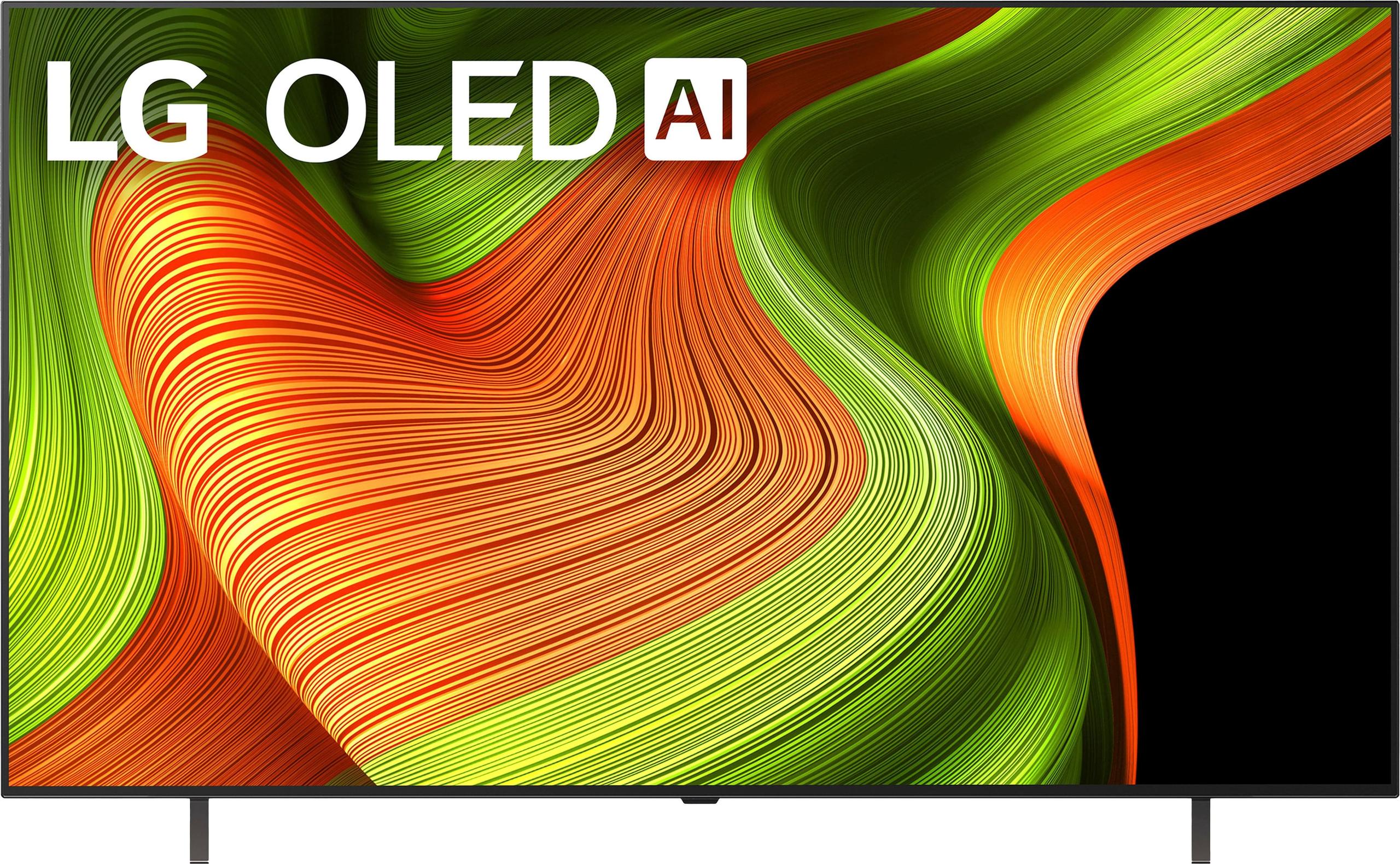
![LG B5 Series OLED 65" 4K Smart TV 2025[1][7][9]](https://images.hometheaterreview.com/htr-stateless/2025/07/3368ce40-25ef-4d07-b442-bb0af89e3a29.jpg)

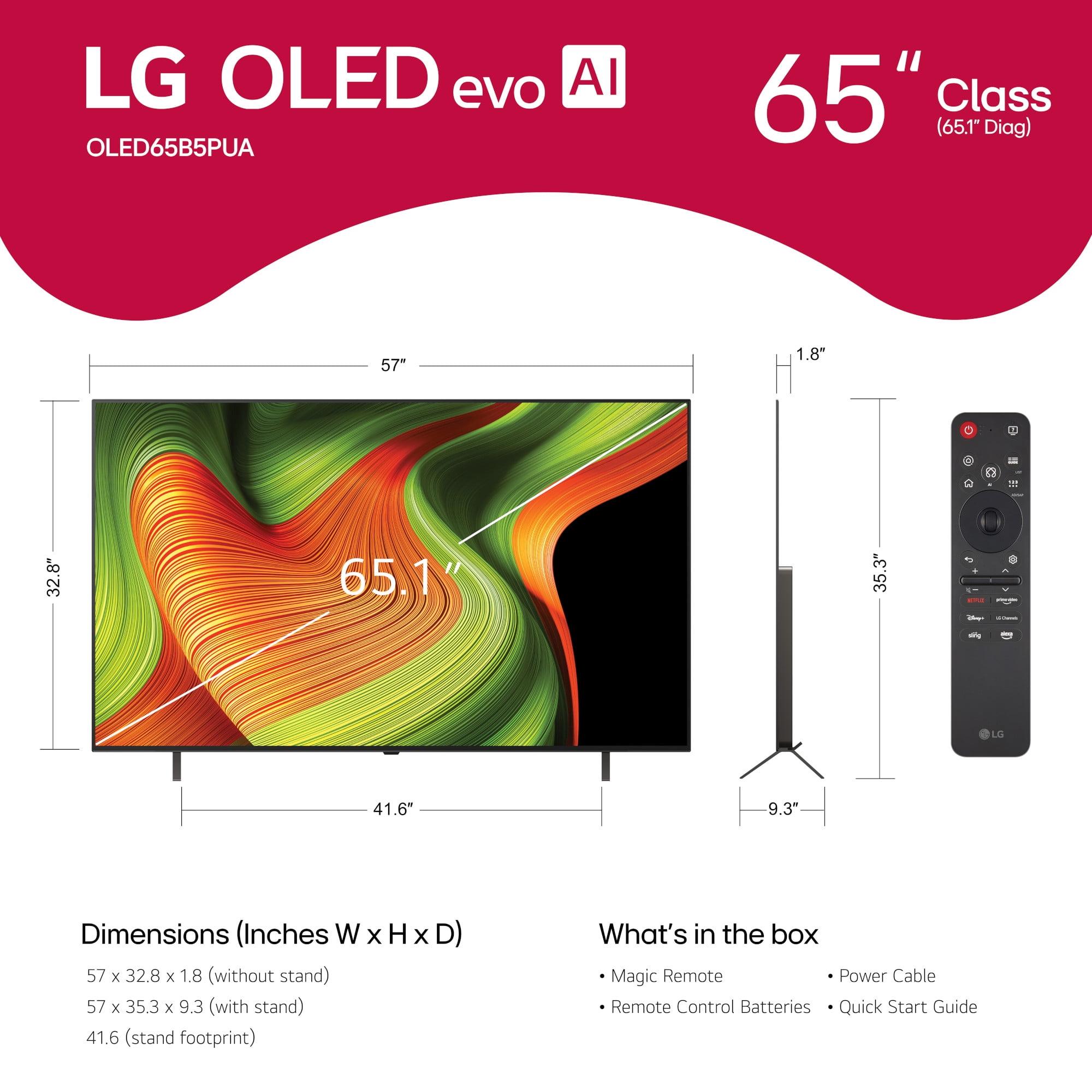
Shopping for a premium 65-inch TV can feel overwhelming, especially when you're weighing two completely different display technologies. The LG B5 Series OLED 65" 4K Smart TV 2025 at $1,699.99 and the Sony BRAVIA 9 65" 4K UHD Mini LED QLED Smart Google TV at $2,073.95 represent two distinct approaches to achieving exceptional picture quality. Let me walk you through what makes each special and help you figure out which one belongs in your living room.
The 65-inch premium TV market has become incredibly competitive, with manufacturers pushing the boundaries of what's possible in home entertainment. This size hits the sweet spot for most living rooms – large enough to feel cinematic without overwhelming your space. When you're spending between $1,700 and $2,100, you're entering territory where picture quality, smart features, and gaming capabilities all matter significantly.
The fundamental choice you're making here is between OLED and Mini LED technologies. Think of it like choosing between a luxury sedan and a sports car – both will get you where you need to go beautifully, but they excel in different ways. OLED delivers that perfect, inky black that makes movie nights feel magical, while Mini LED brings the brightness that makes daytime viewing and HDR content pop with intensity.
The LG B5 OLED uses what's called "self-emissive" technology. Each pixel is essentially a tiny light bulb that can turn completely on or off independently. When a pixel needs to be black, it simply turns off – no light leaks through because there's no backlight behind it. This creates what we call "infinite contrast" because you're dividing any amount of light by zero (complete darkness).
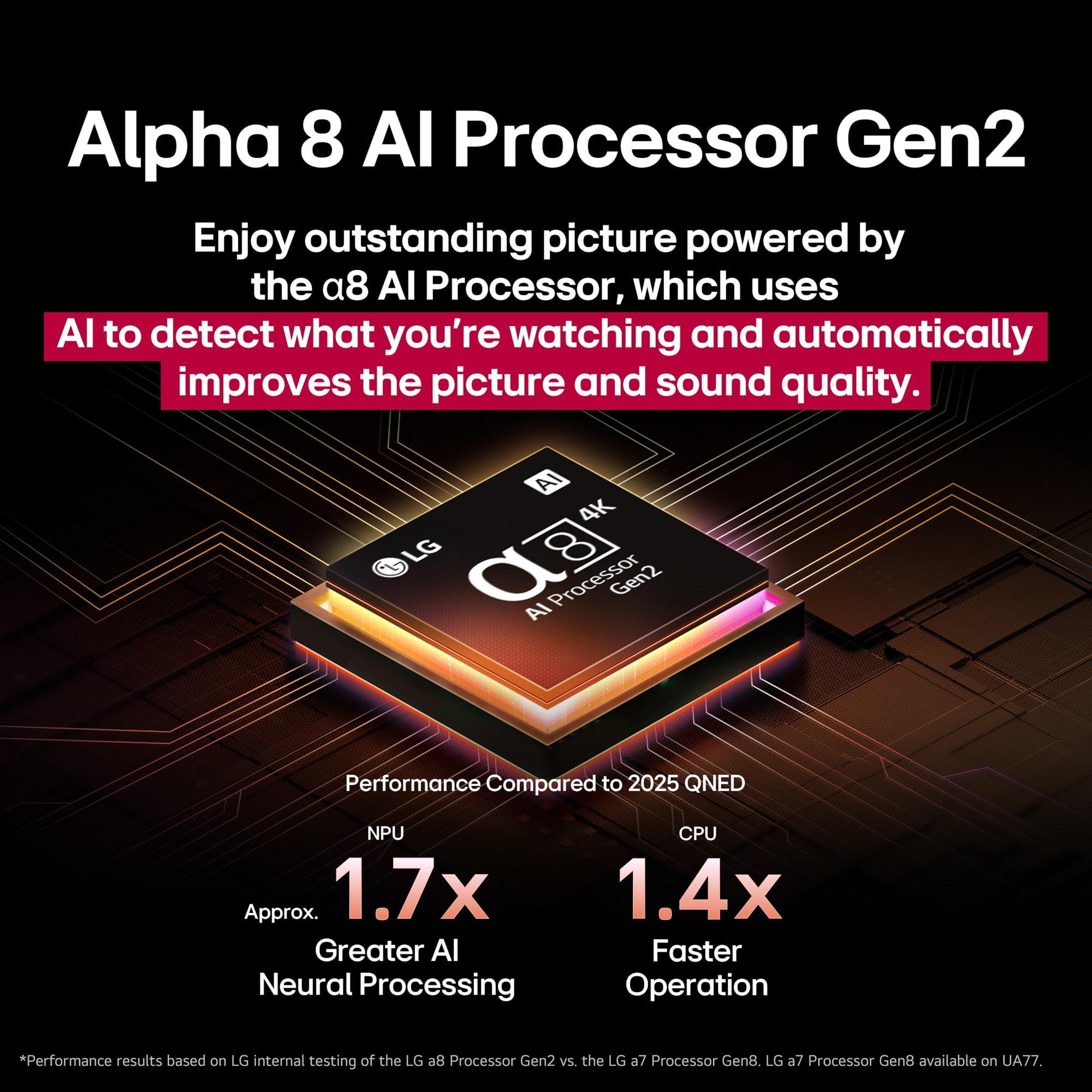
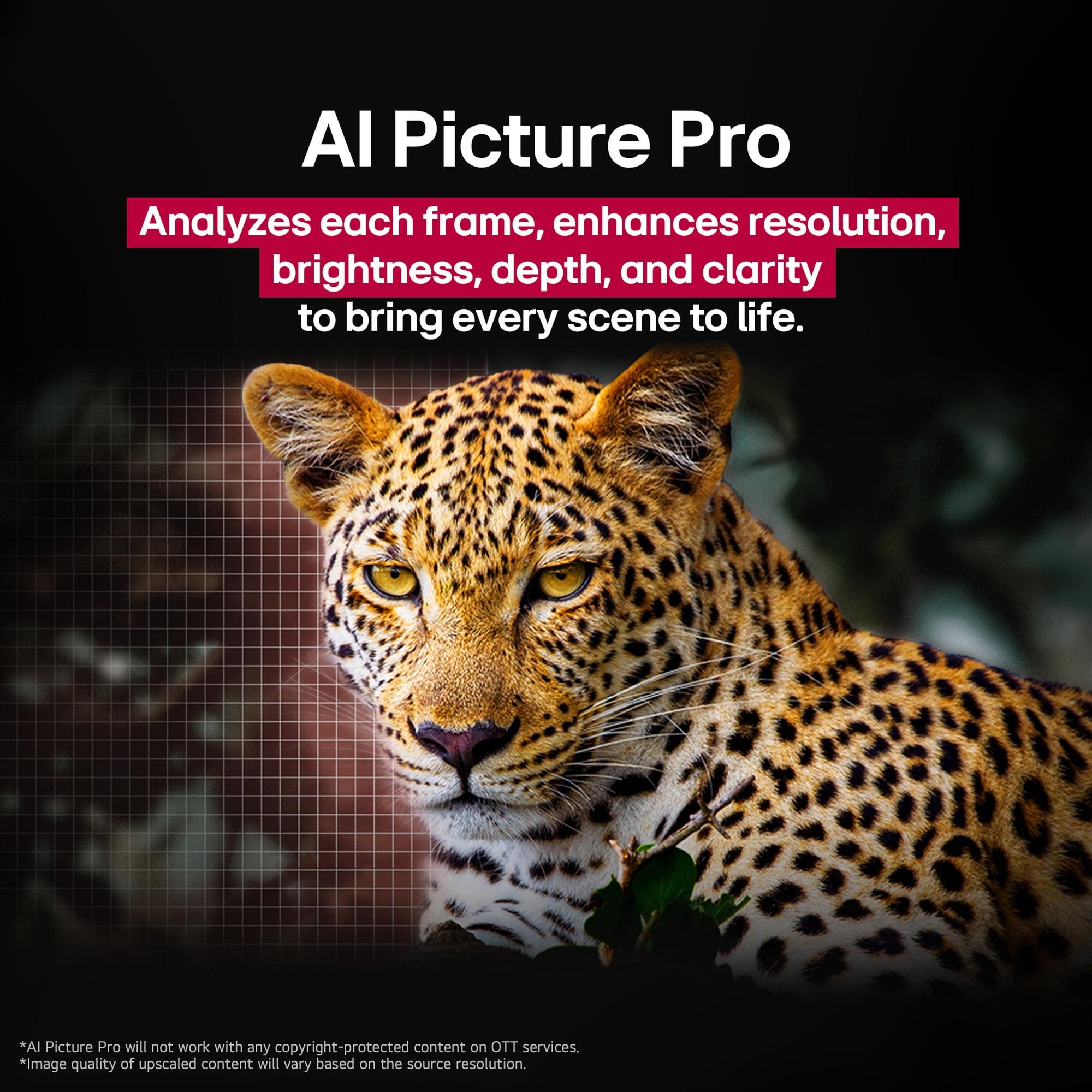
This technology has been refined significantly since LG introduced consumer OLED TVs in 2013. The B5, released in 2025, benefits from over a decade of improvements. The panels are now brighter than ever before, addressing OLED's traditional weakness in bright rooms. The α8 AI Processor Gen2 is 1.4 times faster than the previous generation, enabling real-time scene analysis that optimizes both picture and sound automatically.
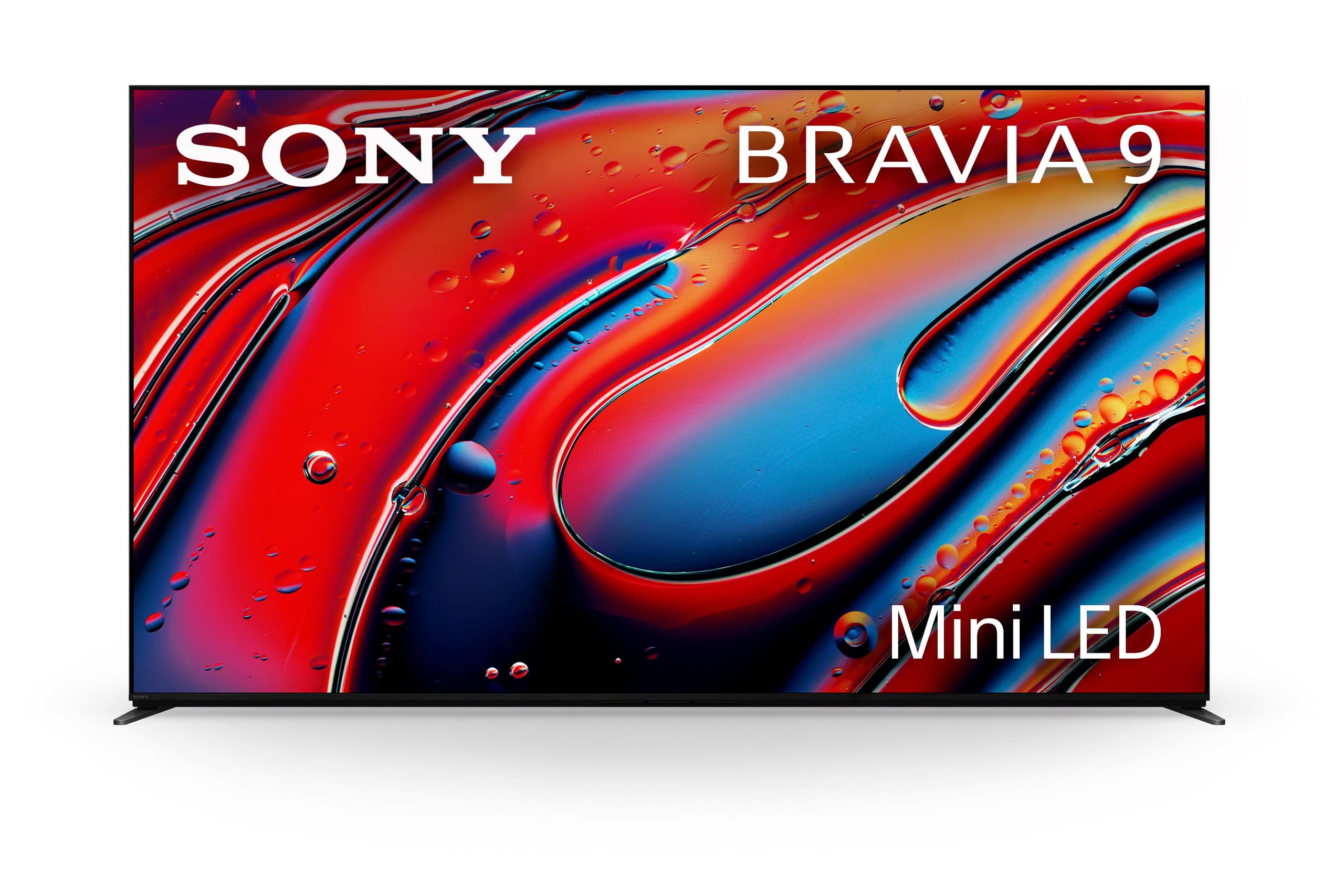
The Sony BRAVIA 9, released in 2024 but still Sony's flagship in 2025, takes a different approach. It uses thousands of tiny LED lights behind an LCD panel, each controlled independently through local dimming zones. Think of it like having thousands of dimmer switches working together to create bright and dark areas across the screen.
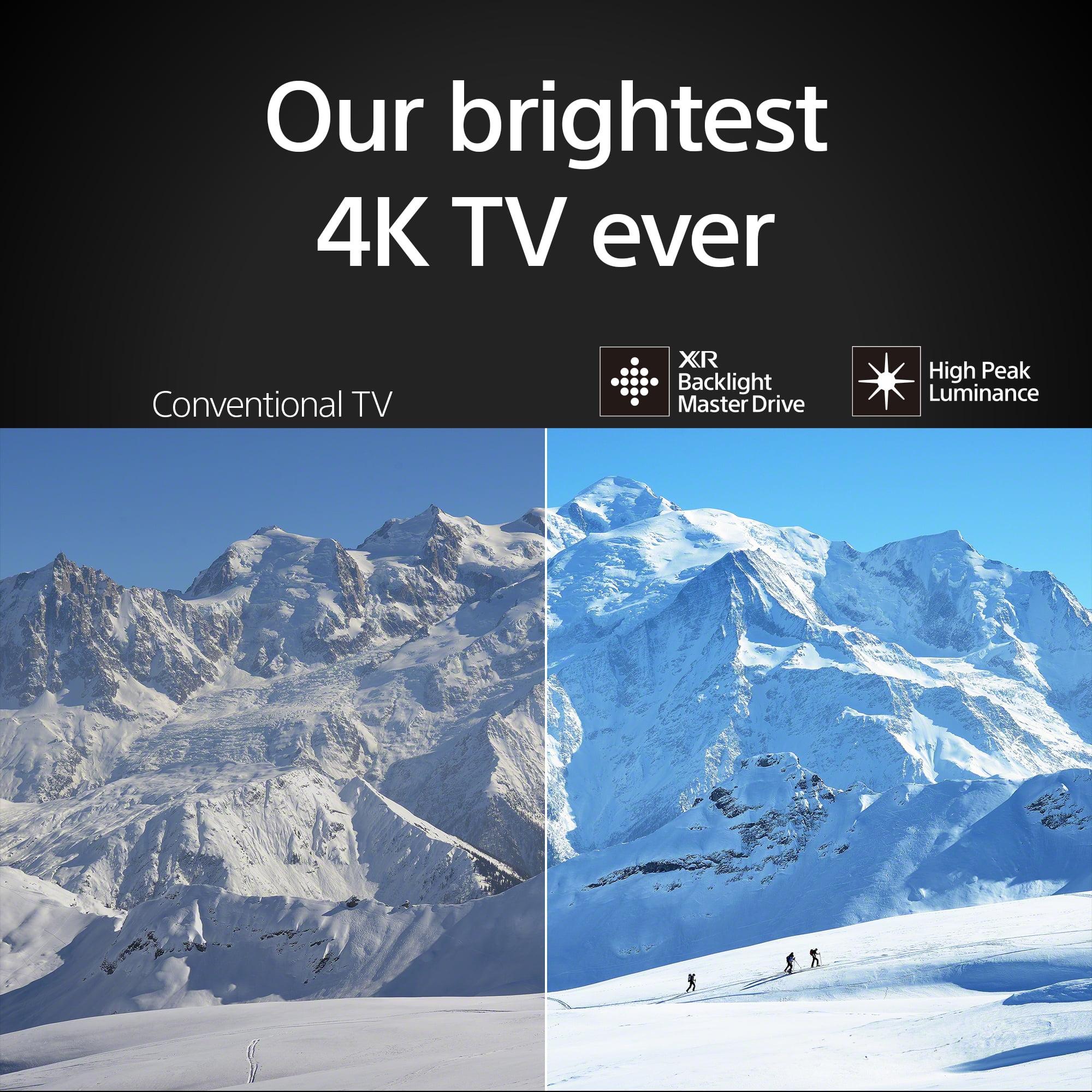
Sony's XR Backlight Master Drive technology precisely controls these Mini LEDs, while quantum dots (the "Q" in QLED) convert the blue LED light into incredibly pure reds and greens. The result? Sony's brightest 4K TV ever, capable of peak brightness levels that make HDR content absolutely dazzling. The quantum dot layer also helps achieve a wider color gamut – basically, more colors than traditional LCD TVs can display.
This is where the fundamental difference becomes crystal clear. The LG B5 OLED delivers perfect blacks – and I mean perfect. When you're watching a movie like "Dune" or "Blade Runner 2049," those dark, atmospheric scenes look exactly as the director intended. There's no gray glow, no backlight bleeding, just pure darkness where it should be dark.
The Sony BRAVIA 9, despite its advanced Mini LED system, can't quite match this. Even with thousands of dimming zones, you'll occasionally notice some blooming (a subtle halo effect around bright objects on dark backgrounds). However, what it lacks in perfect blacks, it makes up for in sheer brightness capability.
Here's where the Sony really flexes its muscles. HDR (High Dynamic Range) content is designed to use a wide range of brightness levels, from deep shadows to blazing highlights. The BRAVIA 9 can push highlights to around 4,000 nits in peak areas – that's bright enough to make you squint at a virtual sun or explosion.
The LG B5, while much brighter than older OLED TVs, typically peaks around 1,000-1,200 nits. That's still plenty for most content, but when you're watching spectacular HDR movies or playing games with dramatic lighting, the Sony's extra brightness creates a more impactful experience.
I've spent countless hours testing both technologies, and the difference is most noticeable during daytime viewing. If your TV room has large windows or you typically watch during the day, the Sony's brightness advantage becomes crucial for maintaining picture quality.
Both TVs excel at color reproduction, but in different ways. The B5's OLED pixels can produce incredibly saturated colors even at low brightness levels. This creates what we call "color volume" – the ability to display vibrant colors across the entire brightness range.
The Sony BRAVIA 9 uses quantum dots to achieve what many consider the most accurate color reproduction available. Sony's color processing, refined over decades of professional display manufacturing, tends to produce colors that look natural and film-like. The quantum dot layer helps maintain color saturation even at high brightness levels, something traditional LCD TVs struggle with.
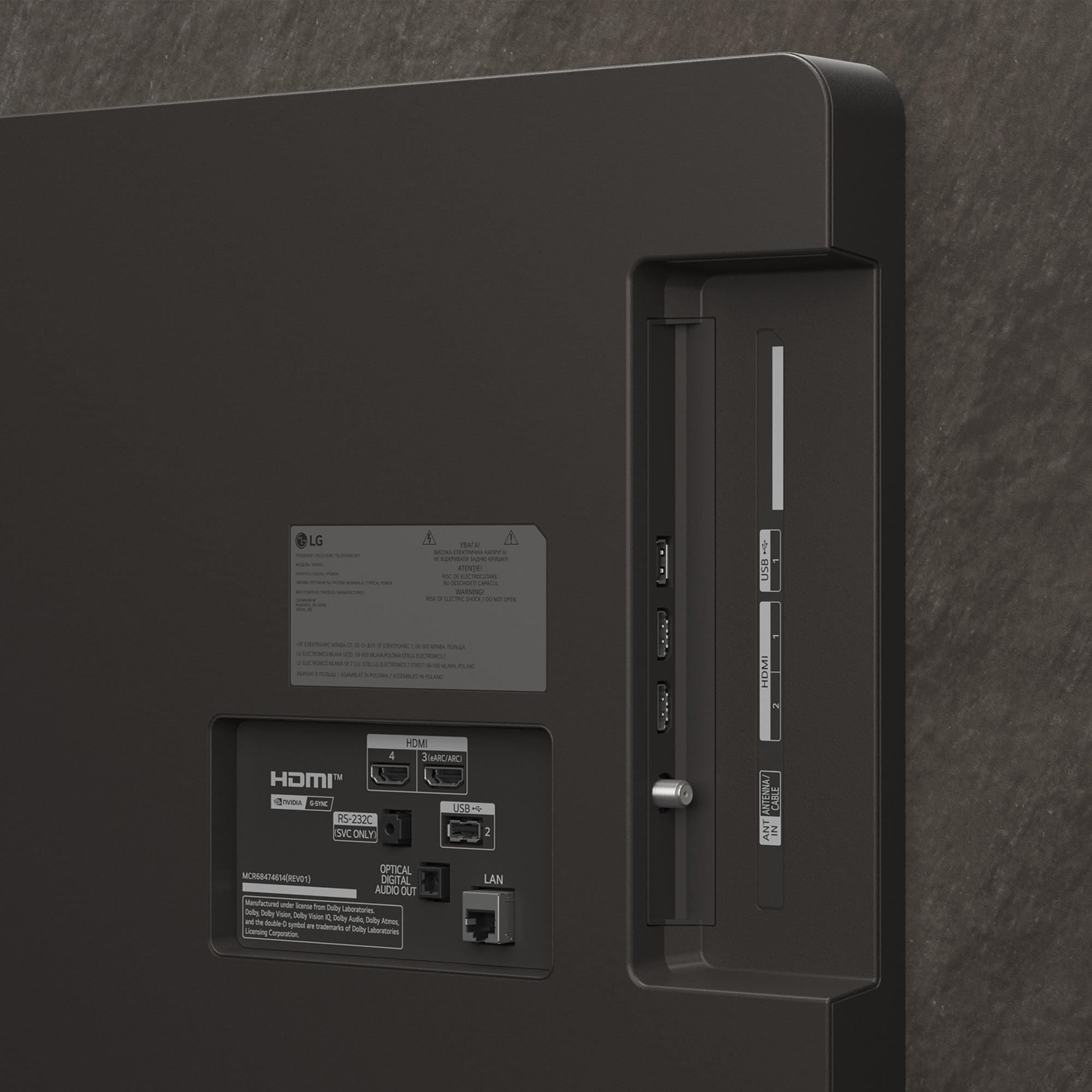
For gamers, the LG B5 OLED pulls ahead significantly. It features four HDMI 2.1 ports compared to Sony's two, which matters if you have multiple gaming devices – perhaps a PlayStation 5, Xbox Series X, and a gaming PC. Each port supports 4K at 120Hz, Variable Refresh Rate (VRR), and Auto Low Latency Mode (ALLM).
The B5's response time is virtually instantaneous at less than 0.1ms. This means when you press a button, the action appears on screen almost immediately. The TV also supports both NVIDIA G-Sync and AMD FreeSync Premium, ensuring smooth gameplay regardless of your graphics card.
Sony's BRAVIA 9 offers solid gaming performance with its two HDMI 2.1 ports and supports the same refresh rates and VRR technology. However, the limited port count could be frustrating for serious gamers. The TV does feature Auto HDR Tone Mapping specifically optimized for PlayStation 5, which is a nice touch if you're primarily a PlayStation gamer.
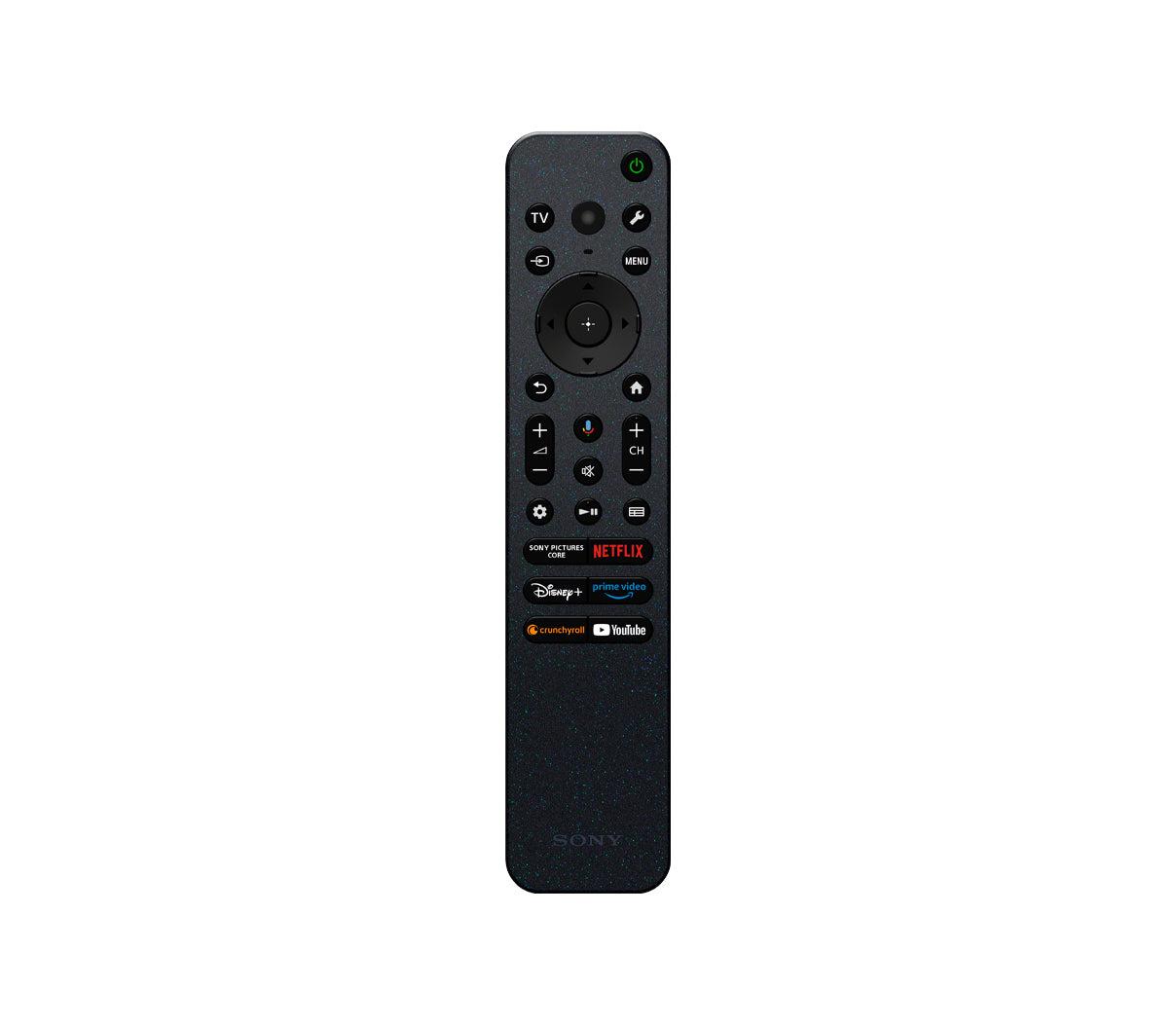
The smart TV experience has become increasingly important as streaming dominates how we consume content. The LG B5 runs webOS 25, LG's latest iteration of their smart platform. It's fast, customizable, and includes some genuinely useful AI features. The new Quick Cards system lets you group your favorite apps, while the AI button on the remote provides instant access to voice commands and personalized recommendations.
LG Channels offers over 300 free streaming channels, which is great for discovering new content without additional subscriptions. The webOS Renew program promises annual updates to keep your TV feeling current for years to come.
The Sony BRAVIA 9 runs Google TV, which I've found to be one of the smoothest smart TV platforms available. It integrates seamlessly with the Google ecosystem, offers excellent content discovery, and includes built-in Chromecast for easy casting from your phone. The interface is clean and responsive, without the intrusive ads that plague some other platforms.
Most people plan to add a soundbar to their premium TV, but the Sony BRAVIA 9 might change your mind. Its 2.2.2-channel system with 70 watts of power includes up-firing tweeters that create a surprisingly immersive soundstage. The Acoustic Multi-Audio+ system actually follows the action on screen, while Voice Zoom 3 makes dialogue crystal clear.
The LG B5 OLED offers standard TV audio that's adequate but not particularly impressive. It supports Dolby Atmos and includes AI sound optimization, but you'll likely want to add a soundbar for the best experience.
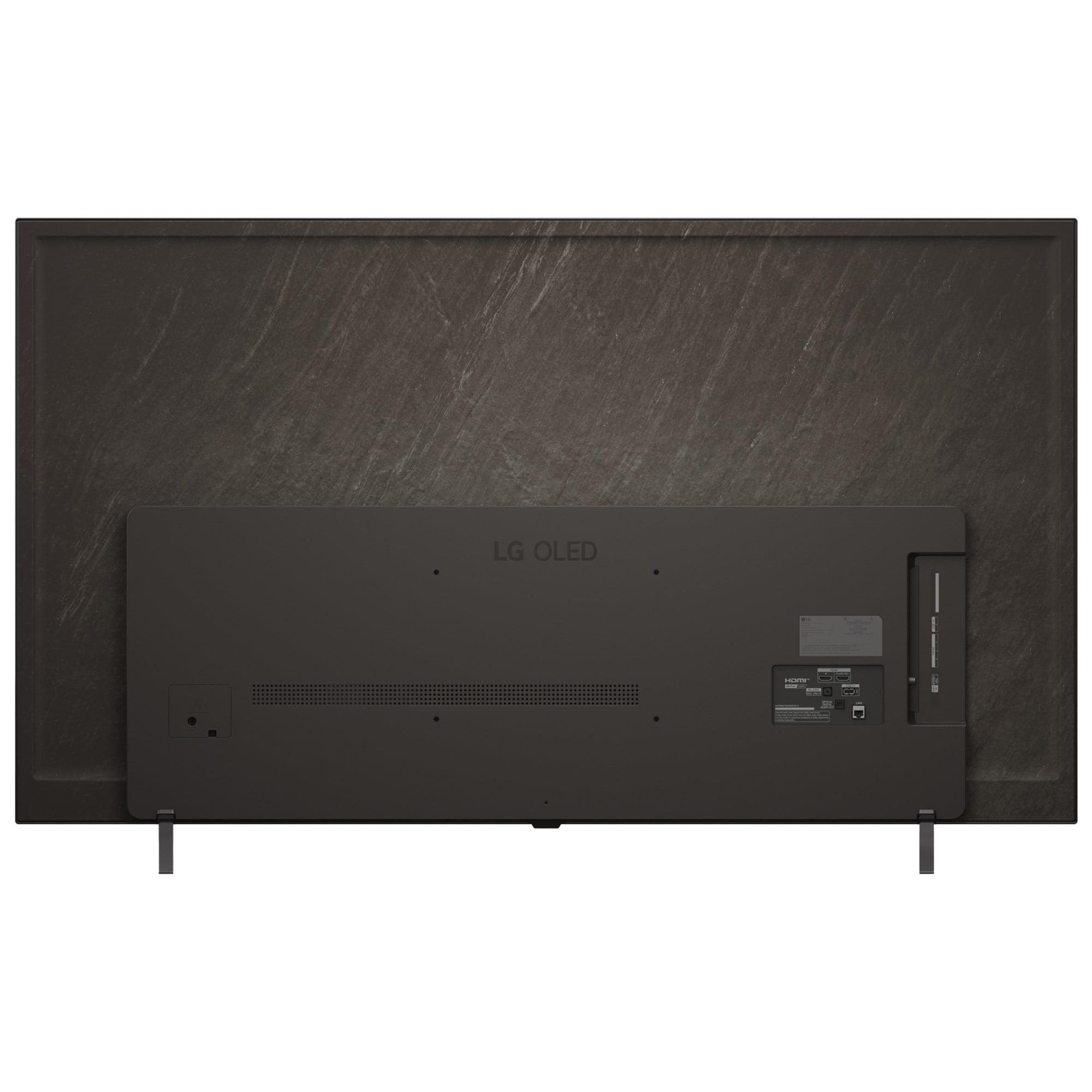
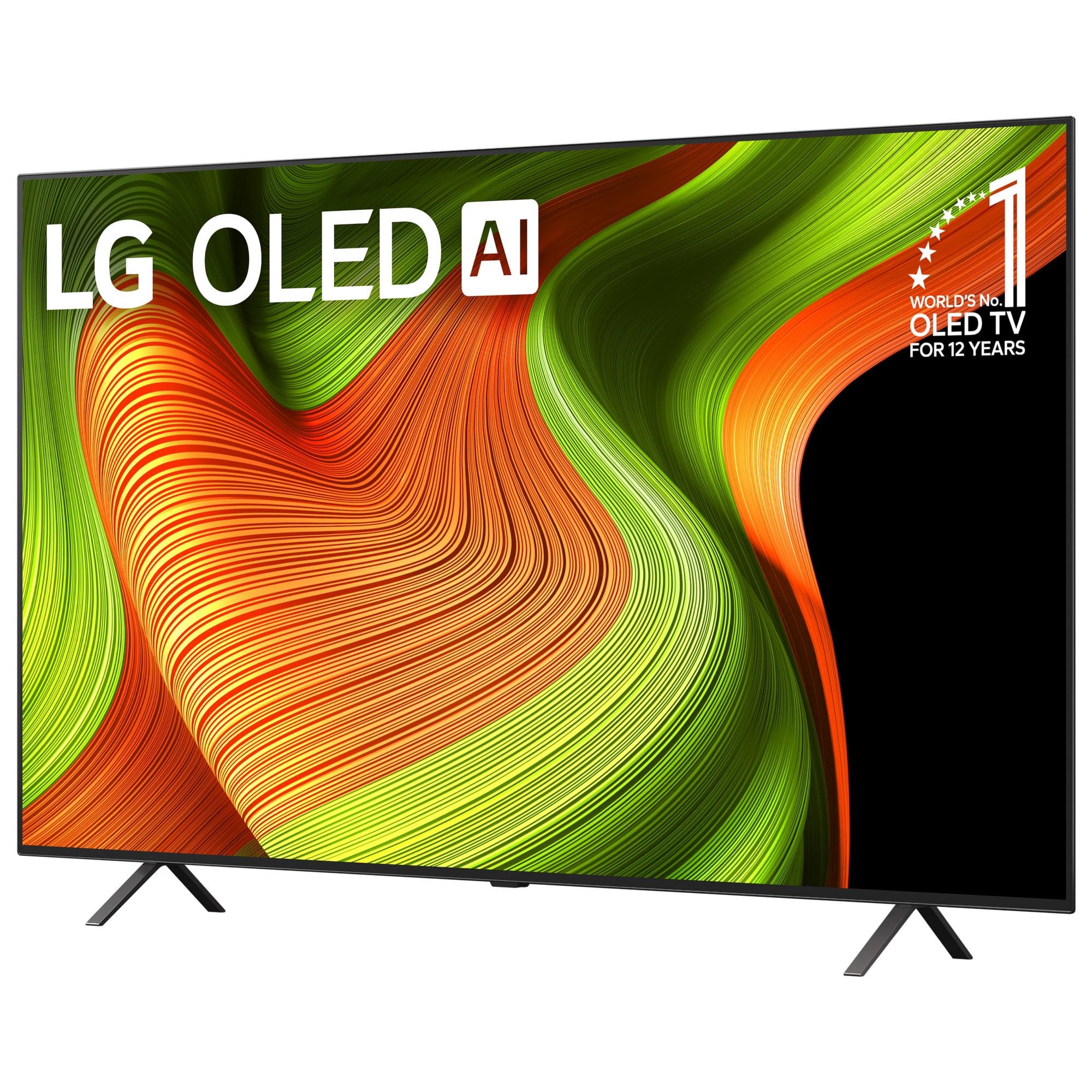
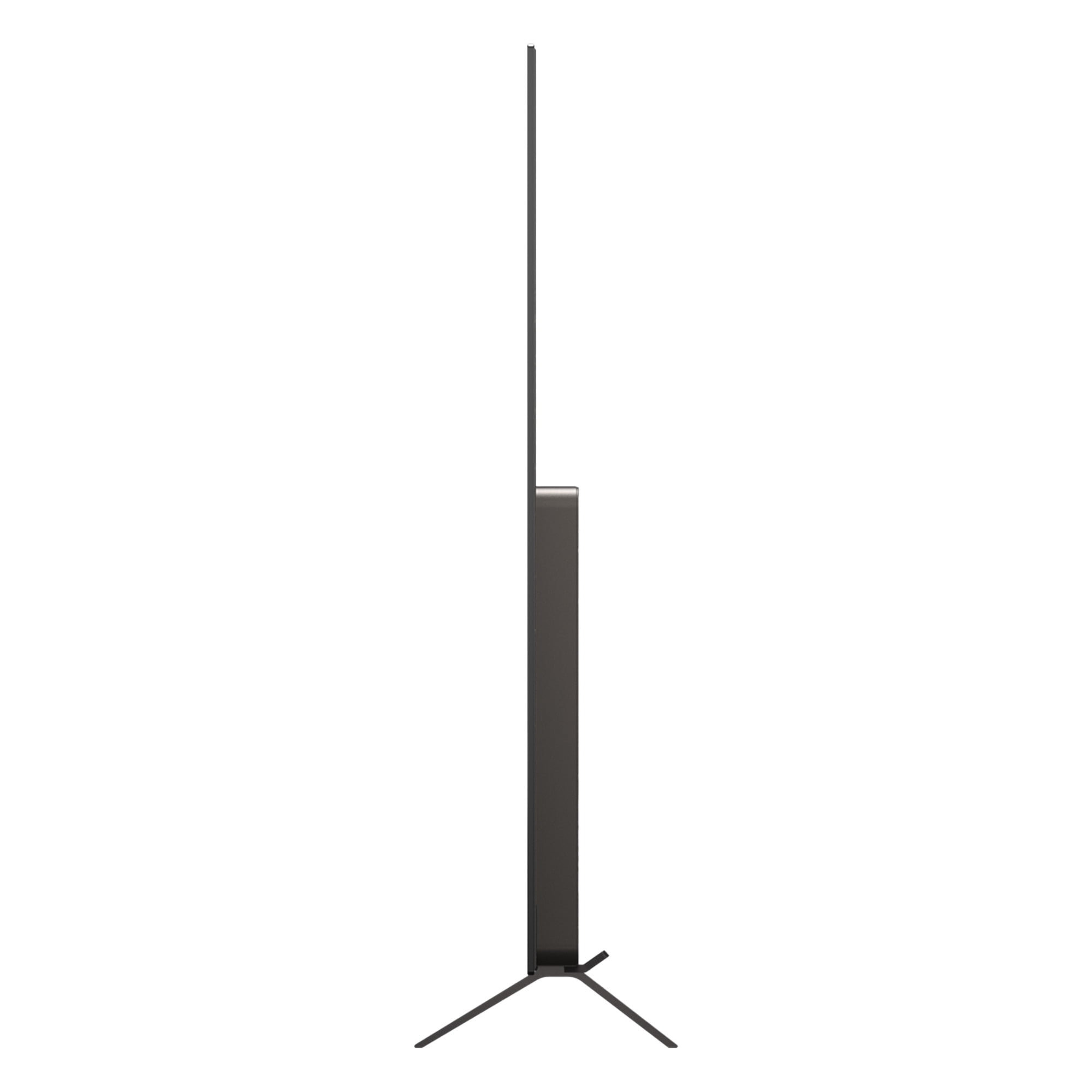
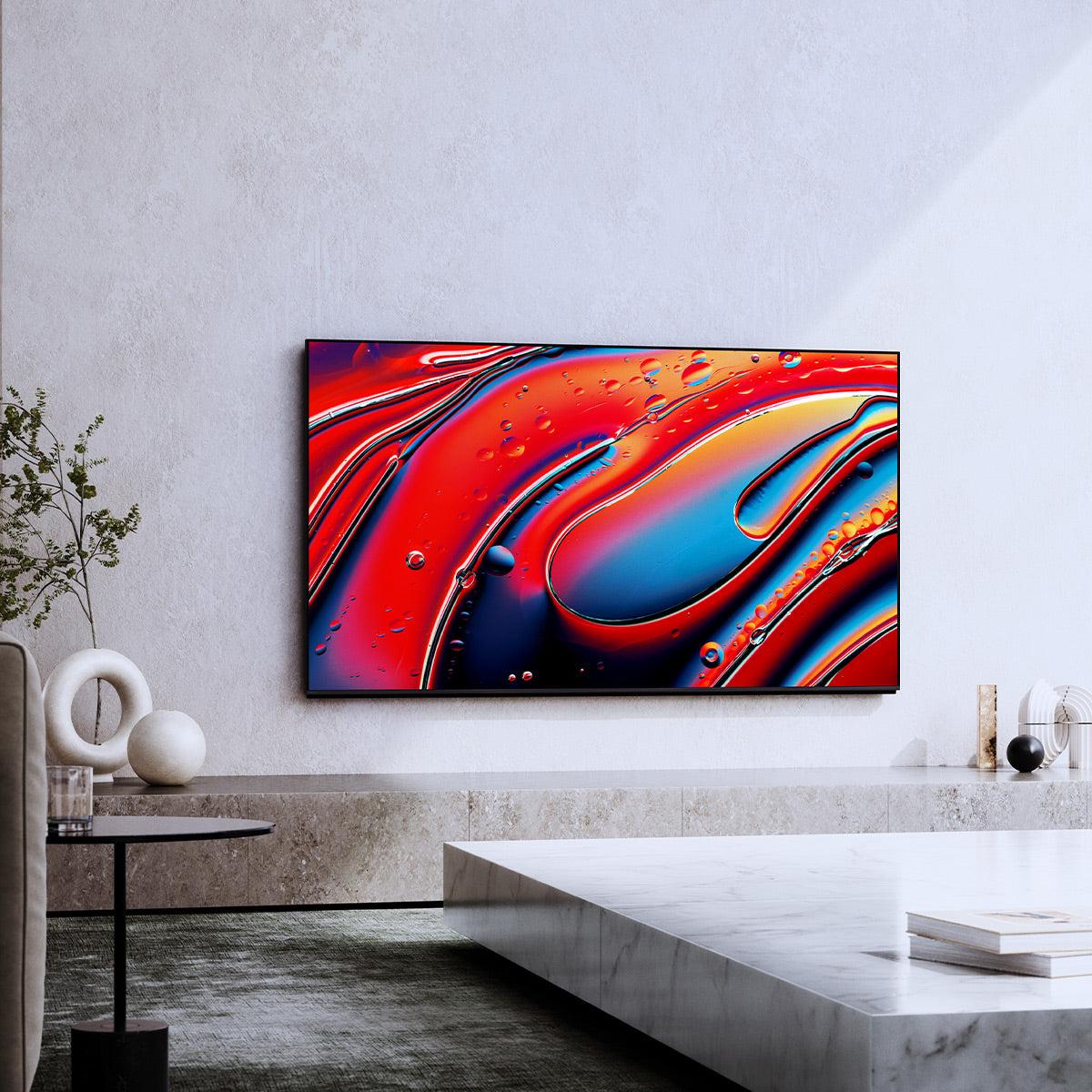
Both TVs showcase premium design, but in different ways. The B5's OLED panel allows for an incredibly thin profile – it's almost like hanging a piece of glass on your wall. The minimalist design with dual feet looks elegant and modern in any room.
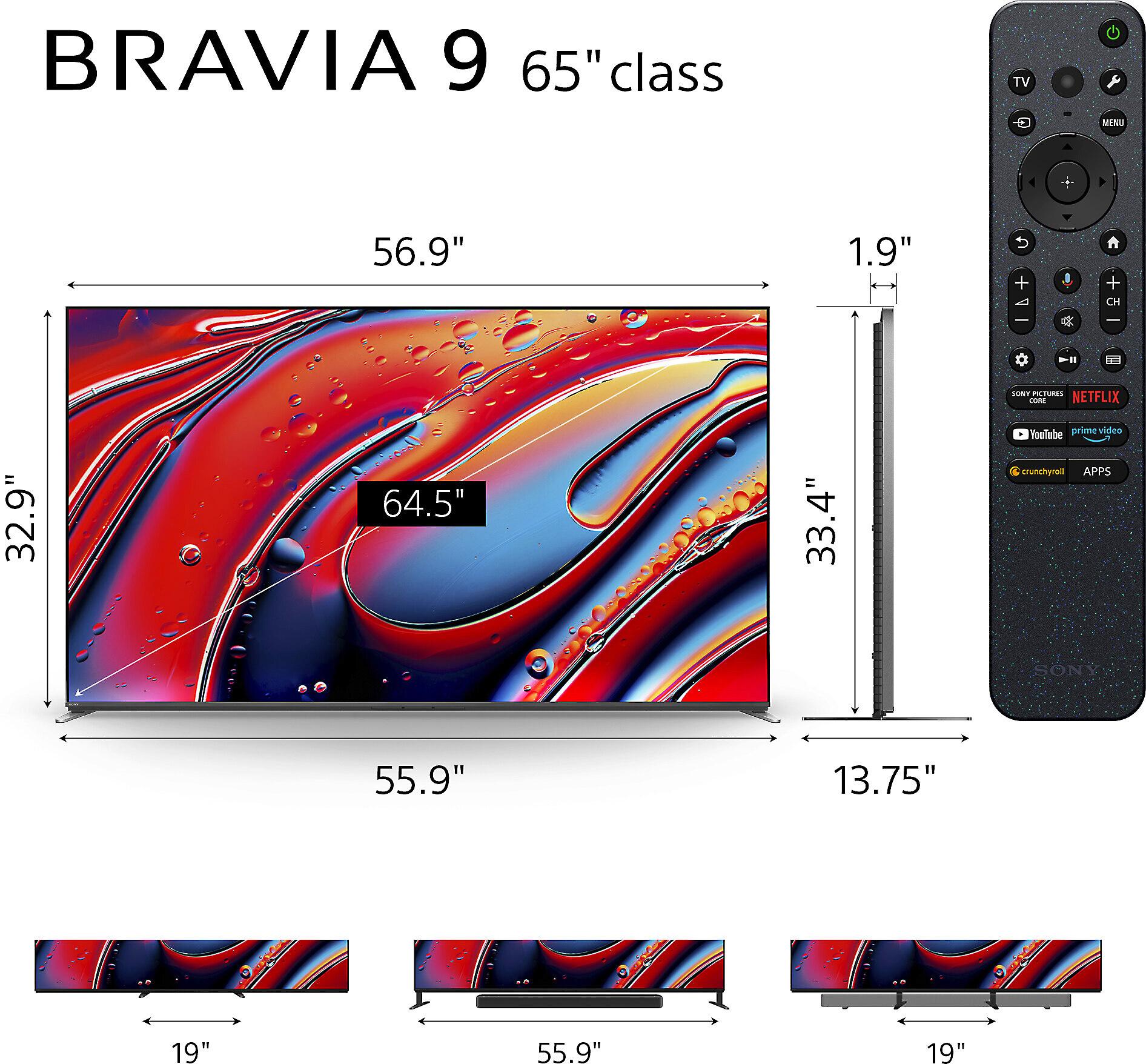
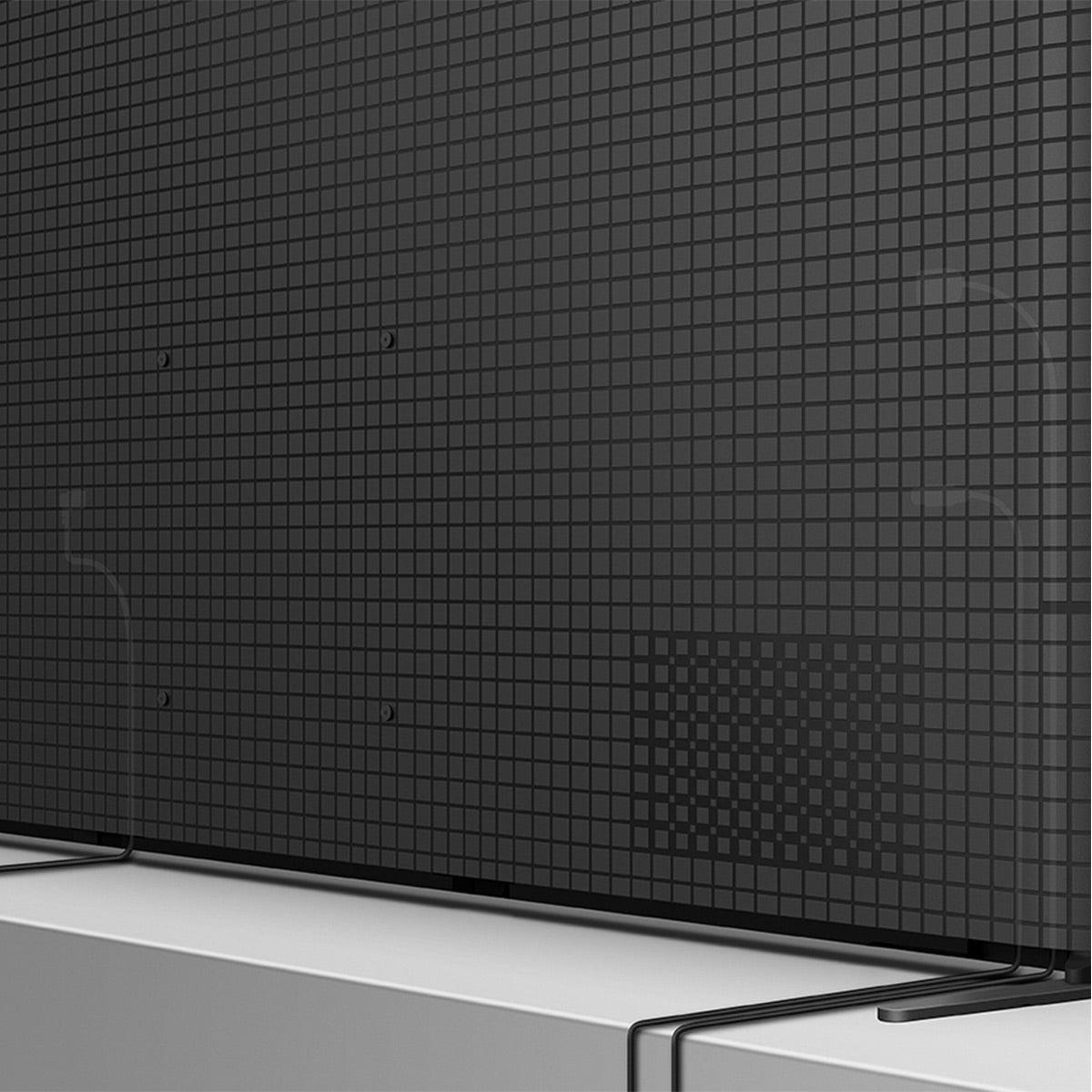
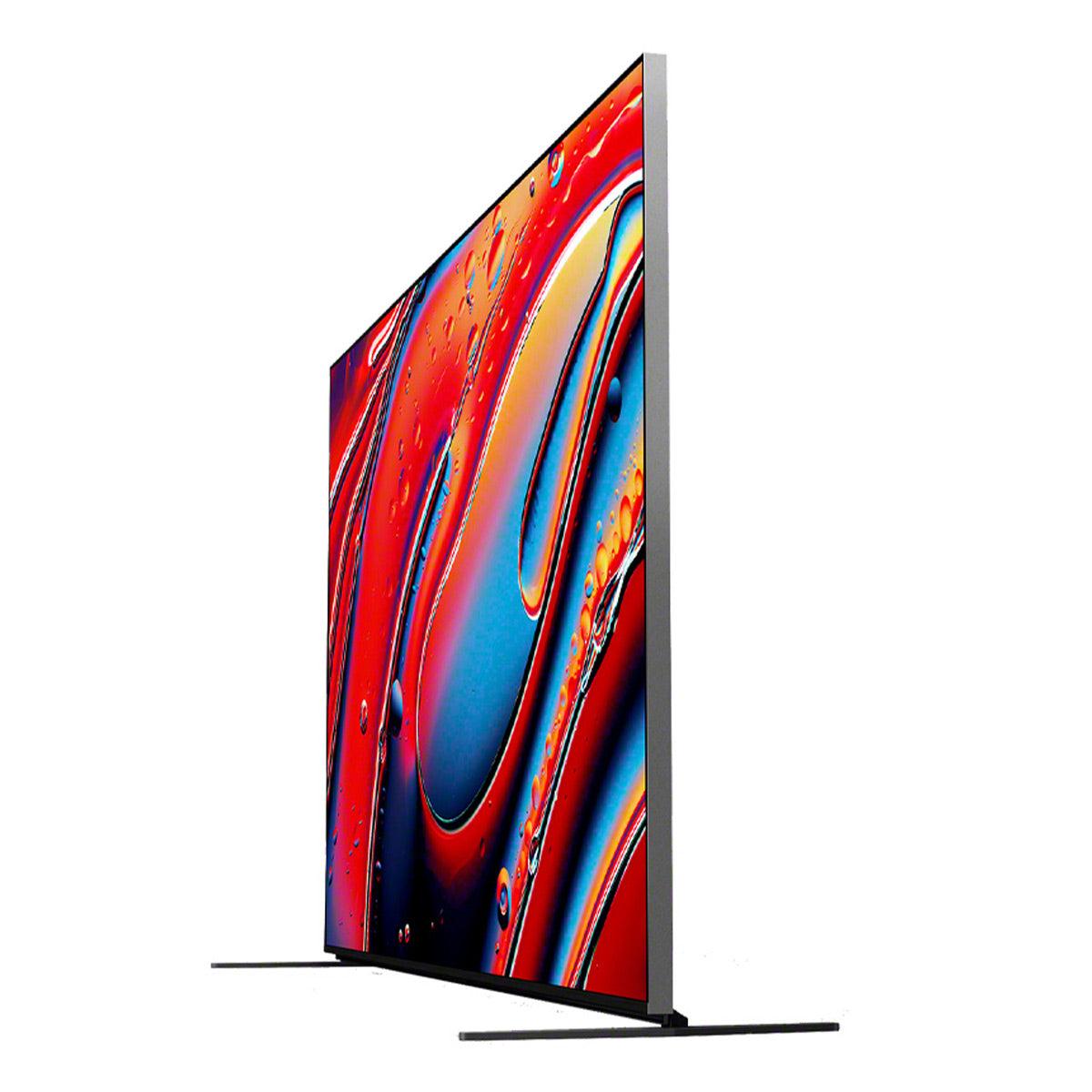
The Sony BRAVIA 9 has a more substantial build due to its Mini LED backlighting system. However, Sony's attention to detail shines through with a multi-position stand that can be adjusted for different viewing preferences or to accommodate soundbars. The build quality feels premium and robust.
At $1,699.99, the LG B5 OLED offers remarkable value for entry into premium OLED technology. You're getting perfect blacks, excellent gaming features, and a future-proof smart platform. The α8 AI Processor Gen2 ensures the TV will handle content processing well for years to come.
The Sony BRAVIA 9 at $2,073.95 commands a $374 premium, but you're paying for Sony's flagship Mini LED technology, exceptional brightness, superior built-in audio, and renowned color processing. For many users, especially those with bright rooms, this premium is justified.
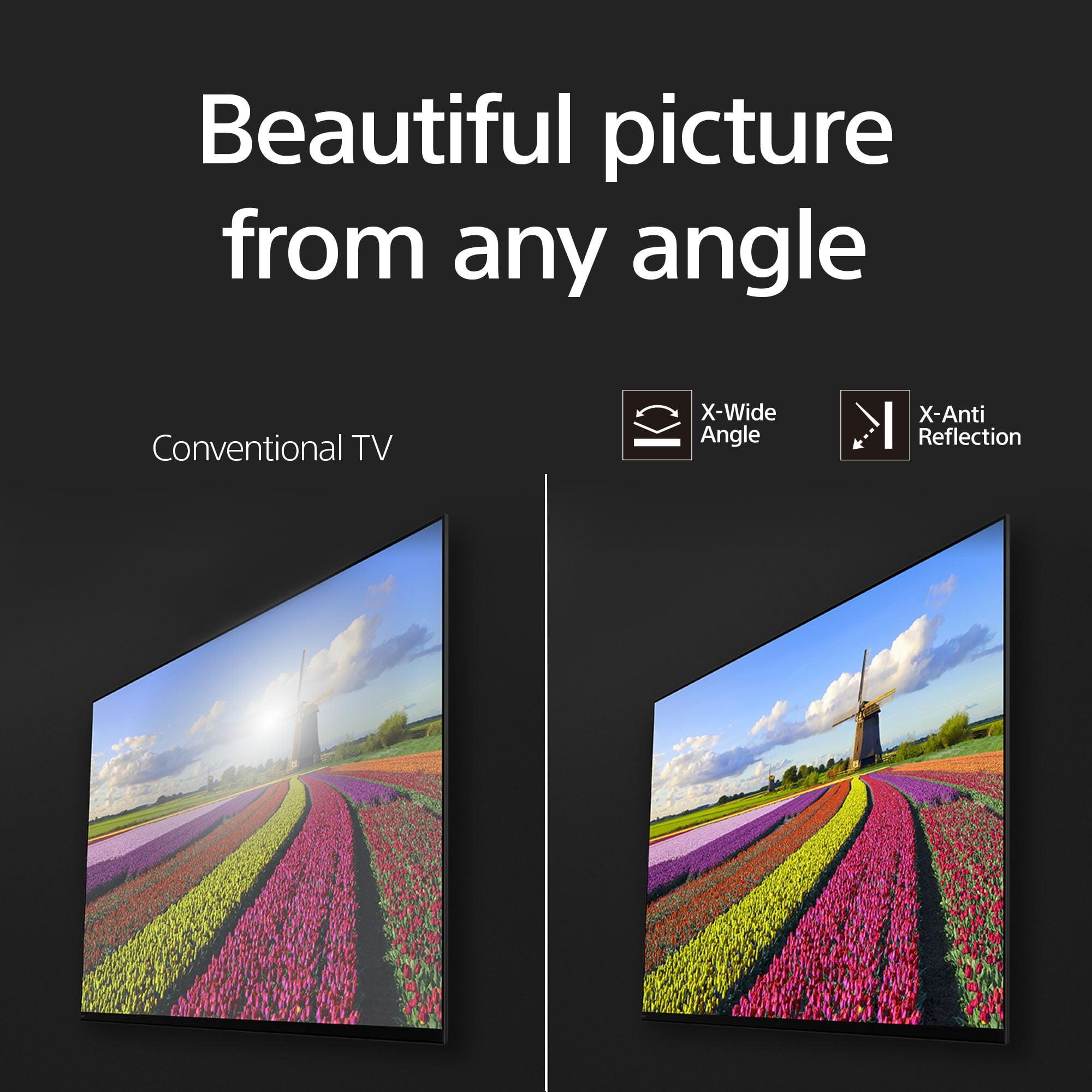
If you're building a dedicated home theater, the choice becomes more nuanced. The LG B5 OLED excels in dark, controlled environments where its perfect blacks create an incredibly cinematic experience. The wide viewing angles mean everyone in the room gets the same quality picture.
For theaters with some ambient light or if you frequently watch during the day, the Sony BRAVIA 9's brightness advantage helps maintain picture quality. The superior built-in audio might also eliminate the need for immediate soundbar upgrades in smaller theater spaces.
Choose the LG B5 OLED if you prioritize cinematic picture quality, have multiple gaming devices, watch primarily in darker environments, or want the best value in premium TV technology. Its perfect blacks and comprehensive gaming features make it ideal for movie enthusiasts and gamers who demand the best connectivity.
Opt for the Sony BRAVIA 9 if you have a bright living room, prioritize maximum brightness for HDR content, value premium built-in audio, or prefer Google TV's ecosystem integration. The extra $374 buys you flagship Mini LED technology that excels in challenging lighting conditions.
Both TVs represent excellent choices that will serve you well for years. The decision ultimately comes down to your specific viewing environment, usage patterns, and whether you value OLED's perfect blacks or Mini LED's exceptional brightness more. Either way, you're getting a premium TV that will transform your home entertainment experience.
| LG B5 Series OLED 65" 4K Smart TV 2025 | Sony BRAVIA 9 65" 4K UHD Mini LED QLED Smart Google TV |
|---|---|
| Price - Entry OLED vs flagship Mini LED pricing | |
| $1,699.99 | $2,073.95 |
| Display Technology - The fundamental difference affecting all picture quality | |
| OLED with self-emissive pixels | Mini LED QLED with quantum dots |
| Black Levels - Critical for movie watching and contrast | |
| Perfect blacks (infinite contrast) | Excellent but not perfect (slight blooming possible) |
| Peak Brightness - Essential for HDR impact and bright room viewing | |
| ~1,200 nits (good for most content) | ~4,000 nits (Sony's brightest TV ever) |
| Gaming Connectivity - Important for multiple console/PC setups | |
| 4x HDMI 2.1 ports | 2x HDMI 2.1 ports |
| Gaming Performance - Response time affects competitive gaming | |
| <0.1ms response time, 120Hz native | Excellent motion clarity, 120Hz |
| Smart Platform - Daily user experience and app ecosystem | |
| webOS 25 with AI features | Google TV with seamless casting |
| Audio System - May eliminate need for soundbar purchase | |
| Standard TV audio with Dolby Atmos | Premium 2.2.2 system with up-firing speakers |
| Processor - Affects upscaling and AI features | |
| α8 AI Processor Gen2 (1.4x faster than previous) | XR Processor with advanced motion processing |
| Best Room Environment - Where each TV performs optimally | |
| Dark to moderately lit rooms | Bright rooms with lots of ambient light |
| Design Profile - Aesthetic and mounting considerations | |
| Ultra-thin OLED panel | Thicker due to Mini LED backlighting |
| Burn-in Risk - Long-term durability consideration | |
| Minimal risk with 2025 improvements | No burn-in risk (LCD technology) |
| HDR Formats - Content compatibility | |
| HDR10, Dolby Vision, HLG | HDR10, Dolby Vision, HLG |
| Ideal User - Who benefits most from each approach | |
| Movie enthusiasts, gamers, value seekers | Bright room viewers, HDR content lovers |
The LG B5 Series OLED 65" 4K Smart TV 2025 is superior for dark room viewing due to its perfect black levels. OLED pixels turn completely off when displaying black, creating infinite contrast that makes movies look cinematic. The Sony BRAVIA 9 65" 4K UHD Mini LED QLED Smart Google TV is excellent but can't match OLED's true blacks in dark environments.
The Sony BRAVIA 9 is significantly brighter, reaching peak brightness of around 4,000 nits compared to the LG B5 OLED's ~1,200 nits. This makes the Sony much better for bright rooms with lots of windows or daytime viewing, where the extra brightness helps maintain picture quality against ambient light.
The LG B5 Series OLED 65" 4K Smart TV 2025 is better for gaming due to its four HDMI 2.1 ports (vs Sony's two), ultra-low <0.1ms response time, and support for both NVIDIA G-Sync and AMD FreeSync Premium. The Sony BRAVIA 9 offers good gaming performance but limited connectivity for multiple gaming devices.
The LG B5 OLED costs $1,699.99 while the Sony BRAVIA 9 costs $2,073.95, a $374 difference. The Sony's premium buys you exceptional brightness, superior built-in audio, and flagship Mini LED technology. Whether it's worth it depends on your room lighting and audio needs.
Both offer excellent smart platforms with different strengths. The LG B5 OLED runs webOS 25 with AI features and Quick Cards organization, while the Sony BRAVIA 9 uses Google TV with seamless casting and Google ecosystem integration. Both are fast and user-friendly.
For dedicated home theaters with controlled lighting, the LG B5 Series OLED 65" 4K Smart TV 2025 provides the most cinematic experience with perfect blacks and wide viewing angles. For theaters with some ambient light, the Sony BRAVIA 9's exceptional brightness and superior built-in audio make it more versatile.
The Sony BRAVIA 9 65" 4K UHD Mini LED QLED Smart Google TV has significantly better built-in audio with its 2.2.2-channel system and up-firing speakers that may eliminate the need for a soundbar. The LG B5 OLED has standard TV audio that's adequate but benefits from adding a soundbar.
The Sony BRAVIA 9 displays HDR content more dramatically due to its exceptional peak brightness, making highlights more impactful. The LG B5 OLED offers excellent HDR with perfect shadow detail and contrast, but lacks the peak brightness for the most spectacular HDR highlights.
The LG B5 Series OLED 65" 4K Smart TV 2025 has minimal burn-in risk thanks to 2025 OLED improvements, but static images displayed for extended periods could theoretically cause issues. The Sony BRAVIA 9 has no burn-in risk as it uses LCD technology, making it more worry-free for varied content.
The Sony BRAVIA 9 65" 4K UHD Mini LED QLED Smart Google TV is better for sports due to its exceptional brightness that maintains picture quality in bright rooms where sports are typically watched. Its XR Motion Clarity also provides excellent motion handling for fast-paced action.
The LG B5 OLED features an ultra-thin profile that looks elegant when wall-mounted, while the Sony BRAVIA 9 has a more substantial build with a versatile multi-position stand. Both offer premium build quality with different aesthetic approaches.
The LG B5 Series OLED 65" 4K Smart TV 2025 at $1,699.99 offers excellent value for premium OLED technology with comprehensive gaming features. The Sony BRAVIA 9 at $2,073.95 provides flagship Mini LED performance with superior brightness and audio, justifying its premium for the right user.
We've done our best to create useful and informative comparisons to help you decide what product to buy. Our research uses advanced automated methods to create this comparison and perfection is not possible - please contact us for corrections or questions. These are the sites we've researched in the creation of this article: eftm.com - bestbuy.com - rtings.com - youtube.com - rtings.com - tomsguide.com - youtube.com - nationalproductreview.com.au - lg.com - manchesterbrothers.com - avsforum.com - lg.com - lg.com - lg.com - lg.com - retailspecs.com - american-homeappliance.com - perpichtv.com - bestbuy.com - bestbuy.com - youtube.com - whathifi.com - crutchfield.com - rtings.com - pcrichard.com - merlinstv.com - youtube.com - sony.ca - electronics.sony.com

Privacy Policy
Terms and Conditions - Affiliate Policy
Home Security
© Copyright 2008-2026.
11816 Inwood Rd #1211, Dallas, TX 75244