

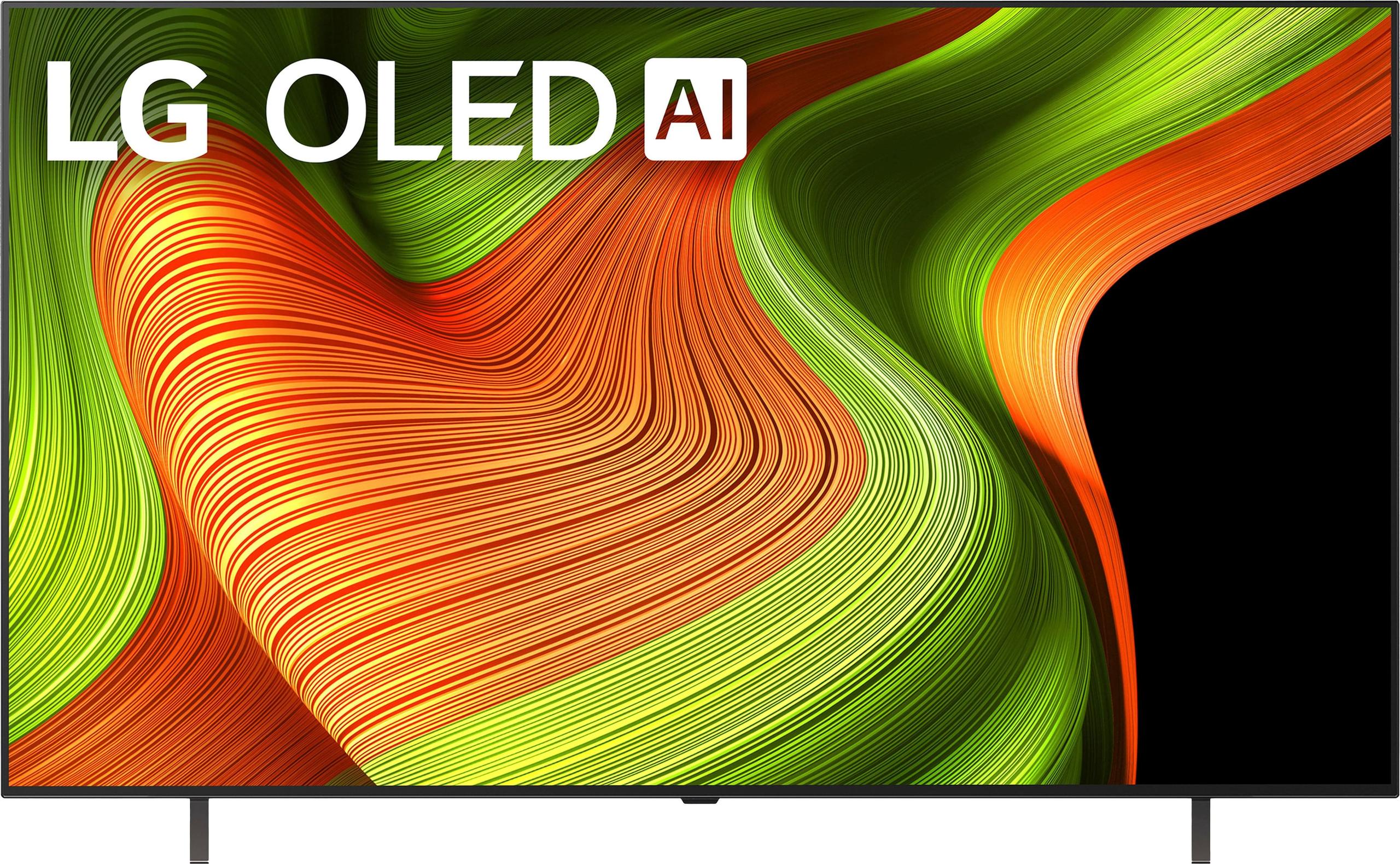
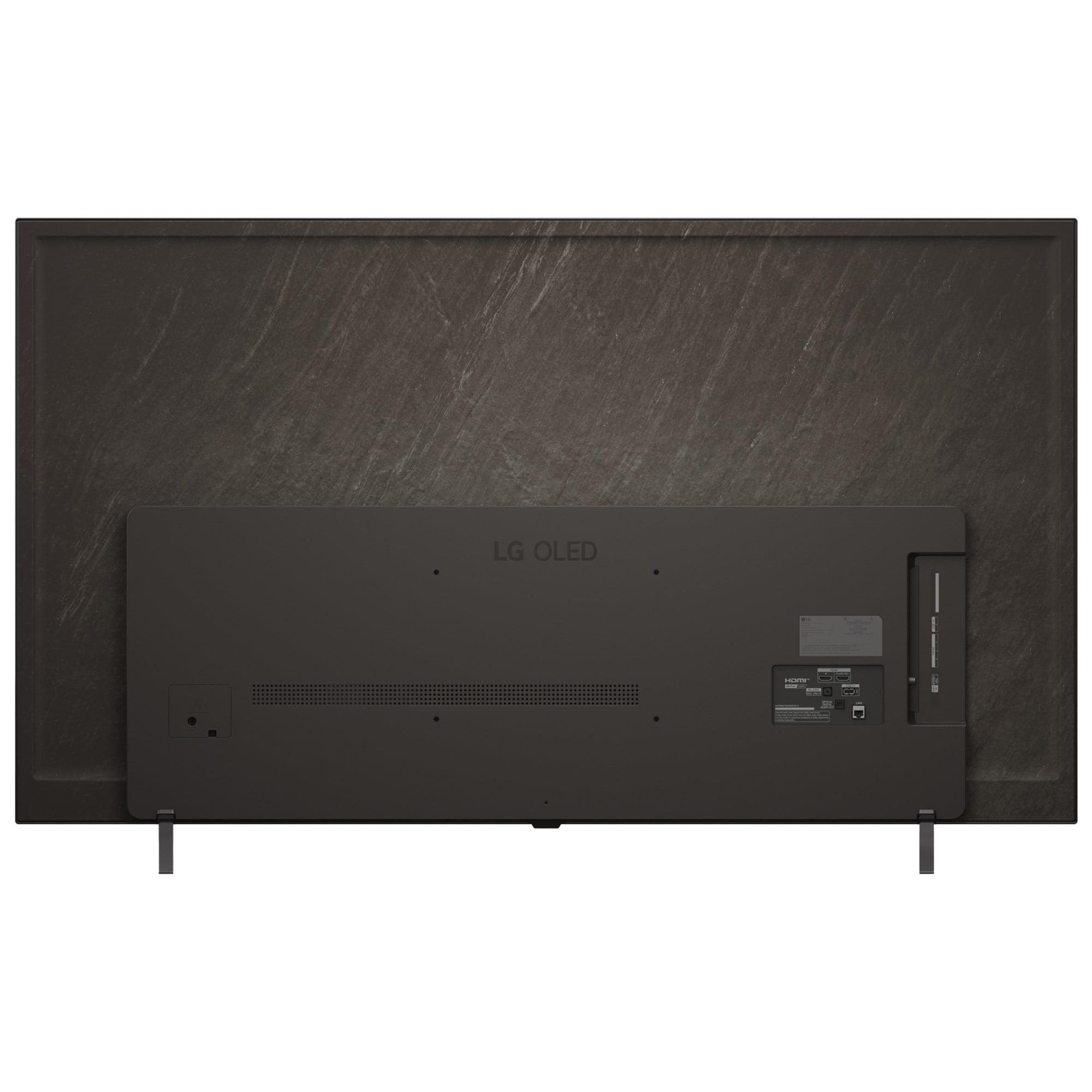
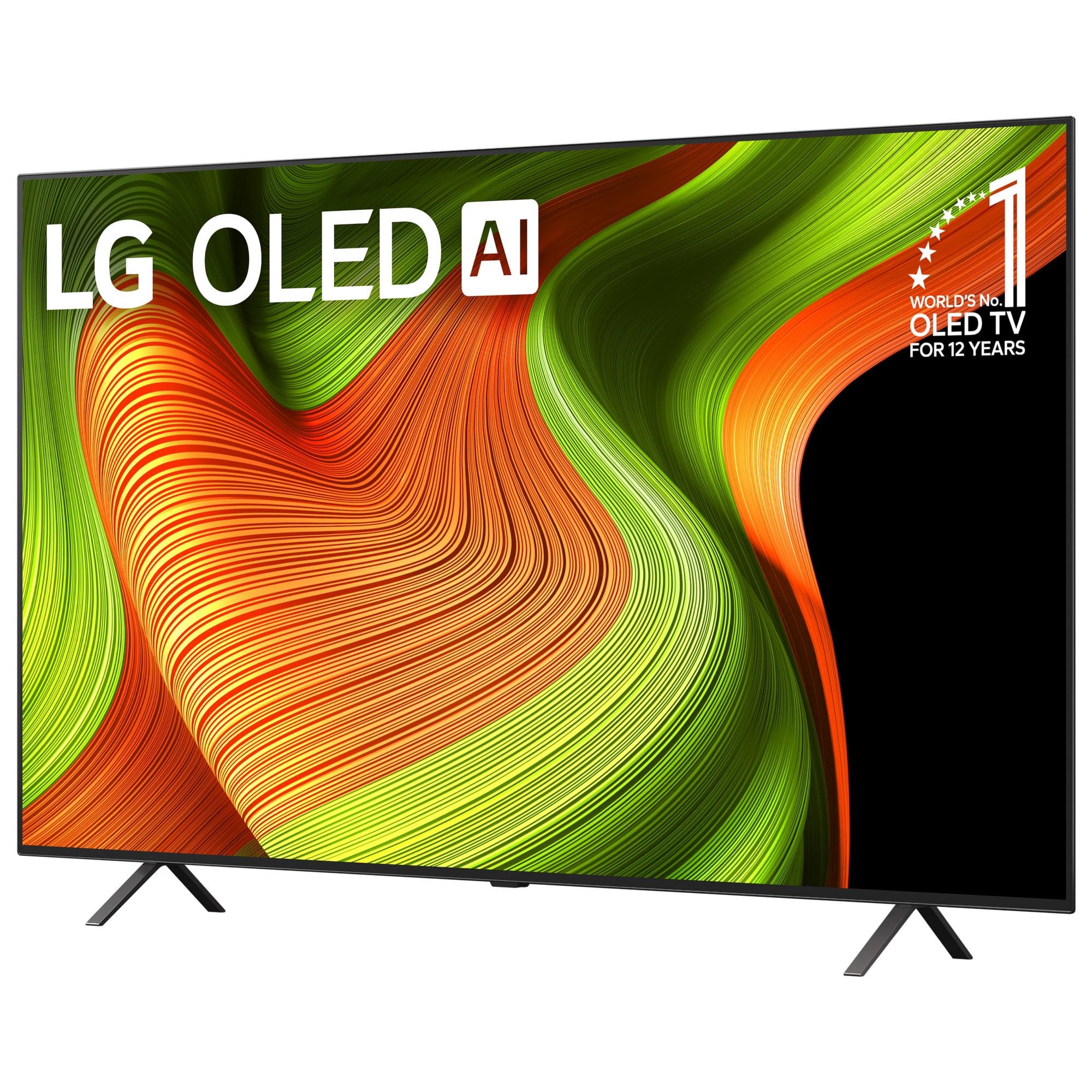
![LG B5 Series OLED 65" 4K Smart TV 2025[1][7][9]](https://images.hometheaterreview.com/htr-stateless/2025/07/3368ce40-25ef-4d07-b442-bb0af89e3a29.jpg)


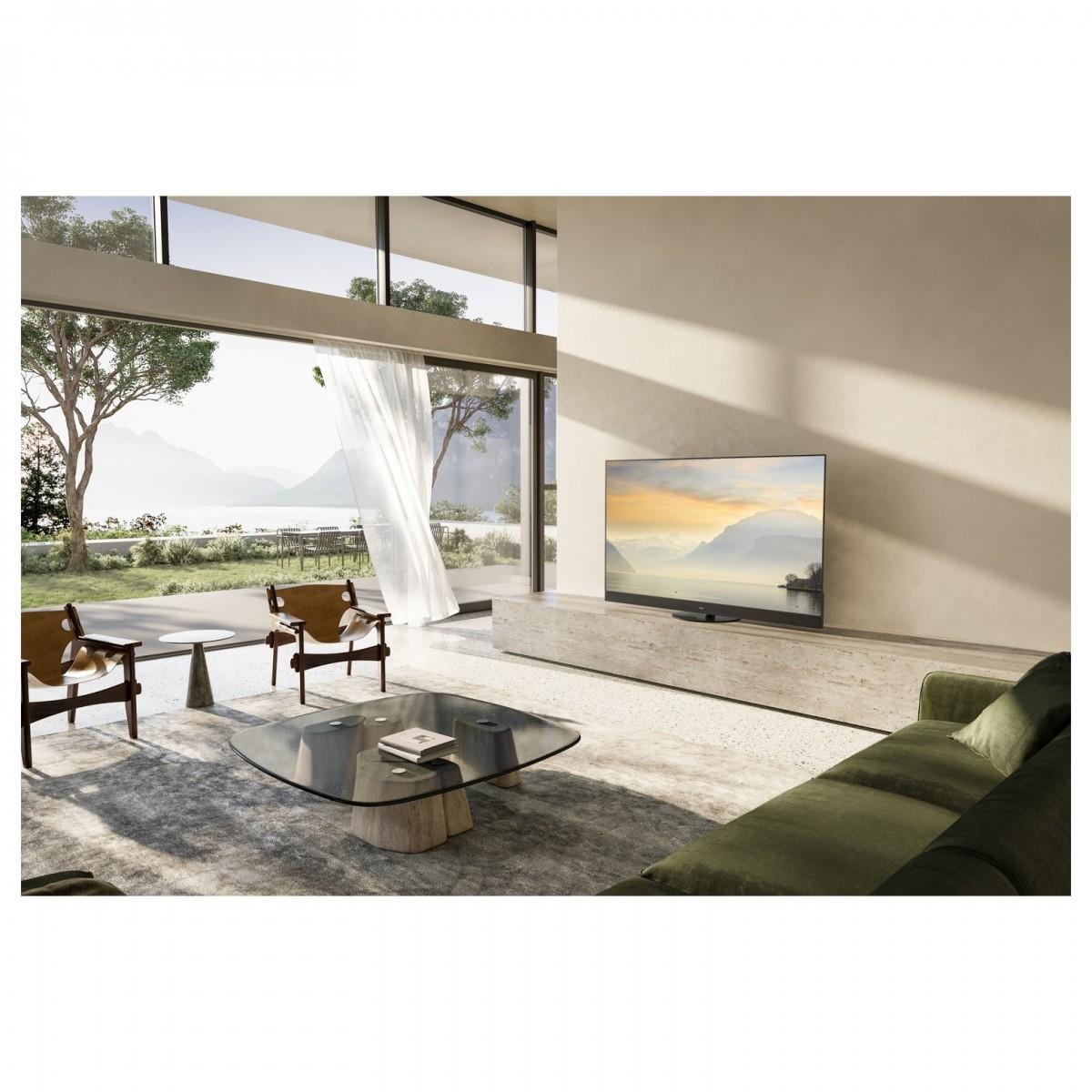
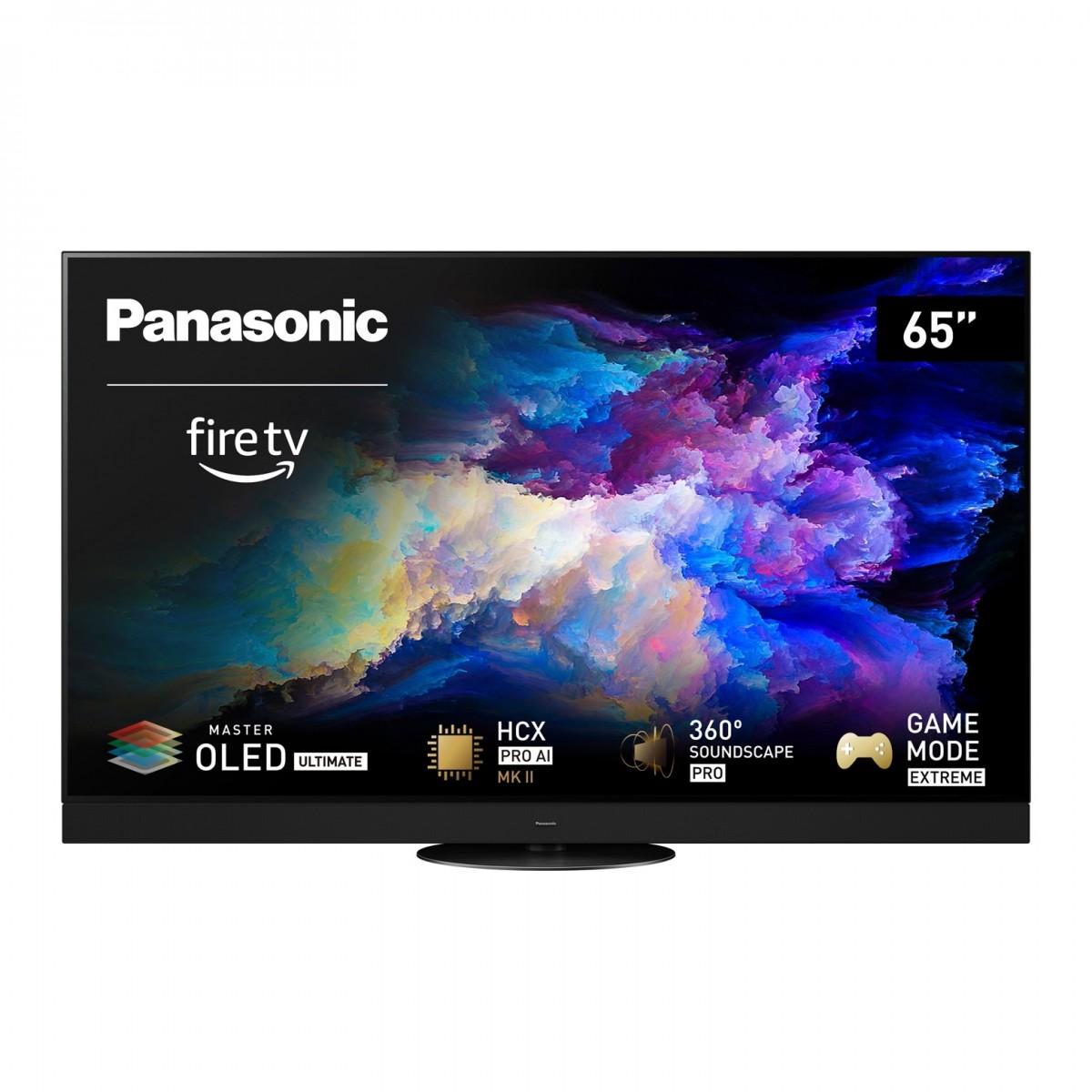
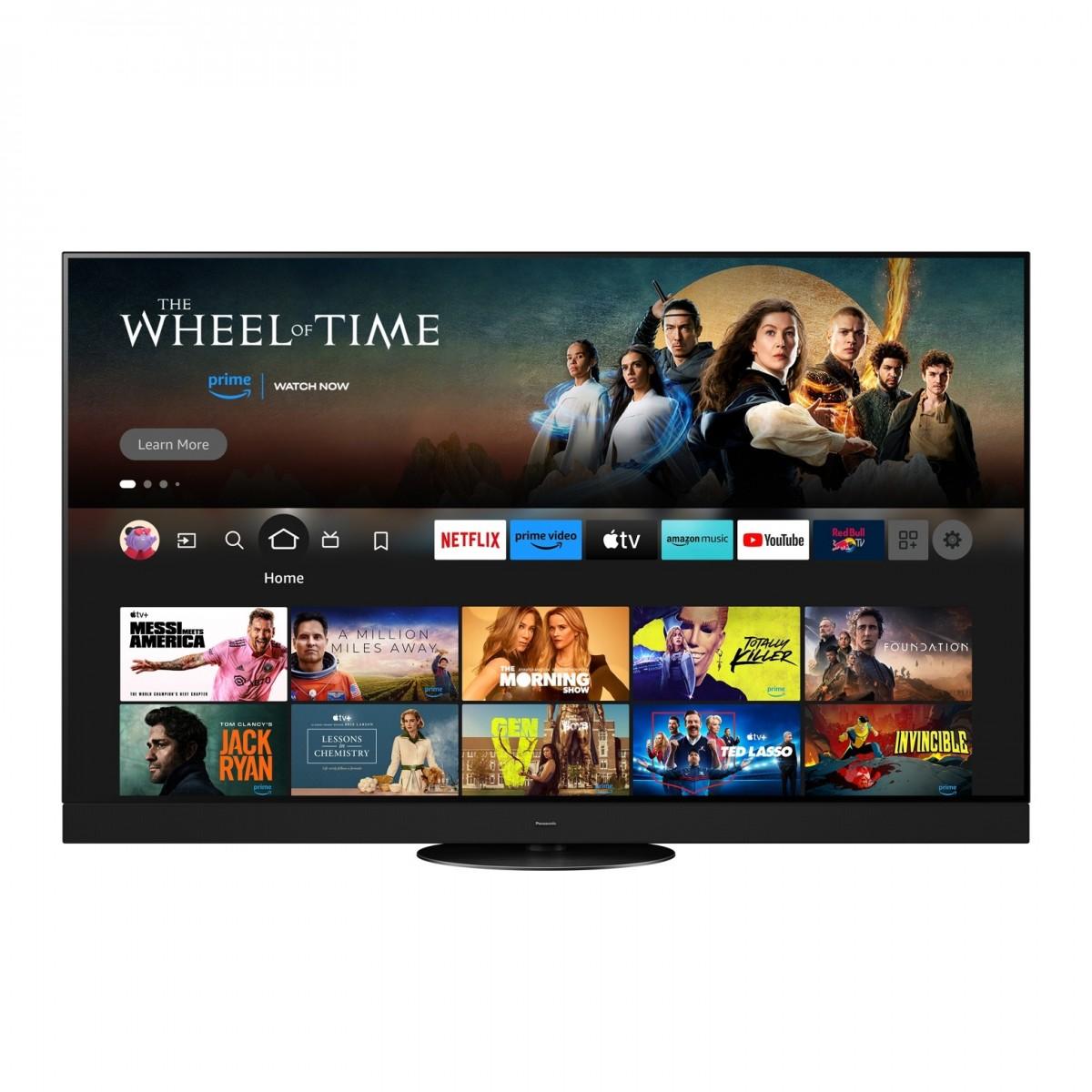
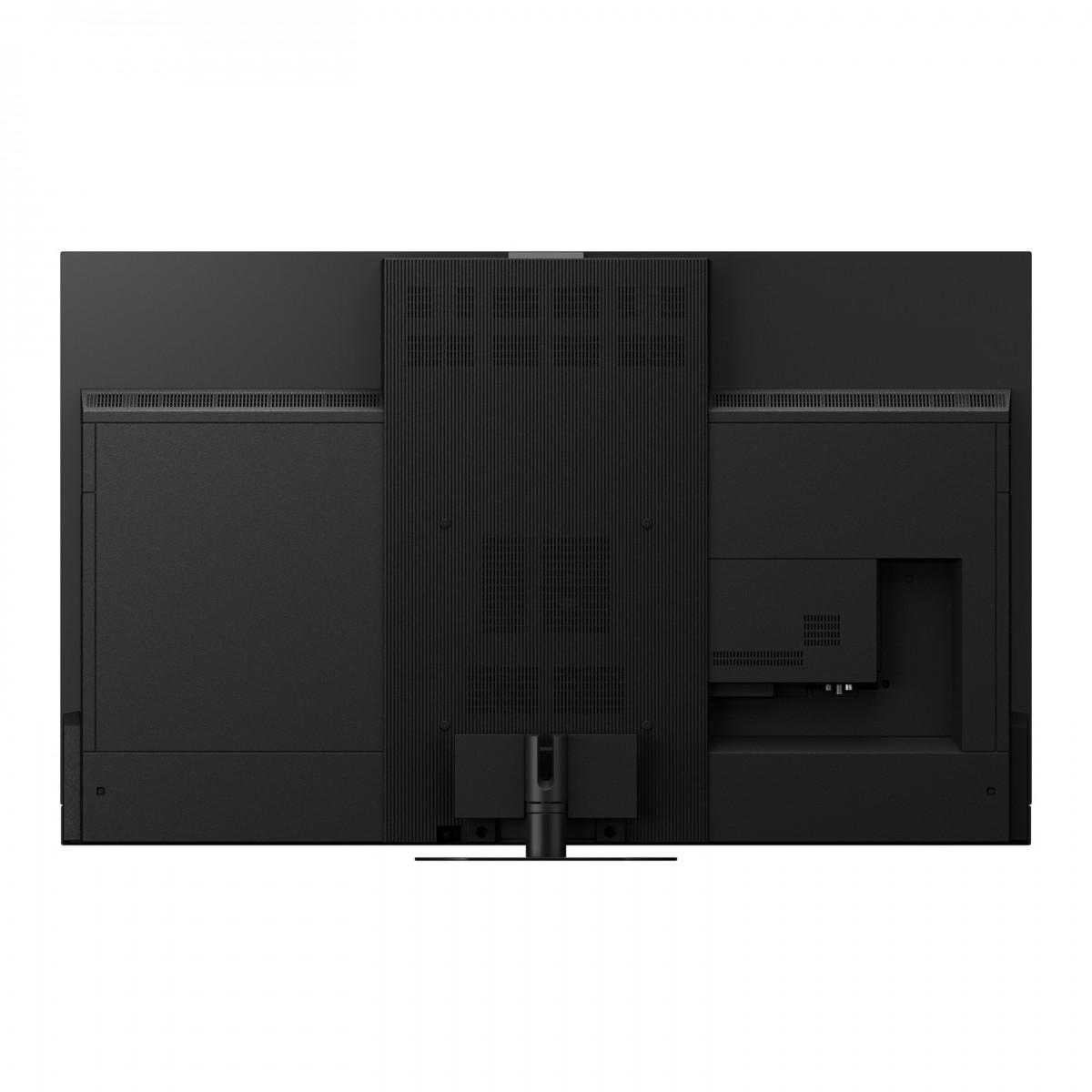
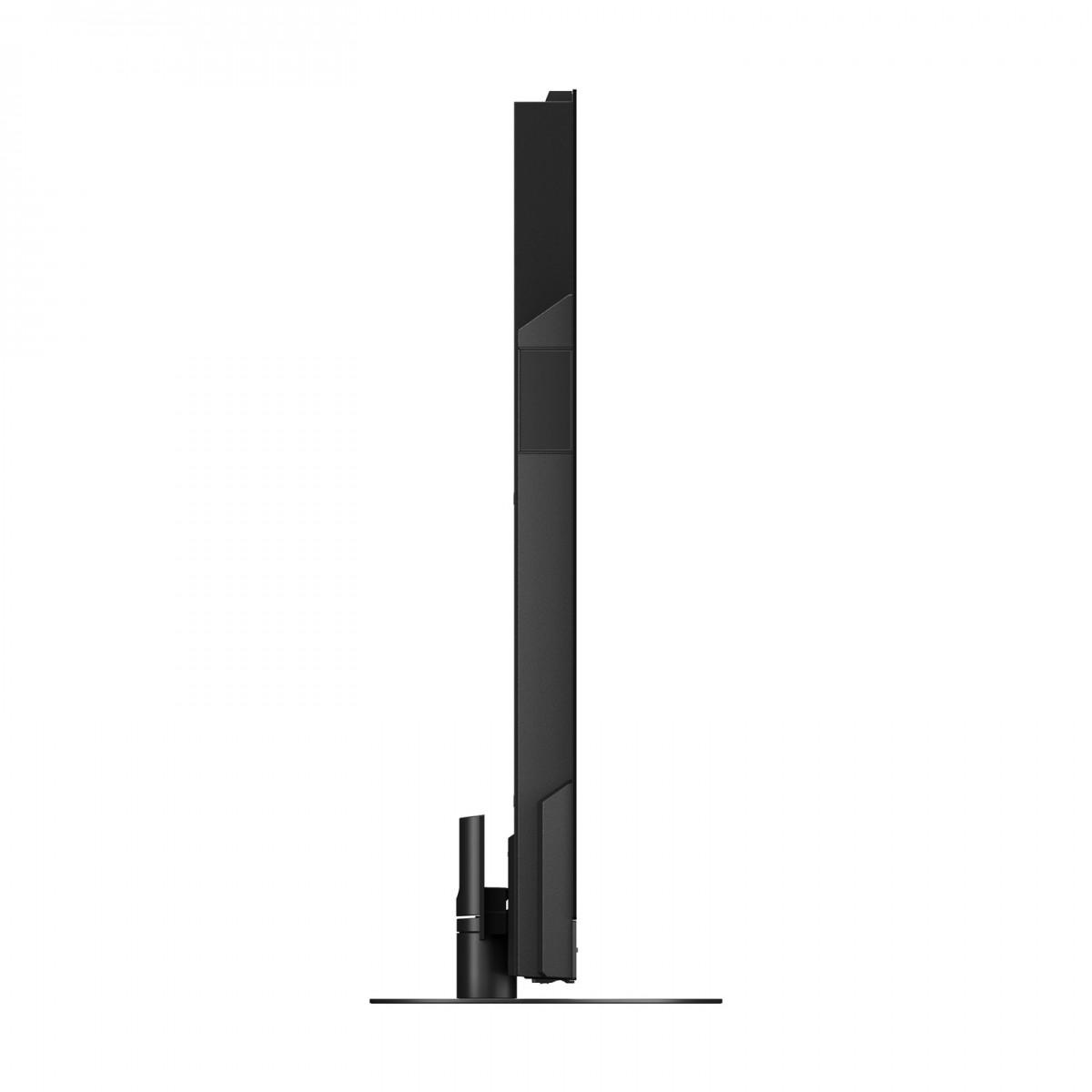
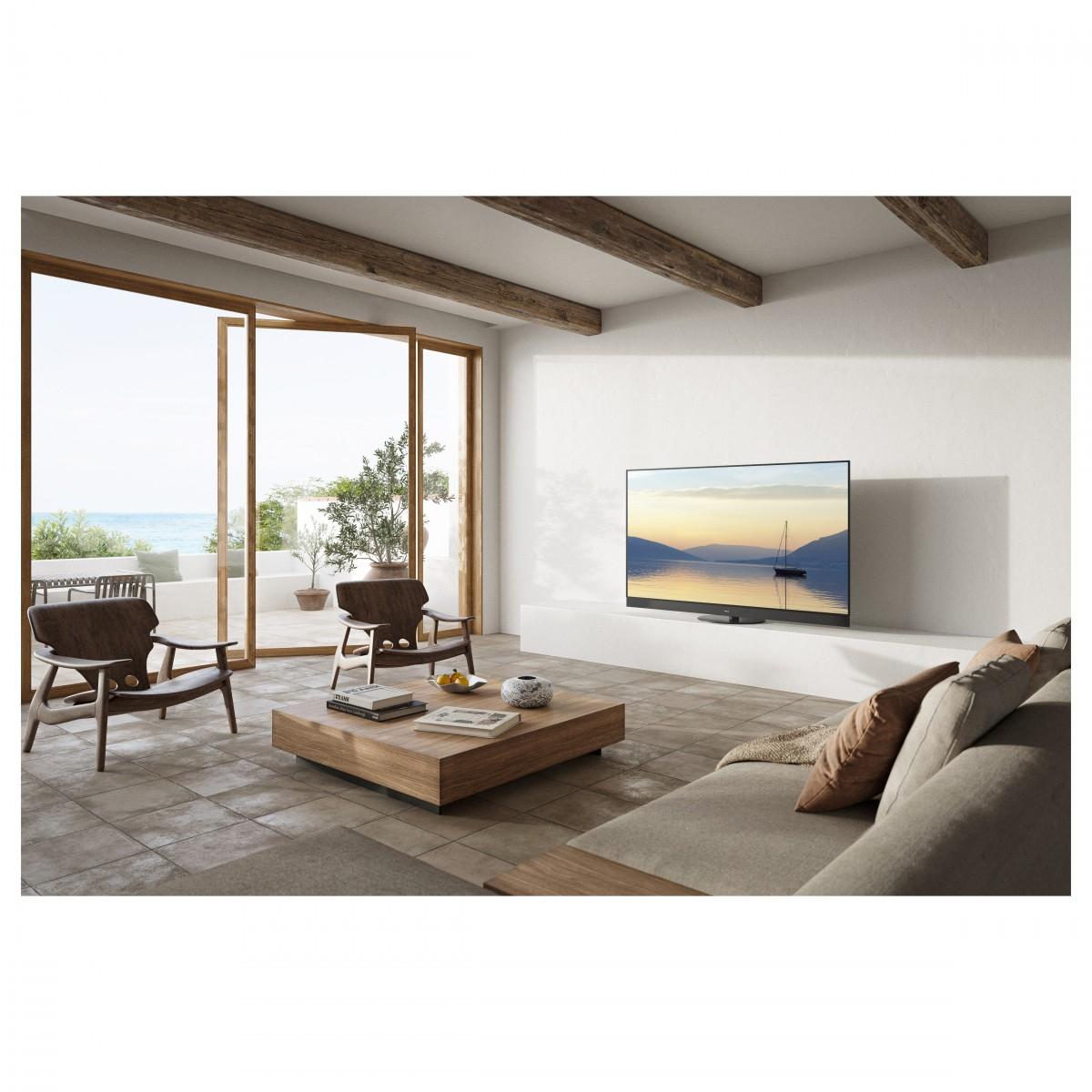
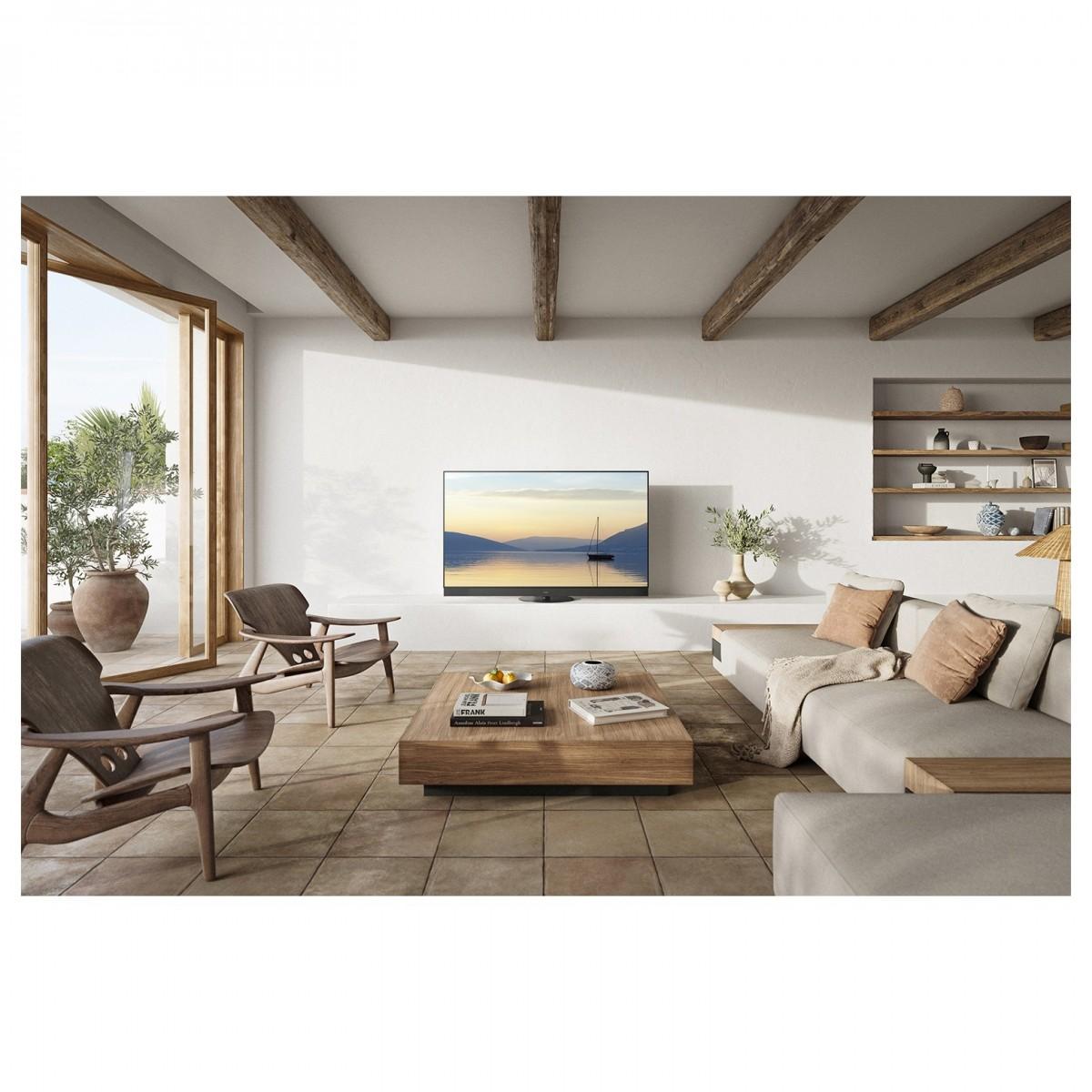
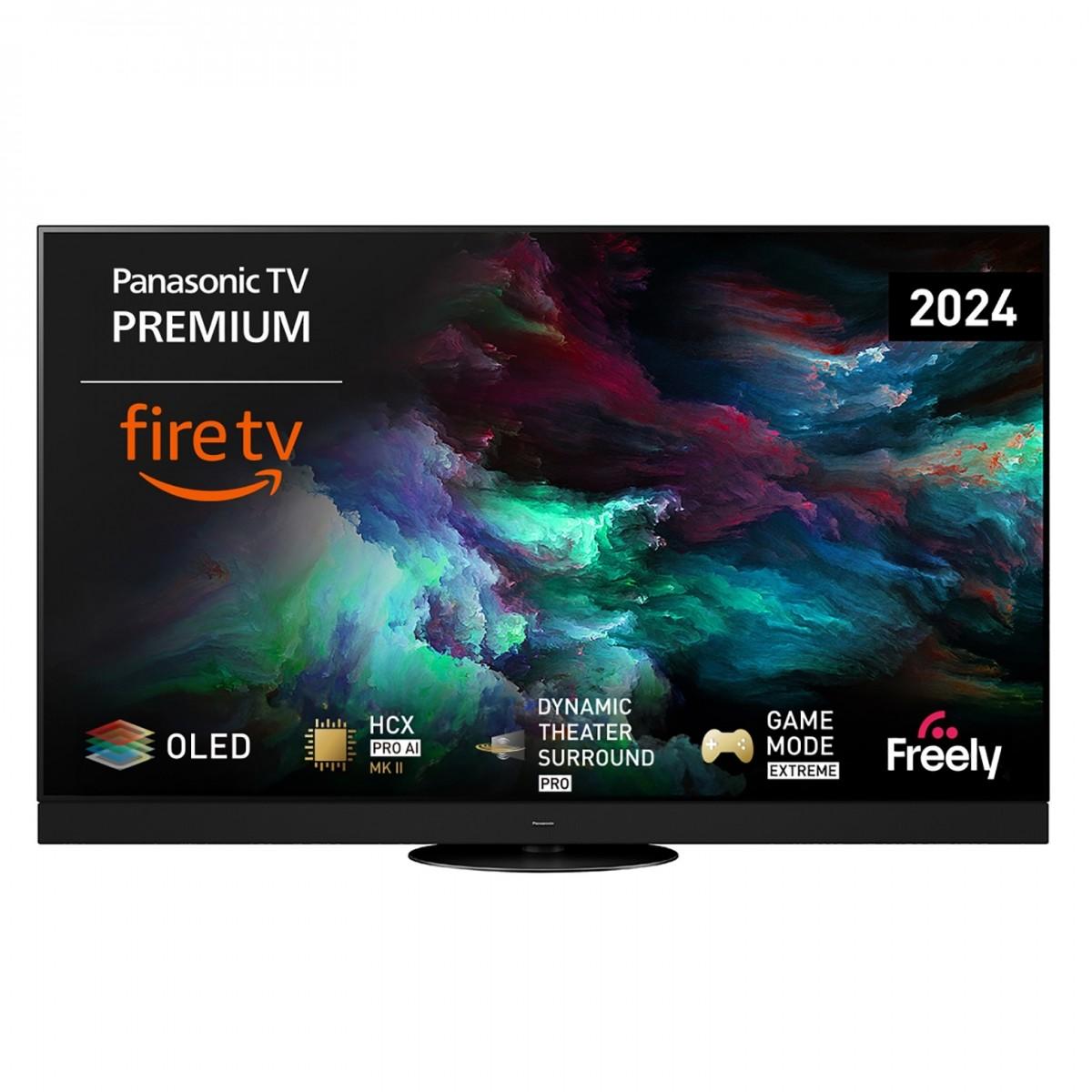
When you're shopping for a premium OLED TV in 2025, two models consistently rise to the top of recommendation lists: the Panasonic Z95A and the LG B5 Series. Both are 65-inch OLED displays that promise perfect blacks and stunning color, but they take dramatically different approaches to achieving premium performance. After extensive research into expert reviews and user feedback, it's clear these TVs serve distinct audiences despite sharing the same core OLED technology.
The television market has evolved significantly since both companies launched their 2025 lineups. OLED technology has matured to the point where even entry-level models deliver exceptional picture quality, but the real differentiation now happens in brightness capabilities, processing power, and integrated audio systems. Understanding these differences is crucial because they directly impact your viewing experience and determine whether you're getting good value for your investment.
OLED (Organic Light Emitting Diode) technology works fundamentally differently from traditional LED-backlit LCD TVs. Instead of requiring a backlight that shines through pixels, each OLED pixel generates its own light. When a pixel needs to display black, it simply turns off completely, creating true black rather than the dark gray you see on LCD displays. This creates infinite contrast ratio – the difference between the brightest whites and darkest blacks – which is why OLED TVs look so dramatically better in dark scenes.
Both the Panasonic Z95A and LG B5 use this self-emissive pixel technology, but they implement it differently. The key considerations when choosing between premium OLED models include peak brightness (how bright the TV can get for HDR content), color accuracy (how faithfully colors are reproduced), processing power (how well the TV optimizes different content types), gaming performance (input lag and refresh rates), built-in audio quality, and smart TV features.
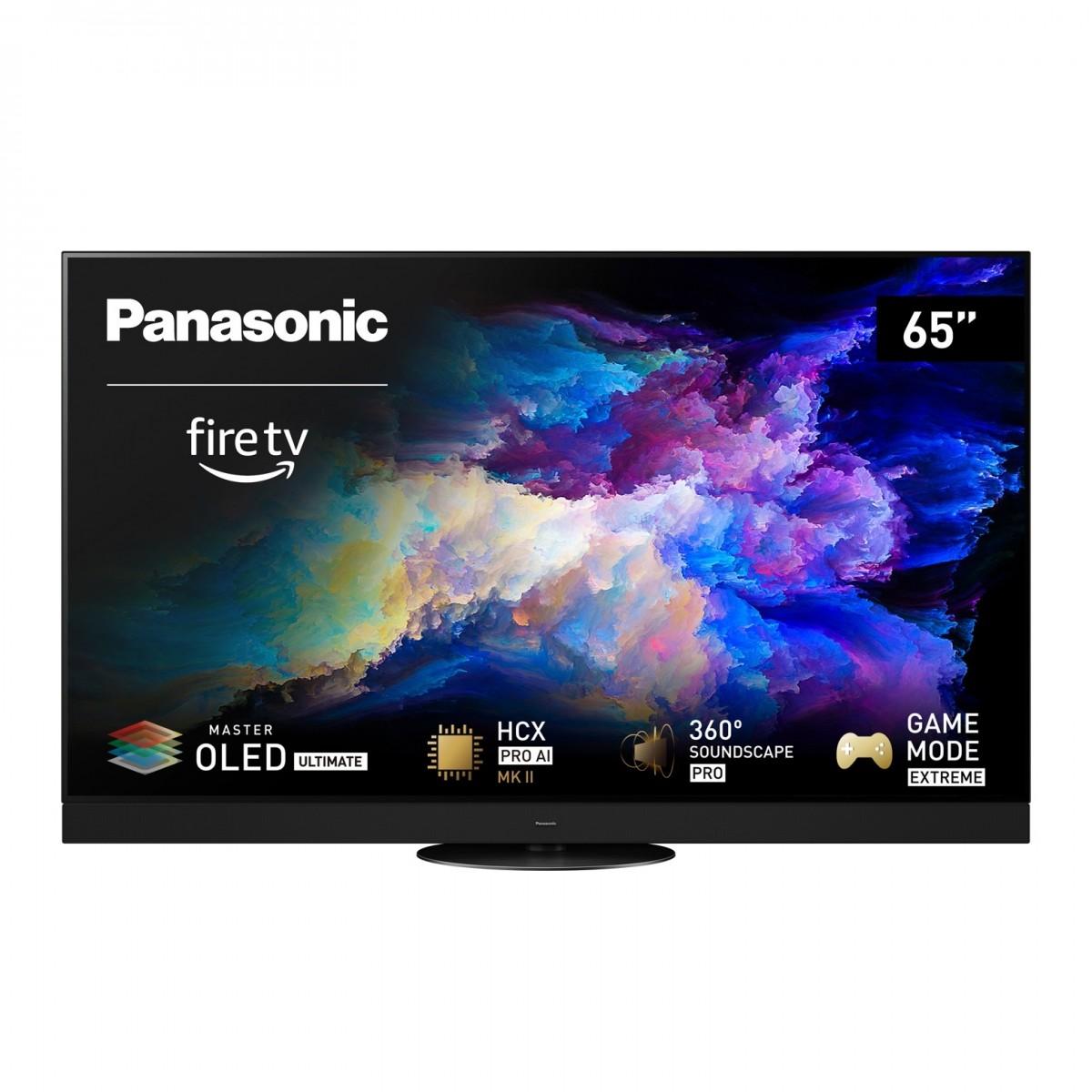
The Panasonic Z95A represents Panasonic's flagship approach to OLED technology. Released in 2025, it incorporates what Panasonic calls a "4-stack tandem OLED panel with micro lens array technology." This sounds complex, but it's essentially a more sophisticated version of standard OLED that can get significantly brighter while maintaining color accuracy.
Traditional OLED panels have struggled with brightness compared to high-end LCD TVs, particularly for HDR (High Dynamic Range) content that's mastered to display very bright highlights. Panasonic's 4-stack technology layers multiple OLED elements to achieve higher peak brightness without sacrificing the perfect blacks that make OLED special. The micro lens array further enhances light output efficiency.
The processing brain behind this display is Panasonic's HCX Pro AI Processor MKII, which analyzes incoming content frame-by-frame and adjusts picture settings automatically. What makes this processor special is its focus on maintaining filmmaker intent – it's designed to display content as close as possible to how directors and colorists intended it to look in professional mastering suites.
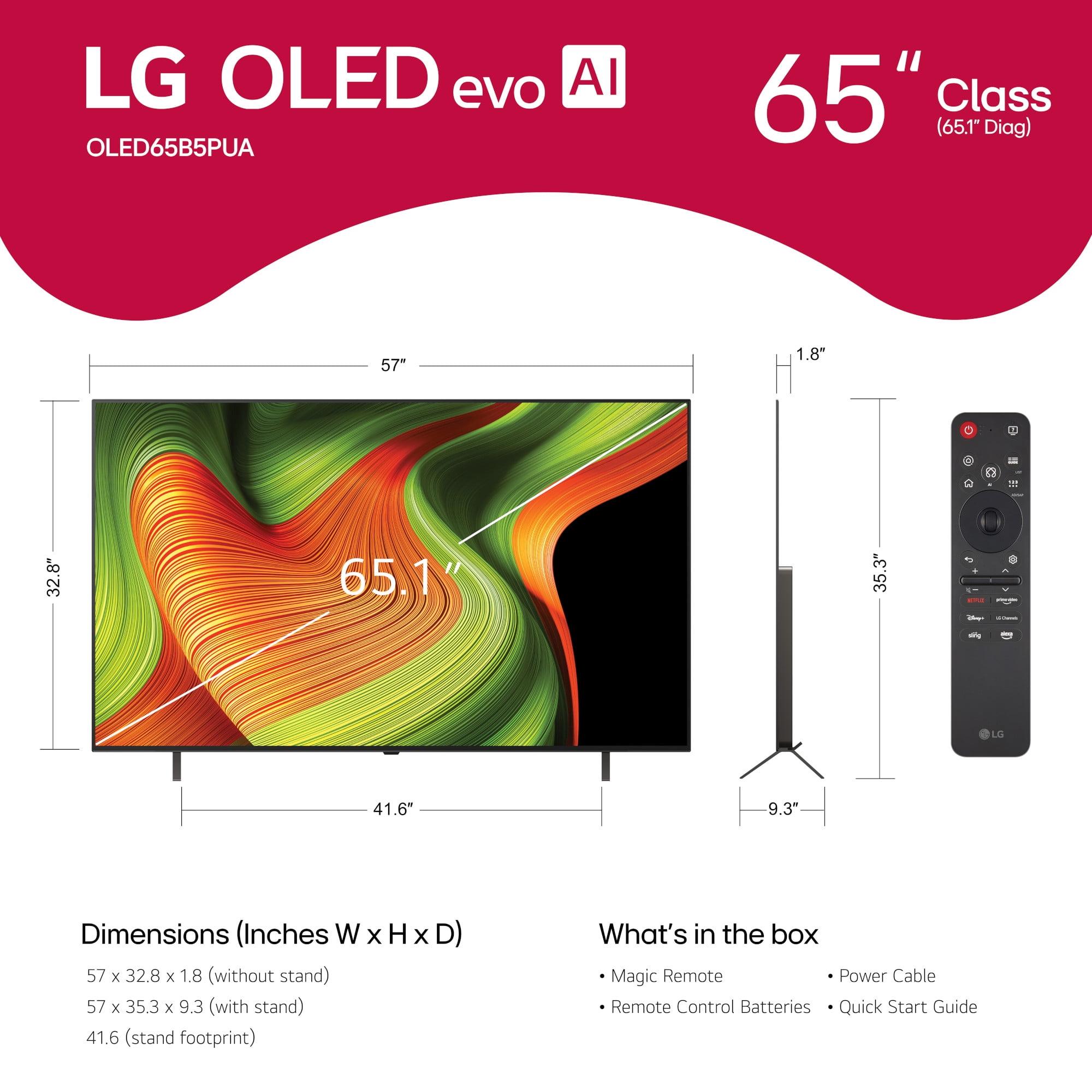
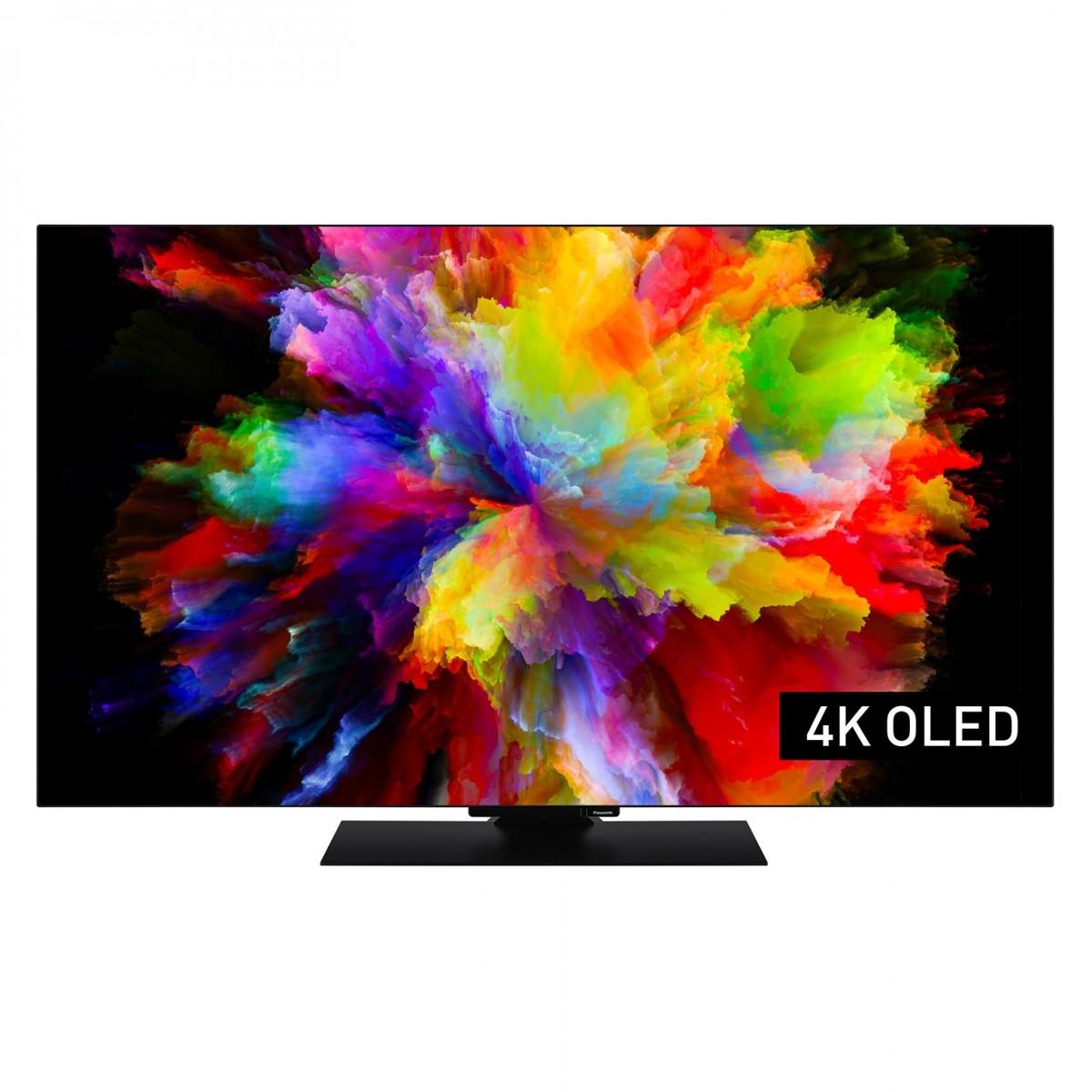
The LG B5 Series, also released in 2025, takes a different approach. Rather than pushing the absolute boundaries of OLED technology, LG focused on delivering excellent OLED performance at a much more accessible price point. The B5 uses LG's proven OLED panel technology with 8.3 million self-lit pixels, which has been refined over years of development.
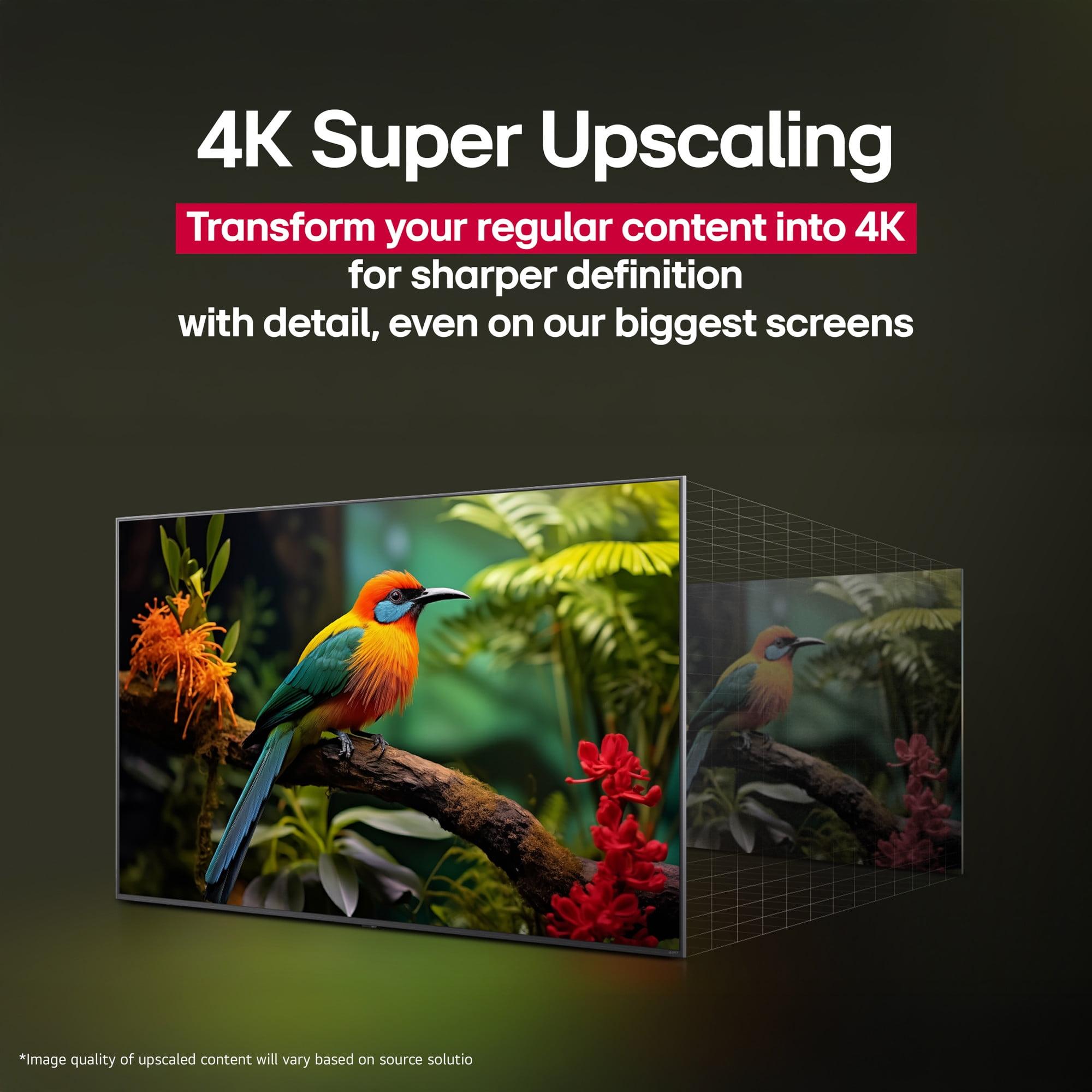
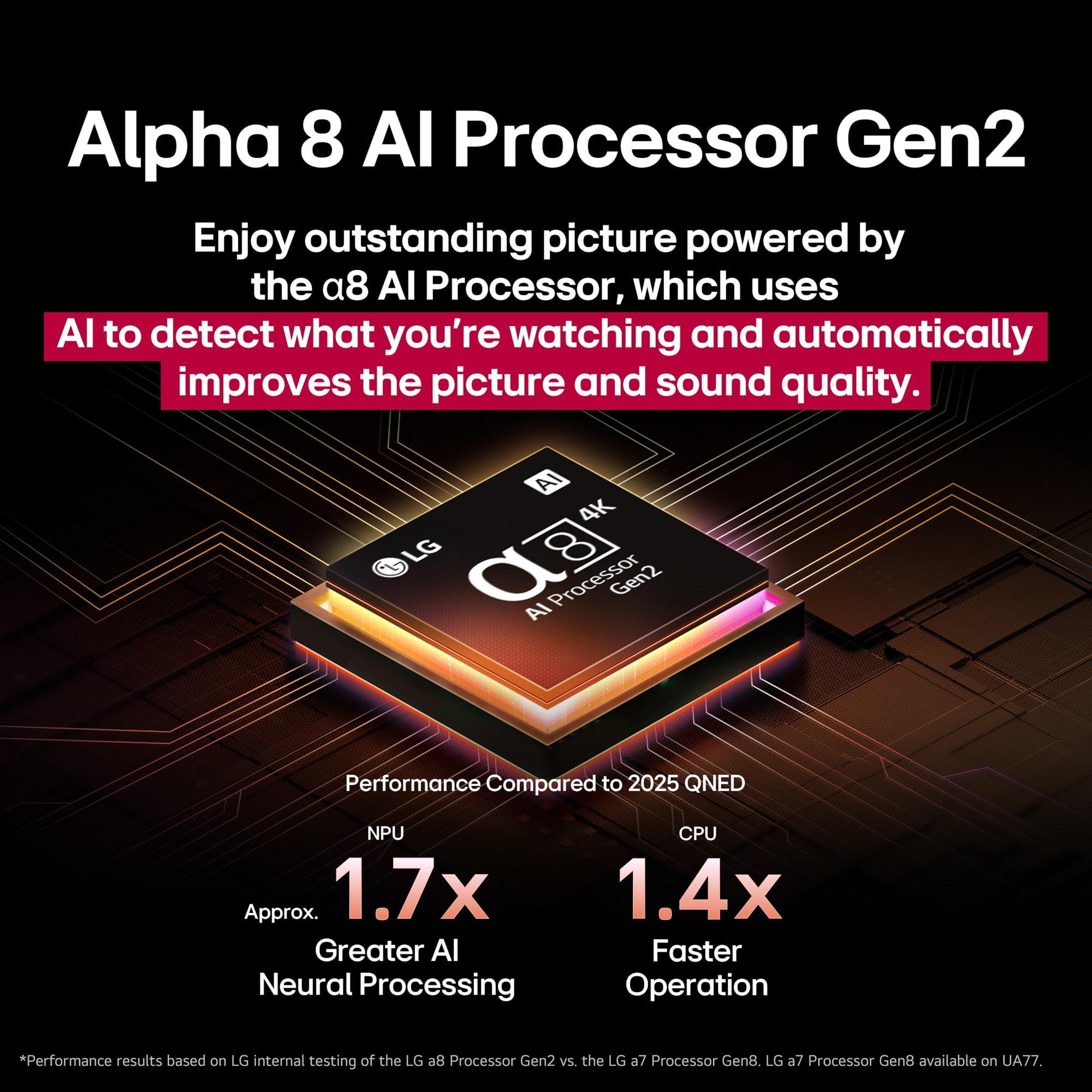
LG's α8 AI Processor 4K Gen2 handles the picture processing duties. While not as specialized as Panasonic's cinema-focused processor, it excels at real-time content optimization and upscaling lower-resolution content to 4K. The processor is 1.4 times faster than the previous generation and uses AI to analyze what type of content you're watching – whether it's sports, movies, or games – and adjusts settings accordingly.
The most significant performance gap between these TVs lies in brightness capabilities. Based on expert reviews and technical measurements, the Panasonic Z95A can achieve substantially higher peak brightness levels thanks to its advanced panel technology. This translates to more impactful HDR content, especially in scenes with bright highlights like sunlight reflecting off water or explosions in action movies.
HDR content is mastered with the assumption that displays can reach certain brightness levels. When a TV can't hit these targets, HDR content appears dimmer and less dramatic than intended. The Z95A's superior brightness means it can display HDR content closer to how it was meant to be seen, with more realistic sun glare, brighter specular highlights, and better overall dynamic range.
The LG B5 still delivers excellent HDR performance that surpasses most LCD TVs, but it can't quite match the Z95A's peak output. For most viewing environments, this difference may not be noticeable, but in bright rooms or for viewers who prioritize the most impactful HDR experience, the Panasonic has a clear advantage.
Color accuracy is where the Panasonic Z95A truly shines. The TV supports professional calibration standards including Calman calibration and ISFccc certification. These might sound like marketing terms, but they represent industry-standard tools that professional installers and enthusiasts use to achieve reference-level color accuracy.
The Z95A also includes specialized viewing modes like Prime Video Calibrated Mode, which automatically optimizes the display for content from specific streaming services. Dolby Vision IQ takes this further by adjusting HDR settings based on the ambient light in your room – if you're watching during the day with sunlight streaming in, it will automatically brighten the image to compensate.
The LG B5 offers solid color performance with good out-of-box accuracy, but it's not quite at the reference level of the Panasonic. For most viewers, the difference is subtle, but videophiles and anyone doing color-critical work will appreciate the Z95A's superior calibration capabilities.
Both TVs excel at upscaling lower-resolution content, but they take different approaches. The Panasonic Z95A focuses on maintaining film-like quality and reducing artifacts, while the LG B5 uses more aggressive AI enhancement that can make older content look sharper, though sometimes at the cost of natural texture.
In practice, both handle Netflix, streaming content, and Blu-ray movies excellently. The differences become more apparent with lower-quality sources like broadcast TV or older streaming content, where personal preference plays a larger role in which approach you prefer.
Gaming has become a crucial consideration for TV buyers, and both models deliver excellent performance with some key differences.
The Panasonic Z95A supports up to 144Hz refresh rates, making it ideal for high-end PC gaming where frame rates can exceed 120fps. This higher refresh rate provides smoother motion in fast-paced games and can give competitive gamers an advantage.
The LG B5 offers a 120Hz native refresh rate with an ultra-fast 0.1ms response time. This 120Hz limit aligns perfectly with current gaming consoles like the PlayStation 5 and Xbox Series X, which are capped at 120fps for 4K gaming. The response time – how quickly the display can change from one color to another – is excellent on both TVs, minimizing motion blur and ghosting.
Both TVs support the full suite of modern gaming features: NVIDIA G-Sync and AMD FreeSync Premium (which eliminate screen tearing), Variable Refresh Rate (VRR, which synchronizes the display refresh with game frame rates), and Auto Low Latency Mode (ALLM, which automatically switches to game mode when it detects gaming content).
The LG B5 includes LG's Game Dashboard and Game Optimizer, which provide easy access to gaming settings without diving into complex menus. These features make it more user-friendly for console gamers who want plug-and-play simplicity.
Perhaps the most dramatic difference between these TVs lies in their audio systems, and it's where the Panasonic Z95A most clearly justifies its higher price.
The Z95A features a comprehensive 10-channel Dolby Atmos and DTS:X audio system with 360° SoundScape Pro technology. This isn't just marketing speak – it includes dedicated upward-firing speakers, side-firing drivers, and a 30W subwoofer, all tuned by Technics (Panasonic's premium audio brand).
This system creates genuine surround sound effects without external speakers. When watching movies with Dolby Atmos soundtracks, you'll hear helicopters flying overhead, rain falling from above, and ambient sounds positioned around the room. It's sophisticated enough that many users won't feel the need for additional audio equipment.
The LG B5 includes Dolby Atmos support and AI Sound Pro optimization, but with a more typical OLED speaker configuration. While it sounds clear and balanced for dialogue and basic entertainment, it lacks the immersive surround experience of the Panasonic.
This difference has significant budget implications. If you buy the LG, you'll likely want to invest in a soundbar or surround system to match the visual quality. When factoring in the cost of good external audio, the price gap between the two TVs narrows considerably.
The LG B5 runs webOS 25, which represents LG's most advanced smart TV platform. The interface emphasizes AI-driven features like personalized content recommendations, voice ID that recognizes different family members, and an AI chatbot for help with settings and features.
Quick Cards allow you to organize favorite apps into categories, and LG Channels provides instant access to over 300 free streaming channels. The new remote includes an AI button for direct access to voice features, making interaction more intuitive.
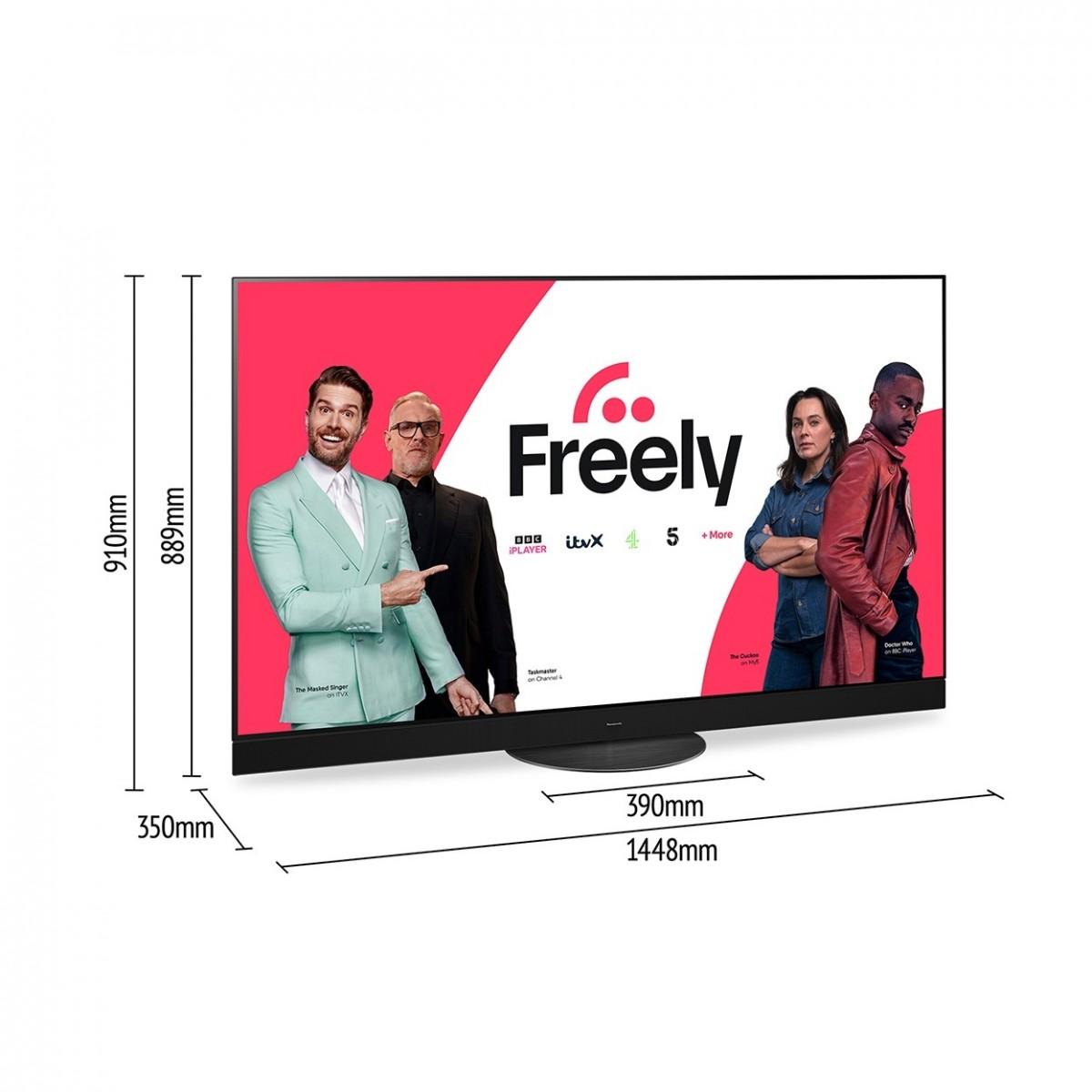
The Panasonic Z95A uses Amazon's Fire TV platform with built-in Alexa. This provides excellent integration with Amazon's ecosystem and comprehensive app support, though it's less innovative than LG's AI-focused approach. Fire TV is reliable and familiar to many users, but it doesn't offer the same level of personalization and smart features as webOS 25.
At the time of writing, there's a substantial price difference between these TVs, with the Panasonic Z95A commanding nearly double the price of the LG B5. Understanding whether this premium is justified depends on your priorities and viewing habits.
The Panasonic Z95A justifies its higher cost through several key advantages:
Superior brightness and HDR performance matter most if you watch a lot of HDR content or have a bright viewing room. The difference is most noticeable in cinematic content with dramatic lighting, nature documentaries, and high-budget streaming shows.
Professional-grade color accuracy appeals to videophiles, content creators, and anyone who wants the most authentic viewing experience possible. If you've ever noticed that colors look "off" on other displays, you'll appreciate the Z95A's precision.
Integrated premium audio eliminates the need for additional speakers for many users. When you factor in the cost of a good soundbar or surround system, the effective price difference decreases significantly.
Bright room performance is crucial if your TV room has windows or ambient lighting you can't control. The Z95A's higher brightness cuts through ambient light better than standard OLEDs.
The LG B5 offers exceptional value by delivering 90% of the OLED experience at roughly half the cost. Its advantages include:
Outstanding picture quality that still surpasses most LCD TVs and provides the core OLED benefits of perfect blacks and excellent color.
Advanced smart features that are more sophisticated than the Panasonic's, with better AI integration and user experience innovations.
Excellent gaming performance that's perfectly suited for current gaming consoles and most PC gaming scenarios.
Budget flexibility that allows you to invest in a good soundbar, professional mounting, or other home theater components.
You're building a dedicated home theater and want reference-quality performance. The combination of superior brightness, professional calibration capabilities, and integrated premium audio makes it ideal for serious movie watching.
You watch a lot of HDR content and want the most impactful experience possible. The brighter highlights and more accurate colors make HDR movies and shows more engaging.
Your viewing room is bright or has windows you can't easily control. The higher peak brightness helps maintain image quality in challenging lighting conditions.
You prefer an all-in-one solution and don't want to research and purchase additional audio equipment. The built-in sound system is genuinely impressive and eliminates complexity.
You want excellent OLED performance without flagship pricing. The picture quality is outstanding and the smart features are more advanced than the Panasonic's.
You plan to add external audio anyway or primarily watch content where dialogue clarity is more important than surround effects.
You game frequently on consoles and want features like the Game Dashboard that make gaming setup easier.
You prefer webOS's interface and AI features, or you want the latest smart TV innovations.
Your budget allows for the TV plus additional components like a soundbar, and you prefer choosing your own audio solution.
Both the Panasonic Z95A and LG B5 are excellent OLED TVs that will dramatically improve most people's viewing experience. The choice comes down to whether you need the Panasonic's reference-level performance or prefer the LG's better value and modern smart features.
The Panasonic Z95A is the better TV in absolute terms – it's brighter, more color-accurate, and has superior built-in audio. If budget isn't your primary concern and you want the best possible performance, it's the clear choice.
The LG B5 is the smarter buy for most people. It delivers the core OLED experience that makes these displays special while leaving room in your budget for other home theater improvements. Unless you specifically need the Panasonic's advantages, the LG provides better overall value.
The decision ultimately depends on your priorities: absolute performance versus smart value, integrated premium audio versus flexibility in choosing your own sound system, and reference-level accuracy versus advanced smart features. Either choice will provide years of exceptional viewing experiences – it's just a matter of which approach better fits your needs and budget.
| Panasonic Z95A 65" OLED 4K Ultra HD Smart TV | LG B5 Series OLED 65" 4K Smart TV 2025 |
|---|---|
| Panel Technology - Determines brightness and HDR impact | |
| 4-stack tandem OLED with micro lens array (significantly brighter than standard OLED) | Standard LG OLED with 8.3M self-lit pixels (excellent blacks, good brightness) |
| Peak Brightness - Critical for HDR content and bright rooms | |
| Superior brightness for impactful HDR and bright room viewing | Good OLED brightness, best for controlled lighting environments |
| Processor - Affects picture quality and smart features | |
| HCX Pro AI Processor MKII (cinema-focused, professional calibration) | α8 AI Processor 4K Gen2 (1.4x faster, excellent AI upscaling) |
| Audio System - Major differentiator between models | |
| 10-channel Dolby Atmos/DTS:X with 360° SoundScape Pro, 30W subwoofer, Technics-tuned | Dolby Atmos support with AI Sound Pro (typical OLED audio, external speakers recommended) |
| Gaming Refresh Rate - Important for PC gaming | |
| Up to 144Hz (ideal for high-end PC gaming beyond console limits) | 120Hz native (perfect for PS5/Xbox Series X, 0.1ms response time) |
| HDR Support - Affects streaming and movie quality | |
| Dolby Vision IQ, HDR10+, Prime Video Calibrated Mode | Dolby Vision, HDR10, HLG (solid implementation across formats) |
| Smart TV Platform - Daily user experience | |
| Amazon Fire TV with Alexa built-in (comprehensive apps, less AI innovation) | webOS 25 with advanced AI features, Quick Cards, 300+ free channels |
| Professional Calibration - Matters for videophiles | |
| Calman calibration support, ISFccc certification (reference-level accuracy) | Good out-of-box accuracy, consumer-focused optimization |
| HDMI Connectivity - Future-proofing for gaming and devices | |
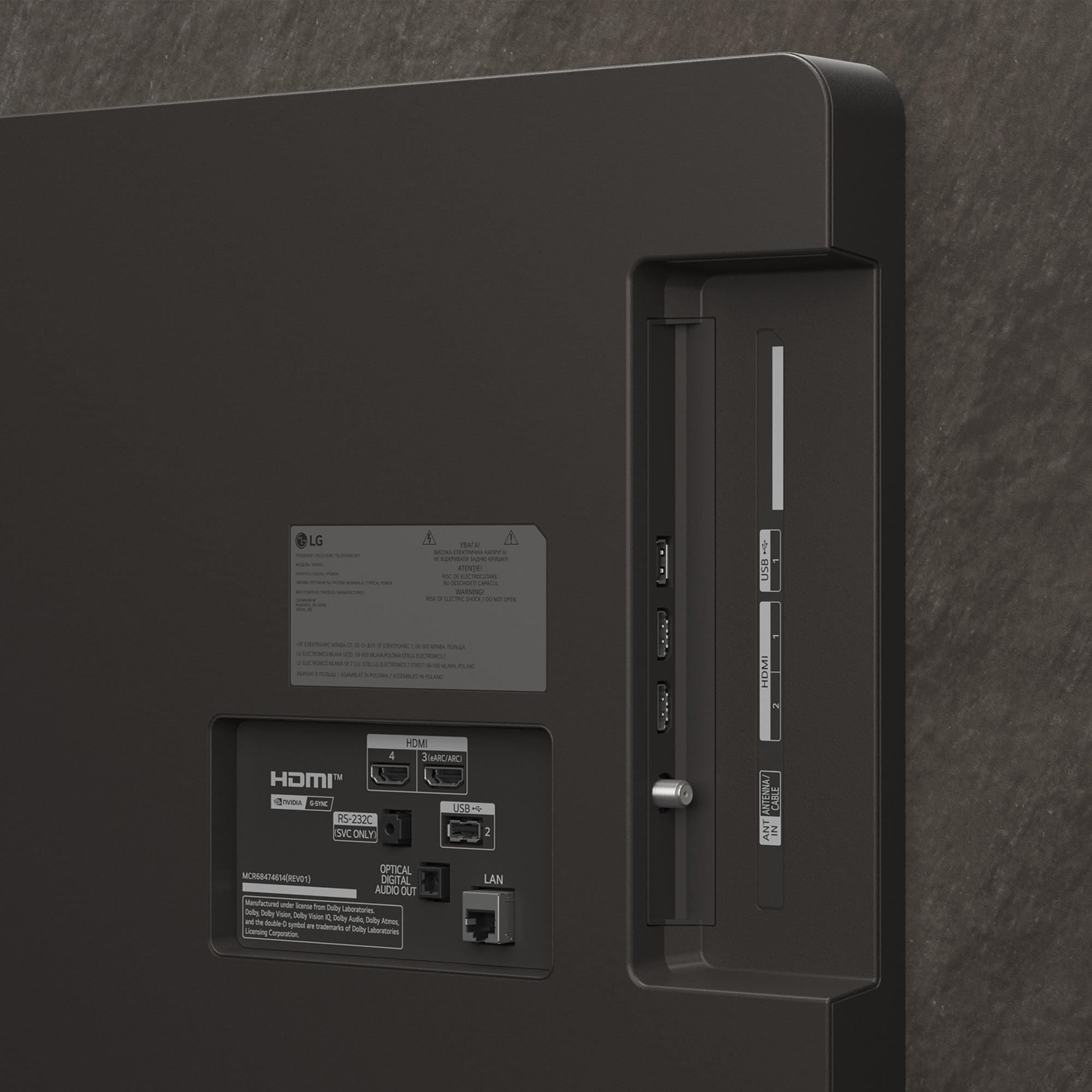
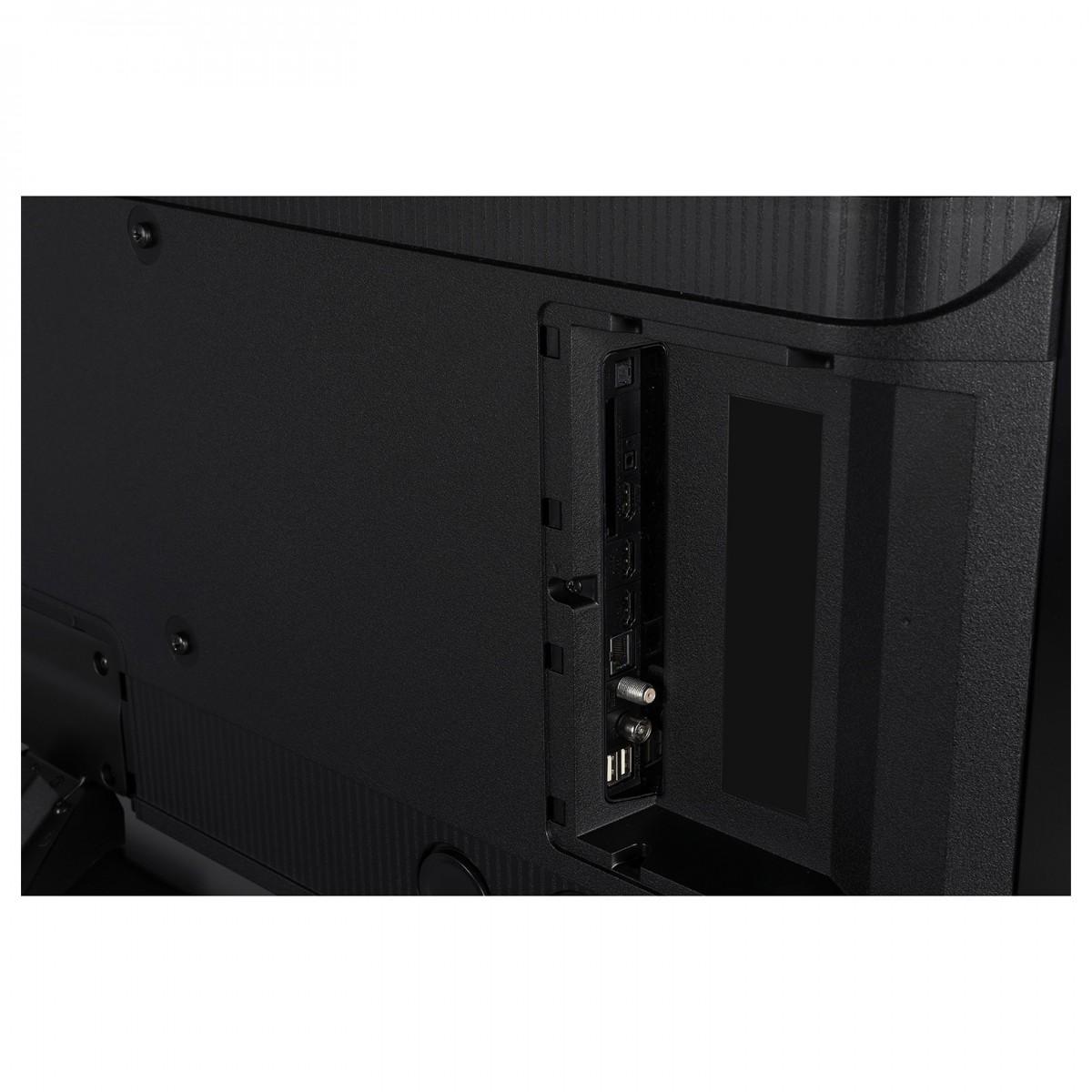
| 4x HDMI ports (2x 48Gbps HDMI 2.1 for full bandwidth) | 4x HDMI 2.1 ports (all support 4K/120Hz gaming) |
| Target User - Who should consider each model | |
| Home theater enthusiasts wanting reference quality with premium audio | Mainstream users seeking excellent OLED performance and value |
The Panasonic Z95A delivers superior picture quality with its advanced 4-stack tandem OLED panel that achieves higher brightness levels and more accurate colors. It supports professional calibration standards and delivers more impactful HDR content. The LG B5 still offers excellent OLED picture quality with perfect blacks and vibrant colors, but can't match the Panasonic's peak brightness capabilities.
The Panasonic Z95A justifies its higher price through significantly superior built-in audio (10-channel Dolby Atmos system), brighter OLED panel for better HDR performance, and professional-grade color calibration. However, the LG B5 offers excellent value by delivering 90% of the OLED experience at roughly half the cost, making it better for most buyers.
Both TVs are excellent for gaming, but serve different needs. The Panasonic Z95A supports up to 144Hz refresh rates, making it ideal for high-end PC gaming. The LG B5 offers 120Hz with 0.1ms response time, plus user-friendly gaming features like Game Dashboard, making it perfect for console gaming on PlayStation 5 or Xbox Series X.
The Panasonic Z95A features a premium 10-channel audio system with Technics tuning that eliminates the need for external speakers for most users. The LG B5 has typical OLED audio quality that, while clear, will likely require a soundbar or surround system to match its excellent picture quality.
The LG B5 offers more advanced smart features with webOS 25, including AI-powered recommendations, voice ID, Quick Cards app organization, and 300+ free channels. The Panasonic Z95A uses Amazon Fire TV with Alexa, providing comprehensive app support but fewer innovative AI features than the LG platform.
The Panasonic Z95A performs better in bright rooms thanks to its advanced panel technology that achieves higher peak brightness, helping combat ambient light. The LG B5 still offers good brightness for an OLED but is better suited for controlled lighting environments or rooms with minimal ambient light.
For dedicated home theater setups, the Panasonic Z95A is superior due to its reference-level color accuracy, superior HDR brightness, professional calibration support, and integrated premium audio system. The LG B5 still delivers excellent movie performance but may require external audio to achieve the same cinematic experience.
The Panasonic Z95A delivers more impactful HDR with higher peak brightness, Dolby Vision IQ that adjusts to room lighting, and Prime Video Calibrated Mode. The LG B5 supports all major HDR formats (Dolby Vision, HDR10, HLG) with good performance, but can't achieve the same bright highlights as the Panasonic model.
Both the Panasonic Z95A and LG B5 feature excellent build quality from established manufacturers. The Panasonic uses more advanced panel technology and premium materials, while LG has extensive experience with OLED manufacturing and proven reliability. Both come with standard one-year warranties.
The Panasonic Z95A uses the HCX Pro AI Processor MKII, which focuses on cinema-grade processing and professional color accuracy. The LG B5 features the α8 AI Processor 4K Gen2, which is 1.4x faster than previous generations and excels at AI-driven content optimization and upscaling for everyday viewing.
Both TVs handle streaming excellently, but with different strengths. The LG B5 offers better smart TV features with webOS 25's AI recommendations and easier app organization. The Panasonic Z95A provides superior picture quality for streaming content with its advanced processing and Prime Video Calibrated Mode for optimized streaming.
Choose the Panasonic Z95A if you want the absolute best picture and audio quality, watch a lot of HDR content, have a bright room, or don't want to buy additional speakers. Choose the LG B5 if you want excellent OLED performance at better value, prefer advanced smart features, plan to add external audio, or primarily game on consoles.
We've done our best to create useful and informative comparisons to help you decide what product to buy. Our research uses advanced automated methods to create this comparison and perfection is not possible - please contact us for corrections or questions. These are the sites we've researched in the creation of this article: youtube.com - youtube.com - whathifi.com - tomsguide.com - shop.panasonic.com - store.in.panasonic.com - rtings.com - applianceplus.co.nz - rtings.com - store.in.panasonic.com - samsung.com - eftm.com - bestbuy.com - rtings.com - youtube.com - rtings.com - tomsguide.com - youtube.com - nationalproductreview.com.au - lg.com - manchesterbrothers.com - avsforum.com - lg.com - lg.com - lg.com - lg.com - retailspecs.com - american-homeappliance.com - perpichtv.com

Privacy Policy
Terms and Conditions - Affiliate Policy
Home Security
© Copyright 2008-2026.
11816 Inwood Rd #1211, Dallas, TX 75244