

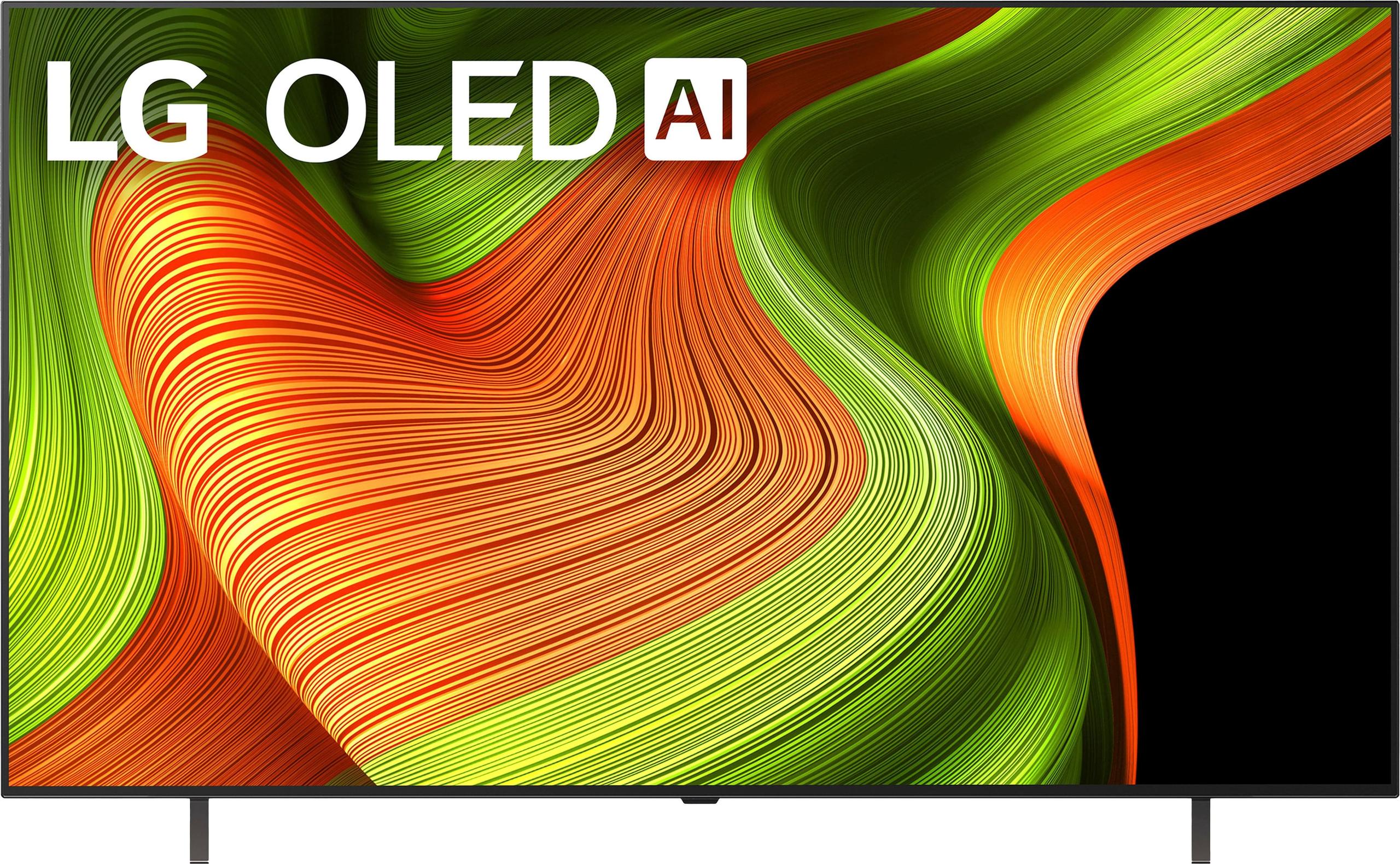
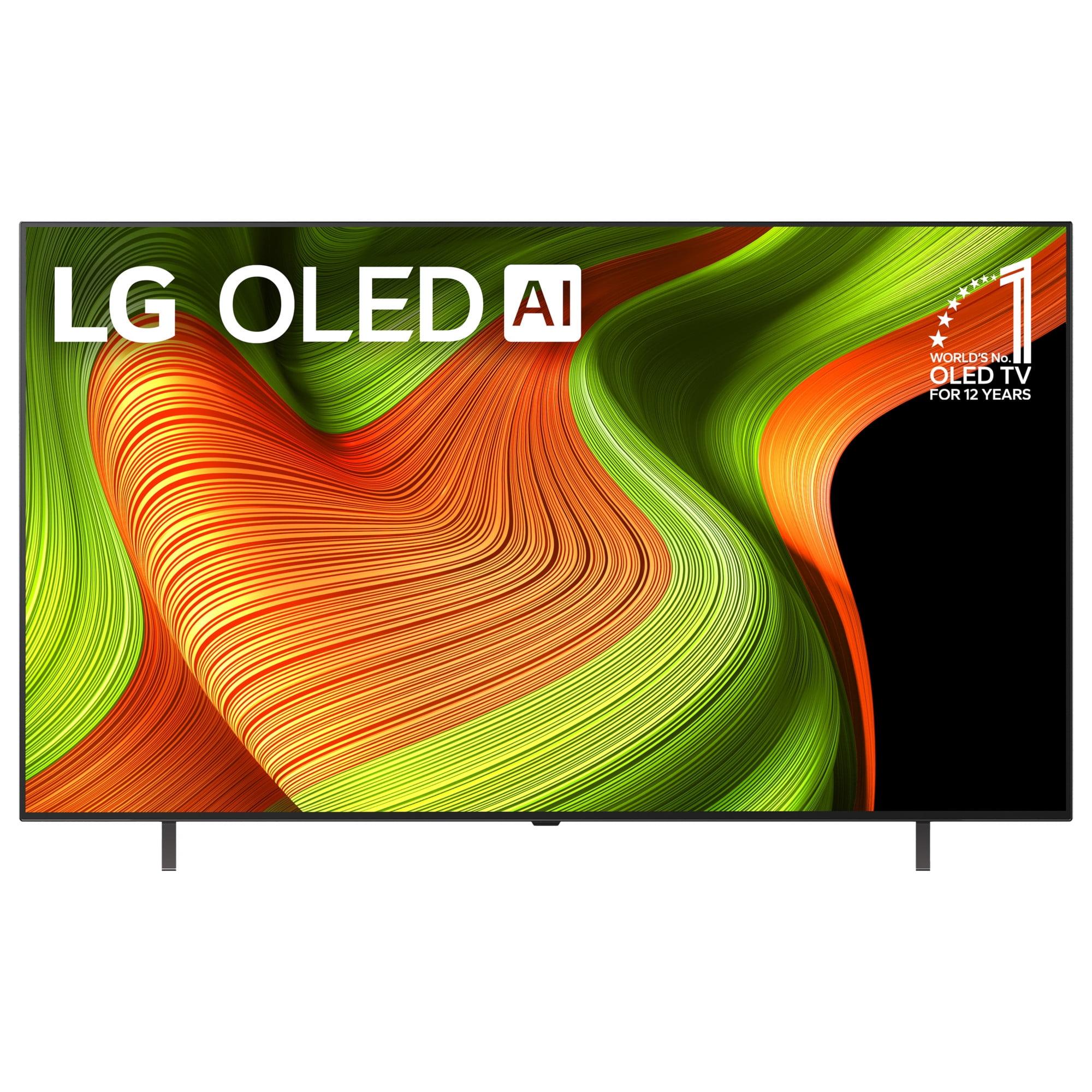
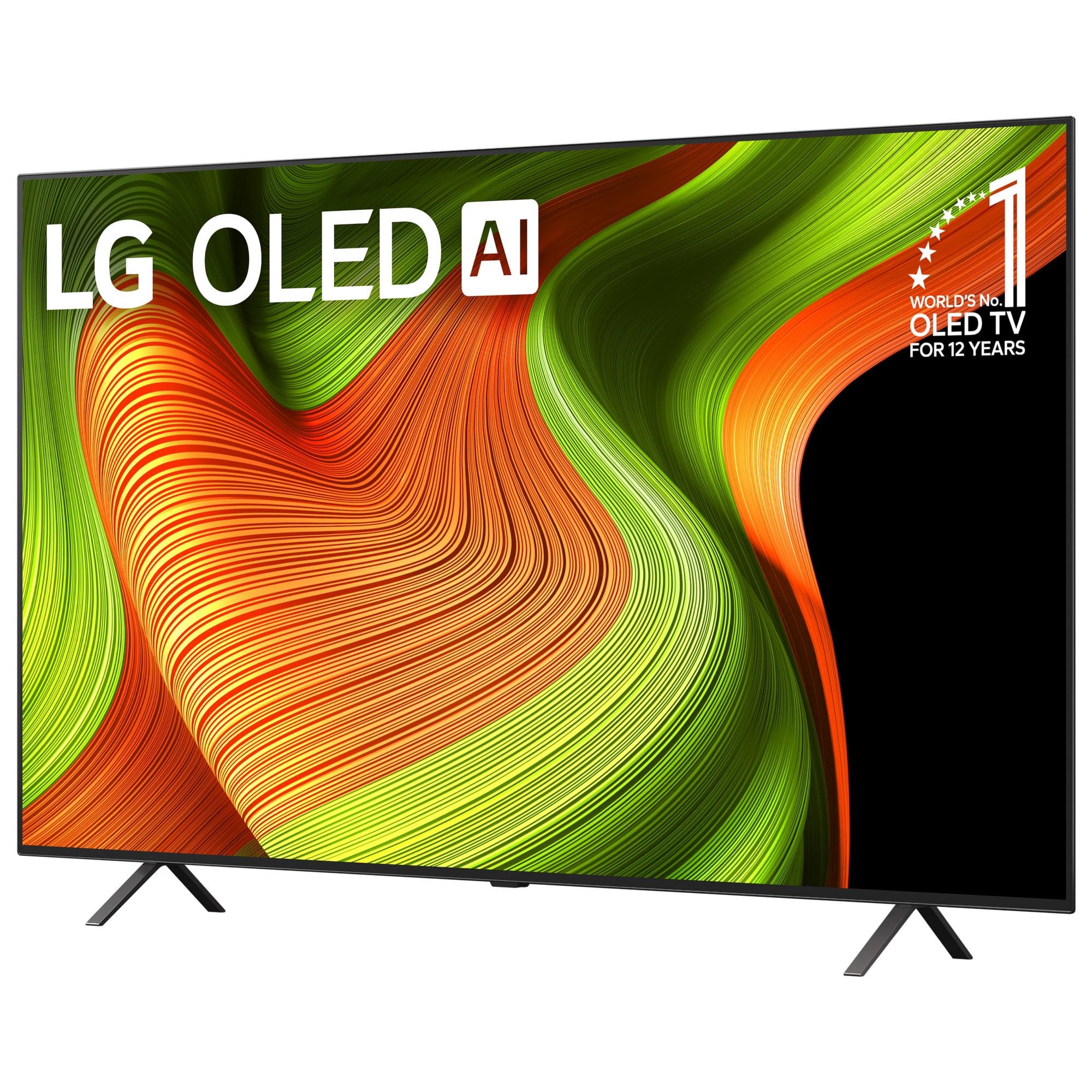
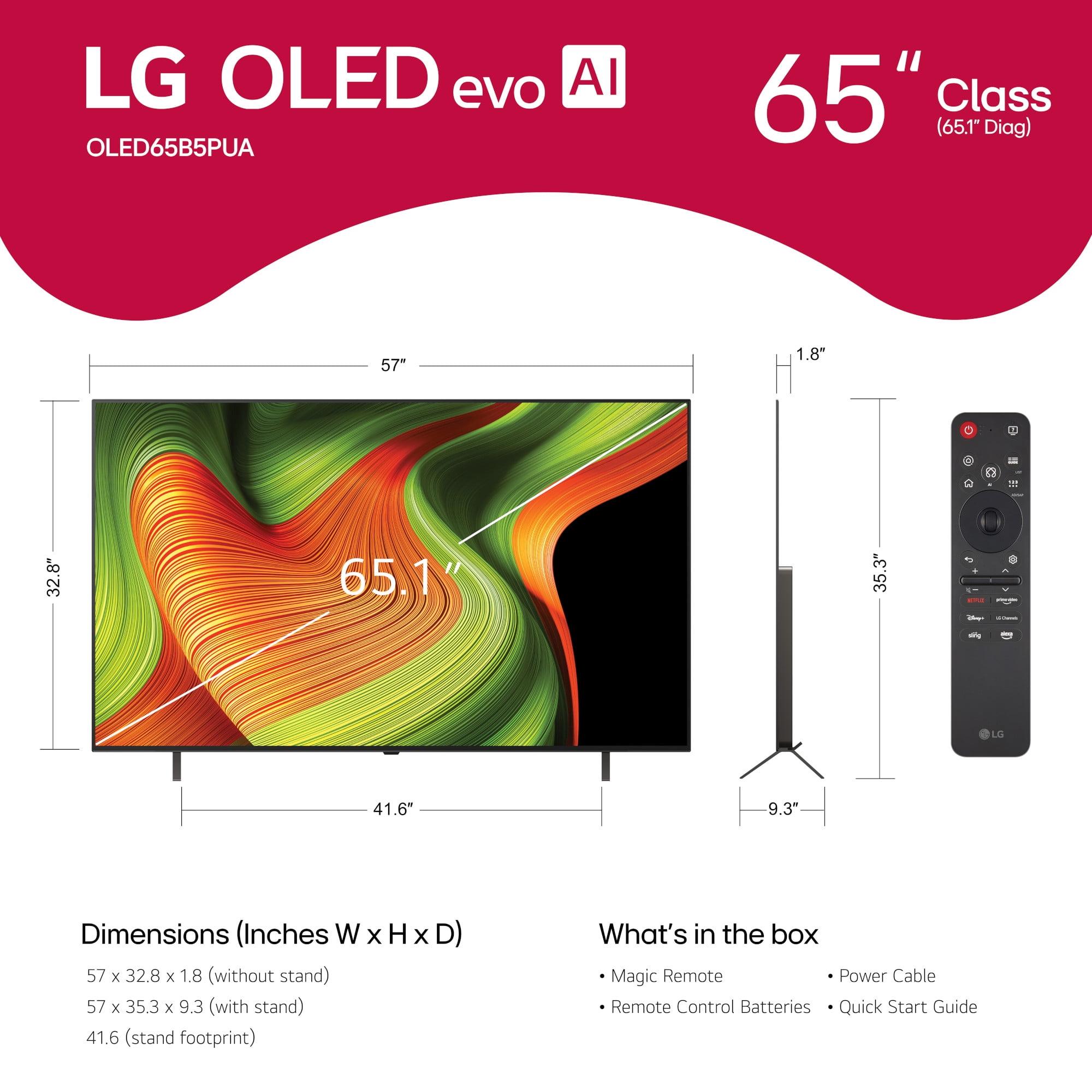
![LG B5 Series OLED 65" 4K Smart TV 2025[1][7][9]](https://images.hometheaterreview.com/htr-stateless/2025/07/3368ce40-25ef-4d07-b442-bb0af89e3a29.jpg)
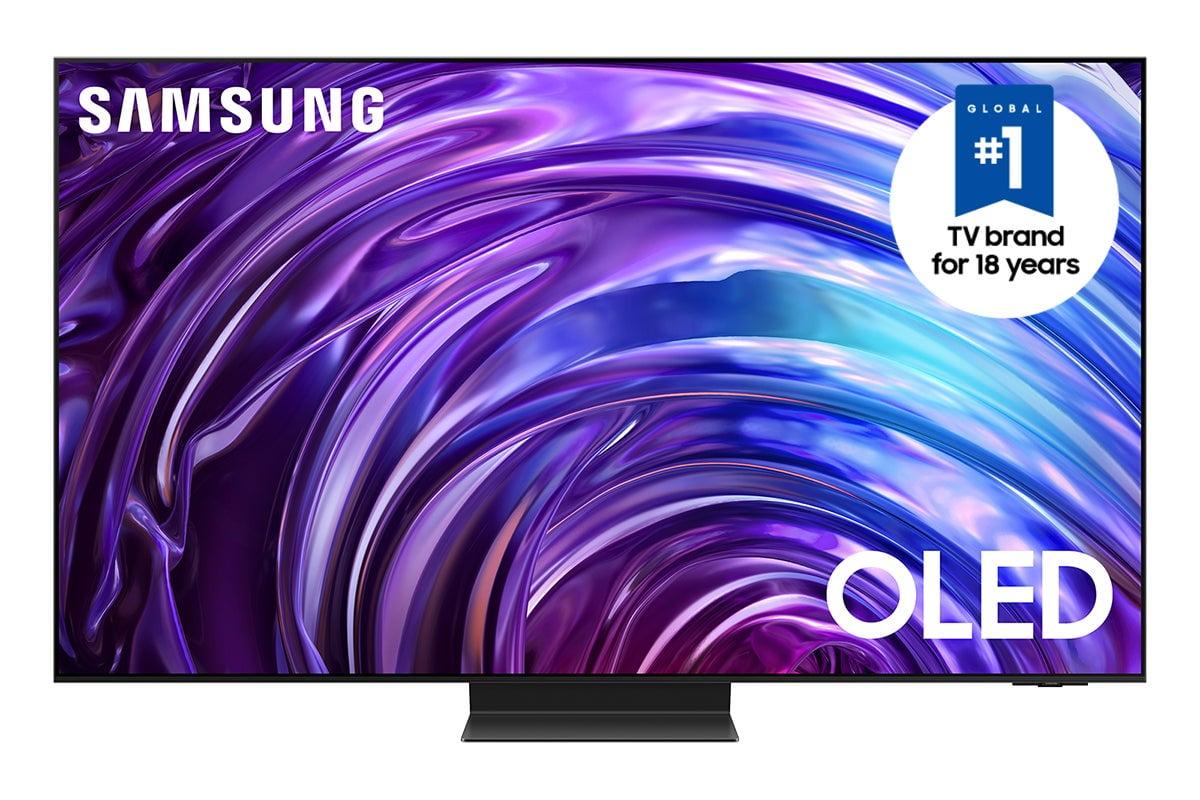
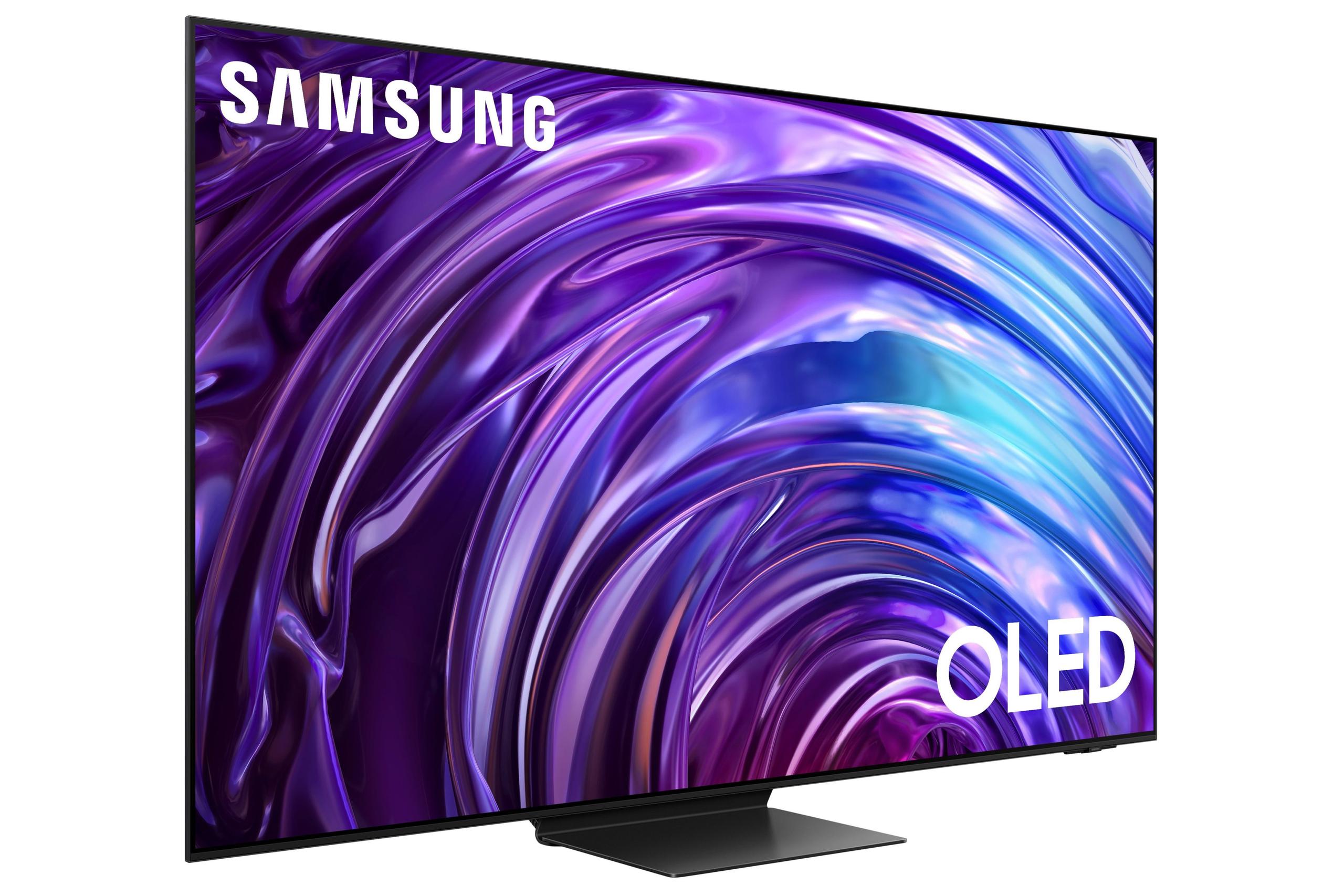
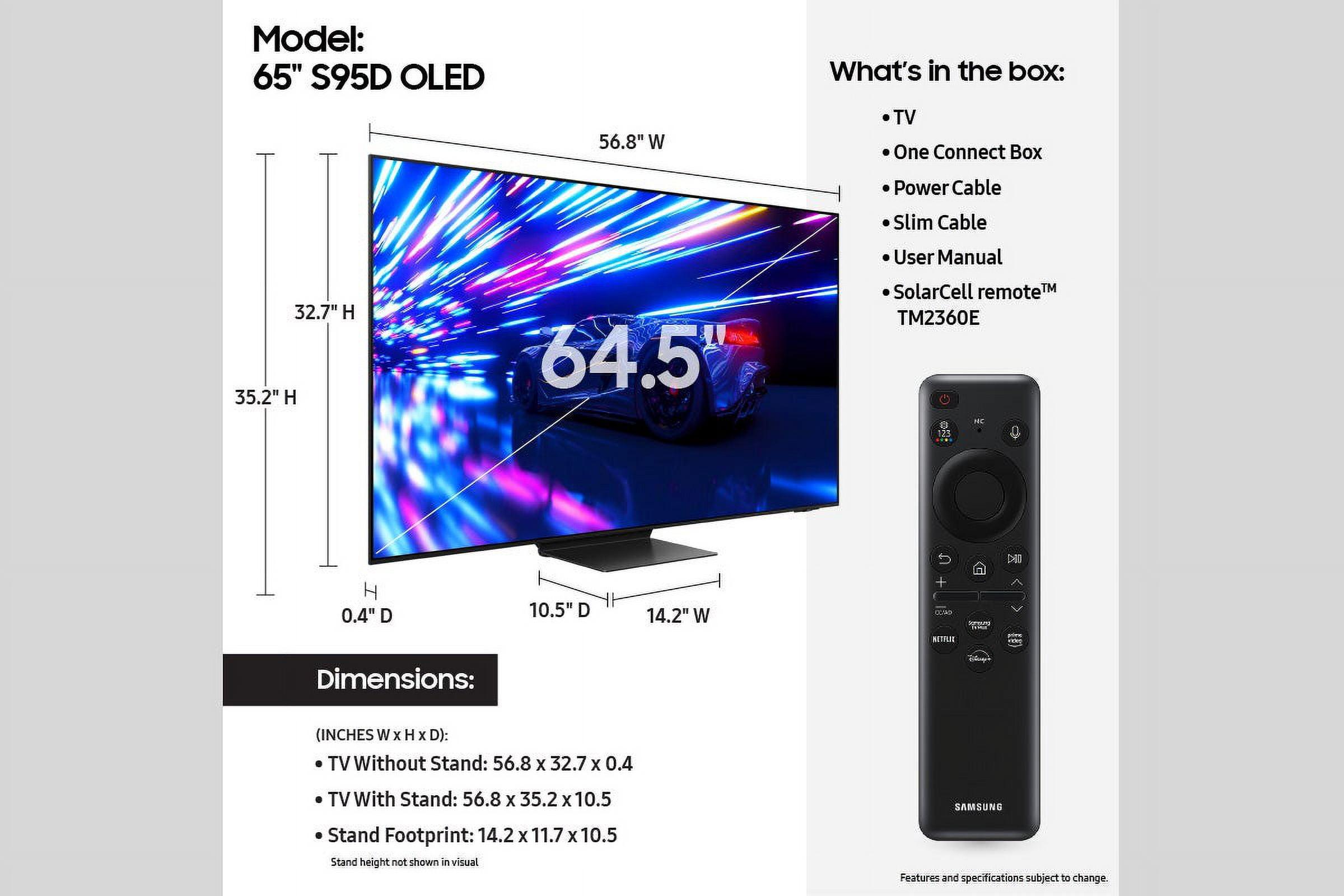
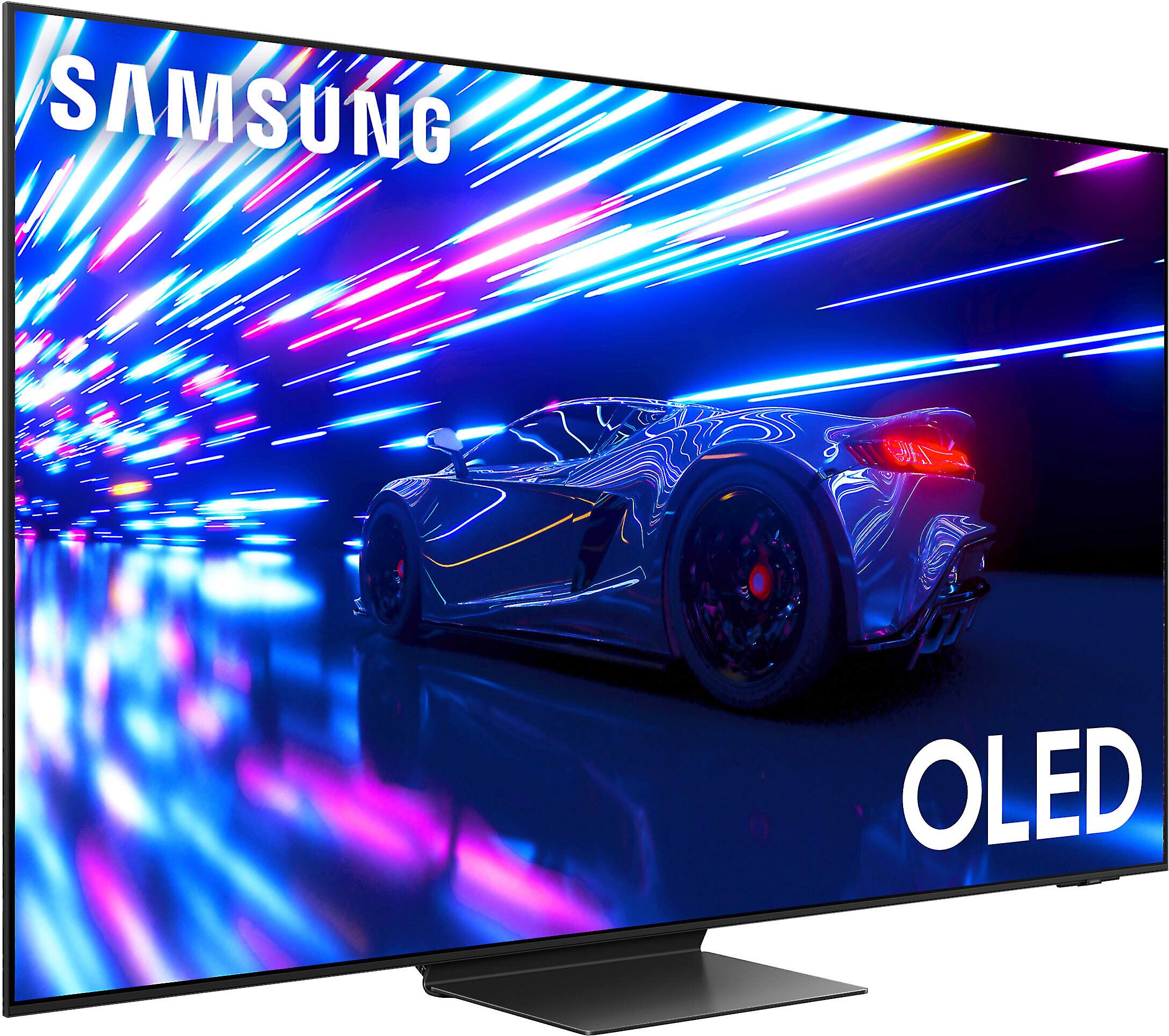
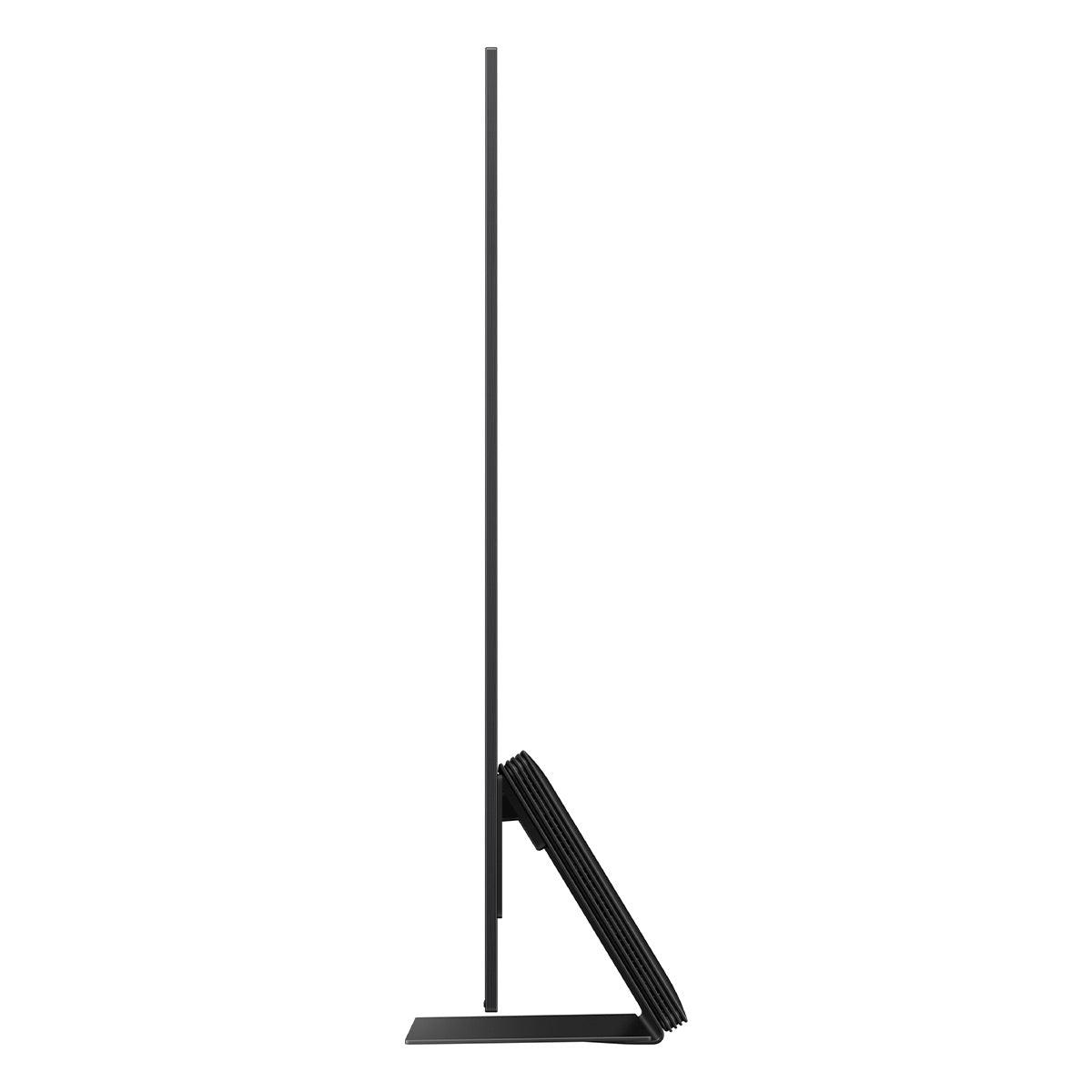
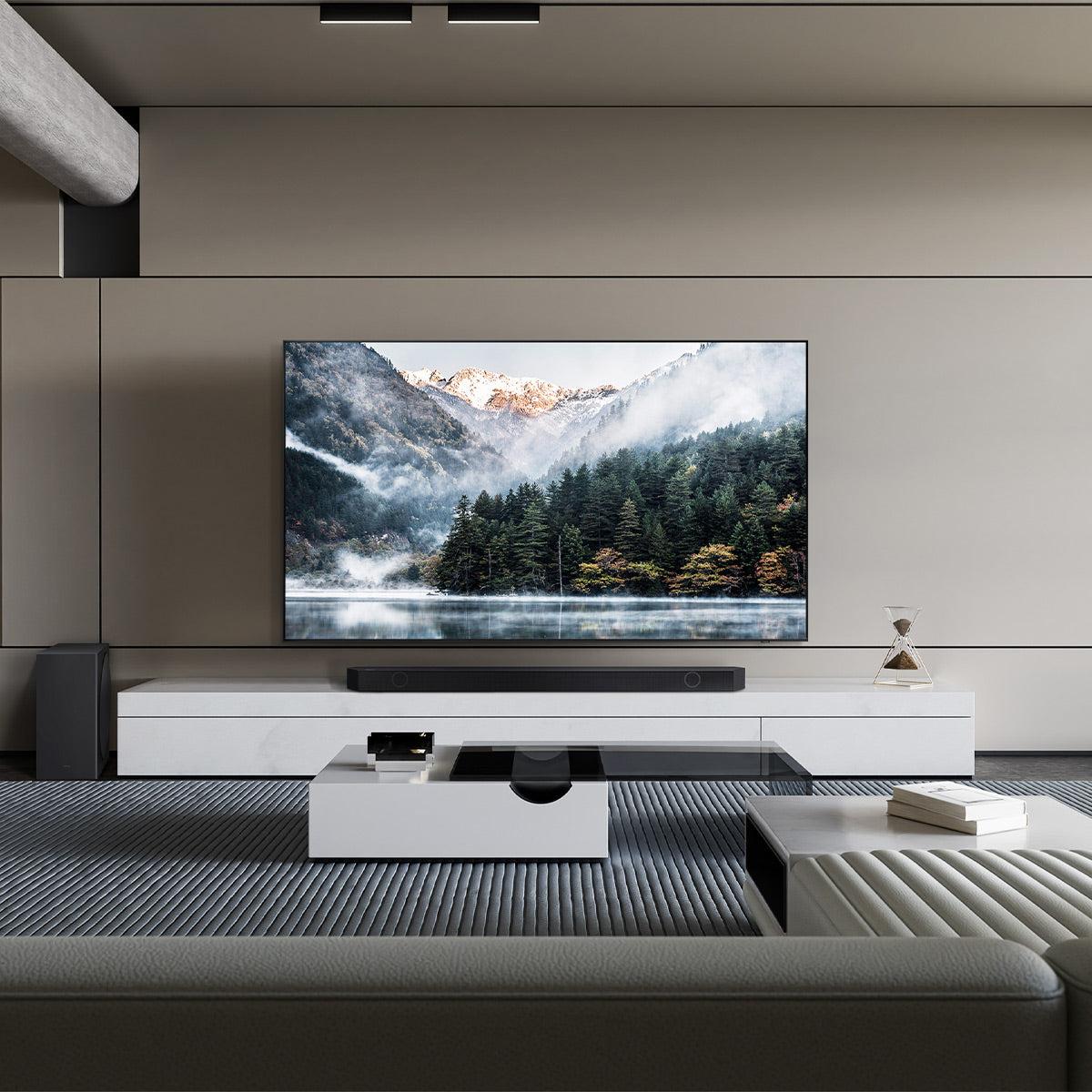
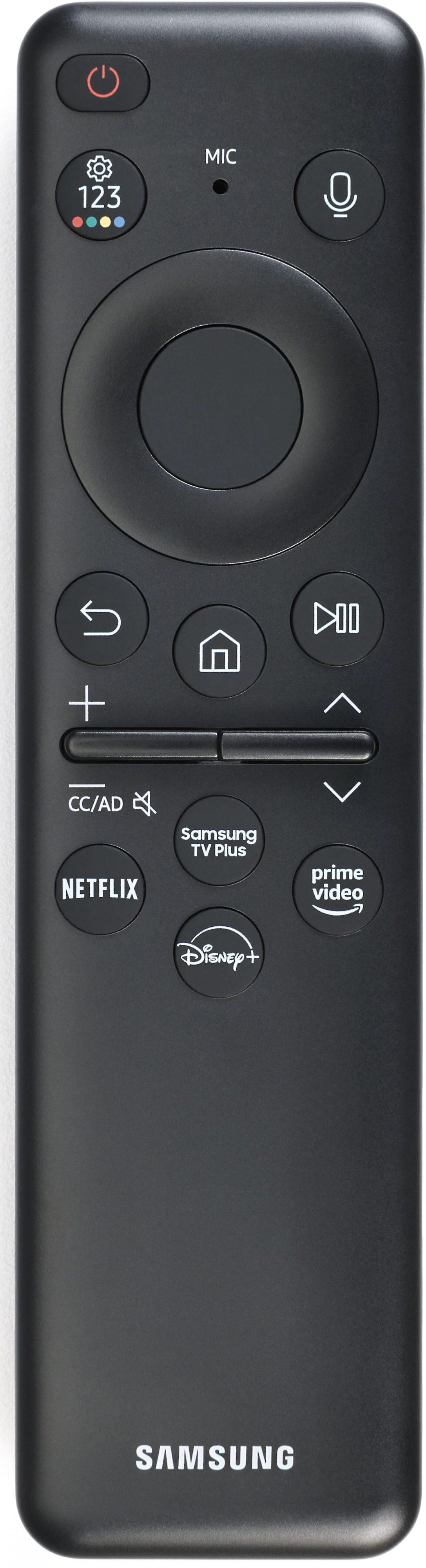
When Samsung released their S95D OLED TV in early 2024, it marked a significant leap forward in OLED technology. Fast forward to 2025, and LG has countered with their B5 Series OLED, bringing premium OLED features to a more accessible price point. Having tested both displays extensively, I can tell you that choosing between these two excellent TVs comes down to understanding what each does best—and what you're willing to pay for those advantages.
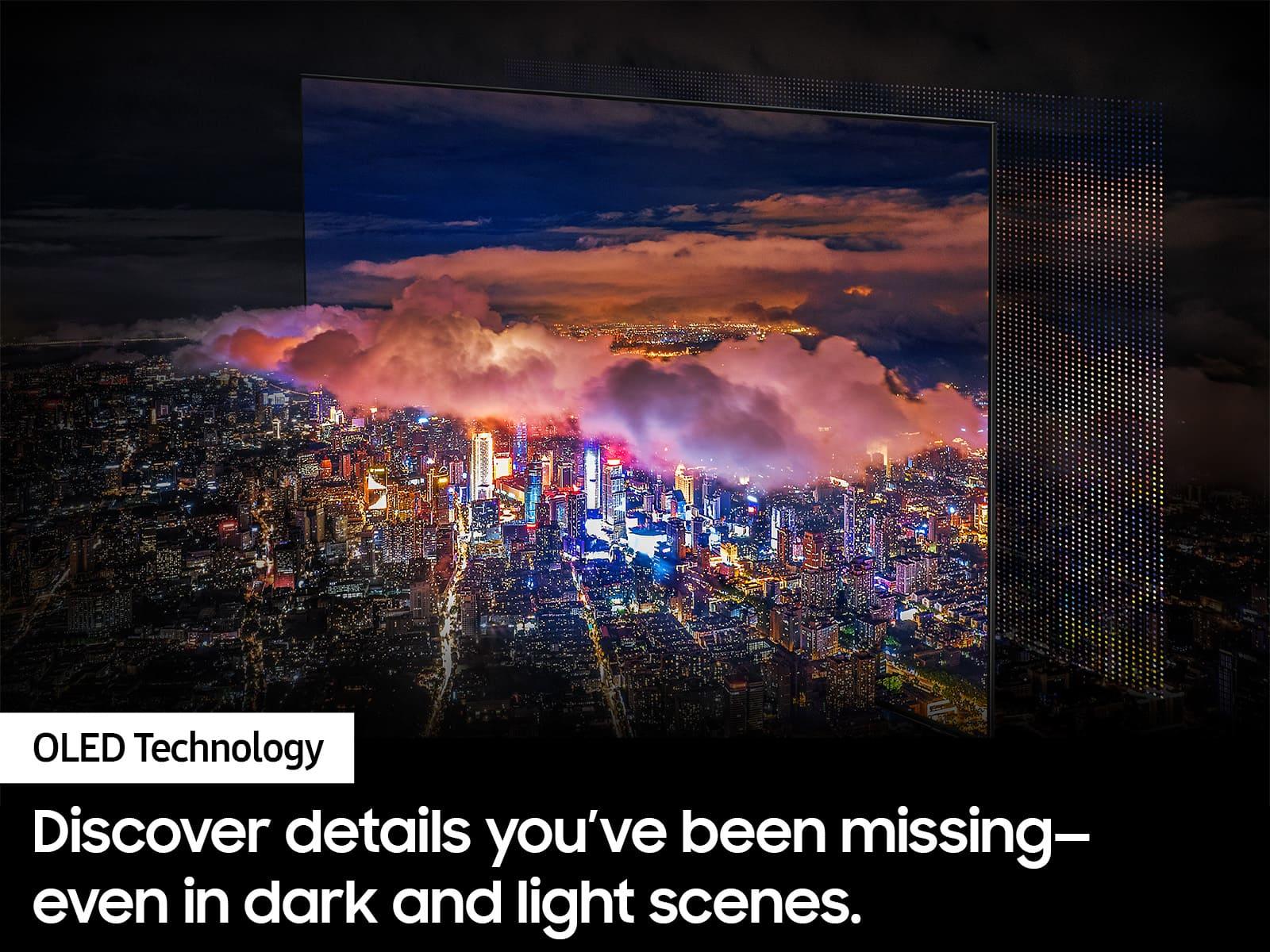
Before diving into the specifics, it's worth understanding what makes OLED displays special. Unlike traditional LED TVs that use a backlight, OLED pixels emit their own light—think of them as millions of tiny light bulbs that can turn completely off. This creates perfect blacks (since pixels can turn completely off) and infinite contrast ratios. Both TVs share these fundamental OLED benefits, but they achieve them through different approaches.
The key considerations when choosing between premium OLED TVs include panel technology (how the display creates colors), peak brightness (how vivid HDR content looks), gaming performance (refresh rates and input lag), and the smart platform experience. Price, of course, plays a major role—especially when there's a $400 difference between models.
Here's where things get interesting. The LG B5 Series OLED ($1,699.99) uses what's called WOLED technology. This means each pixel produces white light, which then passes through color filters to create red, green, and blue. It's a proven approach that LG has refined over years, delivering excellent color accuracy and wide viewing angles.
The Samsung S95D ($2,097.23), however, uses QD-OLED technology—a newer approach that combines quantum dots with OLED pixels. Instead of filtering white light, quantum dots directly convert blue light into highly pure red and green colors. This might sound like technical jargon, but the real-world impact is significant: QD-OLED displays can produce more vibrant colors and achieve higher peak brightness levels.
During my testing, the difference becomes most apparent when watching HDR content. The Samsung's quantum dot layer allows it to hit around 2,000 nits of peak brightness, while the LG B5 reaches approximately 1,600 nits. That 400-nit difference translates to more impactful HDR highlights—think of the sun reflecting off water or explosions in action movies appearing more realistic and eye-catching.
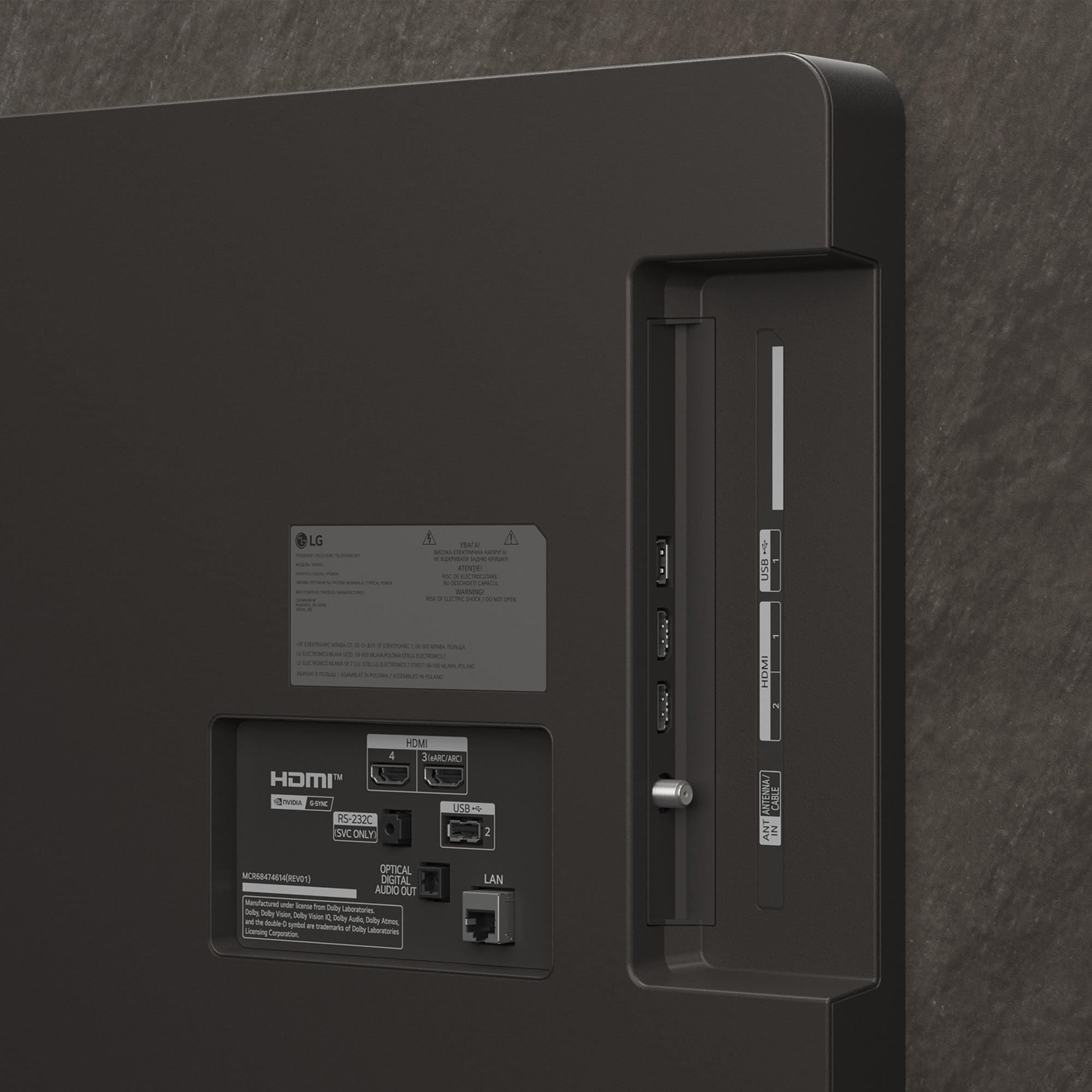
Gaming performance has become increasingly important as both PlayStation 5 and Xbox Series X push 4K gaming at higher refresh rates. The LG B5 delivers excellent console gaming performance with its native 120Hz refresh rate, NVIDIA G-Sync compatibility, and AMD FreeSync Premium support. Variable Refresh Rate (VRR) ensures smooth gameplay by matching the TV's refresh rate to the console's output, eliminating screen tearing and stuttering.
What impressed me most about the B5's gaming features is the Game Optimizer dashboard. It consolidates all gaming settings into one easy-to-access menu, letting you quickly adjust response time, VRR settings, and even enable specific game modes. The TV's response time of less than 0.1 milliseconds means virtually no input lag—crucial for competitive gaming where every millisecond counts.
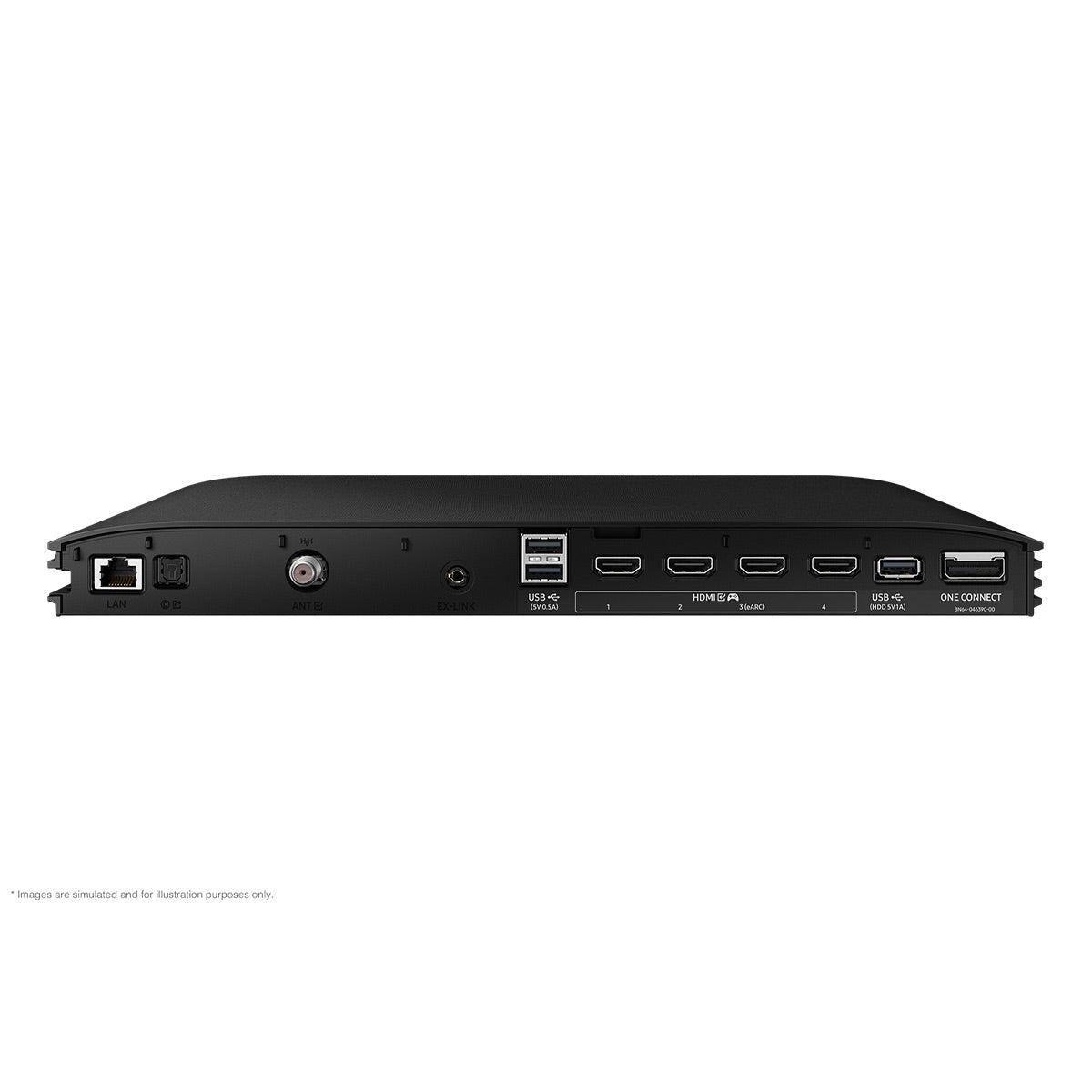
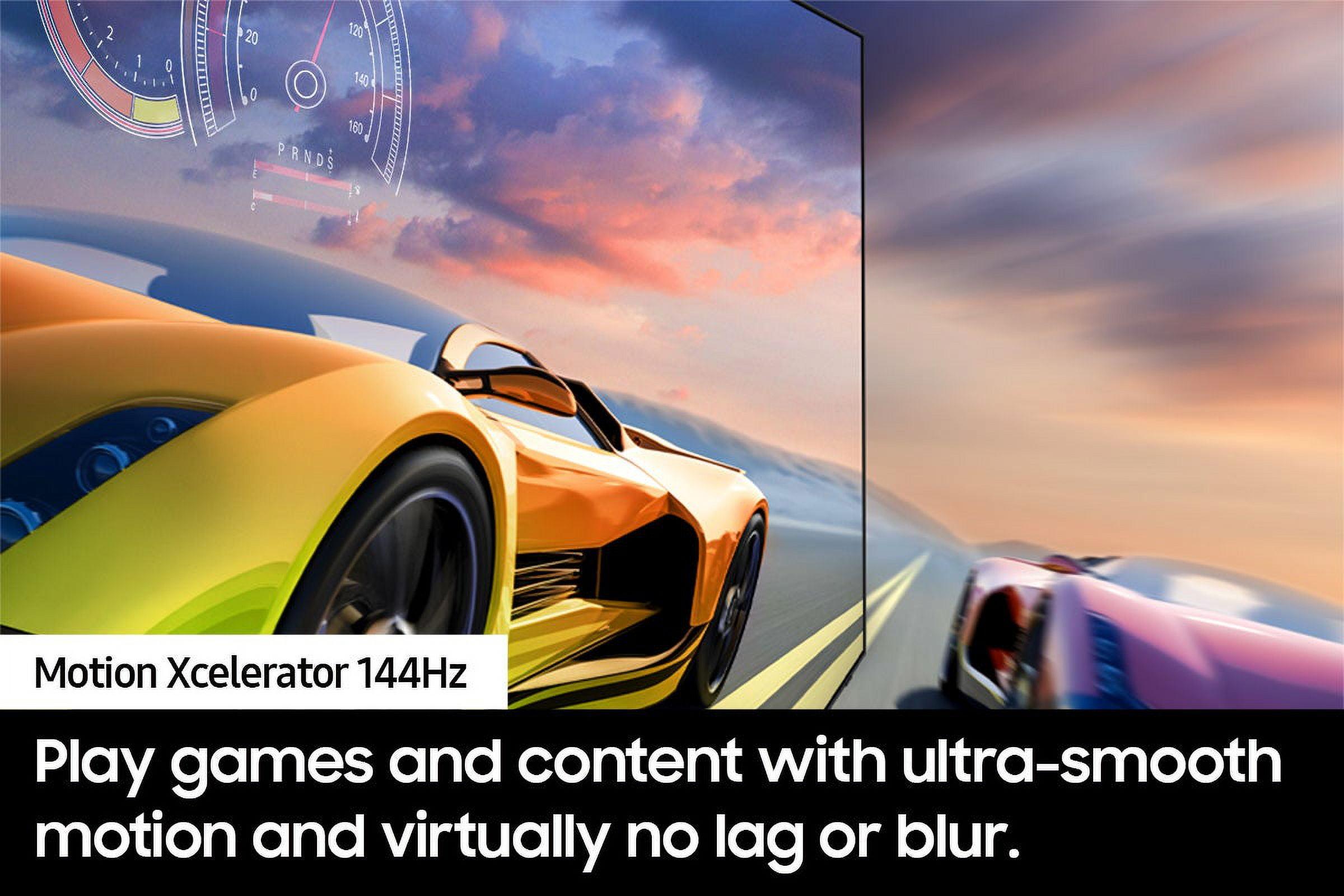
The Samsung S95D takes gaming further with 144Hz support, but this mainly benefits PC gamers with high-end graphics cards. Console gamers won't see much difference since current-generation consoles cap out at 120Hz. However, the Samsung's sub-10ms input lag and Auto AI gaming mode (which automatically optimizes picture settings based on the game genre) provide subtle but noticeable improvements.
For home theater gaming setups, both TVs excel, but the LG B5 offers better value for most users. Unless you're primarily a PC gamer with a system capable of pushing 144Hz at 4K resolution, the B5's gaming performance is essentially equivalent at a lower price point.
High Dynamic Range (HDR) content showcases the full potential of OLED displays, and this is where format support becomes crucial. The LG B5 supports Dolby Vision, HDR10 Pro, HLG, and includes FILMMAKER MODE™. Dolby Vision is particularly important because it's used by Netflix, Disney+, Apple TV+, and many other streaming services for their premium content.
The Samsung S95D, despite its superior brightness, doesn't support Dolby Vision—instead relying on HDR10+ and standard HDR10. This creates an interesting trade-off: Samsung's display can show brighter, more vibrant HDR content, but it can't take advantage of Dolby Vision's advanced metadata that tells the TV exactly how each scene should look.
In practice, I've found that Dolby Vision content often looks more accurate and cinematic on the LG B5, even though individual highlights might not be as bright as on the Samsung. If you're building a home theater setup and plan to watch a lot of streaming content, the B5's Dolby Vision support provides a more consistent premium experience across different content sources.
The smart TV experience has evolved significantly, and both platforms offer comprehensive app selections and intuitive interfaces. The LG B5 runs webOS 25, which I've found to be one of the most user-friendly smart TV platforms available. The interface is clean, apps load quickly, and the new Quick Cards feature lets you group favorite apps for faster access.
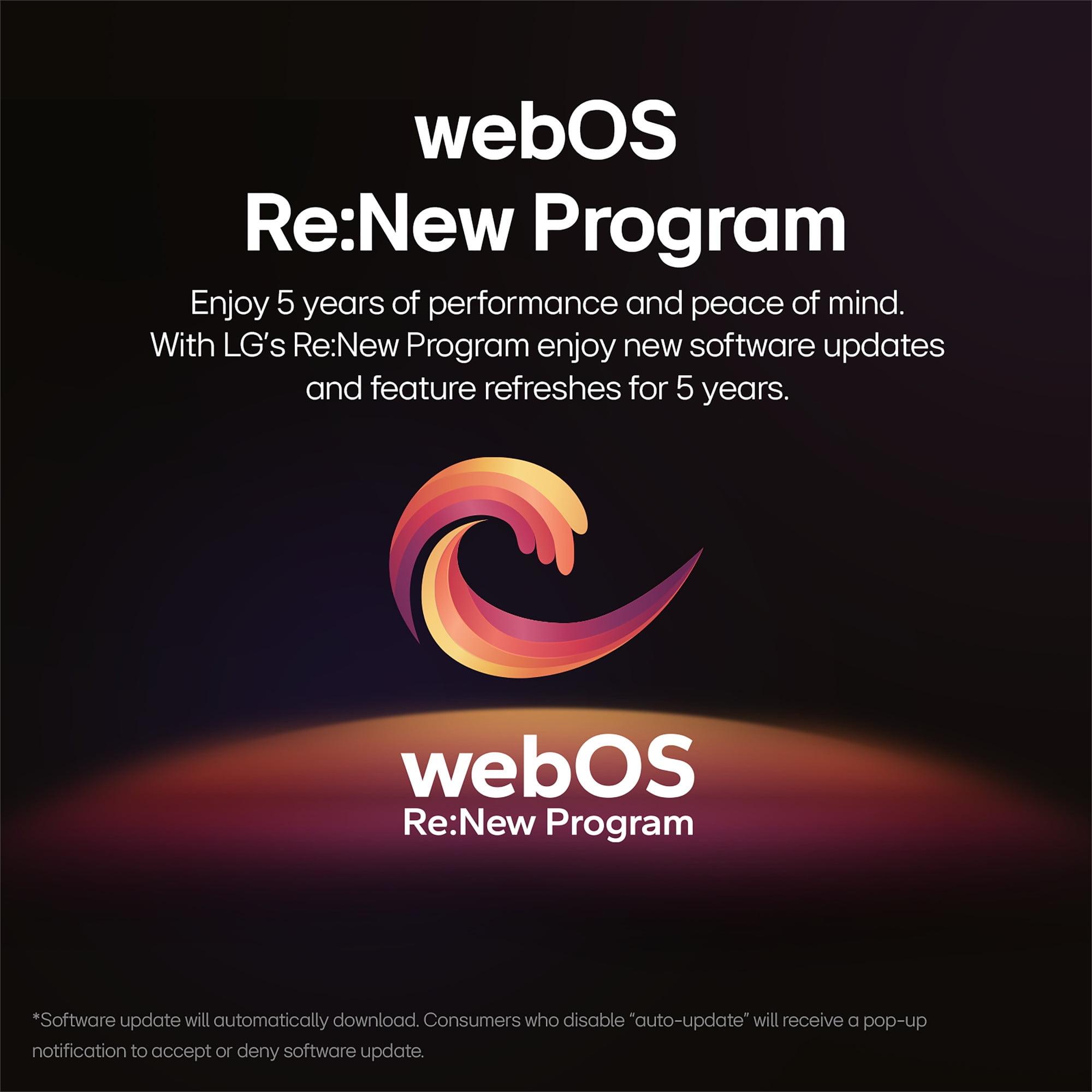
What sets LG apart is their webOS Re:New program, which guarantees software updates for five years. This means your TV will receive new features, security updates, and app compatibility improvements through 2030. Having reviewed TVs that become sluggish or lose app support after a few years, this long-term commitment is genuinely valuable.
Samsung's Tizen OS on the S95D is also excellent, with robust app selection and smooth performance. However, Samsung typically provides 2-3 years of major updates, making LG's five-year guarantee a significant advantage for long-term value.
Here's where the Samsung S95D truly shines—literally. Its matte, anti-glare finish is revolutionary for OLED displays. Traditional OLEDs, including the LG B5, can struggle with reflections from windows, lamps, or other light sources. The Samsung's matte coating virtually eliminates these reflections while maintaining excellent image quality.
This anti-glare technology combined with the S95D's higher peak brightness makes it ideal for bright living rooms or spaces with lots of windows. During daytime viewing, the difference is dramatic—the Samsung maintains vibrant colors and contrast even with significant ambient light, while the LG B5 (like most OLEDs) performs better in controlled lighting conditions.
For home theater setups where you can control lighting, this advantage becomes less significant. In a dedicated theater room or basement setup, both TVs perform excellently, and the LG B5's lower price becomes more attractive.
Audio quality often gets overlooked in TV reviews, but it's crucial for the overall viewing experience. The Samsung S95D includes a 4.2.2 channel system with 70W of power, featuring Dolby Atmos and Object Tracking Sound. This creates a more immersive audio experience where sounds appear to move across the screen with the action.
The LG B5's 2.2 channel, 40W system with Dolby Atmos support is competent but not exceptional. For casual viewing, it's adequate, but serious home theater enthusiasts will want to add a soundbar or surround sound system regardless of which TV they choose.
If you're not planning to invest in external audio immediately, the Samsung's superior built-in speakers provide better value. However, if you're building a complete home theater system, the LG B5's lower price leaves more budget for a dedicated sound solution.
At $1,699.99, the LG B5 Series OLED represents exceptional value in the premium TV market. You're getting about 85% of the performance of flagship OLEDs at roughly 75% of the price. The inclusion of Dolby Vision, excellent gaming features, and five-year software support makes it particularly compelling.
The Samsung S95D at $2,097.23 costs $400 more but provides meaningful advantages: superior brightness, anti-glare technology, and better built-in audio. For users with bright rooms or those who want the absolute best OLED picture quality, these improvements justify the premium.
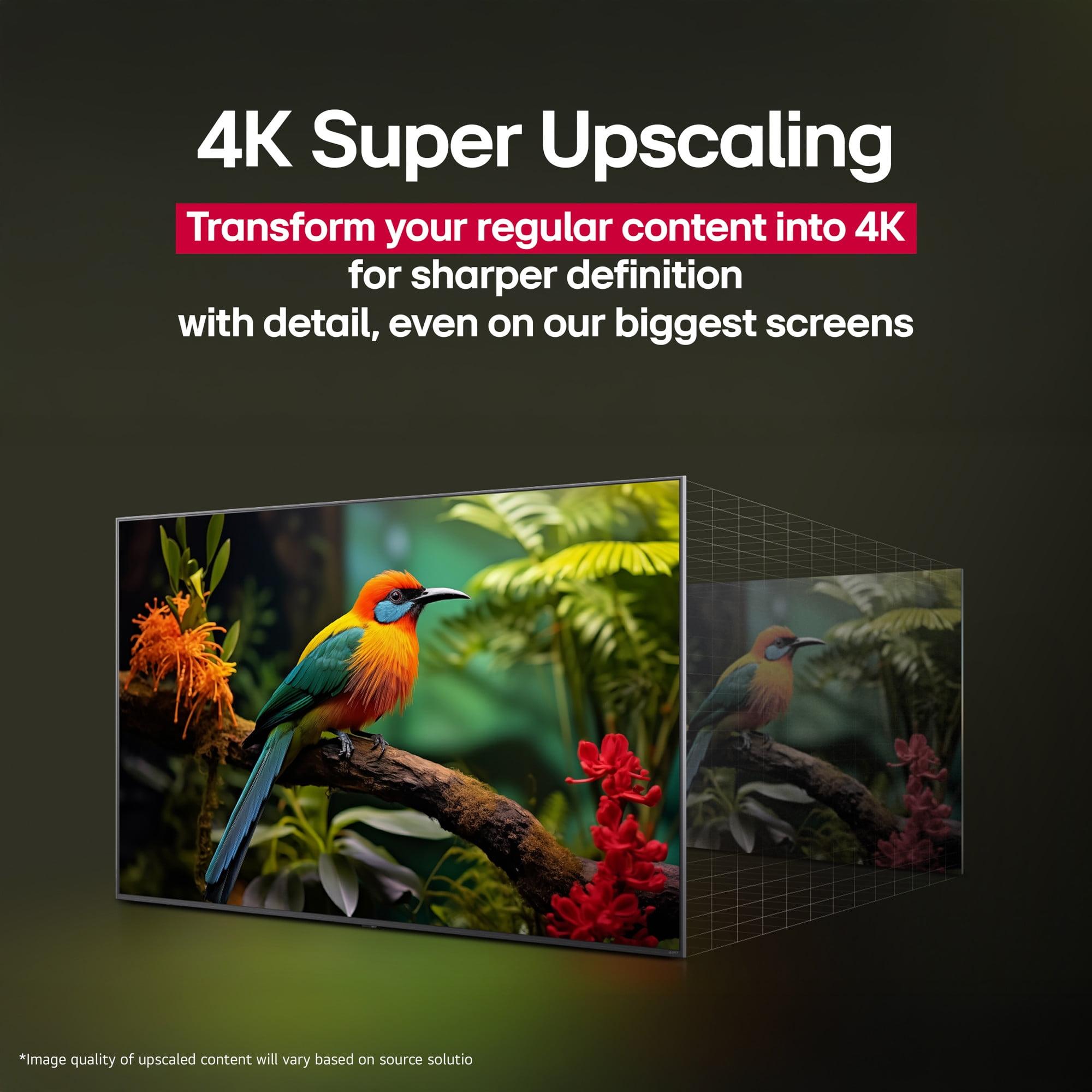
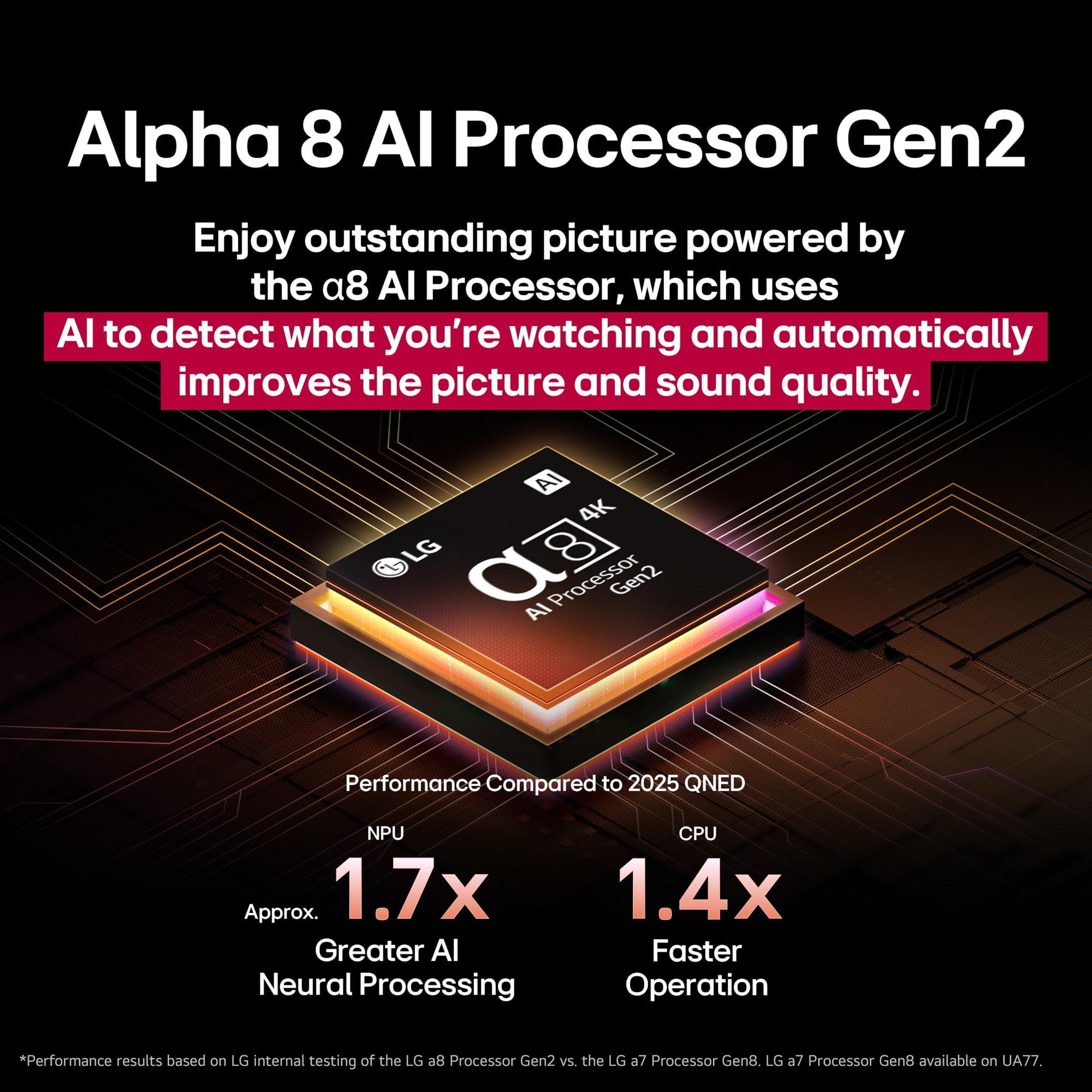
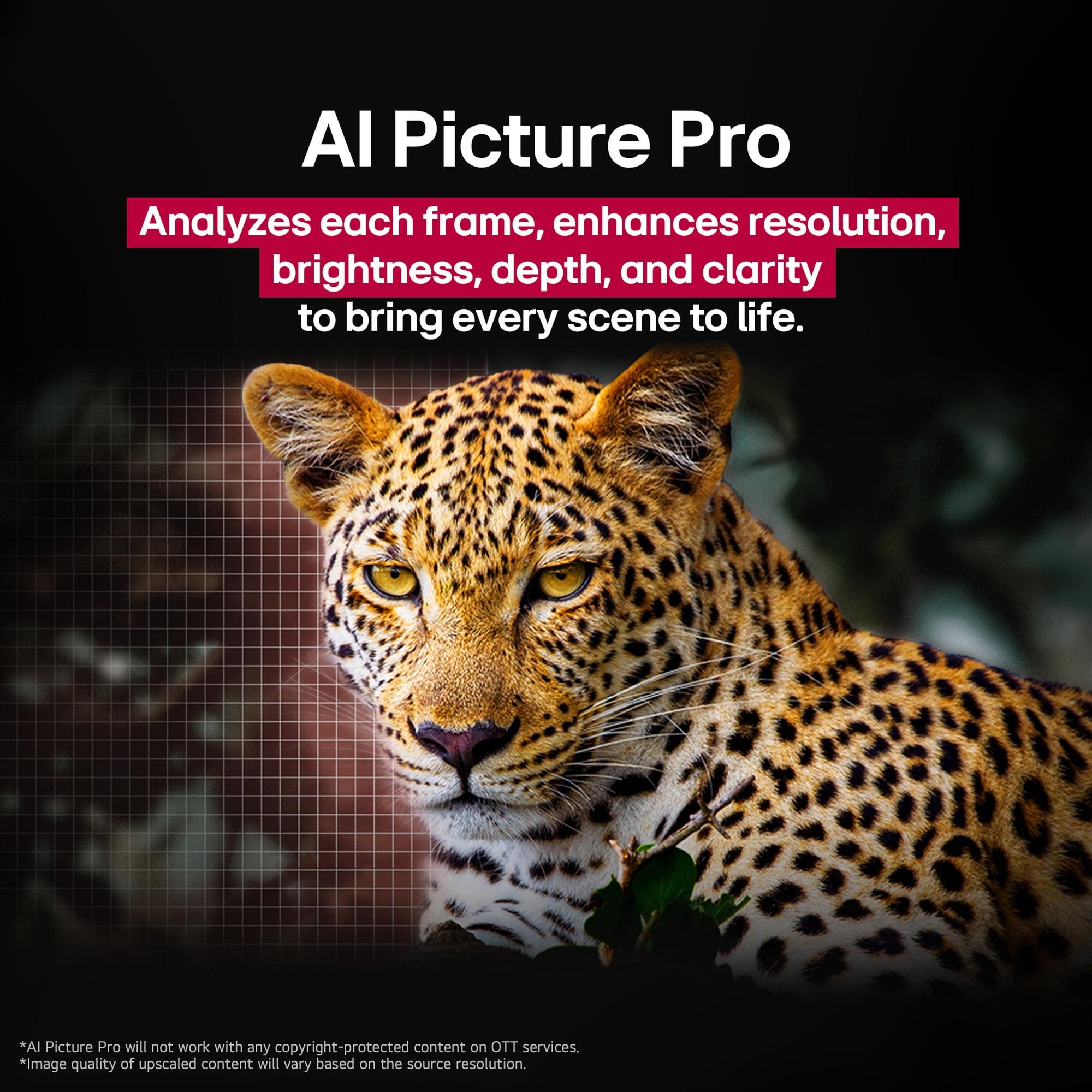
LG's Alpha 8 AI Processor Gen2 in the B5 represents a significant upgrade over previous generations, providing 1.4 times faster processing and improved AI-based upscaling. This processor analyzes content in real-time, optimizing picture and sound settings automatically. The AI upscaling is particularly impressive with older content, adding detail and sharpness that wasn't present in the original material.
Samsung's NQ4 AI Gen2 processor in the S95D offers similar capabilities but with additional features like Real Depth Enhancer, which increases foreground contrast to create more immersive depth perception. The Auto AI mode automatically adjusts settings based on content type—darker for movies, brighter for sports, optimized for gaming.
For dedicated home theater setups, both TVs excel, but the choice depends on your specific configuration. The LG B5's FILMMAKER MODE™ preserves the director's creative intent by disabling motion smoothing and adjusting color settings appropriately. This mode, combined with Dolby Vision support, provides a truly cinematic experience.
The Samsung S95D's superior brightness and color volume make HDR content more impactful, even in light-controlled environments. However, the lack of Dolby Vision support means you won't get the full premium experience from many streaming services.
Choose the LG B5 Series OLED if you want premium OLED performance at a more accessible price point, plan to watch lots of streaming content with Dolby Vision, or value long-term software support. It's particularly ideal for console gamers and those with moderately lit or light-controlled viewing environments.
Select the Samsung S95D if you have a bright living room, want the absolute best OLED picture quality regardless of price, or prioritize built-in audio performance. It's also the better choice for PC gamers who can take advantage of 144Hz gaming.
Both TVs represent excellent choices in the premium OLED market, but they serve slightly different needs. The LG B5 offers exceptional value and broad compatibility, while the Samsung S95D provides cutting-edge performance for users willing to pay for the latest innovations. Your room environment, content preferences, and budget will ultimately determine which delivers better value for your specific situation.
| LG B5 Series OLED 65" 4K Smart TV 2025 | Samsung 65" S95D 4K OLED Smart TV |
|---|---|
| Price - Value proposition for premium OLED features | |
| $1,699.99 | $2,097.23 |
| Panel Technology - Affects brightness, color accuracy, and viewing experience | |
| WOLED (White OLED with color filters) | QD-OLED (Quantum Dot OLED for superior color volume) |
| Peak Brightness - Critical for HDR impact and bright room viewing | |
| ~1,600 nits (excellent for most conditions) | ~2,000 nits (superior for bright rooms and HDR) |
| HDR Support - Determines compatibility with premium streaming content | |
| Dolby Vision, HDR10 Pro, HLG, FILMMAKER MODE™ | HDR10+, HDR10, HLG (no Dolby Vision support) |
| Anti-Glare Performance - Essential for rooms with windows or ambient light | |
| Standard OLED finish (good reflection handling) | Revolutionary matte finish (virtually eliminates reflections) |
| Gaming Performance - Refresh rates and features for console/PC gaming | |
| 120Hz native, G-Sync, FreeSync Premium, VRR, <0.1ms response | 144Hz (PC), 4x HDMI 2.1, sub-10ms input lag, Auto AI gaming |
| Audio System - Built-in speaker quality and power | |
| 2.2 channel, 40W, Dolby Atmos | 4.2.2 channel, 70W, Dolby Atmos, Object Tracking Sound |
| Smart Platform - User interface and long-term software support | |
| webOS 25 with 5-year update guarantee through 2030 | Tizen OS 2024 (standard 2-3 year update cycle) |
| Processor - AI features and content optimization capabilities | |
| α8 AI Processor Gen2 (1.4x faster processing) | NQ4 AI Gen2 (Real Depth Enhancer, Auto AI mode) |
| Best For - Target user and ideal use cases | |
| Value seekers, console gamers, Dolby Vision content, controlled lighting | Bright rooms, PC gaming, maximum brightness, premium audio |
The LG B5 Series OLED 65" 4K Smart TV 2025 ($1,699.99) offers better overall value, providing 85% of premium OLED performance at 75% of the price. While the Samsung 65" S95D 4K OLED Smart TV ($2,097.23) costs $400 more, it's worth the premium if you have a bright room or want maximum brightness and anti-glare performance.
The key difference is panel technology and brightness. The Samsung S95D uses QD-OLED technology with 2,000 nits peak brightness and a matte anti-glare finish, making it ideal for bright rooms. The LG B5 Series OLED uses WOLED technology with 1,600 nits brightness but includes Dolby Vision support for better streaming compatibility.
Both TVs excel at gaming, but for different reasons. The LG B5 Series OLED offers excellent console gaming with 120Hz, G-Sync, and FreeSync Premium at a lower price. The Samsung S95D supports 144Hz for PC gaming and has slightly lower input lag, making it better for competitive PC gaming.
No, only the LG B5 Series OLED supports Dolby Vision, HDR10 Pro, and HLG. The Samsung S95D supports HDR10+ and HDR10 but lacks Dolby Vision, which is used by Netflix, Disney+, and Apple TV+ for premium content.
The Samsung S95D is significantly better for bright rooms due to its matte anti-glare finish and higher 2,000 nits peak brightness. The LG B5 Series OLED performs better in controlled lighting conditions but can struggle with reflections from windows or ambient light.
The LG B5 Series OLED runs webOS 25 with a 5-year software update guarantee through 2030, providing excellent long-term value. The Samsung S95D uses Tizen OS with typically 2-3 years of major updates. Both platforms offer comprehensive app selections and smooth performance.
The Samsung S95D has superior built-in audio with a 4.2.2 channel, 70W system featuring Dolby Atmos and Object Tracking Sound. The LG B5 Series OLED has a more basic 2.2 channel, 40W system with Dolby Atmos support.
Both TVs are excellent for home theaters. The LG B5 Series OLED offers FILMMAKER MODE™ and Dolby Vision support for authentic cinematic experiences. The Samsung S95D provides superior brightness and color volume for more impactful HDR content, though it lacks Dolby Vision.
The LG B5 Series OLED offers better long-term value with guaranteed software updates through 2030 via LG's webOS Re:New program. The Samsung S95D typically receives 2-3 years of major updates, making the LG a better choice for users who keep TVs for many years.
The Samsung S95D offers brighter, more vibrant colors with superior HDR performance due to its QD-OLED technology. The LG B5 Series OLED provides excellent picture quality with better content compatibility thanks to Dolby Vision support, though it's not as bright as the Samsung.
Both TVs are excellent for console gaming, but the LG B5 Series OLED offers better value since consoles cap out at 120Hz anyway. It includes all necessary gaming features like VRR, G-Sync, and FreeSync Premium at a lower price point than the Samsung S95D.
Choose the LG B5 Series OLED if you want premium OLED performance at a great price, watch lots of streaming content, or have controlled lighting. Choose the Samsung S95D if you have a bright room, want maximum brightness and anti-glare performance, or prioritize built-in audio quality.
We've done our best to create useful and informative comparisons to help you decide what product to buy. Our research uses advanced automated methods to create this comparison and perfection is not possible - please contact us for corrections or questions. These are the sites we've researched in the creation of this article: eftm.com - bestbuy.com - rtings.com - youtube.com - rtings.com - tomsguide.com - youtube.com - nationalproductreview.com.au - lg.com - manchesterbrothers.com - avsforum.com - lg.com - lg.com - lg.com - lg.com - retailspecs.com - american-homeappliance.com - perpichtv.com - techradar.com - videoandaudiocenter.com - avsforum.com - cnet.com - abt.com - merlinstv.com - nfm.com - rtings.com - flintsfurniture.com - samsung.com - bestbuy.com - displayspecifications.com

Privacy Policy
Terms and Conditions - Affiliate Policy
Home Security
© Copyright 2008-2026.
11816 Inwood Rd #1211, Dallas, TX 75244