

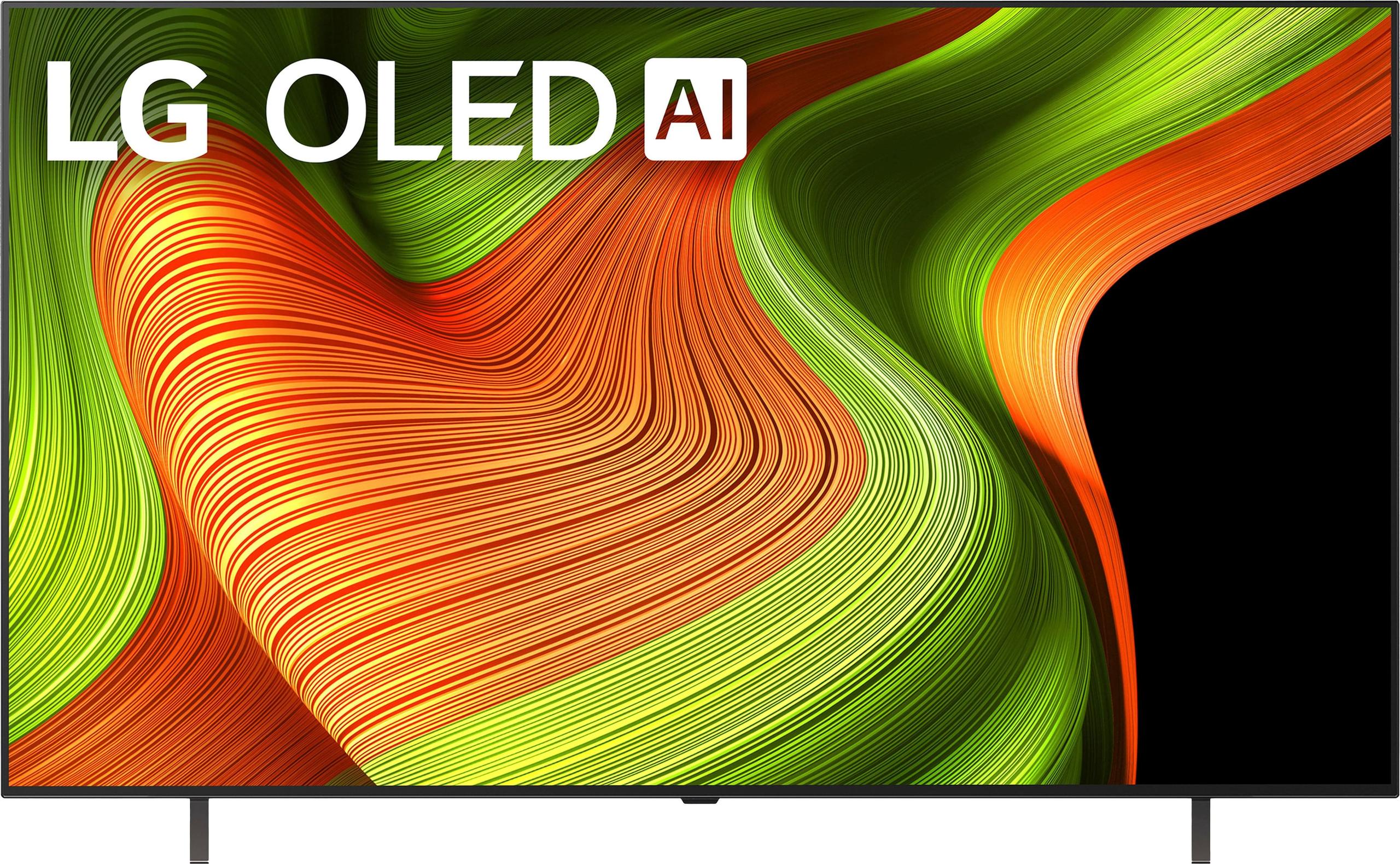
![LG B5 Series OLED 65" 4K Smart TV 2025[1][7][9]](https://images.hometheaterreview.com/htr-stateless/2025/07/3368ce40-25ef-4d07-b442-bb0af89e3a29.jpg)
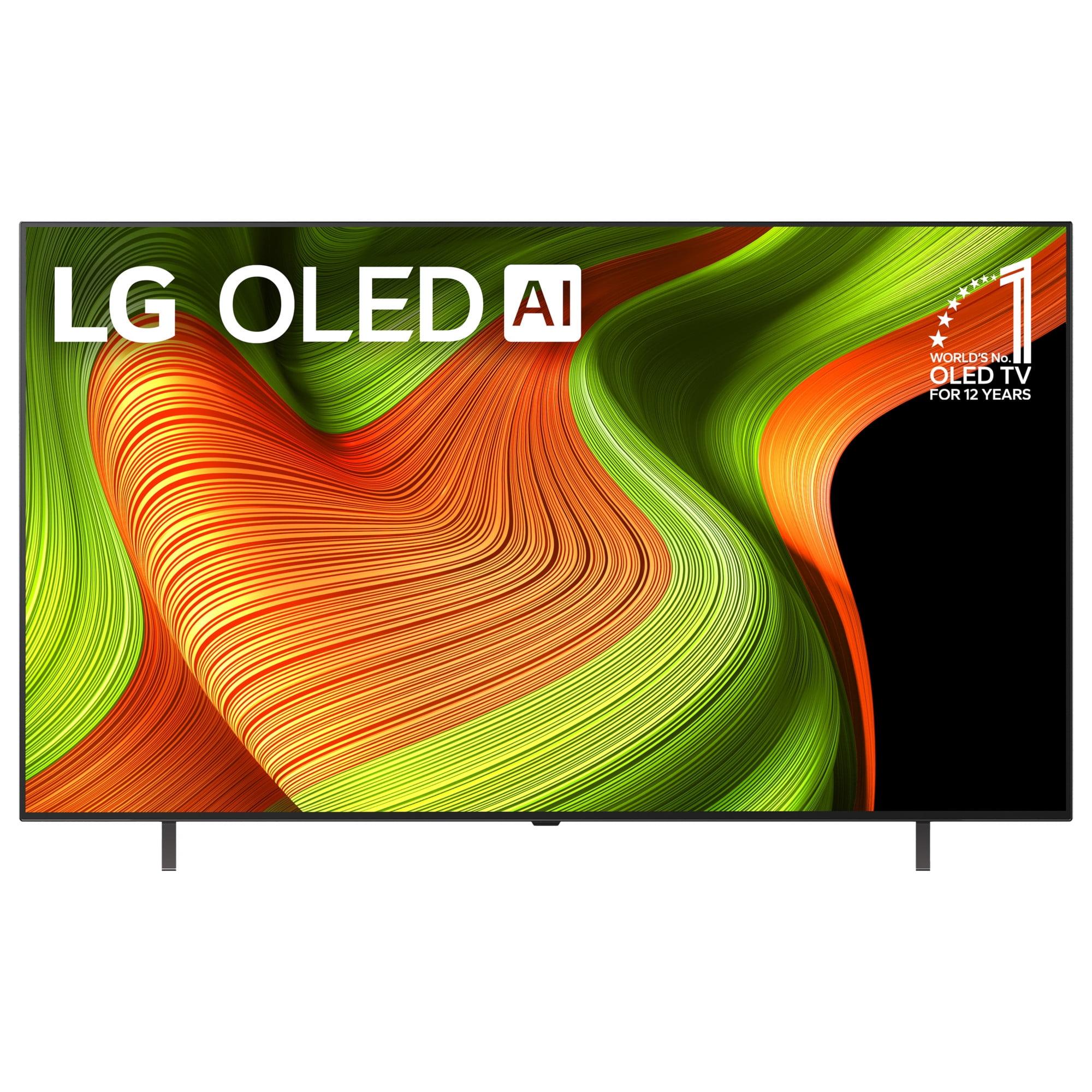
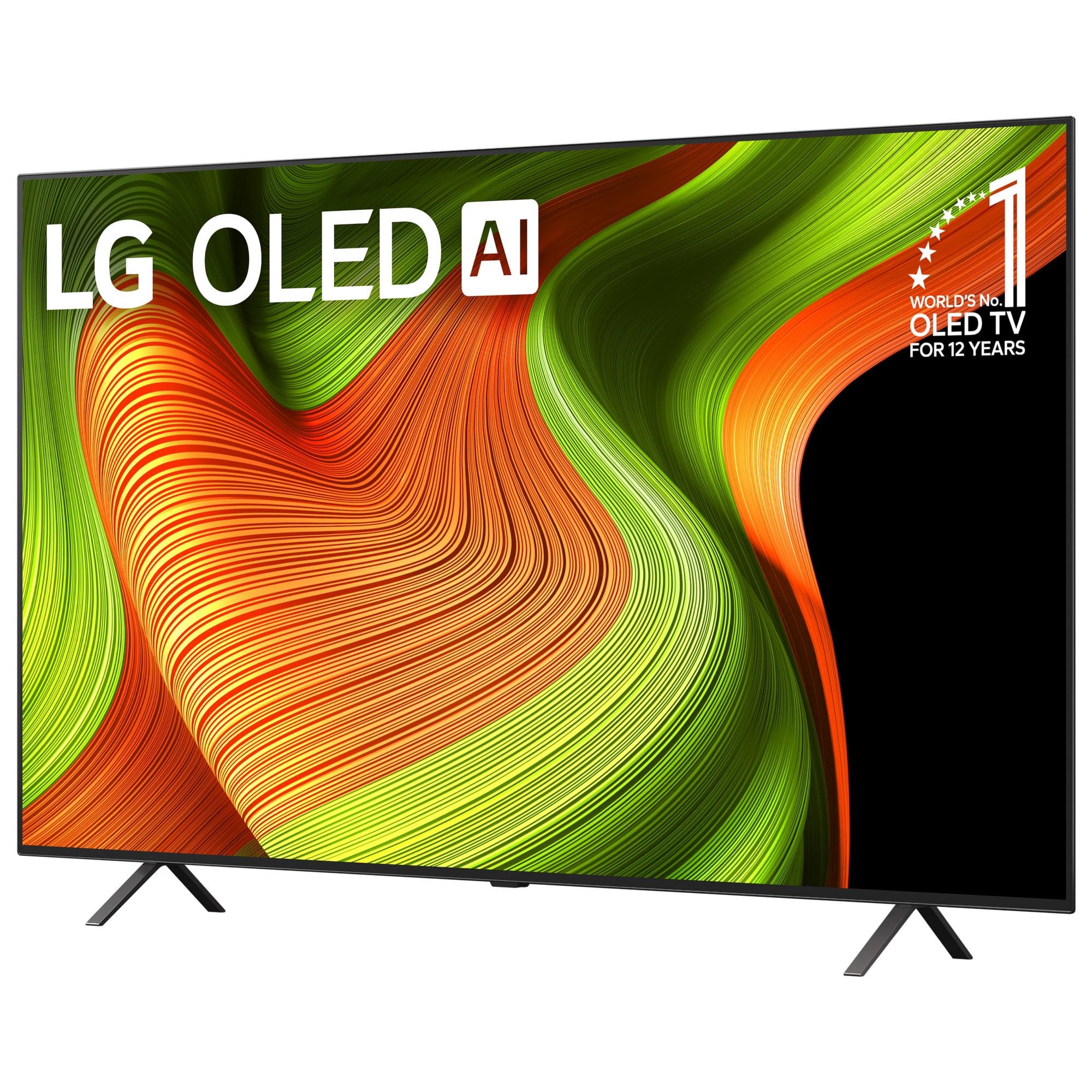
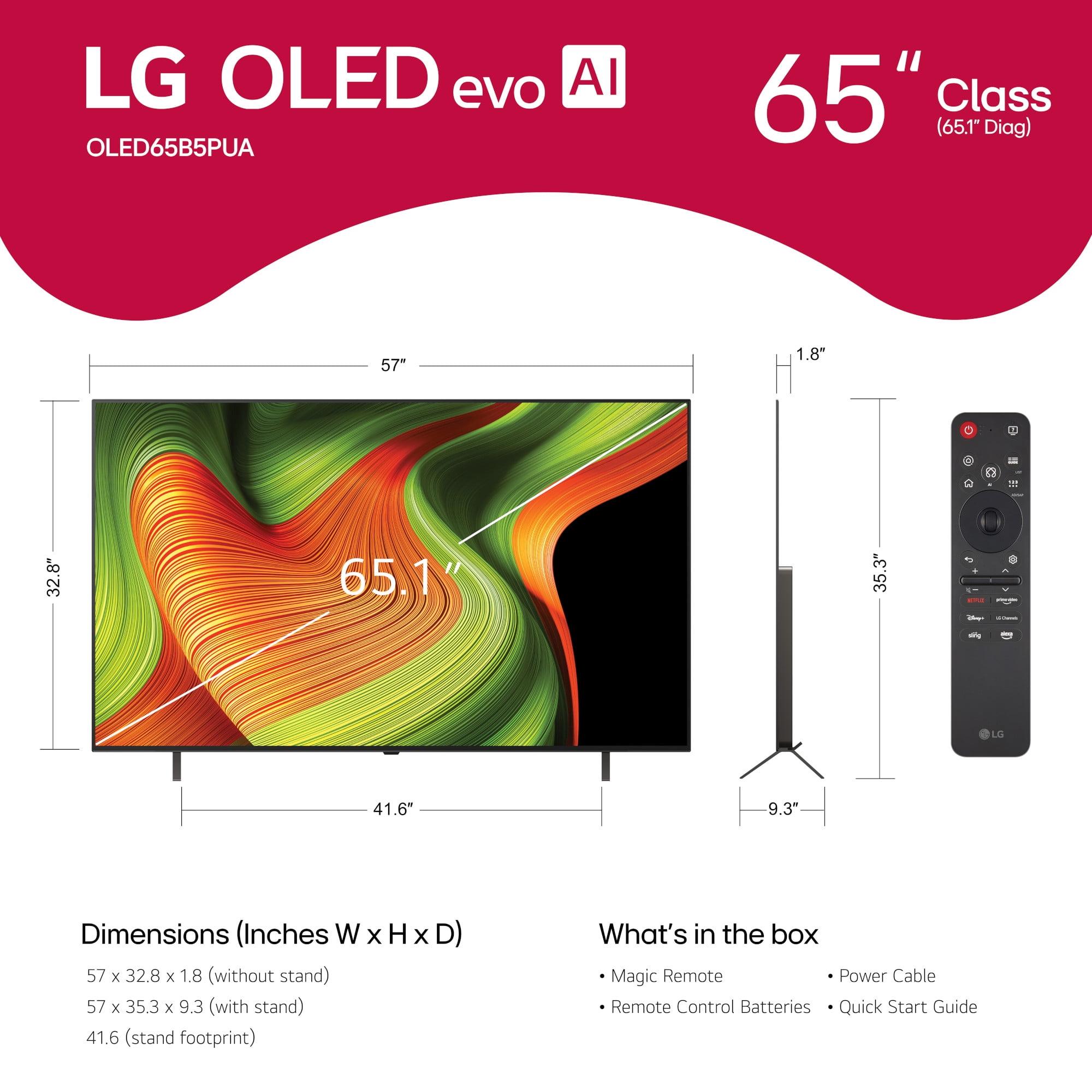
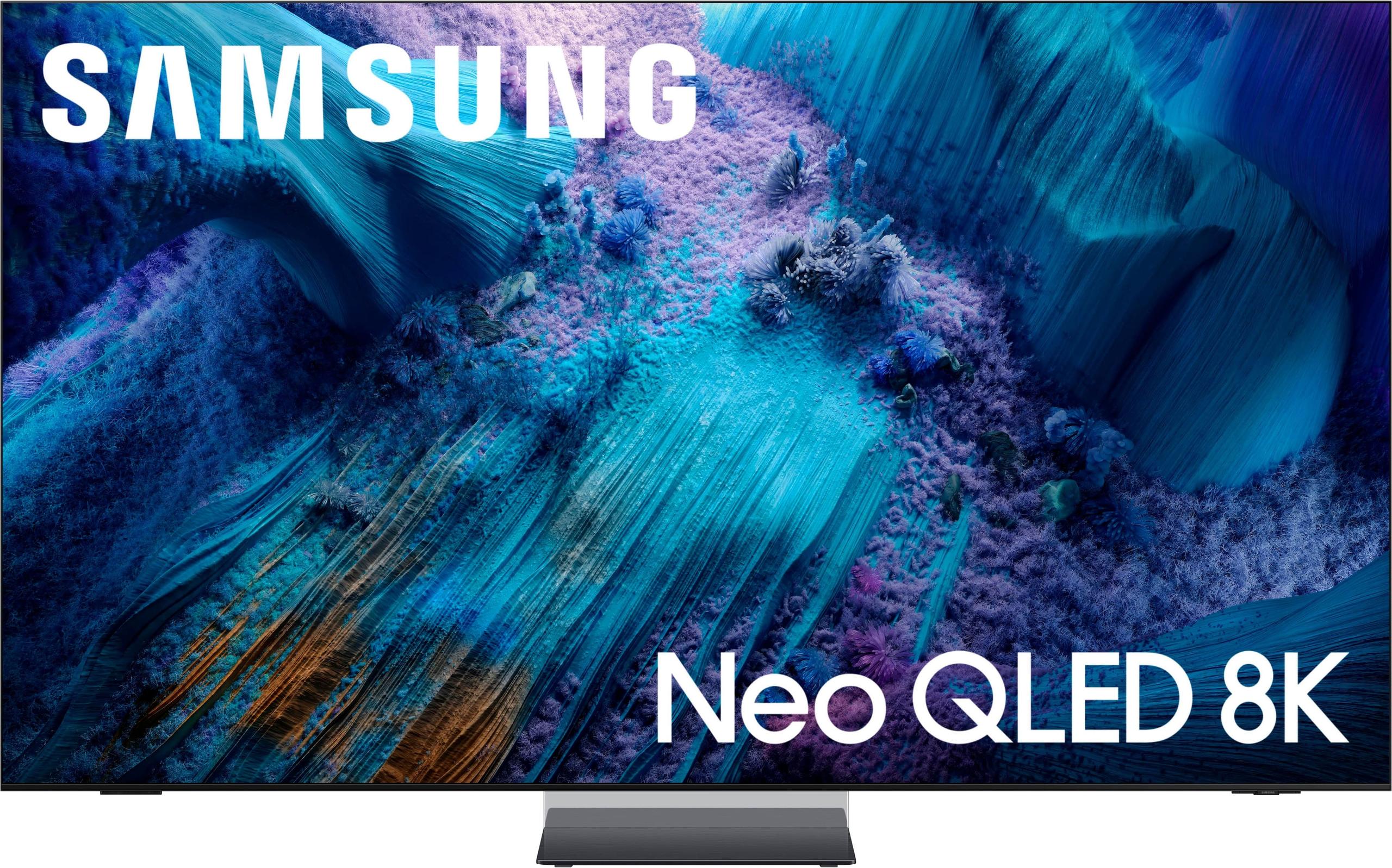
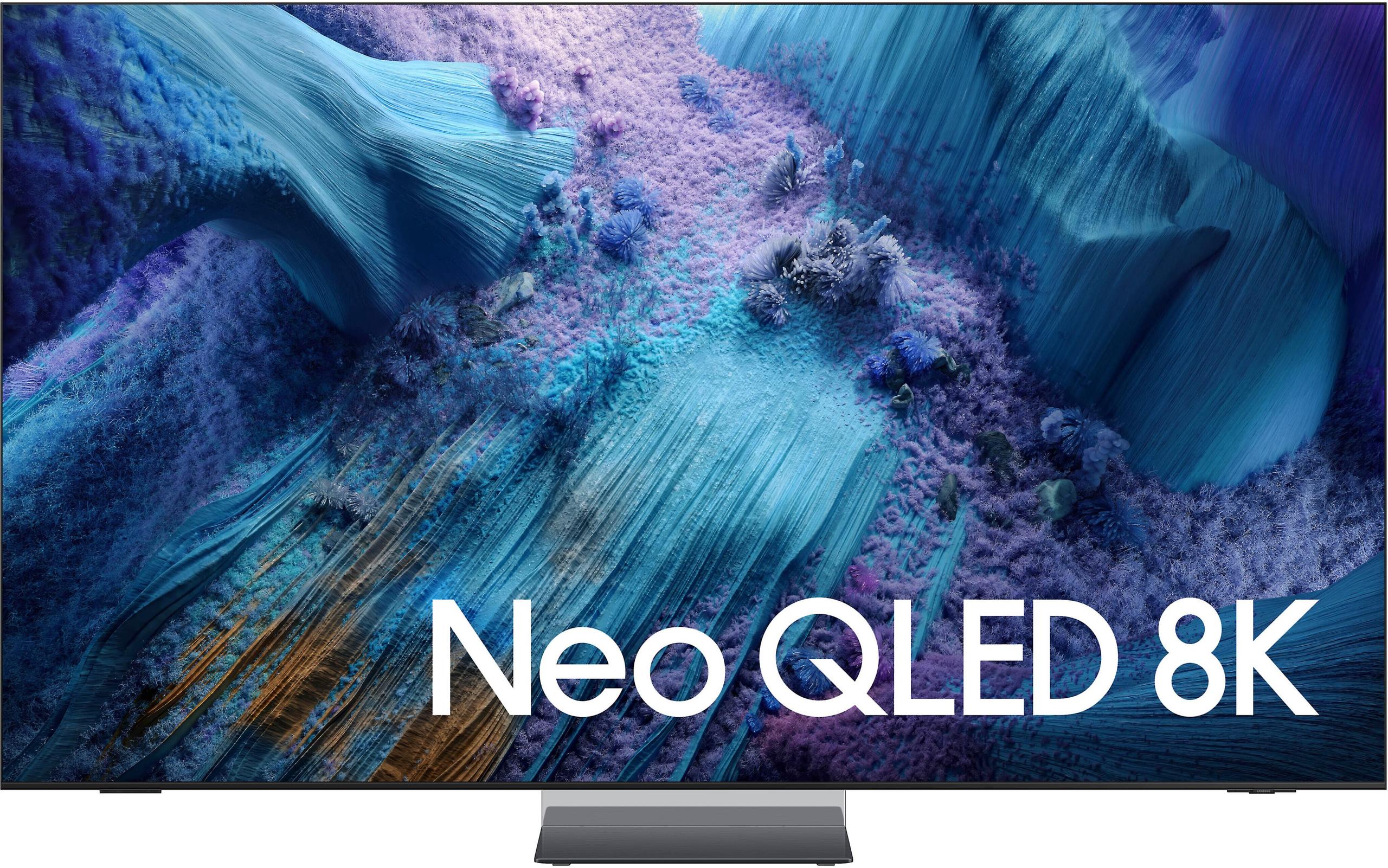
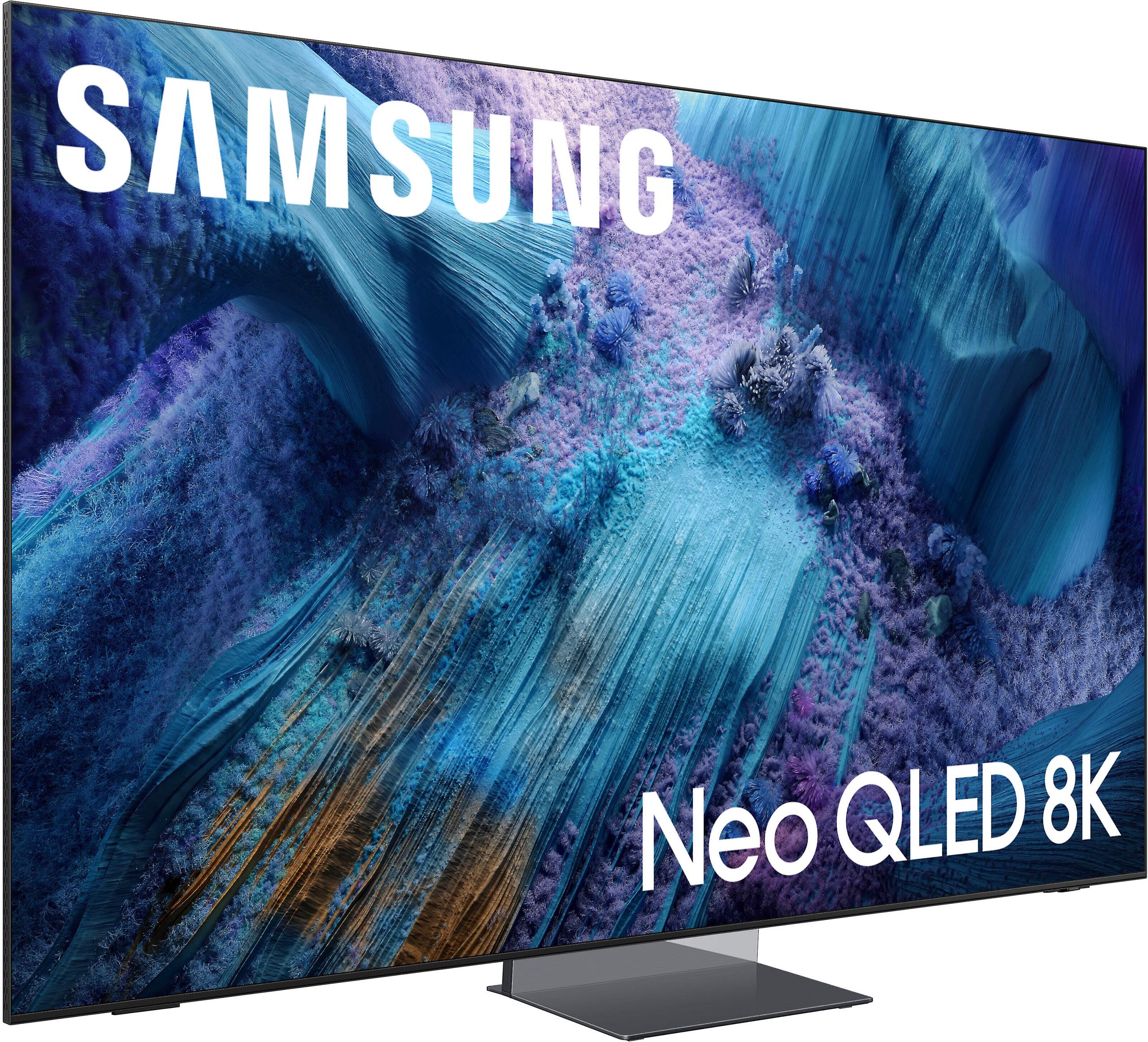
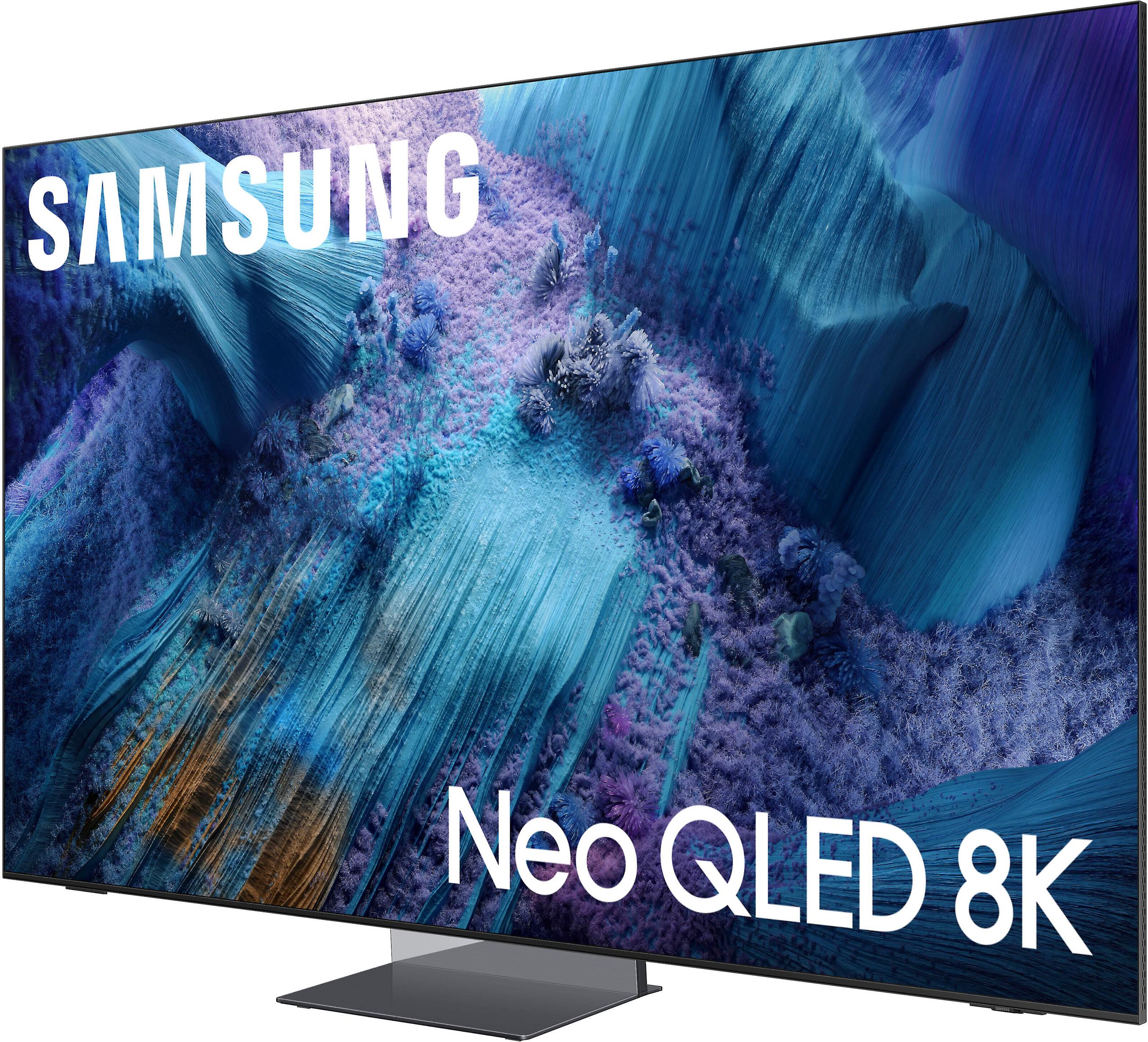
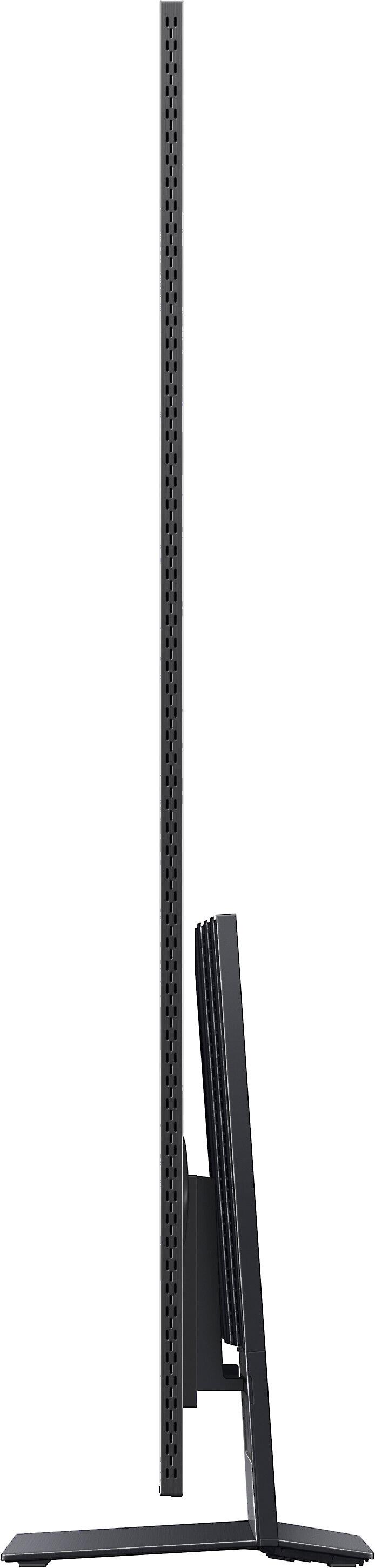
When you're shopping for a premium 65-inch TV in 2025, you're essentially choosing between two fundamentally different approaches to creating stunning visuals. The LG B5 Series OLED 65" 4K Smart TV 2025 at $1,699.99 represents the accessible end of OLED technology, while the Samsung 65" Neo QLED QN990F 8K Smart TV 2025 at $5,297.99 showcases the cutting edge of Mini LED backlighting. Both hit the market in early 2025, but they solve the picture quality puzzle in completely different ways.
The core difference between these TVs lies in how they create light and color. OLED (Organic Light-Emitting Diode) technology means each pixel produces its own light—imagine millions of tiny, controllable lightbulbs that can turn completely off to create perfect black. Neo QLED, on the other hand, uses thousands of Mini LEDs as a backlight behind an LCD panel, with quantum dots (microscopic crystals that emit pure colors when hit by light) to enhance color accuracy.
This fundamental difference shapes everything about how these TVs perform. The LG B5's OLED pixels can instantly switch from brilliant white to complete darkness, creating what's called "infinite contrast"—the mathematical difference between the brightest and darkest parts of the image. The Samsung QN990F uses sophisticated algorithms to control its Mini LED zones, getting much closer to OLED-like performance than traditional LED TVs, but still can't achieve true black since there's always some light leakage.
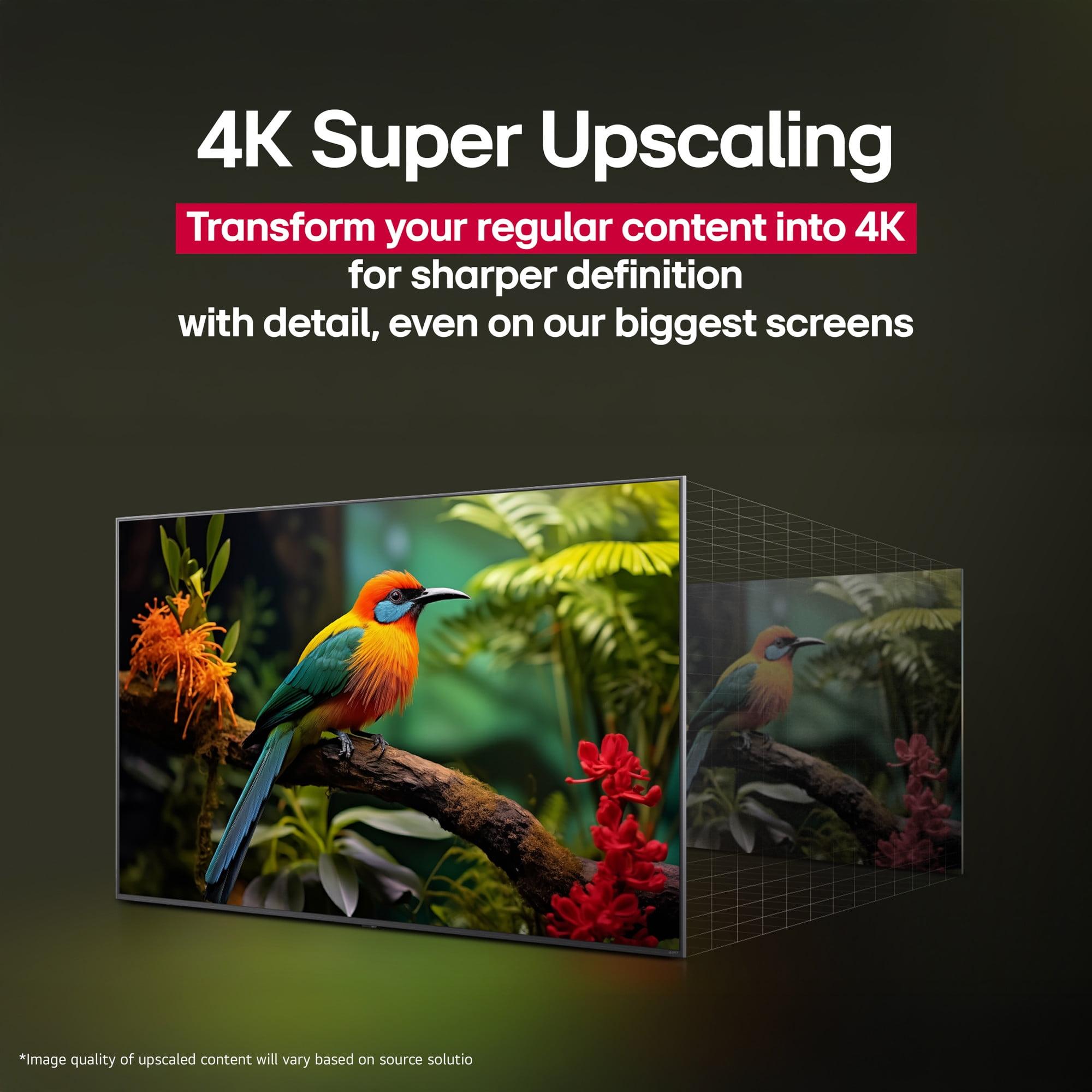
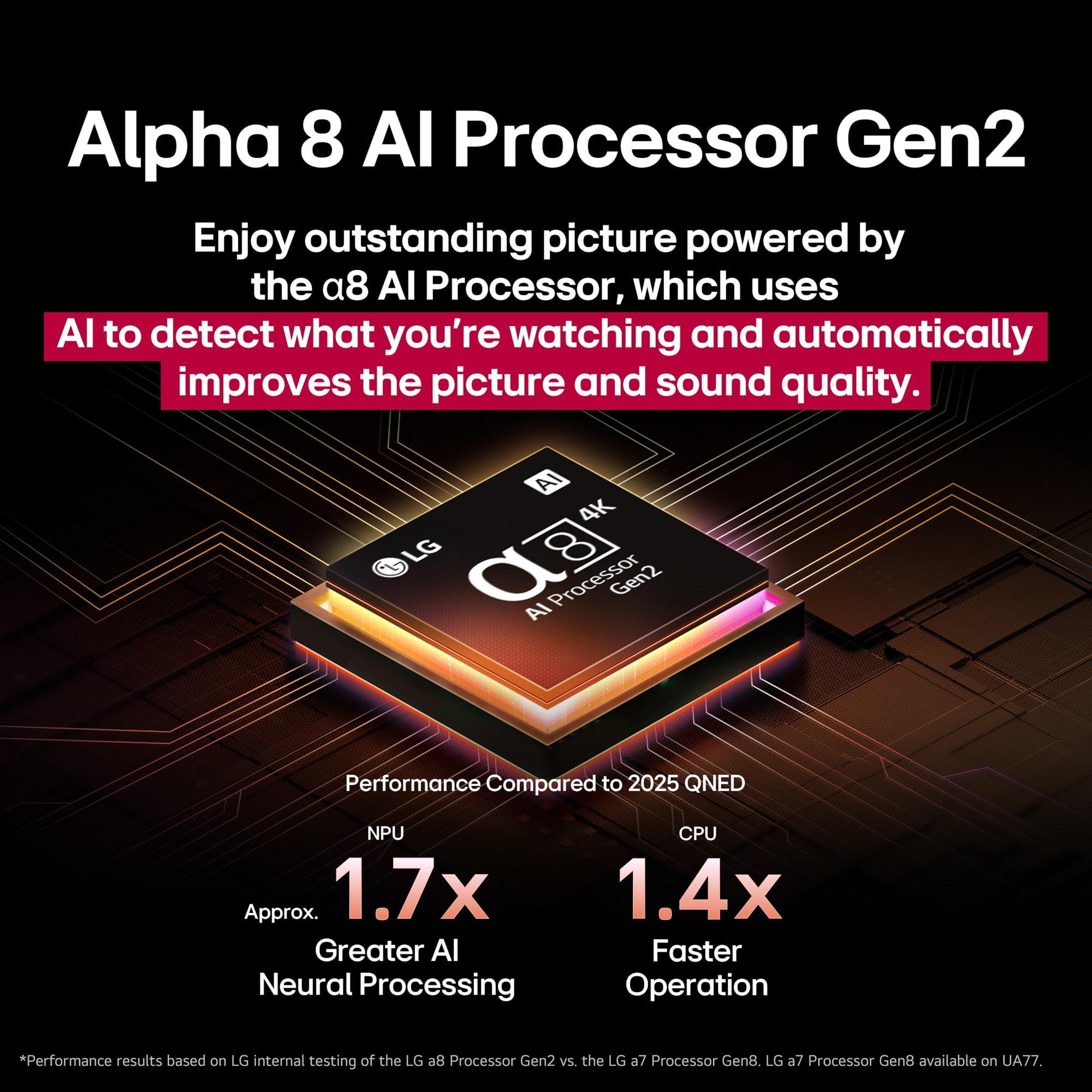
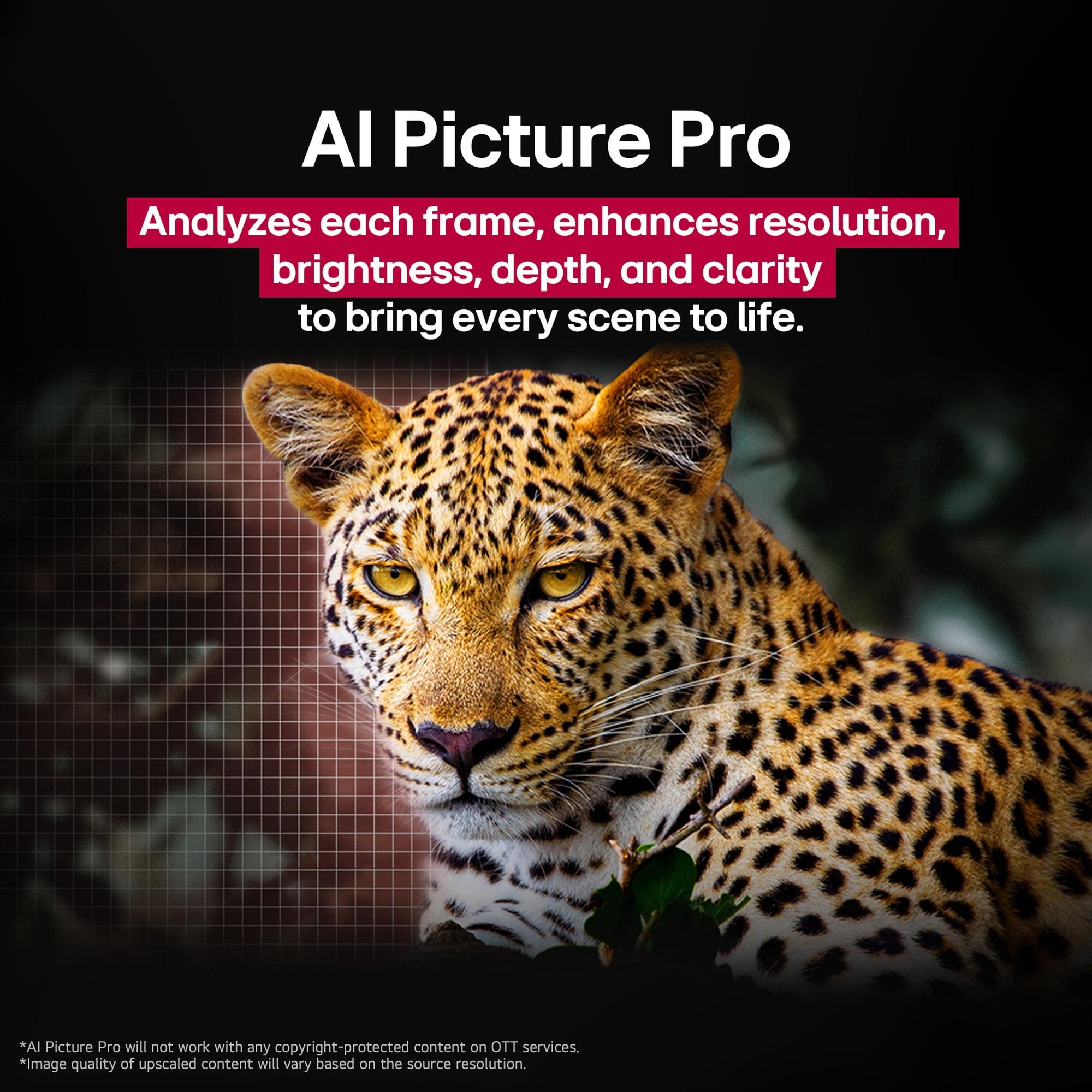
Both TVs benefit from significant technological advances in 2025. The LG B5 OLED uses LG's improved OLED evo panel technology, which runs brighter and more efficiently than previous generations. The α8 AI Processor Gen2 processes images 1.4 times faster than its predecessor, with 768 neural networks analyzing each frame for optimal upscaling and color correction.
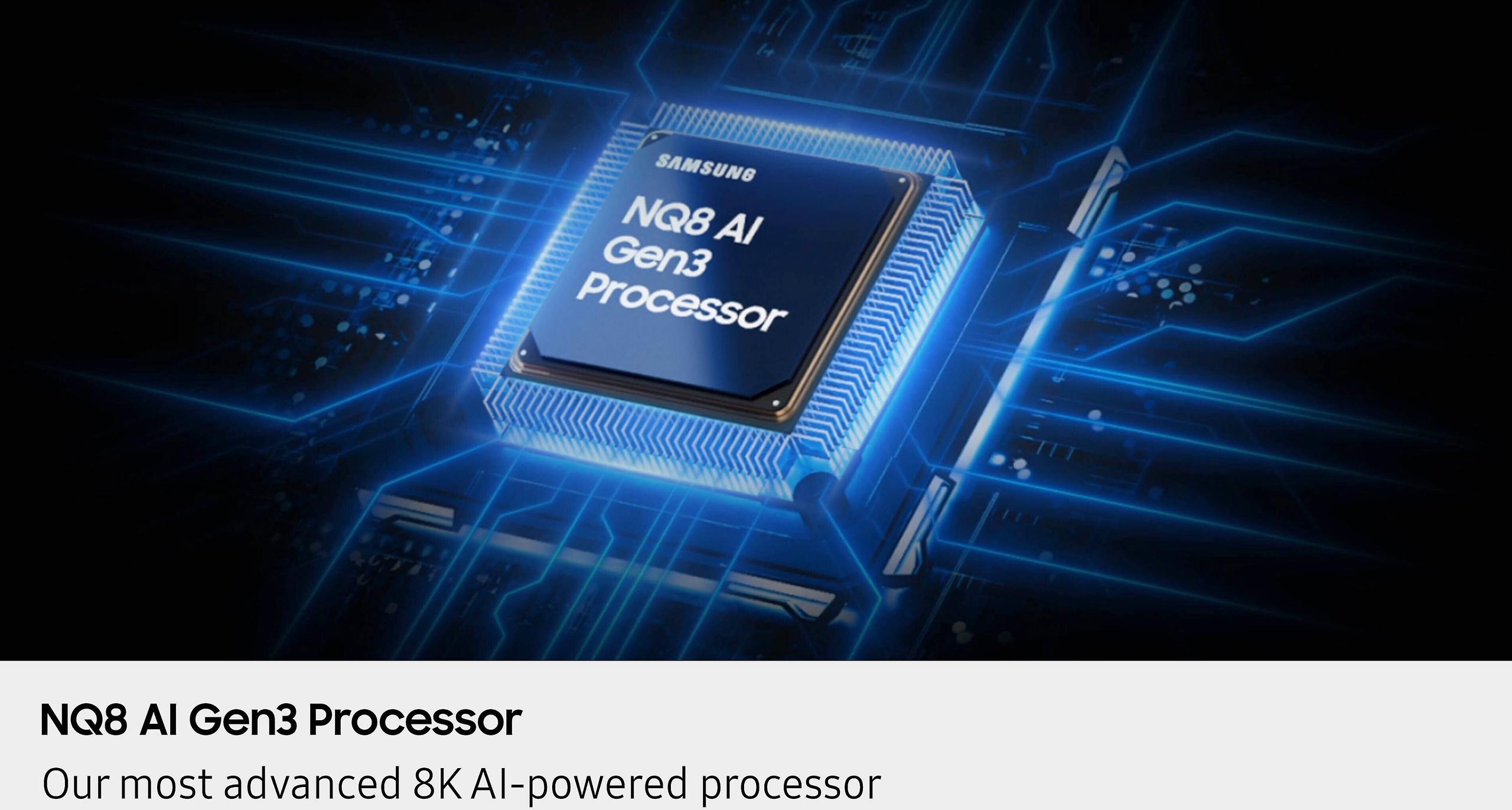
Samsung's QN990F represents a major leap in Mini LED technology. Where 2023 models might have had hundreds of dimming zones, the QN990F uses thousands of independently controlled Mini LEDs. The NQ8 AI Gen3 processor specifically targets 8K content creation and upscaling, addressing the biggest criticism of early 8K TVs—the lack of native content.
The gaming improvements are particularly notable. The LG B5 maintains its sub-1ms response time while adding enhanced VRR (Variable Refresh Rate) support that reduces screen tearing. The Samsung QN990F pushes gaming performance to new heights with 4K at 240Hz and 8K at 165Hz support, though you'll need next-generation graphics cards to fully utilize these capabilities.
This is where the fundamental technology difference becomes most apparent. The LG B5 OLED delivers what I consider the gold standard for contrast. When watching dark scenes in movies like "Dune" or "The Batman," individual pixels turn completely off, creating blacks that are indistinguishable from the TV being turned off. This isn't just about aesthetics—it dramatically improves the perception of detail in dark scenes.
The Samsung QN990F's Mini LED array gets remarkably close, but physics still applies. With thousands of dimming zones, it can create very deep blacks with minimal blooming (the faint halo effect around bright objects against dark backgrounds). In practical terms, you'll notice this most in letterboxed movies where the black bars at the top and bottom of the screen should disappear completely.
Here's where the Samsung QN990F truly shines—literally. Its Mini LED backlight can produce peak brightness levels that are 2-3 times higher than the LG B5. This matters enormously for HDR (High Dynamic Range) content, where bright highlights like sunlight reflecting off water or car headlights need to be genuinely bright to create that "wow" factor.
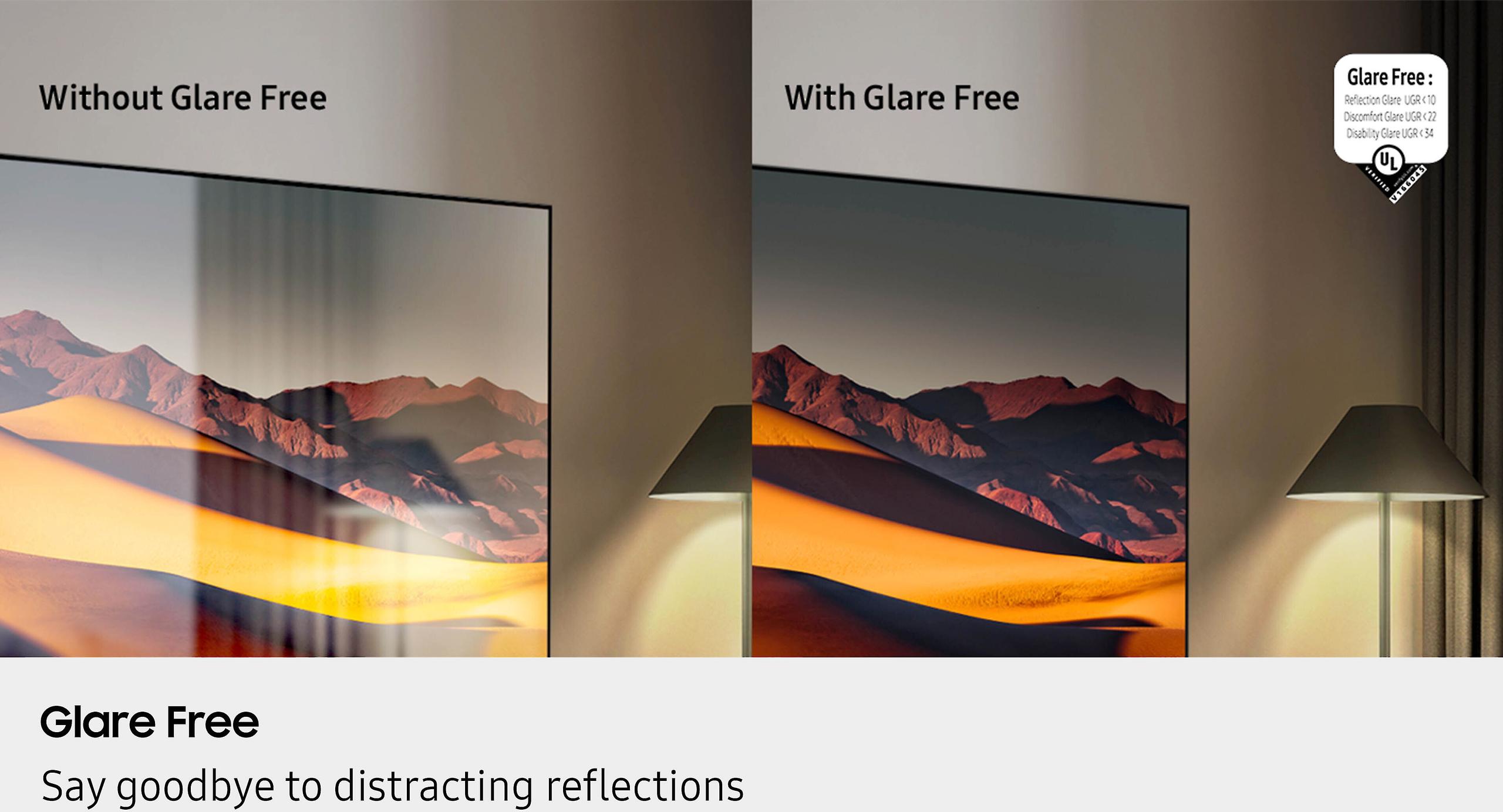
The LG B5's brightness improvements are significant compared to older OLEDs, but it still can't match the Samsung's peak output. In a bright room during daytime viewing, this difference becomes crucial. The Samsung's anti-glare matte screen coating further enhances its bright-room performance, though some users find it slightly softens the image compared to glossy screens.
Both TVs excel in color reproduction but take different approaches. The LG B5's OLED pixels create naturally accurate colors that look particularly lifelike with skin tones and natural imagery. The Samsung QN990F's Quantum Dot technology pushes color saturation further, creating more vivid and punchy colors that can appear more impressive at first glance.
For home theater enthusiasts, the LG B5's color accuracy often proves more pleasing for long viewing sessions, particularly with movies. The Samsung's more aggressive color processing can make sports and nature documentaries look spectacular but might fatigue your eyes during extended viewing.
Gaming is where these TVs really differentiate themselves beyond just picture quality. The LG B5 OLED offers exceptional gaming performance with its native 120Hz refresh rate and near-instantaneous pixel response time. Input lag—the delay between pressing a button and seeing the result on screen—measures under 10 milliseconds, making it ideal for competitive gaming.
The Samsung QN990F takes gaming to the next level with support for 240Hz at 4K resolution and 165Hz at 8K. This future-proofs the TV for next-generation consoles and high-end PC gaming. The Motion Xcelerator 240Hz technology ensures smooth motion even in fast-paced games, while AI Motion Enhancer Pro reduces blur in racing games and first-person shooters.
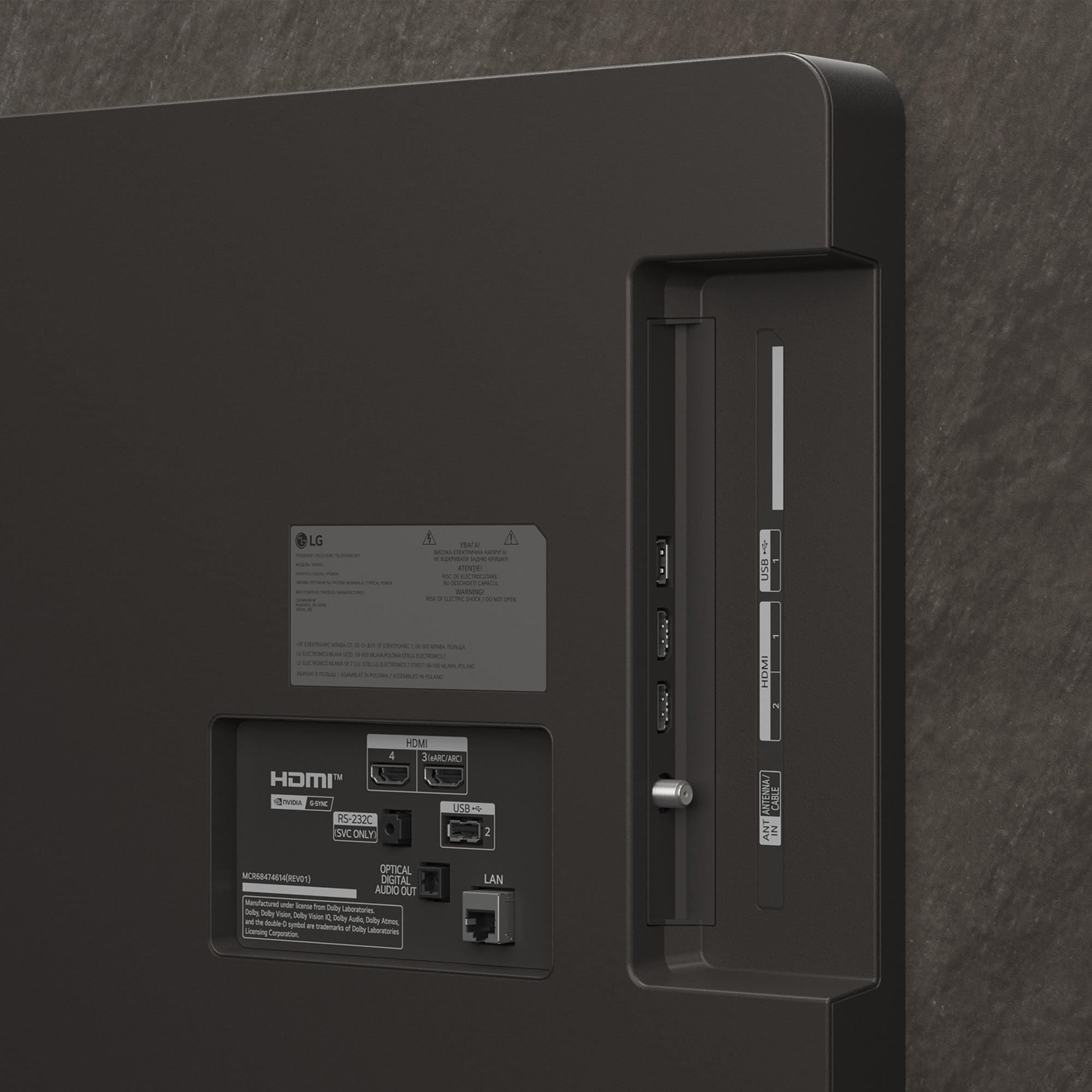
Both TVs support the essential gaming features: VRR to eliminate screen tearing, ALLM (Auto Low Latency Mode) to automatically switch to game mode, and multiple HDMI 2.1 ports for connecting current and future gaming devices. The Samsung's higher refresh rate capabilities give it an edge for serious PC gamers, while the LG's perfect blacks and response time make it ideal for immersive single-player experiences.
The smart TV experience has evolved dramatically in 2025. The LG B5 runs webOS 25, which introduces AI-powered content recommendations that actually learn your preferences over time. Quick Cards allow you to organize frequently used apps, while the new AI button on the remote provides voice control that feels genuinely conversational rather than robotic.
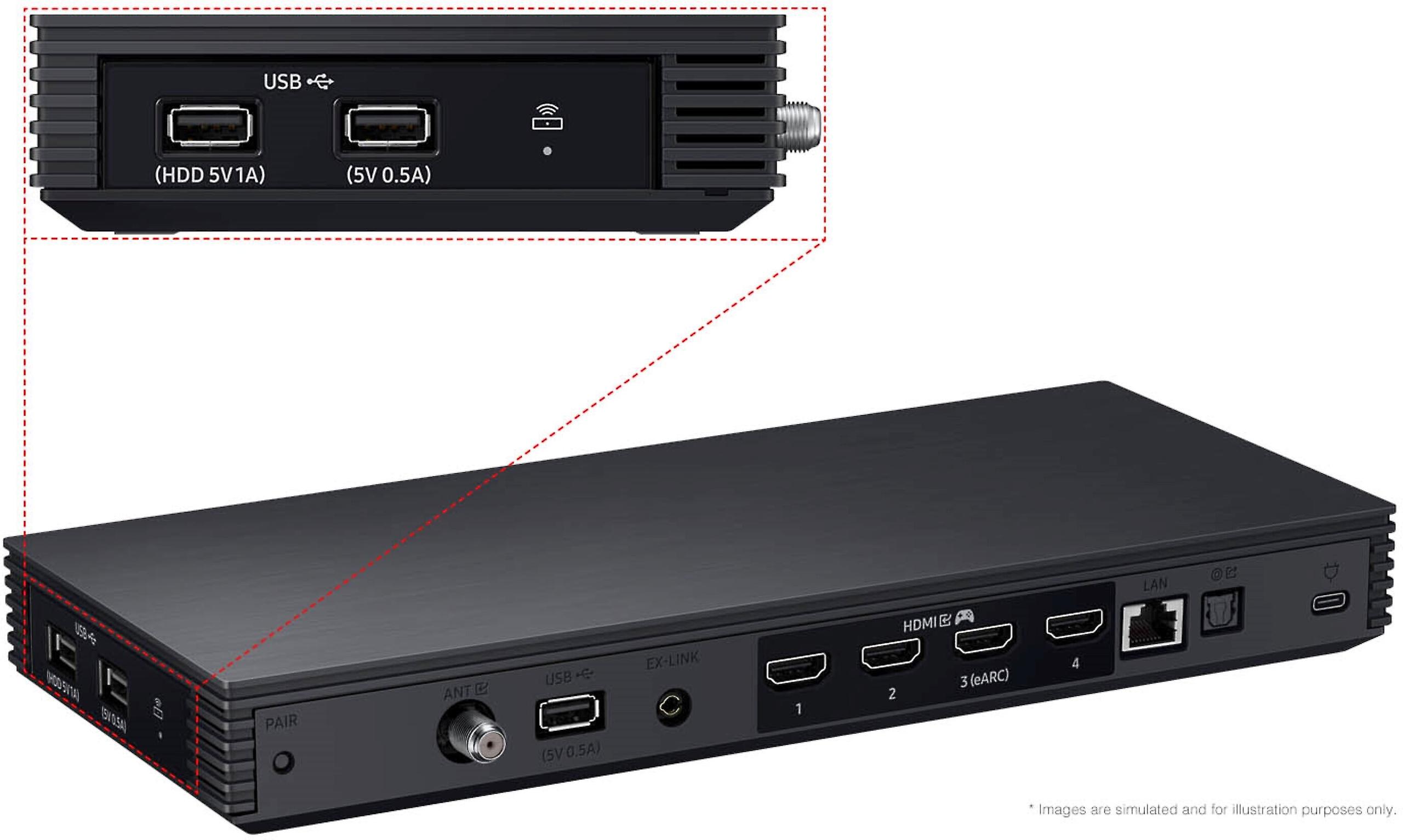
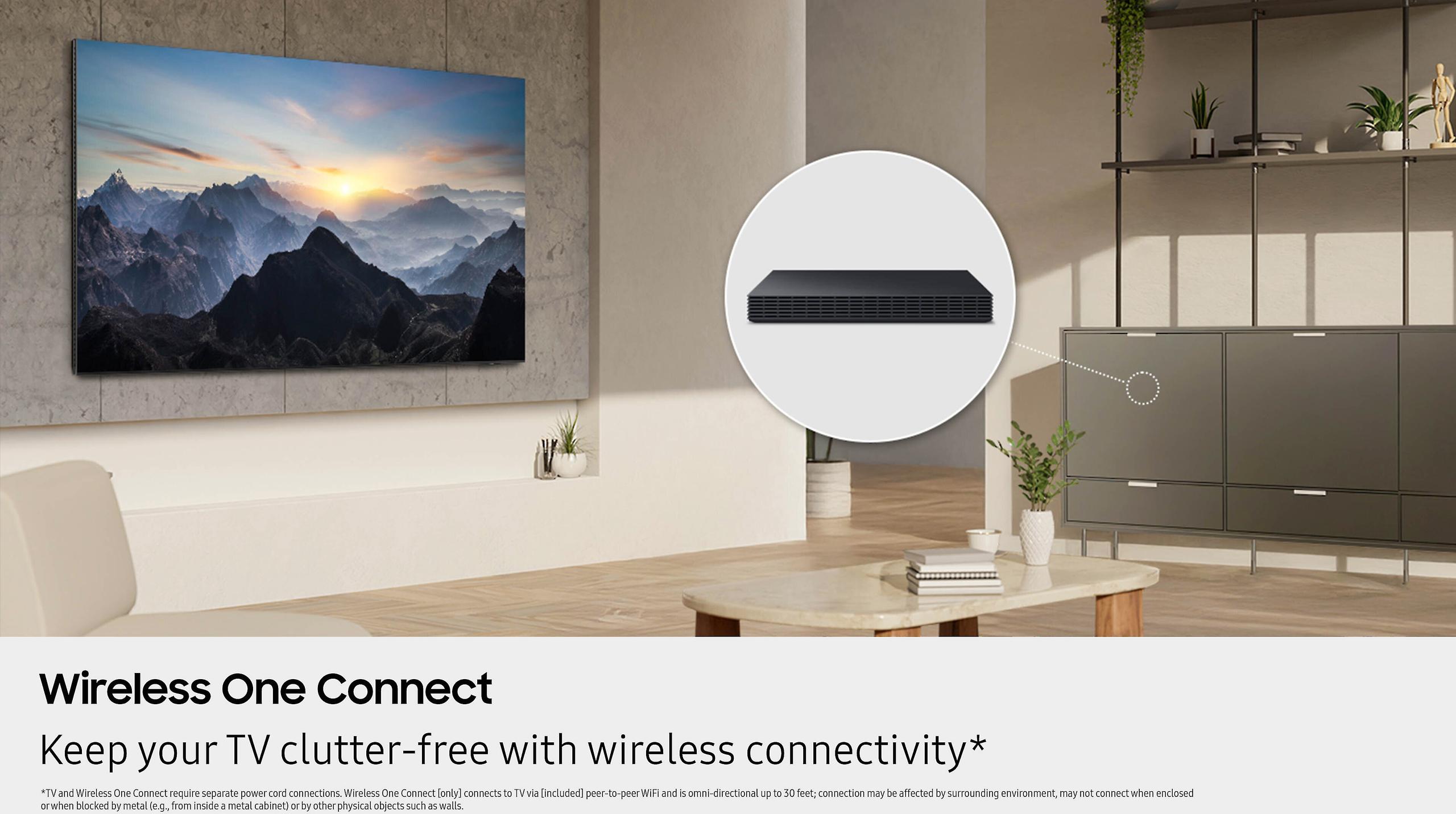
Samsung's Tizen OS on the QN990F integrates seamlessly with Samsung's ecosystem, particularly useful if you own Samsung smartphones or tablets. The standout feature is the Wireless One Connect Box, which eliminates cable clutter by connecting all your devices wirelessly to the TV from up to 30 feet away. This is particularly valuable for wall-mounted installations where running cables can be challenging.
Both systems support major streaming services, voice assistants, and smart home integration. The choice often comes down to which ecosystem you're already invested in and whether the Samsung's wireless connectivity justifies the price difference.
While both TVs support Dolby Atmos, their approaches differ significantly. The LG B5 OLED provides solid audio performance with its built-in speakers and works exceptionally well with external sound systems. The TV's slim profile makes it easy to pair with soundbars or integrate into existing home theater setups.
The Samsung QN990F features Object Tracking Sound Pro, which uses multiple speakers to create the illusion that sound follows moving objects on screen. This technology works surprisingly well, particularly for sports and action movies. The dedicated top-channel speakers provide genuine height effects that enhance the Dolby Atmos experience even without external speakers.
For serious home theater enthusiasts, both TVs serve as excellent displays for high-end audio systems. The LG's perfect blacks and accurate colors make it ideal for cinematic experiences, while the Samsung's brightness and large screen presence create an impressive centerpiece for media rooms.
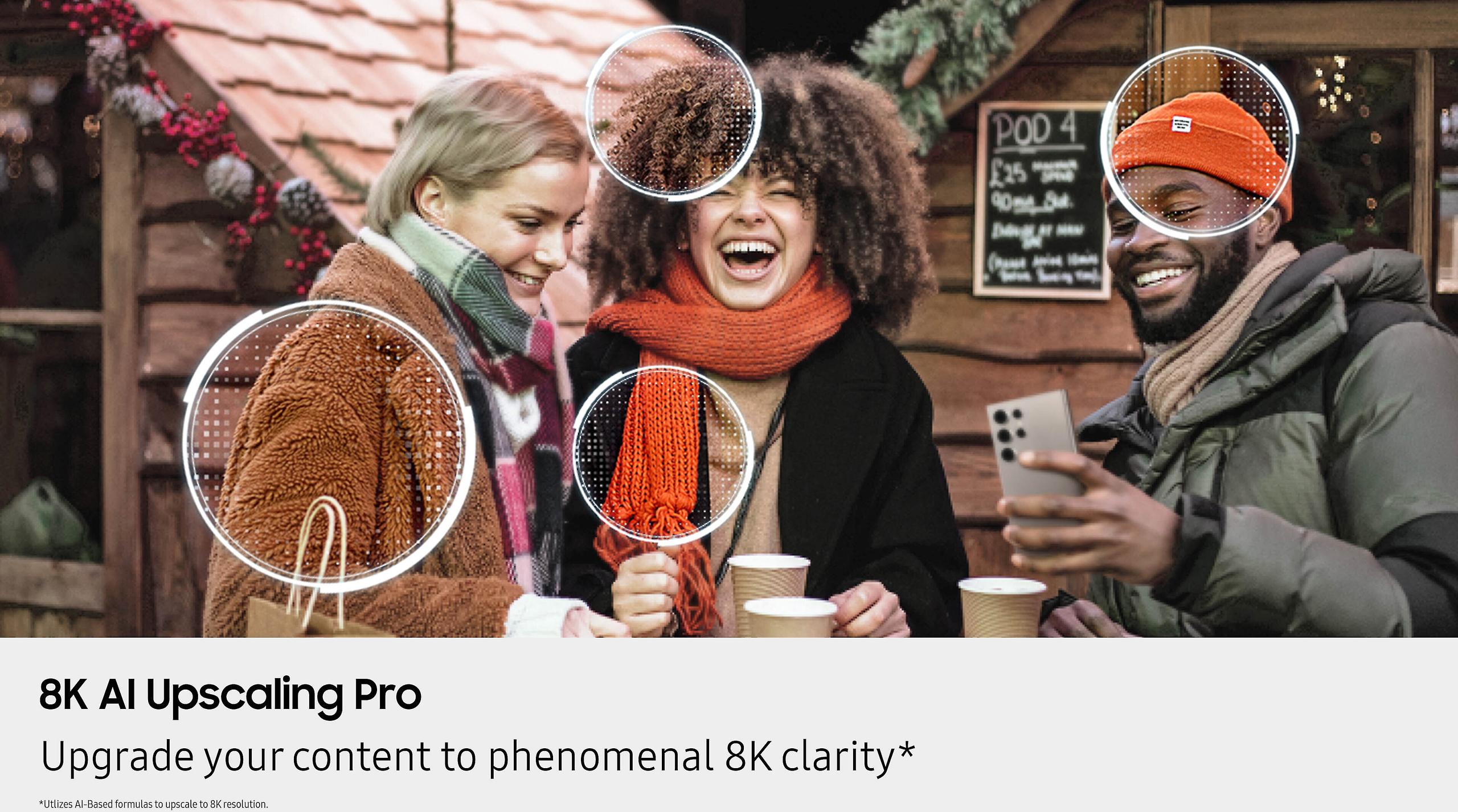
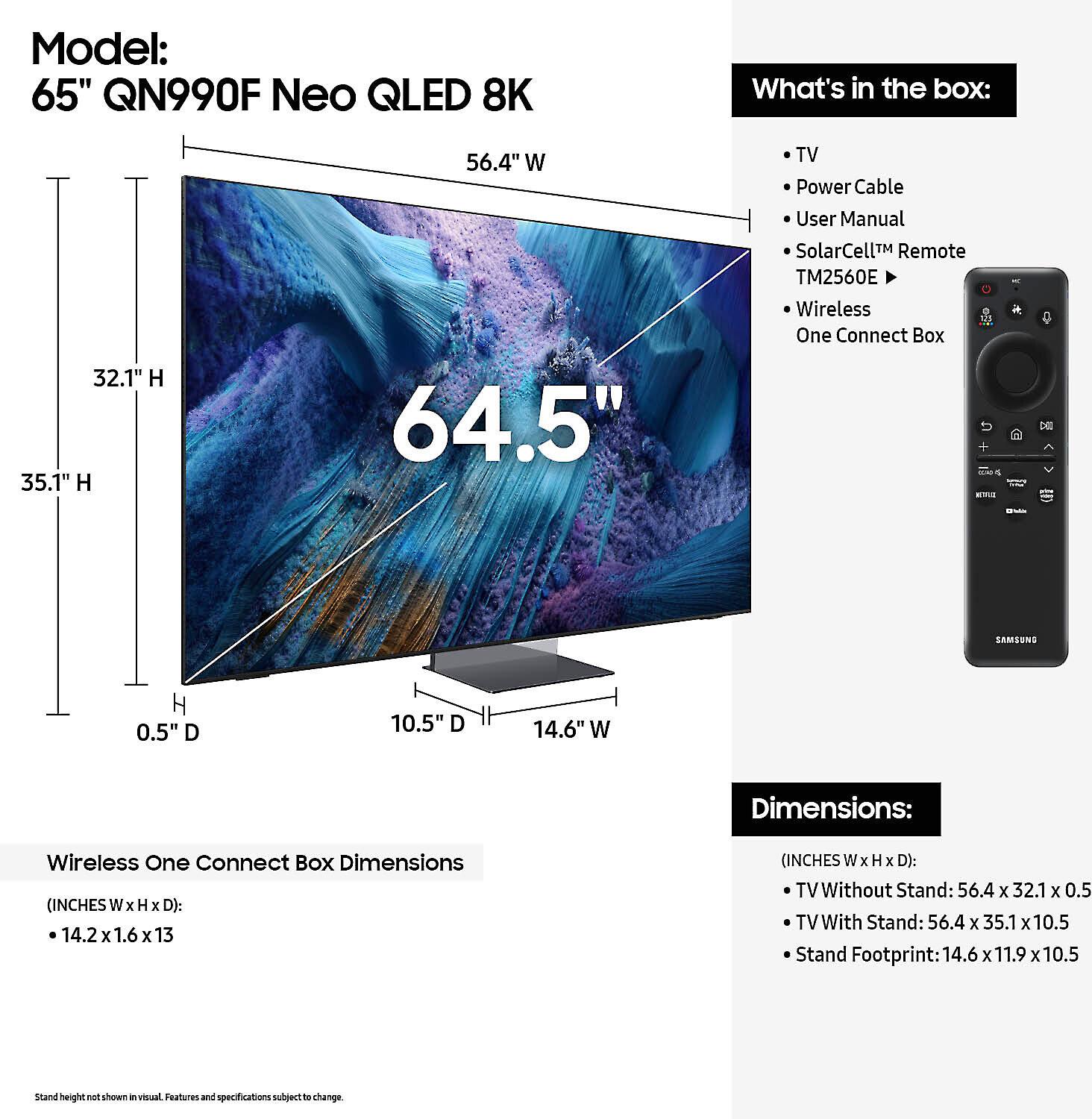
The Samsung QN990F's 8K resolution (7680 x 4320 pixels) provides four times the detail of 4K, but the practical benefits remain limited in 2025. Native 8K content is virtually nonexistent outside of some YouTube videos and specialized demos. The TV's 8K AI Upscaling Pro does an impressive job of enhancing 4K content, but you're essentially paying a premium for computational upscaling rather than true 8K benefits.
The LG B5's 4K resolution might seem limiting by comparison, but it perfectly matches the resolution of current streaming services, gaming consoles, and Blu-ray discs. For most users, the improved brightness, contrast, and color accuracy provide more noticeable benefits than the resolution increase.
At $1,699.99, the LG B5 OLED offers exceptional value for premium display technology. You're getting perfect blacks, excellent gaming performance, and a premium smart TV experience for less than half the Samsung's price. The performance-per-dollar ratio is outstanding, particularly for users who primarily watch movies and TV shows.
The Samsung QN990F's $5,297.99 price tag reflects its position as a flagship product with cutting-edge technology. The question is whether the brightness advantage, 8K capability, and wireless connectivity justify the 3x price premium. For most users, the answer is likely no, but specific use cases—extremely bright rooms, competitive gaming, or early adopter enthusiasm—might warrant the investment.
Your decision should primarily depend on your viewing environment and priorities. If you have a dedicated home theater or watch primarily in the evening, the LG B5 OLED delivers superior picture quality at an excellent price point. The perfect blacks and infinite contrast create a cinematic experience that's hard to beat.
Choose the Samsung QN990F Neo QLED if you have a bright room with lots of windows, want the absolute brightest HDR experience, or are a serious gamer who values future-proofing. The wireless connectivity and premium build quality add value for users who prioritize convenience and aesthetics.
Both TVs represent the pinnacle of their respective technologies and will deliver years of exceptional viewing experiences. The LG B5 offers better value for most users, while the Samsung QN990F provides cutting-edge features for those willing to pay premium prices. Your choice ultimately depends on whether you value the Samsung's specific advantages enough to justify the significant price difference.
| LG B5 Series OLED 65" 4K Smart TV 2025 | Samsung 65" Neo QLED QN990F 8K Smart TV 2025 |
|---|---|
| Price - Major factor in value consideration | |
| $1,699.99 (exceptional value for OLED technology) | $5,297.99 (premium pricing for flagship features) |
| Display Technology - Fundamental difference affecting all picture quality | |
| OLED with self-emissive pixels (perfect blacks, infinite contrast) | Neo QLED with Mini LED backlight + Quantum Dot (extreme brightness, no burn-in risk) |
| Resolution - Future-proofing vs current content availability | |
| 4K (3840 x 2160) - matches all current streaming and gaming content | 8K (7680 x 4320) - future-proof but limited native content in 2025 |
| Peak Brightness - Critical for HDR performance and bright room viewing | |
| Improved OLED brightness but still moderate (ideal for dark/medium rooms) | Extremely high Mini LED brightness (2-3x brighter, excellent for any room) |
| Contrast & Black Levels - Most important for cinematic picture quality | |
| Perfect blacks with infinite contrast (pixels turn completely off) | Excellent blacks with thousands of dimming zones (slight blooming possible) |
| Gaming Performance - Refresh rates and response time for competitive gaming | |
| 4K@120Hz, sub-1ms response time (excellent for current consoles) | 8K@165Hz, 4K@240Hz, ultra-low lag (future-proof for next-gen gaming) |
| Processor & AI Features - Affects upscaling and smart features | |
| α8 AI Processor Gen2 with 4K upscaling and scene optimization | NQ8 AI Gen3 with 8K AI Upscaling Pro using 768 neural networks |
| Smart TV Platform - Daily user experience and app ecosystem | |
| webOS 25 with AI recommendations and Quick Cards | Tizen OS with Samsung ecosystem integration |
| Connectivity Innovation - Cable management and setup convenience | |
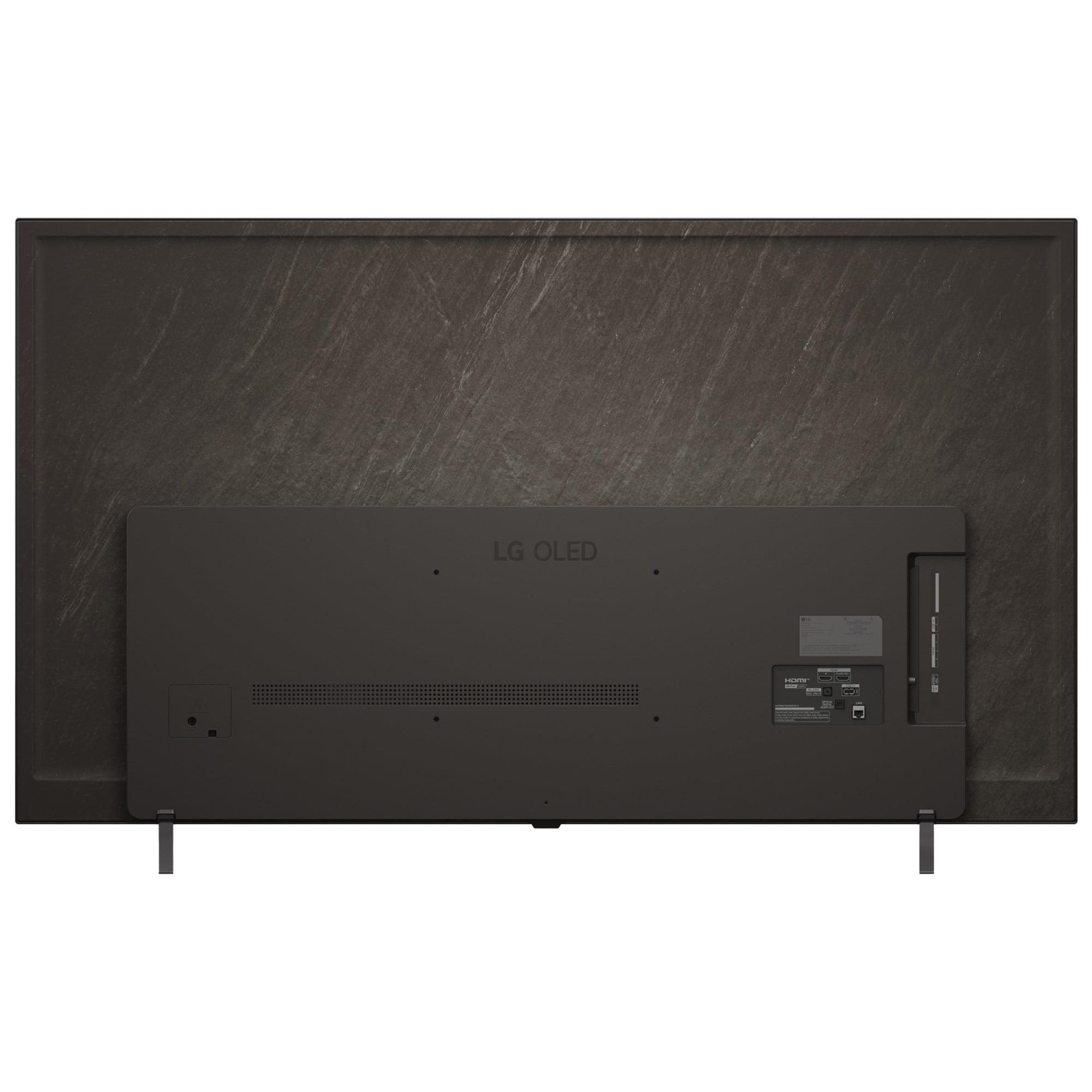
| Standard wired HDMI 2.1 ports (4x) | Wireless One Connect Box (eliminates cable clutter, up to 30ft range) |
| Screen Technology - Affects reflections and viewing comfort | |
| Glossy screen (deeper colors but more reflective) | Anti-glare matte screen (reduces reflections, slightly softer image) |
| Audio Features - Built-in sound quality and home theater integration | |
| Dolby Atmos support, works well with external sound systems | Object Tracking Sound Pro with dedicated top speakers, enhanced spatial audio |
| Burn-in Risk - Long-term durability consideration | |
| Minimal risk with modern OLED (avoid static images for hours) | No burn-in risk with LCD technology |
| Best Use Cases - Who should choose each TV | |
| Home theater enthusiasts, movie lovers, value-conscious buyers with controlled lighting | Bright room users, early adopters, competitive gamers, luxury buyers wanting cutting-edge tech |
The LG B5 Series OLED 65" 4K Smart TV 2025 is superior for dark room movie watching. Its OLED technology delivers perfect blacks and infinite contrast, making dark scenes in films look cinematic without any light bleeding or blooming effects. The Samsung Neo QLED excels in bright rooms but can't match OLED's contrast performance in dedicated home theaters.
The LG B5 Series OLED costs $1,699.99, while the Samsung 65" Neo QLED QN990F 8K Smart TV 2025 is priced at $5,297.99. That's more than triple the cost for the Samsung, making the LG B5 significantly better value for most buyers who want premium picture quality without the flagship price.
No, 8K content is still extremely limited in 2025. The Samsung QN990F relies heavily on AI upscaling to enhance 4K content to 8K, but the LG B5 OLED provides excellent 4K picture quality that matches all current streaming services, gaming consoles, and Blu-ray discs. For most users, 4K is perfectly adequate.
Both TVs excel at gaming but serve different needs. The LG B5 OLED offers exceptional gaming with 4K@120Hz and sub-1ms response time, perfect for current PlayStation 5 and Xbox Series X consoles. The Samsung QN990F supports 4K@240Hz and 8K@165Hz for future-proofing and high-end PC gaming, but at a much higher cost.
The Samsung Neo QLED QN990F is significantly brighter than the LG B5 OLED, making it better for bright rooms with lots of windows. The Samsung's Mini LED technology and anti-glare screen coating help combat reflections, while the LG B5 performs best in controlled lighting conditions.
For dedicated home theaters, the LG B5 OLED is typically preferred due to its perfect blacks, infinite contrast, and cinematic color accuracy. The dark viewing environment maximizes OLED's strengths while minimizing its brightness limitations. The Samsung Neo QLED works well too but shines more in multi-purpose rooms.
Both TVs offer excellent smart platforms. The LG B5 runs webOS 25 with AI-powered recommendations and intuitive navigation. The Samsung QN990F features Tizen OS with Samsung ecosystem integration and the unique Wireless One Connect Box that eliminates cable clutter—a premium feature that justifies part of its higher cost.
The LG B5 OLED has minimal burn-in risk with modern OLED technology and built-in protection features. Avoid leaving static images on screen for hours, and the TV should last many years. The Samsung Neo QLED QN990F has no burn-in risk since it uses LCD technology with LED backlighting.
The LG B5 OLED at $1,699.99 offers exceptional value, delivering premium OLED picture quality at an accessible price point. The Samsung QN990F at $5,297.99 provides cutting-edge features but costs over three times more, making it harder to justify unless you specifically need maximum brightness or 8K capability.
The Samsung Neo QLED QN990F excels at sports with its extreme brightness, vivid colors, and excellent motion processing. The anti-glare screen helps in bright rooms where sports are often watched. The LG B5 OLED also handles sports well with perfect blacks and smooth motion, but the Samsung's brightness advantage makes it better for daytime sports viewing.
Both TVs integrate well with external sound systems and support Dolby Atmos. The LG B5 OLED pairs excellently with soundbars and home theater receivers. The Samsung QN990F features Object Tracking Sound Pro with built-in spatial audio, providing better sound without external speakers, though serious home theater enthusiasts will still want dedicated audio systems.
Choose the LG B5 OLED if you want exceptional picture quality, perfect blacks, and great gaming performance at a reasonable price. Only consider the Samsung QN990F Neo QLED if you have a very bright room, want cutting-edge gaming features, need wireless connectivity, or specifically want 8K for future-proofing—and you're willing to pay significantly more for these benefits.
We've done our best to create useful and informative comparisons to help you decide what product to buy. Our research uses advanced automated methods to create this comparison and perfection is not possible - please contact us for corrections or questions. These are the sites we've researched in the creation of this article: eftm.com - bestbuy.com - rtings.com - youtube.com - rtings.com - tomsguide.com - youtube.com - nationalproductreview.com.au - lg.com - manchesterbrothers.com - avsforum.com - lg.com - lg.com - lg.com - lg.com - retailspecs.com - american-homeappliance.com - perpichtv.com - samsung.com - abt.com - bestbuy.com - pcnation.com - samsung.com - videoandaudiocenter.com - exertisalmo.com - displayspecifications.com - theapplianceplug.com - news.samsung.com

Privacy Policy
Terms and Conditions - Affiliate Policy
Home Security
© Copyright 2008-2026.
11816 Inwood Rd #1211, Dallas, TX 75244