




![LG B5 Series OLED 65" 4K Smart TV 2025[1][7][9]](https://images.hometheaterreview.com/htr-stateless/2025/07/31238cd0-lg-b5-series-oled-65-4k-smart-tv-2025179.jpg)
![LG B5 Series OLED 65" 4K Smart TV 2025[1][7][9]](https://images.hometheaterreview.com/htr-stateless/2025/07/3368ce40-25ef-4d07-b442-bb0af89e3a29.jpg)
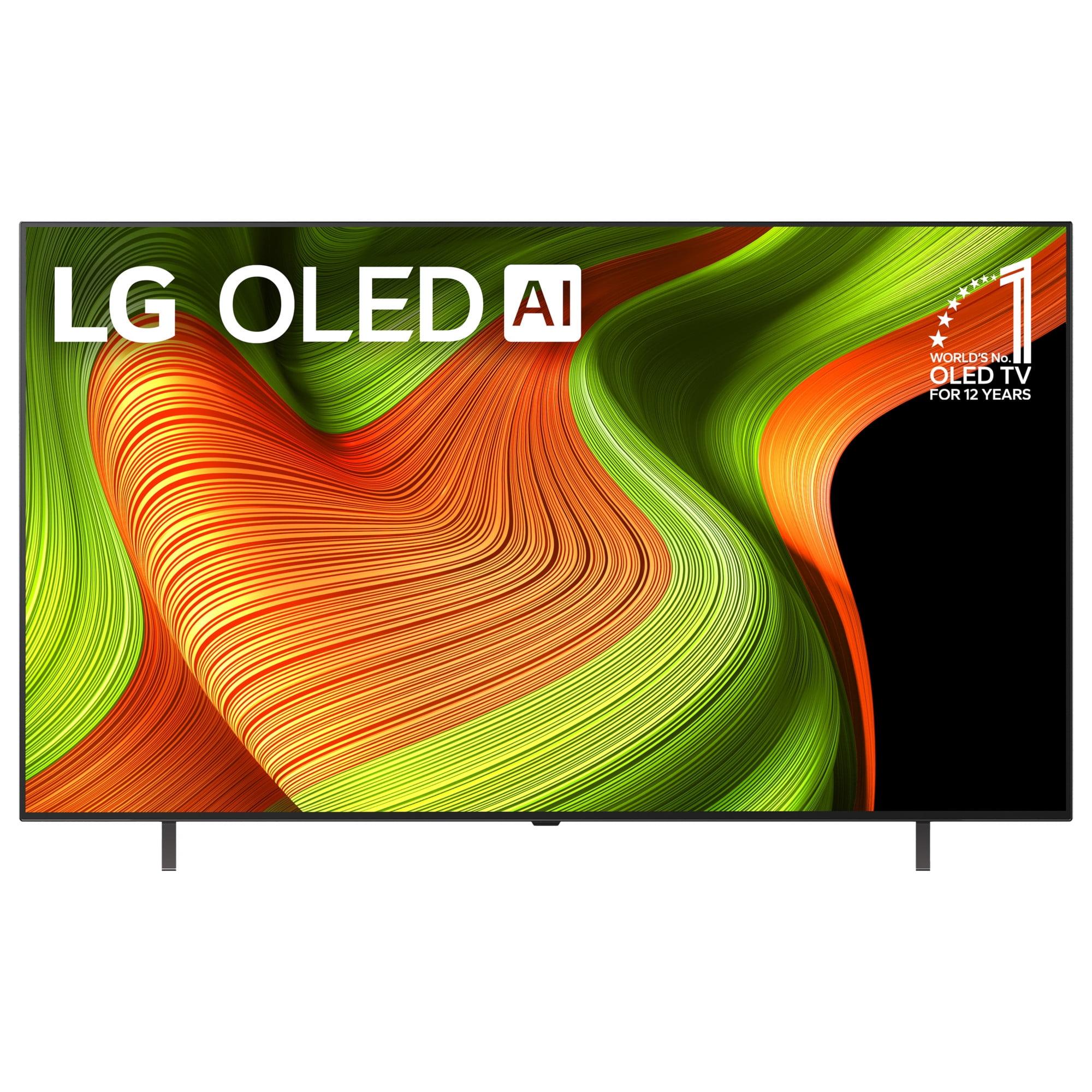
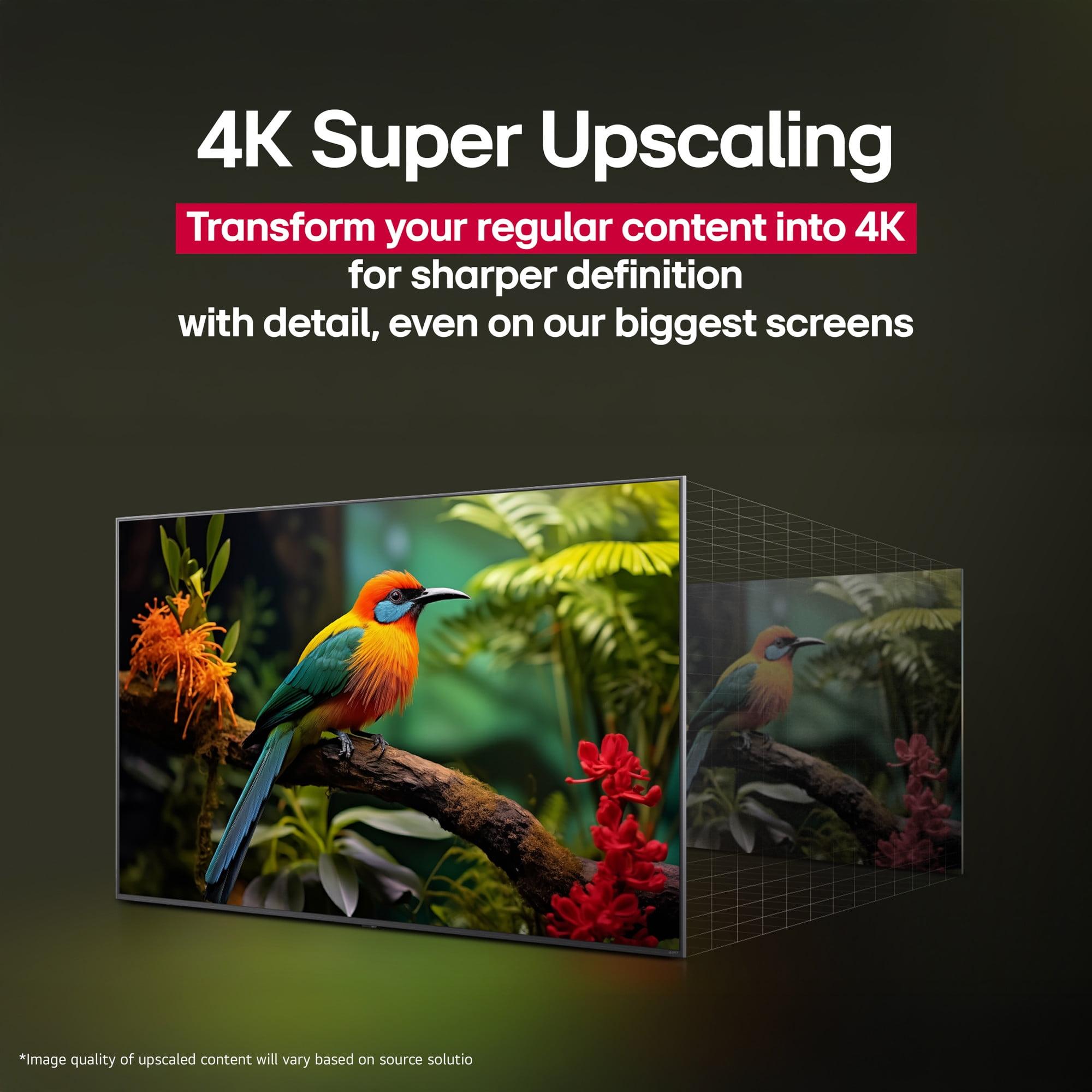
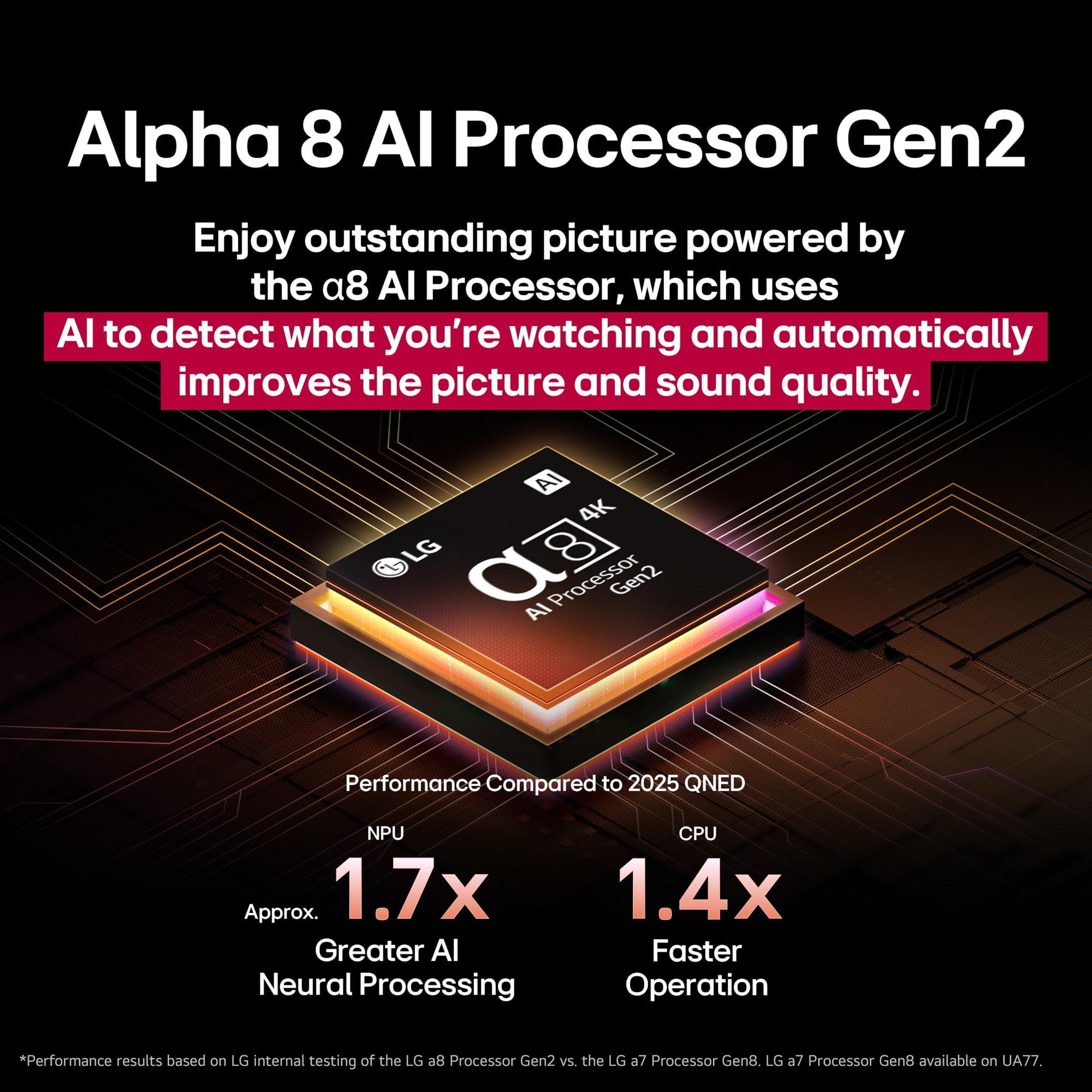

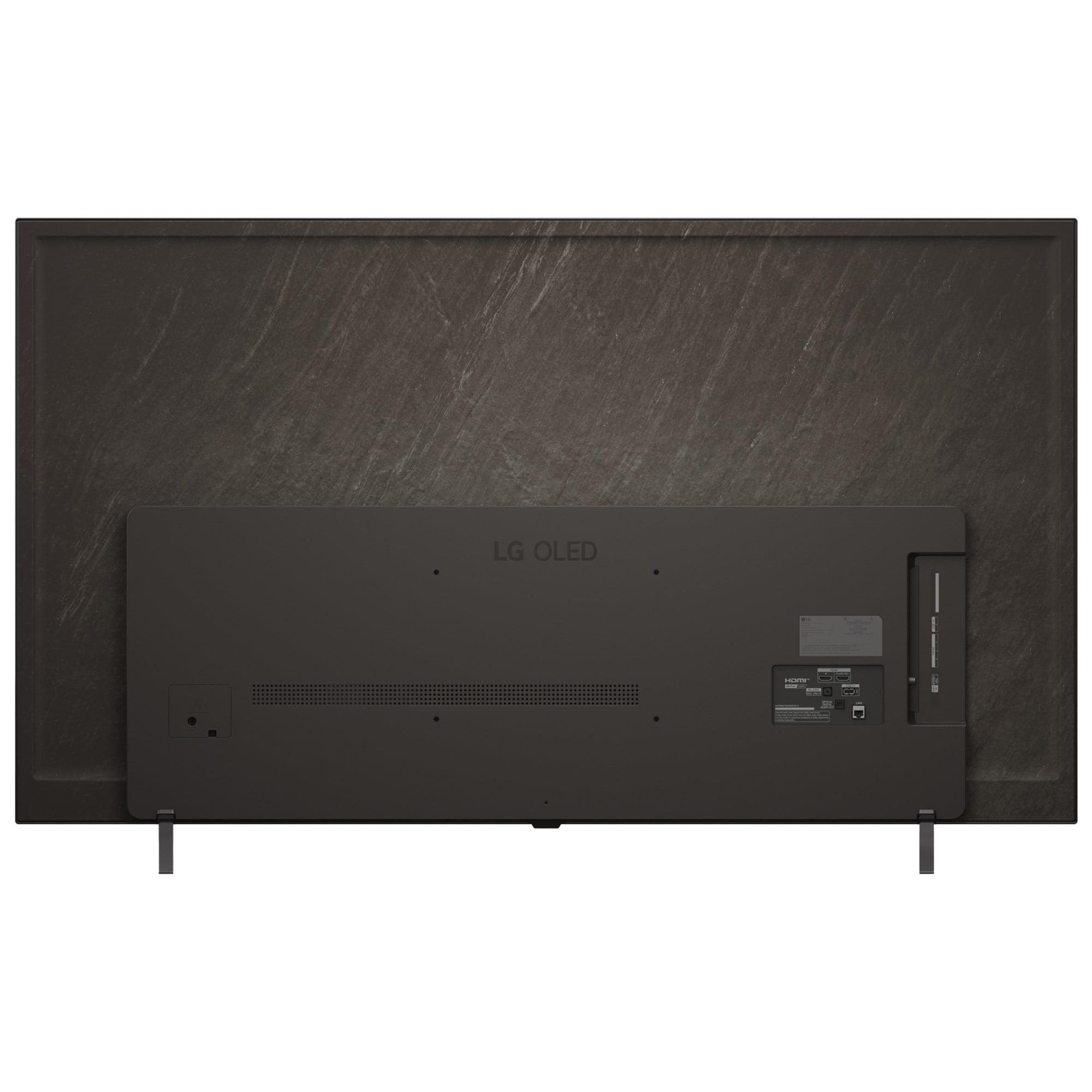
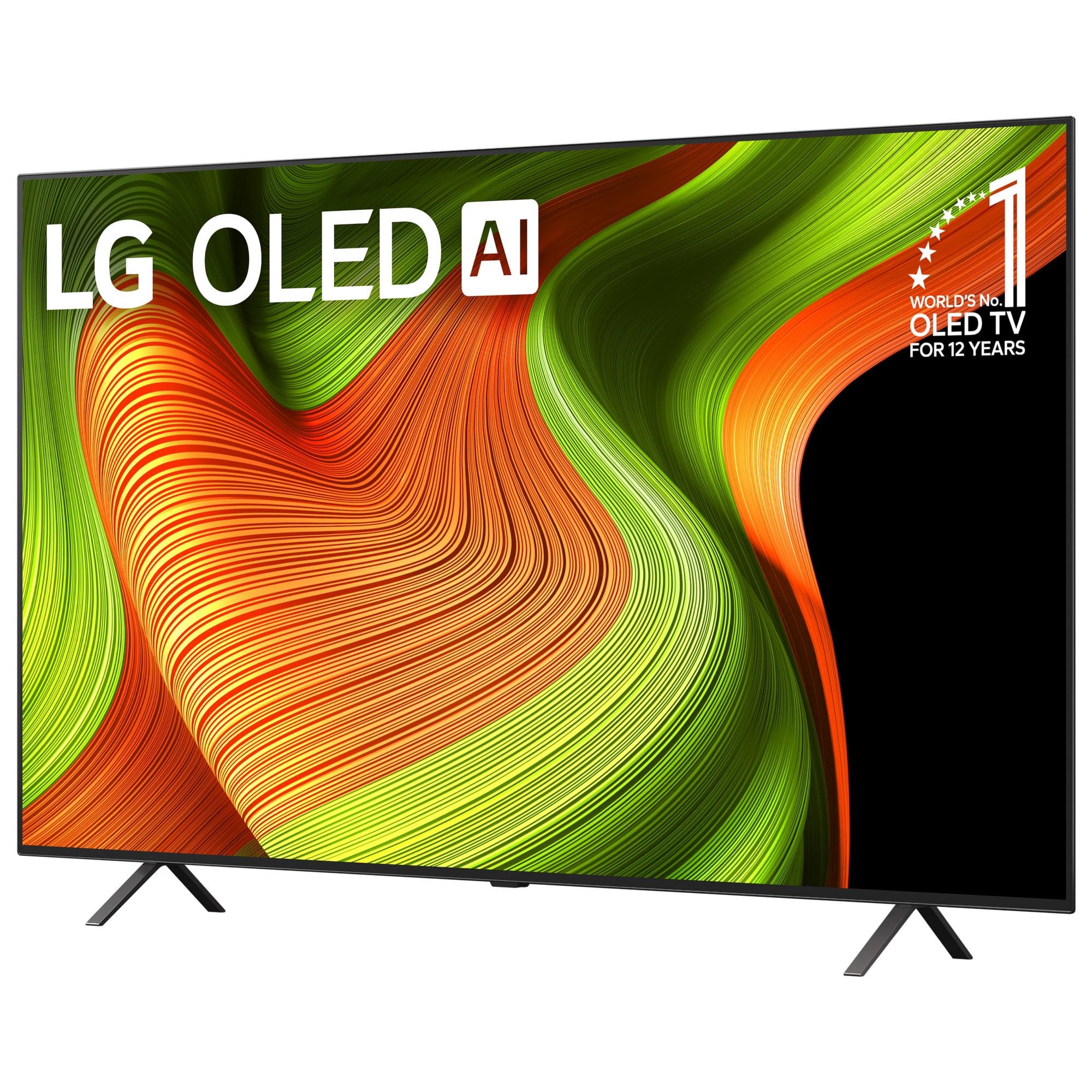
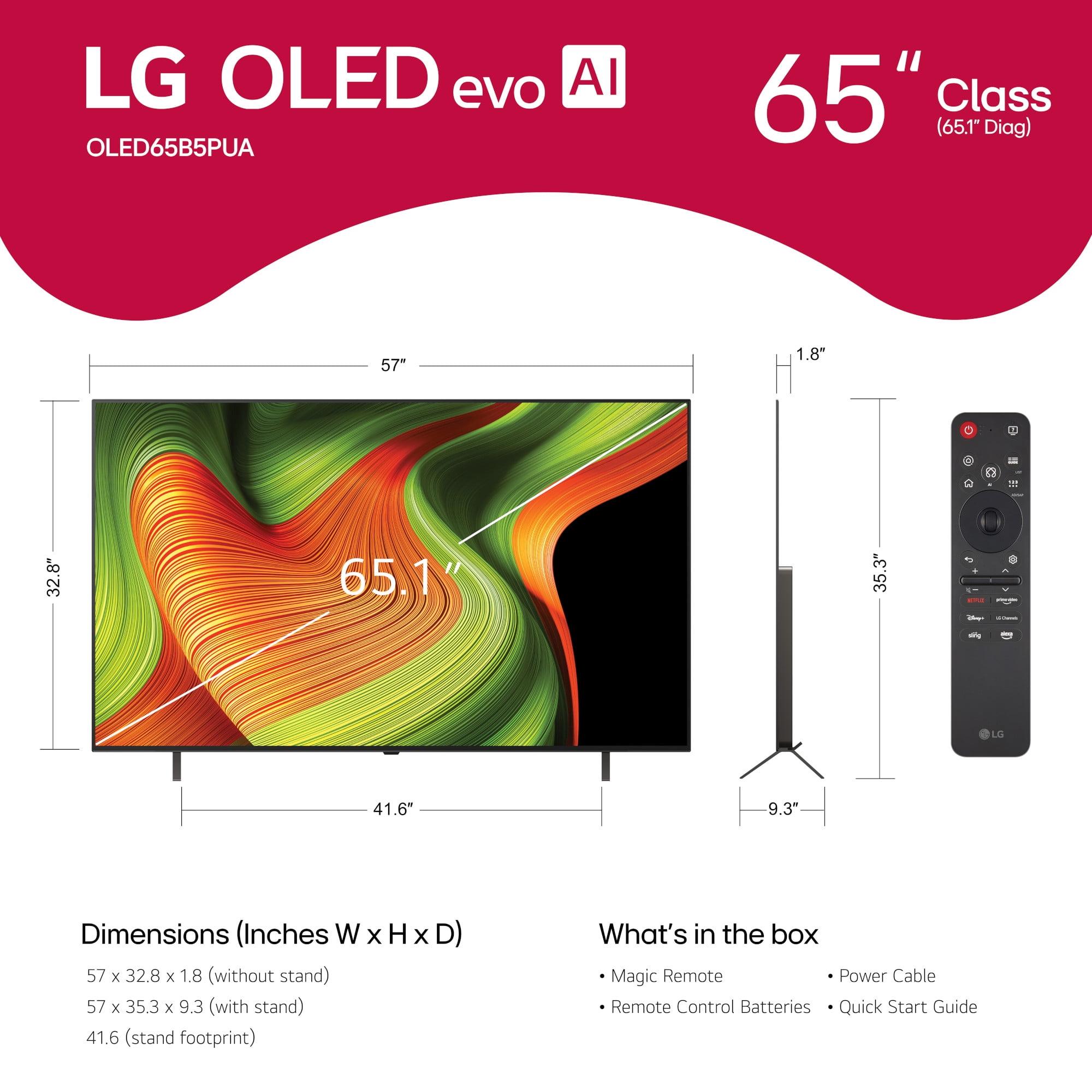

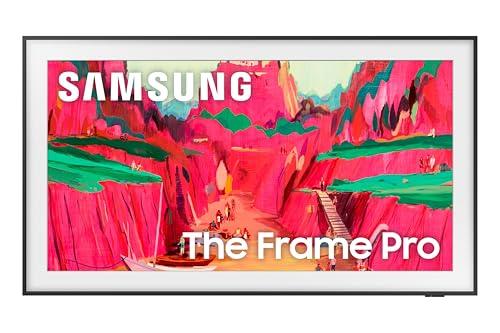
When shopping for a premium 65-inch TV in 2025, you'll likely encounter two very different approaches to what makes a great television. The Samsung Frame Pro represents the lifestyle TV revolution—a device that transforms into wall art when you're not watching. Meanwhile, the LG B5 OLED takes the traditional route, focusing purely on delivering exceptional picture quality through advanced display technology. Both launched in 2025, but they're targeting completely different needs.
Understanding which TV suits your home requires more than just comparing spec sheets. These represent fundamentally different philosophies about what a TV should be in your living space. Let's dive deep into what makes each unique and help you decide which approach fits your lifestyle better.
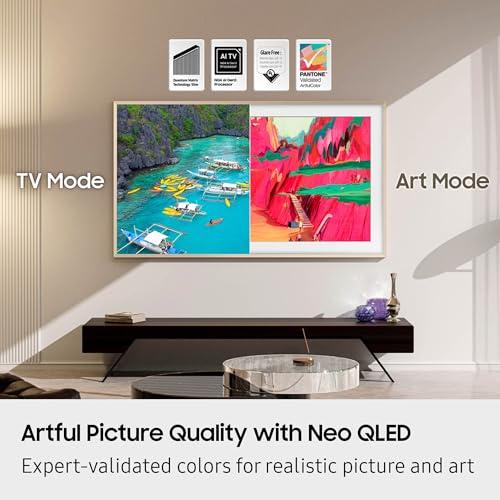
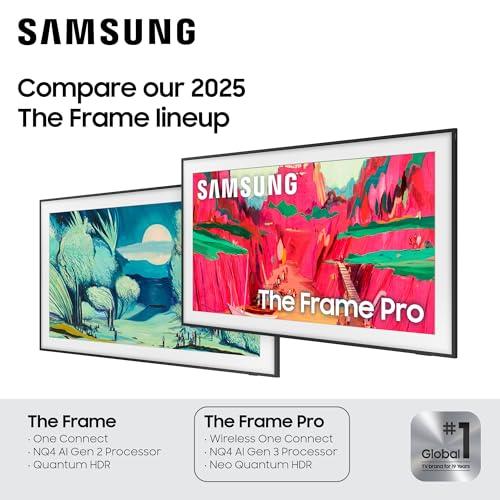
The biggest difference between these TVs lies in how they create the picture you see. The Samsung Frame Pro uses Neo QLED technology with Mini LED backlighting—think of thousands of tiny LED lights behind the screen that can dim and brighten independently to create contrast. This "local dimming" technology allows different parts of the screen to show deep blacks while other areas stay bright, though it can't quite match what OLED can do.
The LG B5 uses OLED technology, where each pixel creates its own light. When an OLED pixel needs to show black, it simply turns off completely, creating what we call "perfect blacks." This fundamental difference shapes everything about how these TVs perform.
The Frame Pro's Mini LED approach represents a major upgrade from previous Frame models, which used basic edge-lit LED panels. Samsung packed significantly more dimming zones into a slimmer profile, bringing the picture quality much closer to their flagship TVs while maintaining the signature art-focused design.
Here's where things get interesting. The Samsung Frame Pro can push over 1,000 nits of brightness—that's bright enough to make HDR content really pop, even in a sunny living room. This represents nearly double the brightness of the previous Frame generation, making it genuinely competitive with Samsung's performance-focused TVs.
The LG B5, being an entry-level OLED, prioritizes contrast over raw brightness. While it can't match the Frame Pro's peak brightness, those perfect blacks create an infinite contrast ratio that makes dark scenes in movies absolutely stunning. Think about watching a space movie—the B5 will show stars against true black space, while the Frame Pro might show a slightly grayish black due to its backlighting.
For color reproduction, both TVs excel but in different ways. The Frame Pro covers 93.4% of the UHDA-P3 color space and is Pantone-validated, meaning colors are calibrated for both video content and art display. The B5's OLED panel naturally produces vibrant, accurate colors with wide color gamut coverage, particularly excelling in saturated reds and greens that OLED technology handles beautifully.
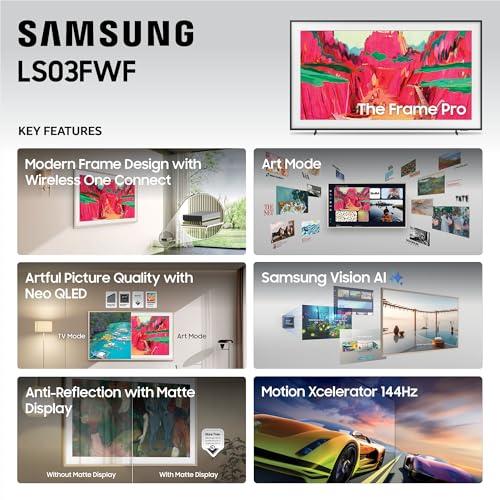
The Frame Pro's matte anti-reflection coating is genuinely impressive—it makes the TV usable even with windows directly behind your seating area. Most TVs become unwatchable mirrors in bright light, but the Frame Pro's matte finish diffuses reflections effectively. The trade-off is slightly less color punch compared to a glossy screen, but for bright rooms, this engineering choice makes perfect sense.
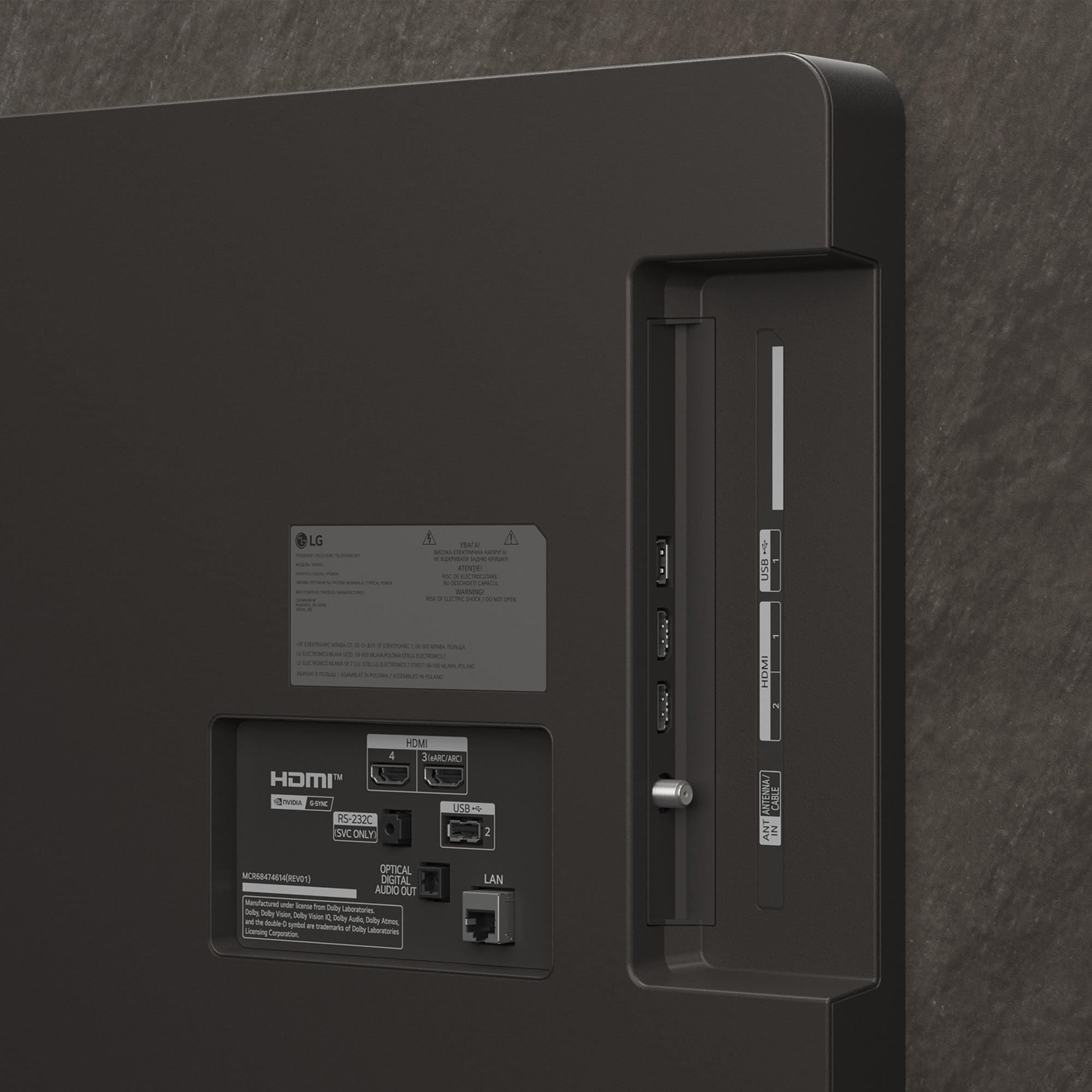
Gaming performance tells an interesting story about each TV's priorities. The LG B5 clearly wins here with its 0.1ms response time and 120Hz native refresh rate across all four HDMI 2.1 ports. This means virtually no input lag—the delay between pressing a button and seeing the action on screen. For competitive gaming, especially fast-paced shooters or fighting games, this responsiveness is crucial.
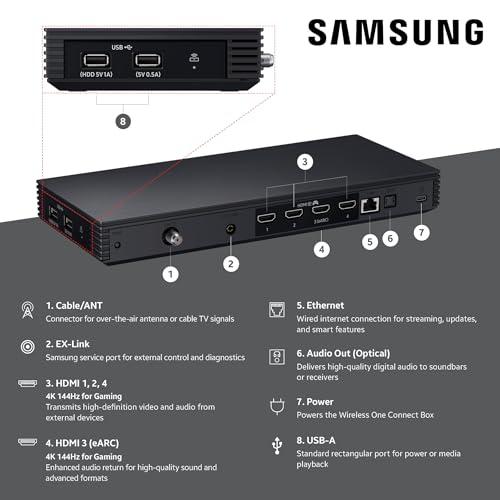
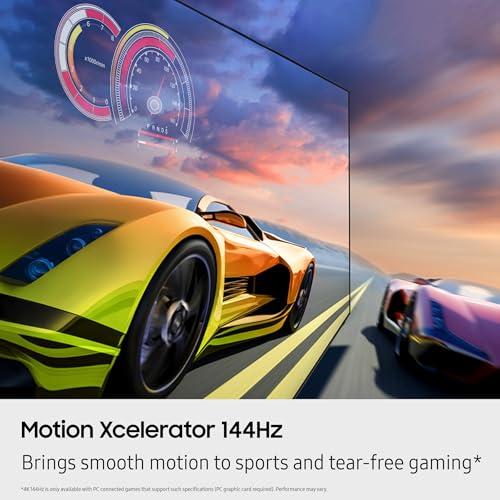
The Samsung Frame Pro offers gaming features but with some compromises. While it supports variable refresh rate (VRR) technology and has multiple HDMI ports capable of high refresh rates, early reports suggest higher input lag overall. Samsung did include a micro HDMI port directly on the TV for gamers who want to bypass the wireless One Connect Box, but this feels like a workaround rather than an optimal solution.
Both TVs support the major gaming features current consoles need: 4K at 120Hz, ALLM (Auto Low Latency Mode), and VRR. However, if gaming is a primary concern, the B5's near-instantaneous response gives it a clear advantage.
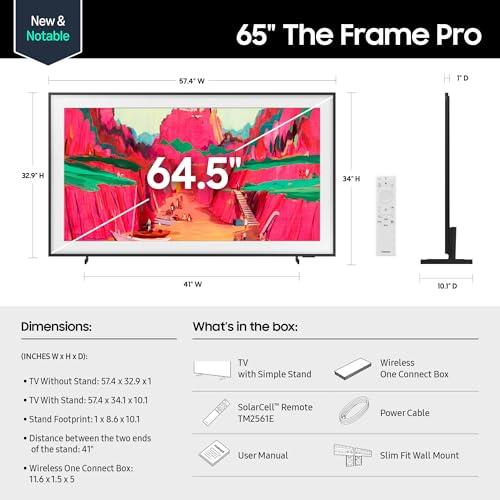
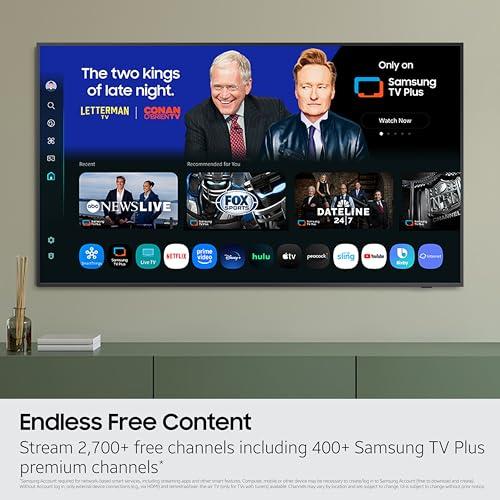
The Samsung Frame Pro's Wireless One Connect Box represents genuine innovation in TV connectivity. This small box houses all your HDMI inputs and can sit up to 33 feet away from the TV, connected only by invisible wireless signals. For wall-mounted installations, this eliminates every visible cable—power, HDMI, everything disappears.
This isn't just a convenience feature; it fundamentally changes how you can design your living space. The One Connect Box can hide in an entertainment cabinet across the room, while the TV maintains its art-like appearance on the wall. Previous One Connect boxes were large and still required a thick cable to the TV. This wireless version finally delivers on the promise of a truly cable-free installation.
The wireless connection uses advanced Wi-Fi 7 technology with omni-directional antennas, meaning it works even if there are walls or furniture between the box and TV. In our research of user experiences, most report reliable connections with no noticeable latency for normal viewing, though hardcore gamers might prefer wired connections for absolute minimum delay.
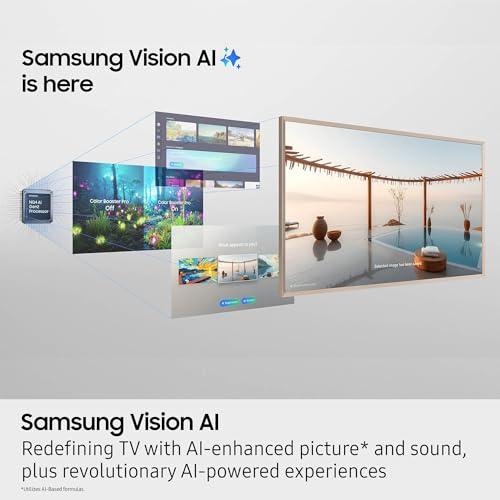
Both TVs launched in 2025 with updated smart platforms, but they take different approaches. The Samsung Frame Pro runs Tizen with integrated Samsung Vision AI, which learns your viewing habits and optimizes picture settings automatically. The Art Mode functionality is seamlessly integrated, with access to thousands of curated artworks and the ability to display personal photos with museum-quality color accuracy.
The LG B5 uses webOS 25, which LG promises to keep updated for five years through their webOS Re:New program. This is significant because TV software often becomes outdated quickly. The interface includes AI-powered recommendations and Quick Cards for organizing your favorite apps.
Both support major voice assistants, but the Frame Pro focuses heavily on integration with Samsung's ecosystem, while the B5 offers broader compatibility with various smart home platforms.
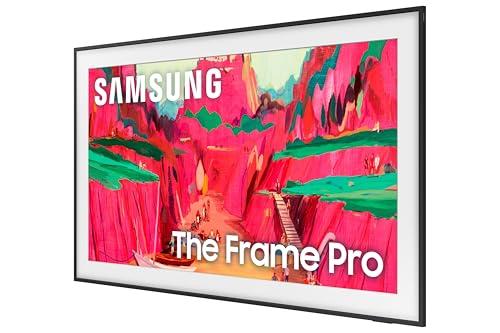
The Samsung Frame Pro isn't trying to be invisible—it's trying to be beautiful when not in use. The customizable bezels let you match your décor, from modern metallic finishes to warm wood tones. When displaying art, the matte screen and precise color calibration make images look surprisingly like actual prints or paintings.
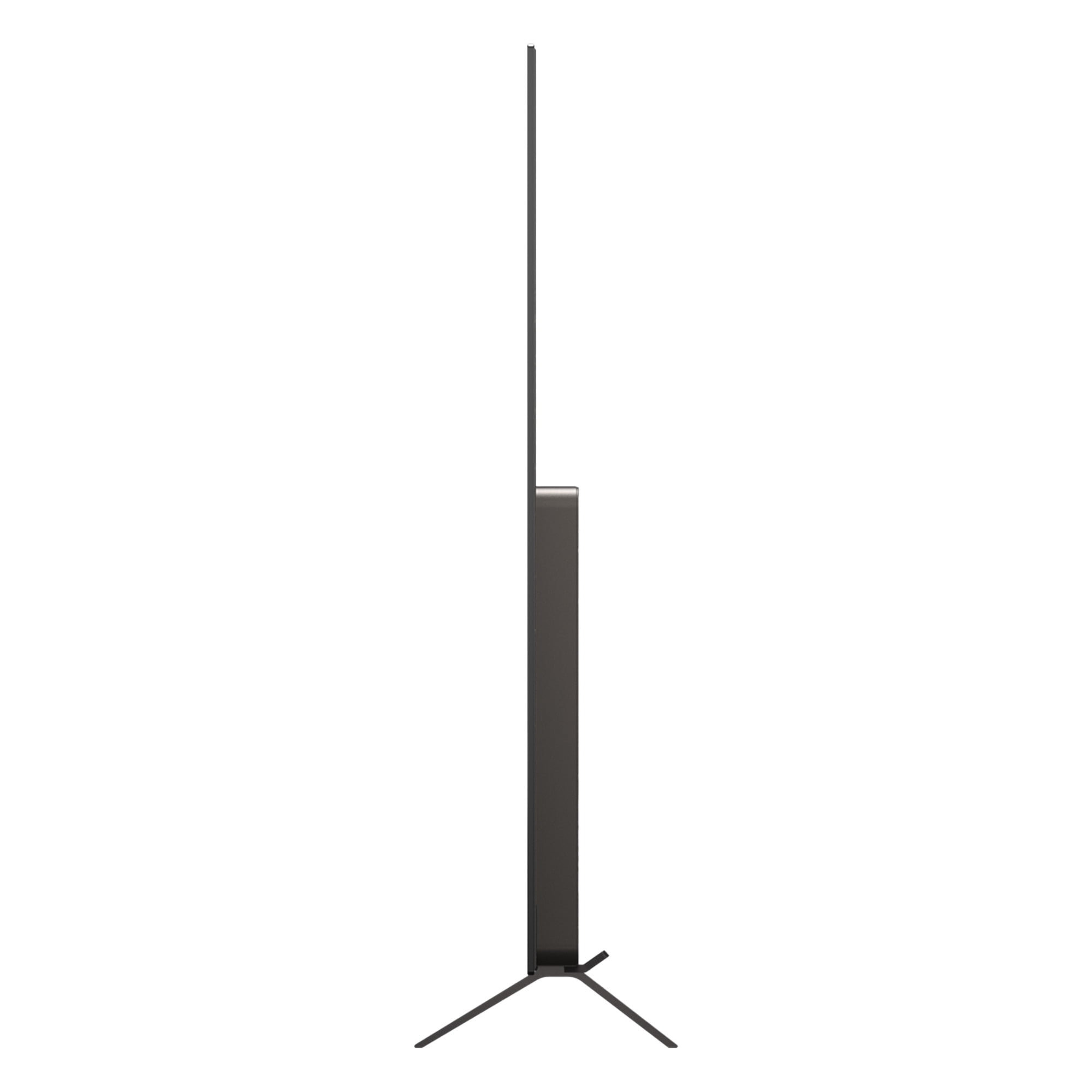
The LG B5 follows traditional TV design principles: minimal bezels, sleek profile, designed to disappear into your entertainment setup. It's handsome in a conventional way, but it's clearly a TV, not a piece of art.
This philosophical difference extends to placement options. The Frame Pro begs to be wall-mounted in a prominent location where it can be appreciated as décor. The B5 works equally well on a stand or wall-mounted, focusing on optimal viewing angles rather than aesthetic integration.
Both TVs include respectable built-in audio systems with Dolby Atmos support, but they're designed for different scenarios. The Samsung Frame Pro's 2.0.2 channel system with Object Tracking Sound creates spatial audio that moves with on-screen action. It's tuned to work well in typical living rooms where the TV might be competing with ambient noise.
The LG B5's audio processing uses AI to optimize sound based on content type and room acoustics. Both TVs work excellently with soundbars—the Frame Pro integrates seamlessly with Samsung's Q-Symphony technology, while the B5 pairs naturally with LG's soundbar lineup.
For serious home theater setups, both TVs pass through high-quality audio formats to external sound systems, though the Frame Pro's wireless connectivity might introduce minimal latency that audiophiles could notice.
HDR (High Dynamic Range) support reveals another key difference. The LG B5 supports Dolby Vision, the premium HDR format used by Netflix, Disney+, and many 4K Blu-rays. The Samsung Frame Pro supports HDR10+ but not Dolby Vision, continuing Samsung's preference for open standards over proprietary formats.
In practice, both formats deliver excellent HDR experiences, but Dolby Vision content often provides better brightness and color metadata for optimal viewing. If you're a Netflix or Disney+ subscriber who cares about getting the absolute best HDR experience, this difference matters.
At the time of writing, these TVs occupy different price tiers that reflect their market positioning. The Samsung Frame Pro commands a significant premium over the LG B5—you're paying for the lifestyle features, wireless technology, and unique dual-purpose functionality.
The B5 represents better pure performance value, offering OLED picture quality at entry-level OLED pricing. The Frame Pro's premium reflects its niche positioning and innovative features rather than raw picture quality improvements.
Consider the total cost of ownership too. The Frame Pro's Art Mode and wireless installation might eliminate the need for additional décor or complex cable management solutions. The B5's straightforward approach means predictable setup costs but potentially higher expenses for premium cables and professional installation if you want a clean look.
For dedicated home theater setups, the LG B5 generally makes more sense. Its perfect blacks excel in dark rooms, Dolby Vision support ensures compatibility with premium content, and low input lag benefits gaming marathons. The traditional glossy screen provides maximum color vibrancy when you control the lighting.
The Samsung Frame Pro works better in multi-purpose living spaces where the TV needs to look good during both day and evening use. Its bright output and anti-glare coating handle ambient light well, making it suitable for rooms with windows or regular lighting during viewing.
Choose the Samsung Frame Pro if you're renovating or decorating a space where the TV's appearance when off matters as much as its performance when on. This TV makes sense for design-conscious buyers who want their technology to enhance their home's aesthetics. It's particularly compelling for bright living rooms where traditional TVs struggle with reflections.
The wireless connectivity alone might justify the premium for some buyers—if you've ever dealt with running cables through walls or struggled with cable management, the Frame Pro eliminates those headaches entirely.
Choose the LG B5 if picture quality and gaming performance are your top priorities, especially if you watch a lot of content in controlled lighting conditions. It's the better choice for movie enthusiasts who appreciate the cinematic impact of perfect blacks, and for gamers who need every millisecond of responsiveness.
The B5 also makes sense if you want to enter the OLED world without paying flagship prices. It delivers the core OLED experience—infinite contrast, wide colors, fast response—without premium features you might not need.
These TVs represent two valid but different approaches to premium television design. The Samsung Frame Pro pushes the boundaries of what a TV can be in your living space, while the LG B5 focuses on delivering excellent traditional TV performance at an accessible price point.
Neither is definitively better—they're optimized for different priorities and use cases. The Frame Pro succeeds brilliantly as a lifestyle product that happens to be an excellent TV. The B5 succeeds as an excellent TV that happens to look pretty good in your room.
Your choice should align with how you actually use your living space and what you value most in a television. If the TV's appearance when off matters to you, if you have challenging lighting conditions, or if you love the idea of eliminating cables entirely, the Frame Pro's premium is justified. If you prioritize pure performance, gaming capabilities, and getting the most picture quality per dollar spent, the B5 is the smarter choice.
Both represent the evolution of TV technology in 2025—one pushing toward lifestyle integration, the other toward accessible premium performance. Either way, you're getting a genuinely impressive television that will serve you well for years to come.
| Samsung 65" The Frame Pro 4K Neo QLED Smart TV 2025 | LG B5 Series OLED 65" 4K Smart TV 2025 |
|---|---|
| Display Technology - Determines black levels and room suitability | |
| Neo QLED Mini LED with local dimming (very good blacks, excellent brightness) | OLED with pixel-level control (perfect blacks, moderate brightness) |
| Peak Brightness - Critical for HDR impact and bright room viewing | |
| Over 1,000 nits (excellent for daytime viewing and HDR) | Entry-level OLED brightness (best in dark/dim rooms) |
| Screen Finish - Affects glare and color vibrancy | |
| Matte anti-reflection coating (eliminates glare, slightly reduces color punch) | Traditional glossy finish (maximum color vibrancy, shows reflections) |
| Gaming Performance - Input lag and refresh rate for responsive gaming | |
| 100Hz native, higher input lag, micro HDMI for direct connection | 120Hz native, 0.1ms response time, four HDMI 2.1 ports |
| Unique Design Feature - What sets each TV apart | |
| Art Mode with customizable bezels (doubles as wall art when off) | Traditional premium TV design (minimal bezels, sleek profile) |
| Wireless Connectivity Innovation | |
| Wireless One Connect Box (completely cable-free installation up to 33 feet) | Standard wired connections (requires cables to TV) |
| HDR Format Support - Compatibility with premium streaming content | |
| HDR10+ but no Dolby Vision (good HDR, misses some Netflix/Disney+ optimization) | Dolby Vision, HDR10, HLG (maximum compatibility with streaming services) |
| Smart Platform Updates | |
| Tizen with Samsung Vision AI (good app selection, Samsung ecosystem focus) | webOS 25 with 5-year update promise (broad compatibility, long-term support) |
| Audio System - Built-in sound quality | |
| 40W 2.0.2CH with Object Tracking Sound and Q-Symphony (good spatial audio) | Dolby Atmos with AI sound optimization (solid performance, soundbar-friendly) |
| Installation Flexibility - Setup and placement options | |
| Frame Pro's wireless box enables flexible placement and clean aesthetics | B5's traditional setup requires proximity to inputs and power |
| Best Room Type - Optimal viewing environment | |
| Bright living rooms with lots of ambient light and design focus | Dark to moderately lit rooms prioritizing picture quality |
| Target User - Who should choose this TV | |
| Design-conscious buyers wanting TV as décor, bright room users | Traditional viewers prioritizing picture quality and gaming, value-focused buyers |
The LG B5 OLED delivers superior picture quality in dark rooms with perfect blacks and infinite contrast, while the Samsung Frame Pro excels in bright rooms with higher peak brightness over 1,000 nits. For most viewing conditions, the LG B5's OLED technology provides more dramatic contrast and vibrant colors, but the Samsung Frame Pro handles reflections better with its matte anti-glare coating.
The LG B5 OLED is significantly better for gaming with its 0.1ms response time, 120Hz native refresh rate, and four HDMI 2.1 ports supporting 4K at 120Hz. The Samsung Frame Pro has higher input lag and only 100Hz refresh rate, making the LG B5 the clear choice for competitive gaming and console performance.
The Samsung Frame Pro is specifically designed for bright rooms with its matte anti-reflection screen that virtually eliminates glare, plus peak brightness over 1,000 nits. The LG B5 OLED has a glossy screen that shows reflections and lower overall brightness, making the Samsung Frame Pro much better for sunny living rooms.
The Samsung Frame Pro transforms into wall art when not in use with customizable bezels and Art Mode, designed to look like a framed painting. The LG B5 OLED has traditional TV styling with minimal bezels and sleek design. The Frame Pro prioritizes aesthetic integration while the B5 focuses on disappearing into your setup.
Yes, the Samsung Frame Pro includes a Wireless One Connect Box that transmits video and audio wirelessly up to 33 feet away, eliminating all visible cables to the TV. This is a unique feature not available on the LG B5 OLED, which requires standard wired connections for all inputs and power.
The LG B5 OLED supports Dolby Vision, HDR10, and HLG for maximum compatibility with Netflix, Disney+, and other streaming services. The Samsung Frame Pro supports HDR10+ but not Dolby Vision, potentially missing optimized HDR on some premium content. The LG B5 offers broader HDR format support.
The LG B5 OLED is better suited for dedicated home theaters with its perfect blacks, Dolby Vision support, and excellent performance in dark rooms. The Samsung Frame Pro works better in multi-purpose living spaces where the TV needs to look good during both day and evening use, making the B5 the preferred home theater choice.
Both TVs offer comprehensive smart platforms - the Samsung Frame Pro uses Tizen with Samsung Vision AI, while the LG B5 OLED runs webOS 25 with a 5-year update promise. The LG B5 offers broader smart home compatibility, while the Frame Pro integrates better with Samsung ecosystem devices.
The Samsung Frame Pro features 40W 2.0.2CH speakers with Object Tracking Sound and Q-Symphony for Samsung soundbars. The LG B5 OLED includes Dolby Atmos support with AI sound optimization. Both offer decent built-in audio, with the Frame Pro having slightly more advanced spatial audio features.
The LG B5 OLED provides better pure performance value with OLED picture quality at entry-level OLED pricing. The Samsung Frame Pro commands a premium for its unique lifestyle features and wireless technology. The B5 offers more picture quality per dollar, while the Frame Pro justifies its cost through innovative design features.
Both TVs support wall mounting, but the Samsung Frame Pro is specifically designed for wall mounting with its art-like appearance and wireless connectivity eliminating cable management issues. The LG B5 OLED can be wall-mounted but requires running cables to the TV. The Frame Pro offers a much cleaner wall-mounted installation.
For all-day living room use, the Samsung Frame Pro is typically better due to its bright output, anti-glare coating, and Art Mode that makes it attractive even when off. The LG B5 OLED excels for evening viewing but may struggle with daytime glare. The Frame Pro handles mixed lighting conditions and serves dual purposes as both TV and décor.
We've done our best to create useful and informative comparisons to help you decide what product to buy. Our research uses advanced automated methods to create this comparison and perfection is not possible - please contact us for corrections or questions. These are the sites we've researched in the creation of this article: tomsguide.com - youtube.com - smarthomesounds.co.uk - images.samsung.com - rtings.com - samsung.com - bestbuy.com - bestbuy.com - businessinsider.com - dentonstv.com - samsung.com - flatpanelshd.com - samsung.com - jefflynch.com - youtube.com - costco.com - eftm.com - bestbuy.com - rtings.com - youtube.com - rtings.com - tomsguide.com - youtube.com - nationalproductreview.com.au - lg.com - manchesterbrothers.com - avsforum.com - lg.com - lg.com - lg.com - lg.com - retailspecs.com - american-homeappliance.com - perpichtv.com

Privacy Policy
Terms and Conditions - Affiliate Policy
Home Security
© Copyright 2008-2026.
11816 Inwood Rd #1211, Dallas, TX 75244