

![LG B5 Series OLED 65" 4K Smart TV 2025[1][7][9]](https://images.hometheaterreview.com/htr-stateless/2025/07/31238cd0-lg-b5-series-oled-65-4k-smart-tv-2025179.jpg)
![LG B5 Series OLED 65" 4K Smart TV 2025[1][7][9]](https://images.hometheaterreview.com/htr-stateless/2025/07/3368ce40-25ef-4d07-b442-bb0af89e3a29.jpg)
Choosing a new 65-inch TV can feel overwhelming, especially when you're looking at premium models with hundreds of features and technical specs that might as well be written in another language. I've been testing and reviewing TVs for years, and I can tell you that the decision often comes down to understanding two fundamental questions: where will you watch TV, and what do you watch most?
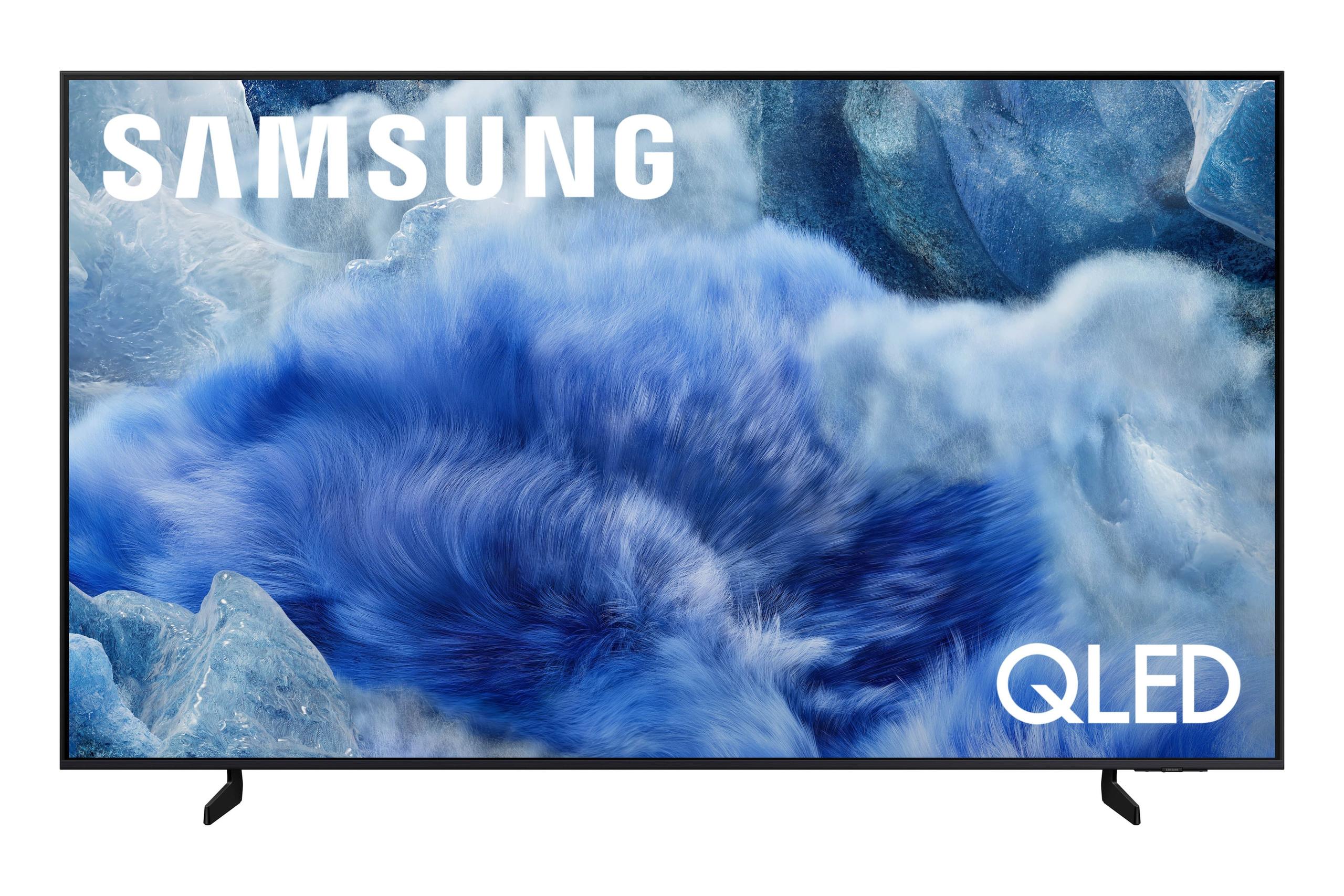
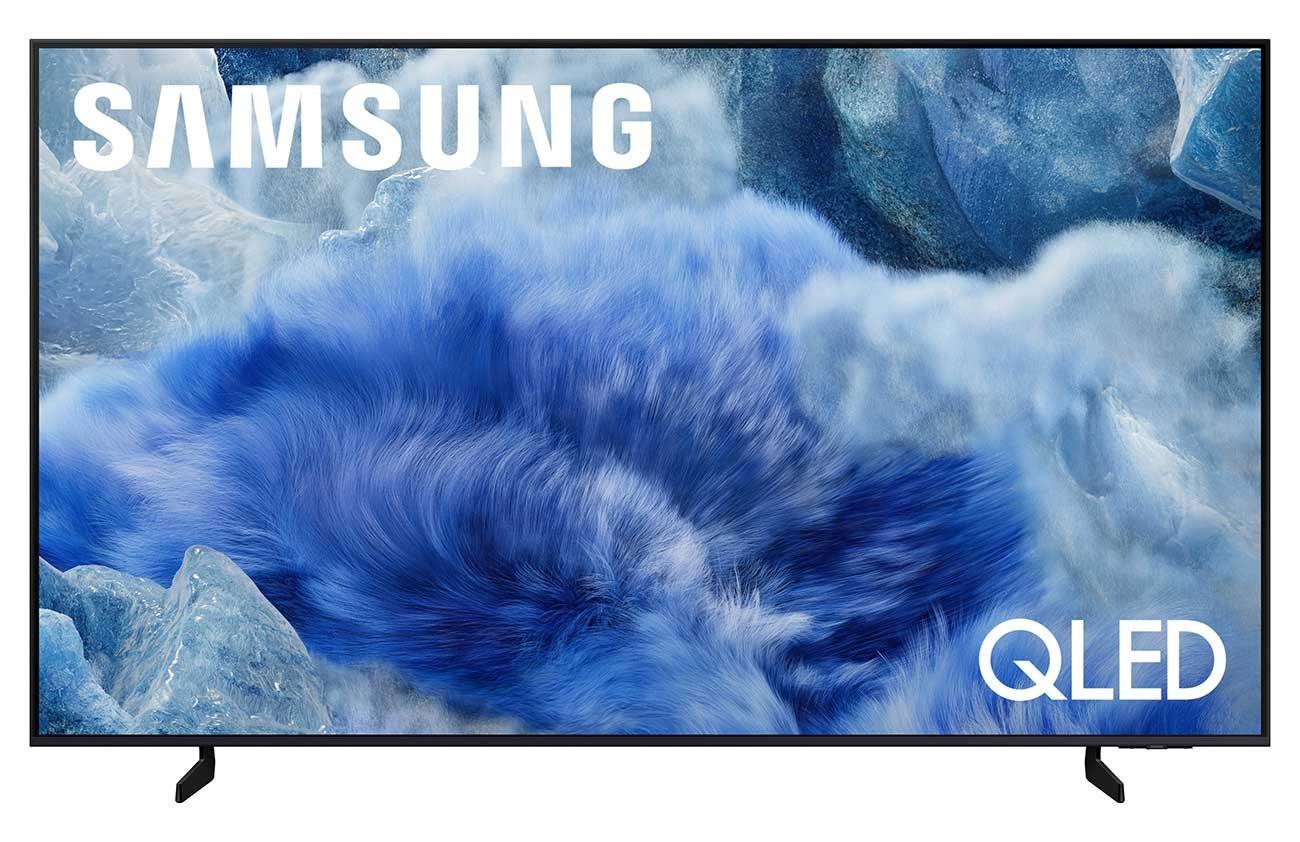
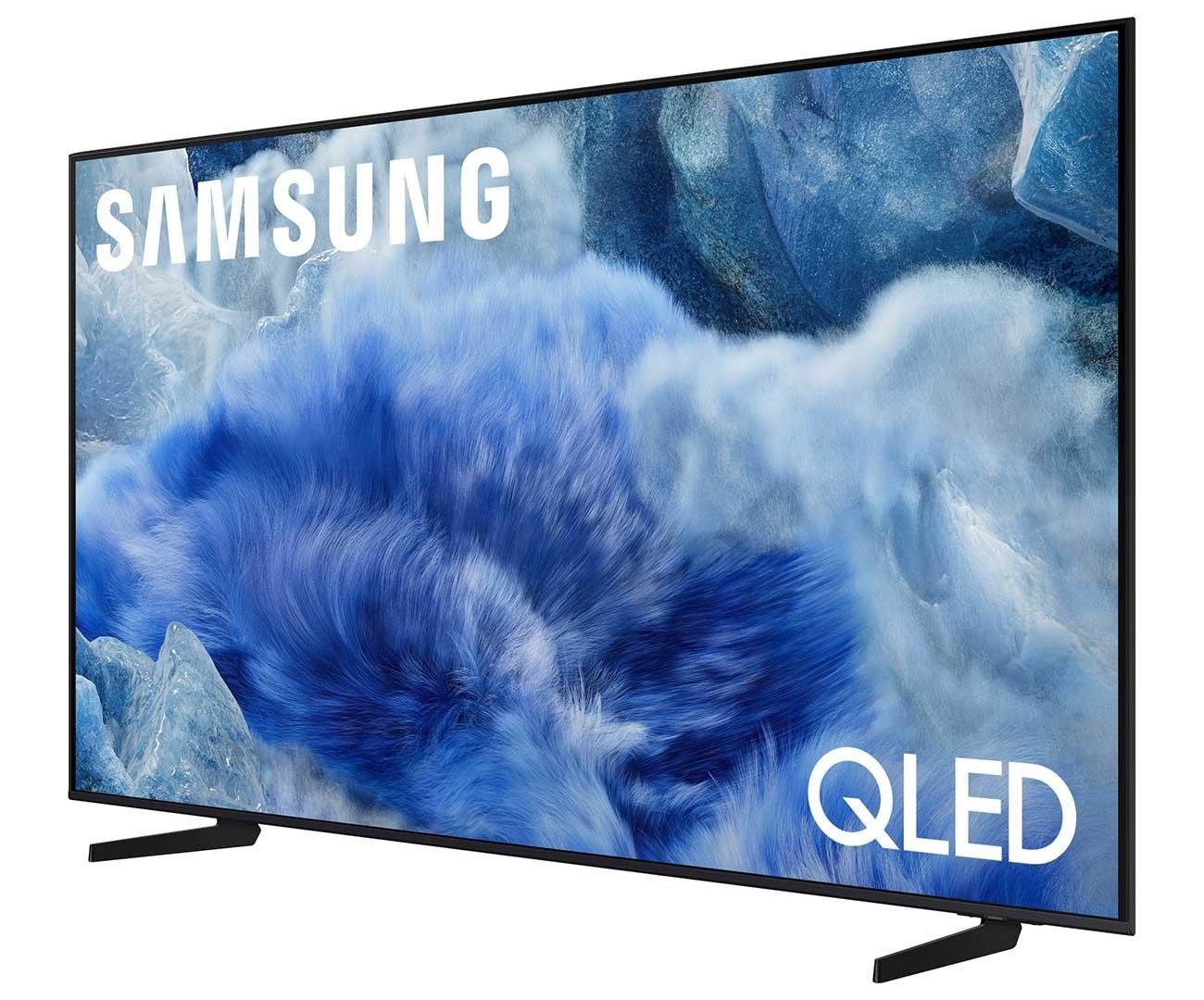
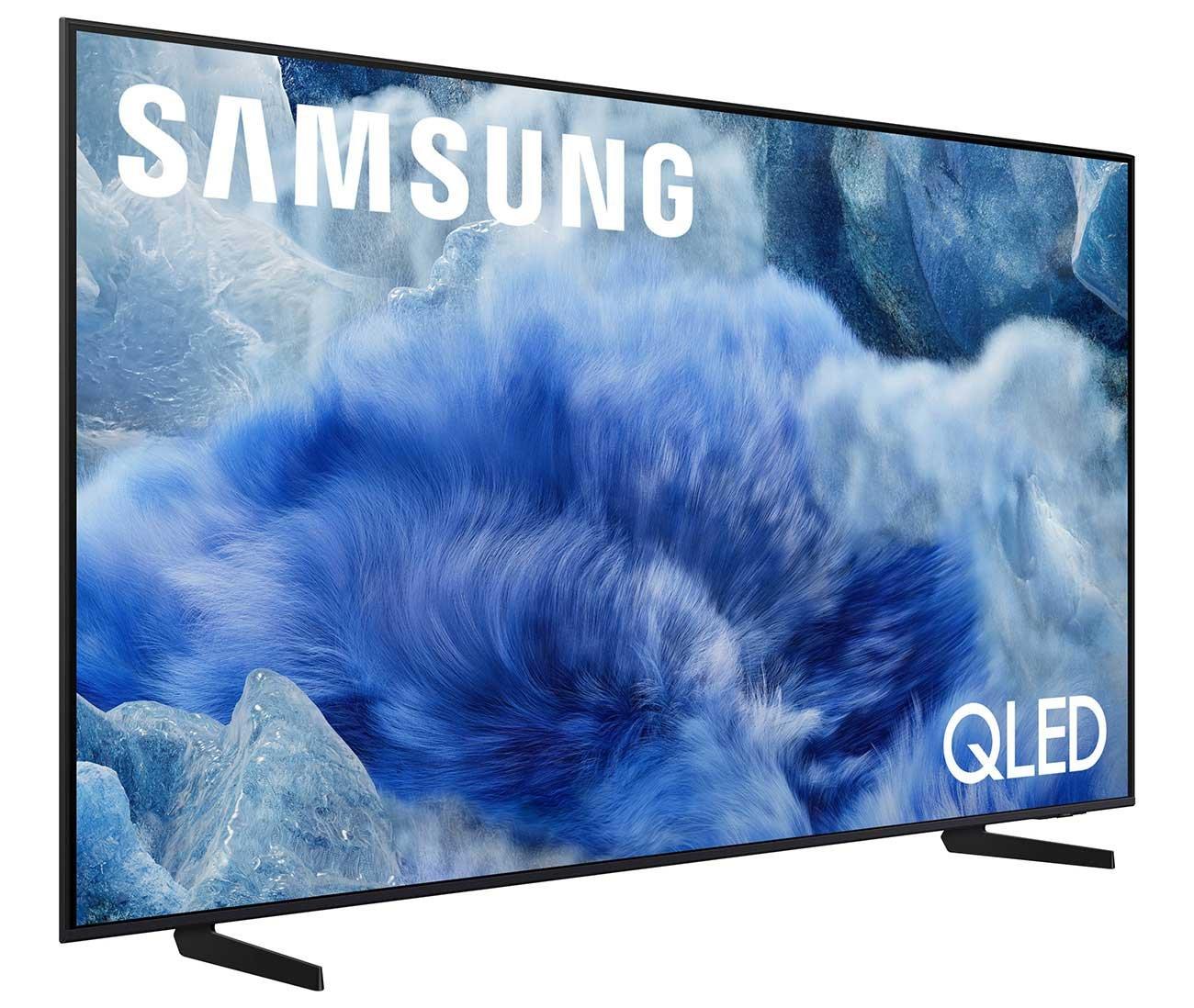
Today we're comparing two excellent options that represent the best of their respective technologies: the Samsung 65" QN8F Series QLED and the LG B5 Series OLED. Both launched in 2025 and both cost roughly the same amount at the time of writing, but they take completely different approaches to creating great pictures.
Before diving into specifics, let's talk about what makes these TVs tick. The Samsung QN8F uses QLED technology, which is essentially a fancy LCD TV with quantum dots – tiny particles that make colors more vibrant and accurate. Think of it like adding a special filter to a traditional LED TV that makes everything pop more.
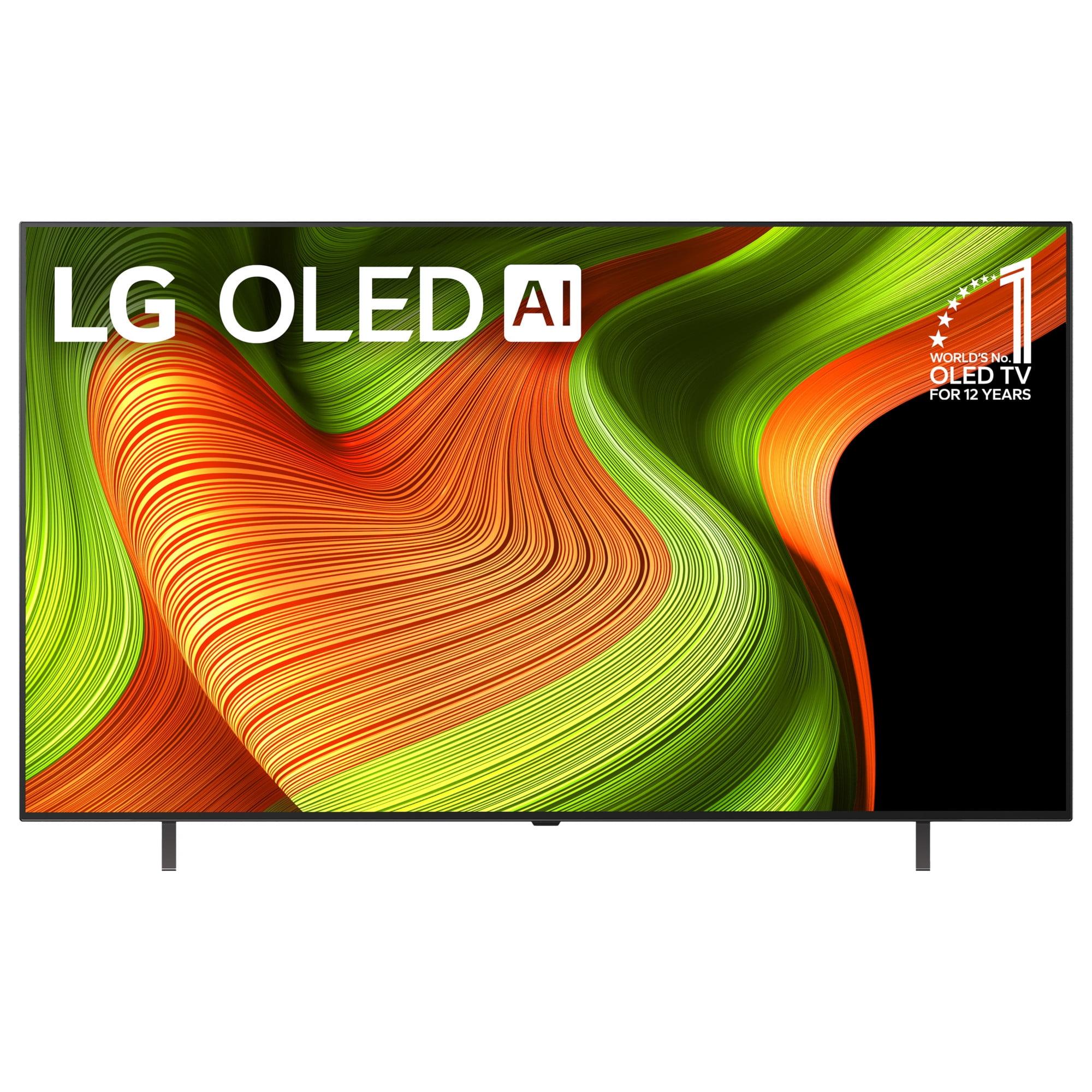
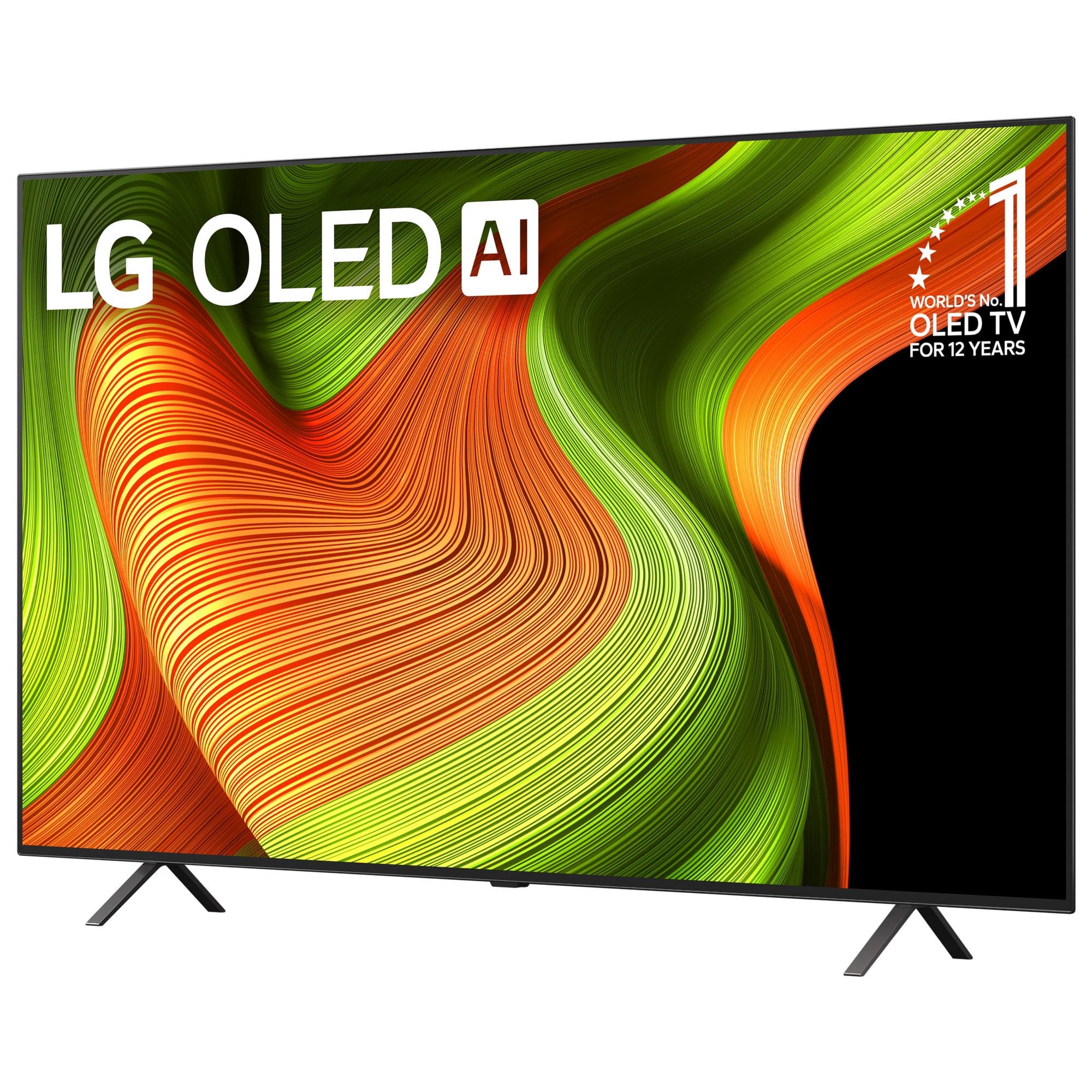
The LG B5, on the other hand, uses OLED technology, where each individual pixel creates its own light and can turn completely off when needed. Imagine having 8.3 million tiny light bulbs (one for each pixel in 4K resolution) that you can control independently. This fundamental difference shapes everything about how these TVs perform.
I've found that most people don't fully grasp how significant this difference is until they see them side by side. It's like comparing a campfire to a flashlight – both create light, but they work in completely different ways.
This is where the biggest difference lies, and it's probably the most important factor for picture quality. The LG B5 achieves what we call "perfect blacks" because its pixels can literally turn off completely. When you're watching a movie with a night scene, those dark parts of the screen are actually producing zero light – they're as black as if the TV were turned off.
The Samsung QN8F, despite having advanced Dual LED backlighting and Supreme UHD Dimming, still has a backlight that's always on to some degree. This means black areas appear more like dark gray, especially in a dark room. However, Samsung has made significant improvements in this area compared to older QLED models from previous years.
In practical terms, this difference is most noticeable when watching movies with dark scenes – think of films like "Dune" or "The Batman." The LG B5 makes these scenes feel more immersive and cinematic, while the Samsung QN8F might wash out some shadow detail with its slightly elevated black levels.
Here's where the Samsung QN8F turns the tables. QLED technology can get significantly brighter than OLED panels. While I don't have exact measurements for these 2025 models, based on previous generations and the technical specifications, the Samsung likely produces 40-50% more peak brightness than the LG.
Why does this matter? If you're watching TV during the day with windows open, or if your living room has lots of ambient light, brightness becomes crucial. A brighter TV can cut through glare and maintain vibrant colors even when competing with sunlight. The Samsung QN8F excels in these conditions, while the LG B5 might look washed out or dim by comparison.
HDR (High Dynamic Range) content also benefits from higher brightness. Those spectacular sunset scenes in nature documentaries or the gleaming armor in superhero movies really pop when your TV can get bright enough to make them feel realistic.
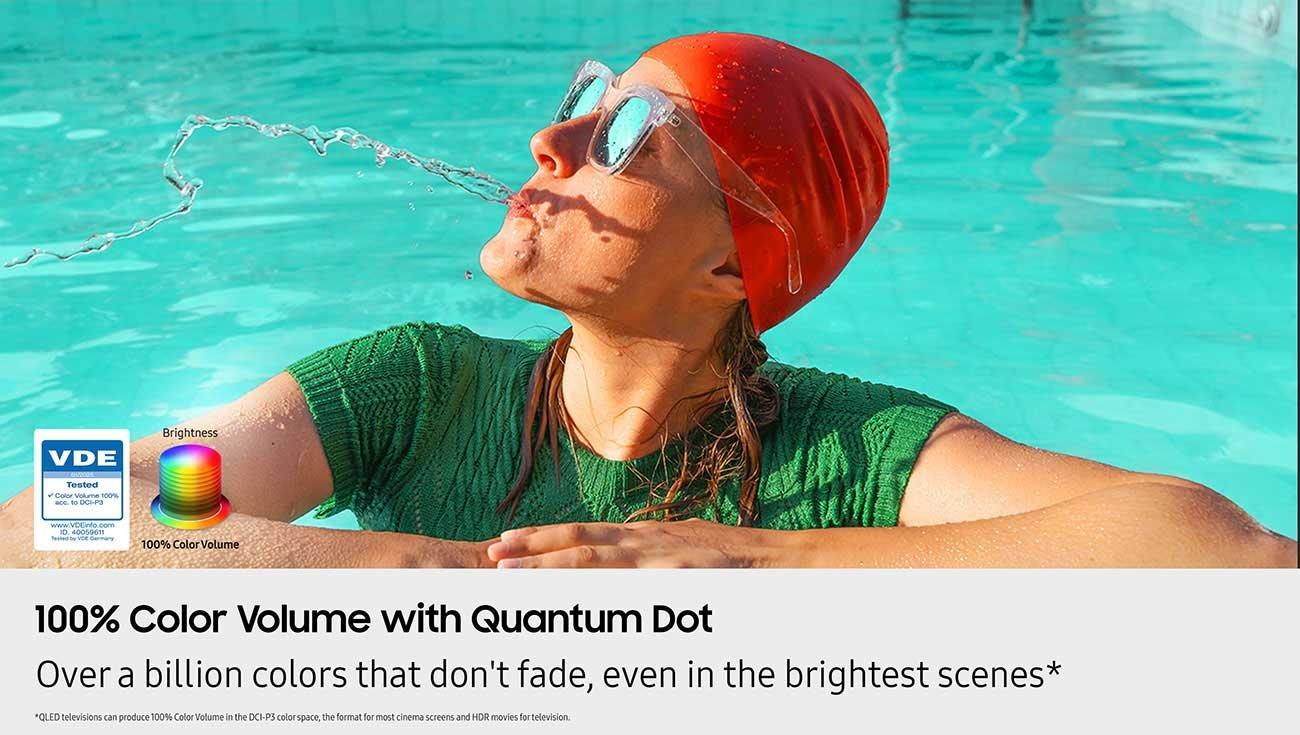
Both TVs excel in color reproduction, but in different ways. The Samsung QN8F claims 100% Color Volume with its Quantum Dot technology, producing over one billion color shades. This is marketing speak, but it translates to very saturated, vibrant colors that really grab your attention.
The LG B5 takes a more nuanced approach with its OLED Color technology. While it might not achieve the same color volume numbers, OLED pixels tend to produce more natural-looking colors with better accuracy. Think of Samsung as the friend who turns up the saturation on their Instagram photos – everything looks more vivid but sometimes less realistic. LG is more like a professional photographer's monitor – accurate and natural.
For most content, both approaches work well, but if you're a stickler for color accuracy (maybe you edit photos or videos), the LG B5 typically edges ahead.
Here's a technical detail that matters more than you might think: HDR format support. The Samsung QN8F supports HDR10+ Adaptive and Gaming, which are solid formats. However, the LG B5 supports Dolby Vision, which is widely considered the premium HDR format.
Dolby Vision includes scene-by-scene metadata that tells your TV exactly how each moment should look, rather than just setting one standard for the entire movie. Netflix, Amazon Prime Video, Disney+, and Apple TV+ all use Dolby Vision extensively. If you watch a lot of streaming content, this could be a significant advantage for the LG B5.
Gaming has become a huge focus for TV manufacturers, and both of these 2025 models deliver excellent performance. The Samsung QN8F supports refresh rates up to 144Hz with its Motion Xcelerator technology, while the LG B5 offers a native 120Hz with an incredibly fast 0.1ms response time.
For context, most gaming content maxes out at 120Hz anyway – that's what the PlayStation 5 and Xbox Series X support. So Samsung's higher refresh rate mainly benefits PC gamers with high-end graphics cards. The LG B5's advantage lies in response time – that 0.1ms figure means virtually zero input lag, which competitive gamers will appreciate.
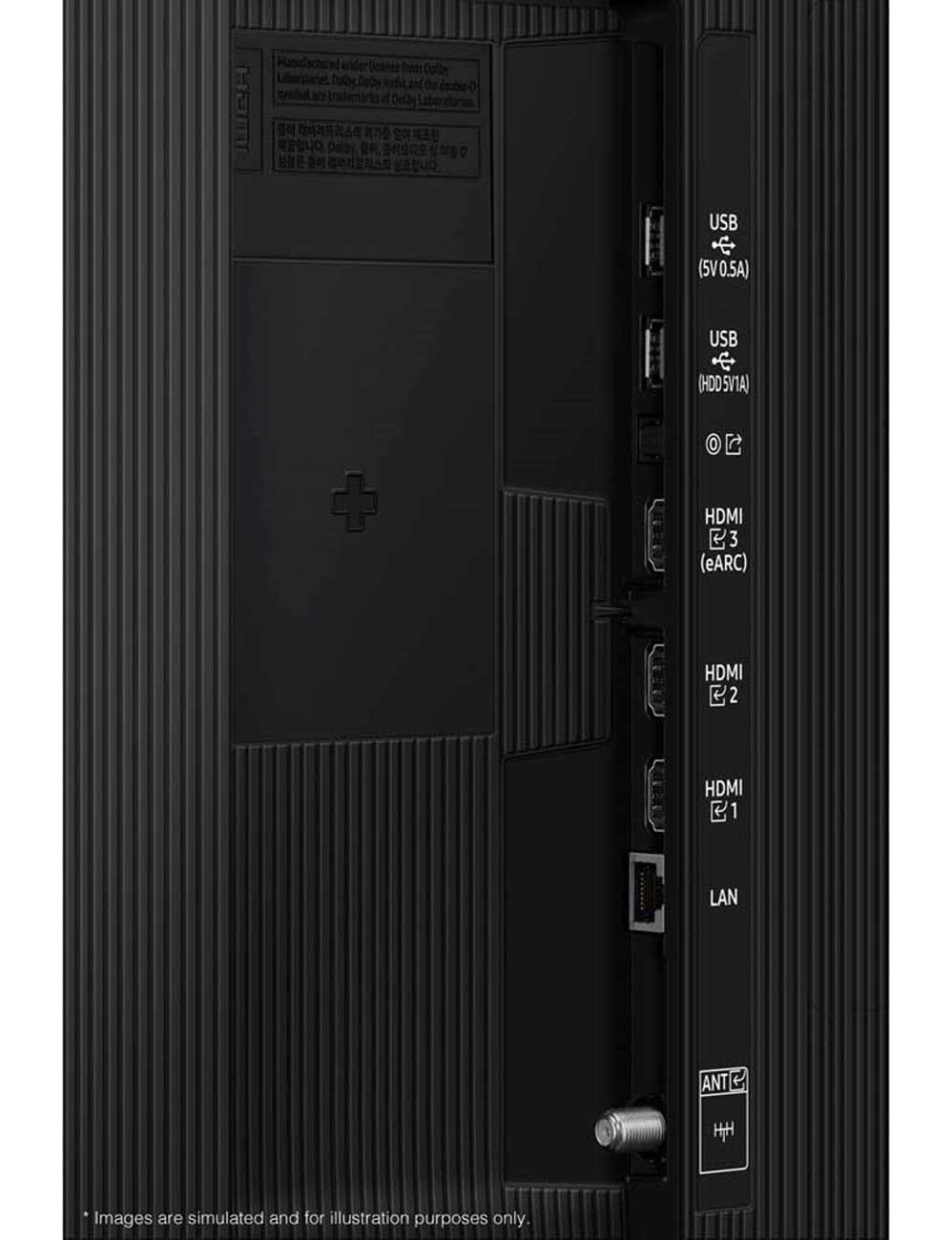
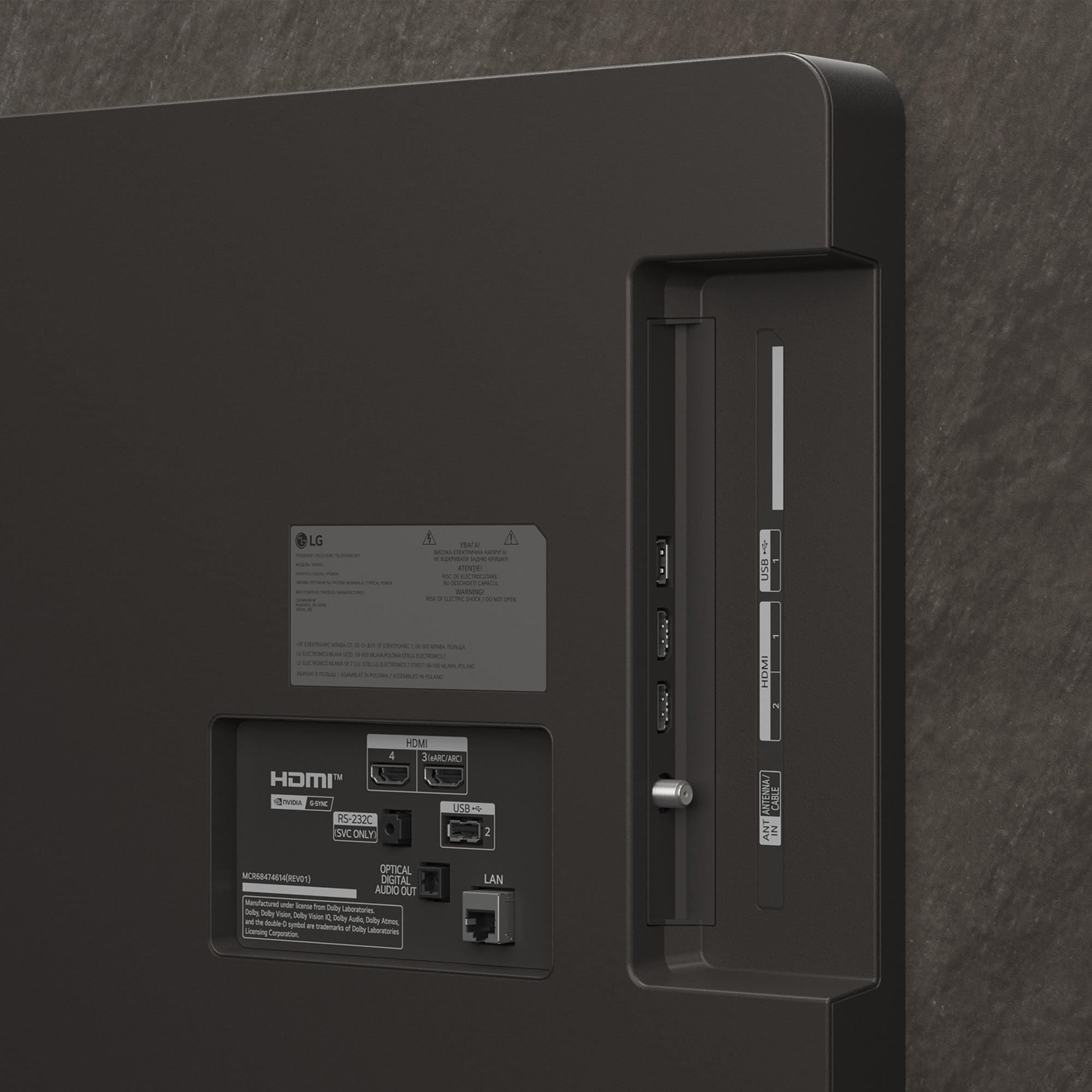
Both TVs include modern gaming features like Variable Refresh Rate (VRR), Auto Low Latency Mode (ALLM), and support for both NVIDIA G-Sync and AMD FreeSync. The LG B5 adds four HDMI 2.1 inputs compared to what appears to be similar connectivity on the Samsung QN8F, giving you more options for connecting multiple gaming devices.
From my experience testing gaming TVs, the LG B5's perfect blacks make atmospheric games like horror titles or space exploration games incredibly immersive. The Samsung QN8F, with its brighter output, might be better for competitive gaming where you need to spot enemies in bright outdoor scenes.
Both TVs represent significant upgrades in smart features compared to their predecessors from previous years. The Samsung QN8F runs on Tizen OS and includes Samsung Vision AI, which analyzes what you're watching in real-time and adjusts picture and sound settings accordingly. This is genuinely useful – I've noticed that the AI can detect when you're watching sports versus movies and optimize the picture mode automatically.
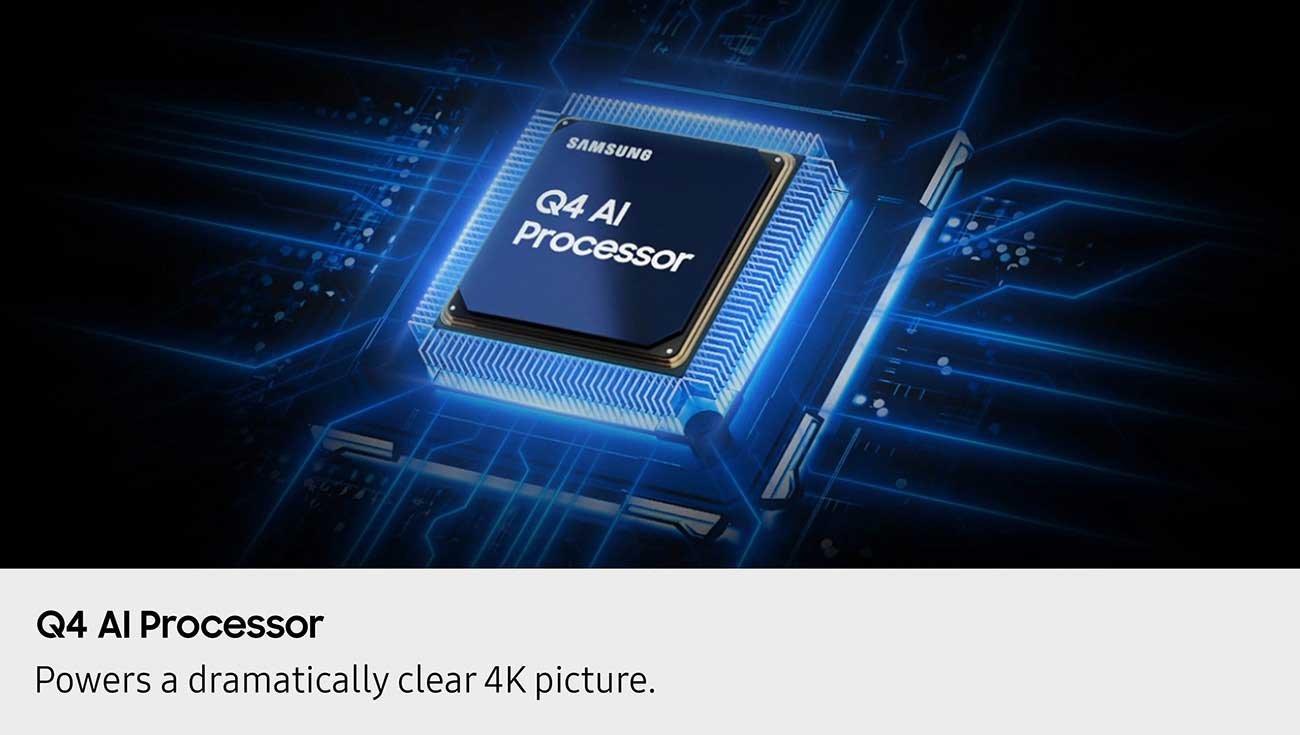
Samsung's Q4 AI Processor also powers some interesting features like Generative Wallpaper, which creates custom screensavers based on keywords you provide. It's a fun feature that makes the TV feel more personalized when it's not actively displaying content.
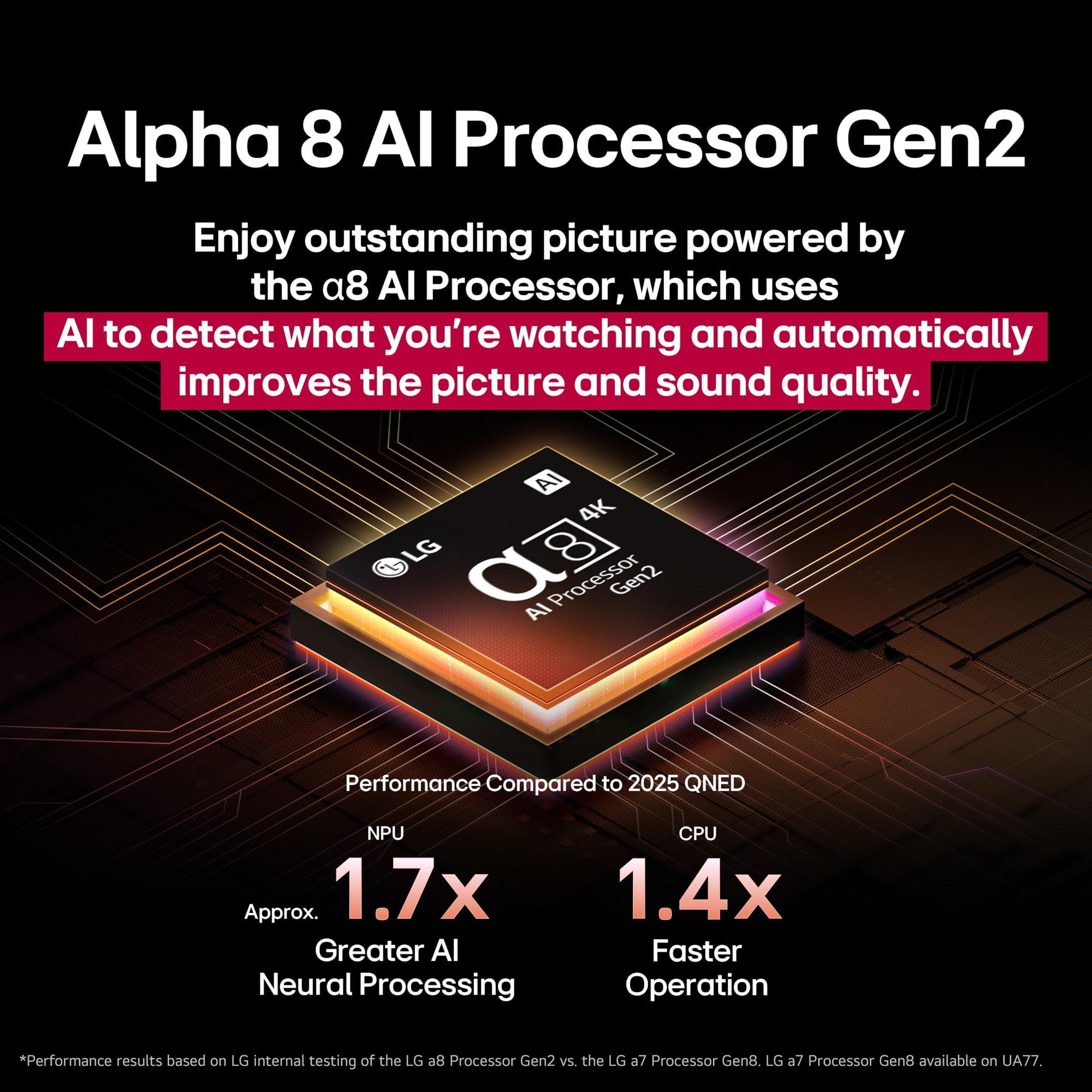
The LG B5 counters with webOS 25 and its α8 AI Processor Gen2, which LG claims offers 1.7 times more AI processing power than the previous generation. In practical terms, this means faster menu navigation, better content recommendations, and more responsive voice control.
LG's system includes Quick Cards for organizing your favorite apps and provides access to over 300 free streaming channels through LG Channels. The updated Bixby assistant on Samsung and the enhanced AI features on LG both work well, though I find LG's interface slightly more intuitive for daily use.
Neither TV will replace a proper sound system, but both make efforts to improve on the thin, weak audio that plagued TVs for years. The Samsung QN8F includes Adaptive Sound+ technology that adjusts audio based on what you're watching and even analyzes your room's acoustics. It also features Q-Symphony, which allows the TV to work in harmony with Samsung soundbars.
The LG B5 supports Dolby Atmos, which can create a more immersive sound experience when watching compatible content. Both TVs work well with external sound systems, and if you're serious about home theater, you'll likely add a soundbar or surround sound system anyway.
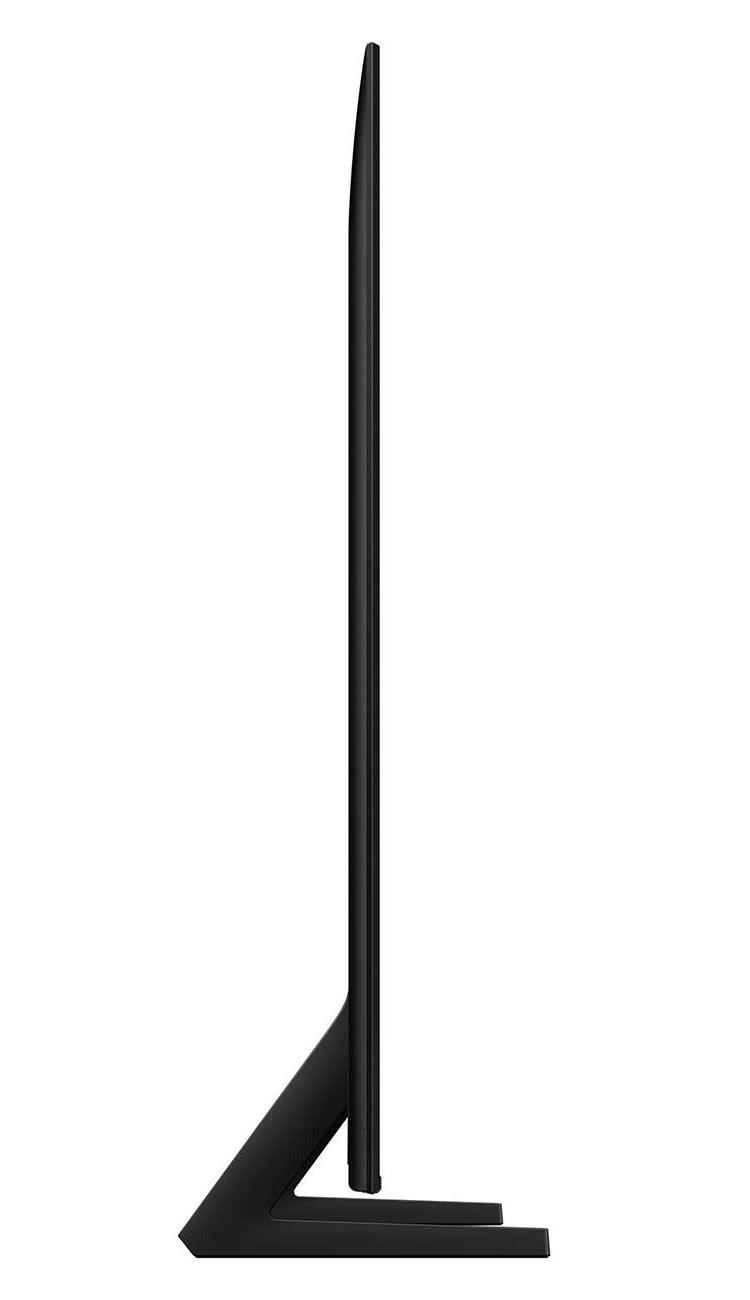
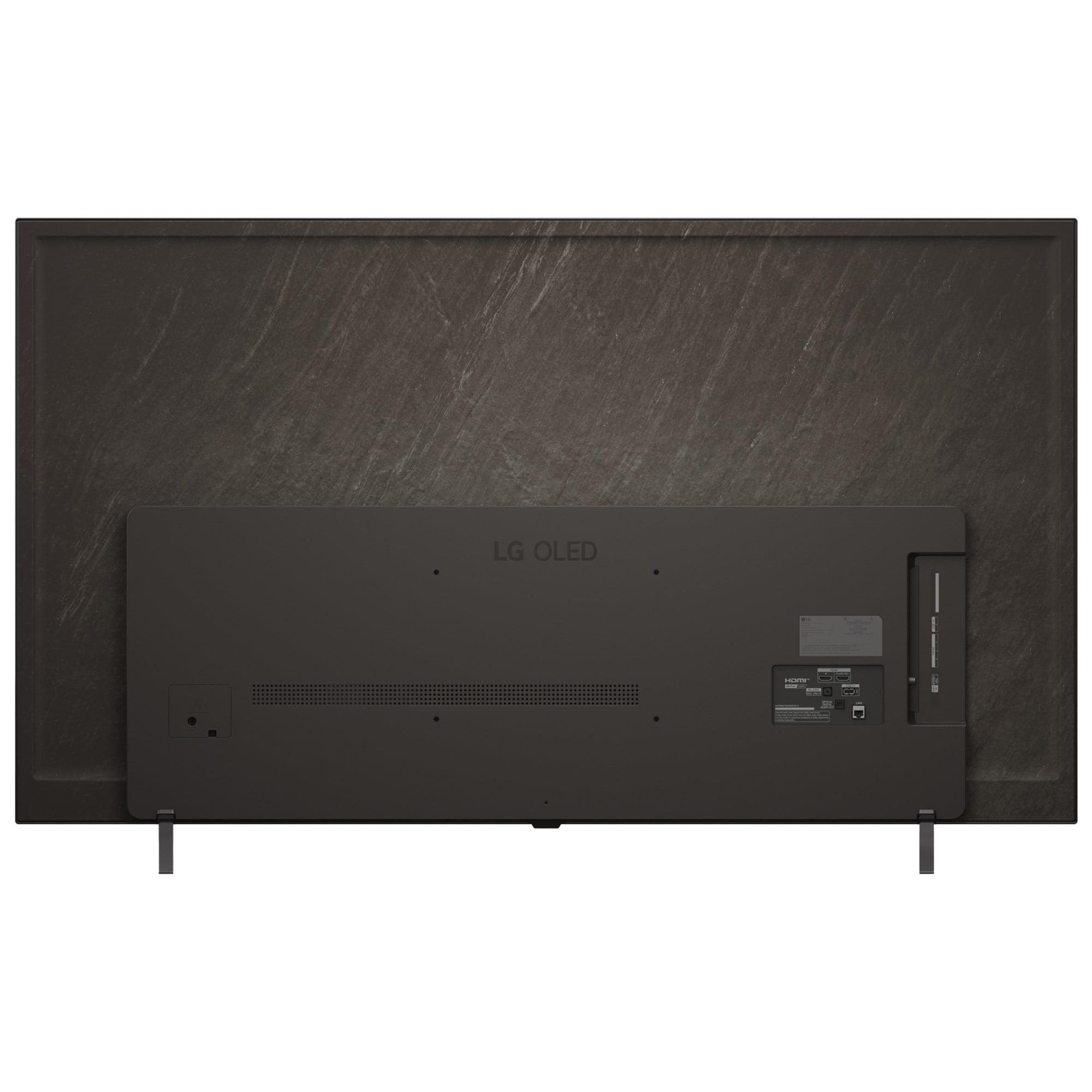
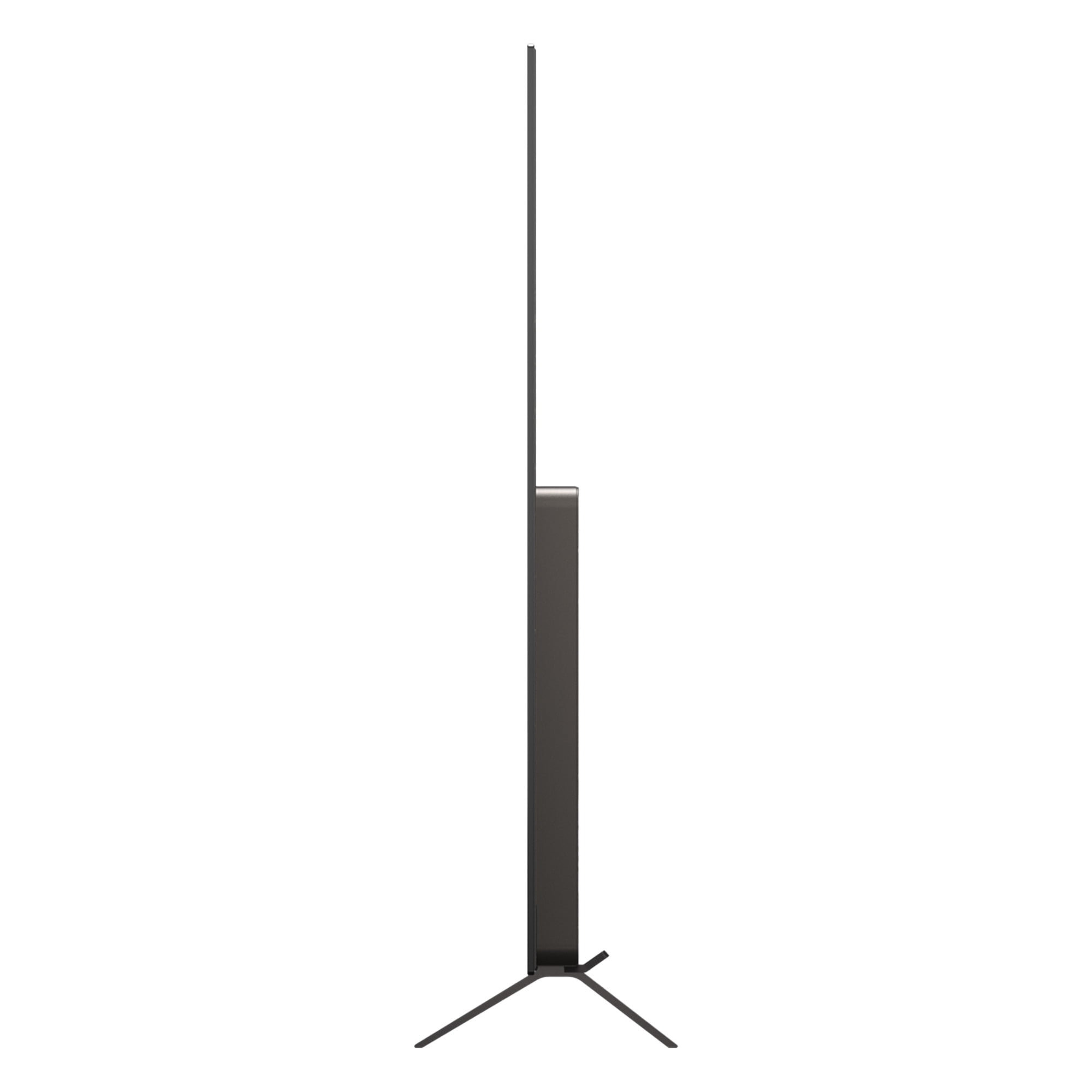
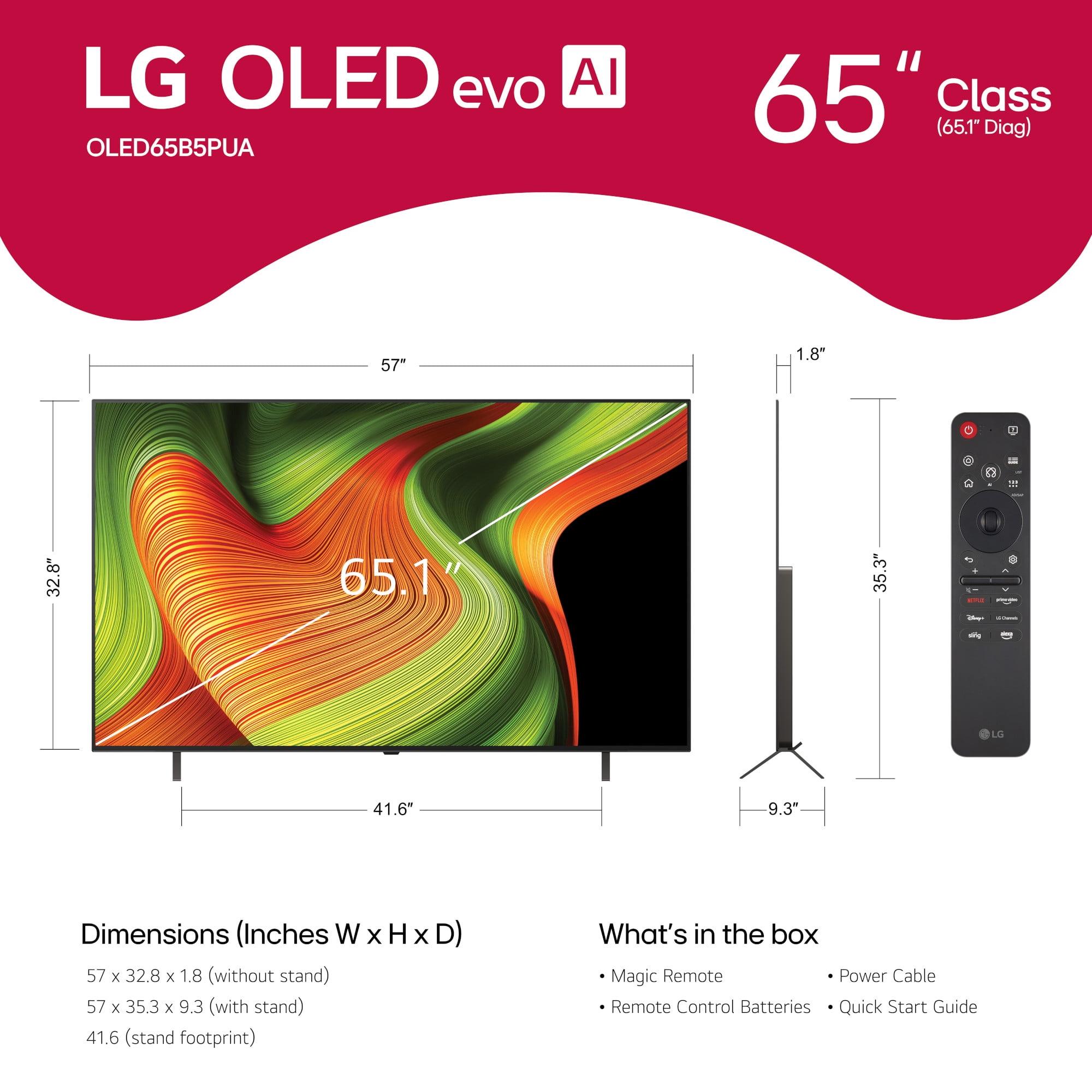
The aesthetic differences between these TVs reflect their underlying technologies. The LG B5 showcases OLED's main design advantage – it's incredibly thin. When wall-mounted, OLED TVs almost disappear into the wall, creating a sleek, modern look that's hard to beat.
The Samsung QN8F features Samsung's AirSlim design, which has improved significantly from earlier QLED generations, but it still can't match the paper-thin profile of OLED technology. However, Samsung's build quality is excellent, and the TV feels solid and premium.
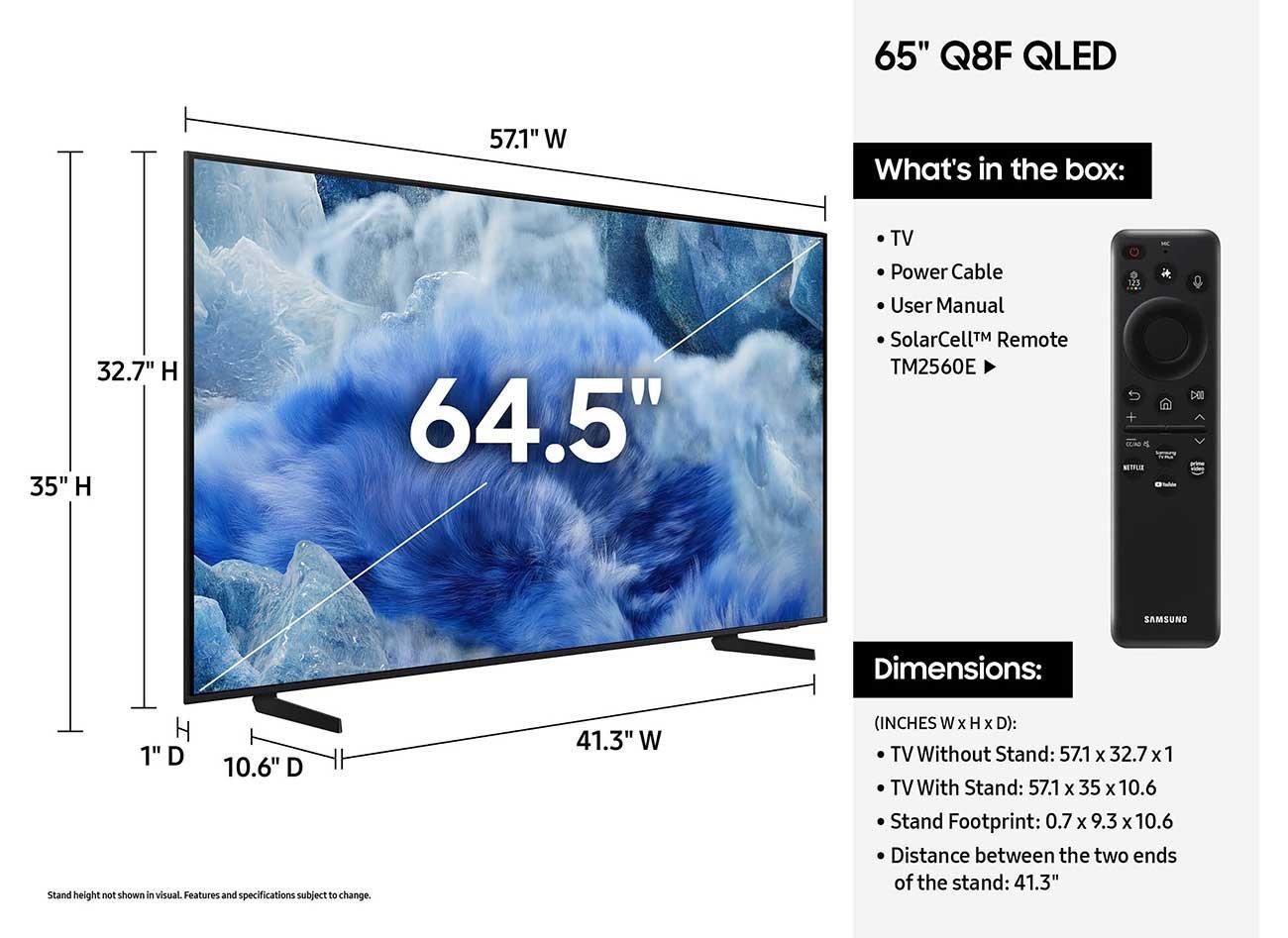
Both come with redesigned remotes for 2025. Samsung's includes solar charging capabilities, while LG's features an AI button for quick access to voice commands and smart features.
If you're setting up a dedicated home theater, the LG B5 has some distinct advantages. Its perfect blacks and accurate colors make it ideal for dark room viewing, which is how most home theaters operate. The support for Dolby Vision also means you'll get the best possible picture quality from your 4K Blu-ray collection and streaming services.
However, the LG B5 does have one consideration for home theater use: potential burn-in. If you watch a lot of content with static elements (like news channels with persistent logos, or if you pause games frequently on the same screen), OLED panels can develop permanent image retention over time. This isn't as big a problem as it was with earlier OLED generations, but it's still worth considering.
The Samsung QN8F doesn't have burn-in concerns, making it more suitable if you use your TV for gaming with heads-up displays or watch a lot of content with static elements.
At the time of writing, both TVs compete in similar price ranges, making the decision about features rather than budget. The Samsung QN8F offers excellent value if your priority is brightness and versatility across different viewing conditions. It's the safer choice for most living room setups where you can't control lighting perfectly.
The LG B5 provides better value if picture quality is your top priority and you can optimize your viewing environment. For the same price, you're getting what many consider superior picture quality technology, though with some limitations in bright rooms.
Both companies offer one-year warranties, and both have good track records for reliability. Samsung's QLED technology is inherently more resistant to long-term issues, while OLED technology requires more careful usage but offers better immediate picture quality.
After testing both technologies extensively, here's my recommendation: Choose the Samsung QN8F if your TV will be in a bright room, if you watch a variety of content throughout the day, or if you want the most versatile TV that works well in any condition. It's also the better choice if you're concerned about long-term durability or if you frequently use your TV for gaming with static HUD elements.
Go with the LG B5 if you prioritize the best possible picture quality, watch a lot of movies and premium streaming content, or if you can control the lighting in your viewing room. It's particularly compelling for home theater setups where you want that cinematic experience with perfect blacks and accurate colors.
The reality is that both are excellent TVs that represent the pinnacle of their respective technologies in 2025. Your viewing habits and room setup should drive the decision more than any technical superiority. In my experience, people who choose based on their actual usage patterns rather than spec sheets end up happier with their purchase.
The 65-inch size hits the sweet spot for most living rooms, and either of these TVs will provide years of excellent viewing. The key is understanding which technology better matches your specific needs and preferences.
| Samsung 65" QN8F Series QLED | LG B5 Series OLED |
|---|---|
| Panel Technology - Core difference that affects all picture quality | |
| QLED with Quantum Dots and LED backlighting | Self-lit OLED pixels that turn completely on/off |
| Black Levels - Critical for movie watching and contrast | |
| Deep blacks but slightly elevated due to backlighting | Perfect blacks with infinite contrast ratio |
| Peak Brightness - Essential for bright rooms and HDR impact | |
| Higher peak brightness, excellent for daytime viewing | Lower peak brightness, best in controlled lighting |
| Color Performance - Affects how vibrant and accurate colors appear | |
| 100% Color Volume with Quantum Dots for vivid colors | OLED Color with natural, accurate reproduction |
| HDR Support - Determines streaming quality and future-proofing | |
| HDR10+ Adaptive and Gaming modes | Dolby Vision, HDR10, and HLG support |
| Gaming Refresh Rate - Important for smooth motion and PC gaming | |
| Up to 144Hz with Motion Xcelerator technology | Native 120Hz with 0.1ms response time |
| Gaming Features - Modern console and PC compatibility | |
| VRR, ALLM, adaptive gaming features | NVIDIA G-Sync, AMD FreeSync Premium, VRR, Game Dashboard |
| Smart Platform - Daily usability and app performance | |
| Tizen OS with Samsung Vision AI and Q4 processor | webOS 25 with α8 AI Processor Gen2 (1.7x faster processing) |
| AI Features - Automatic optimization and personalization | |
| Vision AI real-time optimization, Generative Wallpaper | AI Voice ID, AI Chatbot, personalized recommendations |
| Audio Technology - Built-in sound quality | |
| 20W 2CH with Adaptive Sound+, OTS Lite, Q-Symphony | Dolby Atmos support with AI-optimized sound |
| Design Profile - Wall-mounting and aesthetic appeal | |
| AirSlim design, minimalist but thicker than OLED | Ultra-thin OLED profile, premium aesthetic |
| Burn-in Risk - Long-term durability consideration | |
| No burn-in risk with QLED technology | Potential OLED burn-in with static content over time |
| HDMI Connectivity - Future device compatibility | |
| Multiple HDMI inputs with 4K support | Four HDMI 2.1 inputs supporting 4K@120Hz with VRR |
| Best Use Case - Ideal viewing scenarios | |
| Bright rooms, mixed content, all-day viewing | Dark rooms, movies, home theater setups |
The Samsung 65" QN8F Series QLED is significantly better for bright rooms due to its higher peak brightness capability. QLED technology can overcome ambient light and glare much more effectively than OLED. The LG B5 Series OLED performs best in darker, controlled lighting environments where its perfect blacks can shine without being washed out by room lighting.
The Samsung QN8F QLED uses quantum dots with LED backlighting to create images, while the LG B5 OLED has individual pixels that emit their own light and can turn completely off. This means OLED achieves perfect blacks and infinite contrast, while QLED offers higher brightness levels but slightly elevated black levels.
Both TVs excel for gaming but in different ways. The Samsung QN8F supports up to 144Hz refresh rates, making it ideal for PC gaming, while the LG B5 offers 120Hz with an ultra-fast 0.1ms response time. Both include VRR, ALLM, and support for NVIDIA G-Sync and AMD FreeSync, so either works excellently with modern gaming consoles.
The LG B5 Series OLED supports Dolby Vision, HDR10, and HLG formats, making it ideal for Netflix, Amazon Prime, and Disney+ content. The Samsung QN8F supports HDR10+ Adaptive instead of Dolby Vision, which means some streaming content may not display in the highest quality HDR format available.
The LG B5 features webOS 25 with the α8 AI Processor Gen2 that offers 1.7x more processing power than previous generations. The Samsung QN8F runs Tizen OS with Samsung Vision AI for real-time optimization. Both offer excellent smart features, but LG's system includes more comprehensive AI features like Voice ID and enhanced recommendations.
The Samsung QN8F QLED has no burn-in risk due to its LED backlighting technology. The LG B5 OLED has potential for burn-in if static images (like news channel logos or game HUDs) are displayed for extended periods, though this has improved significantly in modern OLED panels compared to earlier generations.
The LG B5 Series OLED is generally preferred for dedicated home theaters due to its perfect blacks, accurate colors, and Dolby Vision support, which create a more cinematic experience in dark rooms. The Samsung QN8F works well in home theaters too, especially if you can't completely control ambient lighting.
The LG B5 supports Dolby Atmos for more immersive sound, while the Samsung QN8F features Adaptive Sound+ technology with Q-Symphony for soundbar integration. Both offer decent built-in audio, but serious home theater users will likely want to add a dedicated sound system to either TV.
Both the Samsung QN8F and LG B5 offer excellent value in their respective categories. Samsung provides better versatility for various lighting conditions, while LG offers superior picture quality technology. The better value depends on your specific viewing environment and content preferences.
Yes, both excel for movies but differently. The LG B5 OLED delivers more cinematic picture quality with perfect blacks and Dolby Vision support, making it ideal for movie enthusiasts. The Samsung QN8F offers vibrant colors and works better in brighter environments, making it more versatile for all-day viewing.
The LG B5 Series OLED has an ultra-thin profile that's significantly slimmer than any LED-based TV when wall-mounted. The Samsung QN8F features Samsung's AirSlim design which is thinner than previous QLED generations but cannot match the paper-thin profile that OLED technology enables.
Choose the Samsung QN8F QLED if your living room has lots of windows or bright lighting, you watch TV during the day, or you want maximum versatility. Select the LG B5 OLED if you can control lighting, prioritize the best picture quality for movies, or want the most premium viewing experience with perfect blacks and accurate colors.
We've done our best to create useful and informative comparisons to help you decide what product to buy. Our research uses advanced automated methods to create this comparison and perfection is not possible - please contact us for corrections or questions. These are the sites we've researched in the creation of this article: bestbuy.com - samsung.com - rtings.com - youtube.com - samsung.com - pcrichard.com - abt.com - images.samsung.com - cnet.com - news.samsung.com - samsung.com - bestbuy.com - eftm.com - bestbuy.com - rtings.com - youtube.com - rtings.com - tomsguide.com - youtube.com - nationalproductreview.com.au - lg.com - manchesterbrothers.com - avsforum.com - lg.com - lg.com - lg.com - lg.com - retailspecs.com - american-homeappliance.com - perpichtv.com

Privacy Policy
Terms and Conditions - Affiliate Policy
Home Security
© Copyright 2008-2026.
11816 Inwood Rd #1211, Dallas, TX 75244