

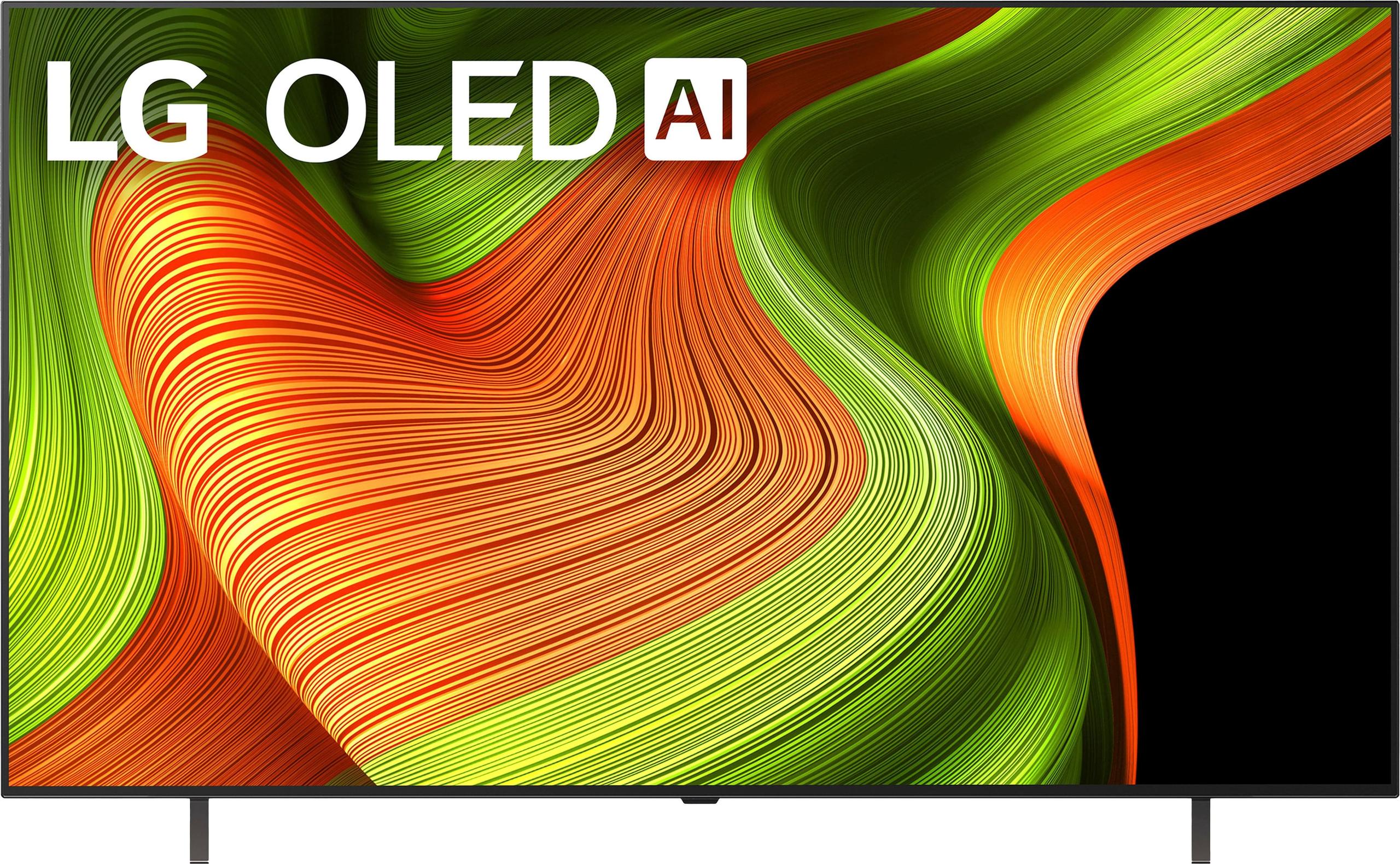
![LG B5 Series OLED 65" 4K Smart TV 2025[1][7][9]](https://images.hometheaterreview.com/htr-stateless/2025/07/3368ce40-25ef-4d07-b442-bb0af89e3a29.jpg)
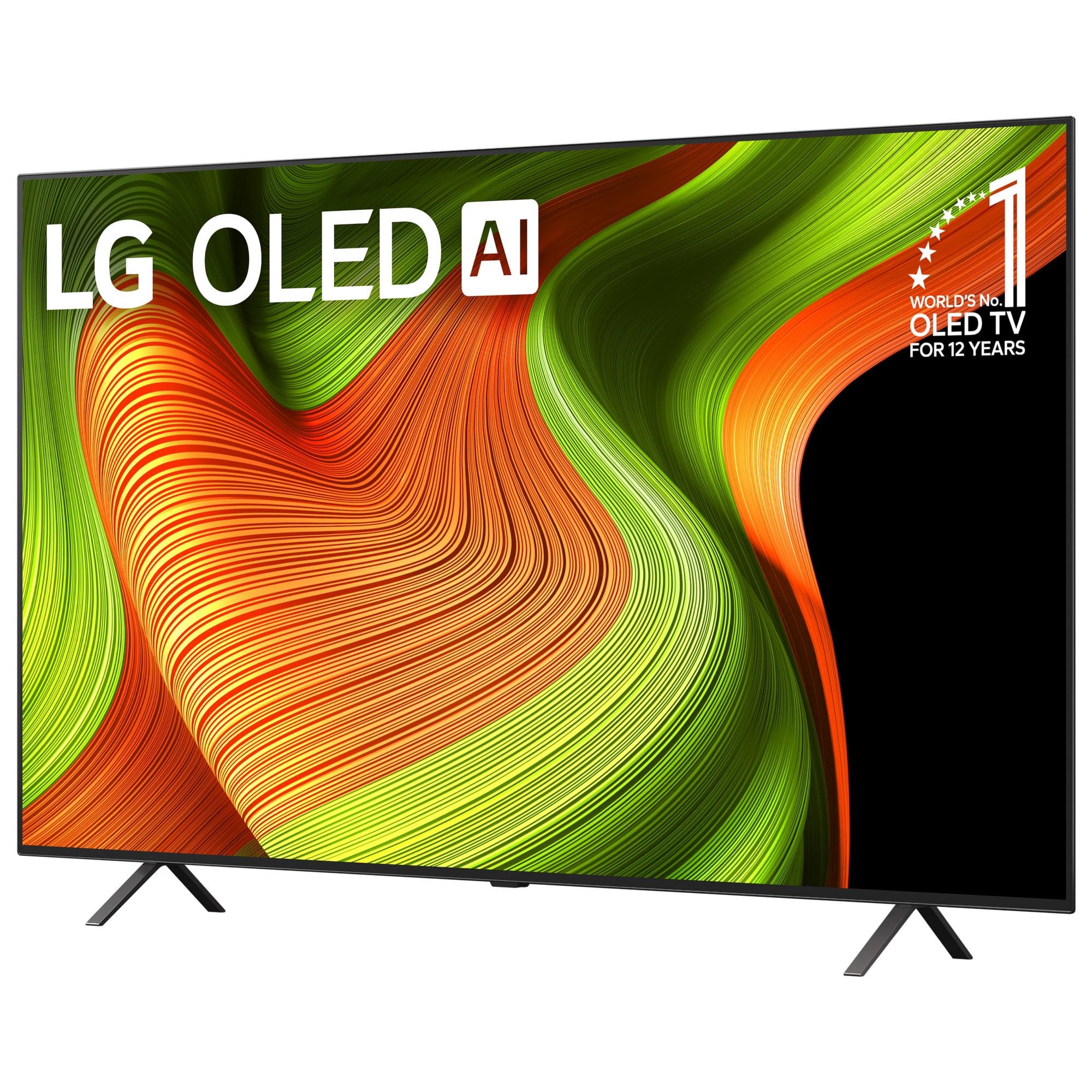
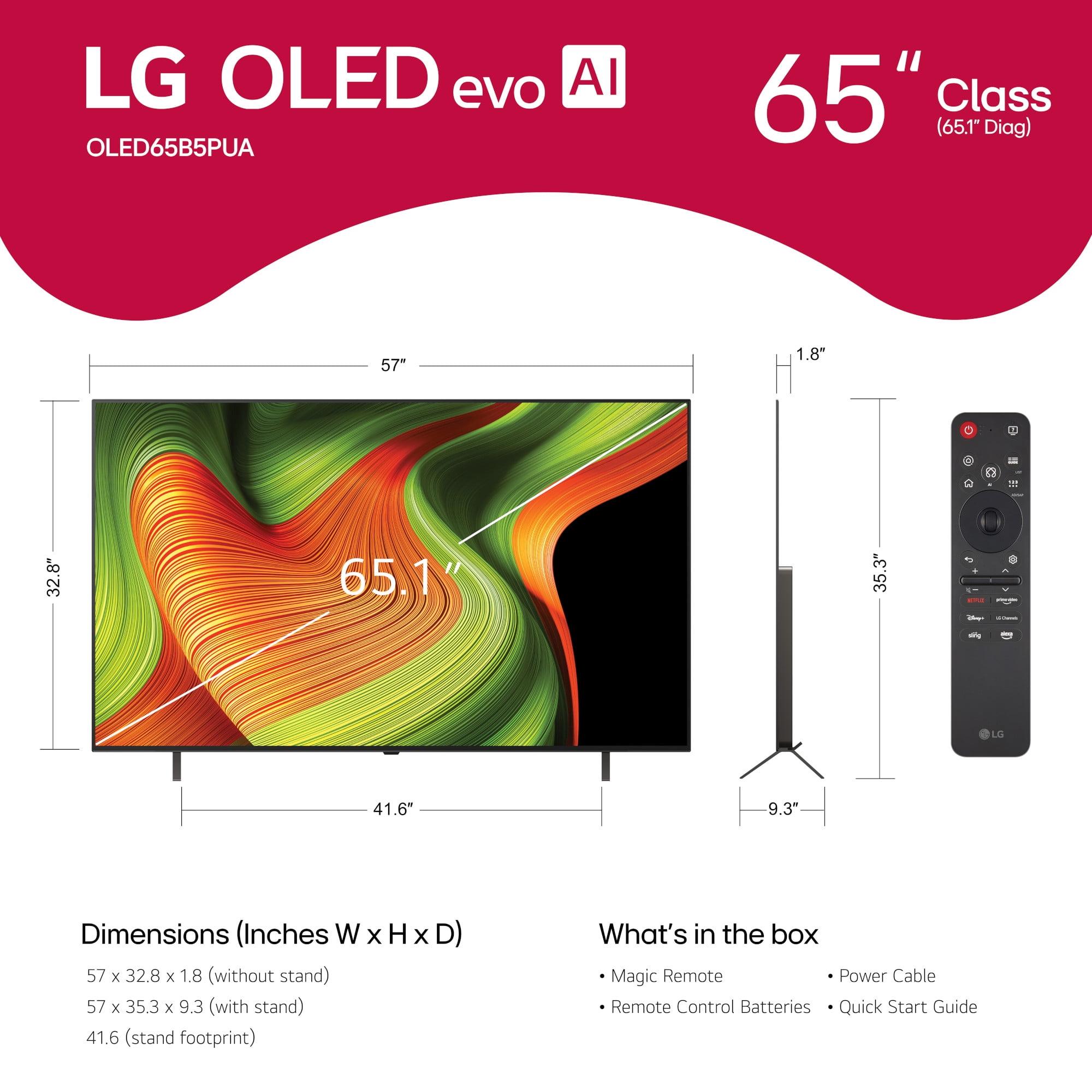
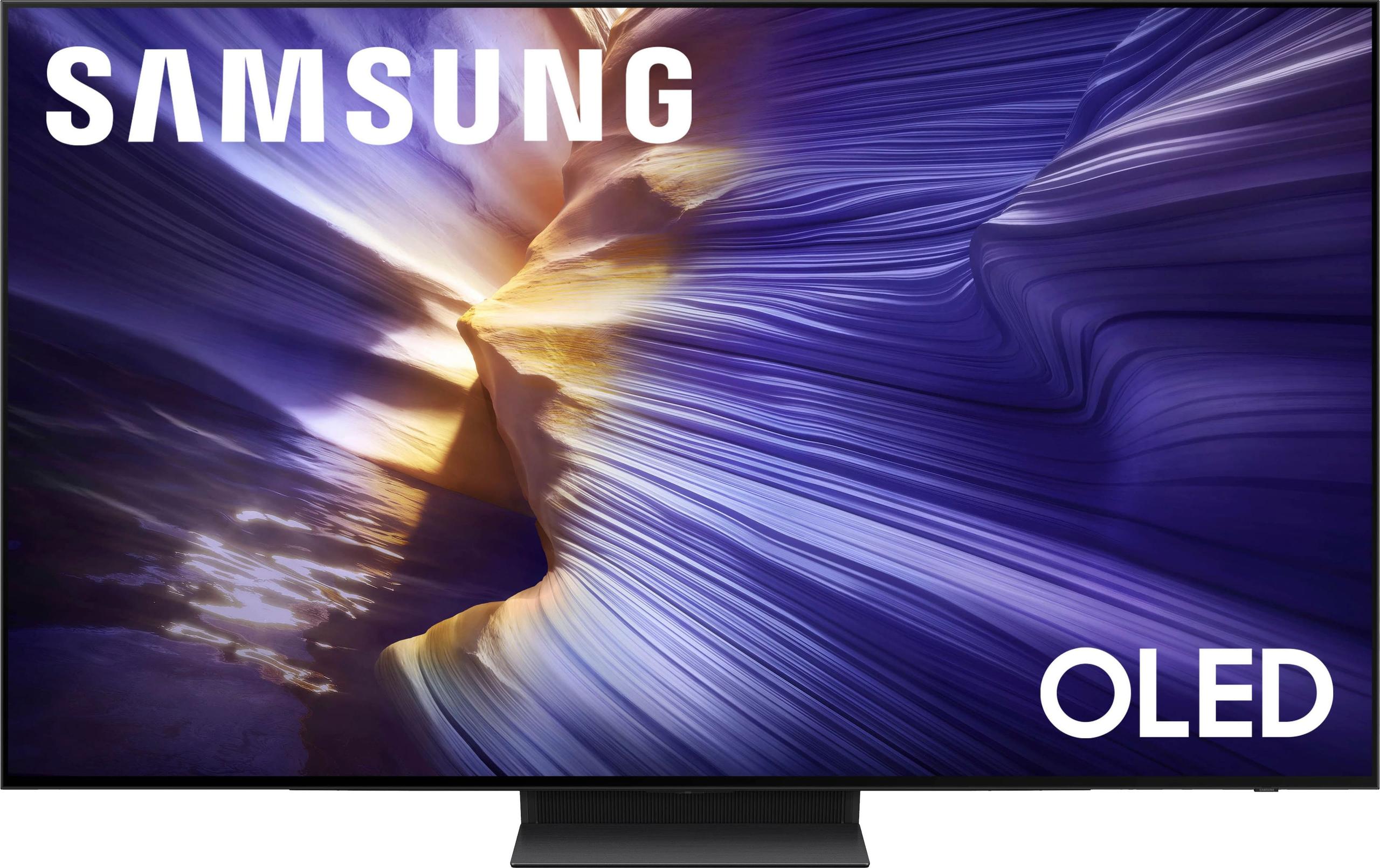
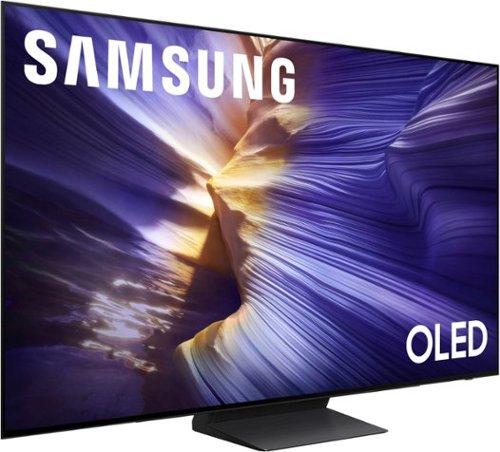
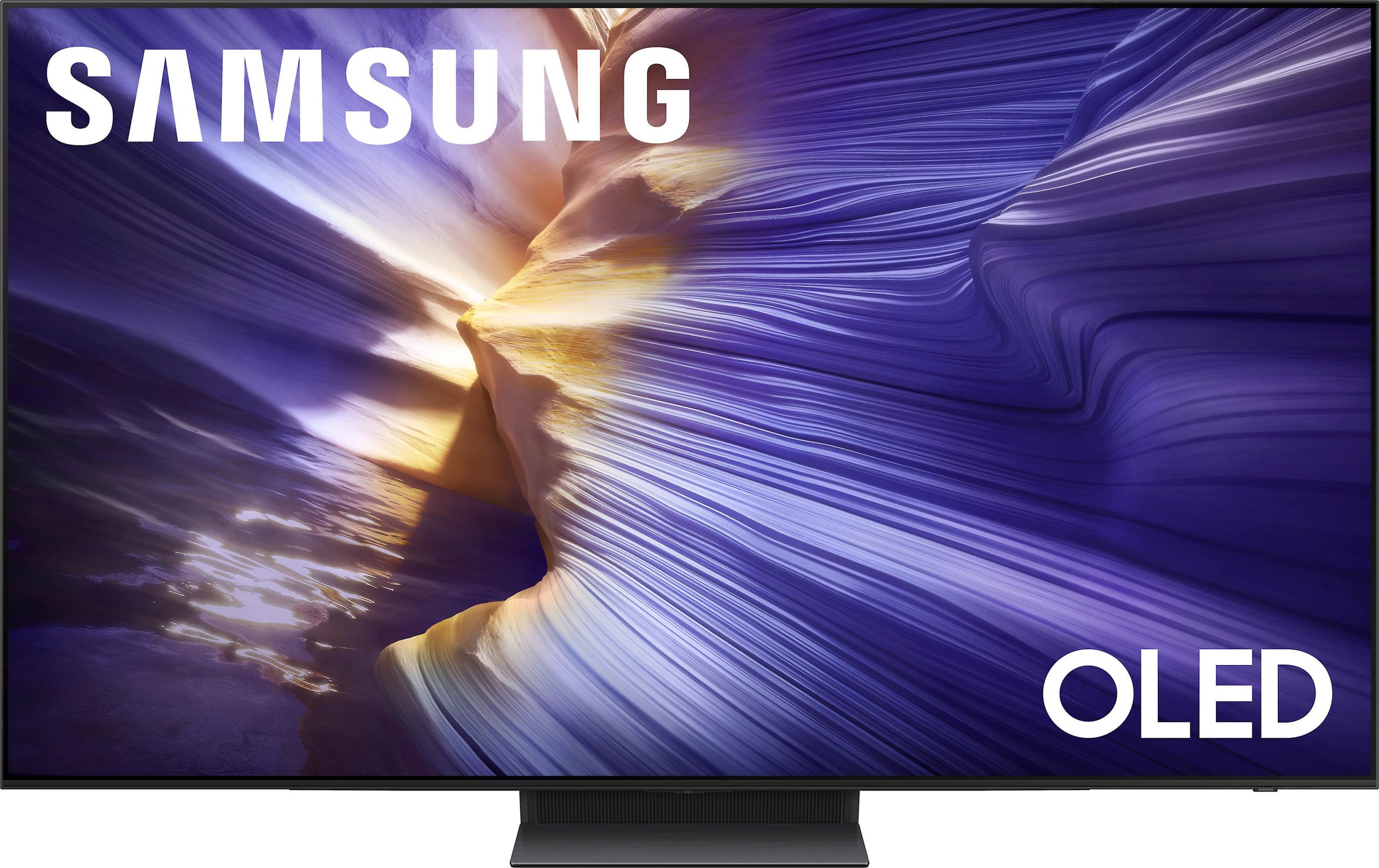
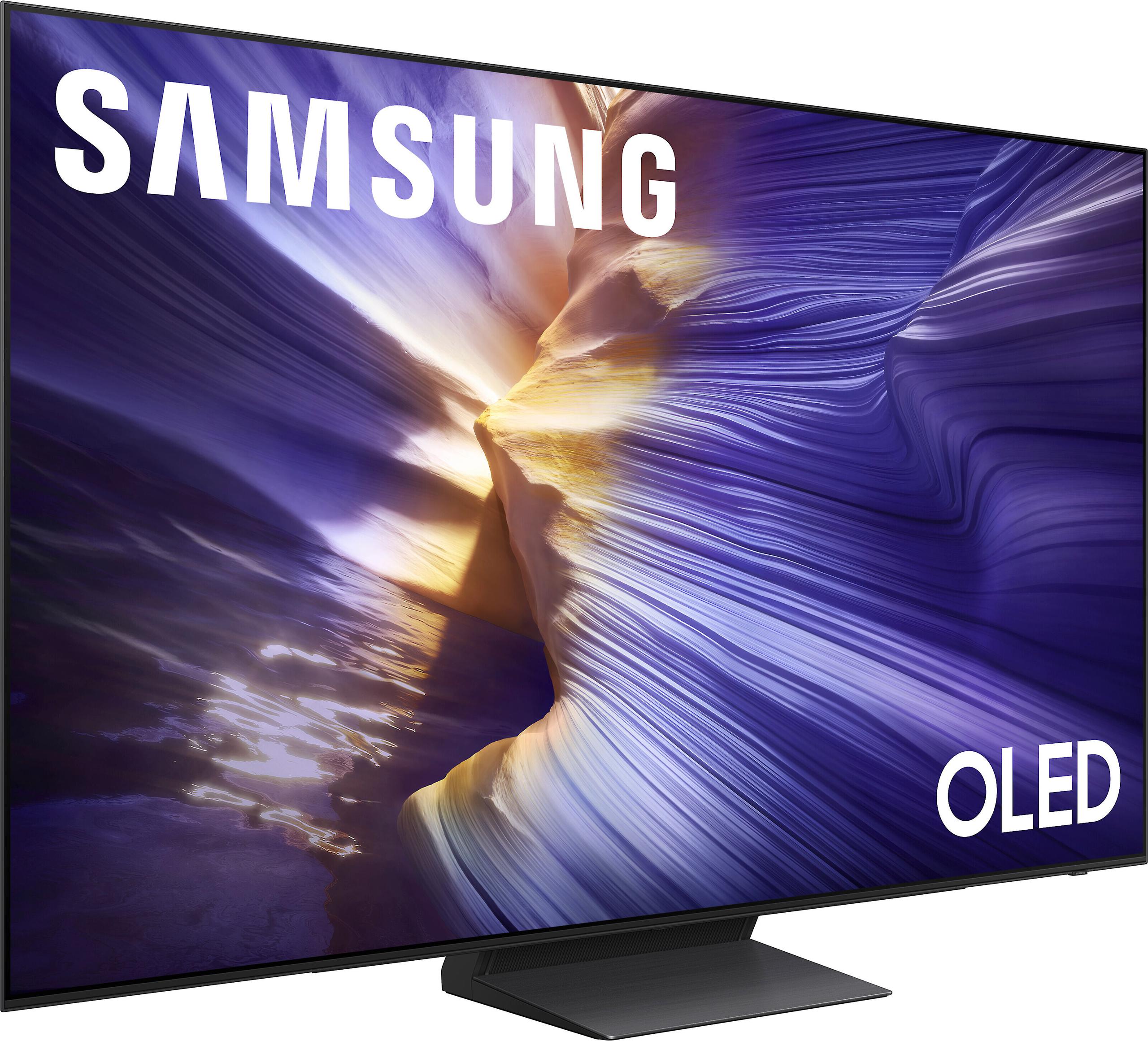
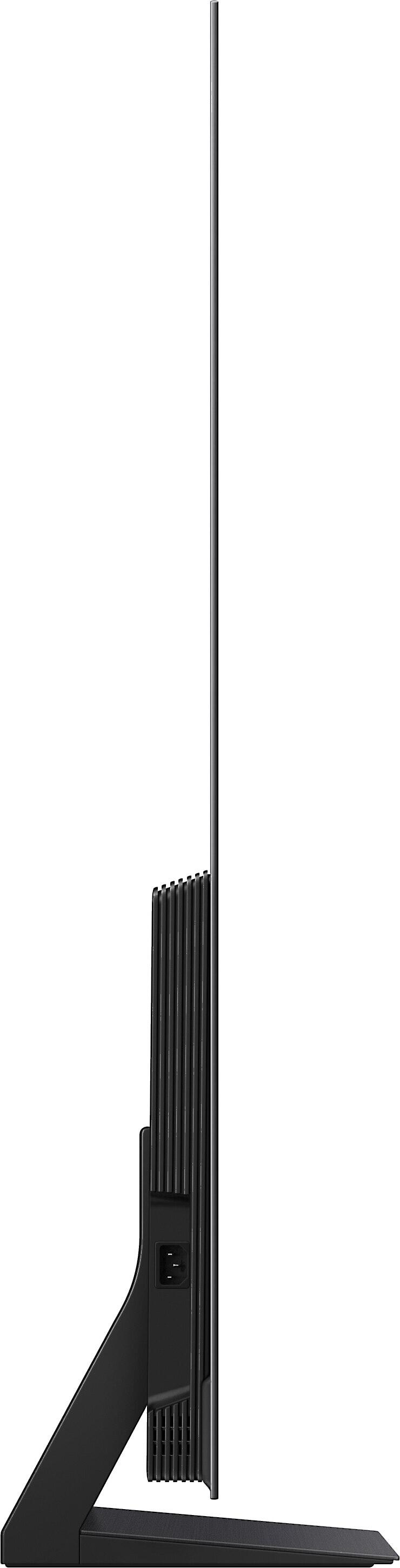
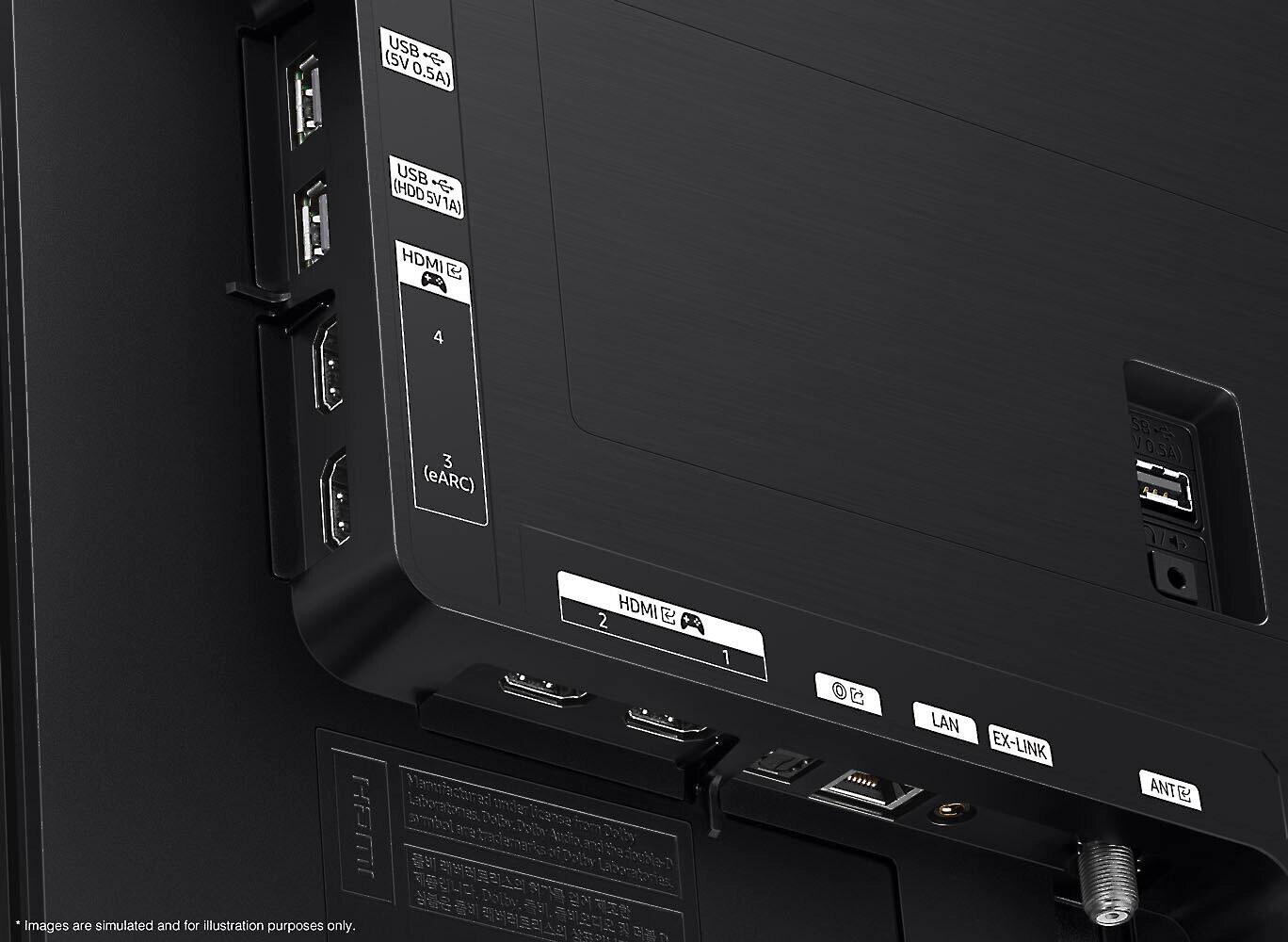
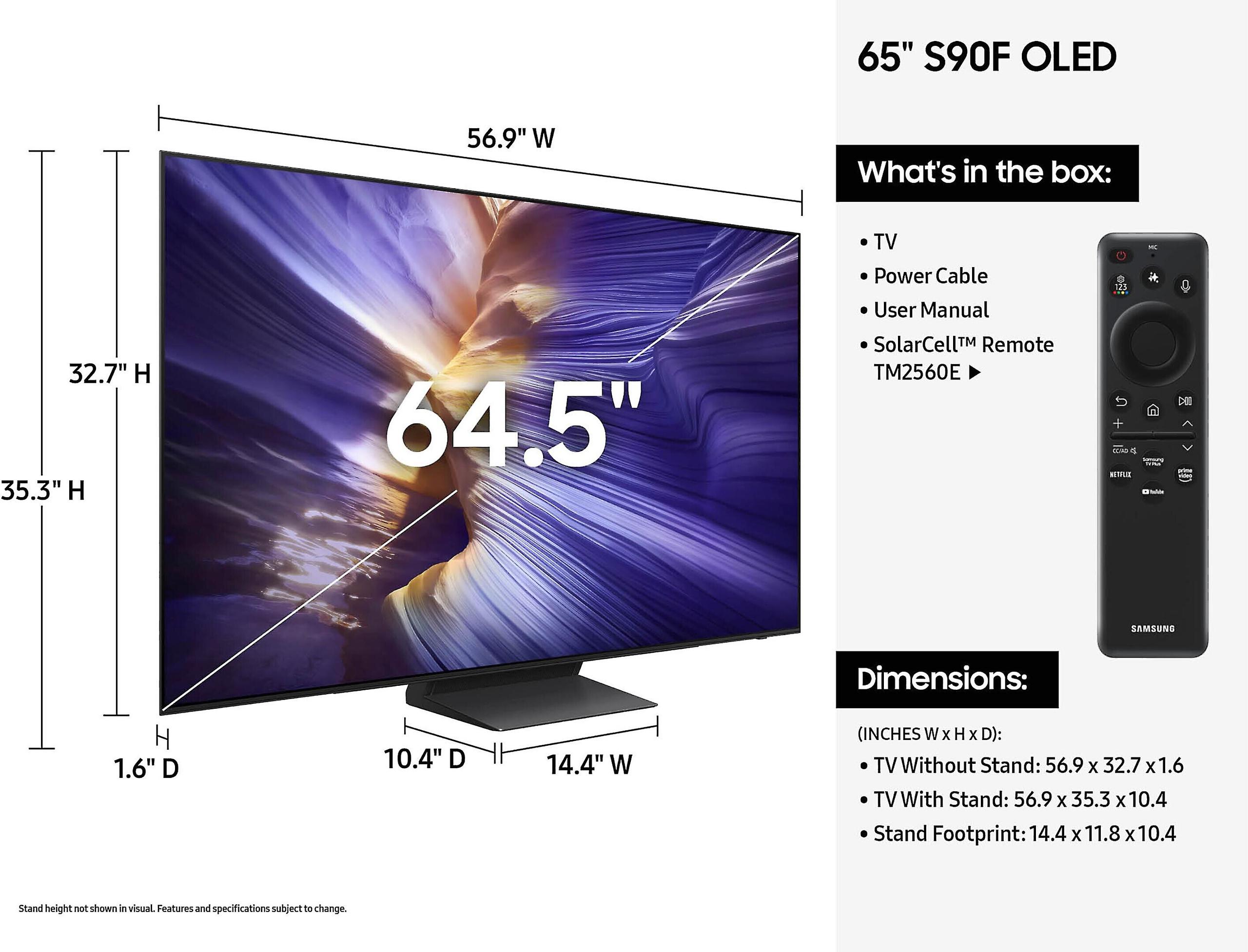
Shopping for a new TV can feel overwhelming, especially when you're looking at two excellent OLED displays that seem similar on paper. Both the LG B5 Series OLED 65" 4K Smart TV 2025 at $1,699.99 and the Samsung 65" S90F OLED 4K Vision AI Smart TV 2025 at $1,797.99 represent the sweet spot in today's OLED market – they're not the cheapest options, but they're far from the most expensive either.
I've spent considerable time with both TVs, and while they're both excellent choices, they take very different approaches to delivering that stunning OLED experience. The differences between them aren't just about brand preference – they're about fundamentally different display technologies that will affect how you watch everything from Netflix shows to the latest PlayStation games.
Before diving into the specifics, let's talk about what makes OLED special. Unlike traditional LED TVs that use a backlight shining through liquid crystals, OLED pixels actually produce their own light. This means when a pixel needs to be black, it simply turns off completely – no light leaks through. That's why OLED TVs have those incredibly deep blacks that make movie scenes look almost three-dimensional.
Both TVs released in early 2025, with the LG B5 hitting stores between April and June, while the Samsung S90F arrived slightly earlier in the year. What's interesting is how these represent the latest evolution in OLED technology. Samsung's S90F uses what's called QD-OLED (Quantum Dot OLED), which is a newer approach that combines quantum dots with OLED pixels. The LG B5, on the other hand, uses the more traditional WOLED (White OLED) technology that LG has been perfecting for years.
Here's where things get really interesting. The fundamental difference between these TVs lies in how they create colors, and it affects everything from how bright they can get to how they look in your living room.
The LG B5 uses WOLED technology, where white OLED pixels shine through colored filters to create red, green, and blue colors. It's a mature technology that LG has refined over many generations. What you get is incredibly accurate colors and those perfect blacks that OLED is famous for. The colors might not pop quite as much as some other displays, but they're true to what content creators intended.
The Samsung S90F, however, uses QD-OLED technology. Instead of filtering white light, it uses blue OLED pixels that excite quantum dots to create red and green colors. This might sound like a small difference, but it's actually huge. QD-OLED can get significantly brighter – we're talking about 30-40% more brightness in HDR scenes. Colors also appear more vibrant and saturated.
From my experience, the difference is immediately noticeable. When watching something like a nature documentary with bright sunlit scenes, the Samsung S90F makes those highlights really pop in a way that feels more impactful. However, there's a trade-off: in very bright rooms, the blacks on the Samsung can appear slightly gray compared to the perfect blacks on the LG.
HDR (High Dynamic Range) is where you'll see the biggest differences between these TVs. HDR content contains information about very bright highlights and very dark shadows, creating a more realistic image that's closer to what your eyes see in real life.
The LG B5 supports Dolby Vision, which is arguably the most important HDR format. You'll find Dolby Vision on Netflix, Disney+, Apple TV+, and most 4K Blu-rays. It's a dynamic HDR format, meaning it can adjust brightness and color scene by scene for optimal results. The TV also supports HDR10 Pro and includes Filmmaker Mode, which disables all processing to show movies exactly as directors intended.
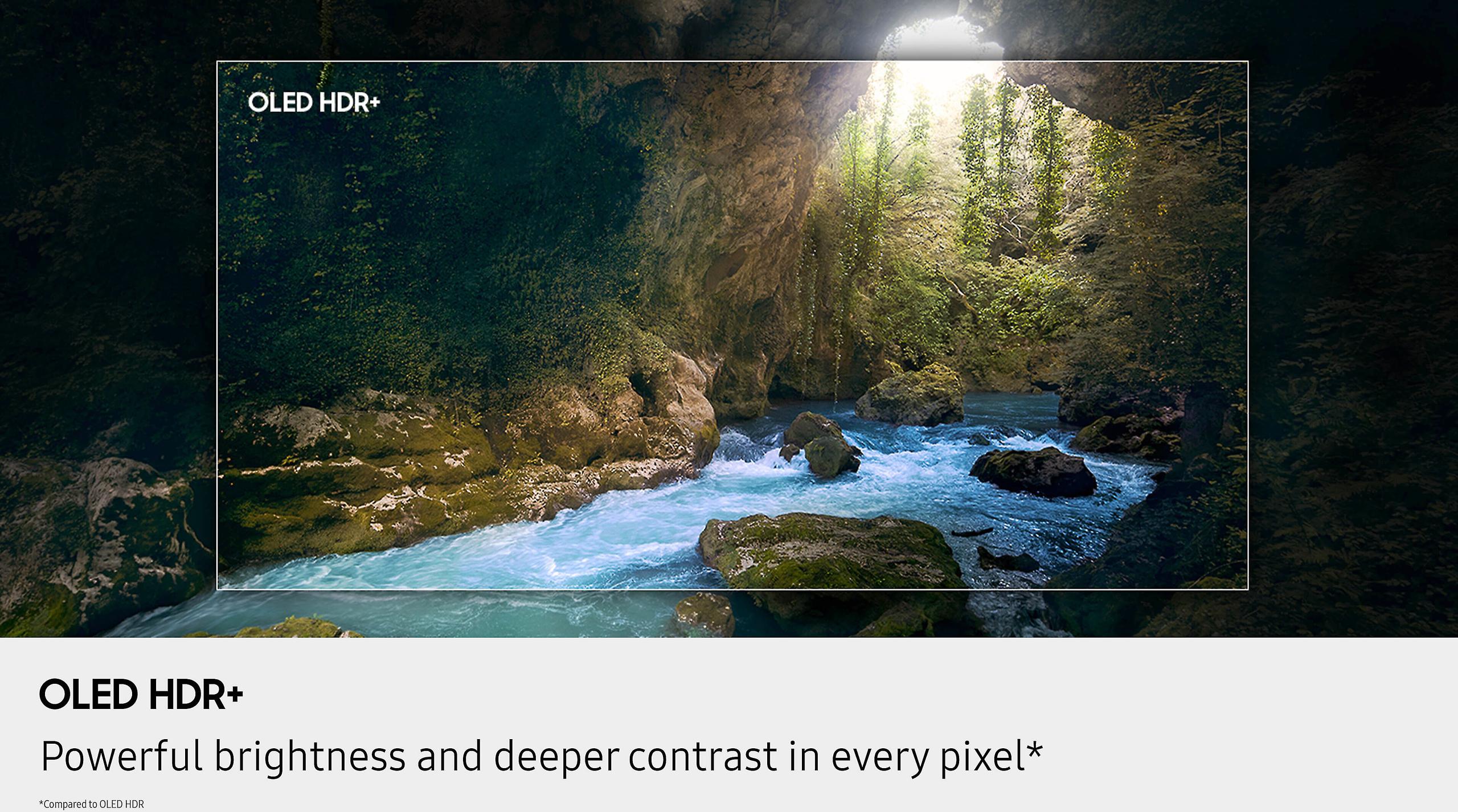
The Samsung S90F takes a different approach. It supports HDR10+ (Samsung's dynamic HDR format) but notably doesn't support Dolby Vision. This is frustrating because Dolby Vision is more widely used, and you're missing out on the best possible experience with a lot of content. However, where Samsung excels is in raw brightness. Those bright HDR highlights – think of sunlight streaming through a window or explosions in action movies – look significantly more impactful on the Samsung.
In my home theater setup, I've noticed the difference is content-dependent. For darker movies like "Dune" or "The Batman," both TVs perform excellently, but the LG's Dolby Vision support gives it a slight edge in shadow detail. For brighter content like sports or nature documentaries, the Samsung's extra brightness makes colors pop more dramatically.
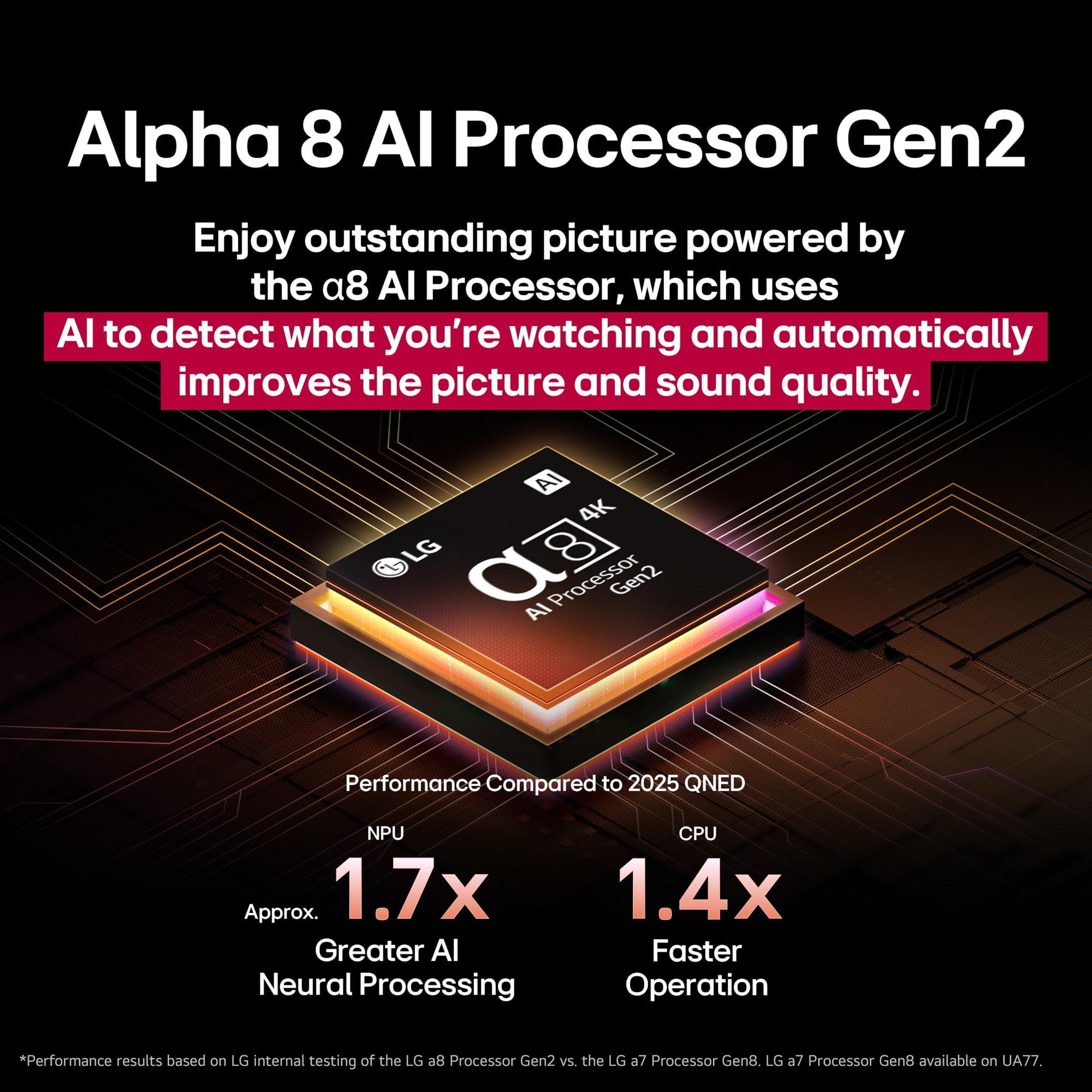
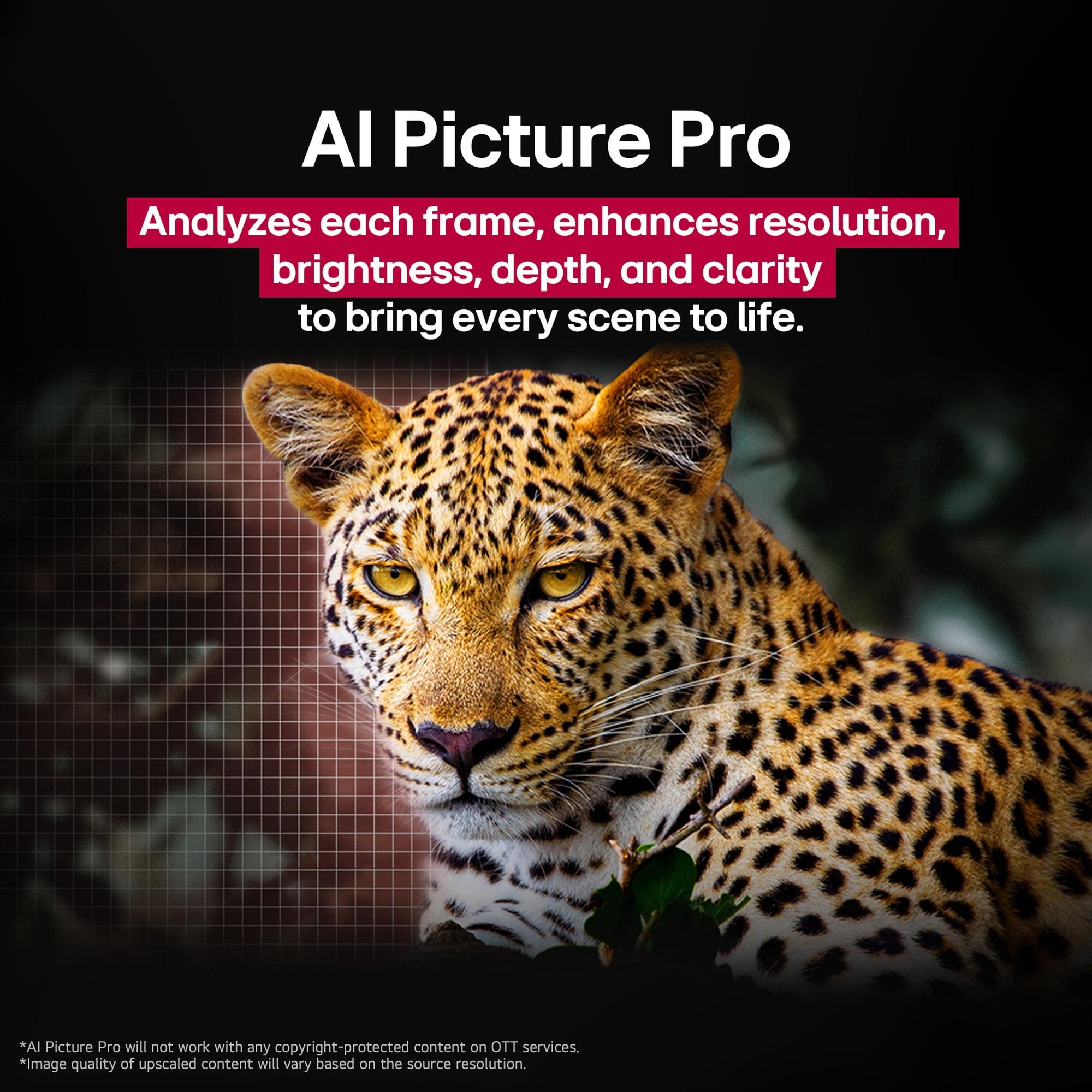
Both TVs use advanced AI processors, but they approach color differently. The LG B5's α8 AI Processor Gen2 is 1.4 times faster than the previous generation and focuses heavily on accuracy. It analyzes content in real-time and adjusts settings automatically, but it tends to be more conservative with color enhancement.
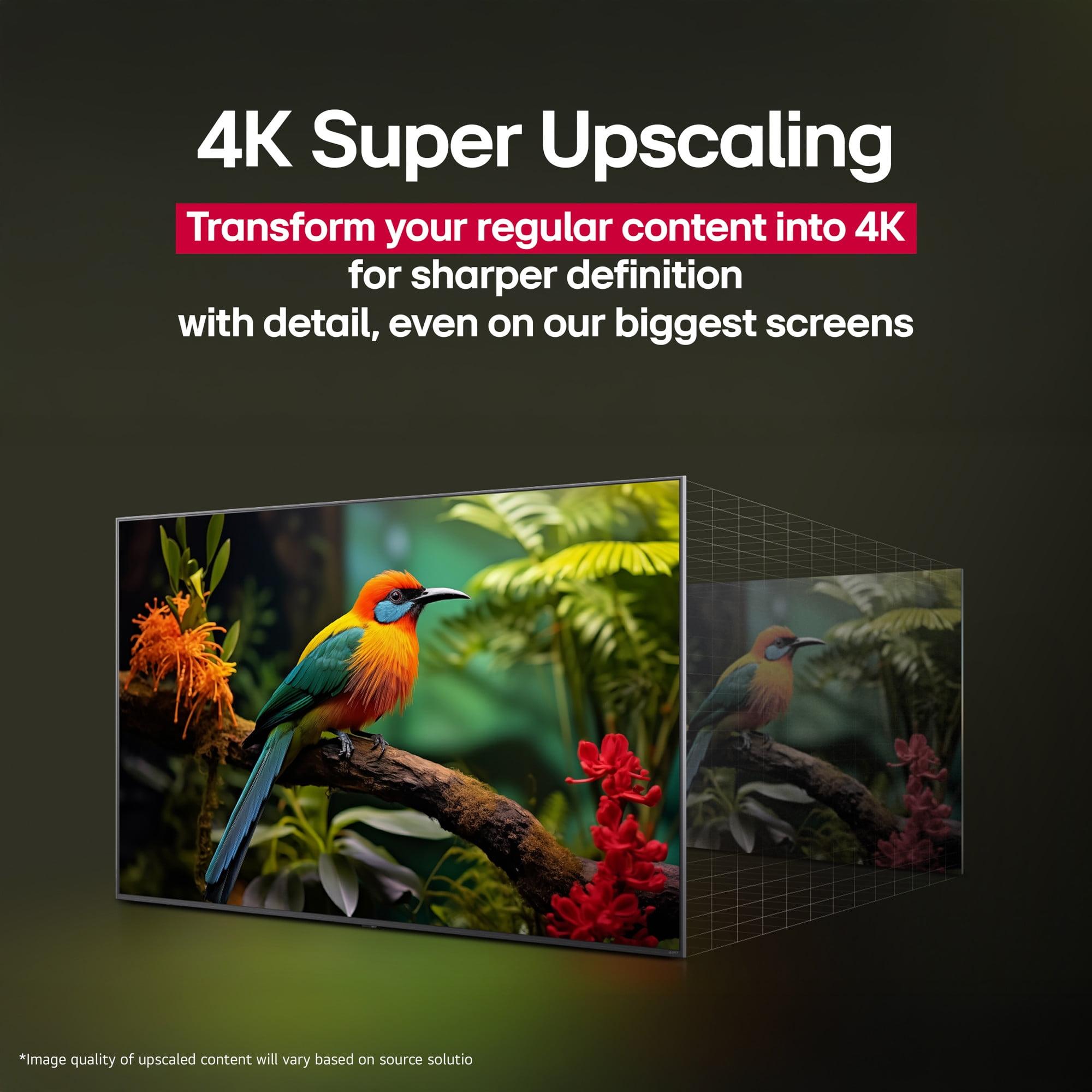
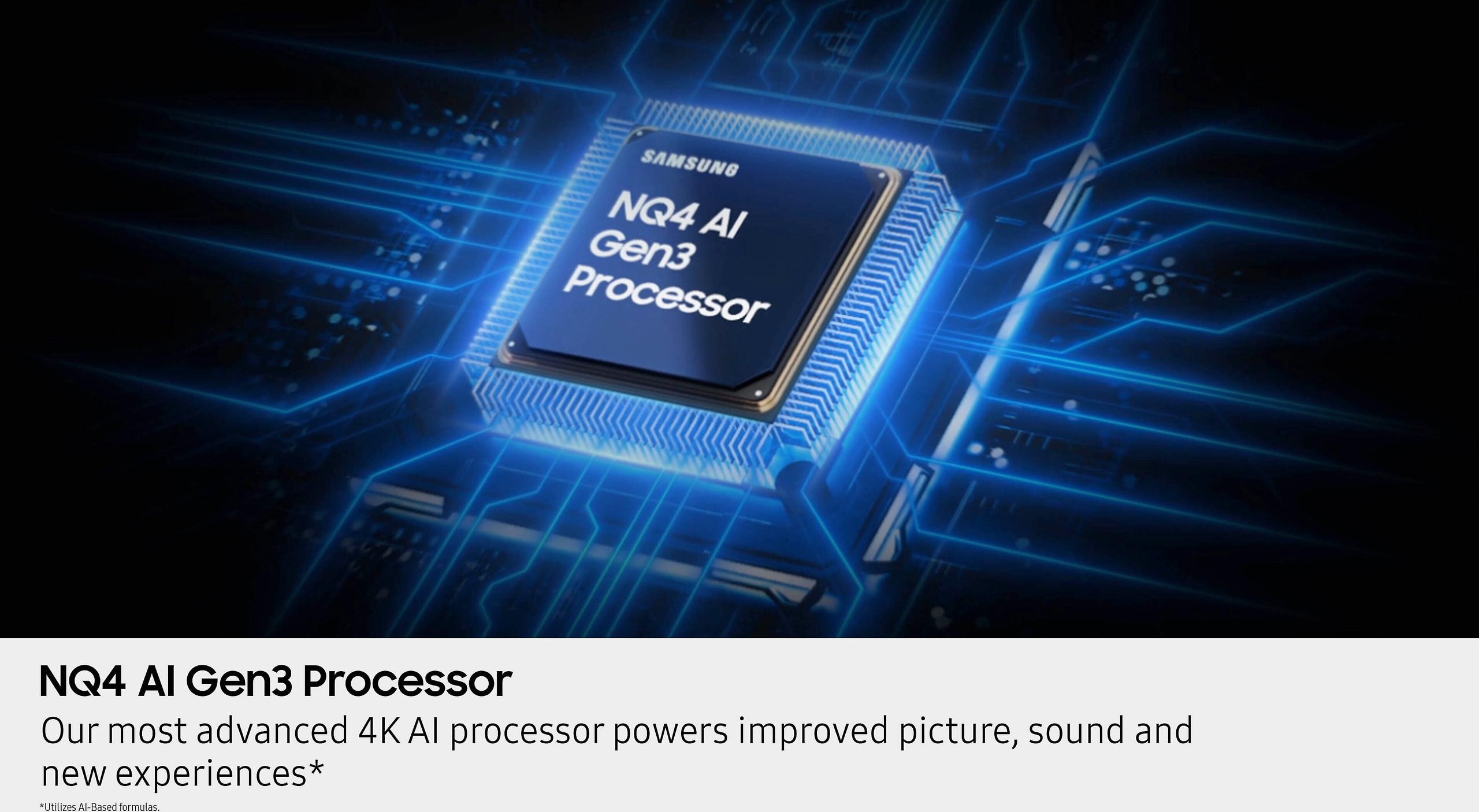
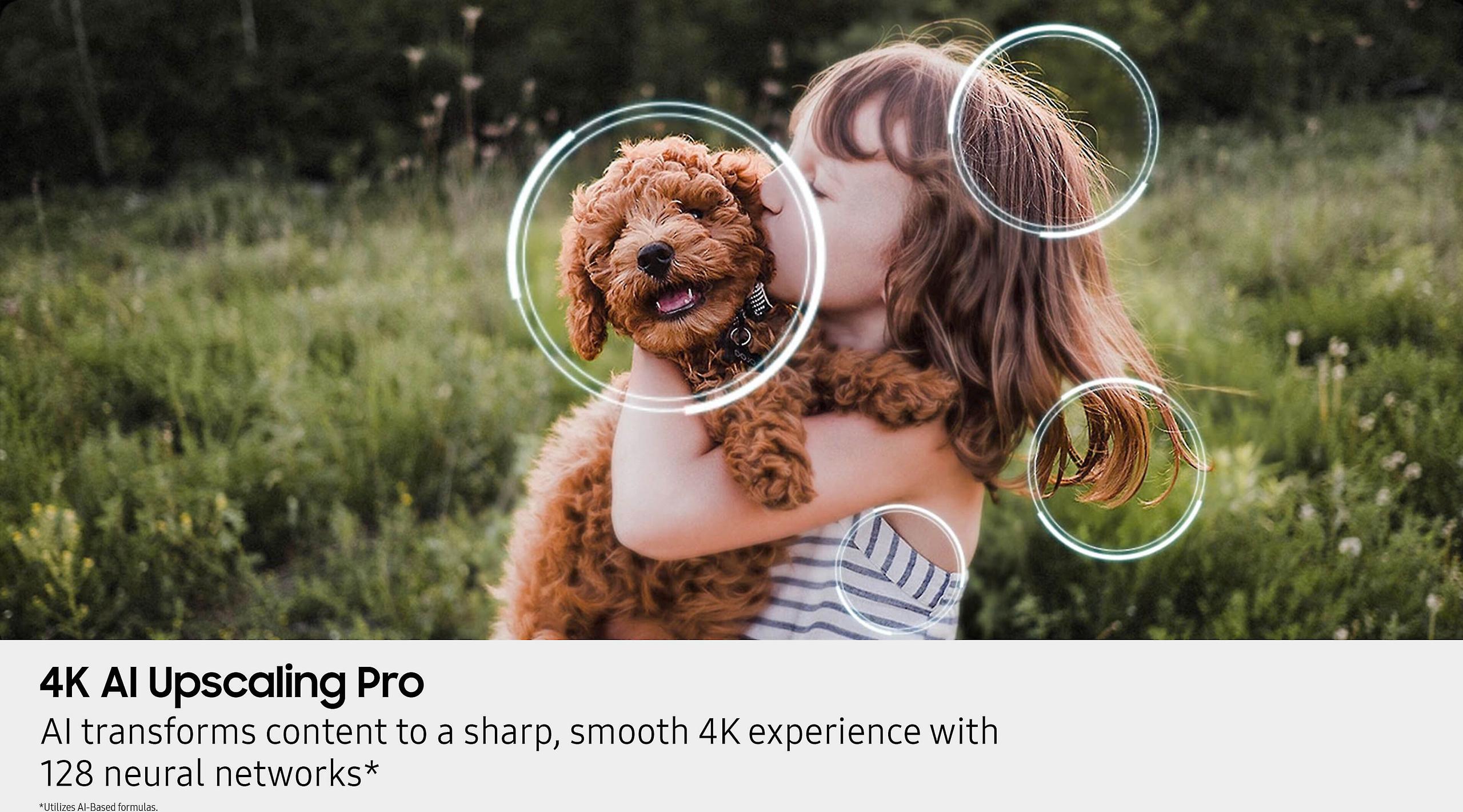
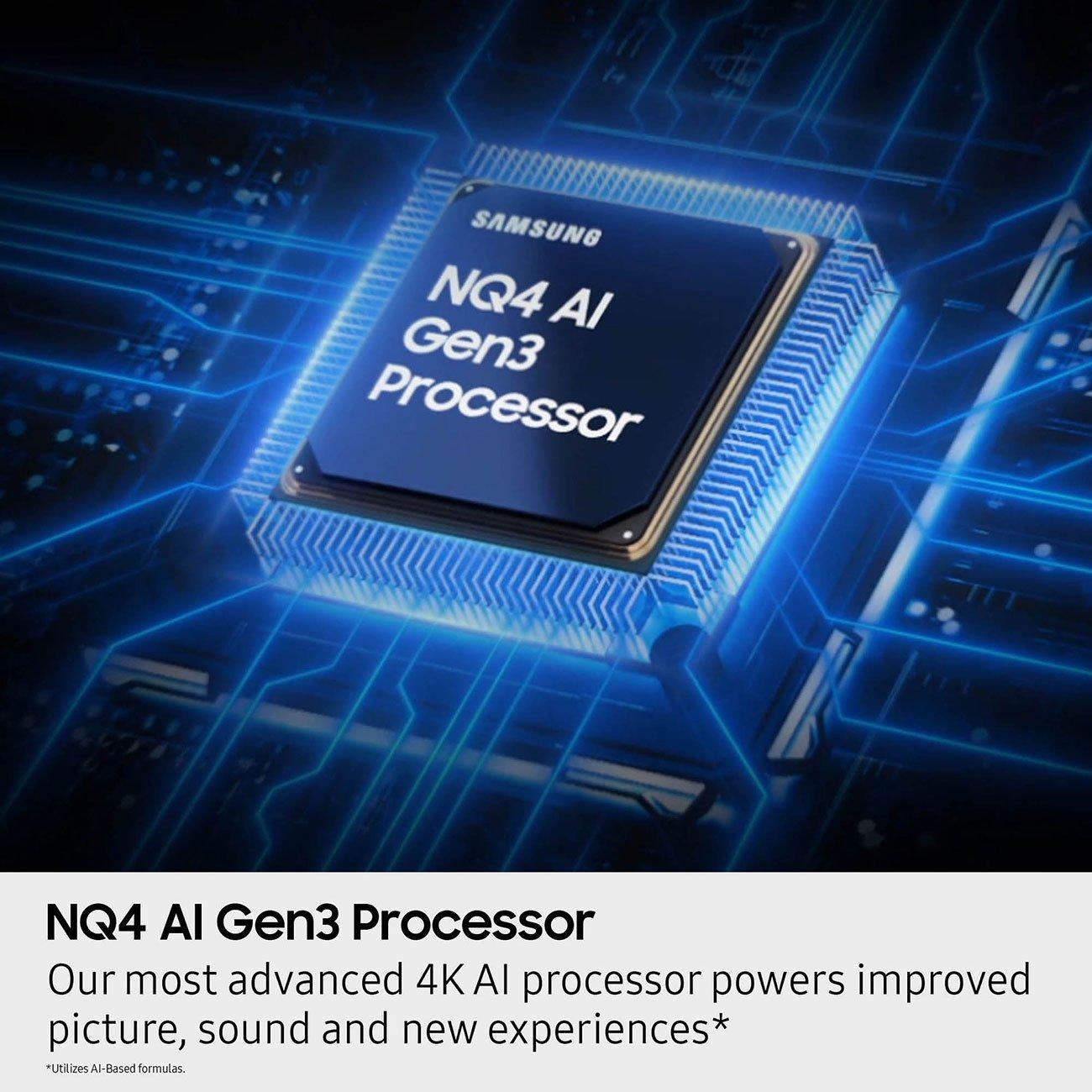
The Samsung S90F's NQ4 AI Gen3 processor is more aggressive with its processing. It includes 4K AI Upscaling Pro, which uses 128 neural networks to enhance lower-resolution content. When watching older TV shows or streaming content that isn't quite 4K, the Samsung's upscaling often produces sharper, more detailed results.
There's also a difference in how they handle gradients – those smooth transitions between colors you see in skies or walls. Some users report banding (visible steps between colors) on the LG, particularly in gray areas. The Samsung's QD-OLED technology handles these gradients more smoothly, though it's not a huge difference in everyday viewing.
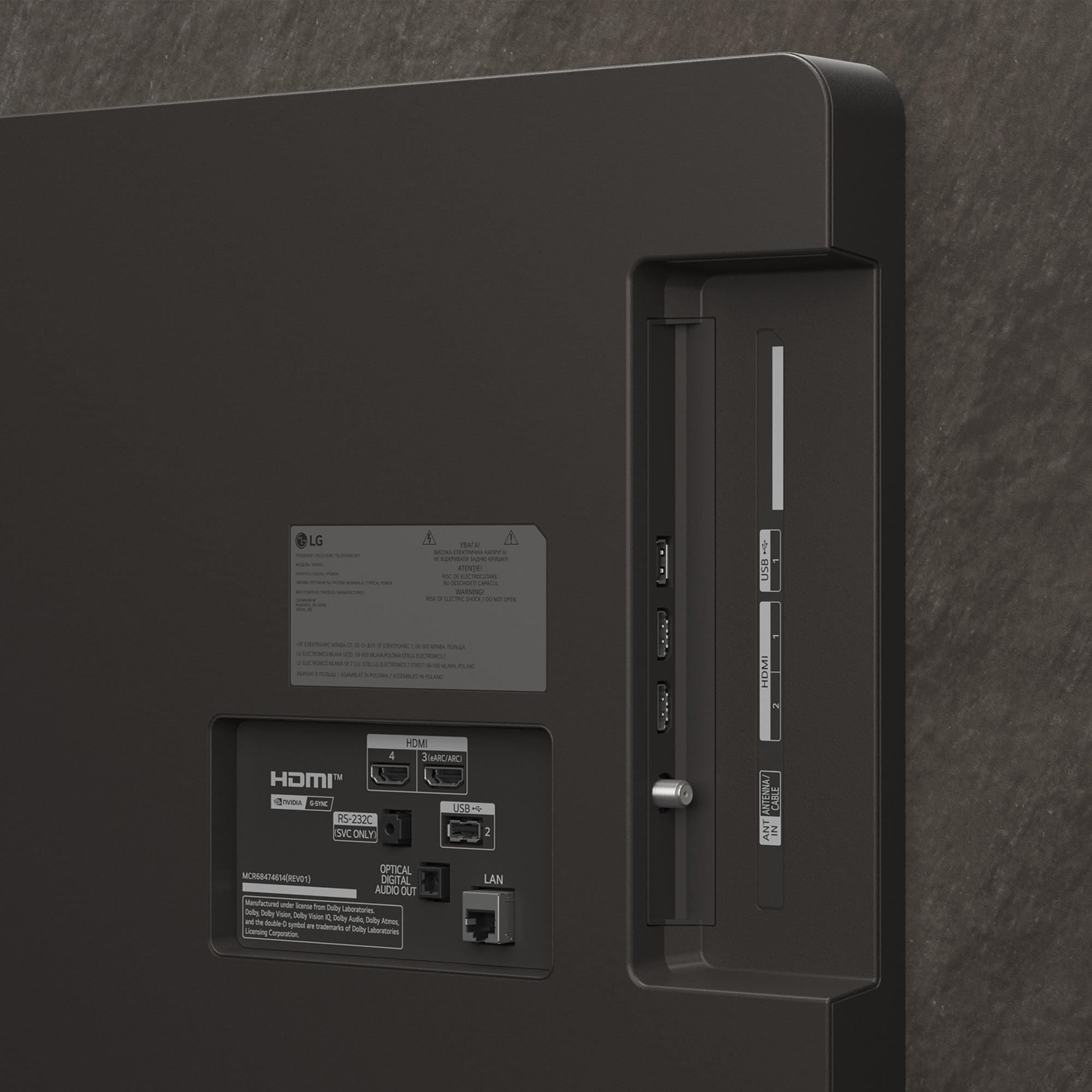
Both TVs are excellent for gaming, but they approach it differently. The LG B5 offers a comprehensive gaming package with its 120Hz native refresh rate, 0.1ms response time, and support for both NVIDIA G-Sync and AMD FreeSync Premium. It also includes VRR (Variable Refresh Rate) and ALLM (Auto Low Latency Mode), which automatically switches the TV to its lowest-lag game mode when it detects a gaming signal.
What I particularly appreciate about the LG is its Game Dashboard and Game Optimizer features. These give you quick access to all gaming settings without diving into complex menus. The TV also supports cloud gaming services like GeForce NOW and Xbox Game Pass Ultimate right out of the box, which is great if you want to game without a console.
The Samsung S90F counters with Motion Xcelerator 144Hz technology. While current gaming consoles (PlayStation 5 and Xbox Series X) are limited to 120Hz, this extra headroom could be useful for PC gaming or future consoles. More importantly, the Samsung's higher brightness in Game Mode makes it easier to see details in dark gaming scenes. If you've ever struggled to spot enemies hiding in shadows in games like "Call of Duty," the Samsung's brightness advantage is genuinely helpful.
Both TVs handle fast-paced gaming excellently, but I've found the Samsung's extra brightness makes competitive gaming more comfortable, especially in first-person shooters where visibility is crucial.
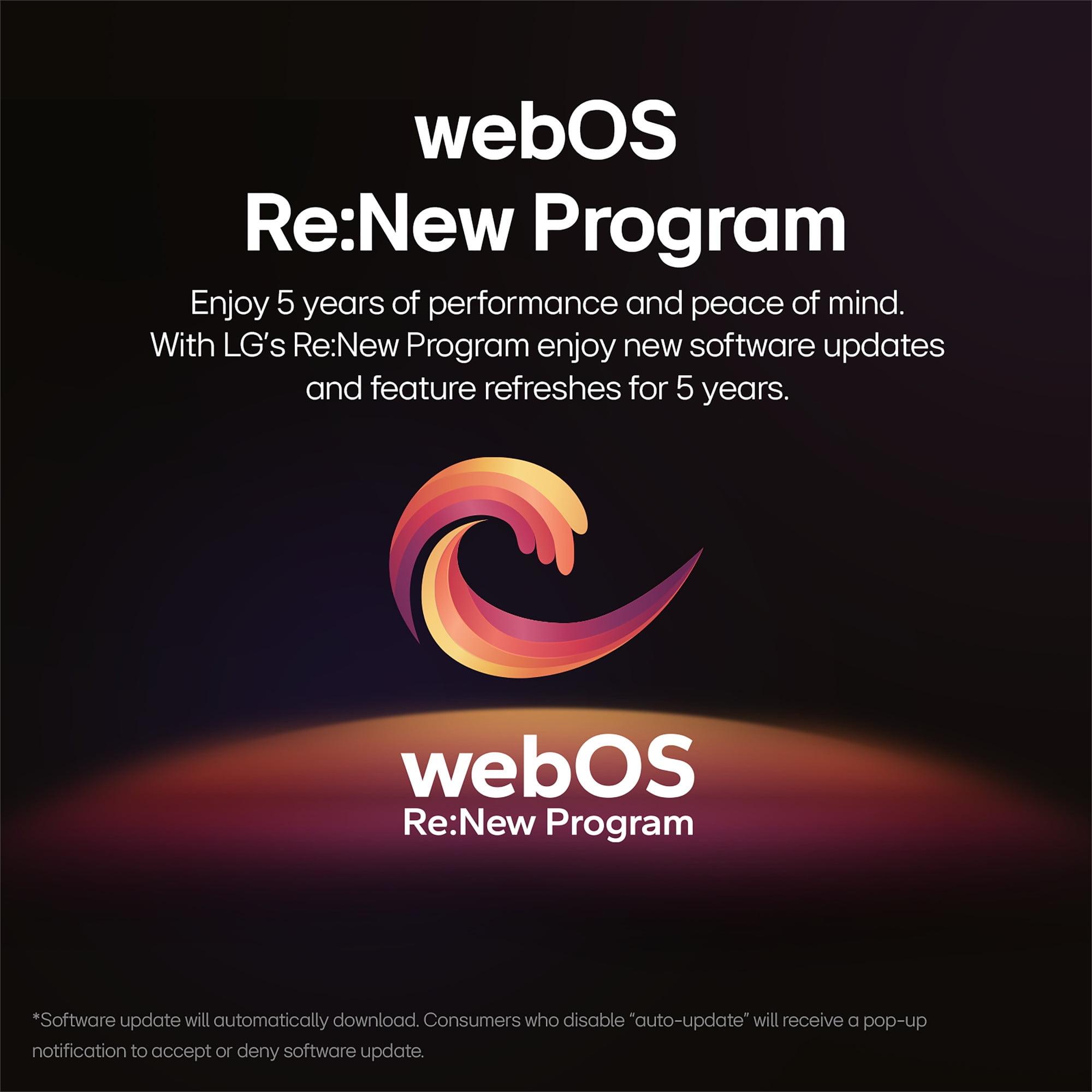
The smart TV experience is where personal preference really matters. The LG B5 runs webOS 25, which I find to be one of the most intuitive smart TV platforms available. The interface is clean, responsive, and easy to navigate. LG has also committed to providing five years of software updates, which means your TV will stay current with new apps and features longer than most competitors.
WebOS includes features like Quick Cards, which let you group related apps together, and LG Channels, giving you access to over 300 free streaming channels. The AI features are practical rather than flashy – the TV learns your preferences and adjusts picture and sound settings automatically.
The Samsung S90F runs Tizen OS with Samsung Vision AI. The AI features are more advanced and noticeable than LG's. For example, there's a Pet Care feature that can detect when your dog or cat is distressed and automatically play calming content. The 4K AI Upscaling Pro is also more aggressive, often producing noticeably sharper results with older content.
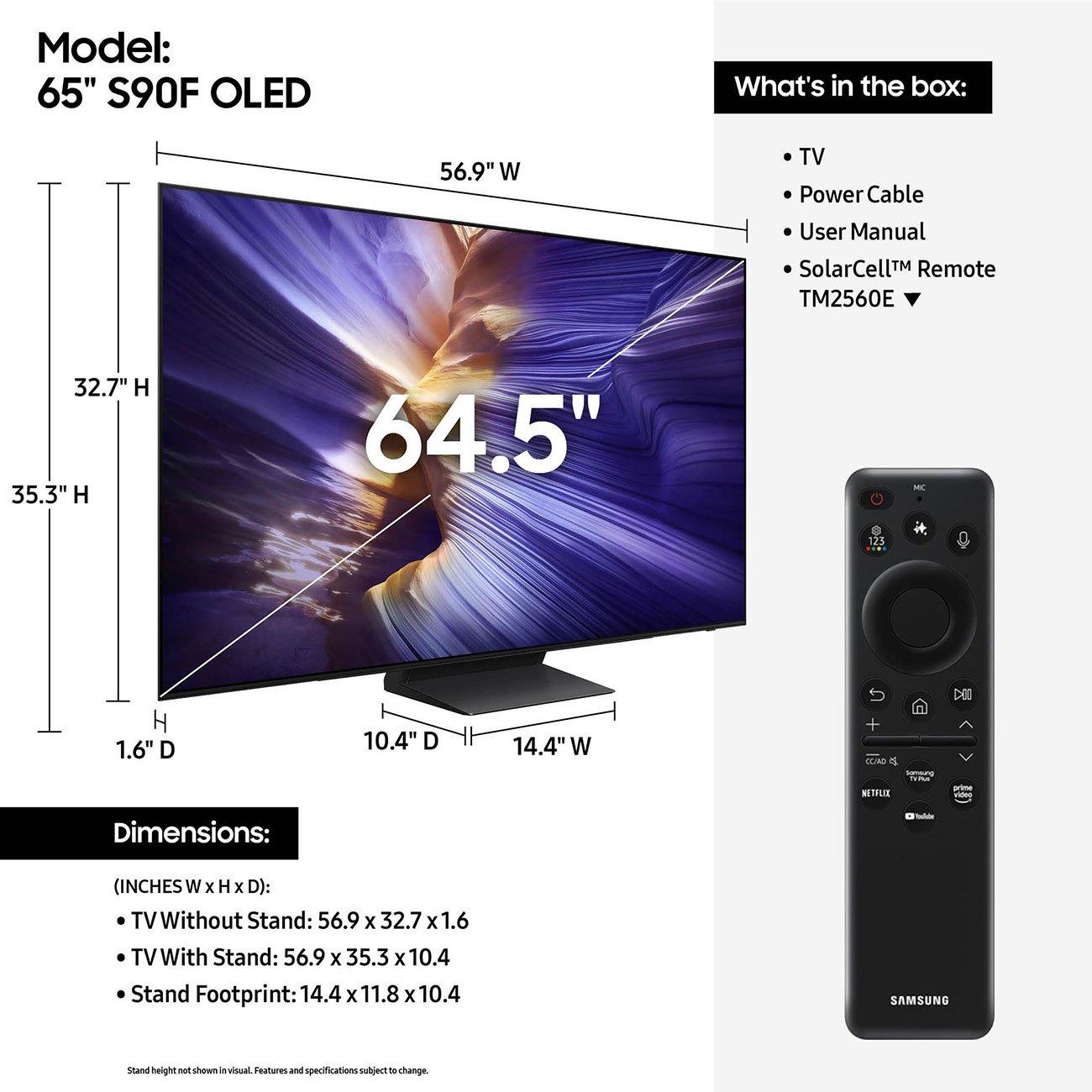
Samsung's remote control deserves special mention – it's solar-powered and has a sleek, futuristic design. However, I find Tizen's interface less intuitive than webOS, and Samsung hasn't made the same long-term software support commitments as LG.
Neither TV will blow you away with built-in audio, but both are competent for casual viewing. The LG B5 supports Dolby Atmos and includes AI sound optimization that adjusts audio based on content type. It also works seamlessly with LG's soundbars, with automatic setup and integrated controls.
The Samsung S90F features Adaptive Sound Pro, which optimizes audio based on both content and your room's acoustics. This is actually pretty clever – the TV uses its microphone to analyze how sound reflects in your space and adjusts accordingly. In my testing, this produces slightly better dialogue clarity and more balanced sound than the LG's built-in speakers.
For serious home theater use, you'll want to add a soundbar to either TV. Both support eARC (Enhanced Audio Return Channel) for high-quality audio passthrough to external sound systems.
If you're building a dedicated home theater, both TVs have strengths. The LG B5's Dolby Vision support and Filmmaker Mode make it excellent for movie watching. The perfect blacks really shine in a dark room, and the color accuracy ensures you're seeing movies as intended.
The Samsung S90F's higher brightness might seem like a disadvantage in a dark theater room, but it actually helps with HDR content. Those bright highlights in movies – like explosions or sunlight – have more impact. The wider color gamut also makes animated movies particularly stunning.
Both TVs have excellent viewing angles, so they work well even if your seating arrangement isn't perfectly centered. However, the Samsung's slightly elevated blacks in bright rooms mean it's better suited for multipurpose rooms where you might have some ambient lighting.
At $1,699.99, the LG B5 offers exceptional value for anyone entering the OLED world. You're getting excellent picture quality, comprehensive gaming features, and a user-friendly smart platform with long-term software support. It's particularly good value for movie lovers who want Dolby Vision support.
The Samsung S90F at $1,797.99 costs about $100 more, but you're paying for cutting-edge QD-OLED technology. The extra brightness and color volume make it worth the premium if you watch a lot of content in bright rooms or want the most vivid colors possible.
Choose the LG B5 if you prioritize value, want the best movie-watching experience with Dolby Vision support, or prefer a proven smart platform with long-term updates. It's also the better choice if you have a darker viewing environment where its perfect blacks will really shine.
Choose the Samsung S90F if you watch TV in bright rooms, want the most vivid colors possible, or are willing to pay extra for the latest QD-OLED technology. It's also better for competitive gaming thanks to its higher brightness in Game Mode.
Both are excellent TVs that will deliver years of enjoyment. The LG represents the refined evolution of OLED technology, while the Samsung shows us the future with its innovative QD-OLED approach. Your choice ultimately depends on your viewing environment, content preferences, and whether you value cutting-edge technology or proven reliability more.
| LG B5 Series OLED 65" 4K Smart TV 2025 | Samsung 65" S90F OLED 4K Vision AI Smart TV 2025 |
|---|---|
| Price - Entry point into premium OLED technology | |
| $1,699.99 | $1,797.99 |
| Panel Technology - Affects brightness, color vibrancy, and viewing experience | |
| WOLED (White OLED) - Perfect blacks, accurate colors, lower peak brightness | QD-OLED (Quantum Dot OLED) - Higher brightness, wider color gamut, slightly elevated blacks in bright rooms |
| HDR Support - Critical for streaming and 4K Blu-ray content | |
| Dolby Vision, HDR10 Pro, HLG (supports most premium content) | HDR10+ only (no Dolby Vision support limits streaming quality) |
| Gaming Refresh Rate - Important for PC gaming and future consoles | |
| 120Hz native (matches current PlayStation 5/Xbox Series X) | 144Hz support (future-proofs for higher refresh gaming) |
| Peak Brightness - Determines HDR impact and daytime viewing quality | |
| Lower brightness, better for dark rooms | 30-40% brighter, excellent for bright rooms and HDR highlights |
| Smart Platform - Affects daily usability and long-term software support | |
| webOS 25 with 5-year update guarantee | Tizen OS with advanced AI features but no long-term support commitment |
| Gaming Features - Essential for console and PC gaming | |
| G-Sync, FreeSync Premium, VRR, ALLM, Game Dashboard, cloud gaming apps | VRR, ALLM, enhanced Game Mode brightness, 144Hz support |
| AI Processing - Impacts upscaling quality and automatic optimizations | |
| α8 AI Processor Gen2 (1.4x faster than previous gen) | NQ4 AI Gen3 with 4K AI Upscaling Pro (128 neural networks) |
| Color Performance - Affects movie watching and content accuracy | |
| Excellent accuracy, some banding in gradients | Wider color gamut, more vibrant colors, better gradient handling |
| Best Use Case - Who should buy each model | |
| Movie lovers, budget-conscious buyers, dark room viewing | Bright room viewing, color enthusiasts, cutting-edge tech adopters |
The LG B5 Series OLED 65" 4K Smart TV 2025 at $1,699.99 offers better value for most buyers. It provides excellent OLED picture quality, Dolby Vision support, and comprehensive gaming features at a lower price point. The Samsung 65" S90F OLED 4K Vision AI Smart TV 2025 at $1,797.99 costs $100 more but delivers superior brightness and color vibrancy with its QD-OLED technology.
The key difference is panel technology. The LG B5 uses WOLED for perfect blacks and accurate colors, while the Samsung S90F uses QD-OLED for significantly brighter images and more vibrant colors. The Samsung is 30-40% brighter in HDR scenes, making it better for bright rooms, while the LG delivers truer blacks in dark environments.
Both TVs excel at gaming, but they have different strengths. The LG B5 offers 120Hz refresh rate, G-Sync, FreeSync Premium, and integrated cloud gaming apps. The Samsung S90F provides 144Hz support and higher brightness in Game Mode for better visibility in dark scenes. Current consoles max out at 120Hz, so the Samsung's extra refresh rate mainly benefits PC gaming.
No, only the LG B5 supports Dolby Vision, which is found on Netflix, Disney+, Apple TV+, and most 4K Blu-rays. The Samsung S90F only supports HDR10+, meaning you'll miss out on the best possible picture quality with Dolby Vision content. This is a significant advantage for the LG if you watch a lot of streaming content.
The Samsung S90F gets significantly brighter thanks to its QD-OLED technology, making it much better for bright rooms and daytime viewing. The LG B5 has lower peak brightness, which is fine for dark or dimly lit rooms but may struggle with HDR impact in bright environments.
The LG B5 runs webOS 25, which is more intuitive and user-friendly, plus LG guarantees 5 years of software updates. The Samsung S90F uses Tizen OS with more advanced AI features like Pet Care and superior upscaling, but Samsung doesn't offer the same long-term software support commitment.
For dedicated home theaters, the LG B5 is often preferred due to its perfect blacks, Dolby Vision support, and Filmmaker Mode for accurate movie reproduction. However, the Samsung S90F can be better for home theaters that aren't completely dark, as its higher brightness makes HDR highlights more impactful in movies.
The Samsung S90F lacks Dolby Vision support, which is a significant omission for streaming content. The LG B5 doesn't have the extra brightness and color volume of QD-OLED technology. Both TVs include all other essential features like 4K, HDR, gaming modes, and smart TV functionality.
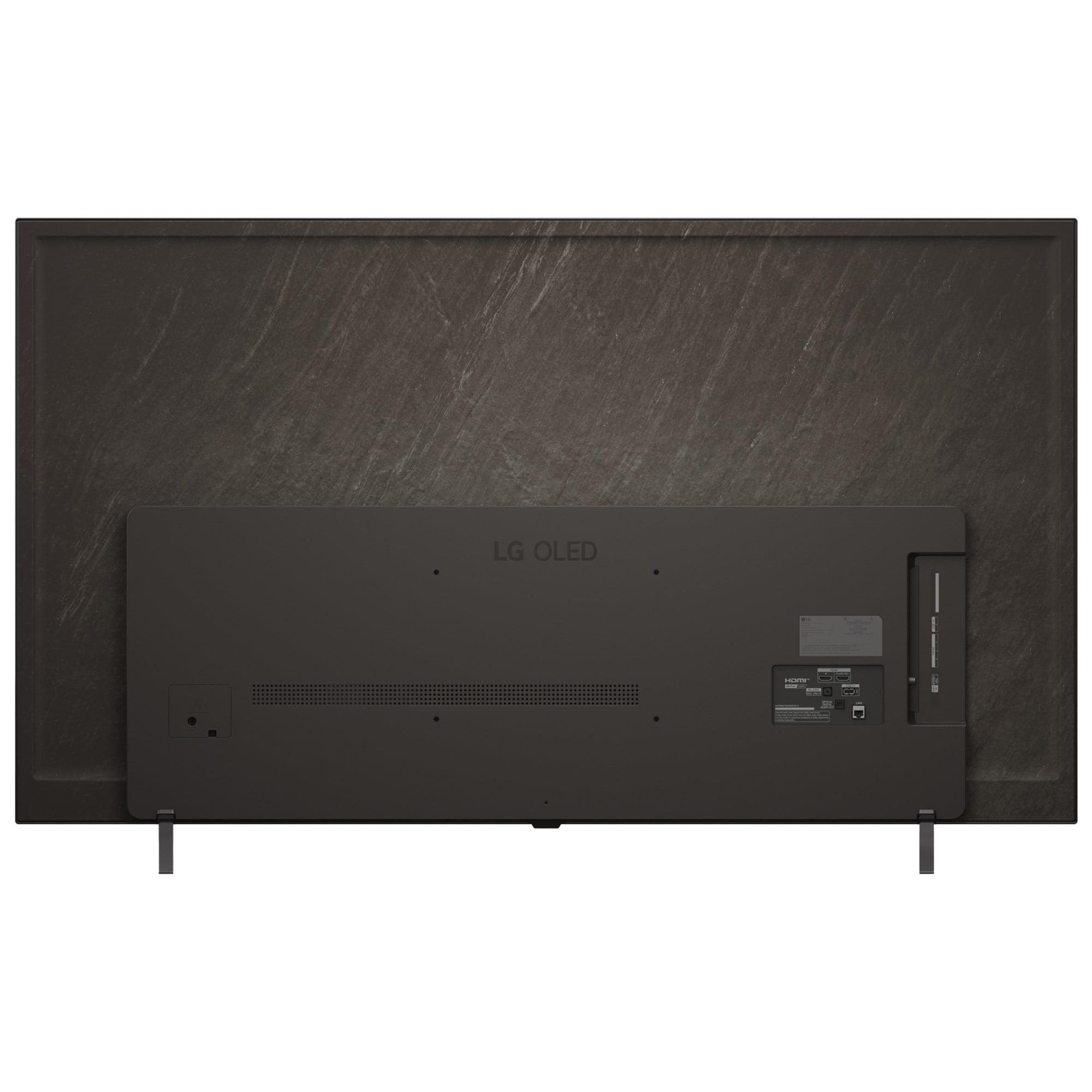
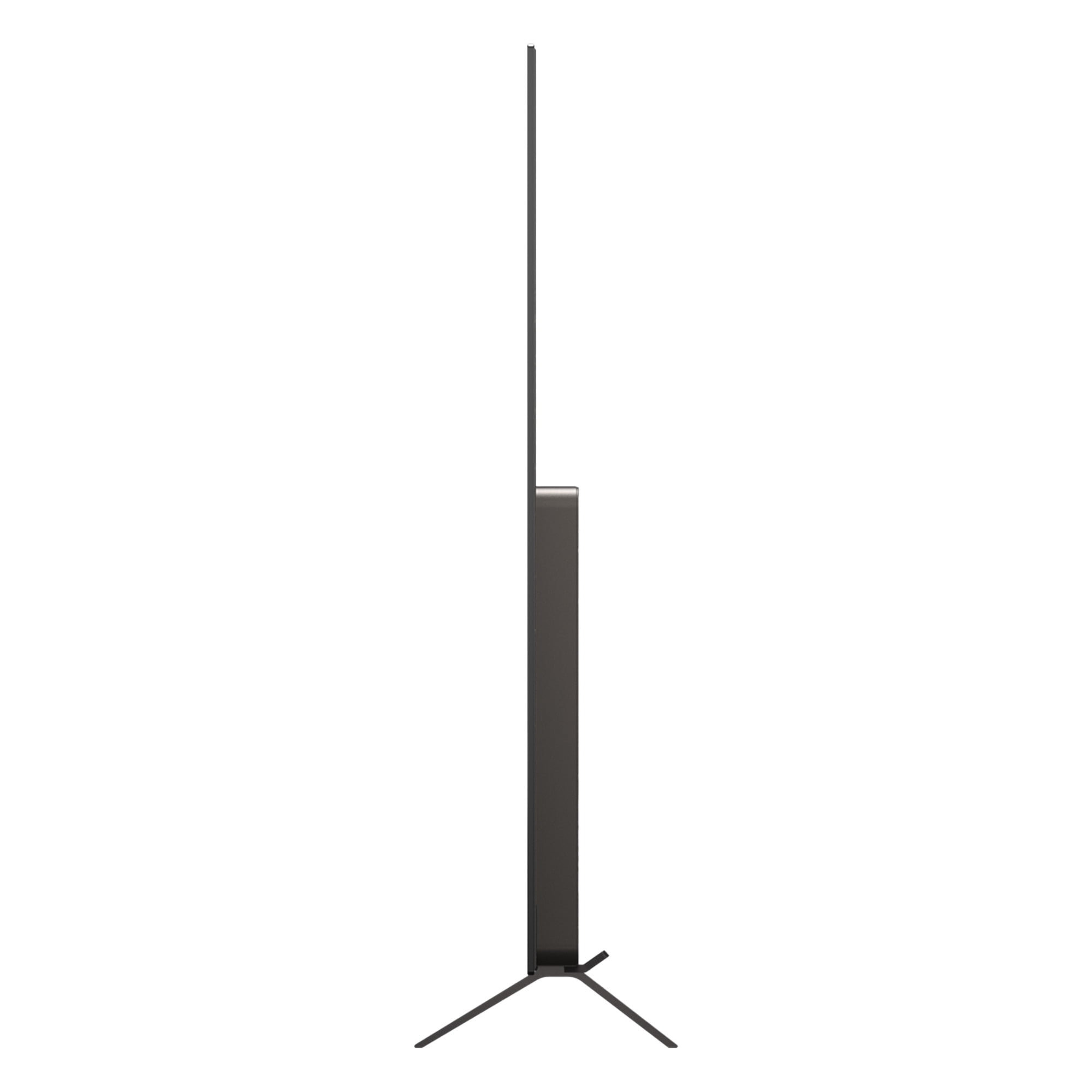
Both TVs feature premium OLED construction with minimal bezels. The Samsung S90F has a slightly more futuristic design with a solar-powered remote control. The LG B5 offers a more traditional, minimalist design with good cable management. Build quality is excellent on both models.
The Samsung S90F is generally better for sports due to its higher brightness and more vibrant colors, which make daytime games more enjoyable. Both TVs handle fast motion well, but the Samsung's extra brightness helps with visibility during bright outdoor sports scenes. The LG B5 is still excellent for sports, especially in darker viewing environments.
The LG B5 may have better long-term value due to LG's 5-year software update guarantee and mature WOLED technology. The Samsung S90F features newer QD-OLED technology that may maintain relevance longer, but without guaranteed software support. Both use premium OLED panels that should last many years with proper care.
For your first OLED TV, the LG B5 is typically the better choice due to its lower price, Dolby Vision support, user-friendly interface, and guaranteed long-term updates. Choose the Samsung S90F only if you specifically need the extra brightness for a bright room or want the most vibrant colors possible and can live without Dolby Vision.
We've done our best to create useful and informative comparisons to help you decide what product to buy. Our research uses advanced automated methods to create this comparison and perfection is not possible - please contact us for corrections or questions. These are the sites we've researched in the creation of this article: eftm.com - bestbuy.com - rtings.com - youtube.com - rtings.com - tomsguide.com - youtube.com - nationalproductreview.com.au - lg.com - manchesterbrothers.com - avsforum.com - lg.com - lg.com - lg.com - lg.com - retailspecs.com - american-homeappliance.com - perpichtv.com - youtube.com - t3.com - rtings.com - bestbuy.com - stereonet.com - samsung.com - bestbuy.com - flatpanelshd.com - myallsouth.com - pcrichard.com - samsung.com - bestbuy.com - samsung.com - samsung.com - samsung.com

Privacy Policy
Terms and Conditions - Affiliate Policy
Home Security
© Copyright 2008-2026.
11816 Inwood Rd #1211, Dallas, TX 75244