

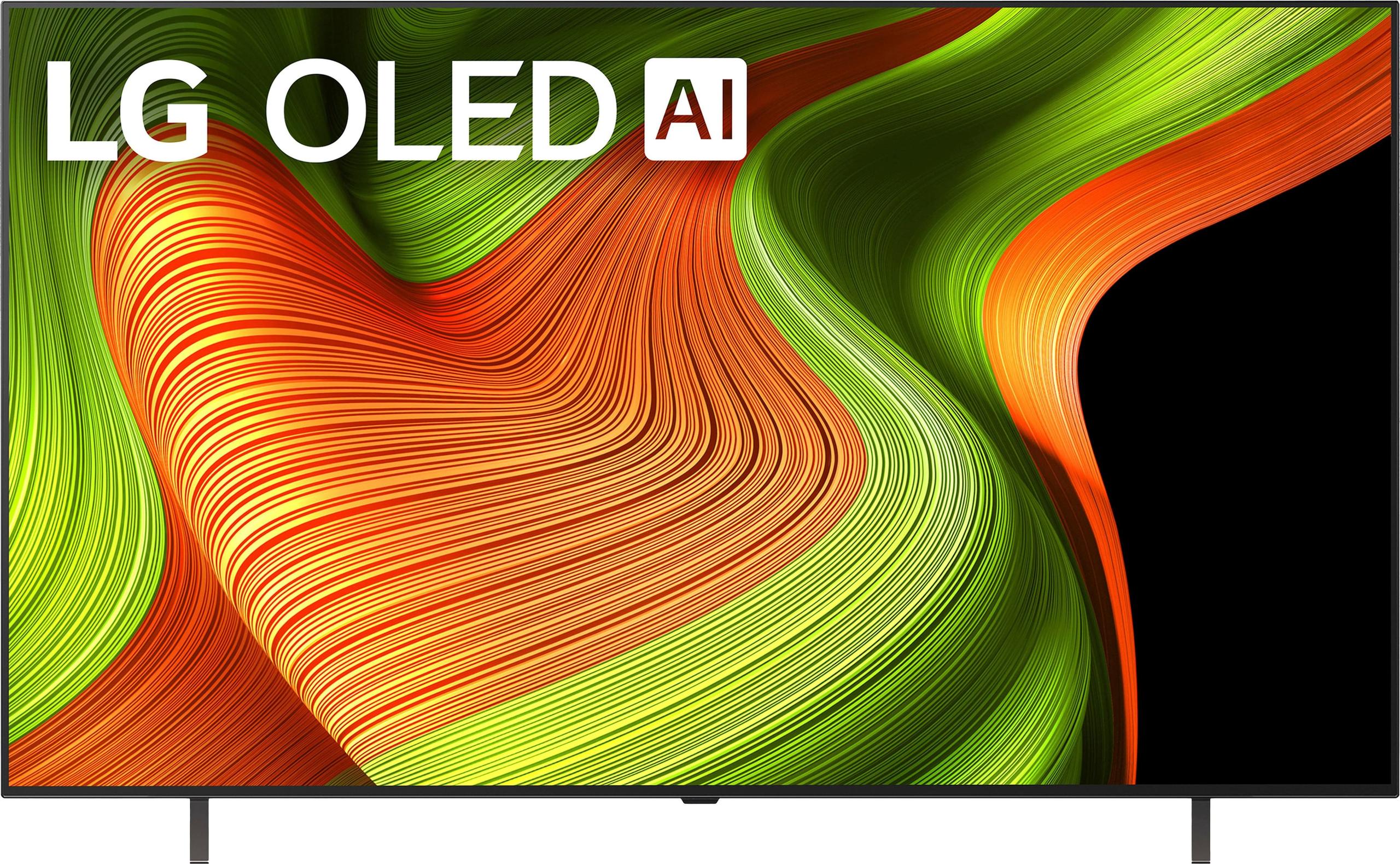
![LG B5 Series OLED 65" 4K Smart TV 2025[1][7][9]](https://images.hometheaterreview.com/htr-stateless/2025/07/3368ce40-25ef-4d07-b442-bb0af89e3a29.jpg)
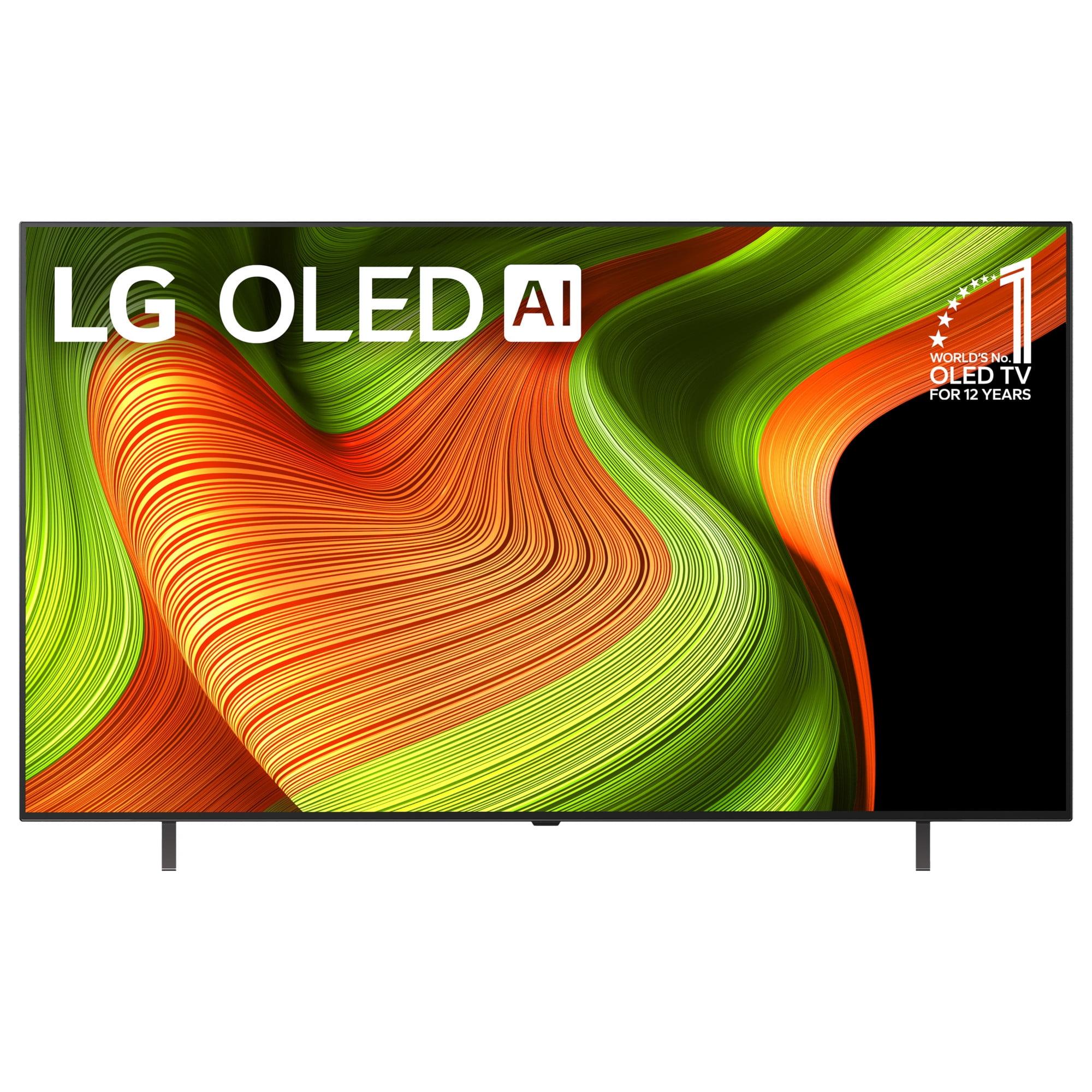
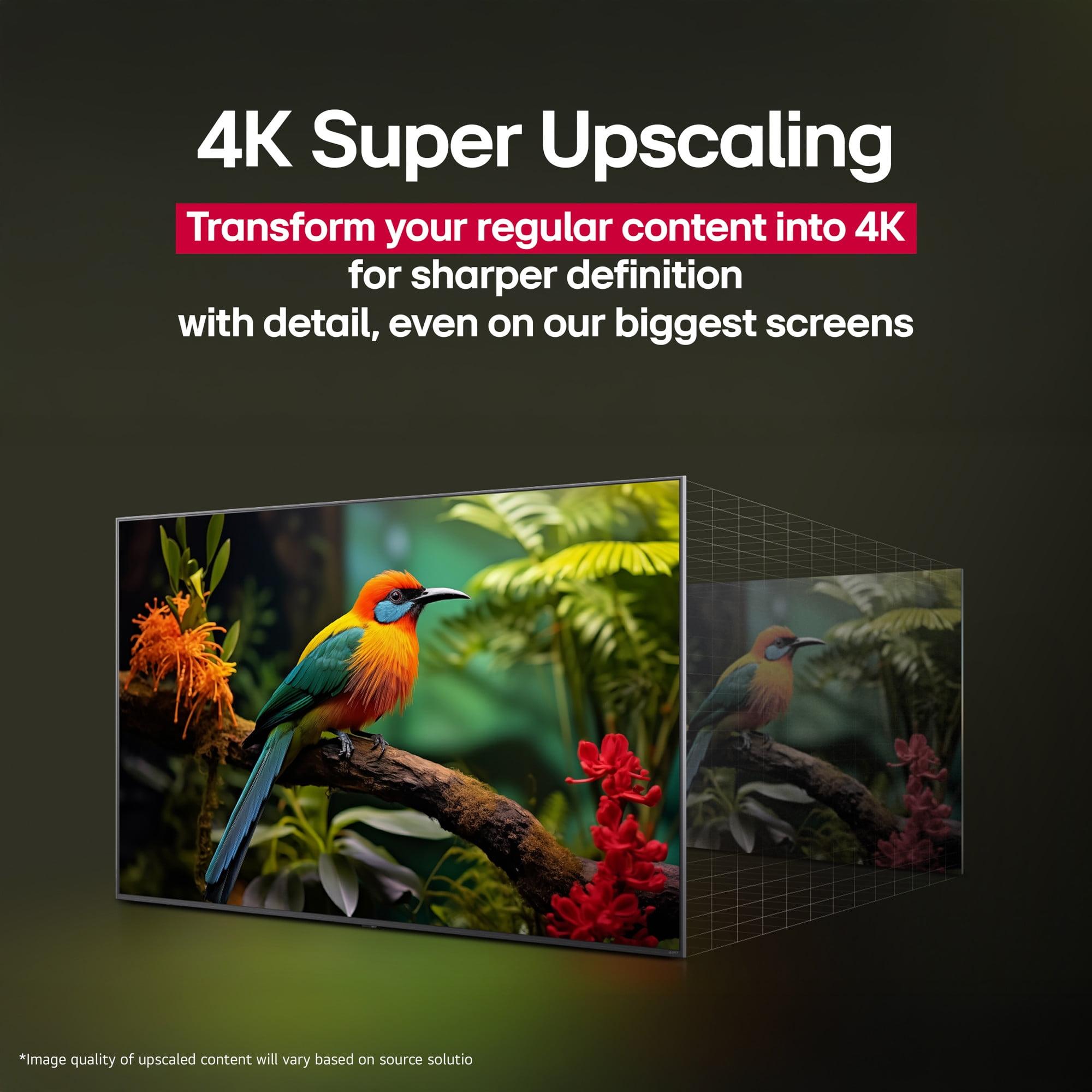
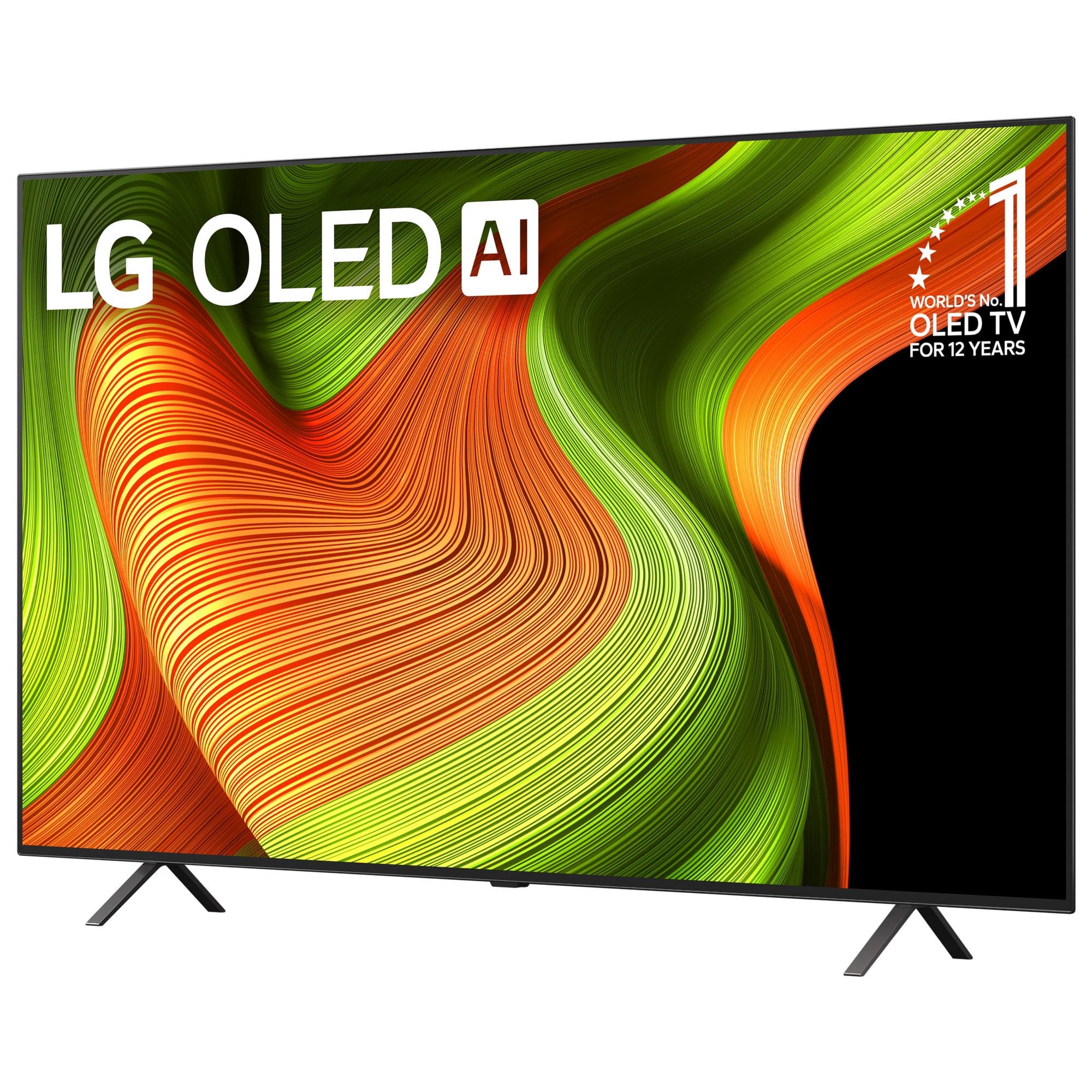
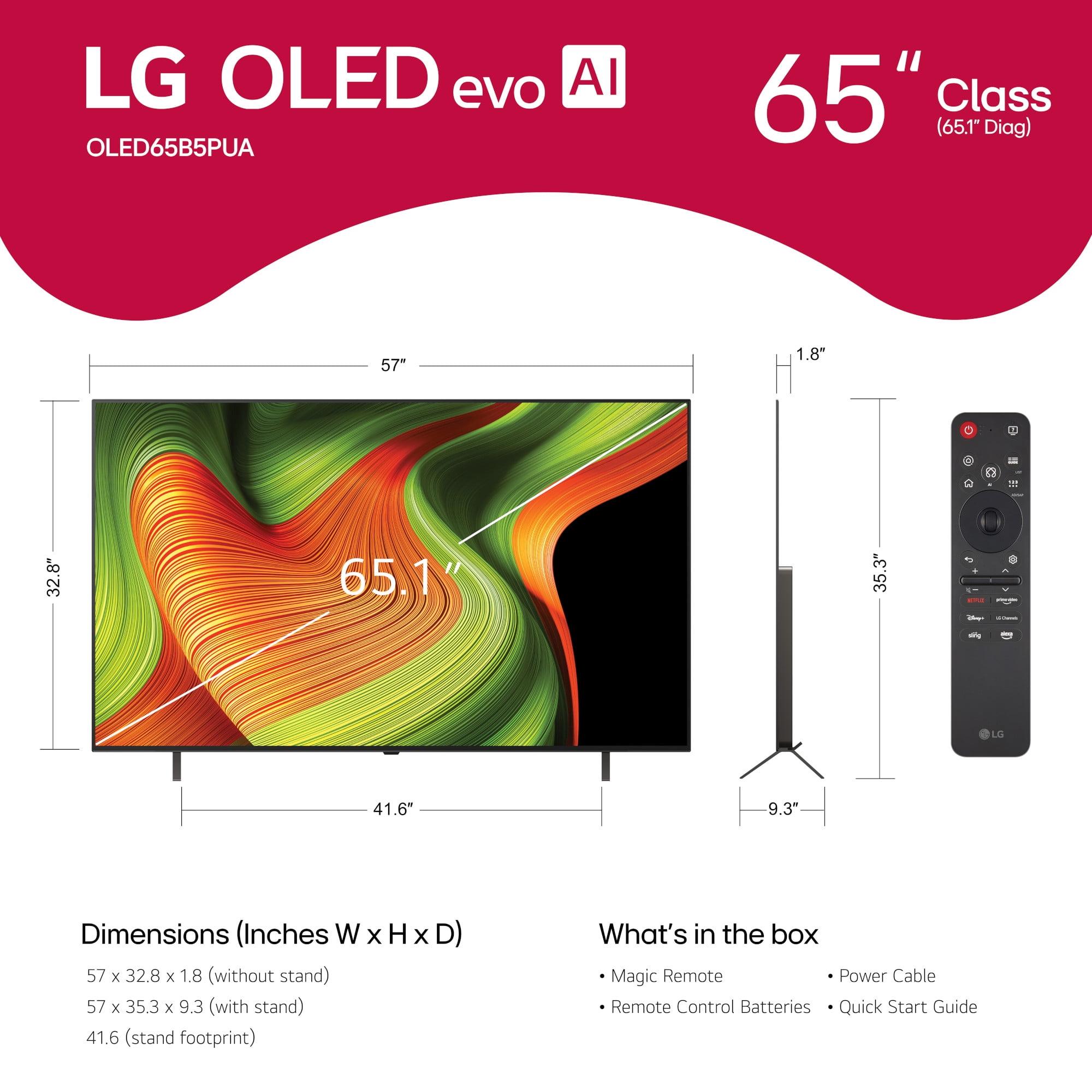
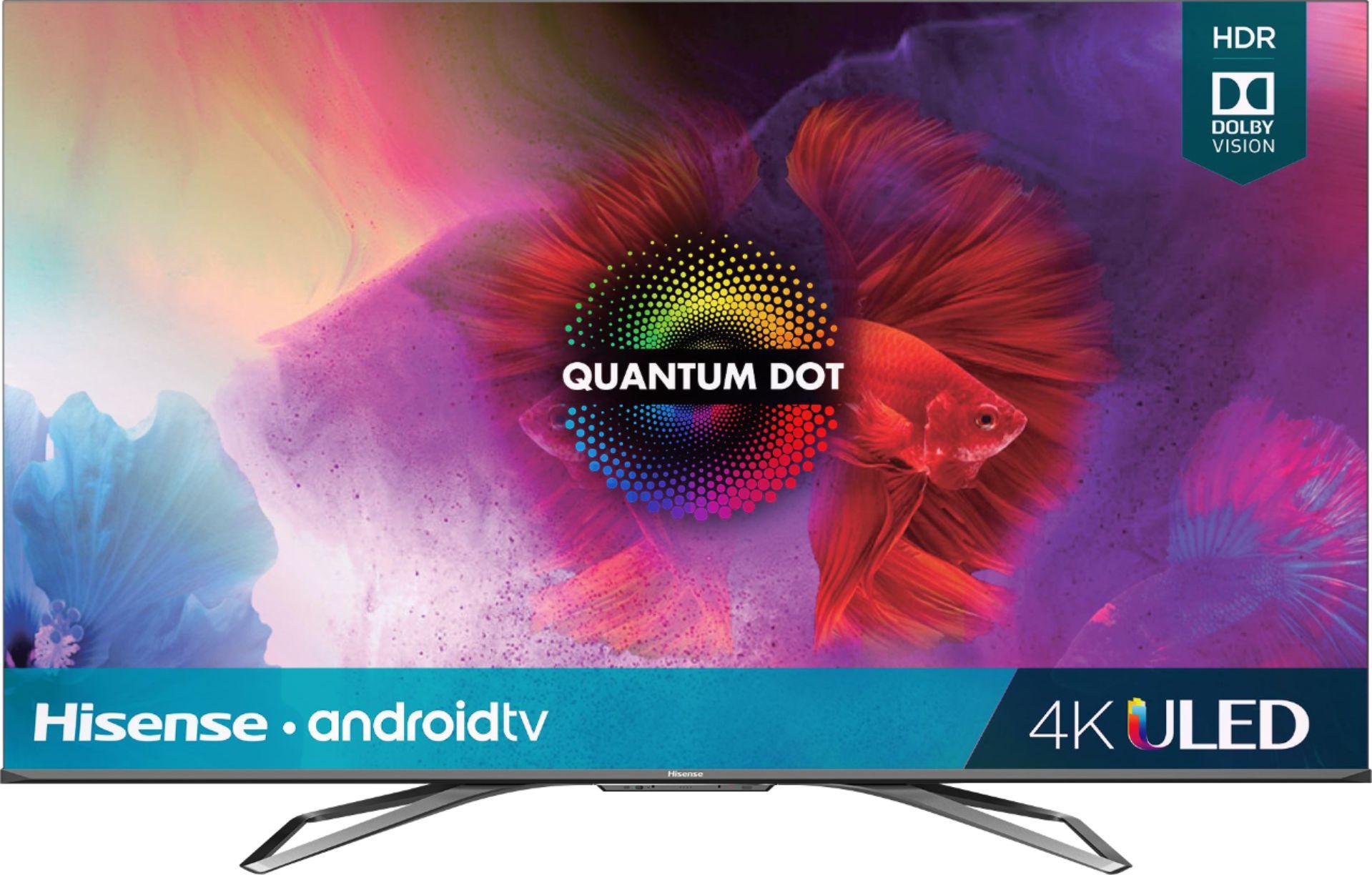
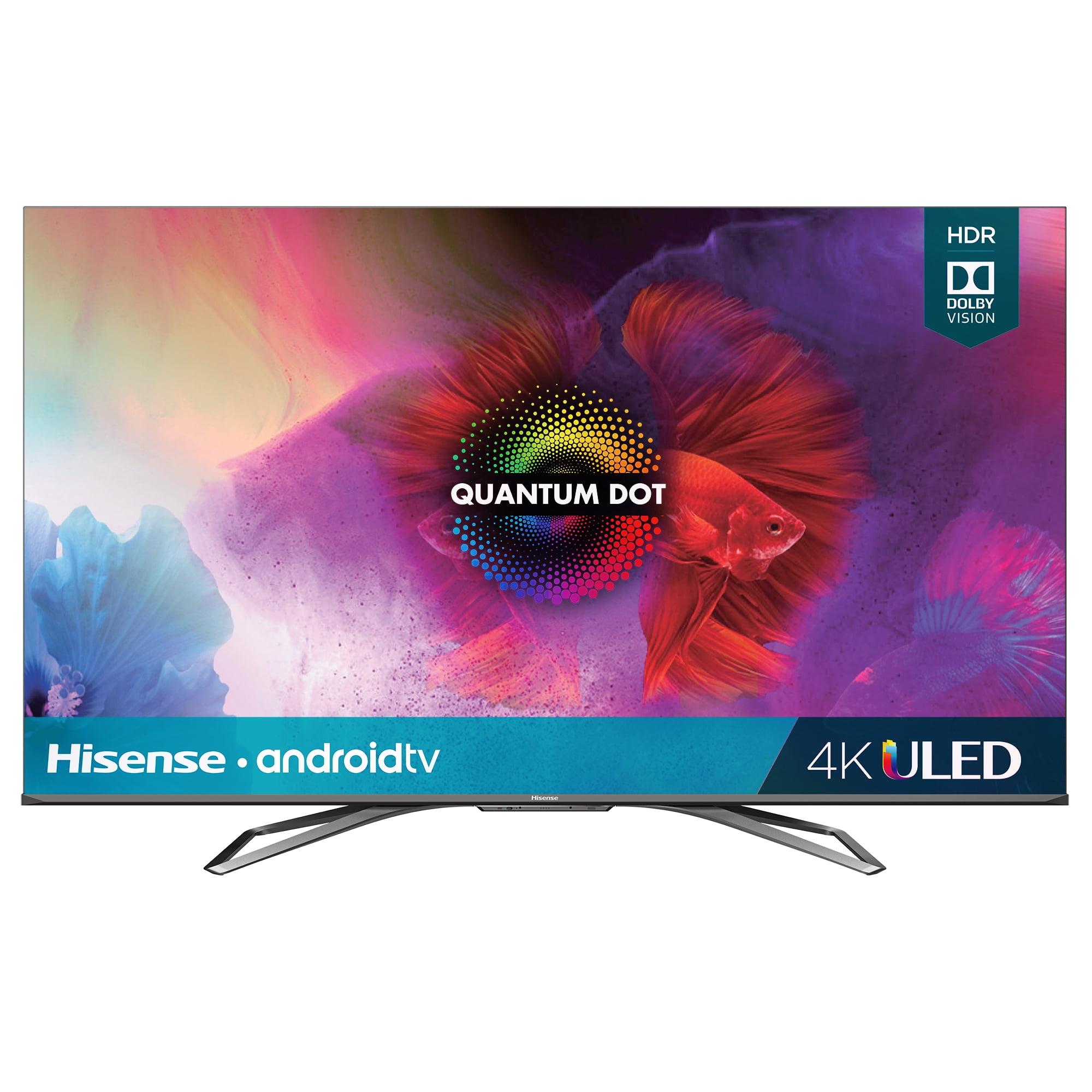
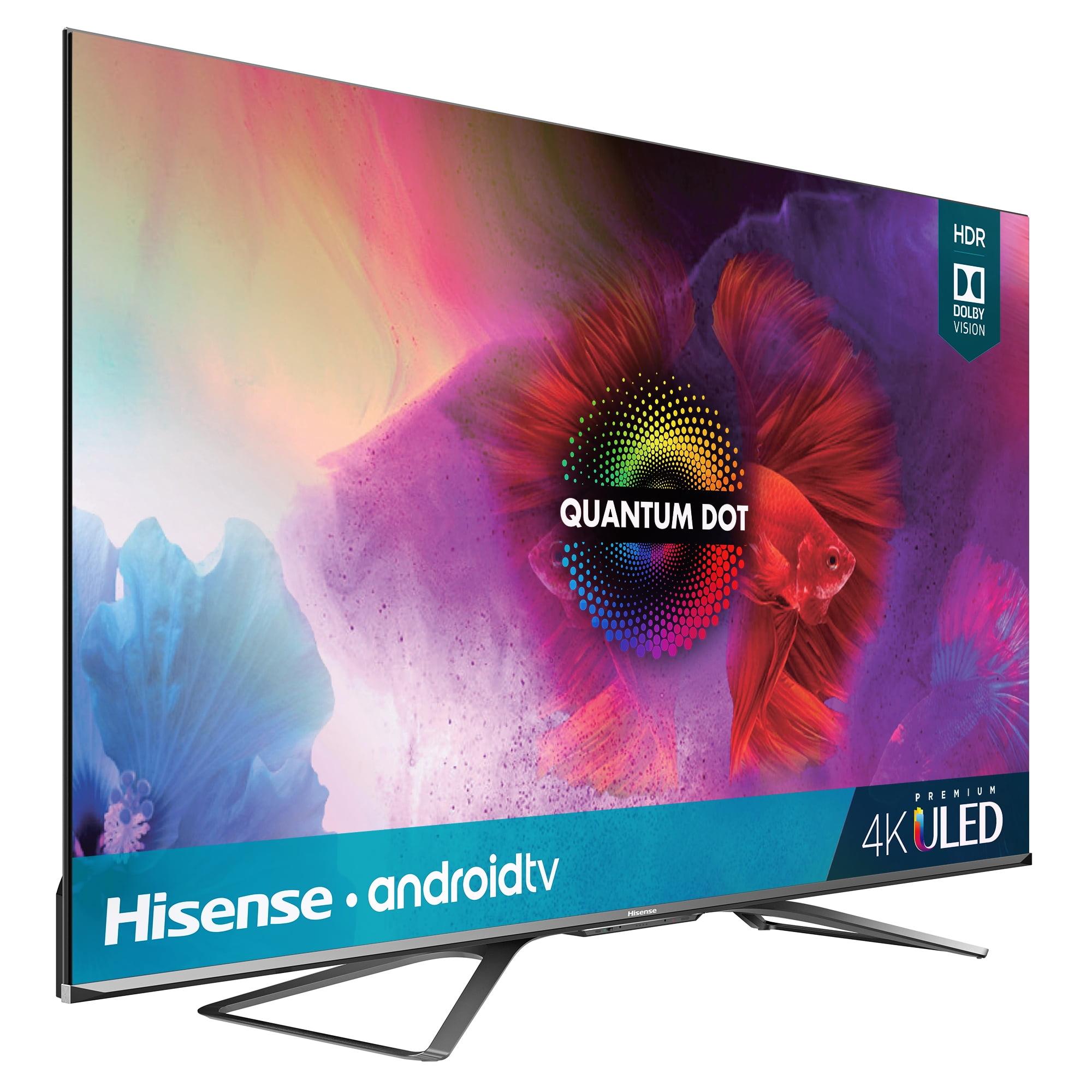


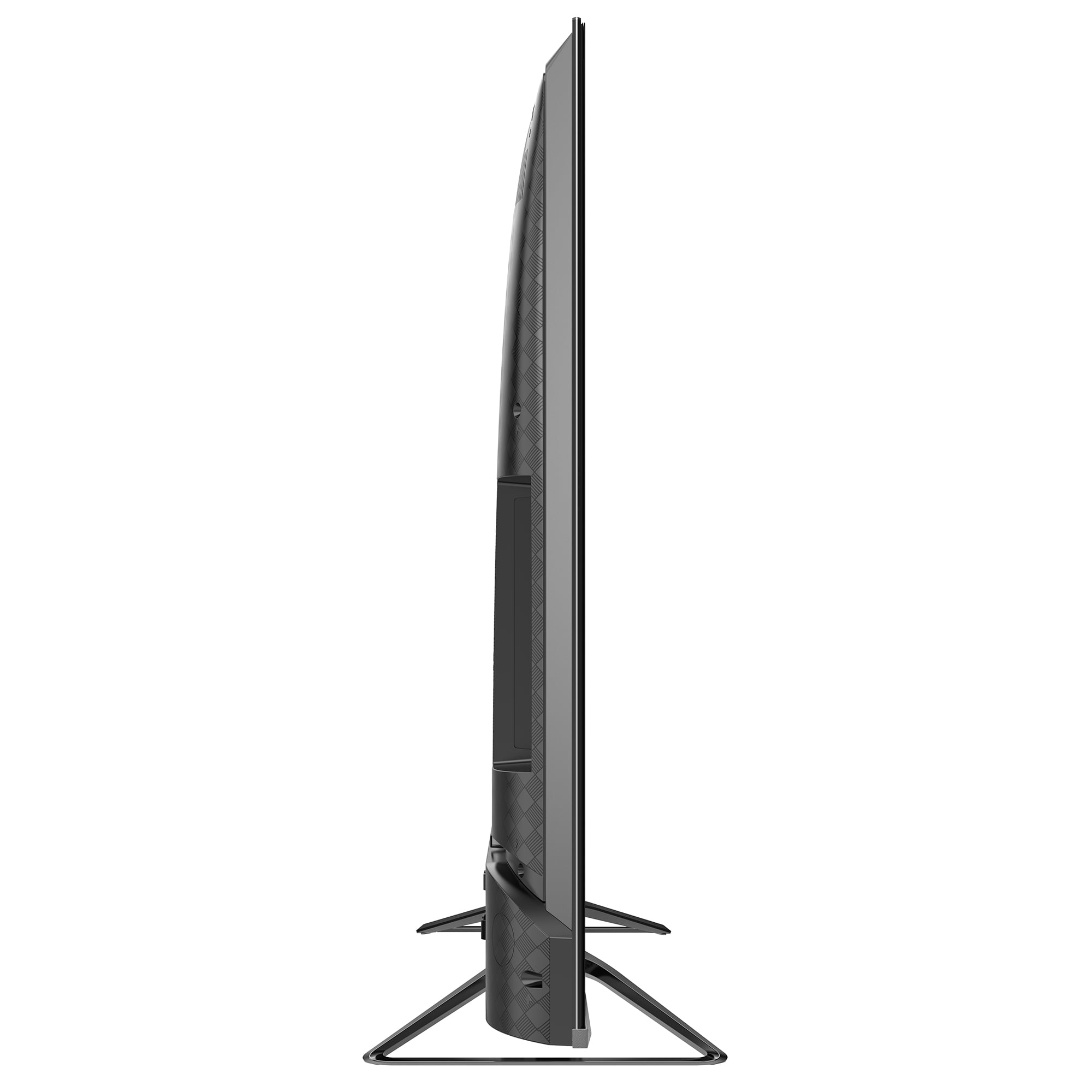
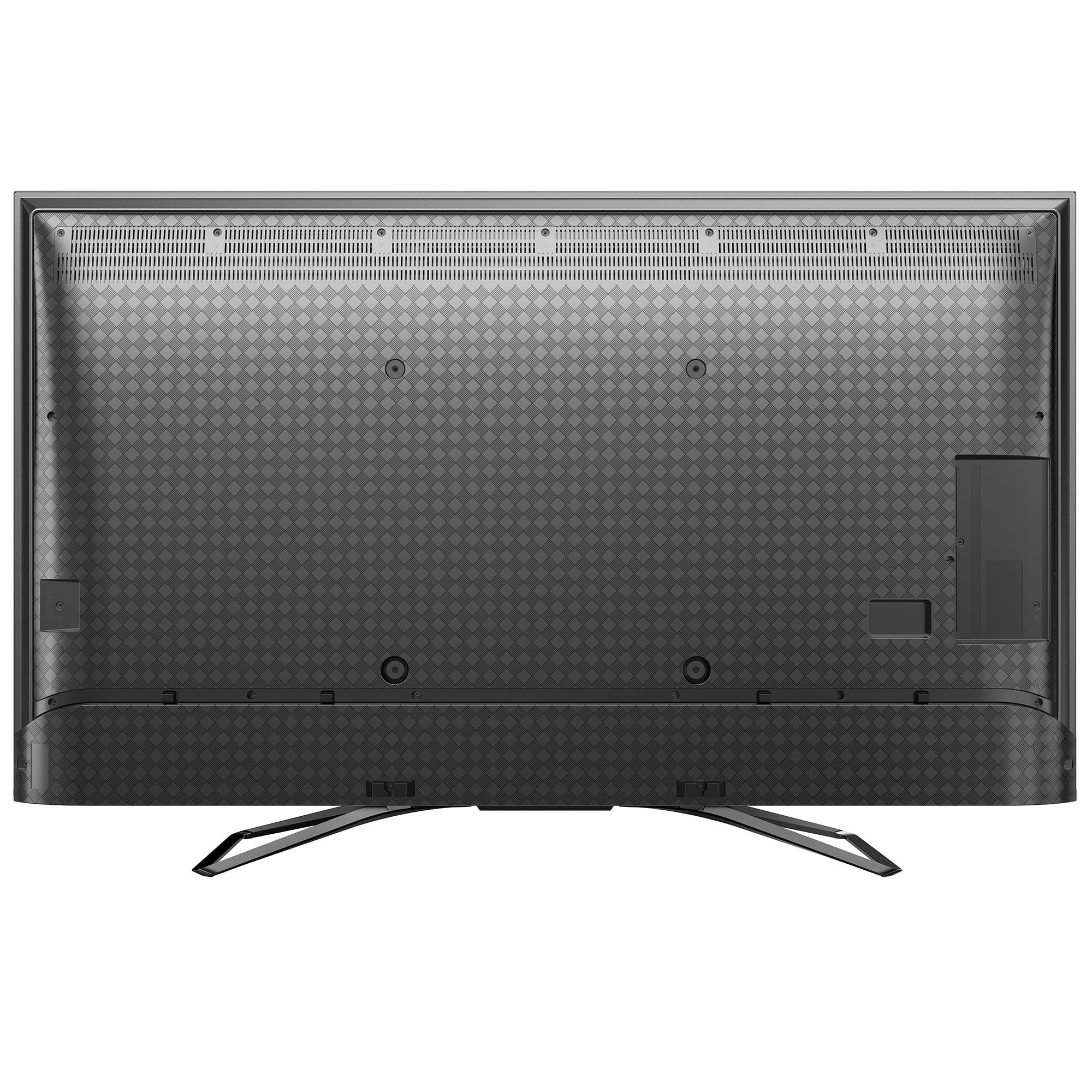
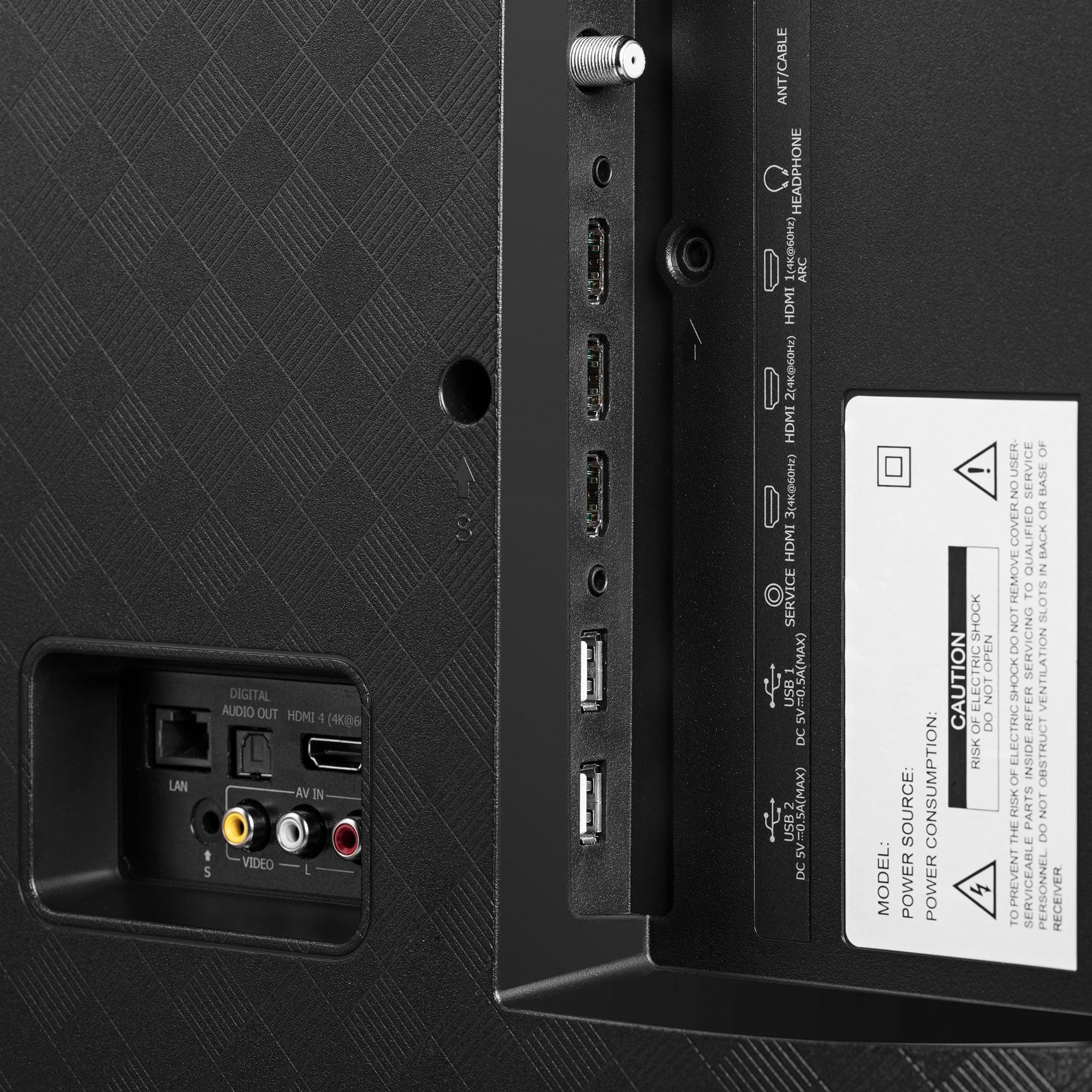
Shopping for a 65-inch 4K TV can feel overwhelming, especially when you're comparing different technologies and price points. Today, I'm breaking down two popular options: the premium LG B5 Series OLED 65" 4K Smart TV 2025 at $1,699.99 and the value-focused Hisense 65" H9G Quantum Series 4K UHD Smart Android TV at $1,252.81. While both deliver excellent 4K picture quality, they represent fundamentally different approaches to home entertainment.
The 65-inch screen size has become the sweet spot for modern living rooms – large enough to create an immersive experience without overwhelming most spaces. When shopping in this category, you'll encounter several key technologies that dramatically affect your viewing experience.
Display technology forms the foundation of picture quality. OLED (Organic Light-Emitting Diode) panels like the LG B5 use millions of individual pixels that can turn completely on or off, creating perfect blacks and infinite contrast. LED TVs like the Hisense H9G use a backlight behind an LCD panel, relying on local dimming zones to darken specific screen areas.
HDR (High Dynamic Range) expands the brightness and color range beyond standard video, making highlights brighter and shadows deeper. Think of it as the difference between a cloudy day and bright sunshine – HDR content shows both the detail in dark shadows and the brilliance of bright objects simultaneously.
Smart TV platforms have evolved into complete entertainment ecosystems. These operating systems determine which apps you can access, how quickly menus respond, and how intuitive the interface feels during daily use.
The Hisense H9G Quantum launched in 2020 during a pivotal year for TV technology. This was when 4K content was becoming mainstream, but HDMI 2.1 gaming features were still emerging. The H9G represented solid mid-range performance with quantum dot color enhancement and full-array local dimming – technologies that were considered premium just a few years earlier.
Fast forward to 2025, and the LG B5 OLED arrives in a completely transformed landscape. OLED manufacturing has matured significantly, bringing costs down while improving brightness and longevity. The TV industry has also standardized around HDMI 2.1 for gaming, Dolby Vision has become widespread, and AI processing has revolutionized how TVs handle upscaling and optimization.
The five-year gap between these models represents a quantum leap in processing power, smart features, and gaming capabilities. While the H9G was designed for the streaming era, the B5 anticipates the next decade of entertainment technology.
The most fundamental difference between these TVs lies in how they create the picture you see. The LG B5 OLED uses self-emissive pixels that generate their own light. When displaying a black pixel, it simply turns off completely, creating true black that no backlit display can match. This results in infinite contrast ratio – the difference between the brightest white and deepest black.
I've spent countless hours comparing OLED and LED displays, and the difference is immediately apparent in dark scenes. Watch a space movie or horror film on the LG B5, and you'll notice details in shadows that completely disappear on LED TVs. The stars in space appear to float against truly black backgrounds, not the grayish-black you get from even the best LED displays.
The Hisense H9G Quantum uses quantum dot technology – microscopic particles that convert blue LED light into pure red and green wavelengths. This creates more accurate colors and allows the TV to reach higher peak brightness levels, up to 1000 nits. The TV also features 180 local dimming zones, which selectively dim the LED backlight behind dark areas of the screen.
While the H9G can't achieve true black like OLED, it compensates with superior brightness. If your TV room has large windows or bright overhead lighting, the H9G's ability to punch through ambient light makes it more practical for daytime viewing. The quantum dot layer also produces exceptionally vibrant colors that really pop in bright viewing conditions.
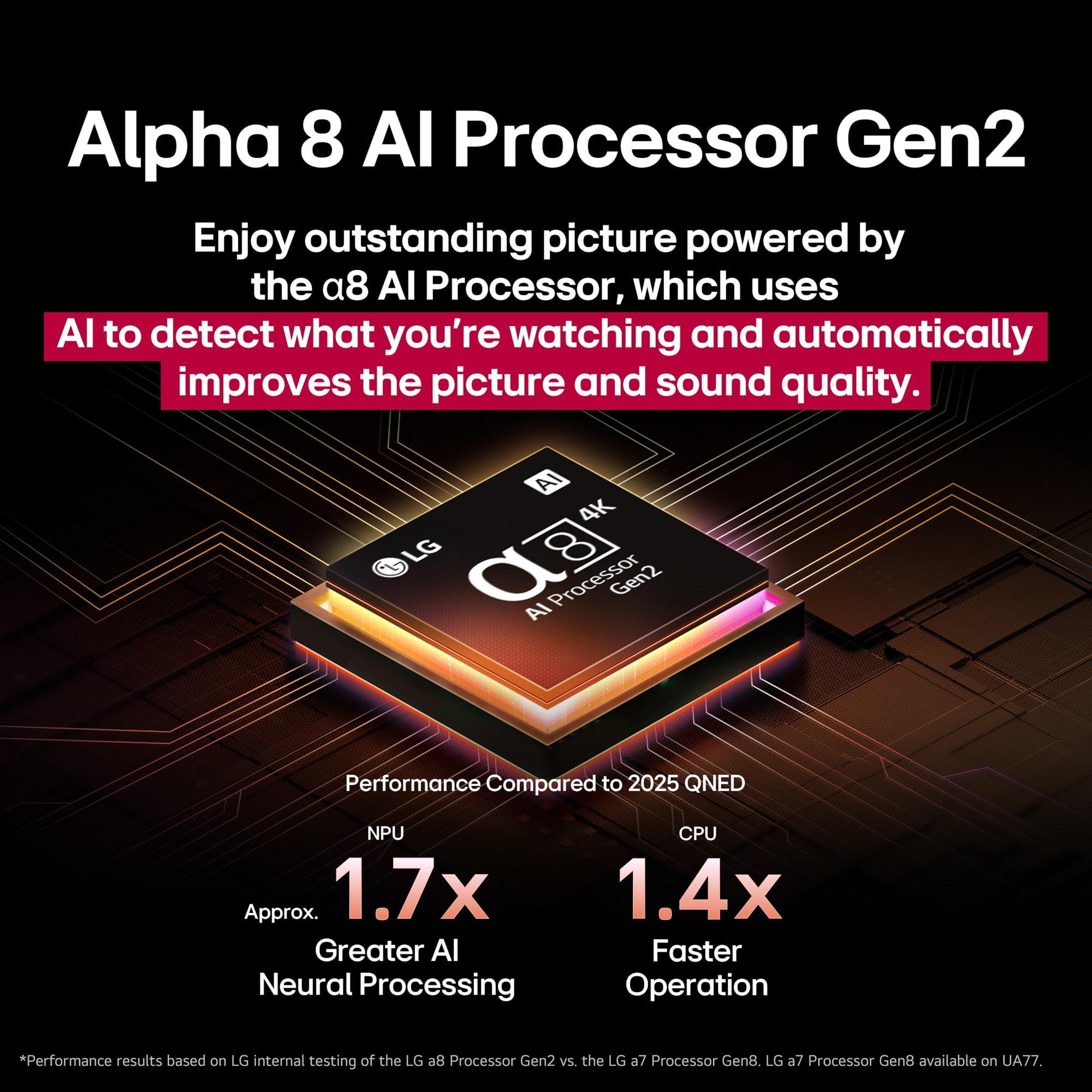
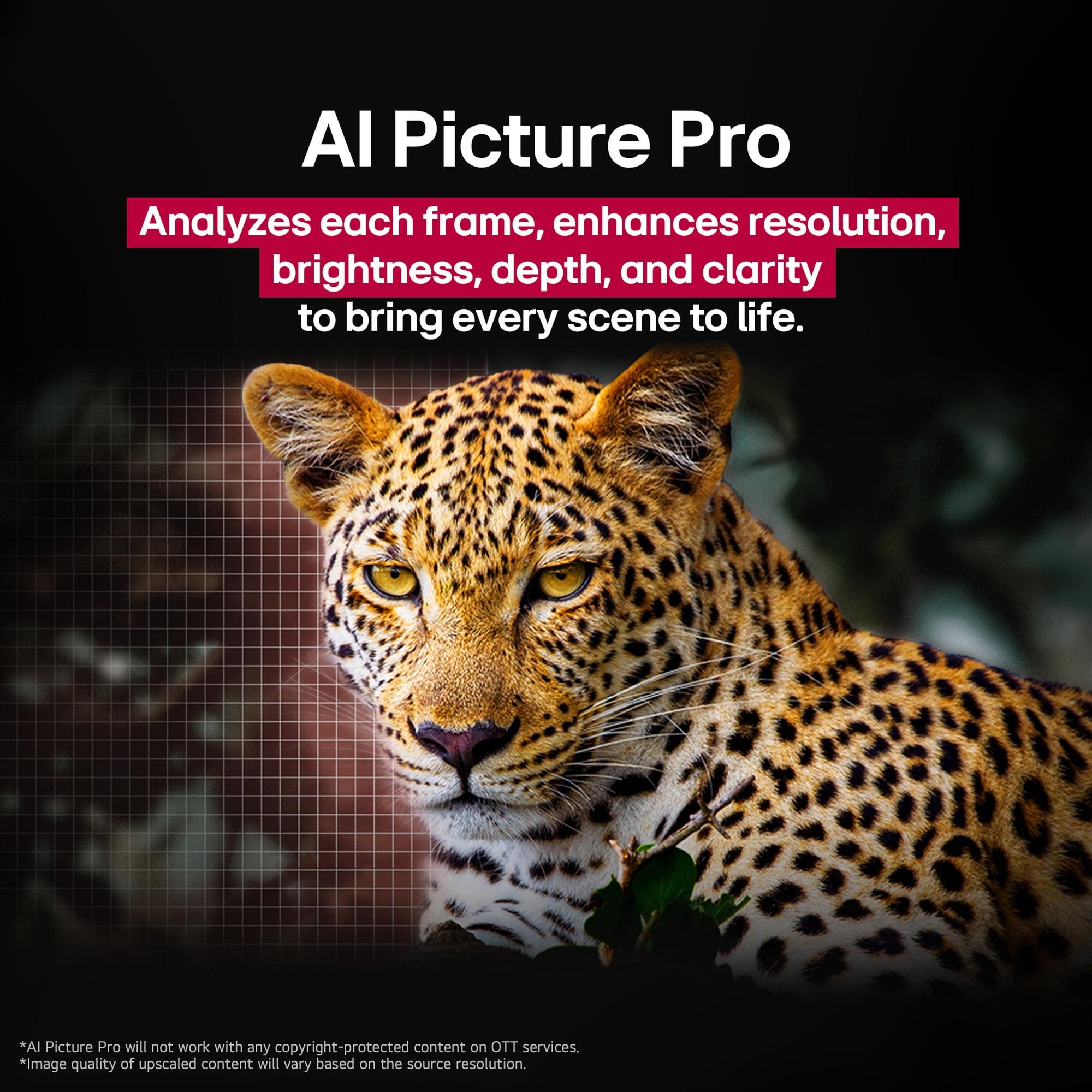
Color accuracy and gamut represent where these technologies show their distinct personalities. The LG B5 covers nearly 100% of the DCI-P3 color space used in modern movies and streaming content. Its α8 AI Processor Gen2 analyzes each scene in real-time, adjusting color temperature and saturation based on content type. When watching nature documentaries, greens appear lush and natural, while skin tones maintain accuracy across different lighting conditions.
The Hisense H9G's quantum dot implementation creates incredibly saturated colors that some viewers prefer for sports and animated content. The wide color gamut mapping ensures colors stay vibrant even at high brightness levels. However, the color accuracy isn't quite as precise as the LG's more sophisticated processing.
HDR performance showcases each TV's strengths clearly. The LG B5 supports Dolby Vision, HDR10, and HLG formats, with the α8 processor providing dynamic tone mapping that adapts to each scene. The perfect blacks create incredible shadow detail – you can see texture in a character's dark clothing while bright highlights maintain detail without blooming.
The H9G's HDR approach relies on brute force brightness rather than contrast. Its 1000-nit peak brightness delivers impactful HDR highlights that can be stunning in bright rooms. The 180-zone local dimming helps create contrast, though you'll occasionally notice "blooming" where bright objects create a slight halo effect around edges.
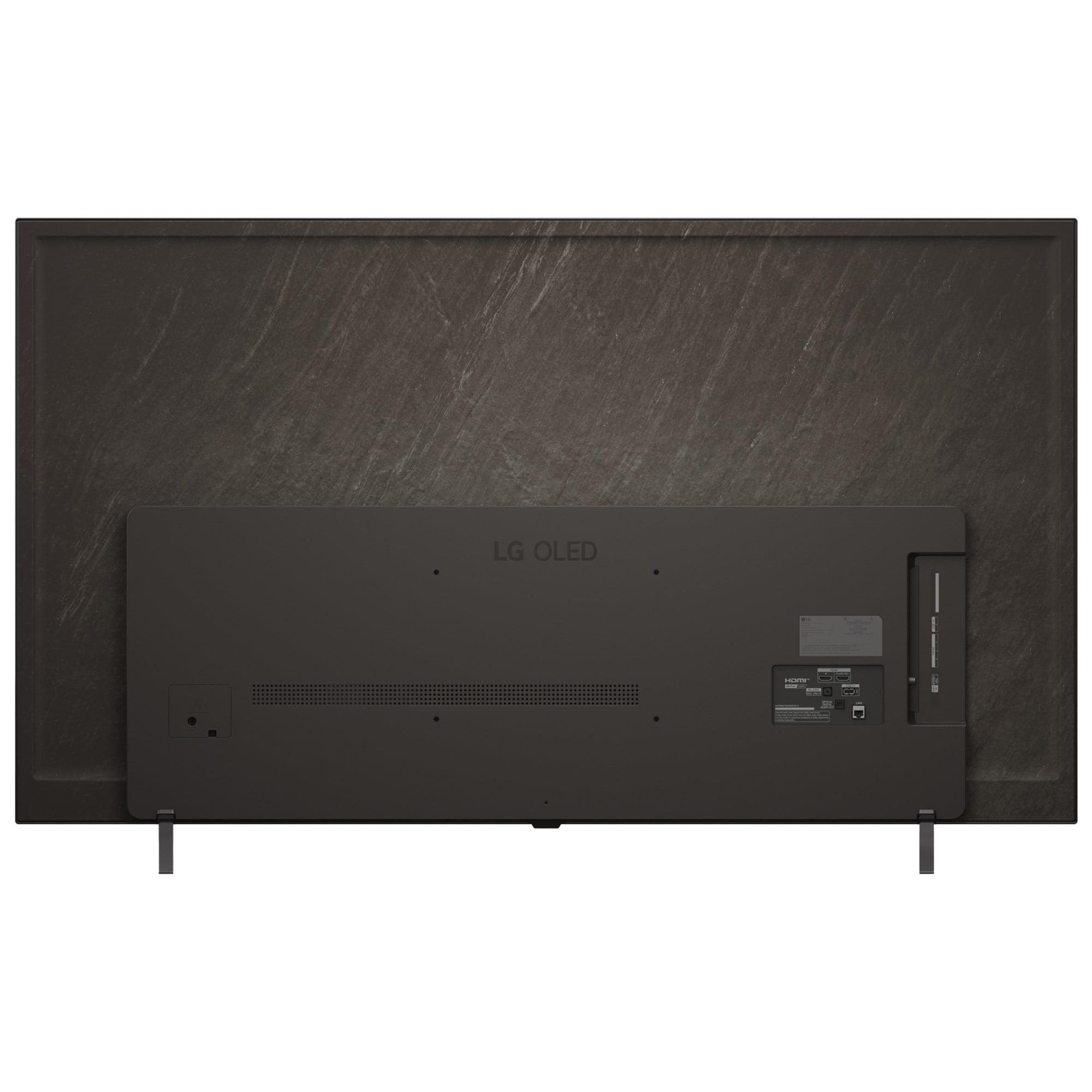
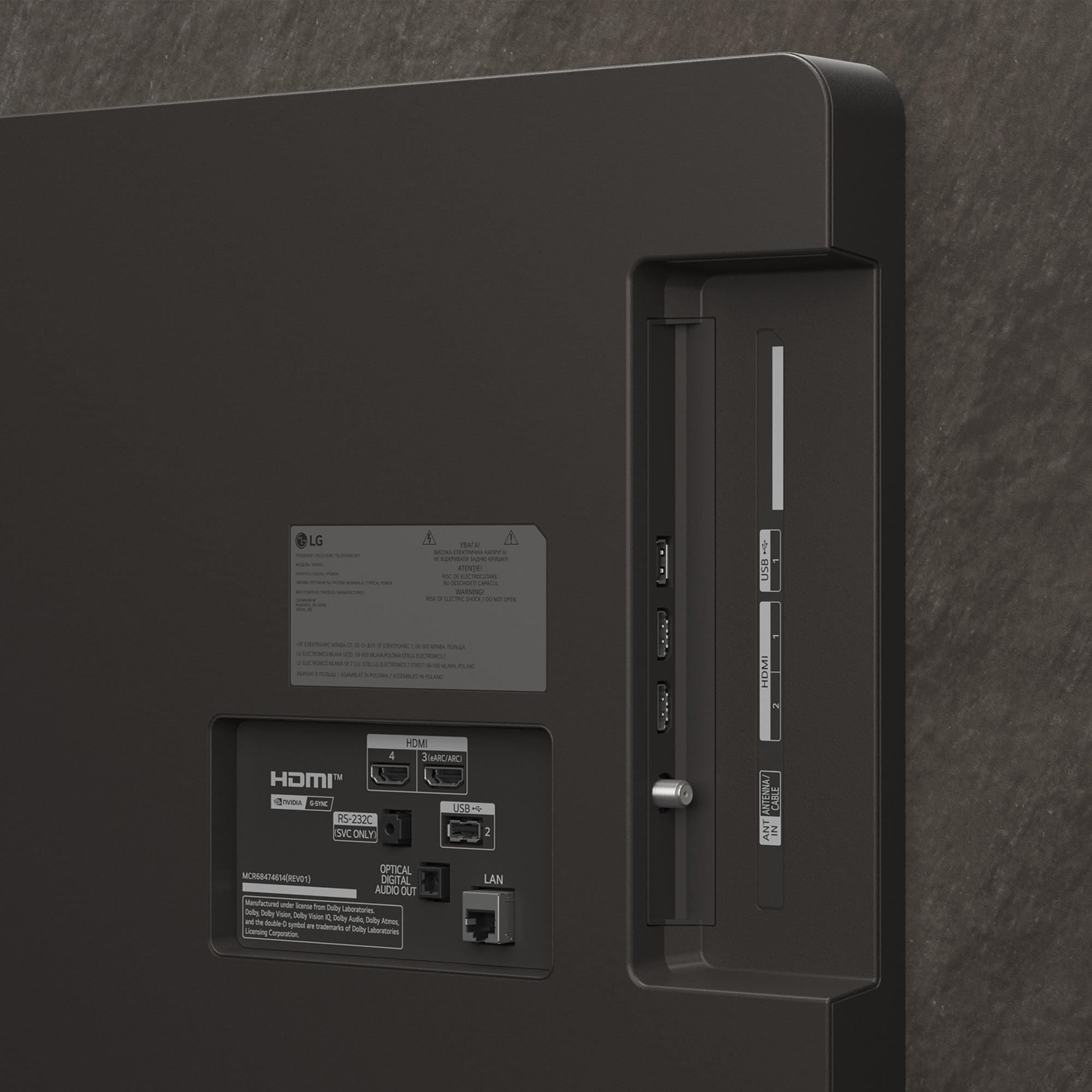
Gaming capabilities reveal the generational gap between these models most clearly. The LG B5 OLED was built for the PlayStation 5 and Xbox Series X era, featuring four HDMI 2.1 ports that support 4K resolution at 120Hz refresh rates. The ultra-low input lag of less than 0.1 milliseconds means your controller inputs appear virtually instantaneous on screen.
Variable Refresh Rate (VRR) synchronizes the TV's refresh rate with your console's frame rate, eliminating screen tearing and stuttering. Auto Low Latency Mode (ALLM) automatically switches to Game Mode when it detects a gaming signal. These features transform competitive gaming, making fast-paced shooters and racing games feel incredibly responsive.
The B5 also supports Dolby Vision Gaming, which brings HDR gaming to a new level. Games like Horizon Forbidden West showcase incredible contrast between bright sunlight and deep cave shadows, with the OLED's perfect blacks revealing details that enhance gameplay.
The Hisense H9G represents pre-HDMI 2.1 gaming capabilities. While it offers a dedicated Game Mode that reduces input lag to acceptable levels, it's limited to 4K at 60Hz maximum. The TV's 120Hz motion processing helps with motion smoothness, but this isn't the same as native 120Hz gaming support.
For casual gaming and older consoles, the H9G performs admirably. The bright display makes colorful games like Mario titles look vibrant and engaging. However, if you own or plan to buy next-generation consoles, the LG's advanced gaming features provide a significantly better experience.
The software experience shapes how you interact with your TV every day. The LG B5 runs webOS 25, which has evolved into one of the most intuitive smart TV platforms available. The interface feels snappy and responsive, with AI-powered recommendations that actually improve over time as the system learns your preferences.
Quick Cards allow you to group favorite apps for faster access, while LG Channels provides over 300 free streaming channels for casual viewing. The magic remote with its AI button enables natural voice commands that work reliably. The webOS Renew program promises annual software updates, helping future-proof your investment.
The H9G's Android TV platform offers different strengths. Google Play Store access provides virtually unlimited app selection, including niche streaming services and productivity apps. Built-in Google Assistant and Chromecast functionality seamlessly integrate with Android phones and Google services. The hands-free voice control with built-in microphones eliminates the need to find the remote for basic commands.
Android TV's interface feels more like a traditional tech product – powerful but sometimes overwhelming. App organization isn't as elegant as webOS, but the sheer breadth of available content and services compensates for this complexity.
Both TVs support Dolby Atmos for immersive surround sound, but their implementation differs significantly. The LG B5 OLED includes AI-powered sound optimization that analyzes content and adjusts audio processing accordingly. FILMMAKER MODE preserves the director's intended audio mix, while the TV's slim profile integrates beautifully with LG soundbars for expanded audio capabilities.
The Hisense H9G provides 20 watts of total audio output through its built-in speakers. While adequate for casual viewing, the TV benefits significantly from external audio systems. The Android TV platform's broad compatibility ensures most soundbars and audio systems work seamlessly.
For serious home theater enthusiasts, both TVs serve as excellent display centerpieces, but the LG's more sophisticated audio processing and premium build quality make it the natural choice for dedicated theater rooms.
The $450+ price difference between these models represents more than just current features – it's an investment in future capabilities. The LG B5 OLED includes cutting-edge processing, comprehensive gaming features, and a smart platform designed for the next decade of entertainment evolution.
The Hisense H9G Quantum offers exceptional value for viewers who prioritize brightness and don't need the latest gaming features. Its mature technology provides reliable performance at a price point that makes 65-inch premium features accessible to more buyers.
Consider your viewing environment carefully. If your TV room has controlled lighting where you can dim lights for movies, the LG's superior contrast and color accuracy justify the premium price. However, if you're dealing with bright ambient light throughout the day, the Hisense's higher peak brightness provides more practical day-to-day performance.
Choose the LG B5 OLED if you're building a premium home entertainment setup. The superior picture quality, comprehensive gaming features, and future-proof connectivity make it ideal for movie enthusiasts, serious gamers, and anyone who wants the latest display technology. The investment pays off through years of cutting-edge performance and regular software updates.
The Hisense H9G Quantum makes sense for practical buyers who want excellent performance without premium pricing. Its bright display handles challenging lighting conditions well, while Android TV provides comprehensive streaming capabilities. This TV delivers satisfying performance for general entertainment without the complexity or cost of bleeding-edge features.
Your specific needs should guide this decision. Consider your room's lighting, gaming requirements, and budget constraints. Both TVs will deliver years of enjoyable viewing, but they excel in different scenarios and serve different types of users. The key is matching the TV's strengths to your specific viewing habits and environment.
| LG B5 Series OLED 65" 4K Smart TV 2025 | Hisense 65" H9G Quantum Series 4K UHD Smart Android TV |
|---|---|
| Price - Significant $450+ difference affects value equation | |
| $1,699.99 | $1,252.81 |
| Release Year - Technology generation gap affects features and future-proofing | |
| 2025 (latest OLED tech) | 2020 (mature but older tech) |
| Panel Technology - Fundamental difference in how picture is created | |
| OLED (self-emissive pixels, perfect blacks) | ULED Quantum Dot (LED backlight with quantum enhancement) |
| Peak Brightness - Critical for bright room viewing and HDR impact | |
| Moderate OLED brightness (great for dark rooms) | Up to 1000 nits (excellent for bright rooms) |
| Contrast Ratio - Affects picture depth and realism | |
| Infinite (true blacks from pixel-level control) | High but limited by backlight bleed |
| Local Dimming - Controls how precisely dark areas can be darkened | |
| Per-pixel dimming (8.3 million zones) | 180 full-array local dimming zones |
| Gaming Features - Essential for next-gen console owners | |
| 4x HDMI 2.1, 4K@120Hz, VRR, <0.1ms lag | 4x HDMI 2.0, 4K@60Hz max, no VRR |
| Smart TV Platform - Determines app selection and user experience | |
| webOS 25 (AI-powered, regular updates) | Android TV (Google Play Store, mature ecosystem) |
| HDR Support - Affects color and brightness range in premium content | |
| Dolby Vision, HDR10, HLG, Dolby Vision Gaming | Dolby Vision, HDR10, HDR10+ |
| Viewing Angles - Important for family viewing and room layout flexibility | |
| Excellent (minimal color/brightness loss) | Good but some degradation off-center |
| Processor - Affects upscaling quality and smart features responsiveness | |
| α8 AI Processor Gen2 (1.4x faster than previous gen) | Basic image processing |
| Audio Features - Built-in sound quality and external system integration | |
| Dolby Atmos, AI sound optimization, soundbar integration | Dolby Atmos, 20W speakers, basic processing |
| Burn-in Risk - Long-term durability consideration for static content | |
| Minimal risk with modern OLED (improved over older generations) | No risk (LCD technology immune to burn-in) |
| Best Use Case - Who should choose each model | |
| Dark room viewing, premium gaming, future-proofing | Bright room viewing, budget-conscious, casual gaming |
The LG B5 Series OLED 65" 4K Smart TV 2025 delivers superior picture quality with perfect blacks, infinite contrast, and excellent color accuracy. The Hisense 65" H9G Quantum Series 4K UHD Smart Android TV offers brighter images with vibrant quantum dot colors but cannot match OLED's deep blacks and contrast performance.
The LG B5 Series OLED 65" 4K Smart TV 2025 costs $1,699.99, while the Hisense 65" H9G Quantum Series 4K UHD Smart Android TV is priced at $1,252.81 - a difference of about $450 that reflects the premium OLED technology and newer features.
The LG B5 Series OLED 65" 4K Smart TV 2025 is significantly better for gaming with four HDMI 2.1 ports, 4K@120Hz support, VRR, and ultra-low input lag under 0.1ms. The Hisense 65" H9G Quantum Series 4K UHD Smart Android TV only supports 4K@60Hz and lacks advanced gaming features.
The Hisense 65" H9G Quantum Series 4K UHD Smart Android TV performs better in bright rooms with its 1000-nit peak brightness that cuts through ambient light. The LG B5 Series OLED 65" 4K Smart TV 2025 has moderate brightness levels and works best in controlled lighting conditions.
The LG B5 Series OLED 65" 4K Smart TV 2025 runs webOS 25 with AI-powered features and regular updates. The Hisense 65" H9G Quantum Series 4K UHD Smart Android TV uses Android TV, offering Google Play Store access and built-in Google Assistant functionality.
The LG B5 Series OLED 65" 4K Smart TV 2025 excels in HDR with perfect blacks creating superior shadow detail and supports Dolby Vision Gaming. The Hisense 65" H9G Quantum Series 4K UHD Smart Android TV delivers impactful HDR highlights with higher peak brightness but cannot match OLED's contrast capabilities.
The LG B5 Series OLED 65" 4K Smart TV 2025 is excellent for home theaters with its perfect blacks, wide viewing angles, and cinematic picture quality in dark rooms. The Hisense 65" H9G Quantum Series 4K UHD Smart Android TV works well for casual home theater use but lacks the contrast and viewing angles of OLED technology.
The LG B5 Series OLED 65" 4K Smart TV 2025 offers superior audio with Dolby Atmos, AI sound optimization, and seamless soundbar integration. The Hisense 65" H9G Quantum Series 4K UHD Smart Android TV provides basic 20W speakers with Dolby Atmos support but benefits from external audio systems.
The LG B5 Series OLED 65" 4K Smart TV 2025 fully supports PlayStation 5 and Xbox Series X with HDMI 2.1 features. The Hisense 65" H9G Quantum Series 4K UHD Smart Android TV works with next-gen consoles but is limited to 4K@60Hz without advanced gaming features.
The LG B5 Series OLED 65" 4K Smart TV 2025 provides excellent viewing angles with minimal color or brightness loss when viewed from the side. The Hisense 65" H9G Quantum Series 4K UHD Smart Android TV has decent viewing angles but experiences some color and brightness degradation off-center.
Both TVs handle streaming well, but the LG B5 Series OLED 65" 4K Smart TV 2025 offers superior upscaling with its α8 AI processor and more intuitive webOS interface. The Hisense 65" H9G Quantum Series 4K UHD Smart Android TV provides broader app selection through Google Play Store and reliable Android TV performance.
The LG B5 Series OLED 65" 4K Smart TV 2025 provides better long-term value with future-proof HDMI 2.1 connectivity, regular software updates, and cutting-edge display technology. The Hisense 65" H9G Quantum Series 4K UHD Smart Android TV offers immediate value savings but lacks the latest features and may become outdated sooner.
We've done our best to create useful and informative comparisons to help you decide what product to buy. Our research uses advanced automated methods to create this comparison and perfection is not possible - please contact us for corrections or questions. These are the sites we've researched in the creation of this article: eftm.com - bestbuy.com - rtings.com - youtube.com - rtings.com - tomsguide.com - youtube.com - nationalproductreview.com.au - lg.com - manchesterbrothers.com - avsforum.com - lg.com - lg.com - lg.com - lg.com - retailspecs.com - american-homeappliance.com - perpichtv.com - rtings.com - bestbuy.com - techradar.com - youtube.com - digitaltrends.com - assets.hisense-usa.com - bestbuy.com - youtube.com - bestbuy.com

Privacy Policy
Terms and Conditions - Affiliate Policy
Home Security
© Copyright 2008-2026.
11816 Inwood Rd #1211, Dallas, TX 75244