

![LG B5 Series OLED 65" 4K Smart TV 2025[1][7][9]](https://images.hometheaterreview.com/htr-stateless/2025/07/31238cd0-lg-b5-series-oled-65-4k-smart-tv-2025179.jpg)
![LG B5 Series OLED 65" 4K Smart TV 2025[1][7][9]](https://images.hometheaterreview.com/htr-stateless/2025/07/3368ce40-25ef-4d07-b442-bb0af89e3a29.jpg)
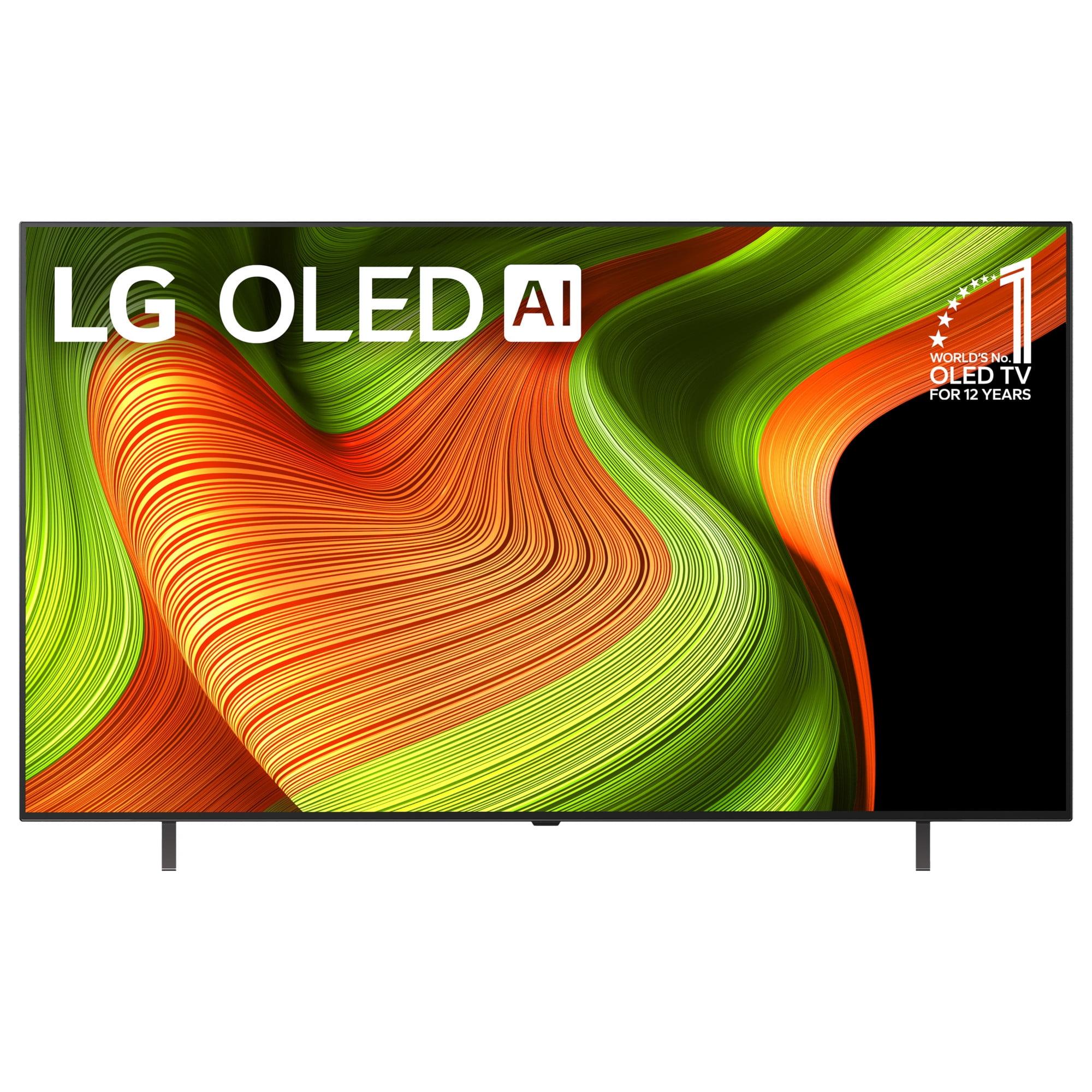
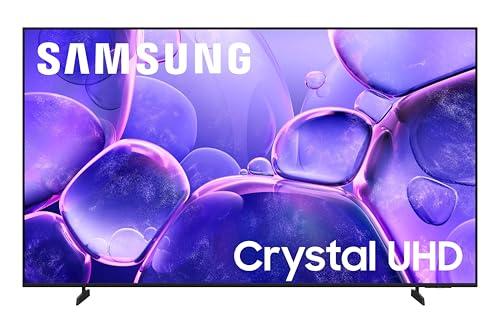
Shopping for a 65-inch 4K TV in 2025 means navigating two fundamentally different technologies that couldn't be more different in approach. The Samsung 65-Inch Crystal UHD U8000F represents the budget-friendly LED camp, while the LG B5 Series OLED showcases what premium display technology can achieve. At the time of writing, you're looking at roughly a 2-3x price difference between these models, which raises an important question: is OLED worth the premium, or does the Samsung offer enough performance for most viewers?
Both TVs launched in 2025, marking significant updates to their respective lineups. The Samsung U8000F replaces the previous year's DU8000 with a redesigned metal body and updated processor, while the LG B5 continues LG's tradition of making OLED technology more accessible with their entry-level model featuring the new α8 AI Processor 4K Gen2.
The most crucial difference between these TVs lies in their fundamental display technology. The Samsung U8000F uses LED-LCD technology, where a backlight illuminates liquid crystal pixels to create the image you see. Think of it like shining a flashlight through a stained glass window - the backlight is always on, and the crystals either block or allow light through to create colors and brightness.
The LG B5, on the other hand, uses OLED (Organic Light-Emitting Diode) technology. Each pixel is essentially a tiny light that can turn completely on, completely off, or anywhere in between. This means when displaying black, those pixels actually turn off, creating true black rather than the dark gray you get from LED TVs where the backlight still glows behind the crystals.
This technological difference affects everything else about these TVs' performance, from how deep blacks look to how much they cost to manufacture.
When evaluating TV picture quality, contrast ratio - the difference between the brightest whites and darkest blacks - matters more than almost any other specification. This is where the LG B5 absolutely dominates.
The OLED panel in the LG B5 achieves what's called an "infinite contrast ratio" because it can display perfect black (completely off pixels) next to brilliant white (fully lit pixels). When you're watching a movie with dark scenes, like the underground sequences in John Wick or nighttime scenes in The Batman, the difference is immediately apparent. Details that disappear into murky gray on LED TVs remain visible on OLED.
The Samsung U8000F, lacking local dimming zones (areas where the backlight can dim independently), relies on its VA panel and processing to enhance contrast. While Samsung's Contrast Enhancer and Mega Contrast features help improve the situation through software, they can't overcome the fundamental limitation of having a backlight that's always on behind dark areas.
In practical terms, this means the LG B5 makes watching movies in dark rooms a dramatically more immersive experience, while the Samsung U8000F will show dark scenes as somewhat washed out or grayish.
Both TVs support 4K resolution (3,840 x 2,160 pixels), but their approach to color and High Dynamic Range (HDR) differs significantly. HDR is a technology that expands the range of brightness and color beyond standard video, making images look more like what your eyes see in real life.
The LG B5 supports Dolby Vision, which is crucial because roughly 80% of premium streaming content on Netflix, Disney+, and Apple TV+ uses this format. Dolby Vision dynamically adjusts the picture scene-by-scene, optimizing brightness and color for each moment. The TV also supports HDR10 and HDR10+, covering all major HDR formats.
The Samsung U8000F supports HDR10 and HDR10+ but lacks Dolby Vision compatibility. This means some content won't look as good as intended, particularly on streaming services where Dolby Vision has become the premium standard.
However, HDR capability means little without the brightness to back it up. The LG B5 achieves peak brightness around 668 nits in movie mode, though it uses aggressive brightness limiting to protect the panel. The Samsung U8000F, as a basic LED model, likely peaks lower but may sustain brightness better across larger bright areas.
Here's where the display technology difference becomes practically important for family viewing. OLED panels maintain consistent color and brightness regardless of viewing angle, while LED-LCD panels like the one in the Samsung U8000F show color shifts and brightness reduction when viewed from the side.
If your seating arrangement means some people watch from angles rather than straight-on, the LG B5 ensures everyone gets the same quality picture. The Samsung U8000F will look best from the center position, with quality degrading as you move to the sides.
Gaming has become a major consideration for TV buyers, especially with PlayStation 5 and Xbox Series X pushing 4K resolution at high frame rates.
The LG B5 features a native 120Hz refresh rate, meaning it can display up to 120 frames per second. This matches the maximum output of current gaming consoles and provides noticeably smoother motion in fast-paced games. The TV also achieves an incredibly low response time of about 0.1 milliseconds - essentially eliminating the delay between controller input and on-screen action.
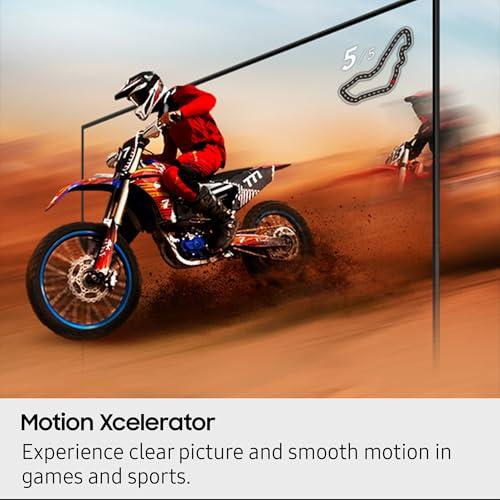
The Samsung U8000F is limited to 60Hz, which means it can only display 60 frames per second maximum. While this works fine for most TV content and older gaming consoles, it can't take full advantage of newer consoles' capabilities in games that support 120fps modes.
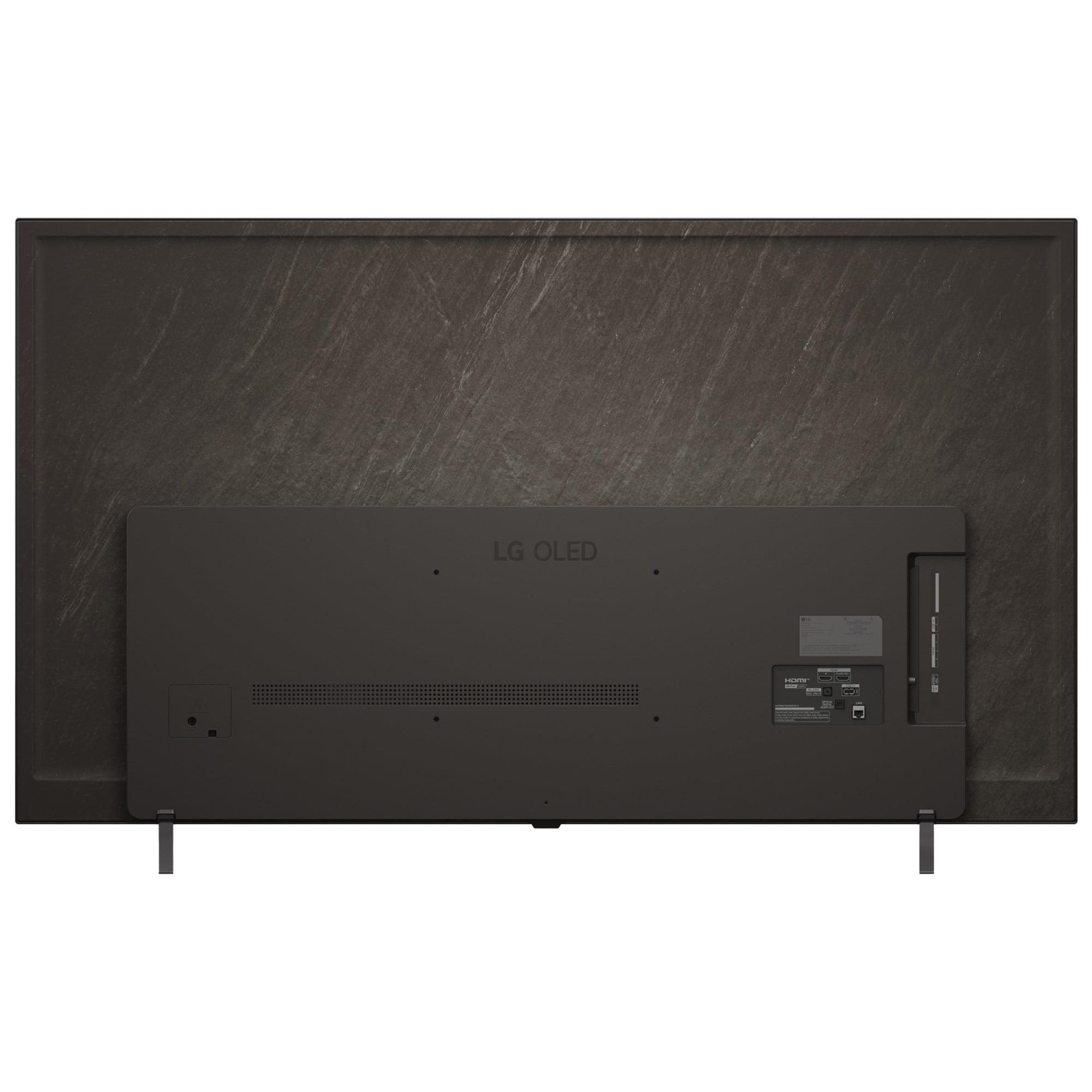
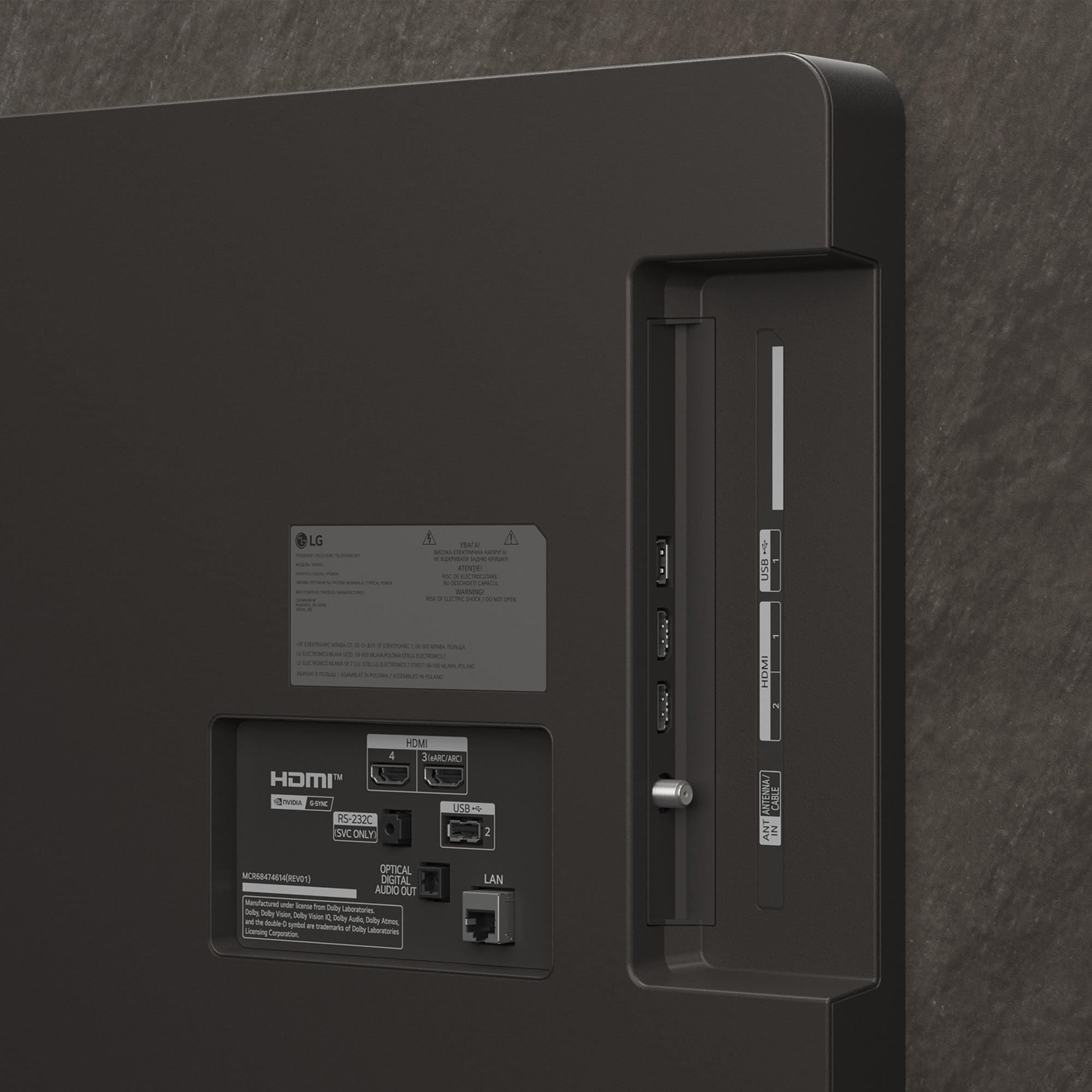
This difference in capability extends to connectivity. The LG B5 includes four HDMI 2.1 ports, all capable of handling 4K resolution at 120Hz with Variable Refresh Rate (VRR) - a technology that eliminates screen tearing by synchronizing the TV's refresh rate with the console's frame rate output.
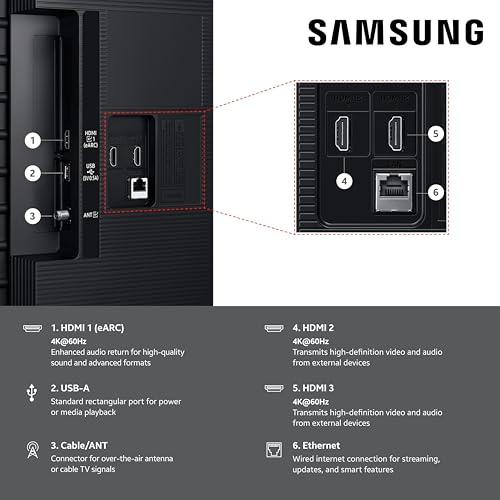
The Samsung U8000F offers three HDMI 2.0 ports, which limits bandwidth to 4K at 60Hz. While it supports Auto Low Latency Mode (ALLM) to reduce input lag for gaming, it lacks the bandwidth for high refresh rate gaming.
For serious gaming, especially if you own or plan to buy next-generation consoles, the LG B5 is significantly better equipped. The Samsung U8000F works fine for casual gaming or older consoles but can't deliver the premium gaming experience modern hardware enables.
Both TVs run modern, AI-enhanced smart TV platforms, but with different capabilities and philosophies.
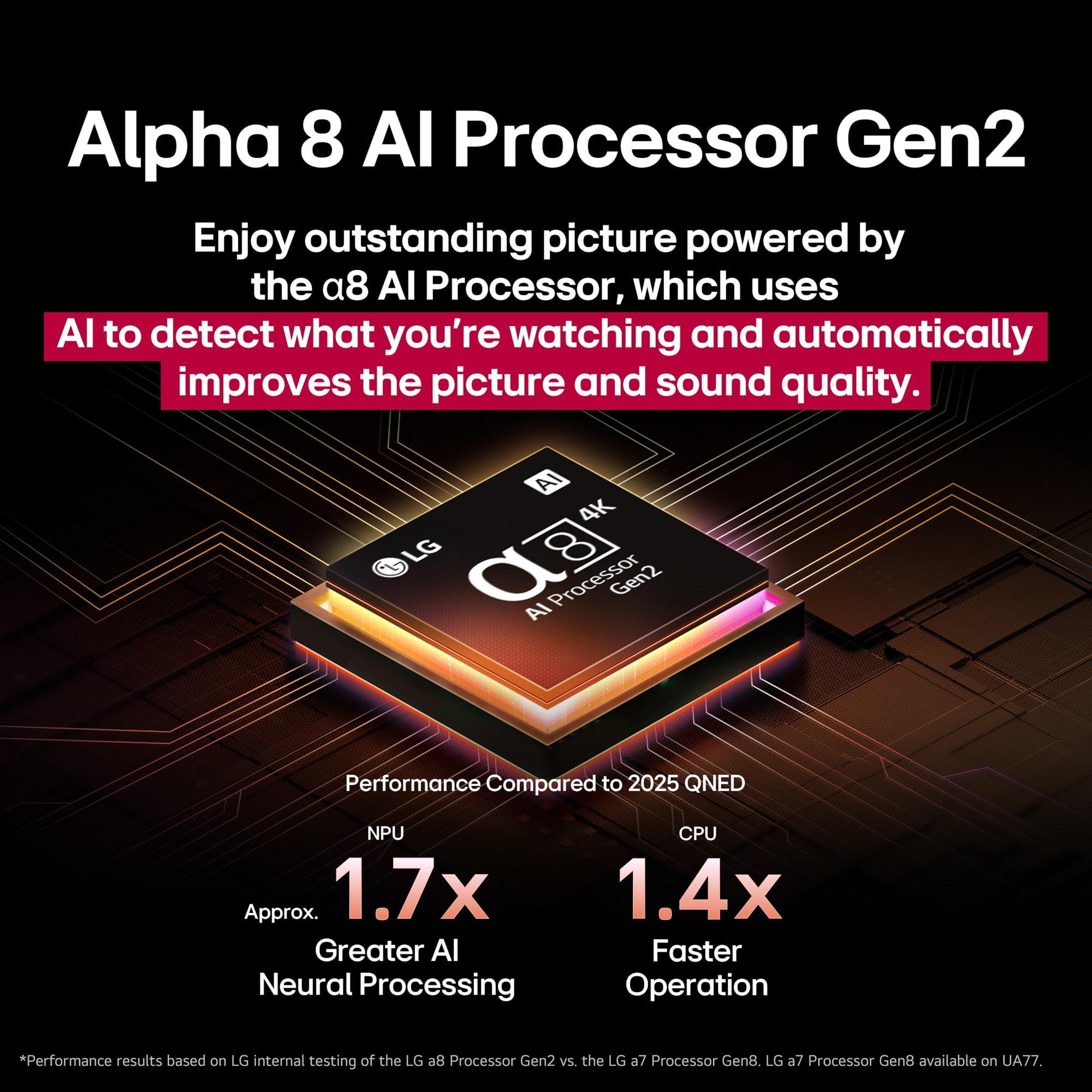
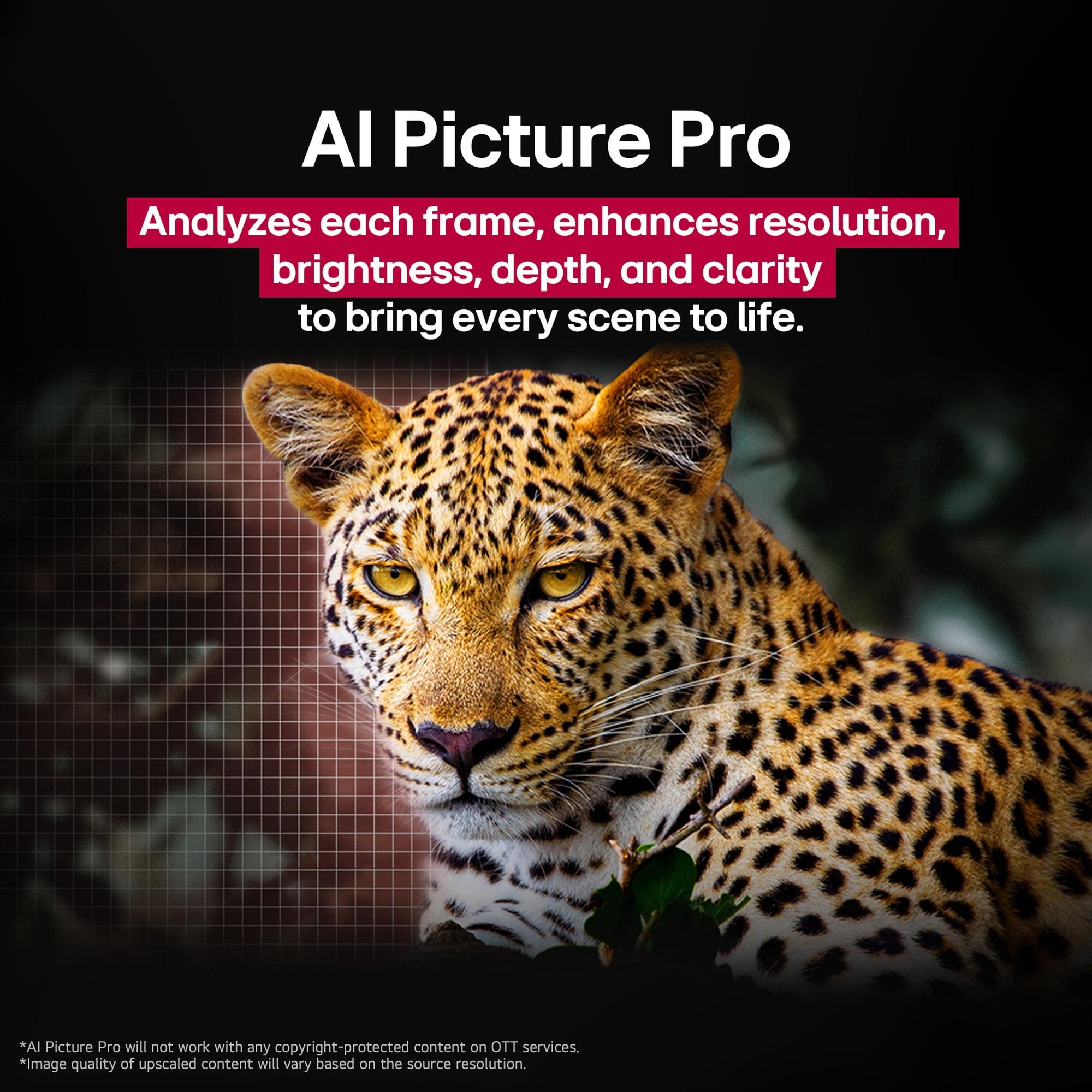
The LG B5 uses the α8 AI Processor 4K Gen2, which LG claims is 1.4 times faster than the previous generation. This processor continuously analyzes content to optimize both picture and sound in real-time. It can recognize whether you're watching a movie, sports, or gaming and adjust settings accordingly without manual intervention.
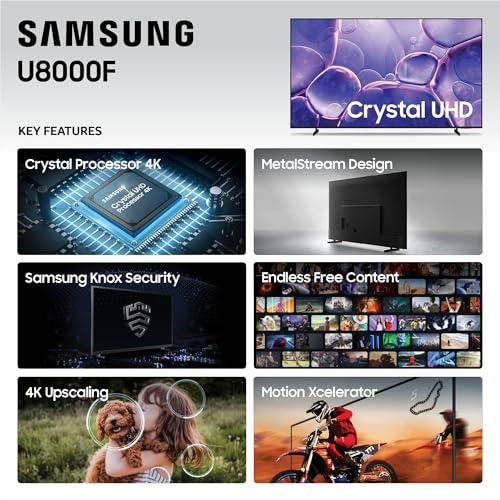
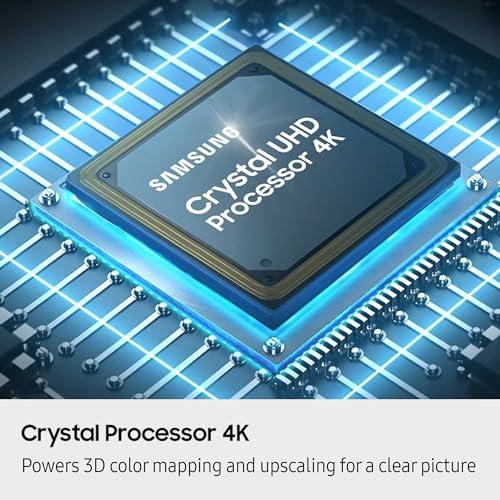
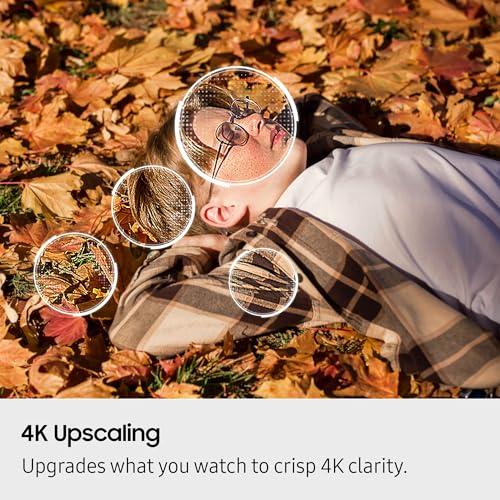
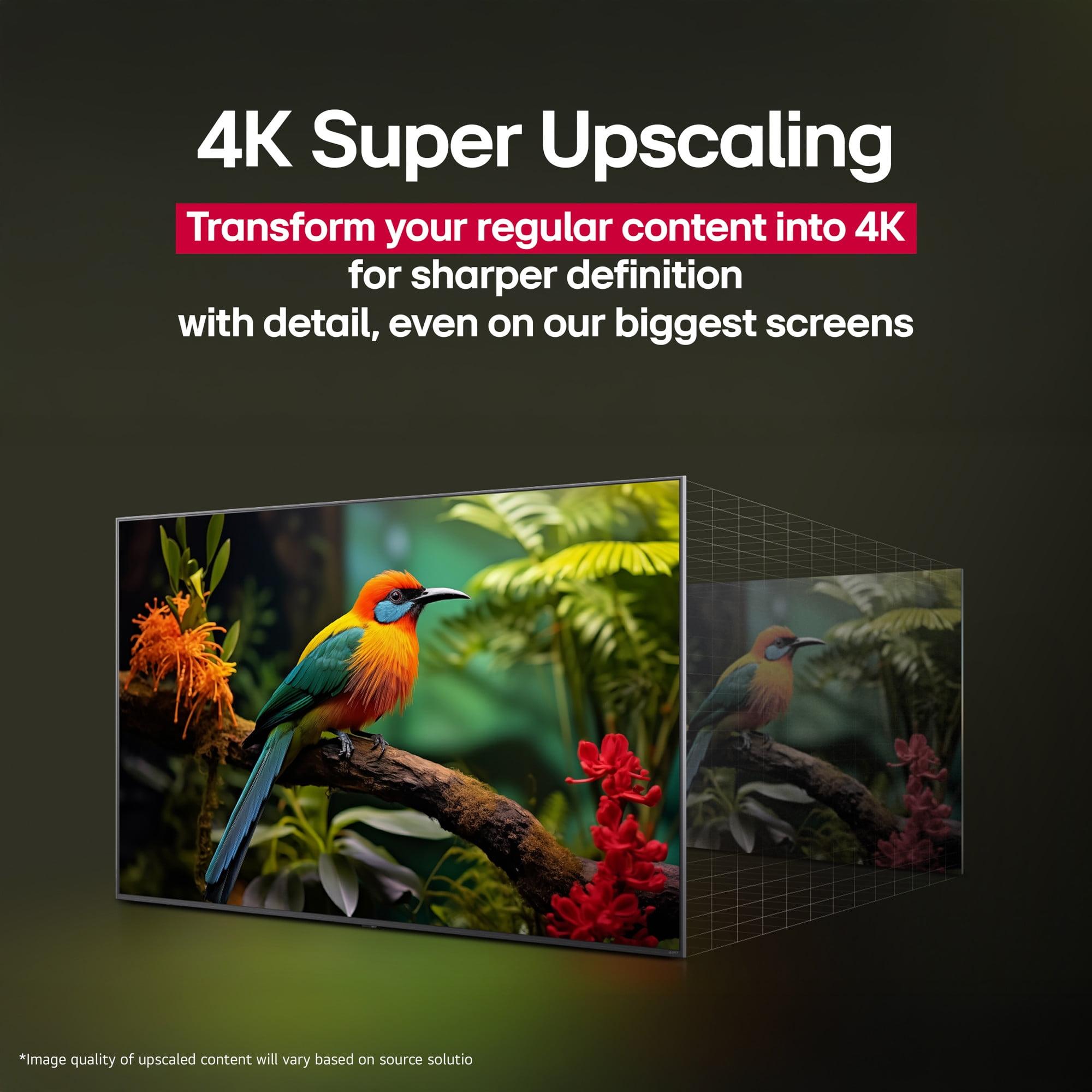
The Samsung U8000F features the Crystal Processor 4K, which provides standard 4K upscaling but lacks the advanced AI capabilities of LG's more sophisticated chip. For an entry-level TV, it handles basic processing tasks adequately but doesn't offer the intelligent optimization features found in higher-end models.
The LG B5 runs webOS 25, which introduces Quick Cards for organizing apps and provides access to over 300 free channels through LG Channels. The platform feels responsive and offers comprehensive voice control through built-in AI assistants.
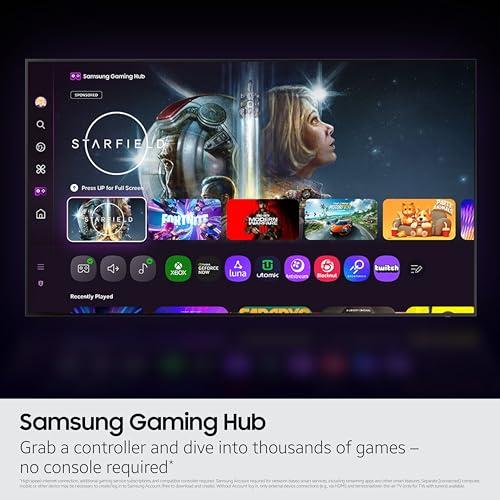
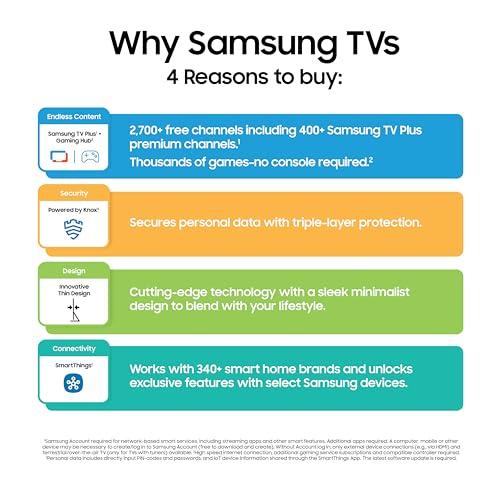
The Samsung U8000F uses Samsung's Tizen platform, offering access to approximately 2,700 free channels and Samsung TV Plus content. It includes Samsung Knox Security for protecting personal data and smart home device information.
Both platforms support major streaming apps and voice assistants, though the LG B5 offers more advanced AI-powered recommendations and search capabilities.
Neither TV delivers exceptional built-in audio - a common limitation in modern slim TV designs. The Samsung U8000F provides 20W of power through a 2-channel speaker system with Object Tracking Sound Lite, which attempts to make audio follow action on screen.
The LG B5 supports Dolby Atmos, which can create more immersive, three-dimensional sound when playing compatible content. The AI processor also optimizes audio based on content type and room acoustics.
Both TVs benefit significantly from external audio solutions, whether soundbars or home theater systems. The Samsung U8000F includes Q-Symphony technology for enhanced coordination with Samsung soundbars, while the LG B5 works well with any quality sound system.
This brings us to one area where the Samsung U8000F might have an advantage: bright room performance. LED-LCD TVs typically achieve higher sustained brightness than OLEDs, which can make them more suitable for rooms with lots of natural light or bright overhead lighting.
The LG B5, while capable of impressive peak brightness in small areas, uses brightness limiting to protect the panel, which can make it appear dimmer in very bright rooms. However, the superior contrast means it often looks better than LED TVs even at lower brightness levels, particularly in mixed lighting conditions.
For dedicated home theater rooms or evening viewing, the LG B5 creates a more cinematic experience with its perfect blacks and wide color gamut. For family rooms with large windows and bright daytime viewing, the Samsung U8000F might be more practical.
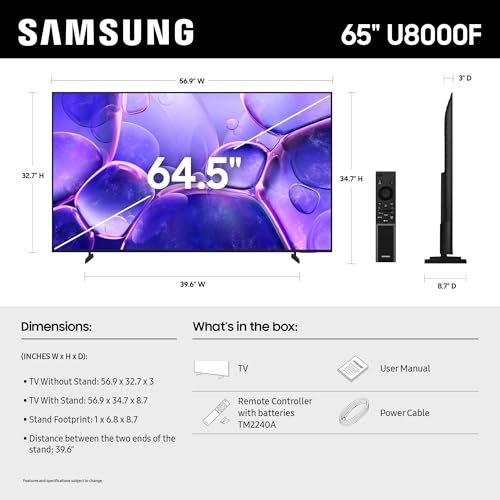
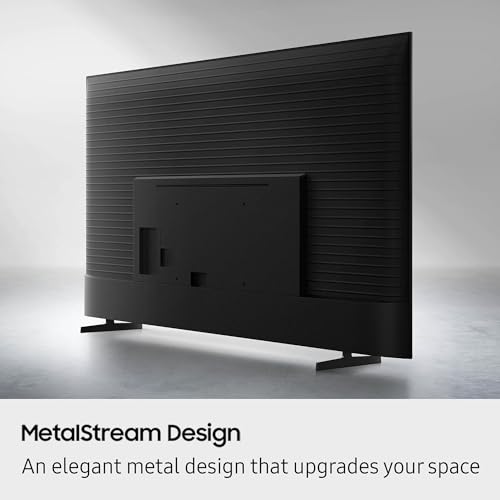
The Samsung U8000F features what Samsung calls MetalStream Design, with an aircraft-inspired metal body that's a significant upgrade from the previous year's plastic construction. The design emphasizes durability and modern aesthetics while keeping costs reasonable.
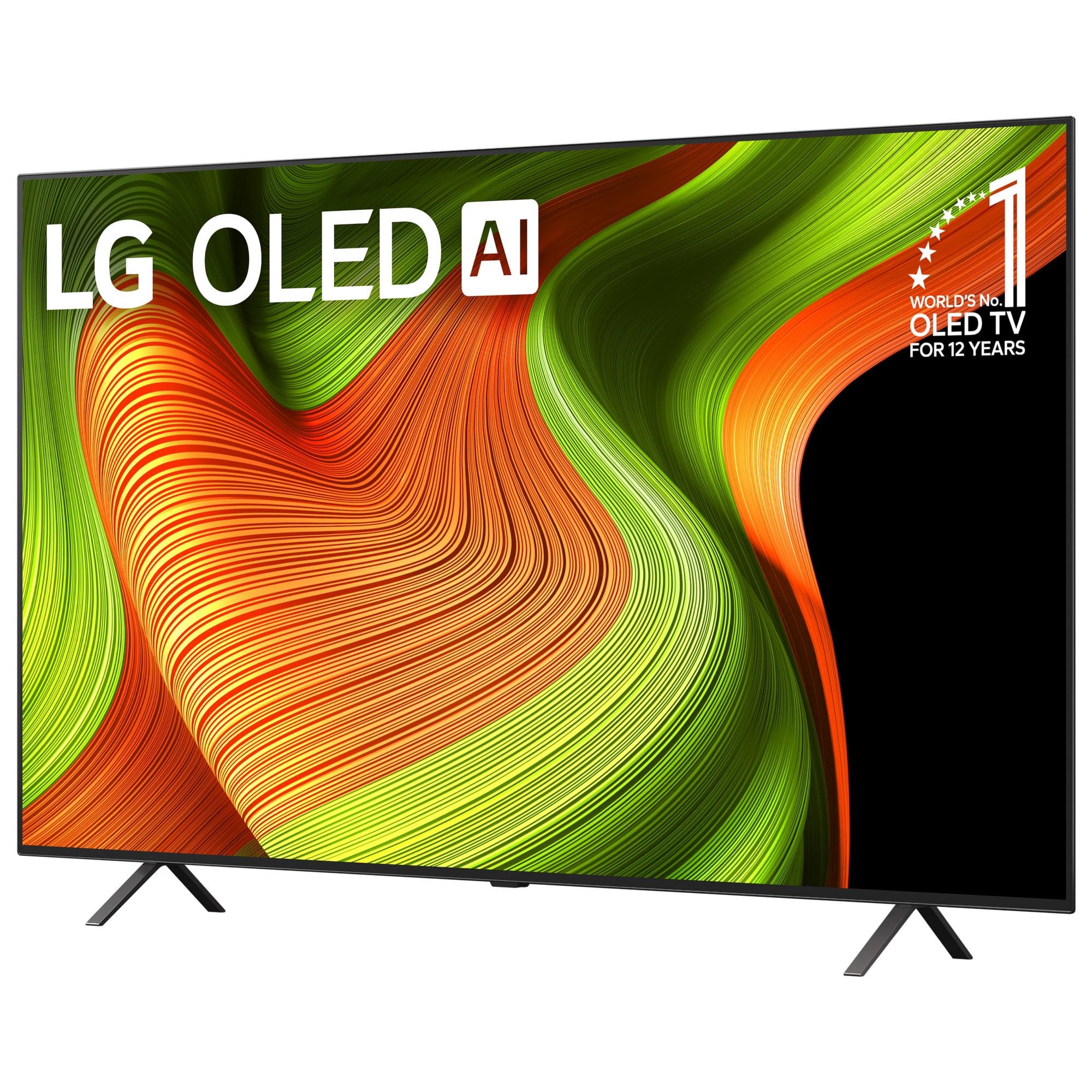
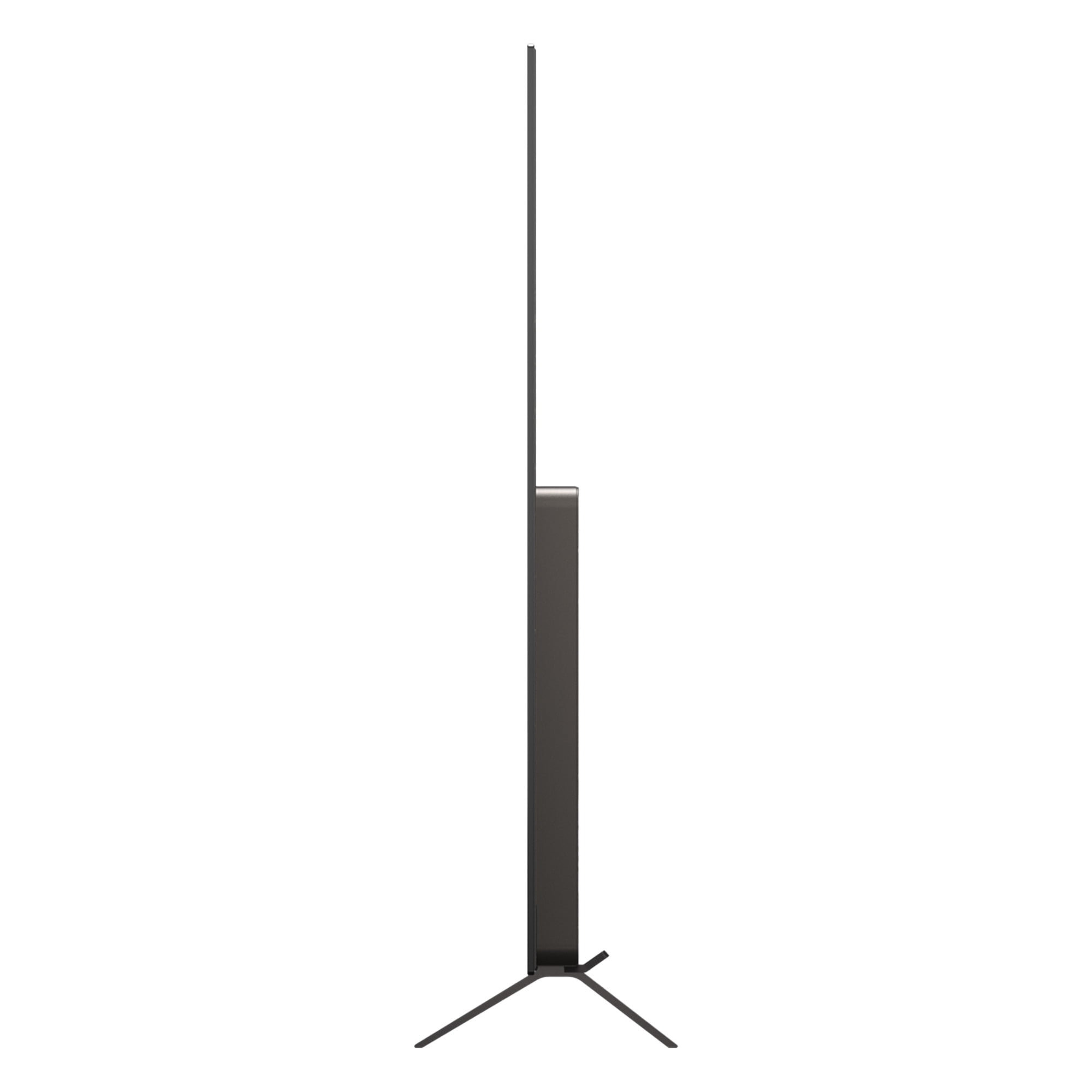
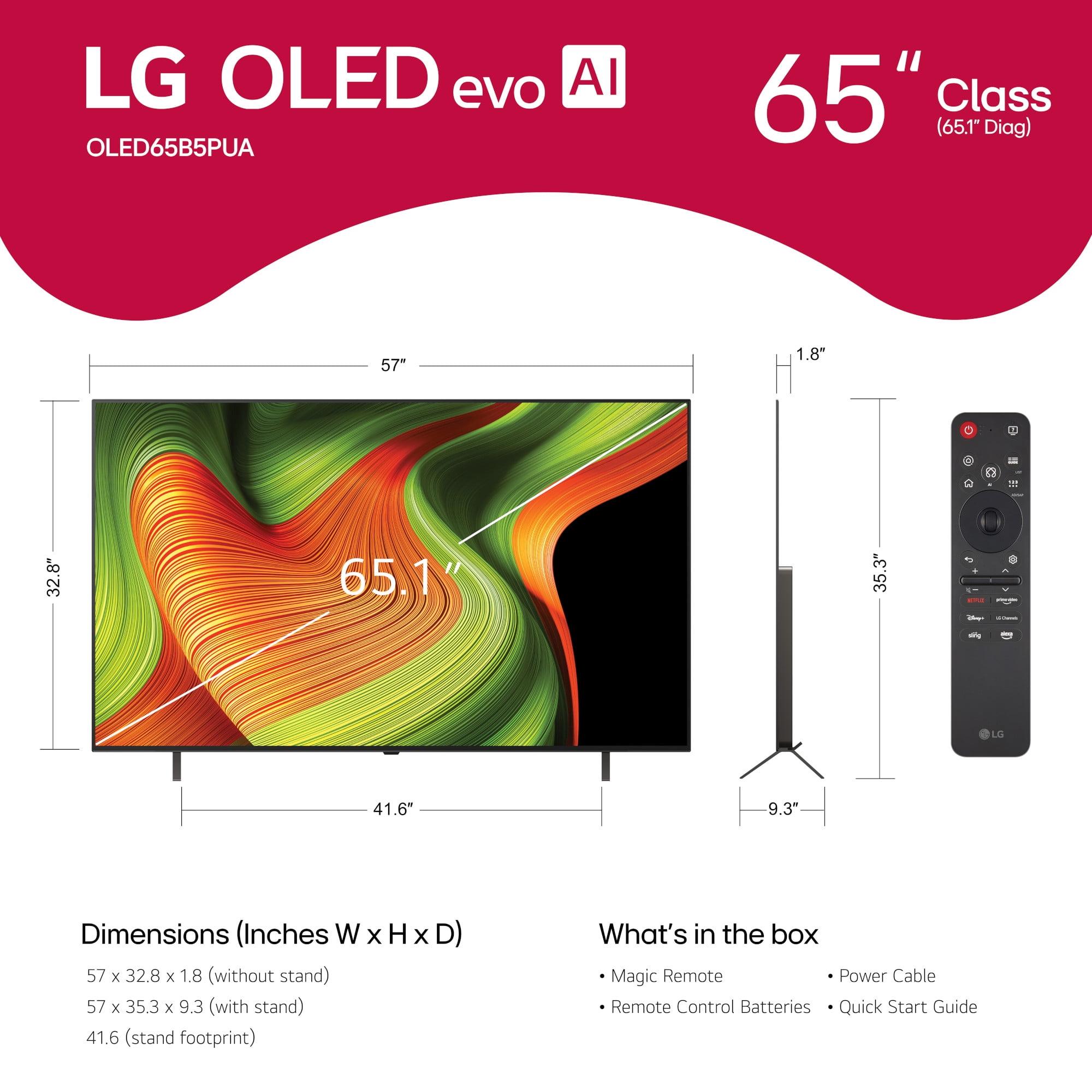
The LG B5, being an OLED panel, naturally achieves a thinner profile with minimal bezels. OLED construction allows for elegant, minimalist designs that complement modern home décor.
Both TVs offer reliable build quality appropriate for their price points, with the LG B5 feeling more premium overall while the Samsung U8000F represents solid value engineering.
When evaluating these TVs for long-term ownership, several factors come into play. OLED technology has matured significantly, with modern panels like those in the LG B5 showing minimal risk of burn-in under normal viewing conditions. LG provides features like pixel refreshing and logo detection to prevent permanent image retention.
The Samsung U8000F, using traditional LED-LCD technology, faces no burn-in concerns and typically maintains consistent performance over many years of use.
However, the LG B5 offers better future-proofing with its 120Hz capability, comprehensive HDMI 2.1 implementation, and support for current and emerging HDR formats. As streaming services continue adopting Dolby Vision and gaming pushes higher frame rates, these capabilities become increasingly valuable.
The choice between these TVs depends heavily on your priorities, viewing environment, and budget flexibility.
Choose the Samsung U8000F if you prioritize getting the largest screen possible within a constrained budget. It's ideal for bright family rooms where the TV competes with natural light, casual viewing habits focused on streaming and basic cable, and situations where gaming is limited to older consoles or occasional use. The metal construction and decent smart features make it a solid value proposition for buyers who want a large, modern TV without premium features.
The LG B5 makes sense when picture quality significantly impacts your enjoyment of content. If you're building a home theater setup or have a room where you can control lighting, the OLED advantages become transformative. Serious gamers with PS5, Xbox Series X, or gaming PCs will appreciate the 120Hz capability and low input lag. Movie enthusiasts who subscribe to premium streaming services with Dolby Vision content will see immediate benefits.
From a value perspective, the LG B5 delivers dramatically more performance per dollar when considering capabilities like perfect blacks, wide viewing angles, comprehensive HDR support, and advanced gaming features. However, the Samsung U8000F serves an important market segment where maximum screen size matters more than cutting-edge performance.
The technology gap between these models is substantial enough that most viewers will notice the difference immediately when comparing them side by side. The question isn't whether the LG B5 performs better - it clearly does in almost every meaningful way - but whether that performance advantage justifies the price premium for your specific situation.
For most buyers who can accommodate the higher cost, the LG B5 provides better long-term satisfaction and future-proofing. The Samsung U8000F fills a specific niche for budget-conscious buyers who need a large, functional TV without premium aspirations.
| Samsung 65-Inch Crystal UHD U8000F | LG B5 Series OLED 65" 4K Smart TV |
|---|---|
| Display Technology - The fundamental difference that affects all picture quality | |
| LED-LCD with VA panel, always-on backlight | OLED with self-emissive pixels, perfect blacks |
| Contrast Ratio - Critical for dark scene detail and overall picture depth | |
| Limited by backlight bleed, no local dimming | Infinite contrast ratio with true blacks |
| Peak Brightness - Important for HDR impact and bright room viewing | |
| Basic LED brightness, better for bright rooms | ~668 nits peak, aggressive brightness limiting |
| Refresh Rate - Essential for gaming and smooth motion | |
| 60Hz maximum | Native 120Hz for next-gen consoles |
| HDMI Ports and Gaming - Future-proofing for consoles and PCs | |
| 3x HDMI 2.0 (4K@60Hz), basic VRR | 4x HDMI 2.1 (4K@120Hz), full gaming features |
| HDR Format Support - Affects streaming service compatibility | |
| HDR10, HDR10+ (no Dolby Vision) | HDR10, HDR10+, Dolby Vision (80% of premium content) |
| Processor - Impacts upscaling quality and smart features | |
| Crystal Processor 4K (basic upscaling) | α8 AI Processor 4K Gen2 (1.4x faster, AI optimization) |
| Smart Platform - Daily usability and app performance | |
| Tizen OS, 2,700+ free channels, Samsung Knox | webOS 25, 300+ free channels, AI-powered features |
| Audio Support - Built-in sound capabilities | |
| 20W 2-channel, Object Tracking Sound Lite | Dolby Atmos support, AI sound optimization |
| Viewing Angles - Important for family seating arrangements | |
| Degrades significantly off-center (typical LCD) | Consistent color/brightness from any angle |
| Response Time - Critical for gaming input lag | |
| Standard LCD response time | ~0.1ms (virtually instant) |
| Design and Build - Physical construction quality | |
| MetalStream Design with metal body upgrade | Slim OLED profile, minimal bezels |
| Connectivity - Wireless and networking capabilities | |
| Wi-Fi 5, Bluetooth 5.3 | Wi-Fi 6E (including 6GHz band), advanced connectivity |
| Target Use Case - Who should buy this TV | |
| Budget-conscious buyers, bright rooms, casual viewing | Home theater, gaming enthusiasts, movie lovers |
The biggest difference is display technology. The Samsung 65-Inch Crystal UHD U8000F uses LED-LCD technology with a backlight, while the LG B5 Series OLED uses self-emissive pixels that can turn completely off. This means the LG B5 delivers perfect blacks and infinite contrast, while the Samsung U8000F offers better brightness for very bright rooms but can't achieve true black levels.
The LG B5 Series OLED is significantly better for gaming. It offers 120Hz refresh rate, four HDMI 2.1 ports supporting 4K@120Hz, and extremely low input lag (~0.1ms). The Samsung 65-Inch Crystal UHD U8000F is limited to 60Hz and has only HDMI 2.0 ports, making it suitable only for casual gaming or older consoles.
The LG B5 Series OLED has dramatically better picture quality with perfect blacks, infinite contrast ratio, and superior color accuracy. It also supports Dolby Vision, which is used by 80% of premium streaming content. The Samsung 65-Inch Crystal UHD U8000F offers decent picture quality for its price range but can't match OLED's contrast and color performance.
The Samsung 65-Inch Crystal UHD U8000F may perform better in very bright rooms due to higher sustained brightness and better reflection handling. The LG B5 Series OLED uses brightness limiting and may appear dimmer in rooms with lots of natural light, though its superior contrast often compensates for lower brightness levels.
Yes, both the Samsung 65-Inch Crystal UHD U8000F and LG B5 Series OLED support all major streaming apps like Netflix, Disney+, Amazon Prime Video, and Apple TV+. The LG B5 has an advantage with Dolby Vision support for premium content, while the Samsung U8000F relies on HDR10 and HDR10+ formats.
The LG B5 Series OLED is far superior for home theater setups. Its perfect blacks, infinite contrast ratio, and Dolby Vision support create a cinematic experience that the Samsung 65-Inch Crystal UHD U8000F cannot match. The OLED technology excels in controlled lighting environments where its picture quality advantages are most apparent.
The LG B5 Series OLED runs webOS 25 with AI-powered features and access to 300+ free channels. The Samsung 65-Inch Crystal UHD U8000F uses Tizen OS with Samsung Knox Security and 2,700+ free channels. Both platforms are user-friendly, but the LG offers more advanced AI features and better processing power.
Both TVs offer solid build quality for their respective price points. The Samsung 65-Inch Crystal UHD U8000F features an upgraded MetalStream Design with a metal body, while the LG B5 Series OLED has a naturally slim OLED profile with premium materials. The LG feels more premium overall, but both are well-constructed.
Yes, both the Samsung 65-Inch Crystal UHD U8000F and LG B5 Series OLED display native 4K content excellently. The LG B5 has a more advanced α8 AI Processor that provides superior upscaling of lower-resolution content, while the Samsung U8000F offers decent 4K processing with its Crystal Processor 4K.
For sports viewing, the choice depends on your setup. The LG B5 Series OLED offers smoother motion with 120Hz and better viewing angles for group watching. The Samsung 65-Inch Crystal UHD U8000F may be better for bright rooms where sports are often watched during the day, though the OLED's superior contrast and motion handling generally provide a better experience.
Both TVs work well with soundbars. The Samsung 65-Inch Crystal UHD U8000F includes Q-Symphony technology for enhanced integration with Samsung soundbars. The LG B5 Series OLED supports Dolby Atmos and works excellently with any quality soundbar or home theater system, offering more flexibility in audio setup choices.
The LG B5 Series OLED typically offers better long-term value despite its higher upfront cost. Its superior picture quality, 120Hz gaming capabilities, comprehensive HDR support, and advanced processing provide better future-proofing. The Samsung 65-Inch Crystal UHD U8000F offers good value for budget-conscious buyers who prioritize screen size over premium features.
We've done our best to create useful and informative comparisons to help you decide what product to buy. Our research uses advanced automated methods to create this comparison and perfection is not possible - please contact us for corrections or questions. These are the sites we've researched in the creation of this article: bestbuy.com - youtube.com - youtube.com - rtings.com - youtube.com - samsung.com - hometechnologyreview.com - rtings.com - samsung.com - displayspecifications.com - samsung.com - displayspecifications.com - walmart.com - billsmith.com - dentonstv.com - samsung.com - samsung.com - samsung.com - youtube.com - bestbuy.com - bestbuy.com - youtube.com - samsung.com - donstv.com - eftm.com - bestbuy.com - rtings.com - youtube.com - rtings.com - tomsguide.com - youtube.com - nationalproductreview.com.au - lg.com - manchesterbrothers.com - avsforum.com - lg.com - lg.com - lg.com - lg.com - retailspecs.com - american-homeappliance.com - perpichtv.com

Privacy Policy
Terms and Conditions - Affiliate Policy
Home Security
© Copyright 2008-2026.
11816 Inwood Rd #1211, Dallas, TX 75244