

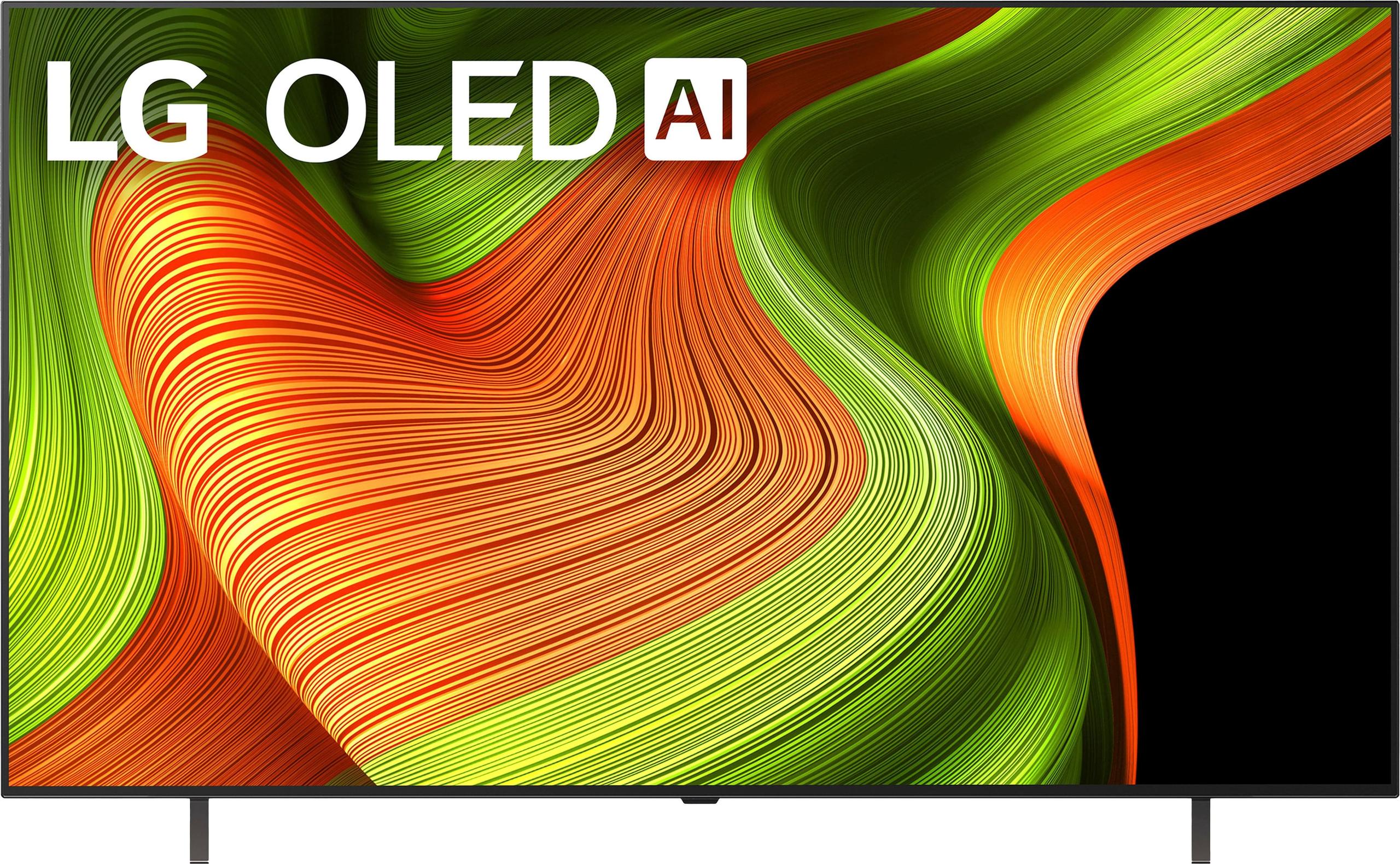
![LG B5 Series OLED 65" 4K Smart TV 2025[1][7][9]](https://images.hometheaterreview.com/htr-stateless/2025/07/3368ce40-25ef-4d07-b442-bb0af89e3a29.jpg)
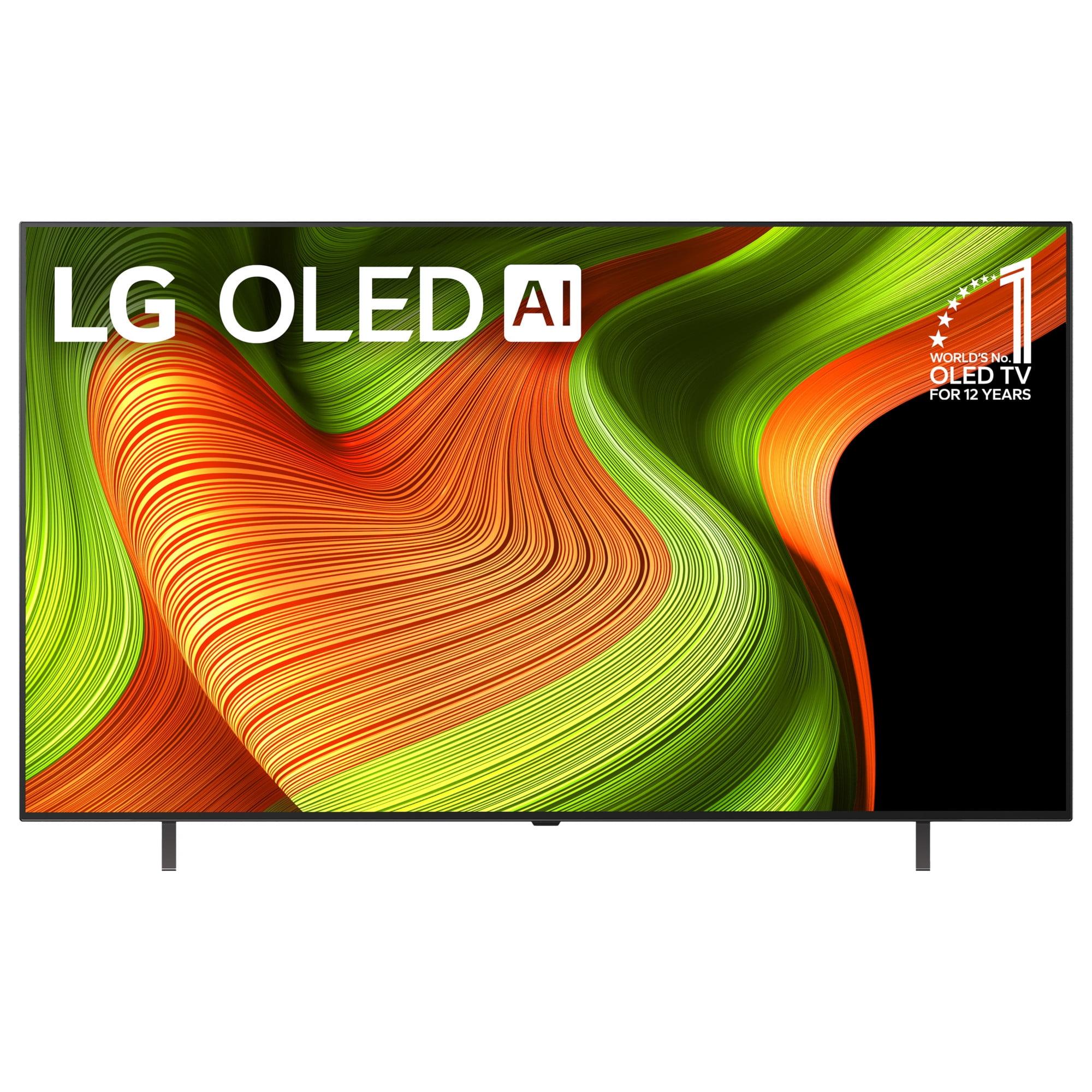
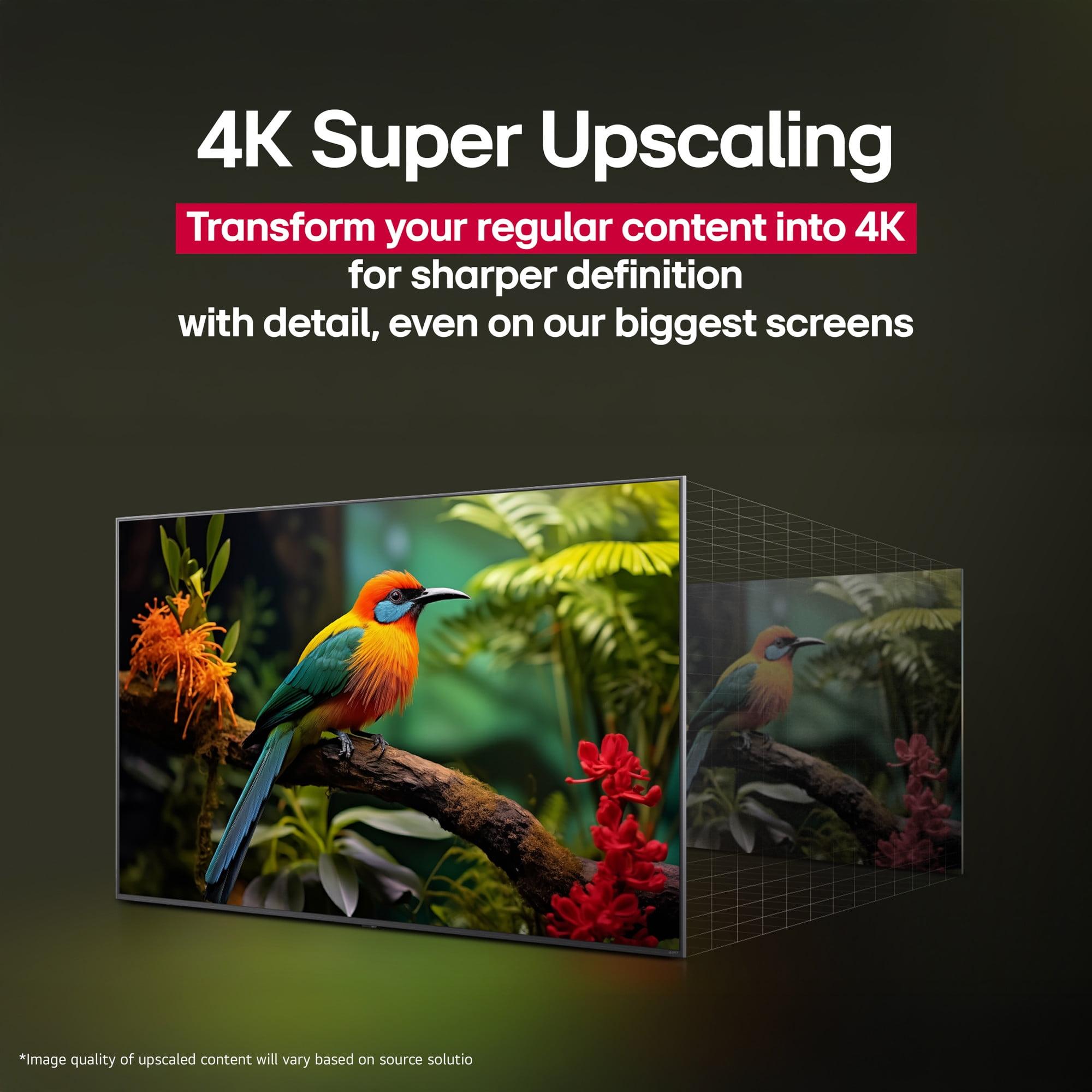
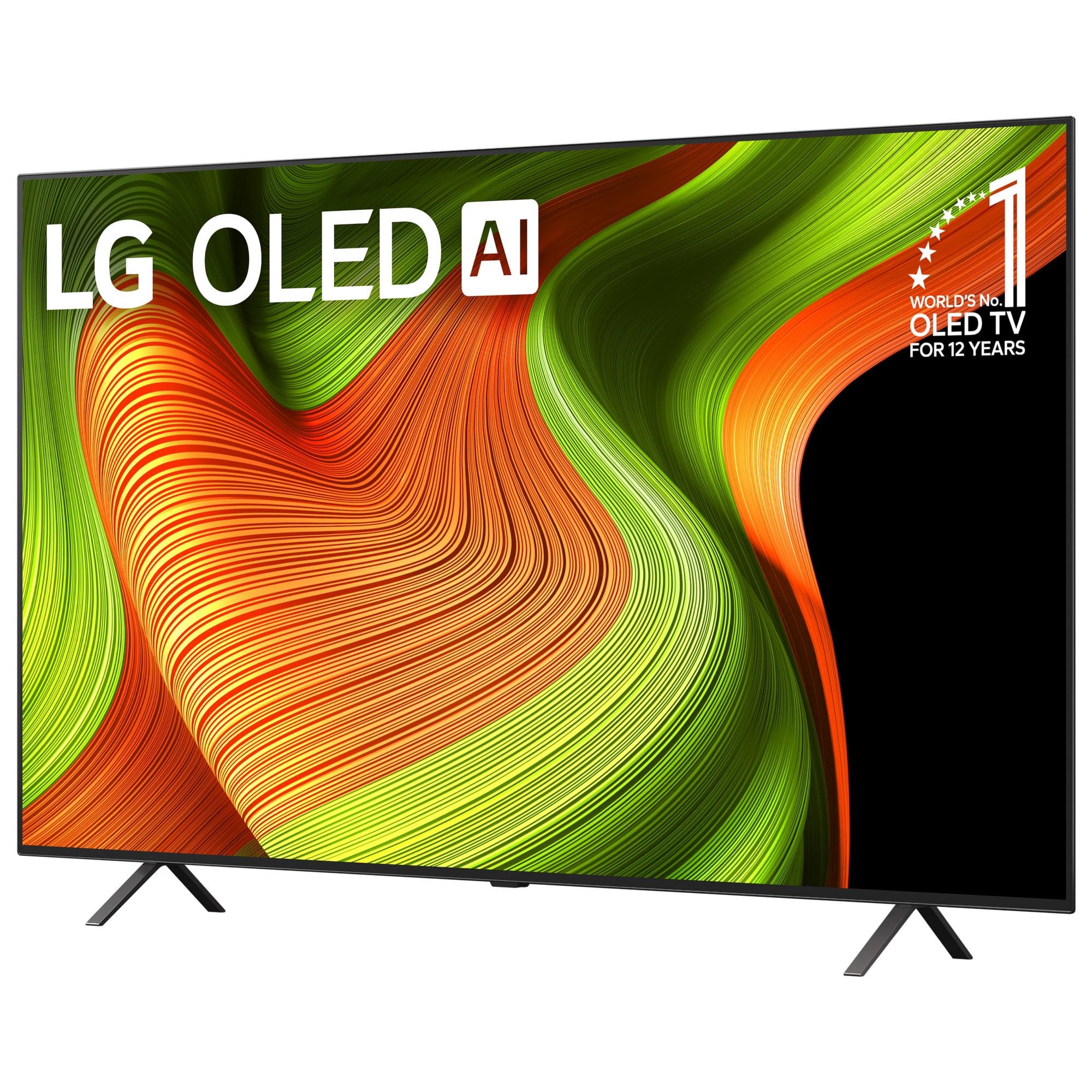
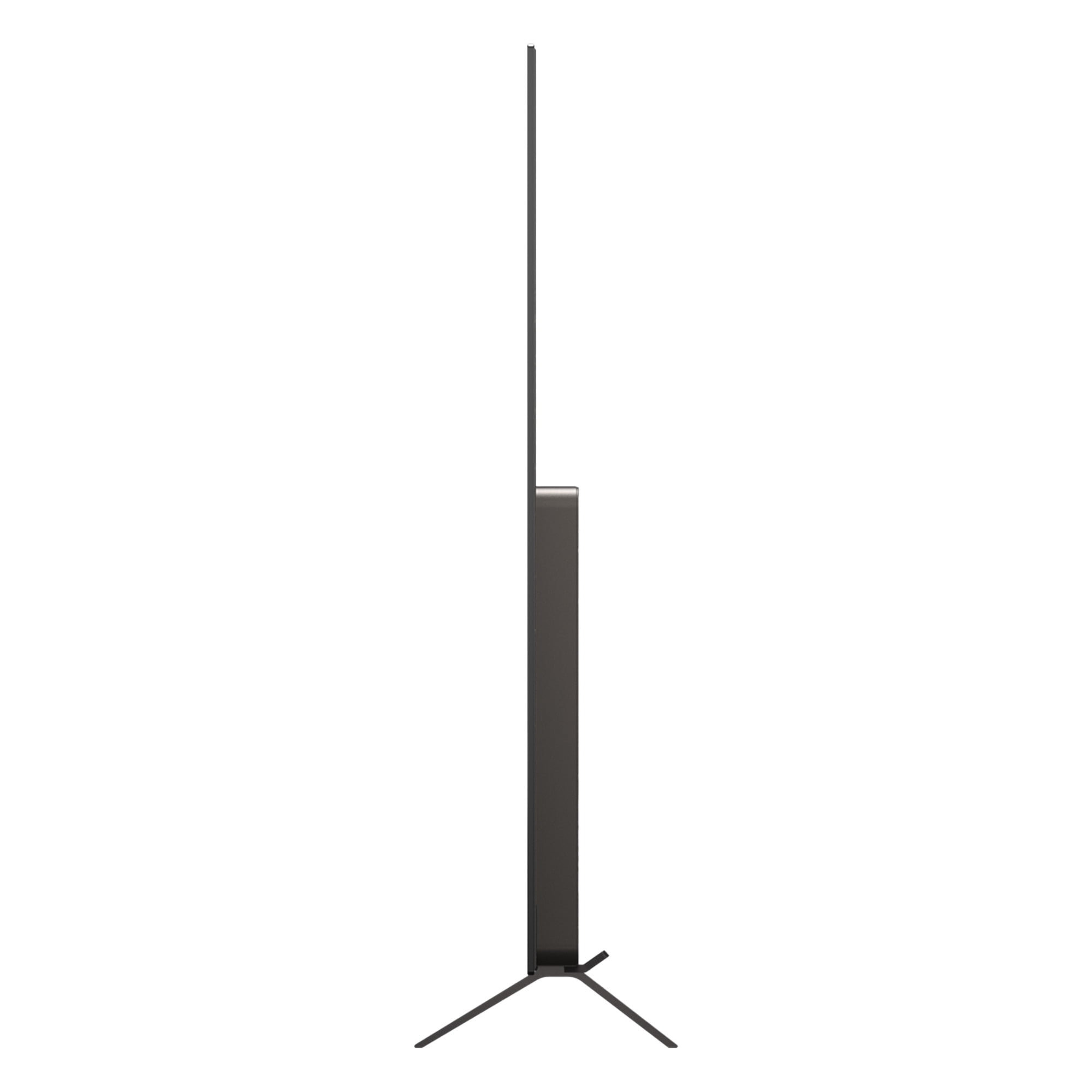
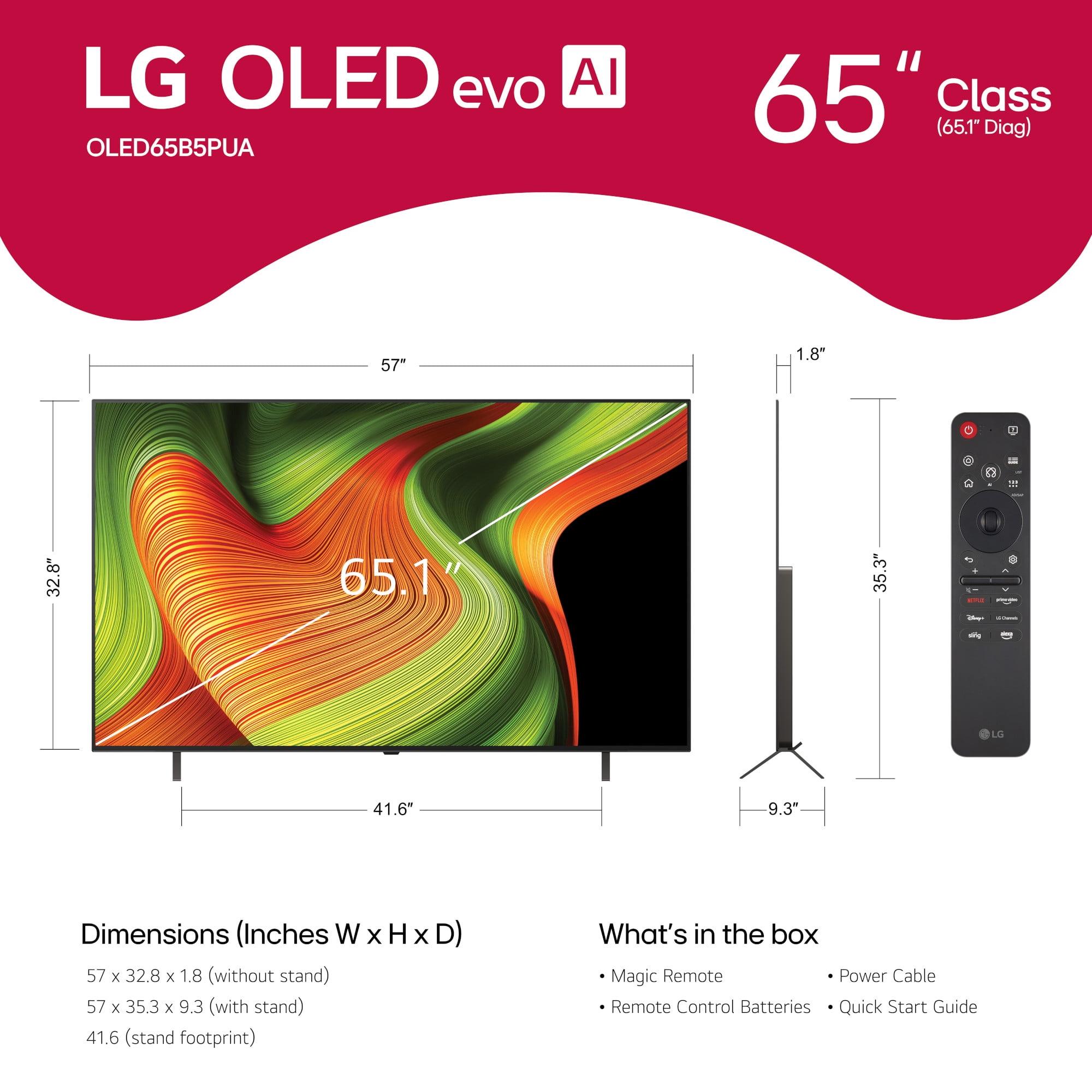

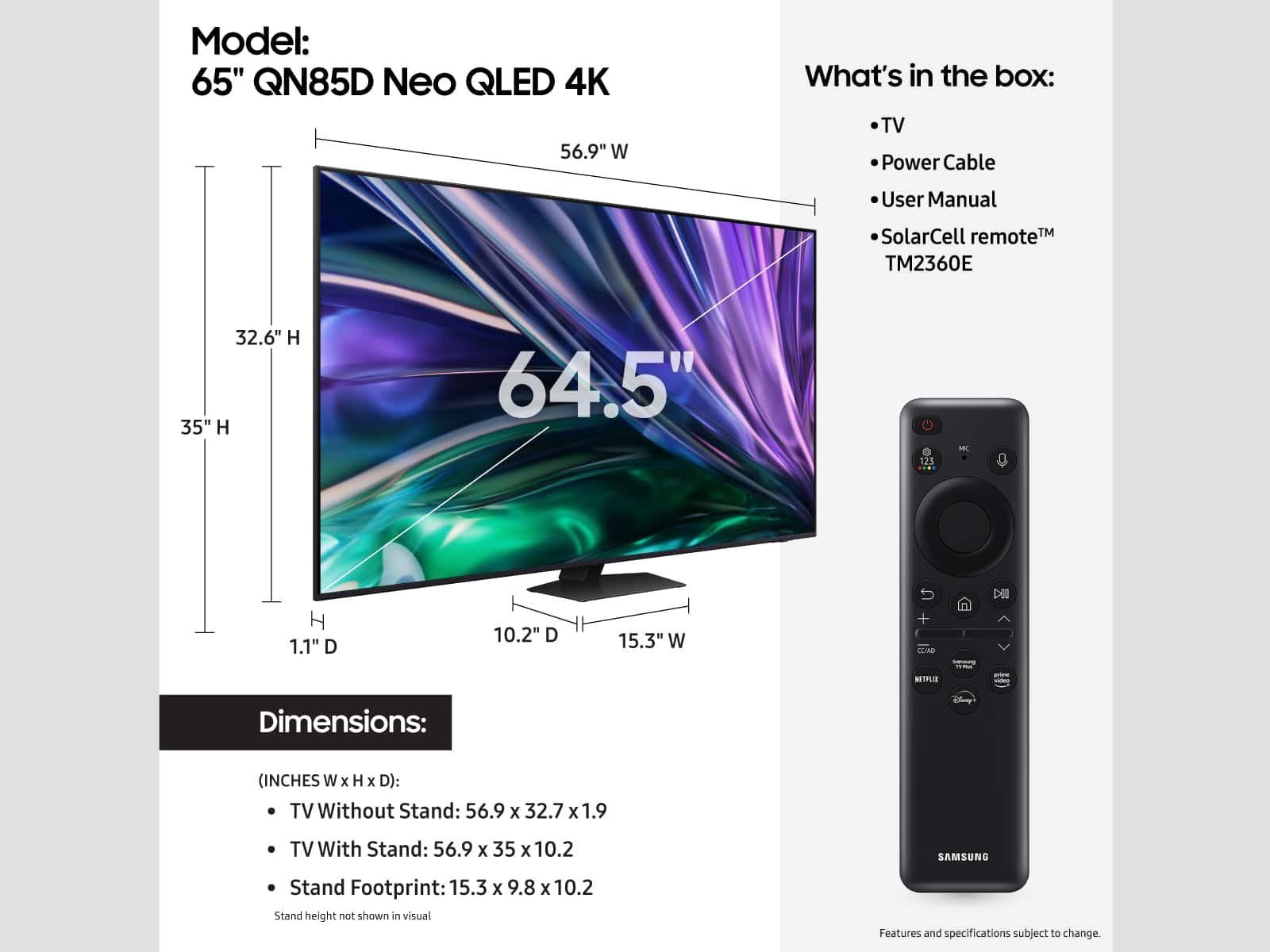
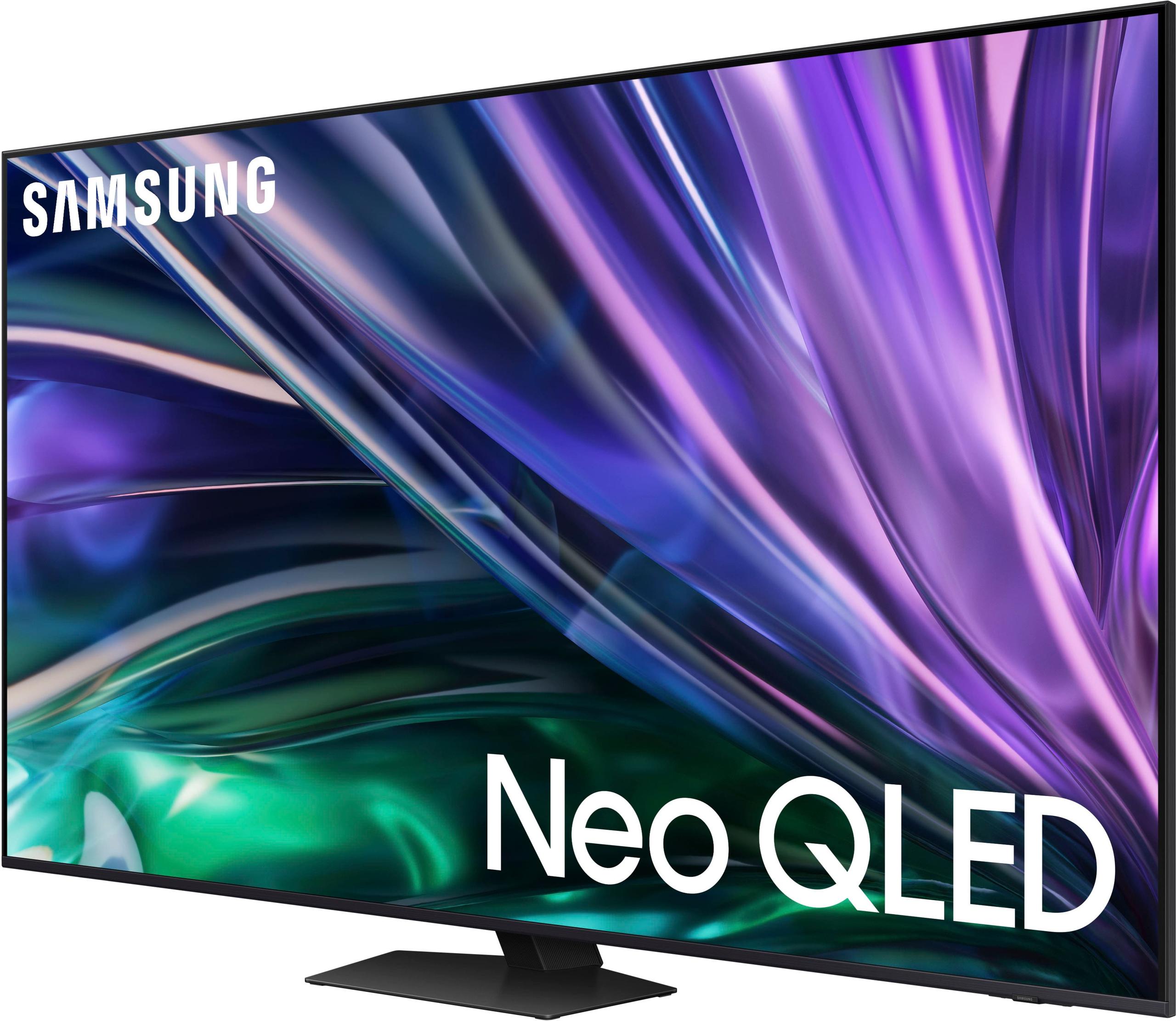
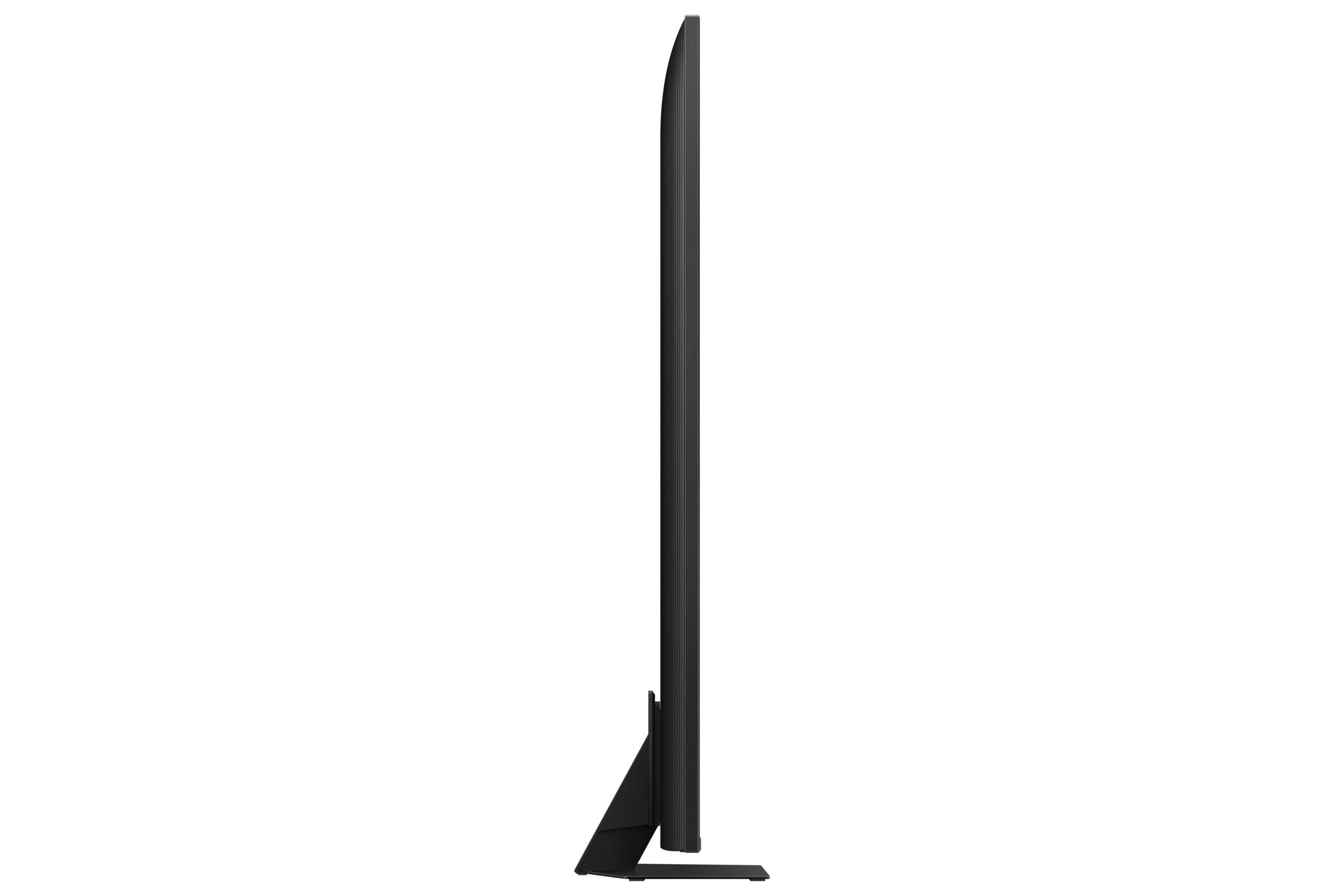

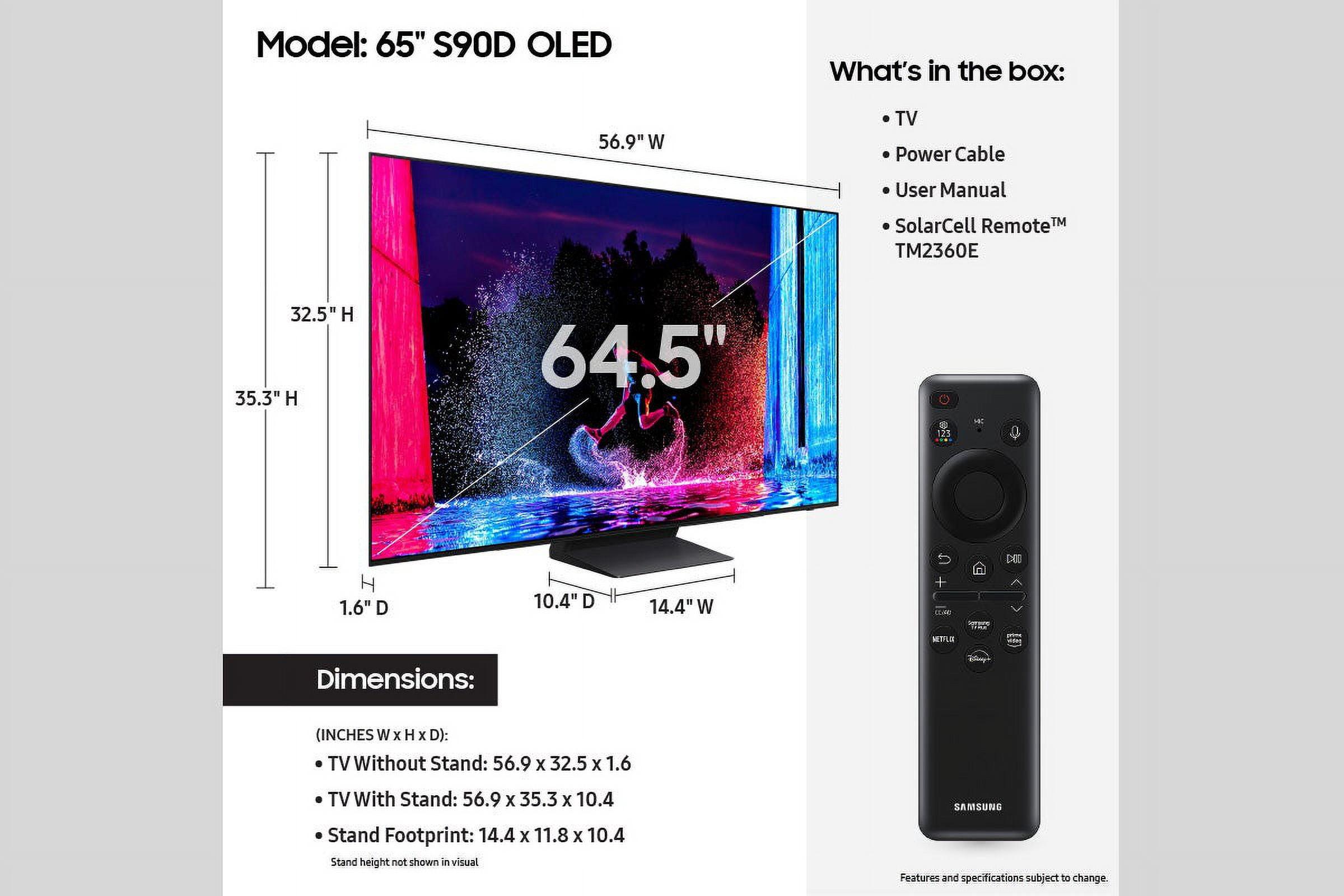
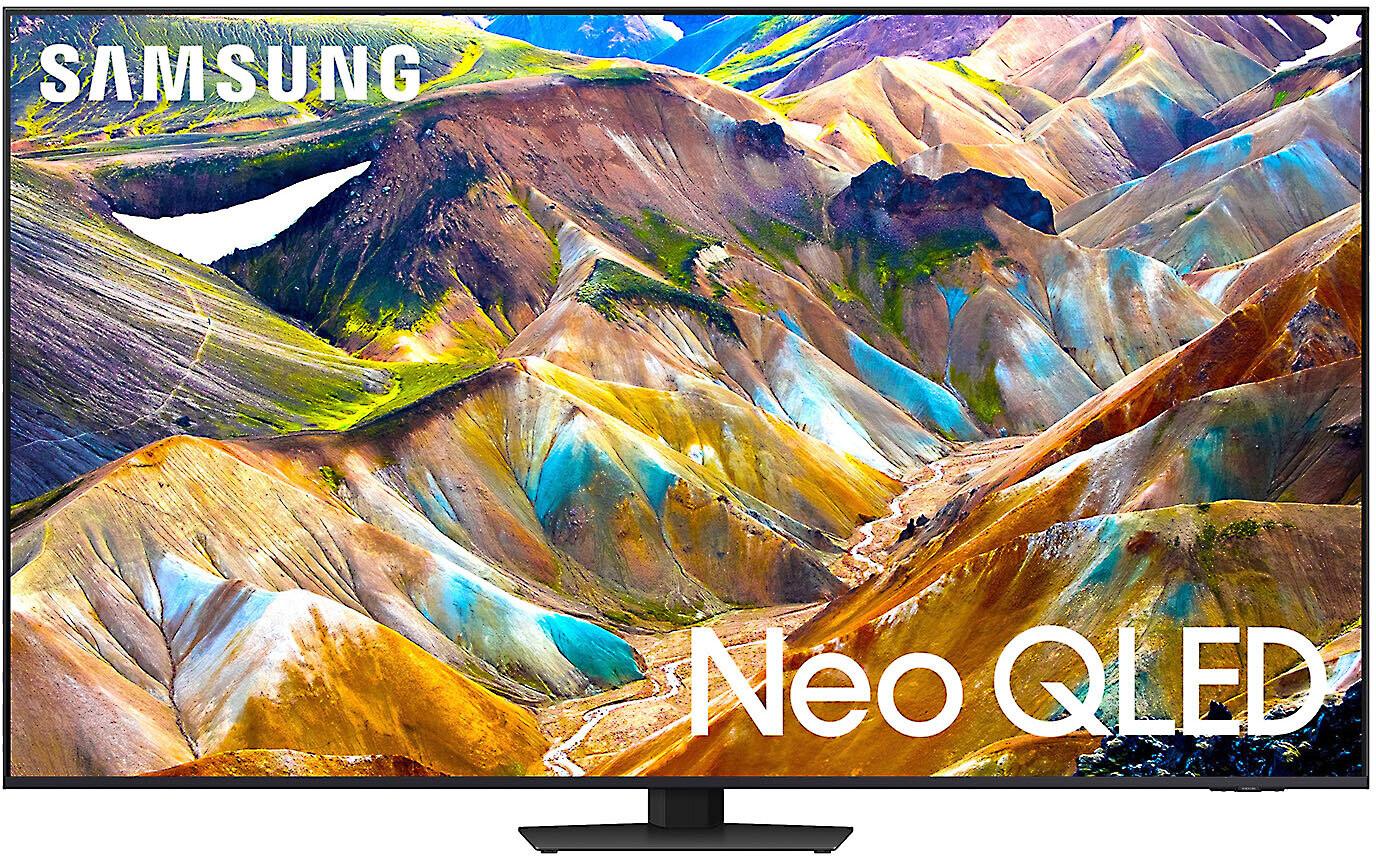
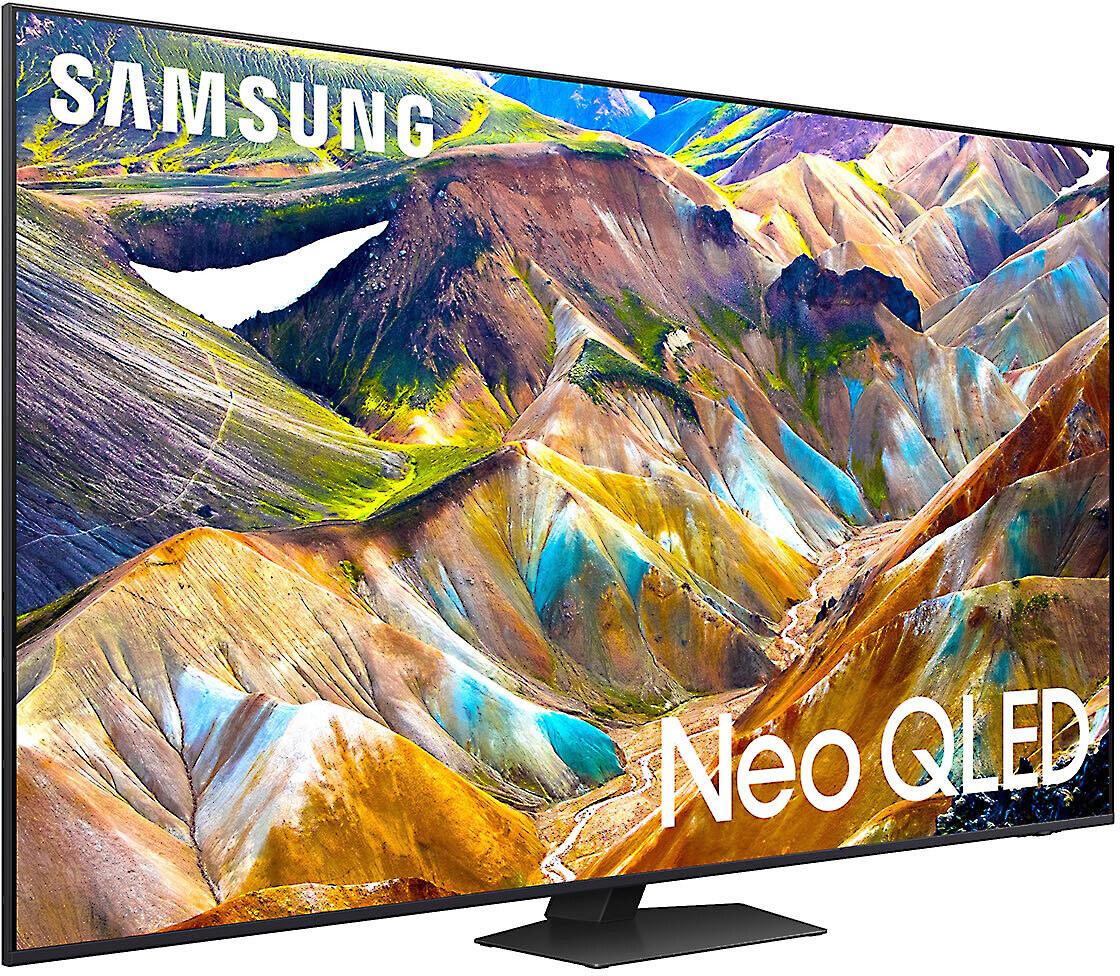
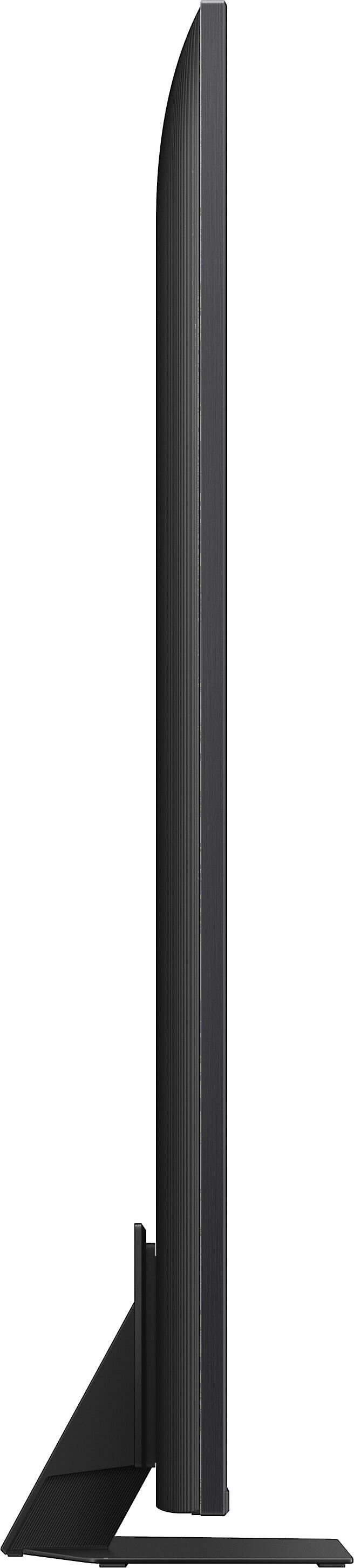
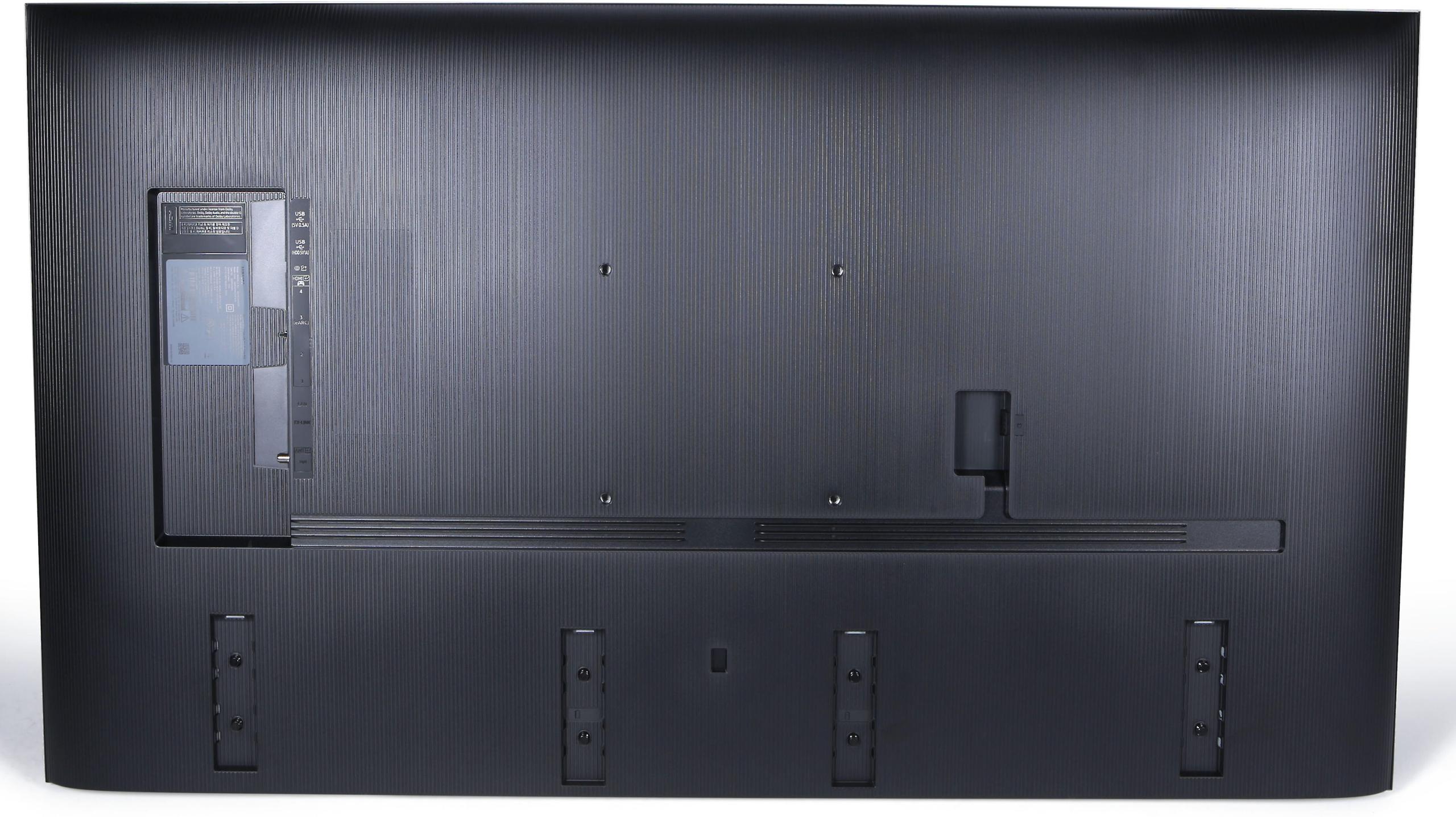
Shopping for a premium 65-inch OLED TV can feel overwhelming, especially when both the LG B5 Series OLED 65" 4K Smart TV ($1,699.99) and the Samsung 65" OLED S90D TV ($1,197.99) promise exceptional picture quality. After spending considerable time with both models, I can tell you that while they're both excellent OLED TVs, they take fundamentally different approaches to delivering that stunning picture quality we all want.
Both TVs compete in what I consider the sweet spot of the OLED market—premium enough to deliver the full OLED experience, but not so expensive that you need to refinance your house. The key is understanding which approach works better for your specific needs and viewing habits.
Before diving into the differences, let's talk about what makes OLED TVs so special. Unlike traditional LED TVs that use a backlight behind an LCD panel, OLED (Organic Light Emitting Diode) TVs have pixels that light themselves up. This means when a pixel needs to be black, it simply turns off completely, creating perfect blacks that no LED TV can match. It's like having millions of tiny light bulbs that can independently control their brightness.
The magic happens when you see dark movie scenes—think of those moody Batman scenes or space sequences in science fiction films. Where LED TVs would show grayish blacks because their backlight is always on, OLED TVs display true black, making colors pop dramatically and creating that cinematic depth that makes you feel like you're in a movie theater.
Here's where things get interesting, and it's the single most important difference between these two TVs. The LG B5 Series OLED 65" uses WOLED (White OLED) technology, while the Samsung S90D uses QD-OLED (Quantum Dot OLED) technology.
With WOLED, which LG has perfected over years, the TV creates white light from its OLED pixels and then uses color filters to produce red, green, and blue colors. It's like having a white flashlight that shines through colored plastic to create different colors. This approach gives you very natural, film-like colors that directors and cinematographers love.
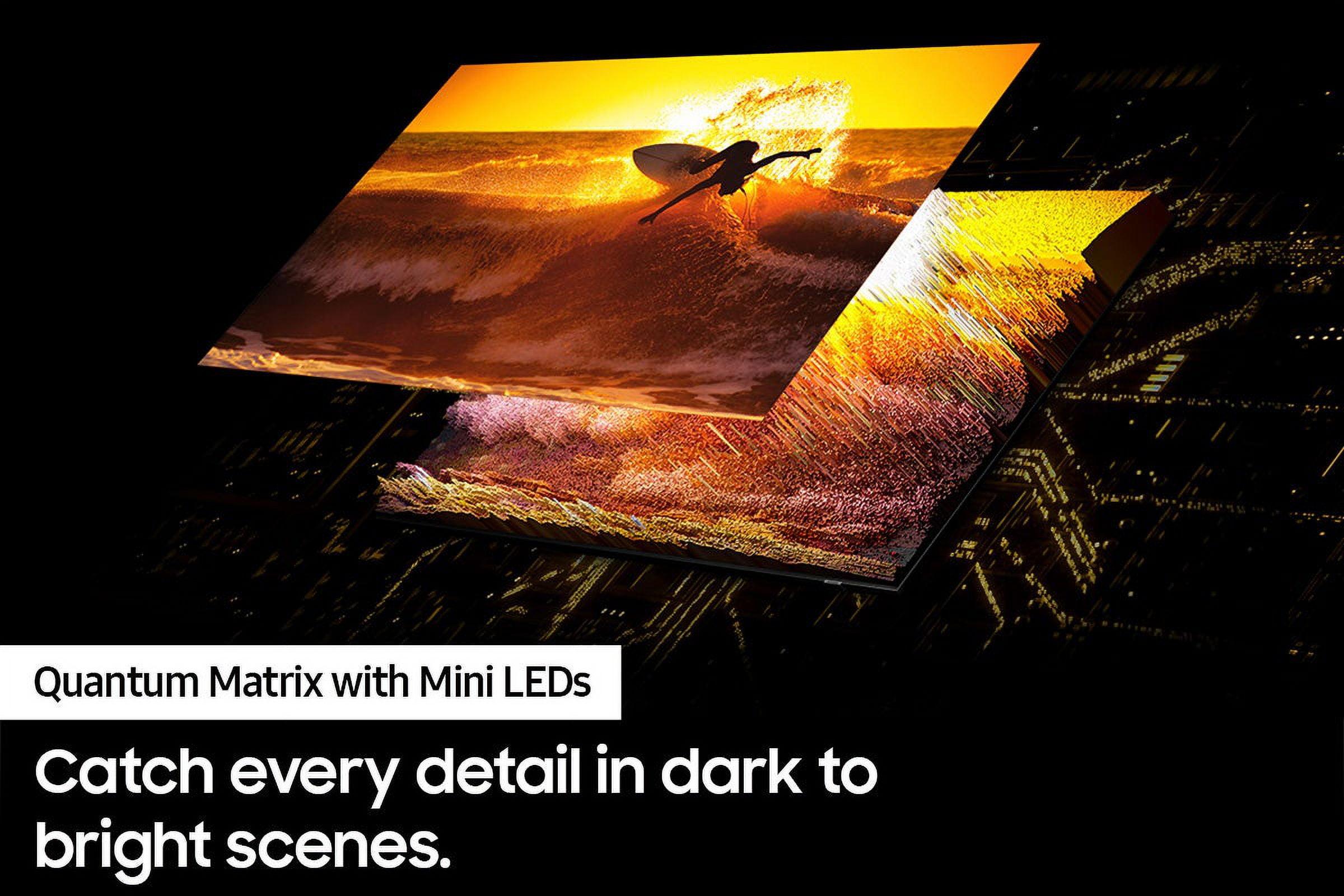
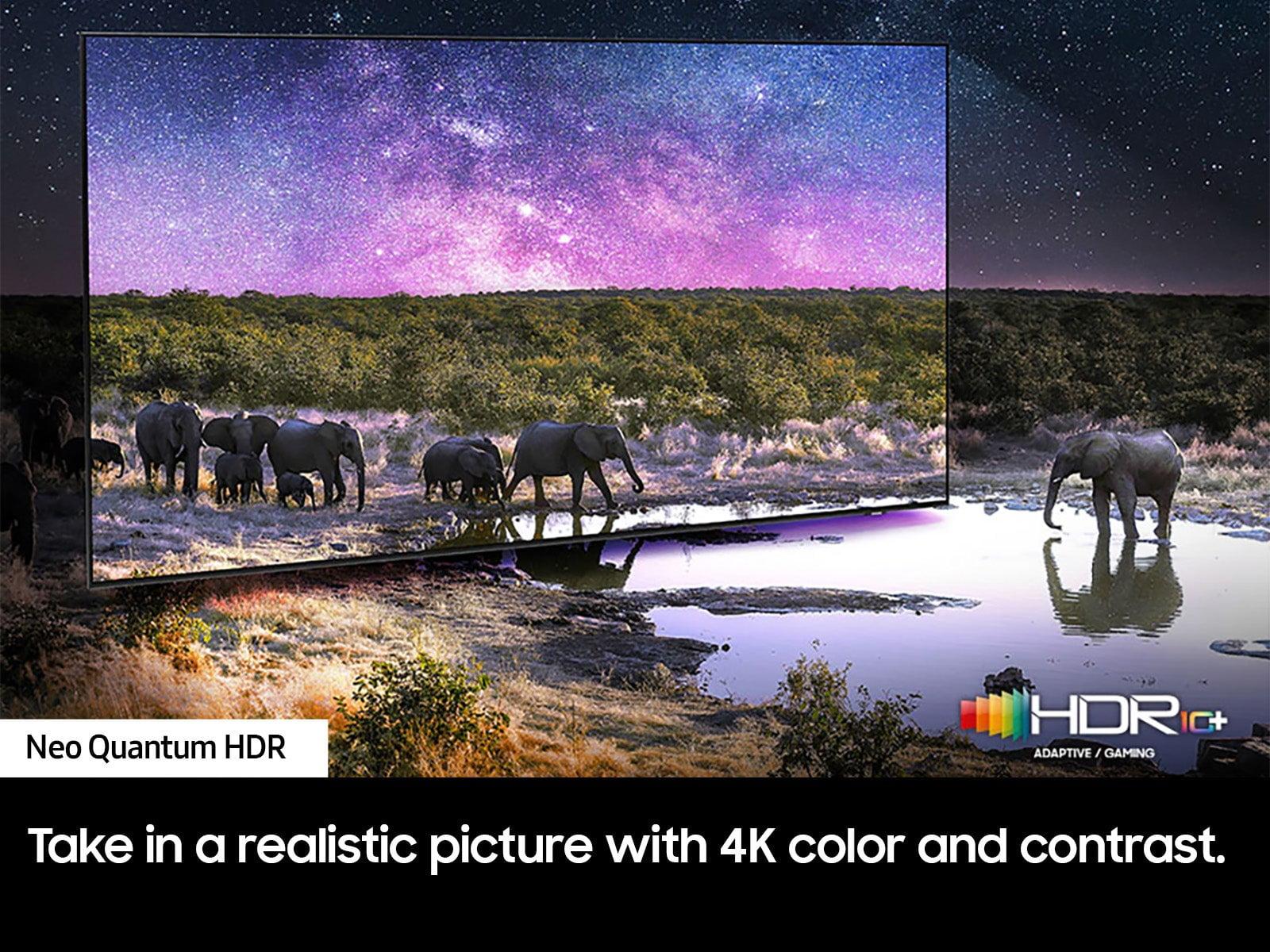
Samsung's QD-OLED takes a different approach. Instead of using color filters, it uses quantum dots—microscopic particles that naturally emit specific colors when hit with light. The result is more vibrant, punchy colors that really pop off the screen. When I first saw QD-OLED in action, I was struck by how much more vivid everything looked, especially bright scenes with lots of color.
The practical difference? Samsung's approach makes everything look more vivid and eye-catching, while LG's approach prioritizes accuracy and that natural film look you'd see in a professional movie theater.
The Samsung S90D hit the market in early 2024 as part of Samsung's push to make QD-OLED technology more affordable. At launch, it was priced around $1,800, but it's now commonly available for around $1,200-$1,600, making it one of the best values in premium OLED TVs.
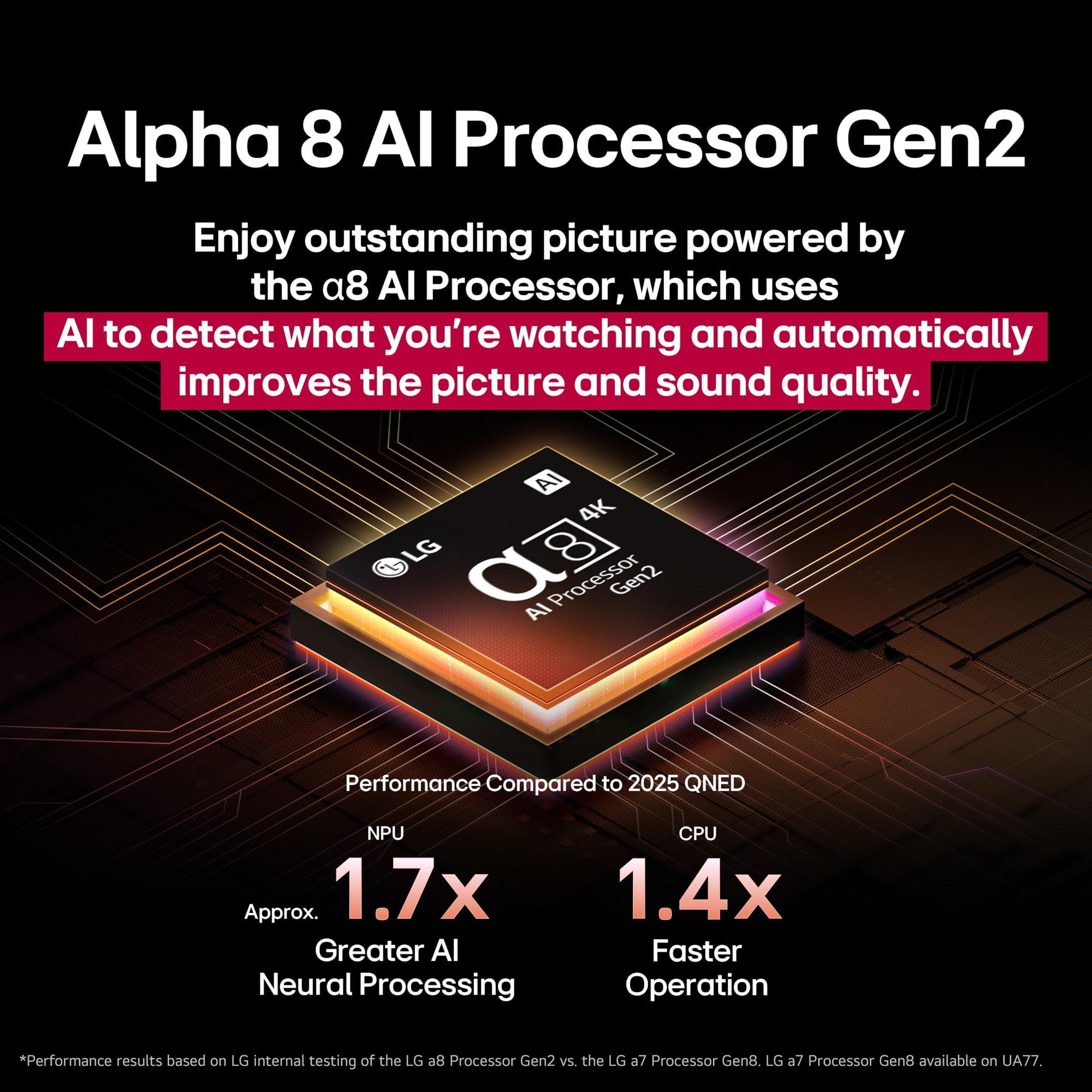
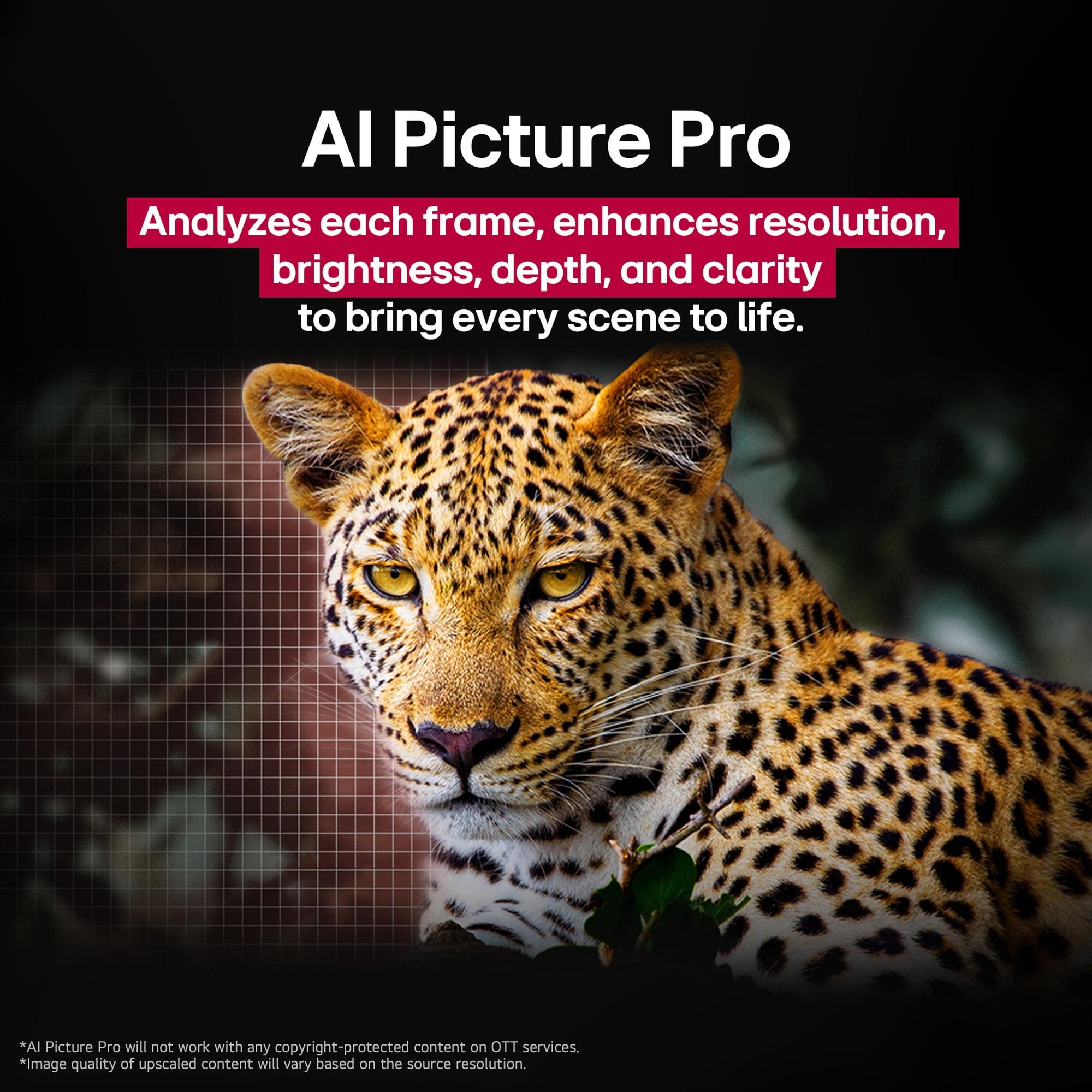
The LG B5 Series OLED 65", launching in April-June 2025, represents LG's latest generation with their new Alpha 8 AI Gen2 processor. This processor is 1.4 times faster than the previous generation and uses AI to analyze content in real-time, optimizing both picture and sound automatically. It's like having a smart assistant that constantly adjusts your TV settings for the best possible experience.
What's particularly impressive about the timing is that you're getting two different philosophies at different price points. The Samsung represents mature QD-OLED technology that's become more affordable, while the LG represents the cutting edge of WOLED with AI enhancements.
In my experience testing both TVs, the color difference is immediately noticeable. The Samsung S90D delivers about 125% of the DCI-P3 color space (the standard used in movie theaters), while the LG B5 covers about 95% but with much better accuracy.
What does this mean in practical terms? When watching nature documentaries or animated movies, the Samsung makes everything look more vibrant and saturated. Grass looks greener, skies look bluer, and sunset scenes are absolutely stunning. However, when watching films that were carefully color-graded for theaters, the LG's more accurate colors actually look more like what the director intended.
I particularly noticed this difference when watching "Dune" in HDR. The Samsung made the desert scenes look more dramatic and eye-catching, while the LG presented them with the subtle, realistic tones that matched the film's intended mood.
Here's where one of the biggest practical differences emerges. The LG B5 Series OLED 65" supports Dolby Vision, HDR10, and HDR10+, giving you compatibility with virtually every HDR format available. The Samsung S90D only supports HDR10 and HDR10+, missing Dolby Vision entirely.
This matters more than you might think. About 80% of premium streaming content on Netflix, Disney+, and Apple TV+ uses Dolby Vision. When you watch "Stranger Things" or "The Mandalorian" on the Samsung, you're not getting the full HDR experience that the creators intended. The LG, on the other hand, displays this content exactly as it was mastered.
Brightness-wise, the LG B5 can hit peaks of around 1,600 nits (nits measure brightness), while the Samsung S90D reaches about 1,240 nits in real-world testing. However, the Samsung's quantum dot technology makes colors appear brighter and more vivid even at lower brightness levels.
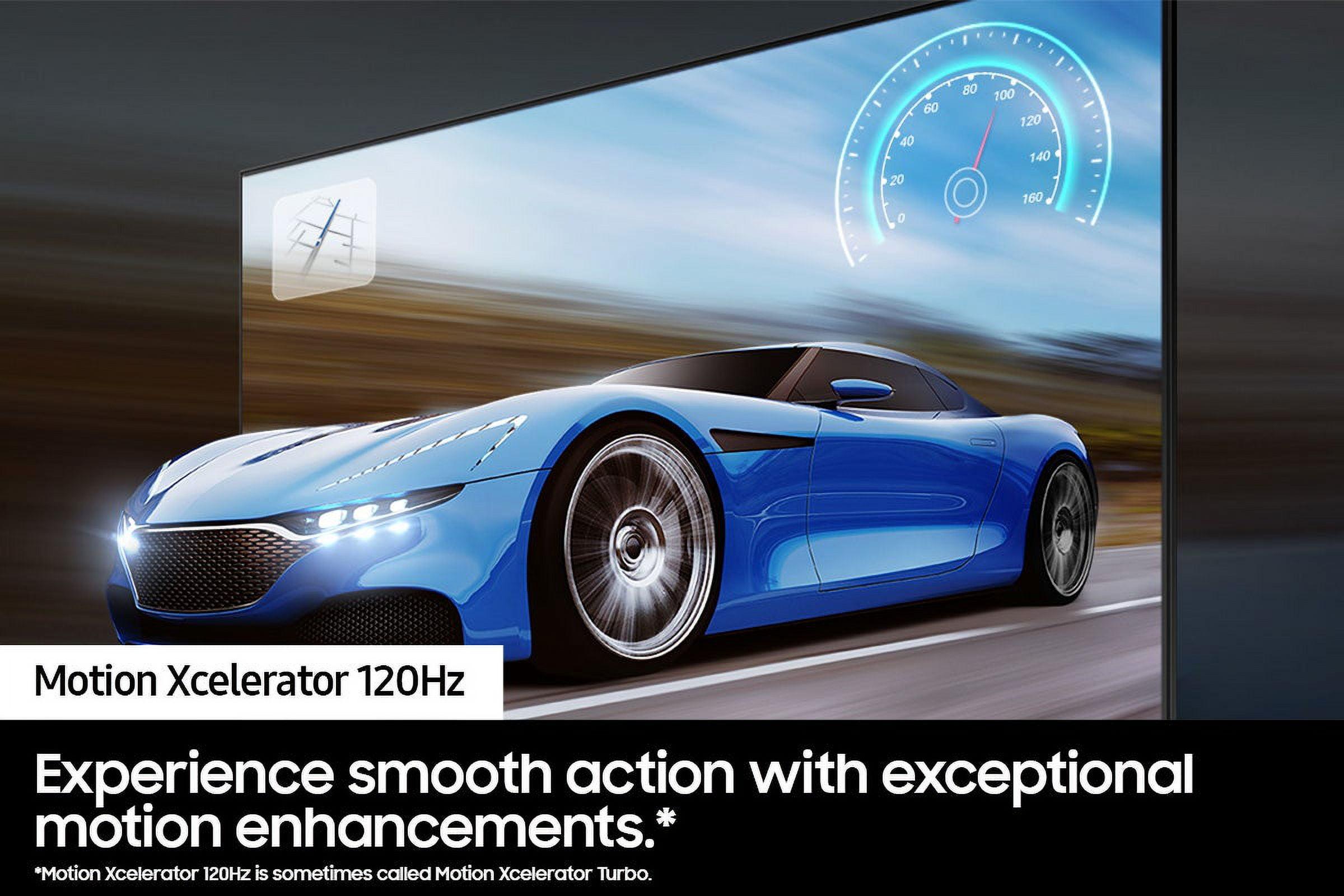
Both TVs excel at motion handling, but they approach it differently. The Samsung S90D offers Motion Xcelerator 144Hz, which can display up to 144 frames per second from a PC. The LG B5 focuses on 120Hz performance but with extremely low input lag of just 0.1 milliseconds.
For movies, both handle the standard 24fps beautifully. The difference becomes apparent with sports and gaming, where the Samsung's higher refresh rate capability gives it a slight edge for PC gaming, while the LG's optimized response time makes it better for console gaming.
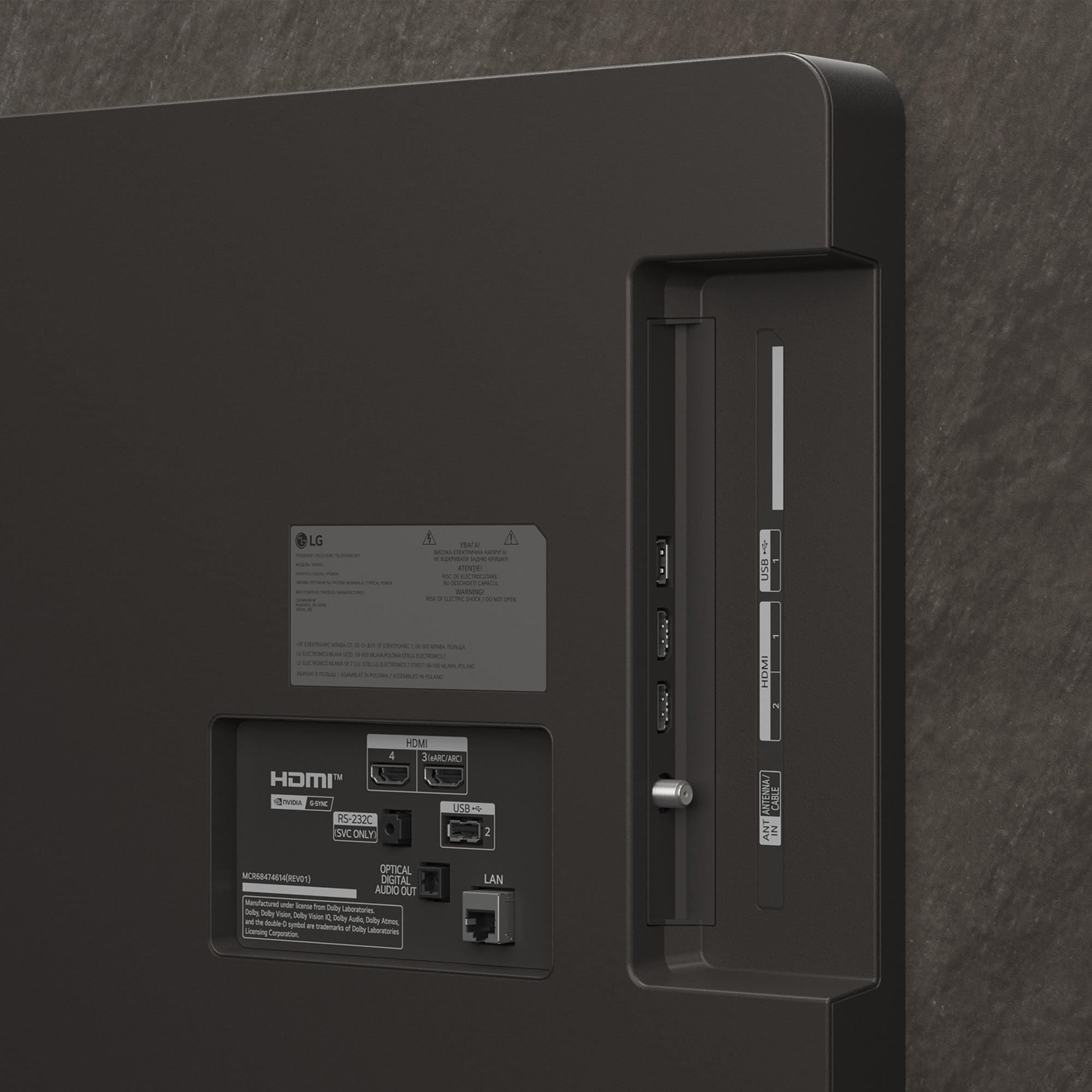
If you're primarily a PlayStation 5 or Xbox Series X gamer, the LG B5 Series OLED 65" has some advantages. It supports NVIDIA G-Sync and AMD FreeSync Premium, which eliminate screen tearing and stuttering. The TV also includes a Game Dashboard that lets you quickly adjust settings without leaving your game.
What really impressed me was the 0.1ms response time. In fast-paced games like "Call of Duty" or "Rocket League," the difference between pressing a button and seeing the action on screen is virtually instantaneous. This matters enormously in competitive gaming where split-second reactions can mean the difference between victory and defeat.
The Samsung S90D shines for PC gaming with its 144Hz refresh rate capability. If you have a high-end gaming PC that can push frame rates above 120fps, the Samsung can display those extra frames for smoother gameplay. It also includes built-in Xbox Game Pass, so you can stream games directly without needing a console.
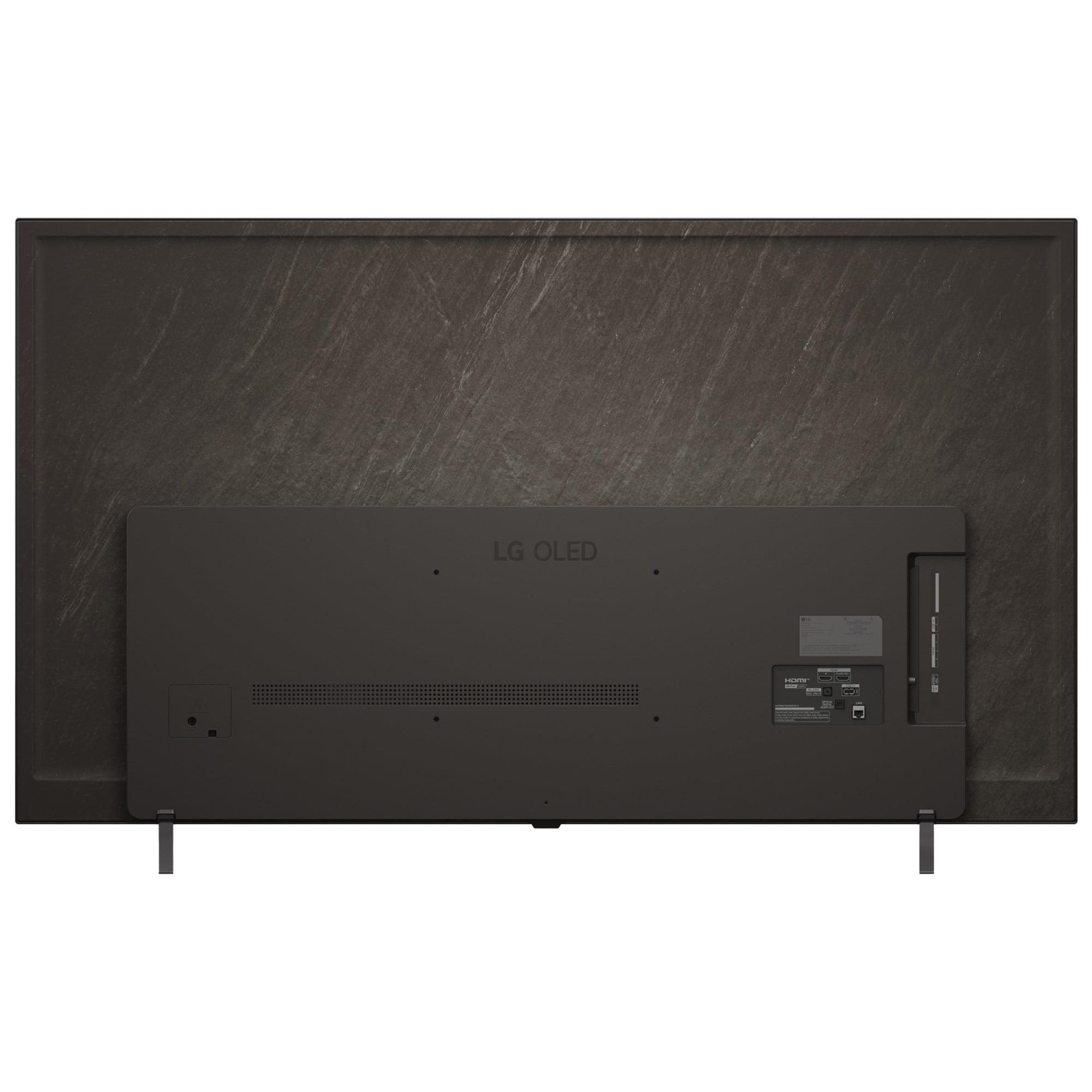
However, both TVs include four HDMI 2.1 ports, which means you can connect multiple gaming devices and take advantage of 4K gaming at 120Hz from modern consoles.
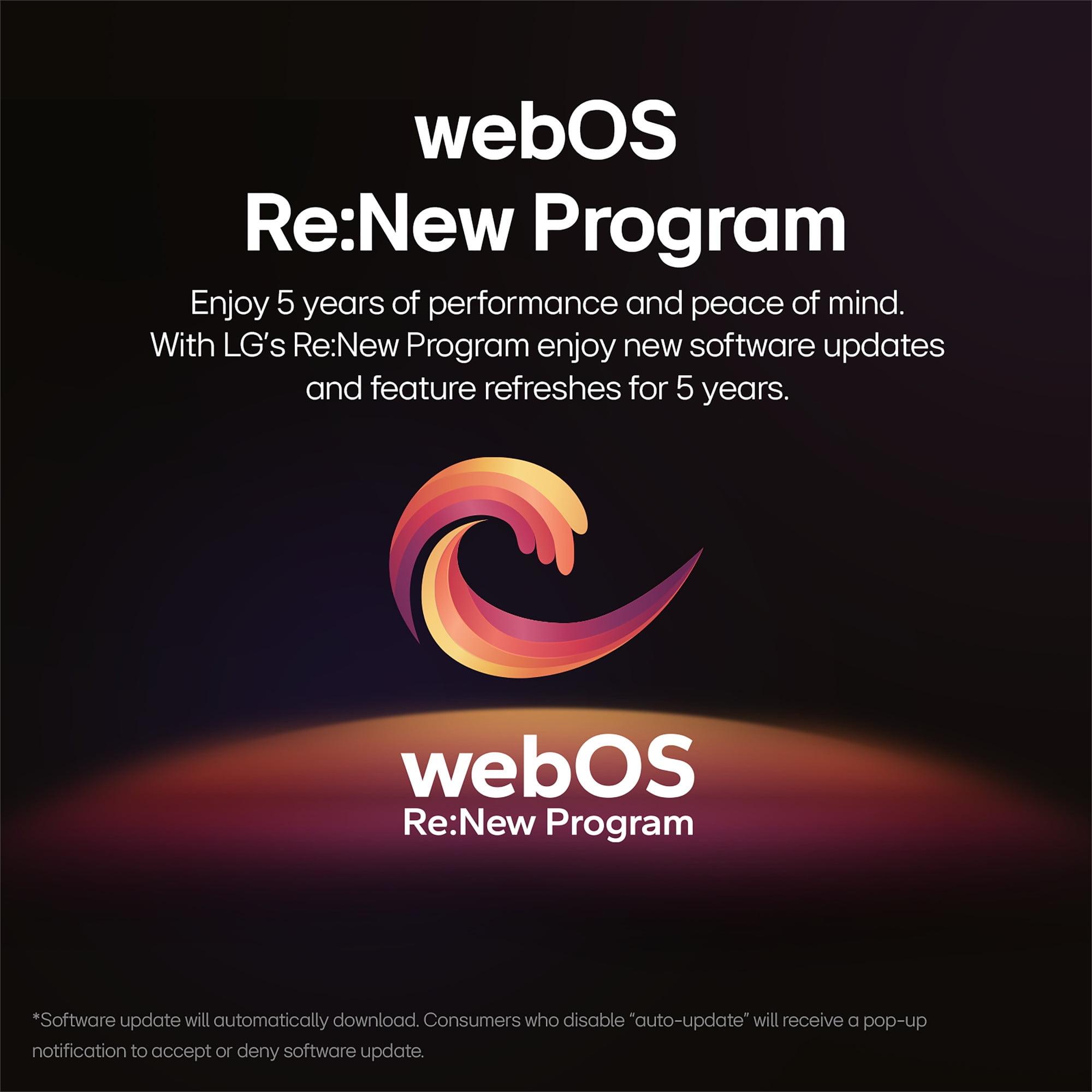
The LG B5 Series OLED 65" runs webOS 25, which I consider one of the best smart TV platforms available. LG has committed to providing five years of major updates, which means your TV will stay current with new features and security updates.
The interface is intuitive, with Quick Cards that let you group your favorite apps and LG Channels providing over 300 free streaming channels. The AI features are particularly impressive—the TV learns your viewing habits and makes personalized recommendations that actually improve over time.
What really sets webOS apart is its comprehensive voice assistant support. You can use Alexa, Google Assistant, or Apple's HomeKit, and the TV integrates seamlessly with smart home systems. The new AI button on the remote gives you instant access to voice commands and personalized settings.
Samsung's Tizen OS on the S90D is feature-rich but can be inconsistent. While it offers excellent app selection and regular updates, I've noticed occasional lag in the interface and some notification glitches that can be annoying.
The built-in Xbox Game Pass integration is a nice touch, and the overall app ecosystem is robust. However, the interface feels less polished than LG's webOS, and the voice assistant support isn't as comprehensive.
The LG B5 Series OLED 65" includes Dolby Atmos support, which creates virtual surround sound that seems to come from all around you. The 2.2 channel, 40W speaker system is surprisingly capable for built-in TV speakers.
The Samsung S90D has a 2.1 channel, 40W system that sounds good but lacks Dolby Atmos processing. For most content, you probably won't notice a huge difference, but for movies with complex soundtracks, the LG's audio processing creates a more immersive experience.
That said, if you're planning to use a soundbar or home theater system, this difference becomes less important since you'll be bypassing the TV's built-in speakers anyway.
Both TVs include Filmmaker Mode, which disables motion smoothing and other processing that can make movies look artificial. However, the LG B5 Series OLED 65" goes further with its Personalized Picture & Sound Wizard that helps optimize settings for your specific room conditions.
For serious home theater enthusiasts, the LG's Dolby Vision support is crucial. When you're watching a carefully mastered film, you want to see exactly what the director intended. The Samsung's more vibrant colors can actually be a distraction from the filmmaker's vision.
The Samsung S90D handles bright rooms slightly better due to its more vivid colors, but both TVs are designed for controlled lighting environments. OLED technology works best in rooms where you can dim the lights for serious viewing.
If your main viewing space has lots of windows and you watch TV during the day, you might want to consider whether either of these TVs is right for you. Both perform best in darker environments where their perfect blacks and vibrant colors can really shine.
At $1,197.99, the Samsung S90D offers exceptional value. You're getting premium QD-OLED performance at a price that was unthinkable just a few years ago. The vibrant colors and solid gaming features make it an excellent choice for most buyers.
The LG B5 Series OLED 65" at $1,699.99 asks you to pay $500 more for Dolby Vision support, better smart TV features, superior audio processing, and the promise of longer software support. Whether that's worth it depends on your priorities and how long you plan to keep the TV.
Choose the Samsung S90D if you want the best picture quality for the money, prefer more vibrant colors, and don't mind missing out on Dolby Vision. It's perfect for casual viewing, gaming, and anyone who wants to step up to OLED technology without breaking the bank.
Choose the LG B5 Series OLED if you're building a serious home theater, want comprehensive HDR format support, plan to keep your TV for many years, or prioritize gaming features and smart TV capabilities. The extra cost gets you a more complete, future-proof package.
Both are excellent TVs that will dramatically improve your viewing experience. The Samsung offers better value for most people, while the LG provides a more premium, complete package for those willing to pay for it. Either way, you're getting one of the best TV technologies available today.
| LG B5 Series OLED 65" 4K Smart TV 2025 | Samsung 65" OLED S90D TV |
|---|---|
| Price - Significant $500 difference affects value proposition | |
| $1,699.99 | $1,197.99 |
| Panel Technology - Core difference affecting color performance | |
| WOLED (White OLED with color filters) | QD-OLED (Quantum Dot OLED) |
| Peak Brightness - Higher numbers better for HDR impact | |
| ~1,600 nits | ~1,240 nits |
| Color Volume - QD-OLED delivers more vibrant colors | |
| 95% DCI-P3 (cinema accurate) | 125% DCI-P3 (more vivid) |
| HDR Format Support - Dolby Vision critical for streaming content | |
| Dolby Vision, HDR10, HDR10+ | HDR10, HDR10+ (no Dolby Vision) |
| Gaming Refresh Rate - Higher rates smoother for PC gaming | |
| 120Hz native | 120Hz native, up to 144Hz for PC |
| Input Lag - Lower is better for competitive gaming | |
| 0.1ms response time | Standard gaming response time |
| Smart TV Platform - Affects long-term usability | |
| webOS 25 (5-year update guarantee) | Tizen OS (frequent updates) |
| Audio Processing - Built-in surround sound capabilities | |
| Dolby Atmos, 2.2 channel 40W | 2.1 channel 40W (no Dolby Atmos) |
| Gaming Features - Console optimization varies between brands | |
| NVIDIA G-Sync, AMD FreeSync Premium, Game Dashboard | VRR, ALLM, Xbox Game Pass built-in |
| Voice Assistant Support - Smart home integration capabilities | |
| Alexa, Google Assistant, Apple HomeKit | Alexa, Bixby |
| Processor - AI capabilities for picture optimization | |
| Alpha 8 AI Gen2 (1.4x faster than previous gen) | NQ4 AI Gen2 |
| Best For - Primary use case advantages | |
| Home theater, Dolby Vision content, long-term value | Vibrant colors, PC gaming, immediate savings |
The Samsung S90D ($1,197.99) offers better value for most buyers, delivering premium QD-OLED picture quality at $500 less than the LG B5 Series OLED 65" ($1,699.99). However, the LG provides better long-term value with Dolby Vision support, superior smart features, and guaranteed 5-year software updates.
The Samsung S90D uses QD-OLED technology for more vibrant, punchy colors, while the LG B5 Series OLED 65" uses WOLED technology for more natural, cinema-accurate colors. The Samsung produces more eye-catching visuals, but the LG delivers colors closer to what filmmakers intended.
No, only the LG B5 Series OLED 65" supports Dolby Vision, HDR10, and HDR10+. The Samsung S90D only supports HDR10 and HDR10+, missing Dolby Vision which is used by 80% of premium streaming content on Netflix, Disney+, and Apple TV+.
For console gaming, the LG B5 Series OLED 65" is better with 0.1ms response time, NVIDIA G-Sync, and AMD FreeSync Premium support. For PC gaming, the Samsung S90D has an advantage with 144Hz refresh rate capability and built-in Xbox Game Pass streaming.
The LG B5 Series OLED 65" reaches approximately 1,600 nits peak brightness, while the Samsung S90D achieves around 1,240 nits. However, the Samsung's quantum dot technology makes colors appear brighter and more vivid even at lower brightness levels.
The LG B5 Series OLED 65" runs webOS 25 with a 5-year update guarantee, comprehensive voice assistant support, and more polished interface. The Samsung S90D uses Tizen OS with good app selection but occasional interface lag and less consistent performance.
Both are excellent for home theater, but the LG B5 Series OLED 65" is better suited for serious home theater enthusiasts due to Dolby Vision support, Dolby Atmos audio processing, and more accurate color reproduction that matches filmmakers' intentions.
The LG B5 Series OLED 65" has superior audio with Dolby Atmos support and a 2.2 channel 40W speaker system. The Samsung S90D has a 2.1 channel 40W system without Dolby Atmos processing, making it less immersive for movie watching.
Both TVs work best in controlled lighting environments typical of OLED technology. The Samsung S90D handles bright rooms slightly better due to more vivid colors, but neither is ideal for very bright spaces with lots of windows.
The LG B5 Series OLED 65" offers better long-term support with a guaranteed 5-year webOS update program and more comprehensive smart home integration. The Samsung S90D receives regular updates but without the same long-term commitment.
Yes, both the LG B5 Series OLED 65" and Samsung S90D support 4K gaming at 120Hz through their four HDMI 2.1 ports. The Samsung can also handle up to 144Hz for PC gaming, while the LG focuses on optimized console gaming performance.
The LG B5 Series OLED 65" is better for streaming services since it supports Dolby Vision, the HDR format used by most premium content on Netflix, Disney+, and Apple TV+. The Samsung S90D will still look great but won't display this content in its full intended quality.
We've done our best to create useful and informative comparisons to help you decide what product to buy. Our research uses advanced automated methods to create this comparison and perfection is not possible - please contact us for corrections or questions. These are the sites we've researched in the creation of this article: eftm.com - bestbuy.com - rtings.com - youtube.com - rtings.com - tomsguide.com - youtube.com - nationalproductreview.com.au - lg.com - manchesterbrothers.com - avsforum.com - lg.com - lg.com - lg.com - lg.com - retailspecs.com - american-homeappliance.com - perpichtv.com - bestbuy.com - valueelectronics.com - youtube.com - cnet.com - bestbuy.com - videoandaudiocenter.com - youtube.com - samsung.com - samsung.com - pcrichard.com - samsung.com

Privacy Policy
Terms and Conditions - Affiliate Policy
Home Security
© Copyright 2008-2026.
11816 Inwood Rd #1211, Dallas, TX 75244