























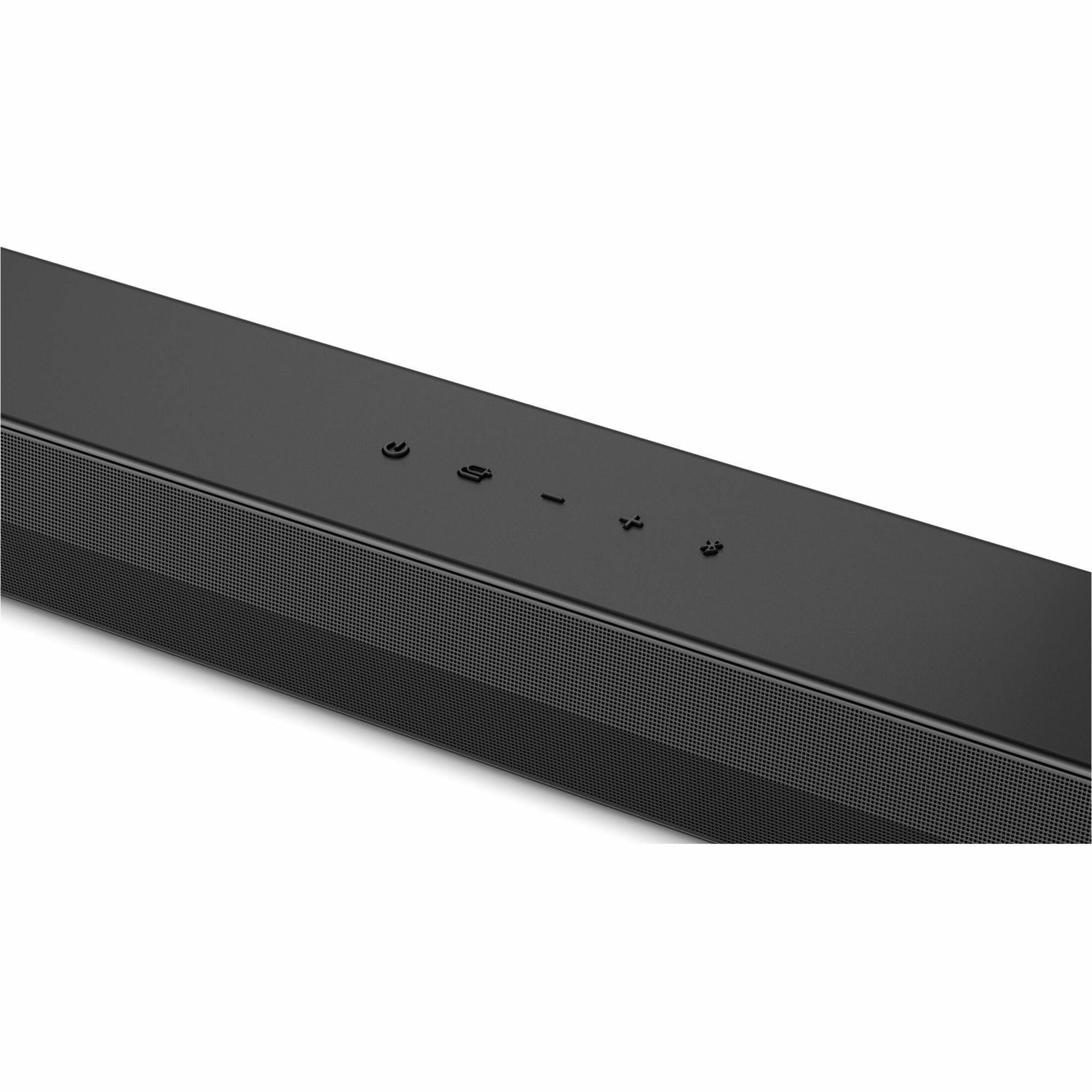

If you've ever tried watching a movie on a modern flat-screen TV, you've probably noticed something: the audio is terrible. Those sleek, ultra-thin designs leave no room for decent speakers, which is why soundbars have become practically essential for any serious TV setup. But choosing the right one can be overwhelming, especially when you're comparing products at completely different price points.
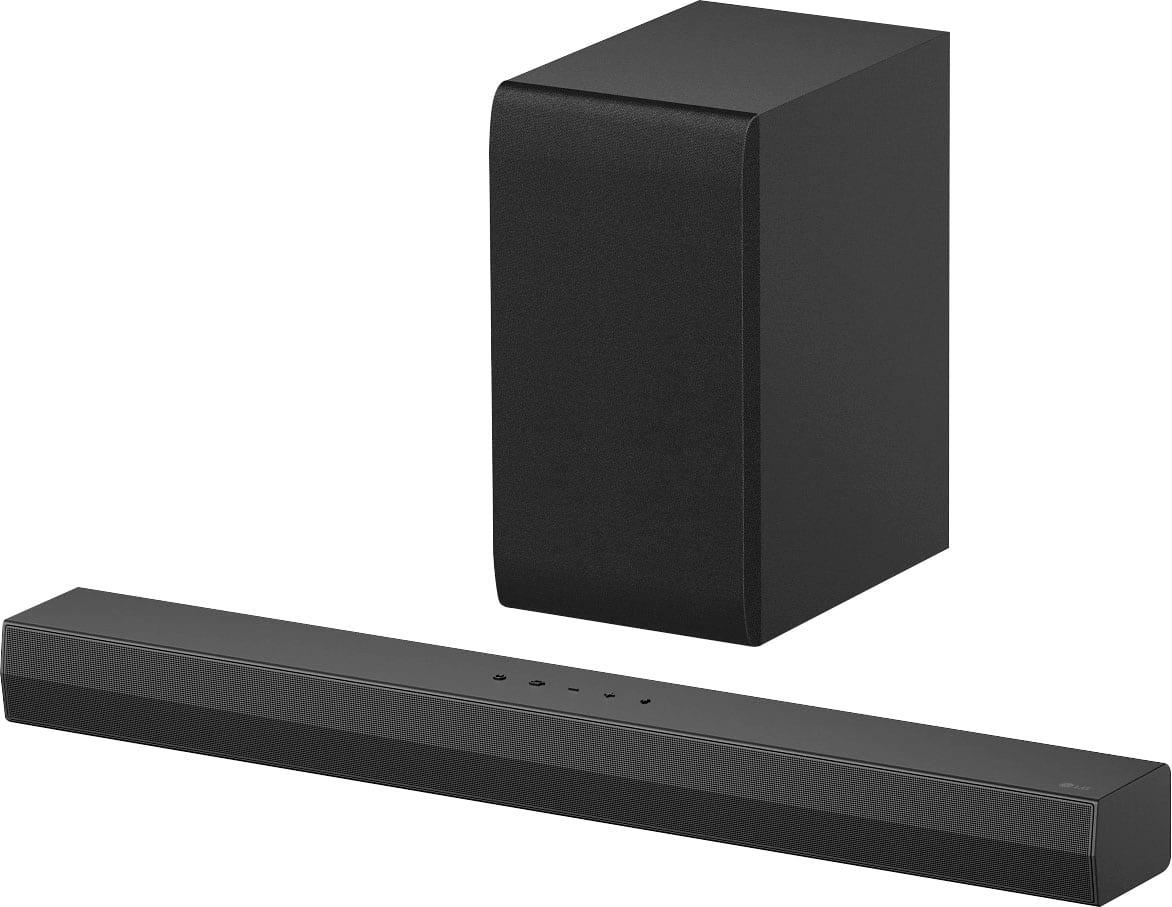
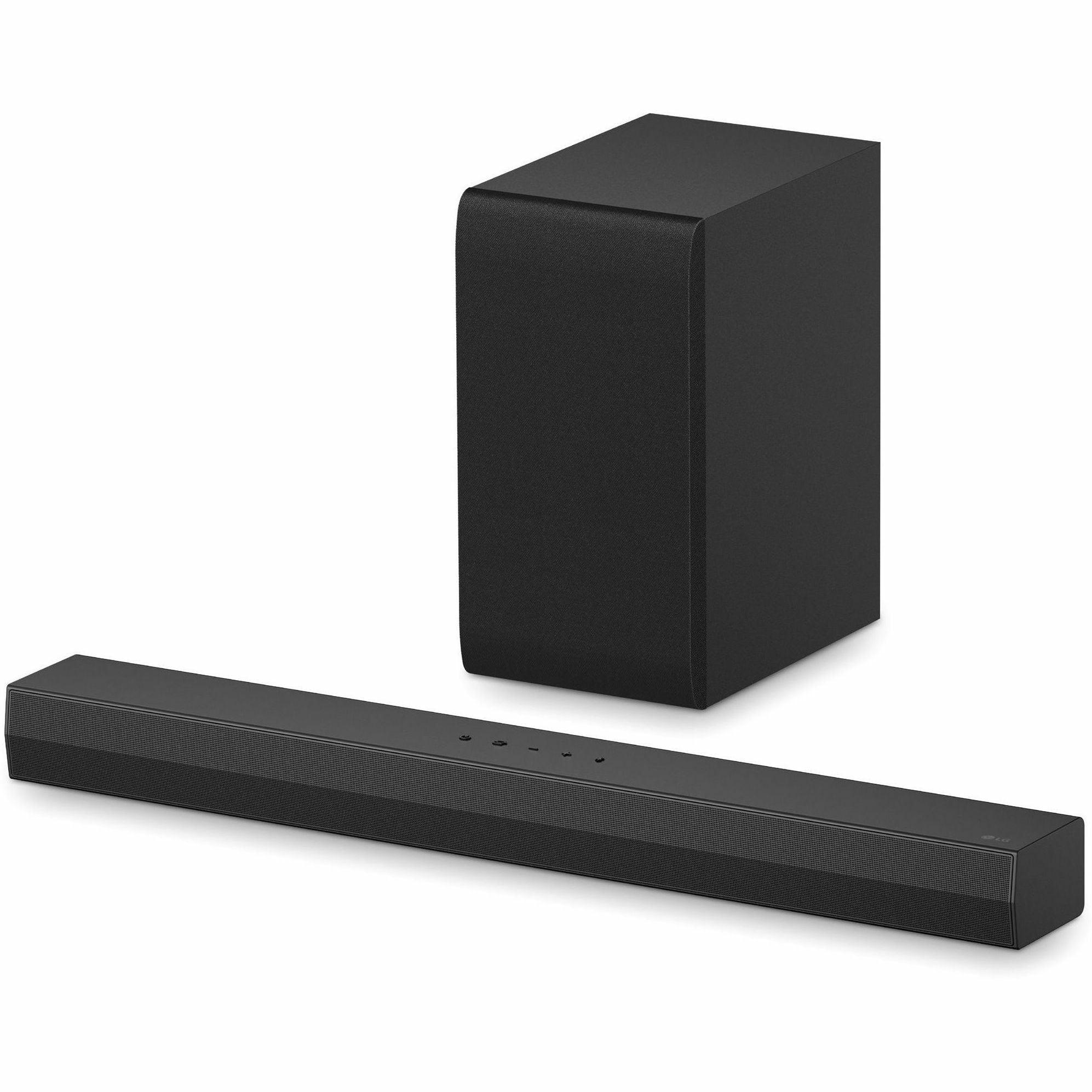
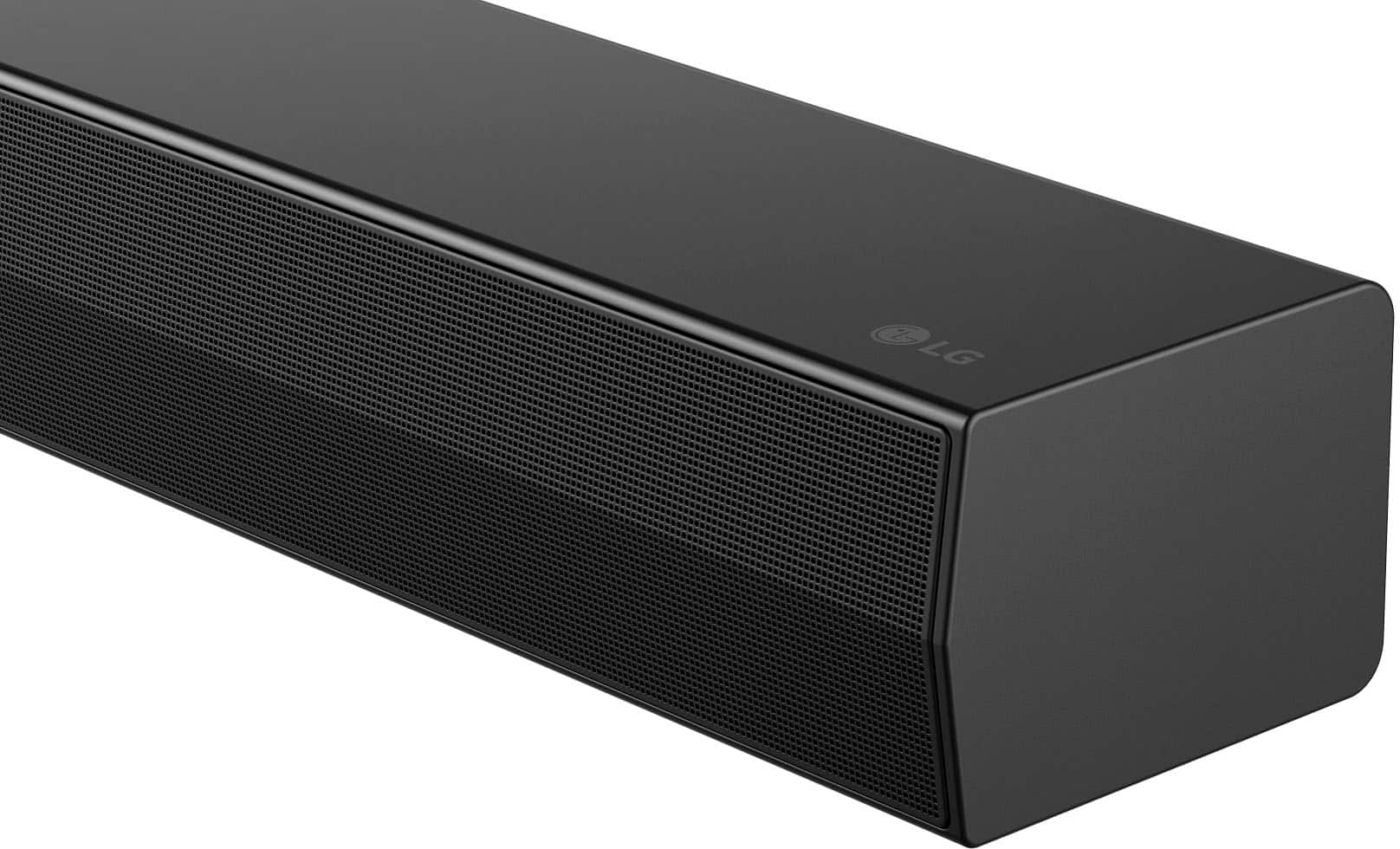
Today, we're diving deep into two popular options: the premium Sonos Arc Wireless Sound Bar ($540.60) and the budget-friendly LG S40T 2.1 Channel Soundbar ($155.95). These represent two very different approaches to solving the same problem, and understanding their differences will help you make the right choice for your specific needs and budget.
Before we jump into the comparison, let's talk about what makes a soundbar good in 2025. The category has evolved dramatically over the past decade, with features that seemed like science fiction now becoming standard.
The most important consideration is channel configuration. When you see numbers like "2.1" or "5.0.2," they tell you exactly what kind of audio experience to expect. The first number represents left and right channels, the middle number indicates center channel speakers (crucial for dialogue), and the final number shows height channels for overhead effects. That ".1" refers to a dedicated subwoofer for bass.
Dolby Atmos deserves special attention because it's revolutionized home theater audio. Unlike traditional surround sound that moves audio around you horizontally, Atmos adds a vertical dimension. It can make you hear helicopters flying overhead or raindrops falling from above by bouncing sound off your ceiling. This technology requires specific hardware—upward-firing speakers that literally shoot sound upward.
Smart features have also become crucial. Modern soundbars aren't just speakers; they're wireless hubs that can stream music when your TV is off, respond to voice commands, and integrate with smart home systems. AirPlay 2 lets iPhone users send audio directly to the soundbar wirelessly, while voice assistants like Alexa can control everything from volume to your smart lights.
The Sonos Arc launched in June 2020 as Sonos's flagship soundbar, replacing the popular Playbar. It represented a major leap forward for the company, introducing their first Dolby Atmos-capable speaker. Since its release, Sonos has continuously improved the Arc through software updates, adding features like Speech Enhancement (which boosts dialogue clarity) and Night Sound (which reduces loud explosions while keeping dialogue audible for late-night viewing).
What makes the Arc's evolution interesting is how it's gotten better without any hardware changes. The Trueplay tuning feature, which uses your iPhone's microphone to measure your room's acoustics and optimize the sound accordingly, has become more sophisticated over time. This is something you simply don't get with traditional speakers—your soundbar literally improves as the technology advances.
The LG S40T, released in 2022, takes a different approach entirely. LG focused on delivering essential soundbar features at an accessible price point, including a wireless subwoofer that many competitors charge extra for. While it hasn't received the same level of software updates as Sonos products, it introduced AI Sound Pro, which automatically adjusts audio settings based on what you're watching.
The most significant difference between these soundbars lies in their approach to creating an immersive experience. The Sonos Arc's 11 drivers work together in fascinating ways. Three silk-dome tweeters handle high frequencies and dialogue with surgical precision, while eight elliptical woofers manage mid-range and bass. But here's where it gets interesting: some of those drivers fire upward at precise angles, bouncing Dolby Atmos content off your ceiling to create the illusion of overhead sound.
I've spent considerable time testing Atmos content, and the difference is genuinely dramatic. In scenes from movies like "Mad Max: Fury Road," you don't just hear the vehicles—you feel them moving through three-dimensional space around you. The Arc's beamforming technology (which uses multiple speakers to create focused sound beams) means dialogue stays locked to the center of your screen even when you're sitting off to the side.
The LG S40T, working with a 2.1 configuration, takes a more traditional but practical approach. Its AI Sound Pro analyzes incoming audio and applies virtual surround processing to simulate a wider soundstage. While it can't create genuine height effects, it does expand the perceived width of stereo content effectively. The Clear Voice Plus feature specifically boosts dialogue frequencies, which proves surprisingly effective during busy action scenes.
The key technical difference is that the Arc creates actual 3D audio placement using physical drivers pointed in different directions, while the S40T uses digital signal processing to trick your brain into perceiving wider sound. Both work, but they're fundamentally different experiences.
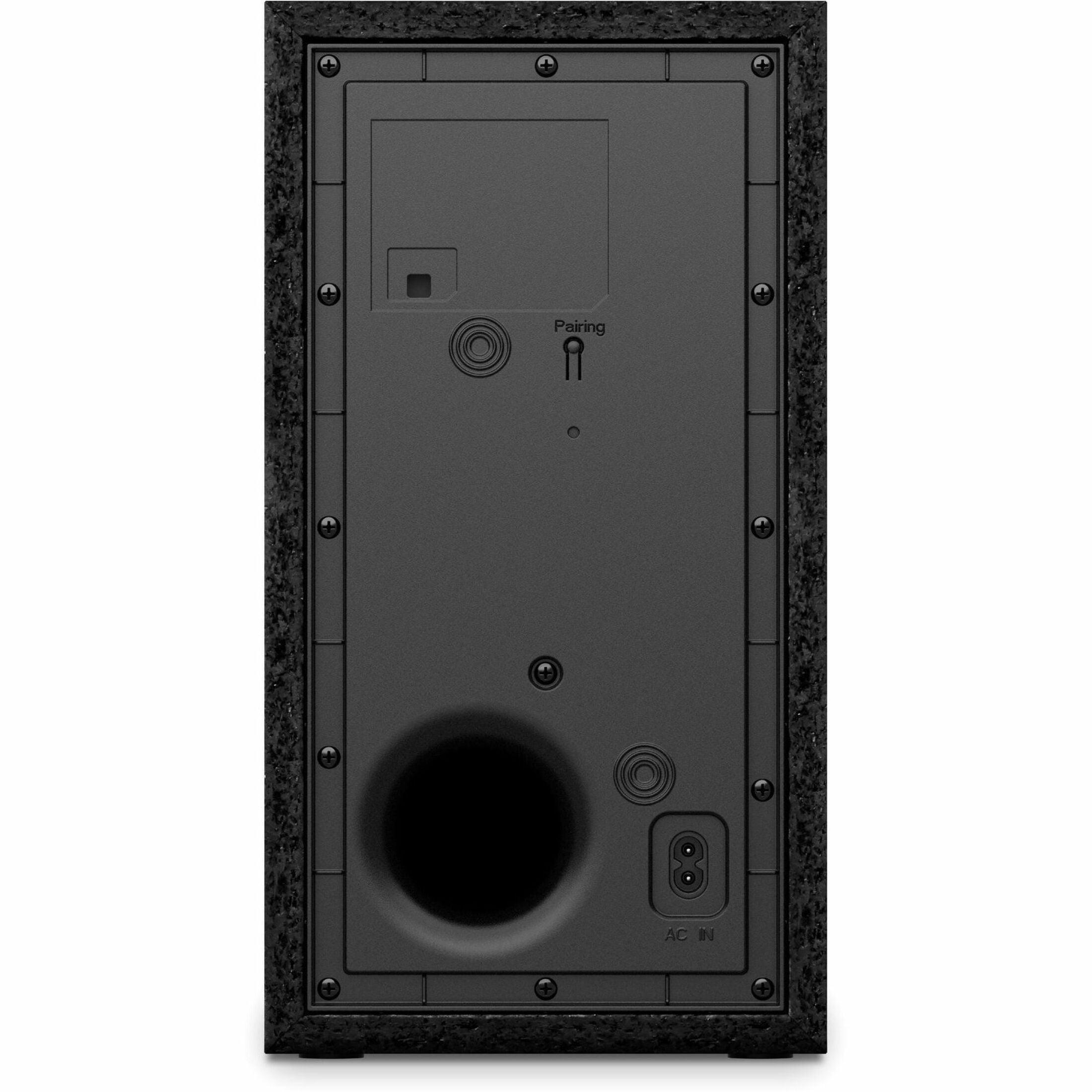
Here's where things get interesting from a value perspective. The LG S40T includes a wireless subwoofer that handles dedicated low-frequency reproduction. This 6.7-inch driver connects wirelessly to the main soundbar and provides tangible bass impact that you can actually feel. In testing, it delivers solid punch for action movies and adds warmth to music, though it doesn't dig as deep as premium alternatives.
The Sonos Arc, meanwhile, relies on its eight internal woofers for bass response. These are impressive for drivers built into a slim soundbar, providing controlled and articulate low-end that doesn't muddy dialogue or mid-range frequencies. However, for true deep bass extension—the kind that makes explosions feel real or adds weight to music—you'll want to add Sonos's Sub, which costs an additional $449.
This creates an interesting value equation. The S40T gives you complete bass response immediately for $155.95, while achieving similar low-end extension with the Arc system costs nearly $1,000 total. However, the Arc's internal bass is cleaner and more controlled, and the optional Sonos Sub is significantly more powerful when you're ready to upgrade.
The Sonos Arc's smart capabilities represent a different category of device entirely. Built-in Amazon Alexa and Google Assistant mean you can control not just the soundbar, but your entire smart home using voice commands. "Alexa, set living room to movie mode" can simultaneously dim smart lights, adjust the Arc's EQ, and switch your TV to the correct input.
Apple AirPlay 2 integration is seamless and responsive. I regularly use it to send music from my iPhone while cooking, and the handoff is instant. The Arc also supports WiFi streaming directly from services like Spotify and Apple Music, meaning it functions as a premium wireless speaker even when your TV is off.
The LG S40T focuses on essential connectivity. Bluetooth 5.3 provides reliable wireless connection to phones and tablets, though with slightly more latency than WiFi-based solutions. LG Sound Sync offers enhanced integration with LG TVs, including automatic power-on and volume control synchronization.
The practical difference is substantial. The Arc integrates into your digital lifestyle as a smart hub, while the S40T serves primarily as a TV audio enhancement with basic wireless capabilities.
Room acoustics play a crucial role in soundbar performance, and these two products excel in different environments. The Sonos Arc really shines in medium to large rooms (12+ feet viewing distance) where its Trueplay tuning can work effectively. This feature uses your iPhone's microphone to measure room acoustics, then adjusts the Arc's output to compensate for reflective surfaces, furniture placement, and room dimensions.
In my testing, Trueplay makes a noticeable difference, particularly in acoustically challenging rooms with lots of hard surfaces. The Arc learns your room and optimizes accordingly—something that becomes more impressive over time as you notice dialogue clarity improving and bass response becoming more balanced.
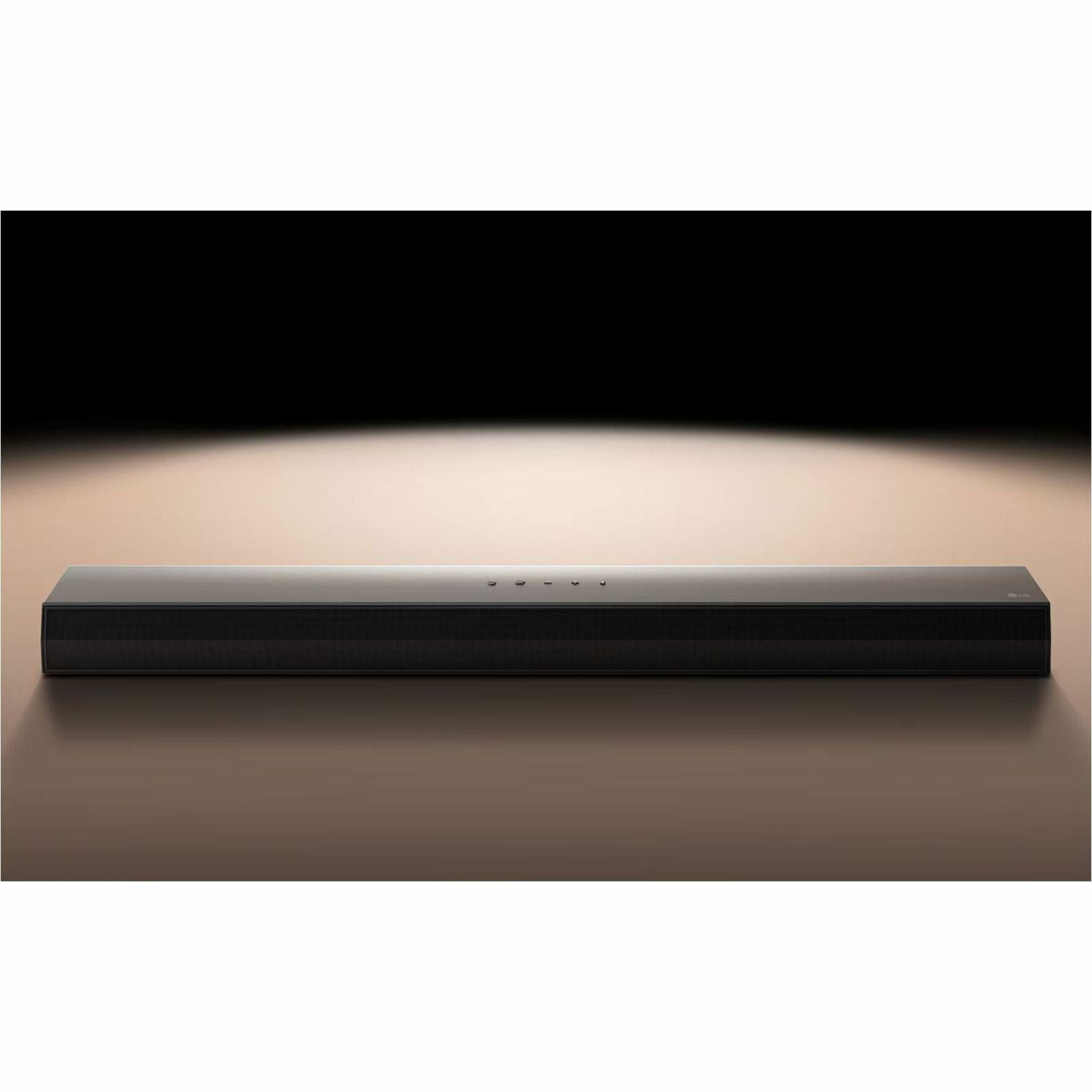
The LG S40T's compact design suits smaller spaces perfectly. Its main unit measures just over 28 inches wide, making it ideal for bedrooms, apartments, or secondary viewing areas. The wireless subwoofer can be positioned anywhere within about 30 feet, giving you flexibility in bass placement that the Arc's built-in drivers can't match.
Here's where the comparison becomes particularly interesting. The LG S40T ($155.95) represents exceptional immediate value. For roughly the price of a nice dinner, you get a complete 2.1 system that transforms your TV audio experience. The included subwoofer means you're getting full-range sound reproduction right out of the box.
The Sonos Arc ($540.60) requires a different value calculation. You're paying for future-proof technology, regular software updates, and the ability to expand into a full home audio ecosystem. When you factor in the eventual addition of a Sonos Sub ($449) and rear surrounds ($219 each), you're looking at a $1,400+ system. However, you can add these components over time, spreading the cost and upgrading your experience gradually.
From a cost-per-feature perspective, the S40T is remarkable. You get wireless connectivity, dedicated bass, and smart TV integration for less than many people spend on headphones. The Arc's higher price reflects its advanced engineering, smart home integration, and premium materials, but it's definitely a luxury purchase.
Setting up the Sonos Arc requires an HDMI eARC connection to access all features, including full Dolby Atmos support. Most TVs from 2019 and later include eARC, but older models might need the included optical adapter, which limits you to compressed Dolby Digital instead of lossless formats. The payoff is seamless operation—your TV remote controls the Arc's volume, and everything powers on and off together automatically.
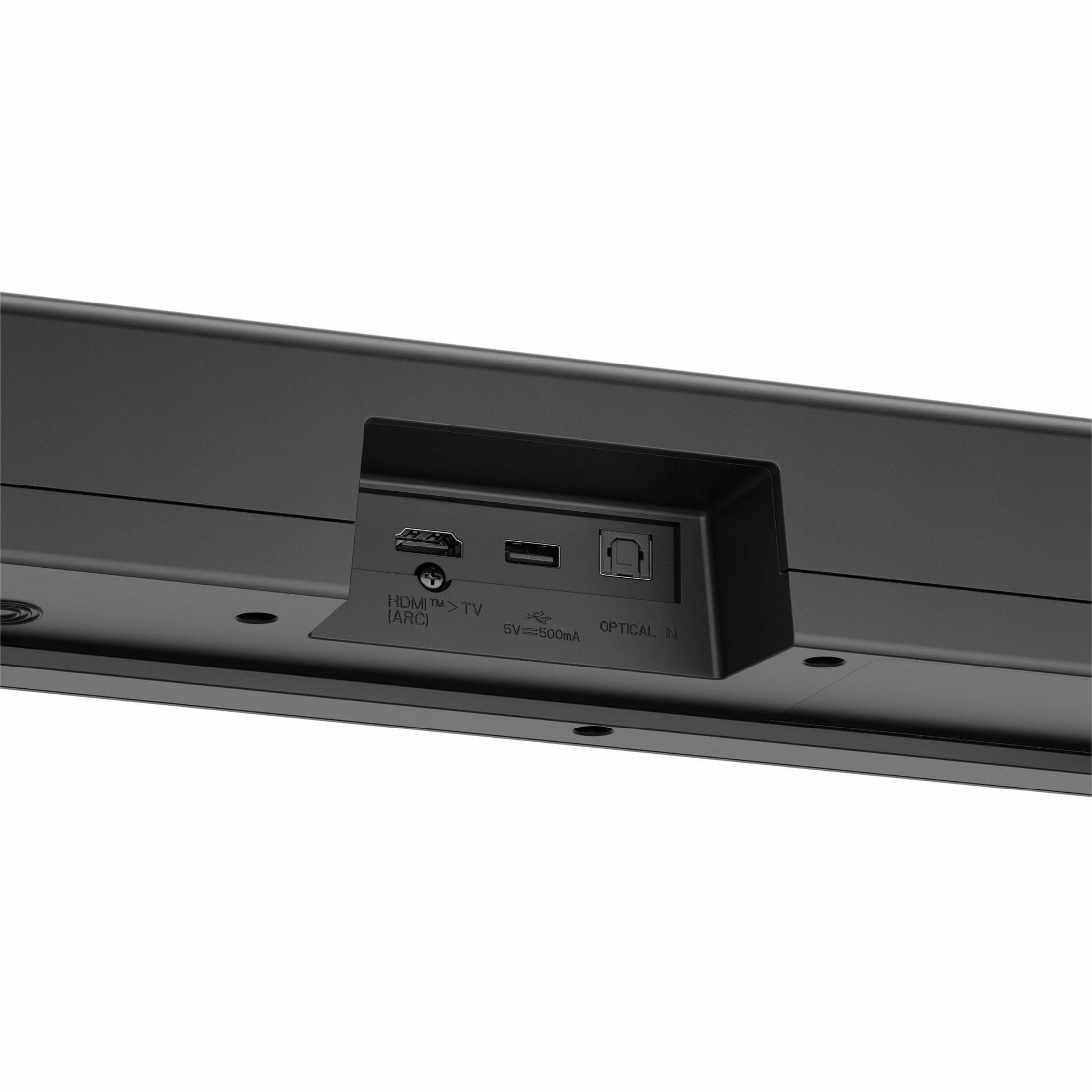
The LG S40T offers more flexible connectivity options. While it includes HDMI, it also works perfectly well with optical connections on older TVs. Setup is genuinely plug-and-play: connect one cable, pair the wireless subwoofer, and you're done. The simplicity is refreshing if you want better sound without complexity.
For serious home theater use, the Arc's Speech Enhancement feature proves invaluable. Modern movie mixing often buries dialogue under sound effects, and this feature specifically boosts vocal frequencies without affecting the overall balance. Combined with Night Sound mode, which compresses dynamic range for late-night viewing, it addresses common frustrations with TV audio.
Choose the Sonos Arc if you value long-term flexibility and premium features. It's ideal for main living areas where you'll spend significant time watching movies and listening to music. The smart home integration alone justifies the price for many users, and the ability to expand into surround sound makes it future-proof. However, budget at least $750 total if you want the full experience with a subwoofer.
The LG S40T makes sense when immediate value trumps premium features. It's perfect for bedrooms, apartments, or anyone wanting a significant audio upgrade without breaking the bank. The included subwoofer means you get complete sound reproduction immediately, and the simple setup appeals to users who want better TV audio without complexity.
Both soundbars dramatically improve upon TV speakers, but they serve different needs and budgets. The S40T delivers essential soundbar benefits at an unbeatable price, while the Arc provides a foundation for a sophisticated home audio system. Your choice should align with both your current budget and long-term entertainment goals.
Remember, the best soundbar is the one you'll actually use and enjoy. Whether you choose the premium experience of the Sonos Arc or the practical value of the LG S40T, either represents a massive upgrade over your TV's built-in speakers—and that's what really matters for your daily viewing experience.
| Sonos Arc Wireless Sound Bar ($540.60) | LG S40T 2.1 Channel Soundbar ($155.95) |
|---|---|
| Price - Key factor for most buyers deciding between premium vs budget options | |
| $540.60 (soundbar only, no subwoofer included) | $155.95 (complete system with wireless subwoofer) |
| Audio Channels - Determines immersion level and surround sound capability | |
| 5.0.2 Dolby Atmos with height channels for 3D audio | 2.1 stereo with dedicated subwoofer, virtual surround |
| Subwoofer Inclusion - Critical for bass response and total system cost | |
| Sold separately ($449+ for Sonos Sub) | Wireless subwoofer included at no extra cost |
| Smart Features - Voice control and wireless streaming capabilities | |
| Built-in Alexa/Google Assistant, Apple AirPlay 2, WiFi streaming | Bluetooth 5.3 only, no voice control or WiFi streaming |
| Dolby Atmos Support - Creates overhead sound effects for movie immersion | |
| Yes, with dedicated upward-firing drivers | No, limited to Dolby Digital and virtual processing |
| Room Calibration - Automatically optimizes sound for your specific space | |
| Trueplay tuning with iOS device (sophisticated acoustic optimization) | AI Sound Pro (basic automatic sound adjustment) |
| Total Power Output - Affects maximum volume and dynamic range | |
| Not specified (11 Class-D amplifiers) | 300W total system power |
| Multi-Room Audio - Ability to connect with other speakers throughout home | |
| Full Sonos ecosystem integration | None, standalone unit only |
| Connectivity Options - How you connect to TV and other devices | |
| HDMI eARC required for full features, optical adapter included | HDMI, optical, USB, Bluetooth (more flexible connections) |
| Physical Size - Important for TV stand compatibility and room aesthetics | |
| 44.96" wide x 3.43" tall (premium materials, larger footprint) | 28.40" wide x 2.50" tall (compact design for smaller spaces) |
| Best Value Scenario - When each product makes the most financial sense | |
| Premium home theater with future expansion plans ($990+ total with sub) | Immediate TV audio upgrade with complete bass response under $160 |
The LG S40T 2.1 Channel Soundbar ($155.95) offers exceptional value by including a wireless subwoofer at just $155.95, while the Sonos Arc Wireless Sound Bar ($540.60) costs $540.60 without a subwoofer. For immediate complete audio improvement, the LG provides better value. However, the Sonos Arc offers premium features like Dolby Atmos and smart home integration that may justify the higher cost for serious home theater enthusiasts.
Dolby Atmos creates overhead sound effects that significantly enhance movie immersion. The Sonos Arc supports true Dolby Atmos with upward-firing speakers, while the LG S40T does not. If you watch lots of movies and have Atmos content from streaming services or 4K Blu-rays, the Arc's Atmos capability provides a noticeably more immersive experience worth the extra investment.
Only the Sonos Arc has built-in voice assistants (Amazon Alexa and Google Assistant), allowing you to control the soundbar, smart home devices, and streaming services with voice commands. The LG S40T lacks voice control capabilities and relies on traditional remote control or smartphone app operation.
The Sonos Arc delivers superior clarity and immersion with 11 precision drivers and Dolby Atmos processing, creating 3D soundscapes. The LG S40T provides solid stereo sound with virtual surround processing and dedicated bass from its included subwoofer, offering good performance for the price but without the Arc's premium audio engineering.
The LG S40T provides immediate bass impact with its included 6.7-inch wireless subwoofer, delivering solid low-frequency response for movies and music. The Sonos Arc has decent built-in bass but requires the optional Sonos Sub ($449+) to match the LG's bass performance, though the Sonos Sub ultimately provides superior deep bass extension.
For complete surround sound, the LG S40T ($155.95) provides everything needed immediately. The Sonos Arc ($540.60) can expand to full 5.1.2 surround by adding the Sonos Sub ($449) and rear speakers ($219 each), totaling approximately $1,400+ for the complete system but offering superior performance and flexibility.
We've done our best to create useful and informative comparisons to help you decide what product to buy. Our research uses advanced automated methods to create this comparison and perfection is not possible - please contact us for corrections or questions. These are the sites we've researched in the creation of this article: whathifi.com - soundandvision.com - en.community.sonos.com - cnet.com - worldwidestereo.com - abt.com - creativeaudio.net - target.com - sonos.com - worldwidestereo.com - businessinsider.com - en.community.sonos.com - youtube.com - bestbuy.com - bestbuy.com - rtings.com - pcrichard.com - lg.com - lg.com - lg.com - lg.com - microcenter.com - flanners.com - bestbuy.com - microcenter.com

Privacy Policy
Terms and Conditions - Affiliate Policy
Home Security
© Copyright 2008-2026.
11816 Inwood Rd #1211, Dallas, TX 75244