
























If you've ever tried watching a movie with your TV's built-in speakers, you know the struggle is real. Dialogue gets lost in action sequences, explosions sound more like muffled pops, and forget about feeling immersed in the experience. That's where soundbars come in—they're designed to transform your living room into something that actually sounds like a theater.
Today we're comparing two very different approaches to this problem: the Amazon Fire TV Soundbar Plus with Subwoofer and the Sonos Arc. At the time of writing, these products sit at opposite ends of the value spectrum, with the Amazon system costing roughly half what you'd pay for the Sonos Arc. But as you'll see, that price difference tells only part of the story.
Before diving into specifics, let's talk about what actually matters when choosing a soundbar. The most important factors break down into four main areas: audio performance, smart features, connectivity options, and long-term value.
Audio performance encompasses everything from how loud the system gets to how well it handles different types of content. Smart features include voice assistants, app control, and streaming capabilities. Connectivity covers how the soundbar connects to your TV and other devices. Long-term value considers both the initial purchase price and what you get for your money over time, including software updates and expandability options.
The challenge is that different manufacturers emphasize different aspects. Some focus purely on delivering the best sound possible, while others prioritize smart home integration or ease of use. Understanding your priorities helps determine which approach works better for your situation.
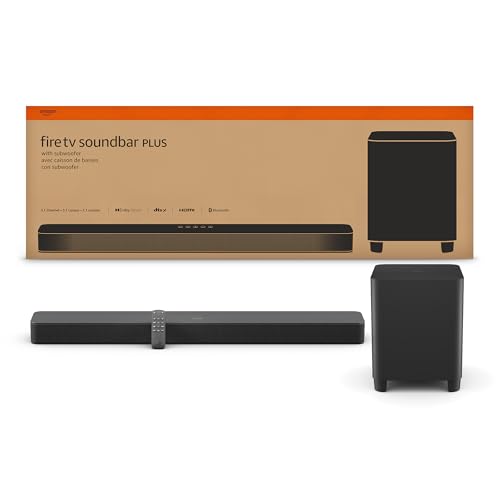
The Amazon Fire TV Soundbar Plus launched in 2023 as Amazon's answer to the growing demand for affordable home theater upgrades. Despite carrying the "Fire TV" name, this soundbar doesn't actually include streaming capabilities—it's purely focused on audio improvement. The system includes a main soundbar and wireless subwoofer, creating what's called a 3.1 channel setup. That means you get left, center, and right channels from the soundbar, plus the separate subwoofer handling low-frequency effects (the ".1" in 3.1).
The Sonos Arc, on the other hand, has been available since 2020 and represents Sonos's premium approach to home theater audio. Rather than including a separate subwoofer, the Arc packs eleven individual drivers into its sleek chassis and focuses on sophisticated audio processing and smart home integration. It's designed to work as both a soundbar and a high-end wireless speaker.
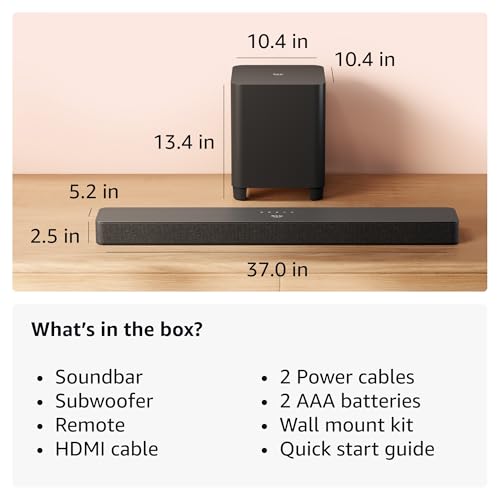
These different philosophies become apparent the moment you unbox each system. The Amazon setup gives you two substantial pieces of hardware—the soundbar itself measures over three feet long, and the subwoofer adds another significant component to place in your room. The Sonos Arc arrives as a single, elegantly designed unit that's meant to blend seamlessly into modern living spaces.
When it comes to getting loud, both systems deliver impressive results, but they achieve it differently. The Amazon Fire TV Soundbar Plus uses brute force—its combination of multiple drivers in the soundbar plus the dedicated subwoofer can fill large rooms without breaking a sweat. In testing, the system easily reaches the mid-90 decibel range, which is loud enough for even the most demanding action movies.
The Sonos Arc takes a more refined approach to volume. While it can also reach impressive sound levels, the focus is on maintaining clarity and detail even when pushed hard. The Arc uses sophisticated digital signal processing (DSP)—essentially computer algorithms that optimize the audio signal in real-time—to prevent distortion at high volumes.
In practical terms, this means the Amazon system might be better for large, open-concept spaces where you need to overpower background noise, while the Sonos Arc excels in situations where you want powerful audio that doesn't sacrifice nuance.
Both soundbars support Dolby Atmos, but their implementations couldn't be more different. Dolby Atmos is a surround sound technology that adds height channels to create a three-dimensional audio experience. Instead of just hearing sounds from left and right, you can perceive audio objects moving above and around you.
The Amazon Fire TV Soundbar Plus uses what's called "virtual" Dolby Atmos. This means it simulates height effects using the existing speakers, creating the impression of overhead sound through clever audio processing. While this works reasonably well, especially considering the price point, it can't replicate the true dimensionality of physical height channels.
The Sonos Arc includes actual upward-firing drivers that bounce sound off your ceiling to create genuine height effects. When you hear a helicopter flying overhead in a movie, you'll actually perceive it above you rather than just in front. This physical implementation of Dolby Atmos makes a noticeable difference in immersion, particularly for movie watching.
The trade-off is that the Sonos approach requires a proper ceiling for reflection—if you have vaulted ceilings or unusual room acoustics, the virtual processing in the Amazon system might actually work better for you.
This is where the fundamental design differences between the two systems become most apparent. The Amazon Fire TV Soundbar Plus includes a dedicated wireless subwoofer that handles all the low-frequency heavy lifting. This subwoofer automatically pairs with the soundbar and provides substantial bass impact that you'll feel as much as hear.
However, reviewers consistently note that this subwoofer has a somewhat "one note" character—it's powerful but lacks the nuanced bass response of more premium systems. The bass tends to emphasize impact over subtlety, which works great for action movies but might feel overwhelming for music listening or dialogue-heavy content.
The Sonos Arc relies on eight built-in woofers for its low-frequency response. While these can't match the sheer impact of a dedicated subwoofer, they provide more controlled and musical bass. The Arc's bass response integrates better with the midrange frequencies, creating a more cohesive overall sound signature.
For users who want the deepest possible bass, Sonos offers an optional Sub that can be added to the Arc system, but this represents an additional investment beyond the base soundbar price.
Both systems excel at dialogue reproduction, which is crucial since unclear speech is one of the most common complaints about TV audio. The Amazon Fire TV Soundbar Plus includes a dedicated center channel and a dialogue enhancement feature that boosts speech frequencies. This works particularly well for action movies where dialogue can get lost in the mix of sound effects and music.
The Sonos Arc takes dialogue clarity a step further with more sophisticated processing and better driver integration. The system's three precisely angled tweeters and advanced DSP work together to ensure voices remain clear and natural-sounding even when the mix gets busy. The Arc also includes a Speech Enhancement feature in its app that can be fine-tuned to your preference.
In direct comparison, the Sonos Arc generally delivers more natural-sounding dialogue with better tonal balance, while the Amazon system provides more prominent, sometimes artificially enhanced speech clarity.
Here's where these two products diverge most dramatically. Despite carrying the "Fire TV" branding, the Amazon Fire TV Soundbar Plus includes virtually no smart features. There's no Alexa integration, no app control, and no Wi-Fi streaming capabilities. All control happens through the included physical remote or the basic buttons on the soundbar itself.
This might sound like a limitation, but it's actually a conscious design choice. By eliminating smart features, Amazon kept costs down and simplified the user experience. You connect the soundbar to your TV, turn it on, and it works. There are no software updates to worry about, no network connectivity issues, and no learning curve for app interfaces.
The Sonos Arc represents the opposite philosophy. It's essentially a premium smart speaker that happens to excel at TV audio. The Arc includes built-in support for Amazon Alexa, Google Assistant, and Sonos's own voice control system. When your TV is off, you can use voice commands to stream music, control smart home devices, check the weather, or ask general questions.
The Sonos app provides extensive control over audio settings, room correction through Trueplay technology (which uses your iPhone's microphone to analyze your room's acoustics), and integration with over 100 music streaming services. The Arc also supports Apple AirPlay 2, making it easy to stream audio directly from iPhones, iPads, and Macs.
For smart home enthusiasts, the Sonos Arc can serve as a central hub for multi-room audio, coordinating with other Sonos speakers throughout the house. This ecosystem approach means your soundbar investment becomes part of a larger, expandable system.
Both soundbars handle the basics well, but they approach connectivity differently. The Amazon Fire TV Soundbar Plus includes HDMI eARC (enhanced Audio Return Channel), optical digital input, and Bluetooth connectivity. The HDMI eARC connection is important because it supports higher-bandwidth audio formats and allows your TV remote to control the soundbar's volume.
Setup is straightforward—the soundbar and subwoofer come pre-paired, so you just plug everything in and start listening. The system integrates particularly well with Amazon's Fire TV devices, offering enhanced audio tuning options when used together.
The Sonos Arc requires HDMI eARC for full functionality, though it includes an optical adapter for older TVs. The initial setup involves downloading the Sonos app and connecting the soundbar to your Wi-Fi network. While this adds complexity compared to the Amazon system, it enables all the smart features and streaming capabilities.
One important consideration is that the Sonos Arc doesn't support HDMI passthrough—you can't connect other devices directly to the soundbar. Everything must connect to your TV, which then sends audio to the soundbar. This isn't unusual for premium soundbars, but it's worth noting for setup planning.
The Amazon Fire TV Soundbar Plus can be expanded into a 5.1 surround system by adding optional rear speakers. These connect wirelessly and automatically pair with the existing components. However, expansion options are limited to Amazon's own ecosystem, and there's no indication of future software updates or feature additions.
The Sonos Arc opens up an entire ecosystem of possibilities. You can add a Sonos Sub for deeper bass, rear speakers for true surround sound, and additional Sonos speakers for multi-room audio. All components work together seamlessly through the unified app interface.
More importantly, Sonos has a track record of supporting products with regular software updates. The Arc has received numerous feature additions since its 2020 launch, including new voice assistant capabilities, additional streaming service support, and audio processing improvements. This ongoing development represents significant added value over the product's lifespan.
For dedicated home theater use, both systems deliver substantial improvements over TV speakers, but they excel in different areas. The Amazon Fire TV Soundbar Plus provides immediately impressive impact, with strong bass response and clear dialogue that makes action movies come alive. The system's ability to get very loud without obvious distortion makes it ideal for larger rooms or situations where you want to feel fully immersed in the action.
The Sonos Arc offers a more sophisticated home theater experience with true Dolby Atmos processing and superior soundstage width. The height channels create genuine overhead effects, and the overall sound balance is more refined. This makes it particularly effective for movies with complex soundtracks and subtle audio details.
Here the differences become even more pronounced. The Amazon Fire TV Soundbar Plus can certainly play music, but its sound signature is optimized for TV and movie content. The emphasized bass and bright treble work well for action scenes but can sound unbalanced with music, particularly acoustic genres.
The Sonos Arc was designed from the ground up to excel at music reproduction. Its more neutral sound signature, superior driver integration, and streaming capabilities make it a legitimate high-end wireless speaker when not handling TV duties. The ability to stream directly from music services, use AirPlay 2, or integrate with multi-room systems makes it far more versatile for music enthusiasts.
This category isn't even a contest. The Amazon Fire TV Soundbar Plus offers no voice control or smart home features, while the Sonos Arc functions as a premium smart speaker with comprehensive voice assistant support.
For users building smart home systems or those who prefer voice control over remote manipulation, the Sonos Arc's capabilities represent significant added value. The ability to control the soundbar, stream music, and manage other smart devices through voice commands can be genuinely convenient in daily use.
The Amazon Fire TV Soundbar Plus makes the most sense for budget-conscious buyers who want maximum audio impact for their investment. If you're primarily focused on improving TV and movie audio, don't need smart features, and appreciate the substantial bass response that comes with a dedicated subwoofer, this system delivers excellent value.
It's also ideal for users who prefer simplicity over features. There's no app to learn, no network setup to worry about, and no ongoing software considerations. You get a traditional soundbar experience with modern connectivity and impressive performance for the price.
The Sonos Arc justifies its premium pricing for users who value audio quality, smart features, and long-term expandability. If you're an audiophile who appreciates sophisticated sound processing, a smart home enthusiast who wants voice control integration, or someone planning to build a multi-room audio system, the Arc's capabilities make it worthwhile.
It's particularly compelling for users who listen to music as much as they watch TV, thanks to its superior streaming capabilities and more balanced sound signature.
At the time of writing, the price difference between these systems is substantial—you can expect to pay roughly twice as much for the Sonos Arc compared to the Amazon Fire TV Soundbar Plus. The question is whether the Sonos's advantages justify that premium.
If your primary goal is upgrading from TV speakers to something dramatically better for movies and shows, and you're working within a limited budget, the Amazon system delivers impressive results. You get a complete 3.1 setup with substantial bass impact and clear dialogue enhancement.
However, if you view a soundbar as a long-term investment in your home's audio system, the Sonos Arc's superior audio processing, smart features, and expandability options provide better value over time. The regular software updates alone add features and capabilities that weren't available at purchase.
Consider your room size and acoustics too. The Amazon system's separate subwoofer might be better for larger, more challenging spaces, while the Sonos Arc's sophisticated processing works particularly well in typical living room environments.
Ultimately, both soundbars succeed at their intended goals. The Amazon Fire TV Soundbar Plus proves you don't need to spend a fortune to dramatically improve your TV's audio, while the Sonos Arc demonstrates what's possible when you invest in premium audio engineering and comprehensive smart features. Your choice depends on which philosophy better matches your needs, budget, and long-term plans for your home theater system.
| Amazon Fire TV Soundbar Plus with Subwoofer | Sonos Arc Wireless Sound Bar with Dolby Atmos |
|---|---|
| Channel Configuration - Determines surround sound capabilities | |
| 3.1 channels (left, center, right + separate subwoofer) | 5.0.2 channels with true height speakers for Dolby Atmos |
| Dolby Atmos Implementation - Critical for immersive movie experience | |
| Virtualized Atmos (no physical up-firing drivers) | True Dolby Atmos with dedicated up-firing speakers |
| Smart Features - Voice control and streaming capabilities | |
| No smart features, voice control, or app support | Built-in Alexa, Google Assistant, Apple AirPlay 2, comprehensive app control |
| Bass Performance - Impact for action movies and music | |
| Dedicated wireless subwoofer included (substantial low-end impact) | Relies on 8 built-in woofers (optional Sub available separately) |
| Driver Count - Affects overall sound quality and clarity | |
| 3 full-range speakers, 3 tweeters, 2 woofers + subwoofer drivers | 11 high-performance drivers (3 silk-dome tweeters, 8 elliptical woofers) |
| Connectivity Options - How it connects to your devices | |
| HDMI eARC, optical, Bluetooth, USB-A | HDMI eARC, optical adapter included, Wi-Fi, Bluetooth, Apple AirPlay 2 |
| Room Correction Technology - Optimizes sound for your space | |
| Basic EQ presets (Movie, Music, Sports, Night) | Trueplay room tuning technology (requires iOS device) |
| Expandability - Future upgrade potential | |
| Can add rear speakers for 5.1 surround within Amazon ecosystem | Full Sonos ecosystem integration (Sub, rear speakers, multi-room audio) |
| Physical Design - Size and placement considerations | |
| Large soundbar (37" wide) plus separate wireless subwoofer placement | Single elegant unit (45" wide) designed for wall mounting or TV stand |
| Control Method - How you adjust settings and volume | |
| Physical remote only, basic controls on soundbar | Sonos app, voice commands, TV remote, touch controls on unit |
| Software Updates - Long-term feature additions | |
| No software updates or feature additions expected | Regular software updates with new features and streaming service support |
| Music Streaming - Standalone music playback capabilities | |
| Bluetooth only, no independent streaming | Wi-Fi streaming from 100+ services, works independently when TV is off |
The Amazon Fire TV Soundbar Plus with Subwoofer offers excellent value for budget-conscious buyers, delivering substantial audio improvement with an included wireless subwoofer. The Sonos Arc costs significantly more but justifies the premium with superior audio processing, true Dolby Atmos, and comprehensive smart features. Choose the Amazon system for maximum impact per dollar, or the Sonos Arc if you prioritize long-term value and premium features.
The Amazon Fire TV Soundbar Plus uses virtual Dolby Atmos, which simulates overhead sound effects through clever audio processing but lacks physical height speakers. The Sonos Arc features true Dolby Atmos with dedicated up-firing drivers that bounce sound off your ceiling for genuine three-dimensional audio. Real Dolby Atmos provides more convincing height effects and better immersion for movies.
The Amazon Fire TV Soundbar Plus includes a wireless subwoofer in the package, providing immediate bass impact without additional purchases. The Sonos Arc relies on eight built-in woofers for bass, which may be sufficient for most users, though Sonos offers an optional Sub for those wanting deeper low-frequency response. The Amazon system gives you complete bass performance out of the box.
The Sonos Arc excels in smart features with built-in Alexa, Google Assistant, Apple AirPlay 2, and comprehensive app control. It can stream music independently and integrate with smart home systems. The Amazon Fire TV Soundbar Plus surprisingly lacks smart features entirely—no voice control, app support, or Wi-Fi streaming. Choose the Sonos Arc if smart home integration matters to you.
The Sonos Arc delivers superior music performance with more balanced sound, Wi-Fi streaming from 100+ services, and the ability to work independently when your TV is off. The Amazon Fire TV Soundbar Plus can play music via Bluetooth but is optimized for TV content with emphasized bass that may sound unbalanced for acoustic music. Music enthusiasts should choose the Sonos Arc.
The Amazon Fire TV Soundbar Plus offers simpler setup—the soundbar and subwoofer come pre-paired, so you just connect and play. The Sonos Arc requires downloading an app, connecting to Wi-Fi, and potentially running room correction, adding complexity but enabling smart features. If you prefer plug-and-play simplicity, the Amazon system wins.
Both systems offer expandability but in different ways. The Amazon Fire TV Soundbar Plus can add rear speakers for 5.1 surround but is limited to Amazon's ecosystem. The Sonos Arc integrates with the extensive Sonos ecosystem, allowing you to add subwoofers, rear speakers, and multi-room audio throughout your home. The Sonos system offers more long-term expansion possibilities.
Both soundbars can reach impressive volume levels, but the Amazon Fire TV Soundbar Plus uses brute force with its separate subwoofer to fill large spaces effectively. The Sonos Arc also gets plenty loud but focuses on maintaining clarity at high volumes through sophisticated processing. For challenging room acoustics or very large spaces, the Amazon system's raw power might be more effective.
The Amazon Fire TV Soundbar Plus is large at 37 inches wide plus requires placement for the separate subwoofer. The Sonos Arc is slightly longer at 45 inches but eliminates the subwoofer placement challenge. Consider your available space—the Amazon system needs more room planning, while the Sonos Arc offers a cleaner single-unit installation.
Both excel at dialogue, but differently. The Amazon Fire TV Soundbar Plus includes dedicated dialogue enhancement that prominently boosts speech frequencies. The Sonos Arc delivers more natural-sounding dialogue with sophisticated processing and better tonal balance. The Amazon system makes dialogue more prominent, while the Sonos Arc keeps it clearer and more natural-sounding.
Both soundbars handle gaming audio effectively through HDMI eARC connections with low latency. The Amazon Fire TV Soundbar Plus provides impactful bass for action games and clear positional audio. The Sonos Arc offers more precise audio imaging and true height effects that can enhance spatial awareness in games. Competitive gamers might prefer the Sonos Arc's superior audio positioning.
The Amazon Fire TV Soundbar Plus provides immediate value with substantial performance improvement and no ongoing costs or complexity. The Sonos Arc represents a long-term investment with regular software updates, expanding features, and ecosystem growth potential. Choose the Amazon system for immediate satisfaction, or the Sonos Arc if you view it as a growing platform rather than a fixed purchase.
We've done our best to create useful and informative comparisons to help you decide what product to buy. Our research uses advanced automated methods to create this comparison and perfection is not possible - please contact us for corrections or questions. These are the sites we've researched in the creation of this article: rtings.com - cordbusters.co.uk - techradar.com - youtube.com - t3.com - hometechnologyreview.com - youtube.com - hometechnologyreview.com - whathifi.com - developer.amazon.com - manuals.plus - dolby.com - whathifi.com - soundandvision.com - en.community.sonos.com - cnet.com - worldwidestereo.com - abt.com - creativeaudio.net - target.com - sonos.com - worldwidestereo.com - businessinsider.com - en.community.sonos.com - youtube.com

Privacy Policy
Terms and Conditions - Affiliate Policy
Home Security
© Copyright 2008-2026.
11816 Inwood Rd #1211, Dallas, TX 75244