







When you're watching your favorite show and straining to hear dialogue over mumbly actors and booming sound effects, you know it's time to upgrade from your TV's built-in speakers. But choosing between a premium home theater system and a budget-friendly soundbar can feel overwhelming. That's exactly the choice you're facing with the JBL Bar 1000 ($700) and the LG S40T ($156) – two soundbars that couldn't be more different in their approach to solving your audio problems.
Before we dive into these specific models, let's talk about what soundbars actually do and why the technology has evolved so dramatically. Traditional TV speakers fire sound downward or backward, creating muffled audio that gets lost in your living room. Soundbars mount below your TV and project sound directly toward you, immediately improving clarity and volume.
But here's where it gets interesting: modern soundbars use sophisticated digital processing to create the illusion of surround sound. Some, like budget models, use "virtual surround" – essentially audio tricks that make stereo sound seem wider. Others, like premium systems, include actual speakers positioned around your room to create genuine surround sound with height effects that make helicopters sound like they're flying overhead.
The numbers you see – like 2.1, 5.1, or 7.1.4 – tell you exactly what you're getting. The first number represents main channels (left, center, right speakers), the second is subwoofers for bass, and that third number? Those are height channels that bounce sound off your ceiling to create overhead effects. It's the difference between hearing a thunderstorm and feeling like you're standing in one.
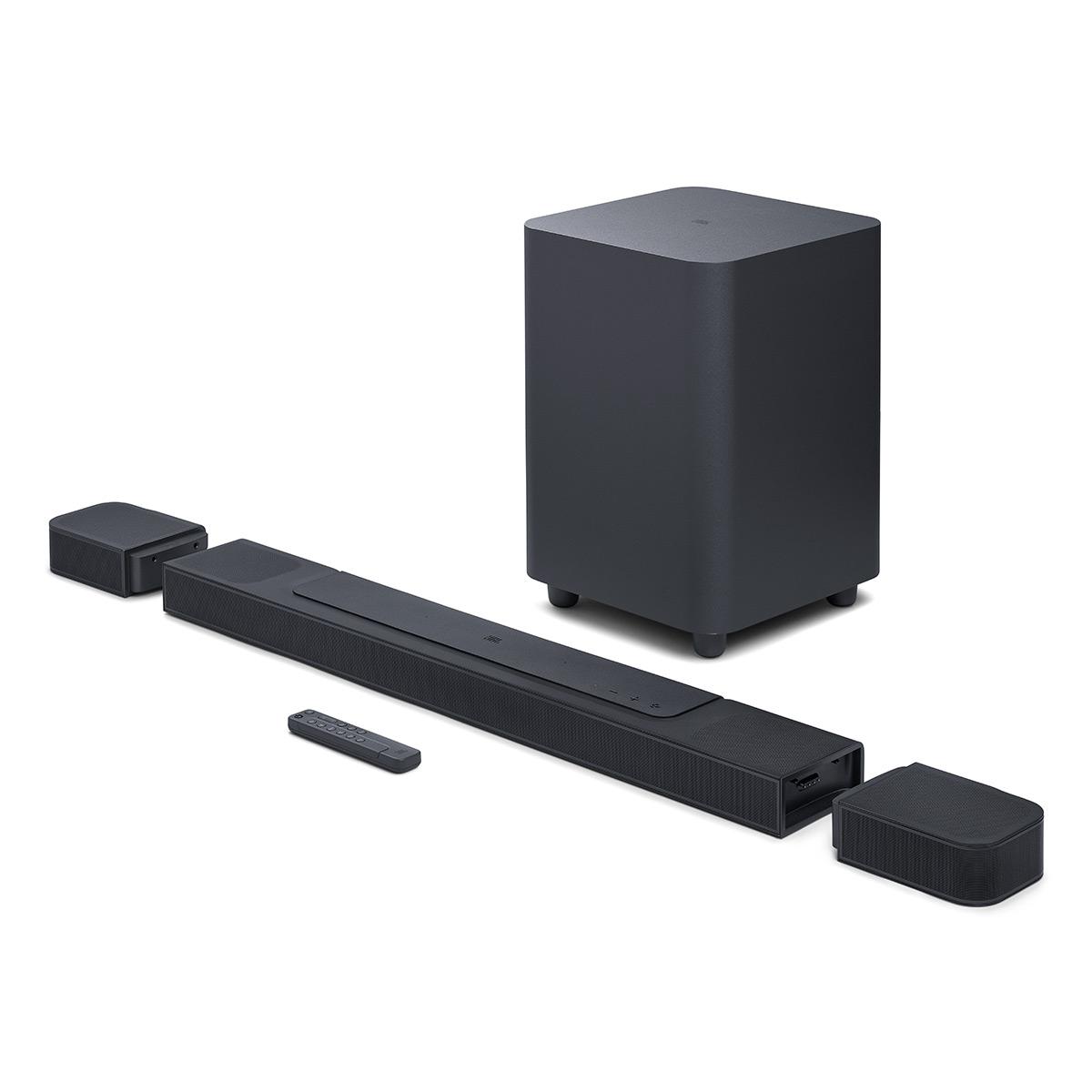
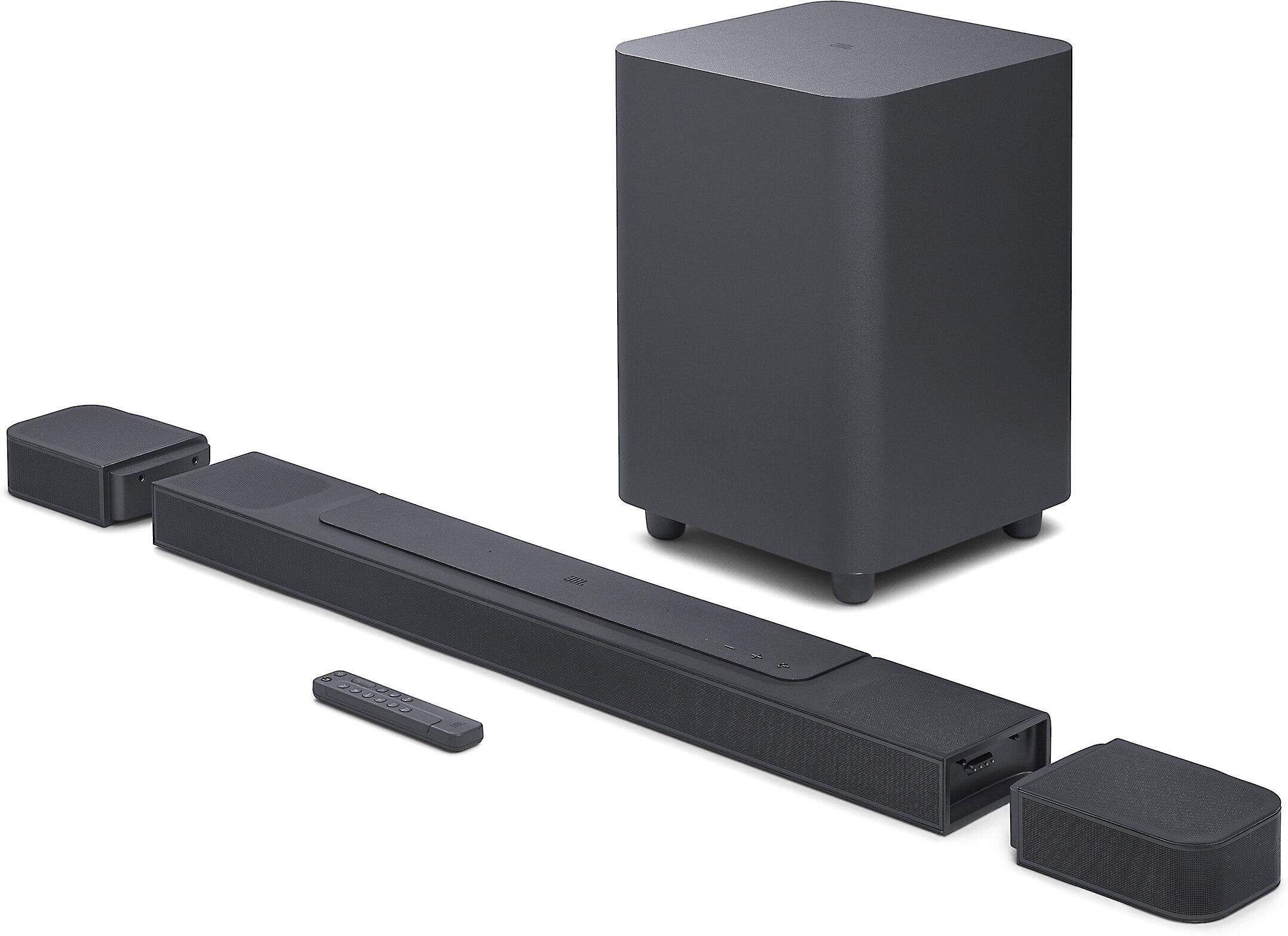
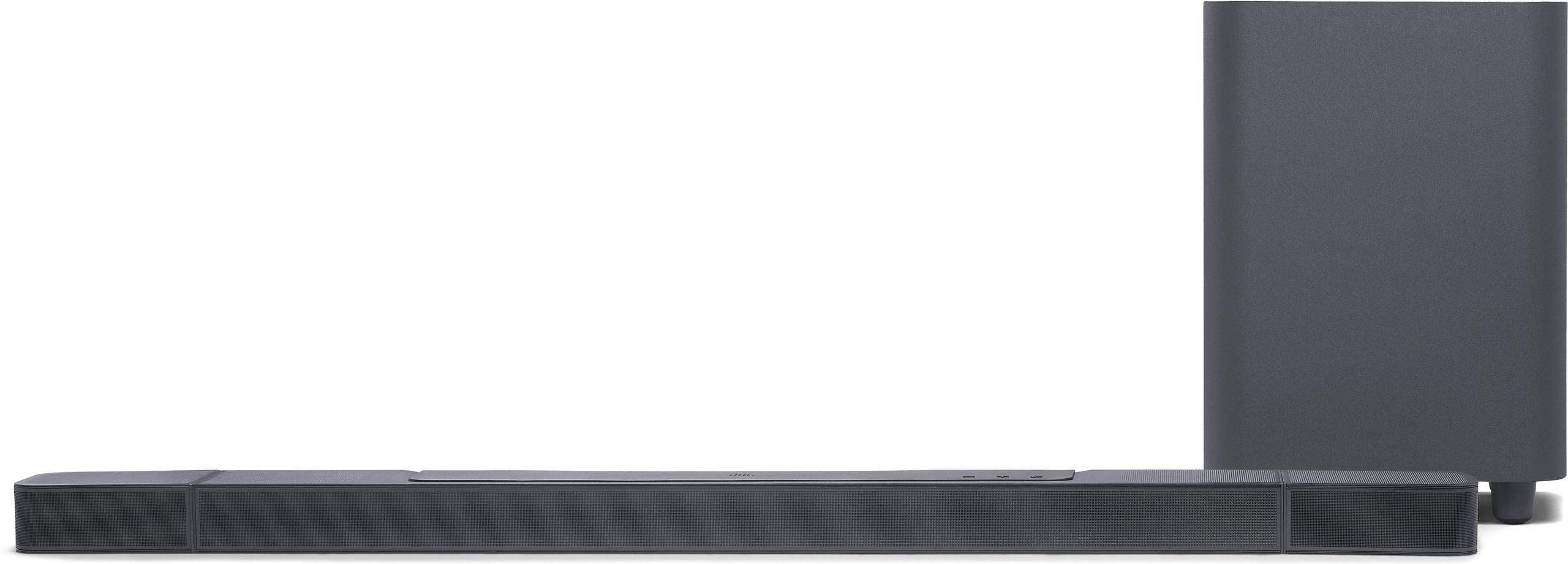
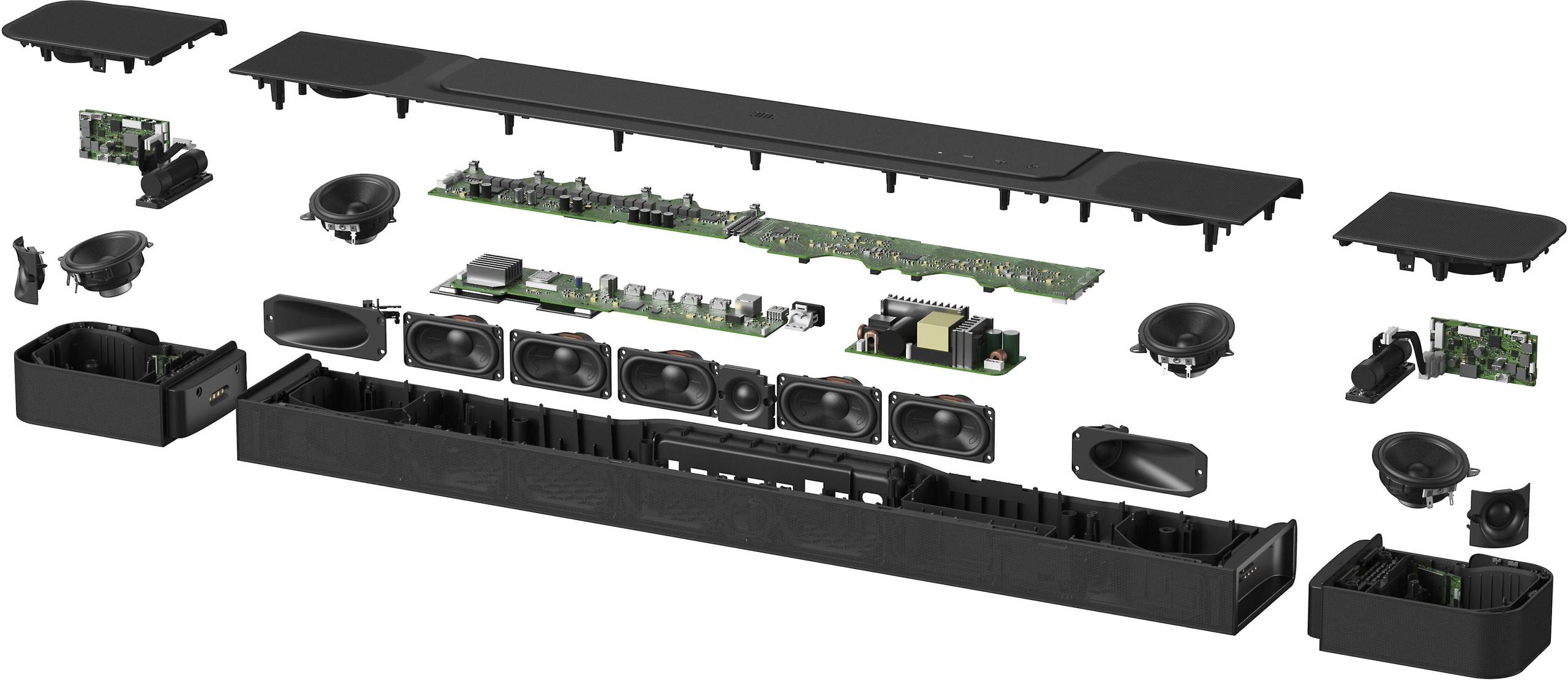
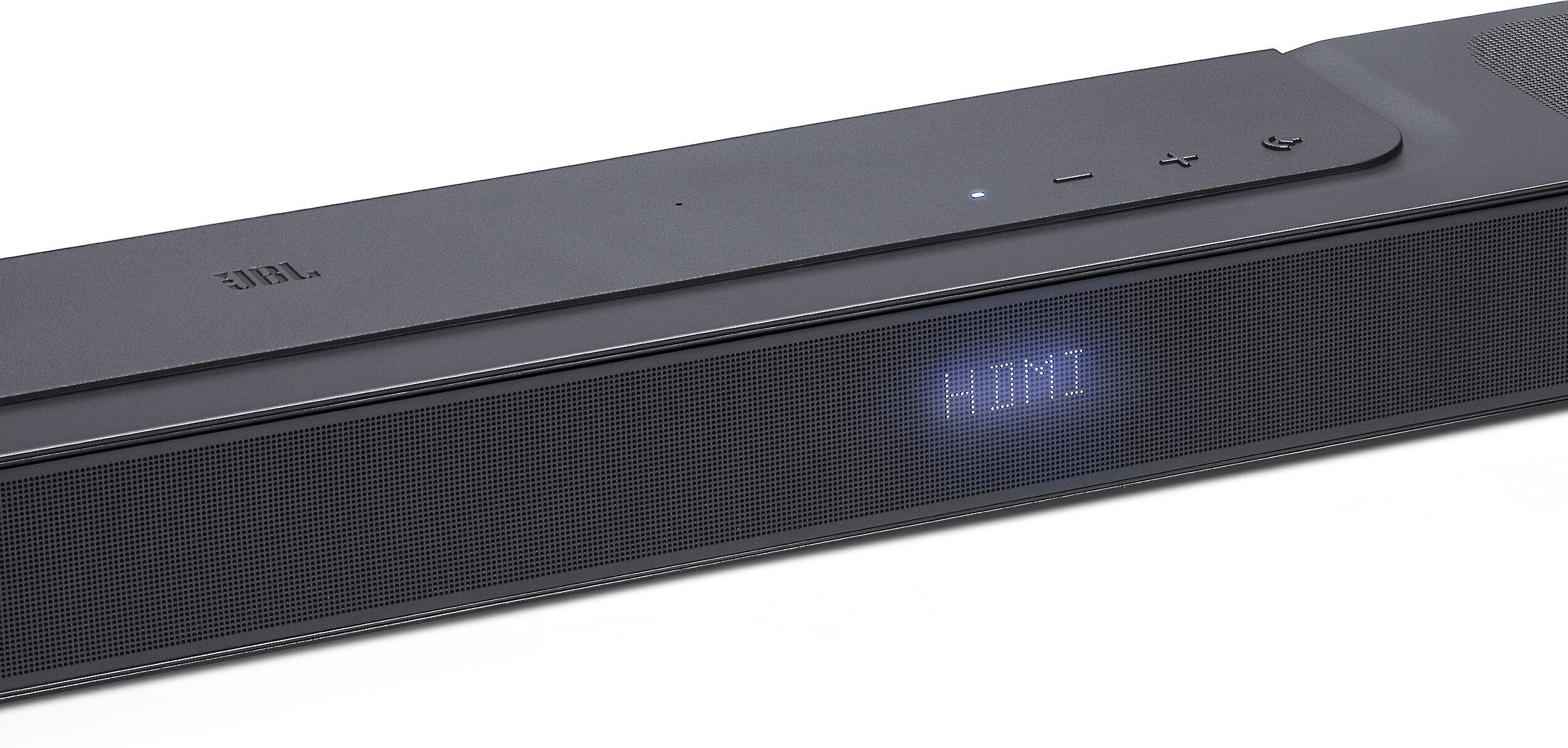
The JBL Bar 1000, released in 2023 with its MK2 revision arriving in 2025, represents JBL's flagship approach to home audio. This isn't just a soundbar – it's a complete home theater ecosystem disguised as a sleek package. With its 7.1.4-channel configuration, you're getting nine discrete audio channels plus four height channels and a powerful subwoofer.
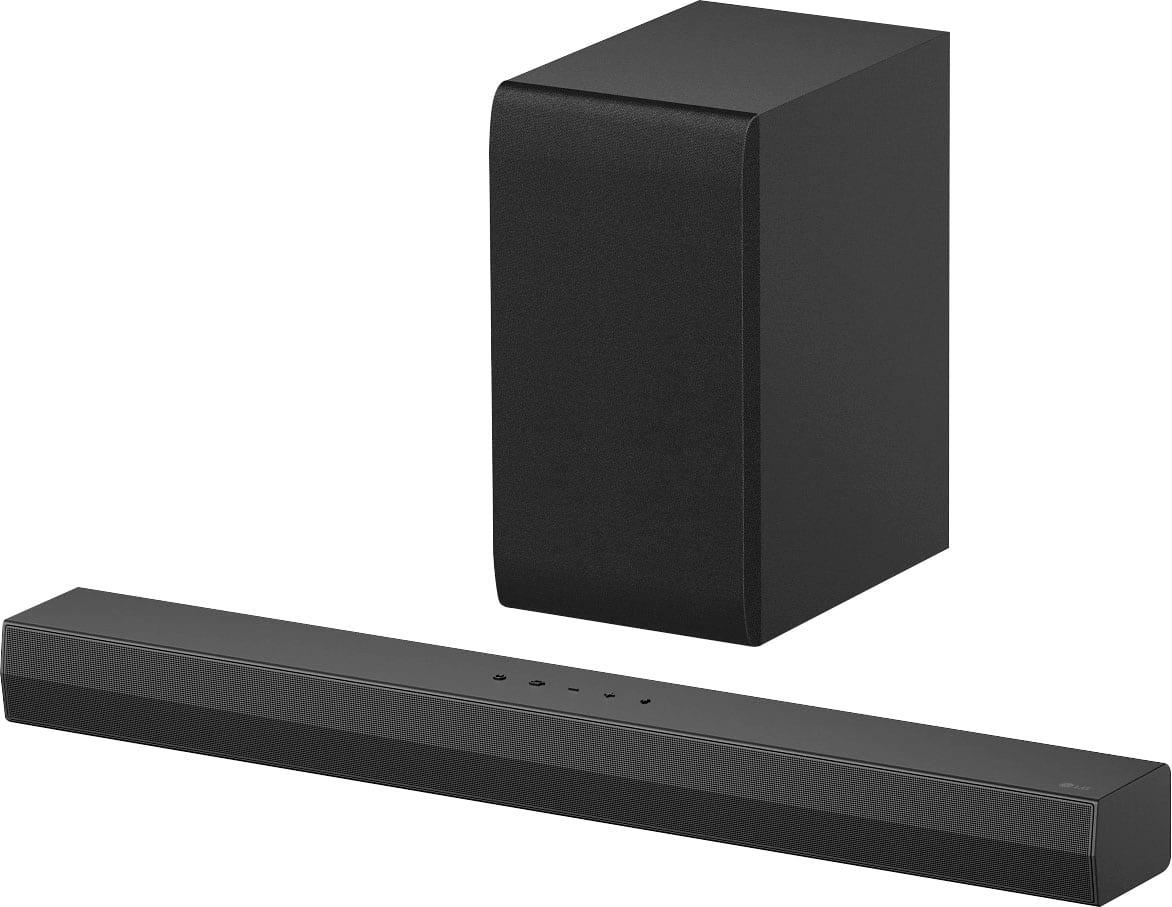
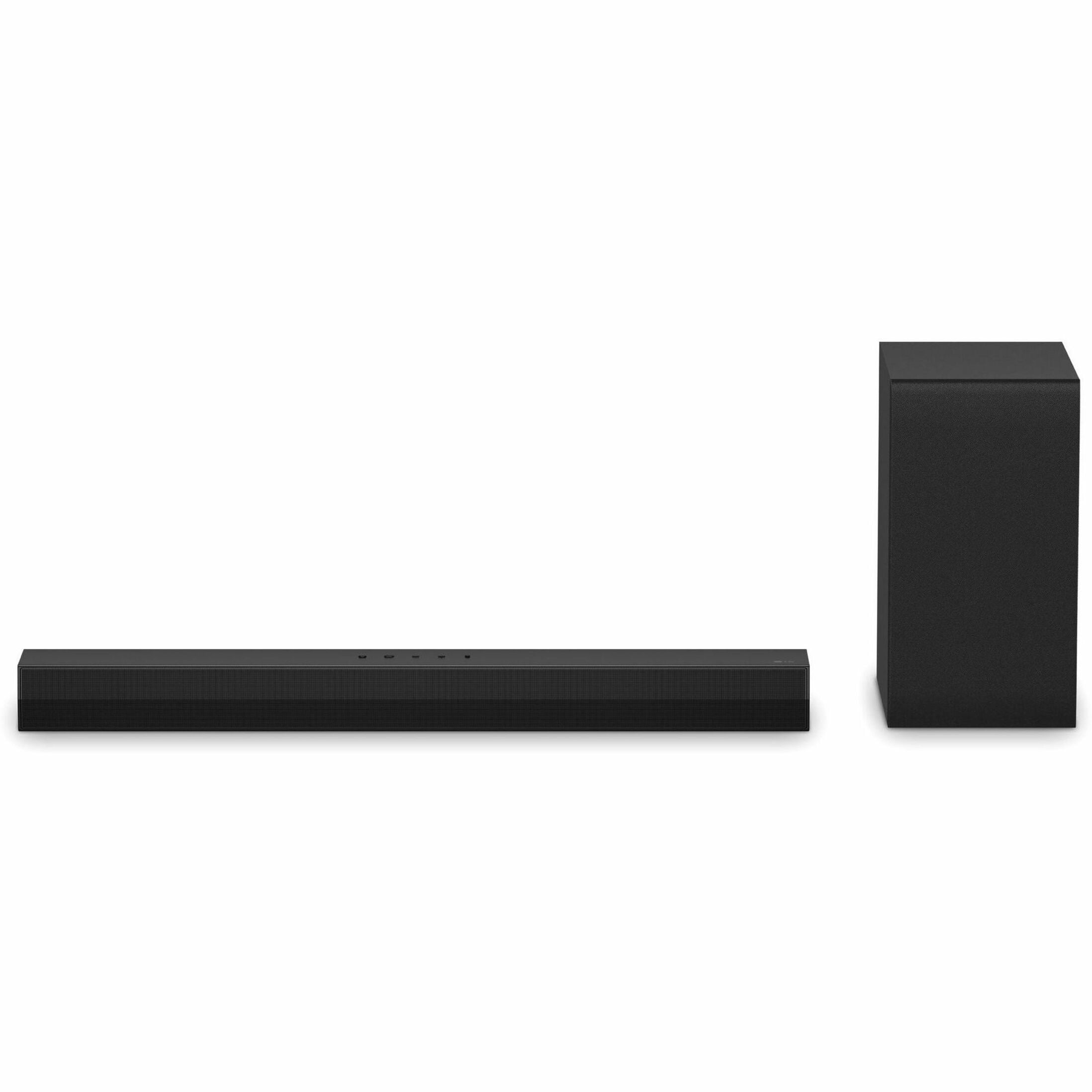
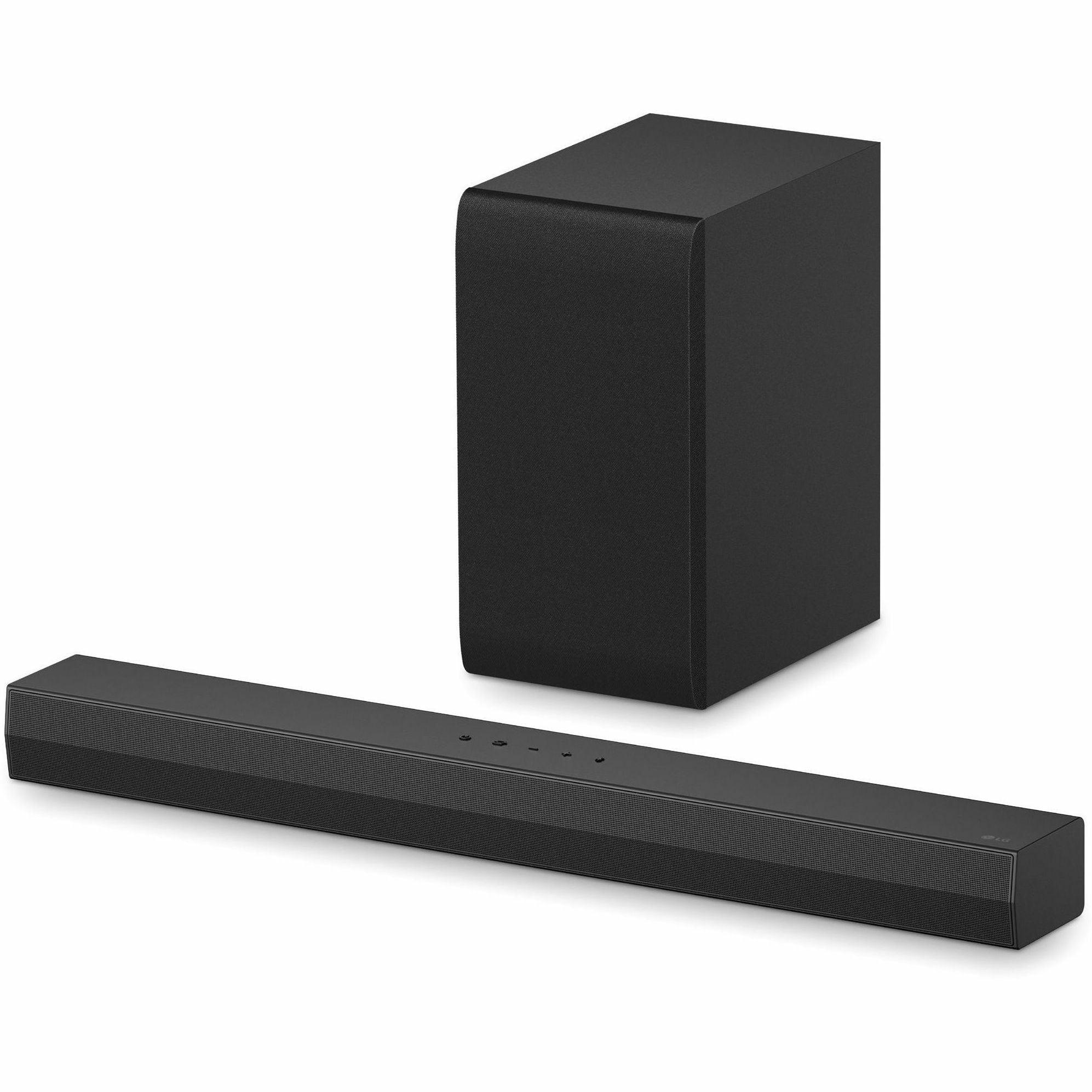
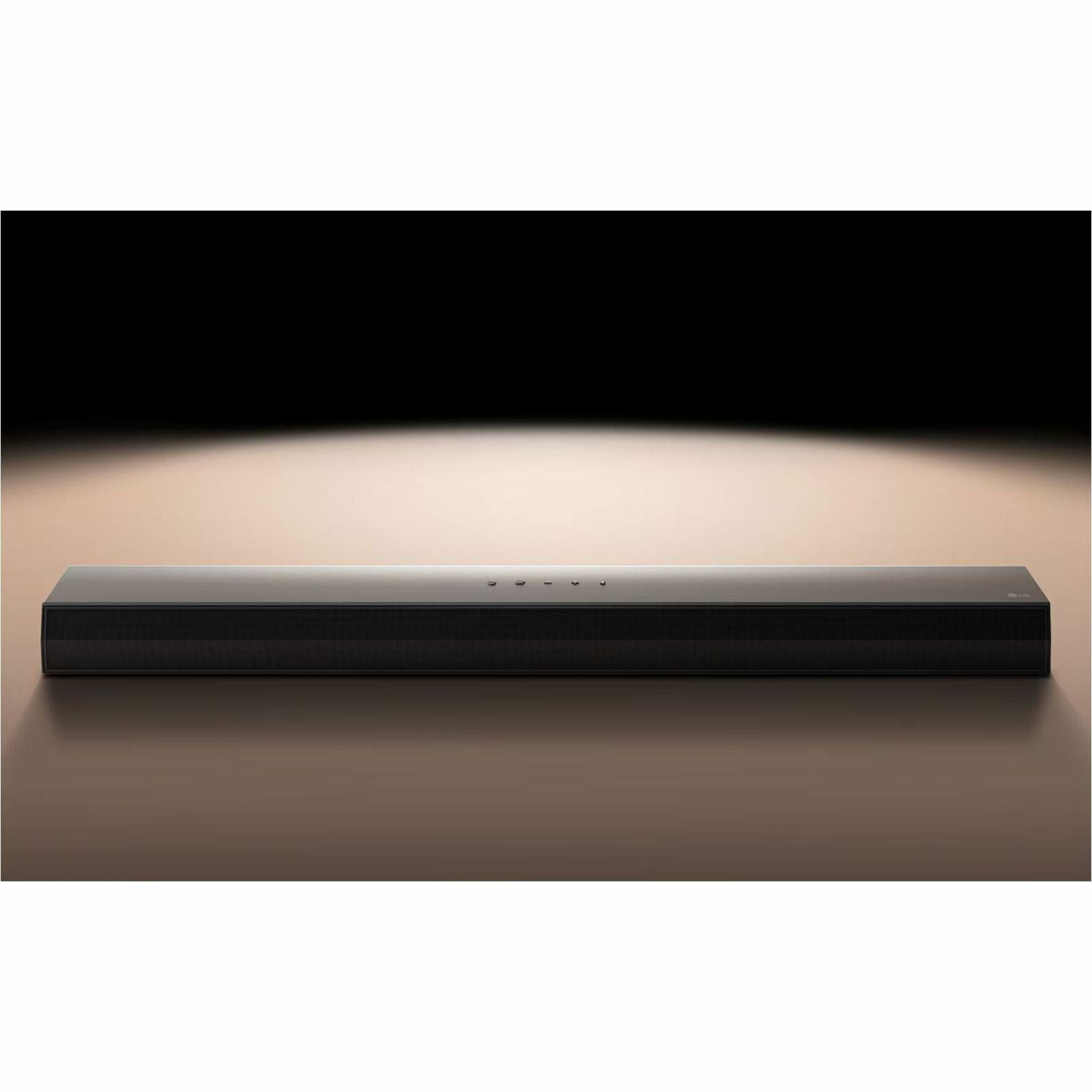
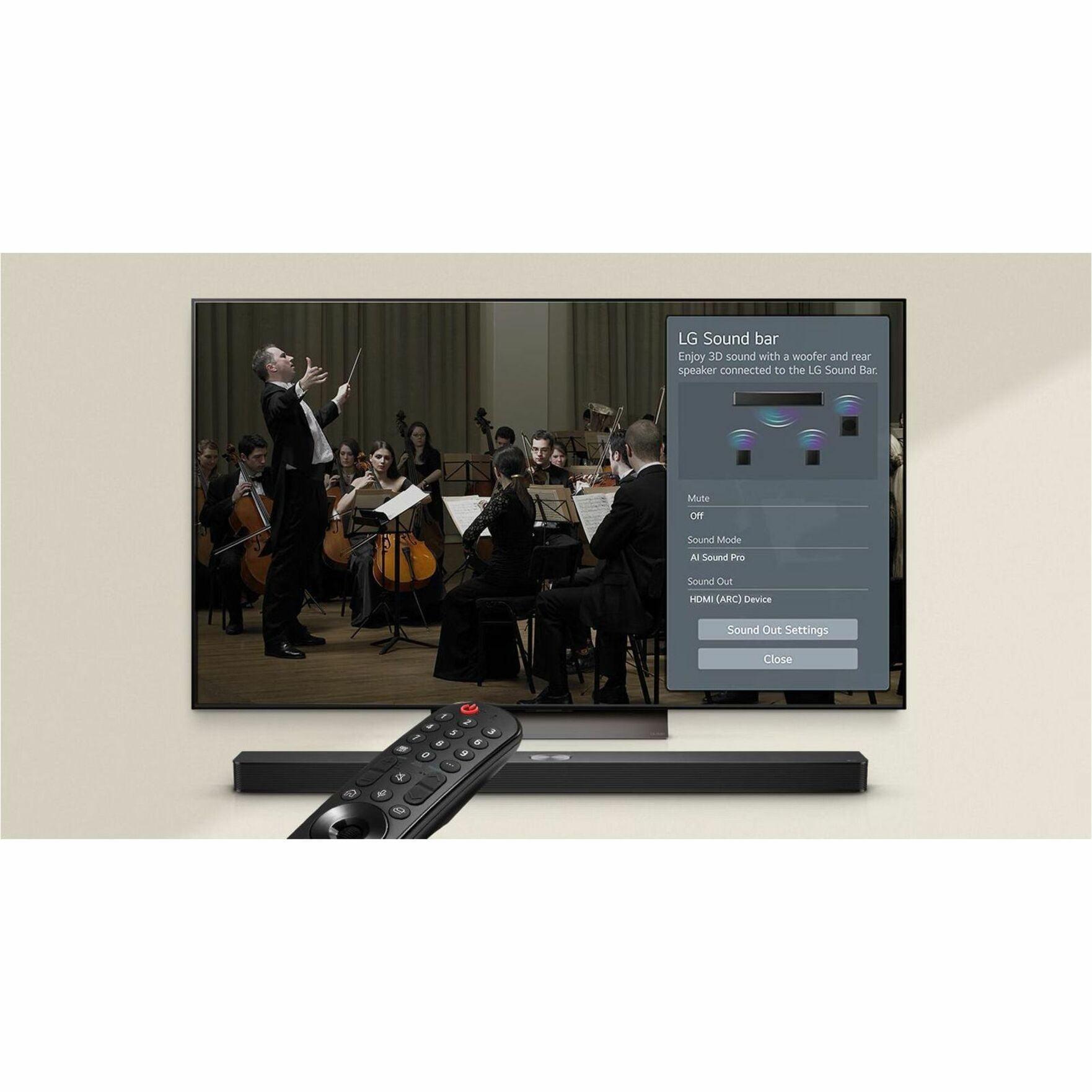
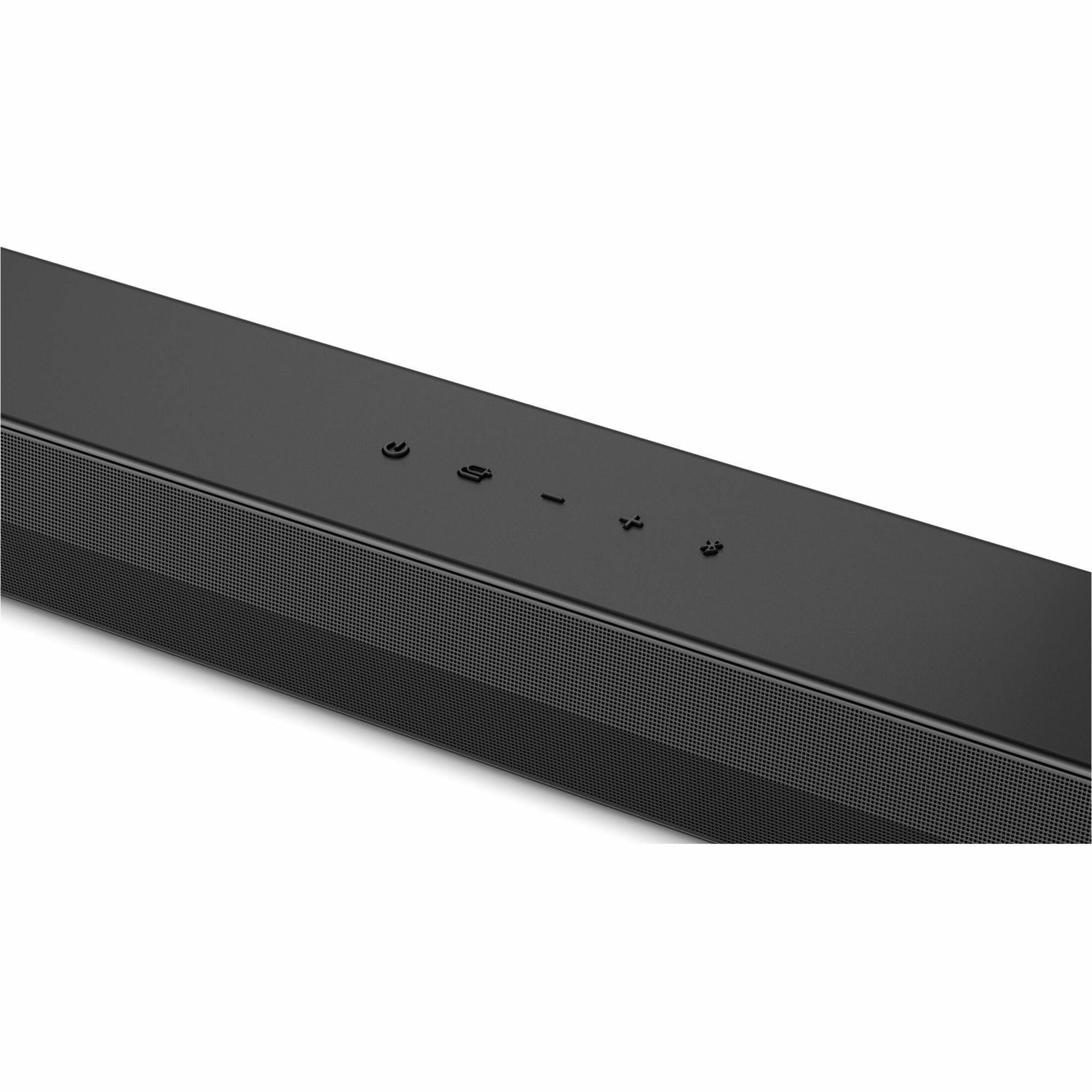
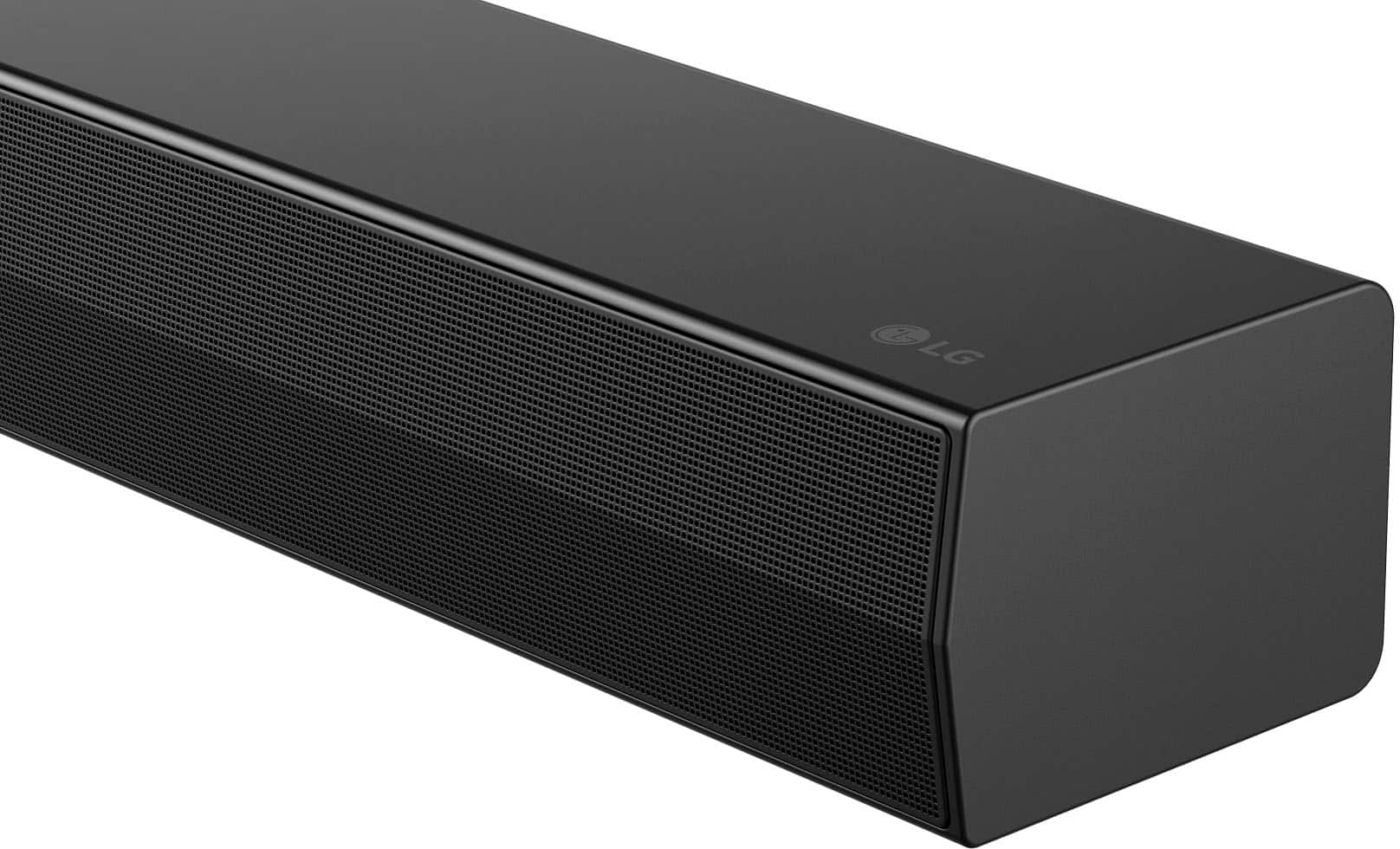
Meanwhile, the LG S40T, launched in 2025, takes the opposite approach. LG focused on simplicity and value, creating a 2.1-channel system that dramatically improves your TV's audio without the complexity of multiple speakers scattered around your room.
I've spent considerable time with both systems, and the difference in philosophy is immediately apparent. The JBL feels like stepping into a movie theater, while the LG feels like upgrading from a smartphone speaker to a quality stereo system.
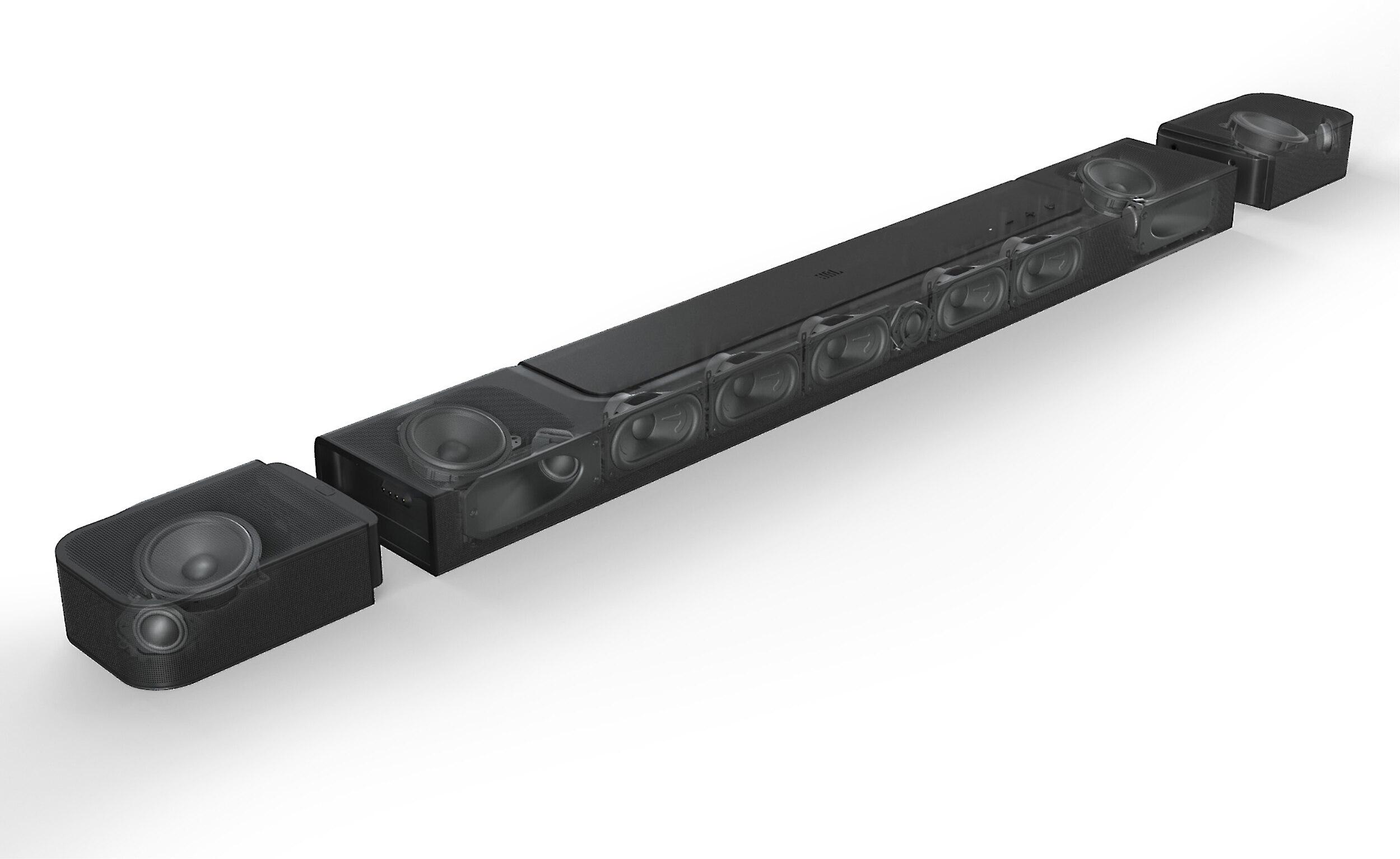
Here's where these two products diverge most dramatically. The JBL Bar 1000's 7.1.4 setup creates what audio engineers call "spatial audio" – sound that seems to come from specific locations in three-dimensional space. When watching Top Gun: Maverick, jet engines don't just get louder; they actually sound like they're moving from behind you to overhead and out in front. This effect comes from the system's four up-firing drivers (two in the main soundbar, two in the detachable rear speakers) that bounce sound off your ceiling.
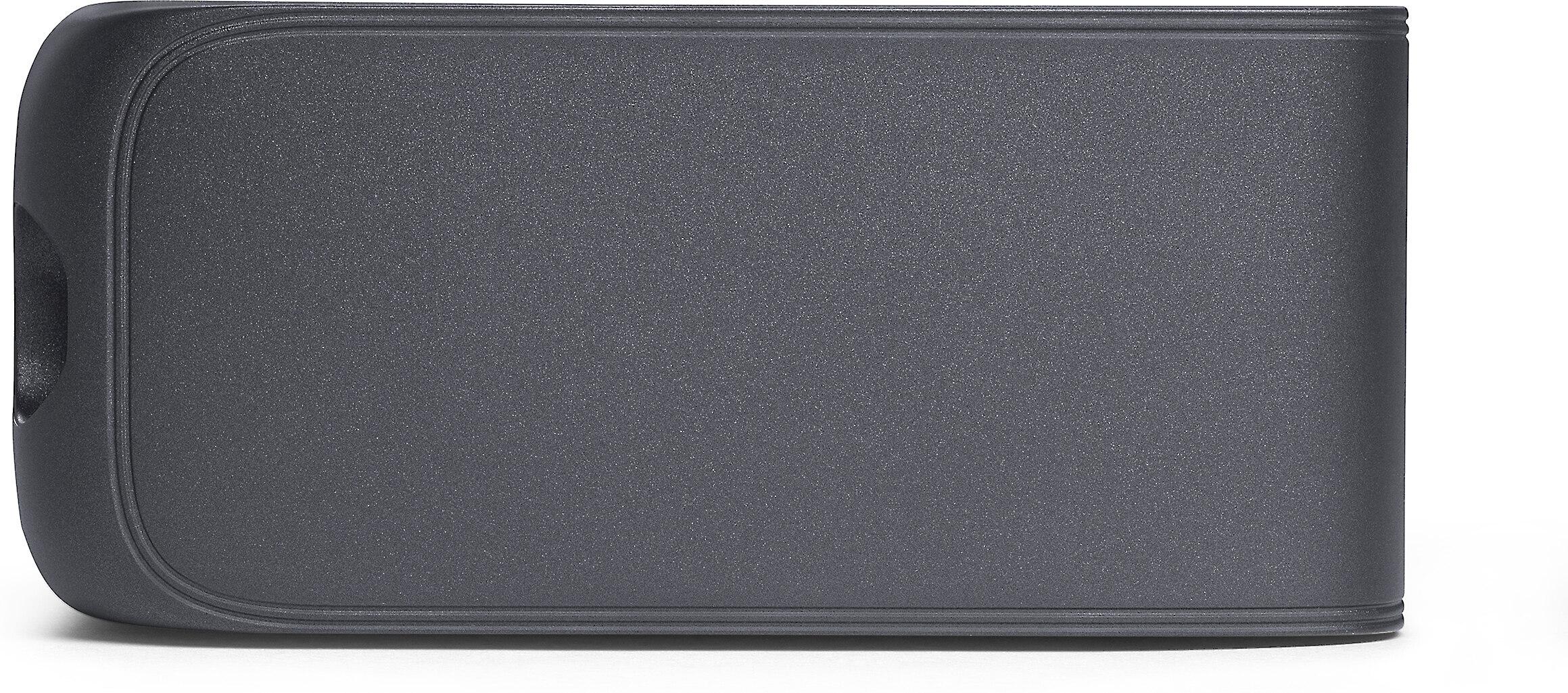
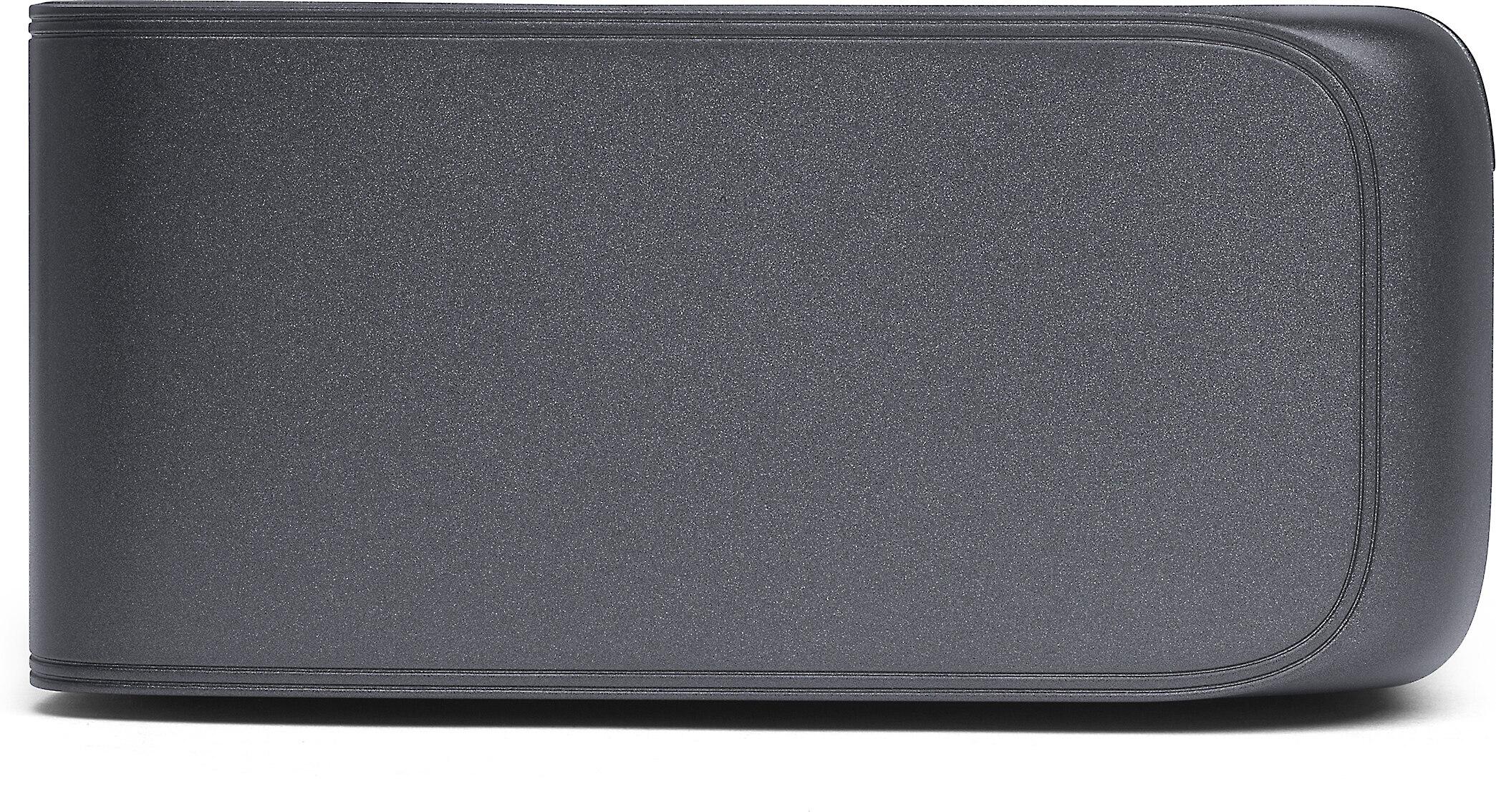
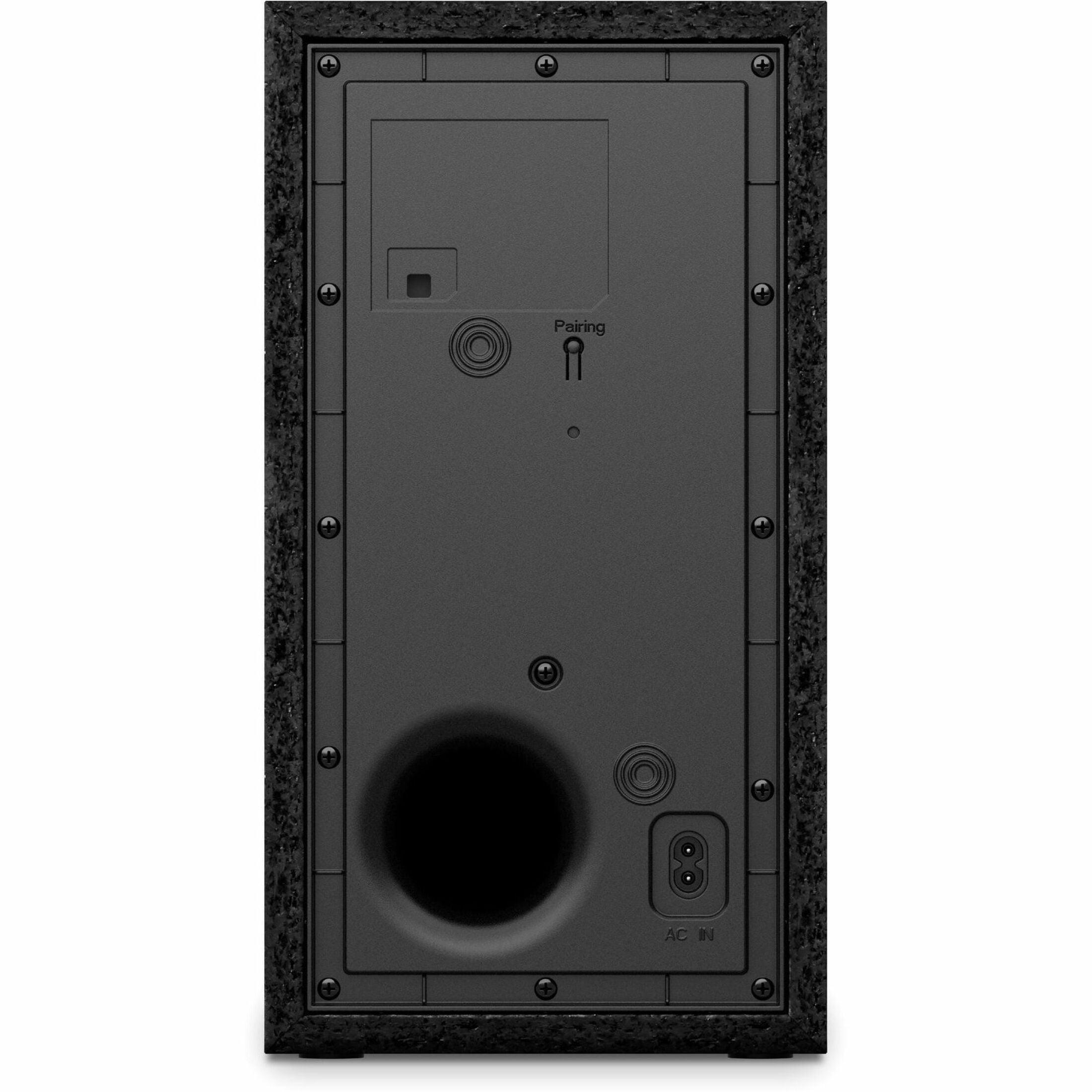
The detachable rear speakers are genuinely innovative. These battery-powered units (lasting about 10 hours per charge) eliminate the biggest pain point of surround sound: running wires across your room. You simply place them behind your seating area, and they connect wirelessly to the main system. This means you get authentic rear-channel effects – explosions actually sound like they're happening behind you, not just louder in your general direction.
The LG S40T uses virtual surround processing instead. Think of it like audio Photoshop – the system analyzes stereo signals and uses psychoacoustic tricks to make sounds appear wider than the physical soundbar. LG's AI Sound Pro feature, introduced in their 2025 models, automatically detects whether you're watching dialogue-heavy content, action scenes, or music, then adjusts the processing accordingly. While this creates a noticeable improvement over TV speakers, it can't replicate the genuine spatial positioning of discrete surround speakers.
In my testing, the difference is night and day. The JBL creates an immersive bubble of sound that follows action around the room, while the LG provides enhanced stereo with some width illusion. Both are improvements over TV audio, but they're playing in different leagues.
The subwoofer tells the real story about each system's capabilities. The JBL Bar 1000 includes a massive 10-inch wireless subwoofer producing 300 watts of dedicated bass power. This driver can reproduce frequencies down to 33Hz – that's the rumbling low-end you feel in movie theaters when the T-Rex stomps in Jurassic Park. The subwoofer's size and power mean it doesn't just add bass; it adds weight and physicality to everything you watch.
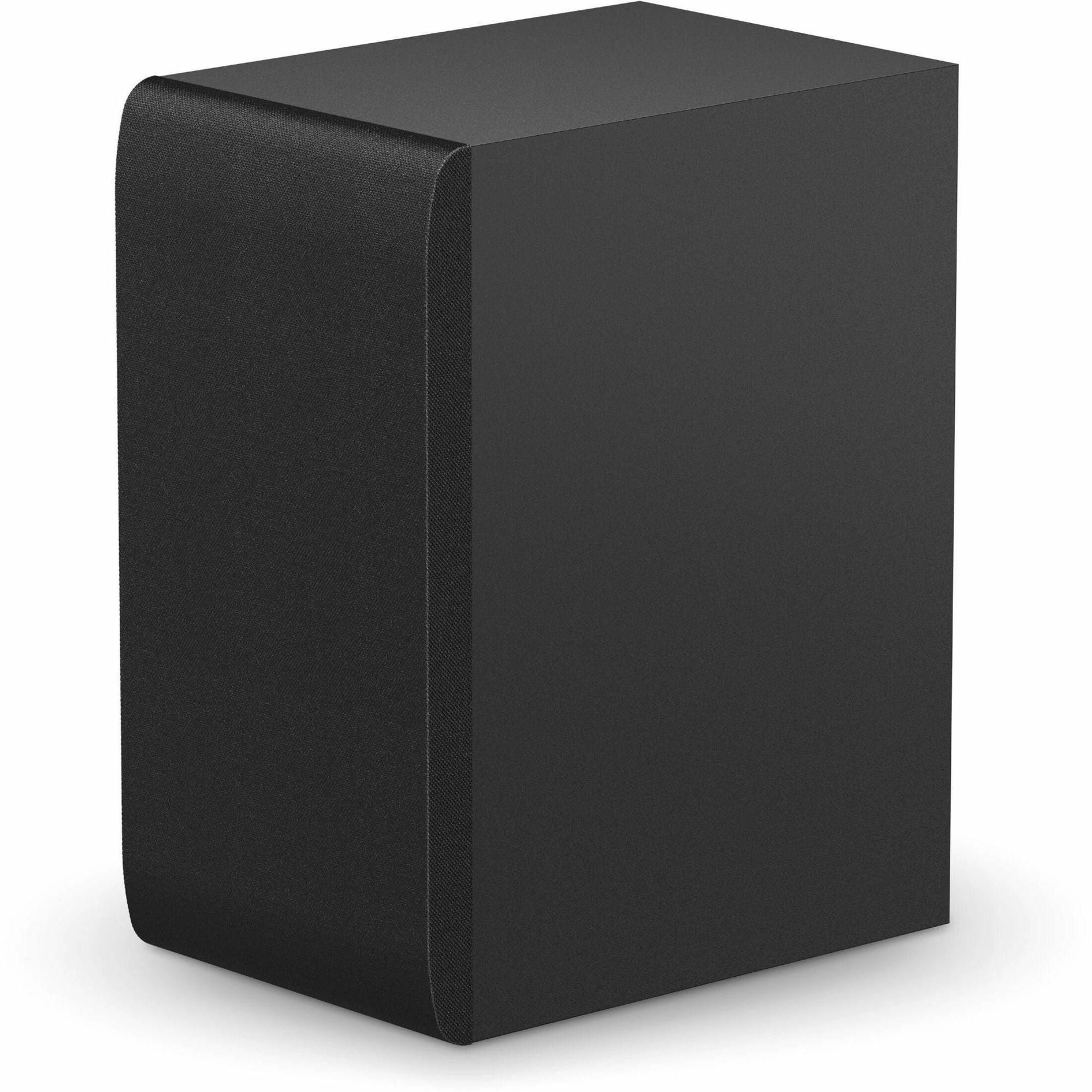
The LG S40T's wireless subwoofer is more modest – a compact unit designed for smaller spaces with about 200 watts of total system power. It provides the bass foundation that most TV speakers completely lack, making explosions more impactful and music more full-bodied. However, it won't rattle your windows or reproduce the deepest movie theater effects.
Total system power reveals another key difference. The JBL pumps out 960 watts maximum (480 watts RMS, which is the more meaningful continuous power figure), while the LG delivers 300 watts total. This translates to the JBL's ability to fill larger rooms with effortless dynamics, while the LG is better suited to smaller spaces where moderate volume levels are sufficient.
Interestingly, both systems excel at dialogue clarity, but through different approaches. The JBL uses dedicated center channel processing and its PureVoice technology to isolate and enhance speech frequencies. This means Christopher Nolan movies with their notoriously mixed dialogue become actually understandable without subtitles.
The LG S40T achieves similar results through AI Sound Pro, which automatically boosts dialogue frequencies when it detects speech-heavy content like news or TV shows. During my testing with various content types, the LG actually performed slightly better with everyday TV viewing, likely because its processing is optimized for typical broadcast audio rather than movie theater dynamics.
The JBL Bar 1000 represents the cutting edge of smart audio integration. Built-in Wi-Fi enables AirPlay, Chromecast, and Alexa Multi-Room Music, meaning you can stream music directly without using your TV as an intermediary. The system receives regular software updates that add new features – something I've experienced firsthand with improved room calibration algorithms appearing in updates.
The automatic room calibration deserves special mention. Using built-in microphones, the system analyzes your room's acoustics and adjusts its output accordingly. In my oddly-shaped living room with high ceilings, this feature made a noticeable difference in achieving balanced sound.
The LG takes a simpler approach with Bluetooth 5.3 connectivity and its WOW Interface, which integrates soundbar controls directly into compatible LG TV menus. While less sophisticated than the JBL's smart features, this streamlined approach eliminates complexity for users who just want better TV audio.
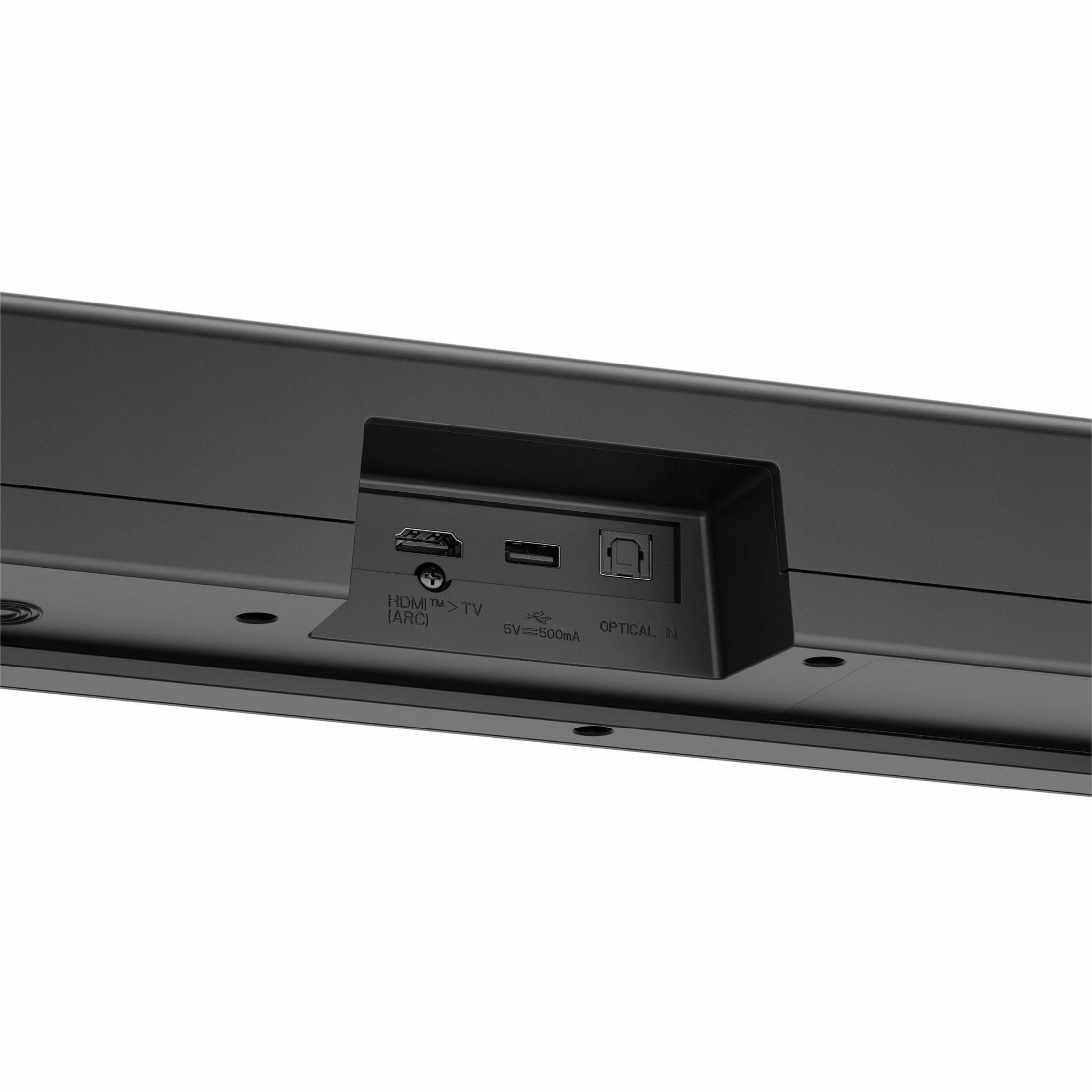
Here's where the JBL Bar 1000's premium positioning becomes clear. It includes HDMI eARC (enhanced Audio Return Channel) with 4K Dolby Vision passthrough, plus three additional HDMI inputs. This means you can connect multiple devices – gaming consoles, streaming devices, Blu-ray players – directly to the soundbar, which then passes video to your TV while processing high-quality audio internally.
The eARC connection is particularly important for serious home theater use. It can carry uncompressed Dolby Atmos and DTS:X audio signals, ensuring you get the full quality of premium streaming services and UHD Blu-rays. The three HDMI inputs mean you won't run out of connections, even with multiple gaming consoles and streaming devices.
The LG S40T provides HDMI ARC (the older standard) and optical input – sufficient for most users but limiting for those with multiple high-end sources or who want the absolute best audio quality from streaming services.
Setting up the LG S40T is genuinely plug-and-play. Connect one cable to your TV, place the wireless subwoofer anywhere within about 30 feet, and you're done. The system automatically pairs and calibrates itself within minutes.
The JBL Bar 1000 requires more consideration. While the main soundbar and subwoofer setup is straightforward, optimizing the detachable rear speakers takes some planning. You need to position them properly behind your seating area and remember to charge them periodically (they provide low-battery warnings through the JBL One app). The room calibration process adds another 10 minutes but significantly improves performance.
I found the JBL's complexity worthwhile for dedicated movie watching but occasionally frustrating for casual TV use. The rear speakers sometimes need repositioning when rearranging furniture, and ensuring they're charged requires attention most people don't want to give their audio equipment.
Your room size and layout heavily influence which system makes sense. The LG S40T works beautifully in apartments, bedrooms, or smaller living rooms where you're sitting relatively close to the TV. Its compact footprint and moderate power output provide excellent results without overwhelming the space.
The JBL Bar 1000 truly shines in medium to large rooms where you can properly position the rear speakers and where its power output can stretch its legs. In my 15x20-foot living room, the system creates an convincing surround bubble, but in smaller spaces, the rear speakers can actually create imbalanced audio.
At $700, the JBL Bar 1000 costs more than many people's entire TV setup. However, for home theater enthusiasts, the value becomes clear when compared to traditional surround sound systems. A comparable discrete 7.1.4 speaker setup from traditional audio brands would easily cost $1,500-3,000, require professional installation, and involve running wires throughout your room.
The JBL provides 90% of that experience with significantly less complexity and visual impact. During my extended testing, I consistently forgot I was listening to a soundbar rather than a full surround system – that's remarkable achievement in audio engineering.
The LG S40T's $156 price point makes it accessible to anyone frustrated with their TV's audio. For the cost of a nice dinner for two, you get wireless subwoofer, AI-optimized processing, and dramatic improvement over built-in TV speakers. In terms of cost-per-improvement ratio, few tech upgrades deliver better value.
During my testing, the LG consistently impressed with its ability to make dialogue clearer, music more engaging, and action scenes more impactful. While it won't create the immersive experience of the JBL, it solves the core problem most people face: understanding what's being said on TV.
The choice ultimately comes down to your entertainment priorities and budget tolerance. The JBL transforms your room into a home theater, while the LG makes your TV sound like it should have from the factory. Both excel within their intended markets, making either choice a smart upgrade from inadequate TV audio.
After extensive testing with both systems, I can confidently say that either will dramatically improve your viewing experience. The question isn't whether you'll be happy with your choice – it's whether you want good sound or truly immersive audio. Your wallet and your entertainment habits will tell you which path makes sense.
| JBL Bar 1000 ($700) | LG S40T ($156) |
|---|---|
| Price - Budget impact and value expectations | |
| $700 premium investment for flagship features | $156 budget-friendly upgrade over TV speakers |
| Audio Channels - Determines immersion level and surround sound capability | |
| 7.1.4 true Dolby Atmos with height effects | 2.1 virtual surround with AI optimization |
| Total Power Output - Controls volume capacity and room-filling ability | |
| 960W max (480W RMS) for large rooms | 300W total for small-medium spaces |
| Subwoofer Size - Affects bass depth and impact for movies/music | |
| 10" wireless (300W, down to 33Hz) | Compact wireless (200W, moderate bass) |
| Rear Speakers - Authentic surround vs virtual processing | |
| Detachable wireless with 10hr battery | None (virtual surround only) |
| HDMI Connectivity - Future-proofing and source device support | |
| eARC + 3 inputs with 4K Dolby Vision | ARC + optical (basic connectivity) |
| Smart Features - Streaming and integration capabilities | |
| Wi-Fi, AirPlay, Chromecast, voice assistants | Bluetooth 5.3, WOW Interface (LG TVs) |
| Setup Complexity - Installation time and ongoing maintenance | |
| Moderate (rear speaker placement, charging) | Simple plug-and-play setup |
| Room Calibration - Automatic audio optimization | |
| Advanced room analysis with app control | AI Sound Pro content detection |
| Best Use Case - Primary content and room type | |
| Movies, gaming, music in medium-large rooms | TV shows, news in small-medium spaces |
The LG S40T ($156) offers exceptional value for budget-conscious buyers, providing dramatic improvement over TV speakers with wireless subwoofer and AI sound optimization. The JBL Bar 1000 ($700) delivers premium value for home theater enthusiasts, offering true 7.1.4 Dolby Atmos surround sound comparable to $1,500+ traditional speaker systems.
The LG S40T uses 2.1 channels (left, right, plus subwoofer) with virtual surround processing to create wider stereo sound. The JBL Bar 1000 features 7.1.4 channels with actual speakers positioned around your room, including four height channels that bounce sound off your ceiling for genuine overhead effects and immersive 3D audio.
The LG S40T ($156) is ideal for small spaces with its compact design, moderate power output, and simple setup. The JBL Bar 1000 ($700) is designed for medium to large rooms where you can properly position the detachable rear speakers and utilize its full 960W power output.
Both systems are completely wireless. The LG S40T includes a wireless subwoofer that connects automatically. The JBL Bar 1000 features a wireless subwoofer plus detachable wireless rear speakers with 10-hour battery life, eliminating the need for any speaker wires throughout your room.
The LG S40T ($156) offers plug-and-play simplicity - just connect one cable to your TV and place the wireless subwoofer. The JBL Bar 1000 ($700) requires positioning rear speakers behind your seating area and periodic charging, plus room calibration for optimal performance.
The JBL Bar 1000 includes built-in Wi-Fi with AirPlay, Chromecast, voice assistants, HDMI eARC, and three HDMI inputs for multiple devices. The LG S40T provides Bluetooth 5.3 connectivity, HDMI ARC, optical input, and WOW Interface integration with LG TVs for streamlined control.
The JBL Bar 1000 ($700) features a massive 10-inch subwoofer with 300W dedicated power, reaching down to 33Hz for theater-like low-end impact. The LG S40T ($156) includes a compact wireless subwoofer suitable for smaller rooms, providing solid bass improvement over TV speakers without overwhelming the space.
Both excel at different content types. The LG S40T is perfect for TV shows, news, and casual viewing with AI Sound Pro optimizing dialogue clarity. The JBL Bar 1000 transforms movie watching with true Dolby Atmos surround sound, making action scenes and cinematic content incredibly immersive.
The JBL Bar 1000 ($700) delivers 960W maximum power (480W RMS) with room-filling dynamics for larger spaces. The LG S40T ($156) provides 300W total system power, perfectly suited for small to medium rooms where moderate volume levels are sufficient.
The JBL Bar 1000 supports true Dolby Atmos and DTS:X with four up-firing drivers and detachable rear speakers for authentic 3D surround sound. The LG S40T uses virtual surround processing to create width illusion from its 2.1-channel setup, but doesn't support true Dolby Atmos height effects.
The LG S40T ($156) includes the main soundbar, wireless subwoofer, remote control, and connection cables. The JBL Bar 1000 ($700) comes with the main soundbar, 10-inch wireless subwoofer, two detachable wireless rear speakers, charging cables, remote, and HDMI cable for complete home theater setup.
Choose the JBL Bar 1000 if you want cinema-quality surround sound with true Dolby Atmos, have a medium to large room, and regularly watch movies or play games. Select the LG S40T if you want significant audio improvement over TV speakers, prefer simple setup, have budget constraints, or primarily watch TV shows in smaller spaces.
We've done our best to create useful and informative comparisons to help you decide what product to buy. Our research uses advanced automated methods to create this comparison and perfection is not possible - please contact us for corrections or questions. These are the sites we've researched in the creation of this article: zdnet.com - jbl.com - jbl.com - pcrichard.com - rtings.com - d21buns5ku92am.cloudfront.net - ro.harmanaudio.com - target.com - harmanaudio.com - dell.com - mm.jbl.com - dolby.com - jbl.com.my - videoandaudiocenter.com - bestbuy.com - bestbuy.com - rtings.com - pcrichard.com - lg.com - lg.com - lg.com - lg.com - microcenter.com - flanners.com - bestbuy.com - microcenter.com

Privacy Policy
Terms and Conditions - Affiliate Policy
Home Security
© Copyright 2008-2026.
11816 Inwood Rd #1211, Dallas, TX 75244