


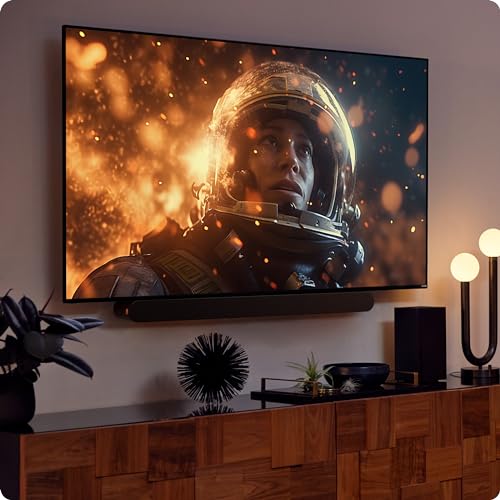




When you're sitting through another movie where the dialogue sounds like it's coming from underwater while explosions shake the neighbor's windows, it's clear that your TV's built-in speakers just aren't cutting it. This is where soundbars come into play—they're the bridge between terrible TV audio and the complexity of a full home theater system.
I've been testing soundbars for years, and the evolution in this category has been remarkable. Today's systems deliver theater-quality audio that would have required multiple speakers, receivers, and complex wiring just a decade ago. But with so many options available, choosing between a budget-friendly system and a premium setup can feel overwhelming.
Let's dive deep into two soundbars that represent very different approaches to solving your audio problems: the VIZIO 5.1 Soundbar SE and the JBL Bar 1000.
Before we jump into specifics, it's worth understanding what separates a great soundbar from an average one. The most important factors are channel configuration, audio processing quality, and how the system creates that immersive surround sound experience.
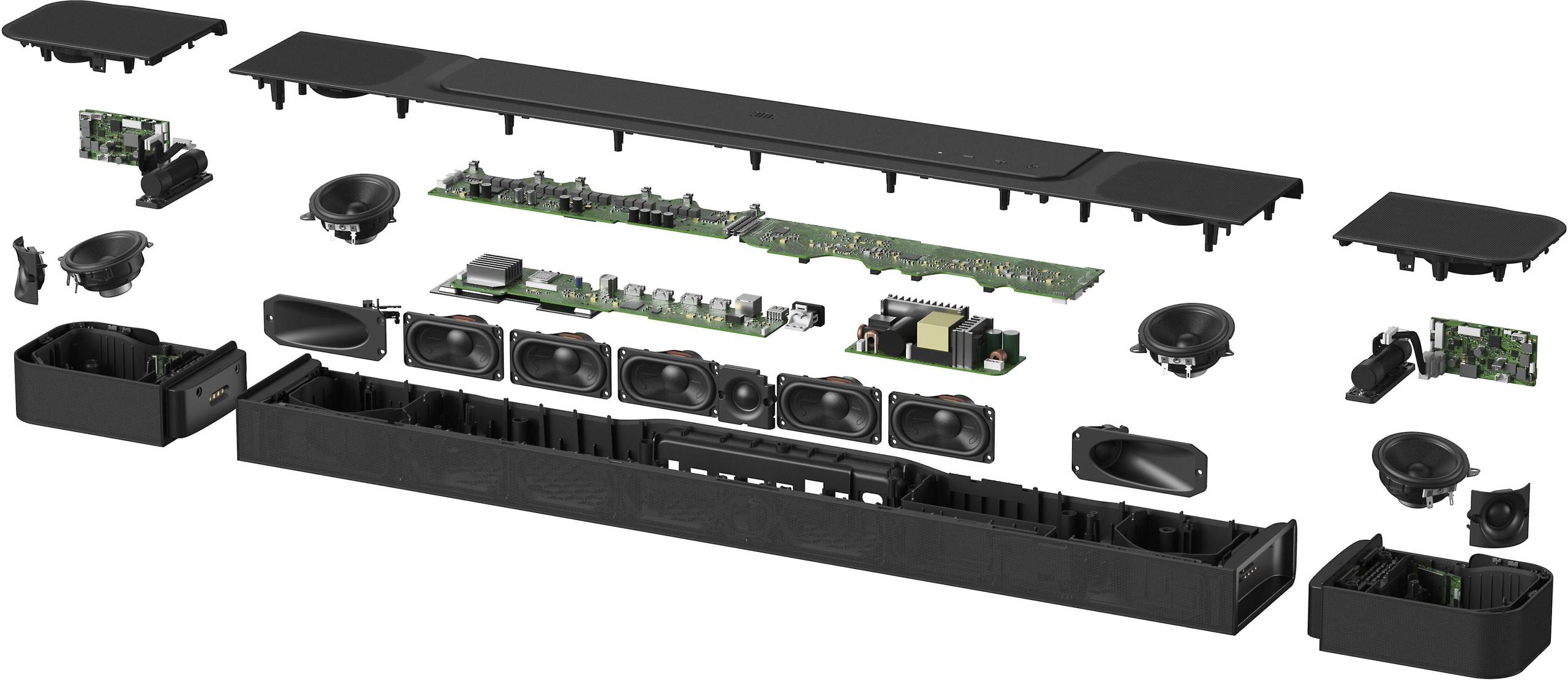
Channel configuration refers to how many speakers and directions of sound the system can produce. A 5.1 system has five main speakers (left, center, right, left surround, right surround) plus one subwoofer for bass. The JBL Bar 1000 takes this further with 7.1.4—seven main channels, one subwoofer, and four height channels that bounce sound off your ceiling.
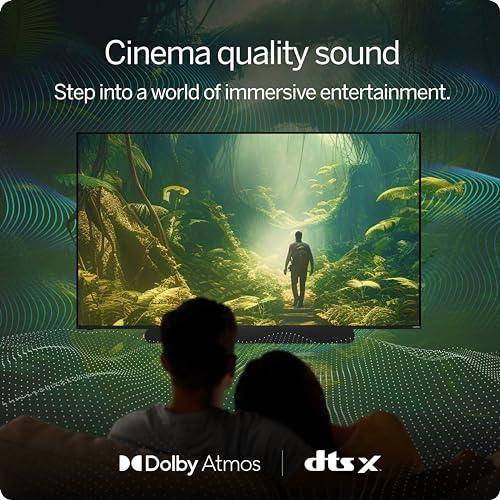
Audio processing is how the system interprets and enhances the sound. Technologies like Dolby Atmos (which adds overhead sound effects) and DTS:X (which creates object-based audio positioning) can transform flat stereo sound into a three-dimensional audio experience.
The key question is whether you want physical speakers placed around your room or virtual processing that tricks your brain into hearing surround sound from fewer speakers. Physical speakers generally win, but virtual processing has gotten surprisingly good and offers much simpler setup.
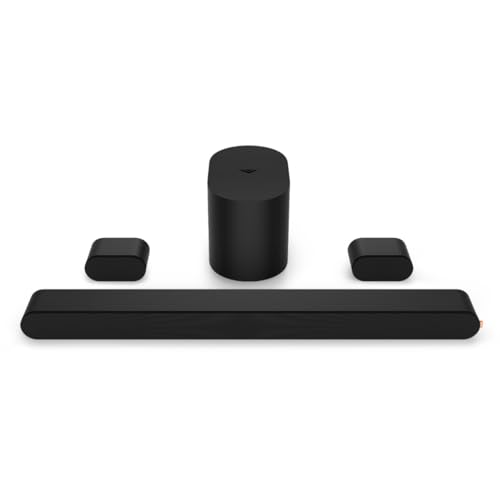
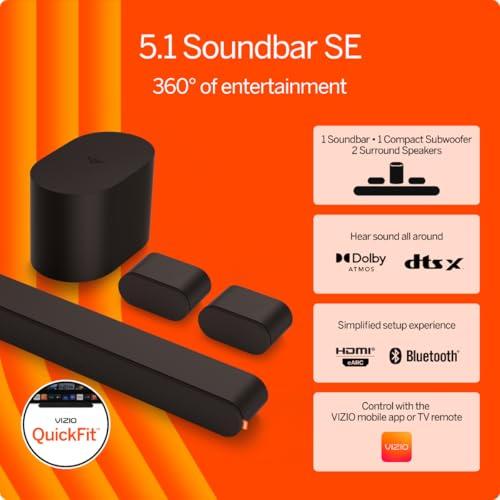
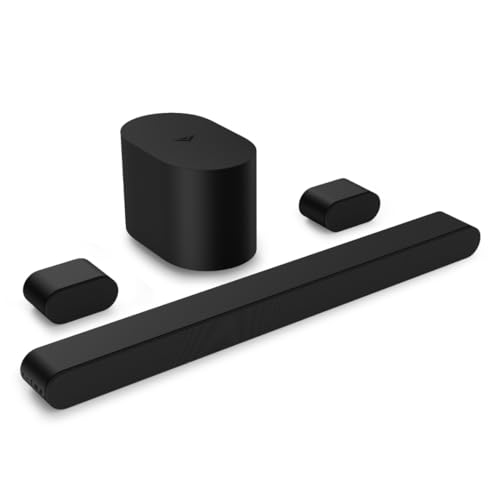
Released in 2023, the VIZIO 5.1 Soundbar SE represents VIZIO's effort to bring genuine surround sound to budget-conscious buyers. At the time of writing, it's priced significantly lower than premium alternatives while still including physical surround speakers—a rarity in this price range.
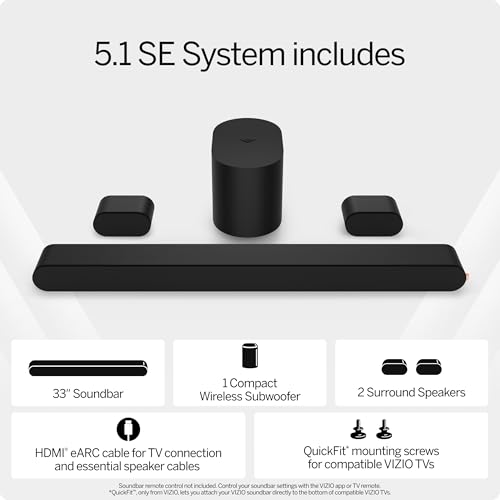
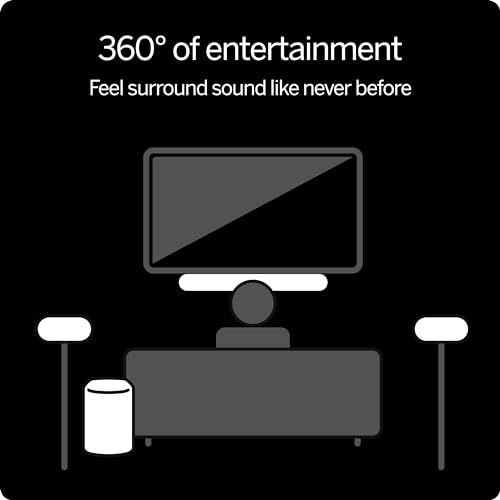
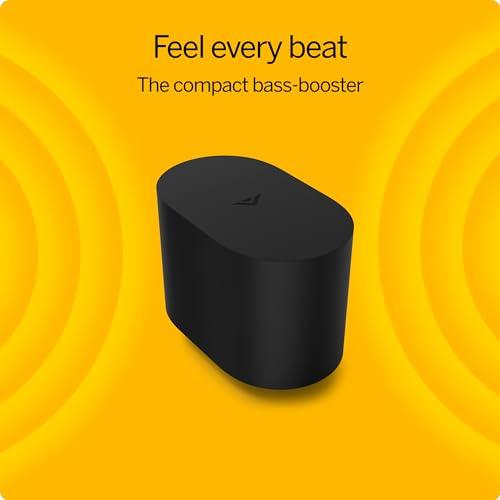
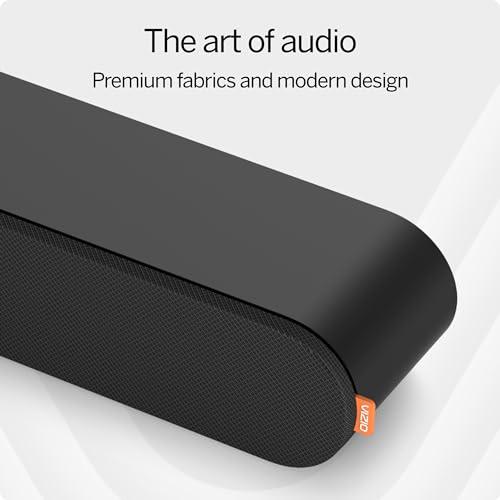
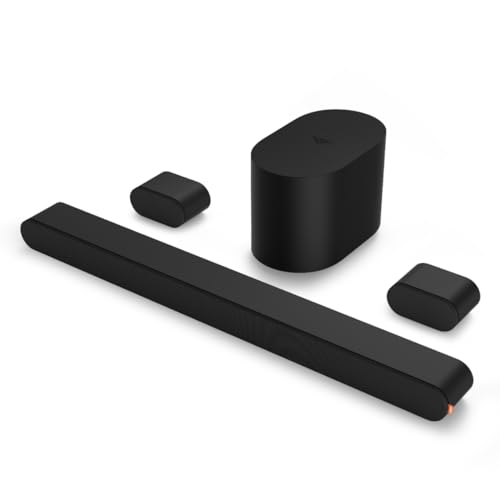
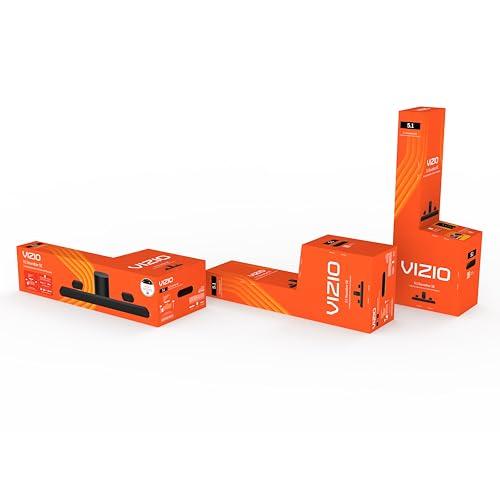
The system includes a 33-inch soundbar, a wireless subwoofer, and two discrete satellite speakers that you place behind your seating area. This gives you true 5.1 surround sound rather than virtual processing, which is impressive considering the price point.
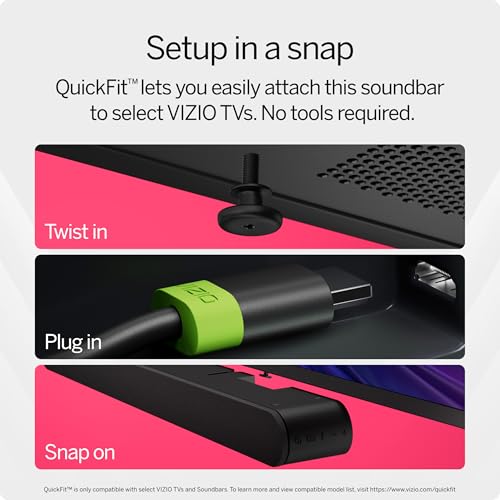
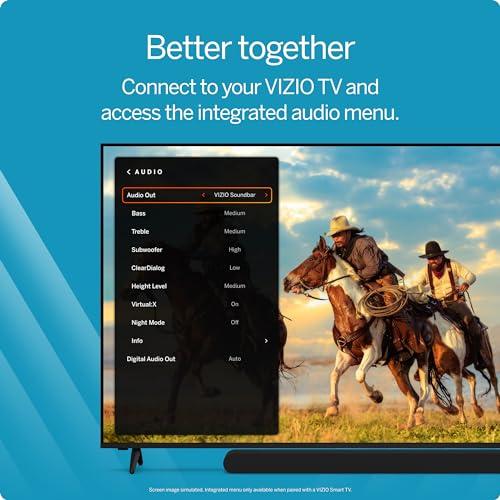
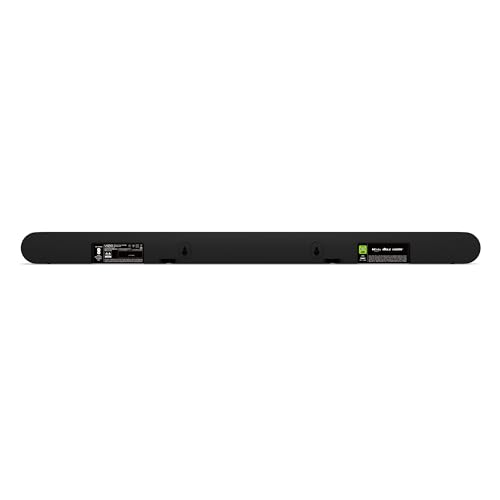
What makes this system particularly appealing is its integration with VIZIO's TV ecosystem. If you own a VIZIO TV, the QuickFit mounting system lets you attach the soundbar without tools, creating a seamless look. The system also integrates with your TV's remote, so you don't need to juggle multiple controls.
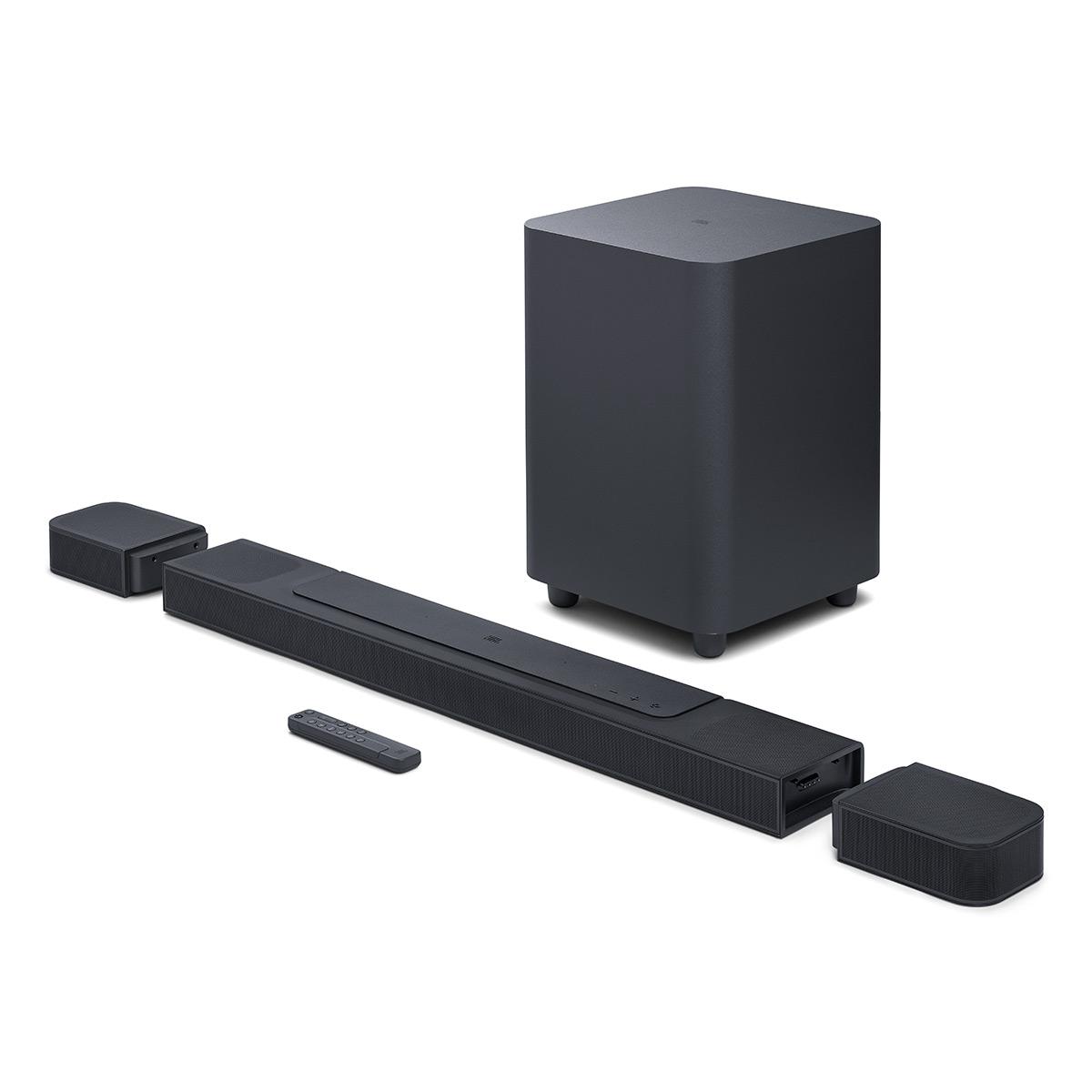
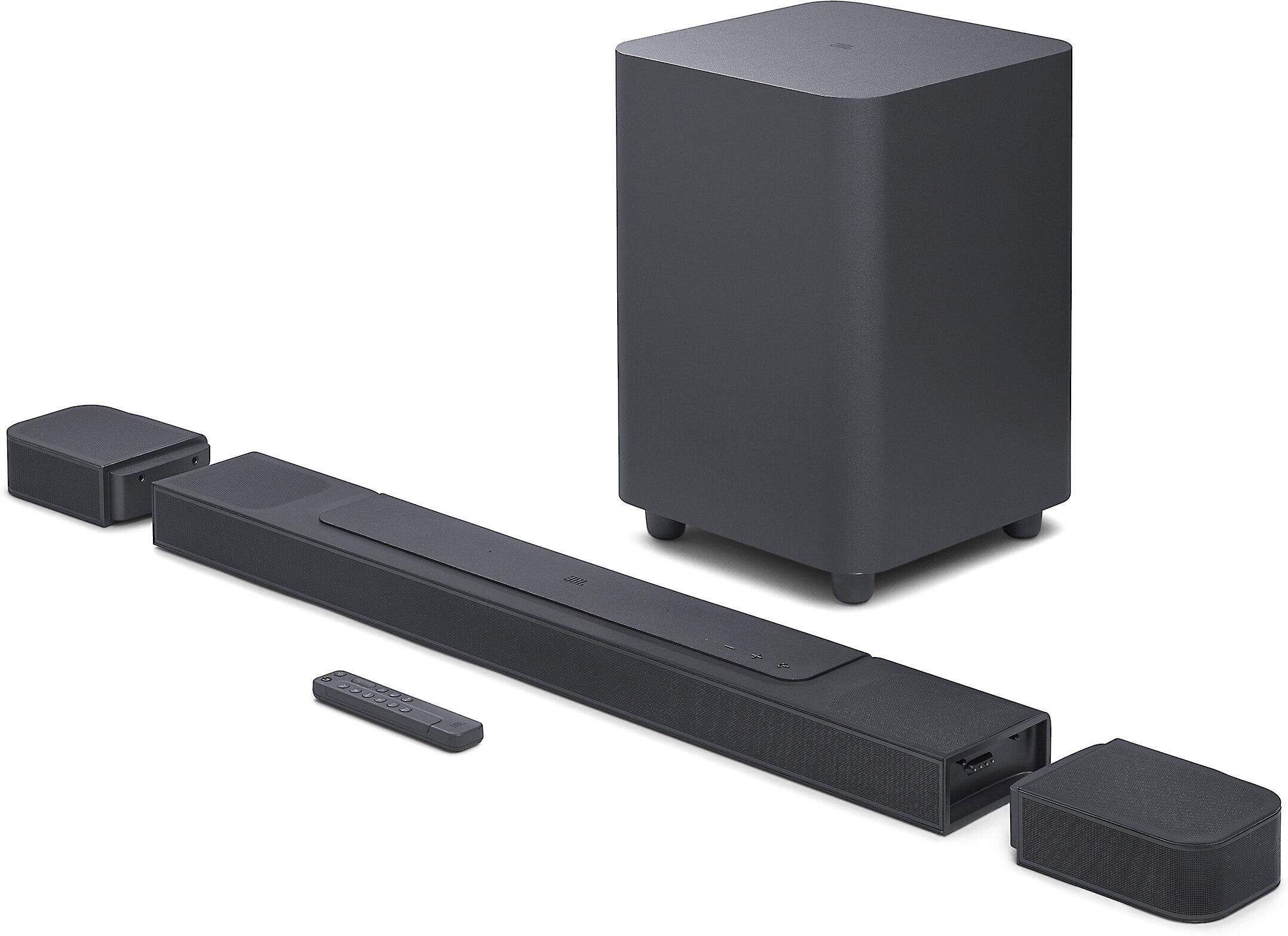
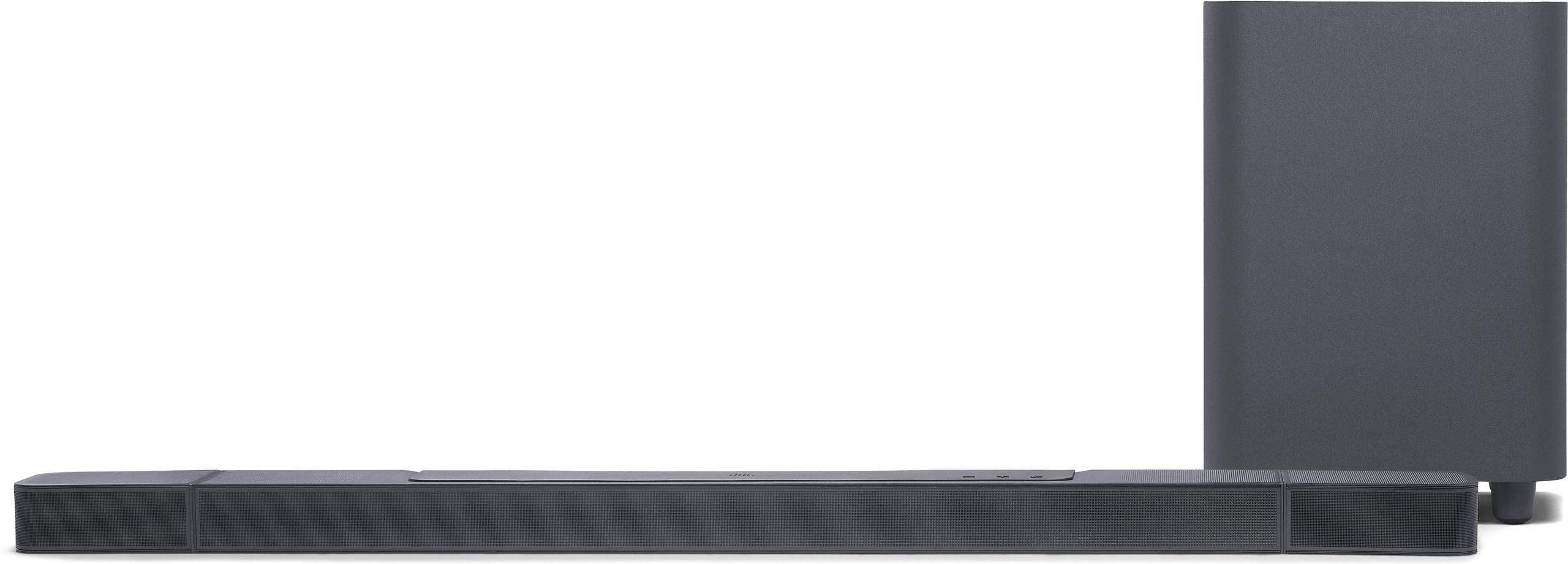
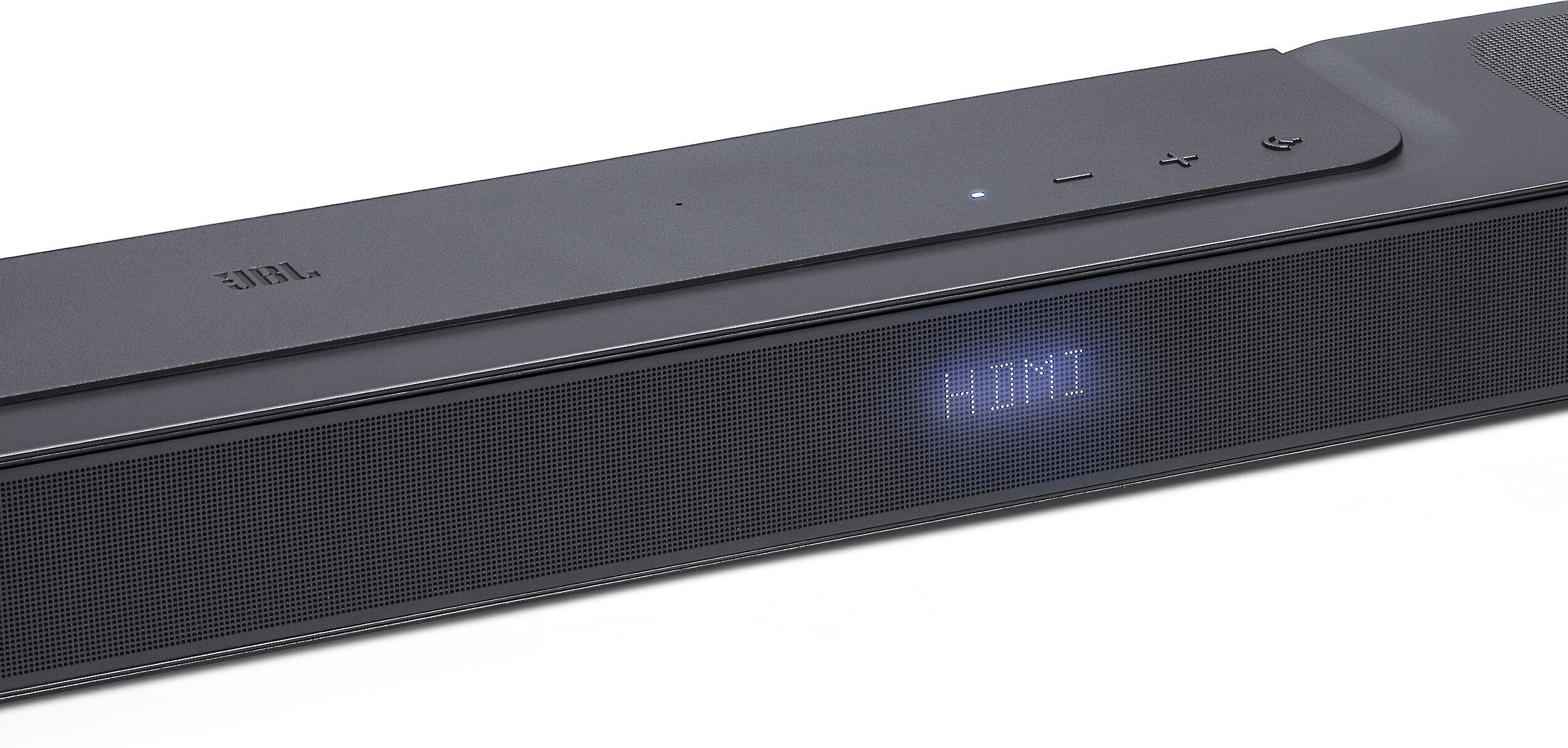
The JBL Bar 1000, launched in 2022, represents JBL's flagship approach to home audio. This is a no-compromise system that includes everything you'd want in a premium soundbar: true 7.1.4 processing, detachable battery-powered surround speakers, and a massive 10-inch subwoofer.
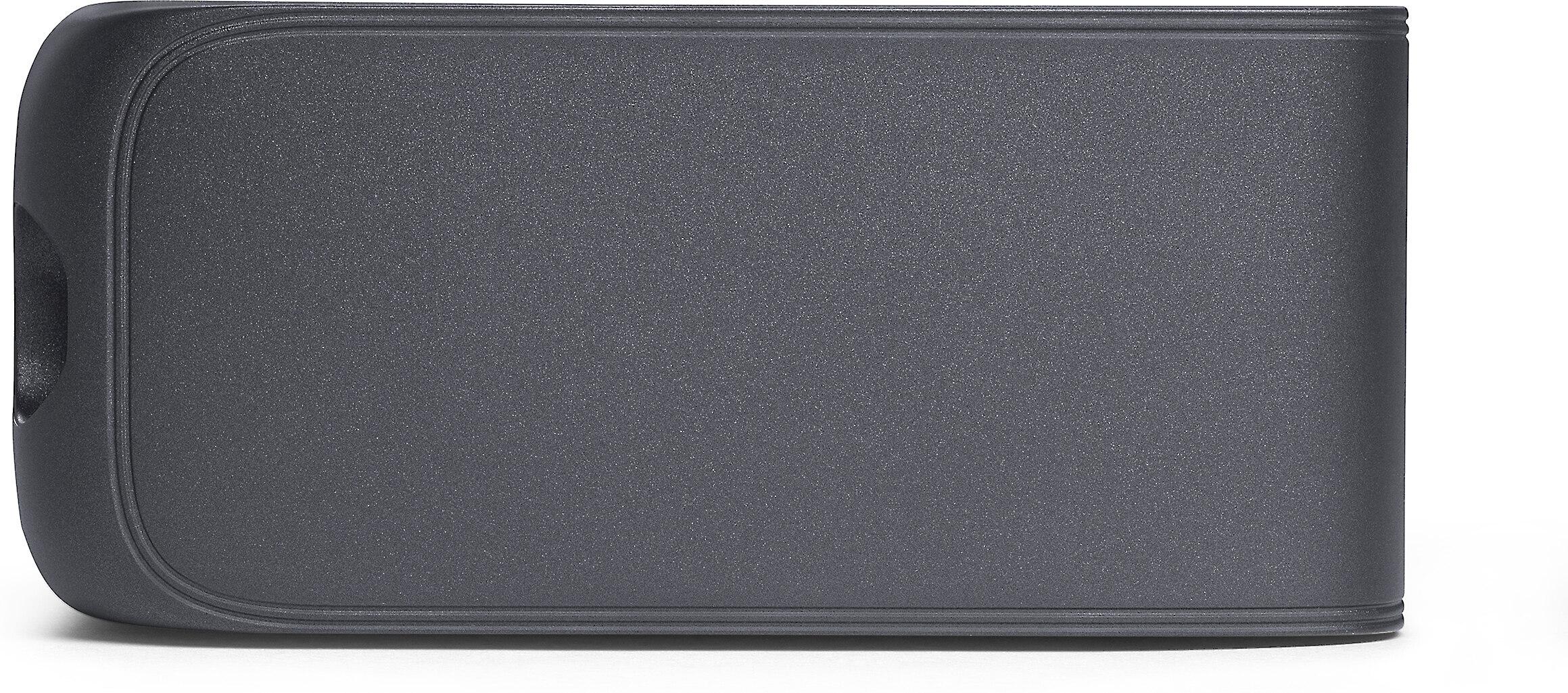
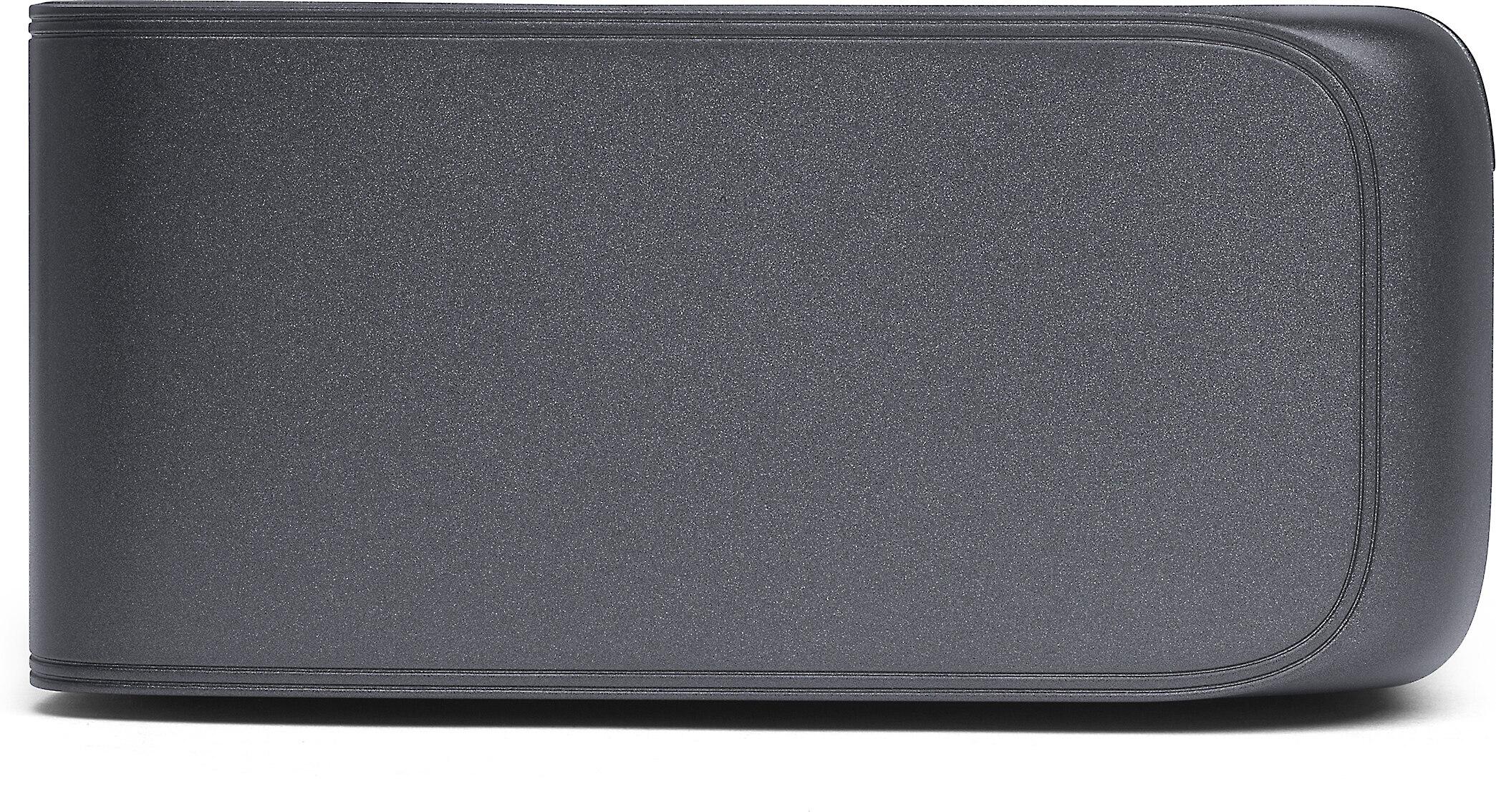
What sets this system apart is its flexibility. The surround speakers can detach from the main bar and operate on battery power for up to 10 hours. This means you can place them anywhere in your room without worrying about power outlets or running cables. When you're done watching movies, these speakers can even function as portable Bluetooth speakers for other rooms.
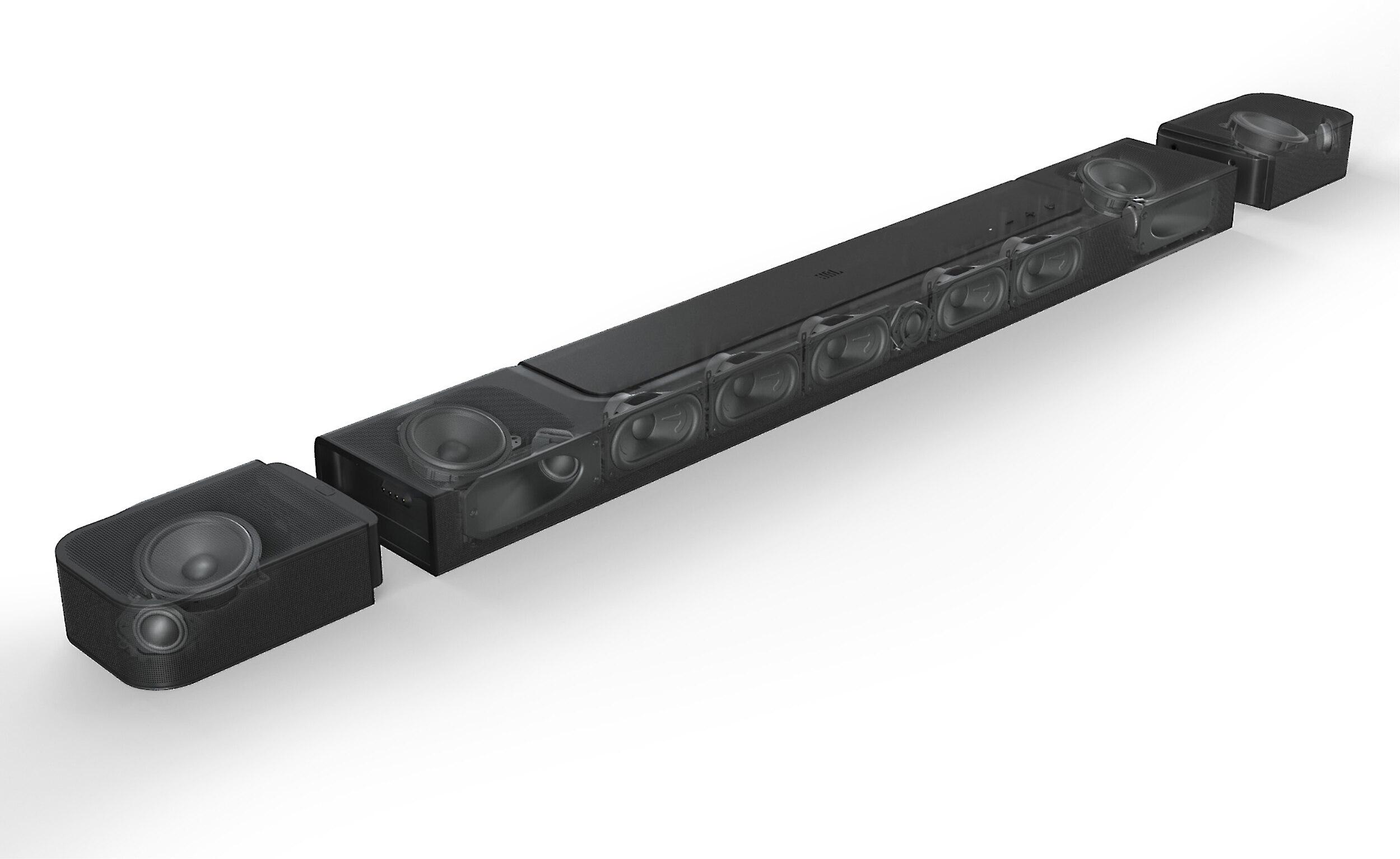
The JBL Bar 1000 also includes four up-firing drivers—two in the main soundbar and two in the detachable surrounds—that physically bounce sound off your ceiling to create true overhead audio effects.
This is where the fundamental difference between these systems becomes clear. The VIZIO 5.1 Soundbar SE uses physical satellite speakers that you position behind your seating area. When a helicopter flies across the screen, you'll hear it travel from the front soundbar to the rear speakers positioned behind you. This creates genuine spatial audio that your brain recognizes as real directional sound.
The JBL Bar 1000 takes this concept further with its 7.1.4 configuration. Not only do you get physical surround speakers, but you also get dedicated height channels. Those four up-firing drivers create a "sound bubble" around your listening position. Rain sounds like it's falling from above, aircraft genuinely seem to pass overhead, and ambient sounds feel like they're surrounding you from all directions.
In my experience testing both systems, the difference in immersion is substantial. The VIZIO system provides solid left-right and front-back positioning, which is enough to make most movies feel more engaging. However, the JBL's height channels add a layer of realism that makes you forget you're listening to a soundbar rather than a full theater system.
Both systems support Dolby Atmos, but they implement it very differently. Dolby Atmos is an audio format that treats sounds as objects that can be positioned anywhere in 3D space, including above the listener. It's what makes modern movie soundtracks feel so immersive.
The VIZIO 5.1 SE processes Dolby Atmos through virtual height channels. This means it uses psychoacoustic processing—essentially audio tricks that fool your brain—to create the impression of overhead sound. The system analyzes the audio and uses phase shifts and frequency manipulation to make sounds seem like they're coming from above, even though they're actually coming from the front soundbar.
This virtual processing works reasonably well, especially if you're sitting in the optimal listening position directly in front of the soundbar. You'll notice some sense of height, particularly with obvious overhead effects like helicopters or thunder. However, the effect is more of a subtle enhancement rather than a dramatic transformation.
The JBL Bar 1000 implements true Dolby Atmos with those four up-firing drivers I mentioned earlier. These speakers physically fire sound upward, where it bounces off your ceiling and creates actual overhead audio positioning. This approach requires a standard ceiling height (8-10 feet) and ideally a flat ceiling for optimal reflection, but when it works, the effect is remarkable.
In a properly set up room, the JBL system creates convincing overhead effects. Rain truly sounds like it's falling from above, aircraft seem to pass directly over your head, and ambient atmospheric sounds create a genuine sense of being inside the movie scene. The difference between virtual and physical height channels becomes obvious when switching between the two systems.
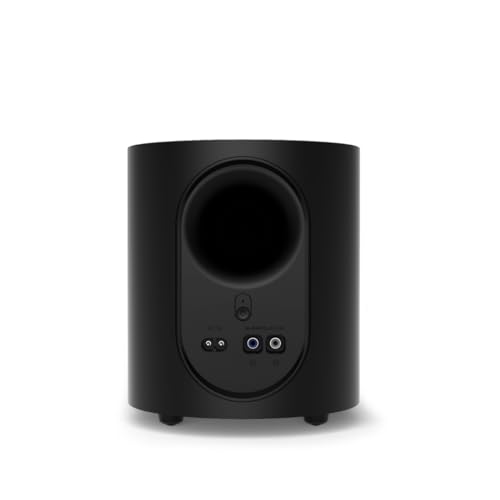
Both systems include wireless subwoofers, but they serve different purposes and deliver different experiences. The VIZIO 5.1 SE's subwoofer focuses on providing adequate low-frequency support for dialogue clarity and moderate impact effects. While VIZIO doesn't publish specific driver size or power specifications, the performance suggests a compact design optimized for smaller to medium-sized rooms.
The JBL Bar 1000's 10-inch subwoofer is designed for serious bass impact. With 300 watts of dedicated power, this subwoofer can fill large rooms and deliver the kind of deep, room-shaking bass that makes action movies feel visceral. The difference isn't just in volume—it's in the quality and extension of the bass response.
In practical terms, the VIZIO system provides enough bass to make explosions feel impactful and music sound full. The JBL system delivers bass that you feel in your chest, with the ability to reproduce the deepest frequencies in modern movie soundtracks. If your room is larger than about 300 square feet, or if you really enjoy bass-heavy content, the difference becomes significant.
Poor dialogue reproduction is often what drives people to buy soundbars in the first place. TV speakers struggle with dialogue because they lack dedicated center channels and proper frequency balance. Both systems address this issue, but with different levels of sophistication.
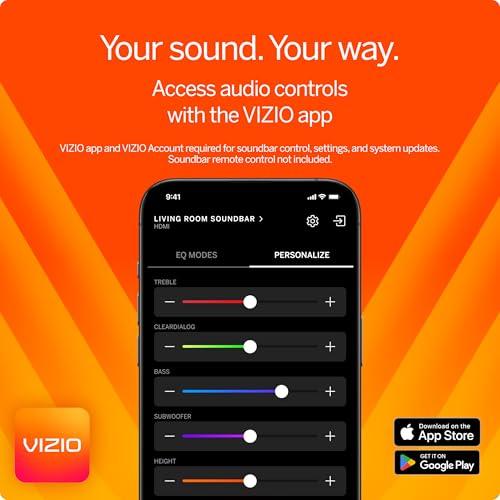
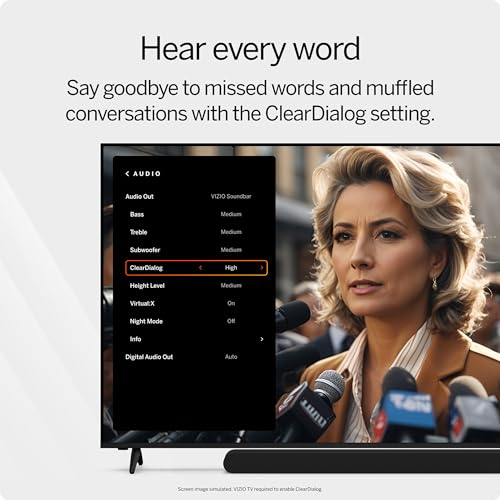
The VIZIO 5.1 SE includes a dedicated center channel in its soundbar, which is crucial for dialogue reproduction. Most movie dialogue is mixed into the center channel, so having a dedicated speaker for this content immediately improves clarity. The system also allows you to adjust dialogue levels through the mobile app, giving you some control over voice prominence.
The JBL Bar 1000 includes PureVoice dialogue enhancement technology, which goes beyond basic center channel reproduction. This processing analyzes the audio in real-time and optimizes voice frequencies, ensuring dialogue remains clear even during complex action sequences or musical passages. It's particularly effective during scenes where dialogue competes with background music or sound effects.
In my testing, both systems deliver clear dialogue that's easily understandable at normal listening volumes. The JBL system maintains this clarity better at higher volumes and during more chaotic audio scenes, but the VIZIO system handles typical TV and movie dialogue without issues.
The setup experience reveals another key difference between these approaches to soundbar design. The VIZIO 5.1 SE prioritizes simplicity, especially if you're already in the VIZIO ecosystem. The QuickFit mounting system allows tool-free attachment to compatible VIZIO TVs, creating a clean, integrated appearance.
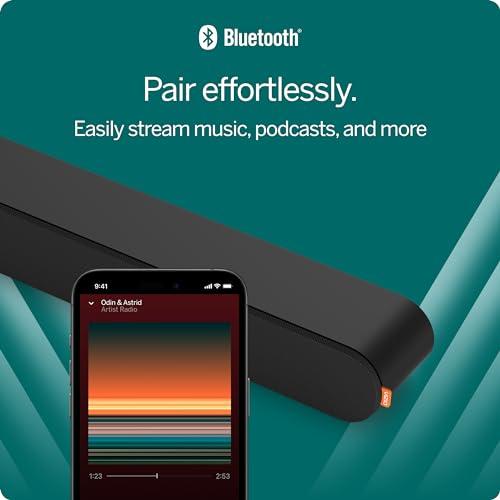
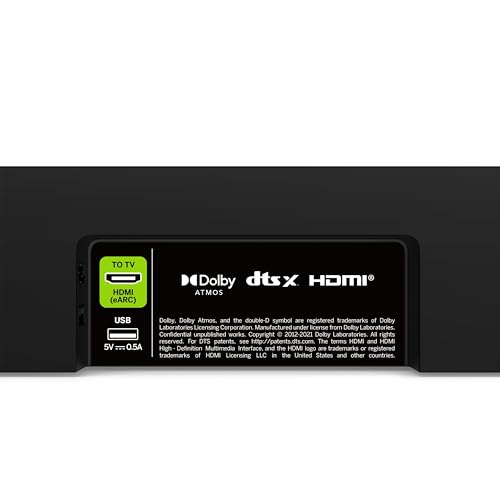
Connectivity on the VIZIO system is minimal but functional. You get one HDMI eARC connection, which handles both audio and allows your TV remote to control the soundbar volume. There's also Bluetooth for music streaming from your phone. This simplicity is actually a strength—there are fewer things to configure and fewer potential points of failure.
The JBL Bar 1000 takes a more sophisticated approach with built-in Wi-Fi, support for AirPlay, Chromecast, and Alexa Multi-Room Music integration. This means you can stream music from virtually any device or service without needing to connect anything directly to the soundbar.
The JBL system also includes automatic room calibration, which uses built-in microphones to analyze your room's acoustics and optimize the sound accordingly. This feature helps compensate for challenging room layouts, furniture placement, or acoustic treatments that might affect sound quality.
At the time of writing, these systems occupy very different price tiers, which makes the value equation interesting to analyze. The VIZIO 5.1 SE delivers about 80% of the surround sound experience at roughly 30% of the cost of premium alternatives. This makes it exceptional value for buyers who want genuine surround sound without premium pricing.
The JBL Bar 1000 costs significantly more but includes premium features that justify the price difference for the right buyer. The true height channels, powerful subwoofer, detachable speakers, and advanced connectivity options represent a substantial upgrade in capability and flexibility.
For most buyers, the question isn't which system sounds better—the JBL clearly wins on pure performance. The question is whether the additional capabilities justify the price premium for your specific situation and priorities.
If you're building a dedicated home theater, both systems work but serve different purposes. The VIZIO 5.1 SE works well in smaller theater rooms where you want good surround sound without overwhelming the space or your budget. It's particularly suitable for rooms where you'll primarily watch TV shows and movies rather than gaming or music listening.
The JBL Bar 1000 is designed for serious home theater applications. The true height channels and powerful subwoofer can fill larger rooms with convincing surround sound. The room calibration helps optimize performance in acoustically challenging spaces, and the detachable speakers provide flexibility for unusual room layouts.
For gaming, the JBL system offers advantages with its more precise audio positioning and powerful bass response. Modern games increasingly use spatial audio to enhance immersion, and the 7.1.4 processing can take full advantage of these features.
Both systems benefit from recent advances in audio processing and wireless technology. Since 2020, soundbar manufacturers have made significant improvements in virtual surround processing, wireless reliability, and mobile app integration. Both the VIZIO and JBL systems reflect these improvements.
The VIZIO system includes support for the latest HDMI standards and can handle current audio formats without issues. However, its simpler design means fewer upgrade paths as new technologies emerge.
The JBL Bar 1000 includes Wi-Fi connectivity and over-the-air update capability, which means it can potentially gain new features and compatibility improvements over time. The comprehensive streaming integration also provides more flexibility as music services and smart home ecosystems evolve.
Choosing between these systems ultimately depends on your priorities, room size, and budget. The VIZIO 5.1 SE is ideal if you want a significant audio upgrade without premium pricing. It's particularly suitable for apartments or smaller rooms, first-time soundbar buyers, and anyone who values simplicity over advanced features.
Choose the VIZIO system if you have a smaller room (under 300 square feet), want genuine surround sound at a budget price, own a VIZIO TV, or prefer simple setup and operation.
The JBL Bar 1000 makes sense if you can invest in premium performance and want cutting-edge features. It's designed for larger rooms, serious home theater applications, and users who want the flexibility of detachable speakers and comprehensive connectivity options.
Choose the JBL system if you have a large room that needs powerful bass, want true Dolby Atmos height effects, value the flexibility of detachable speakers, or are building a high-end entertainment system.
Both systems represent solid engineering and good value within their respective price tiers. The VIZIO proves that excellent surround sound doesn't require premium pricing, while the JBL demonstrates what's possible when budget isn't the primary constraint. Your choice should align with your room, budget, and how much you value cutting-edge audio technology.
| VIZIO 5.1 Soundbar SE | JBL Bar 1000 |
|---|---|
| Channel Configuration - Determines surround sound accuracy and immersion level | |
| 5.1 channels with physical rear speakers | 7.1.4 channels with height speakers for true 3D audio |
| Dolby Atmos Implementation - Critical for overhead sound effects in movies | |
| Virtual height processing (simulated overhead effects) | True Dolby Atmos with 4 physical up-firing drivers |
| Subwoofer Size - Impacts bass depth and room-filling power | |
| Wireless subwoofer (size not specified) | 10-inch wireless subwoofer with 300W power |
| Total System Power - Affects maximum volume and dynamic range | |
| Not specified (estimated moderate power) | 880W total system power across all speakers |
| Surround Speaker Design - Determines placement flexibility and convenience | |
| Wired satellite speakers requiring power outlets | Detachable battery-powered speakers (10-hour battery life) |
| Connectivity Options - Important for streaming and device integration | |
| HDMI eARC, Bluetooth | HDMI eARC, Wi-Fi, AirPlay, Chromecast, Alexa MRM |
| Room Calibration - Optimizes sound for your specific space | |
| Manual bass/treble adjustment via app | Automatic room calibration with built-in microphones |
| TV Integration - Simplifies setup and daily use | |
| QuickFit mounting for VIZIO TVs, TV remote control | Universal compatibility, JBL One app control |
| Dialogue Enhancement - Critical for clear speech during action scenes | |
| Dedicated center channel with basic processing | PureVoice technology with real-time dialogue optimization |
| Price Positioning - Value consideration for feature set | |
| Budget-friendly with physical surround speakers | Premium pricing for advanced 3D audio and flexibility |
The VIZIO 5.1 Soundbar SE offers exceptional value as a budget option with physical surround speakers, while the JBL Bar 1000 provides premium features like true Dolby Atmos height channels and detachable speakers at a higher price point. Choose the VIZIO for basic surround sound on a budget, or the JBL for advanced 3D audio and flexibility.
The VIZIO 5.1 SE has 5 main speakers plus a subwoofer for traditional surround sound. The JBL Bar 1000 adds two extra side channels (7.1) and four height channels (.4) that bounce sound off your ceiling for true overhead audio effects, creating a more immersive 3D sound experience.
Yes, both the VIZIO 5.1 Soundbar SE and JBL Bar 1000 include physical rear surround speakers. The VIZIO uses wired satellites that need power outlets, while the JBL features detachable battery-powered speakers that can be placed anywhere and used as portable speakers when removed.
The VIZIO 5.1 SE works well in small to medium rooms up to about 300 square feet. The JBL Bar 1000 is designed for larger spaces with its 10-inch subwoofer and 880W total power, making it ideal for bigger living rooms and dedicated home theaters.
The VIZIO 5.1 Soundbar SE uses virtual processing to simulate overhead sound effects from the main soundbar. The JBL Bar 1000 has four physical up-firing drivers that actually bounce sound off your ceiling, creating true Dolby Atmos with genuine overhead audio positioning.
The JBL Bar 1000 delivers significantly more powerful bass with its 10-inch wireless subwoofer and 300W of dedicated subwoofer power. The VIZIO 5.1 SE provides adequate bass for most content but can't match the room-shaking low-end performance of the JBL system.
The VIZIO 5.1 SE offers simpler setup, especially with VIZIO TVs using the tool-free QuickFit mounting system. The JBL Bar 1000 includes automatic room calibration and more connectivity options but requires more initial configuration through the JBL One app.
The JBL Bar 1000 excels at music streaming with built-in Wi-Fi, AirPlay, Chromecast, and Alexa integration for accessing hundreds of streaming services. The VIZIO 5.1 SE offers basic Bluetooth streaming but lacks the comprehensive wireless connectivity of the JBL system.
Both soundbars enhance gaming audio, but the JBL Bar 1000 provides superior spatial audio positioning with its 7.1.4 configuration, making it easier to locate enemies and environmental sounds in games. The VIZIO 5.1 SE offers solid surround sound for gaming at a more affordable price.
The JBL Bar 1000 features PureVoice dialogue enhancement technology that actively optimizes voice frequencies during playback. The VIZIO 5.1 SE includes a dedicated center channel for dialogue but lacks the advanced processing of the JBL system.
Yes, both the VIZIO 5.1 Soundbar SE and JBL Bar 1000 work with any TV that has HDMI eARC or optical output. However, the VIZIO offers special integration features like QuickFit mounting and unified remote control when paired with VIZIO TVs.
For budget-conscious home theater setups, the VIZIO 5.1 SE provides genuine surround sound at an affordable price. For premium home theaters with larger rooms, the JBL Bar 1000 delivers true 3D audio, powerful bass, and advanced features that create a more cinematic experience worthy of dedicated theater spaces.
We've done our best to create useful and informative comparisons to help you decide what product to buy. Our research uses advanced automated methods to create this comparison and perfection is not possible - please contact us for corrections or questions. These are the sites we've researched in the creation of this article: bestbuy.com - vizio.com - rtings.com - vizio.com - vizio.com - vizio.com - youtube.com - vizio.com - vizio.com - cnet.com - samsclub.com - walmart.com - nfm.com - finelinesdesignstudio.com - dugoutnorthbrook.com - bestbuy.com - zdnet.com - jbl.com - jbl.com - pcrichard.com - rtings.com - d21buns5ku92am.cloudfront.net - ro.harmanaudio.com - target.com - harmanaudio.com - dell.com - mm.jbl.com - dolby.com - jbl.com.my - videoandaudiocenter.com

Privacy Policy
Terms and Conditions - Affiliate Policy
Home Security
© Copyright 2008-2026.
11816 Inwood Rd #1211, Dallas, TX 75244