






When shopping for a 65-inch TV, you'll quickly discover that not all 4K displays are created equal. Two models that perfectly illustrate this point are Samsung's The Frame QLED 4K 2024 TV and Sony's BRAVIA 2 II 4K LED Google TV 2025. At the time of writing, these TVs sit at opposite ends of the value spectrum—the Samsung costs roughly twice as much as the Sony—yet they share the same screen size and basic 4K resolution. So where does that extra money go, and which approach makes more sense for your living room?
The answer depends entirely on whether you see your TV as just a screen or as a piece of furniture that needs to look good 24/7. These two models represent fundamentally different philosophies about what a television should be in your home.
Before diving into specifics, it's worth understanding the broader TV landscape in 2024-2025. The Samsung Frame launched in 2024 as part of Samsung's ongoing lifestyle TV initiative—a concept they've been refining since the original Frame debuted years earlier. The core idea remains unchanged: when you're not watching content, your TV should display artwork instead of being a black rectangle on your wall.
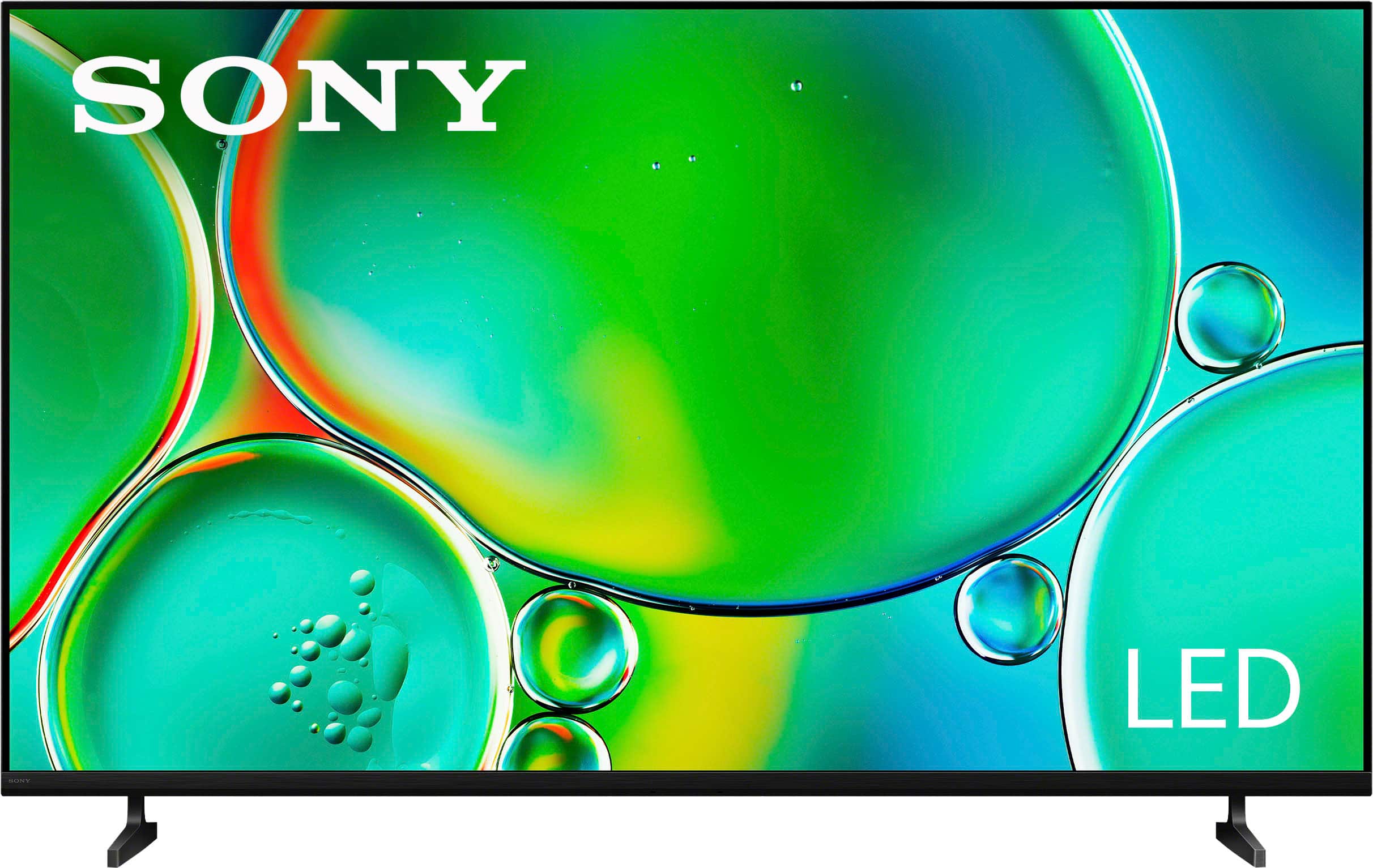
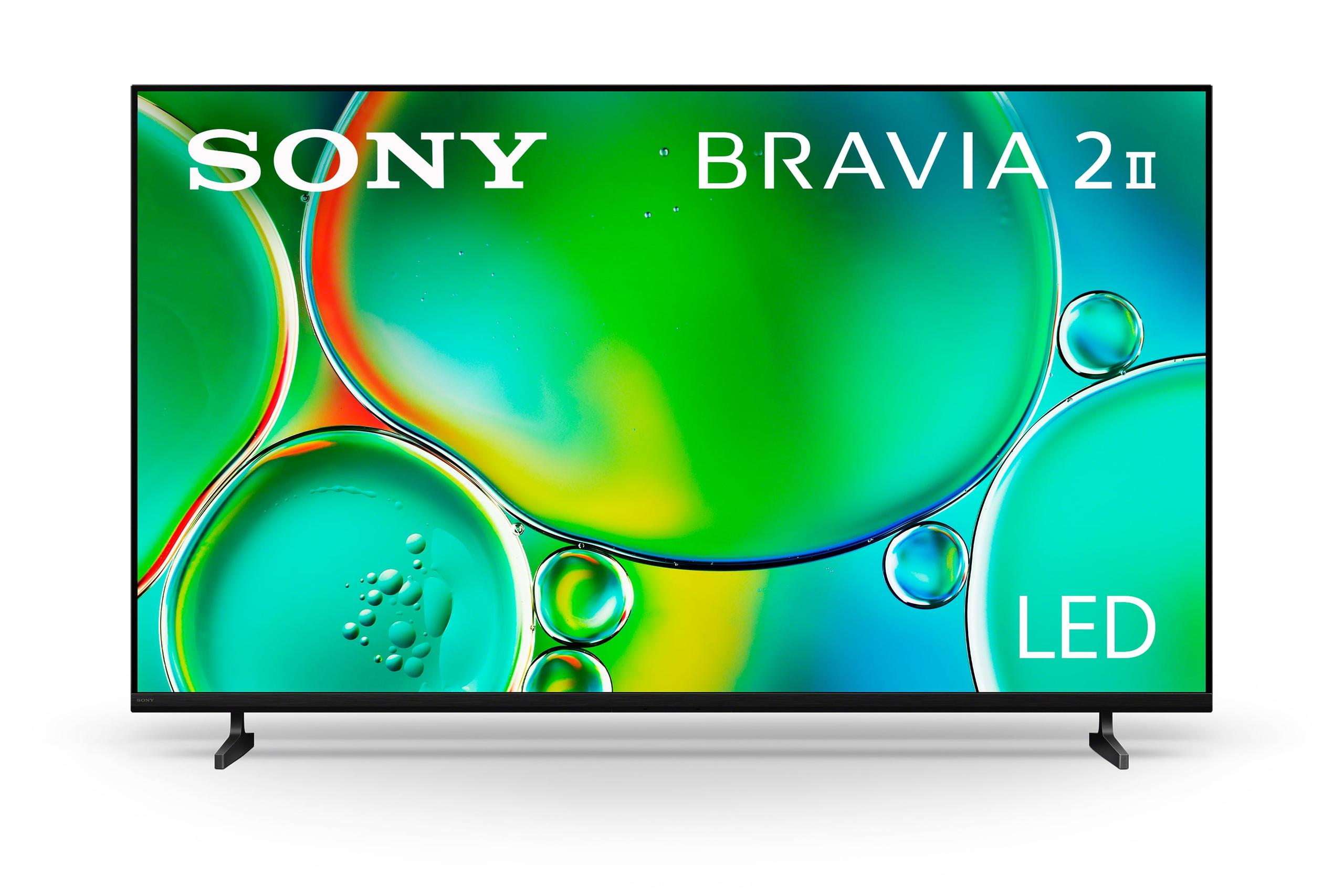
The Sony BRAVIA 2 II, released in 2025, takes a completely different approach. Sony designed this as their most affordable entry point into current-generation 4K TVs, bringing premium processing technology down to budget-friendly pricing. It's a traditional TV that focuses on delivering reliable performance without any gimmicks.
This fundamental difference in philosophy explains why one costs significantly more than the other, and why choosing between them isn't simply about comparing specifications on paper.
The most important technical difference between these TVs lies in their display technology, which affects everything from color quality to brightness to how they look in your room.
The Samsung Frame uses QLED (Quantum Dot LED) technology, which sounds complicated but delivers a straightforward benefit: much more vibrant, saturated colors. Here's how it works: traditional LED TVs use blue LED lights behind the screen, then rely on color filters to create red and green light. QLED adds a layer of microscopic quantum dots that convert that blue light into pure red and green light, resulting in colors that are both brighter and more accurate.
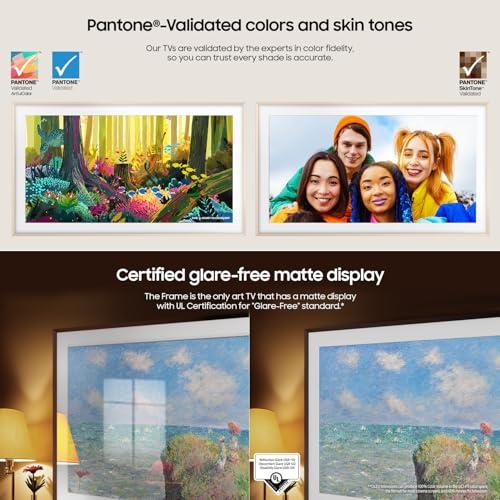
In practice, this means the Samsung Frame produces colors that really pop off the screen, especially reds and greens. When you're watching nature documentaries or animated movies, the difference is immediately apparent. The quantum dot technology also allows the TV to get significantly brighter than standard LED displays, making it much better for rooms with lots of windows or overhead lighting.
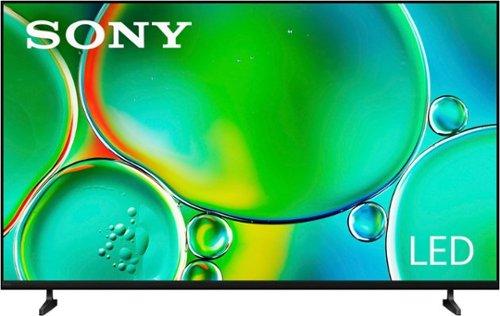
The Sony BRAVIA 2 II, by contrast, uses conventional LED backlighting with what's called direct-lit technology. Instead of having LEDs around the edges (edge-lit) or quantum dots, the LEDs sit directly behind the LCD panel. This provides fairly uniform brightness across the screen and keeps costs down, but it can't match QLED's color vibrancy or peak brightness levels.
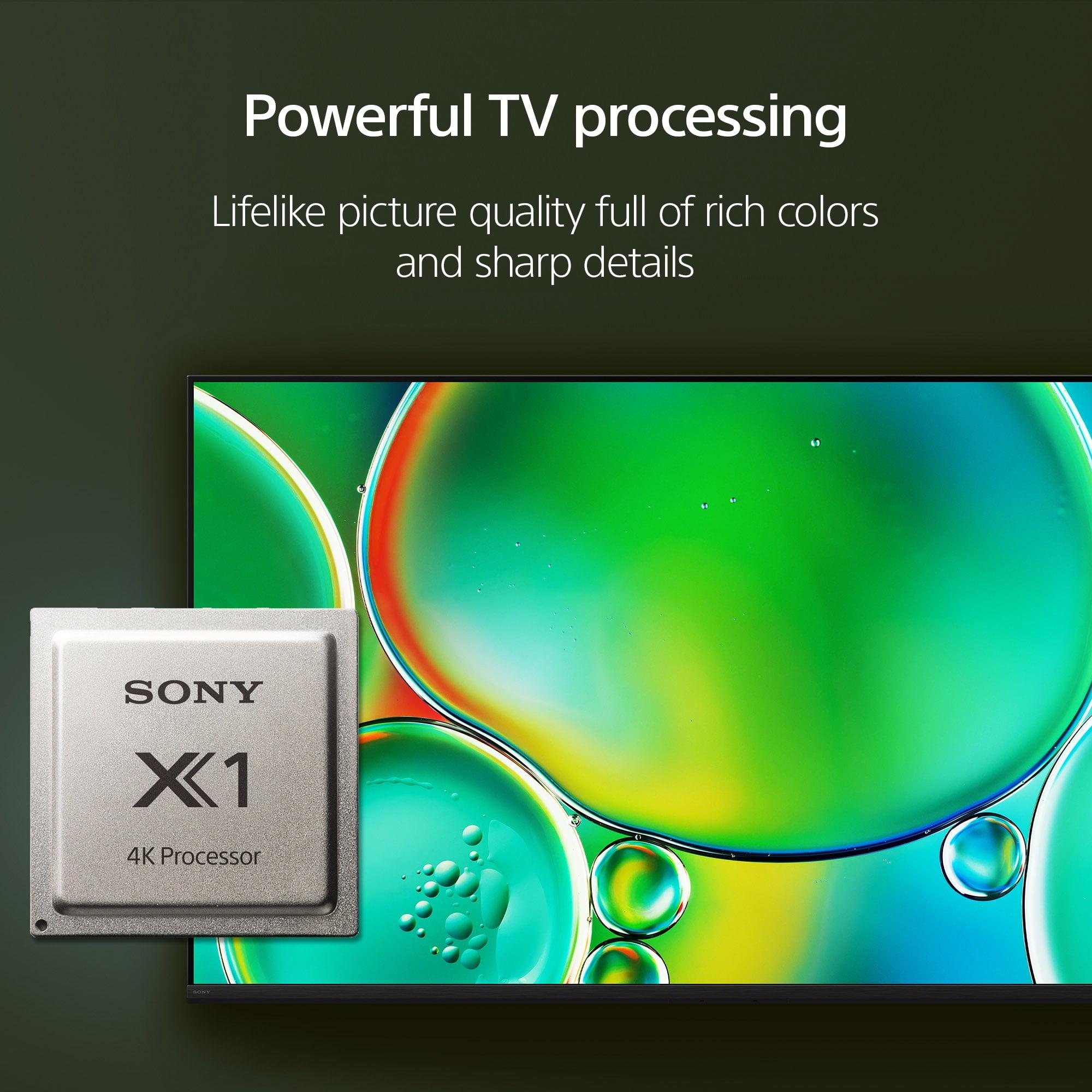
However, Sony compensates with superior processing. The BRAVIA 2 II includes Sony's 4K Processor X1, which was previously reserved for their more expensive models. This processor excels at making content look natural and realistic rather than artificially enhanced. If you prefer colors that look exactly like real life rather than super-saturated movie colors, Sony's approach might appeal to you more.
Based on expert reviews and user feedback, the Samsung Frame clearly wins for bright room viewing and content that benefits from punchy colors—sports, animation, and bright action movies. The Sony BRAVIA 2 II tends to excel with more realistic content like dramas and documentaries, where natural color reproduction matters more than visual impact.
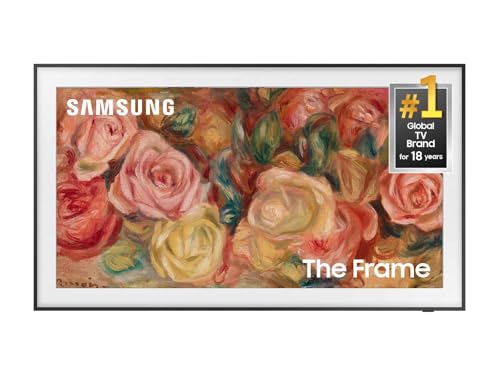
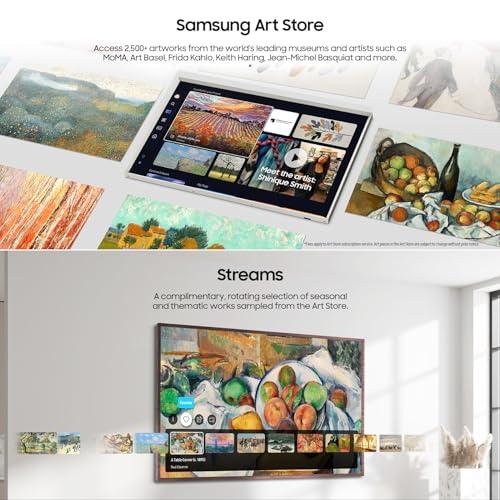
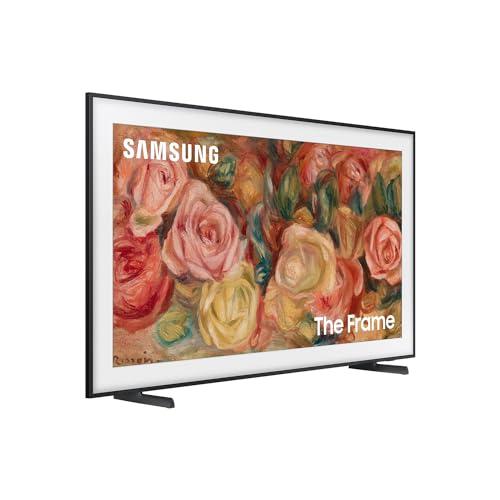
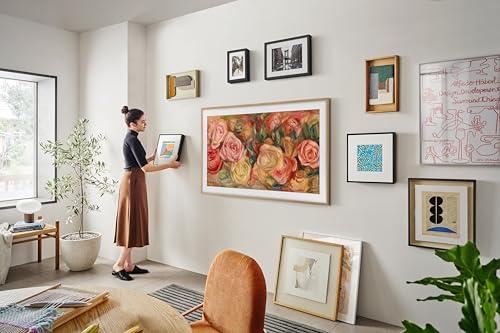
What truly sets the Samsung Frame apart is its Art Mode functionality, which transforms the TV into a digital picture frame when you're not actively watching content. This isn't just a screensaver—it's a carefully engineered system designed to look like a real piece of framed art on your wall.
Samsung includes a motion sensor that automatically switches between TV mode and Art Mode based on whether people are in the room. The display brightness adjusts to match your room's lighting throughout the day, and you can upload your own photos or choose from Samsung's curated art collection (though accessing the full library requires a subscription).
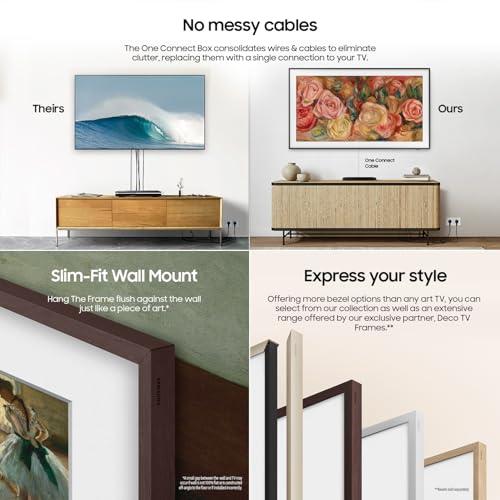
The real magic happens with the customizable bezels. Samsung offers magnetic frames in different finishes—wood grain, metal, colored options—that attach to the TV's edges. Combined with the included flush wall mount, the result genuinely looks like a framed painting or photograph hanging on your wall.
This feature addresses a common complaint about large TVs: they dominate your room's aesthetics even when turned off. If your TV is mounted in a living room, dining room, or bedroom where design matters, Art Mode can transform an eyesore into a design element that enhances your space.
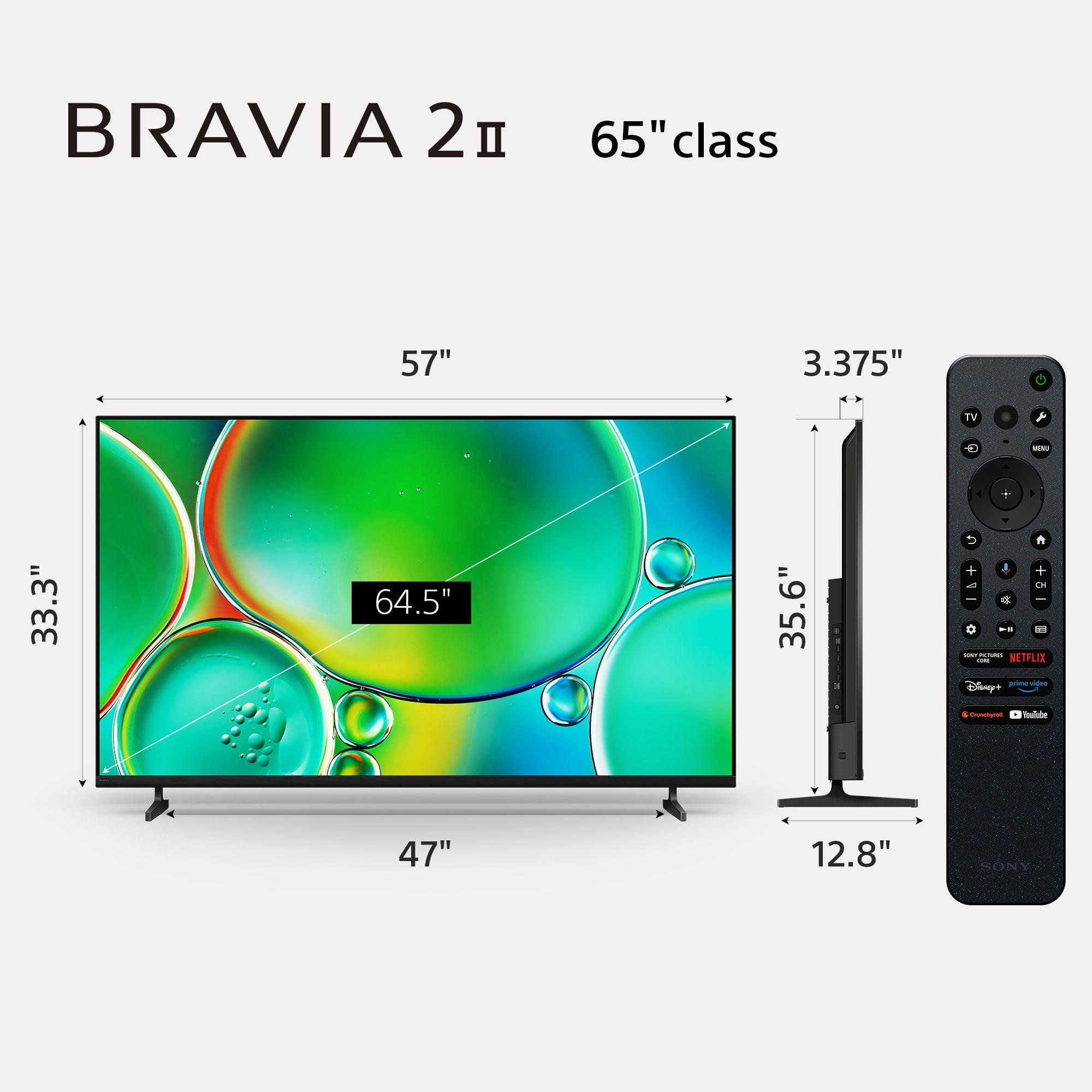
The Sony BRAVIA 2 II takes the conventional approach—it's a TV that looks like a TV. Sony's design is clean and modern with slim bezels and a simple stand, but it makes no attempt to disguise what it is. For many people, this is perfectly fine, especially if the TV will be in a basement, den, or secondary bedroom where aesthetics are less important.
Gaming capabilities represent another significant divide between these models, particularly important given how advanced modern gaming consoles have become.
The Samsung Frame includes two HDMI 2.1 ports, which support 4K resolution at 120Hz refresh rates—double the standard 60Hz that most TVs provide. This higher refresh rate means smoother motion in fast-paced games, particularly important for racing games, first-person shooters, and sports titles. The TV also supports Variable Refresh Rate (VRR) technology, specifically FreeSync Premium Pro, which eliminates screen tearing when your console's frame rate fluctuates.
For PlayStation 5 or Xbox Series X owners, these features provide a genuinely better gaming experience. Many newer games can output 120fps when the TV supports it, and the VRR support means you won't see stuttering or tearing even when frame rates vary.
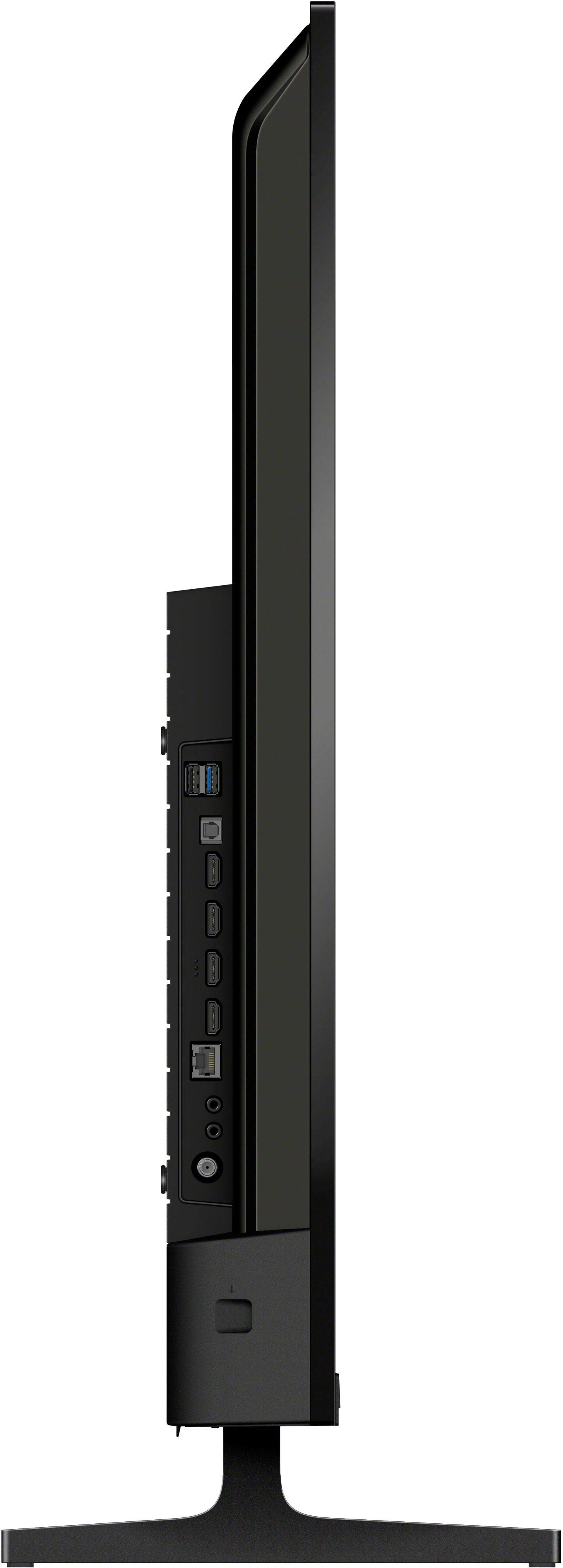
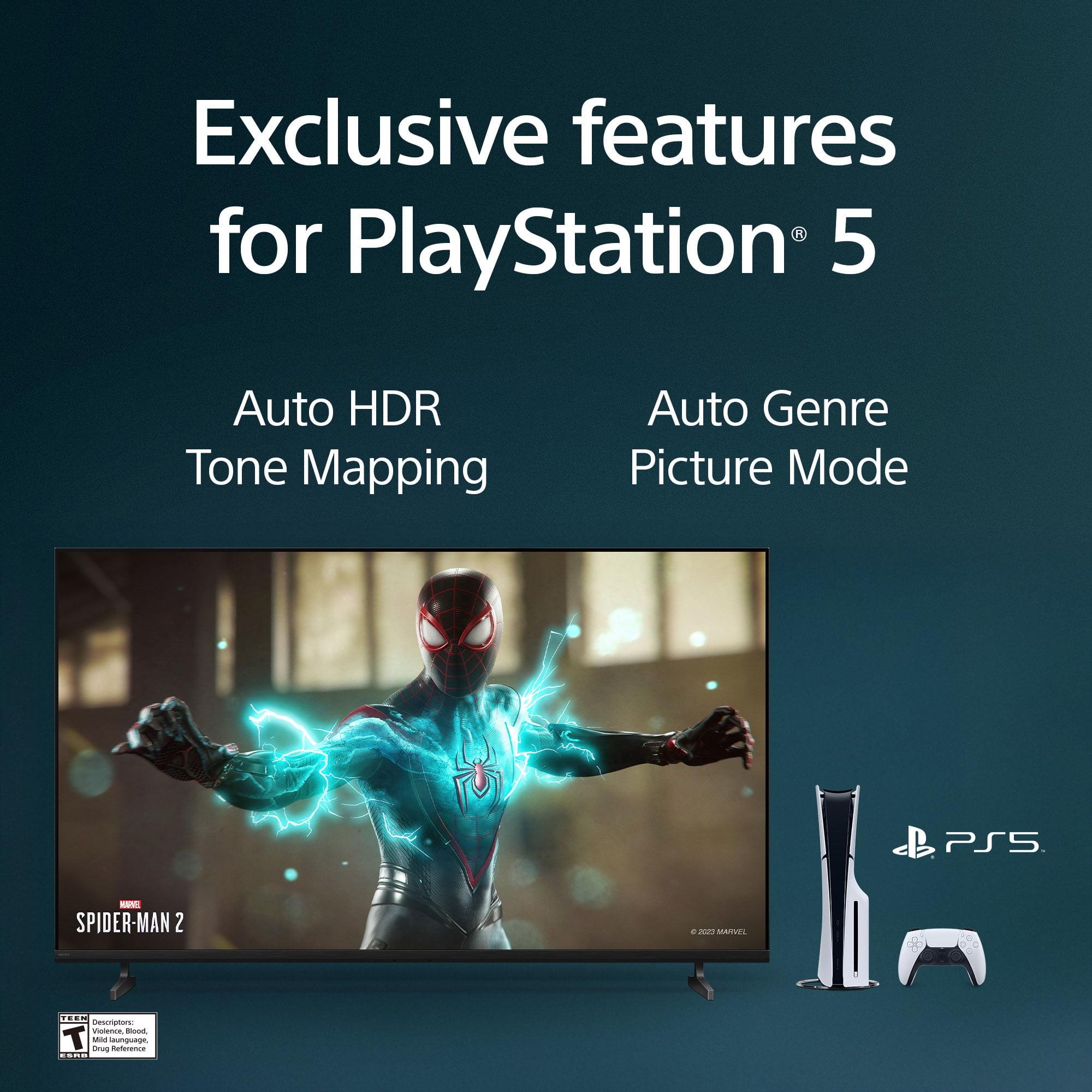
The Sony BRAVIA 2 II takes a more limited approach with four HDMI 2.0 ports and a maximum 60Hz refresh rate. While it includes some PlayStation 5-specific optimizations like Auto HDR Tone Mapping and Auto Genre Picture Mode, it cannot display the high refresh rate content that modern consoles can produce.
However, this limitation matters primarily for serious gamers. If you play story-driven single-player games or older titles, the 60Hz limitation won't affect your experience. The Sony still provides low input lag and responsive controls for casual gaming.
Based on gaming-focused reviews, the Samsung Frame is clearly superior for enthusiast gamers, while the Sony BRAVIA 2 II remains perfectly adequate for casual gaming needs.
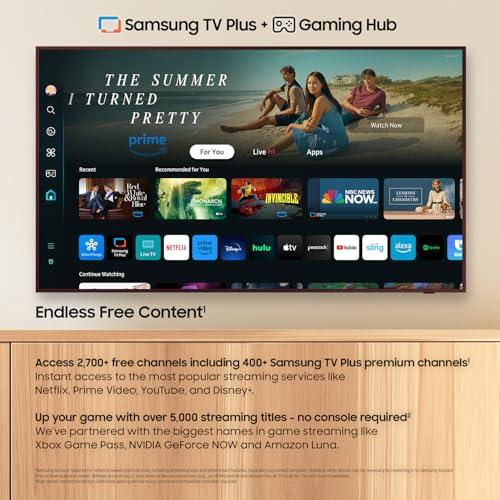
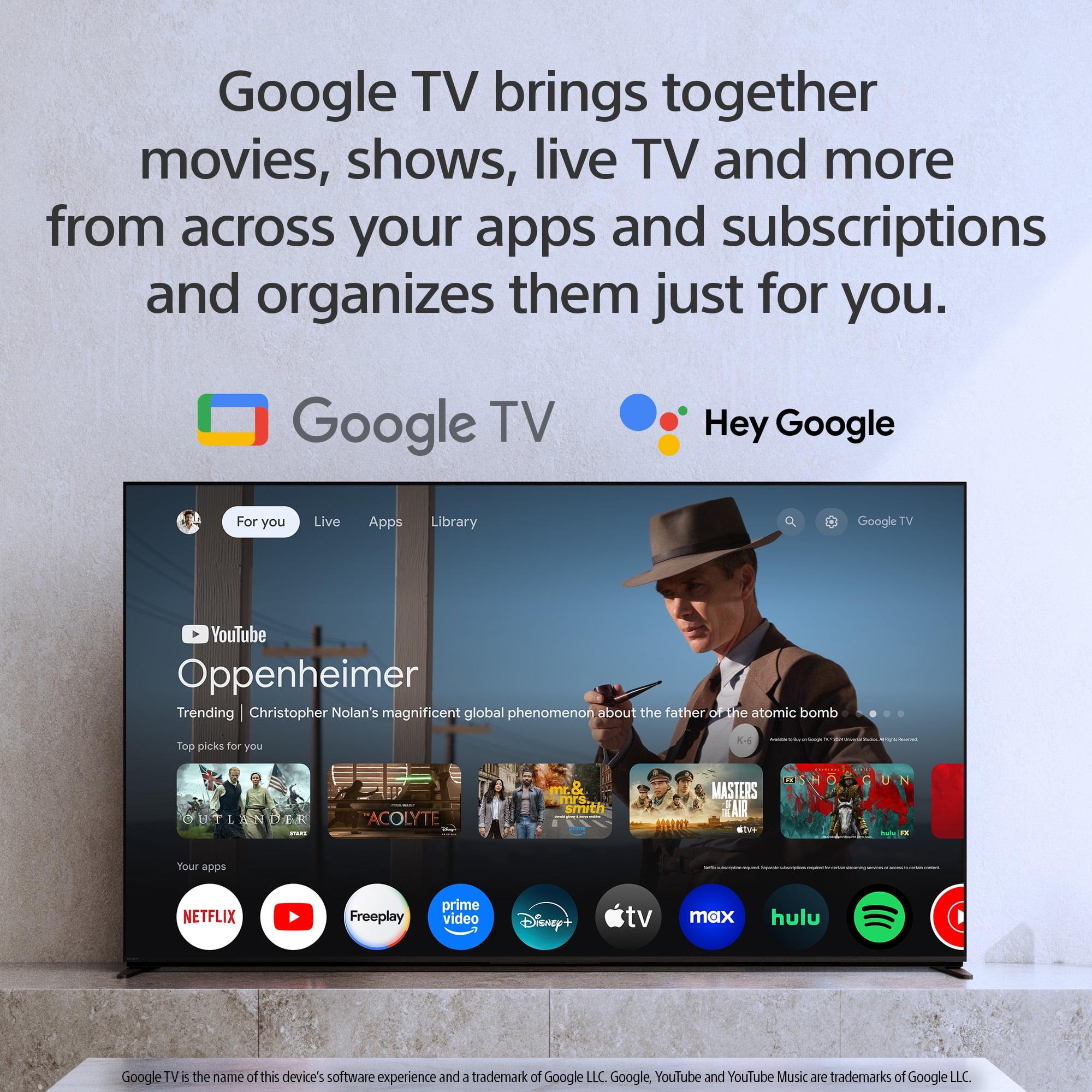
Both TVs run Google TV as their smart platform, providing identical access to Netflix, Disney+, YouTube, and other streaming services. Google Assistant integration works the same on both models, and both support casting from phones and tablets.
Where they differ is in processing power and upscaling quality. The Sony BRAVIA 2 II actually has an advantage here, using Sony's 4K Processor X1 with 4K X-Reality PRO technology. This system analyzes incoming video and compares it against Sony's database of 4K content to enhance lower-resolution sources.
In practical terms, this means older DVDs, cable TV, and even streaming content that isn't true 4K will look sharper and more detailed on the Sony. The processing also includes Motionflow XR technology, which reduces blur and judder in fast-moving scenes without making everything look artificially smooth.
The Samsung Frame likely includes Samsung's Quantum Processor (though specifications weren't detailed in available information), which provides good upscaling but may not match Sony's reputation for processing excellence.
For users who watch a lot of older content, cable TV, or lower-quality streaming sources, Sony's superior processing could provide a noticeable improvement in everyday viewing quality.
Audio performance reveals another surprise in the Sony BRAVIA 2 II's favor. Despite its lower price, it includes 40W speakers with support for both Dolby Atmos and DTS:X—advanced surround sound technologies that create the impression of sound coming from above and around you, not just from the TV screen.
The Open Baffle speaker design helps create a wider soundstage than typical TV speakers, and Sony's Clear Phase technology adjusts timing and volume to improve acoustic balance. For a budget TV, this audio setup exceeds expectations and could delay or eliminate the need for a separate soundbar.
The Samsung Frame's audio specifications weren't detailed in available reviews, but previous Frame models have prioritized design over audio performance. The ultra-thin profile necessary for the art display functionality limits speaker size and placement.
If built-in audio quality matters to you—particularly in a bedroom or secondary room where you won't add a soundbar—the Sony provides better value despite its lower overall price.
Understanding how these TVs perform in different lighting conditions helps determine which suits your room better.
For bright rooms with lots of windows or overhead lighting, the Samsung Frame holds significant advantages. QLED technology produces much higher peak brightness levels, and Samsung includes anti-glare treatments that reduce reflections. Reviews consistently praise the Frame's visibility in challenging lighting conditions, making it suitable for family rooms, kitchens, or any space with abundant natural light.
The Sony BRAVIA 2 II performs adequately in moderate lighting but struggles in very bright rooms. Its lower peak brightness means you might need to close curtains or dim lights for optimal viewing during daytime use.
However, in darker environments like dedicated home theaters or evening viewing, the picture quality gap narrows considerably. Both TVs use basic backlighting without advanced local dimming zones, meaning neither excels at producing deep blacks or high contrast ratios that make dark scenes dramatic.
For serious home theater use, both TVs have limitations. The Samsung Frame uses edge-lit backlighting, where LEDs around the screen's perimeter light the entire panel. This can cause "blooming" around bright objects in dark scenes—like streetlights in a nighttime movie scene appearing to glow into surrounding dark areas.
The Sony BRAVIA 2 II uses direct-lit backlighting, which provides more uniform lighting but still lacks the hundreds of local dimming zones found in premium TVs. Both approaches limit contrast performance compared to higher-end models.
If you're building a dedicated home theater in a light-controlled room, you might want to consider stepping up to TVs with better local dimming or OLED technology, regardless of which of these two models appeals to you.
At the time of writing, the price difference between these TVs is substantial—the Samsung Frame costs roughly twice as much as the Sony BRAVIA 2 II. This raises important questions about value and what you're actually paying for.
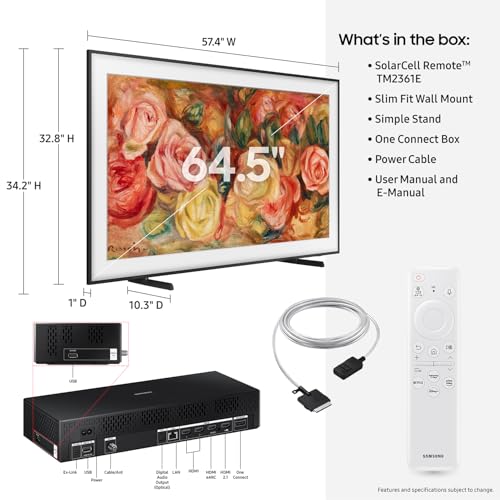
With the Samsung Frame, much of the premium goes toward the lifestyle features: Art Mode functionality, customizable bezels, flush mounting hardware, and the One Connect box that consolidates cable connections. The QLED technology and better gaming features add some performance value, but honest assessments suggest you're paying significantly more for aesthetics than for picture quality improvements.
The Sony BRAVIA 2 II represents exceptional value in the traditional sense. You get reliable 4K performance, excellent processing, superior built-in audio, and a three-year warranty that provides peace of mind. Sony even includes streaming service credits that add immediate value.
However, value means different things to different buyers. If your TV will be prominently displayed in your main living space, the Samsung Frame's ability to enhance your room's aesthetics when not in use might justify the premium. If you primarily care about reliable performance and picture quality, the Sony delivers more capability per dollar spent.
After evaluating both models extensively, clear recommendations emerge for different user scenarios.
Choose the Samsung Frame QLED 4K 2024 TV if you're mounting the TV in a prominent location where aesthetics matter significantly. This includes main living rooms, bedrooms, or any space where the TV will be visible even when turned off. The Art Mode functionality genuinely transforms how a large TV fits into your décor, and the brighter, more colorful QLED display works well in rooms with lots of natural light. Serious gamers with modern consoles will also appreciate the advanced gaming features.
The Samsung Frame makes the most sense for design-conscious buyers who view their TV as furniture that needs to look good 24/7, and who have the budget to pay a significant premium for that capability.
Choose the Sony BRAVIA 2 II 4K LED Google TV 2025 if you prioritize traditional TV performance and value. The superior processing, better built-in audio, longer warranty, and significantly lower price make it an excellent choice for family rooms, secondary TVs, or anywhere that reliable performance matters more than cutting-edge features.
The Sony BRAVIA 2 II particularly appeals to budget-conscious buyers who still want proven brand quality, parents looking for a reliable TV for kids' rooms or basements, or anyone who views their TV purely as a display device rather than a design element.
Consider alternatives entirely if you're building a serious home theater setup. Both TVs have limitations in very dark rooms due to their basic backlighting systems. For dedicated theater rooms, you might want to explore OLED or high-end LED models with advanced local dimming, even if it means spending more than either of these options.
The choice ultimately comes down to whether you value the Samsung Frame's unique lifestyle integration enough to pay roughly double the price, or whether the Sony BRAVIA 2 II's exceptional traditional value better matches your needs and budget. Both are solid TVs that serve their intended purposes well—they just happen to have very different ideas about what a television should be in your home.
| Samsung 65" The Frame QLED 4K 2024 TV | Sony BRAVIA 2 II 65" 4K LED Google TV 2025 |
|---|---|
| Display Technology - Affects color vibrancy and brightness | |
| QLED with Quantum Dot (vivid colors, brighter) | Standard LED with Direct Backlighting (natural colors) |
| Peak Brightness - Critical for bright room viewing | |
| Higher brightness ideal for daytime/bright rooms | Moderate brightness, best in controlled lighting |
| Unique Features - What sets each TV apart | |
| Art Mode with customizable bezels, motion sensor | 4K Processor X1 with superior upscaling |
| Gaming Performance - Important for console owners | |
| 2x HDMI 2.1, 120Hz, VRR support (excellent) | 4x HDMI 2.0, 60Hz only (basic gaming) |
| Audio System - Built-in sound quality | |
| Standard TV speakers (design-focused) | 40W with Dolby Atmos/DTS:X (premium audio) |
| Smart TV Platform - User experience and apps | |
| Google TV with Samsung ecosystem integration | Google TV with Sony BRAVIA 2 II processing optimizations |
| HDR Support - Enhanced contrast and colors | |
| HDR10+ (no Dolby Vision) | HDR10, HLG (no Dolby Vision) |
| Design Philosophy - How it fits in your room | |
| Lifestyle TV that displays art when off | Traditional TV with clean, modern design |
| Installation Options - Mounting flexibility | |
| Flush wall mount included, One Connect box | Standard table stand, conventional mounting |
| Warranty Coverage - Long-term value protection | |
| Standard 1-year manufacturer warranty | Extended 3-year warranty plus streaming credits |
| Ideal Room Type - Where each performs best | |
| Living rooms, bedrooms with lots of natural light | Family rooms, dens, secondary TVs |
| Target Buyer - Who should choose each model | |
| Design-conscious users wanting TV-as-art | Value-focused buyers wanting reliable performance |
The Samsung 65" The Frame QLED 4K 2024 TV delivers more vibrant, punchy colors thanks to its QLED technology, making it ideal for bright rooms and colorful content like sports or animation. The Sony BRAVIA 2 II 65" 4K LED Google TV 2025 focuses on natural, realistic colors with superior upscaling through Sony's 4K Processor X1. For most viewers, the Samsung Frame provides more impressive visuals, while the Sony BRAVIA 2 II offers better value with more accurate color reproduction.
The biggest difference is their core purpose. The Samsung 65" The Frame QLED 4K 2024 TV doubles as a digital art display when not in use, with customizable bezels to look like a real picture frame on your wall. The Sony BRAVIA 2 II 65" 4K LED Google TV 2025 is a traditional TV focused on delivering excellent performance at an affordable price. The Samsung Frame targets design-conscious buyers, while the Sony BRAVIA 2 II prioritizes value and reliability.
The Samsung 65" The Frame QLED 4K 2024 TV is significantly better for gaming, featuring HDMI 2.1 ports that support 4K at 120Hz and Variable Refresh Rate (VRR) technology for smooth gameplay with PlayStation 5 or Xbox Series X. The Sony BRAVIA 2 II 65" 4K LED Google TV 2025 only supports 60Hz gaming through HDMI 2.0 ports, making it adequate for casual gaming but limiting for serious gamers who want the best console performance.
The Samsung 65" The Frame QLED 4K 2024 TV excels in bright rooms due to its higher peak brightness and anti-glare features, making it perfect for spaces with lots of windows or overhead lighting. The Sony BRAVIA 2 II 65" 4K LED Google TV 2025 performs adequately in moderate lighting but may struggle in very bright environments. If your TV will be in a sun-filled living room, the Samsung Frame is the better choice despite its higher cost.
Surprisingly, the more affordable Sony BRAVIA 2 II 65" 4K LED Google TV 2025 has superior audio with 40W speakers supporting Dolby Atmos and DTS:X for immersive surround sound. The Samsung 65" The Frame QLED 4K 2024 TV prioritizes its ultra-thin design for art display, resulting in more basic audio performance. If you won't be adding a soundbar, the Sony BRAVIA 2 II provides much better built-in sound quality.
Neither TV is ideal for dedicated home theater setups due to their basic backlighting systems that limit contrast in dark rooms. However, for casual home theater use, the Samsung 65" The Frame QLED 4K 2024 TV offers brighter, more colorful images that work well for action movies and bright content. The Sony BRAVIA 2 II 65" 4K LED Google TV 2025 provides better audio and more natural colors for dramas. For serious home theater enthusiasts, consider higher-end models with advanced local dimming instead of either option.
Both the Samsung 65" The Frame QLED 4K 2024 TV and Sony BRAVIA 2 II 65" 4K LED Google TV 2025 run Google TV with identical app selection, Google Assistant support, and casting capabilities. The key difference is processing power—the Sony BRAVIA 2 II includes Sony's advanced 4K Processor X1 for better upscaling of lower-resolution content, while the Samsung Frame focuses more on its art display features and Samsung ecosystem integration.
The Sony BRAVIA 2 II 65" 4K LED Google TV 2025 provides exceptional traditional TV value with reliable performance, superior audio, a 3-year warranty, and included streaming credits. The Samsung 65" The Frame QLED 4K 2024 TV costs significantly more but offers unique lifestyle features like art display mode and customizable bezels. Choose the Sony BRAVIA 2 II for pure performance value, or the Samsung Frame if you value aesthetics and design integration.
The Sony BRAVIA 2 II 65" 4K LED Google TV 2025 includes an impressive 3-year manufacturer warranty plus streaming service credits, providing excellent long-term value protection. The Samsung 65" The Frame QLED 4K 2024 TV comes with a standard 1-year warranty. For buyers concerned about long-term reliability and service coverage, the Sony BRAVIA 2 II offers significantly better warranty protection despite its lower purchase price.
The Sony BRAVIA 2 II 65" 4K LED Google TV 2025 excels at improving older content through its 4K X-Reality PRO technology, which upscales DVDs, cable TV, and lower-quality streaming to look sharper and more detailed. The Samsung 65" The Frame QLED 4K 2024 TV provides good upscaling but Sony's processing reputation gives it an edge. If you watch a lot of cable TV or older movies, the Sony BRAVIA 2 II will make that content look noticeably better.
The Samsung 65" The Frame QLED 4K 2024 TV is specifically designed for wall mounting with an included slim-fit mount for flush installation and a One Connect box to minimize cable clutter—perfect for its art display function. The Sony BRAVIA 2 II 65" 4K LED Google TV 2025 can be wall mounted using standard VESA mounts (sold separately) but uses conventional connections. For the cleanest wall installation, the Samsung Frame provides a more elegant solution.
Choose the Samsung 65" The Frame QLED 4K 2024 TV for your main living room if aesthetics matter and you want the TV to enhance your décor even when turned off. Its art display mode and customizable bezels make it a design element rather than just a black screen on your wall. Select the Sony BRAVIA 2 II 65" 4K LED Google TV 2025 if you prioritize performance and value over aesthetics, or if the TV will be in a secondary location where design integration is less important.
We've done our best to create useful and informative comparisons to help you decide what product to buy. Our research uses advanced automated methods to create this comparison and perfection is not possible - please contact us for corrections or questions. These are the sites we've researched in the creation of this article: tomsguide.com - rtings.com - rtings.com - youtube.com - bestbuy.com - techlicious.com - youtube.com - smalllilystudio.com - theeverymom.com - livingetc.com - pcrichard.com - image-us.samsung.com - samsung.com - images.samsung.com - samsung.com - buydig.com - tvsbook.com - bestbuy.com - samsung.com - samsung.com - flatpanelshd.com - bestbuy.com - notebookcheck.net - rtings.com - youtube.com - youtube.com - rtings.com - avsforum.com - croma.com - totonstv.com - electronics.sony.com - listenup.com - pcrichard.com - youtube.com - flanners.com - brandsmartusa.com - displayspecifications.com - pioneertvandappliance.com - donstv.com

Privacy Policy
Terms and Conditions - Affiliate Policy
Home Security
© Copyright 2008-2026.
11816 Inwood Rd #1211, Dallas, TX 75244