

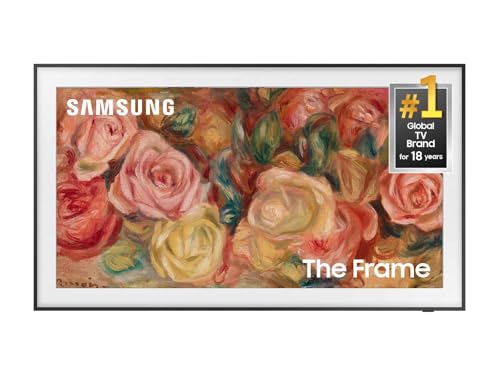
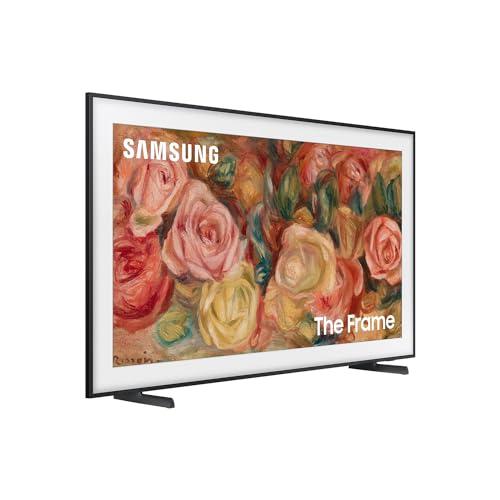
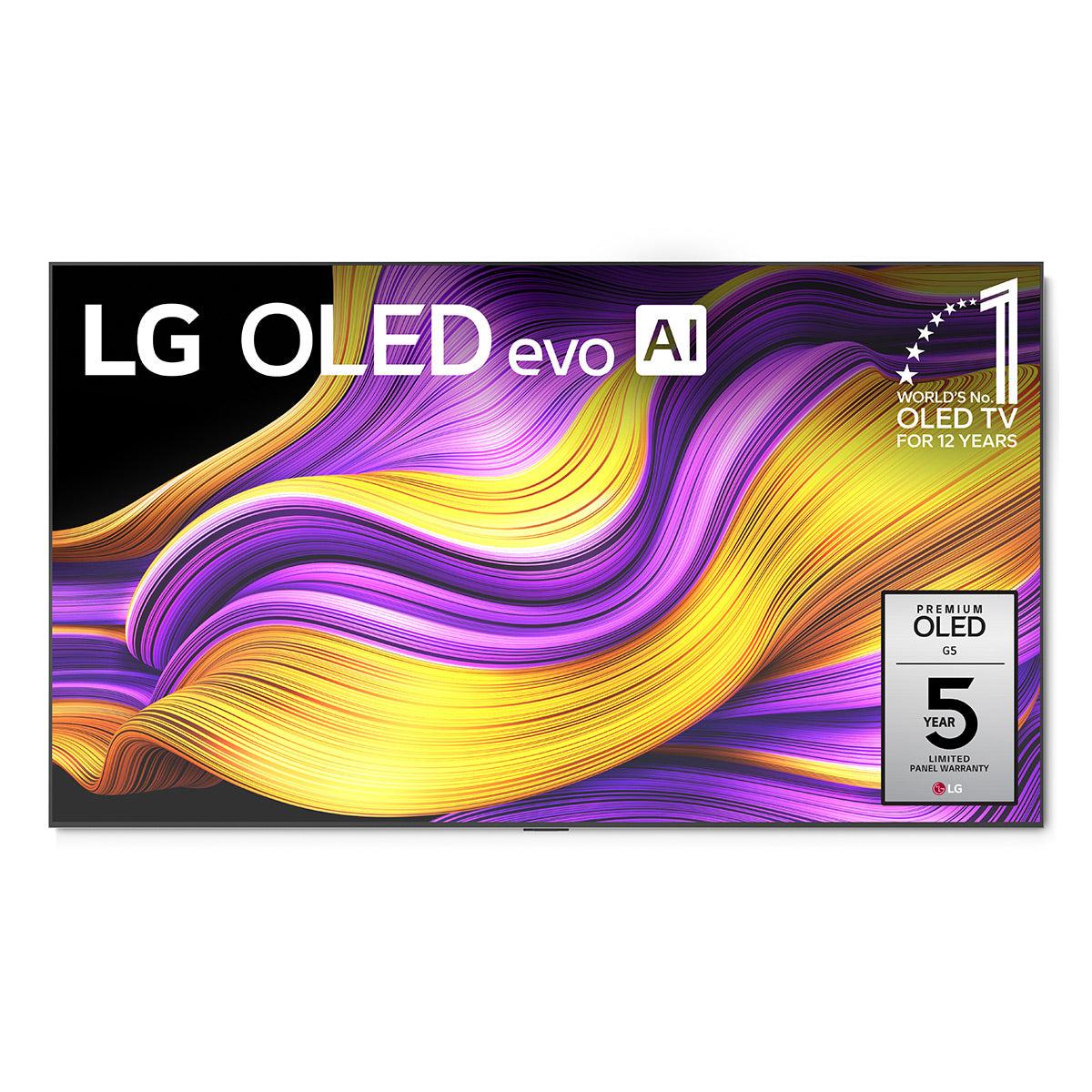
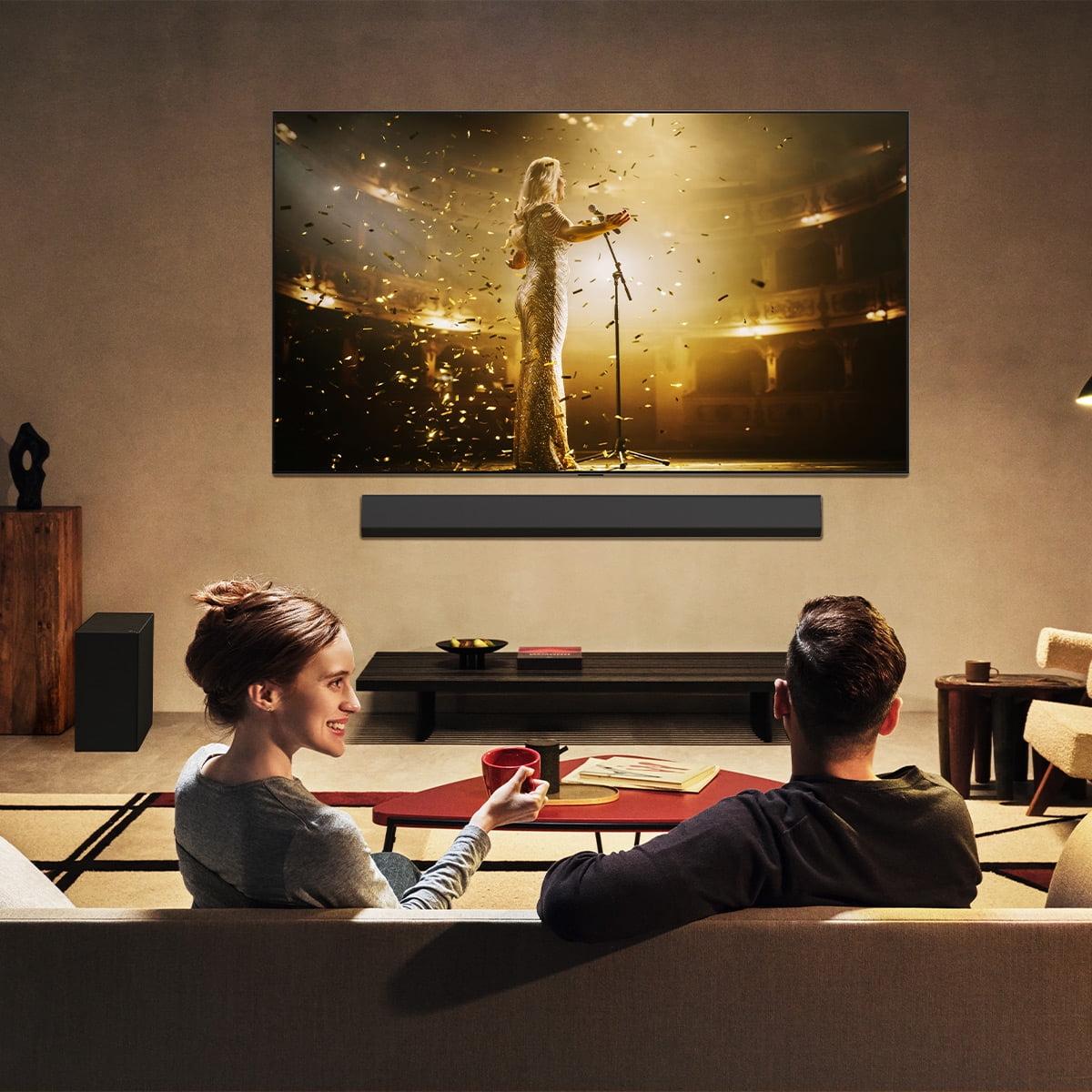
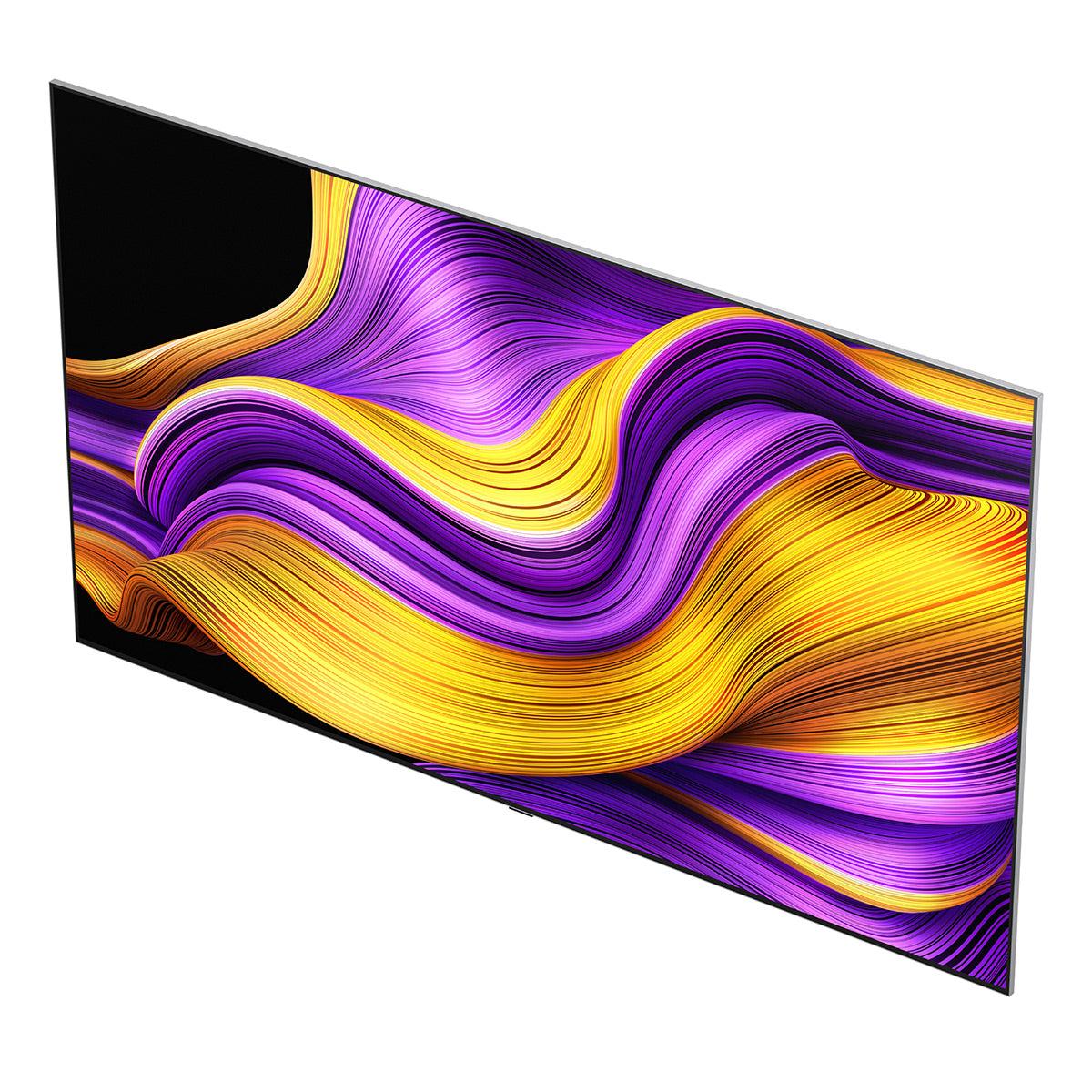
Picking a premium 65-inch TV in 2025 feels more complex than ever. You're not just choosing between different brands anymore—you're choosing between entirely different philosophies about what a TV should be. The Samsung 65" The Frame QLED 4K 2024 TV wants to disappear into your living room as a piece of art, while the LG OLED evo G5 65" 4K Smart TV 2025 demands attention with what might be the best picture quality money can buy.
Both TVs cost serious money, but they're targeting completely different buyers. After diving deep into expert reviews, user feedback, and technical specifications, the choice becomes clearer once you understand what each TV does best—and more importantly, which approach matches how you actually use your TV.
The premium large-screen TV market has split into two distinct camps. Traditional performance-focused TVs prioritize picture quality, gaming features, and viewing experience above all else. Meanwhile, lifestyle TVs integrate into your home's aesthetic, functioning as both entertainment displays and decorative elements.
This division matters because it affects everything from the display technology manufacturers choose to how they tune the image processing. A TV designed for art display needs excellent anti-glare properties and consistent performance across different lighting conditions. A TV designed for cinematic viewing prioritizes contrast, color accuracy, and HDR (High Dynamic Range—a technology that displays brighter whites and deeper blacks for more realistic images) performance.
The Samsung Frame 2024 and LG G5 2025 represent the pinnacle of these two approaches. Samsung released their latest Frame model in early 2024, refining their art-focused concept with improved matte display technology and enhanced anti-glare properties. LG launched the G5 in March 2025, introducing revolutionary tandem OLED technology that addresses OLED's traditional brightness limitations.
The fundamental difference between these TVs starts with how they create light and color. The Samsung Frame uses QLED (Quantum Dot Light Emitting Diode) technology, where a traditional LED backlight shines through quantum dot filters to create colors. Think of it like a flashlight shining through colored glass—the LED provides the brightness, and the quantum dots convert that light into specific colors.

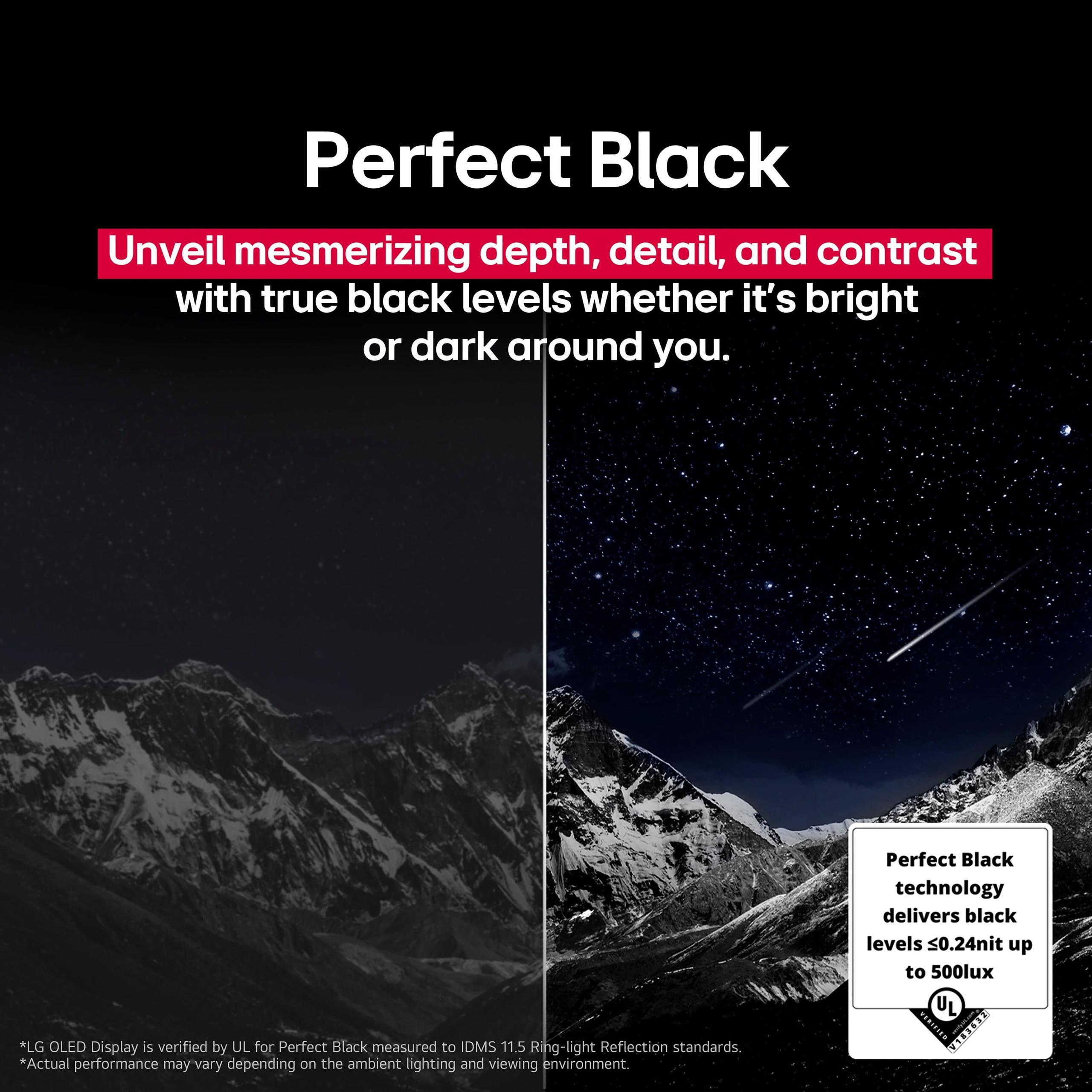
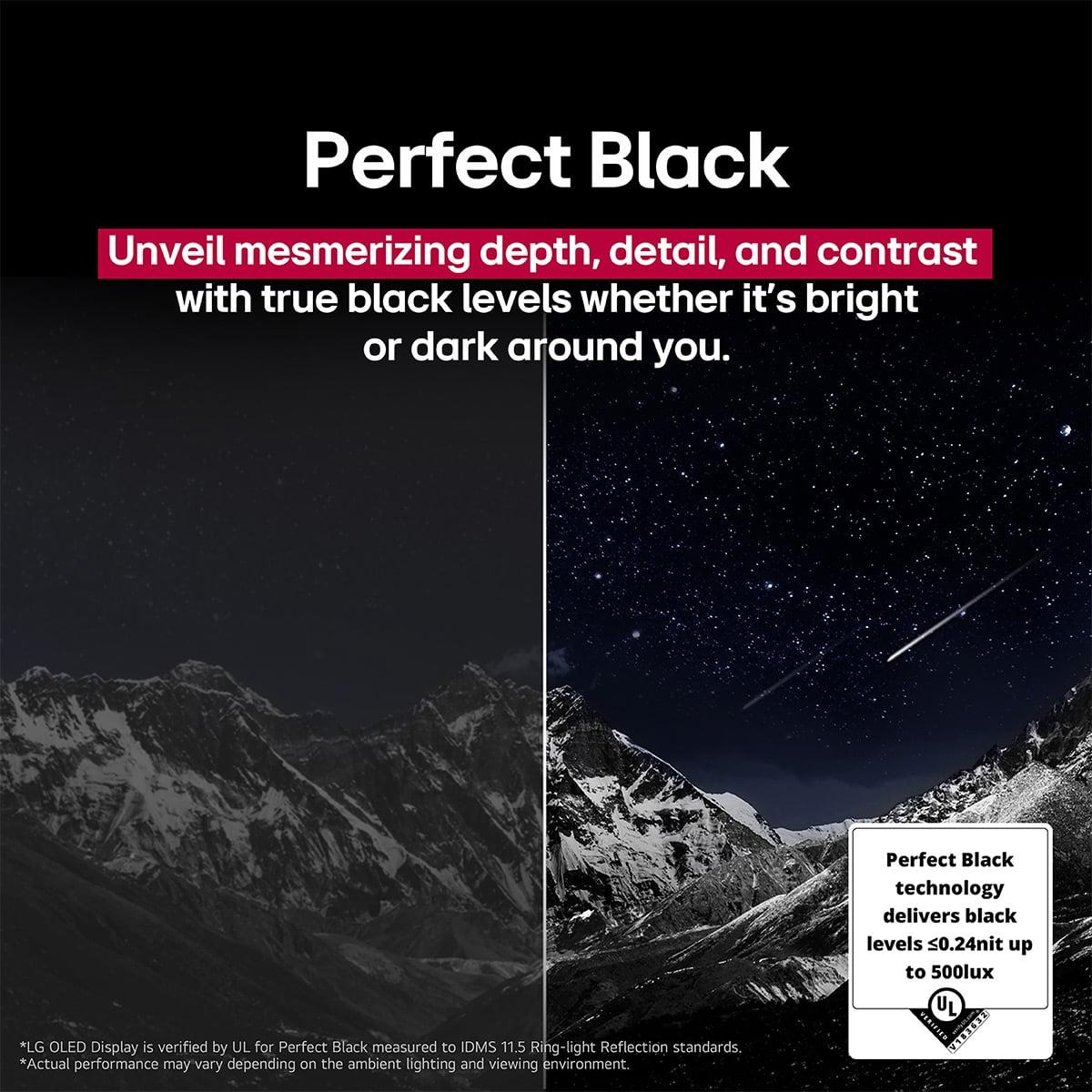
The LG G5 uses OLED (Organic Light Emitting Diode) technology, where each individual pixel generates its own light. Instead of needing a backlight, millions of tiny organic compounds emit light when electricity passes through them. This means each pixel can turn completely off, creating true black—something impossible with any backlit display.
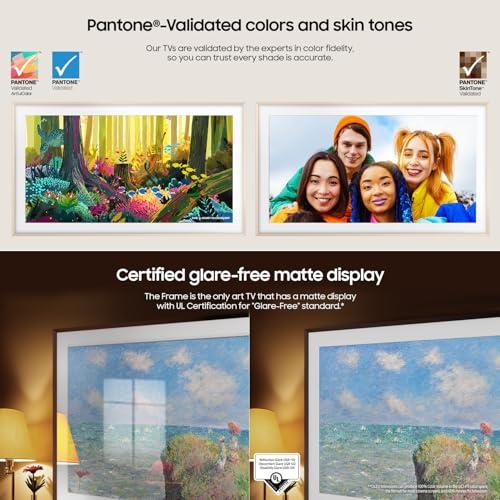
Samsung designed the Frame's display specifically for bright rooms. The matte anti-glare coating scatters incoming light, reducing reflections that would normally wash out the image. This technology works exceptionally well in living rooms with large windows or bright overhead lighting. However, this matte finish comes with trade-offs—it can make the image appear slightly softer and less vibrant compared to glossy displays.
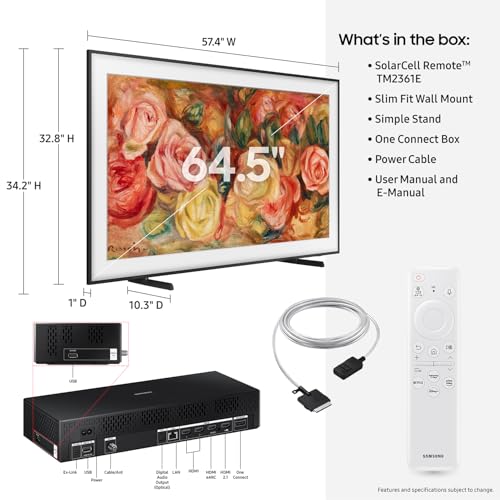
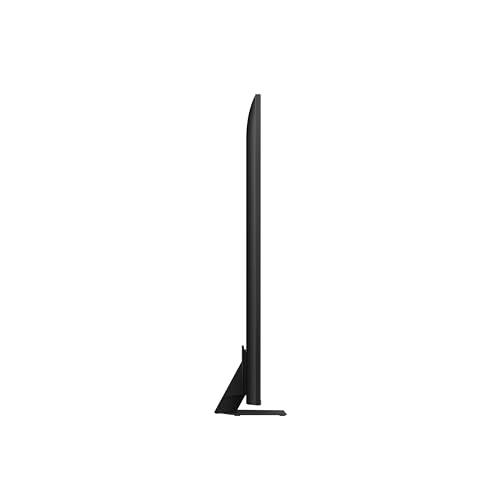
The Frame uses edge-lighting, where LEDs along the TV's perimeter illuminate the entire screen. This keeps the TV extremely thin (just one inch deep) but limits contrast performance since the entire screen shares the same backlighting zones. Without local dimming (the ability to dim specific areas of the backlight independently), dark movie scenes appear more gray than black.
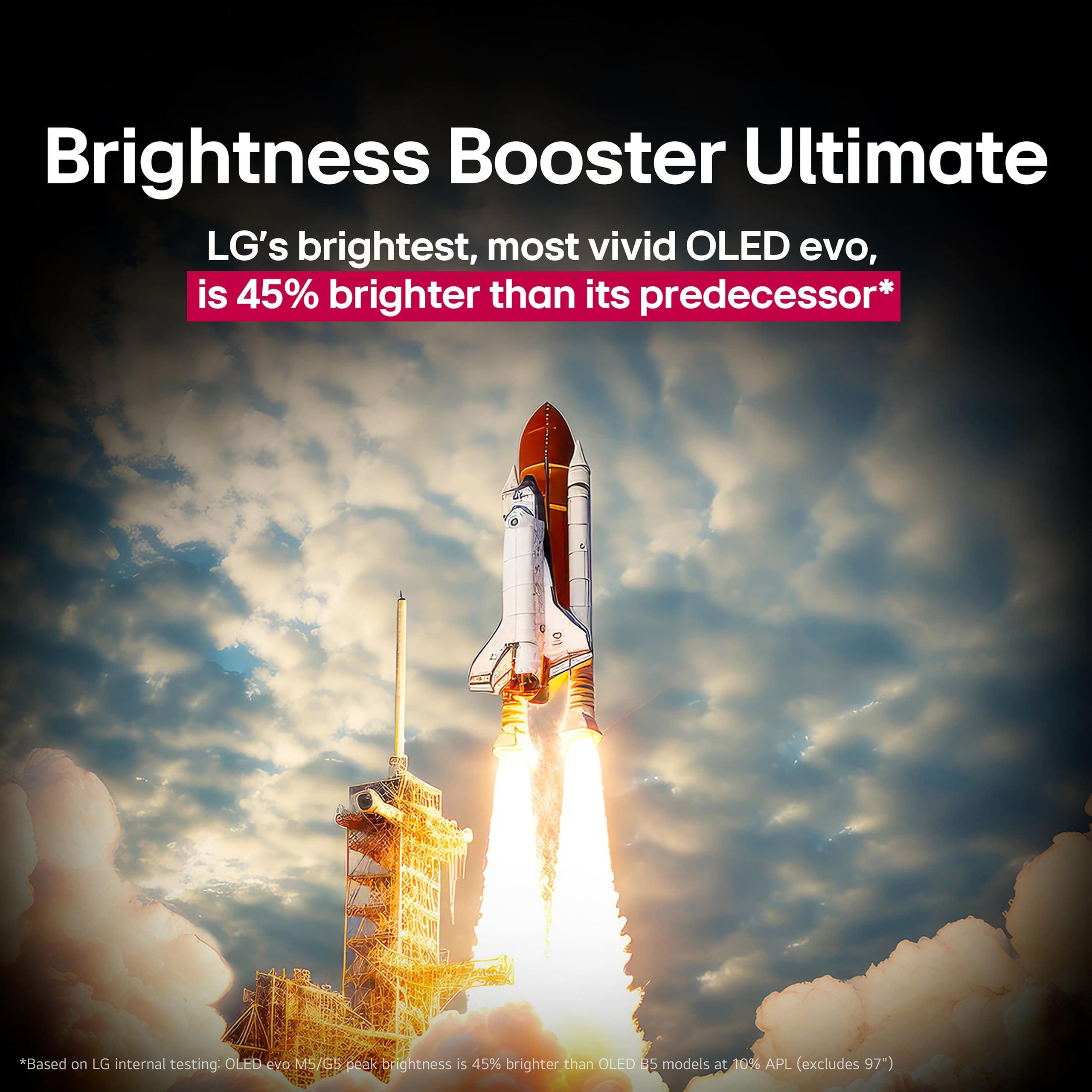
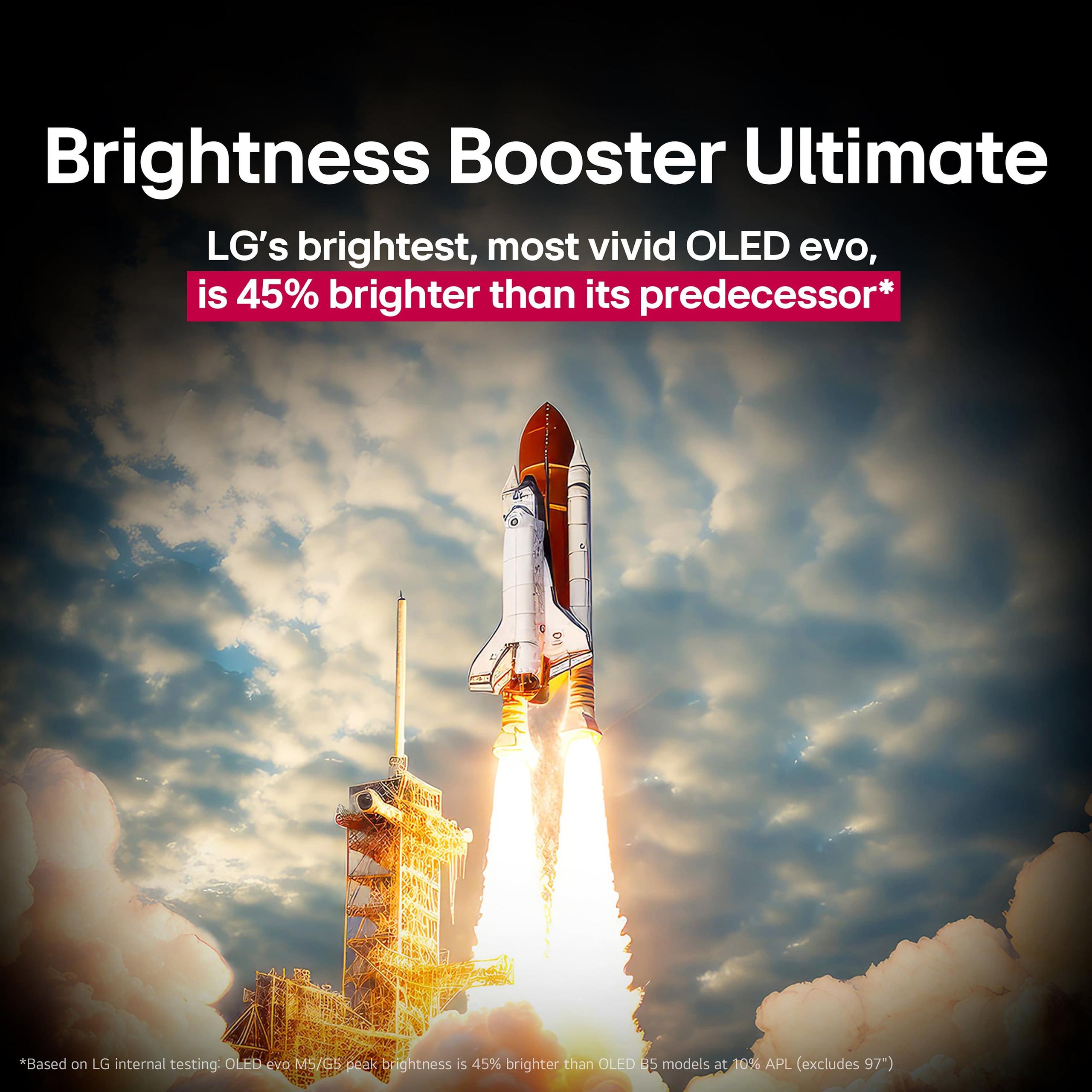
LG's 2025 G5 introduces 4-stack tandem OLED technology—a major advancement that addresses OLED's biggest weakness: brightness. Traditional OLED panels use three layers of light-emitting material, but the G5 adds a fourth layer, allowing it to produce 45% brighter images than previous generations.
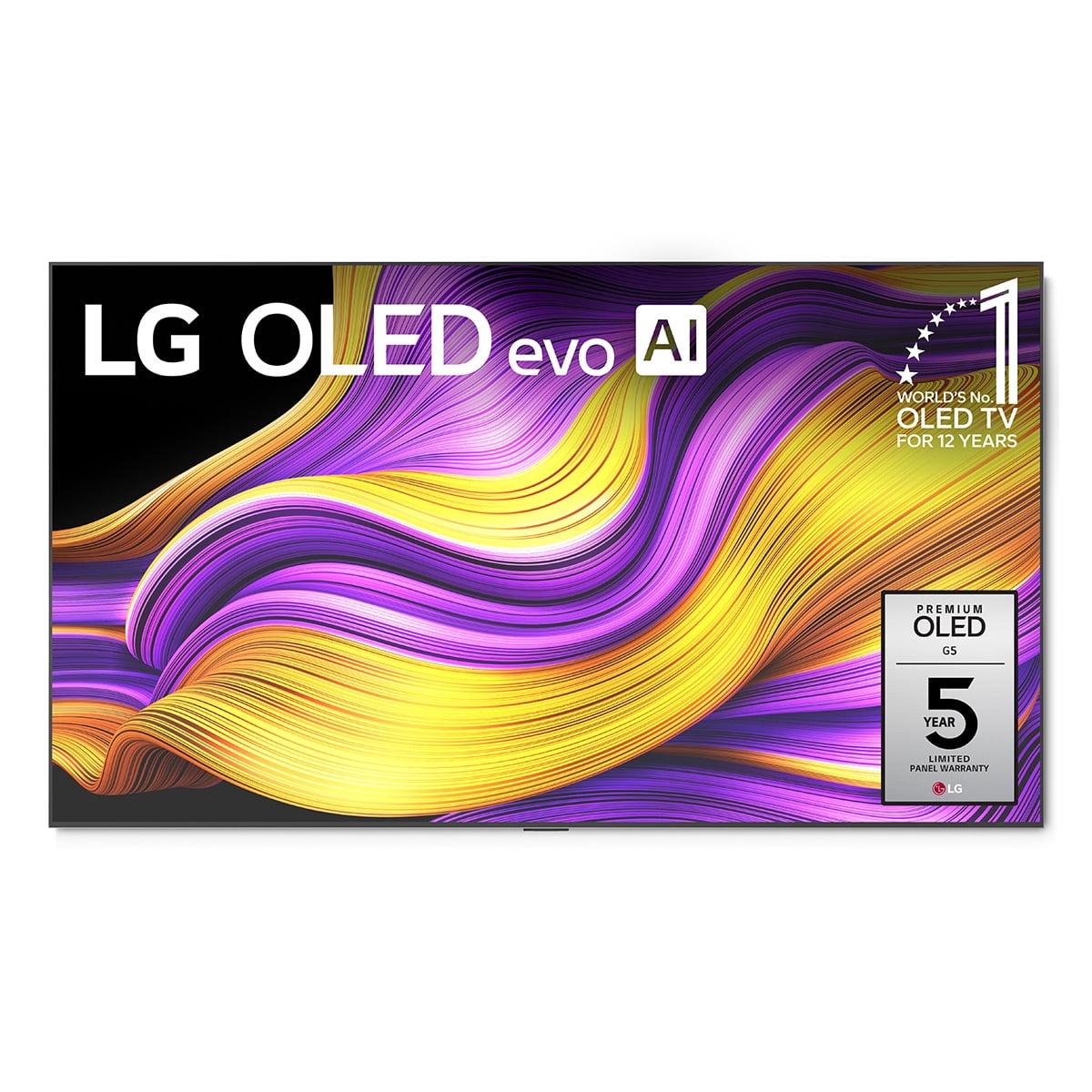
This brightness boost is crucial because it makes OLED viable in brighter rooms where it previously struggled. The G5 can now compete with Mini-LED TVs (which use thousands of tiny LEDs for precise backlighting control) in peak brightness while maintaining OLED's perfect blacks. Each of the 8.3 million pixels can still turn completely off, creating infinite contrast ratios that make movie scenes appear genuinely three-dimensional.
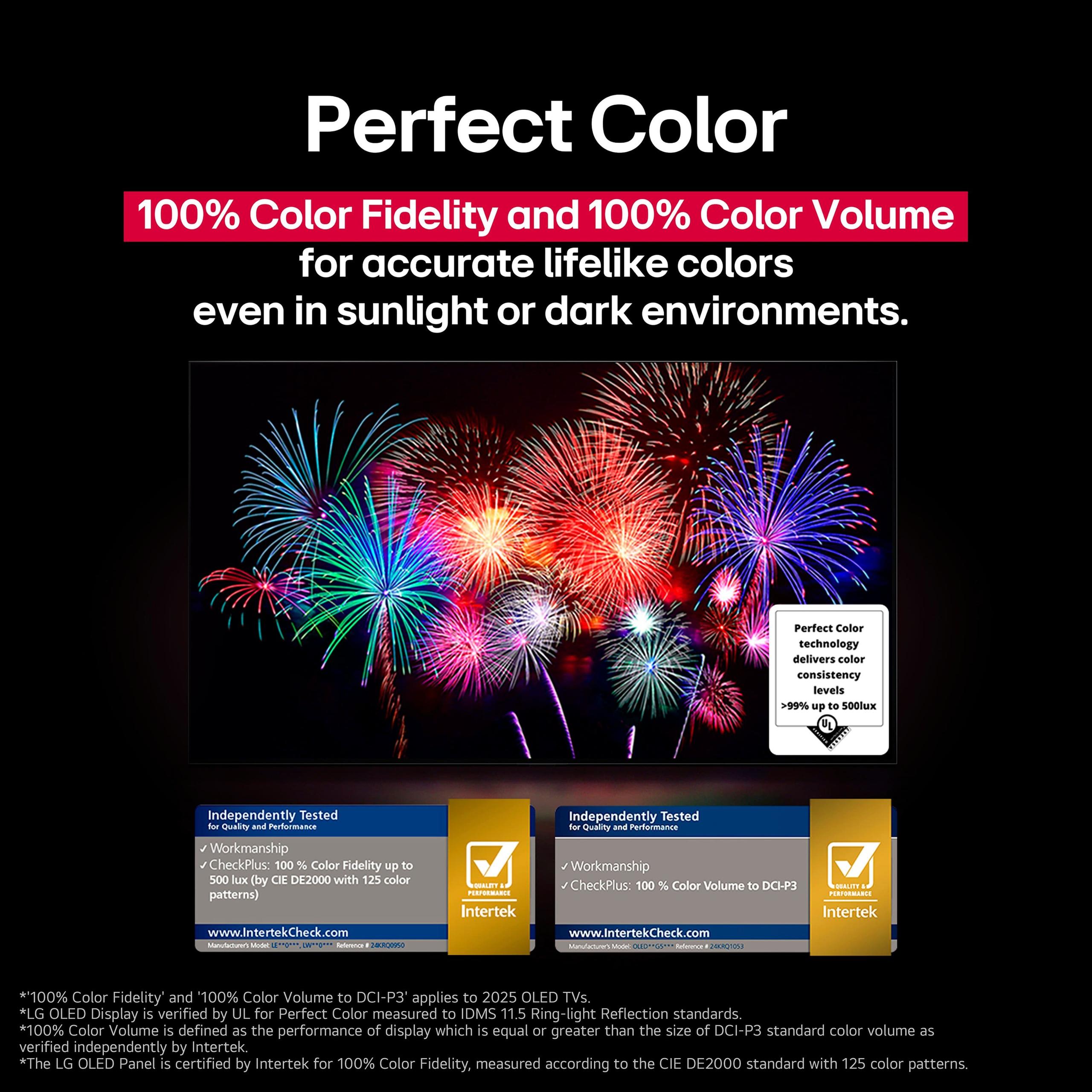
The G5's RGB tandem structure also improves color purity. Instead of using white OLED pixels with color filters (like previous LG OLEDs), the new panel generates red, green, and blue light more directly, resulting in wider color gamuts and more saturated images.
This is where the philosophical differences become most apparent. The Samsung Frame produces respectable contrast for an edge-lit QLED, but it can't match displays with local dimming or self-emitting pixels. In dark rooms, letterbox bars (the black bars above and below movies) appear distinctly gray rather than black. This limits the TV's home theater performance, especially for cinematic content that relies on deep shadows and dramatic lighting.
The LG G5 excels here with perfect blacks that are literally the absence of light. When watching movies like "Blade Runner 2049" or "Dune," the contrast between bright highlights and deep shadows creates an almost holographic effect. This perfect contrast also enhances color perception—reds appear more vivid against true black backgrounds than against gray ones.

HDR content requires displays to show both very bright and very dark elements simultaneously. The Samsung Frame supports HDR10+ (a dynamic HDR format that adjusts settings scene by scene) but lacks the peak brightness to make highlights truly pop. Sunlight streaming through windows or explosions in action movies appear bright but don't have the visual impact of displays with higher peak brightness.
The LG G5 supports both HDR10+ and Dolby Vision (another dynamic HDR format with more precise metadata) and can now achieve the brightness levels necessary for impactful HDR. The combination of perfect blacks and high peak brightness creates the wide contrast range HDR content was designed to showcase.
Both TVs handle color differently due to their underlying technologies. The Frame's quantum dot layer produces good color volume—the range of colors it can display at different brightness levels. However, reviews consistently describe the colors as "adequate" rather than impressive, lacking the depth and vibrancy expected from premium displays.
The G5's new RGB tandem structure delivers wider color gamuts with improved saturation and purity. The enhanced blue, green, and red output creates more vivid images while maintaining color accuracy. Professional reviews note that colors appear more three-dimensional and lifelike, particularly in bright scenes where traditional OLEDs would typically struggle.
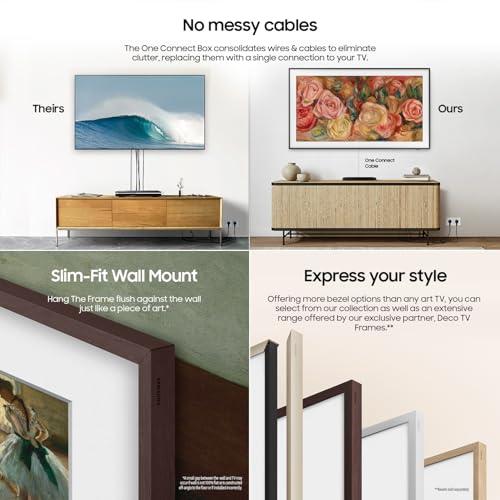
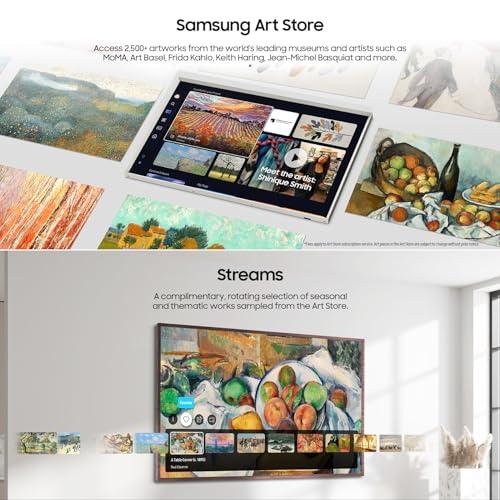
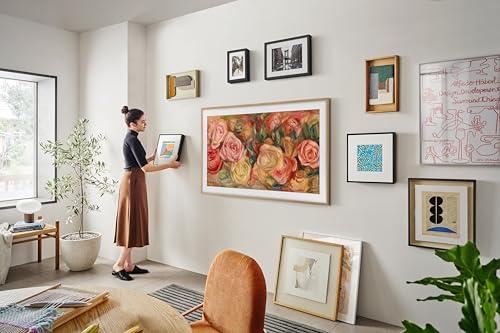
The Samsung Frame transforms completely when not displaying video content. Art Mode activates a motion sensor that displays curated artwork or personal photos, dropping the refresh rate from 120Hz to 60Hz to save energy. The TV becomes a digital picture frame, complete with customizable magnetic bezels that mimic real picture frames.
This integration works remarkably well in practice. The TV genuinely disappears into living spaces, becoming part of the decor rather than dominating it. However, achieving this aesthetic requires additional purchases—bezels cost extra, and accessing Samsung's full art library requires a subscription. The total cost of ownership can increase significantly once you factor in these aesthetic elements.
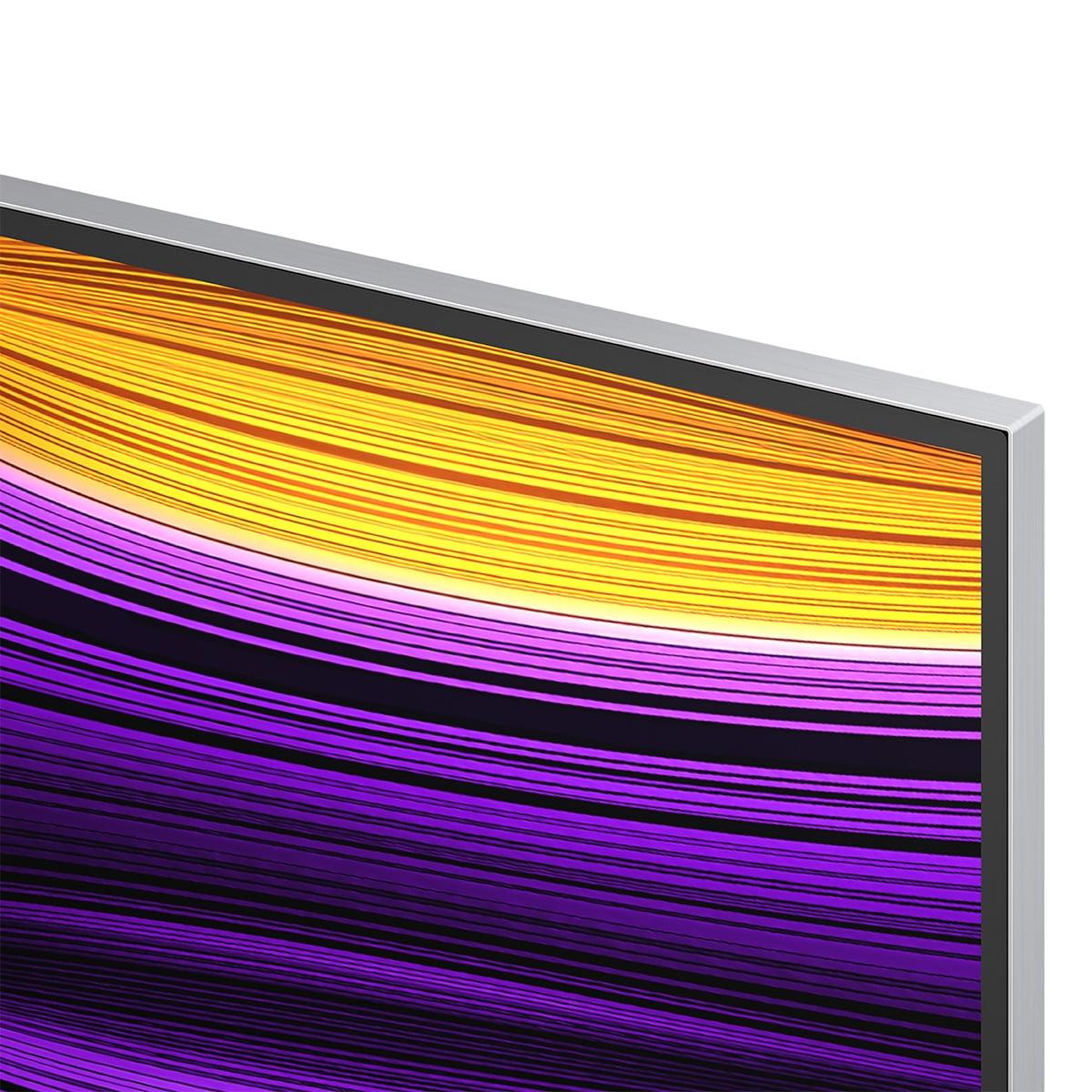
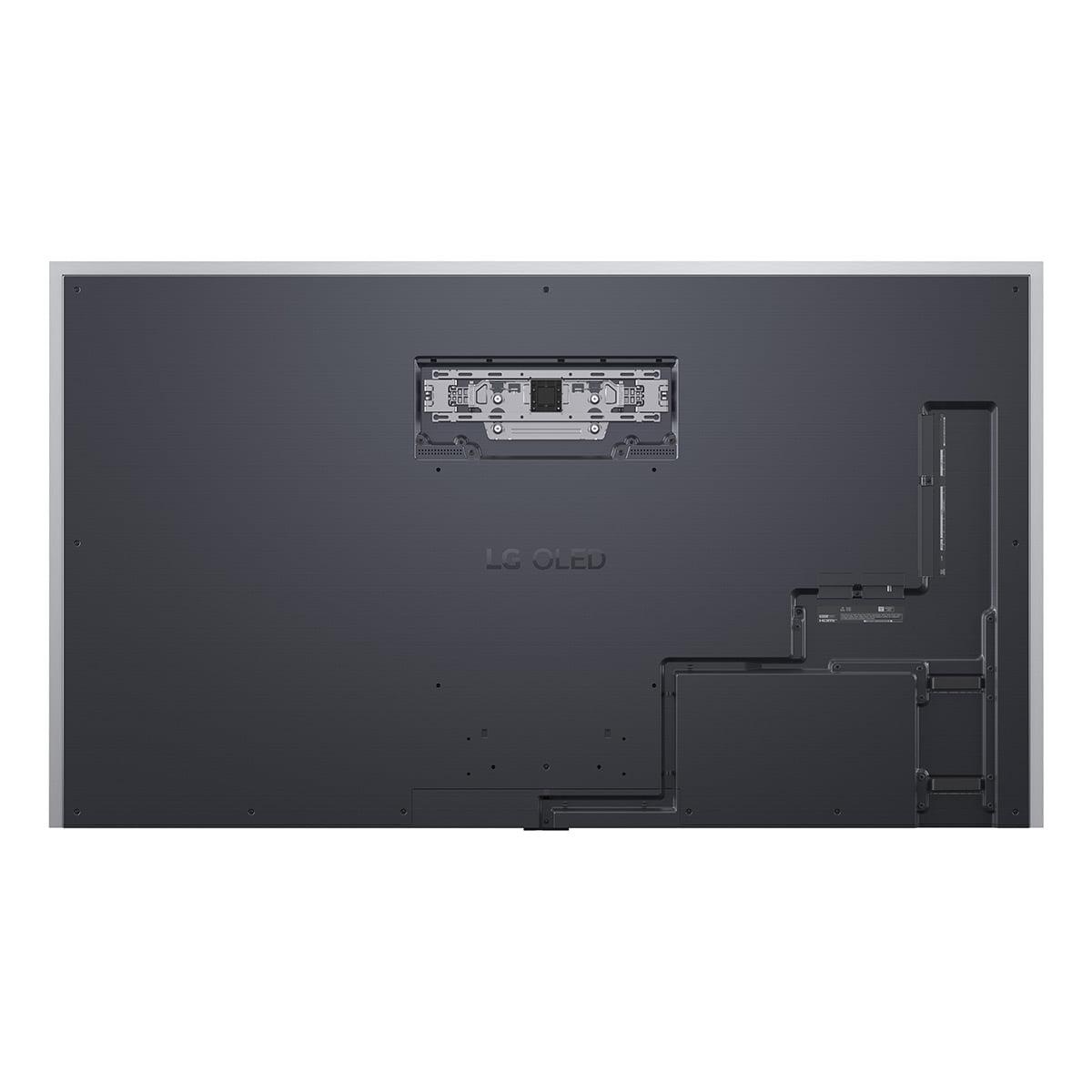
The LG G5 takes a different approach with its "One Wall Design." Rather than hiding the TV, LG celebrates the display itself. The gallery-style wall mount positions the TV flush against the wall, creating a floating appearance that emphasizes the screen. When not in use, it can display photos or art, but this feels more like a bonus feature than a primary design element.
This approach works best for buyers who want their TV to be a focal point—a statement piece that showcases cutting-edge technology rather than blending into the background.
Gaming reveals another significant performance gap between these TVs. The Samsung Frame offers solid gaming features with 120Hz refresh rate support and Variable Refresh Rate (VRR—technology that synchronizes the TV's refresh rate with your gaming console's frame rate to eliminate screen tearing). However, it includes only one HDMI 2.1 port, limiting options for gamers with multiple next-generation consoles.
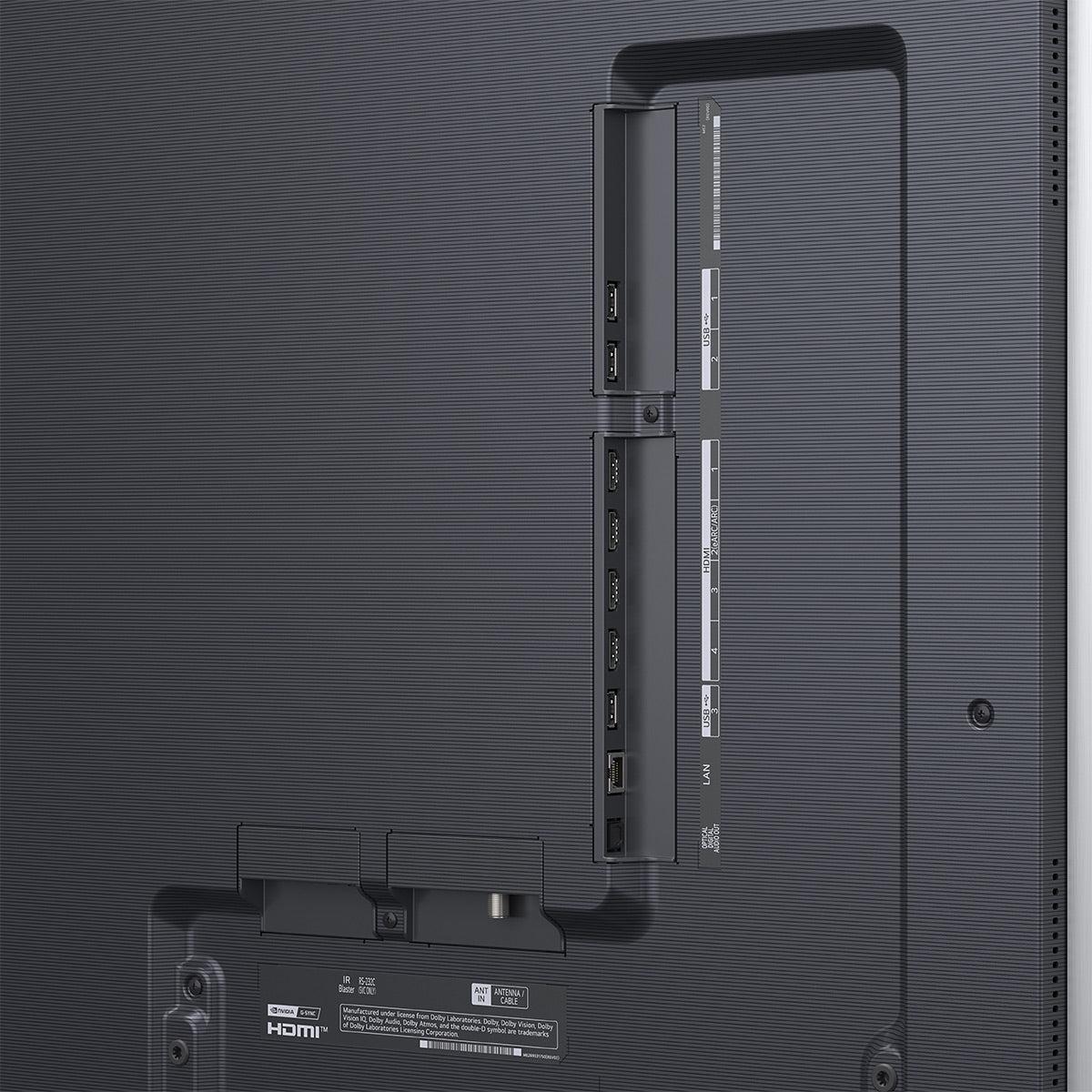
The LG G5 excels for gaming enthusiasts. All four HDMI 2.1 ports support 4K gaming at up to 165Hz, though the native panel runs at 120Hz. The TV achieves exceptionally low input lag (the delay between pressing a button and seeing the response on screen) of just 4 milliseconds at 165Hz—nearly instantaneous for competitive gaming.
For home theater gaming, the G5's perfect blacks transform dark game environments. Games like "Resident Evil" or "The Last of Us" gain dramatic atmosphere when shadows are truly black rather than gray. The improved HDR performance also enhances games with dynamic lighting, making explosions, sunsets, and magical effects more impactful.
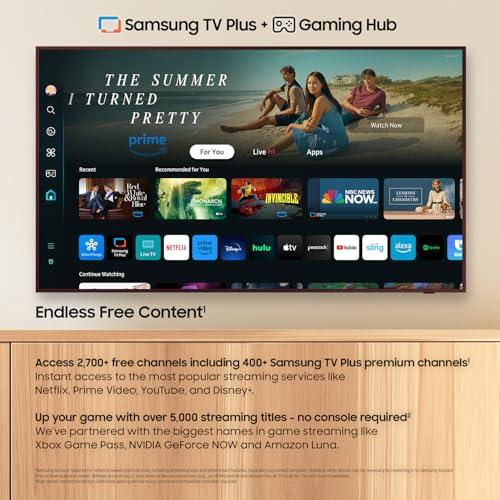
Both TVs include comprehensive smart TV platforms, but with different focuses. The Samsung Frame runs Tizen OS with SmartThings integration, emphasizing the art features and home automation connectivity. The interface is functional but unremarkable compared to more advanced smart TV platforms.
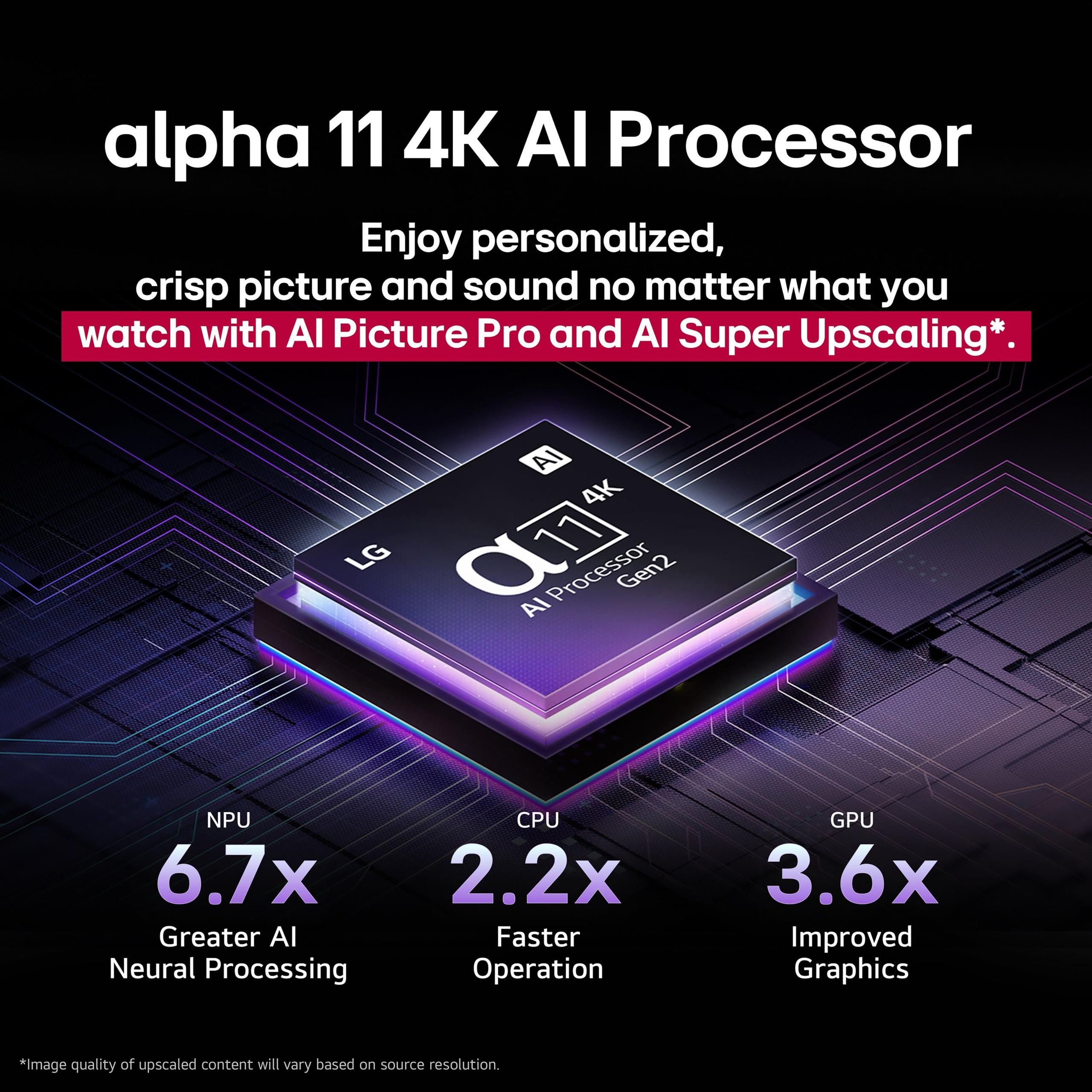
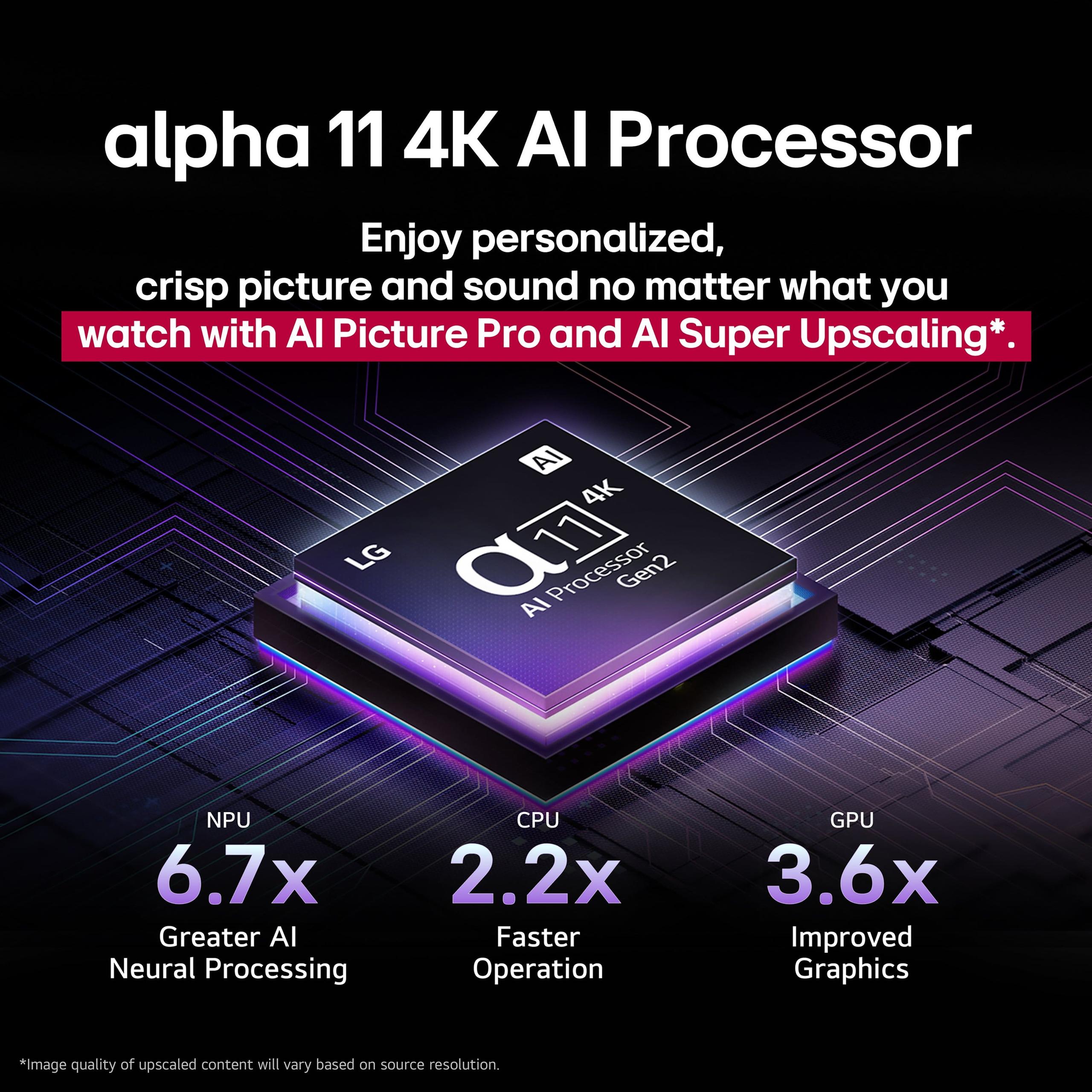
The LG G5 includes webOS 25 with significant AI enhancements. The Quick Cards system organizes favorite apps more intuitively, and LG's webOS Renew program guarantees five years of software updates—unusual in an industry where TV software support typically ends after 2-3 years. The AI features learn viewing preferences and automatically optimize picture and sound settings.
Your room's lighting situation significantly affects which TV will perform better. The Samsung Frame excels in bright environments with its anti-glare matte display. If your TV will face windows or be in a room with significant ambient lighting, the Frame maintains consistent picture quality where glossy displays would become unwatchable due to reflections.
The LG G5 now handles bright rooms much better than previous OLEDs thanks to its increased brightness, but it still performs best in controlled lighting environments. For dedicated home theaters or living rooms where you can dim lights during viewing, the G5's superior contrast and color performance create a more immersive experience.
Both TVs face similar limitations due to their thin profiles. The Samsung Frame includes 40W speakers with Dolby Atmos support and Object Tracking Sound technology that attempts to match audio to on-screen movement. The LG G5 also supports Dolby Atmos with AI Sound Pro that creates virtual 11.1.2 channel surround sound.
While both TVs sound better than expected for their thickness, neither replaces a proper sound system for home theater use. Both support their respective manufacturers' soundbar ecosystems—Samsung's Q-Symphony and LG's WOW Orchestra—which can use the TV's speakers alongside a soundbar for enhanced audio.
At the time of writing, these TVs occupy different price tiers, reflecting their distinct positioning. The Samsung Frame typically costs less upfront but requires additional purchases for the full art experience. When you factor in bezels, art subscriptions, and mounting hardware, the total cost approaches that of more performance-focused competitors.
The LG G5 commands premium pricing as LG's flagship model, but offers cutting-edge display technology that represents the current state of the art in consumer TVs. The 5-year panel warranty and software support program add long-term value that partially justifies the higher upfront cost.
For pure picture quality per dollar, the G5 offers better value despite its higher price. However, if aesthetic integration is your priority and you value the Frame's unique art functionality, that specialized feature set may justify the premium over more traditional TVs.
Your decision should align with how you actually use your TV and what matters most in your living space.
Choose the Samsung Frame 2024 if you prioritize room aesthetics above all else. It's perfect for living rooms where the TV needs to blend into the decor, bright rooms where anti-glare performance matters, or situations where you want technology to be subtle rather than dominant. The Frame works best for casual viewing, streaming content, and social situations where the TV serves as both entertainment and conversation piece.
Choose the LG OLED evo G5 2025 if picture quality drives your decision. It's ideal for movie enthusiasts, serious gamers, anyone building a dedicated home theater, or buyers who want cutting-edge technology that will remain impressive for years. The G5 rewards viewers who appreciate visual quality and are willing to invest in the best available display technology.
The fundamental question isn't which TV is better—it's which approach better matches your priorities. The Frame succeeds brilliantly as a lifestyle product that happens to be a good TV. The G5 excels as a display technology showcase that happens to look elegant on your wall.
For most buyers seeking the ultimate television experience, the LG G5 offers superior performance that justifies its premium positioning. But for those who want their TV to disappear into their living space while providing solid viewing quality, the Samsung Frame remains unique in the market.
The choice ultimately comes down to whether you want your TV to blend in or stand out—and both approaches have their place in modern homes.
| Samsung 65" The Frame QLED 4K 2024 TV | LG OLED evo G5 65" 4K Smart TV 2025 |
|---|---|
| Display Technology - Fundamentally different approaches to creating the image | |
| Edge-lit QLED with quantum dots and anti-glare matte finish | 4-stack tandem OLED with self-lit pixels |
| Contrast Performance - Critical for movie watching and dark room viewing | |
| Limited contrast due to edge-lighting (no local dimming) | Perfect blacks with infinite contrast ratio |
| Peak Brightness - Determines HDR impact and bright room performance | |
| Moderate brightness, optimized for anti-glare performance | 45% brighter than previous OLEDs, rivals Mini-LED TVs |
| Room Lighting Compatibility - Where each TV performs best | |
| Excellent in bright rooms with superior anti-glare properties | Now viable in bright rooms but still best in controlled lighting |
| Art Mode Integration - Unique lifestyle feature for aesthetic blending | |
| Full art display mode with motion sensor, customizable bezels, and curated gallery | Basic photo display when not in use |
| Gaming Performance - Refresh rates and input lag for console gaming | |
| 120Hz with VRR, single HDMI 2.1 port, good for casual gaming | 165Hz capability, 4ms input lag, four HDMI 2.1 ports for serious gamers |
| HDR Support - Format compatibility for premium content | |
| HDR10+ support, no Dolby Vision | Both HDR10+ and Dolby Vision for maximum compatibility |
| Color Performance - Vibrancy and accuracy of displayed colors | |
| Good quantum dot color volume but reviews note "adequate" rather than impressive colors | Enhanced RGB tandem structure delivers wider color gamut and more vibrant images |
| Design Philosophy - How the TV integrates into your space | |
| Ultra-thin (1") with flush wall mount and One Connect box for minimal cable clutter | Gallery-style One Wall Design emphasizes the premium display |
| Smart TV Platform - Interface quality and long-term software support | |
| Tizen OS with basic smart features and SmartThings integration | webOS 25 with AI features and 5-year update guarantee |
| Warranty Coverage - Long-term reliability assurance | |
| Standard TV warranty | 5-year panel warranty demonstrates confidence in OLED longevity |
| Best Use Case - Who should choose each TV | |
| Style-conscious buyers wanting TV-as-art in bright living spaces | Performance enthusiasts prioritizing picture quality and gaming features |
The LG OLED evo G5 2025 delivers significantly better picture quality than the Samsung Frame 2024. The G5's OLED technology produces perfect blacks and infinite contrast, while the Frame's edge-lit QLED offers decent but not exceptional picture quality. The LG G5 also supports both HDR10+ and Dolby Vision, compared to the Frame's HDR10+ only support.
Yes, the Samsung Frame 2024 is specifically designed for bright rooms with its anti-glare matte display that reduces reflections. While the LG OLED G5 2025 is 45% brighter than previous OLEDs and now handles ambient light better, the Samsung Frame still performs more consistently in very bright environments with lots of windows or overhead lighting.
The LG OLED evo G5 2025 is superior for gaming with 4K at 165Hz capability, 4ms input lag, and four HDMI 2.1 ports. The Samsung Frame 2024 offers solid gaming with 120Hz and VRR support but has only one HDMI 2.1 port, making it better suited for casual rather than serious gamers.
While the LG OLED G5 2025 can display photos and basic artwork when not in use, it lacks the dedicated Art Mode features of the Samsung Frame 2024. The Samsung Frame offers motion sensors, customizable bezels, curated art galleries, and specialized display tuning specifically for artwork presentation.
The LG OLED evo G5 2025 is significantly better for home theater use due to its perfect blacks, superior contrast, Dolby Vision support, and enhanced HDR performance. The Samsung Frame 2024 works adequately for casual viewing but lacks the contrast and color depth needed for a premium cinematic experience.
Yes, the Samsung Frame 2024 requires additional purchases for the full art experience. Customizable bezels are sold separately, and accessing Samsung's complete art library requires a subscription. The LG OLED G5 2025 includes all essential features without additional accessory purchases.
The LG OLED evo G5 2025 offers superior smart features with webOS 25, AI-powered personalization, and a 5-year software update guarantee through the webOS Renew program. The Samsung Frame 2024 uses Tizen OS with basic smart features focused on art integration and SmartThings connectivity.
The Samsung Frame 2024 supports HDR content but lacks the peak brightness needed for impactful HDR highlights. It's adequate for most HDR streaming content but won't deliver the dramatic brightness range that makes HDR truly impressive. The LG OLED G5 2025 achieves much higher peak brightness while maintaining perfect blacks for superior HDR performance.
The LG OLED evo G5 2025 includes a 5-year panel warranty and 5-year software support commitment, demonstrating confidence in long-term reliability. The Samsung Frame 2024 comes with standard TV warranty coverage. Both Samsung Frame and LG G5 are built by reputable manufacturers with good reliability records.
Yes, both TVs support flush wall mounting. The Samsung Frame 2024 includes a Slim-Fit Wall Mount and uses the One Connect box to minimize cable connections at the TV. The LG OLED G5 2025 features the One Wall Design with an included gallery-style mount that positions the TV flush against the wall.
Value depends on your priorities. The Samsung Frame 2024 offers unique art functionality at a lower base price but requires additional purchases for the full experience. The LG OLED G5 2025 costs more upfront but delivers cutting-edge display technology with comprehensive features included. For pure picture quality per dollar, the LG G5 provides better value.
Choose the Samsung Frame 2024 if you want your TV to blend into your decor as functional art, have a bright room with lots of ambient light, or prioritize aesthetic integration over pure performance. Choose the LG OLED evo G5 2025 if you want the best possible picture quality, plan to use it for gaming or home theater, or prefer cutting-edge display technology that will remain impressive for years.
We've done our best to create useful and informative comparisons to help you decide what product to buy. Our research uses advanced automated methods to create this comparison and perfection is not possible - please contact us for corrections or questions. These are the sites we've researched in the creation of this article: tomsguide.com - rtings.com - rtings.com - youtube.com - bestbuy.com - techlicious.com - youtube.com - smalllilystudio.com - theeverymom.com - livingetc.com - pcrichard.com - image-us.samsung.com - samsung.com - images.samsung.com - samsung.com - buydig.com - tvsbook.com - bestbuy.com - samsung.com - samsung.com - flatpanelshd.com - bestbuy.com - techradar.com - rtings.com - youtube.com - youtube.com - rtings.com - bestbuy.com - youtube.com - valueelectronics.com - lg.com - audio-videoplus.com - lg.com - lg.com - lg.com

Privacy Policy
Terms and Conditions - Affiliate Policy
Home Security
© Copyright 2008-2026.
11816 Inwood Rd #1211, Dallas, TX 75244