


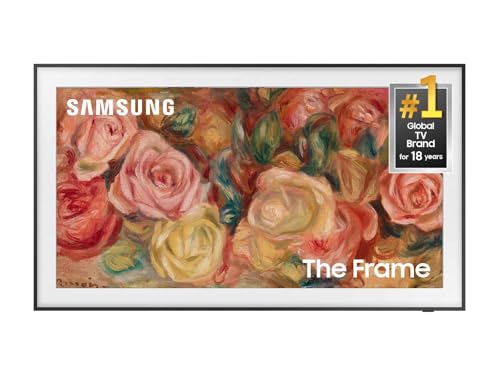



When shopping for a premium 65-inch 4K TV, you'll quickly discover that not all televisions are created equal. At the time of writing, both the Samsung Frame 2024 and Sony BRAVIA 7 occupy similar price territory—roughly $1,200-1,300 for the 65-inch models—but they couldn't be more different in their approach to what a television should be.
The premium 65-inch TV market has evolved dramatically since 2020, with manufacturers pushing two distinct philosophies. Some prioritize raw performance with advanced display technologies like Mini LED backlighting (thousands of tiny LEDs that provide precise brightness control), while others focus on lifestyle integration and design aesthetics. Understanding which approach suits your needs is crucial because these two TVs represent the extremes of each philosophy.
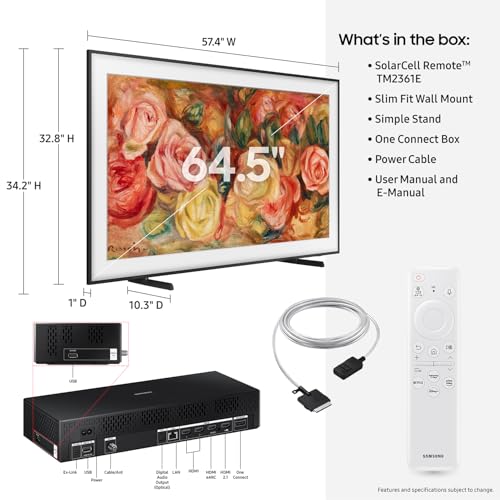
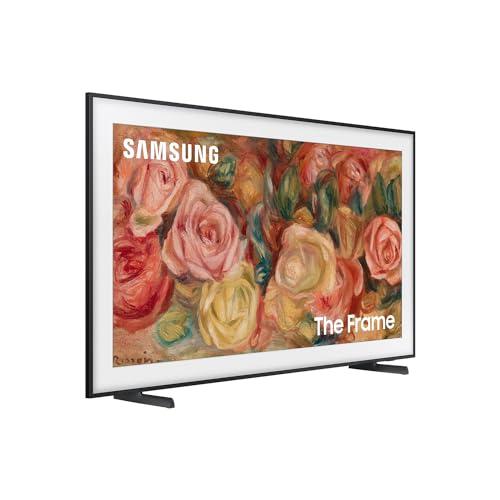
The Samsung Frame 2024, released in early 2024, continues Samsung's unique vision of a television that doubles as artwork. When you're not watching content, it transforms into a digital picture frame, complete with customizable magnetic bezels that make it look like a real framed painting on your wall. This isn't just a marketing gimmick—the entire TV is engineered around this concept, from its ultra-thin 1-inch profile to its specialized matte screen coating.
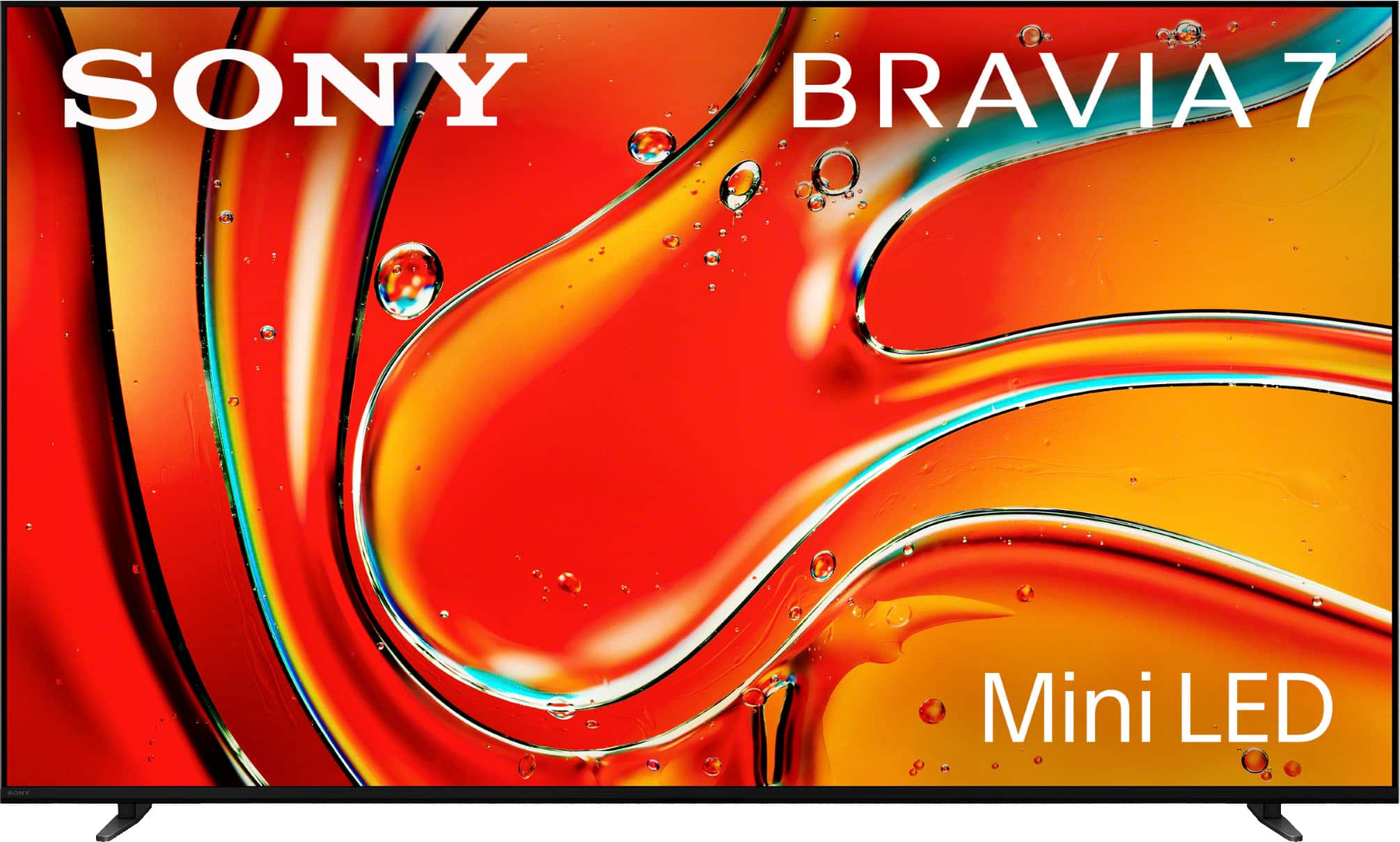
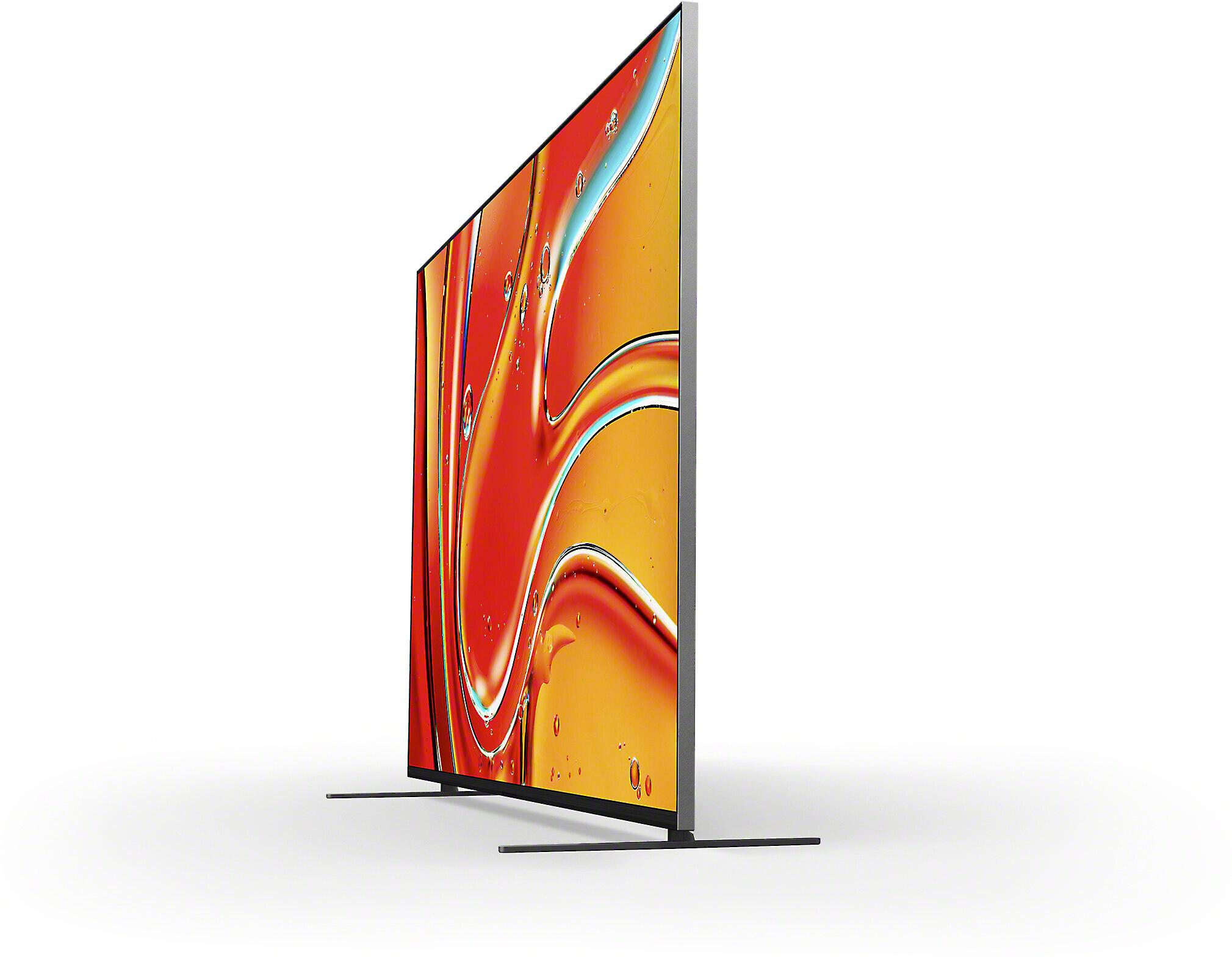
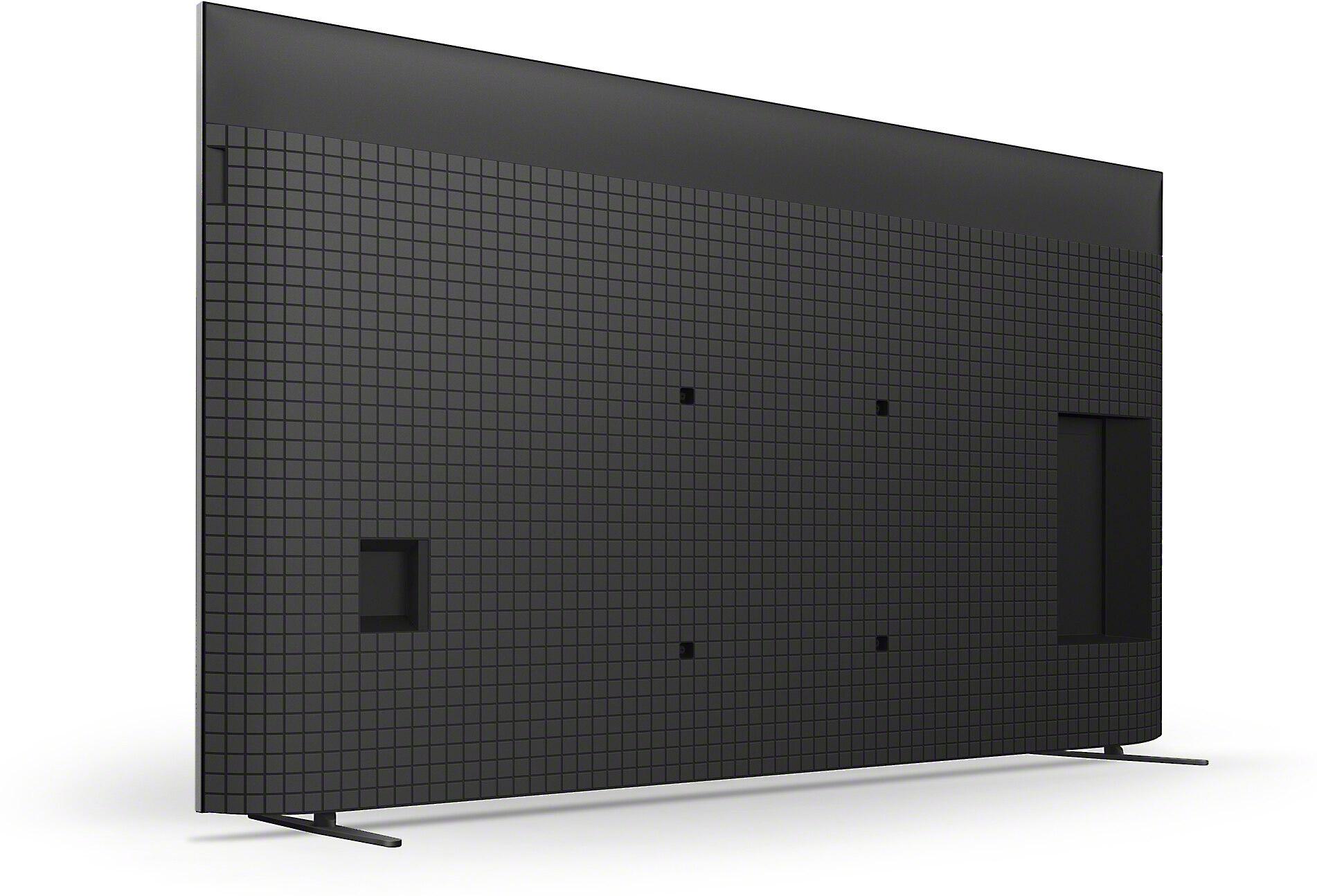
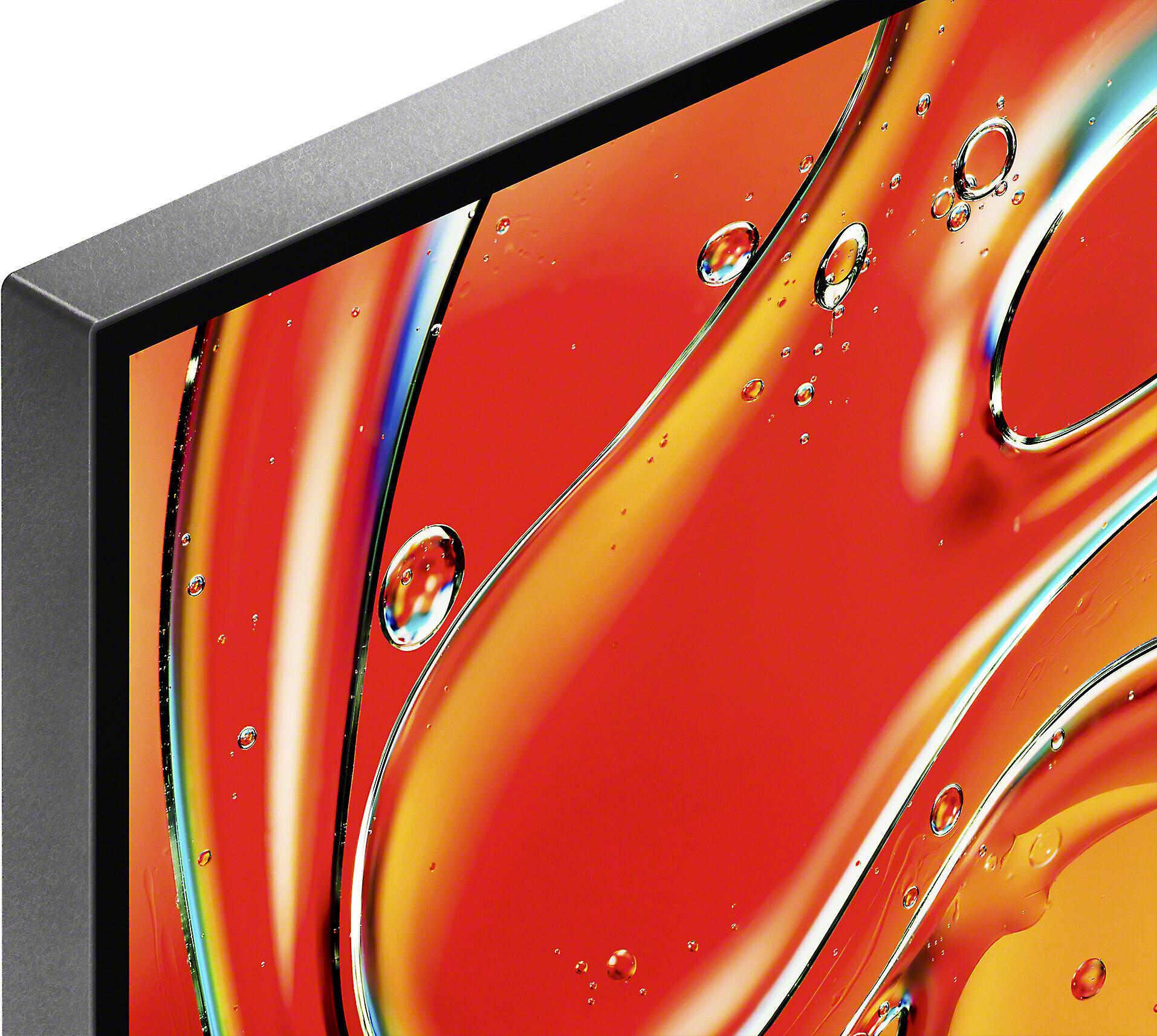
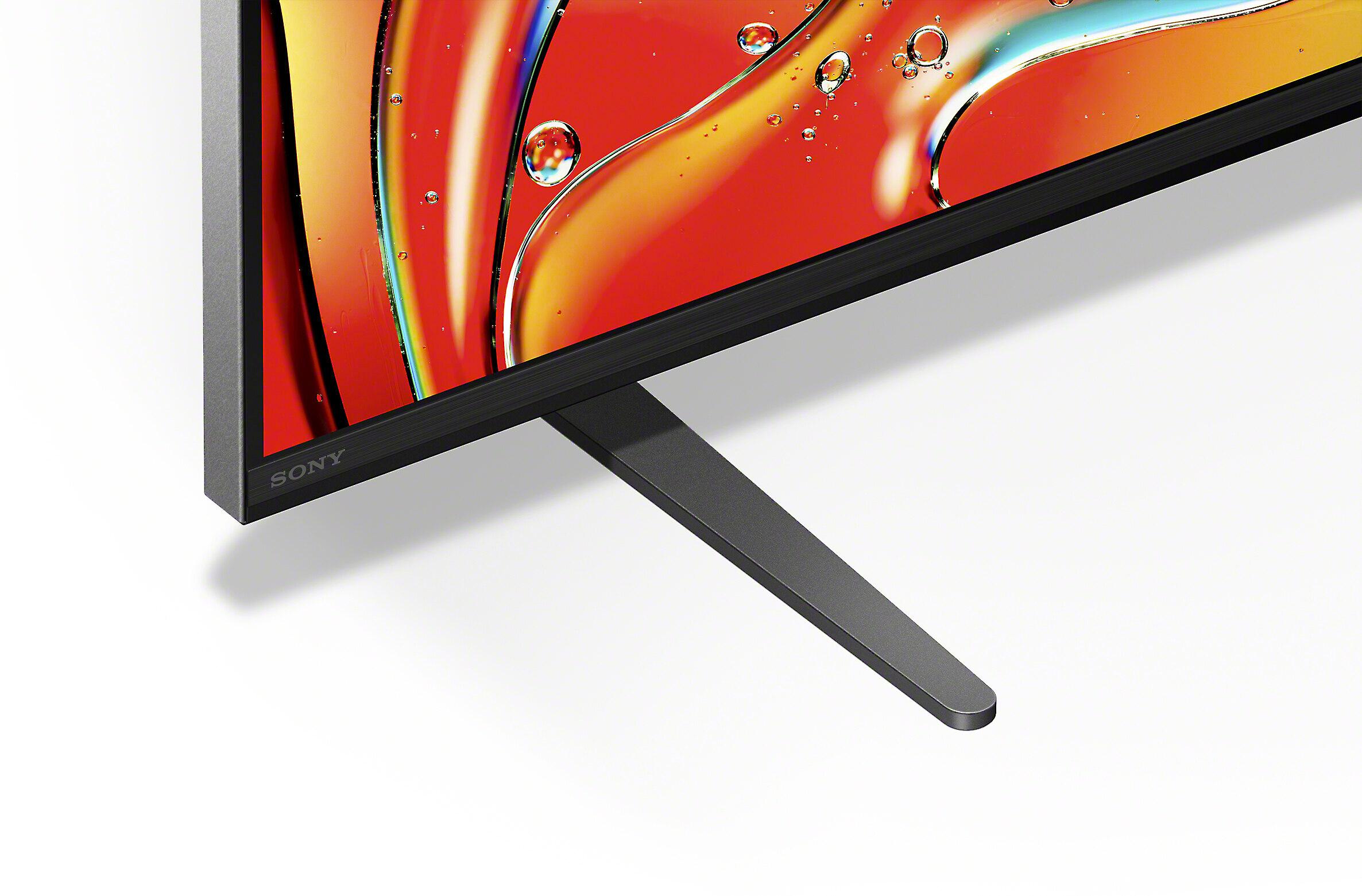
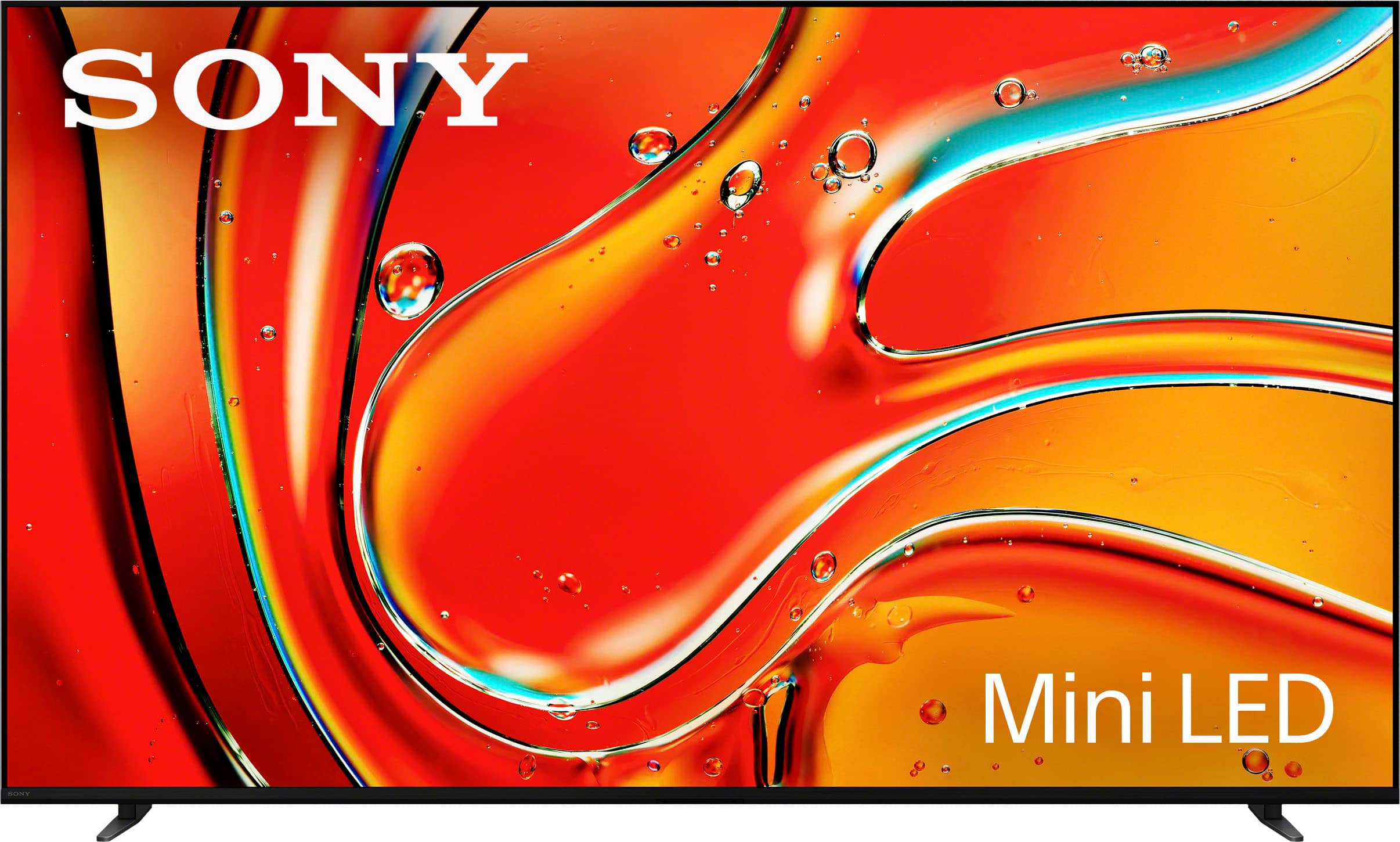
The Sony BRAVIA 7, also launched in 2024, takes the opposite approach. Sony focused entirely on delivering exceptional picture quality through advanced Mini LED backlighting and their flagship XR Cognitive Processor. This TV exists to provide the best possible viewing experience, period. While it won't masquerade as wall art, it will make your movies, shows, and games look spectacular.
Both approaches have merit, but the performance gap between them is substantial. Our research across professional reviews and user feedback consistently shows that picture quality differences aren't subtle—they're immediately noticeable to most viewers.
The heart of any TV is its display technology, and here's where these two models diverge dramatically. The Sony BRAVIA 7 uses Mini LED backlighting with full-array local dimming. Think of this as having thousands of tiny LED lights behind the screen that can brighten or dim independently. When you're watching a scene with bright stars against a dark sky, the Sony can make those stars brilliantly bright while keeping the surrounding space truly dark. This is called contrast, and it's arguably the most important factor in picture quality.
The Samsung Frame 2024, meanwhile, uses edge-lit LED backlighting with no local dimming. This means LEDs along the edges of the screen provide all the lighting, with no ability to control brightness in specific zones. In that same starry sky scene, the Samsung would have to compromise—either make the stars dimmer or accept that the dark sky appears grayish. There's no way around this fundamental limitation.
High Dynamic Range (HDR) content has become the standard for premium streaming and 4K Blu-rays. HDR expands the range between the darkest and brightest parts of an image, creating more realistic and impactful visuals. However, to truly benefit from HDR, a TV needs high peak brightness and precise contrast control.
The Sony BRAVIA 7 excels here, reaching peak brightness levels that make HDR highlights genuinely impressive. When watching something like "Blade Runner 2049" or "Top Gun: Maverick," the difference is striking—explosions have more impact, sunsets look more natural, and metallic surfaces gleam realistically. The Sony supports Dolby Vision, which is considered the premium HDR format, providing scene-by-scene optimization.
The Samsung Frame struggles with HDR despite supporting HDR10+. Its lower peak brightness and lack of local dimming mean HDR content often looks flat and unremarkable compared to what the format is capable of delivering. While the content is technically HDR, you're missing much of what makes HDR special.
Both TVs use Quantum Dot technology (QLED), which enhances color reproduction, but the Sony's implementation is more sophisticated. The BRAVIA 7's XR Triluminos Pro technology, combined with superior processing, delivers noticeably wider and more accurate colors. More importantly, Sony's XR Cognitive Processor is genuinely impressive at upscaling lower-quality content.
This processing advantage matters daily. Most of what we watch—streaming content, cable TV, older movies—isn't pristine 4K. The Sony's processor analyzes content and intelligently enhances it, making a noticeable difference with everything from Netflix shows to YouTube videos. The Samsung Frame has decent processing, but it can't match Sony's sophisticated algorithms.
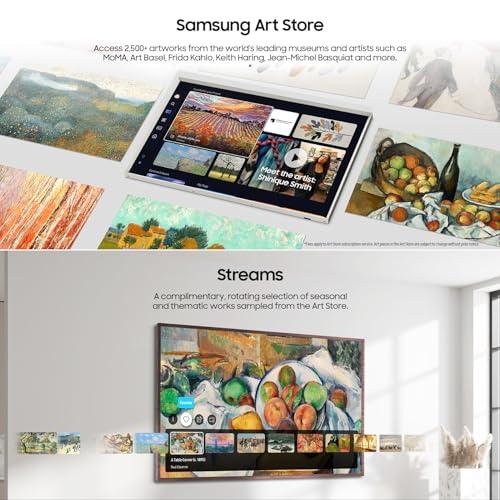
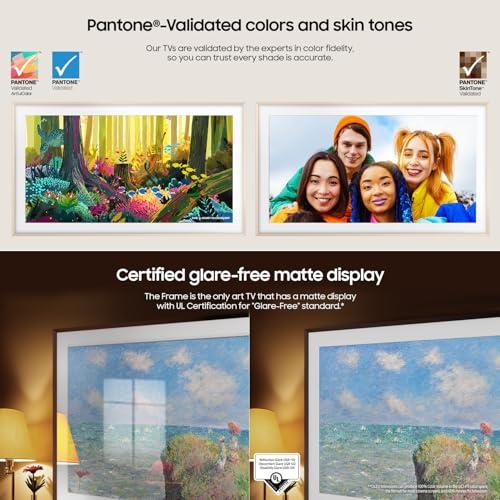
The Samsung Frame's Art Mode deserves serious discussion because it's genuinely innovative. When activated, the TV displays artwork, personal photos, or other static images with a specialized presentation that mimics a real framed piece. The matte screen coating reduces reflections, and a built-in sensor detects when someone approaches, automatically turning on the display.
Samsung offers thousands of artworks through their Art Store, though accessing the full collection requires a monthly subscription (around $5 at the time of writing). You can also upload personal photos through Samsung's SmartThings app. The customizable bezels, sold separately for $200-400 depending on style, complete the illusion.
This feature works surprisingly well. In a well-lit living room, the Samsung Frame genuinely resembles framed artwork when displaying static images. The motion sensor is responsive, and the matte finish does an excellent job minimizing reflections that would break the illusion.
However, this matte coating that makes Art Mode work also impacts regular TV viewing. While it reduces glare, it can make colors appear slightly muted and affects contrast in some lighting conditions. You're essentially trading some picture quality for the aesthetic benefit.
Modern gaming demands low input lag (the delay between your controller input and on-screen response), high refresh rates, and support for next-generation console features. This is where the performance gap becomes a chasm.
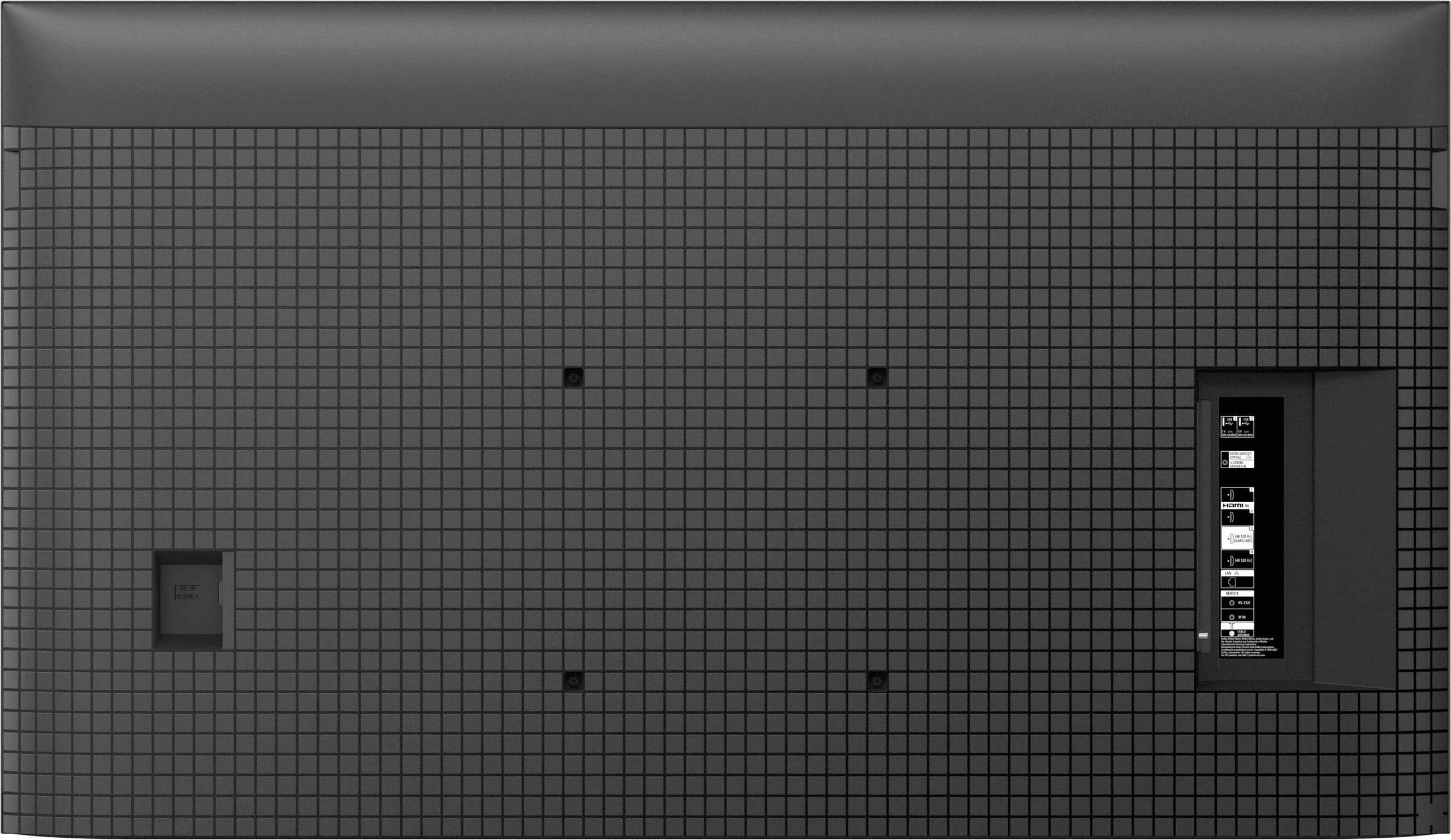
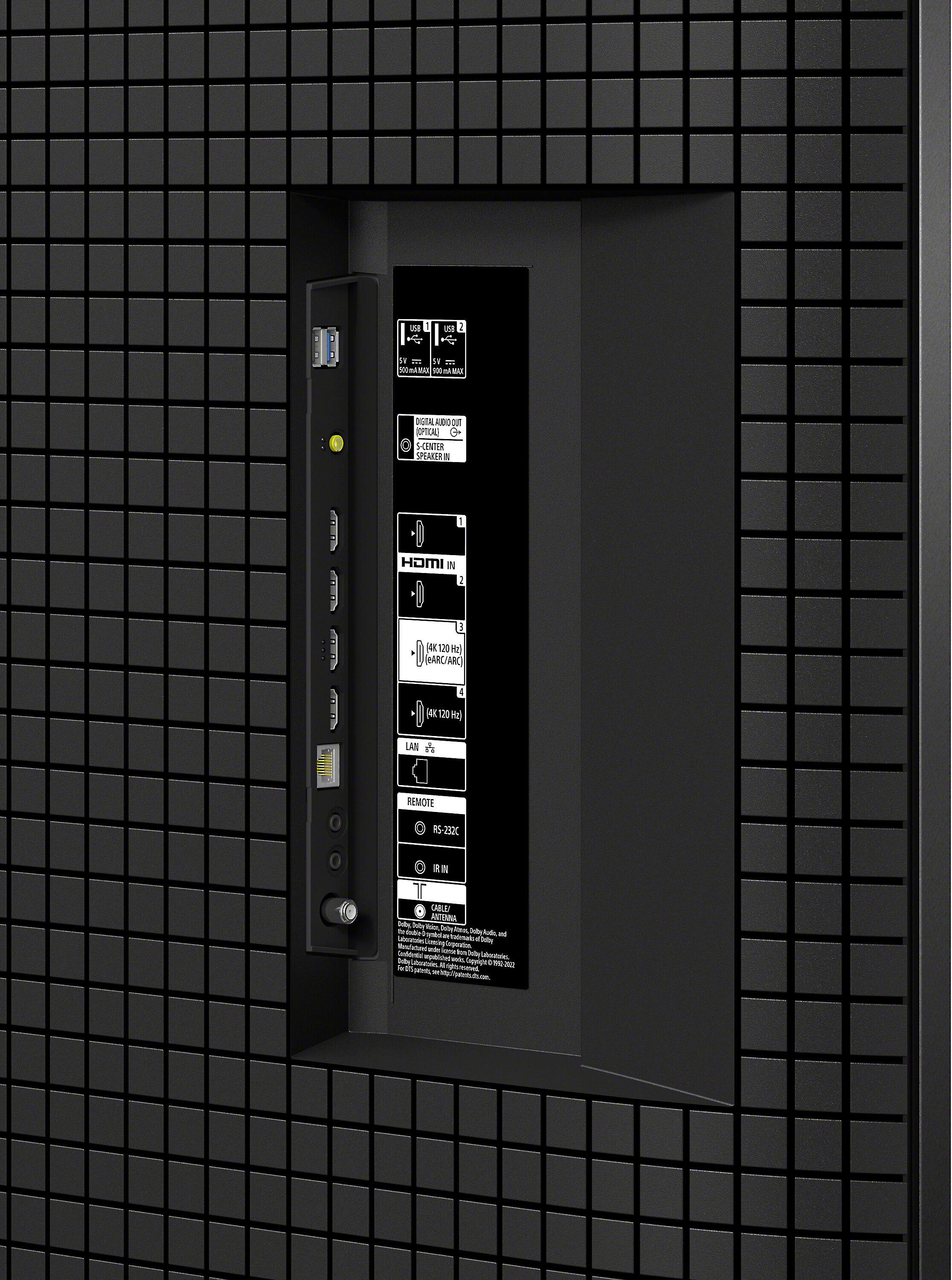
The Sony BRAVIA 7 delivers proper gaming performance with input lag under 8.5 milliseconds in Game Mode—that's imperceptible to humans. It supports 4K at 120Hz on two HDMI 2.1 ports, Variable Refresh Rate (VRR) for smooth gameplay, and Auto Low Latency Mode (ALLM) that automatically optimizes settings when it detects gaming content. For PlayStation 5 owners, Sony includes specific optimizations like Auto HDR Tone Mapping.
The Samsung Frame is frankly poor for gaming. Input lag exceeds 30 milliseconds, making competitive gaming frustrating and reducing your performance in fast-paced games. Worse, it uses HDMI 2.0 connectivity rather than HDMI 2.1, limiting bandwidth and preventing you from taking full advantage of Xbox Series X or PlayStation 5 capabilities.
If gaming matters to you at all, the Sony is the obvious choice. The Samsung might work for casual puzzle games, but anything requiring quick reactions will be hampered.
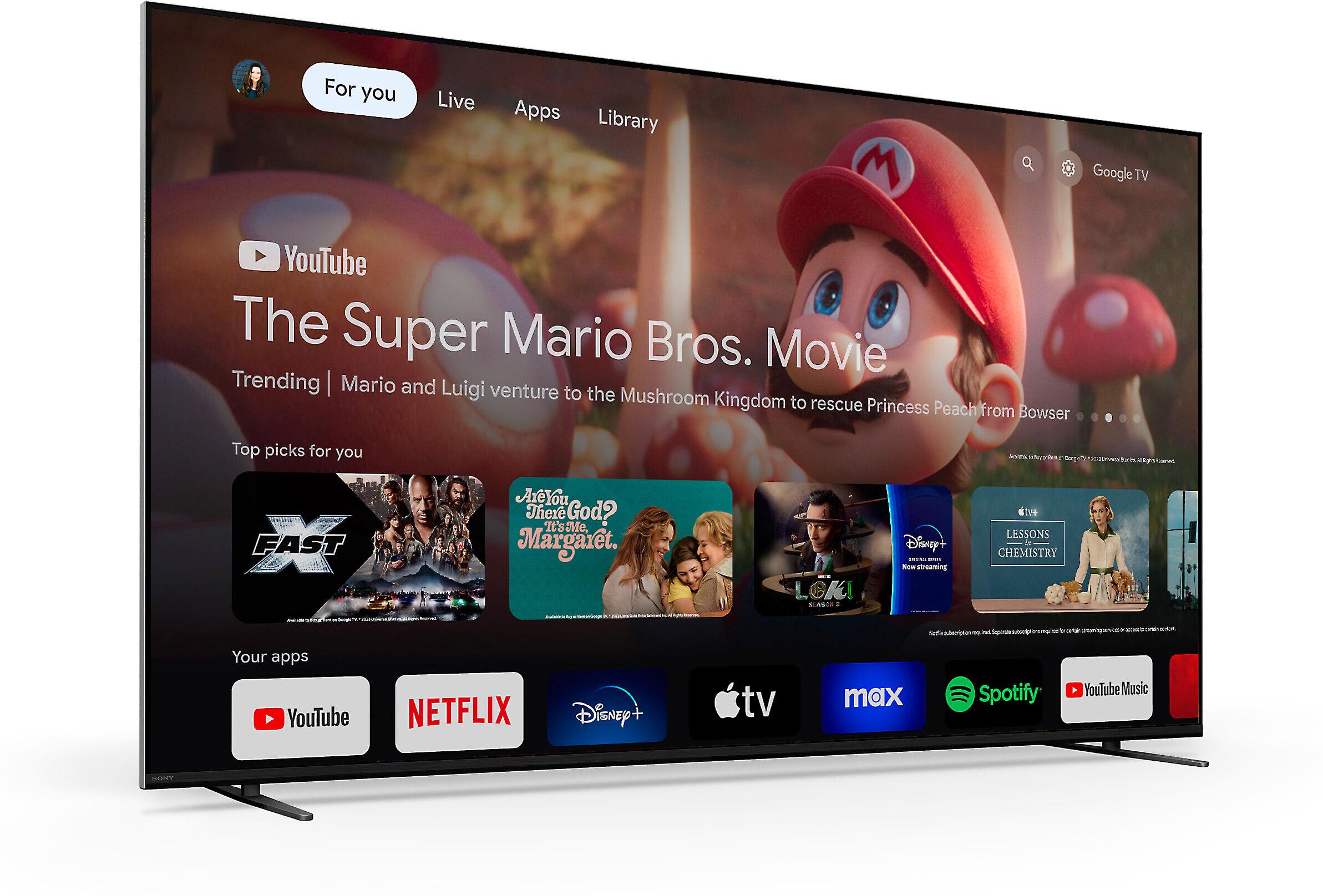
Both TVs run capable smart platforms, but with different strengths. The Sony BRAVIA 7 uses Google TV, which provides excellent content recommendations across multiple streaming services and seamless integration with Google Assistant and Chromecast. The interface is logical and responsive.
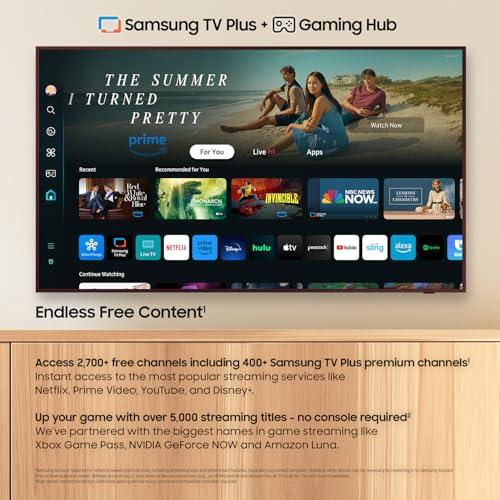
The Samsung Frame runs Samsung's Tizen OS, which offers broad app support and works well enough for most users. However, the interface feels secondary to the TV's aesthetic functions, and Samsung's voice assistant isn't as sophisticated as Google Assistant.
Both platforms support all major streaming services, so your daily viewing experience will be similar. The Sony's superior processing provides a noticeable advantage when watching compressed streaming content or lower-quality sources.
For dedicated home theater use, the Sony BRAVIA 7 is dramatically superior. Home theater enthusiasts prioritize picture quality above all else, and the Sony delivers on every metric that matters: contrast, brightness, color accuracy, and processing quality.
The Sony's Mini LED implementation provides the deep blacks and bright highlights that make movies immersive. Its Dolby Vision support ensures you're seeing films as directors intended. For dark room viewing—the typical home theater environment—the Sony's advantages are maximized while the Samsung's reflection-reducing matte coating provides no benefit.
The Samsung Frame makes more sense in living rooms where the TV needs to integrate aesthetically with décor. Its Art Mode functionality can justify the picture quality compromises if having a traditional black rectangle on your wall is unacceptable.
Neither TV will replace a proper sound system, but both include decent built-in audio. The Sony BRAVIA 7 features 40-watt speakers with Dolby Atmos support, providing reasonable sound for casual viewing. Sony's Acoustic Auto Calibration adjusts audio based on your room characteristics.
The Samsung Frame also includes 40-watt audio with Dolby Atmos, but the ultra-thin design limits speaker placement and performance. For serious viewing, you'll want to add a soundbar to either TV.
At the time of writing, both TVs occupy similar price territory, making the value comparison straightforward. The Sony BRAVIA 7 delivers substantially superior performance across nearly every measurable metric for roughly the same cost. This represents exceptional value in the premium TV market.
The Samsung Frame's pricing reflects its unique design rather than display performance. When you factor in the additional costs for custom bezels and the Art Store subscription, the total cost of ownership increases significantly. You're paying a premium for aesthetic integration rather than technical excellence.
For most buyers focused on getting the best TV for their money, the Sony represents better value. The Samsung only makes financial sense if you specifically want the Art Mode functionality and are willing to accept picture quality compromises.
Choose the Sony BRAVIA 7 if you:
Choose the Samsung Frame if you:
These TVs serve fundamentally different purposes, and understanding that is crucial to making the right choice. The Sony BRAVIA 7 is a television first and foremost—one that happens to be excellent at its job. The Samsung Frame is a lifestyle product that happens to show TV content.
For most buyers, the Sony represents better value and will provide more satisfying performance over the years. Its superior picture quality, gaming capabilities, and processing make it suitable for any viewing scenario. The Mini LED backlighting and advanced processor ensure it will handle whatever content you throw at it, now and in the future.
The Samsung serves a specific niche beautifully. If you've always disliked how TVs look when turned off, if you want to display artwork in your living space, and if you can accept meaningful picture quality compromises for aesthetic integration, the Frame might justify its premium pricing.
But don't mistake the Samsung for a performance television. Despite its premium price, it delivers picture quality closer to mid-range models from 2-3 years ago. The unique design and Art Mode features are genuinely innovative, but they come at a significant cost in viewing experience.
The decision ultimately comes down to priorities. Do you want the best possible TV viewing experience, or do you want a TV that disappears into your décor when not in use? Both approaches have merit, but only one will leave you satisfied if picture quality matters to your daily viewing enjoyment.
| Samsung 65" The Frame QLED 4K 2024 TV | Sony BRAVIA 7 65" 4K UHD Smart Google TV |
|---|---|
| Display Technology - Determines contrast and picture quality capabilities | |
| QLED with edge-lit LED backlighting, no local dimming | Mini LED with full-array local dimming zones |
| Peak HDR Brightness - Critical for impactful HDR and bright room viewing | |
| ~590 nits (adequate but not impressive) | Significantly higher (excellent HDR impact) |
| HDR Format Support - Affects compatibility with premium streaming content | |
| HDR10, HDR10+, HLG (no Dolby Vision) | HDR10, HDR10+, HLG, Dolby Vision |
| Refresh Rate - Important for smooth motion and gaming | |
| 120Hz native (limited gaming implementation) | 120Hz native with proper gaming optimization |
| Gaming Performance - Essential for console gaming | |
| Poor: >30ms input lag, HDMI 2.0 only | Excellent: <8.5ms input lag, two HDMI 2.1 ports |
| HDMI 2.1 Support - Needed for 4K 120Hz gaming from modern consoles | |
| No (HDMI 2.0 limits next-gen console features) | Yes (two ports support full 4K 120Hz bandwidth) |
| Screen Finish - Affects reflection handling and art display | |
| Matte anti-reflective coating (great for Art Mode) | Standard glossy finish (better color vibrancy) |
| Art Mode Capability - Unique lifestyle feature for displaying artwork | |
| Yes, with motion sensor and customizable bezels | No (traditional TV functionality only) |
| Smart TV Platform - Determines app selection and user experience | |
| Samsung Tizen OS (good app support) | Google TV (excellent recommendations and integration) |
| Audio System - Built-in sound quality | |
| 40W 2.0.2CH with Dolby Atmos | 40W with Dolby Atmos and room calibration |
| Design Philosophy - Different approaches to what a TV should be | |
| Ultra-thin lifestyle product (1" depth, wall art aesthetic) | Performance-focused traditional TV design |
| Image Processing - Affects upscaling and content enhancement | |
| Standard Quantum Processor 4K | Advanced XR Cognitive Processor (superior upscaling) |
| VRR Gaming Support - Reduces screen tearing in games | |
| Basic VRR implementation | Full VRR with FreeSync Premium support |
| Wall Mounting - Installation considerations | |
| Slim-Fit mount included, flush installation | Standard VESA mount, thicker profile |
| Additional Costs - Hidden expenses beyond initial purchase | |
| Custom bezels ($200-400), Art Store subscription (~$5/month) | None (all features included) |
The Sony BRAVIA 7 delivers significantly better picture quality with its Mini LED backlighting and full-array local dimming. This technology provides deeper blacks, brighter highlights, and better contrast compared to the Samsung Frame 2024's edge-lit design. The Sony also features superior image processing that makes streaming content and older movies look noticeably sharper and more detailed.
The Samsung Frame 2024 is worth considering if displaying artwork when not watching TV is important to you. The Art Mode works well with the matte screen coating and motion sensor activation. However, you'll pay extra for custom bezels and a monthly Art Store subscription. The art feature comes at the cost of picture quality compared to the Sony BRAVIA 7.
The Sony BRAVIA 7 is dramatically better for gaming with low input lag under 8.5ms, two HDMI 2.1 ports for 4K 120Hz gaming, and proper VRR support. The Samsung Frame has poor gaming performance with over 30ms input lag and only HDMI 2.0 ports, making it unsuitable for competitive gaming or taking full advantage of next-gen consoles.
Yes, both the Samsung Frame 2024 and Sony BRAVIA 7 support all major streaming services including Netflix, Disney+, Prime Video, YouTube, and Apple TV+. The Sony uses Google TV platform while Samsung uses Tizen OS. Both provide access to the same apps, though Google TV offers better content recommendations across services.
The Sony BRAVIA 7 achieves significantly higher peak brightness levels, making it better for bright rooms and more impactful HDR content. While the Samsung Frame has a matte screen coating that reduces glare and reflections, its lower overall brightness can make the picture appear less vibrant in well-lit environments.
The Sony BRAVIA 7 supports Dolby Vision, HDR10+, HDR10, and HLG formats, providing the most comprehensive HDR compatibility. The Samsung Frame 2024 supports HDR10+, HDR10, and HLG but lacks Dolby Vision support. Combined with the Sony's higher brightness and local dimming, HDR content looks much more impressive on the BRAVIA 7.
The Samsung Frame has additional costs including custom bezels ($200-400) and an Art Store subscription (around $5/month) to access the full artwork library. The Sony BRAVIA 7 includes all features with no additional subscriptions or required accessories, making it more cost-effective long-term.
The Sony BRAVIA 7 uses Google TV with Google Assistant, Chromecast built-in, and excellent content recommendations. The Samsung Frame 2024 runs Tizen OS with decent smart features but less sophisticated voice control. Both support major streaming apps, but Google TV provides a more integrated and user-friendly experience.
The Samsung Frame is specifically designed for flush wall mounting with its ultra-thin 1-inch profile and included Slim-Fit wall mount. The Sony BRAVIA 7 can be wall mounted but will protrude more from the wall due to its thicker design housing the Mini LED backlighting system.
The Sony BRAVIA 7 is significantly better for home theater use with superior contrast from Mini LED local dimming, higher brightness for impactful HDR, and better color accuracy. The Samsung Frame's matte coating and lower contrast make it less suitable for dark room viewing where picture quality is paramount.
Both the Samsung Frame 2024 and Sony BRAVIA 7 feature 40-watt audio systems with Dolby Atmos support. The Sony includes Acoustic Auto Calibration that adjusts sound based on your room. Neither TV will replace a proper sound system, but both provide adequate audio for casual viewing.
The Sony BRAVIA 7 offers better long-term value with superior picture quality, proper gaming support for current and future consoles, comprehensive HDR format support, and advanced processing that will handle future content well. The Samsung Frame is better value only if you specifically want the art display functionality and accept the picture quality compromises.
We've done our best to create useful and informative comparisons to help you decide what product to buy. Our research uses advanced automated methods to create this comparison and perfection is not possible - please contact us for corrections or questions. These are the sites we've researched in the creation of this article: tomsguide.com - rtings.com - rtings.com - youtube.com - bestbuy.com - techlicious.com - youtube.com - smalllilystudio.com - theeverymom.com - livingetc.com - pcrichard.com - image-us.samsung.com - samsung.com - images.samsung.com - samsung.com - buydig.com - tvsbook.com - bestbuy.com - samsung.com - samsung.com - flatpanelshd.com - bestbuy.com - bestbuy.com - avsforum.com - avsforum.com - crutchfield.com - sony.com - rtings.com - schaeferstv.com - youtube.com - displayspecifications.com

Privacy Policy
Terms and Conditions - Affiliate Policy
Home Security
© Copyright 2008-2026.
11816 Inwood Rd #1211, Dallas, TX 75244