

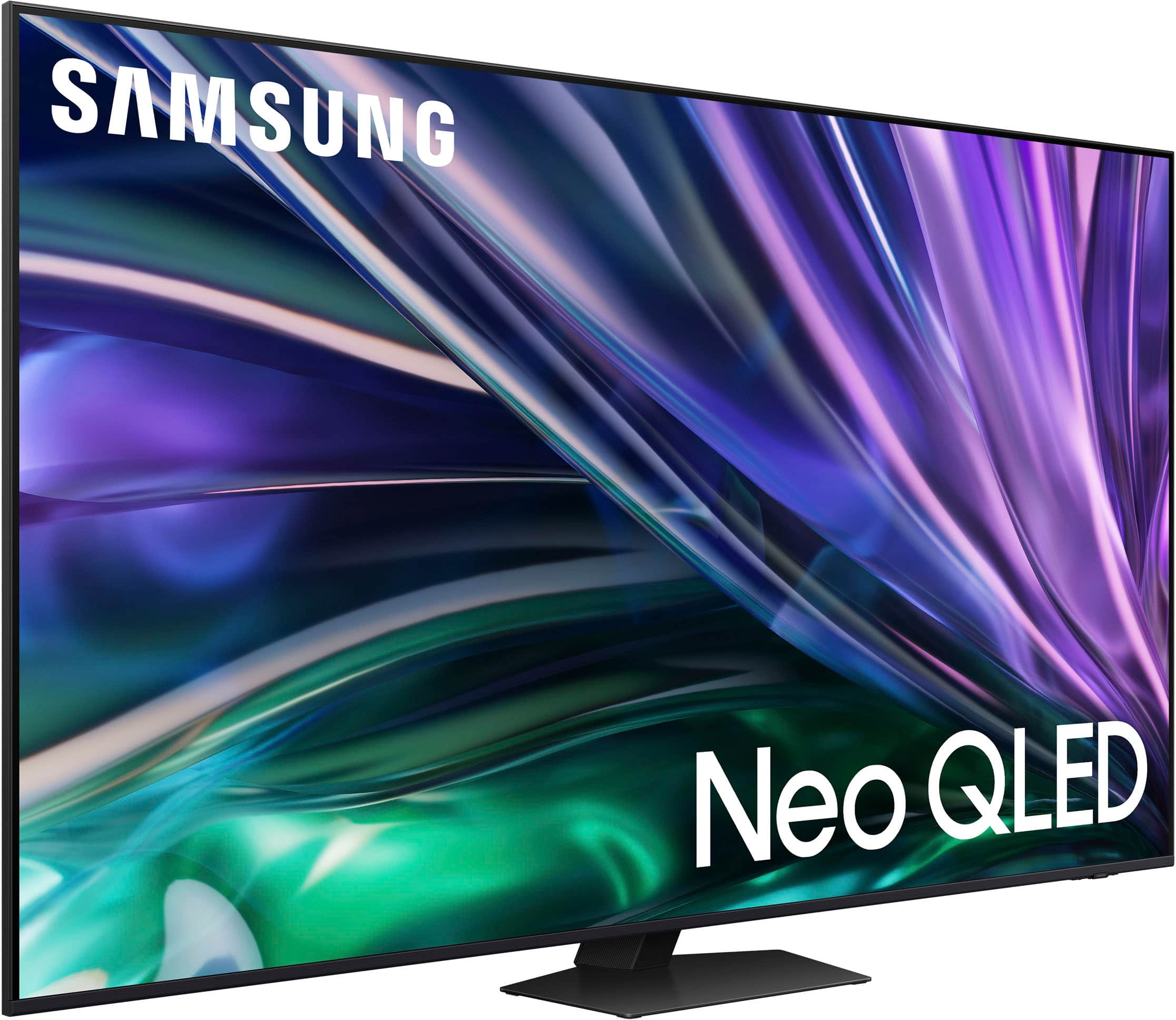

Choosing between Samsung's 65" The Frame QLED and the 65" QN85D Neo QLED isn't just about picking a TV—you're deciding between two completely different philosophies of what a television should be in your home. Released in 2024, both represent Samsung's latest thinking, but they solve very different problems for very different people.
Before diving into the comparison, let's talk about what separates premium TVs from budget models. The key battlegrounds are display technology, HDR performance (that's High Dynamic Range, which makes bright things brighter and dark things darker for more realistic images), gaming features, and increasingly, how the TV fits into your living space.
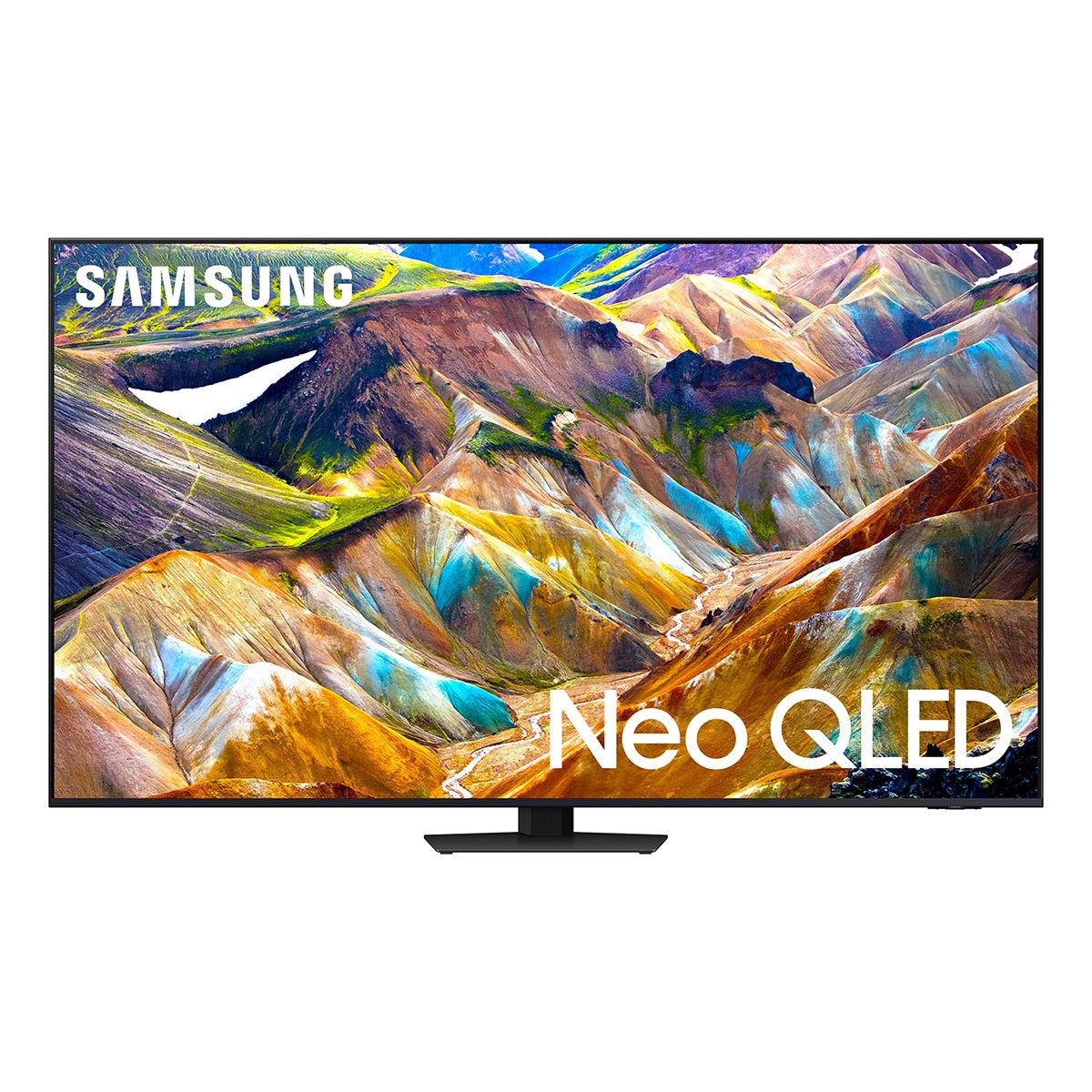
Both the Frame and QN85D use QLED technology, which stands for Quantum Dot Light Emitting Diode. Think of quantum dots as tiny particles that take backlight and convert it into very pure, vibrant colors. But here's where things get interesting—the QN85D takes this a step further with something called Neo QLED.
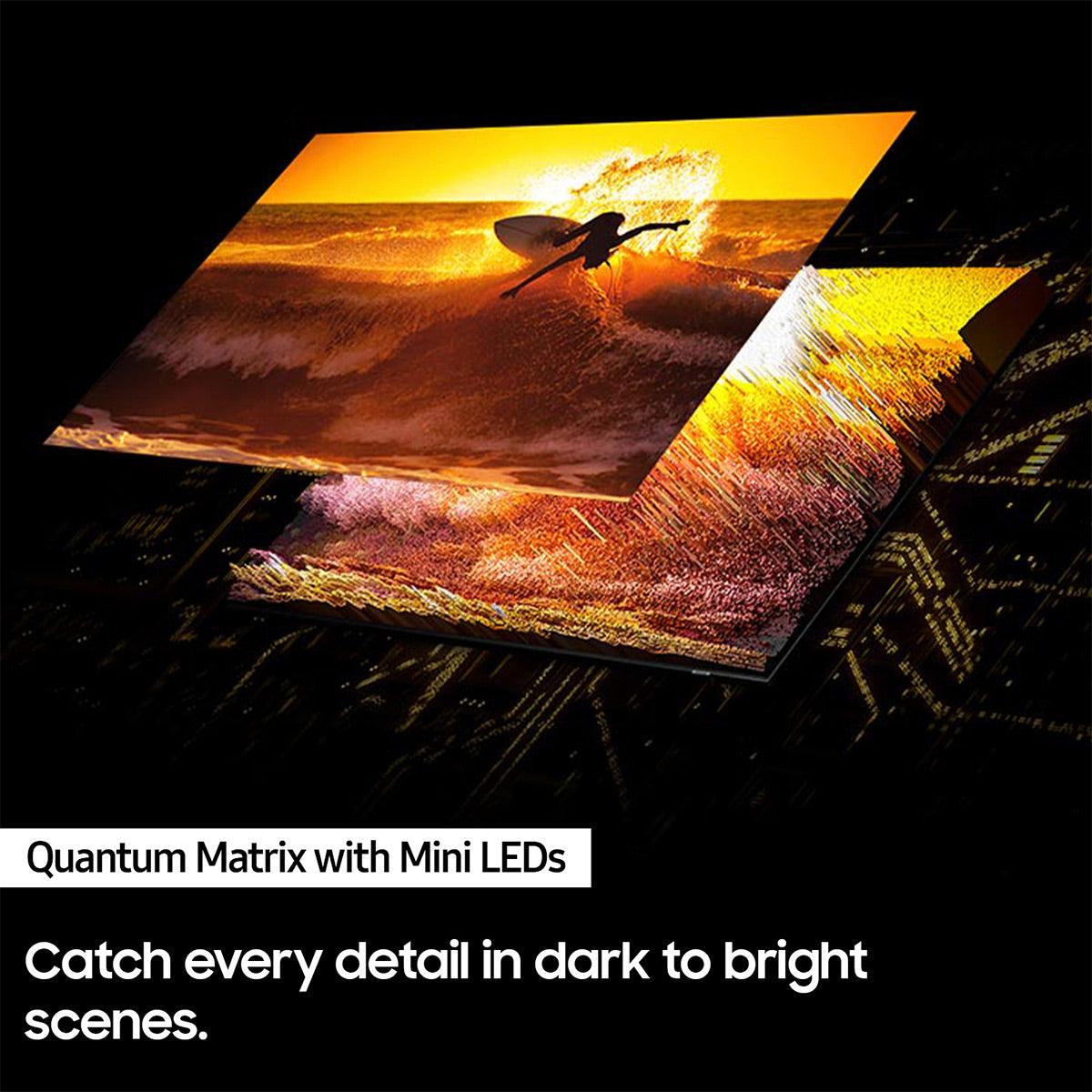
The "Neo" part refers to Mini-LED backlighting, where Samsung uses thousands of LEDs that are much smaller than traditional TV backlights. These Mini-LEDs can be controlled in groups called "local dimming zones." Imagine being able to dim or brighten different parts of your TV screen independently—that's what local dimming does, and more zones mean more precise control over contrast.
The most fundamental difference between these TVs lies in their backlighting systems. The QN85D uses Mini-LED technology with 160 local dimming zones on the 65-inch model. This might not sound like a lot compared to some premium TVs that boast over 1,000 zones, but Samsung has gotten clever with their algorithms. The TV can selectively dim areas of the screen to make blacks look deeper while keeping bright areas punchy.
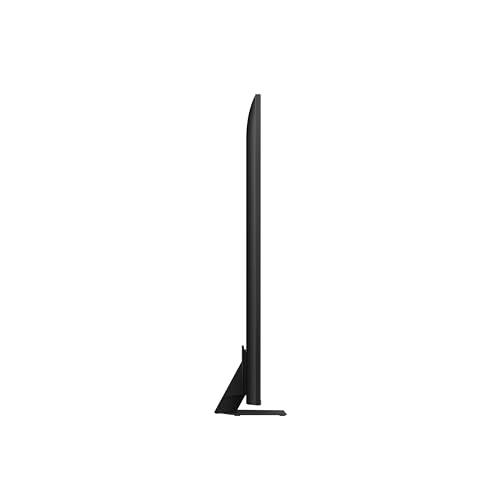
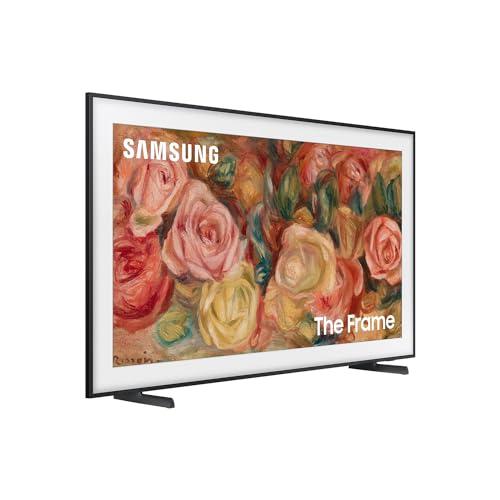
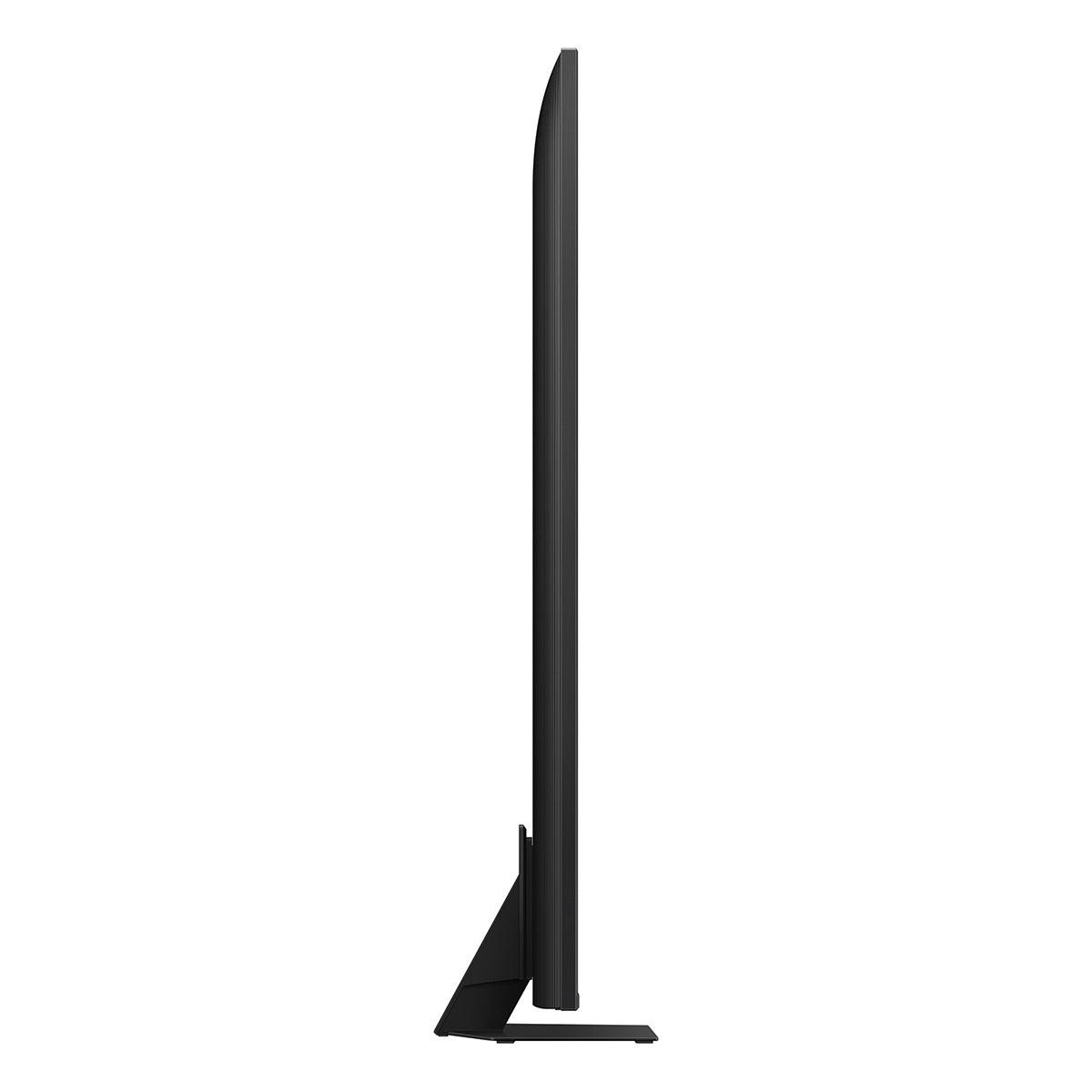
The Frame, meanwhile, uses edge-lighting, where LEDs are placed around the edges of the screen rather than behind it. This design choice allows for the ultra-thin profile that makes the Frame look like actual wall art, but it comes with trade-offs in picture performance.
In practical terms, this means the QN85D will give you much better contrast—the difference between the darkest blacks and brightest whites. When you're watching a movie with dark scenes, like a thriller or space movie, the QN85D will show deeper blacks and prevent that "grayish" look that can wash out dark content. The Frame still produces a good picture, but it can't match this level of contrast control.
Both TVs achieve impressive peak brightness, but the QN85D typically gets brighter, which matters for HDR content and bright room viewing. Peak brightness is measured in "nits"—think of it as how much light the TV can put out. Higher numbers mean more impressive HDR highlights and better performance in bright rooms.
The QN85D runs on Samsung's NQ4 AI Gen2 Processor, which represents a significant step up from previous generations. This processor uses artificial intelligence to analyze content in real-time, making decisions about how to optimize color, contrast, and sharpness for each scene. It's particularly good at upscaling—taking lower resolution content and making it look sharper on the 4K screen.
The Frame uses Samsung's Quantum Processor 4K, which is capable but not quite as sophisticated. You'll notice the difference most when watching older content or lower-quality streaming, where the QN85D's more advanced processor does a better job of cleaning up and enhancing the image.
HDR performance is where the QN85D really flexes its muscles. Both TVs support HDR10 and HDR10+ (but neither supports Dolby Vision, which is worth noting if you collect 4K Blu-rays). However, the QN85D's Mini-LED backlighting and higher peak brightness make HDR content significantly more impactful.
When watching HDR movies, the QN85D can display brighter highlights—think of the sun reflecting off water or explosions in action movies—while maintaining detail in dark areas. The Frame handles HDR decently, but the highlights won't pop as much, and you'll lose some of the "wow factor" that good HDR is supposed to provide.
For home theater enthusiasts, this difference is substantial. The QN85D brings you much closer to what filmmakers intended, especially in scenes with high contrast between light and dark elements.
Gaming performance has become a crucial consideration as PlayStation 5 and Xbox Series X push 4K gaming at 120Hz. Here's where the differences become stark.
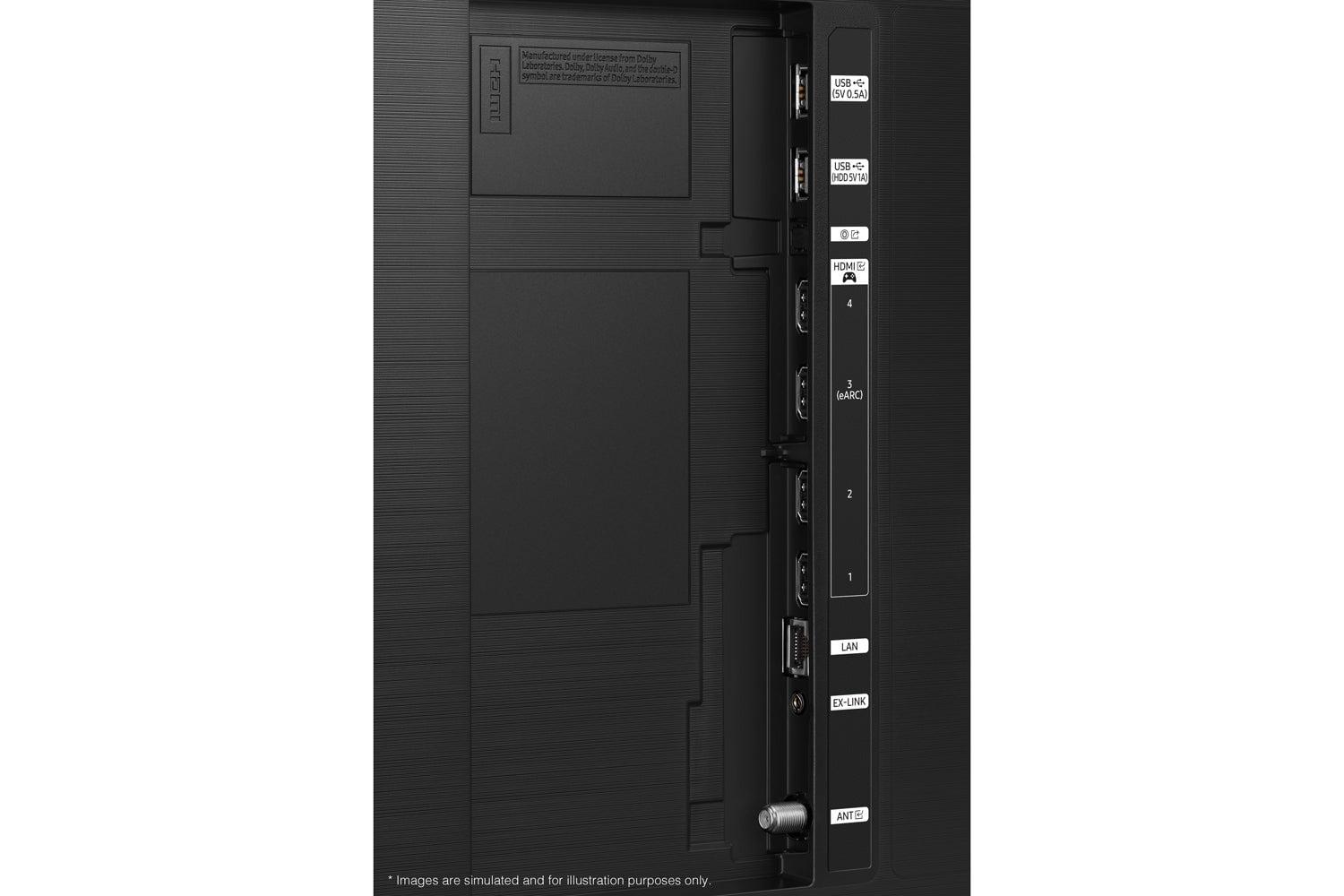
The QN85D is a gaming powerhouse with four full HDMI 2.1 ports. HDMI 2.1 is the newest connection standard that carries enough data for 4K at 120 frames per second with Variable Refresh Rate (VRR). VRR synchronizes the TV's refresh rate with your gaming console's output, eliminating screen tearing and stuttering.
The Frame has HDMI 2.1 support, but it's more limited—you get the full bandwidth on fewer ports. This matters if you have multiple gaming consoles or want to connect a high-end PC. The QN85D also supports more VRR formats, making it compatible with a wider range of gaming devices.
Both TVs feature low input lag, which is the delay between when you press a button and when you see the result on screen. For competitive gaming, this is crucial, and both TVs perform well here.
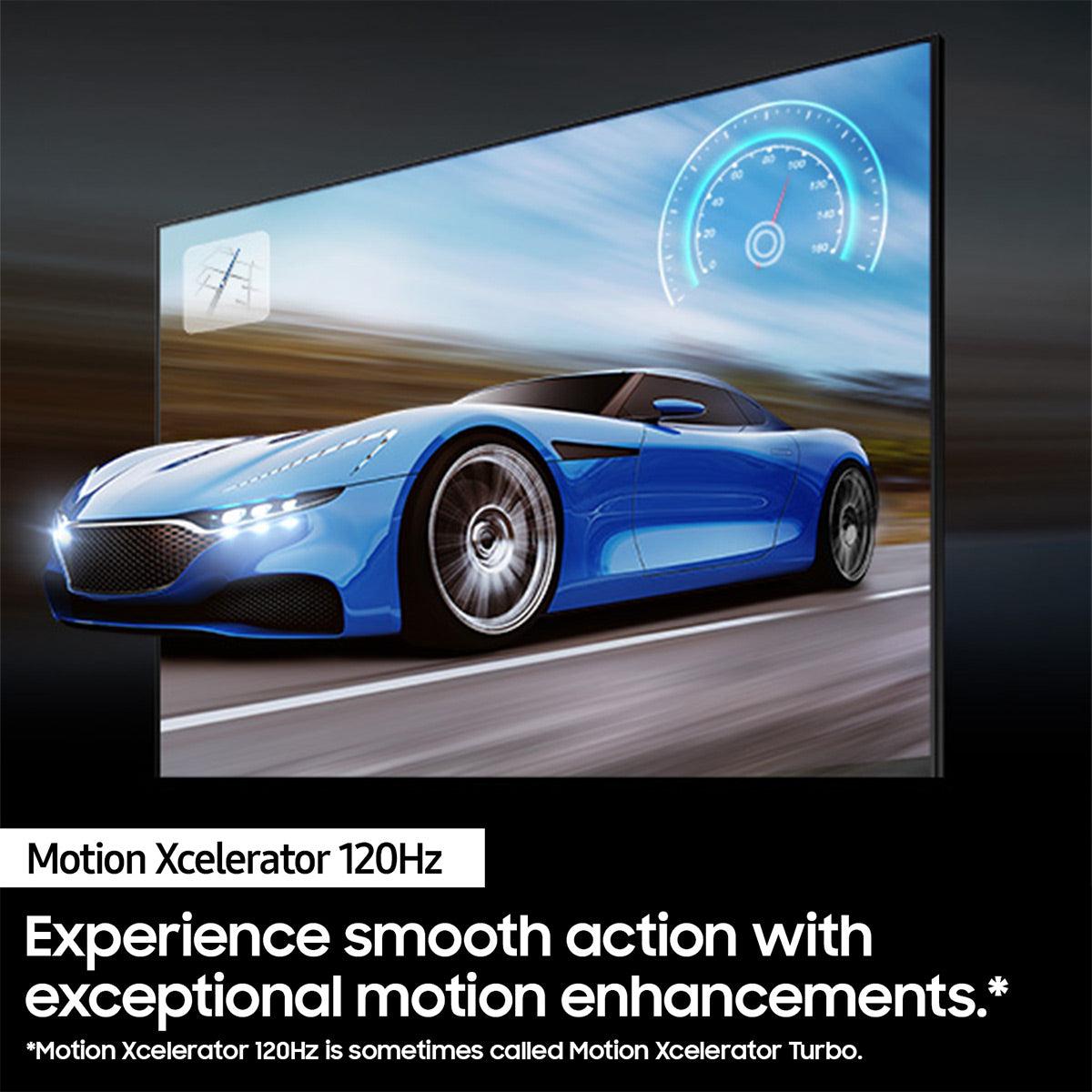
Motion handling during gaming is another area where the QN85D pulls ahead. Its Motion Xcelerator technology does an excellent job with fast-moving content, whether that's racing games or first-person shooters.
This is where these TVs diverge most dramatically. The Frame isn't just trying to be a good TV—it's trying to disappear when you're not using it.
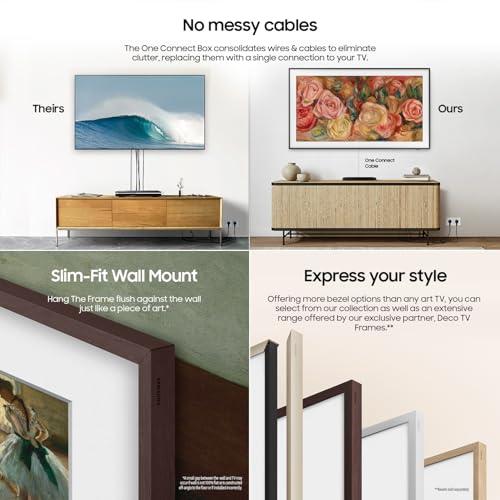
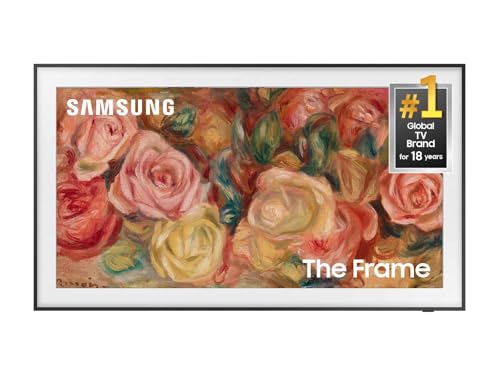
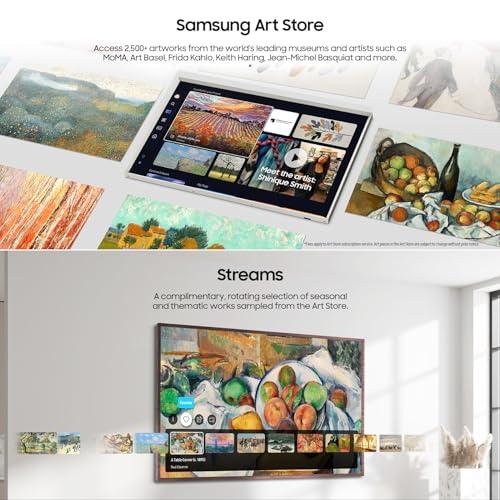
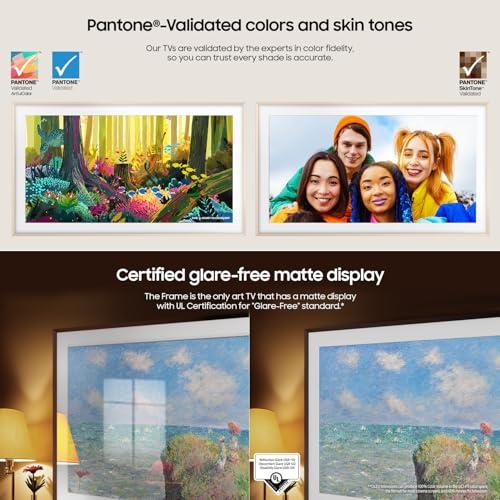
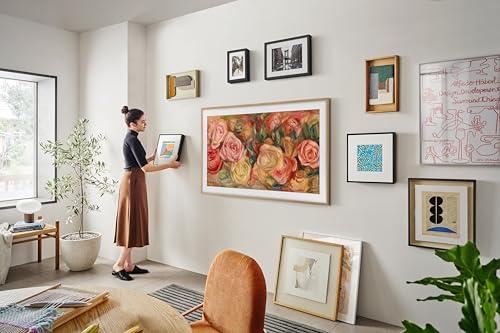
The Frame's Art Mode is genuinely impressive. When you turn off regular TV content, it switches to displaying artwork or your personal photos. The anti-glare matte screen coating makes this look remarkably like real art, especially when paired with Samsung's customizable bezels that mimic picture frames. The TV includes a brightness sensor that automatically adjusts the display based on room lighting, just like a real painting would look different throughout the day.
Samsung has partnered with museums and artists to offer a curated art library, though accessing the full collection requires a subscription. You can also upload your own photos through the SmartThings app, turning family memories into rotating wall art.
The QN85D takes a more traditional approach. It's designed to deliver the best possible picture when you're watching it, without worrying about what it looks like when you're not. The design is clean and modern, but it's unmistakably a TV.
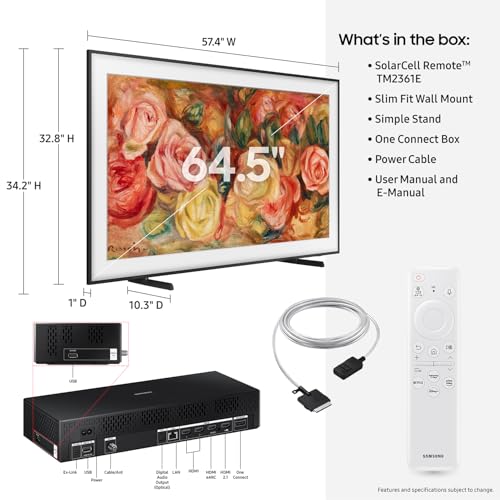
For installation, the Frame includes a slim-fit wall mount and uses Samsung's One Connect box, which consolidates all your cable connections into an external box. This means only one thin cable runs to the TV, creating a very clean wall installation that really does look like a mounted piece of art.
Both TVs support Dolby Atmos, which creates three-dimensional surround sound that can make audio seem like it's coming from above, behind, and around you. However, the QN85D has a more sophisticated audio system overall.
The QN85D features Object Tracking Sound Lite, which tries to make audio follow the action on screen. If a car drives from left to right in a movie, the sound moves with it. This technology works better with the TV's more powerful audio processing.
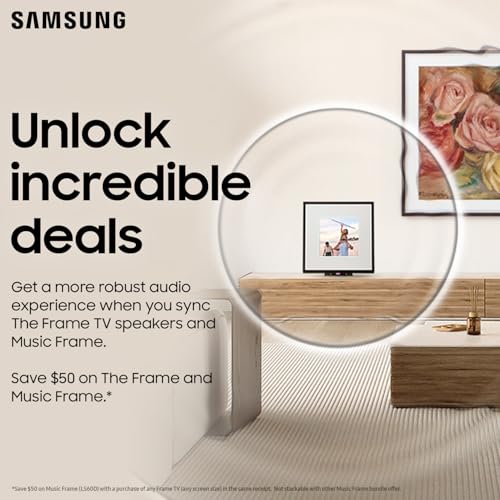
Both TVs support Q-Symphony, Samsung's technology that lets the TV speakers work together with compatible Samsung soundbars instead of being disabled. This creates a fuller, more immersive soundstage than using either the TV or soundbar alone.
For most people, neither TV's built-in audio will be sufficient for serious home theater use. TV speakers, no matter how advanced, simply can't match a dedicated sound system due to size constraints. But for casual viewing, both provide decent audio quality.
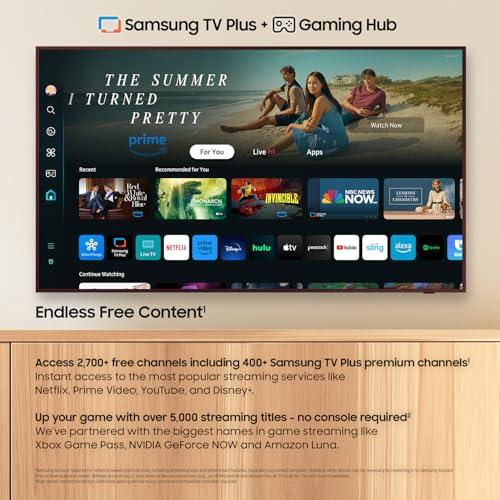
Both TVs run Samsung's Tizen operating system, which has evolved into one of the better smart TV platforms. It's responsive, offers a good selection of apps, and integrates well with other Samsung devices and smart home systems.
Samsung TV Plus provides free streaming content with ads, which has become surprisingly comprehensive. You'll find news channels, classic TV shows, and even some current content without needing any subscriptions.
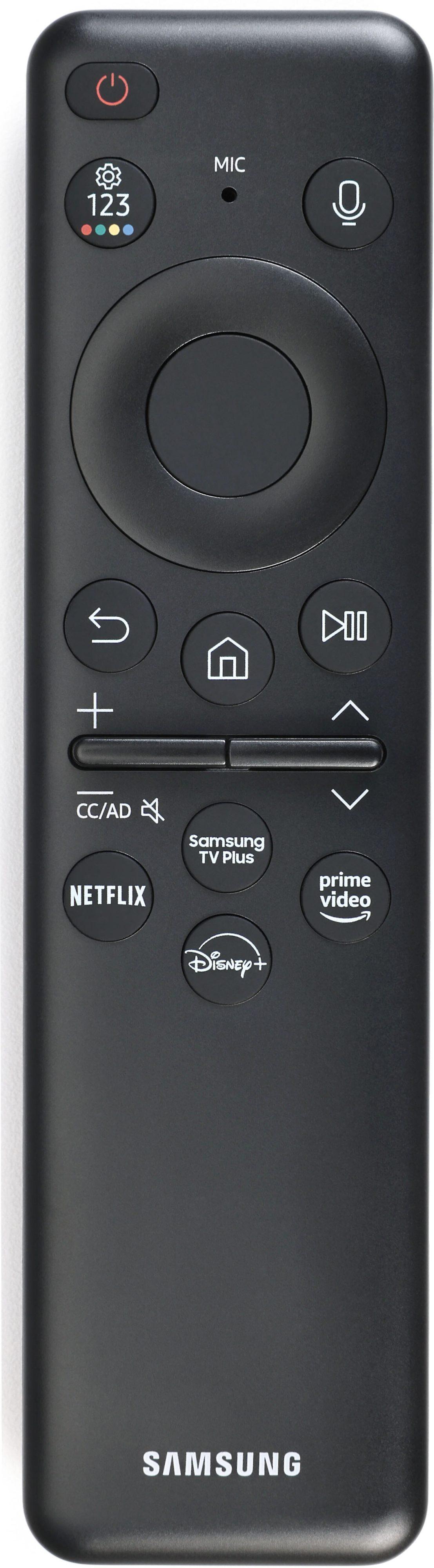
Voice control works through multiple assistants—Bixby (Samsung's assistant), Amazon Alexa, and Google Assistant. The TV responds to voice commands for changing channels, adjusting volume, and launching apps.
Both TVs integrate with Samsung's SmartThings ecosystem, allowing control of compatible smart home devices directly from the TV. This is particularly useful for adjusting lights, thermostats, or security cameras.
Room lighting plays a huge role in TV performance, and these TVs handle different environments very differently.
The Frame's anti-glare coating is genuinely effective at reducing reflections from lamps and windows. In bright living rooms with lots of natural light, it maintains good image quality where other TVs might look washed out. However, this matte coating slightly softens the image compared to glossy screens.
The QN85D has good brightness to overcome indirect lighting, but direct reflections from windows or lamps can be more distracting. Its glossy screen provides sharper image quality but at the cost of more visible reflections.
For dark room viewing—like a dedicated home theater—the QN85D is clearly superior. Its Mini-LED backlighting delivers the deep blacks and bright highlights that make movies look their best in dark environments.
At the time of writing, the Frame commands a significant premium over the QN85D. This price difference reflects the Frame's specialized design and lifestyle features rather than superior picture quality.
The Frame's value proposition depends heavily on how much you value its aesthetic benefits. If having a TV that looks like art when not in use is important to your home's design, the premium may be worthwhile. However, from a pure performance standpoint, the QN85D delivers more picture quality per dollar.
Consider additional costs too. The Frame's customizable bezels are sold separately and can add significant cost if you want multiple frame styles. The art subscription service also represents an ongoing expense if you want access to the full artwork library.
Both TVs should age well from a technology standpoint. They support current gaming console features, have robust smart platforms, and offer enough processing power to handle future software updates.
The QN85D Neo QLED is the clear choice if picture quality is your primary concern. Its Mini-LED backlighting delivers superior contrast, better HDR performance, and more impressive overall image quality. For home theater enthusiasts, serious gamers, or anyone who wants the best possible picture, this is the obvious pick.
The Frame QLED makes sense for a specific type of buyer: someone who values design integration and wants their TV to enhance their living space even when not in use. It's perfect for open-concept homes, formal living rooms, or anywhere the TV needs to blend into carefully designed décor.
For most people prioritizing performance and value, the QN85D offers more impressive picture quality at a lower price. Its superior HDR performance, better gaming features, and more advanced processing make it a stronger long-term choice.
However, if you've ever looked at a big black rectangle on your wall and wished it could be something more beautiful when not showing content, the Frame might be worth its premium. Just understand you're paying for lifestyle benefits rather than picture quality leadership.
Both represent solid choices within Samsung's 2024 lineup, but they serve fundamentally different priorities. Choose based on whether you value maximum performance or maximum integration with your living space.
| Samsung 65" The Frame QLED 4K 2024 TV | Samsung 65" QN85D Neo QLED 4K Smart TV |
|---|---|
| Display Technology - Core difference affecting picture quality | |
| Standard QLED with edge-lit backlighting | Neo QLED with Mini-LED backlighting and 160 local dimming zones |
| Peak Brightness - Critical for HDR impact and bright room viewing | |
| Up to 590 nits (good for most content) | Higher peak brightness with superior HDR highlights |
| Contrast Performance - Makes blacks look deeper and colors more vibrant | |
| Limited contrast due to edge-lighting design | Native contrast ratio exceeding 160,000:1 with Mini-LED control |
| Processor - Affects upscaling and image processing quality | |
| Quantum Processor 4K | NQ4 AI Gen2 Processor with 2.5x more AI neural networks |
| Gaming Features - Important for PlayStation 5/Xbox Series X owners | |
| 120Hz, VRR support, limited HDMI 2.1 ports | 4 full HDMI 2.1 ports, comprehensive VRR support, Motion Xcelerator Turbo |
| Design Philosophy - Determines how TV integrates into your space | |
| Art Mode with customizable bezels, anti-glare matte display | Traditional TV design focused on performance over aesthetics |
| HDR Support - Affects movie and streaming quality | |
| Quantum HDR, HDR10/HDR10+ (no Dolby Vision) | Neo Quantum HDR, HDR10/HDR10+ (no Dolby Vision) |
| Audio System - Built-in sound quality | |
| 40W 2.0.2 channel with Dolby Atmos | Object Tracking Sound Lite with Dolby Atmos, Q-Symphony support |
| Reflection Handling - How well it performs in bright rooms | |
| Excellent anti-glare matte coating reduces reflections | Good brightness but more visible direct reflections |
| Motion Handling - Important for sports and action content | |
| Adequate motion processing | Excellent motion processing comparable to plasma displays |
| Value Proposition - Performance per dollar consideration | |
| Premium pricing for lifestyle features and design | Better picture quality at lower price point |
| Best Use Case - Who should buy this TV | |
| Design-conscious buyers wanting TV-as-art functionality | Performance-focused buyers prioritizing picture quality and gaming |
The Samsung 65" QN85D Neo QLED delivers superior picture quality thanks to its Mini-LED backlighting technology with 160 local dimming zones. This provides much deeper blacks, brighter highlights, and better contrast compared to the Samsung 65" The Frame QLED, which uses standard edge-lighting. For home theater viewing, the QN85D offers more impactful HDR performance and better dark room performance.
The key difference is their design philosophy and display technology. The Samsung 65" The Frame QLED is designed as a lifestyle TV that doubles as wall art with its Art Mode and customizable bezels, while the Samsung 65" QN85D Neo QLED focuses on maximum picture performance with Mini-LED technology for superior contrast and brightness.
The Samsung 65" QN85D Neo QLED is significantly better for gaming, offering four full HDMI 2.1 ports that support 4K at 120Hz with comprehensive VRR (Variable Refresh Rate) support. The Samsung 65" The Frame QLED has more limited HDMI 2.1 support, making the QN85D ideal for households with multiple gaming consoles.
Only the Samsung 65" The Frame QLED features Art Mode, which transforms the TV into a digital art display with access to curated artwork and personal photos. The Samsung 65" QN85D Neo QLED is a traditional TV without art display functionality, focusing purely on entertainment performance.
The Samsung 65" The Frame QLED excels in bright rooms due to its anti-glare matte display coating that significantly reduces reflections from windows and lights. While the Samsung 65" QN85D Neo QLED has higher peak brightness, its glossy screen shows more visible reflections in bright environments.
Yes, both the Samsung 65" The Frame QLED and Samsung 65" QN85D Neo QLED run Samsung's Tizen operating system with identical smart features, including major streaming apps, Samsung TV Plus, voice assistant support, and SmartThings integration for smart home control.
The Samsung 65" QN85D Neo QLED provides better value from a performance perspective, offering superior picture quality with Mini-LED technology at a lower price point. The Samsung 65" The Frame QLED commands a premium for its unique design features and Art Mode functionality rather than picture performance.
The Samsung 65" QN85D Neo QLED has a more advanced audio system with Object Tracking Sound Lite technology that moves audio with on-screen action. Both TVs support Dolby Atmos and Q-Symphony for soundbar integration, but the QN85D offers more sophisticated audio processing overall.
For dedicated home theaters with controlled lighting, the Samsung 65" QN85D Neo QLED is clearly superior. Its Mini-LED backlighting delivers the deep blacks and bright highlights essential for an immersive movie experience, while the Samsung 65" The Frame QLED cannot match this level of contrast performance in dark rooms.
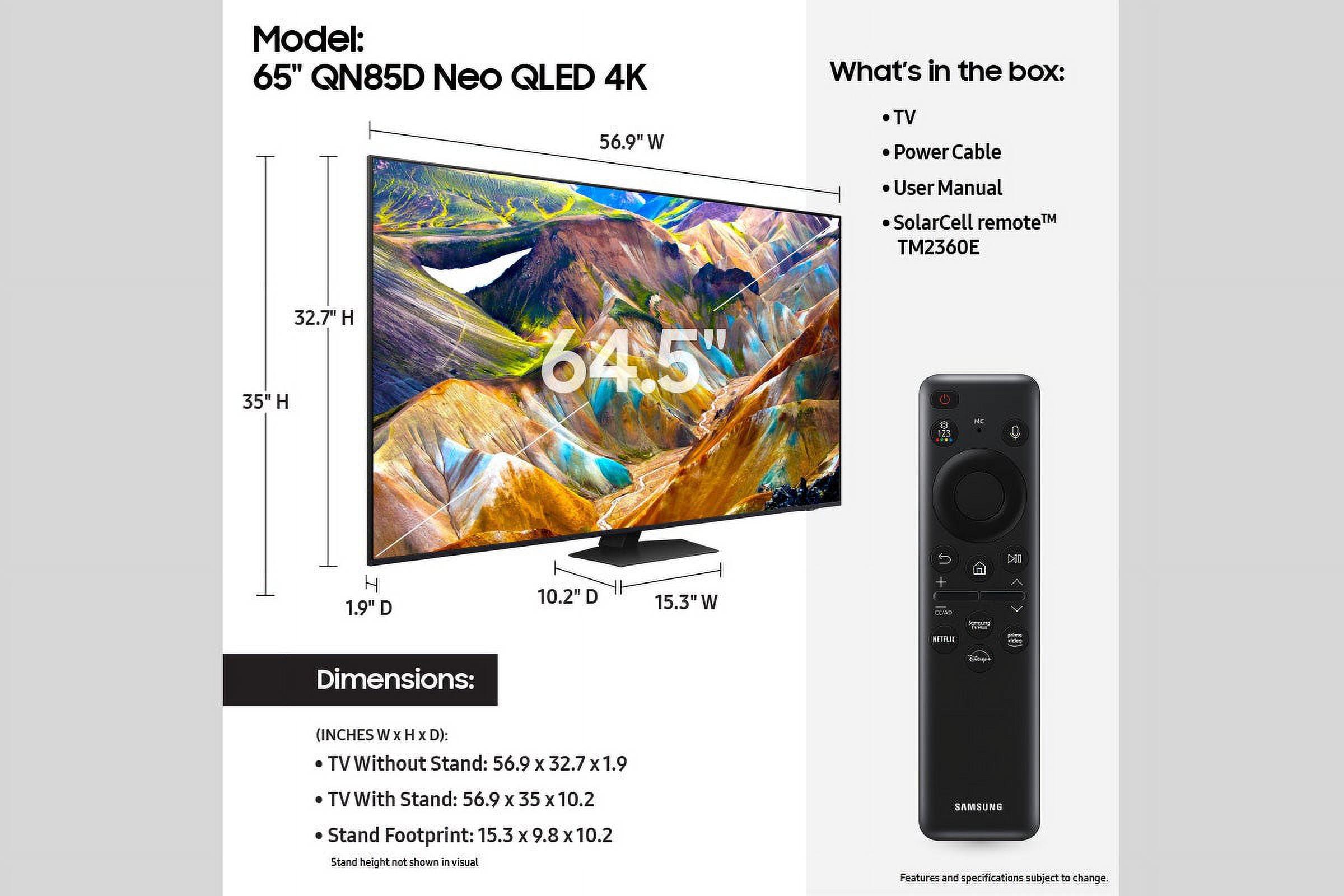
The Samsung 65" The Frame QLED is specifically designed for flush wall mounting and includes a Slim-Fit wall mount with the One Connect box for minimal cable visibility. The Samsung 65" QN85D Neo QLED can be wall mounted but won't achieve the same ultra-thin, artwork-like appearance as the Frame.
Both the Samsung 65" The Frame QLED and Samsung 65" QN85D Neo QLED should age well with current gaming console support and robust smart platforms. However, the QN85D's more advanced processor and superior picture technology may provide better long-term performance as content quality continues to improve.
Choose the Samsung 65" The Frame QLED if you prioritize design integration, want Art Mode functionality, and need excellent bright room performance. Select the Samsung 65" QN85D Neo QLED if you want the best picture quality, serious gaming features, and superior value for performance-focused viewing.
We've done our best to create useful and informative comparisons to help you decide what product to buy. Our research uses advanced automated methods to create this comparison and perfection is not possible - please contact us for corrections or questions. These are the sites we've researched in the creation of this article: tomsguide.com - rtings.com - rtings.com - youtube.com - bestbuy.com - techlicious.com - youtube.com - smalllilystudio.com - theeverymom.com - livingetc.com - pcrichard.com - image-us.samsung.com - samsung.com - images.samsung.com - samsung.com - buydig.com - tvsbook.com - bestbuy.com - samsung.com - samsung.com - flatpanelshd.com - bestbuy.com - rtings.com - youtube.com - youtube.com - avsforum.com - youtube.com - samsung.com - videoandaudiocenter.com - shopjetson.com - mysoundconcepts.com - samsung.com - merlinstv.com - youtube.com - samsung.com - samsung.com

Privacy Policy
Terms and Conditions - Affiliate Policy
Home Security
© Copyright 2008-2026.
11816 Inwood Rd #1211, Dallas, TX 75244