


When shopping for a premium 65-inch TV, you'll quickly discover that Samsung offers two dramatically different approaches to high-end viewing. The Samsung 65" The Frame QLED 4K transforms your wall into an art gallery, while the Samsung QN900D Series 65" Neo QLED 8K pushes the boundaries of display technology. Both released in 2024, these TVs represent opposing philosophies: one prioritizes seamless home integration, the other delivers cutting-edge performance.
Understanding which approach suits your needs requires diving into what makes each TV unique. At the time of writing, the QN900D commands roughly $1,000 more than The Frame, but this price difference tells only part of the story.
Premium TVs have evolved beyond simple entertainment displays. Today's high-end models must balance multiple priorities: exceptional picture quality, smart features, aesthetic appeal, and future-proofing. The challenge lies in determining which aspects matter most for your specific situation.
The Samsung Frame represents the lifestyle TV category, where the device disappears into your decor when not actively displaying content. Meanwhile, the QN900D belongs to the performance flagship category, where manufacturers showcase their most advanced display technologies.
Both approaches have merit, but they serve different masters. The key considerations include how the TV integrates into your living space, what content you consume, your viewing environment's lighting conditions, and whether you prioritize having the latest display technology.
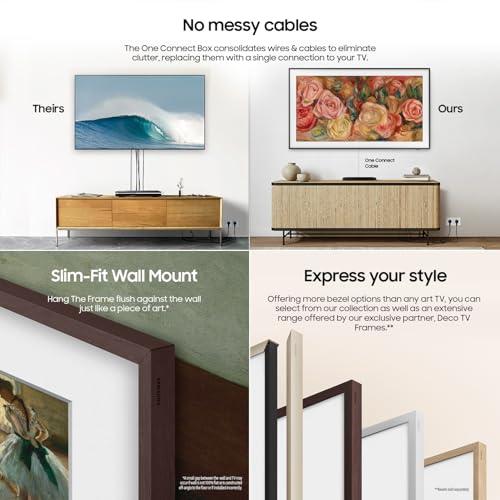
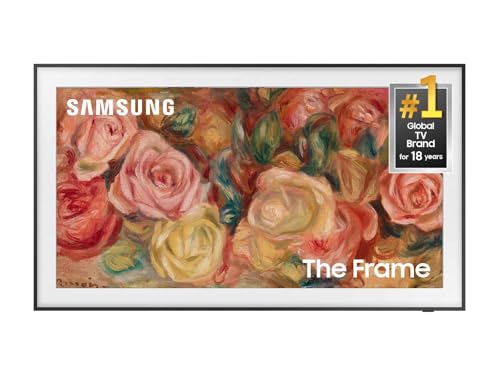
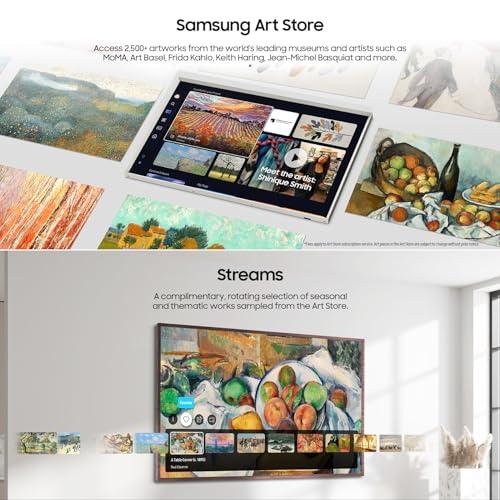
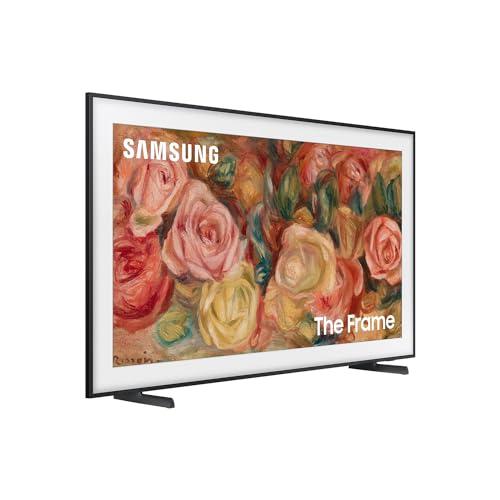
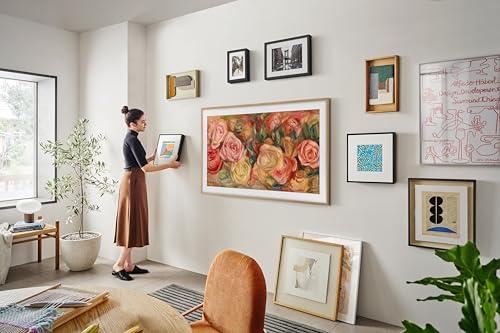
The Samsung Frame revolutionizes how we think about TV placement. When powered off, it doesn't display a black rectangle on your wall—instead, it shows curated artwork or your personal photos. This Art Mode functionality, combined with magnetic bezels that mimic picture frames, lets the TV blend seamlessly into your room's aesthetic.
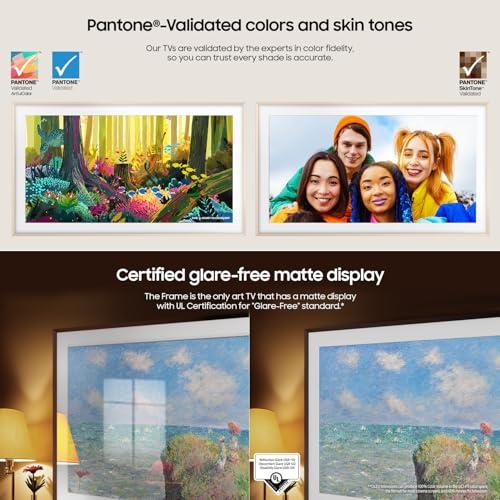
The anti-glare matte display serves dual purposes. While watching content, it reduces reflections that typically plague TVs in bright rooms. When displaying art, the matte finish creates a canvas-like appearance that genuinely resembles a framed painting. Samsung even earned Pantone art certification for color accuracy in Art Mode, ensuring displayed artwork maintains its intended appearance.
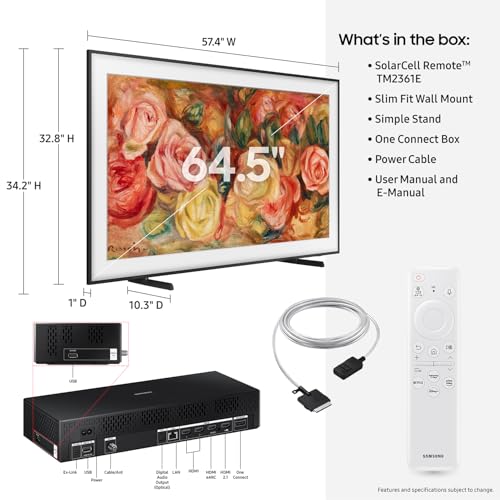
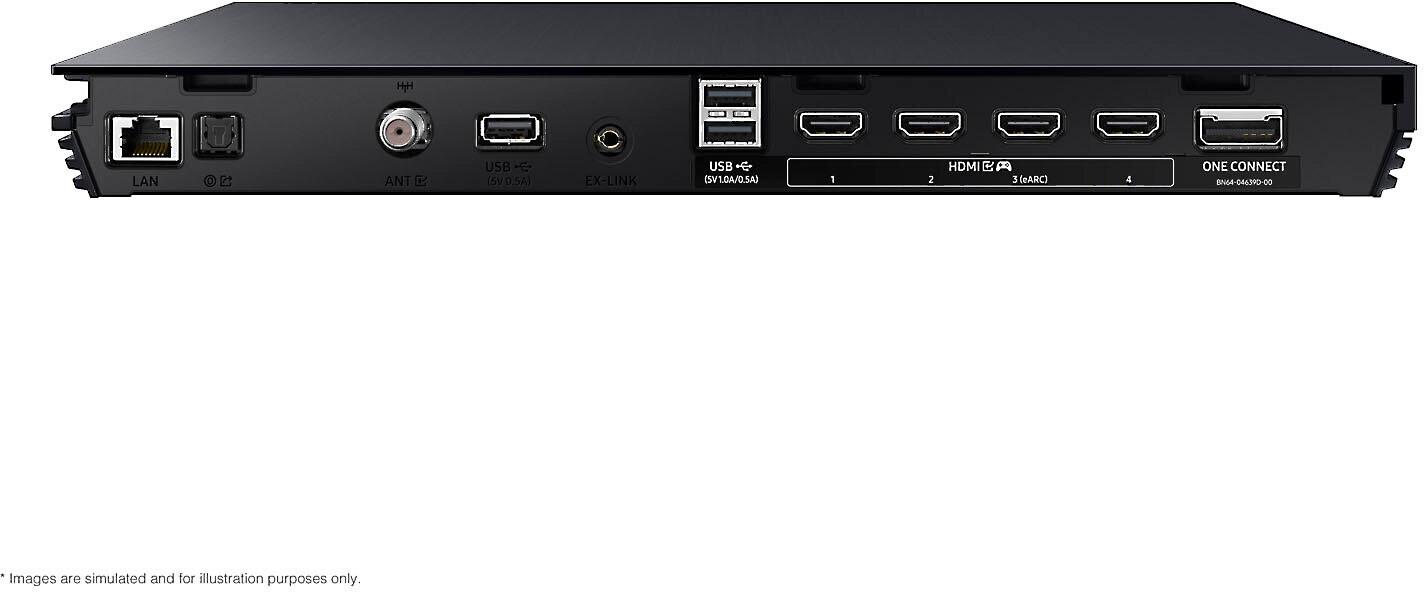
This design philosophy extends to the mounting system. The included Slim-Fit Wall Mount allows flush installation, while the One Connect Box consolidates all your cable connections into a single, nearly invisible wire running to the TV. For design-conscious buyers, this clean aesthetic integration often justifies the TV's premium over standard models.
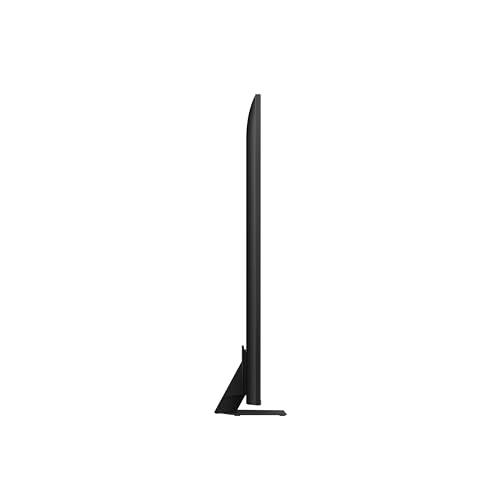
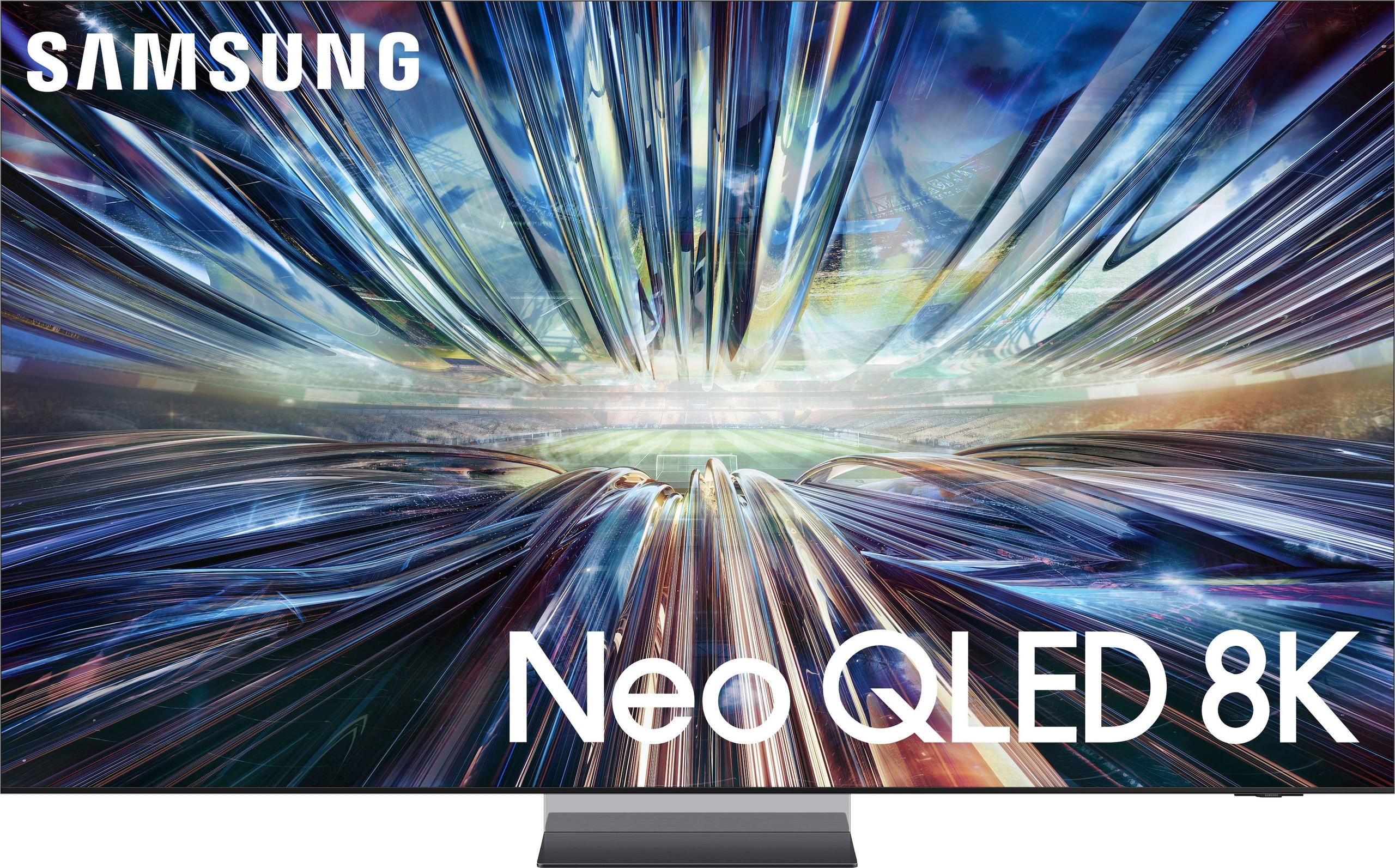
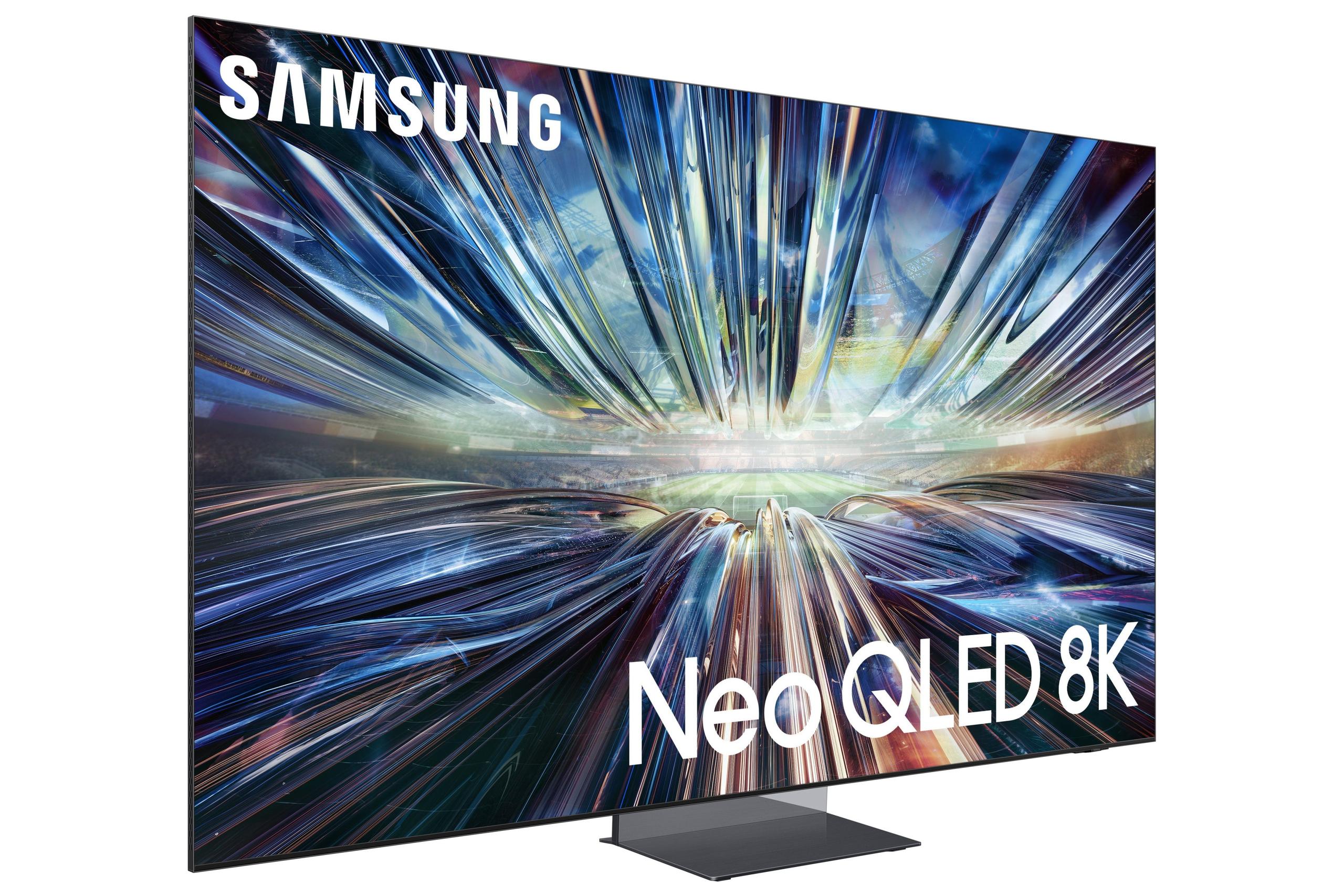
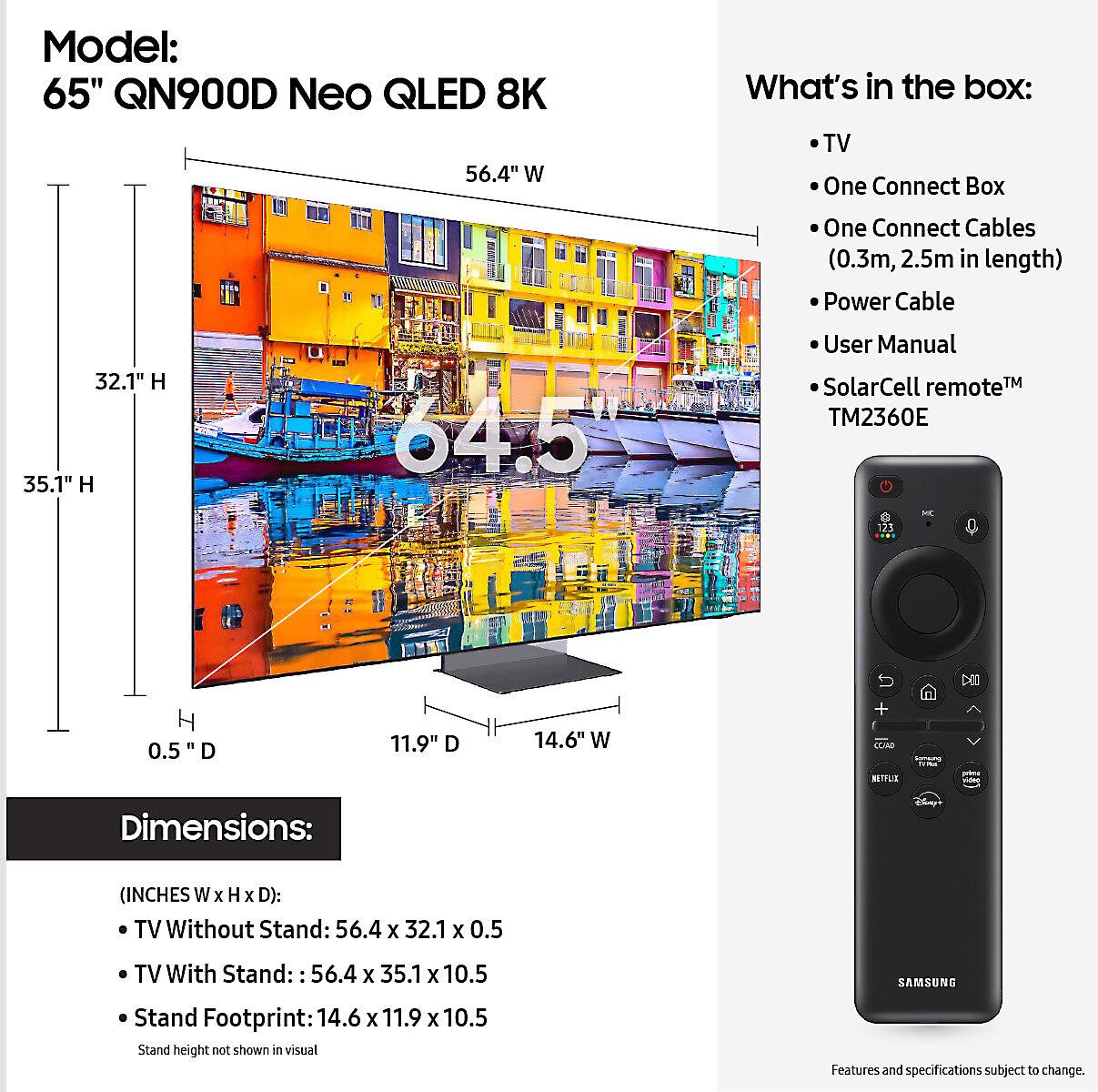
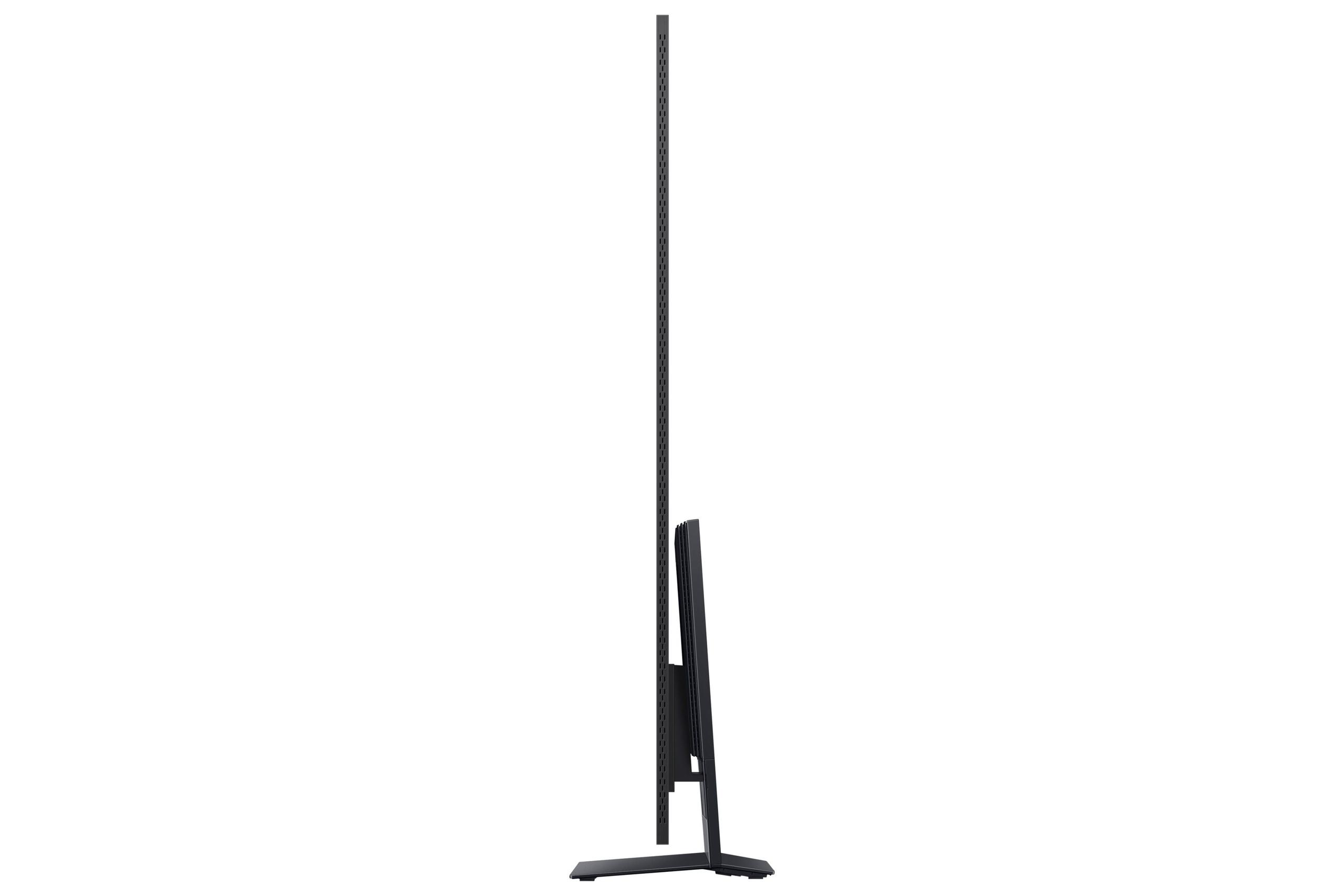
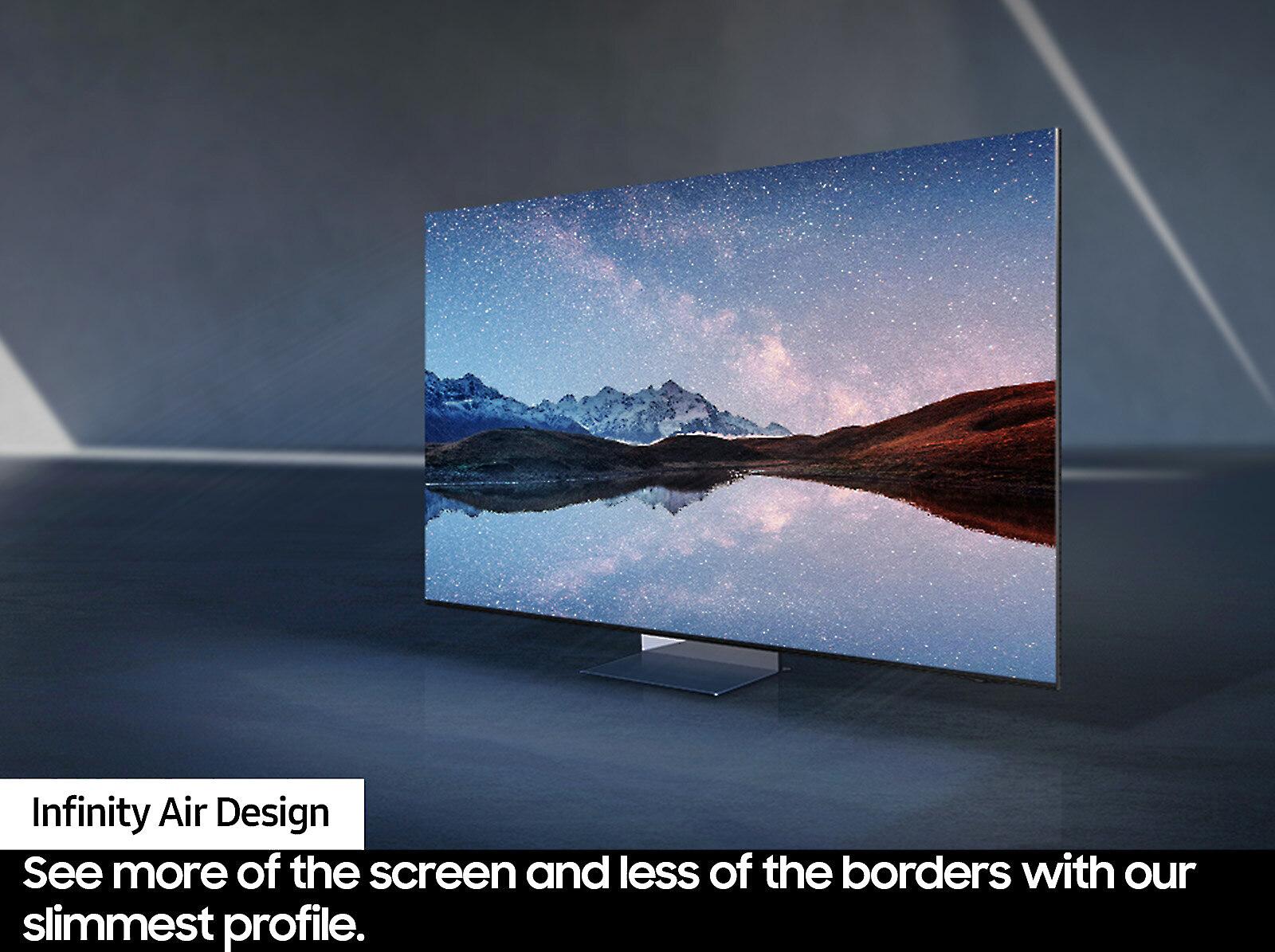
The Samsung QN900D takes a different approach, prioritizing technological advancement over camouflage. Its Infinity Air Design emphasizes the ultra-slim profile made possible by moving all processing and connections to an external One Connect Box. While still elegant, the design clearly announces itself as a premium display device rather than hiding as artwork.
The real story lies beneath the surface. The QN900D represents Samsung's 2024 flagship technology, incorporating their most advanced processor, the most sophisticated backlighting system, and support for cutting-edge gaming features. Every design decision serves performance rather than camouflage.
The fundamental difference starts with the display panels themselves. The Frame uses traditional QLED technology—quantum dots (tiny particles that emit precise colors when hit by light) combined with a standard LED backlight. This edge-lit or direct-lit approach provides good color reproduction and brightness, but with inherent limitations in contrast control.
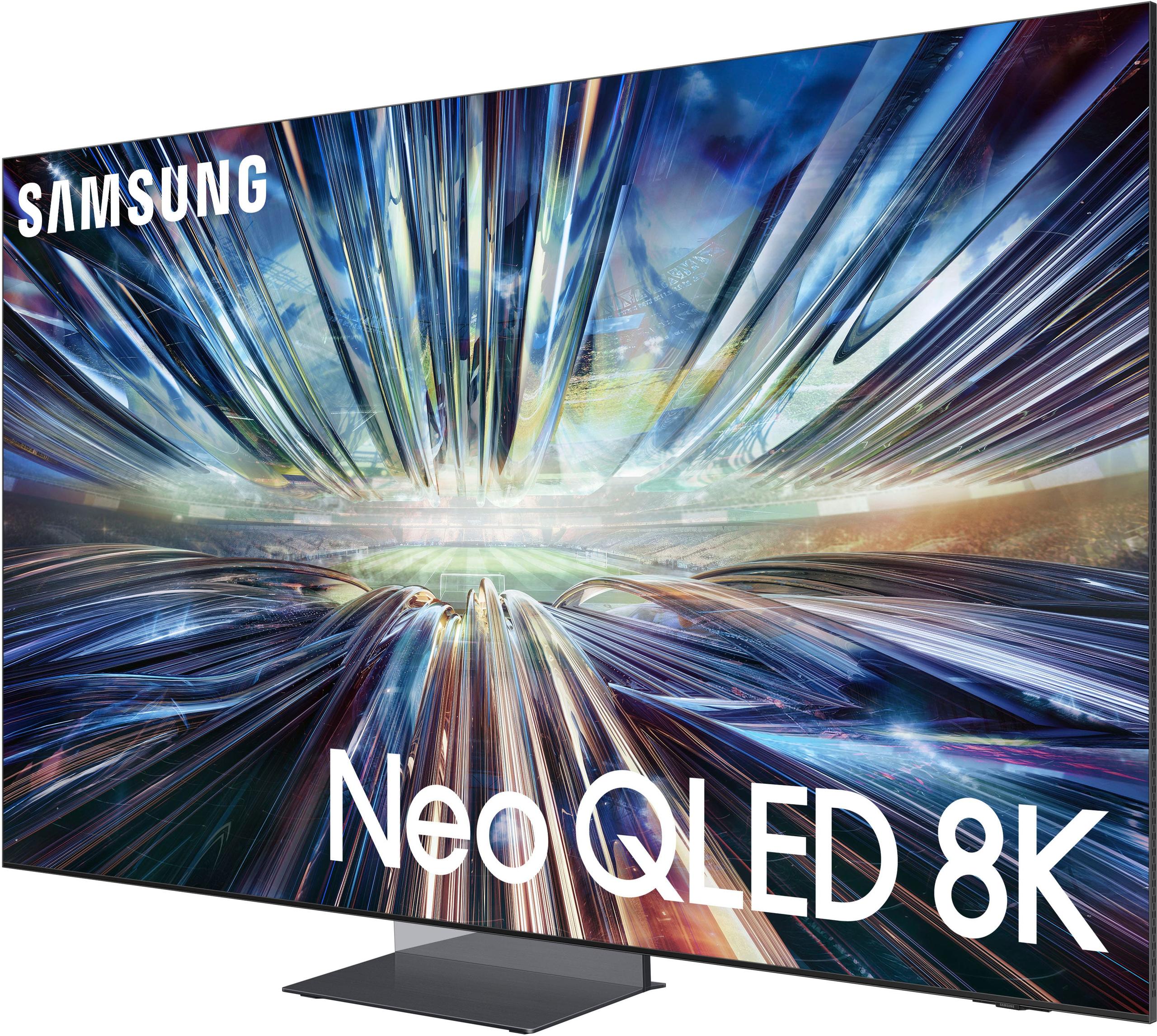
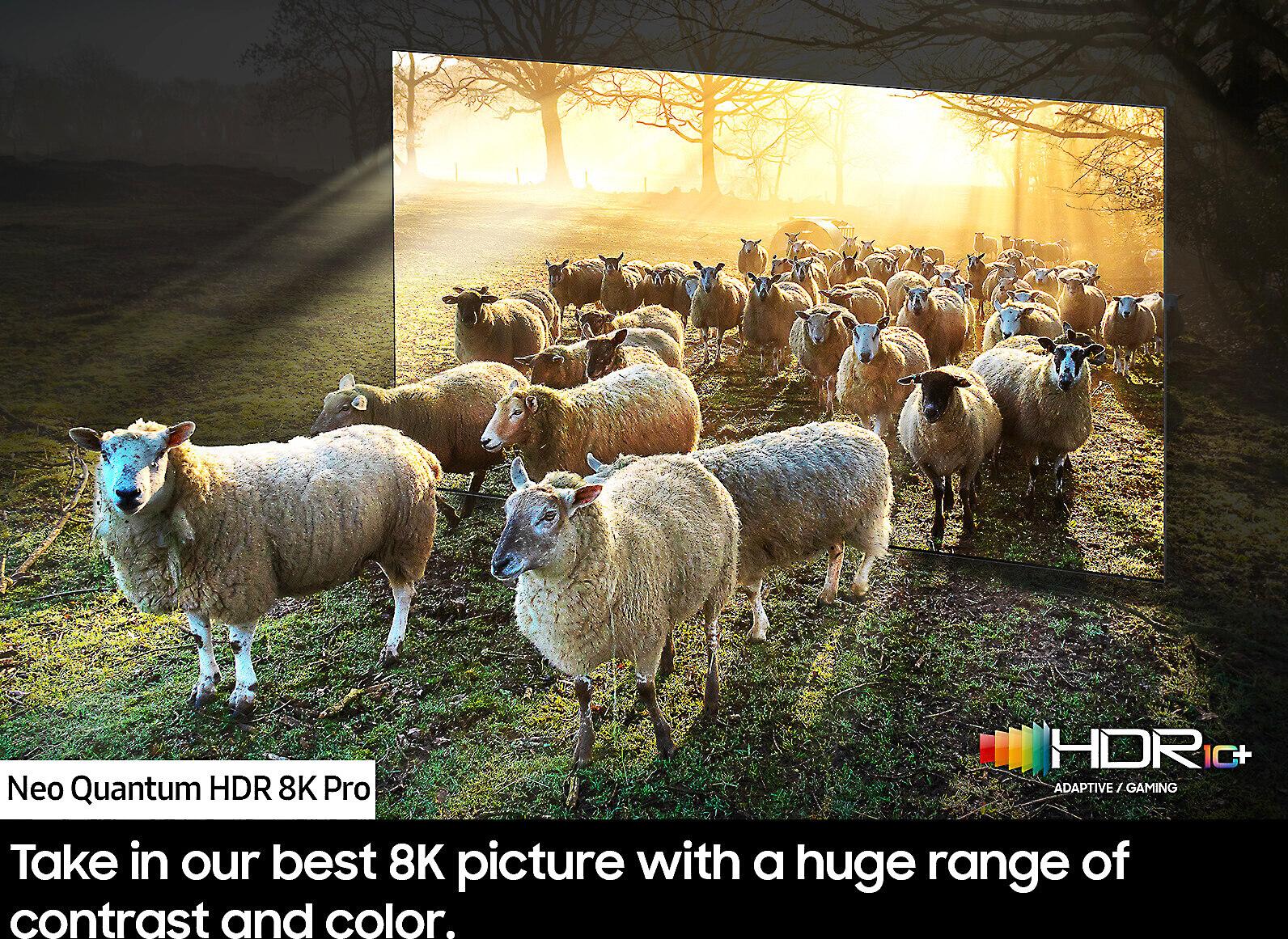
The QN900D employs Neo QLED technology, which combines quantum dots with a Mini-LED backlight. Mini-LEDs are significantly smaller than standard LEDs, allowing thousands more to fit behind the screen. This creates many more local dimming zones (areas that can independently adjust brightness), resulting in much more precise contrast control. Think of it like the difference between painting with a house brush versus a fine artist's brush—the Mini-LED approach allows for much more detailed light and shadow work.
The resolution difference seems straightforward—8K contains four times as many pixels as 4K—but the practical implications are complex. The Frame delivers native 4K resolution (3,840 × 2,160 pixels), which perfectly matches virtually all current content from streaming services, gaming consoles, and 4K Blu-rays.
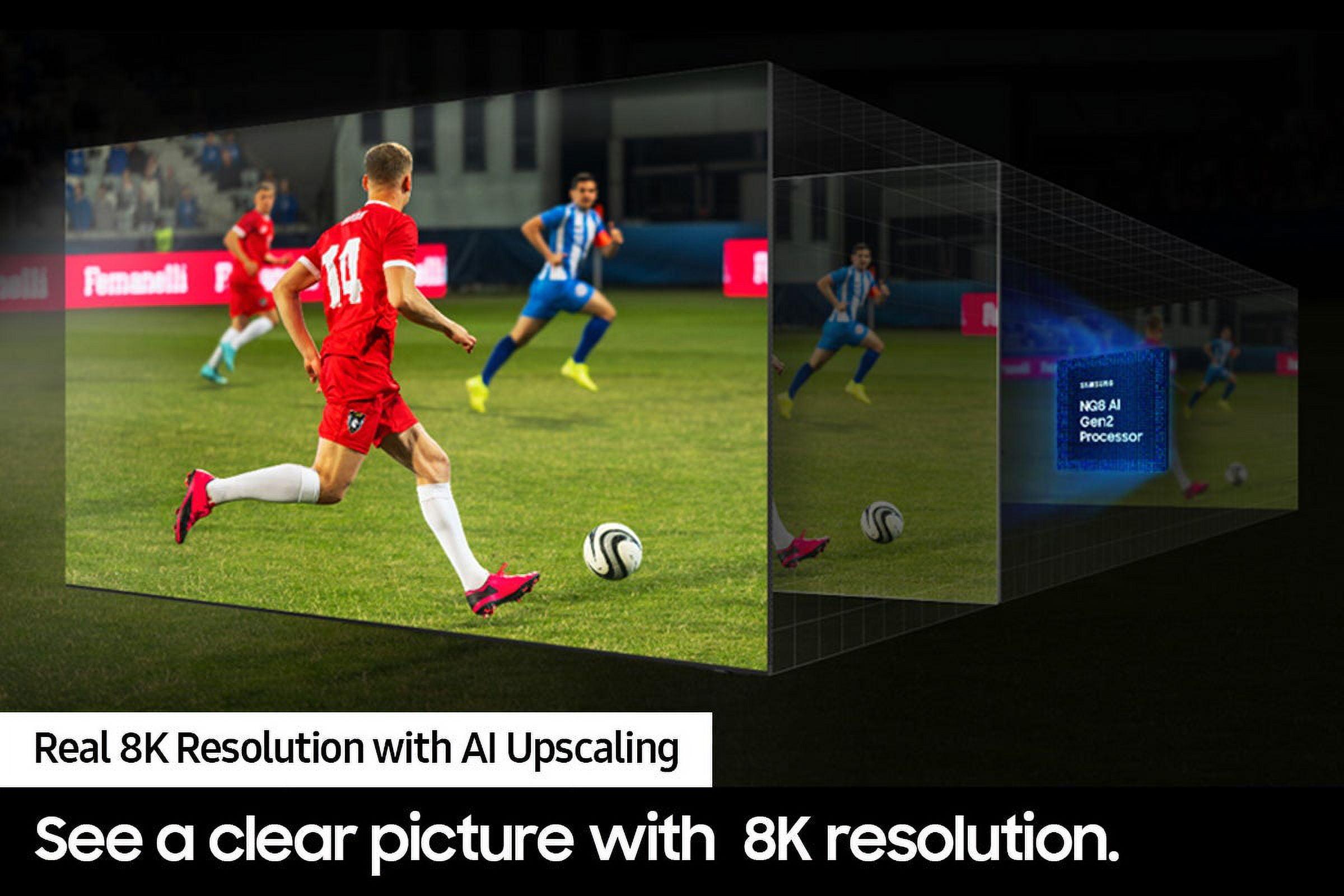
The QN900D provides 8K resolution (7,680 × 4,320 pixels), but here's the catch: almost no native 8K content exists. Instead, the TV's NQ8 AI Gen3 processor works overtime to upscale 4K content to fill those extra pixels. This processor, featuring 512 neural networks (eight times more than previous generations), analyzes each frame to intelligently add detail and sharpness.
Based on expert reviews, this upscaling works remarkably well. Reviewers consistently note that 4K content appears noticeably sharper on the QN900D compared to native 4K displays. However, this raises the question of whether paying for 8K makes sense when the content ecosystem hasn't caught up.
The processing difference between these TVs is substantial. The Frame uses Samsung's Quantum Processor 4K, which handles standard TV functions competently but focuses more on aesthetic features like Art Mode and anti-glare optimization.
The QN900D houses Samsung's flagship NQ8 AI Gen3 processor, which operates at least twice as fast as processors in Samsung's 4K models. This processing power enables sophisticated real-time analysis of every frame, adjusting contrast, color, and sharpness based on scene content. The processor also handles complex gaming features like variable refresh rate synchronization and manages the thousands of Mini-LED zones for optimal contrast.
This processing difference becomes apparent in motion handling, upscaling quality, and HDR tone mapping. The more powerful processor in the QN900D simply has more computational resources to optimize the image in real-time.
HDR (High Dynamic Range) content contains brightness information beyond what standard video can display, creating more realistic contrast between dark and bright areas. However, your TV must be bright enough to take advantage of this information.
The Frame delivers adequate brightness for most viewing situations, with particular strength in ambient lighting conditions thanks to its anti-glare coating. However, its brightness levels won't fully unlock HDR content's potential, especially in peak highlights like sunlight or explosions.
The QN900D excels here, achieving exceptional peak brightness that makes HDR highlights truly pop. The Mini-LED backlight can drive much higher brightness levels while maintaining precise control over different screen areas. This means bright objects appear genuinely bright while dark areas remain deep, creating the dramatic contrast that makes HDR content so compelling.
One significant limitation affects both models: neither supports Dolby Vision, the most advanced HDR format. They handle HDR10+ well, but if your content library heavily features Dolby Vision material (common on streaming services and 4K Blu-rays), this represents a notable omission.
Contrast—the difference between the darkest and brightest areas your TV can display simultaneously—arguably matters more than resolution for perceived image quality. Deep black levels make colors appear more vibrant and create the sense of depth that separates great TVs from good ones.
The Frame struggles here due to its edge-lit LED backlight. Without sophisticated local dimming, dark scenes often appear grayish rather than truly black, and bright objects in dark scenes create unwanted light bleeding around their edges.
The QN900D excels in contrast performance. Its thousands of Mini-LED zones can dim independently, allowing bright stars against a dark sky to appear genuinely bright without washing out the surrounding darkness. This localized control creates the deep blacks and bright highlights that make images appear three-dimensional.
Both TVs use quantum dot technology for color reproduction, but their implementation differs. Quantum dots are microscopic particles that emit very pure colors when excited by light, allowing displays to reproduce a wider range of colors than traditional LED TVs.
The Frame delivers solid color performance that looks natural and pleasant, particularly in well-lit rooms where its anti-glare coating shines. The colors won't overwhelm you, but they're accurate and easy on the eyes during extended viewing.
The QN900D pushes color boundaries further, achieving wider color gamut coverage and more saturated colors when content calls for them. The more sophisticated processing also allows for better color volume—maintaining color accuracy even at extreme brightness levels.
Modern gaming demands have transformed TV requirements. Today's consoles can output 4K at 120 frames per second, requiring TVs to keep pace with both bandwidth and processing demands.
Input lag measures the delay between pressing a controller button and seeing the action on screen. For competitive gaming, every millisecond counts.
The Frame achieves respectable 9.2ms input lag, which works well for casual gaming and single-player experiences. Most gamers won't notice any delay at this level.
The QN900D delivers even lower input lag at 5.1ms, placing it among the most responsive TVs available. However, this creates an interesting paradox: despite offering 4K at 240Hz gaming capability (requiring Display Stream Compression to fit through HDMI cables), the TV's pixel response time is actually quite slow. This means while the TV receives new frames quickly, the pixels themselves are slow to change colors, creating motion blur that undermines the high refresh rate advantage.
Both TVs support Variable Refresh Rate (VRR), which synchronizes the TV's display rate with your console's output to eliminate screen tearing. However, their implementation differs significantly.
The Frame offers basic VRR support with adequate HDMI 2.1 connectivity, though not on all ports. This works fine for most gaming scenarios but may limit setups with multiple high-bandwidth devices.
The QN900D provides comprehensive gaming features including support for all three VRR technologies (FreeSync, G-Sync Compatible, and HDMI VRR), plus four full HDMI 2.1 ports. It can theoretically handle 8K at 60Hz or 4K at 240Hz gaming, though the motion blur issue limits its practical high-refresh-rate performance.
TV audio often gets overlooked, but built-in speaker quality varies dramatically across models.
The Frame includes a modest 2.0.2 channel system outputting 40W. It's adequate for casual viewing and integrates well with the slim wall-mounted design, though serious movie watching benefits from external speakers.
The QN900D features a sophisticated 6.2.4 channel system producing 90W of output with True Dolby Atmos support. This includes upward-firing drivers that bounce sound off your ceiling to create overhead effects. The Object Tracking Sound Pro technology attempts to make audio follow visual objects across the screen. However, the system lacks DTS audio passthrough, problematic for 4K Blu-ray collections that often use DTS formats.
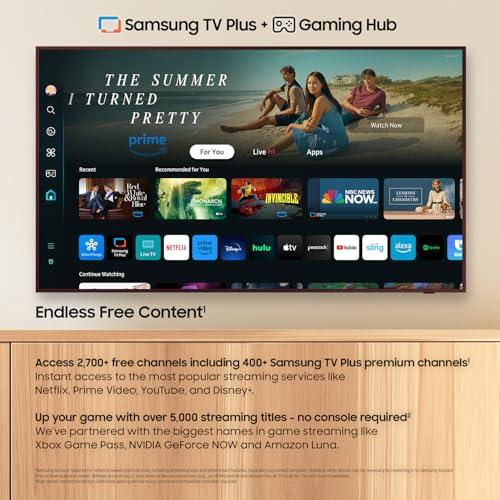
Both TVs run Samsung's Tizen operating system with similar smart features, voice assistant support, and streaming service access. The differences lie in their specialized features.
The Frame integrates deeply with Samsung's Art Store ecosystem, offering curated artwork collections (subscription required for full access) and tools for displaying personal photos. The TV also adjusts its refresh rate dynamically, dropping to 60Hz in Art Mode to save energy.
The QN900D focuses on performance optimization features, with AI-driven picture and sound adjustments that adapt to content in real-time. Both systems work well, though your preference may depend on whether you value aesthetic customization or performance optimization.
For dedicated home theater setups, the choice becomes clearer. The QN900D offers superior performance in controlled lighting environments where its exceptional contrast and brightness capabilities can shine. The advanced processing and higher resolution also better future-proof your investment as content quality continues improving.
However, the lack of Dolby Vision support and DTS audio passthrough issues create complications for serious home theater enthusiasts with extensive 4K Blu-ray collections. These omissions are particularly puzzling in a flagship model targeting performance-conscious buyers.
The Frame works better in multipurpose living spaces where the TV needs to integrate aesthetically when not in use. Its anti-glare properties also make it more suitable for rooms with challenging lighting control.
At the time of writing, the QN900D commands roughly $1,000 more than The Frame. This premium buys you significantly better picture quality, advanced processing, superior contrast, and cutting-edge gaming features. However, it also includes limitations like motion blur issues and missing HDR format support.
The Frame offers unique lifestyle features unavailable elsewhere, solid 4K performance, and excellent bright-room viewing. You're paying a premium over basic 4K TVs for the aesthetic integration and anti-glare technology.
Both TVs represent different types of value propositions. The QN900D delivers technical excellence with some caveats, while The Frame provides unique functionality that transcends traditional TV expectations.
Choose the Samsung Frame if you want a TV that doubles as home decor, spend significant time in bright rooms, or prefer spending less for solid performance. It's ideal for living rooms, bedrooms, and spaces where aesthetics matter as much as functionality.
Select the Samsung QN900D if picture quality is your primary concern, you consume high-quality 4K content regularly, or you want the most advanced upscaling technology available. It's best suited for dedicated viewing areas and users who appreciate cutting-edge display technology.
Consider alternatives if you need flawless high-refresh-rate gaming (motion blur is a deal-breaker), require Dolby Vision support for your content library, or want better pure value in 4K performance without paying for 8K upscaling.
Both TVs excel within their intended purposes, but they serve different masters. Your choice should align with whether you prioritize aesthetic integration or maximum performance, keeping in mind that each approach involves specific trade-offs that may or may not align with your viewing habits and space requirements.
| Samsung 65" The Frame QLED 4K 2024 TV | Samsung QN900D Series 65" Neo QLED 8K Smart TV |
|---|---|
| Resolution - Higher resolution provides sharper detail, but 8K content is extremely limited | |
| 4K (3,840 x 2,160) - matches all current content | 8K (7,680 x 4,320) - relies on AI upscaling for improved 4K sharpness |
| Display Technology - Mini-LED provides superior contrast and brightness control | |
| Standard QLED with edge-lit LED backlight | Neo QLED with Mini-LED backlight and advanced local dimming |
| Primary Design Purpose - Determines how the TV integrates into your space | |
| Art display and lifestyle integration with customizable bezels | High-performance viewing with slim profile design |
| Processor - More powerful processing enables better upscaling and image optimization | |
| Quantum Processor 4K (standard performance) | NQ8 AI Gen3 Processor (flagship performance with 512 neural networks) |
| Peak Brightness - Critical for HDR impact and bright room viewing | |
| Moderate brightness optimized for ambient viewing | Exceptional peak brightness (1,400+ nits) for impactful HDR |
| Black Levels and Contrast - Foundation of image quality and color vibrancy | |
| Limited local dimming, mediocre black levels | Excellent black levels with thousands of Mini-LED dimming zones |
| Anti-Glare Performance - Essential for rooms with challenging lighting | |
| Premium matte display with excellent glare reduction | Standard glossy screen susceptible to reflections |
| Gaming Refresh Rate - Higher rates provide smoother motion for competitive gaming | |
| 4K @ 120Hz with 9.2ms input lag | 4K @ 240Hz / 8K @ 60Hz with 5.1ms input lag (but poor pixel response time) |
| HDMI 2.1 Connectivity - Needed for high-bandwidth gaming and future devices | |
| Limited HDMI 2.1 ports | Four full HDMI 2.1 ports on One Connect Box |
| Audio System - Built-in sound quality affects overall viewing experience | |
| 2.0.2 channel, 40W (adequate for casual viewing) | 6.2.4 channel, 90W with Dolby Atmos (premium surround sound) |
| HDR Format Support - Dolby Vision is the premium HDR standard | |
| HDR10, HDR10+ (no Dolby Vision) | HDR10, HDR10+ (no Dolby Vision) |
| Special Features - Unique capabilities that differentiate each model | |
| Art Mode, Pantone certification, magnetic bezels | 8K AI upscaling, advanced gaming features, Object Tracking Sound Pro |
| Best Use Case - Where each TV excels most | |
| Living rooms prioritizing aesthetics and bright-room viewing | Home theaters and gaming setups prioritizing maximum performance |
The Samsung QN900D Series 65" Neo QLED 8K Smart TV delivers significantly better picture quality with its Mini-LED backlight technology, superior brightness levels, and advanced local dimming. It provides deeper blacks, brighter highlights, and more vibrant colors compared to the Samsung 65" The Frame QLED 4K 2024 TV. However, The Frame offers excellent performance for its price point and excels in bright rooms due to its anti-glare matte display.
The primary difference is their design philosophy: The Frame QLED 4K 2024 TV functions as both a TV and wall art display with customizable bezels and Art Mode, while the QN900D Neo QLED 8K focuses purely on maximum performance with 8K resolution and premium display technology. The Frame prioritizes aesthetic integration, while the QN900D prioritizes cutting-edge picture quality.
The Samsung QN900D offers superior gaming specs with 4K at 240Hz, lower input lag (5.1ms), and four HDMI 2.1 ports. However, it suffers from motion blur issues at high refresh rates. The Frame provides solid gaming performance at 4K 120Hz with 9.2ms input lag, which is excellent for most gamers and doesn't have the motion blur problems of the QN900D.
Currently, there's virtually no native 8K content available from streaming services, gaming consoles, or physical media. The QN900D's 8K resolution primarily benefits from AI upscaling that makes 4K content look sharper, but you're paying a premium for future-proofing technology. The Frame's 4K resolution perfectly matches all current content and provides excellent value for today's viewing needs.
The Frame QLED 4K 2024 TV excels in bright rooms thanks to its premium matte anti-glare display that reduces reflections and maintains image clarity under ambient lighting. The QN900D has higher peak brightness but uses a glossy screen that can be problematic with direct light sources and reflections.
The Samsung QN900D features a premium 6.2.4 channel audio system with 90W output and Dolby Atmos support, providing excellent built-in sound quality. The Frame has a more modest 2.0.2 channel system with 40W output that's adequate for casual viewing but may require external speakers for serious movie watching or home theater setups.
For dedicated home theater use, the QN900D Neo QLED 8K is the clear winner with its superior contrast, exceptional brightness, advanced processing, and premium audio system. However, both TVs lack Dolby Vision support, and the QN900D doesn't support DTS audio passthrough, which could be limitations for serious home theater enthusiasts with extensive 4K Blu-ray collections.
Both TVs support flush wall mounting. The Frame includes a Slim-Fit Wall Mount and is specifically designed for seamless wall integration with its One Connect Box keeping cables minimal. The Samsung QN900D also supports flush mounting with its slim profile and external One Connect Box, but it's designed more as a premium display than discrete wall art.
The Frame QLED 4K 2024 TV offers better value if you want unique lifestyle features, excellent bright-room performance, and solid 4K picture quality. The QN900D provides better value for performance-focused buyers who want cutting-edge display technology, superior picture quality, and premium features, though you're paying significantly more for 8K capabilities with limited current content.
The Samsung QN900D is better for sports viewing with its higher brightness, better contrast, and superior motion handling in standard viewing modes. However, The Frame can be excellent for sports in bright rooms due to its anti-glare properties. Both TVs handle fast motion well, though the QN900D has the edge in overall sports viewing quality.
Both The Frame and QN900D run Samsung's Tizen smart TV platform with similar streaming apps and voice assistant support. The Frame adds unique Art Mode functionality with access to Samsung's Art Store and personal photo display capabilities. The QN900D focuses on advanced AI-driven picture and sound optimization features for enhanced performance.
We've done our best to create useful and informative comparisons to help you decide what product to buy. Our research uses advanced automated methods to create this comparison and perfection is not possible - please contact us for corrections or questions. These are the sites we've researched in the creation of this article: tomsguide.com - rtings.com - rtings.com - youtube.com - bestbuy.com - techlicious.com - youtube.com - smalllilystudio.com - theeverymom.com - livingetc.com - pcrichard.com - image-us.samsung.com - samsung.com - images.samsung.com - samsung.com - buydig.com - tvsbook.com - bestbuy.com - samsung.com - samsung.com - flatpanelshd.com - rtings.com - videoandaudiocenter.com - bestbuy.com - avsforum.com - bestbuy.com - walts.com - images.samsung.com - samsung.com - merlinstv.com - samsung.com - avsforum.com - samsung.com

Privacy Policy
Terms and Conditions - Affiliate Policy
Home Security
© Copyright 2008-2026.
11816 Inwood Rd #1211, Dallas, TX 75244