




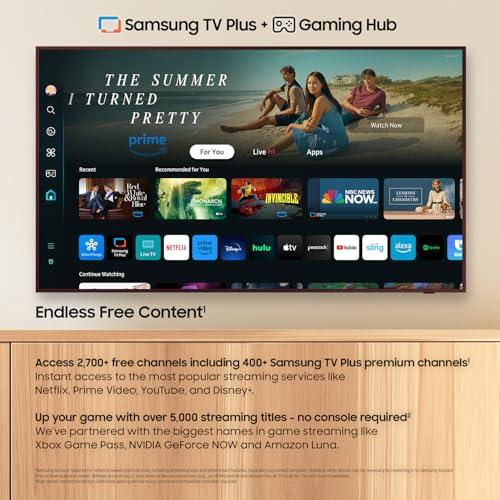
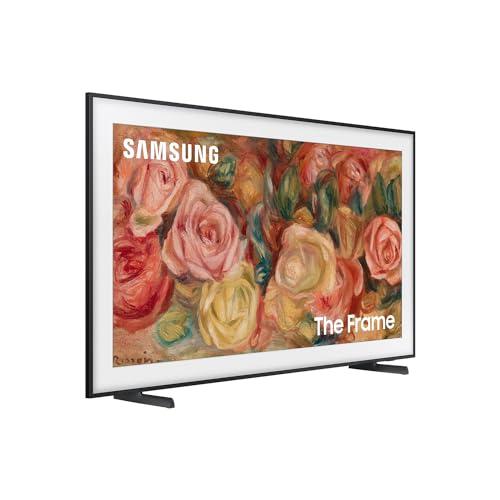
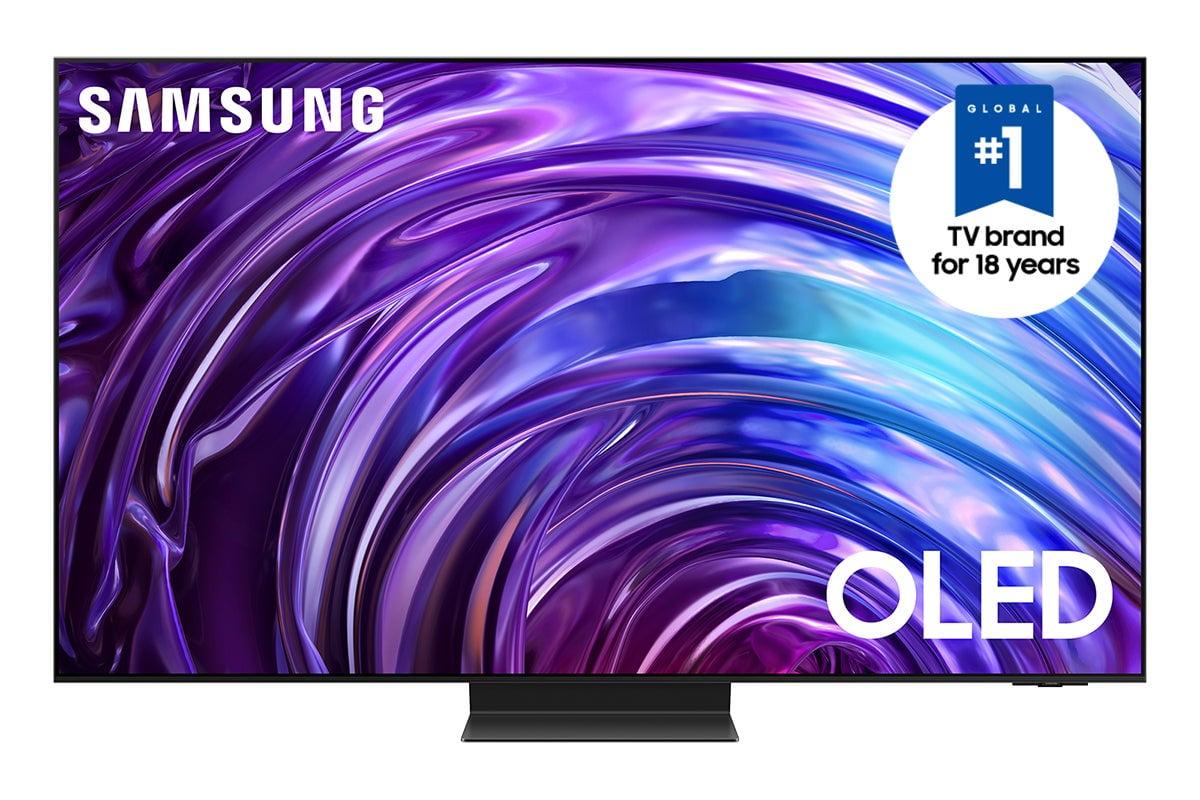
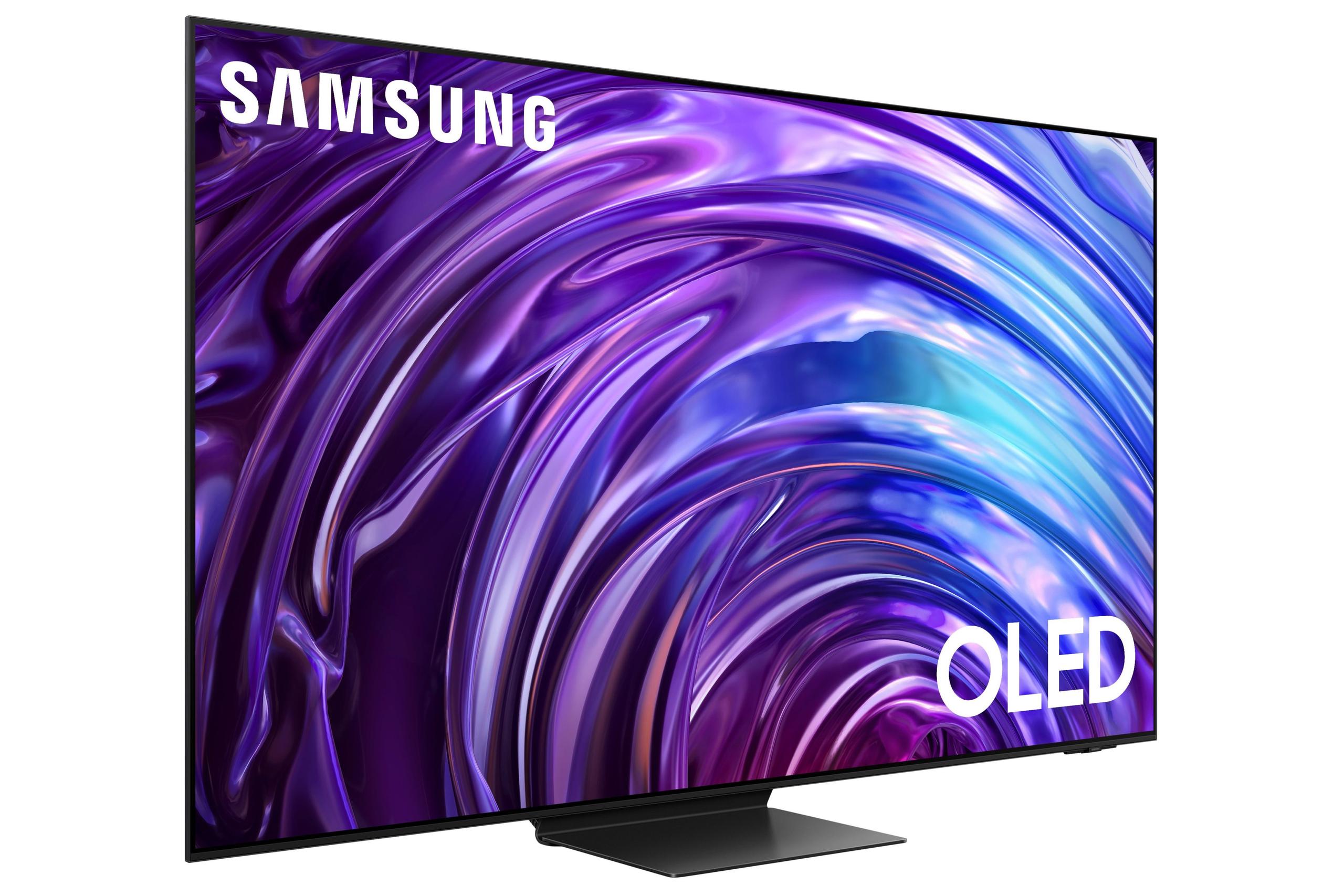
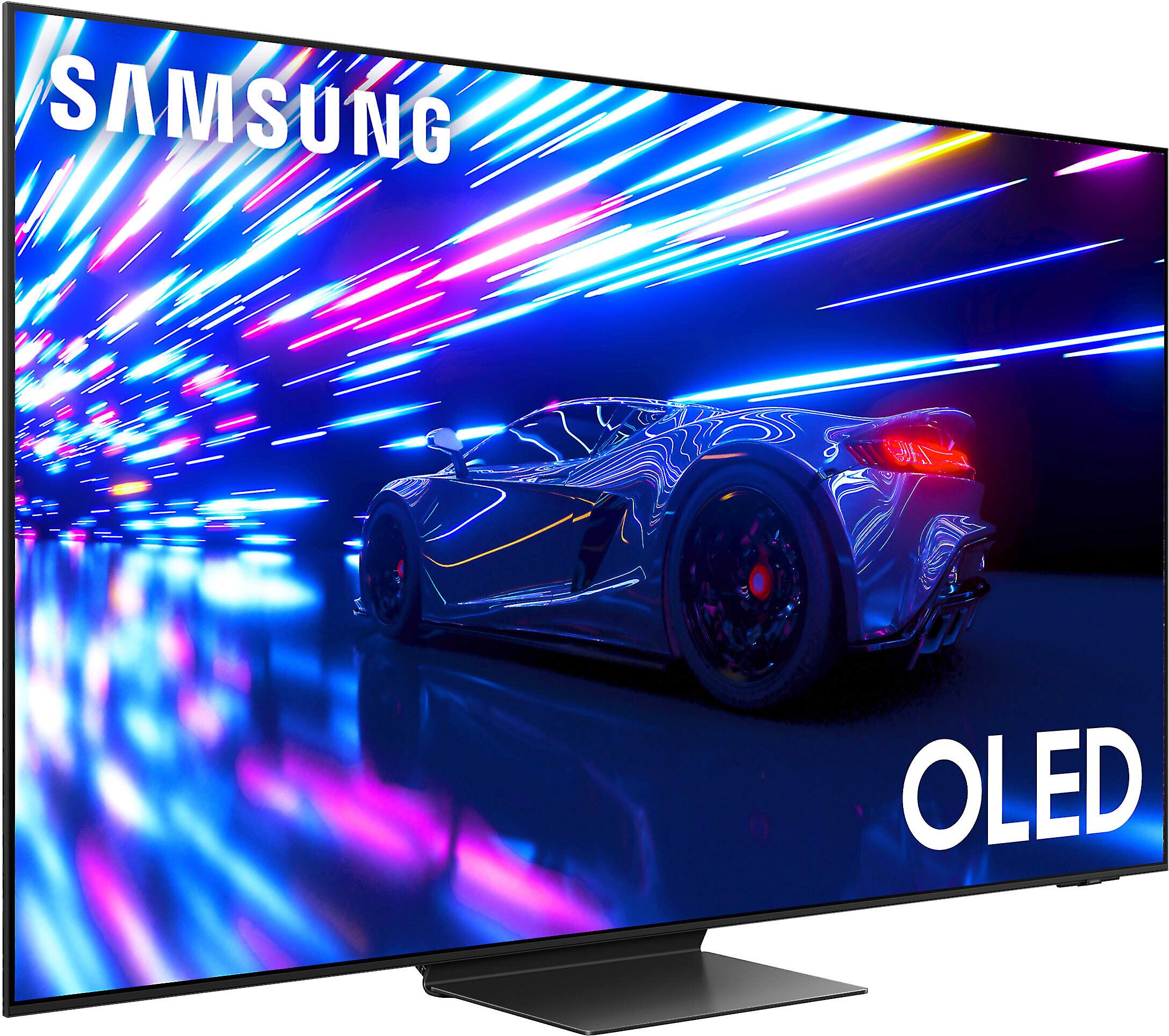


When Samsung released both the Frame QLED 4K 2024 TV and the S95D 4K OLED Smart TV in 2024, they weren't just launching two more televisions—they were presenting two completely different philosophies about what a premium TV should be. One asks: "What if your TV could disappear when you're not watching it?" The other declares: "What if your TV delivered the absolute best picture quality possible?"
At the time of writing, these two 65-inch models sit roughly $600-700 apart in price, with the S95D commanding the premium. But that price difference tells only part of the story. After diving deep into expert reviews, user feedback, and technical specifications, it's clear these TVs serve fundamentally different purposes—and understanding which philosophy matches your needs will determine which delivers better value for your situation.
The core difference between these TVs lies in their display technology, and this difference affects literally everything else about how they perform. The S95D uses QD-OLED (Quantum Dot Organic Light Emitting Diode) technology—a cutting-edge approach where each individual pixel produces its own light and can turn completely off. Think of it like having 8.3 million tiny light bulbs that can each dim to perfect black or shine brilliantly bright, independently of their neighbors.
The Frame 2024, meanwhile, uses QLED (Quantum Dot Light Emitting Diode) technology, which is actually an LED-backlit LCD panel enhanced with quantum dots. Here, a backlight shines through the screen, and individual pixels act more like colored filters that block or allow light through. It's like having a flashlight behind a sophisticated stained glass window—effective, but fundamentally limited by that always-on backlight.
This technical difference creates a cascade of performance implications. In dark movie scenes, the S95D can make parts of the screen completely black while keeping bright elements vivid. The Frame, with its always-on backlight, shows those same "black" areas as dark gray. Expert reviews consistently highlight this as the most noticeable difference between the two displays.
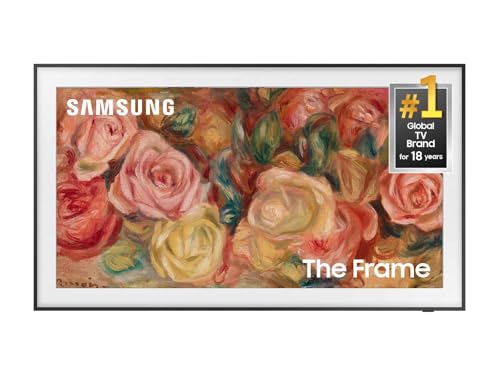
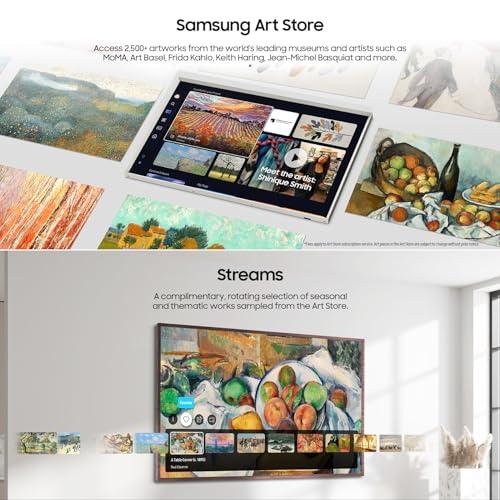
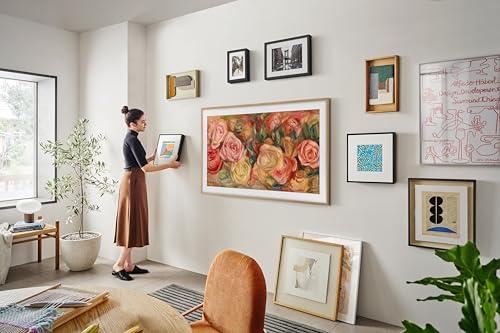
Where the Frame 2024 truly differentiates itself is with Art Mode—a feature that transforms the TV into a digital art gallery when you're not actively watching content. This isn't just a screensaver; it's a comprehensive ecosystem that includes curated artwork collections, personal photo display capabilities, and even a motion sensor that activates the display when people enter the room.
The 2024 model introduced several improvements over previous generations, including better color accuracy for art reproduction and enhanced matte screen technology that gives displayed images a more authentic canvas-like appearance. Samsung even earned Pantone certification for color accuracy in art display mode—the first TV manufacturer to achieve this recognition.
This feature fundamentally changes how you think about television placement and room design. Instead of a black rectangle dominating your wall, the Frame becomes an active part of your décor. However, accessing Samsung's premium art collections requires a subscription service, adding to long-term costs.
Based on extensive expert testing, the contrast performance difference between these TVs is dramatic and immediately visible. The S95D achieves what reviewers describe as "perfect" contrast—the ability to display true blacks right next to brilliant whites within the same scene. This creates a sense of depth and realism that fundamentally improves the viewing experience, especially for movies and high-quality TV shows.
The Frame 2024 struggles with contrast because it lacks local dimming technology. Local dimming allows different areas of the screen to independently control their brightness, but the Frame's edge-lit design means the entire screen shares the same backlight level. In practice, this means dark movie scenes appear washed out, and the sense of depth that makes modern 4K content impressive gets lost.
For home theater enthusiasts, this difference is deal-breaking. Watching a space movie like "Interstellar" or a dark thriller like "The Batman" reveals the gap immediately—the S95D delivers that "window into another world" experience that justifies upgrading to premium TV technology.
High Dynamic Range (HDR) content contains brightness information that far exceeds what traditional TV content includes, allowing for more realistic representation of bright highlights like sunlight, fire, or reflections. The S95D can display significantly brighter HDR highlights while maintaining those perfect blacks, creating what experts describe as more "impactful" HDR performance.
The Frame 2024 supports HDR formats including HDR10+ but cannot achieve the peak brightness levels that make HDR content truly impressive. While HDR movies and shows will look better than standard content, they won't deliver that "wow factor" moment when the sun breaks through clouds or explosions light up the screen.
This difference becomes most apparent with nature documentaries, action movies, and high-production-value streaming content where HDR is used effectively. If you're investing in a premium 65-inch TV specifically to enjoy the latest movies and shows at their best, the S95D justifies its price premium through superior HDR impact alone.
Both TVs use quantum dot technology, but implement it differently. The S95D combines quantum dots with OLED pixels, allowing colors to appear brighter and more saturated while maintaining accuracy. Expert measurements show it can display a wider range of colors at higher brightness levels—what's called "color volume."
The Frame 2024 produces good colors for a QLED TV, but cannot match the vibrant yet accurate color reproduction of its OLED sibling. For most casual viewing, this difference is subtle. But when watching animated movies, nature documentaries, or sporting events where color plays a major role, the S95D creates a more engaging experience.
Gaming performance has become crucial for TV evaluation, especially with PlayStation 5 and Xbox Series X consoles pushing 4K gaming at high refresh rates. The S95D excels here with four HDMI 2.1 ports supporting 4K gaming at up to 144Hz—higher than most gaming TVs can achieve.
More importantly, the S95D delivers extremely low input lag (around 9 milliseconds according to expert measurements), which is crucial for competitive gaming where reaction time matters. Variable Refresh Rate (VRR) technology synchronizes the TV's display with the gaming console's output, eliminating screen tearing and stuttering during fast-paced gameplay.
The Frame 2024 supports gaming features but with limitations. It can handle 4K at 120Hz on select HDMI ports and includes basic VRR support, making it adequate for casual gaming. However, serious gamers will notice the performance difference, especially in competitive online games where every millisecond matters.
For households with multiple gaming consoles, the S95D's four HDMI 2.1 ports mean you can connect PlayStation 5, Xbox Series X, Nintendo Switch, and a PC simultaneously without needing to swap cables or compromise on gaming performance. The Frame's limited high-bandwidth port availability makes it less convenient for multi-console setups.
Both TVs feature anti-reflective matte screen technology, but implement it differently. The S95D's "OLED Glare Free" technology reduces reflections while maintaining the deep blacks and vibrant colors that make OLED appealing. Expert reviewers consistently praise this implementation as best-in-class for bright room viewing.
The Frame 2024's matte finish serves dual purposes—reducing glare and providing the canvas-like texture that enhances art display. While effective at controlling reflections, the matte coating does slightly reduce the perceived contrast and color saturation compared to glossy OLED panels.
For rooms with large windows or multiple light sources, both TVs perform better than most premium displays. However, the S95D maintains superior picture quality while controlling glare, making it the better choice for challenging lighting environments where you still want peak performance.
The S95D maintains picture quality across much wider viewing angles, making it superior for family rooms where people sit at various positions relative to the screen. OLED technology inherently provides better off-axis viewing than LCD-based displays.
The Frame 2024 shows more noticeable color shifting and brightness reduction when viewed from the sides—typical for QLED technology. This makes seating arrangement more critical for optimal viewing experience.
The S95D includes a substantially more powerful audio system with 70 watts of total power distributed across a 4.2.2 speaker configuration. This includes upward-firing drivers for Dolby Atmos height effects and side-firing speakers for wider soundstage. The Object Tracking Sound+ technology attempts to match audio positioning with on-screen action.
The Frame 2024 offers a more modest 40-watt 2.0.2 system that's adequate for casual viewing but cannot process Dolby Atmos internally—it can only pass the signal through to external speakers. For most users, this means missing out on the enhanced audio experience that complements modern streaming content.
While most serious home theater enthusiasts will add a soundbar or surround sound system regardless, the S95D's superior built-in audio means it can deliver impressive performance without additional purchases.
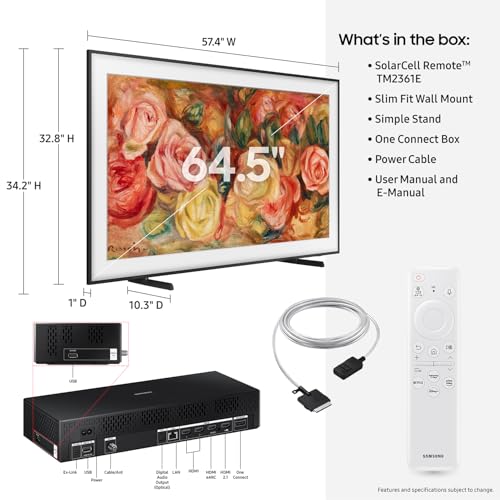
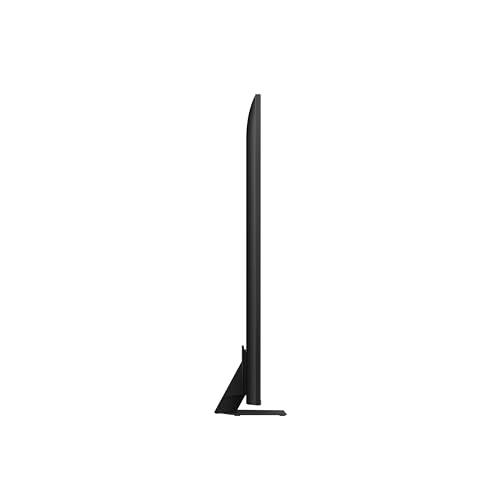
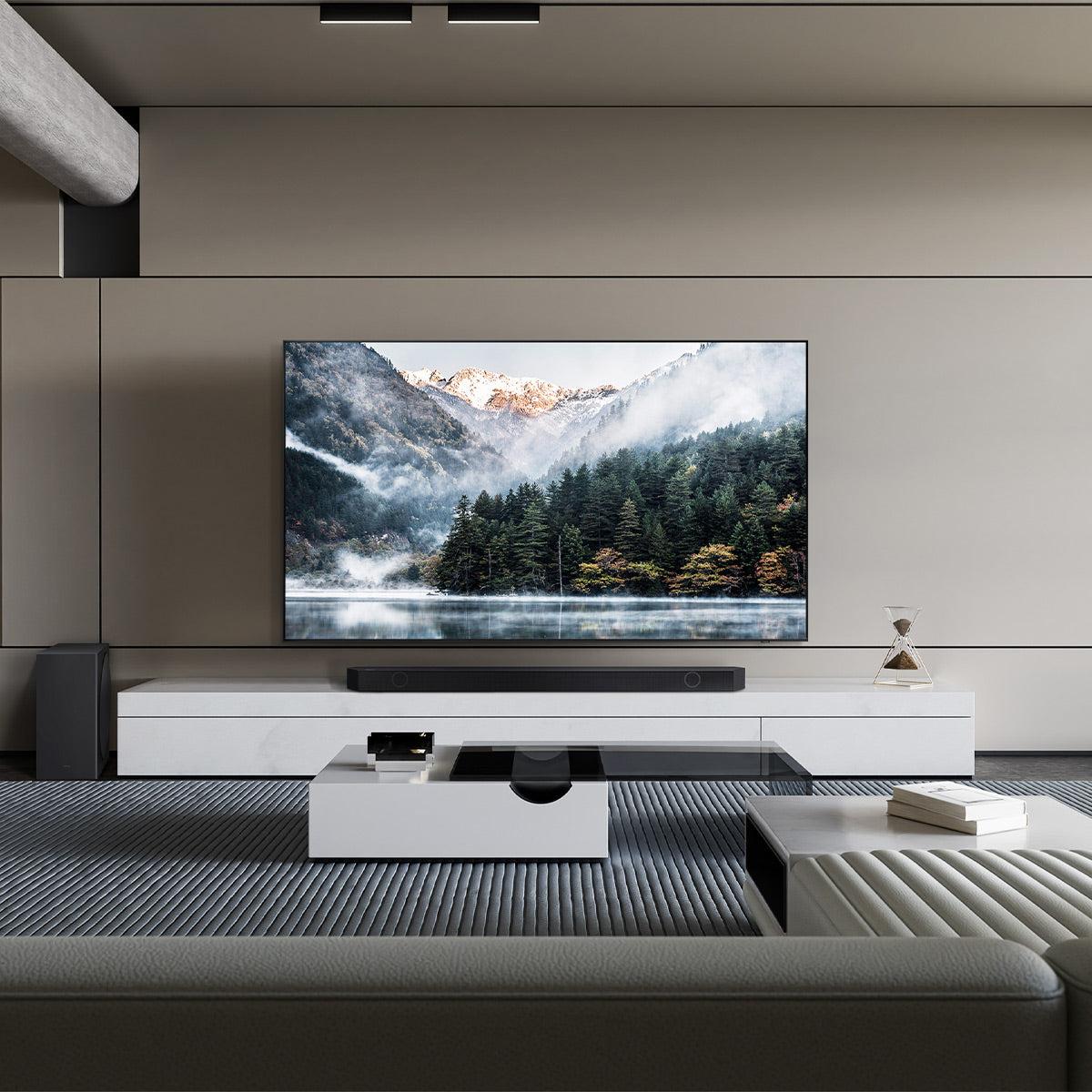
The Frame 2024 is designed specifically for wall mounting and includes a slim-fit mount in the box. At one inch thick, it creates a clean, picture-frame appearance that genuinely blends into room décor. The customizable magnetic bezels (sold separately) allow matching various interior design styles.
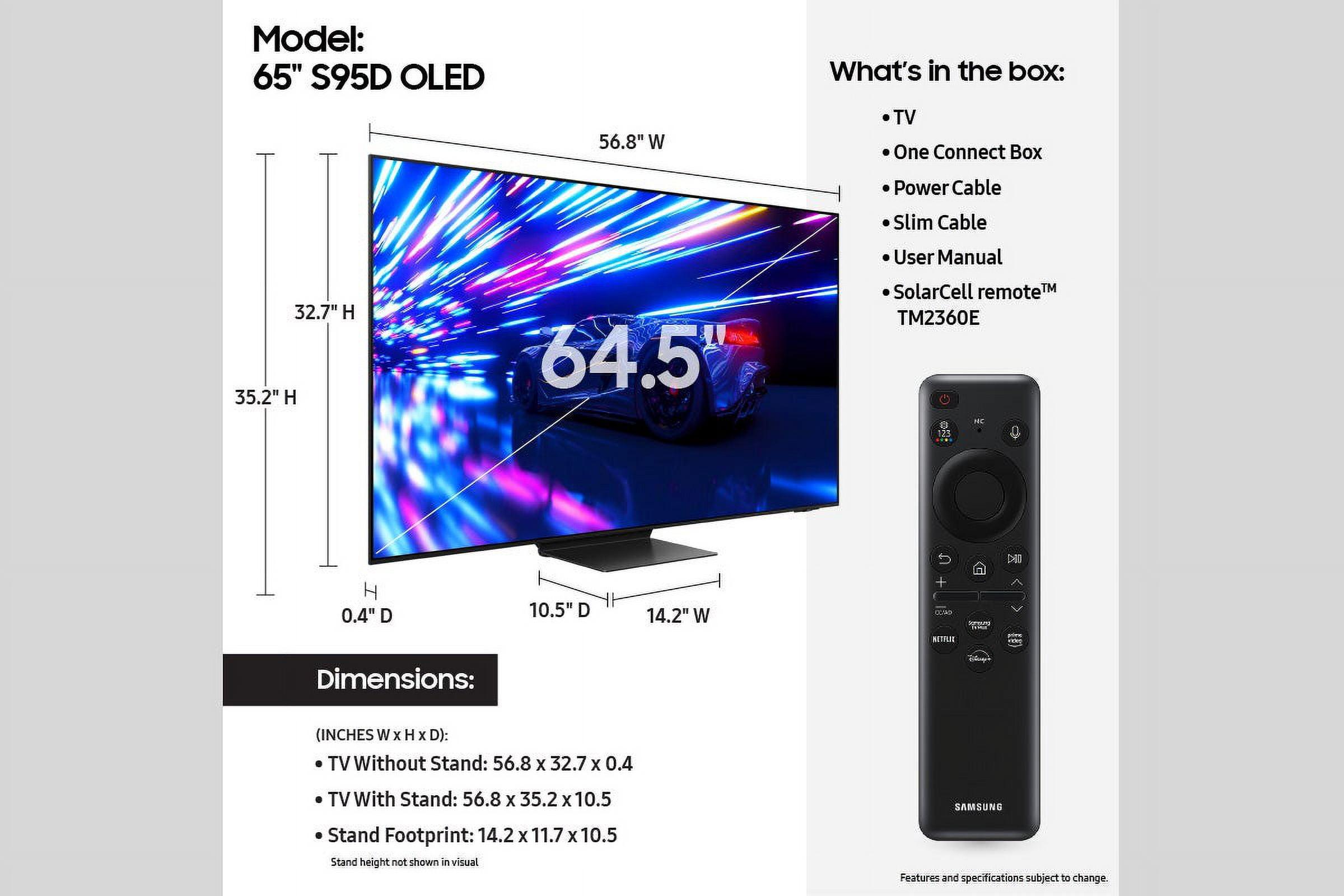
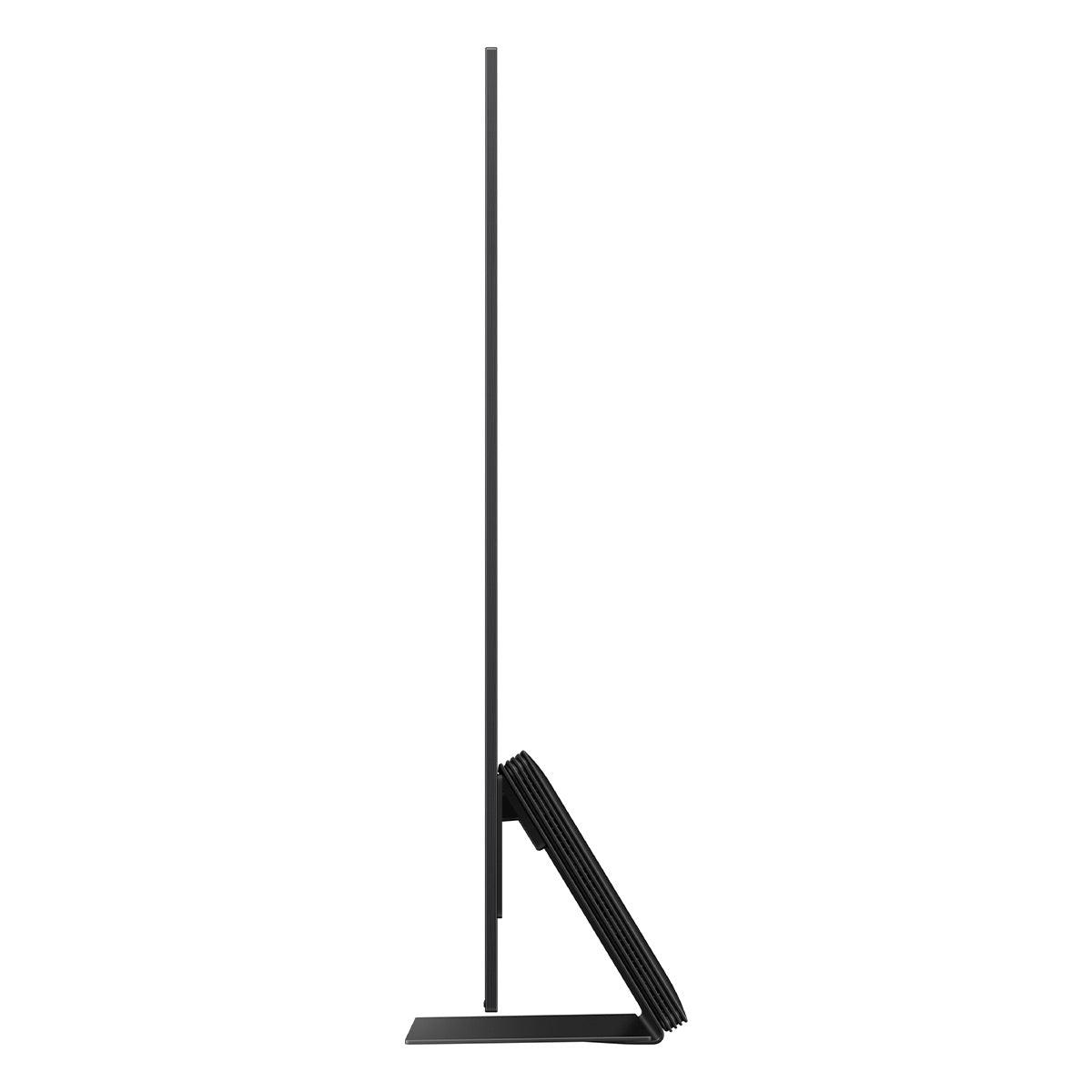
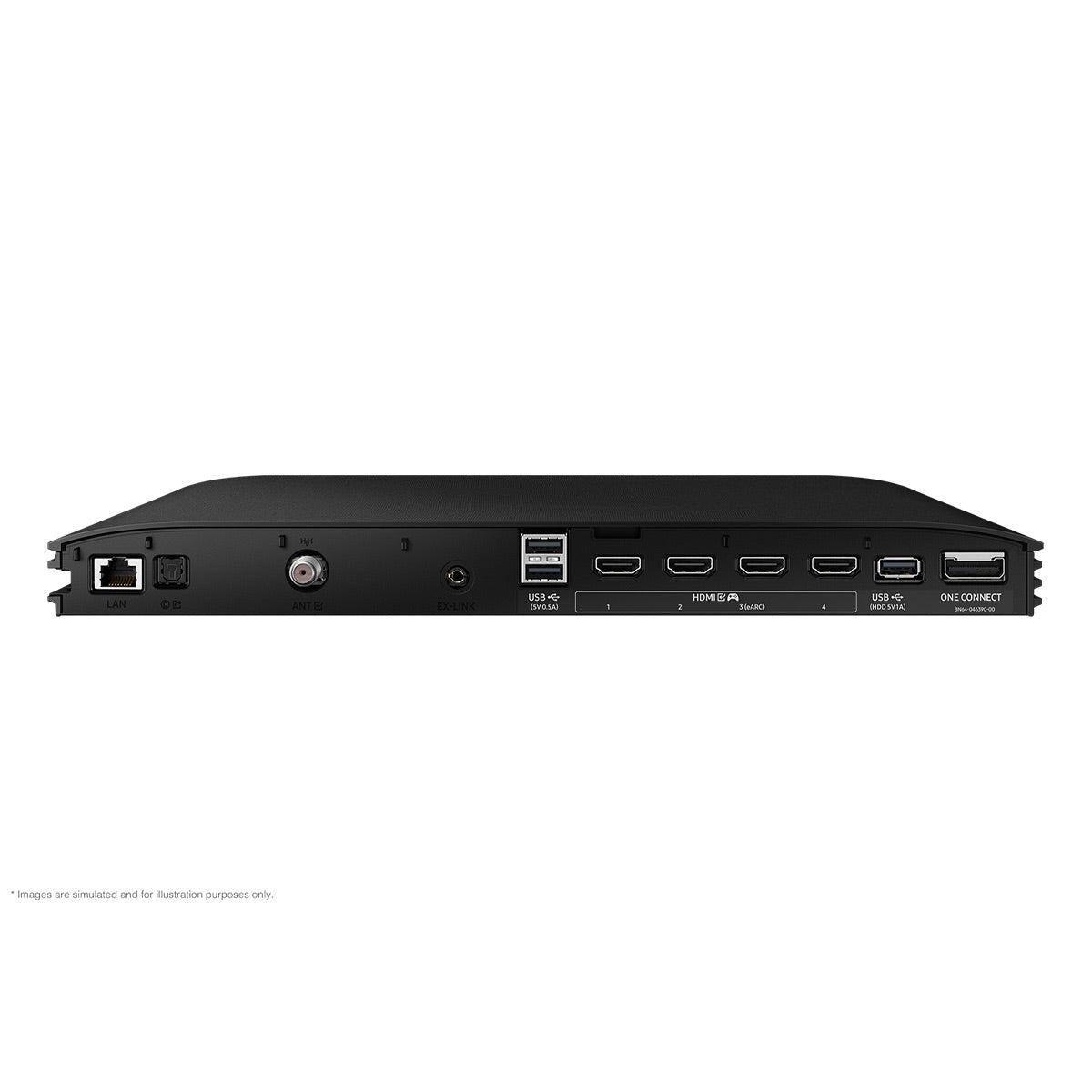
The S95D achieves an even thinner profile at just 0.4 inches, but accomplishes this through the One Connect Box—an external unit that houses all HDMI ports and connections. While this creates cable management benefits and an incredibly slim wall-mounted appearance, it also means finding space for and connecting to this separate box.
The Frame offers simpler installation with direct connections to the TV panel, while the S95D requires running a special cable between the One Connect Box and display panel. For most installations, this difference is minor, but it affects flexibility in equipment placement and may influence professional installation requirements.
At the time of writing, the price difference between these models represents roughly a 40-45% premium for the S95D. Based on expert evaluations and performance measurements, this premium translates to significantly more than 40% better performance in key areas like contrast, color accuracy, and gaming capabilities.
For performance-focused buyers, the S95D actually represents excellent value compared to other flagship OLED TVs that often cost considerably more while delivering similar picture quality. The performance gap in critical areas like contrast and HDR makes the price difference justifiable for serious home theater enthusiasts.
The Frame 2024 provides value that's difficult to quantify through traditional performance metrics. If you would otherwise purchase wall art, invest in interior design elements, or value the flexibility of changing room appearance through digital displays, the Frame's unique capabilities justify its positioning.
For buyers primarily interested in television performance, however, the Frame represents poor value—you're paying premium TV prices for mid-tier performance while subsidizing art display features you might not use.
Both TVs represent significant improvements over their 2023 predecessors. The S95D introduced enhanced anti-glare technology and improved color processing, addressing previous OLED concerns about bright room performance. The Frame 2024 added better art mode color accuracy and improved matte screen technology.
Samsung's 2024 TV lineup demonstrates the company's commitment to both performance leadership (with the S95D) and lifestyle innovation (with the Frame). However, the performance gap between OLED and QLED technology continues widening as OLED manufacturing improves.
The S95D's superior connectivity options and processing power suggest better longevity for evolving content standards and gaming requirements. OLED panels do face potential burn-in concerns with static content over extremely long periods, though this has become increasingly rare with modern usage patterns and built-in protection systems.
The Frame's simpler technology and specific use case design may age better for its intended purpose as an art display device, though its gaming and HDR performance will become more obviously dated as content standards continue advancing.
Choose the S95D 4K OLED Smart TV if you prioritize picture quality above all else, game frequently with modern consoles, watch HDR movies and premium streaming content regularly, or have challenging room lighting where you still want peak performance. The price premium pays for dramatically superior contrast, color accuracy, gaming capabilities, and audio performance.
This TV excels in dedicated home theater environments, living rooms where the TV serves as the primary entertainment focus, or any situation where visual performance justifies the investment. If you appreciate the difference between good and excellent picture quality, the S95D delivers satisfaction that outlasts the initial price consideration.
Choose the Frame QLED 4K 2024 TV if you want your TV to enhance room décor when not in use, have aesthetic priorities that equal or exceed performance concerns, watch TV casually rather than as a primary entertainment focus, or value the unique dual-purpose functionality that no other TV provides.
This TV works best in design-forward living spaces, rooms where a traditional black screen would detract from décor, or households where the TV needs to satisfy both entertainment and interior design requirements. If you appreciate innovative features and don't require peak performance, the Frame provides capabilities unavailable elsewhere.
After extensive research into expert reviews, user feedback, and technical specifications, the choice between these TVs comes down to a fundamental question: Do you want the best possible TV performance, or do you want a TV that disappears into your living space when you're not actively watching it?
The S95D delivers flagship performance that justifies its premium pricing for anyone who cares about picture quality, gaming, or home theater experience. The Frame 2024 provides unique lifestyle value that traditional performance metrics cannot capture, making it worthwhile for design-conscious buyers who appreciate its dual-purpose nature.
Both represent excellent engineering and serve their intended purposes well. The key is honestly evaluating whether you're buying a premium television or buying a piece of interactive home décor that also functions as a TV.
| Samsung 65" The Frame QLED 4K 2024 TV | Samsung 65" S95D 4K OLED Smart TV |
|---|---|
| Display Technology - Determines contrast, black levels, and overall picture quality | |
| QLED (LED-backlit LCD with quantum dots) | QD-OLED (Self-illuminating pixels with quantum dots) |
| Contrast Performance - Most noticeable difference in dark room viewing | |
| Limited by always-on backlight, no local dimming | Perfect blacks with infinite contrast ratio |
| Peak HDR Brightness - Critical for impactful movie and gaming experience | |
| Good but limited HDR impact | Exceptional HDR brightness with perfect blacks |
| Gaming Performance - Essential for PlayStation 5 and Xbox Series X | |
| 4K@120Hz on select ports, basic VRR support | 4K@144Hz on all four HDMI 2.1 ports, 9ms input lag |
| Art Mode Feature - Unique selling point for lifestyle integration | |
| Full Art Mode with motion sensor, Pantone certification | Not available |
| Anti-Glare Technology - Important for bright room performance | |
| Matte anti-reflective coating with canvas texture | OLED Glare Free technology maintaining color accuracy |
| Audio System - Affects need for additional sound equipment | |
| 40W 2.0.2 speakers, Dolby Atmos passthrough only | 70W 4.2.2 speakers with full Dolby Atmos processing |
| Viewing Angles - Matters for family viewing from multiple positions | |
| Narrower angles with noticeable color shift | Wide viewing angles maintaining picture quality |
| Physical Design - Impacts installation and room aesthetics | |
| 1-inch thick, customizable magnetic bezels available | 0.4-inch ultra-thin with One Connect Box required |
| Value Proposition - Who gets the best deal | |
| Unique art display functionality justifies premium over standard TVs | Superior performance across all metrics justifies OLED premium |
| Best For - Target buyer profile | |
| Design-conscious buyers wanting dual TV/art functionality | Performance enthusiasts prioritizing picture quality and gaming |
The Samsung 65" S95D 4K OLED Smart TV has significantly better picture quality than the Samsung 65" The Frame QLED 4K 2024 TV. The S95D uses OLED technology that delivers perfect blacks, infinite contrast, and brighter colors. The Frame uses QLED technology without local dimming, resulting in limited contrast and washed-out dark scenes.
The primary difference is their purpose and display technology. The Frame QLED 4K 2024 TV is designed as a lifestyle TV that doubles as wall art when not in use, while the S95D OLED focuses purely on delivering premium picture quality and gaming performance using advanced OLED technology.
The Samsung 65" S95D 4K OLED Smart TV is superior for gaming with 4K@144Hz support on all four HDMI 2.1 ports, 9ms input lag, and comprehensive VRR support. The Frame 2024 TV offers adequate gaming performance but with limited high-bandwidth ports and higher input lag.
Yes, the Samsung 65" The Frame QLED 4K 2024 TV features Art Mode that transforms it into a digital art gallery with motion sensor activation, canvas-like matte texture, and Pantone-certified color accuracy. It can display curated artwork from Samsung's Art Store or personal photos when not watching TV content.
The Samsung 65" S95D 4K OLED Smart TV typically costs significantly more than the Frame QLED 4K 2024 TV, with the OLED commanding a premium for its superior display technology and performance capabilities.
The Samsung 65" S95D 4K OLED Smart TV is far superior for home theater use. Its perfect black levels, exceptional HDR brightness, infinite contrast ratio, and 70W Dolby Atmos sound system create a cinematic experience that the Frame TV cannot match due to its limited contrast performance.
The Samsung 65" The Frame QLED 4K 2024 TV includes basic functionality, but customizable magnetic bezels are sold separately, and accessing Samsung's premium art collections requires a subscription. The TV does include a slim wall mount for flush installation.
The S95D OLED has superior audio with a 70W 4.2.2 speaker system and full Dolby Atmos processing. The Frame 2024 TV has a modest 40W 2.0.2 system that can only pass through Dolby Atmos to external speakers rather than processing it internally.
The Samsung 65" S95D 4K OLED Smart TV maintains excellent picture quality from wide viewing angles due to OLED technology. The Frame QLED TV shows more noticeable color shifting and brightness reduction when viewed from the sides, typical of QLED displays.
The S95D OLED offers better future-proofing with four HDMI 2.1 ports, advanced processing, and support for the latest gaming standards. The Samsung 65" The Frame QLED 4K 2024 TV may age better for its art display purpose but will become more dated for gaming and HDR content over time.
Choose the Frame QLED 4K 2024 TV if you prioritize aesthetics and want the TV to blend into your decor as art when not in use. Choose the Samsung 65" S95D 4K OLED Smart TV if you want the best possible picture quality, gaming performance, and overall viewing experience regardless of the higher cost.
We've done our best to create useful and informative comparisons to help you decide what product to buy. Our research uses advanced automated methods to create this comparison and perfection is not possible - please contact us for corrections or questions. These are the sites we've researched in the creation of this article: tomsguide.com - rtings.com - rtings.com - youtube.com - bestbuy.com - techlicious.com - youtube.com - smalllilystudio.com - theeverymom.com - livingetc.com - pcrichard.com - image-us.samsung.com - samsung.com - images.samsung.com - samsung.com - buydig.com - tvsbook.com - bestbuy.com - samsung.com - samsung.com - flatpanelshd.com - techradar.com - videoandaudiocenter.com - avsforum.com - cnet.com - abt.com - merlinstv.com - nfm.com - rtings.com - flintsfurniture.com - samsung.com - bestbuy.com - displayspecifications.com

Privacy Policy
Terms and Conditions - Affiliate Policy
Home Security
© Copyright 2008-2026.
11816 Inwood Rd #1211, Dallas, TX 75244