



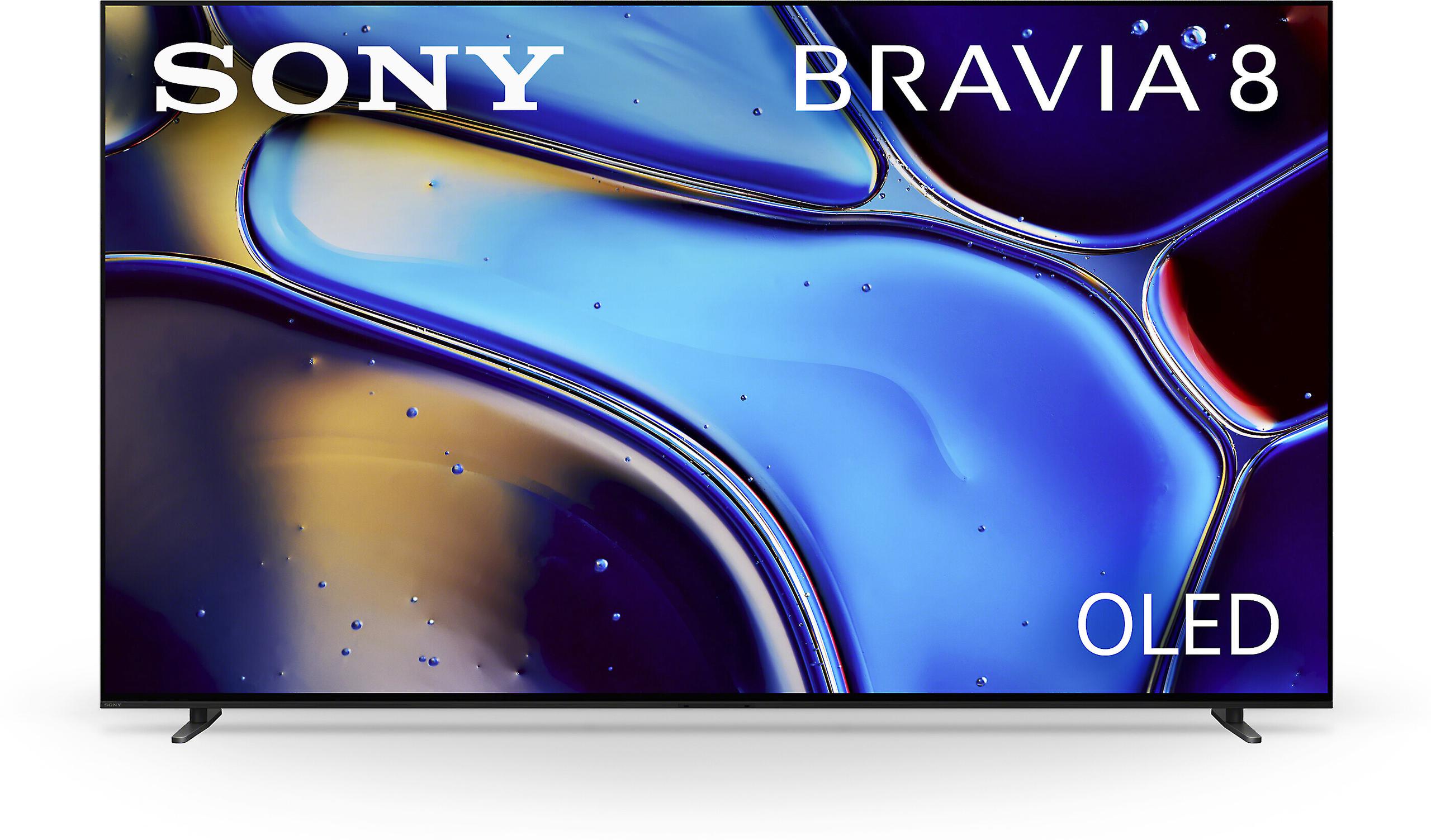
Choosing between Samsung's lifestyle-focused Frame QLED and Sony's performance-driven BRAVIA 8 OLED isn't just about picking a TV—it's about deciding how technology fits into your life. Both landed in stores during 2024 at remarkably similar price points, but they represent completely different philosophies about what a premium television should be.
The premium 65-inch TV market has become fascinating precisely because of choices like this. You can spend roughly the same amount and get either a television that tries to disappear when you're not watching it, or one that delivers some of the best picture quality money can buy. Understanding which approach fits your situation requires diving into the technical details that actually matter.
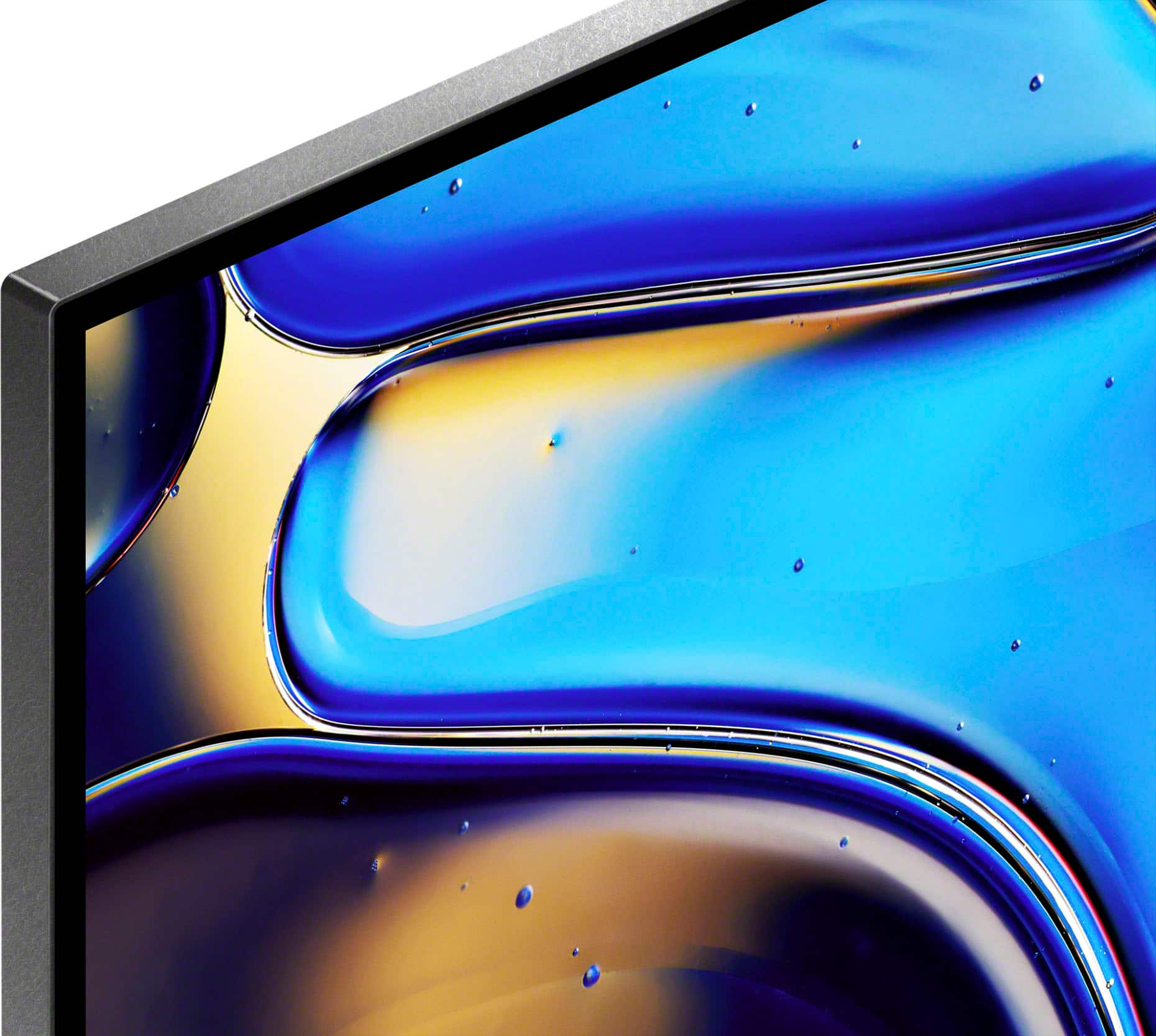
The most fundamental difference between these TVs lies in how they create the image you see. The Sony BRAVIA 8 uses OLED technology, where each of the roughly 8.3 million pixels generates its own light. When a pixel needs to be black, it simply turns off completely. This creates what engineers call "infinite contrast"—the difference between the brightest whites and the darkest blacks is theoretically unlimited.
The Samsung Frame, on the other hand, uses QLED technology. This means it has a backlight (like older LCD TVs) but adds a layer of quantum dots—microscopic crystals that can produce very pure colors when excited by light. The entire screen is illuminated from behind, even when displaying black areas, which means it can never achieve true black levels like OLED can.
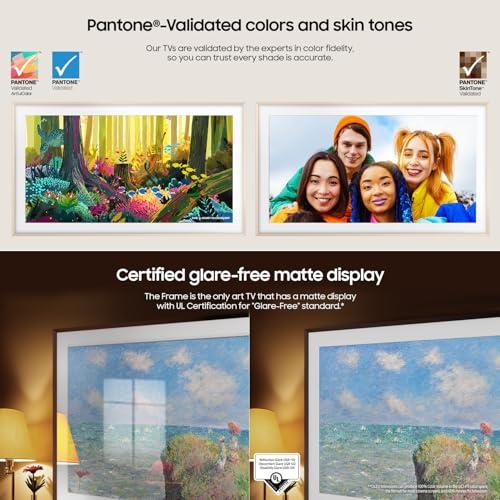
Here's where it gets interesting though: Samsung has paired this QLED panel with something called a matte anti-reflective coating. Think of it like the difference between a glossy photo and a matte one—the matte finish scatters light rather than reflecting it directly back at you. This makes the Samsung Frame dramatically better at handling bright rooms with lots of ambient light.
In practice, this means the Sony BRAVIA 8 will give you those jaw-dropping dark movie scenes where you can see every detail in shadows, while the Samsung Frame will maintain consistent image quality even when your living room windows are letting in afternoon sunlight.
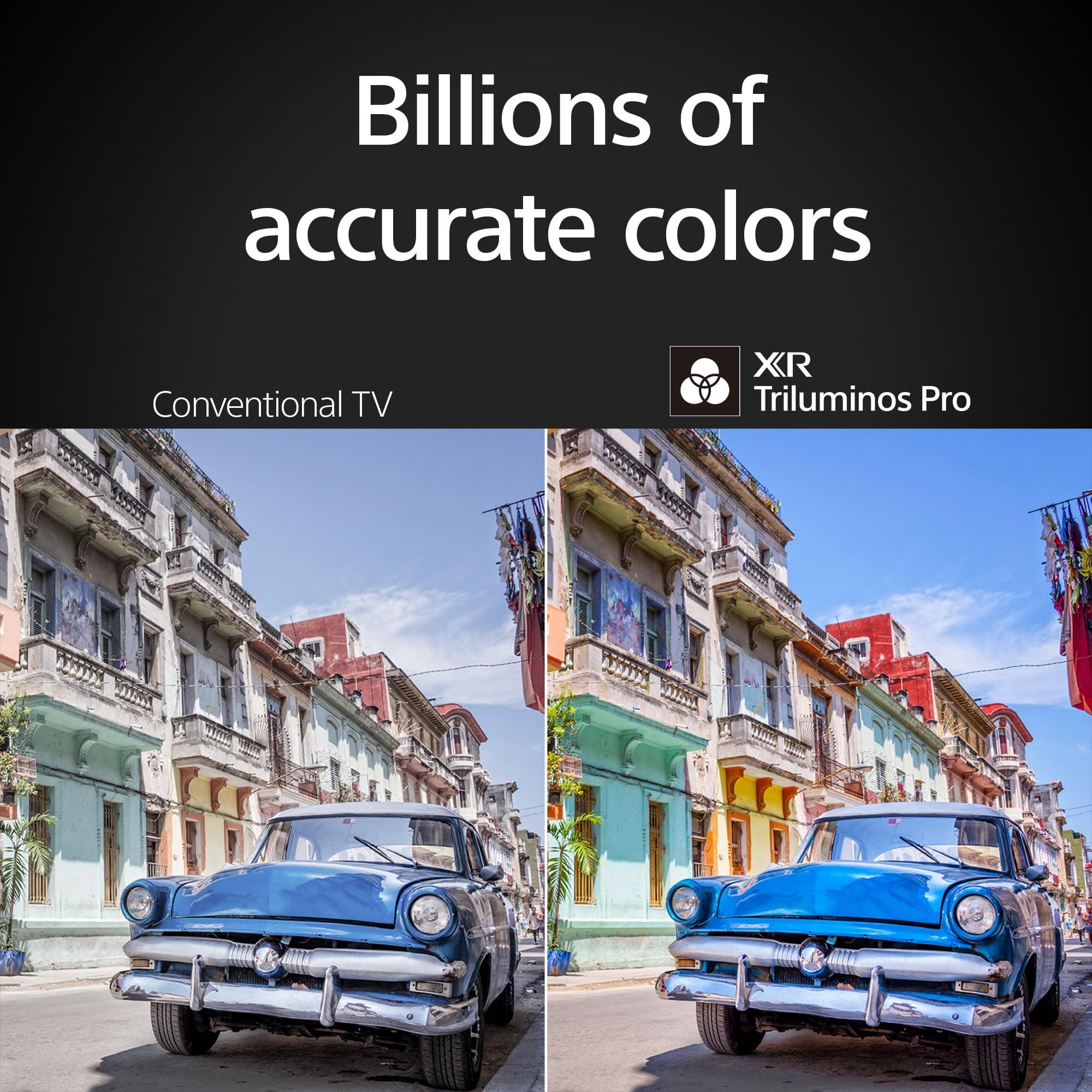
Based on our research into expert reviews and user feedback, the picture quality story becomes complex quickly. The Sony BRAVIA 8 clearly wins in controlled lighting conditions. When watching movies in the evening with the lights dimmed, OLED's perfect blacks create an almost three-dimensional sense of depth. Colors look natural and film-accurate, thanks partly to Sony's XR Triluminos Pro technology, which accesses what Sony calls "billions of accurate real-world colors."
But here's what many people don't realize: the Samsung Frame can actually get brighter than the OLED. While the Sony BRAVIA 8 peaks around 800-900 nits of brightness, Samsung's QLED can push past 1,000 nits. In HDR content (High Dynamic Range, which makes bright things look really bright and dark things look really dark), this extra brightness can make highlights pop more dramatically.
The catch is that Samsung doesn't support Dolby Vision, which is arguably the most sophisticated HDR format. Netflix, Disney+, and Apple TV+ all use Dolby Vision for their premium content, and it makes a noticeable difference. Dolby Vision adjusts the picture settings scene by scene, rather than just once for the entire movie. The Sony BRAVIA 8 supports this, while the Samsung Frame is limited to the older HDR10+ standard.
For color accuracy, both TVs take different approaches. Sony focuses on what they call "cinematic" color—how filmmakers intended their work to look. Samsung tends toward more vibrant, saturated colors that can look more impressive at first glance but may not be as accurate to the source material.
Gaming performance has become crucial for premium TVs, especially with PlayStation 5 and Xbox Series X consoles capable of 4K resolution at 120 frames per second. The Sony BRAVIA 8 clearly takes this seriously, with dedicated PlayStation 5 features like Auto HDR Tone Mapping that automatically optimizes picture settings when you start gaming.
Both TVs support Variable Refresh Rate (VRR), which synchronizes the TV's refresh rate with your gaming console's output to eliminate screen tearing—those annoying horizontal lines that can appear during fast motion. They also include Auto Low Latency Mode (ALLM), which automatically switches to a gaming-optimized picture mode when it detects a gaming signal.
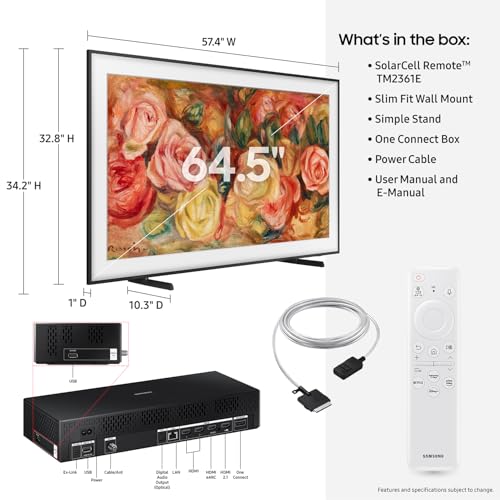
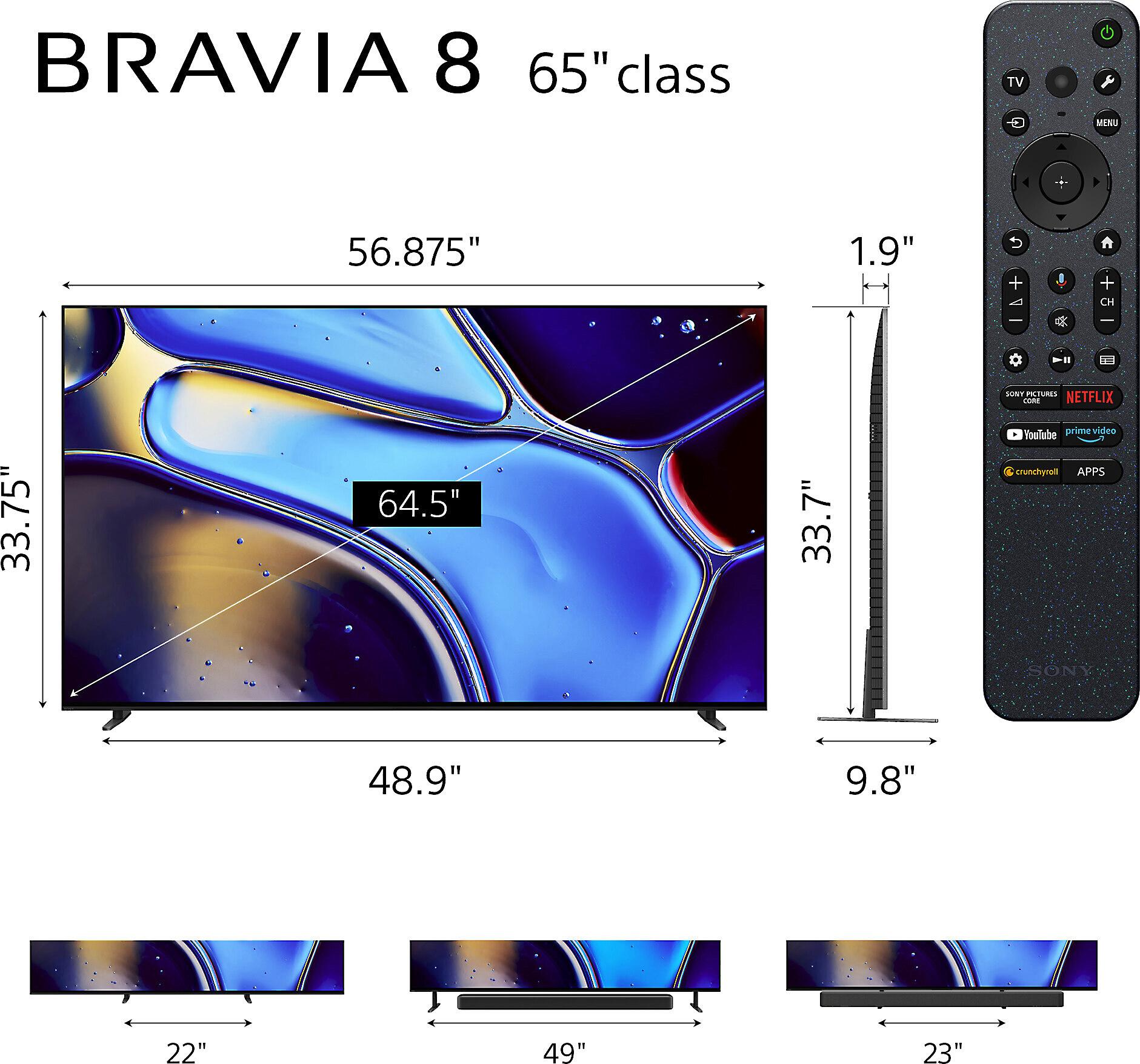
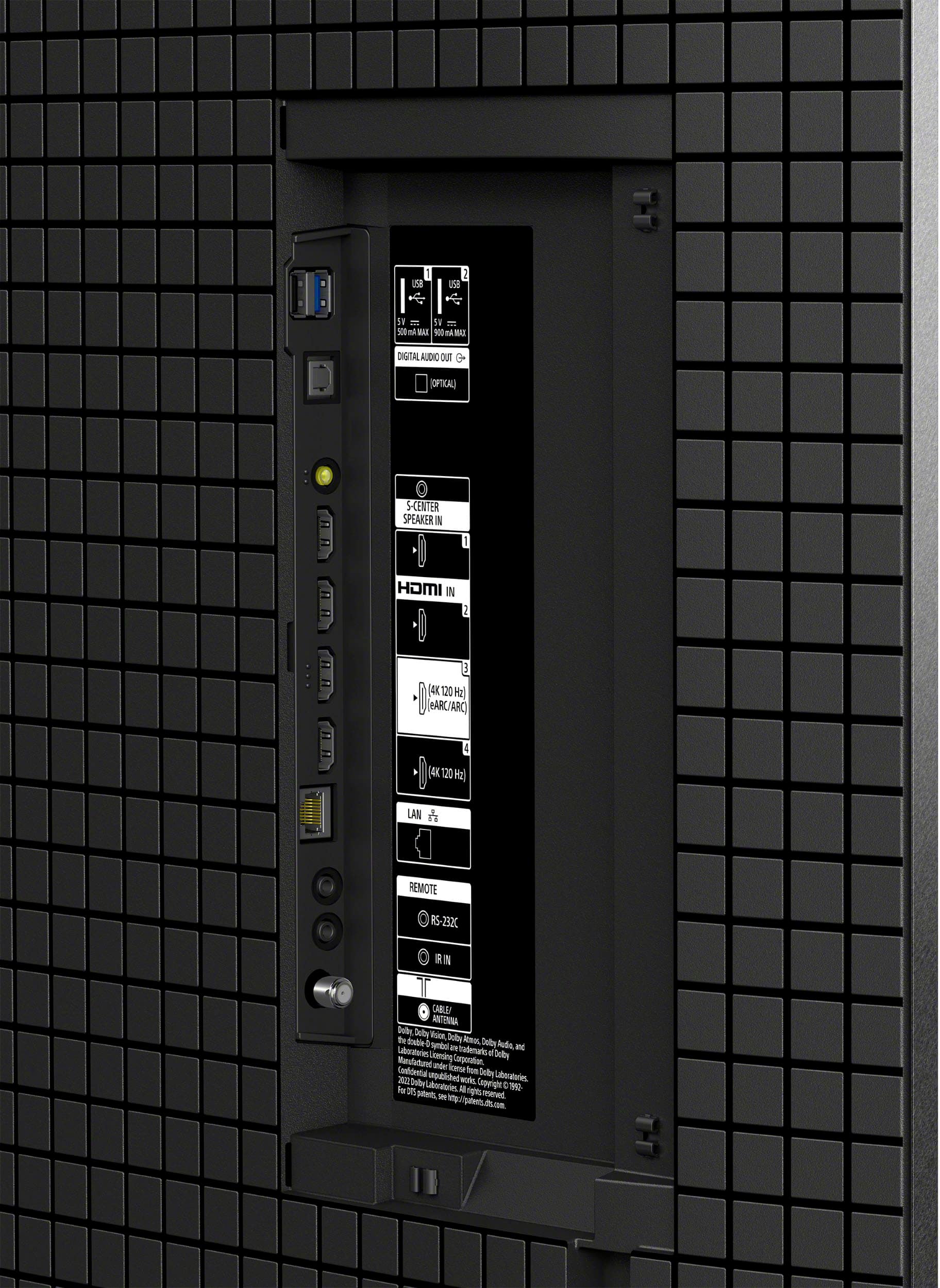
The Sony BRAVIA 8 has two HDMI 2.1 ports that support full 4K at 120Hz, while the Samsung Frame specifications are less clear from available information. For most people, two HDMI 2.1 ports is sufficient, but if you have multiple next-gen consoles plus a high-end gaming PC, you might want more options.
OLED technology gives the Sony BRAVIA 8 a natural advantage in gaming because each pixel can switch states instantaneously. LCD-based displays like the Samsung Frame have some inherent lag as liquid crystals physically move to change colors. This translates to less motion blur during fast-paced games.
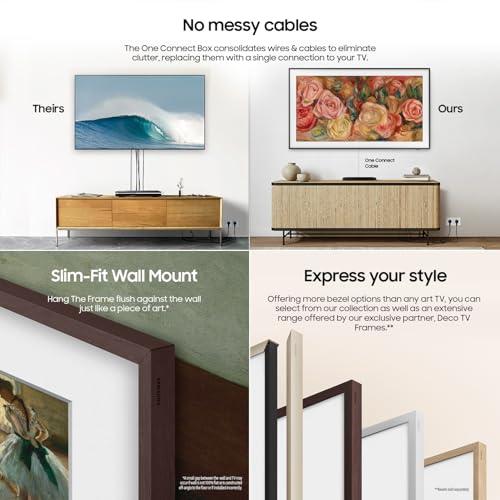
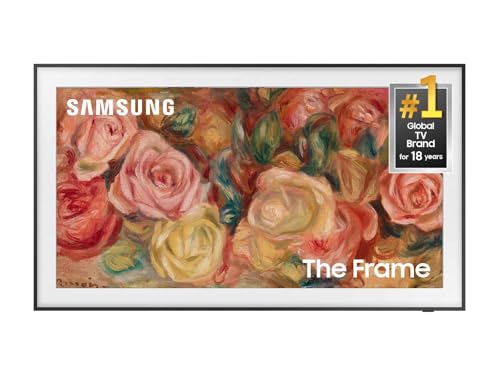
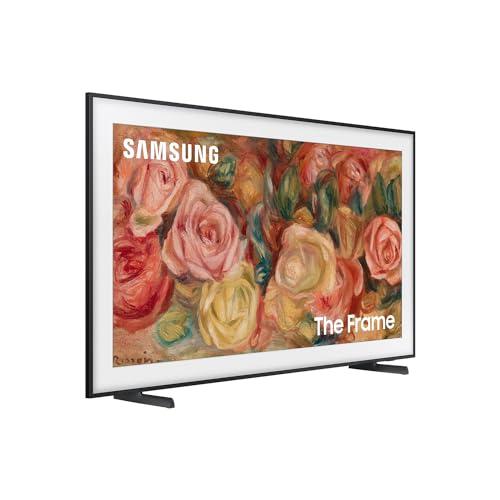
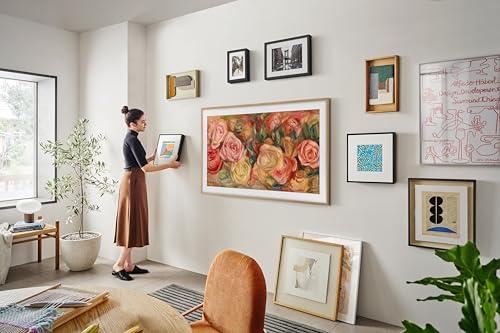
Here's where the Samsung Frame becomes genuinely different from any other TV on the market. When you're not watching content, it transforms into a digital art display. The Art Mode isn't just a screensaver—it's designed to look like a real piece of artwork hanging on your wall.
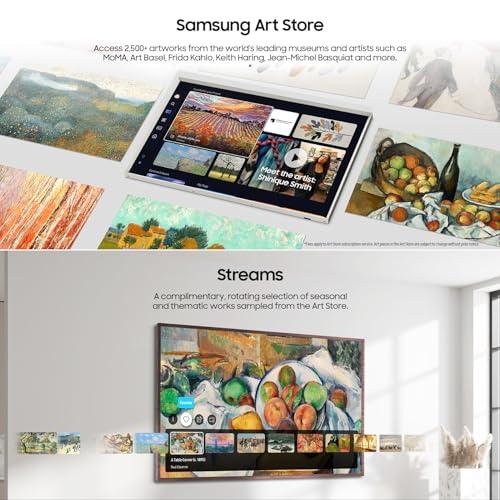
The TV comes with customizable magnetic bezels that mimic picture frames, and Samsung offers a subscription-based Art Store with thousands of pieces from museums and artists worldwide. You can also upload your own photos and artwork. The matte finish that helps with glare also makes the displayed art look more like a real canvas or print rather than a digital screen.
What makes this work technically is that the TV drops its refresh rate to 60Hz in Art Mode and uses a motion sensor to detect when people are in the room. When nobody's around, it can dim further or turn off completely to save energy. Samsung has clearly thought through the engineering challenges of making a TV function as décor.
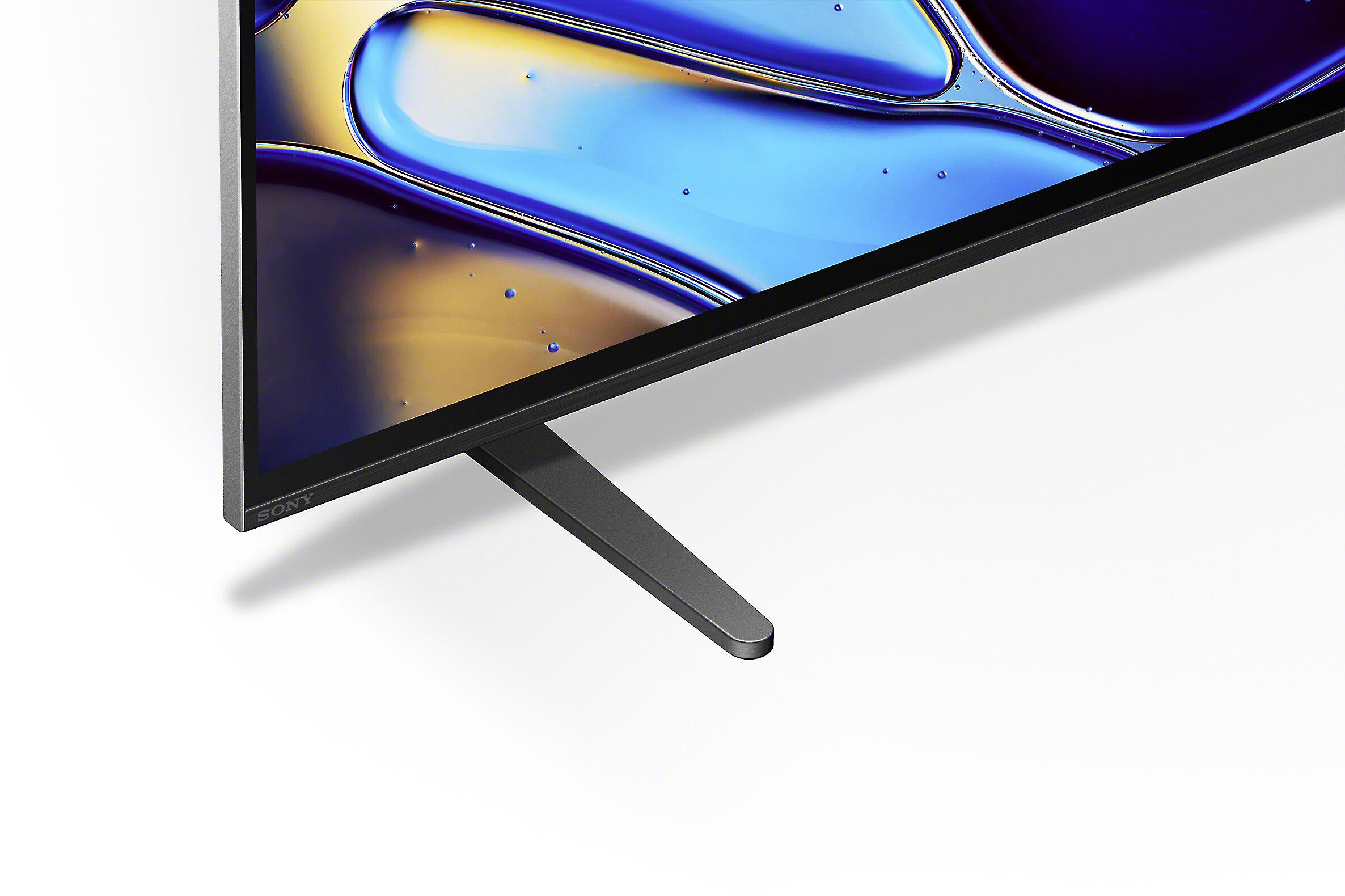
The Sony BRAVIA 8 has no equivalent feature. When it's off, it looks like a turned-off TV.
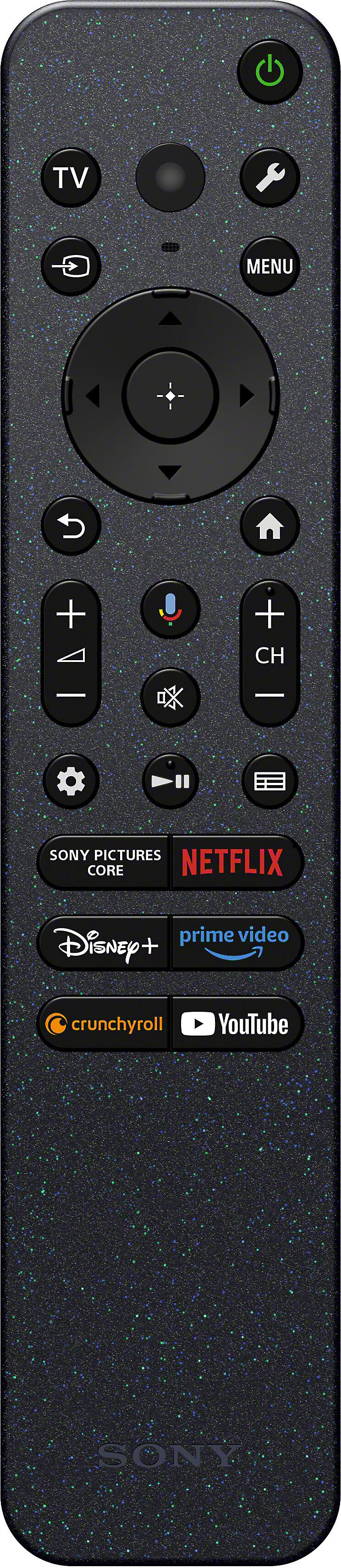
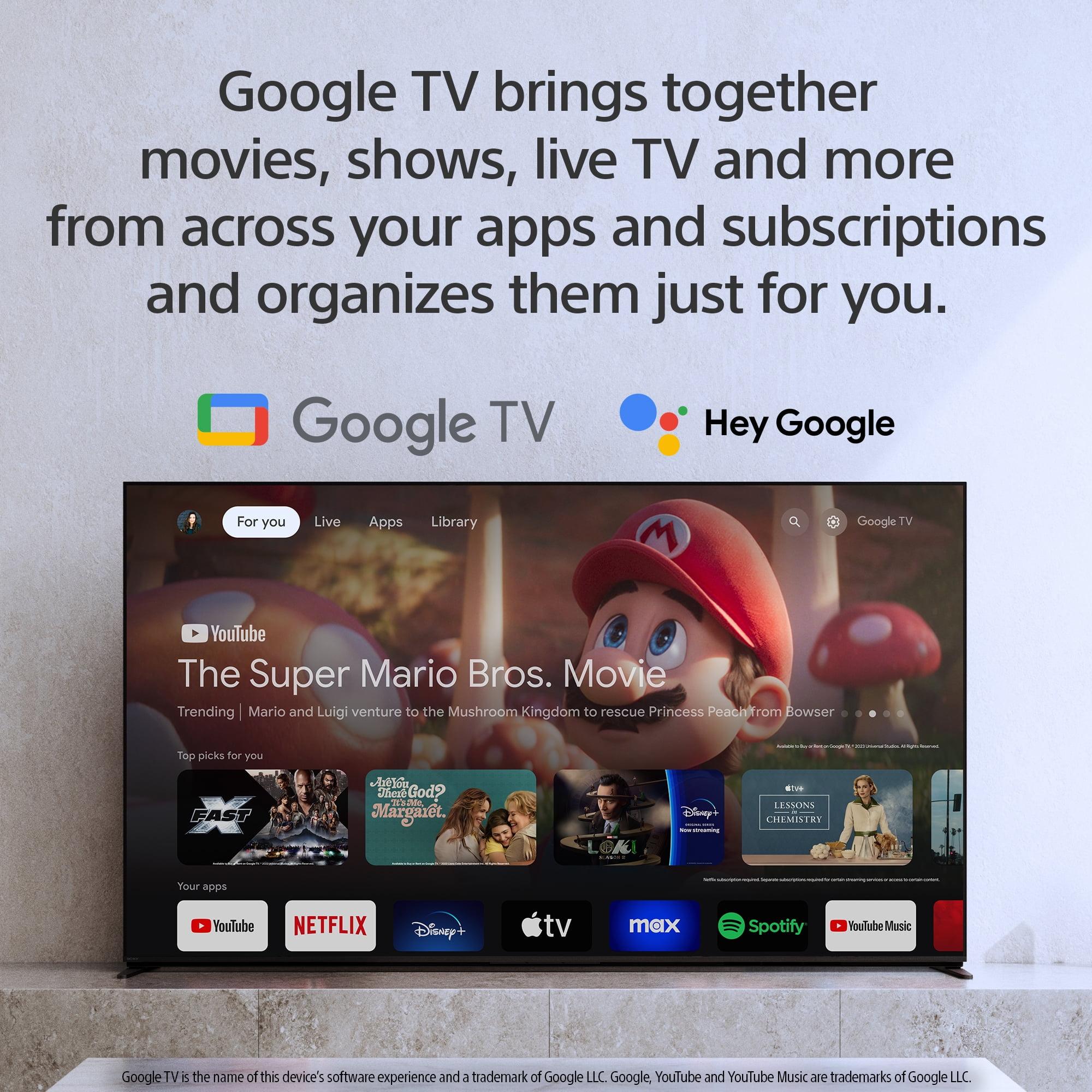
The software experience differs significantly between these TVs. The Sony BRAVIA 8 runs Google TV, which excels at content discovery. Instead of just showing you apps, Google TV surfaces actual shows and movies from across all your streaming services on the main screen. If you're wondering what to watch tonight, Google TV's recommendations often hit the mark.
Google TV also includes excellent voice search through Google Assistant. You can say "show me action movies with Chris Hemsworth" and get results from Netflix, Prime Video, Disney+, and other services simultaneously. The integration feels seamless if you already use Google services.
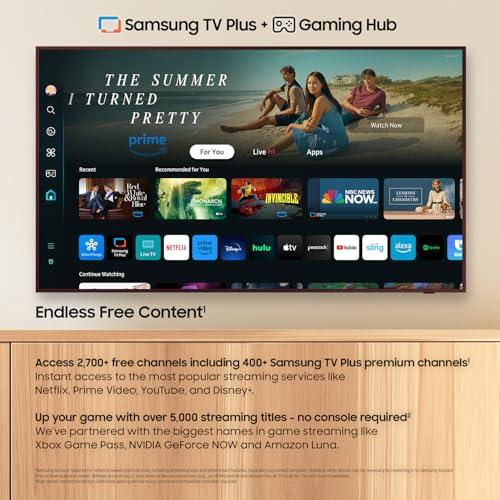
The Samsung Frame runs Samsung's Tizen operating system, which prioritizes speed and simplicity. Tizen is notably fast and responsive, rarely showing the lag that can plague some smart TV platforms. It also integrates well with Samsung's SmartThings ecosystem if you have other Samsung devices or smart home products.
Both platforms get regular updates, but Google TV tends to receive new features more quickly since it's based on Android TV and benefits from Google's faster development cycle.
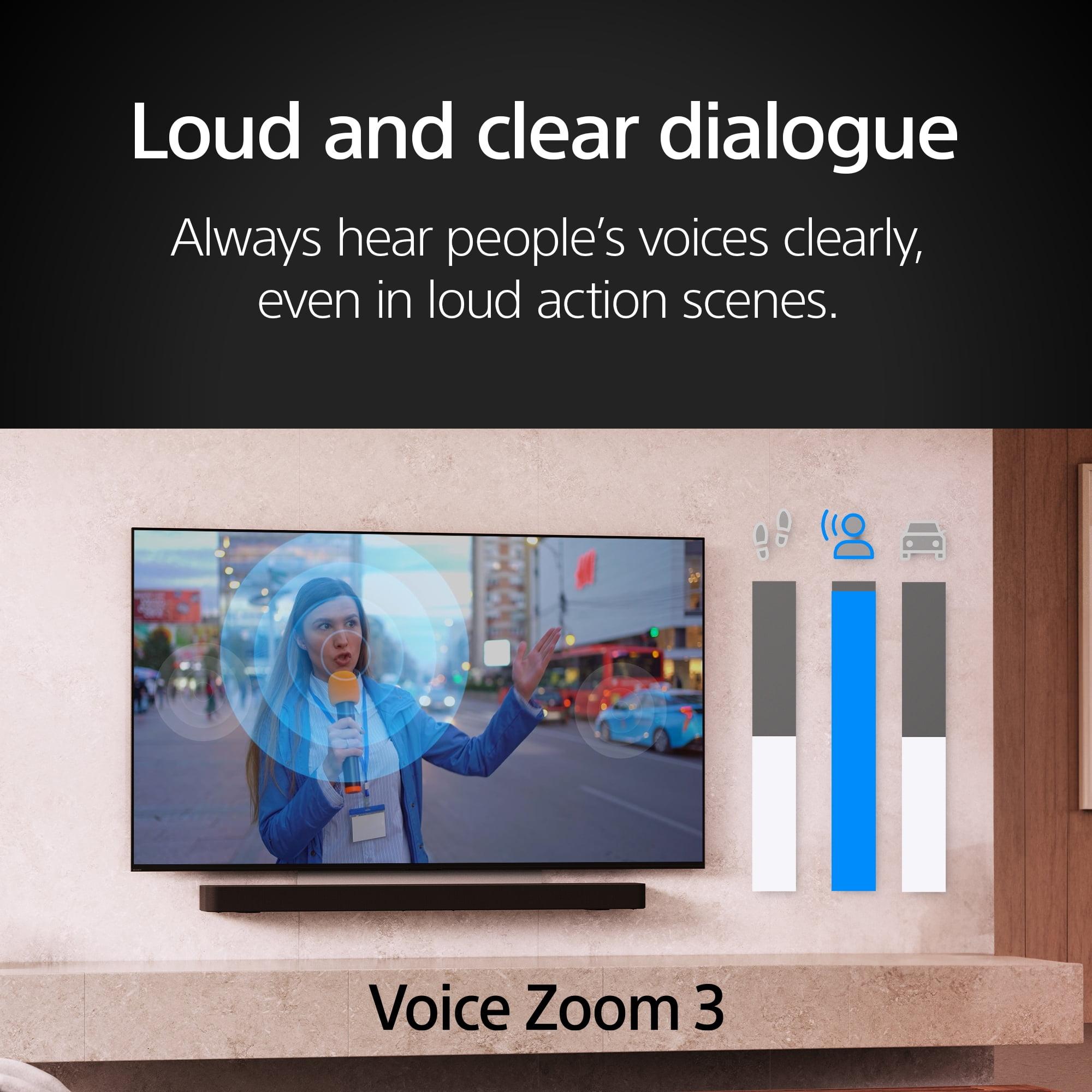
Sound quality rarely gets enough attention in TV comparisons, but there's a meaningful difference here. The Sony BRAVIA 8 uses something called Acoustic Surface Audio, where the screen itself vibrates to produce sound. This isn't a gimmick—it genuinely makes dialogue appear to come from actors' mouths rather than from speakers below the screen.
The system includes 50 watts of total power in a 2.1 channel configuration (meaning left, right, and subwoofer channels). Sony also includes Acoustic Center Sync, which lets the TV work as a center channel speaker when paired with compatible Sony soundbars. This creates a more immersive surround sound experience without requiring a full home theater setup.
Audio specifications for the Samsung Frame are less detailed in available information, which often indicates it's not a priority feature. Most premium TVs in this category have decent built-in audio, but rarely exceptional audio.
For dedicated home theater setups, the Sony BRAVIA 8 is the clear choice. OLED's perfect blacks create that enveloping darkness that makes movie watching feel cinematic. When you're watching something like "Dune" or "Blade Runner 2049" in a darkened room, the difference is immediately apparent.
The Sony BRAVIA 8 also includes Filmmaker Mode, which automatically disables motion smoothing and other processing that can make movies look artificial. Many directors have advocated for this feature because it preserves their creative intent.
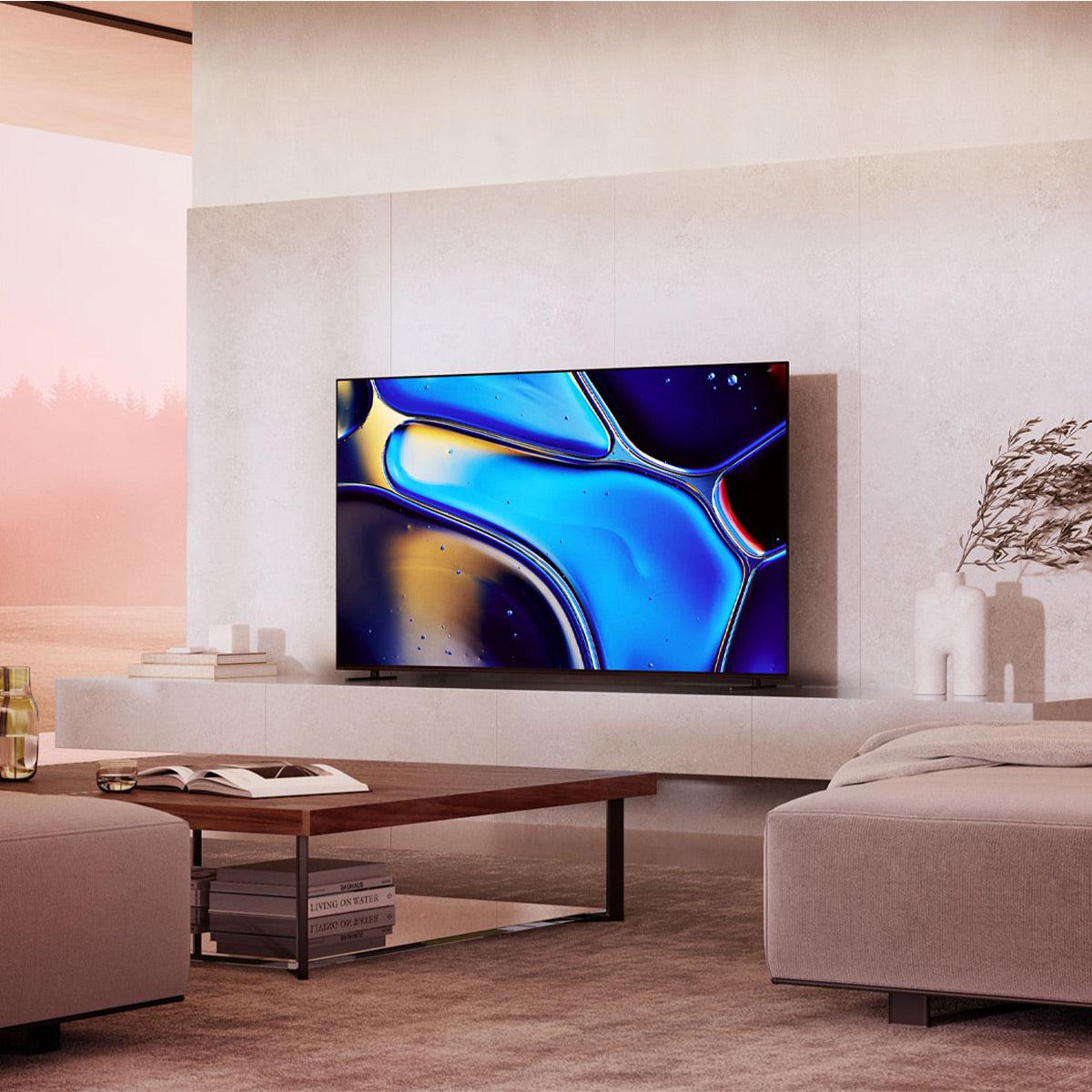
However, home theater doesn't always mean a dedicated dark room. If your "home theater" is actually your living room where you watch TV with family, the Samsung Frame might serve you better. Its anti-glare coating and higher peak brightness mean you don't need to control lighting as carefully.
OLED technology has one potential weakness: burn-in. If static images (like news channel logos or video game user interfaces) stay on screen for hundreds of hours, they can leave permanent ghost images. Modern OLED TVs like the Sony BRAVIA 8 include numerous protections—pixel shifting, screen savers, and automatic brightness limiting—that make burn-in extremely rare with normal viewing patterns.
However, the Samsung Frame's Art Mode, ironically, would be more problematic on an OLED display because static images are exactly what it's designed to show. Samsung's QLED technology is immune to burn-in, making it theoretically better suited for displaying art for extended periods.
Both manufacturers provide similar warranty coverage, typically one year for parts and labor at the time of writing. Extended warranties are available through retailers and often worth considering for premium purchases like these.
At the time of writing, both TVs are priced competitively in the premium 65-inch segment. The Sony BRAVIA 8 represents excellent value for OLED technology, which historically commanded premium pricing. Getting OLED performance at this price point would have been unthinkable just a few years ago.
The Samsung Frame asks you to pay partly for its unique lifestyle features. You're not just buying a TV—you're buying a piece of functional furniture that can enhance your room's aesthetics. Whether that's worth it depends entirely on how much you value design integration.
Both represent significant improvements over their predecessors from previous years. OLED technology has gotten brighter and more efficient, while QLED has improved in color accuracy and processing power.
Choose the Samsung Frame if you prioritize room aesthetics and have a bright living space. If your TV area gets significant natural light during the day, or if you want your television to contribute to your room's décor rather than dominate it, Samsung's approach makes sense. It's also the better choice if you plan to display photos or artwork regularly, since there's no burn-in risk.
The Samsung Frame works best for people who watch TV casually—news, sports, streaming shows—rather than those seeking a cinematic experience. Its consistent performance across different lighting conditions makes it ideal for family rooms where the TV might be on as background entertainment.
Choose the Sony BRAVIA 8 if picture quality is your priority and you can control your viewing environment somewhat. This TV rewards you with stunning image quality, especially for movies and premium content. It's the better choice for serious movie watching, gaming with next-gen consoles, and anyone who appreciates the technical excellence of OLED technology.
The Sony BRAVIA 8 also makes sense if you're already invested in Google's ecosystem or prefer superior smart TV features like cross-platform content discovery.
Both TVs succeed at what they're designed to do, which is why this choice feels difficult. The Samsung Frame revolutionizes how a TV can fit into your life and space, while the Sony BRAVIA 8 delivers exceptional image quality that justifies its premium positioning.
Your room's lighting conditions might be the deciding factor. If you watch primarily in bright conditions or can't control ambient light, the Samsung Frame will serve you better. If you can dim the lights for viewing, the Sony BRAVIA 8 will reward you with superior image quality.
Consider your viewing habits honestly. Do you watch TV as background entertainment while doing other activities? The Samsung Frame fits that lifestyle. Do you set aside time to really watch movies and shows? The Sony BRAVIA 8 will enhance that experience significantly.
At the time of writing, both represent solid value in the premium TV segment. The question isn't which is better overall—it's which approach to premium television fits your specific needs and preferences.
| Samsung 65" The Frame QLED 4K 2024 TV | Sony BRAVIA 8 65" 4K OLED TV |
|---|---|
| Display Technology - Fundamental difference affecting contrast and brightness | |
| QLED with LED backlighting and matte anti-glare coating | WOLED with 8+ million self-lit pixels |
| Black Levels - Critical for movie watching and dark scenes | |
| Good blacks but limited by backlight bleed | Perfect blacks (pixels turn completely off) |
| Peak Brightness - Essential for HDR and bright room viewing | |
| 1,000+ nits (excellent for daylight viewing) | ~800-900 nits (good for most conditions) |
| Reflection Handling - Makes or breaks bright room performance | |
| Superior matte anti-glare coating scatters ambient light | Standard OLED reflectivity (best in controlled lighting) |
| HDR Support - Impacts streaming quality from Netflix, Disney+ | |
| HDR10, HDR10+ (lacks Dolby Vision) | HDR10, HDR10+, Dolby Vision (full premium streaming support) |
| Art Mode - Unique lifestyle feature | |
| Yes, with motion sensor and customizable bezels | No equivalent feature |
| Gaming Features - Important for PS5/Xbox Series X owners | |
| Good gaming performance (limited HDMI 2.1 details) | Two HDMI 2.1 ports, PS5 optimization, VRR, ALLM |
| Smart TV Platform - Affects daily usability and content discovery | |
| Samsung Tizen (fast, SmartThings integration) | Google TV (superior content aggregation, voice search) |
| Audio System - Built-in sound quality | |
| Standard TV speakers (specifications not detailed) | 50W 2.1 system with Acoustic Surface Audio (screen vibrates) |
| Design Philosophy - How it fits in your space | |
| Dual-purpose TV/art display with flush wall mounting | Premium TV design prioritizing screen performance |
| Burn-in Risk - Long-term durability concern | |
| No burn-in risk (QLED immune to static images) | Minimal risk with normal use (OLED theoretical concern) |
| Best Room Type - Where each excels | |
| Bright living rooms with natural light | Dark/controlled lighting home theaters |
The Sony BRAVIA 8 65" 4K OLED TV delivers superior picture quality for movies thanks to its OLED technology. Each pixel can turn completely off to create perfect blacks, resulting in infinite contrast that makes dark scenes look dramatically better. The Sony BRAVIA 8 also supports Dolby Vision, which optimizes HDR content scene by scene for the most cinematic experience possible.
The Samsung 65" The Frame QLED 4K 2024 TV is specifically designed for bright rooms. Its matte anti-glare coating scatters ambient light rather than reflecting it back at you, and it can achieve higher peak brightness than OLED displays. If your living room gets significant natural light during the day, the Samsung Frame will maintain better image quality and visibility.
The Samsung 65" The Frame QLED 4K 2024 TV transforms into a digital art display when not in use, featuring Art Mode that can show artwork, photos, or museum pieces. It includes customizable magnetic bezels to look like a real picture frame and uses a motion sensor to detect when people are in the room. This makes the Samsung Frame unique as both a TV and a piece of functional décor.
The Sony BRAVIA 8 65" 4K OLED TV offers superior gaming performance with two HDMI 2.1 ports supporting 4K at 120Hz, Variable Refresh Rate (VRR), and Auto Low Latency Mode (ALLM). It includes specific PlayStation 5 optimizations like Auto HDR Tone Mapping. The OLED technology also provides instantaneous pixel response for blur-free gaming, making the Sony BRAVIA 8 the better choice for serious gamers.
The Sony BRAVIA 8 65" 4K OLED TV features superior built-in audio with its 50W 2.1 channel system and Acoustic Surface Audio technology, where the screen itself vibrates to produce sound. This makes dialogue appear to come directly from actors' mouths. The Samsung Frame has standard TV audio, so the Sony BRAVIA 8 is the clear winner for built-in sound quality.
Both TVs support all major streaming services, but the Sony BRAVIA 8 65" 4K OLED TV has an advantage with Dolby Vision support for Netflix, Disney+, and Apple TV+ content. The Samsung Frame supports HDR10 and HDR10+ but lacks Dolby Vision. For streaming quality, the Sony BRAVIA 8 offers more comprehensive HDR format support.
Yes, the Samsung 65" The Frame QLED 4K 2024 TV is specifically engineered to mimic real artwork. The matte display finish makes images look more like canvas or prints rather than digital screens, and the customizable magnetic bezels complete the picture frame illusion. When displaying art, the Samsung Frame can genuinely blend into your room's décor and fool visitors into thinking it's a real painting.
The Sony BRAVIA 8 65" 4K OLED TV runs Google TV, which excels at content discovery by showing movies and shows from across all your streaming services on the main screen. It includes excellent voice search and integrates seamlessly with Google services. The Samsung Frame uses Tizen OS, which is fast and responsive but less comprehensive for content discovery, making the Sony BRAVIA 8 better for smart features.
The Samsung 65" The Frame QLED 4K 2024 TV has no burn-in risk, making it ideal for displaying static images like art or photos for extended periods. The Sony BRAVIA 8 uses OLED technology, which has theoretical burn-in risk with static content, though modern protections make this extremely rare with normal viewing. For Art Mode usage, the Samsung Frame is more durable for static displays.
The Sony BRAVIA 8 65" 4K OLED TV is superior for dedicated home theater use. Its perfect blacks create the enveloping darkness that makes movie watching feel cinematic, especially in darkened rooms. The Sony BRAVIA 8 also includes Filmmaker Mode and superior HDR support. However, if your "home theater" is actually a bright living room, the Samsung Frame might serve you better.
OLED technology gives the Sony BRAVIA 8 65" 4K OLED TV excellent viewing angles with consistent color and contrast from the sides. The Samsung Frame uses LCD-based technology, which can experience some color shifting and contrast degradation when viewed from extreme angles. For rooms where people sit at various positions, the Sony BRAVIA 8 maintains better image quality from all seating locations.
Both TVs offer competitive value but for different reasons. The Sony BRAVIA 8 65" 4K OLED TV provides excellent value for premium OLED picture quality, comprehensive gaming features, and superior smart TV capabilities. The Samsung Frame offers unique lifestyle integration that no other TV can match, plus excellent bright room performance. Choose the Sony BRAVIA 8 for picture quality value or the Samsung Frame for design integration value.
We've done our best to create useful and informative comparisons to help you decide what product to buy. Our research uses advanced automated methods to create this comparison and perfection is not possible - please contact us for corrections or questions. These are the sites we've researched in the creation of this article: tomsguide.com - rtings.com - rtings.com - youtube.com - bestbuy.com - techlicious.com - youtube.com - smalllilystudio.com - theeverymom.com - livingetc.com - pcrichard.com - image-us.samsung.com - samsung.com - images.samsung.com - samsung.com - buydig.com - tvsbook.com - bestbuy.com - samsung.com - samsung.com - flatpanelshd.com - bestbuy.com - bestbuy.com - crutchfield.com - avsforum.com - electronics.sony.com - sony.com - store.sony.co.nz - sony.com - displayspecifications.com

Privacy Policy
Terms and Conditions - Affiliate Policy
Home Security
© Copyright 2008-2026.
11816 Inwood Rd #1211, Dallas, TX 75244