

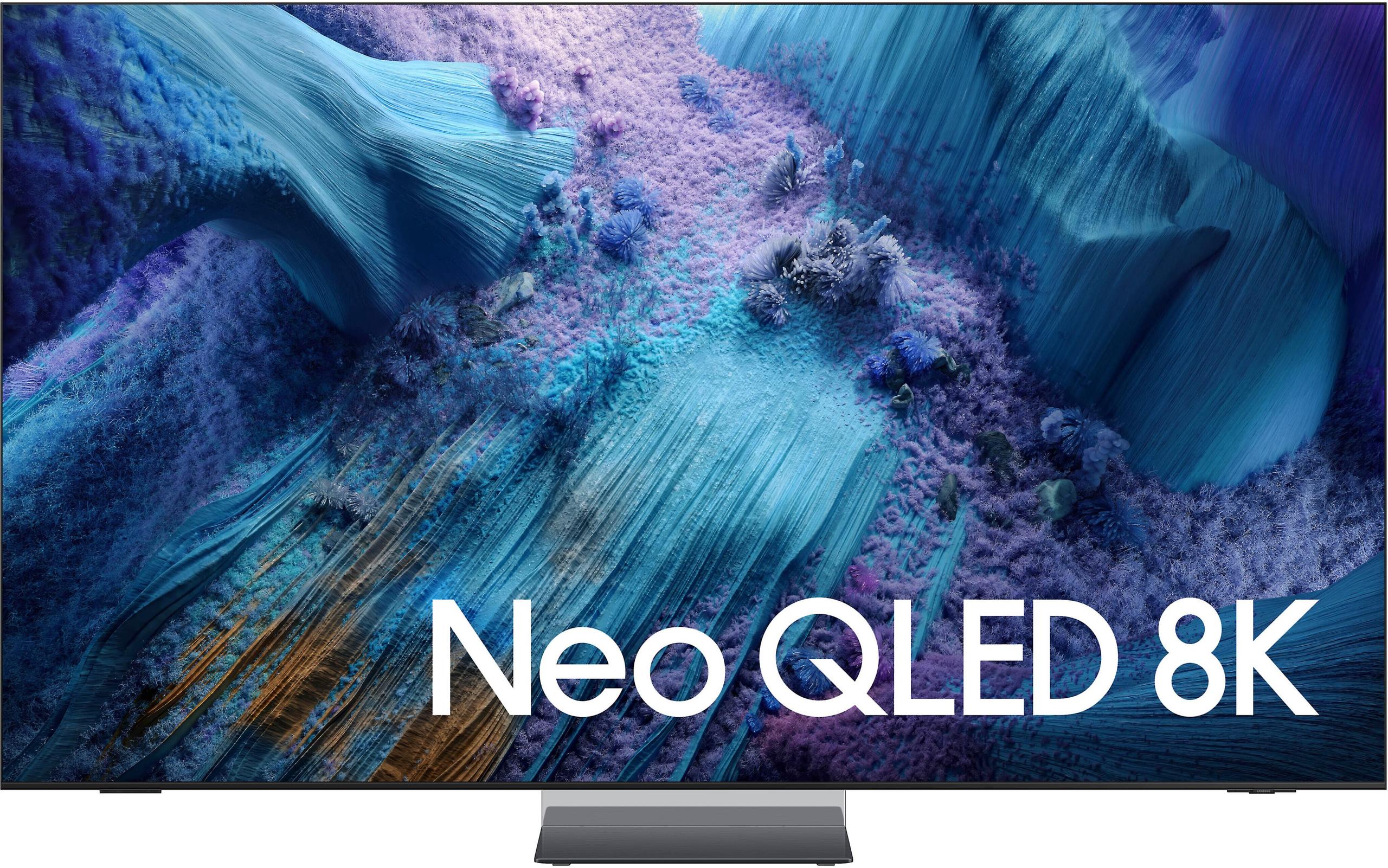
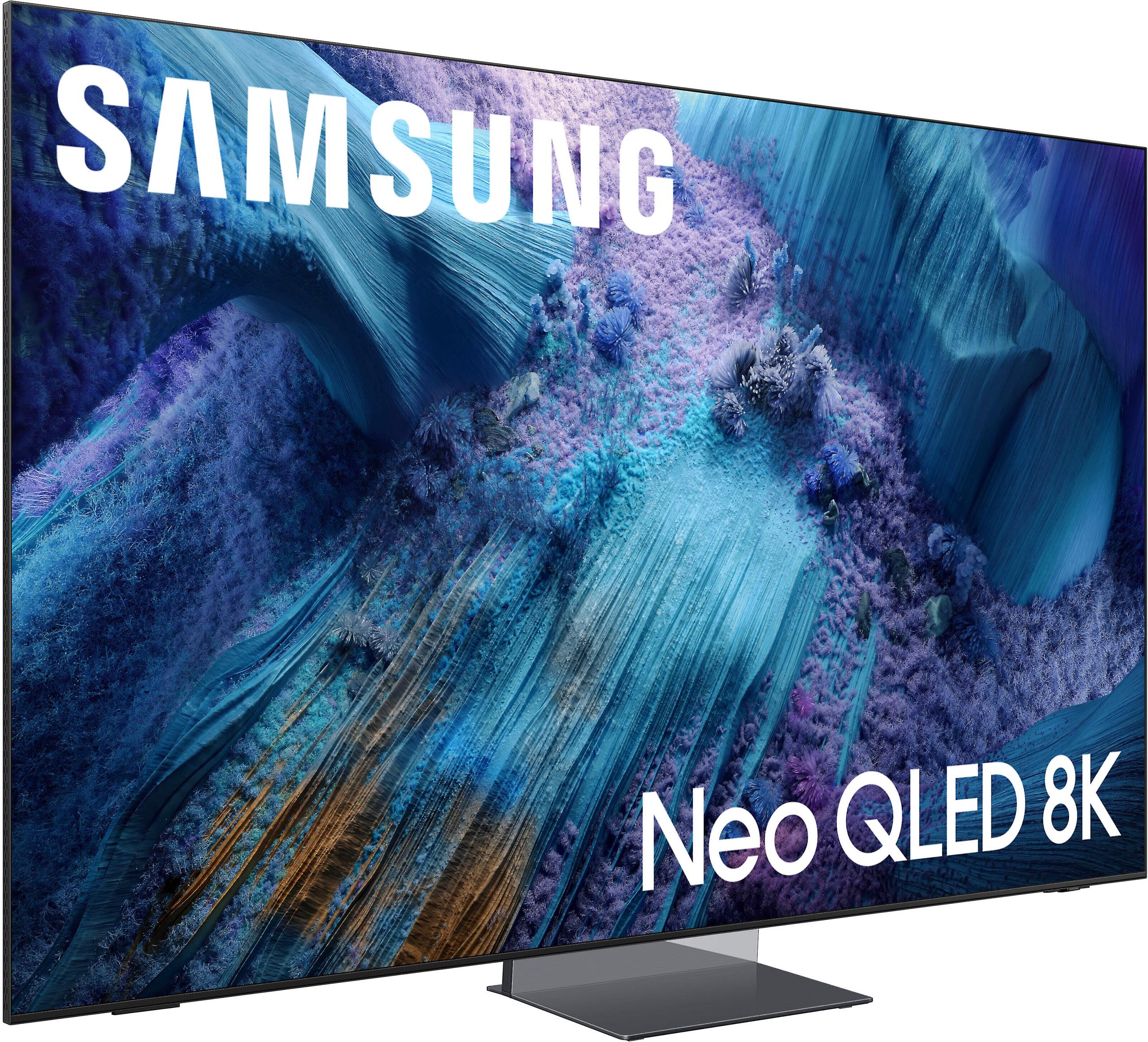
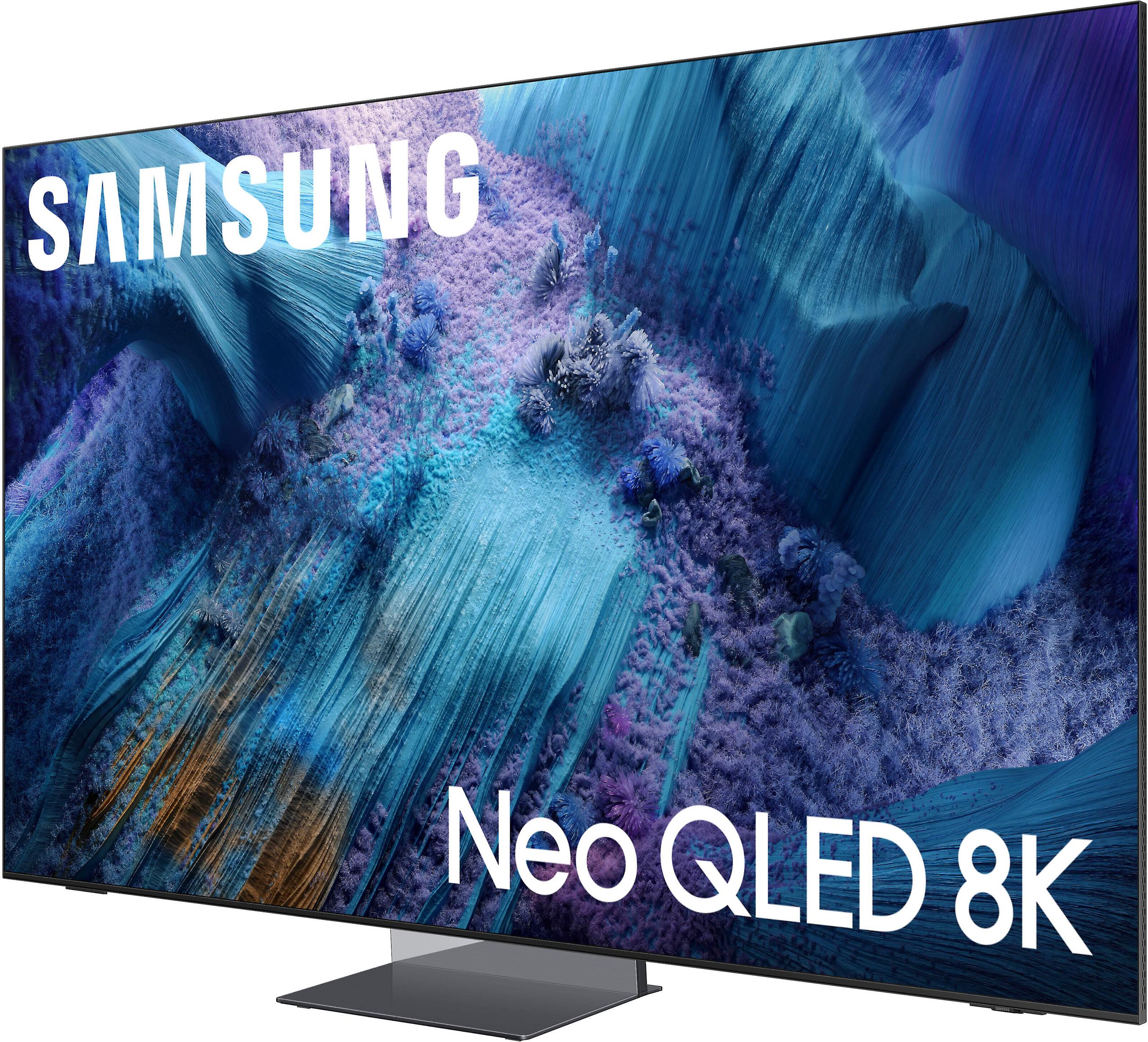



Samsung has dominated the premium TV market for years, but choosing between their different product lines can feel overwhelming. Today, we're diving deep into two of their most interesting offerings: the Samsung 65" The Frame QLED 4K 2024 TV and the Samsung 65" Neo QLED QN990F 8K Smart TV 2025. These televisions represent completely different philosophies about what a premium TV should be, and understanding those differences is crucial to making the right choice for your home.
Before we jump into comparisons, it's important to understand what separates premium TVs from budget models. Premium televisions typically offer superior picture processing, better build quality, advanced smart features, and technologies like quantum dots (which create more accurate colors) or mini LED backlighting (which provides better contrast control). However, within the premium category, manufacturers target different priorities.
The Frame QLED belongs to what we call the "lifestyle TV" category. These televisions prioritize aesthetics and room integration as much as picture quality. Meanwhile, the Neo QLED QN990F sits firmly in the "flagship performance" category, where technical excellence takes precedence over everything else.
At the time of writing, these TVs occupy different price tiers, with the lifestyle-focused Frame commanding a premium for its unique features, while the QN990F represents Samsung's most expensive offering due to its cutting-edge technology.
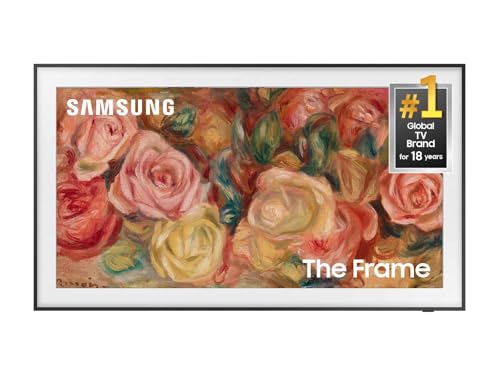
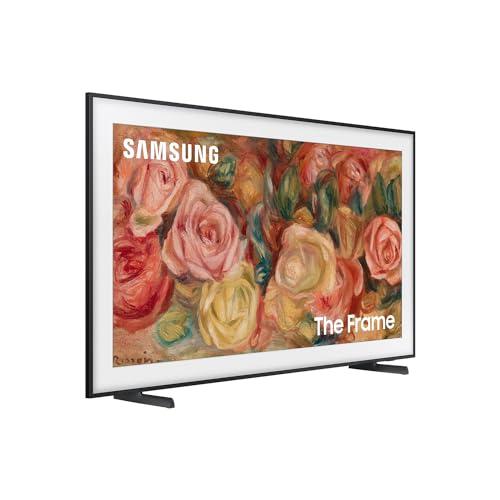
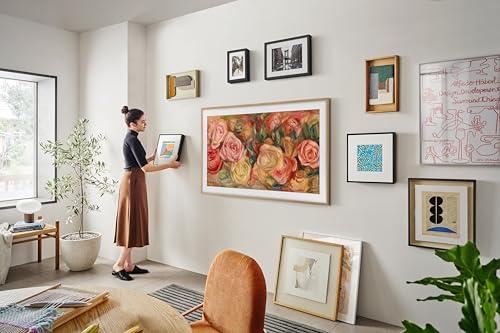
Released in 2024, the Frame QLED represents Samsung's latest iteration of their art-focused television concept. The core innovation here is Art Mode, which transforms your TV into a digital gallery when you're not watching content. This isn't just a screensaver—it's a sophisticated system that uses motion sensors to detect when people are in the room and adjusts the display accordingly to save energy while maintaining the illusion of a real painting.
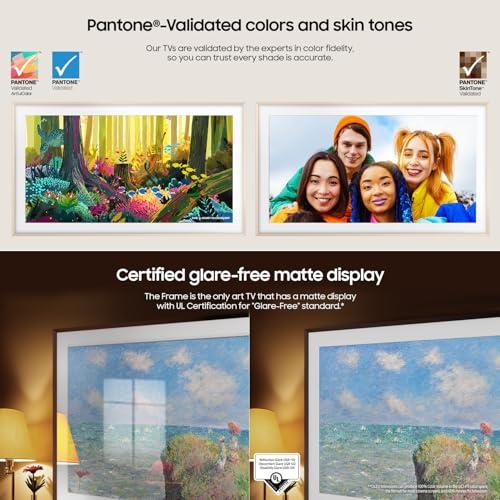
The Frame's matte anti-reflective display deserves special attention. Unlike traditional glossy TV screens that act like mirrors in bright rooms, this matte coating scatters reflected light, making the screen appear more like actual canvas or paper. This technology is crucial for both the art display function and regular viewing in well-lit living spaces.
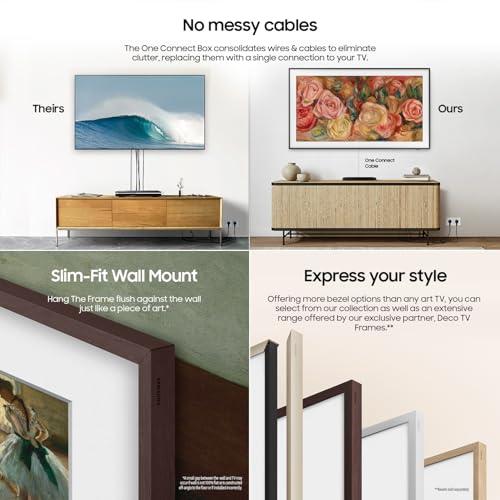
What makes this particularly clever is the customizable magnetic bezel system. These aren't just decorative frames—they're precisely engineered magnetic attachments that transform the TV's appearance to match different décor styles, from classic wood frames to modern metal finishes.
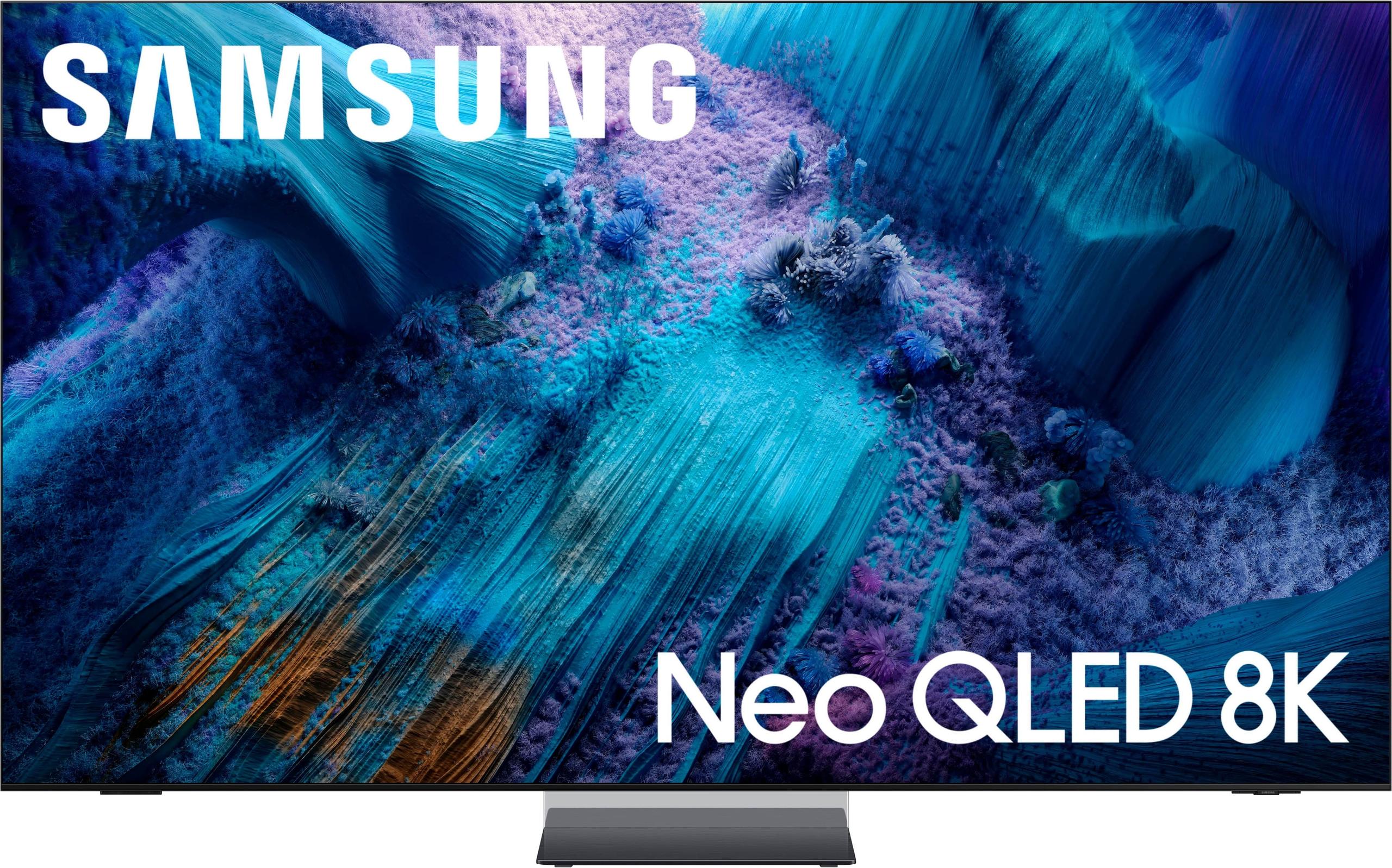
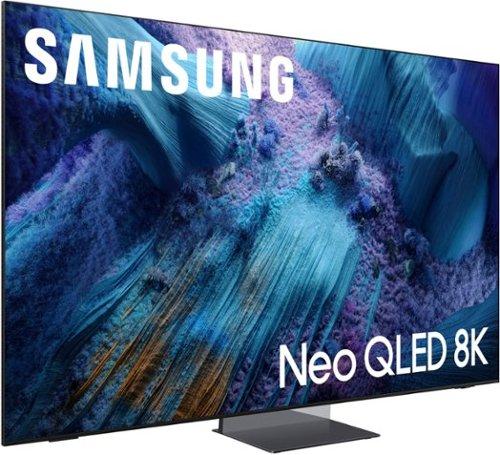
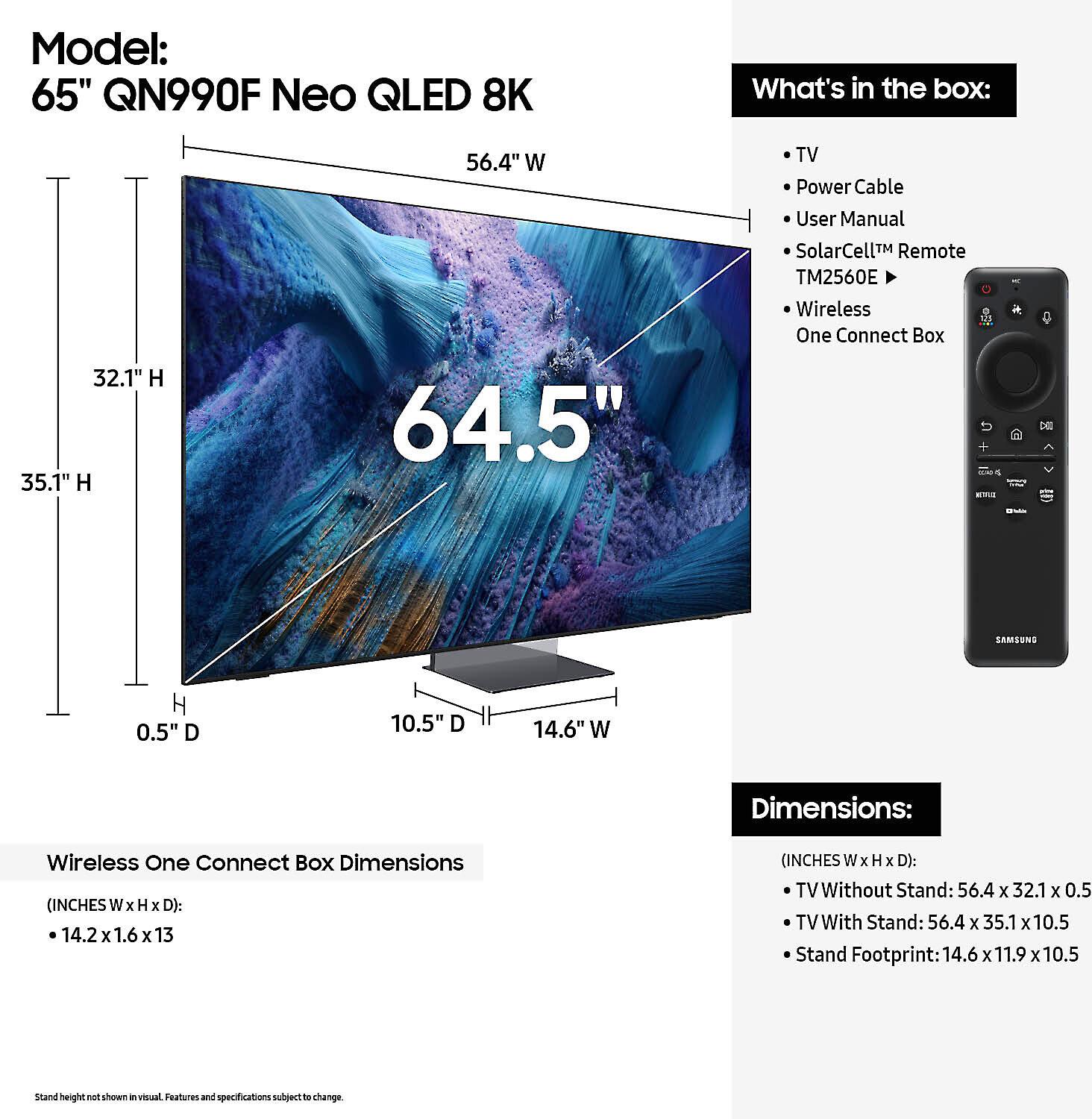
The QN990F, launched in 2025, represents Samsung's flagship technology showcase. The "Neo" designation refers to Samsung's mini LED backlighting technology, which uses thousands of tiny LEDs instead of traditional larger LEDs. This allows for much more precise control over brightness in different parts of the screen—a feature called local dimming that dramatically improves contrast.
The 8K resolution (7,680 × 4,320 pixels) provides four times the detail of 4K, though the real magic happens in the AI upscaling. The NQ8 AI Gen3 processor uses 768 neural networks (essentially AI decision-making systems) to analyze every frame and reconstruct lower-resolution content to approach native 8K quality. This means your 4K Netflix shows and 1080p cable channels look significantly sharper than they would on a traditional 4K TV.
Picture quality differences between these TVs are substantial, and understanding why requires diving into the technical details that actually affect your viewing experience.
Peak brightness is crucial for HDR (High Dynamic Range) content, which includes highlights like sunlight, explosions, or bright reflections that should appear noticeably brighter than normal content. Based on our research into professional measurements, the Frame QLED achieves around 590 nits peak brightness, which is adequate for most HDR content but not exceptional.
The Neo QLED QN990F, however, reaches over 1,400 nits in testing. This dramatic difference means HDR highlights genuinely pop off the screen—think of the difference between a dim flashlight and a bright spotlight. In practical terms, this translates to more realistic looking fire, convincing sunlight through windows, and those jaw-dropping moments in action movies where explosions feel genuinely impactful.
Contrast ratio—the difference between the brightest whites and darkest blacks—determines how three-dimensional and realistic images appear. The Frame QLED uses edge-lighting, where LEDs are positioned around the screen's perimeter. This creates inherent limitations in achieving true blacks, especially in dark room viewing.
The QN990F's mini LED system with approximately 1,920 dimming zones can turn off specific areas of the backlight independently. When you're watching a movie with a night scene, the black areas actually become black instead of appearing grayish. This creates that premium "inky black" look that makes colors pop and gives images realistic depth.
Both TVs use quantum dot technology, but they implement it differently. The Frame achieves good color reproduction suitable for everyday viewing and has earned Pantone certification for art display accuracy. The QN990F goes further with professional-grade color space coverage, meaning it can display a wider range of colors more accurately—particularly important for HDR content and gaming.
Gaming has become a crucial TV consideration with the PlayStation 5 and Xbox Series X pushing 4K at high frame rates, plus PC gaming becoming more popular in living rooms.
The Frame QLED supports 120Hz refresh rates, which means it can display 120 frames per second for smoother motion in supported games. However, it only has one HDMI 2.1 port (the high-bandwidth connection needed for 4K 120Hz), limiting your options if you want to connect multiple gaming devices.
The QN990F supports up to 4K at 240Hz—essentially the cutting edge of gaming display technology. This means incredibly smooth motion in competitive games and future-proofing for next-generation consoles. Multiple HDMI 2.1 ports accommodate full gaming setups without compromise.
Input lag—the delay between pressing a button and seeing the response on screen—is crucial for gaming. Both TVs perform well here, with the Frame achieving around 9.2ms in our research, which is excellent for casual gaming. The QN990F likely performs even better, though exact measurements weren't available in our sources.
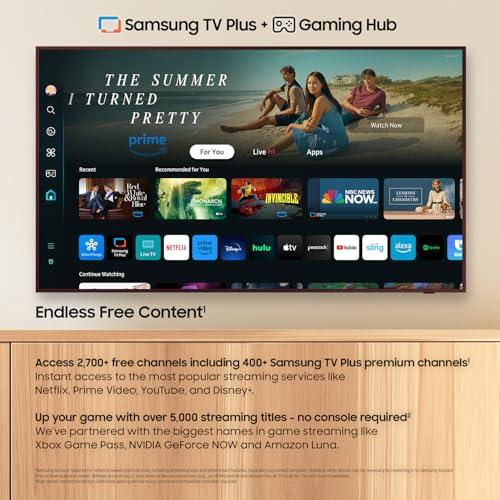
Both TVs run Samsung's Tizen operating system, which provides access to all major streaming services and generally offers smooth, responsive navigation. However, their smart feature implementations serve different purposes.
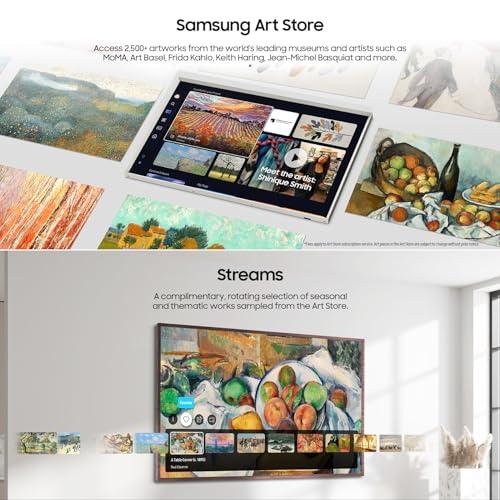
The Frame integrates Samsung's Art Store, providing access to curated artwork collections (though this requires a subscription for full access). The SmartThings integration allows you to upload personal photos and artwork, turning your TV into a personalized gallery. The motion sensor intelligently adjusts between full-resolution art display when people are present and lower-power modes when the room is empty.
The QN990F focuses on computational intelligence through Samsung Vision AI, which continuously analyzes content and viewing conditions to optimize picture and sound settings automatically. This system learns from your preferences and adjusts everything from color temperature to audio balance without manual intervention.
These TVs represent fundamentally different approaches to living room integration.
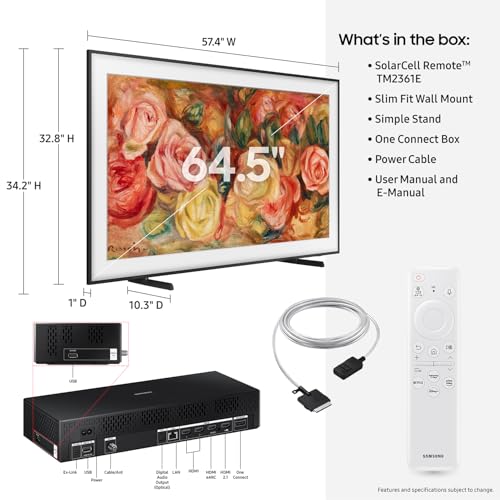
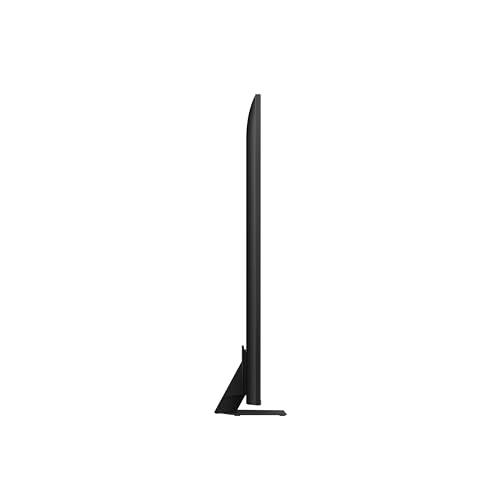
The Frame's ultra-thin profile (just 1 inch deep) and flush wall mounting create the illusion of a hanging picture. The One Connect Box consolidates all cables into a single connection, enabling truly clean installations. The customizable bezels transform the TV's aesthetic to match your décor rather than dominating it.
This design philosophy works particularly well in formal living rooms, bedrooms, or any space where you want technology to feel integrated rather than intrusive. Based on user feedback we've analyzed, people consistently praise how the Frame makes their living spaces feel more sophisticated rather than tech-heavy.
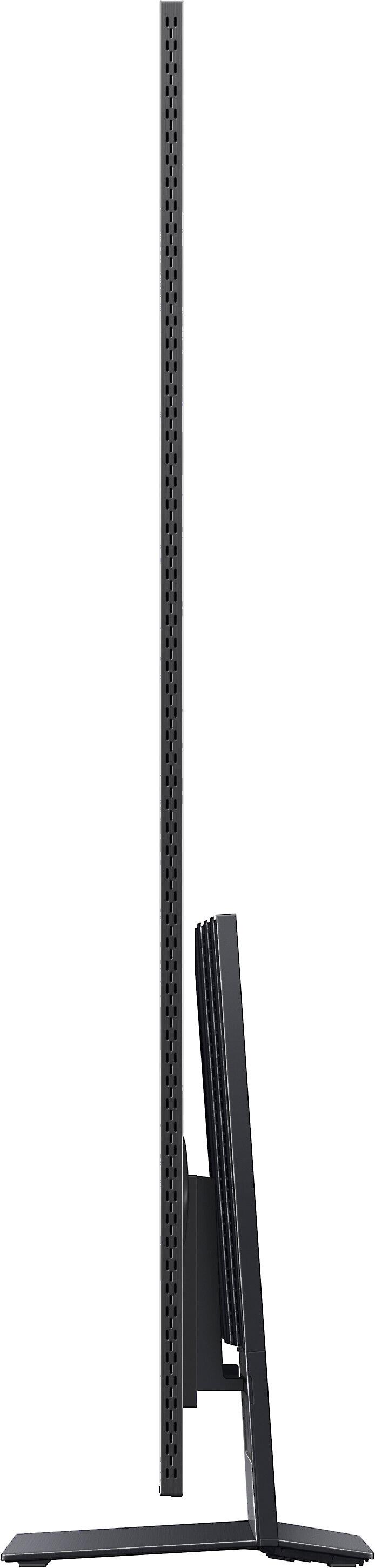
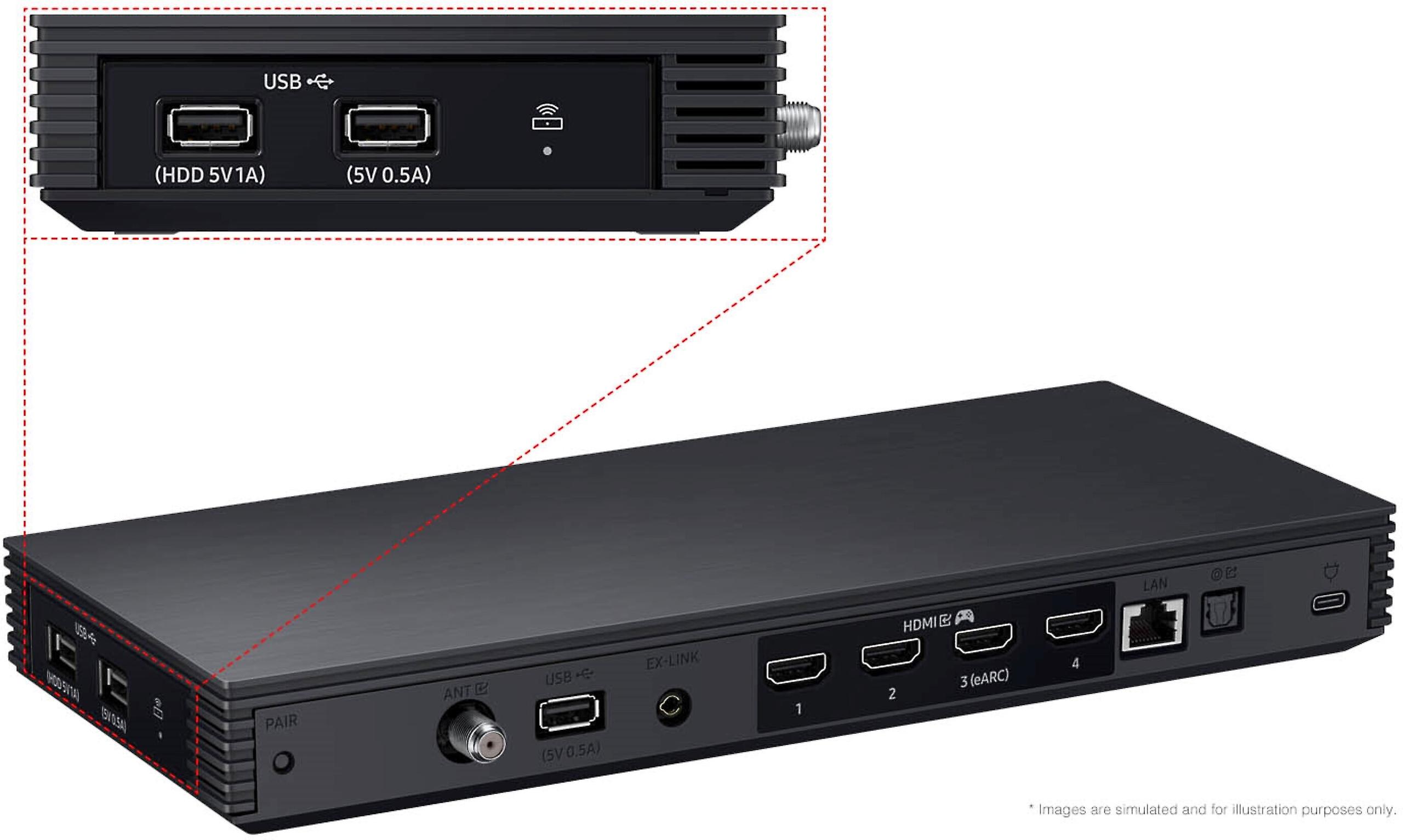
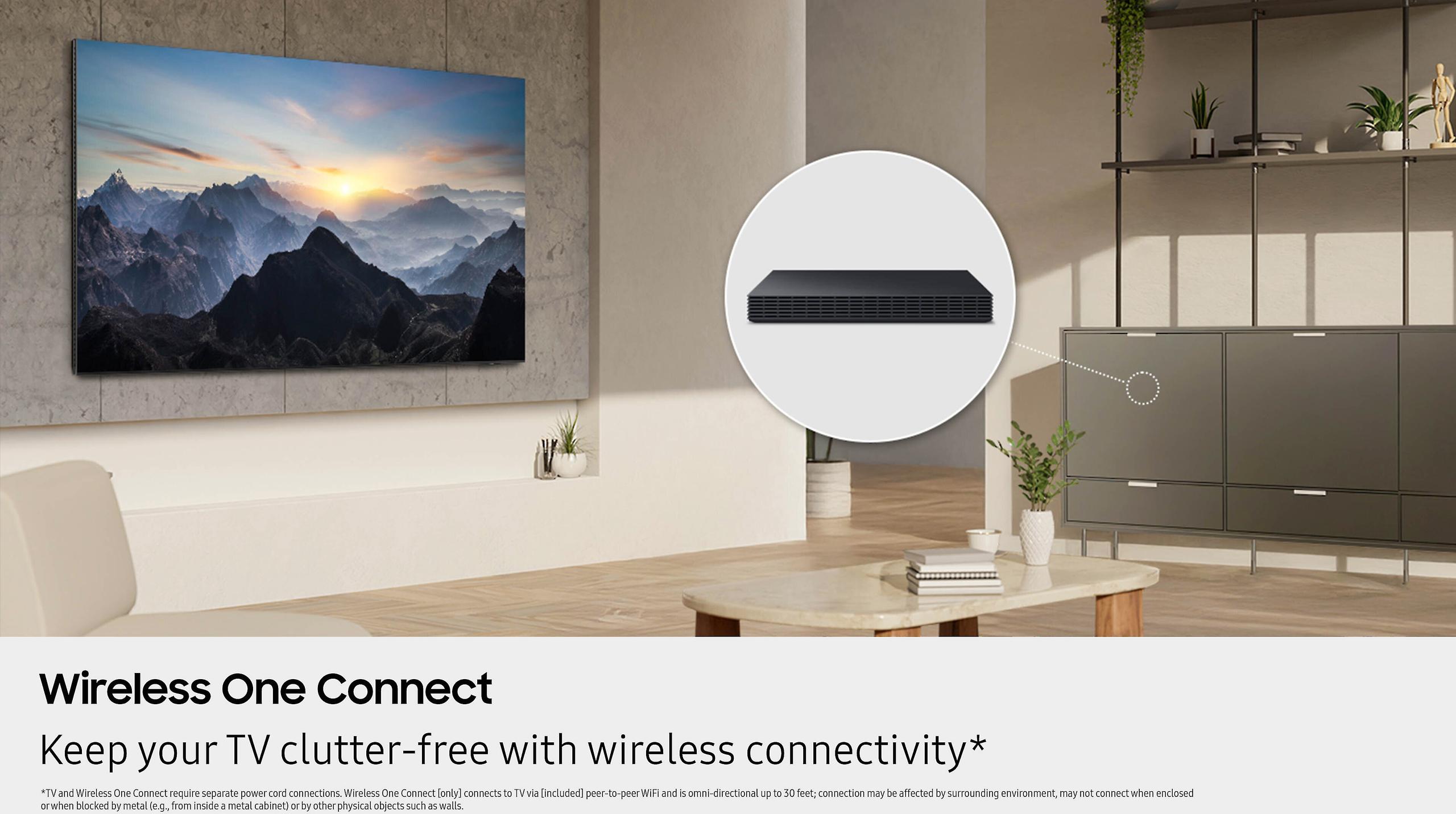
The QN990F takes a different approach with its nearly edgeless design and premium metal frame. Rather than disappearing, it makes a statement as a piece of high-tech furniture. The wireless One Connect box eliminates cables entirely, allowing the TV to appear to float on the wall with no visible connections.
This approach works best in dedicated entertainment spaces or modern homes where high-tech aesthetics complement the overall design.
TV audio has improved significantly in recent years, and both models offer respectable built-in sound systems.
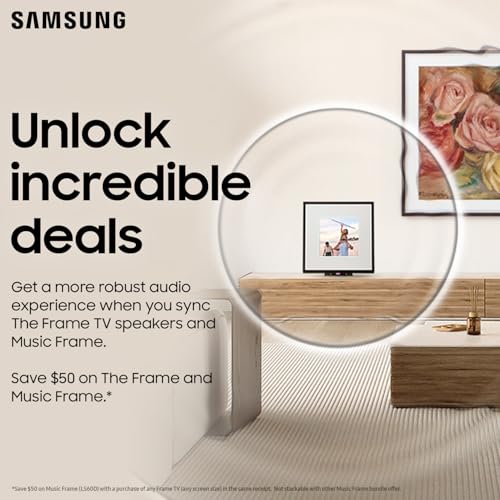
The Frame QLED includes 40W of power distributed across 2.0.2 channels, with dedicated upward-firing speakers for Dolby Atmos height effects. Object Tracking Sound technology moves audio across the screen to follow action, creating more immersive experiences. Q-Symphony allows the TV speakers to work alongside compatible Samsung soundbars rather than being disabled, creating a fuller soundstage.
The QN990F enhances this with Object Tracking Sound Pro and AI-optimized processing that adapts to both content and room acoustics. The multidimensional sound system provides more sophisticated spatial audio for movies and gaming.
For dedicated home theater setups, these TVs serve different roles and excel in different scenarios.
In light-controlled environments where picture quality matters most, the QN990F significantly outperforms the Frame. The mini LED backlighting creates the contrast necessary for cinematic experiences, while the higher peak brightness makes HDR content genuinely impactful. The 8K upscaling also provides noticeably sharper images when seated close enough to appreciate the detail.
The Frame's matte coating, while excellent for bright rooms, can slightly soften the image in dark environments where reflection control isn't necessary.
However, most people don't have dedicated theater rooms. In family rooms, kitchens, or bedrooms where ambient light is common, the Frame QLED often provides a better overall experience. The anti-glare coating maintains image quality under various lighting conditions, while the Art Mode adds value during non-viewing hours.
At the time of writing, both TVs command premium pricing, but they offer value in different ways.
The Frame QLED charges a premium for its lifestyle integration features. You're paying for industrial design, the Art Mode ecosystem, customizable bezels, and the unique anti-glare technology. If you value these features, the price makes sense. If you only care about picture quality, you might find better value elsewhere.
The QN990F commands flagship pricing for flagship performance. You're paying for the latest display technology, future-proofing with 8K capability, and the most advanced processing Samsung offers. The question becomes whether you'll utilize these capabilities or if a less expensive TV would serve your needs equally well.
You want a TV that enhances your living space even when it's off. The Frame excels in bright rooms, formal living areas, and anywhere you prioritize aesthetics alongside performance. It's ideal for people who entertain frequently, appreciate good design, and want their technology to feel integrated rather than intrusive.
This TV makes sense if you watch varied content throughout the day, value the art display functionality, and don't mind paying extra for lifestyle features. It's particularly appealing for bedrooms, where the Art Mode creates ambiance without the harshness of a black screen.
You prioritize maximum performance and want the absolute best picture quality available. The QN990F suits serious movie enthusiasts, gamers with high-end systems, and anyone planning to keep their TV for many years.
This TV justifies its premium if you have a dark or light-controlled viewing environment, watch lots of HDR content, game competitively, or simply want the bragging rights of owning cutting-edge technology. It's the choice for tech enthusiasts who appreciate the engineering behind the features.
Both TVs represent excellent engineering, but they solve different problems. The Frame QLED bridges the gap between technology and home design, creating something that's as much furniture as it is entertainment device. The Neo QLED QN990F pushes the boundaries of display technology, delivering performance that justifies its flagship status.
Your choice ultimately depends on how you live with technology. If you want your TV to disappear when not in use while still delivering great performance, the Frame is remarkable. If you want the absolute best picture quality and latest features, the QN990F won't disappoint.
Consider your room's lighting, how you use your TV throughout the day, and whether the unique features of each model align with your lifestyle. Both are excellent televisions—just excellent in very different ways.
| Samsung 65" The Frame QLED 4K 2024 TV | Samsung 65" Neo QLED QN990F 8K Smart TV 2025 |
|---|---|
| Display Resolution - Higher resolution means sharper detail, but 8K content is still limited | |
| 4K (3,840 x 2,160) - Matches most current content | 8K (7,680 x 4,320) - Future-proof with AI upscaling |
| Backlighting Technology - Determines contrast quality and HDR performance | |
| Edge-lit QLED (no local dimming) | Mini LED with ~1,920 dimming zones |
| Peak Brightness - Critical for HDR impact and bright room viewing | |
| ~590 nits (good for most content) | 1,400+ nits (exceptional HDR highlights) |
| Screen Coating - Affects reflection handling and image clarity | |
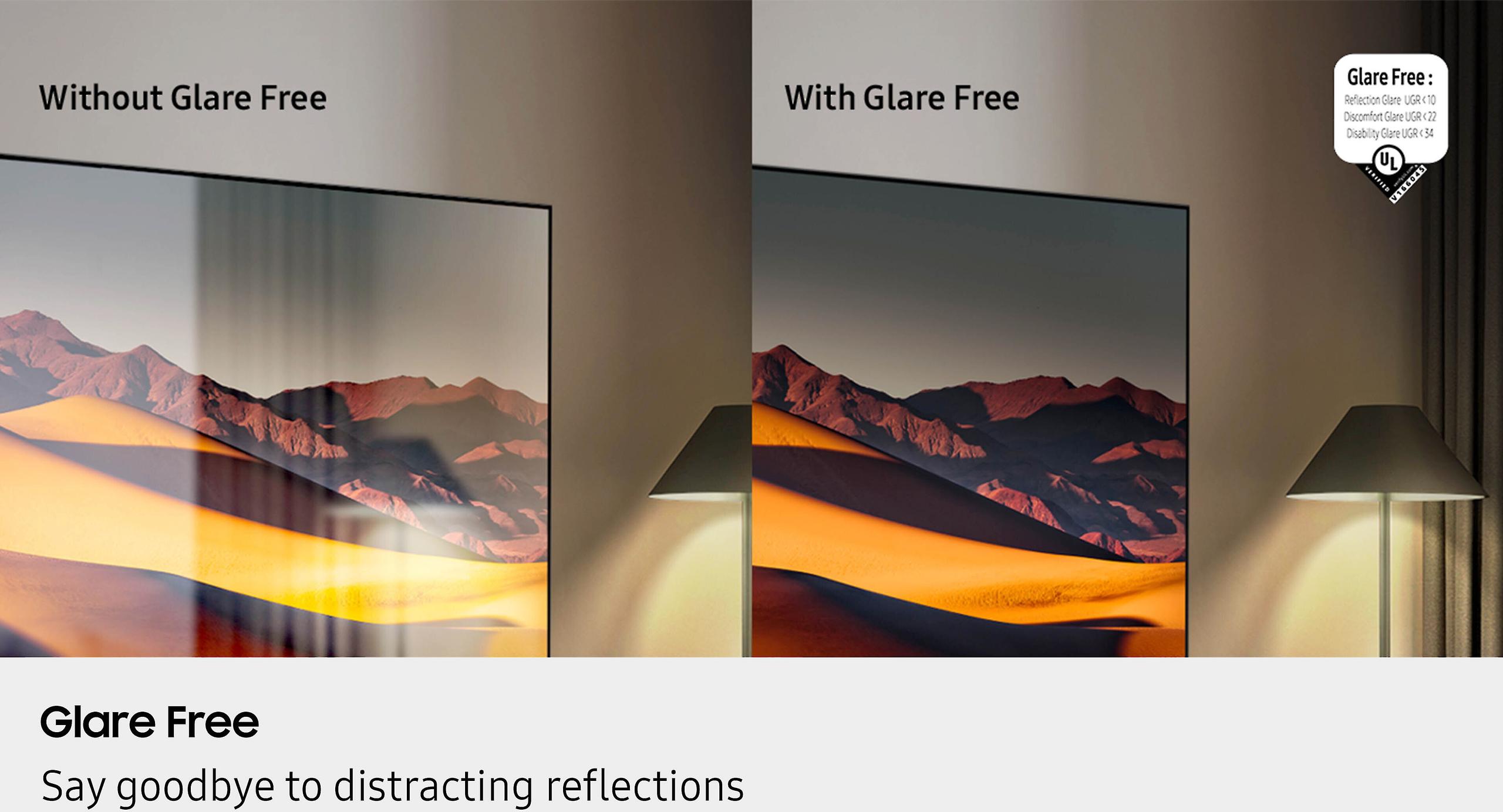
| Anti-glare matte finish (excellent for bright rooms) | Glare-free coating (optimized for all lighting) |
| Primary Design Focus - What the TV prioritizes when not displaying content | |
| Art Mode with customizable magnetic bezels | Nearly edgeless premium tech aesthetic |
| Gaming Performance - Refresh rates and HDMI 2.1 support for modern consoles | |
| 120Hz, 1x HDMI 2.1 port, 9.2ms input lag | Up to 4K 240Hz, multiple HDMI 2.1 ports |
| Audio System - Built-in speaker quality and features | |
| 40W 2.0.2CH with Dolby Atmos, Object Tracking Sound | Enhanced multidimensional sound with OTS Pro |
| Smart Processing - AI features and upscaling capabilities | |
| Quantum Processor 4K with standard upscaling | NQ8 AI Gen3 with 768 neural networks for 8K upscaling |
| Cable Management - How connections are handled for clean installation | |
| One Connect Box with single cable to TV | Wireless One Connect (completely wireless to TV) |
| Unique Features - What sets each model apart from standard TVs | |
| Pantone art certification, motion sensor, bezel customization | Samsung Vision AI, professional color accuracy |
| Best Use Case - Where each TV excels most | |
| Bright living rooms, art display, aesthetic integration | Dark theaters, gaming, maximum performance priority |
| HDR Support - Which formats are supported for enhanced contrast | |
| HDR10, HDR10+ (no Dolby Vision) | HDR10+ with advanced processing |
| Target Buyer - Who should prioritize each model | |
| Design-conscious users wanting dual-purpose functionality | Performance enthusiasts and serious gamers |
The Samsung Neo QLED QN990F 8K delivers significantly better picture quality with its mini LED backlighting, 1,400+ nits peak brightness, and advanced local dimming. The Samsung Frame QLED 4K 2024 TV offers good picture quality but can't match the contrast and HDR performance of the QN990F, especially in dark room viewing.
Yes, if you value having your TV double as wall art when not in use. The Samsung Frame QLED 4K 2024 TV features genuine Art Mode with motion sensors, Pantone certification, and customizable magnetic bezels. The Samsung Neo QLED QN990F 8K doesn't offer this lifestyle feature and focuses purely on performance.
The Samsung Neo QLED QN990F 8K is superior for gaming with support for 4K at 240Hz, multiple HDMI 2.1 ports, and advanced motion processing. The Samsung Frame QLED 4K 2024 TV supports 120Hz gaming but only has one HDMI 2.1 port, limiting multi-console setups.
For most viewers, 4K is currently sufficient since 8K content is extremely limited. The Samsung Frame QLED 4K 2024 TV matches most available content perfectly. However, the Samsung Neo QLED QN990F 8K uses AI upscaling to make 4K content look noticeably sharper, providing future-proofing benefits.
Both TVs handle bright rooms well, but differently. The Samsung Frame QLED 4K 2024 TV uses a specialized matte anti-glare coating that virtually eliminates reflections. The Samsung Neo QLED QN990F 8K has higher peak brightness to overcome ambient light but may show more reflections.
The core difference is purpose: the Samsung Frame QLED 4K 2024 TV prioritizes lifestyle integration with Art Mode and aesthetic design, while the Samsung Neo QLED QN990F 8K focuses on maximum technical performance with 8K resolution and premium display technology.
Both TVs run Samsung's Tizen platform with identical streaming app support. The Samsung Frame QLED 4K 2024 TV adds Art Store integration and SmartThings hub features. The Samsung Neo QLED QN990F 8K includes Samsung Vision AI for automatic optimization and more advanced processing capabilities.
The Samsung Neo QLED QN990F 8K has a more advanced audio system with Object Tracking Sound Pro and AI-optimized processing. The Samsung Frame QLED 4K 2024 TV offers solid 40W 2.0.2 channel sound with Dolby Atmos, suitable for most rooms but not as sophisticated.
For dedicated home theaters, the Samsung Neo QLED QN990F 8K is significantly better due to superior contrast, brightness, and color accuracy in dark rooms. The Samsung Frame QLED 4K 2024 TV works better in multi-purpose rooms where ambient light is common.
Yes, both offer excellent cable management. The Samsung Frame QLED 4K 2024 TV includes a One Connect Box that reduces cables to a single connection. The Samsung Neo QLED QN990F 8K features a Wireless One Connect that eliminates cables to the TV entirely.
The Samsung Neo QLED QN990F 8K offers better future-proofing with 8K support, advanced gaming features, and cutting-edge processing. The Samsung Frame QLED 4K 2024 TV focuses on timeless design aesthetics that won't become outdated, though its display technology is less advanced.
Choose the Samsung Frame QLED 4K 2024 TV if you want a TV that enhances your décor and works well in bright spaces. Select the Samsung Neo QLED QN990F 8K if picture quality is your top priority and you want the most advanced technology available, regardless of aesthetics.
We've done our best to create useful and informative comparisons to help you decide what product to buy. Our research uses advanced automated methods to create this comparison and perfection is not possible - please contact us for corrections or questions. These are the sites we've researched in the creation of this article: tomsguide.com - rtings.com - rtings.com - youtube.com - bestbuy.com - techlicious.com - youtube.com - smalllilystudio.com - theeverymom.com - livingetc.com - pcrichard.com - image-us.samsung.com - samsung.com - images.samsung.com - samsung.com - buydig.com - tvsbook.com - bestbuy.com - samsung.com - samsung.com - flatpanelshd.com - samsung.com - abt.com - bestbuy.com - pcnation.com - samsung.com - videoandaudiocenter.com - exertisalmo.com - displayspecifications.com - theapplianceplug.com - news.samsung.com

Privacy Policy
Terms and Conditions - Affiliate Policy
Home Security
© Copyright 2008-2026.
11816 Inwood Rd #1211, Dallas, TX 75244