

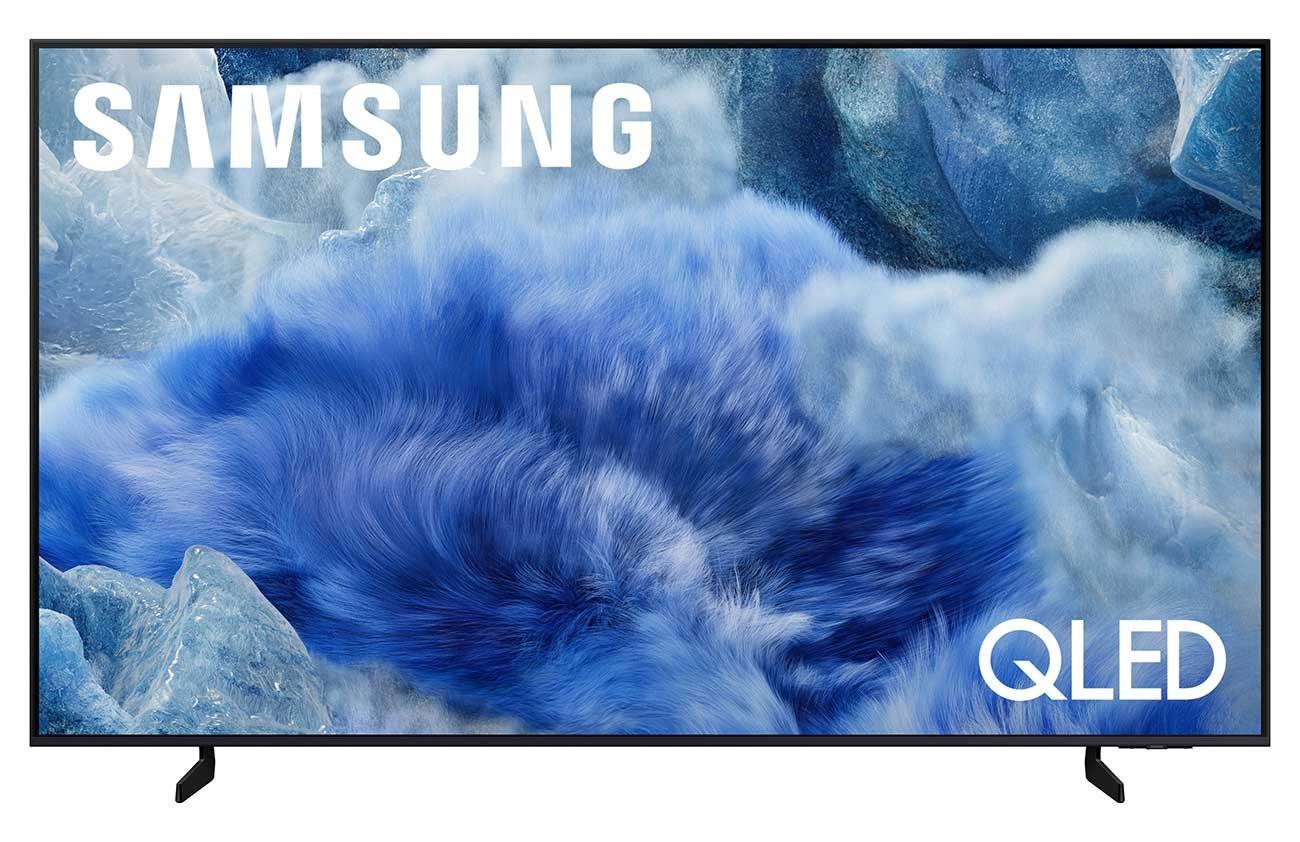
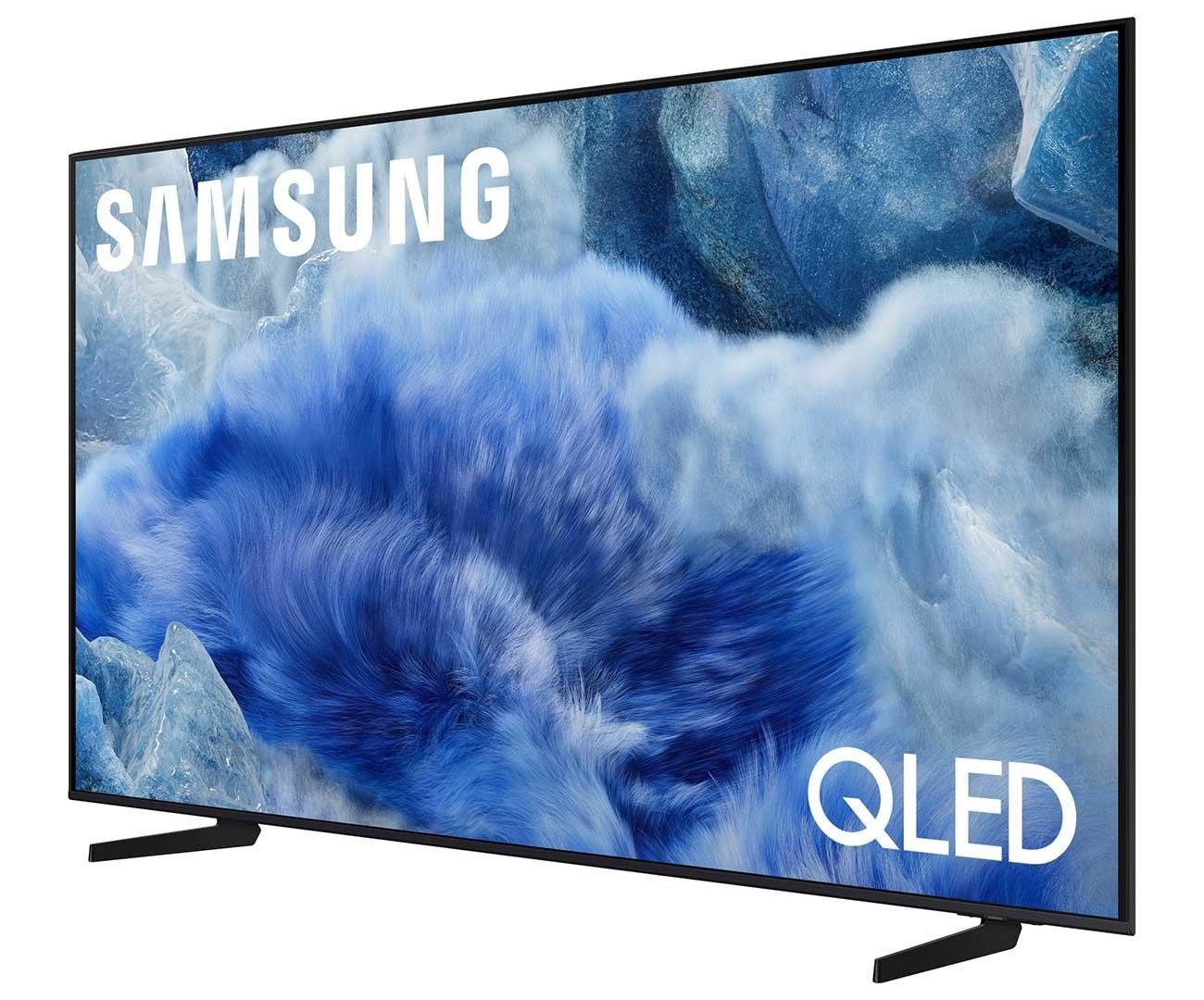
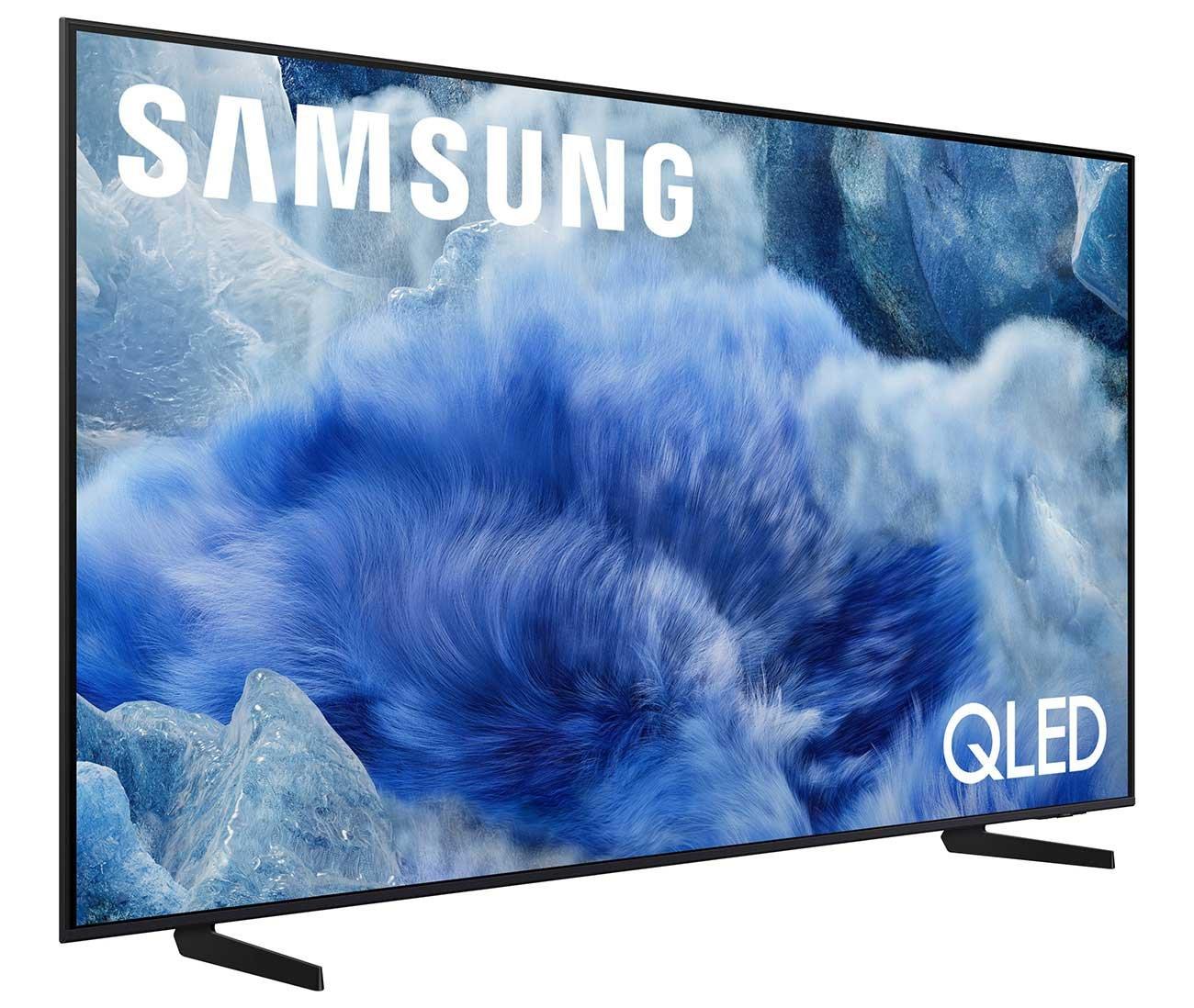
When you're shopping for a 65-inch TV, Samsung's QLED lineup offers some compelling options that take very different approaches to the same basic goal: delivering great entertainment in your living room. Today we're comparing two fascinating Samsung models that represent opposite ends of the design philosophy spectrum - the lifestyle-focused Samsung 65" The Frame QLED 4K 2024 TV and the performance-oriented Samsung 65" QN8F Series QLED 4K Vision AI Smart TV 2025.
At the time of writing, these TVs are priced about $600 apart, with The Frame commanding roughly double the price of the QN8F Series. That significant price gap tells us these aren't really direct competitors - they're solving different problems for different types of buyers. Let's dig into why that matters and which approach might work better for your specific needs.
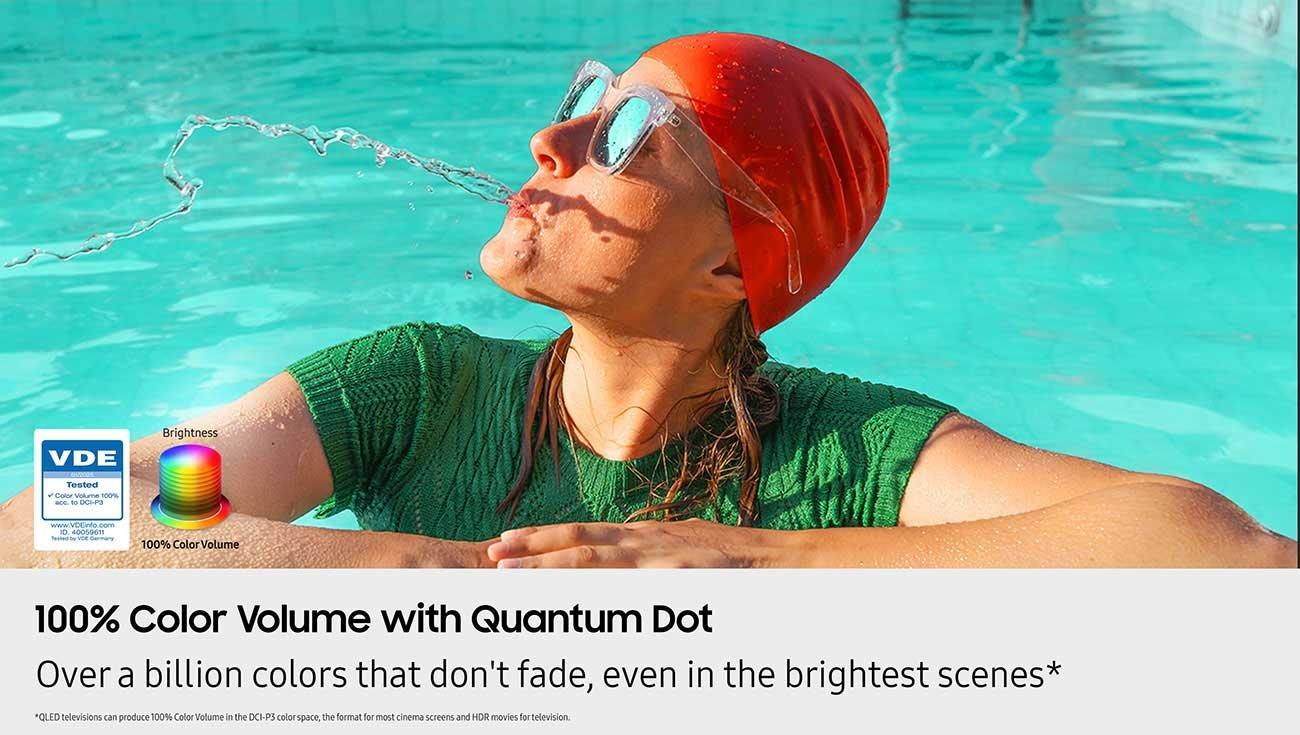
Before we dive into specifics, it's worth understanding what you're actually buying when you choose a QLED TV. QLED stands for Quantum Dot Light Emitting Diode, which sounds fancy but essentially means Samsung adds a special layer of microscopic crystals (quantum dots) that can produce more accurate colors than traditional LED TVs. Think of quantum dots as tiny color filters that can create over a billion different shades - far more than what older TV technologies could manage.
When evaluating any QLED TV, the most important performance characteristics are contrast ratio (how deep the blacks look compared to bright whites), color accuracy, peak brightness for HDR content, and how well the TV handles motion in fast-paced scenes. Gaming performance has become increasingly important too, with features like low input lag and high refresh rates determining whether your TV can keep up with modern consoles and gaming PCs.
The reality is that both the Frame 2024 and QN8F 2025 use edge-lit LED backlighting, which means the LEDs that illuminate the screen are positioned around the edges rather than directly behind the panel. This is generally considered inferior to full-array local dimming (where LEDs are positioned across the entire back of the screen in zones that can be independently controlled), but it allows for thinner designs and lower manufacturing costs.
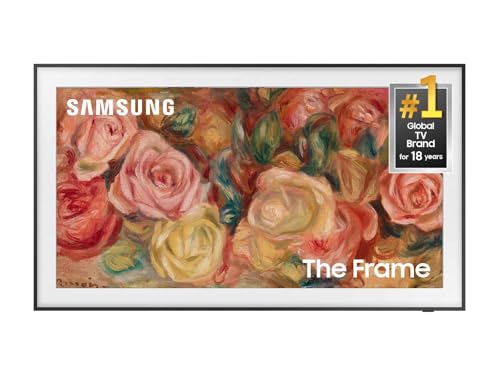
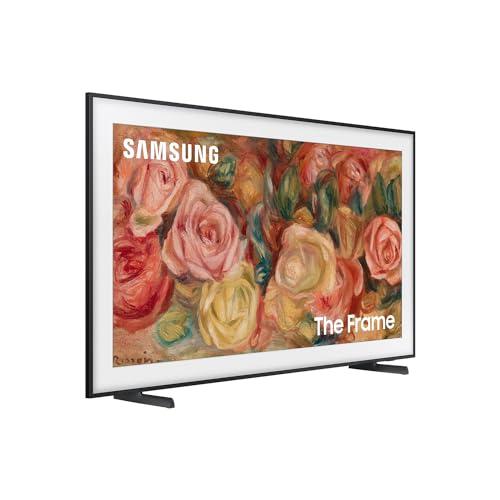
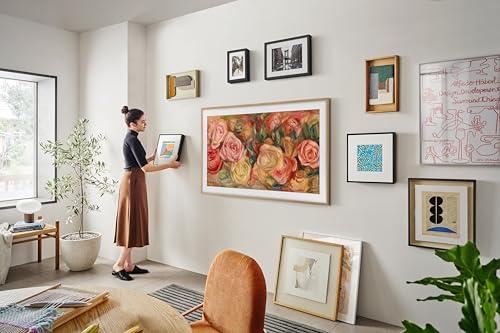
Released in 2024, The Frame represents Samsung's most distinctive approach to television design. This isn't just a TV that happens to look nice - it's fundamentally designed to serve dual purposes as both an entertainment device and a piece of wall art.
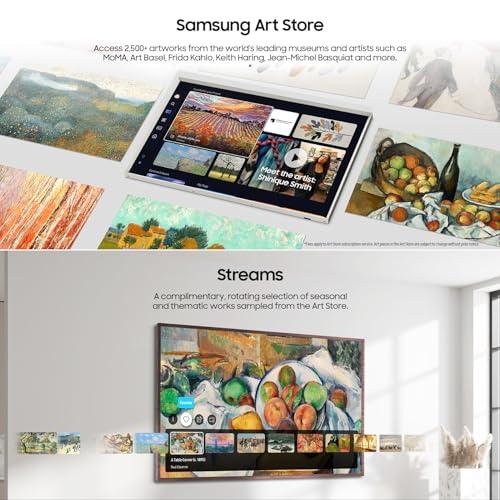
The standout feature here is Art Mode, which transforms your TV into a digital art gallery when you're not actively watching content. The TV includes a motion sensor that detects when someone enters the room and automatically displays artwork, then dims or turns off when the room is empty to save energy. You can upload your own photos or subscribe to Samsung's Art Store for access to thousands of curated pieces from museums and artists worldwide.
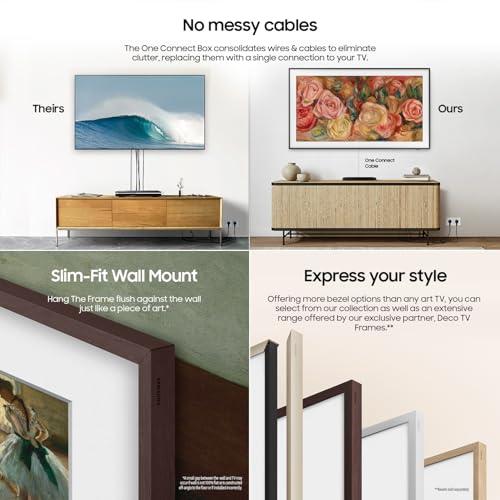
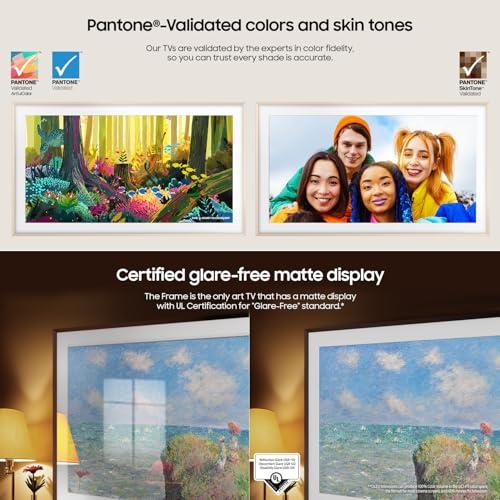
What makes this particularly impressive is how the technology handles the display. In Art Mode, the refresh rate drops from the standard 120Hz to 60Hz since static images don't need the higher refresh rate, saving considerable energy. The TV also includes a matte anti-reflective coating that makes displayed artwork look remarkably like real paintings or photographs, especially when paired with the customizable magnetic bezels that mimic traditional picture frames.
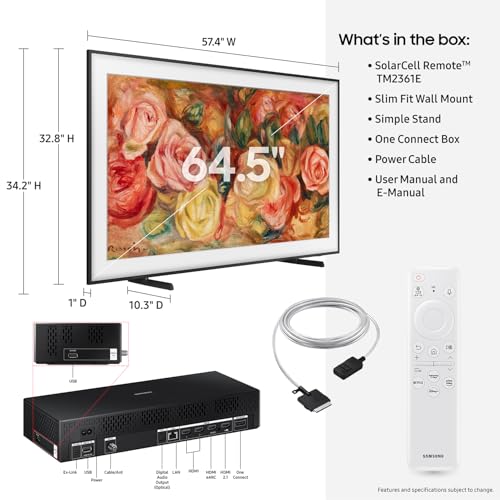
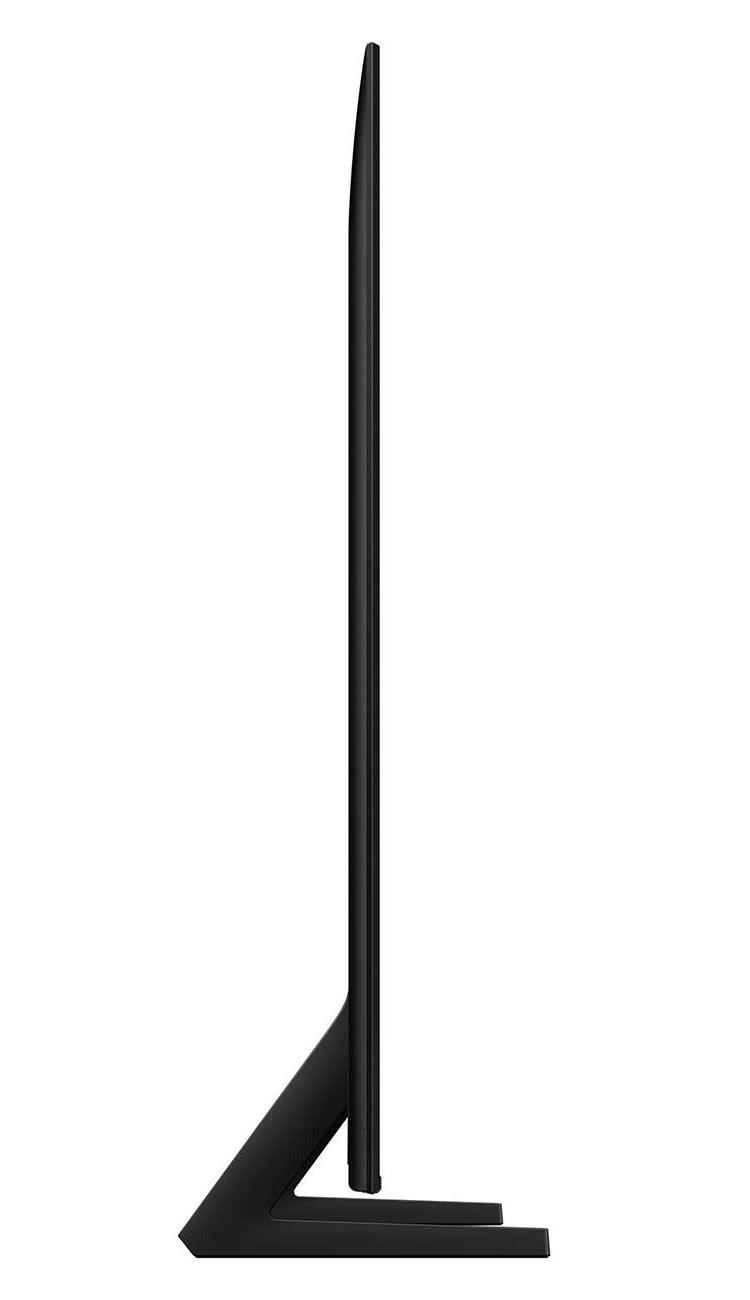
The Frame achieves an incredibly slim profile - just one inch thick when wall-mounted - thanks to its One Connect Box design. This external box handles all your device connections and sends everything to the TV through a single, nearly invisible cable. For anyone who's struggled with cable management behind a wall-mounted TV, this is a game-changer.
The customizable bezels deserve special mention. While they're sold separately (which adds to the total cost), they allow you to match the TV's appearance to your room's décor. Options range from modern slim bezels to ornate traditional frames, and they attach magnetically for easy swapping.
Here's where The Frame shows its priorities. The picture quality is perfectly adequate for most viewing scenarios, but you're not getting cutting-edge performance for the premium price. The edge-lit QLED panel produces good colors and decent brightness, but without local dimming, black levels aren't as deep as you'd find in higher-end TVs.
The matte anti-reflective screen is both a blessing and a limitation. In bright rooms with lots of ambient light, it performs exceptionally well, virtually eliminating the glare that would wash out other TVs. However, this same matte coating can make colors appear slightly less vibrant in darker viewing environments compared to glossy screens.
HDR performance is respectable, supporting HDR10+ for dynamic scene-by-scene optimization, though the lack of Dolby Vision support might disappoint some home theater enthusiasts. Peak brightness reaches adequate levels for most HDR content, but won't deliver the wow factor of premium Mini-LED or OLED displays.
One area where The Frame genuinely excels is audio quality. The 40-watt, 2.0.2 channel speaker system includes both traditional forward-firing drivers and up/down-firing speakers for Dolby Atmos support. This creates a surprisingly immersive soundscape for such a thin TV, with Object Tracking Sound (OTS) technology that helps audio follow action across the screen.
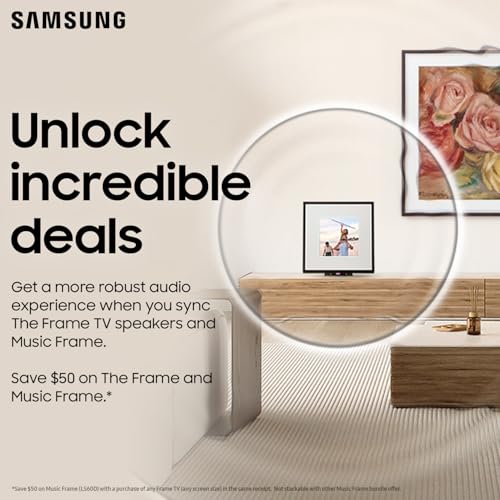
For many users, this built-in audio quality eliminates the immediate need for a soundbar, though the TV's Q-Symphony feature allows it to work in tandem with compatible Samsung soundbars for even better performance.
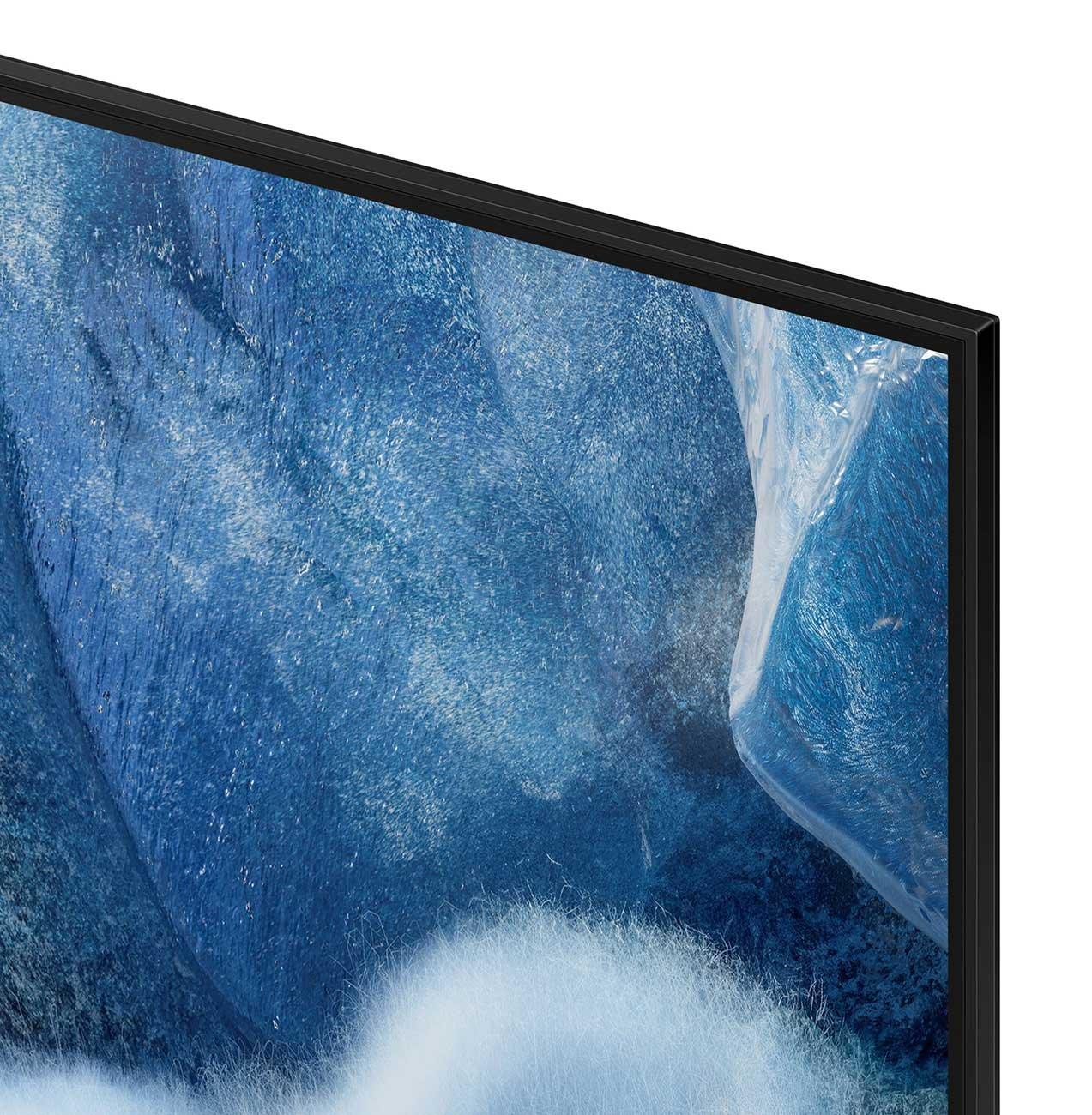
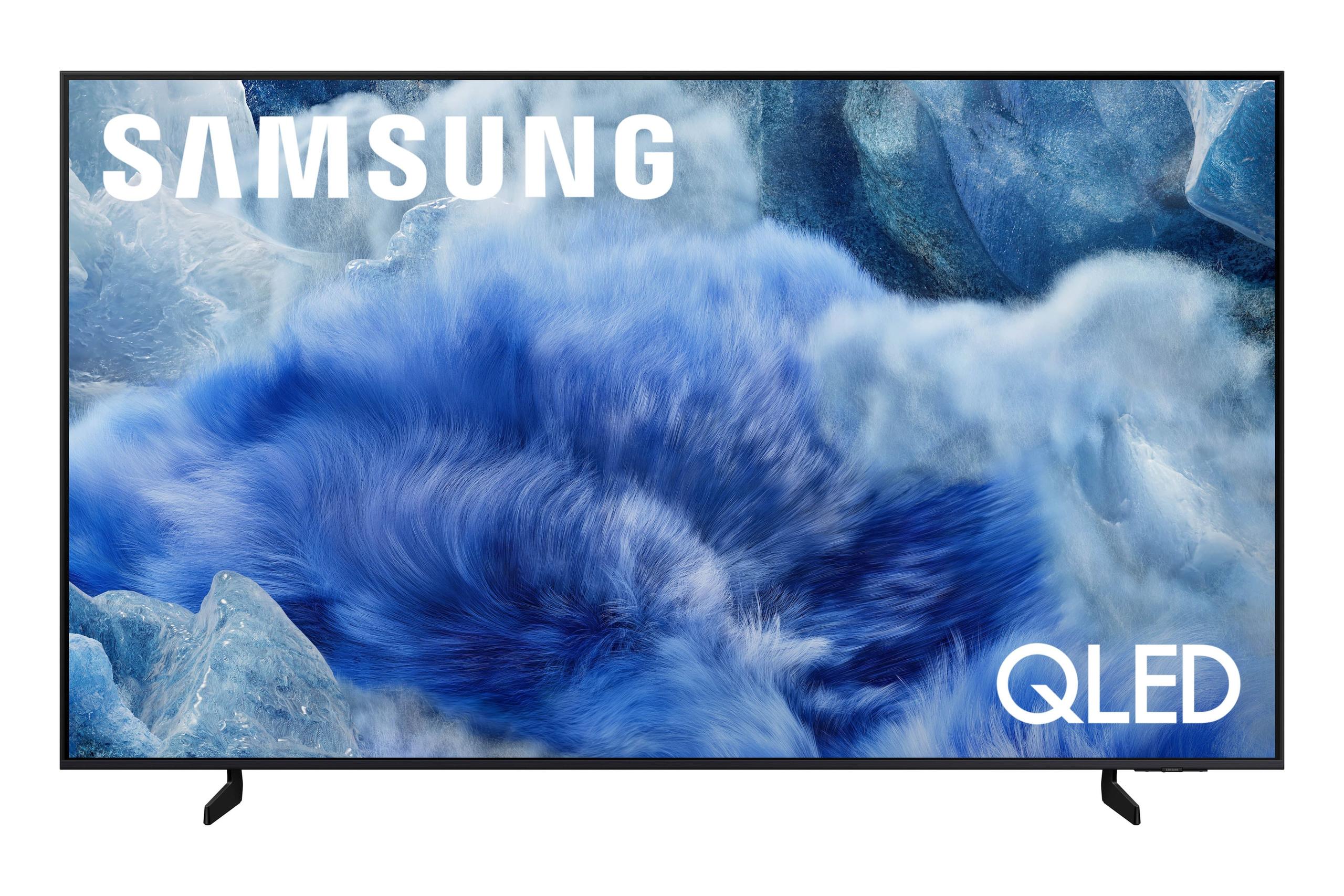
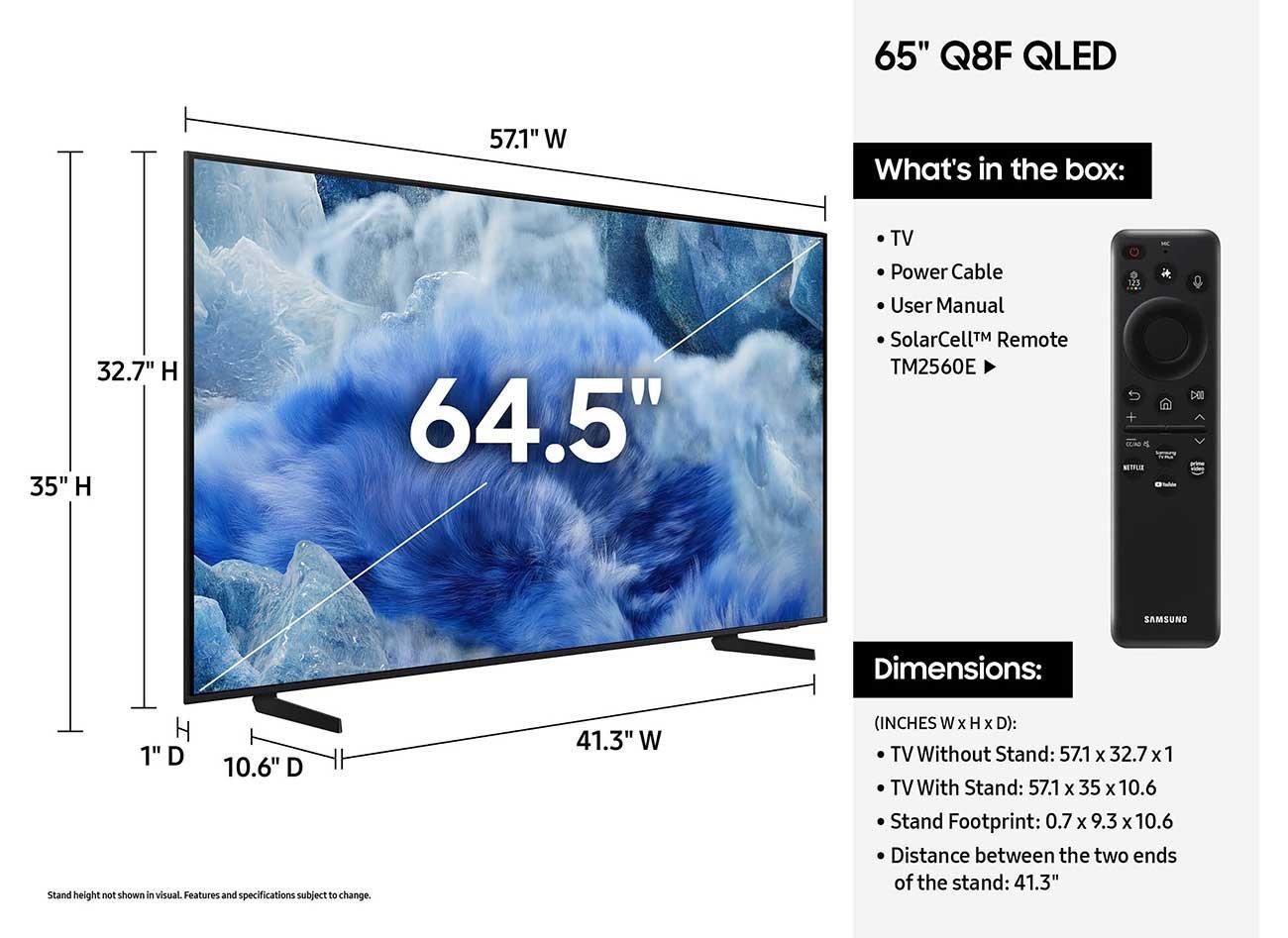
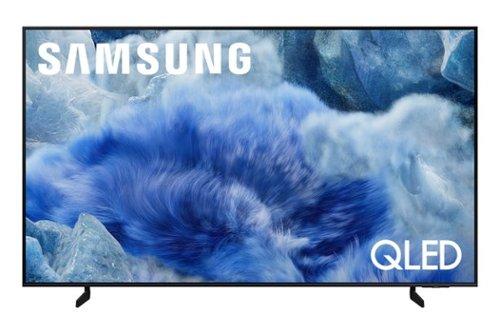
The Samsung QN8F Series, released in 2025, takes a completely different approach. This is Samsung's effort to bring QLED technology and modern smart TV features to a more affordable price point, focusing on performance and functionality over aesthetic innovation.
The 2025 model introduces Samsung's Vision AI technology, which represents a significant step forward in how TVs optimize their performance. This system analyzes what you're watching in real-time and automatically adjusts picture and sound settings for optimal performance. Whether you're watching a dark movie scene, bright sports content, or playing a fast-paced game, the AI makes continuous micro-adjustments to enhance your experience.
The enhanced Bixby voice assistant deserves mention too. Unlike previous generations that could handle simple commands, the 2025 version can process multiple simultaneous requests and better understands context. You can say something like "turn down the volume and find action movies" and it'll handle both tasks intelligently.
One unique feature is Generative Wallpaper, which uses AI to create custom background images based on keywords you provide. While not as sophisticated as The Frame's Art Mode, it shows Samsung's commitment to personalizing the viewing experience across their lineup.
This is where the QN8F Series really demonstrates its value proposition. The native 120Hz refresh rate can actually push up to 144Hz in gaming mode, providing incredibly smooth motion for both console and PC gaming. Input lag - the delay between when you press a button and see the result on screen - is impressively low, making it suitable for competitive gaming scenarios.
Motion Xcelerator technology helps reduce blur during fast-paced scenes, whether you're gaming or watching sports. While it's not the most advanced version found in Samsung's premium models, it's more than adequate for most users and significantly better than what you'd find in non-QLED TVs at similar price points.
The TV includes all the modern gaming features you'd expect: Variable Refresh Rate (VRR) support to eliminate screen tearing, Auto Low Latency Mode that automatically switches to game mode when it detects a gaming console, and support for both HDMI 2.1 features that make the most of PlayStation 5 and Xbox Series X capabilities.
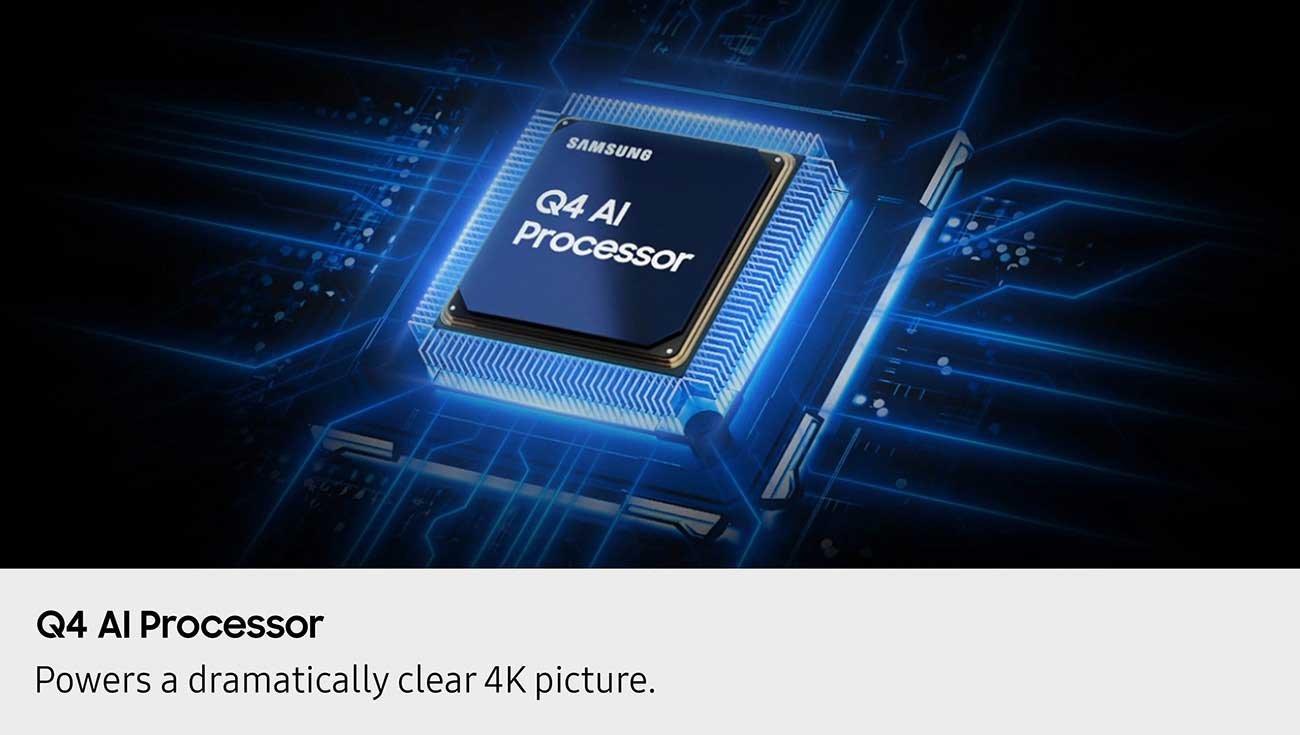
The QN8F Series uses Samsung's Q4 AI Processor, which is their entry-level chip but still provides solid 4K upscaling and image processing. The quantum dot technology delivers that promised 100% color volume, creating vibrant, saturated colors that make content pop off the screen.
Like The Frame, this model lacks local dimming, which limits contrast performance. However, the Dual LED backlighting system uses different color temperature LEDs to enhance contrast and provide better color accuracy than single-LED systems. It's not a replacement for true local dimming, but it's a meaningful improvement over basic edge-lit designs.
HDR performance includes HDR10+ Adaptive support, which dynamically adjusts the TV's HDR processing based on ambient lighting conditions in your room. This is particularly useful since the TV might be watched in various lighting conditions throughout the day.
The 20-watt, 2-channel speaker system in the QN8F Series represents the biggest compromise compared to The Frame. It's perfectly adequate for casual viewing, but lacks the power and sophistication for serious movie watching or gaming.
The Adaptive Sound+ feature does help optimize audio based on content type and room acoustics, and 360 Audio support creates a more immersive soundscape than basic stereo. However, most users will probably want to add a soundbar sooner rather than later, especially if you're planning to use this TV for home theater purposes.
For dedicated home theater use, neither of these TVs represents the absolute best choice, but they serve different audiences within that context.
The Frame works well in multi-purpose rooms where the TV needs to look good when not in use. The superior built-in audio means you might delay adding a soundbar, and the anti-reflective screen handles ambient light beautifully. However, the lack of local dimming and premium HDR processing means you're not getting reference-quality picture performance.
The QN8F Series offers better value for dedicated viewing rooms where picture performance matters more than aesthetics. The higher refresh rate and better gaming features make it more versatile for mixed-use scenarios. However, you'll definitely want to budget for external audio equipment.
For serious home theater enthusiasts, both TVs' edge-lit designs and lack of local dimming represent significant limitations. At these price points, you might want to consider whether stretching the budget for a Mini-LED model or looking at OLED options would provide better long-term satisfaction.
The decision between these TVs really comes down to understanding what problem you're trying to solve.
Choose The Frame 2024 if:
Choose The QN8F Series 2025 if:
At the time of writing, the price difference between these models is substantial - you're essentially paying double for The Frame's unique design and lifestyle features. That premium makes sense if those features solve real problems in your living space, but it's hard to justify purely on picture quality grounds.
For most buyers, the QN8F Series represents better pure value, delivering solid QLED performance with modern features at a competitive price. However, if you've ever struggled with how a large black rectangle looks dominating your living room wall, The Frame's innovative approach might be worth every penny.
The reality is that both TVs will deliver enjoyable viewing experiences for most content. The question is whether you're buying a TV that happens to look good, or a piece of technology-enabled furniture that also serves as an excellent television. Understanding which of those descriptions resonates with you will make this decision much clearer.
| Samsung 65" The Frame QLED 4K 2024 TV | Samsung 65" QN8F Series QLED 4K Vision AI Smart TV 2025 |
|---|---|
| Display Technology - Both use QLED but with different priorities | |
| Edge-lit QLED with matte anti-reflective coating | Edge-lit QLED with glossy finish and Dual LED backlighting |
| Refresh Rate - Critical for gaming and sports | |
| 120Hz (drops to 60Hz in Art Mode for energy saving) | 120Hz native (up to 144Hz in gaming mode) |
| Design Philosophy - The biggest differentiator between these models | |
| Lifestyle TV with customizable bezels and Art Mode | Traditional slim TV design (AirSlim profile) |
| Audio System - Significant difference in built-in sound quality | |
| 40W 2.0.2CH with Dolby Atmos and Object Tracking Sound | 20W 2CH with Adaptive Sound+ |
| Smart Features - 2025 model has more advanced AI | |
| Tizen OS with Art Store integration | Tizen with Vision AI, enhanced Bixby, Generative Wallpaper |
| HDR Support - Both support modern HDR formats | |
| HDR10+ (no Dolby Vision) | HDR10+ Adaptive with gaming optimization |
| Processor - Entry-level chips in both models | |
| Quantum Processor 4K (2024 generation) | Q4 AI Processor with Vision AI optimization |
| Gaming Performance - QN8F has the edge for serious gamers | |
| VRR support, low input lag, casual gaming focus | 144Hz capability, Motion Xcelerator, competitive gaming ready |
| Local Dimming - Neither has premium contrast control | |
| No local dimming (edge-lit limitation) | No local dimming (edge-lit limitation) |
| Reflection Handling - The Frame's standout feature | |
| Excellent anti-glare matte display | Standard glossy screen with typical reflections |
| Cable Management - The Frame wins for clean installation | |
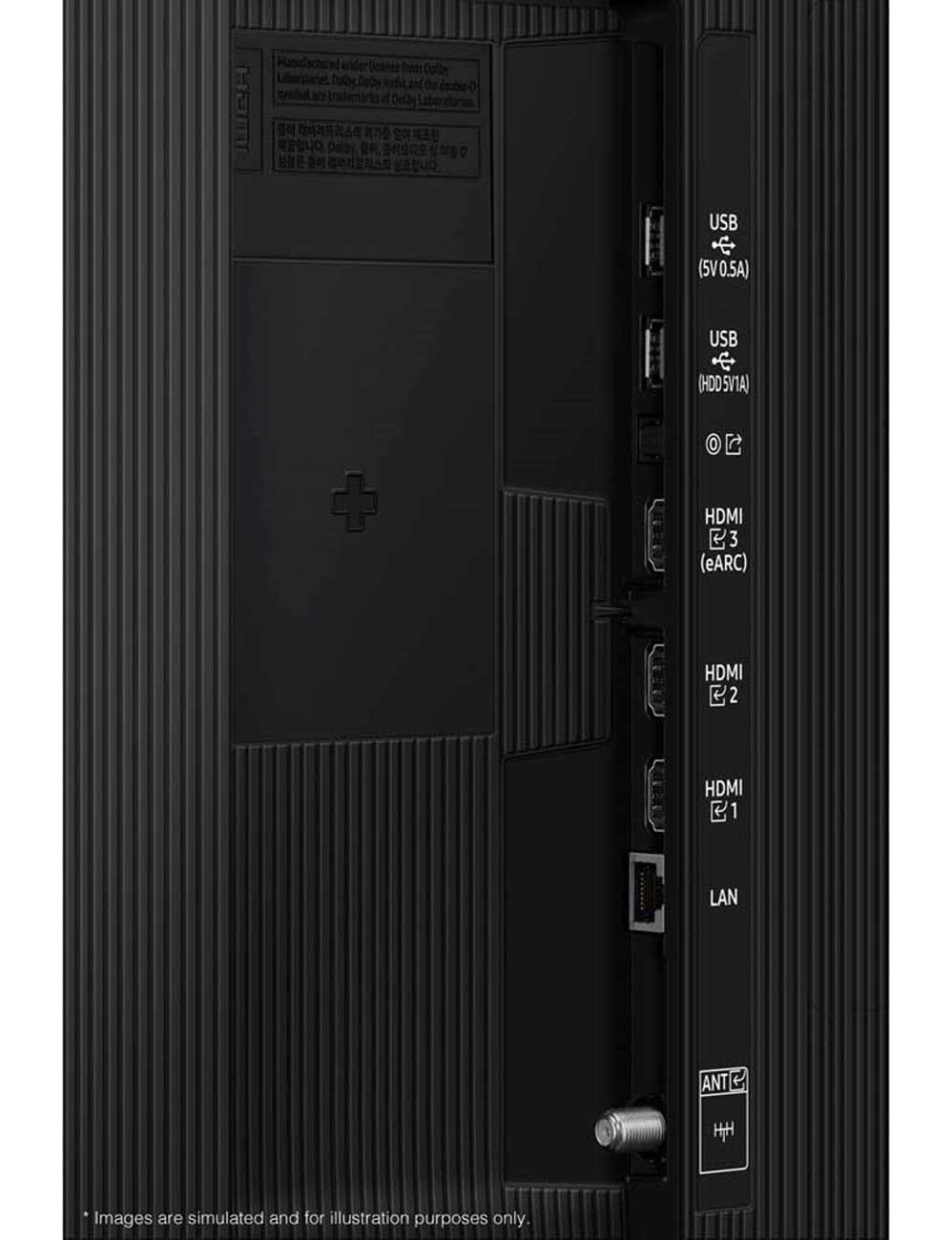
| One Connect Box with single cable to TV | Traditional direct connections to TV |
| Target Use Case - Choose based on your priorities | |
| Bright rooms, design-conscious buyers, dual art/TV function | Gaming, value seekers, traditional TV usage |
The Samsung QN8F Series 2025 is significantly better for gaming. It offers up to 144Hz refresh rate in gaming mode compared to The Frame's 120Hz, plus it includes Motion Xcelerator technology for smoother fast-paced action. The QN8F also maintains consistent performance during gaming, while The Frame prioritizes its Art Mode functionality over gaming features.
The primary difference is design philosophy. The Frame 2024 is a lifestyle TV that doubles as digital artwork with customizable bezels and Art Mode, while the Samsung QN8F Series focuses on traditional TV performance with modern smart features and gaming capabilities. The Frame costs roughly double but offers unique aesthetic integration into your home décor.
Yes, both the Samsung Frame and QN8F Series support 4K resolution (3840x2160) and HDR formats. Both include HDR10+ support, though the QN8F 2025 adds HDR10+ Adaptive which adjusts based on room lighting. Neither TV supports Dolby Vision, which is common in Samsung's QLED lineup.
Picture quality is comparable between both TVs since they use similar edge-lit QLED technology without local dimming. However, The Frame excels in bright rooms due to its anti-glare matte screen, while the QN8F Series may appear slightly more vibrant in dark rooms with its glossy display. For dedicated home theater use, both have limitations due to their entry-level backlighting systems.
Yes, there's a significant difference. The Frame 2024 features a 40W 2.0.2 channel system with Dolby Atmos support, providing much richer sound than the QN8F's basic 20W 2-channel speakers. If built-in audio quality matters to you, The Frame offers a clear advantage and may delay your need for a soundbar.
Both TVs can be wall-mounted, but The Frame is specifically designed for it. It includes a Slim-Fit wall mount and achieves a flush, picture-frame appearance when mounted. The Samsung QN8F uses standard wall mounting and will protrude more from the wall. The Frame's One Connect Box also provides cleaner cable management for wall installations.
The Frame 2024 is superior for bright rooms thanks to its anti-glare matte display coating, which virtually eliminates reflections and glare from windows or lights. The QN8F Series has a traditional glossy screen that will show more reflections in bright environments, potentially affecting viewing comfort during daytime use.
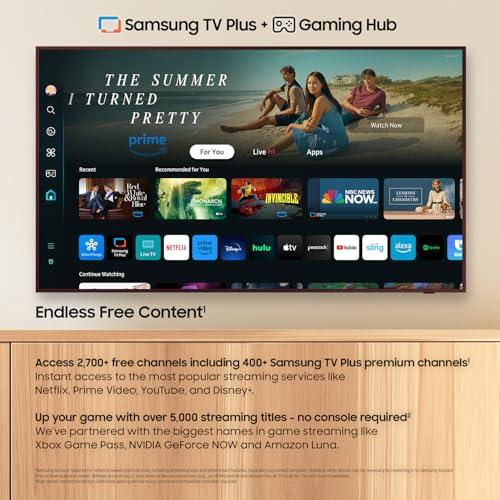
Both TVs run Samsung's Tizen operating system with access to all major streaming platforms. However, the QN8F Series 2025 includes newer smart features like Vision AI for automatic optimization, enhanced Bixby voice control, and Generative Wallpaper creation. The Frame focuses more on art-related smart features like the Samsung Art Store integration.
The Frame transforms into a digital art gallery when not in use, displaying artwork or personal photos that look remarkably realistic thanks to its matte screen and customizable bezels. It includes a motion sensor that activates the display when someone enters the room and uses Art Mode to blend seamlessly into your home décor as functional wall art.
The Samsung QN8F Series offers better value for pure TV performance, delivering solid QLED picture quality, modern smart features, and excellent gaming capabilities at roughly half the cost. The Frame 2024 commands a premium for its unique design and lifestyle features - it's better value if those aesthetic benefits matter to you.
The Frame has optional ongoing costs including Samsung Art Store subscriptions for premium artwork and separate purchases for decorative bezels. The QN8F Series has no additional required costs beyond standard streaming subscriptions. Both TVs include free access to Samsung's TV Plus service with over 1000 free channels.
Choose The Frame 2024 if your living room prioritizes aesthetics and the TV needs to look good when off, especially in bright, well-decorated spaces. Select the QN8F Series 2025 if you want the best TV performance for your budget with modern gaming and smart features. The QN8F makes more sense for entertainment-focused living rooms where performance trumps appearance.
We've done our best to create useful and informative comparisons to help you decide what product to buy. Our research uses advanced automated methods to create this comparison and perfection is not possible - please contact us for corrections or questions. These are the sites we've researched in the creation of this article: tomsguide.com - rtings.com - rtings.com - youtube.com - bestbuy.com - techlicious.com - youtube.com - smalllilystudio.com - theeverymom.com - livingetc.com - pcrichard.com - image-us.samsung.com - samsung.com - images.samsung.com - samsung.com - buydig.com - tvsbook.com - bestbuy.com - samsung.com - samsung.com - flatpanelshd.com - bestbuy.com - samsung.com - rtings.com - youtube.com - samsung.com - pcrichard.com - abt.com - images.samsung.com - cnet.com - news.samsung.com - samsung.com - bestbuy.com

Privacy Policy
Terms and Conditions - Affiliate Policy
Home Security
© Copyright 2008-2026.
11816 Inwood Rd #1211, Dallas, TX 75244