

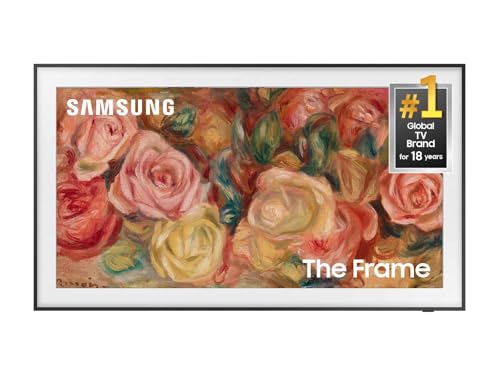
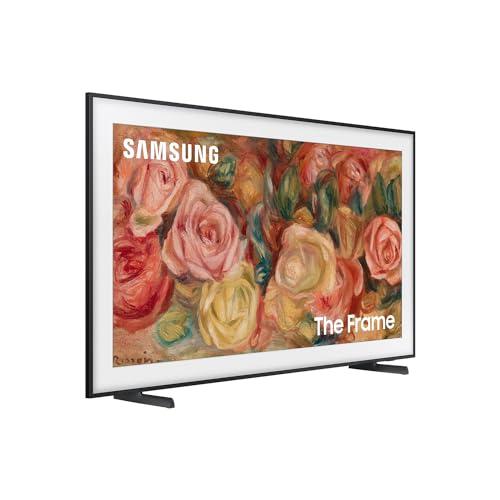
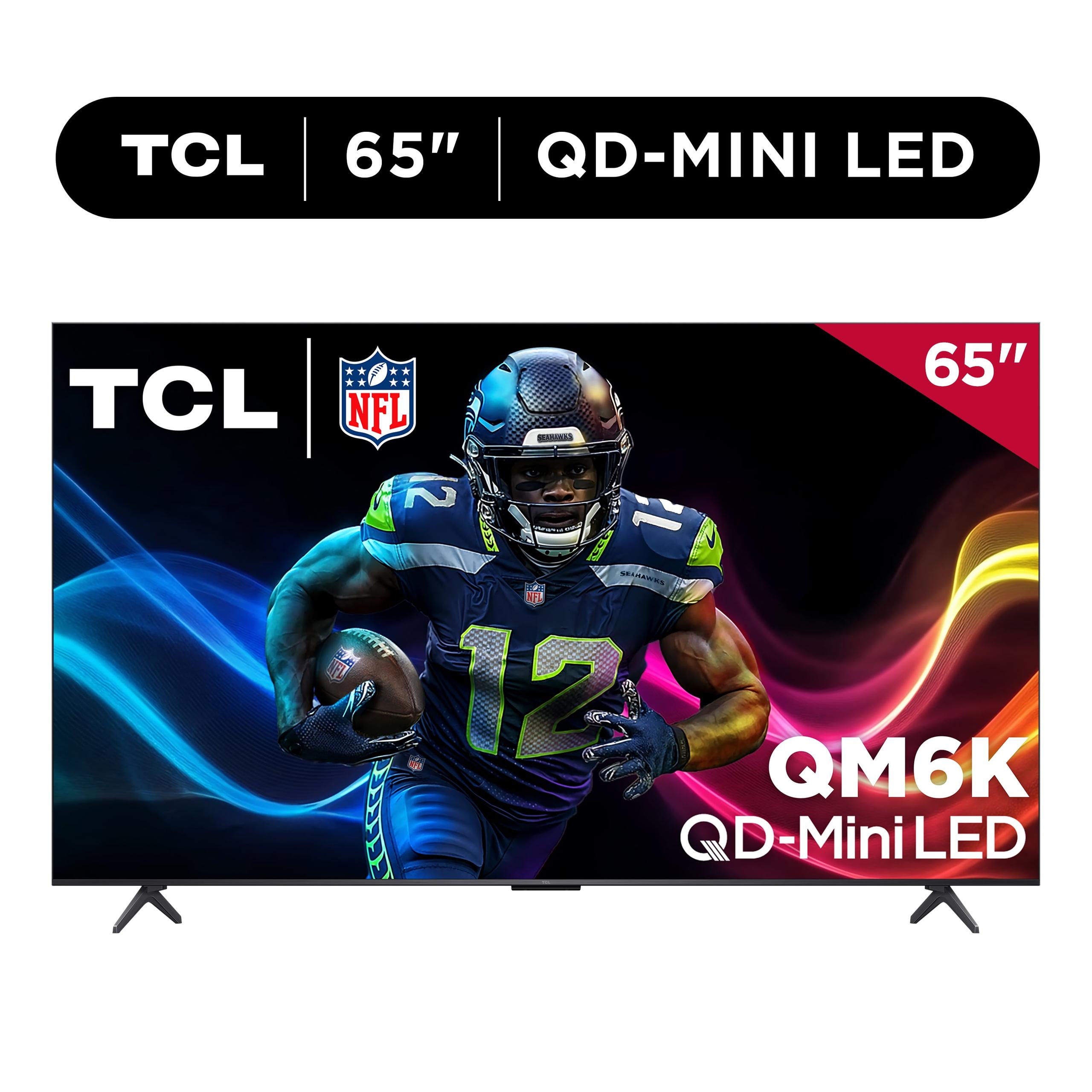
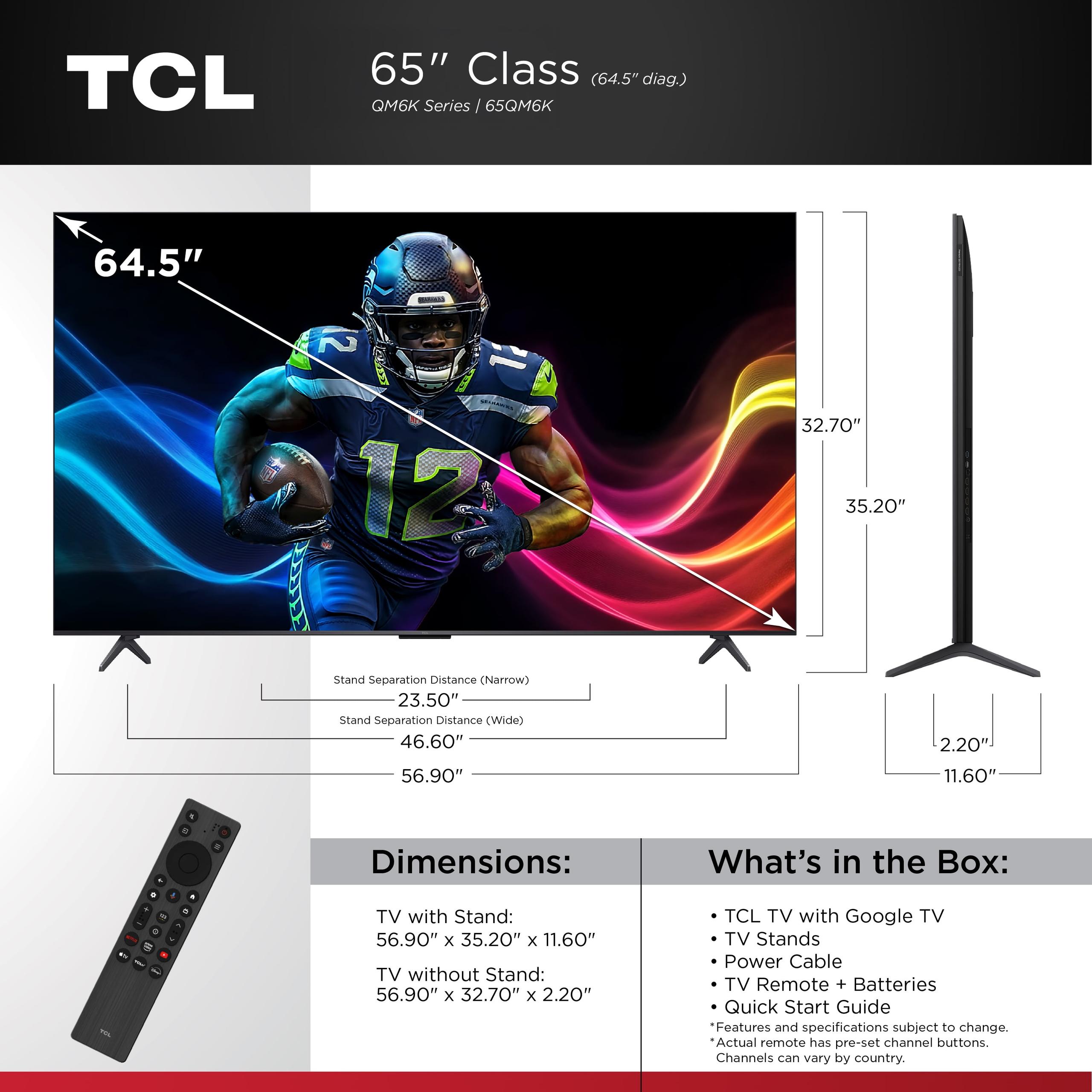
When you're shopping for a 65-inch TV, you're essentially choosing between two different philosophies: do you want a television that disappears into your décor, or one that delivers the best possible picture quality for your money? The Samsung 65" The Frame QLED 4K 2024 TV and TCL 65" QM6K QD-Mini LED 4K TV represent these opposing approaches perfectly.
At the time of writing, the price difference between these TVs is substantial – the Samsung Frame costs roughly twice as much as the TCL QM6K. This creates an interesting dilemma: you're not just choosing between features, but between entirely different value propositions. Let's dive deep into what makes each TV unique and help you figure out which approach fits your needs.
The 65-inch size has become the sweet spot for most living rooms – large enough to feel immersive from typical seating distances (8-10 feet), but not so massive that it overwhelms your space. When evaluating TVs in this category, picture quality should be your primary concern, followed by how the TV integrates into your specific use case.
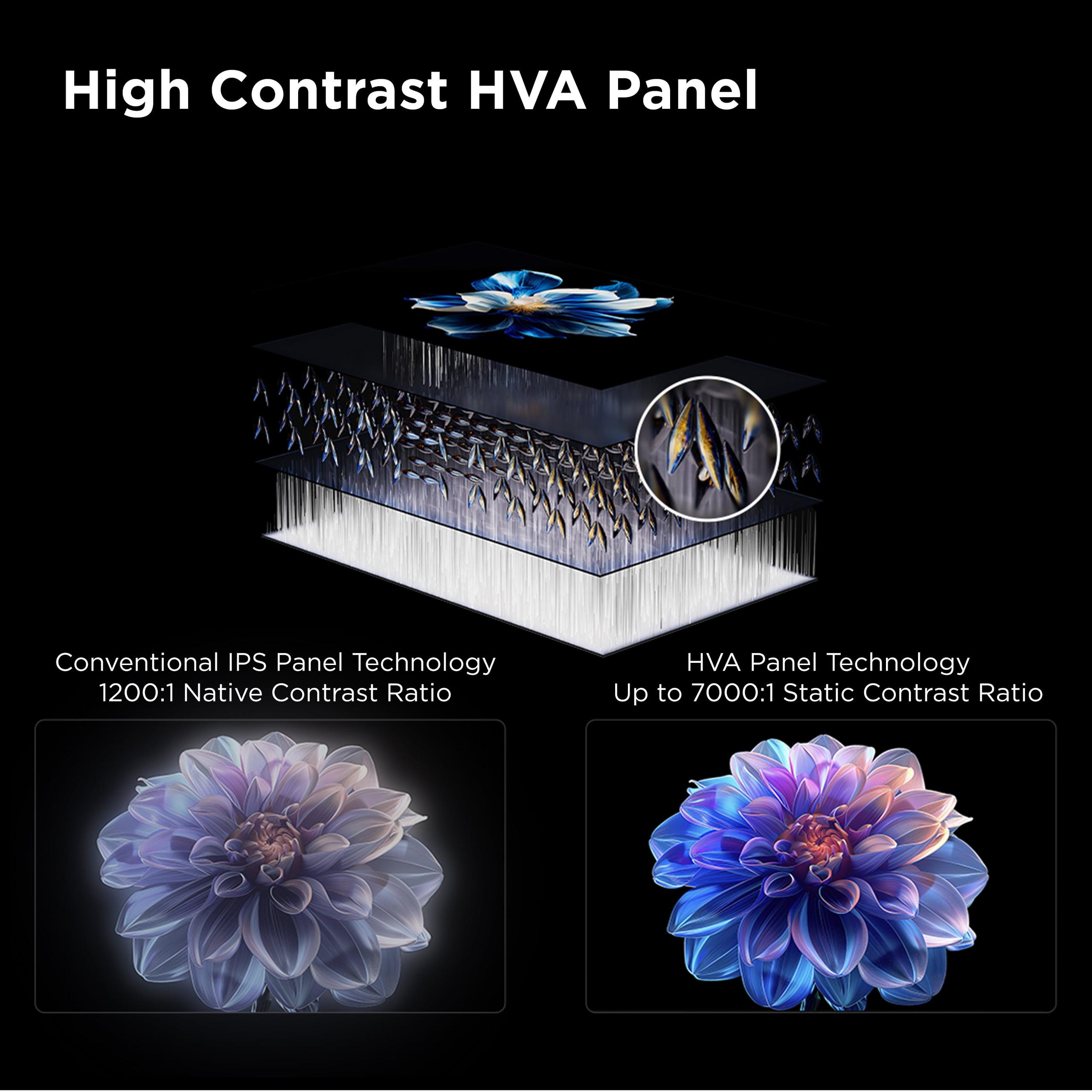
The most important performance metrics are contrast ratio (the difference between the darkest blacks and brightest whites), peak brightness (how bright the TV can get for HDR highlights), color accuracy (how well it reproduces the colors content creators intended), and motion handling (how smooth fast-moving content appears).
But here's where it gets interesting: these two TVs prioritize these metrics completely differently, which explains their dramatically different approaches and price points.
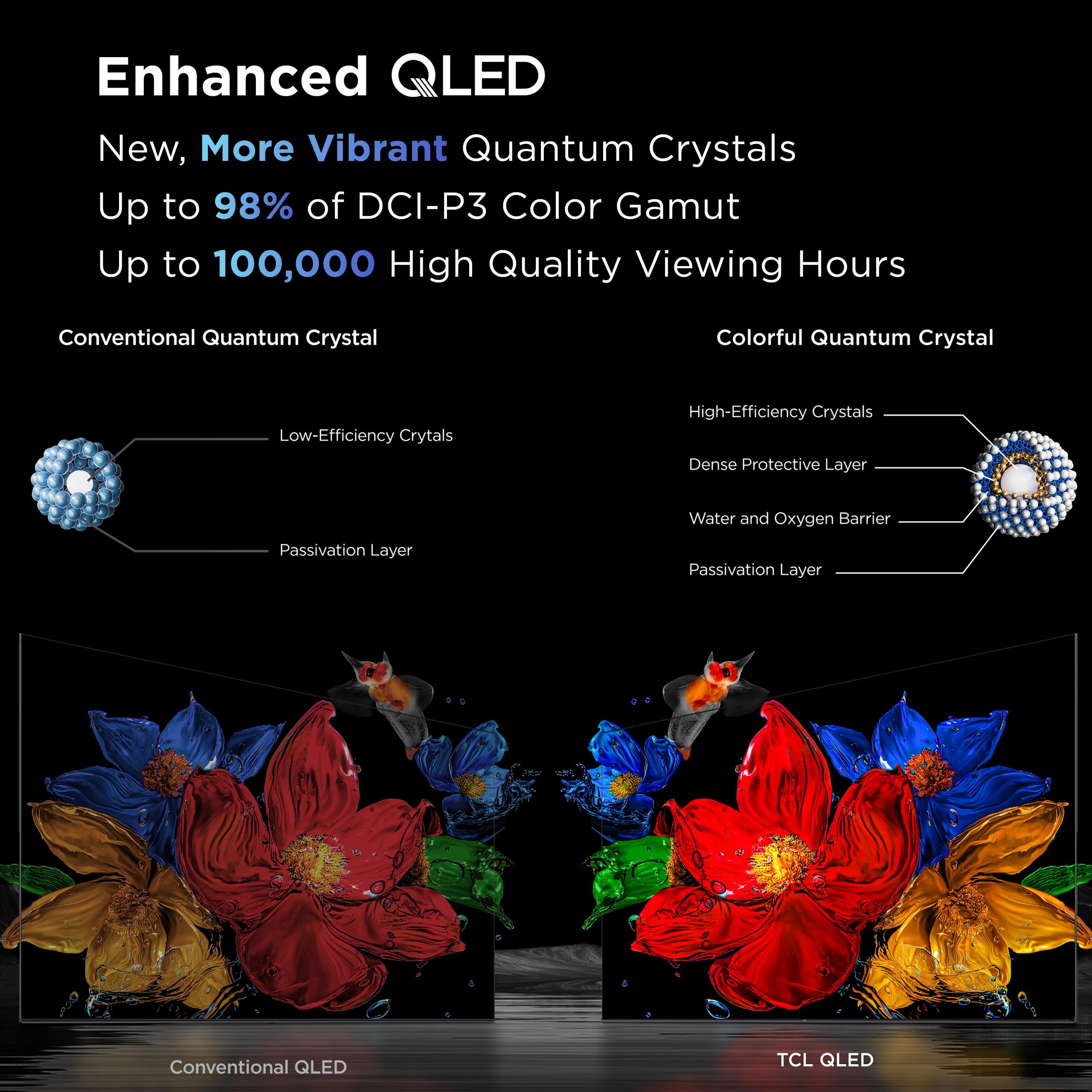
The Samsung Frame 2024 uses traditional edge-lit QLED technology. This means LED lights positioned around the edges of the screen illuminate the entire display panel. It's paired with quantum dot technology – microscopic particles that enhance color reproduction by converting blue light into precise red and green wavelengths.
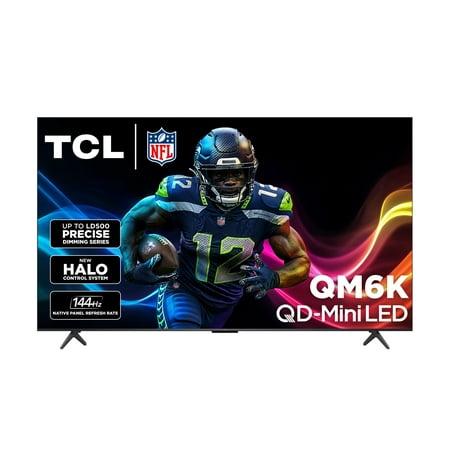
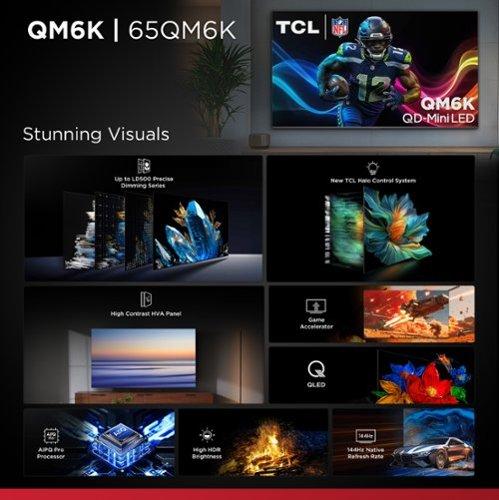
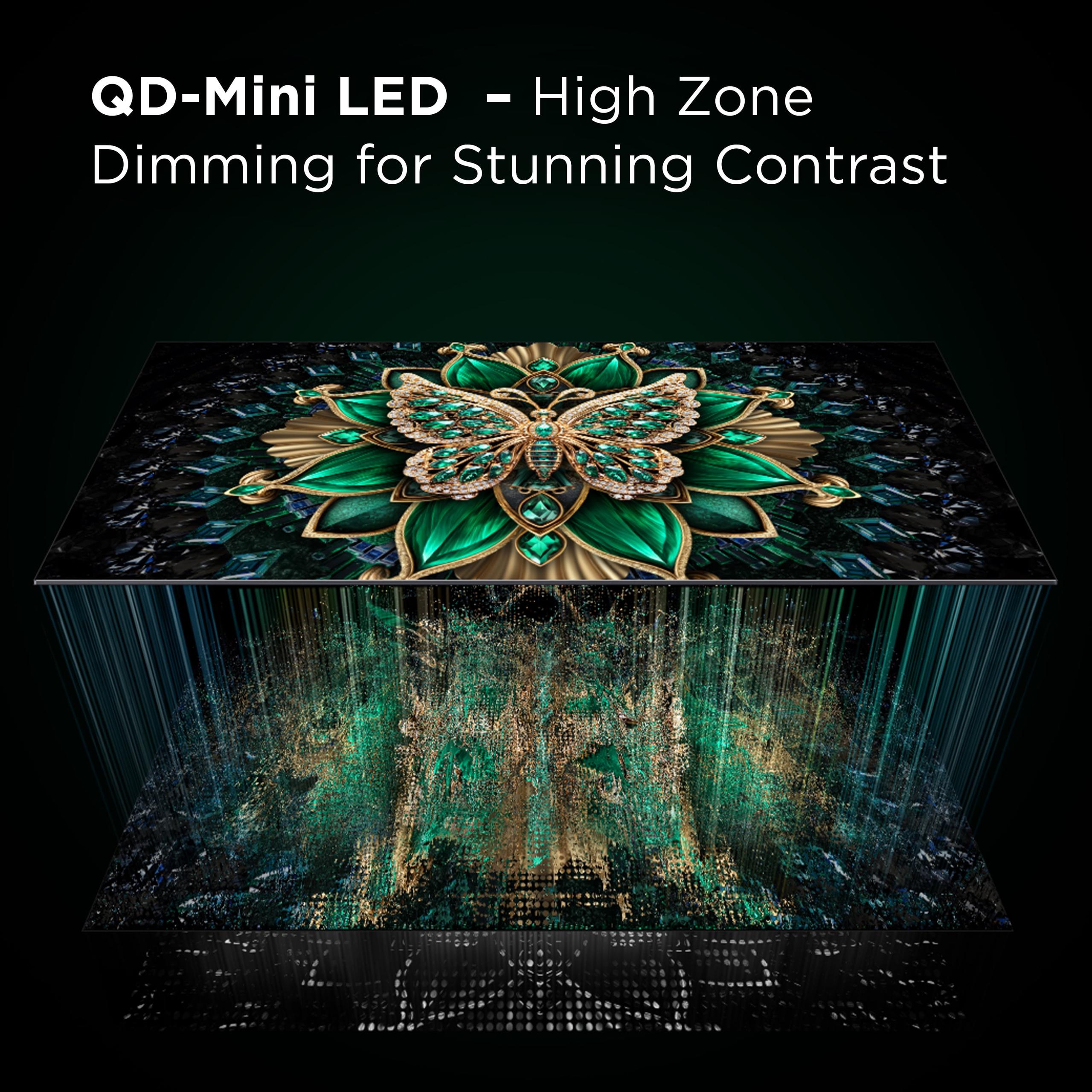
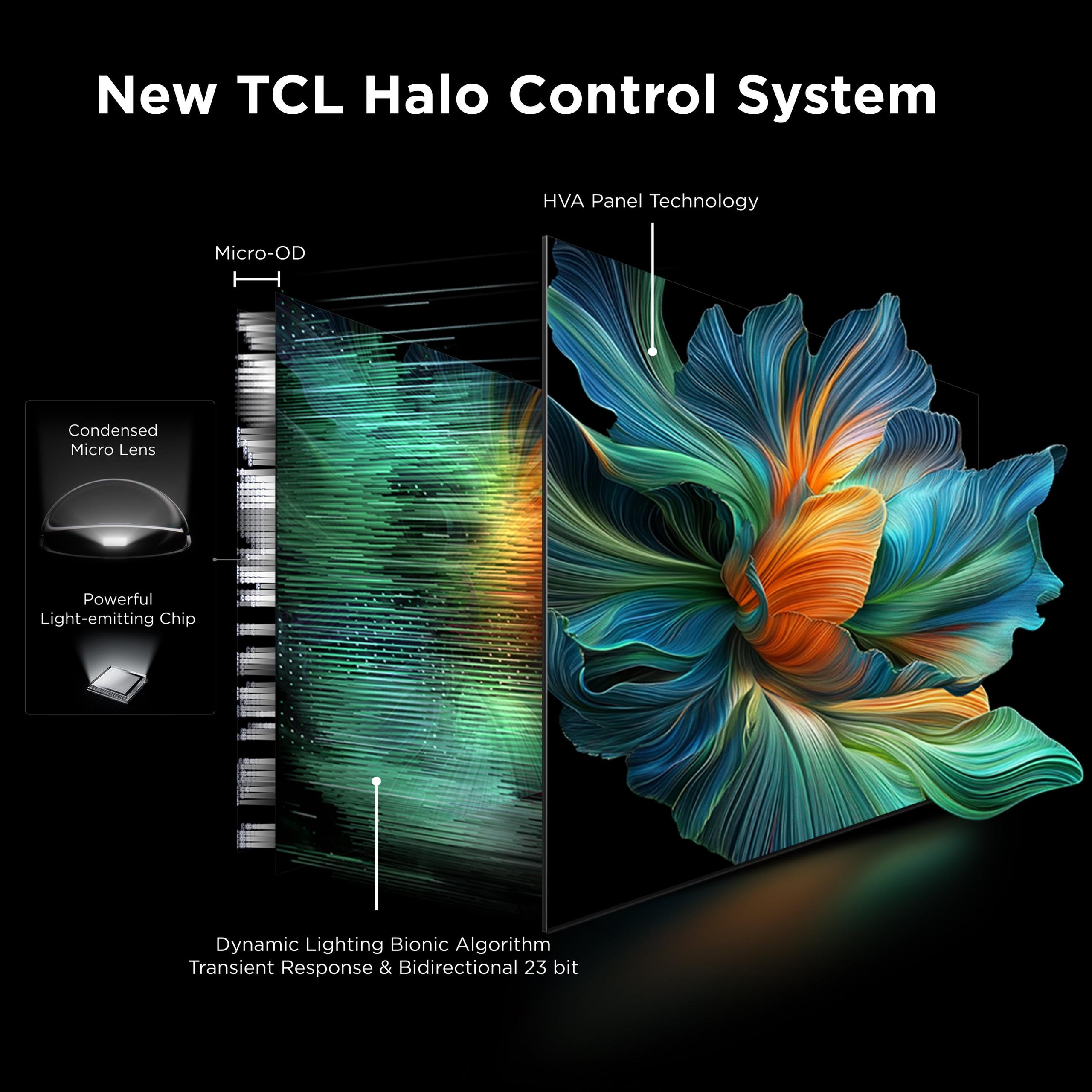
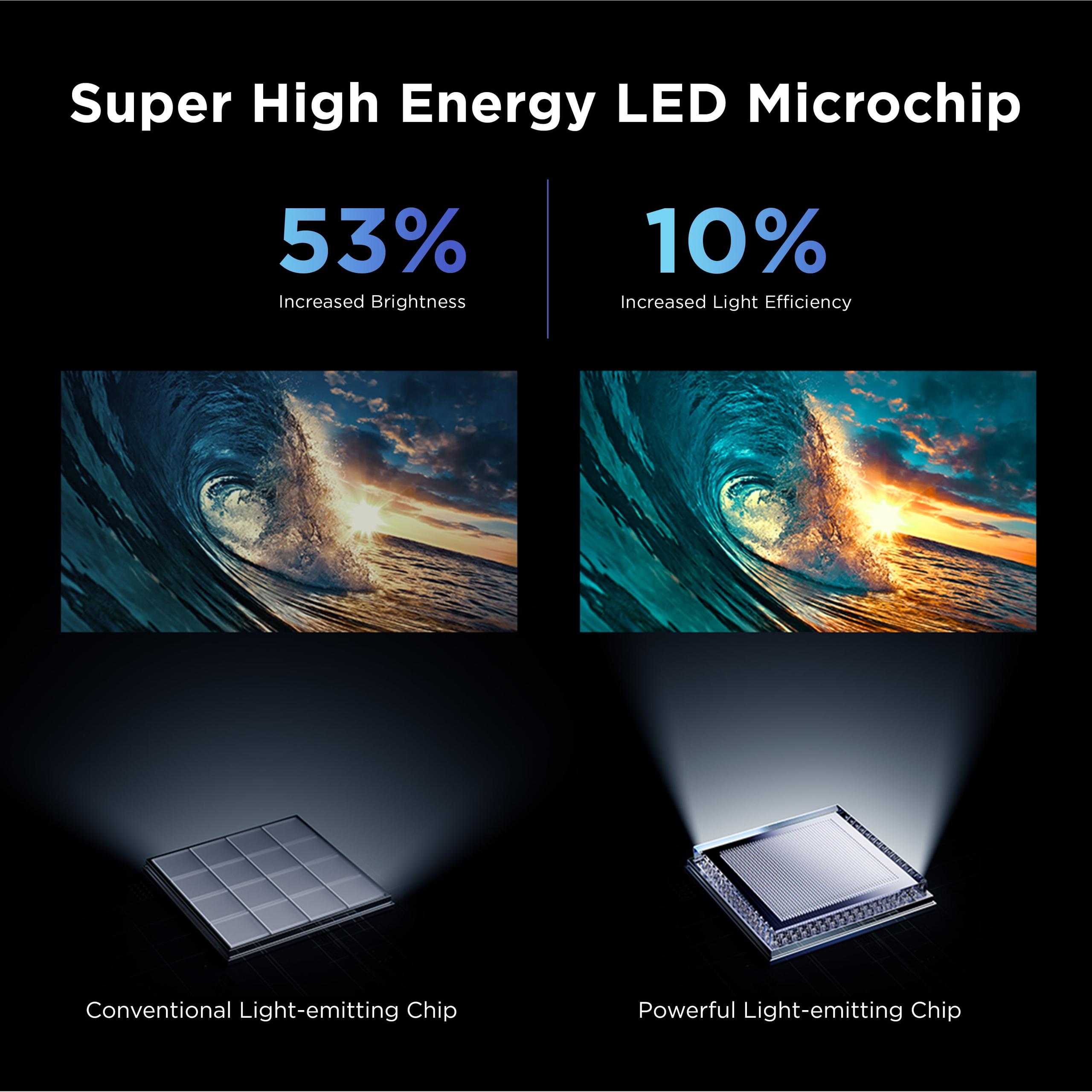
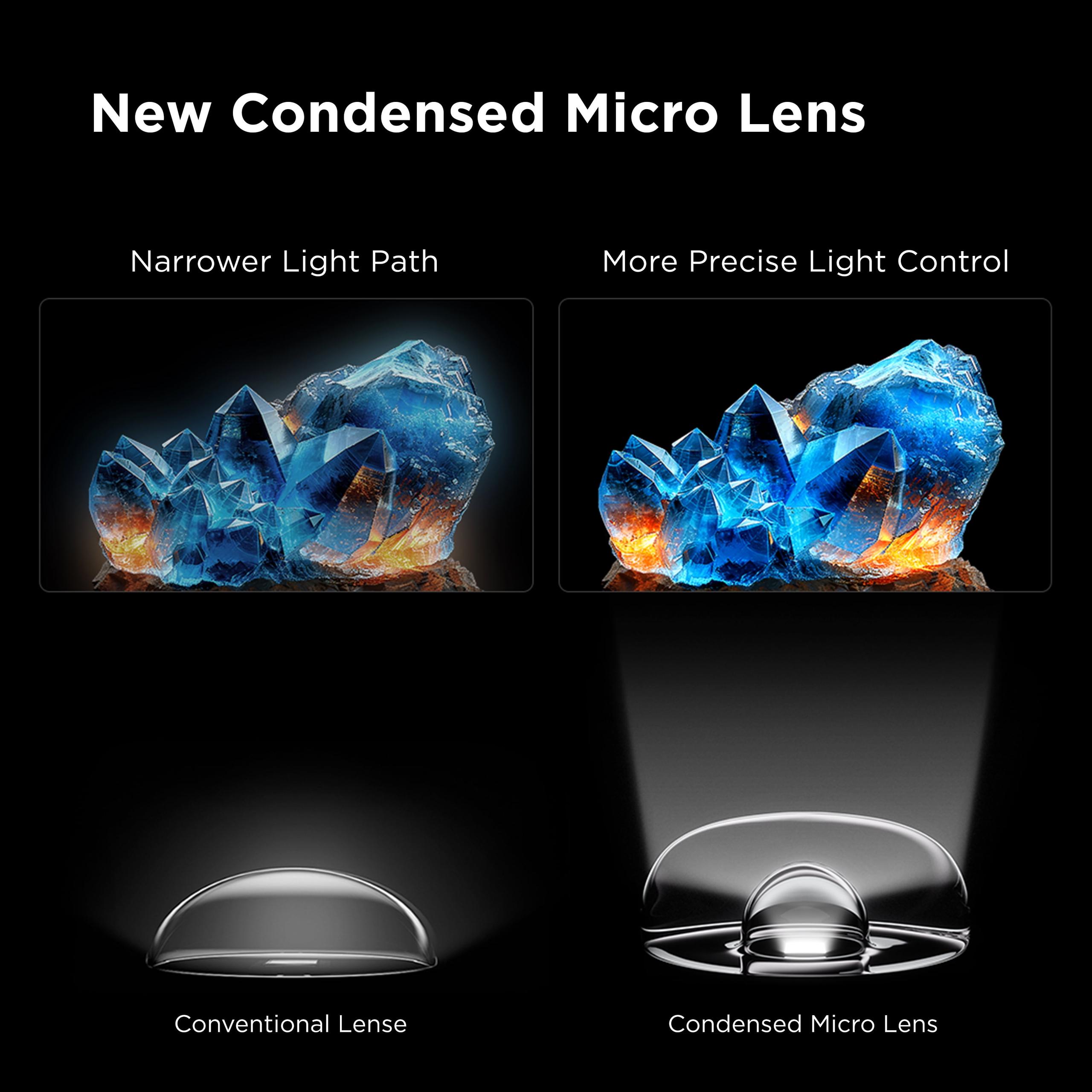
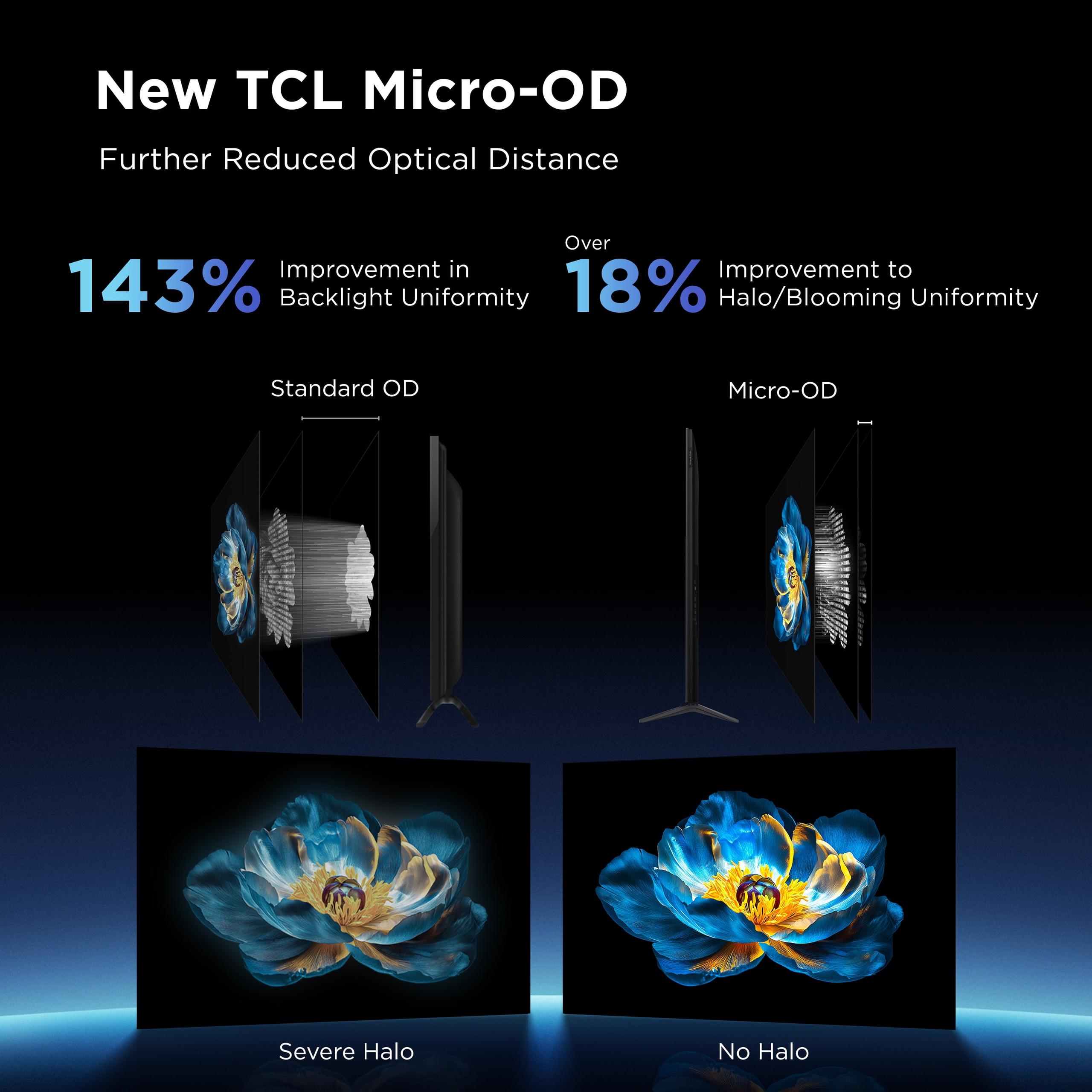
The TCL QM6K employs QD-Mini LED technology, which combines quantum dots with thousands of tiny LEDs positioned directly behind the screen (called full-array local dimming). This allows different sections of the screen to be independently controlled – some areas can be completely dark while others shine brightly.
Think of it like this: edge-lit displays are like trying to light a room with fixtures only around the walls, while Mini-LED is like having hundreds of individually controlled spotlights throughout the ceiling. The Mini-LED approach provides dramatically better control over brightness and darkness across the screen.
This is where the technology differences become immediately apparent. Based on our research of expert reviews and user feedback, the Samsung Frame struggles with what's called "black level performance." Because its edge-lit design can't selectively dim specific screen areas, dark movie scenes appear more gray than truly black. This is particularly noticeable when watching content in a dark room – think of those dramatic space scenes where stars should pop against an inky black background.
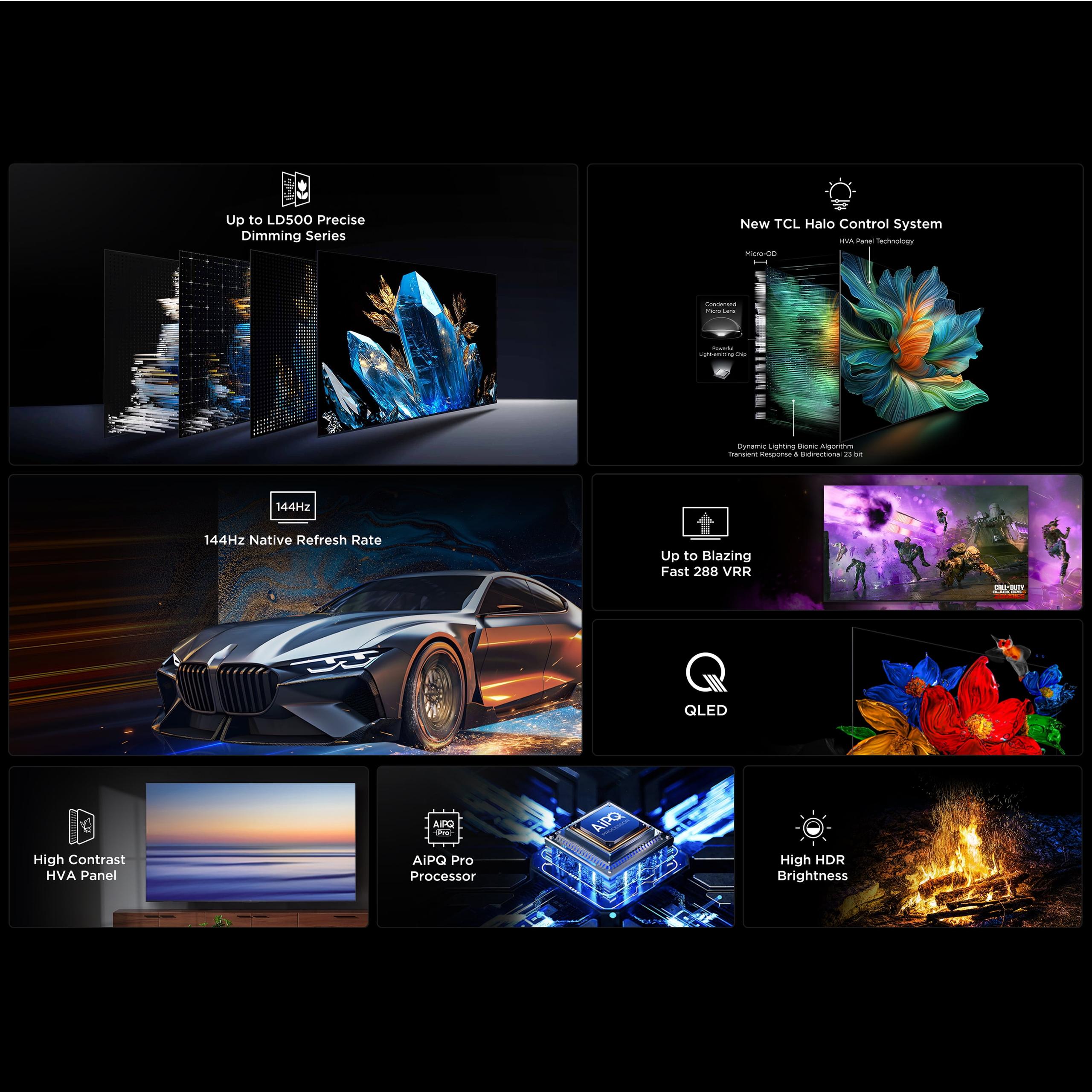
The TCL QM6K, with its Mini-LED backlighting and up to 500 local dimming zones (independently controlled sections of the screen), can make specific areas truly black while keeping other areas bright. This creates a much more dramatic and realistic picture, especially for HDR content where contrast is crucial.
In practical terms, if you're watching a movie with a campfire scene at night, the TCL can make the fire appear genuinely bright while the surrounding darkness remains pitch black. The Samsung Frame would show that same scene with elevated gray levels around the fire, reducing the dramatic impact.
HDR (High Dynamic Range) is technology that allows TVs to display a wider range of brightness levels, from deeper blacks to brighter whites, more closely mimicking what our eyes see in real life. Both TVs support HDR, but their approaches differ significantly.
The Samsung Frame reaches about 590 nits of peak brightness in HDR content – adequate for most viewing but not spectacular. More importantly, it lacks support for Dolby Vision, which is becoming the premium HDR standard used by Netflix, Disney+, and other major streaming services. Instead, it relies on HDR10+ and standard HDR formats.
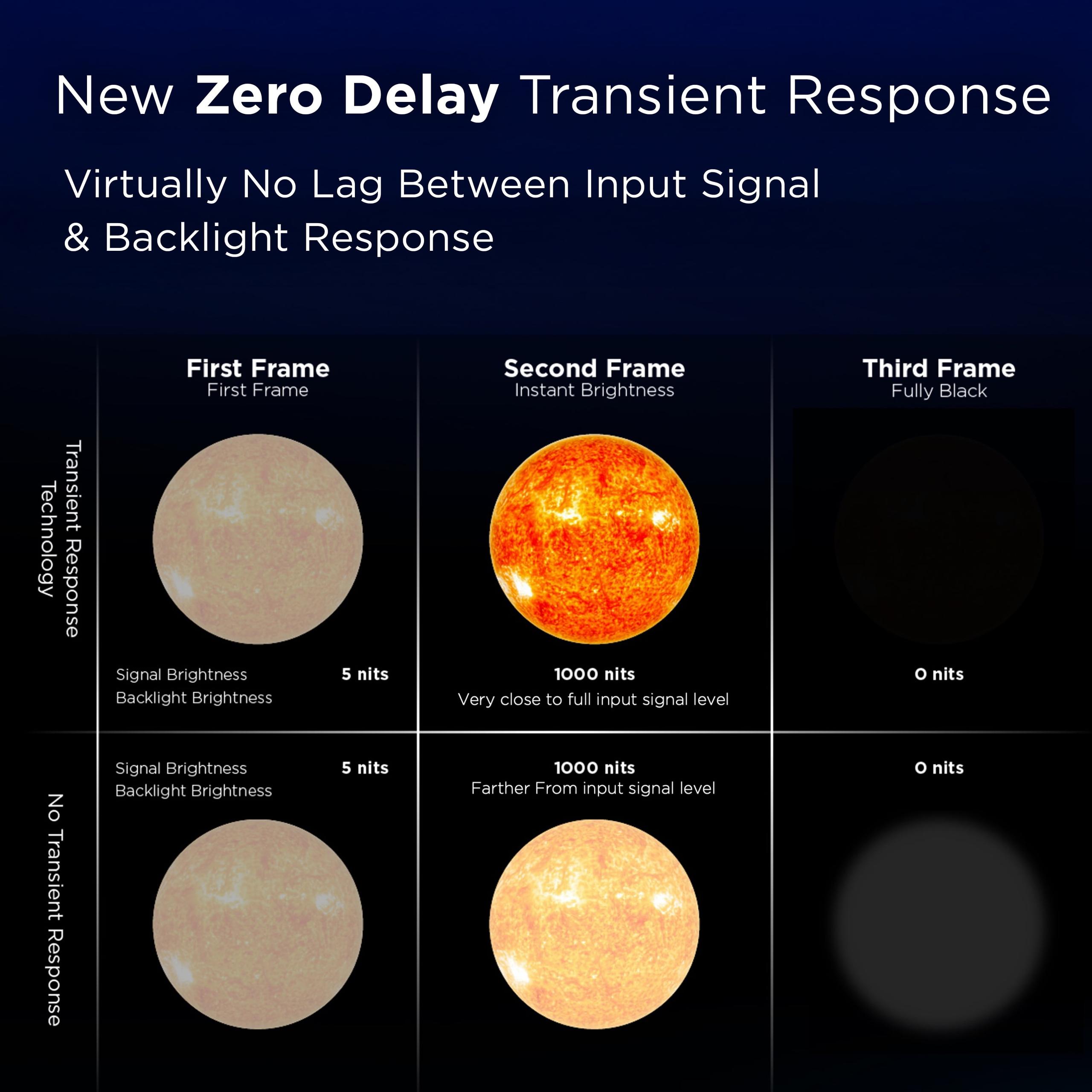
Mini-LED technology in the TCL QM6K typically achieves higher peak brightness, and based on TCL's track record, likely includes Dolby Vision support. This matters because Dolby Vision provides scene-by-scene optimization – essentially, each scene in a movie can have its brightness and color fine-tuned for maximum impact.
Both TVs use quantum dot technology, which excels at color reproduction. However, the Samsung Frame's edge-lit design limits how effectively it can display these colors across different brightness levels. When you can't control brightness precisely across the screen, vibrant colors can appear washed out in darker scenes.
The TCL QM6K's Mini-LED backlighting allows quantum dots to work at their full potential. Colors remain saturated and accurate whether they're part of a bright sunny scene or a dimly lit interior shot.
Here's where the Samsung Frame completely diverges from traditional TV thinking. Released as an update to Samsung's lifestyle TV concept that started gaining serious traction around 2017, the 2024 version represents a mature take on the "TV as art" idea.
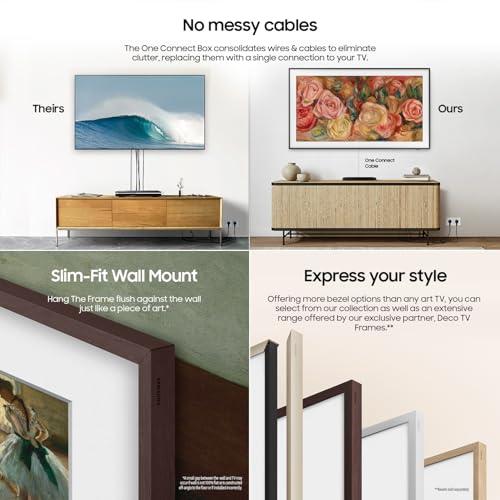
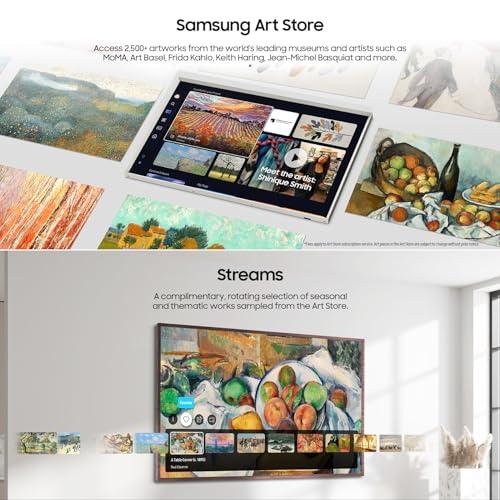
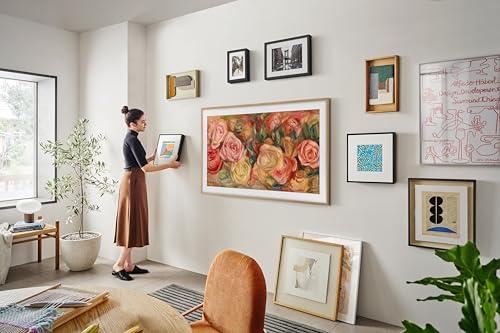
Art Mode transforms your TV into a digital picture frame when you're not watching content. The display shows curated artwork, family photos, or abstract designs, complete with customizable frames that magnetically attach to change the TV's appearance. Motion sensors detect when people enter the room, automatically switching between art display and standby mode.
The 2024 model introduces intelligent power management – when displaying static art, the refresh rate drops from 120Hz to 60Hz, significantly reducing energy consumption. Samsung includes 20 free artworks monthly, with additional pieces available through their Art Store subscription service.
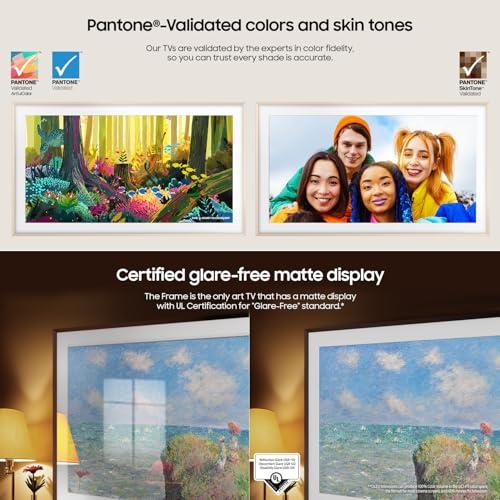
But here's the crucial technical detail: Art Mode relies heavily on the TV's matte anti-glare coating. Unlike typical glossy TV screens that reflect light like mirrors, this matte finish scatters reflections, making the screen look more like a real canvas or photograph. This works exceptionally well for reducing direct glare from windows or lights positioned in front of the TV.
However, our research indicates this matte coating creates a trade-off. While it eliminates sharp reflections, it can "smudge" ambient room lighting across the screen, potentially washing out image contrast in certain lighting conditions. For Art Mode, this actually enhances realism. For regular TV viewing, it can be a drawback depending on your room setup.
Both TVs cater to current gaming demands, supporting 4K resolution at 120Hz refresh rates with Variable Refresh Rate (VRR) technology. VRR synchronizes the TV's refresh rate with your gaming console's output, eliminating screen tearing and providing smoother gameplay.
The Samsung Frame delivers excellent input lag performance at 9.2 milliseconds – the delay between when you press a button and see the result on screen. This is competitive with dedicated gaming monitors. However, its response time (how quickly pixels change colors) isn't quite fast enough to eliminate motion blur in fast-paced competitive games.
The TCL QM6K takes gaming seriously with its Game Accelerator 288 technology, supporting variable refresh rates up to 288Hz. Its native 144Hz panel refresh rate exceeds the Samsung's 120Hz, potentially providing smoother motion in supported games. The Mini-LED backlighting also benefits gaming by providing deeper blacks in dark game environments and brighter highlights for better visibility.
For casual gaming – playing single-player adventures or watching game streams – both TVs perform well. For competitive multiplayer gaming where every millisecond matters, the TCL QM6K has slight technical advantages, though the Samsung Frame's low input lag keeps it competitive.
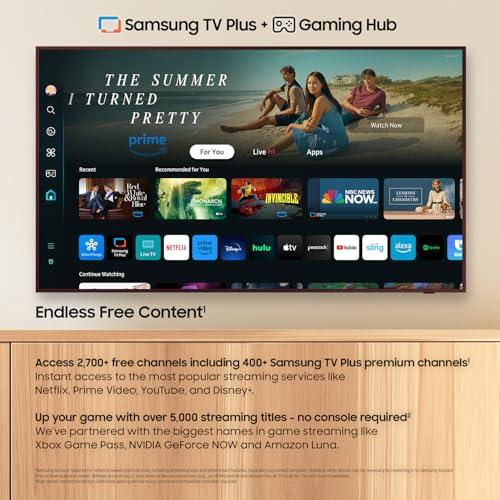
The TCL QM6K runs Google TV, which provides excellent content recommendations, seamless integration with Google services, and comprehensive voice control through Google Assistant. The interface feels familiar if you use Android devices and offers robust app selection.
The Samsung Frame uses Samsung's Tizen platform, which has matured significantly since its early days. While not as polished as Google TV for content discovery, it integrates well with Samsung's ecosystem and provides reliable performance. The Art Store integration is seamless, making it easy to browse and purchase new artwork.
Both platforms support major streaming services, though Google TV typically receives new apps and updates more quickly due to its closer relationship with Android development.
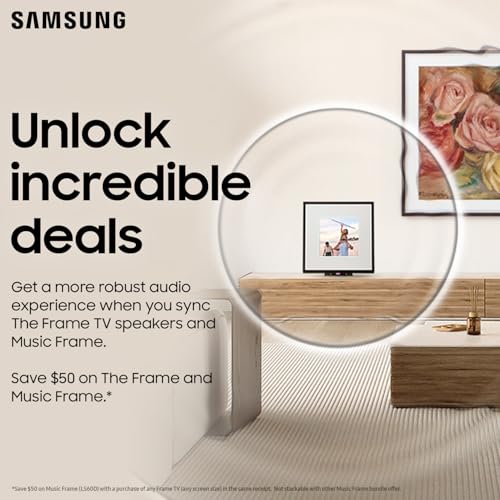
Audio often gets overlooked in TV comparisons, but it matters for the overall experience. The Samsung Frame includes a 40W 2.2-channel system with Dolby Atmos support, including upward-firing speakers that bounce sound off your ceiling for a more three-dimensional audio experience. It also supports Q-Symphony, allowing the TV speakers to work in harmony with compatible Samsung soundbars rather than being disabled.
The TCL QM6K features a 2.1-channel system developed with Onkyo, a respected audio brand, including a built-in subwoofer for better bass response. While it supports Dolby Atmos processing, it lacks the dedicated upward-firing drivers of the Samsung.
Neither TV will satisfy serious audiophiles, but the Samsung Frame's audio system is more sophisticated for TV-only listening.
At the time of writing, you're paying roughly twice as much for the Samsung Frame compared to the TCL QM6K. This price difference becomes even more stark when you consider additional costs – decorative bezels for the Frame cost $99-199 each, and full access to the Art Store requires a subscription.
From a pure performance standpoint, the TCL QM6K delivers superior picture quality through its Mini-LED technology at half the price. You're getting premium display technology that typically costs much more, making it exceptional value for performance-focused buyers.
The Samsung Frame commands its premium for lifestyle integration features. You're paying for Art Mode, the ultra-thin design, customizable aesthetics, and the ability to have a TV that doesn't look like a traditional TV. Whether this justifies the cost depends entirely on how much you value these unique capabilities.
Your room's lighting conditions significantly impact which TV makes more sense. The Samsung Frame's matte coating excels in bright rooms with windows or lights positioned to create direct reflections on the screen. If you have a sunny living room with windows behind your seating area, the Frame's anti-glare properties provide a clear advantage.
However, in rooms with controlled lighting or for dedicated home theater setups, the TCL QM6K's superior contrast and black levels create a more cinematic experience. The glossy screen finish provides better image depth and color saturation when reflections aren't an issue.
For dedicated home theater use – a dark room where picture quality is paramount – the TCL QM6K is the clear choice. Its Mini-LED technology provides the contrast and brightness control that makes movies truly cinematic.
Choose the Samsung Frame if you prioritize room aesthetics and unique functionality over pure picture quality. It's ideal for design-conscious buyers who want their TV to blend into or enhance their décor, especially in bright living rooms. The Art Mode functionality genuinely transforms how a TV integrates into your daily life when you're not actively watching content.
The Frame also makes sense if you're building a Samsung ecosystem with other devices and want features like Q-Symphony soundbar integration.
Choose the TCL QM6K if picture quality and value are your primary concerns. It delivers premium display technology at an accessible price point, making it excellent for movie enthusiasts, gamers, and anyone who wants the best possible viewing experience without paying luxury prices.
The QM6K is particularly compelling for home theater setups where the TV's performance matters more than its appearance when turned off.
These TVs represent fundamentally different approaches to the same screen size. The Samsung Frame is a lifestyle product that happens to be a good TV, while the TCL QM6K is a performance TV that happens to offer exceptional value.
If you're torn between them, consider this: the TCL QM6K will provide a better viewing experience for every piece of content you watch, while the Samsung Frame enhances your room's appearance when you're not watching anything at all.
For most people prioritizing entertainment value, the TCL QM6K's superior picture quality and aggressive pricing make it the smarter choice. But if you've ever wished your TV could disappear when not in use, the Samsung Frame offers something genuinely unique that no amount of picture quality can replicate.
The decision ultimately comes down to whether you're buying a TV or buying a piece of interactive wall art that also happens to be a TV.
| Samsung 65" The Frame QLED 4K 2024 TV | TCL 65" QM6K QD-Mini LED 4K TV |
|---|---|
| Display Technology - The foundation that determines picture quality | |
| Edge-lit QLED with Quantum Dots | QD-Mini LED with Full-Array Local Dimming |
| Local Dimming Zones - Critical for contrast and black levels | |
| None (edge-lit design limitation) | Up to 500 zones (dramatically better contrast) |
| Peak Brightness - Affects HDR impact and bright room viewing | |
| 590 nits HDR, 431 nits SDR | Likely 800+ nits (Mini-LED advantage) |
| HDR Format Support - Compatibility with premium streaming content | |
| HDR10+, HDR10, HLG (no Dolby Vision) | HDR10+, HDR10, HLG, Dolby Vision (likely) |
| Screen Finish - Impacts reflection handling and image clarity | |
| Matte anti-glare coating (great for bright rooms, can wash out colors) | Glossy finish (better color depth, more reflective) |
| Refresh Rate - Smoothness for sports and gaming | |
| 120Hz native | 144Hz native (better for high-end gaming) |
| Gaming Features - Performance for console and PC gaming | |
| 9.2ms input lag, VRR support, 4K@120Hz | Game Accelerator 288 (up to 288Hz VRR), 4K@120Hz |
| Smart TV Platform - App ecosystem and user experience | |
| Samsung Tizen (solid but slower updates) | Google TV (better recommendations and faster updates) |
| Audio System - Built-in sound quality | |
| 40W 2.2CH with Dolby Atmos, upward-firing speakers | 2.1CH Onkyo system with subwoofer, Dolby Atmos |
| Unique Features - What sets each TV apart | |
| Art Mode, customizable bezels, ultra-thin design, One Connect Box | Superior contrast, deeper blacks, exceptional value |
| Design Philosophy - Who each TV is designed for | |
| Lifestyle integration, room aesthetics, doubles as wall art | Performance focus, best picture quality for the money |
| Best Use Case - When each TV makes the most sense | |
| Bright living rooms, design-conscious buyers, Samsung ecosystem users | Home theaters, value seekers, movie/gaming enthusiasts |
The TCL 65" QM6K QD-Mini LED 4K TV delivers significantly better picture quality thanks to its Mini-LED backlighting with up to 500 local dimming zones. This provides deeper blacks, higher contrast, and more precise brightness control compared to the Samsung 65" The Frame QLED 4K 2024 TV's edge-lit design. The TCL QM6K also likely supports Dolby Vision HDR, while the Samsung Frame does not.
The fundamental difference is philosophy: the Samsung 65" The Frame QLED 4K 2024 TV is a lifestyle TV designed to double as wall art with its Art Mode feature and customizable bezels, while the TCL 65" QM6K QD-Mini LED 4K TV focuses purely on delivering premium picture quality through advanced Mini-LED technology at an exceptional value.
The Samsung 65" The Frame QLED 4K 2024 TV excels in bright rooms due to its matte anti-glare coating that effectively reduces direct reflections from windows and lights. The TCL 65" QM6K QD-Mini LED 4K TV has a glossy screen that provides better color depth but is more susceptible to reflections in bright environments.
The TCL 65" QM6K QD-Mini LED 4K TV offers exceptional value, providing premium Mini-LED display technology typically found in much more expensive TVs. The Samsung 65" The Frame QLED 4K 2024 TV costs significantly more for its unique lifestyle features, but from a pure performance standpoint, the TCL QM6K delivers better picture quality at a lower price.
Yes, both TVs support modern gaming features including 4K@120Hz, VRR (Variable Refresh Rate), and low input lag. The Samsung 65" The Frame QLED 4K 2024 TV offers excellent 9.2ms input lag, while the TCL 65" QM6K QD-Mini LED 4K TV features a higher 144Hz native refresh rate and Game Accelerator technology supporting up to 288Hz VRR for potentially smoother gameplay.
For dedicated home theater use in a dark room, the TCL 65" QM6K QD-Mini LED 4K TV is the clear winner. Its Mini-LED backlighting provides the deep blacks and high contrast essential for cinematic viewing, while its likely Dolby Vision support ensures compatibility with premium streaming content. The Samsung Frame is designed more for living room integration than home theater performance.
Art Mode allows the Samsung 65" The Frame QLED 4K 2024 TV to display curated artwork, family photos, or abstract designs when not actively watching TV content. The display uses motion sensors to automatically switch between art and standby modes, and the refresh rate drops to save energy. Samsung provides monthly free artwork with additional pieces available through their Art Store.
The TCL 65" QM6K QD-Mini LED 4K TV runs Google TV, which typically offers better content recommendations, faster updates, and more comprehensive voice control. The Samsung 65" The Frame QLED 4K 2024 TV uses Samsung's Tizen platform, which is reliable but generally receives slower updates and has less sophisticated content discovery compared to the TCL's Google TV platform.
The Samsung 65" The Frame QLED 4K 2024 TV comes complete but offers optional customizable bezels for additional cost and requires a subscription for full Art Store access. The TCL 65" QM6K QD-Mini LED 4K TV includes everything needed out of the box with no additional purchases required for full functionality.
The Samsung 65" The Frame QLED 4K 2024 TV features a more sophisticated 40W 2.2-channel system with Dolby Atmos and dedicated upward-firing speakers for three-dimensional sound. The TCL 65" QM6K QD-Mini LED 4K TV offers a 2.1-channel Onkyo system with built-in subwoofer, providing good bass response but less spatial audio capability than the Samsung Frame.
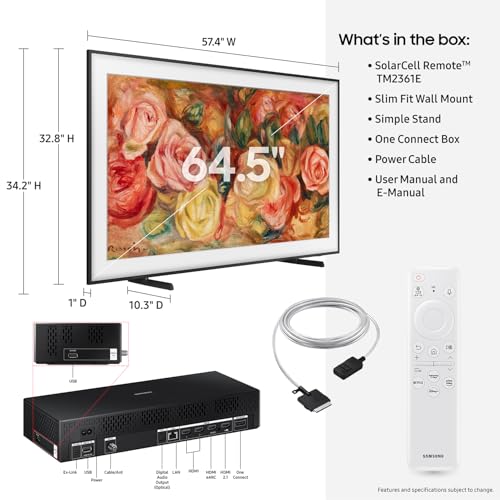
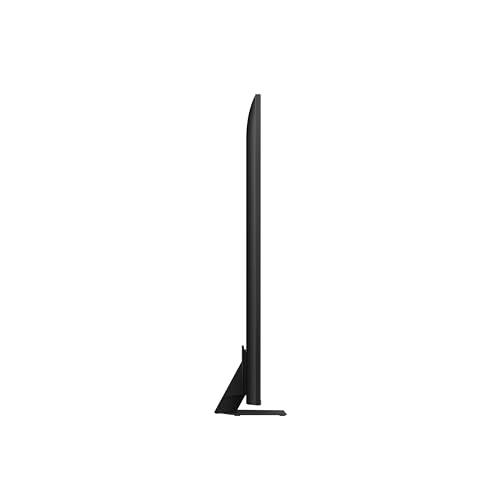
Yes, both TVs support wall mounting. The Samsung 65" The Frame QLED 4K 2024 TV includes a Slim-Fit Wall Mount for flush installation and features an ultra-thin 1-inch profile with a One Connect Box to minimize cable clutter. The TCL 65" QM6K QD-Mini LED 4K TV is VESA wall mount compatible but has a more traditional TV thickness and direct cable connections.
Choose the Samsung 65" The Frame QLED 4K 2024 TV if you prioritize room aesthetics, want Art Mode functionality, have a bright living room with direct lighting, or are building a Samsung ecosystem. Choose the TCL 65" QM6K QD-Mini LED 4K TV if you want the best picture quality for your money, prioritize performance over aesthetics, plan to use it in a home theater setup, or want exceptional value with premium display technology.
We've done our best to create useful and informative comparisons to help you decide what product to buy. Our research uses advanced automated methods to create this comparison and perfection is not possible - please contact us for corrections or questions. These are the sites we've researched in the creation of this article: tomsguide.com - rtings.com - rtings.com - youtube.com - bestbuy.com - techlicious.com - youtube.com - smalllilystudio.com - theeverymom.com - livingetc.com - pcrichard.com - image-us.samsung.com - samsung.com - images.samsung.com - samsung.com - buydig.com - tvsbook.com - bestbuy.com - samsung.com - samsung.com - flatpanelshd.com - youtube.com - tomsguide.com - youtube.com - tcl.com - tomsguide.com - youtube.com - youtube.com - hometechnologyreview.com - rtings.com - bestbuy.com - tcl.com - youtube.com - youtube.com - bestbuy.com - youtube.com - youtube.com - youtube.com - tcl.com - youtube.com - walmart.com - tcl.com - displayspecifications.com - kitele.com - displayspecifications.com - flatpanelshd.com - woodruffappliance.com - displayspecifications.com - prnewswire.com - tcl.com - youtube.com - abt.com - youtube.com - tclkenya.co.ke - budgethomefurn.com

Privacy Policy
Terms and Conditions - Affiliate Policy
Home Security
© Copyright 2008-2026.
11816 Inwood Rd #1211, Dallas, TX 75244