







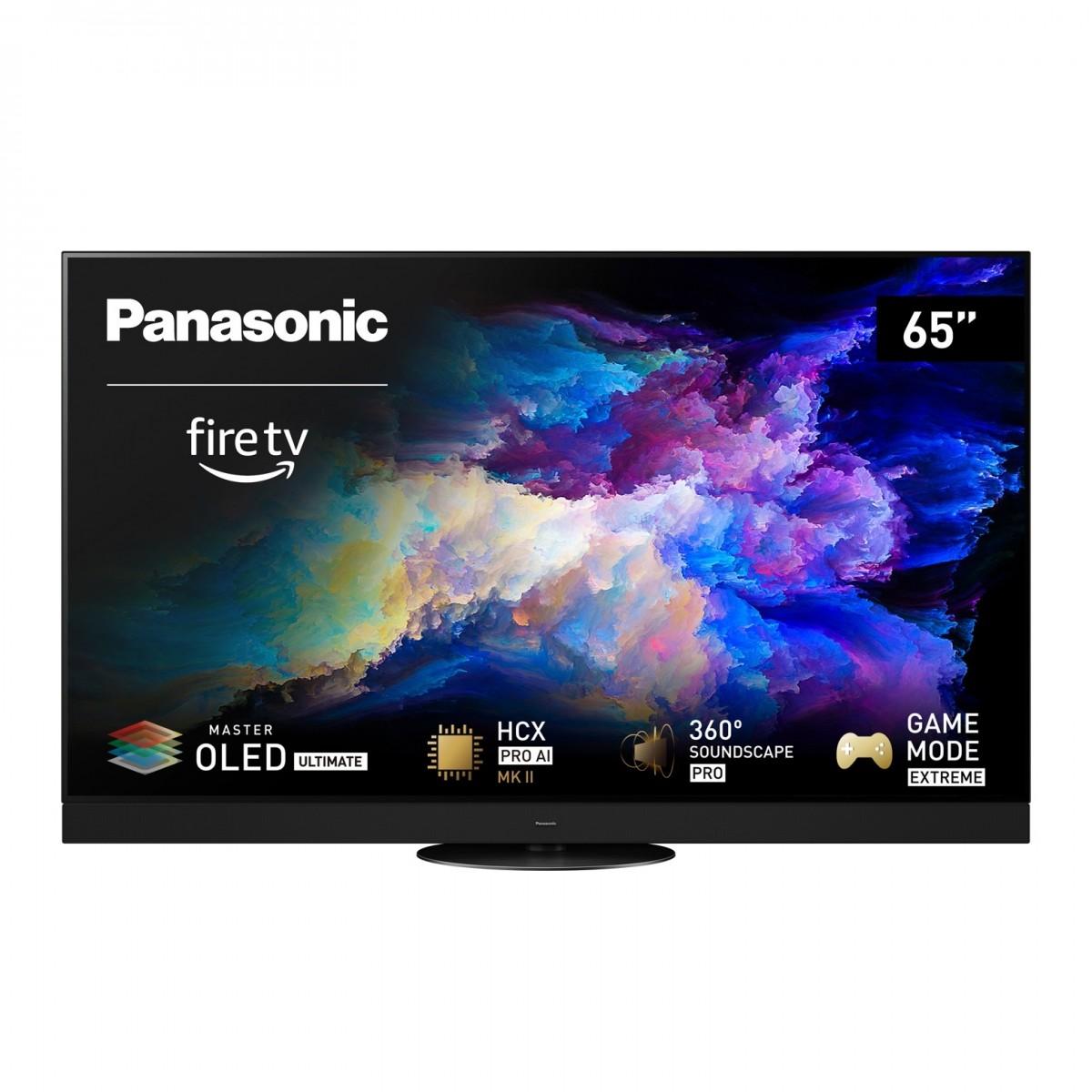
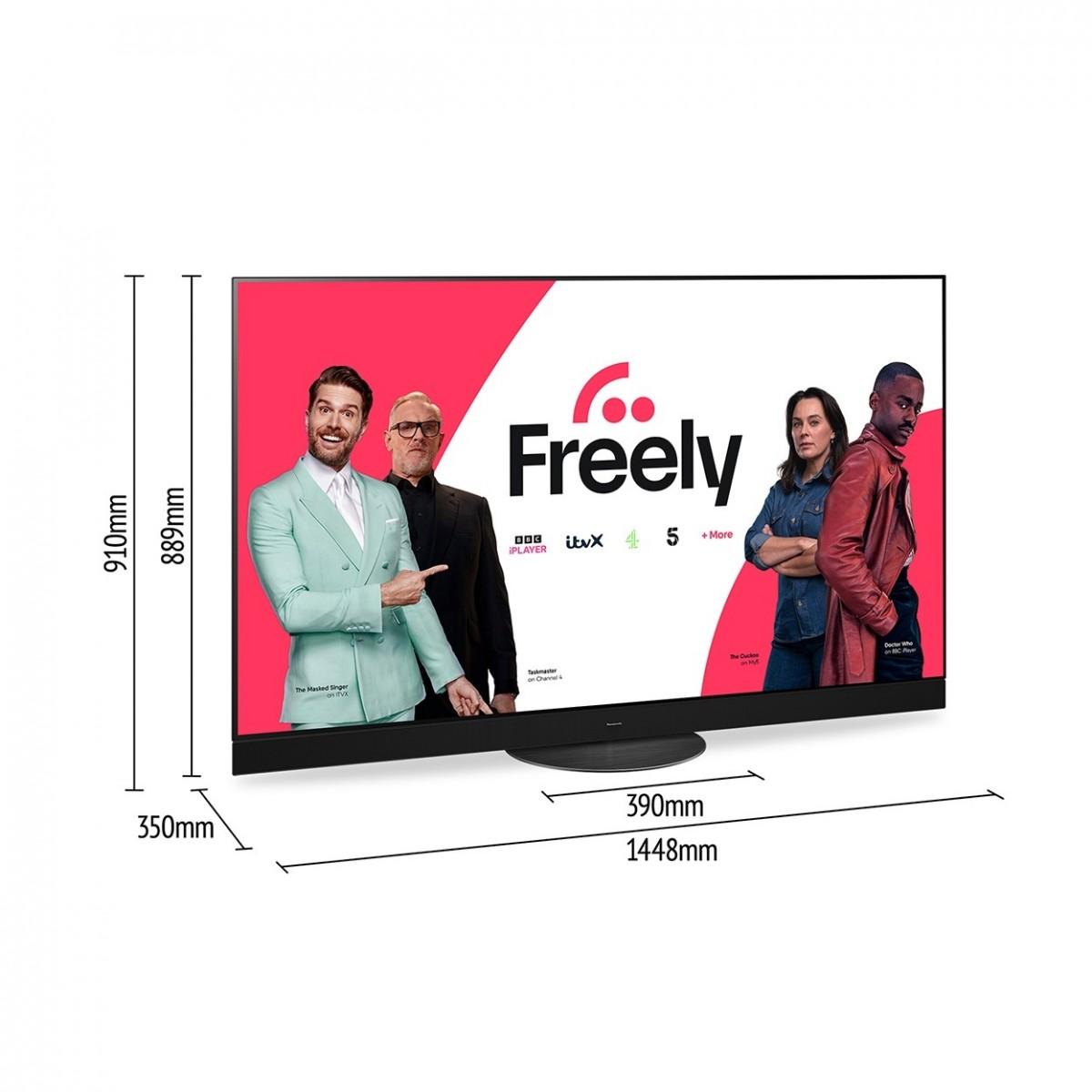
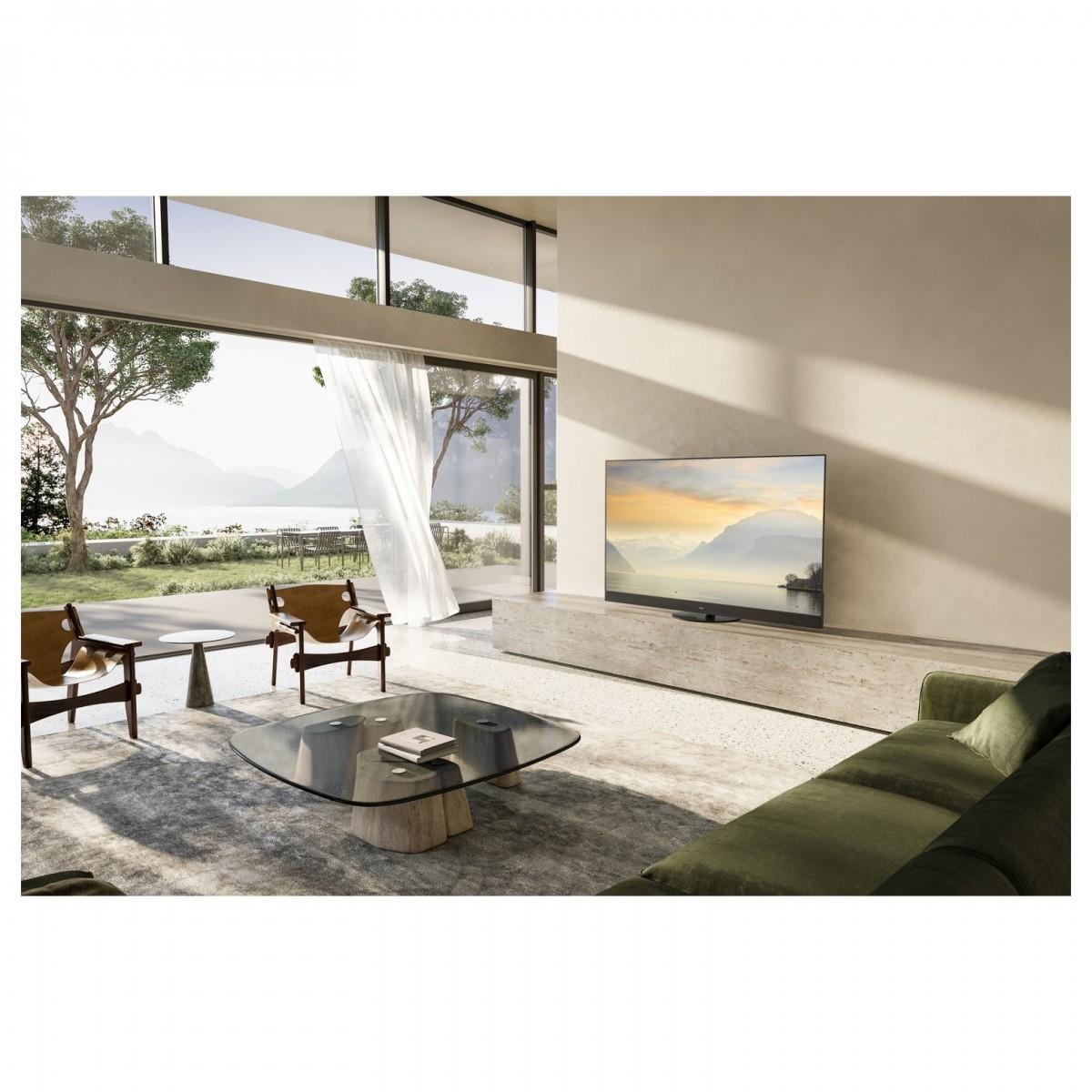
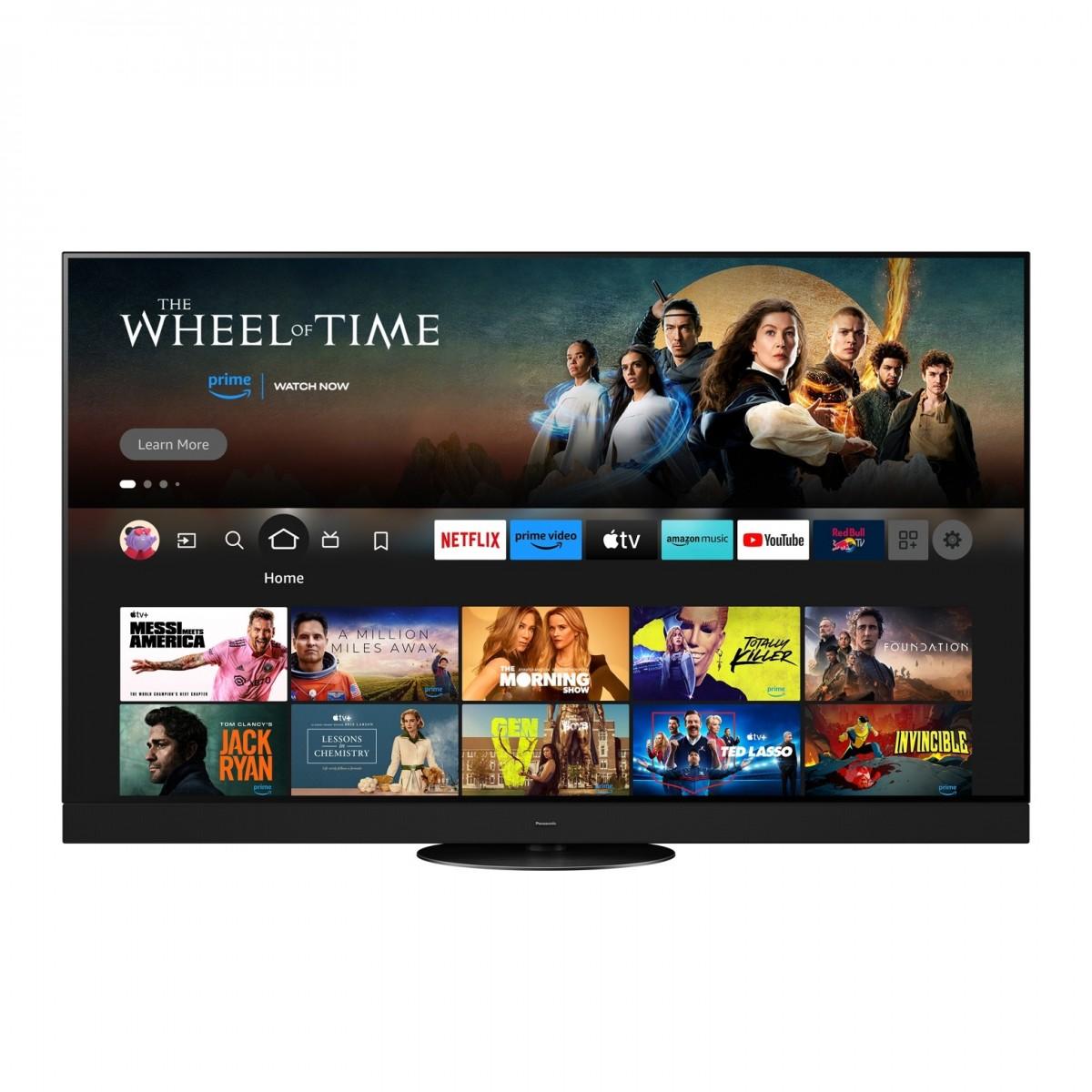
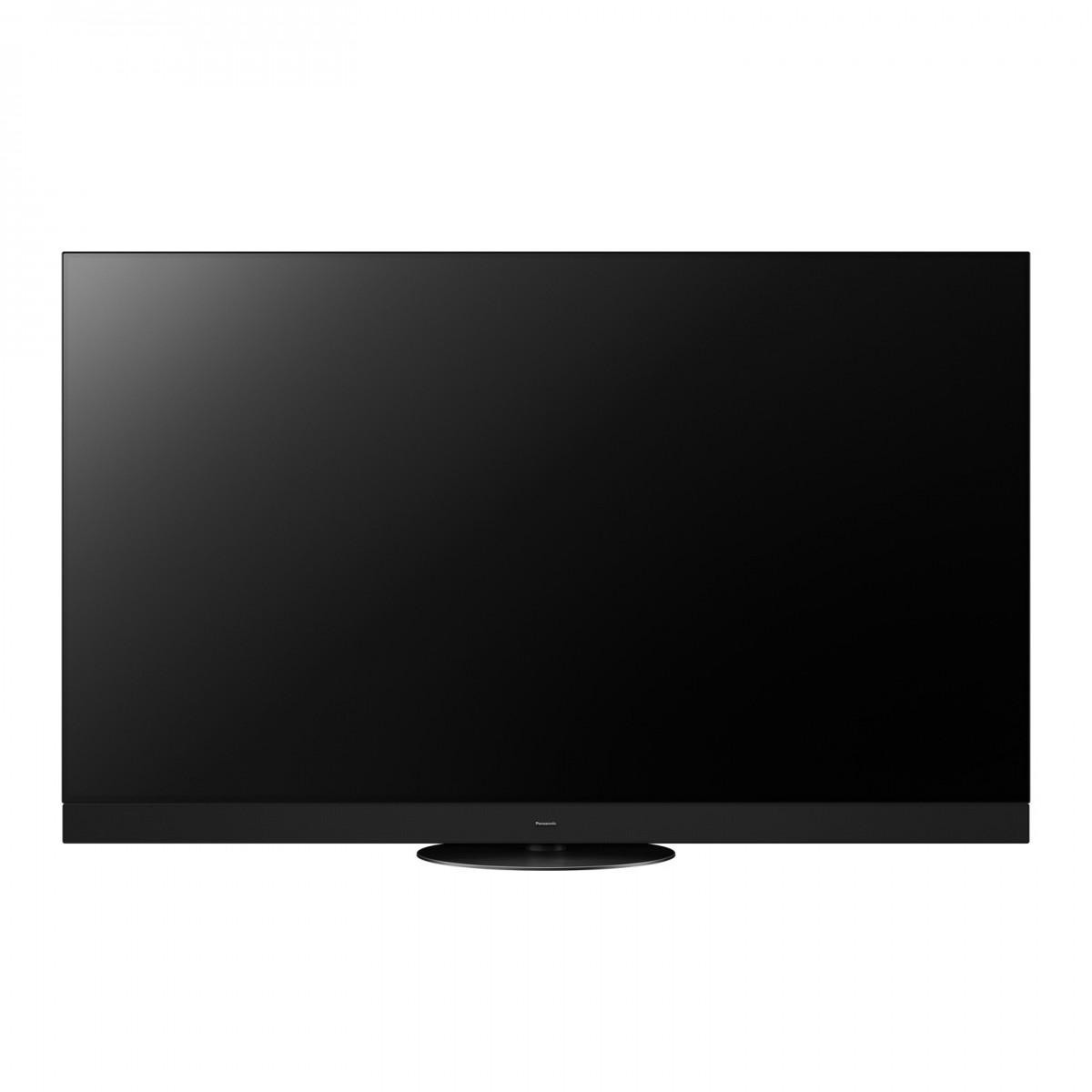
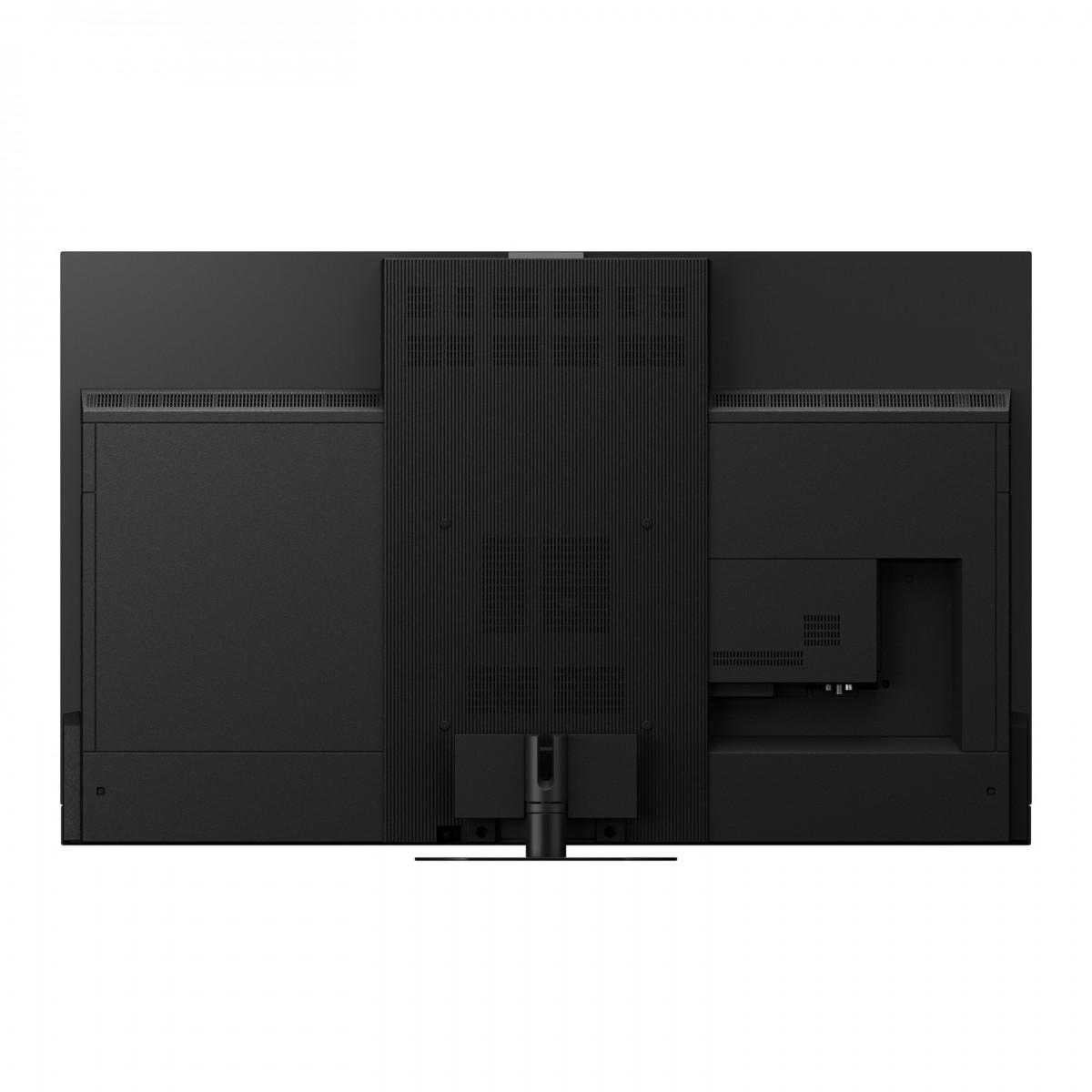
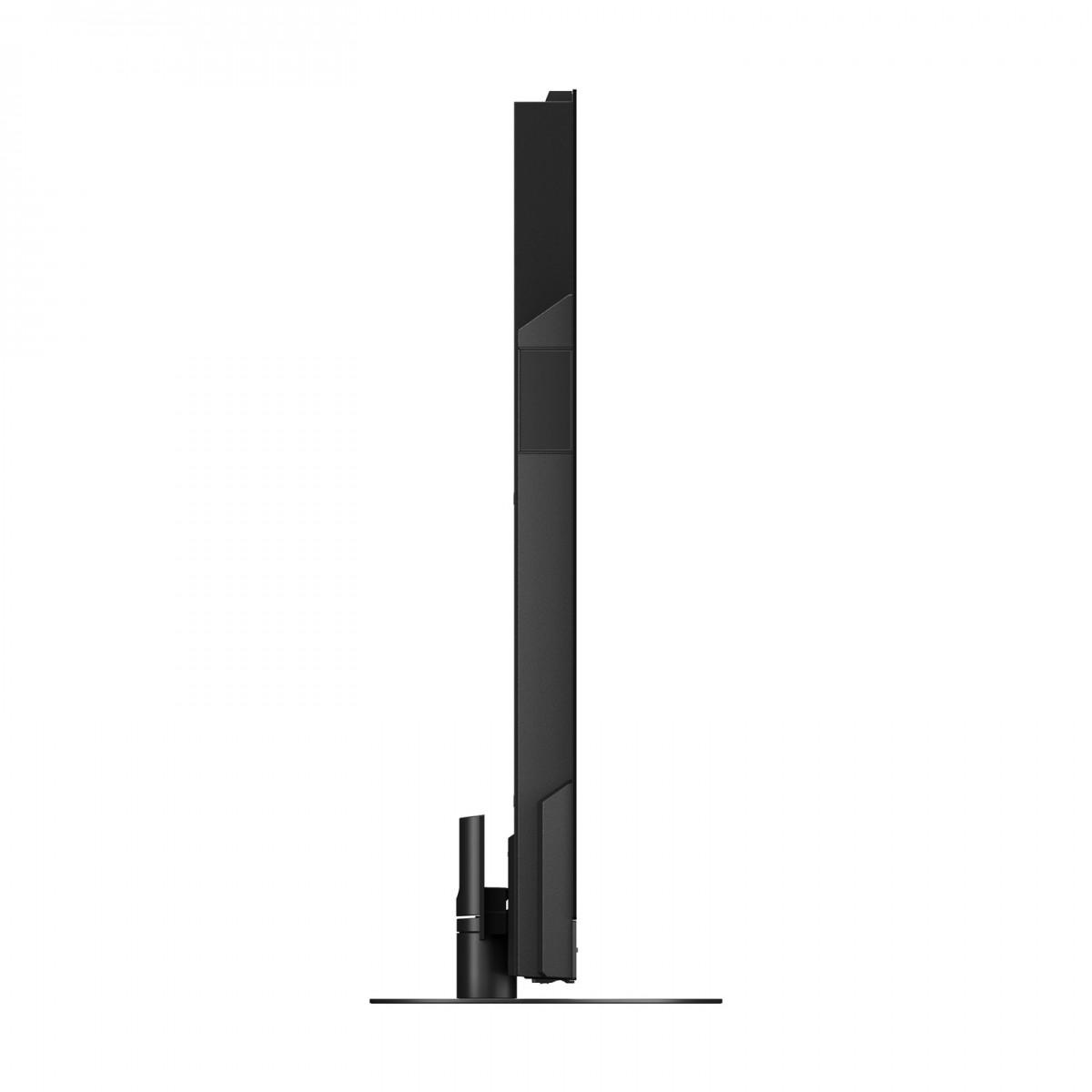
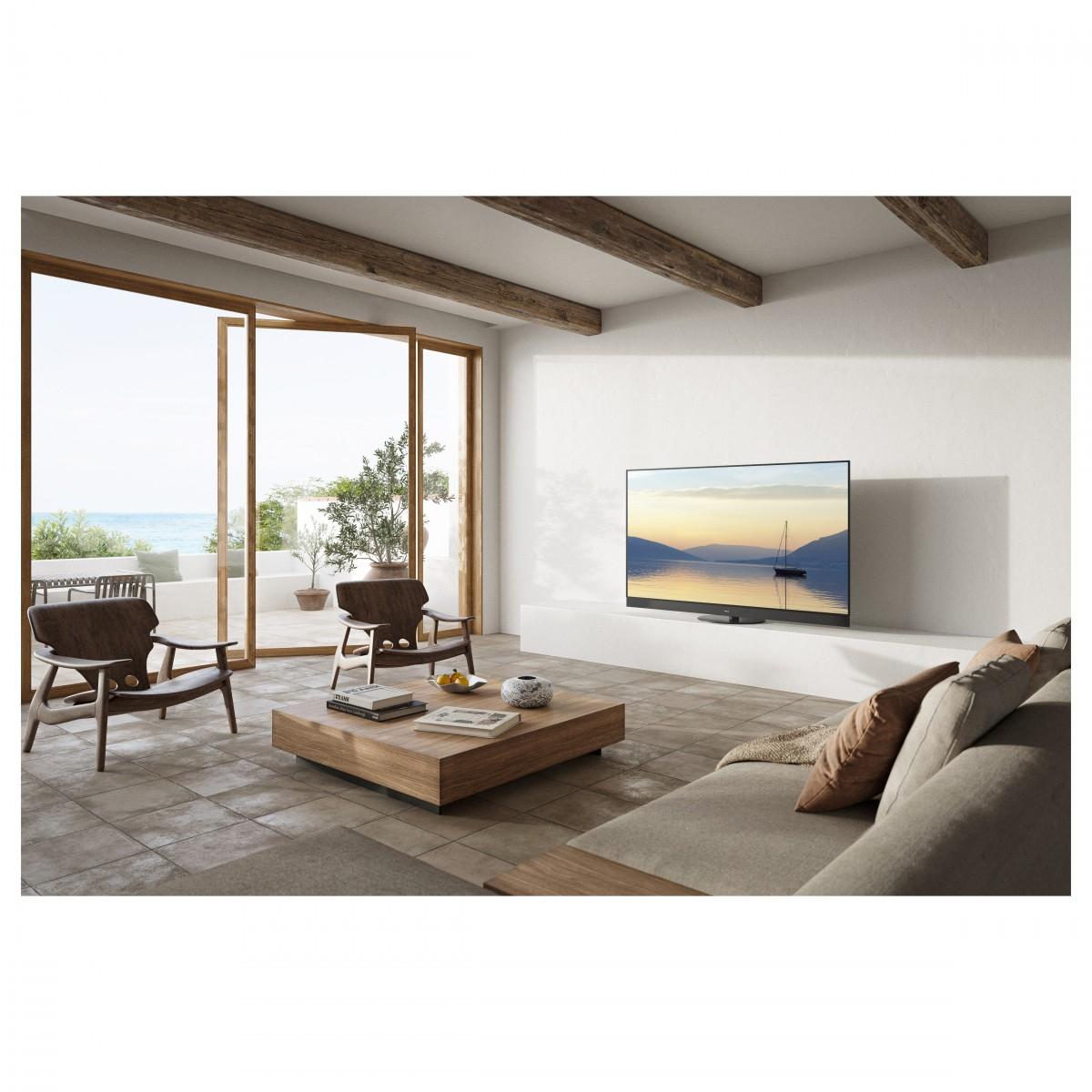
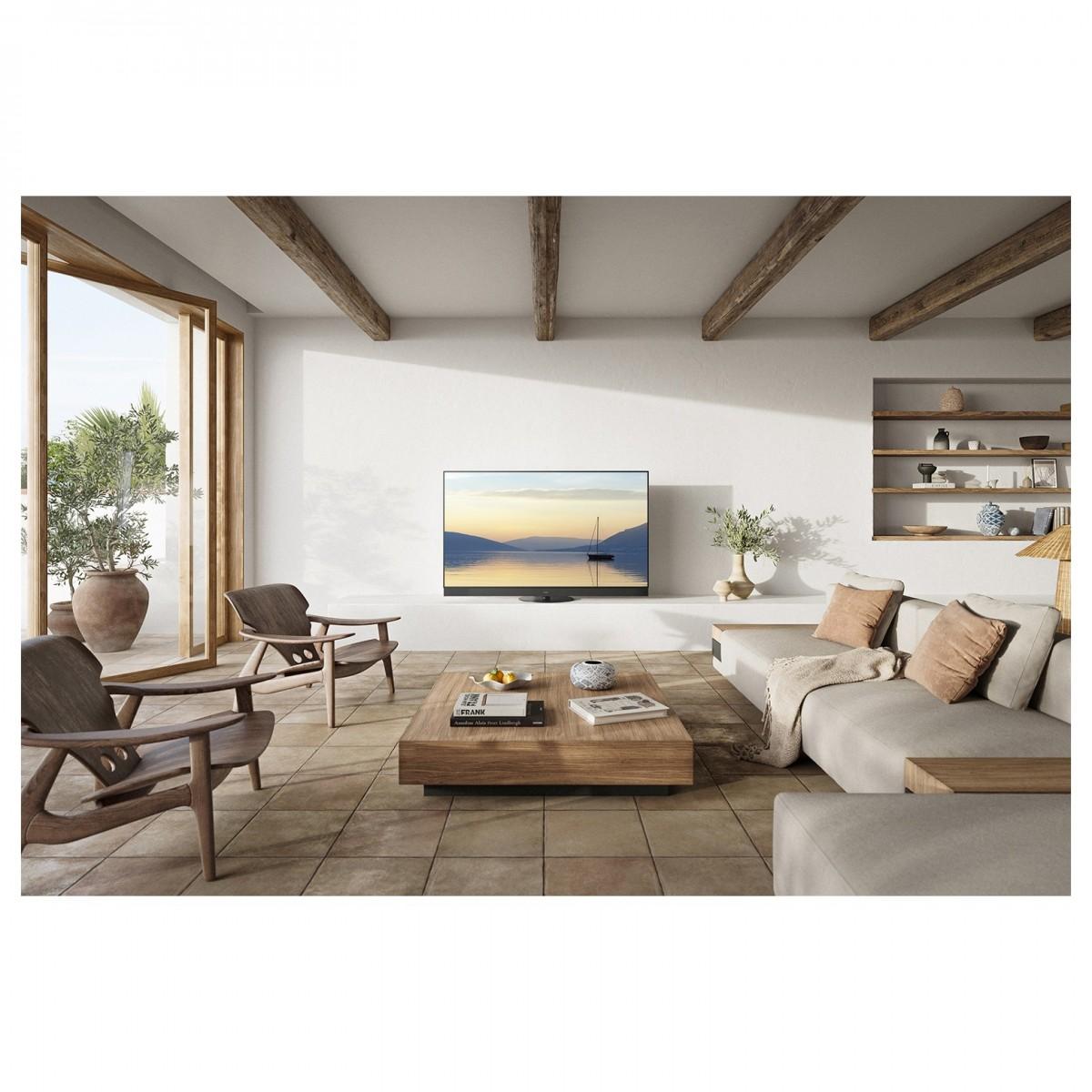
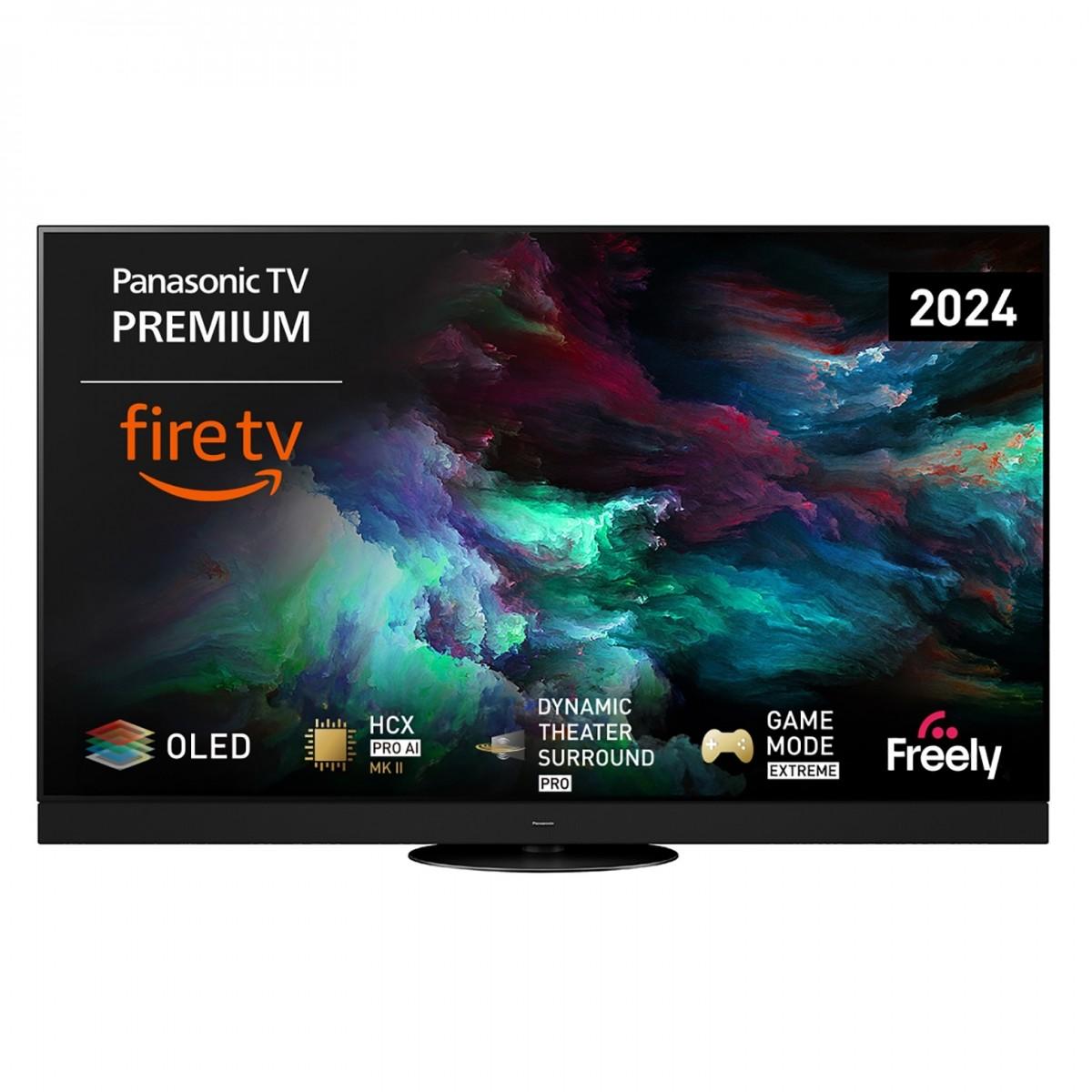
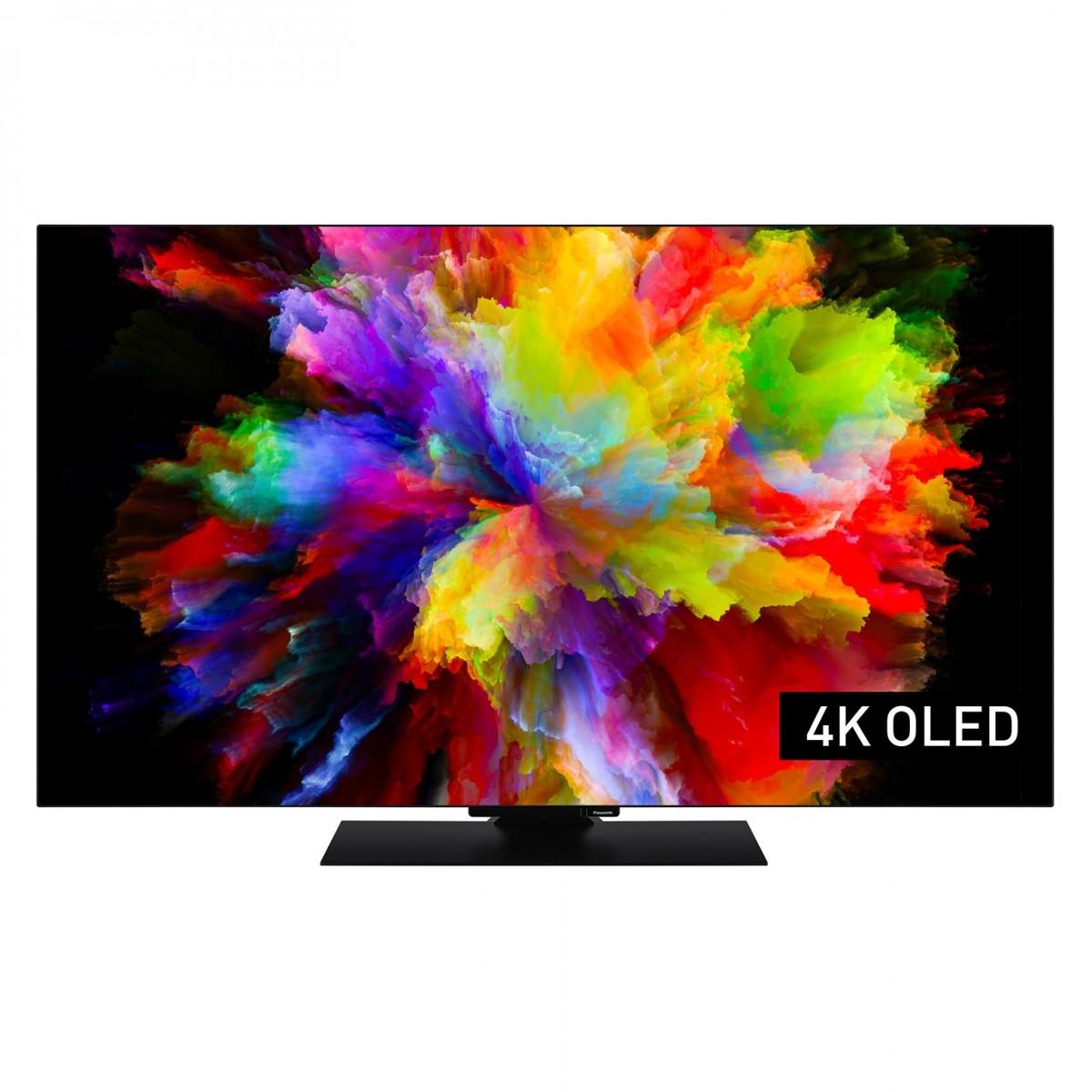
When shopping for a premium 65" TV, you're not just buying a screen—you're making a statement about how entertainment fits into your life. The television market has evolved dramatically, with manufacturers taking radically different approaches to what a "premium" TV should be. Two standouts represent these divergent philosophies perfectly: the Panasonic Z95A 65" OLED and the Samsung 65" The Frame QLED 2024.
Released in 2024, both TVs arrive at a fascinating moment in display technology. OLED panels have matured to deliver brighter images than ever before, while QLED technology has improved color accuracy and viewing angles. But these two models couldn't be more different in their core missions.
Premium 65" TVs occupy the sweet spot where size meets sophistication. At 65 inches, you're getting a genuinely cinematic experience without overwhelming most living rooms. But what separates premium from mid-range isn't just size—it's the convergence of cutting-edge picture technology, advanced processing, and smart features that justify the higher price tag.
The most critical performance factors are contrast ratio (the difference between the darkest blacks and brightest whites), color accuracy (how faithfully the TV reproduces real-world colors), peak brightness (measured in nits, determining how vivid HDR content appears), and motion handling (how smoothly the TV displays fast-moving scenes). Gaming performance has become equally important, with input lag (the delay between controller input and screen response) and refresh rates (how many times per second the image updates) now major selling points.
What's changed dramatically since 2020 is how manufacturers approach these fundamentals. Some, like Panasonic with the Z95A, double down on reference-quality picture performance. Others, like Samsung with The Frame, reimagine what a TV can be beyond pure viewing quality.
The Panasonic Z95A represents OLED technology at its most refined. OLED (Organic Light-Emitting Diode) panels are fundamentally different from traditional LCD displays because each pixel produces its own light. When a pixel needs to be black, it simply turns off completely—creating true, infinite contrast that LCD technology can't match.
Panasonic has enhanced their OLED with Micro Lens Array (MLA) technology, a breakthrough that addresses OLED's traditional weakness: peak brightness. Think of MLA as tiny lenses placed over each pixel that focus light more efficiently. This allows the Z95A to achieve over 1,600 nits of peak brightness—bright enough to make HDR highlights truly pop, even in moderately lit rooms.
The HCX Pro AI Processor MK II represents Panasonic's most significant processing upgrade in years. This chip doesn't just upscale lower-resolution content; it analyzes each frame in real-time, adjusting color, contrast, and motion based on content type. When you're watching a dark thriller, it preserves shadow detail. During bright sports broadcasts, it maintains color saturation without blown-out highlights.
Samsung's Frame 2024 tackles the fundamental question: "What should a TV look like when it's not being a TV?" Their answer involves Quantum Dot QLED technology combined with a revolutionary anti-glare matte display.
QLED works by placing a layer of quantum dots—nano-crystals that emit pure colors when hit by light—between the backlight and LCD panel. This creates more accurate colors and higher brightness than standard LCD, though it can't match OLED's perfect blacks since the backlight is always on to some degree.
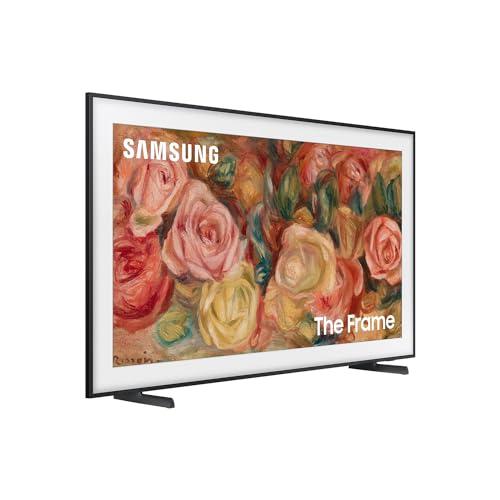
The matte display finish is where The Frame truly differentiates itself. Most TVs use glossy screens that act like mirrors under ambient light. Samsung's matte coating scatters reflected light, making the screen appear more like a canvas than a mirror. Combined with Art Mode, the TV transforms into a digital art gallery when not actively displaying content, complete with customizable magnetic bezels that mimic picture frames.
This is where the fundamental technology difference becomes most apparent. The Panasonic Z95A achieves perfect blacks—literally zero light emission—because OLED pixels can turn completely off. In a dark room watching a space movie, those black areas of space are truly black, making stars and spacecraft appear to float in genuine darkness.
The Frame faces the LCD limitation: its backlight can never turn completely off. Even with Dual LED backlighting (which uses both warm and cool LEDs for better color temperature control), dark scenes appear more like dark gray than true black. However, the matte display coating helps mask this limitation under normal viewing conditions by reducing the reflective glare that would otherwise highlight these dark gray areas.
Peak brightness determines how impactful HDR (High Dynamic Range) content appears. HDR works by expanding the range between the darkest darks and brightest brights, more closely mimicking how our eyes see the real world. The Z95A's 1,600+ nit capability means HDR highlights—like sunlight reflecting off water or explosion flashes—appear genuinely bright and detailed.
The Frame achieves respectable HDR brightness around 590 nits, sufficient for most HDR content but not enough to deliver the full emotional impact of well-mastered HDR movies. However, its Quantum HDR processing and HDR10+ Adaptive support help optimize the available brightness range for each scene.
The Z95A supports Dolby Vision, the premium HDR format that includes scene-by-scene metadata for optimal picture quality. The Frame notably lacks Dolby Vision support, limiting its compatibility with the highest-quality streaming content and 4K Blu-rays.
Color accuracy separates reference-quality displays from consumer TVs. The Panasonic Z95A ships with factory calibration approaching professional monitor standards. Its HCX Pro AI Processor maintains color accuracy across different brightness levels and content types—crucial for anyone who cares about seeing movies as directors intended.
The Frame's Quantum Processor 4K focuses more on making content look appealing than strictly accurate. Its 4K AI Upscaling excels at improving lower-resolution content, but the color processing favors saturation over accuracy—fine for casual viewing, less ideal for critical evaluation.
Modern gaming demands have transformed TV requirements. Next-generation consoles like PlayStation 5 and Xbox Series X output 4K resolution at up to 120 frames per second, requiring TVs with matching capabilities.
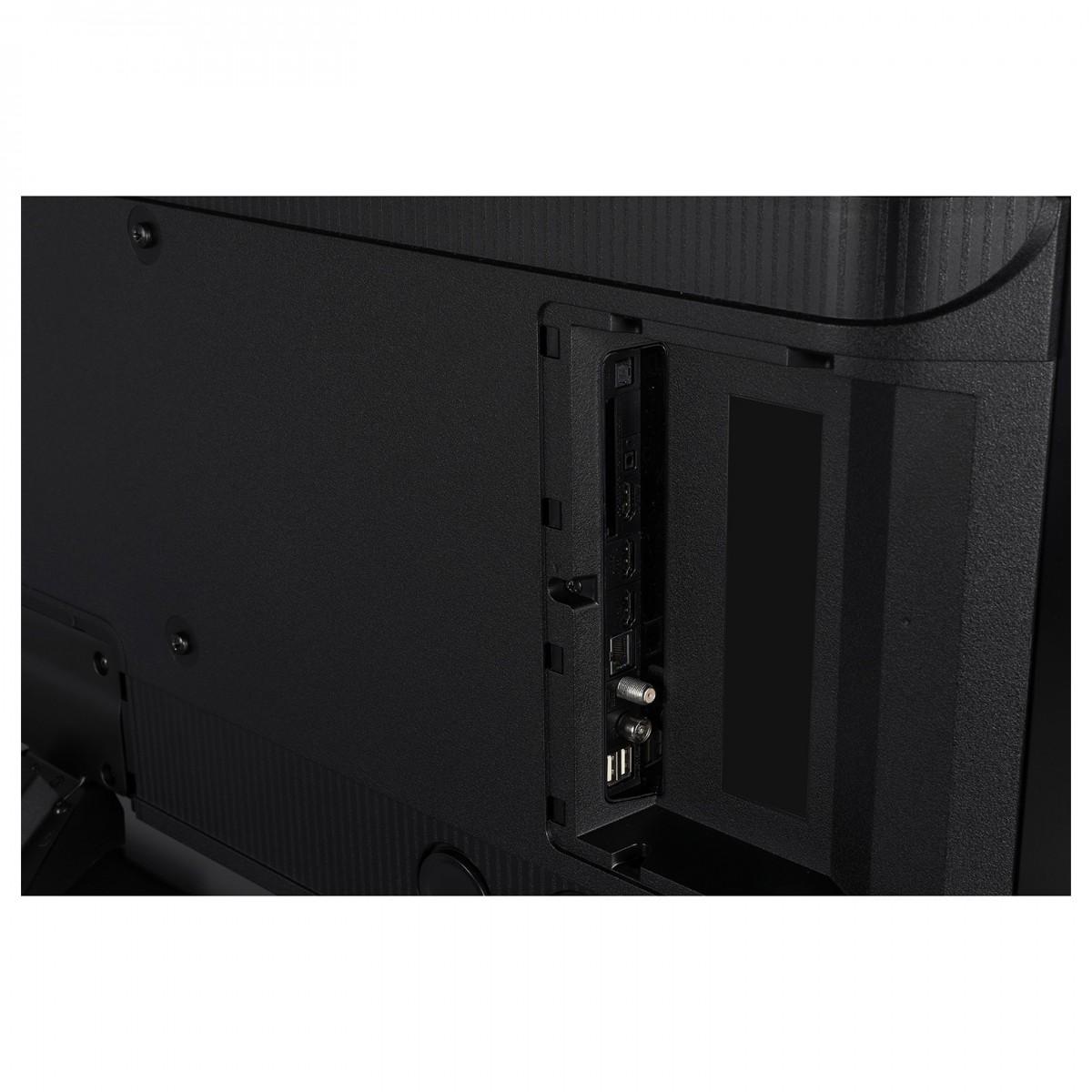
The Panasonic Z95A excels here with 4K @ 144Hz support—even higher than console requirements—and 12.6ms input lag. Input lag is the delay between pressing a controller button and seeing the result on screen; anything under 20ms feels responsive for gaming. Its two 48Gbps HDMI 2.1 ports provide full bandwidth for uncompressed 4K/120Hz gaming with HDR.
The Frame supports 4K @ 120Hz with slightly lower 9.2ms input lag, actually edging out the Panasonic in responsiveness. However, it has only one 40Gbps HDMI 2.1 port, limiting connectivity for multiple high-end gaming devices. Its Auto Game Mode automatically optimizes settings when it detects gaming signals.
Both support Variable Refresh Rate (VRR) technology, which synchronizes the TV's refresh rate with the gaming device's output to eliminate screen tearing—essential for smooth gameplay.
TV audio has historically been an afterthought, with thin displays lacking space for quality speakers. The Panasonic Z95A challenges this assumption with a 160W 5.1.2-channel system tuned by Technics, Panasonic's premium audio brand.
This system includes front-firing, side-firing, and up-firing drivers that create genuine Dolby Atmos sound—audio that seems to come from above and around you, not just from the TV. Based on expert reviews, it's the most impressive built-in TV audio system available, potentially eliminating the need for a separate soundbar for many users.
The Frame's 40W 2.0.2-channel system provides adequate audio with Object Tracking Sound (OTS), which attempts to match audio positioning to on-screen action. Its Q-Symphony feature allows Samsung soundbars to work alongside the TV speakers for enhanced audio, but the built-in system alone requires external audio for optimal experience.
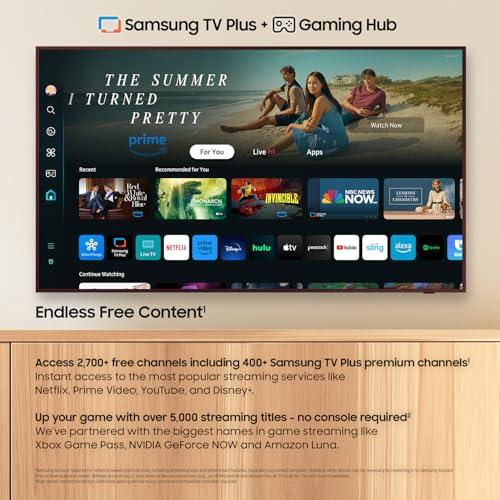
Both TVs run different smart platforms with distinct advantages. The Z95A uses Fire TV OS, providing direct access to Amazon's ecosystem with Alexa built-in for voice control. The interface prioritizes content discovery and streaming service integration.
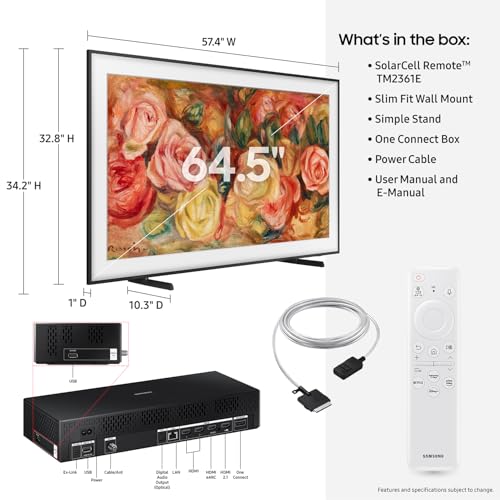
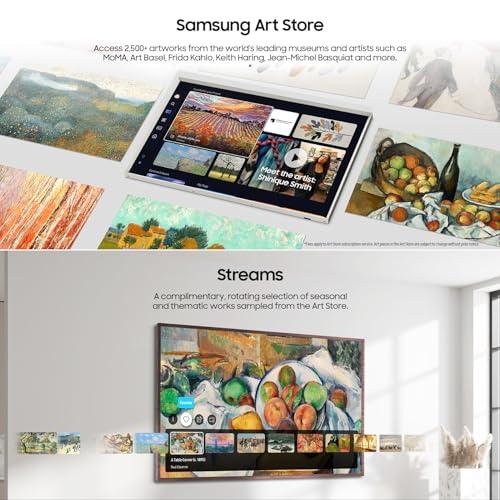
The Frame runs Samsung's Tizen OS with SmartThings integration—important for smart home control. Its unique strength lies in the Art Store ecosystem, offering thousands of curated artworks for display in Art Mode. The One Connect Box centralizes all connections, allowing a single cable to the wall-mounted TV for clean installation.
For dedicated home theater spaces, the Panasonic Z95A is the clear choice. Its perfect blacks and accurate colors deliver the cinematic experience directors intended. The exceptional built-in audio reduces system complexity, while gaming performance satisfies even competitive players.
The viewing environment matters significantly with OLED technology. In completely dark rooms, OLED's perfect blacks create an almost three-dimensional viewing experience where bright objects seem to float off the screen. However, OLED's Automatic Brightness Limiter (ABL) can be noticeable—large bright scenes may dim slightly to protect the panel from burn-in.
The Frame excels in main living areas where the TV must coexist with natural light and interior design. Its matte display handles reflections better than any glossy TV, making daytime viewing comfortable even with windows nearby.
Art Mode transforms the TV into décor when not in use. Combined with customizable magnetic bezels (sold separately), it can genuinely resemble framed artwork. The TV's motion sensor activates Art Mode when people are present and turns off the display when the room is empty, balancing aesthetics with energy efficiency.
This approach particularly benefits open-concept homes where the TV remains visible from multiple rooms. Rather than dominating the space as a black rectangle, it contributes to the room's visual appeal.
At the time of writing, both TVs command premium pricing, but they offer different value propositions. The Panasonic Z95A provides exceptional performance per dollar for picture and audio quality. Its reference-level capabilities ensure it will remain relevant as streaming quality and gaming technology advance.
The Frame commands a lifestyle premium—you're paying partly for the unique aesthetic integration that no traditional TV can provide. When factoring in the cost of custom bezels and Art Store subscriptions, the total ownership cost increases, but so does the TV's utility as home décor.
The Z95A has notable connectivity limitations with only two HDMI 2.1 ports, which could constrain users with multiple gaming consoles and high-end streaming devices. Its aggressive ABL and logo luminance control may bother some users who notice brightness variations during gaming or bright content.
The Frame lacks local dimming technology, which would improve contrast by selectively dimming parts of the backlight. Its edge-lit LED backlight can create uniformity issues, particularly noticeable in dark scenes. The absence of Dolby Vision support limits its compatibility with premium content.
Choose the Panasonic Z95A if you prioritize the absolute best viewing experience. Its OLED technology, exceptional audio, and gaming capabilities make it ideal for home theater enthusiasts, serious gamers, and anyone who values reference-quality picture performance above all else. The traditional TV aesthetic may actually appeal to users who want their technology to look sophisticated rather than blend away.
Choose Samsung's Frame if the TV must serve dual purposes as both entertainment device and room décor. Its bright-room performance, anti-glare display, and Art Mode functionality solve problems that no traditional TV addresses. It's perfect for design-conscious buyers who refuse to compromise their living space's aesthetic for a traditional black rectangle.
The decision ultimately comes down to priorities: Do you want the TV to disappear into your décor when not in use, or do you want it to deliver the absolute best experience when it is in use? Both approaches have merit, but they serve fundamentally different needs in modern homes.
For most buyers, this choice reflects their relationship with technology itself—those who embrace it as a central part of their entertainment experience versus those who prefer it to integrate seamlessly into their lifestyle. Either way, you're getting a premium TV that represents the cutting edge of display technology, just optimized for very different use cases.
| Panasonic Z95A 65" OLED | Samsung 65" The Frame QLED 2024 |
|---|---|
| Display Technology - Fundamental difference in how blacks and contrast are handled | |
| OLED with Micro Lens Array - Perfect blacks, infinite contrast | QLED with Anti-Glare Matte Display - Good contrast, exceptional glare reduction |
| Peak Brightness - Critical for HDR impact and bright room viewing | |
| 1,600+ nits (excellent HDR highlights) | 590 nits (adequate but not spectacular HDR) |
| Gaming Performance - Input lag and refresh rates for console gaming | |
| 4K @ 144Hz, 12.6ms input lag, 2x HDMI 2.1 ports | 4K @ 120Hz, 9.2ms input lag, 1x HDMI 2.1 port |
| Built-in Audio - Whether you'll need a separate sound system | |
| 160W 5.1.2-channel Technics-tuned Dolby Atmos (excellent) | 40W 2.0.2-channel with OTS (requires soundbar for best experience) |
| HDR Format Support - Compatibility with premium streaming content | |
| HDR10, HDR10+, Dolby Vision, HLG (full compatibility) | HDR10, HDR10+, HLG (no Dolby Vision support) |
| Smart TV Platform - Interface and streaming capabilities | |
| Fire TV OS with Alexa built-in | Tizen OS with SmartThings integration |
| Design Philosophy - How the TV fits into your living space | |
| Traditional premium TV aesthetic, performance-focused | Art Mode with customizable bezels, lifestyle integration |
| Reflection Handling - Performance in bright, naturally-lit rooms | |
| Standard OLED glossy finish (best in dark rooms) | Anti-glare matte display (excellent in bright rooms) |
| Color Accuracy - Important for critical viewing and content creation | |
| Reference-level factory calibration | Consumer-focused processing, vivid but less accurate |
| Connectivity - Total HDMI 2.1 ports for multiple high-end devices | |
| 2 ports at 48Gbps bandwidth | 1 port at 40Gbps bandwidth |
| Unique Features - What sets each TV apart from competitors | |
| MLA brightness boost, exceptional built-in audio | Art Mode, One Connect Box, customizable frame bezels |
| Best Use Case - Who should choose each TV | |
| Home theater enthusiasts, serious gamers, critical viewers | Design-conscious buyers, bright living rooms, casual viewing |
The Panasonic Z95A OLED delivers superior picture quality with perfect blacks, infinite contrast, and over 1,600 nits peak brightness. Its OLED technology and factory color calibration provide reference-level accuracy. The Samsung Frame QLED offers good picture quality but can't match OLED's contrast performance, though its anti-glare matte display excels in bright rooms.
The core difference is philosophy: the Panasonic Z95A prioritizes ultimate picture and audio performance, while the Samsung Frame balances solid performance with unique aesthetic integration. The Z95A is a traditional premium TV focused on viewing excellence, while the Frame doubles as digital artwork when not in use.
The Panasonic Z95A edges ahead for serious gaming with 4K @ 144Hz support and two full-bandwidth HDMI 2.1 ports, though the Samsung Frame has slightly lower input lag at 9.2ms. However, the Frame's single HDMI 2.1 port limits connectivity for multiple gaming devices.
The Samsung Frame excels in bright rooms thanks to its anti-glare matte display that reduces reflections significantly. The Panasonic Z95A performs best in controlled lighting environments, as its glossy OLED screen can show reflections in very bright conditions.
The Panasonic Z95A has dramatically superior audio with its 160W 5.1.2-channel Technics-tuned system that delivers genuine Dolby Atmos. The Samsung Frame has adequate 40W speakers but typically requires a soundbar for optimal audio experience.
The Panasonic Z95A is exceptional for dedicated home theaters with its perfect blacks, accurate colors, and outstanding built-in audio. The Samsung Frame can work in home theaters but lacks the contrast performance and audio quality that serious enthusiasts typically demand.
The Panasonic Z95A runs Fire TV OS with Alexa built-in for voice control and streaming integration. The Samsung Frame uses Tizen OS with SmartThings integration and unique Art Store access for displaying artwork when not watching content.
The Panasonic Z95A provides exceptional performance value with reference-quality picture and audio that rivals much more expensive displays. The Samsung Frame commands a lifestyle premium for its unique aesthetic features but offers less pure performance per dollar.
Both support HDR, but the Panasonic Z95A offers superior HDR performance with Dolby Vision support and much higher peak brightness for impactful highlights. The Samsung Frame supports HDR10 and HDR10+ but lacks Dolby Vision and has lower peak brightness.
The Panasonic Z95A features a traditional premium TV design focused on performance. The Samsung Frame uses customizable magnetic bezels and Art Mode to mimic framed artwork, with a One Connect Box for clean cable management when wall-mounted.
For critical viewing, the Panasonic Z95A is superior with its perfect blacks, accurate colors, Dolby Vision support, and exceptional built-in audio. The Samsung Frame provides good viewing quality but prioritizes aesthetic integration over ultimate performance.
Choose the Panasonic Z95A if you want the best possible picture and audio quality for home theater or gaming. Choose the Samsung Frame if you need the TV to blend with your room décor and perform well in bright spaces, accepting some performance compromises for unique lifestyle benefits.
We've done our best to create useful and informative comparisons to help you decide what product to buy. Our research uses advanced automated methods to create this comparison and perfection is not possible - please contact us for corrections or questions. These are the sites we've researched in the creation of this article: youtube.com - youtube.com - whathifi.com - tomsguide.com - shop.panasonic.com - store.in.panasonic.com - rtings.com - applianceplus.co.nz - rtings.com - store.in.panasonic.com - samsung.com - tomsguide.com - rtings.com - rtings.com - youtube.com - bestbuy.com - techlicious.com - youtube.com - smalllilystudio.com - theeverymom.com - livingetc.com - pcrichard.com - image-us.samsung.com - samsung.com - images.samsung.com - samsung.com - buydig.com - tvsbook.com - bestbuy.com - samsung.com - samsung.com - flatpanelshd.com

Privacy Policy
Terms and Conditions - Affiliate Policy
Home Security
© Copyright 2008-2026.
11816 Inwood Rd #1211, Dallas, TX 75244