





The premium TV market has split into two fascinating directions. On one side, you have lifestyle TVs like the Samsung 65" The Frame QLED 4K 2024 TV that want to disappear into your living room décor. On the other, performance beasts like the TCL 65" QM8 Mini-LED Smart TV focus purely on delivering the best possible picture quality. Both released in 2024, these TVs represent fundamentally different philosophies about what a modern television should do.
At the time of writing, the Samsung Frame commands a significant premium over the TCL QM8 – we're talking about a price difference that could buy you a decent soundbar or gaming console. The question isn't just which TV is better, but which approach makes more sense for your specific needs and budget.
The premium 65-inch TV market has evolved beyond simple picture quality comparisons. Today's buyers face a choice between TVs that prioritize room integration versus those that maximize visual performance. This wasn't always the case – five years ago, most premium TVs competed primarily on brightness, color accuracy, and smart features.
The lifestyle TV trend, led by Samsung's Frame series, emerged as people realized their large screens dominated living spaces even when turned off. Meanwhile, the performance segment has pushed brightness levels from around 1,000 nits to over 5,000 nits, creating increasingly cinematic experiences at home.
Key considerations have expanded beyond traditional metrics:
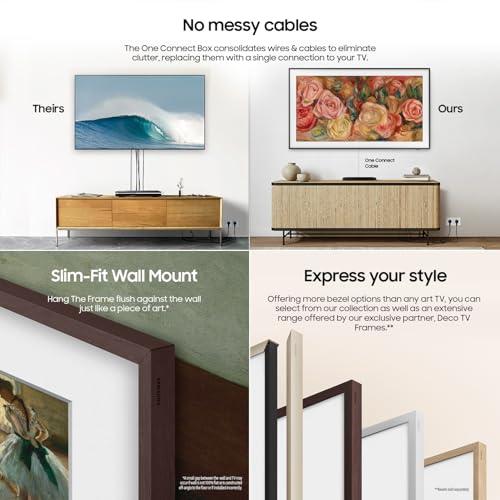
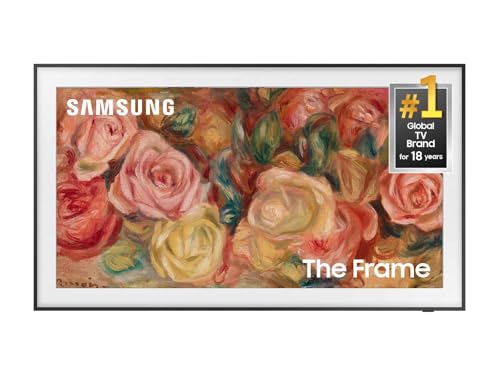
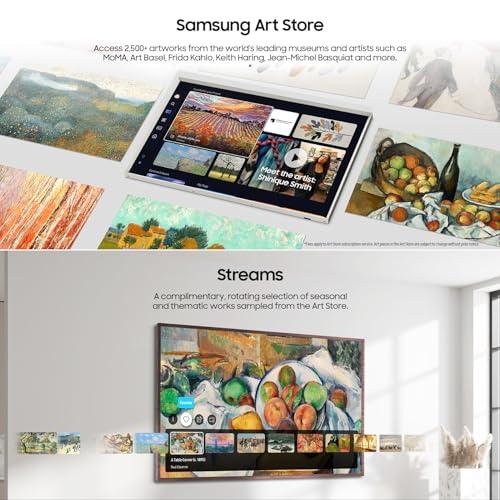
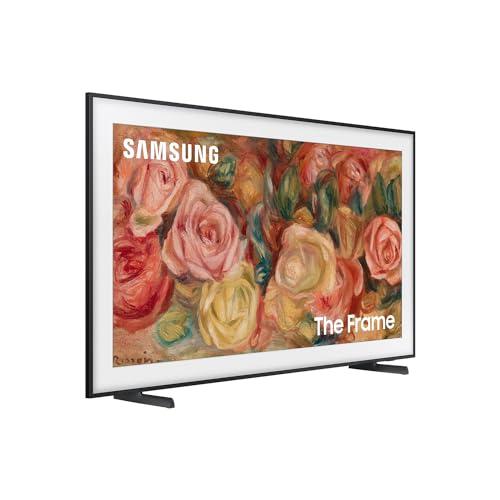
The Samsung 65" The Frame QLED 4K 2024 TV takes an entirely different approach to television design. When you're not watching content, it transforms into a digital art display, complete with customizable magnetic bezels that mimic picture frames. This isn't just a screensaver – Samsung has engineered the display specifically for this dual purpose.
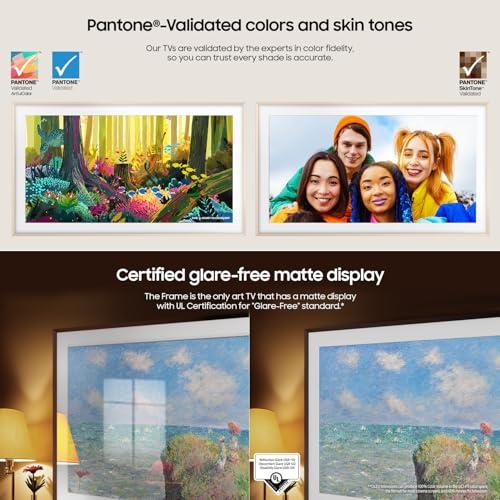
The Frame's matte anti-glare coating serves a crucial role here. Traditional glossy TV screens reflect ambient light, making them obviously electronic when displaying static images. The Frame's matte finish scatters light more like canvas or paper, helping artwork appear more authentic. This coating reduces reflections significantly compared to standard TVs, though it does slightly soften the overall image quality.
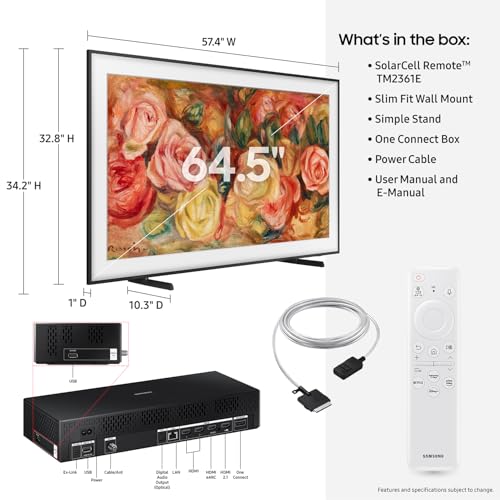
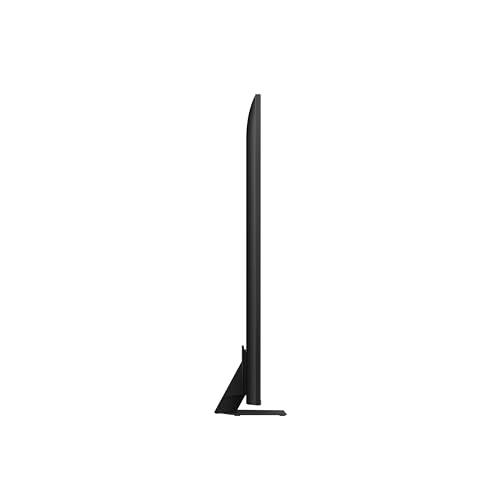
The ultra-slim 1.0-inch profile allows truly flush wall mounting. Samsung includes their Slim-Fit Wall Mount and routes all connections through their One Connect Box, meaning only a single thin cable runs to the TV itself. This level of cable management integration simply isn't available with conventional TV designs.
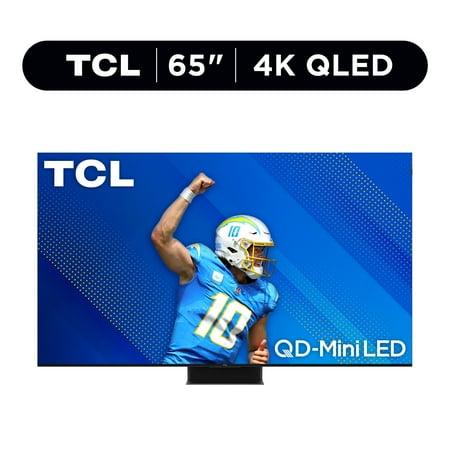
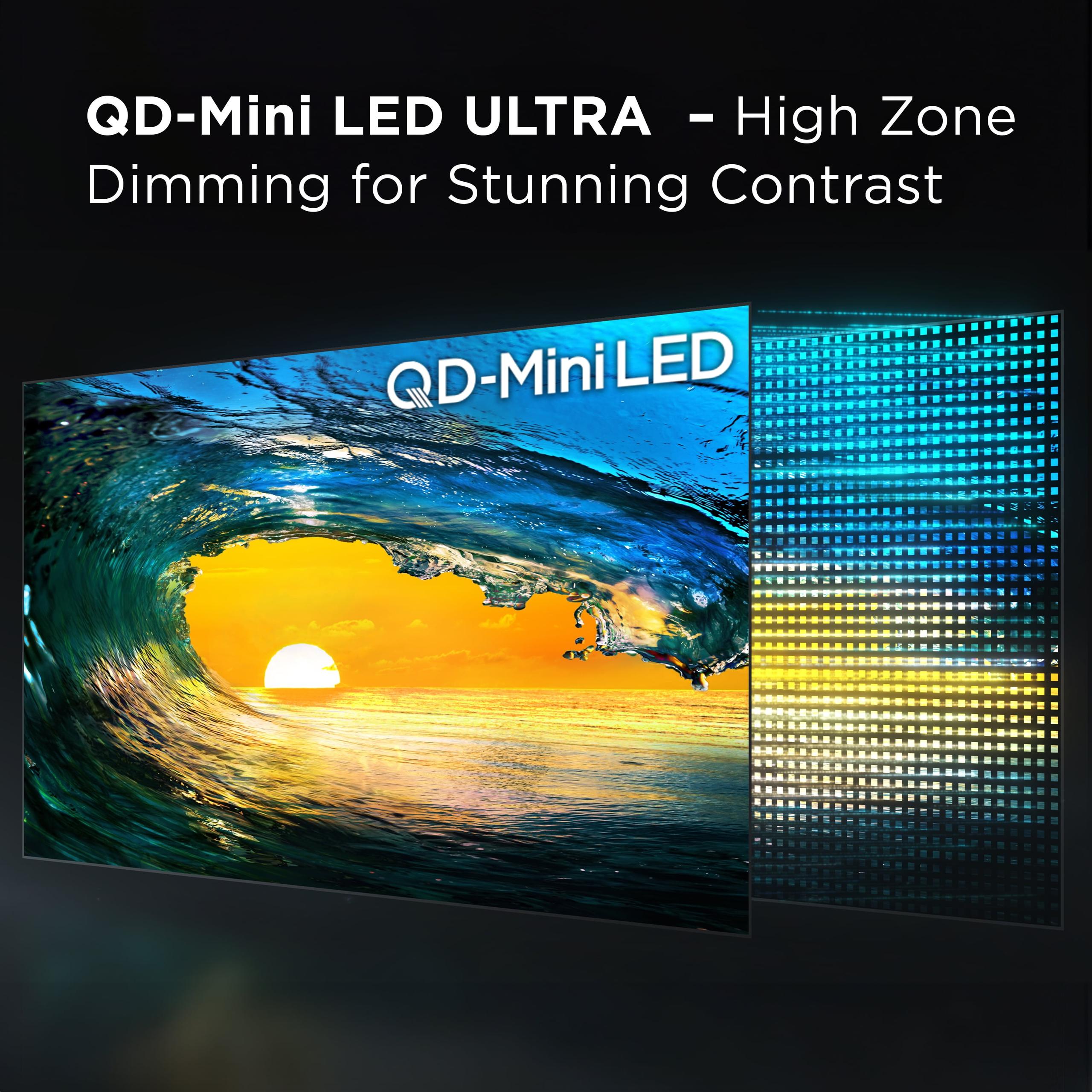
The TCL 65" QM8 Mini-LED Smart TV represents the opposite philosophy – extract maximum performance from every component regardless of aesthetics. This TV uses QD-Mini LED technology, which combines quantum dots for color accuracy with thousands of tiny LED backlights for brightness control.
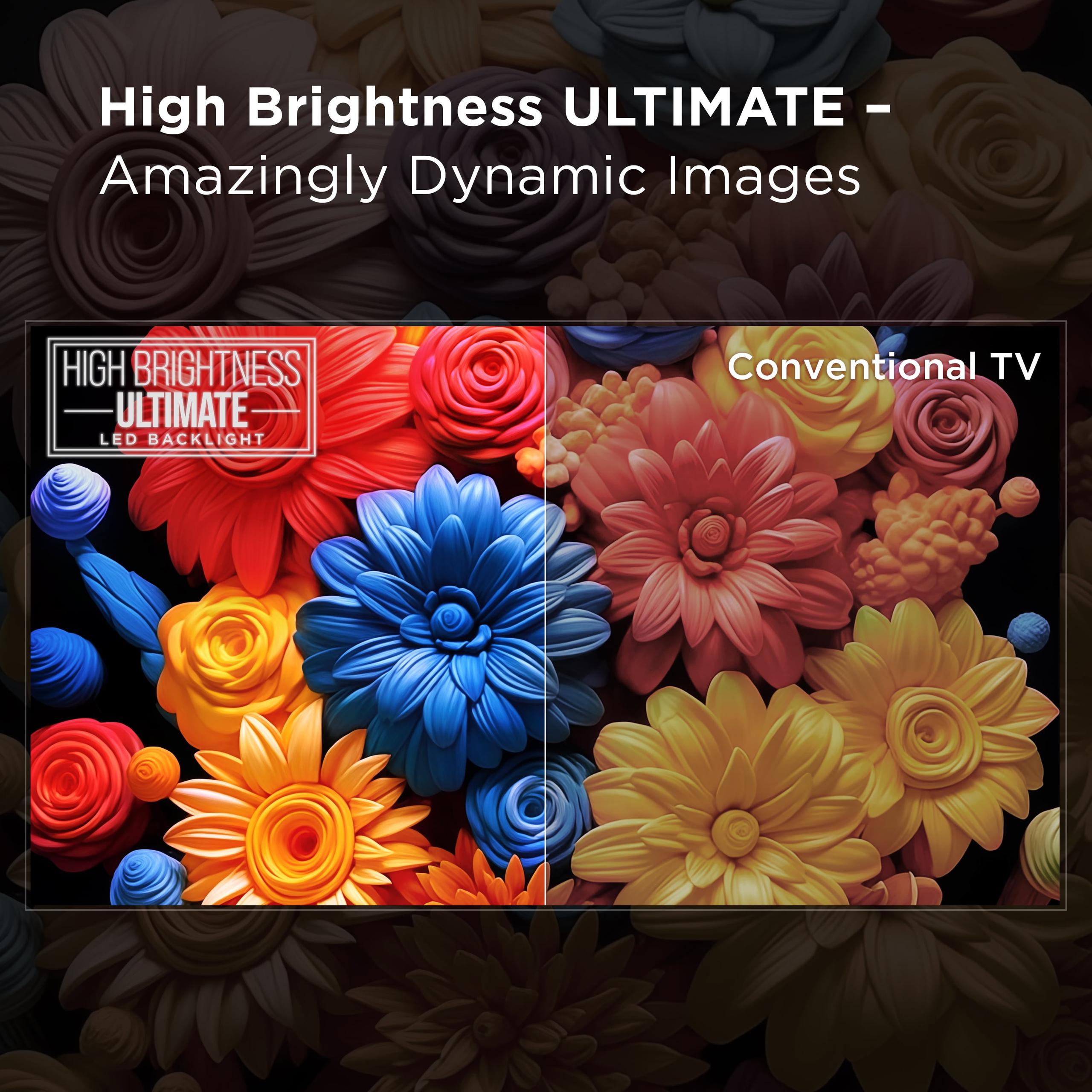
Those mini-LEDs enable up to 5,000 local dimming zones. Think of these as thousands of individual light switches behind the screen that can brighten or dim independently. When you're watching a scene with bright stars against a dark sky, the mini-LEDs behind the stars blast at full brightness while the zones behind the dark sky stay completely off. This creates the dramatic contrast that makes HDR content truly impressive.
The QM8's peak brightness reaches up to 5,000 nits – roughly five times brighter than most standard TVs and significantly brighter than the Samsung Frame. To put this in perspective, a bright sunny day measures around 100,000 nits, while most indoor lighting ranges from 100-500 nits. The QM8's extreme brightness means highlights in HDR movies and games truly pop, creating that "wow factor" that makes premium TVs worth the investment.
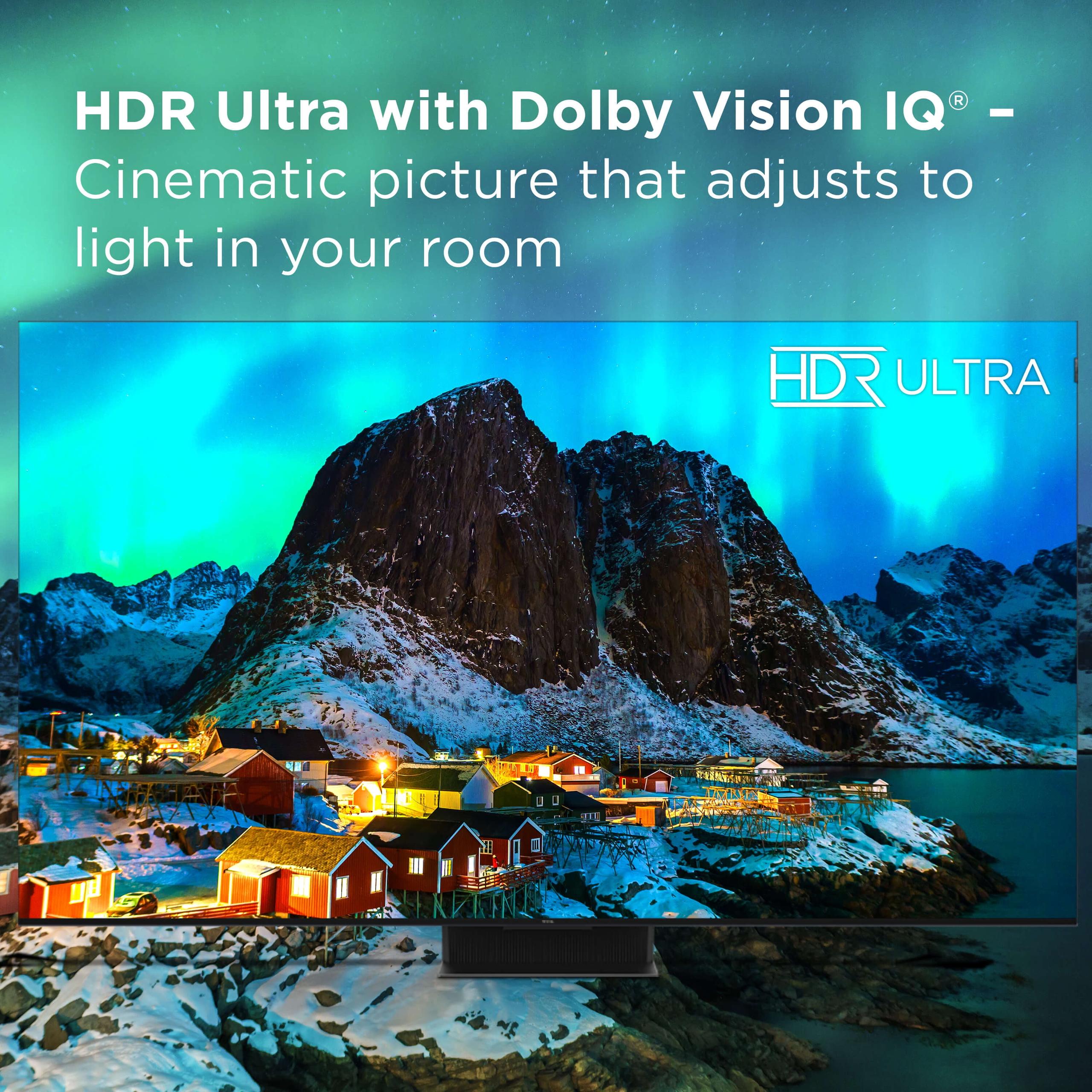
High Dynamic Range (HDR) represents the biggest advancement in TV technology over the past decade. HDR content contains brightness information ranging from deep shadows to brilliant highlights, mimicking how our eyes actually see the world. The TV's ability to reproduce these extremes determines how impactful HDR content appears.
The TCL QM8 absolutely dominates this category. Its mini-LED backlighting and extreme brightness create HDR experiences that rival dedicated home theater projectors. When watching movies like "Blade Runner 2049" or "Mad Max: Fury Road," the difference is immediately apparent – explosions have genuine brilliance, city lights pierce through darkness, and sunset scenes show the full range from bright sun to deep shadows.
The Samsung Frame takes a more measured approach to HDR. With peak brightness around 590 nits, it handles HDR content competently but without the dramatic impact of the QM8. This actually works in the Frame's favor for art display – extreme brightness would make static artwork appear unnatural and potentially cause eye strain during extended viewing.
Color reproduction reveals each TV's priorities clearly. The Samsung Frame emphasizes accuracy over impact, delivering colors that closely match the content creator's intent. This makes it excellent for photography display and content where color fidelity matters more than visual punch.
The TCL QM8 pushes colors toward vibrancy and impact. This quantum dot enhancement makes nature documentaries and animated content visually stunning, though sometimes at the expense of strict accuracy. However, the QM8 suffers from color banding issues – gradual color transitions sometimes appear stepped rather than smooth, particularly noticeable in sky gradients or underwater scenes.
Both TVs feature 120Hz refresh rates, a significant improvement over older 60Hz panels. This higher refresh rate reduces motion blur during fast action, making sports, action movies, and gaming smoother. The TCL QM8 supports Variable Refresh Rate up to 144Hz, providing even smoother gaming performance with compatible consoles and PCs.
For sports viewing, the QM8's superior brightness gives it a clear advantage. Daytime games become more vibrant and engaging, while the enhanced motion processing keeps fast action clear. The Samsung Frame's motion handling is adequate but not exceptional – perfectly fine for casual sports viewing but not ideal for serious sports enthusiasts.
Gaming has become a crucial TV consideration as consoles like PlayStation 5 and Xbox Series X push 4K resolution at 120 frames per second. Both TVs handle modern gaming well, but with different strengths.
The TCL QM8 provides a more complete gaming package. Its 144Hz VRR support means games can run at variable frame rates without screen tearing – the jarring horizontal lines that appear when frame rates fluctuate. The TV includes two HDMI 2.1 ports, sufficient for connecting both a gaming console and a PC simultaneously.
Gaming on the QM8 delivers impressive visual impact. HDR games like "Horizon Forbidden West" or "Forza Horizon 5" showcase the TV's brightness capabilities beautifully, making virtual worlds appear more realistic and immersive. The mini-LED backlighting creates genuine contrast in dark gaming scenes, unlike edge-lit displays that struggle with black levels.
The Samsung Frame received significant gaming improvements for 2024, including 120Hz support that previous Frame models lacked. It handles modern gaming competently with low input lag and auto-switching to game mode. However, its moderate brightness and lack of local dimming mean HDR games don't deliver the same visual impact as on the QM8.
Both TVs support all major VRR technologies, ensuring compatibility with current and future gaming hardware. Input lag – the delay between controller input and on-screen response – measures acceptably low on both models for competitive gaming.
This category showcases the most dramatic differences between these approaches. The Samsung Frame was designed specifically for living space integration, while the TCL QM8 follows conventional TV design priorities.
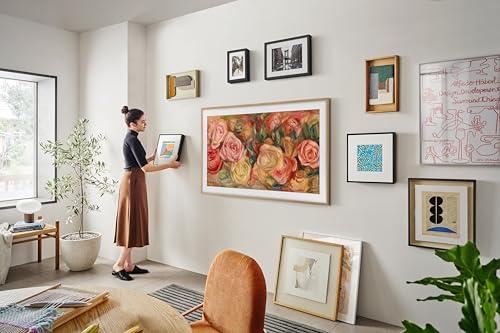
The Frame's art mode functionality genuinely changes how you think about television placement. Instead of a black rectangle dominating your wall, you get a customizable art display that can complement your décor. Samsung's art store provides access to thousands of works from museums and artists, though full access requires a subscription after the first year.
The customizable bezels, sold separately, allow matching different décor styles – from modern metal frames to classic wood finishes. Combined with the ultra-slim profile and clean cable management, the Frame can genuinely blend into living spaces in ways traditional TVs cannot match.
The TCL QM8 takes a conventional approach with a standard 73mm depth that requires traditional TV furniture or wall mounts. While well-built and attractive, it clearly reads as electronic equipment rather than décor. The wider stance requires larger furniture, and cable management needs more planning.
However, the QM8's conventional design does provide practical advantages. The thicker chassis accommodates better cooling for the powerful LED backlighting, potentially improving long-term reliability. Standard mounting options cost less than Samsung's specialized solutions, and the design works well with existing entertainment centers.
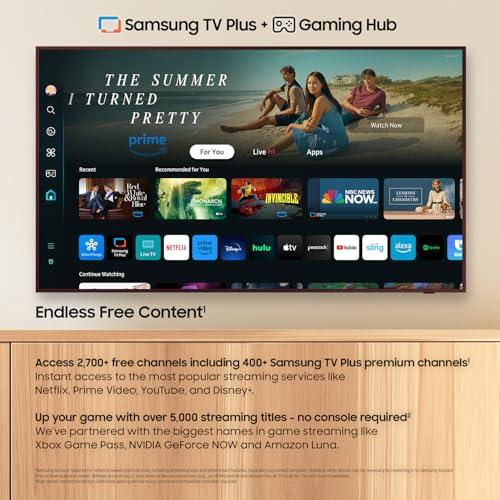
Smart TV platforms have matured significantly, but differences remain important for daily use. The Samsung Frame runs Tizen OS, Samsung's proprietary platform that integrates well with Samsung smartphones and smart home devices. The interface emphasizes content discovery and includes Samsung's Gaming Hub for cloud gaming services.
The TCL QM8 uses Google TV, which excels at content recommendations and voice search. Google TV's interface aggregates content from multiple streaming services, making it easier to find shows across different platforms. Voice commands through Google Assistant feel more natural and comprehensive than Samsung's Bixby implementation.
Both platforms support all major streaming services and receive regular updates. The choice often comes down to existing ecosystem preferences – Samsung users benefit from device integration, while Google ecosystem users prefer the TCL's platform.
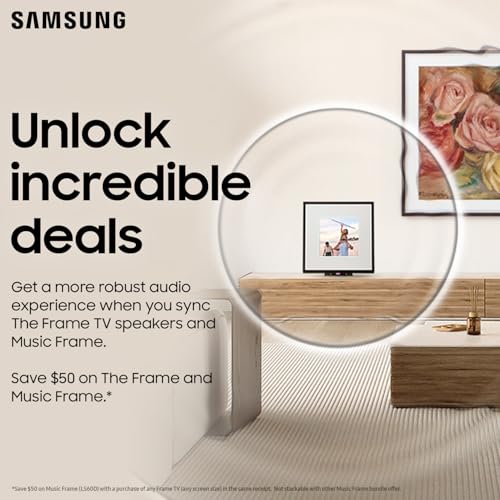
Built-in TV audio rarely impresses, but differences matter for viewers who don't immediately add external speakers. The Samsung Frame includes a 40W audio system that sounds respectable for casual viewing. The slim profile obviously limits speaker size, but Samsung has optimized the audio better than most ultra-thin TVs.
The TCL QM8 disappoints in this area despite its otherwise impressive specifications. The built-in speakers sound weak and lack bass response, often requiring external audio solutions. This represents a clear cost-cutting measure that affects the overall experience, particularly given the TV's focus on cinematic performance.
For serious home theater use, both TVs benefit significantly from dedicated sound systems. The Frame's decent built-in audio might suffice for casual viewing, while the QM8 really demands external speakers to match its visual capabilities.
At the time of writing, the pricing difference between these TVs reflects their different value propositions rather than pure performance metrics. The Samsung Frame commands a premium for its lifestyle features and unique functionality – you're paying for art mode, customizable design, and room integration capabilities that no other TV manufacturer offers.
The TCL QM8 represents exceptional value for pure performance. Its mini-LED technology and extreme brightness typically cost significantly more from premium brands like Sony or Samsung. TCL achieves this pricing through efficient manufacturing and fewer premium features, passing savings to consumers who prioritize picture quality over extras.
Consider the total cost of ownership when evaluating value. The Frame requires additional purchases for the full experience – custom bezels range from affordable to expensive depending on materials, and full art store access requires ongoing subscription fees. The QM8 likely needs external speakers for optimal audio, adding to the total investment.
For dedicated home theater use, the TCL QM8 clearly wins based on pure performance metrics. Its combination of extreme brightness, effective local dimming, and large color gamut creates genuinely cinematic experiences. Movie enthusiasts will appreciate the HDR impact and contrast capabilities that bring films closer to theater presentation quality.
However, home theater considerations extend beyond picture quality. The Samsung Frame's matte coating helps with ambient light control in rooms that aren't completely dark. Its more accurate color reproduction benefits viewers who prefer content as filmmakers intended rather than enhanced for visual impact.
Room acoustics become crucial with either TV. The QM8's weak audio particularly hurts in theater applications where immersive sound matters. The Frame's better built-in audio provides more flexibility for mixed-use spaces where dedicated theater audio isn't practical.
The Samsung Frame makes sense for specific user profiles. If your TV will be visible in main living areas and room aesthetics matter as much as functionality, the Frame's unique capabilities justify its premium. It's particularly appealing for photography enthusiasts, art lovers, or anyone who wants their technology to blend seamlessly into their living space.
The Frame also works well for casual viewers who prioritize convenience and integration over maximum performance. Its decent picture quality handles most content well, while the lifestyle features provide value beyond pure entertainment.
The TCL QM8 targets performance enthusiasts and value-conscious buyers who want flagship picture quality without flagship pricing. It's ideal for movie lovers, gamers, and sports fans who prioritize visual impact over room integration. The exceptional HDR performance and gaming capabilities make it compelling for entertainment-focused households.
However, the QM8 requires commitment to external audio and works best in dedicated entertainment spaces where its conventional design isn't a drawback.
These TVs succeed in different ways, making the choice dependent on your priorities and usage patterns. The Samsung Frame offers unique functionality you can't get elsewhere, while the TCL QM8 delivers better pure performance at a lower price point.
Consider how you'll actually use the TV daily. If it sits in a main living area where aesthetics matter, if you frequently have guests who notice your décor, or if you genuinely appreciate art display functionality, the Frame's premium makes sense. Its matte coating and reflection handling also benefit bright rooms where traditional TVs struggle.
If maximum picture quality drives your decision, if you're building a dedicated entertainment space, or if you want the most performance per dollar, the QM8 delivers exceptional value. Just budget for external speakers to match its visual capabilities with proper audio.
Both represent thoughtful approaches to modern TV design – one prioritizing integration and lifestyle enhancement, the other focused on pure performance and value. The "better" choice depends entirely on which philosophy matches your needs and preferences.
| Samsung 65" The Frame QLED 4K 2024 TV | TCL 65" QM8 Mini-LED Smart TV |
|---|---|
| Display Technology - Determines contrast, brightness, and picture quality | |
| QLED with Quantum Dot, edge-lit backlighting | QD-Mini LED with up to 5,000 local dimming zones |
| Peak Brightness - Critical for HDR impact and bright room viewing | |
| ~590 nits (adequate for most content) | Up to 5,000 nits (exceptional HDR brilliance) |
| Design Focus - Defines how the TV fits in your living space | |
| Art display with customizable bezels, 1.0" ultra-thin profile | Traditional TV design, 73mm depth, performance-focused |
| Reflection Handling - Important for bright rooms and art display | |
| Matte anti-glare coating (excellent for reducing reflections) | Standard glossy screen (relies on brightness to overcome glare) |
| Gaming Performance - Matters for console and PC gaming | |
| 120Hz, VRR support, low input lag | 120Hz native, 144Hz VRR, two HDMI 2.1 ports |
| Smart Platform - Affects daily usability and content discovery | |
| Samsung Tizen OS with SmartThings integration | Google TV with superior content recommendations |
| Audio Quality - Built-in speakers for those not adding external sound | |
| 40W 2.0.2 channel system (decent for thin TV) | Weaker audio quality (likely needs external speakers) |
| Unique Features - What sets each TV apart | |
| Art Mode, magnetic bezels, One Connect Box cable management | Mini-LED backlighting, extreme brightness, gaming-optimized |
| Best Use Case - Who should choose this TV | |
| Living room centerpiece, art lovers, bright room viewing | Home theater, gaming, maximum picture quality per dollar |
The TCL 65" QM8 Mini-LED Smart TV delivers superior picture quality with its mini-LED backlighting that produces up to 5,000 nits brightness and thousands of local dimming zones. This creates deeper blacks, brighter highlights, and more dramatic HDR contrast compared to the Samsung 65" The Frame QLED 4K 2024 TV, which uses standard edge-lit QLED technology with more moderate brightness levels.
The Samsung 65" The Frame QLED 4K 2024 TV justifies its premium pricing if you value its unique art display functionality, ultra-slim 1.0-inch profile, and matte anti-glare coating. However, if pure picture performance is your priority, the TCL 65" QM8 Mini-LED Smart TV offers significantly better visual quality for less money.
Both TVs support 120Hz gaming, but the TCL 65" QM8 Mini-LED Smart TV has advantages with 144Hz VRR support and two HDMI 2.1 ports for multiple gaming devices. The QM8's superior brightness also makes HDR games more impactful. The Samsung 65" The Frame QLED 4K 2024 TV handles gaming well but offers less visual punch for HDR gaming content.
Yes, the Samsung 65" The Frame QLED 4K 2024 TV genuinely functions as a digital art display with its matte coating, customizable magnetic bezels, and Art Mode that displays curated artwork or personal photos. The ultra-thin profile and flush wall mounting help it blend into room decor, though achieving the full art aesthetic requires purchasing separate bezels.
The Samsung 65" The Frame QLED 4K 2024 TV handles bright rooms better due to its specialized matte anti-glare coating that reduces reflections. While the TCL 65" QM8 Mini-LED Smart TV can overcome glare through extreme brightness, it lacks dedicated anti-reflection technology and may still show reflections in very bright environments.
For dedicated home theater use, the TCL 65" QM8 Mini-LED Smart TV excels with its dramatic HDR performance, deep blacks, and cinematic brightness levels. The Samsung 65" The Frame QLED 4K 2024 TV works for home theater but prioritizes room integration over maximum picture impact, making it better suited for multi-purpose living spaces.
The TCL 65" QM8 Mini-LED Smart TV uses Google TV, which offers superior content recommendations and voice search capabilities. The Samsung 65" The Frame QLED 4K 2024 TV runs Tizen OS, which integrates well with Samsung devices and includes unique features like Gaming Hub, but Google TV generally provides a more intuitive streaming experience.
The Samsung 65" The Frame QLED 4K 2024 TV has limited HDR impact and lacks local dimming for deep blacks. The TCL 65" QM8 Mini-LED Smart TV suffers from color banding in gradients and notably weak built-in audio that often requires external speakers.
The TCL 65" QM8 Mini-LED Smart TV provides a superior sports experience with its exceptional brightness making daytime games more vibrant and better motion handling for fast action. The Samsung 65" The Frame QLED 4K 2024 TV handles sports adequately but doesn't deliver the same visual impact or motion clarity.
The design philosophy differs completely - the Samsung 65" The Frame QLED 4K 2024 TV transforms into wall art when off and emphasizes aesthetic integration, while the TCL 65" QM8 Mini-LED Smart TV follows traditional TV design focused on performance. Choose the Frame if room aesthetics matter as much as TV functionality.
The TCL 65" QM8 Mini-LED Smart TV delivers exceptional value with flagship-level picture quality at a competitive price point. The Samsung 65" The Frame QLED 4K 2024 TV offers unique lifestyle features but costs significantly more for moderate picture performance, making value dependent on whether you prioritize the art display functionality.
Choose the Samsung 65" The Frame QLED 4K 2024 TV if your TV will be prominently displayed in a main living area where aesthetics matter, you appreciate art display functionality, or have a bright room needing anti-glare technology. Select the TCL 65" QM8 Mini-LED Smart TV if you prioritize maximum picture quality, gaming performance, or want the best performance per dollar regardless of room integration.
We've done our best to create useful and informative comparisons to help you decide what product to buy. Our research uses advanced automated methods to create this comparison and perfection is not possible - please contact us for corrections or questions. These are the sites we've researched in the creation of this article: tomsguide.com - rtings.com - rtings.com - youtube.com - bestbuy.com - techlicious.com - youtube.com - smalllilystudio.com - theeverymom.com - livingetc.com - pcrichard.com - image-us.samsung.com - samsung.com - images.samsung.com - samsung.com - buydig.com - tvsbook.com - bestbuy.com - samsung.com - samsung.com - flatpanelshd.com - rtings.com - rtings.com - techradar.com - tcl.com - the-gadgeteer.com - nfm.com - ecoustics.com - careyscommunications.com - pcrichard.com - tcl.com

Privacy Policy
Terms and Conditions - Affiliate Policy
Home Security
© Copyright 2008-2026.
11816 Inwood Rd #1211, Dallas, TX 75244