







The premium TV market has evolved dramatically since the early days of flat panels. Today's buyers face a fascinating choice: TVs that prioritize pure performance versus those that reimagine what a television can be when you're not watching it. The Samsung 65" The Frame QLED 4K 2024 and Sony BRAVIA 9 65" represent these two philosophies perfectly—and at the time of writing, they're separated by roughly $750, making this comparison even more intriguing.
Both launched in 2024, but they embody completely different approaches to premium television design. The Samsung Frame builds on Samsung's art TV concept that debuted in 2017, while the Sony BRAVIA 9 represents Sony's latest push into Mini LED territory, a backlighting technology that uses thousands of tiny LEDs to create better contrast than traditional LED TVs.
Before diving into specifics, it's worth understanding what matters most in premium TVs today. Picture quality remains king, but it's no longer just about having a sharp image. Modern viewers care about contrast (how deep the blacks look compared to bright highlights), color accuracy, and HDR performance—HDR being High Dynamic Range, which makes bright scenes brighter and dark scenes darker for more realistic images.
Gaming has become equally important, with input lag (the delay between pressing a button and seeing the action on screen) and refresh rates (how many times per second the image updates) now crucial specs. Meanwhile, smart features and design integration have evolved beyond simple streaming apps to encompass how the TV fits into your living space both functionally and aesthetically.
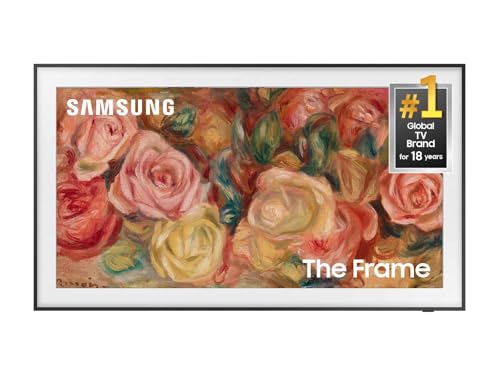
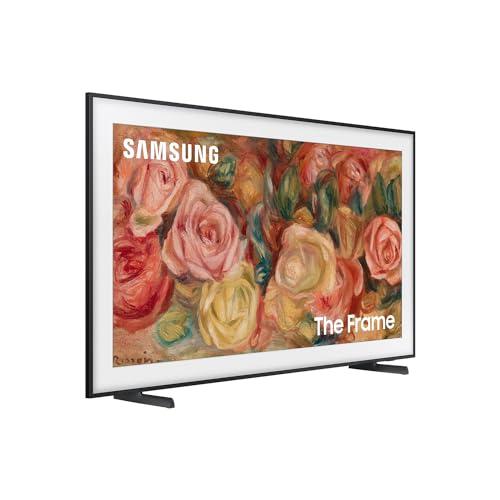
The Samsung Frame 2024 continues Samsung's ambitious attempt to solve a problem most people didn't know they had: what to do with that big black rectangle when you're not watching TV. Samsung's solution is Art Mode, which transforms your television into a digital picture frame displaying curated artwork, personal photos, or other imagery when not in active use.
This isn't just a screensaver—the Frame uses a motion sensor to detect when someone enters the room and automatically switches to art display mode. The 2024 model features Samsung's new "matte shading" photo collection mode, which creates more realistic lighting effects on displayed artwork. The anti-glare matte display coating scatters ambient light to reduce reflections, making both art and video content appear more like a real canvas rather than a shiny screen.
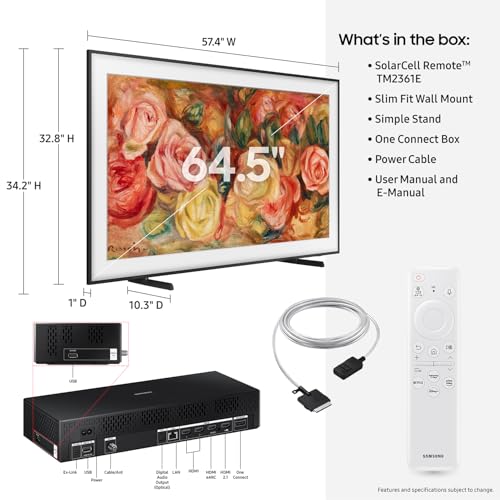
The customization goes deeper with magnetic bezels that snap onto the TV's edges, allowing you to choose from various frame styles to match your décor—though these cost extra. The TV mounts completely flush to the wall at just one inch thick, and Samsung's One Connect Box centralizes all your cable connections to maintain that clean, artwork-like appearance.
But here's where it gets interesting from a technical standpoint: the Frame dynamically adjusts its refresh rate from 120Hz during video playback down to 60Hz in Art Mode to save energy. It also includes an integrated brightness sensor that automatically adjusts both screen brightness and color temperature based on room lighting, ensuring artwork always looks natural.
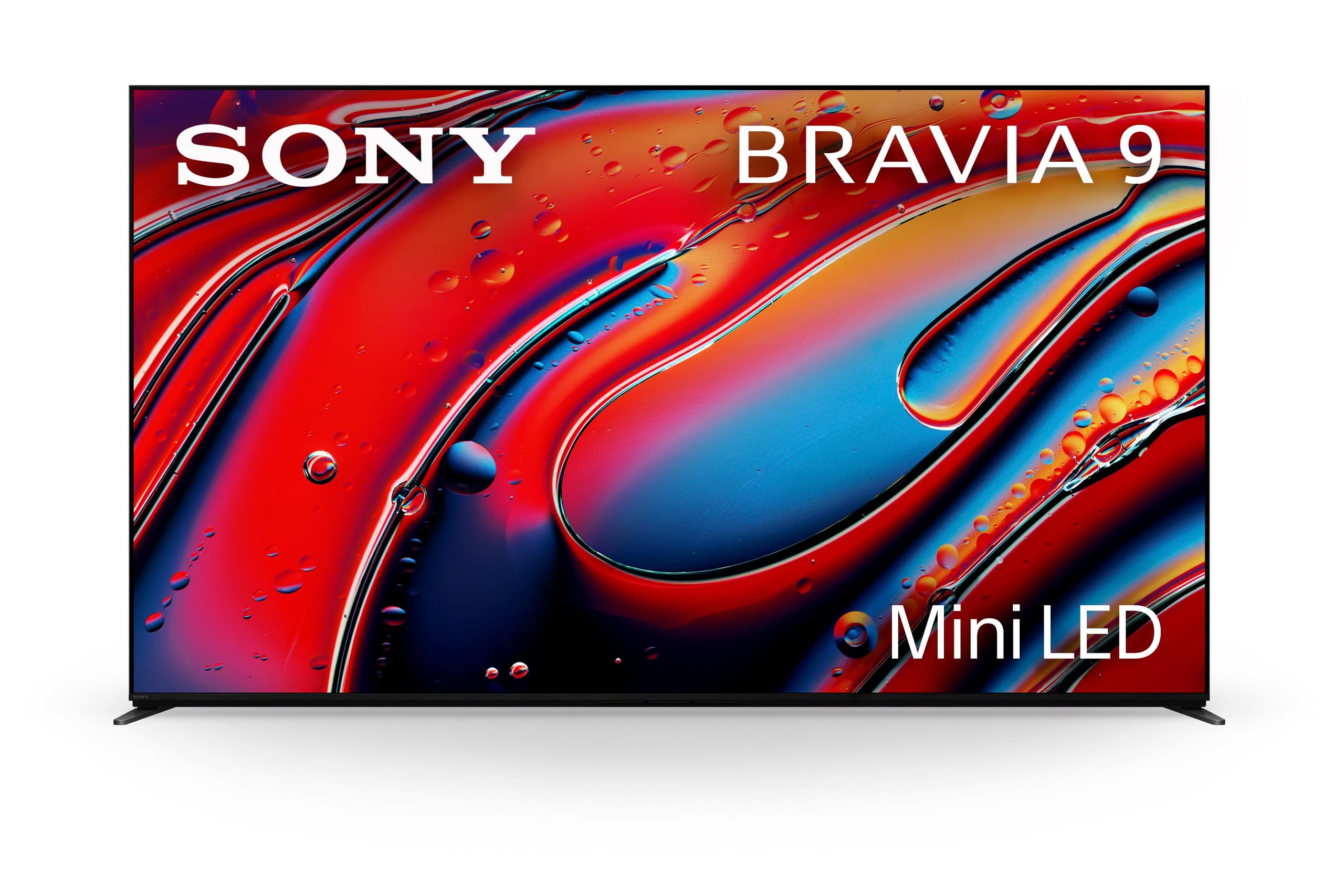
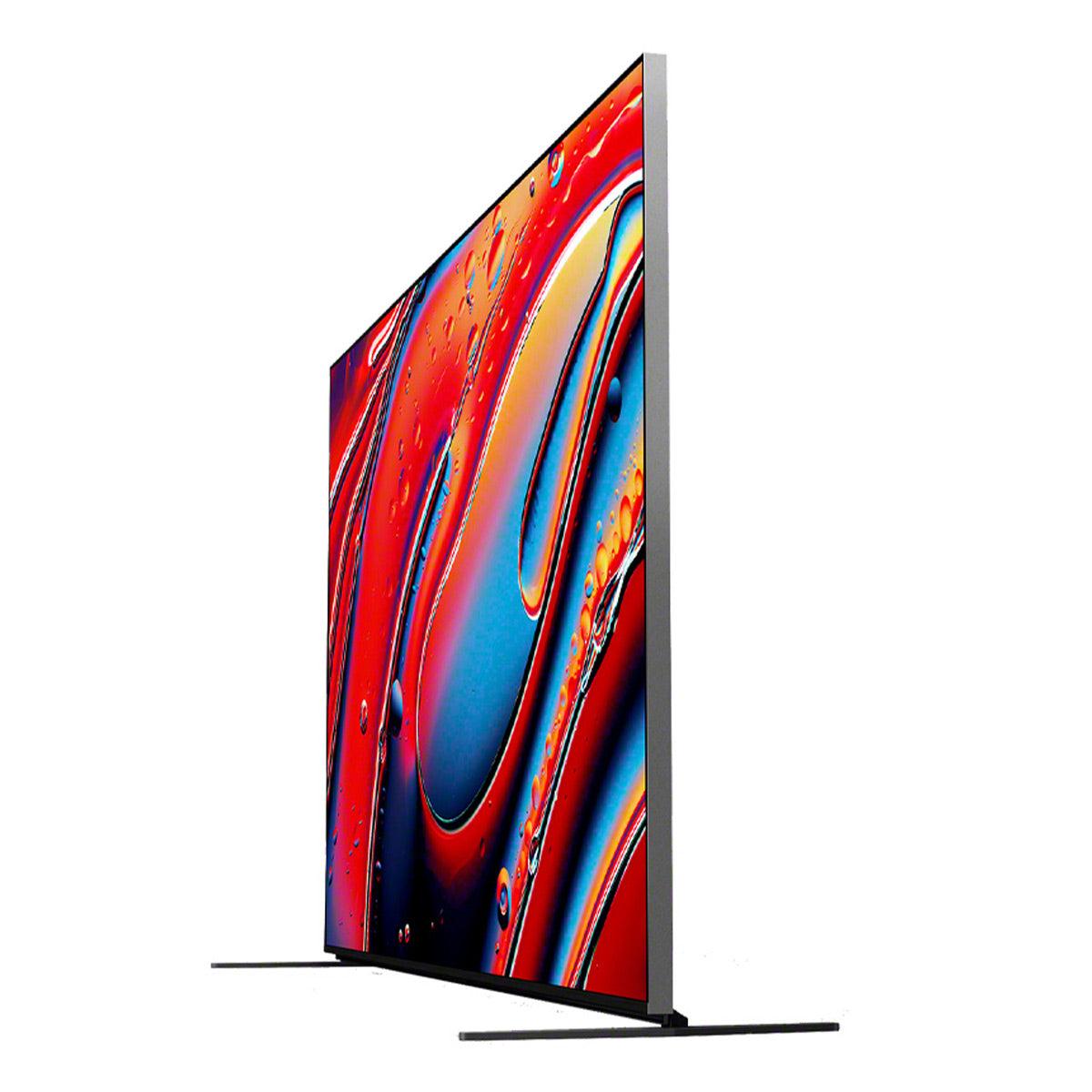
The Sony BRAVIA 9 takes the opposite approach, focusing entirely on delivering the best possible picture quality through advanced Mini LED technology. Mini LEDs are much smaller than traditional TV backlights, allowing manufacturers to pack thousands of them behind the screen for incredibly precise light control.
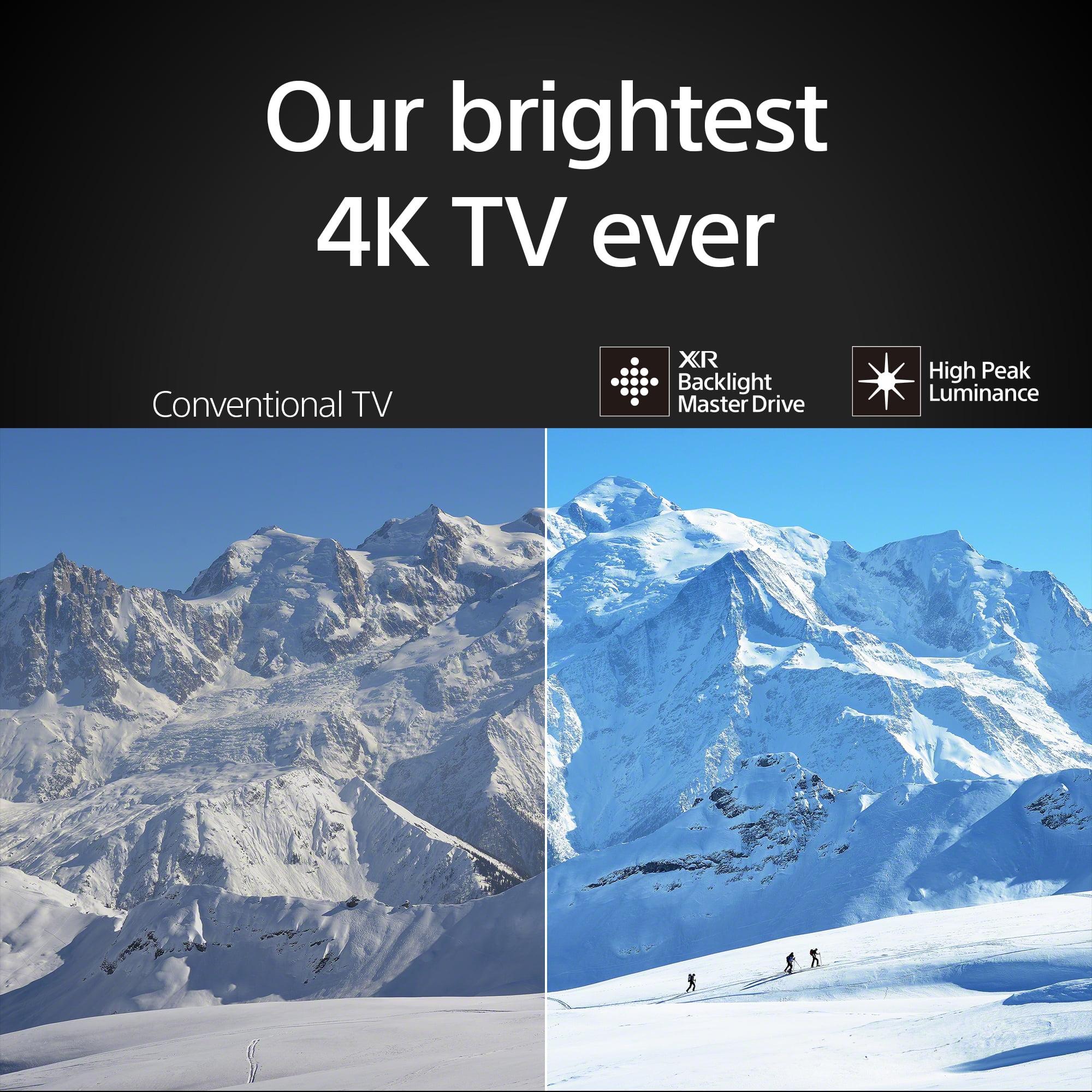
Sony's implementation uses what they call XR Backlight Master Drive, which controls these thousands of Mini LEDs individually to create local dimming zones—areas of the screen that can be dimmed independently. This means when you're watching a movie with a bright explosion against a dark night sky, the LEDs behind the explosion can shine at full brightness while the LEDs behind the dark areas dim almost to black.
The result is contrast that approaches OLED quality (OLED being a premium display technology where each pixel produces its own light) but with much higher brightness capabilities. The BRAVIA 9 achieves what Sony claims is their brightest 4K TV ever, making HDR content truly pop with brilliant highlights that OLED TVs simply can't match.
Sony's XR Triluminos Pro technology expands the color gamut (the range of colors the TV can display) significantly beyond standard displays, while XR Contrast Booster 30 balances light output across the entire screen for consistent brightness and contrast.
Our research into professional reviews and user experiences reveals a clear winner in pure picture quality: the Sony BRAVIA 9. The Mini LED backlighting creates a substantial advantage over the Samsung Frame's standard QLED panel without local dimming.
The Sony delivers deeper blacks that maintain their darkness even when bright objects appear elsewhere on screen—something the Samsung simply cannot achieve. HDR content benefits dramatically from this contrast advantage, with highlights appearing more brilliant and shadows retaining detail that gets lost on the Samsung.
Color performance also favors the Sony, with more accurate reproduction straight out of the box and a wider color gamut that makes everything from nature documentaries to animated films appear more lifelike. The Samsung Frame produces pleasant, punchy colors adequate for casual viewing, but it lacks the depth and vibrancy that makes the Sony feel cinematic.
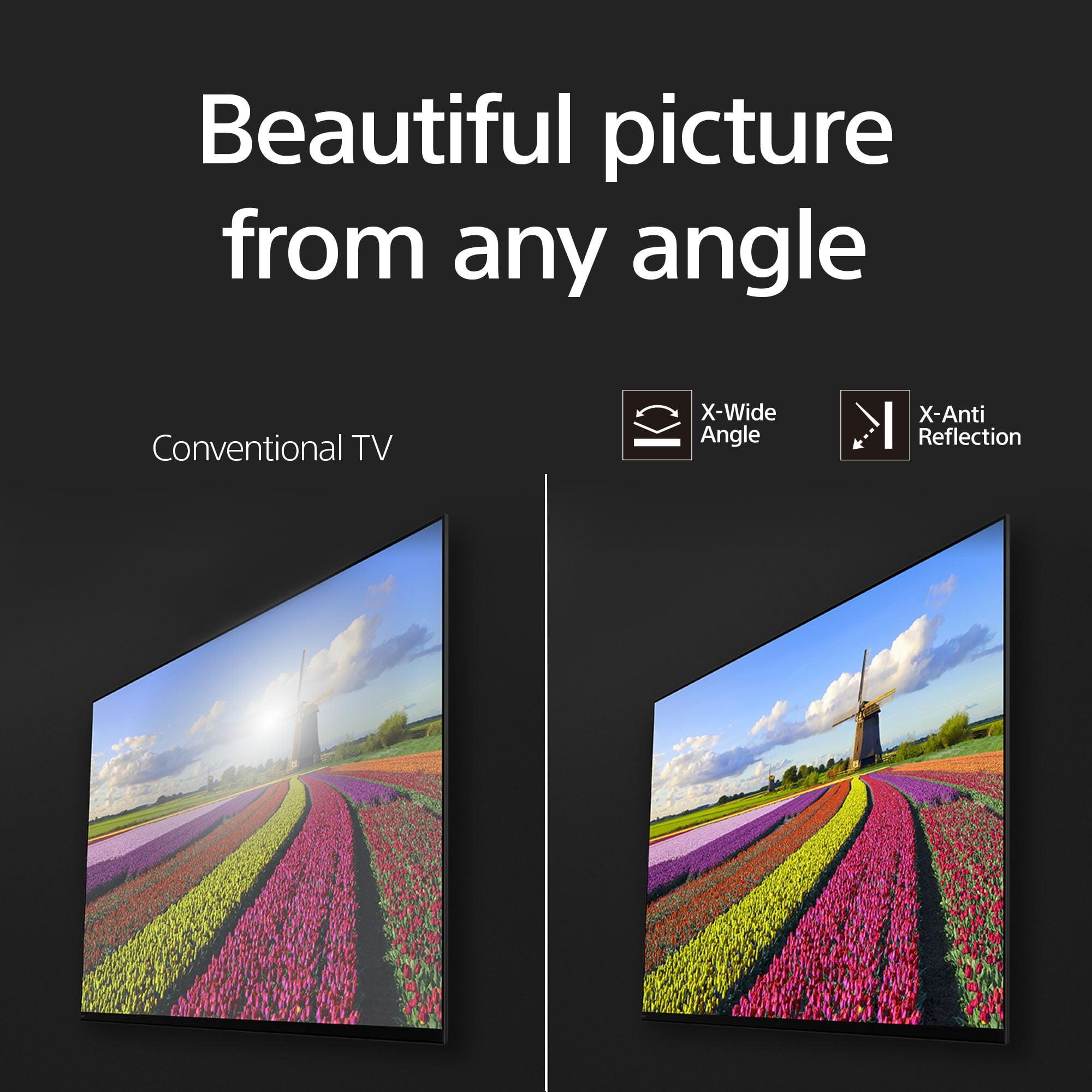
However, the Samsung's matte display coating provides a unique advantage in bright rooms. While the Sony gets brighter overall, the Samsung's anti-reflective properties make it more comfortable to watch when you can't control ambient lighting. This is particularly valuable in living rooms with large windows where glare can be problematic.
The Sony's superior image processing also becomes apparent when watching lower-quality content. Its XR Clear Image technology does a better job upscaling Netflix streams, cable TV, and older content to 4K resolution, making these sources look sharper and more detailed on the Sony than the Samsung.
Gaming performance reveals another significant gap between these TVs. The Sony BRAVIA 9 delivers input lag under 15 milliseconds—excellent for competitive gaming where reaction time matters. It supports 4K gaming at 120Hz refresh rate on two of its HDMI ports, with Variable Refresh Rate (VRR) support that eliminates screen tearing when frame rates fluctuate.
The Samsung Frame, unfortunately, shows input lag exceeding 30 milliseconds—acceptable for casual gaming but frustrating for competitive play or fast-paced games. This higher lag stems partly from Samsung prioritizing the Frame's aesthetic design over gaming performance, unlike Samsung's dedicated gaming TVs that offer much better responsiveness.
For PlayStation 5 owners specifically, the Sony includes Auto HDR Tone Mapping that optimizes HDR settings using data from PlayStation's cloud servers, ensuring games look exactly as developers intended.
The Sony's limitation is connectivity: only two HDMI 2.1 ports support full 4K@120Hz gaming, with one doubling as the eARC port for soundbars. Gamers with multiple next-gen consoles plus a soundbar might find themselves constantly swapping cables.
The design difference couldn't be more dramatic. The Samsung Frame essentially disappears when displaying art, creating a conversation piece that guests often don't realize is a television. Its ultra-minimal bezels and flush wall mounting create the illusion of a framed painting, fundamentally changing how the TV integrates into your living space.
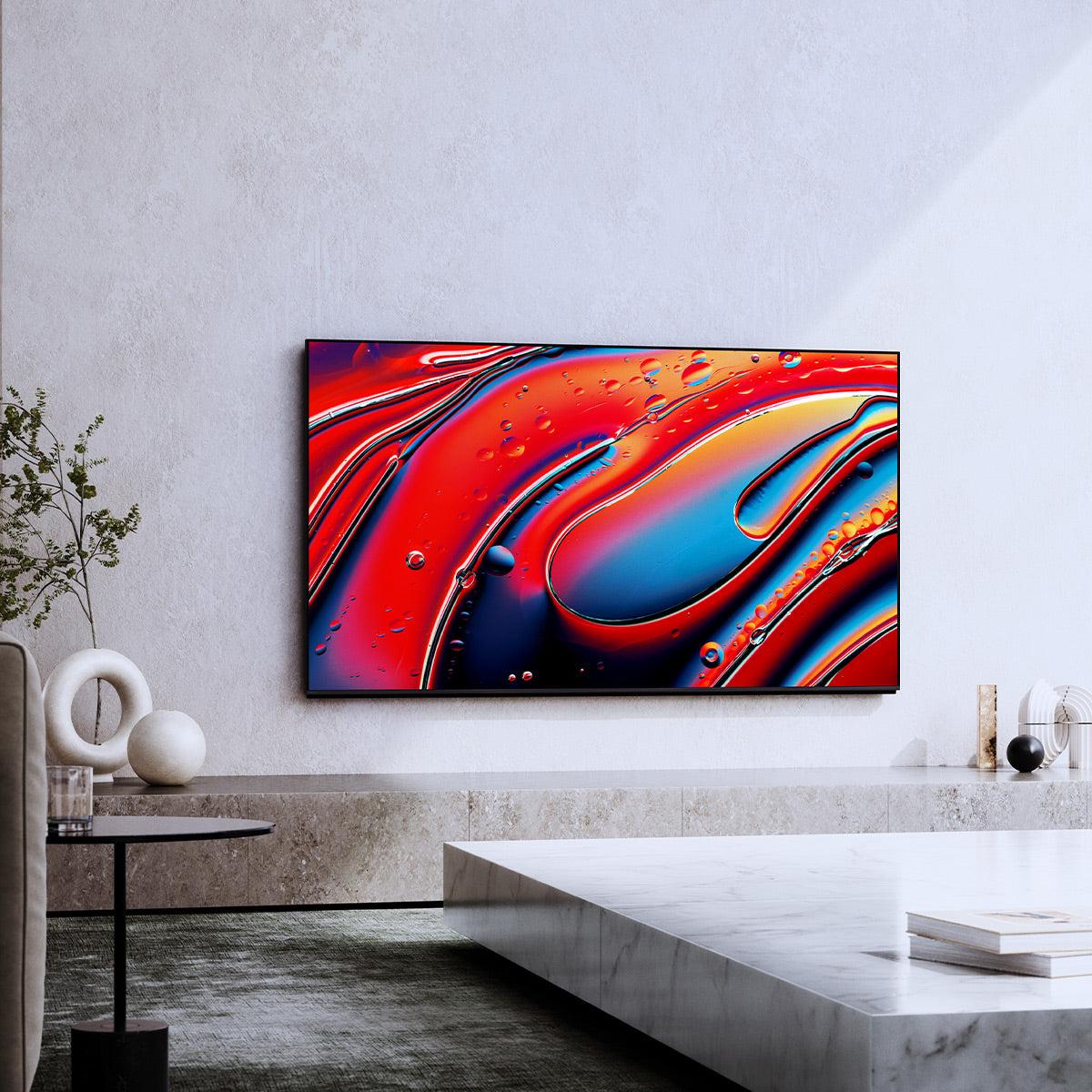
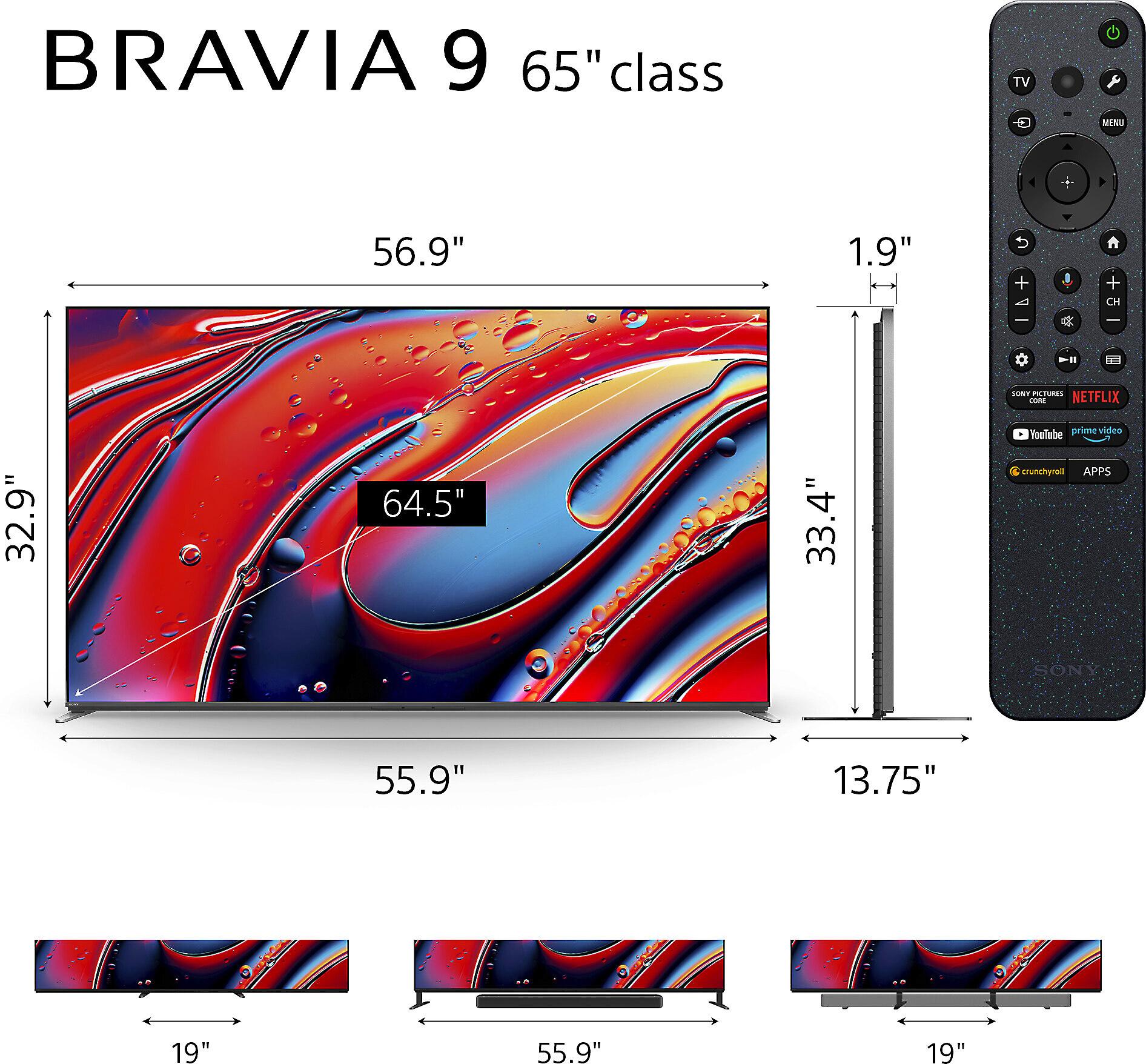
The Sony BRAVIA 9 embraces traditional TV aesthetics at nearly two inches thick. While Sony uses premium materials and their crosshatched back panel made from 65% recycled plastic, it's unmistakably a television that will dominate whatever wall or stand it occupies.
Samsung's One Connect Box deserves special mention—it consolidates all cable connections into a separate unit connected by a single thin cable, maintaining the clean aesthetic even when wall-mounted. The Sony requires direct connections, which can create cable management challenges in wall-mounted installations.
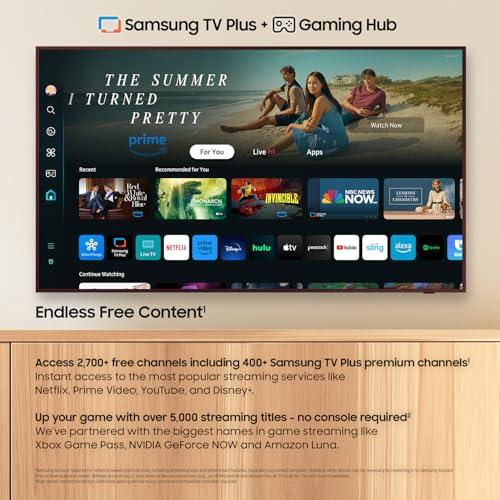
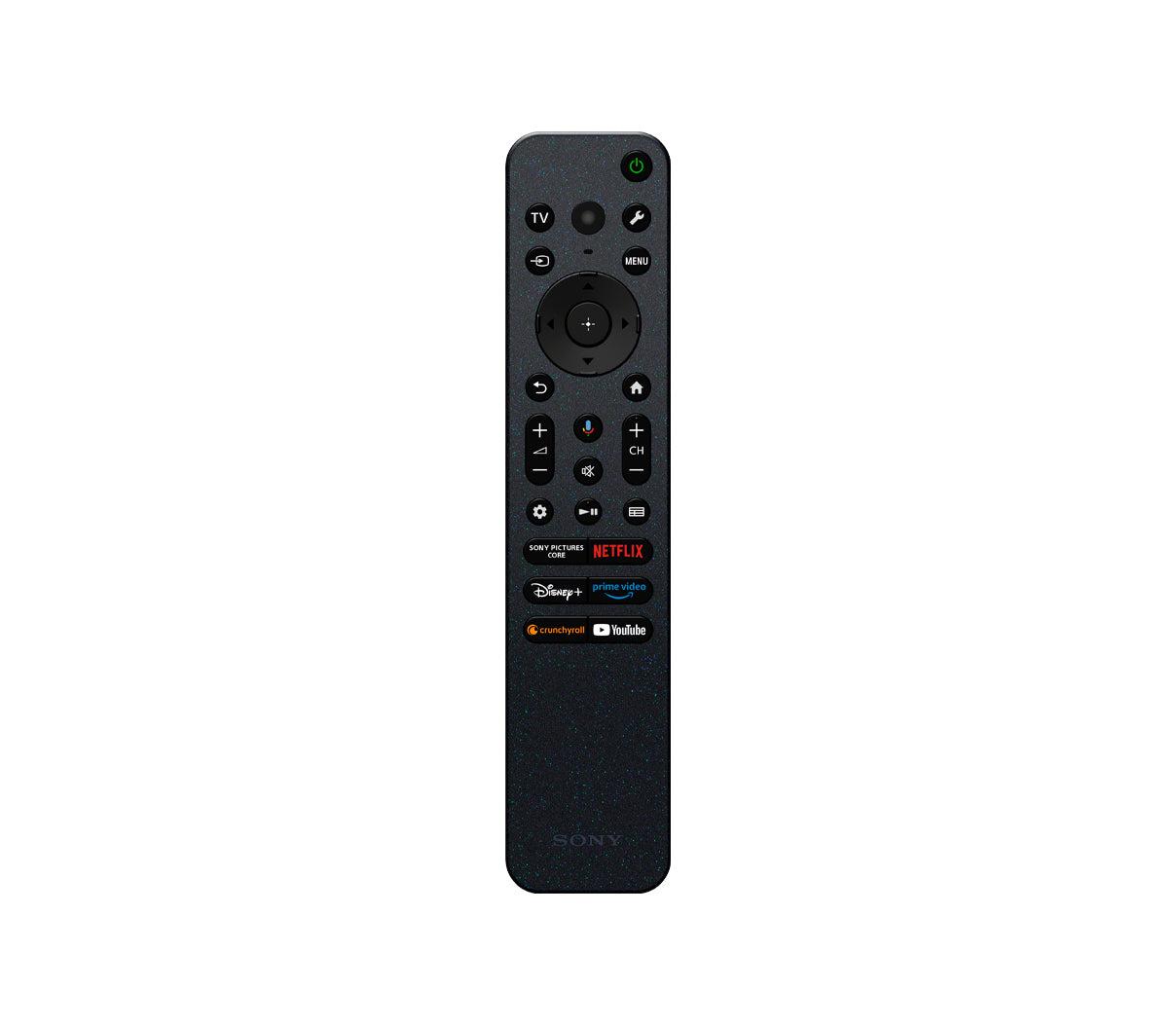
The smart platform comparison reveals interesting trade-offs. The Sony BRAVIA 9 runs Google TV, which generally provides better content recommendations and voice search capabilities than Samsung's Tizen platform on the Frame. Google TV's interface feels more intuitive for discovering new content across multiple streaming services.
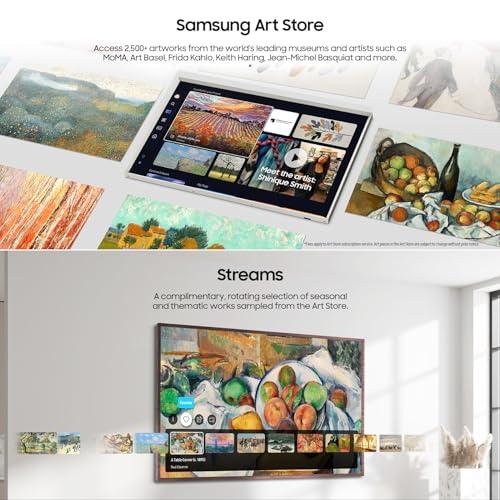
However, the Samsung Frame offers unique smart features tied to its art functionality. The Art Store provides access to curated collections from museums and galleries worldwide, though full access requires a subscription. Samsung's SmartThings app lets you easily upload personal artwork and photos, creating a truly personalized art display.
HDR format support favors the Sony with comprehensive compatibility including HDR10, Dolby Vision, HLG, and IMAX Enhanced. The Samsung supports HDR10 and HDR10+ but lacks Dolby Vision—a significant limitation since many streaming services and UHD Blu-rays use Dolby Vision as their preferred HDR format.
Audio performance strongly favors the Sony BRAVIA 9. Its 70-watt 2.2.2 channel system includes upward-firing speakers built into the TV's top edge, creating genuine Dolby Atmos height effects that make helicopter scenes and rainfall feel three-dimensional. The acoustic system produces surprisingly room-filling sound with clear dialogue and controlled bass response.
The Samsung Frame's built-in audio takes a backseat to its slim design priorities. While adequate for casual viewing, it lacks the power and dimensionality that makes the Sony engaging for movie nights or music listening.
Both TVs support advanced soundbar integration—the Sony through its Acoustic Center Sync technology and the Samsung through Q-Symphony—but the Sony provides a better baseline audio experience if you're not immediately adding external speakers.
At the time of writing, the price difference of roughly $750 significantly impacts the value equation. The Samsung Frame costs substantially less while offering a unique lifestyle benefit that no other TV manufacturer provides. For buyers who want their TV to enhance room aesthetics when not in use, that functionality justifies the entire purchase regardless of other specifications.
The Sony BRAVIA 9's higher price reflects its premium Mini LED technology and superior performance across virtually every technical metric. For viewers who prioritize picture quality, gaming performance, and audio quality, the Sony justifies its premium through measurably better performance.
Consider the total cost of ownership too: the Samsung requires ongoing subscriptions for full Art Store access and additional purchases for premium bezels, while the Sony includes everything needed for optimal performance out of the box.
In a dedicated home theater setup, the Sony BRAVIA 9 emerges as the clear choice. Its superior contrast, accurate colors, and comprehensive HDR support create a more cinematic experience that does justice to high-quality content and proper room lighting control.
The Sony's Mini LED technology particularly shines in darker viewing environments where its deep blacks and bright highlights can create that "window into another world" effect that home theater enthusiasts crave. Its motion handling also excels with fast-paced action films and sports.
The Samsung Frame works better in multi-purpose living spaces where the TV needs to complement rather than dominate the room's aesthetics. Its anti-glare properties make it more suitable for rooms where you can't achieve theater-like lighting control.
Choose the Samsung Frame 2024 if you want a TV that transforms into room décor when not in use, prioritize design integration over maximum performance, frequently watch in bright rooms where glare is problematic, prefer saving money while getting adequate performance, or value having a conversation piece that guests will notice and appreciate.
Choose the Sony BRAVIA 9 if you prioritize picture quality and want reference-level viewing experiences, regularly watch HDR movies and shows where contrast matters, are a serious gamer needing responsive performance, don't mind traditional TV aesthetics, have budget flexibility for premium performance, or want superior built-in audio without immediately adding a soundbar.
The decision ultimately comes down to your primary use case and what you value most. The Sony BRAVIA 9 delivers measurably superior performance across nearly every technical specification, making it the logical choice for anyone prioritizing the television viewing experience. The Samsung Frame offers something genuinely unique in the TV market—the ability to disappear into your décor—which may be worth more to you than any performance specification.
Both represent mature implementations of their respective philosophies, making either a solid choice depending on your priorities. Just be honest about what matters most to you: the best possible picture quality, or a TV that enhances your living space even when you're not watching it.
| Samsung 65" The Frame QLED 4K 2024 TV | Sony BRAVIA 9 65" 4K UHD Mini LED QLED Smart Google TV |
|---|---|
| Display Technology - Determines contrast and black levels | |
| Standard QLED without local dimming | Mini LED QLED with thousands of local dimming zones |
| Peak Brightness - Critical for HDR impact and bright room viewing | |
| Good brightness, enhanced by anti-glare matte coating | Sony's brightest 4K TV ever with exceptional HDR highlights |
| Contrast Performance - Makes the biggest visual difference | |
| Limited contrast due to lack of local dimming | Excellent contrast with deep blacks rivaling OLED TVs |
| Design Philosophy - Completely different approaches to TV aesthetics | |
| Art TV that displays artwork when not in use, 1" thick | Traditional performance-focused TV, nearly 2" thick |
| Gaming Input Lag - Essential for responsive gaming | |
| Over 30ms (poor for competitive gaming) | Under 15ms (excellent for all gaming types) |
| HDMI 2.1 Ports - Needed for 4K@120Hz gaming | |
| Limited high refresh rate support | 2 ports supporting 4K@120Hz (one shared with eARC) |
| HDR Format Support - Determines streaming and disc compatibility | |
| HDR10, HDR10+ (no Dolby Vision) | HDR10, Dolby Vision, HLG, IMAX Enhanced |
| Built-in Audio Quality - Affects whether you need a soundbar immediately | |
| Basic speakers prioritizing slim design | 70W 2.2.2 system with Dolby Atmos height effects |
| Smart Platform - Impacts user experience and app performance | |
| Samsung Tizen OS with Art Store integration | Google TV with superior content recommendations |
| Wall Mounting - Installation and cable management differences | |
| Flush mount with One Connect Box for clean cables | Traditional mount requiring direct cable connections |
| Anti-Glare Properties - Important for bright rooms | |
| Premium matte display coating reduces reflections | Higher brightness compensates for glare |
| Unique Features - What sets each apart | |
| Customizable bezels, motion sensor, art display modes | Mini LED backlighting, advanced image processing |
| Best Use Case - Who should choose each TV | |
| Design-conscious buyers wanting TV as décor | Performance enthusiasts prioritizing picture quality |
The Sony BRAVIA 9 delivers significantly better picture quality thanks to its Mini LED backlighting with thousands of local dimming zones. This creates deeper blacks and brighter highlights compared to the Samsung Frame, which uses standard QLED without local dimming. The Sony also supports more HDR formats including Dolby Vision, while the Samsung lacks this widely-used format.
The Samsung Frame is worth it if you want your TV to function as room décor when not watching content. Its Art Mode, customizable bezels, and flush wall mounting create a unique aesthetic that no other TV offers. However, you'll pay a premium for this lifestyle feature while getting less impressive picture quality than similarly-priced performance-focused TVs.
The Sony BRAVIA 9 is much better for gaming with input lag under 15ms compared to the Samsung Frame's 30ms+ lag. The Sony also offers two HDMI 2.1 ports for 4K@120Hz gaming and includes gaming features like VRR and Auto HDR Tone Mapping for PlayStation 5. The Frame is only suitable for casual gaming.
Both handle bright rooms differently. The Samsung Frame uses an anti-glare matte display coating that reduces reflections, making it comfortable to watch with ambient lighting. The Sony BRAVIA 9 gets much brighter overall to overpower room lighting but may show more reflections. The Frame is better for uncontrolled lighting situations.
The Sony BRAVIA 9 has significantly better audio with its 70W 2.2.2 channel system featuring upward-firing speakers for Dolby Atmos effects. The Samsung Frame prioritizes its slim design over audio quality, resulting in basic speakers that most users will want to supplement with a soundbar.
The Sony BRAVIA 9 is excellent for dedicated home theaters thanks to its superior contrast, accurate colors, and comprehensive HDR support that creates a cinematic experience. The Samsung Frame works better in multi-purpose living spaces where aesthetics matter more than ultimate performance, though it's adequate for casual movie watching.
The Samsung Frame uses standard QLED with quantum dots for enhanced colors but no local dimming. The Sony BRAVIA 9 combines QLED technology with Mini LED backlighting, using thousands of tiny LEDs that can dim independently for much better contrast. Mini LED bridges the gap between standard LED TVs and premium OLED displays.
The Samsung Frame is designed for clean wall mounting with its 1-inch thickness and included One Connect Box that consolidates all cables into a separate unit. The Sony BRAVIA 9 requires traditional mounting at nearly 2 inches thick with direct cable connections, making cable management more challenging but not impossible.
Both support major streaming services, but the Sony BRAVIA 9 runs Google TV which generally provides better content recommendations and search. The Samsung Frame uses Tizen OS and includes unique art-focused features like the Art Store for curated artwork, though full access requires a subscription.
Value depends on priorities. The Samsung Frame costs less and offers unique lifestyle functionality you can't get elsewhere. The Sony BRAVIA 9 costs more but delivers superior performance across nearly every technical specification. Choose the Frame for aesthetics and savings, the Sony for maximum performance.
The Sony BRAVIA 9 supports all major HDR formats including Dolby Vision, ensuring compatibility with Netflix, Disney+, and UHD Blu-rays. The Samsung Frame lacks Dolby Vision support, meaning some streaming content and discs won't display in their intended HDR format, though HDR10+ provides decent alternative support.
Choose the Samsung Frame if you want a TV that doubles as wall art, prioritize design over performance, or need to save money while getting adequate quality. Choose the Sony BRAVIA 9 if picture quality is your top priority, you're a serious gamer, you watch lots of movies and HDR content, or you want the best possible viewing experience regardless of aesthetics.
We've done our best to create useful and informative comparisons to help you decide what product to buy. Our research uses advanced automated methods to create this comparison and perfection is not possible - please contact us for corrections or questions. These are the sites we've researched in the creation of this article: tomsguide.com - rtings.com - rtings.com - youtube.com - bestbuy.com - techlicious.com - youtube.com - smalllilystudio.com - theeverymom.com - livingetc.com - pcrichard.com - image-us.samsung.com - samsung.com - images.samsung.com - samsung.com - buydig.com - tvsbook.com - bestbuy.com - samsung.com - samsung.com - flatpanelshd.com - bestbuy.com - bestbuy.com - youtube.com - whathifi.com - crutchfield.com - rtings.com - pcrichard.com - merlinstv.com - youtube.com - sony.ca - electronics.sony.com

Privacy Policy
Terms and Conditions - Affiliate Policy
Home Security
© Copyright 2008-2026.
11816 Inwood Rd #1211, Dallas, TX 75244