


When you're shopping for a premium 65-inch TV, you're not just buying a screen—you're choosing how entertainment will look and feel in your home for years to come. Samsung's 2024 lineup presents an interesting dilemma with two very different approaches to premium QLED technology: the aesthetically-focused Samsung 65" The Frame QLED 4K 2024 TV and the performance-driven Samsung 65" QN90D Series 4K Neo QLED Smart TV.
Both TVs represent Samsung's commitment to QLED technology, which uses quantum dots (microscopic particles that emit precise colors when hit by light) to create more vibrant and accurate colors than traditional LED TVs. However, these two models take dramatically different paths to reach their goals, and understanding these differences is crucial for making the right choice for your home.
The fundamental difference between these TVs lies in their display technology and intended purpose. The Frame TV uses standard QLED with edge-lighting, where LEDs are positioned around the screen's perimeter and light travels across the entire panel. It's designed primarily as a lifestyle product that doubles as wall art when you're not watching TV.
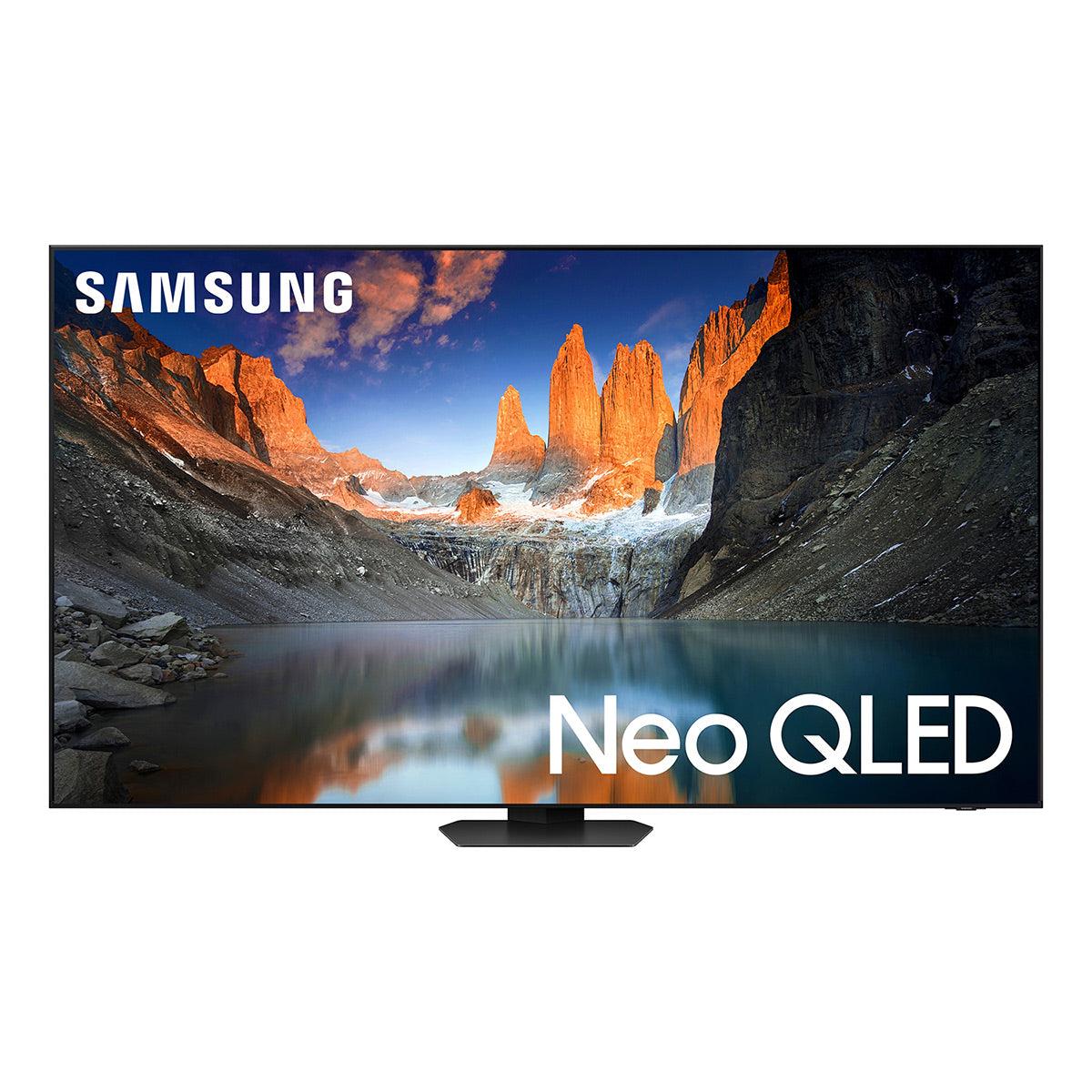
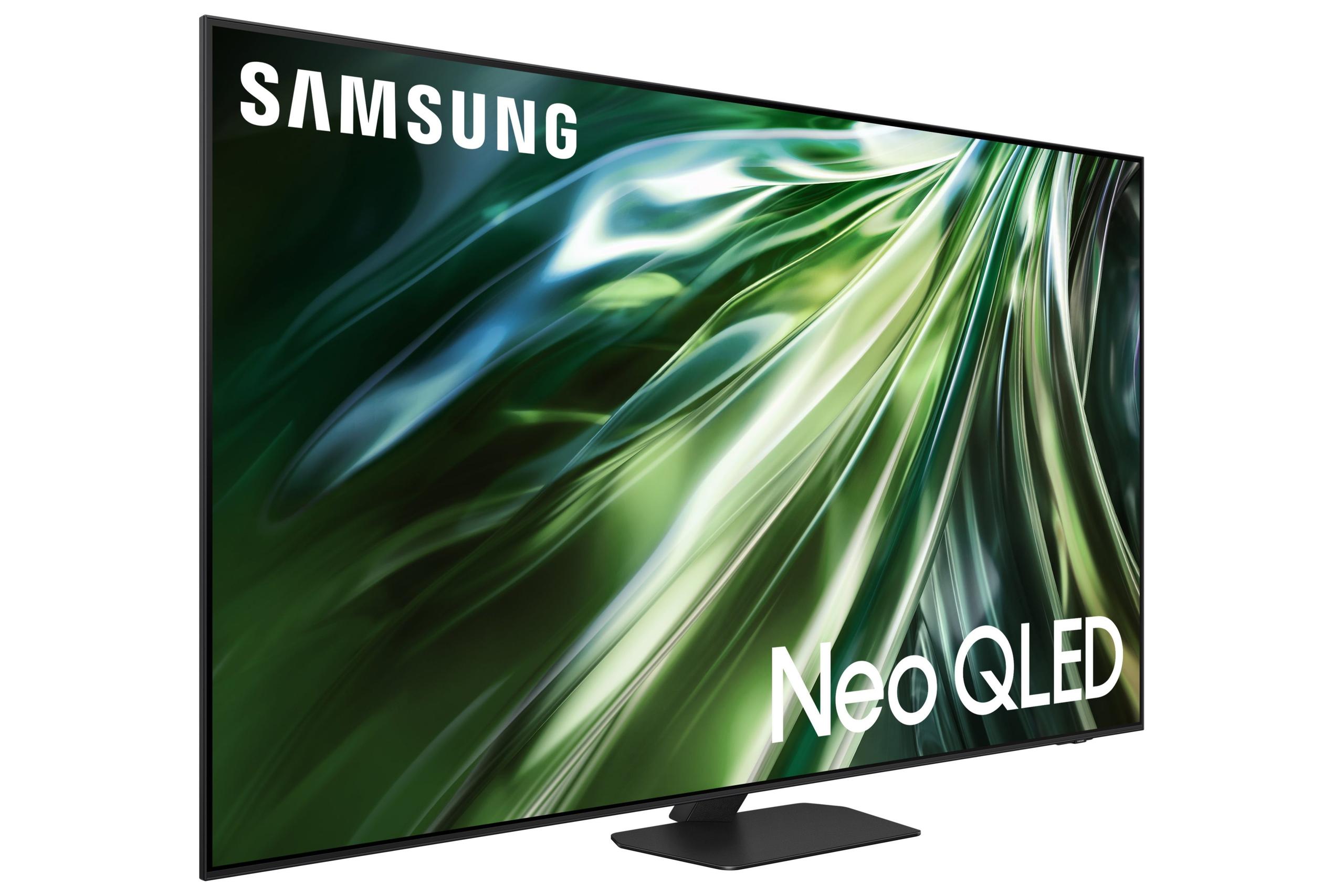
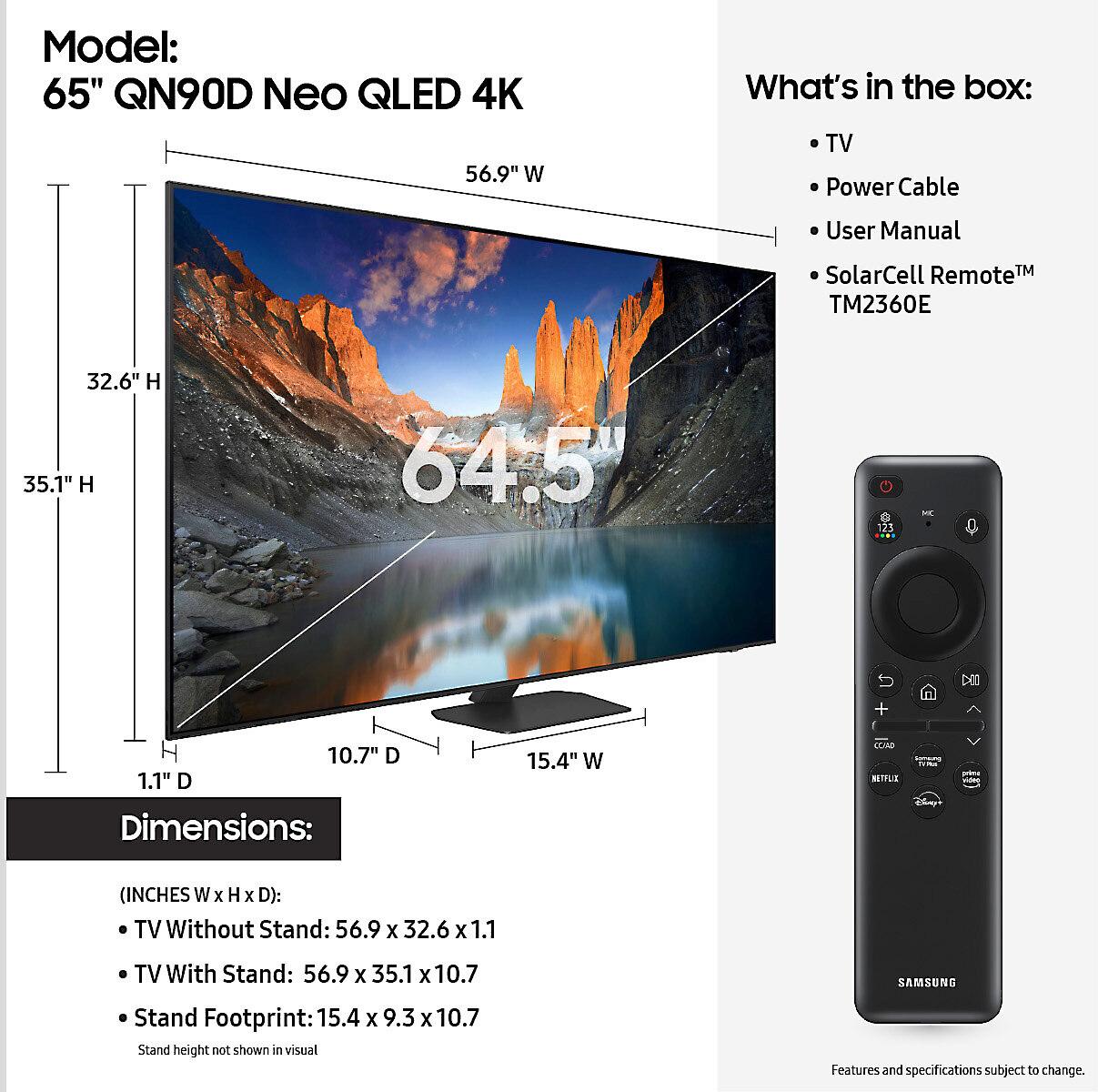
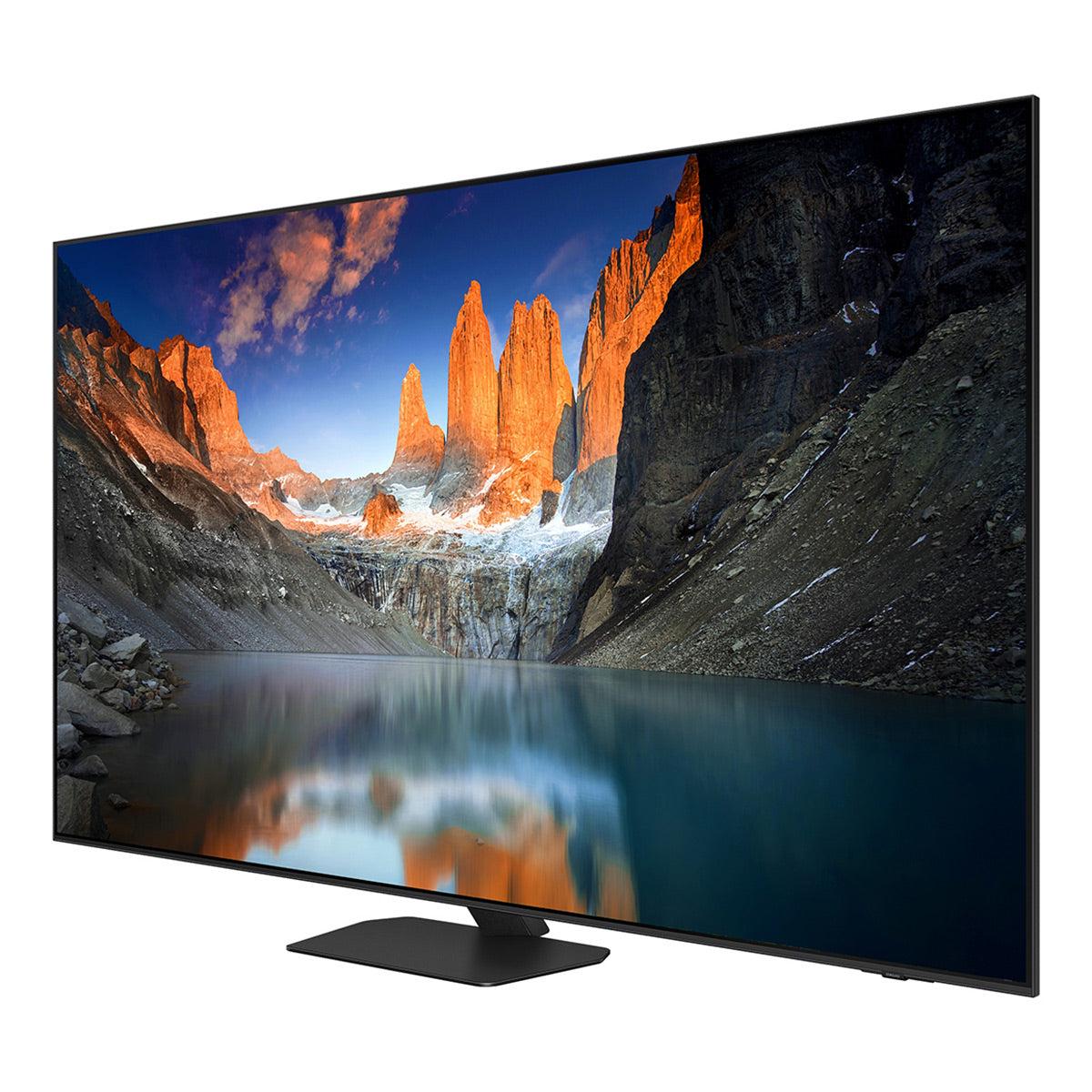
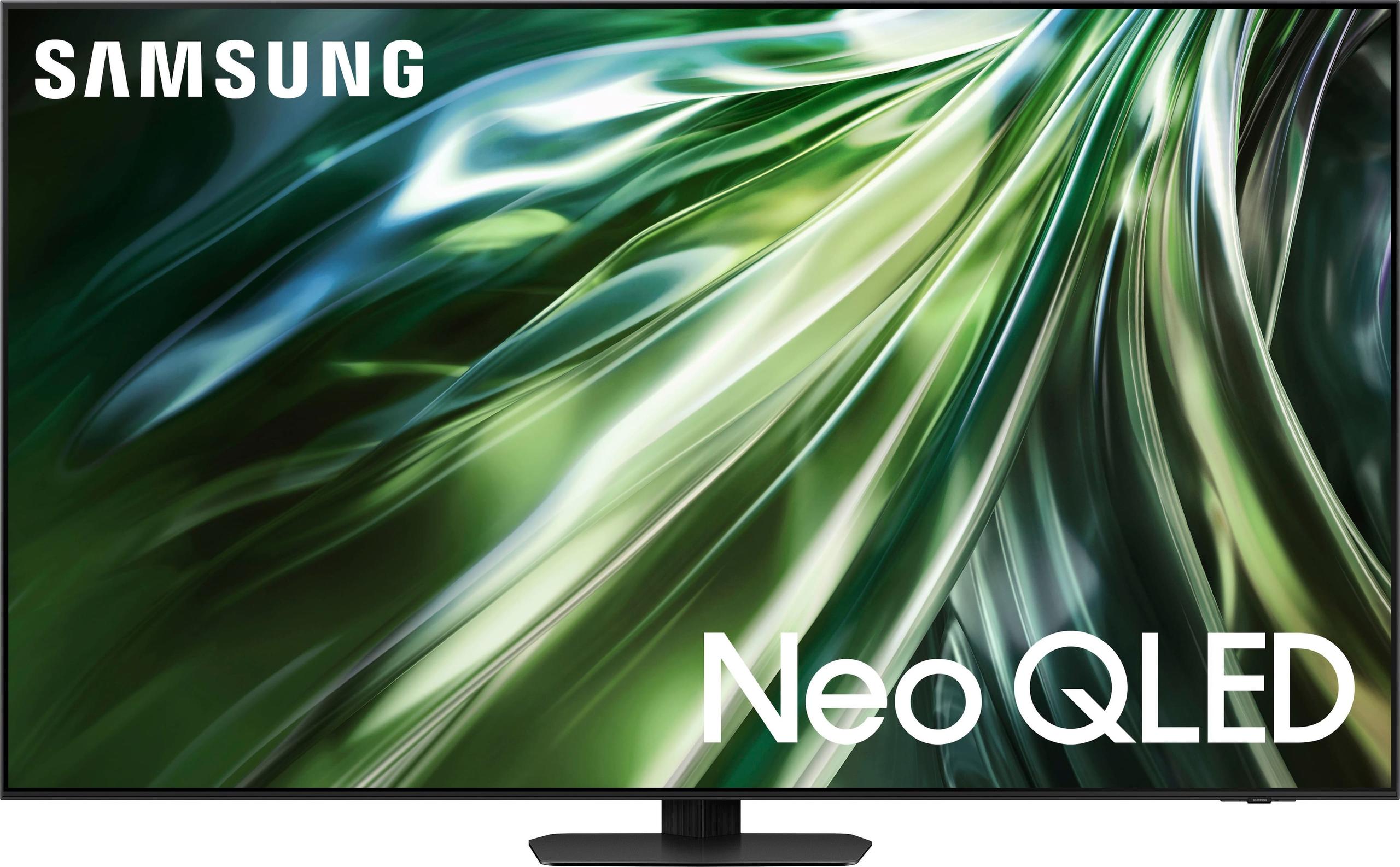
The QN90D, on the other hand, represents Samsung's Neo QLED technology, featuring Mini LED backlighting. Mini LEDs are significantly smaller than traditional LEDs—think thousands of tiny lights behind the screen instead of dozens around the edges. This allows for local dimming zones, where different sections of the screen can be independently brightened or darkened to create better contrast.
This core technological difference drives virtually every performance variation between these models. It's like comparing a flashlight (edge-lit) to a room full of individually controlled spotlights (Mini LED)—both illuminate, but one offers far more precision and control.
Peak brightness capability represents one of the most significant differences between these TVs. The QN90D achieves exceptional brightness levels—reaching around 2,040 nits in peak highlights. To put this in perspective, most content is mastered at 1,000 nits or less, so having this much brightness headroom means HDR (High Dynamic Range) content truly pops with brilliant highlights that grab your attention.
HDR is essentially the difference between looking at a photograph of a sunny day versus actually being outside on that sunny day. The QN90D's brightness makes those virtual sunny days feel much more realistic, with highlights that actually stand out rather than appearing flat and dim.
The Frame TV, however, struggles significantly with HDR brightness. Our research into professional reviews consistently shows that it simply doesn't get bright enough for highlights to create the intended visual impact. When you're watching a movie with bright explosions, shining metal, or outdoor scenes, the QN90D will make you squint at the brightness while the Frame will leave you wondering what all the HDR fuss is about.
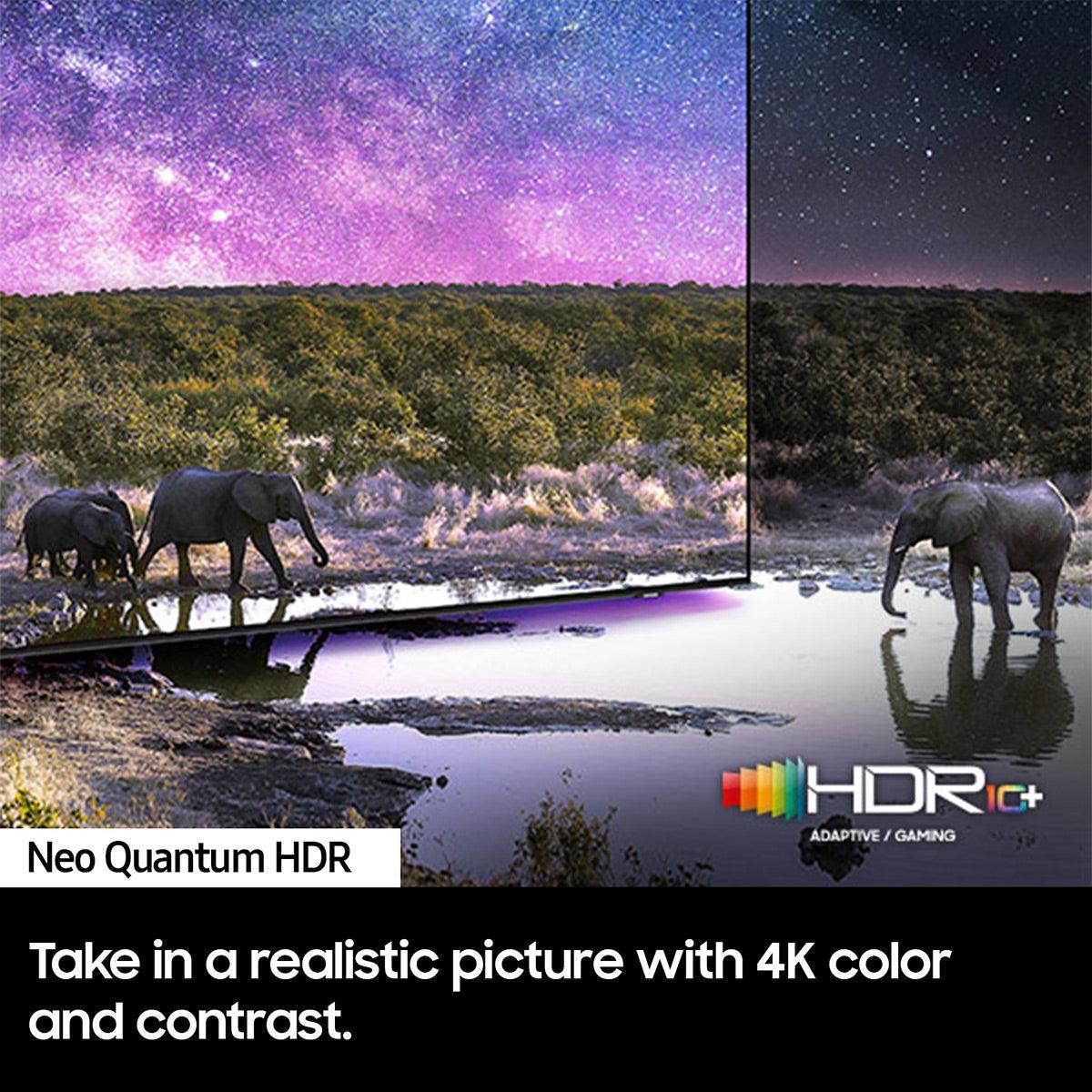
Contrast ratio—the difference between the brightest whites and darkest blacks—determines how three-dimensional and realistic images appear. This is where the Mini LED local dimming in the QN90D truly shines. When you're watching a movie with a starry night sky, the stars can be brilliant white while the space around them remains truly dark, creating that sense of depth you'd see looking up at the real night sky.
The Frame TV's lack of local dimming means the entire screen brightens when displaying bright objects, causing those same stars to appear gray rather than white, surrounded by a grayish sky rather than black space. Professional reviews consistently rate the QN90D significantly higher for contrast performance, and this difference is immediately noticeable when watching cinematic content.
However, the QN90D isn't perfect. Mini LED technology can create subtle halos around very bright objects on dark backgrounds—imagine a candle flame in a dark room showing a faint glow around its edges. While this blooming effect is well-controlled compared to older LCD technologies, it's still present and can be distracting in specific scenes.
Both TVs utilize quantum dot technology for color reproduction, but their implementations differ significantly. The QN90D delivers exceptional color volume, meaning it can produce saturated colors even at high brightness levels. This is particularly important for HDR content, where bright, colorful objects like neon signs or vibrant clothing need to maintain their intensity.
The Frame TV produces decent colors but lacks the depth and vibrancy of the QN90D's implementation. Colors appear more muted, and the overall image lacks the punch that makes modern content feel immersive. For casual viewing, this difference might not bother you, but side-by-side comparisons make the performance gap obvious.
Gaming has become a crucial consideration for TV buyers, especially with PlayStation 5 and Xbox Series X demanding high refresh rates and responsive displays. Both TVs offer excellent input lag—the delay between pressing a controller button and seeing the action on screen—with the Frame TV achieving an impressive 9.2 milliseconds.
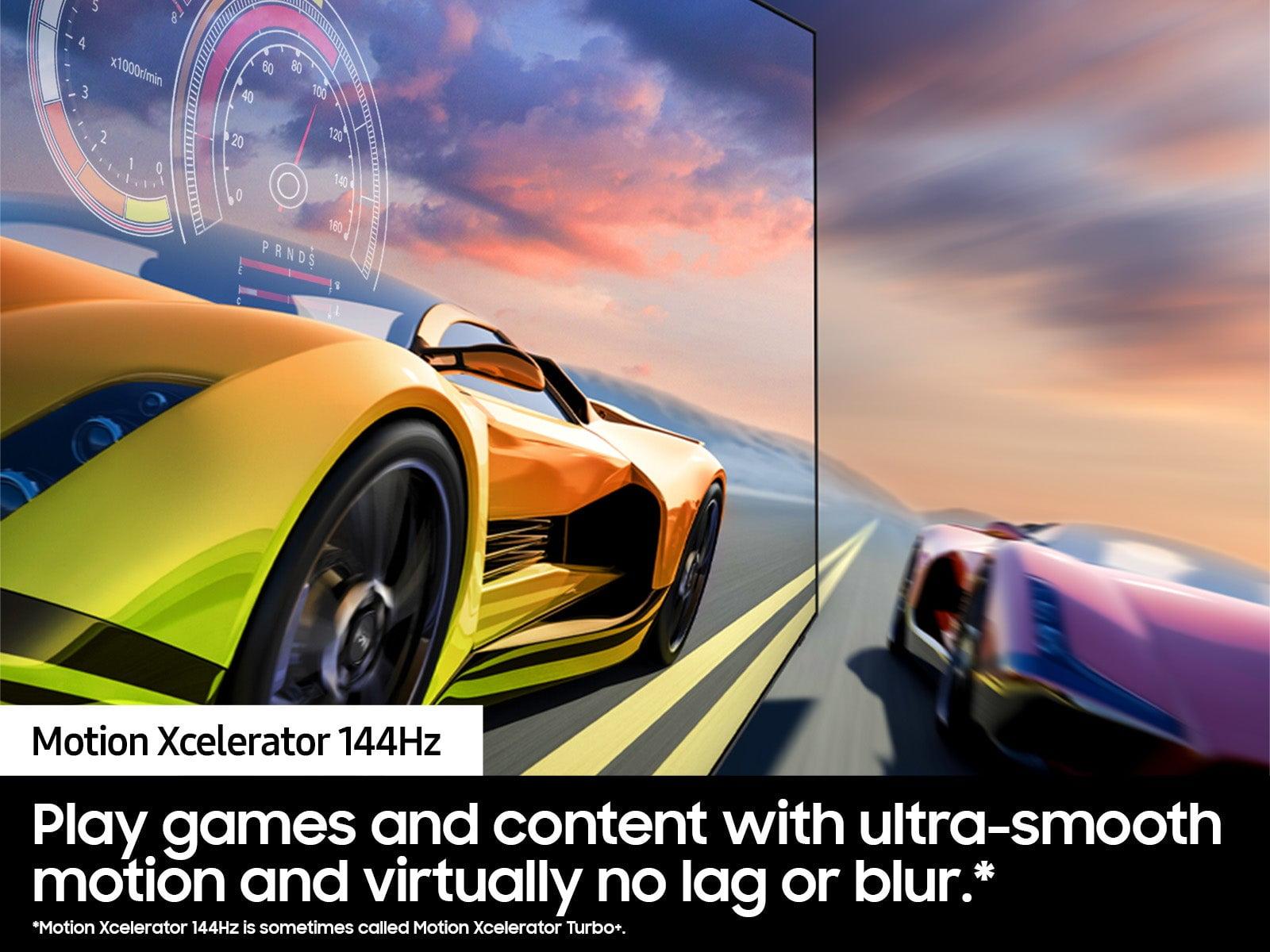
However, the QN90D pulls ahead with its 144Hz refresh rate capability for PC gaming, compared to the Frame's 120Hz maximum. More importantly, the QN90D's superior brightness and contrast make gaming more immersive, particularly in HDR games where explosions, fire effects, and bright environments truly pop off the screen.
Both TVs support Variable Refresh Rate (VRR), which synchronizes the TV's refresh rate with your gaming console or PC to eliminate screen tearing and stuttering. They also feature Auto Low Latency Mode (ALLM), which automatically switches to game mode when detecting gaming consoles.
For competitive gaming, both TVs perform admirably, but the QN90D offers a more visually impressive experience for single-player, cinematic games where picture quality enhances immersion.
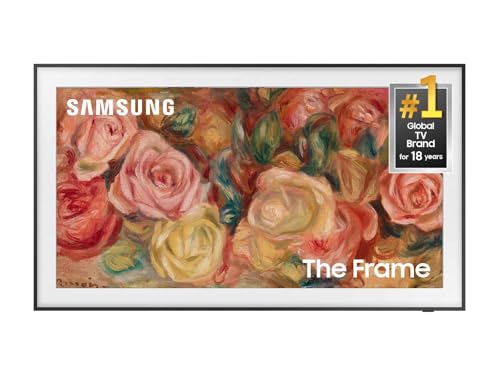
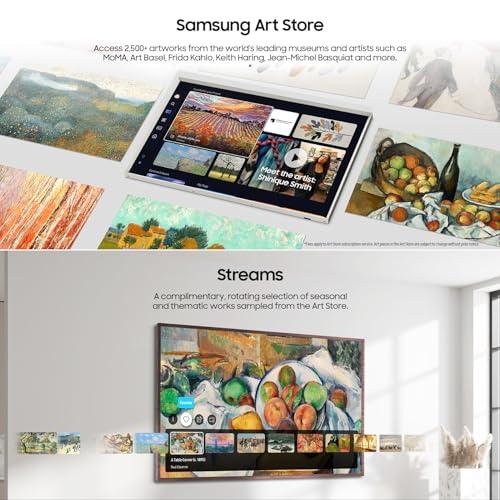
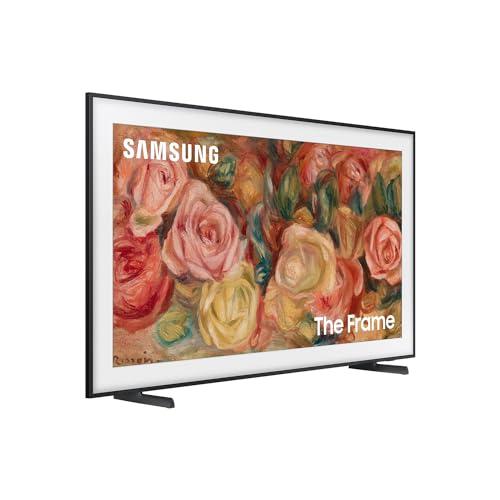
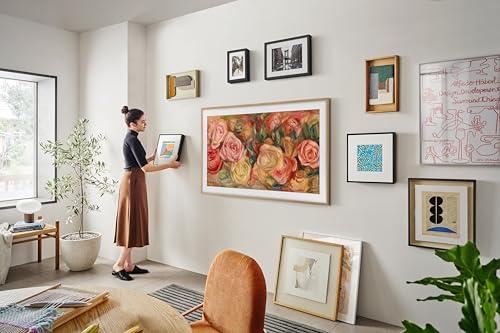
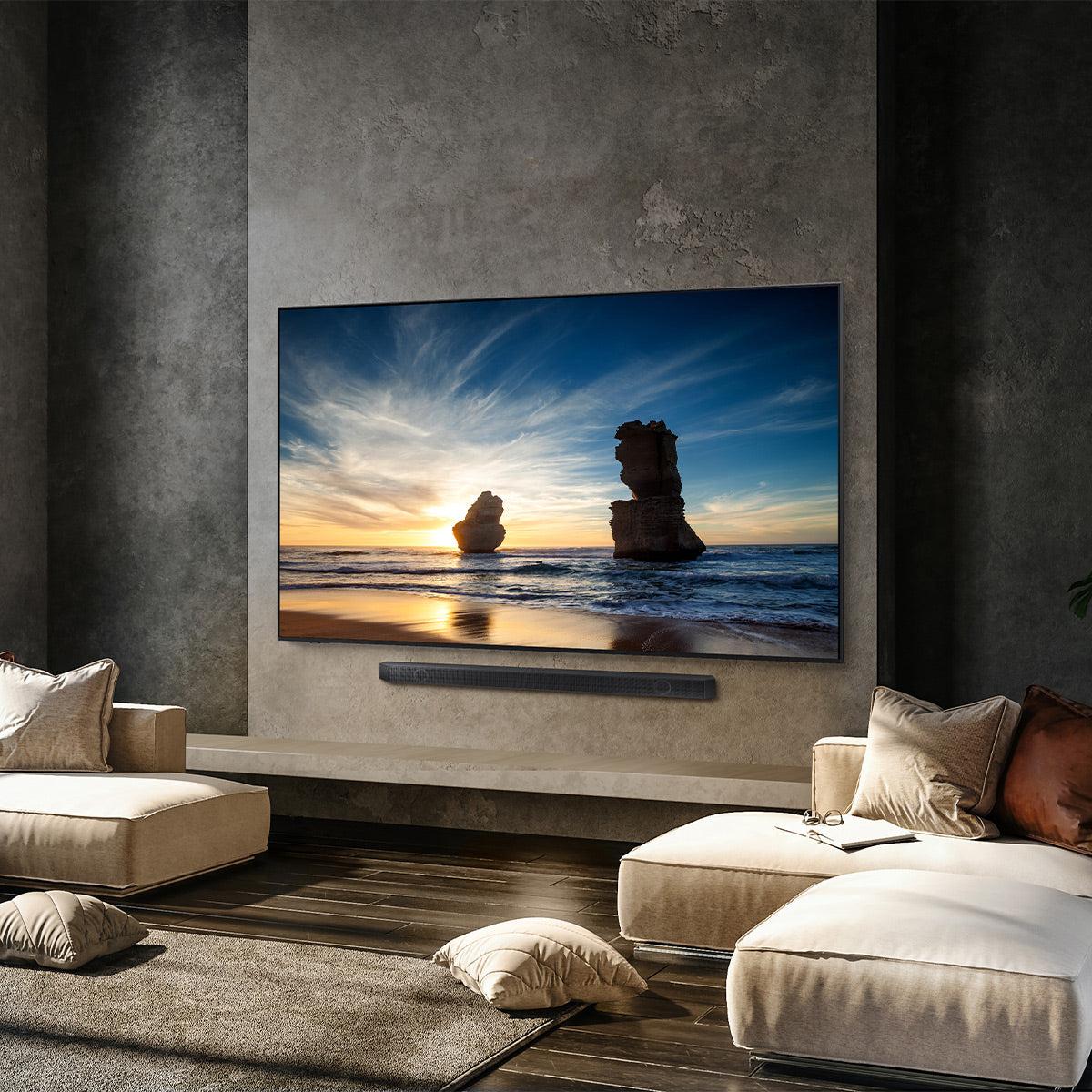
Here's where these TVs diverge most dramatically. The Frame TV represents Samsung's boldest design experiment: a television that disappears into your decor when not in use. Art Mode transforms your screen into a digital gallery, displaying famous paintings, photographs, or your personal images with remarkable realism.
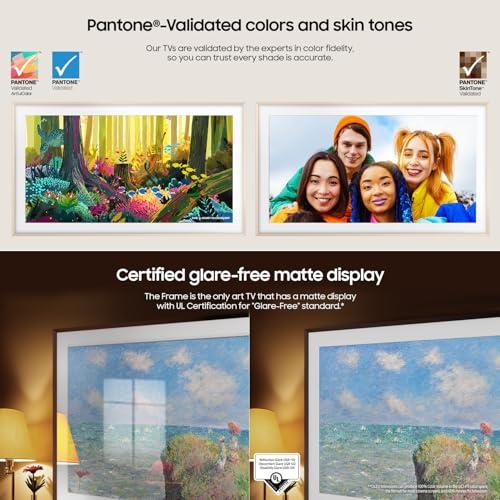
The matte anti-reflective coating is genuinely impressive at reducing direct reflections. Unlike glossy TV screens that act like mirrors in bright rooms, the Frame's matte finish scatters reflected light, making it much easier to see the display even with windows or lights directly behind your seating area. This feature alone makes it suitable for rooms where traditional TVs would be unwatchable during daytime.
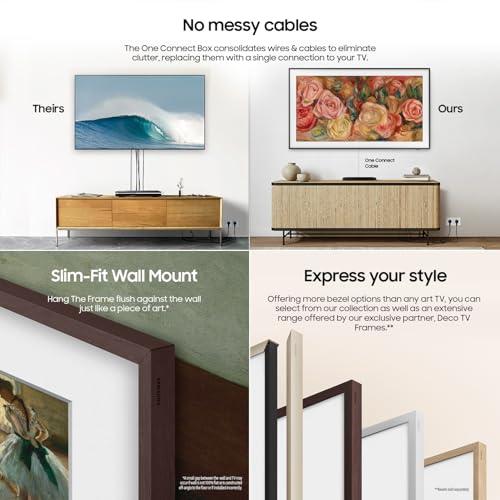
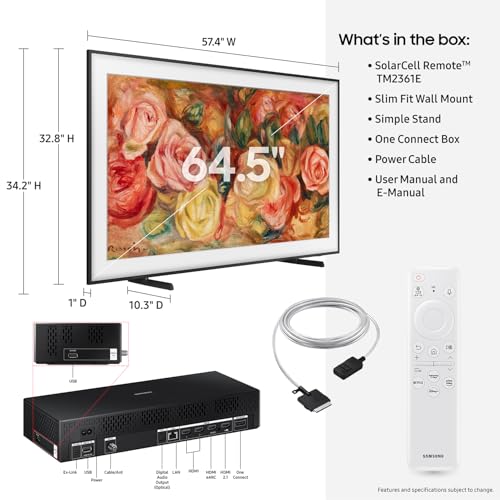
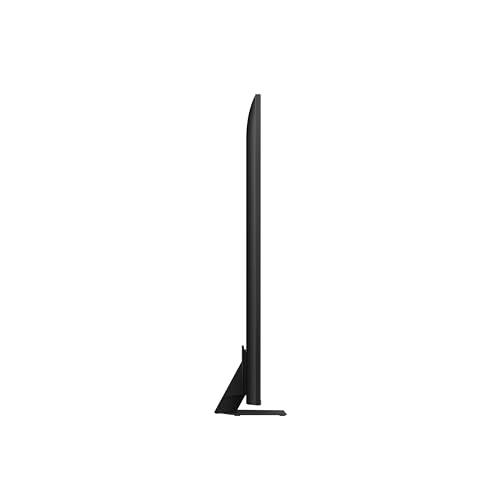
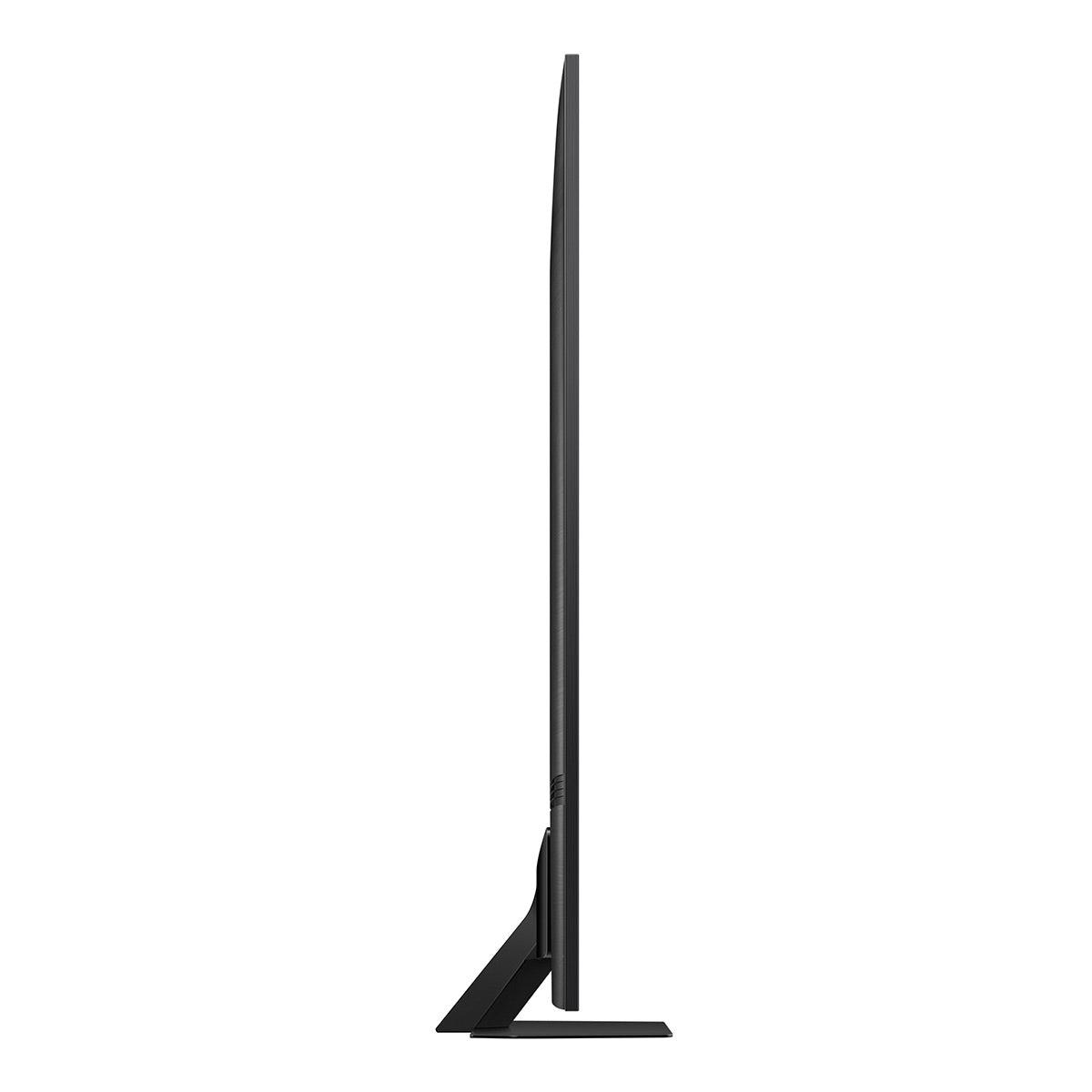
The ultra-thin 1-inch profile and included Slim-Fit Wall Mount create an almost floating picture frame effect. Samsung even offers customizable bezels in different colors and styles, allowing you to match your room's aesthetic. The One Connect Box centralizes all your device connections, requiring only a single cable running to the TV itself.
However, this design focus comes with significant performance compromises. The matte coating, while reducing direct reflections, can smudge ambient light across the screen, reducing perceived contrast and color saturation in some lighting conditions.
The QN90D takes a conventional approach to TV design, focusing entirely on maximizing picture quality. While it won't win any design awards or double as wall art, it delivers the superior viewing experience that most people expect from a premium television.
Your room's lighting conditions significantly impact which TV will work better for your situation. The QN90D's exceptional brightness makes it outstanding in bright living rooms with large windows or overhead lighting. Professional reviews consistently rate it among the best LCD TVs for daytime viewing, with brightness levels that overcome ambient light interference.
The Frame TV handles bright rooms differently. While its peak brightness can't compete with the QN90D, its anti-reflective coating provides a different type of bright room performance. Direct reflections become much less problematic, though the overall image may appear somewhat washed out compared to the QN90D's vibrant presentation.
For dedicated home theater setups with controlled lighting, the QN90D is the clear winner. Its superior contrast, brightness, and color performance create a more immersive cinematic experience. Professional reviews explicitly recommend against using the Frame TV for serious home theater applications due to its picture quality limitations.
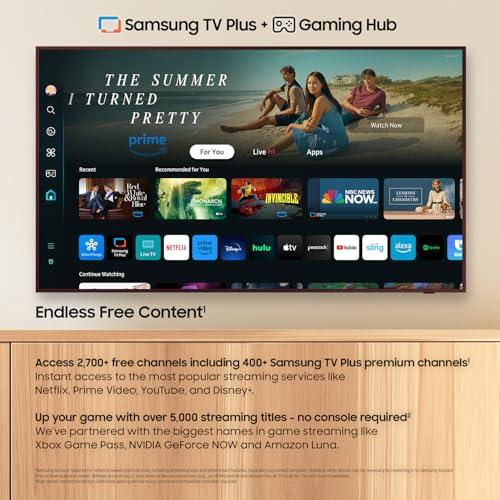
Both TVs run Samsung's Tizen smart TV platform, which received significant updates in 2024. The interface is more streamlined and user-friendly than previous versions, though it still doesn't quite match the polish of Google TV or LG's webOS. Voice control works through the remote or built-in microphones, supporting Bixby, Alexa, and Google Assistant.
One notable limitation is the lack of ATSC 3.0 tuners in either model. ATSC 3.0 represents the next generation of over-the-air broadcasting, enabling 4K broadcasts from local stations. At this price level, this omission feels like a missed opportunity for future-proofing.
For audio, the QN90D includes full Dolby Atmos support with its 2.2 channel speaker system, while the Frame TV only offers Dolby Atmos bypass through its 2.0.2 channel setup. Neither TV supports DTS:X passthrough, which might matter if you have a sound system that relies on DTS audio formats.
At the time of writing, the QN90D typically costs less than the Frame TV, despite delivering substantially superior performance across nearly every measurable metric. This pricing dynamic makes the value comparison particularly interesting.
You're essentially paying a premium for the Frame TV's unique design and Art Mode functionality while accepting significant picture quality compromises. If these aesthetic features matter to your lifestyle and room design, the premium might be justified. However, from a pure performance-per-dollar perspective, the QN90D represents exceptional value.
Consider that both TVs will likely remain in your home for five to ten years. The QN90D's superior brightness, contrast, and gaming capabilities will remain relevant throughout that period, while the Frame TV's performance limitations may become more apparent as content quality continues improving.
The decision between these TVs ultimately depends on your priorities and use case. Choose the Frame TV if you're genuinely excited about Art Mode and want a TV that enhances your room's aesthetics when not in use. It works best for casual viewing, streaming content, and rooms where design matters more than peak performance. The anti-reflective coating makes it particularly suitable for bright rooms with unavoidable glare issues.
However, be realistic about the performance trade-offs. You're not getting a TV optimized for movies, gaming, or HDR content. Professional reviews consistently describe it as unsuitable for home theater use, and the picture quality limitations become apparent when watching high-quality content.
Choose the QN90D if you prioritize picture quality, gaming performance, or plan to use your TV for serious movie watching. It excels in bright rooms through raw brightness rather than reflection control, delivers impactful HDR experiences, and offers superior value from a performance perspective.
The QN90D represents Samsung's best non-OLED TV technology, with Mini LED backlighting that approaches OLED-like contrast while maintaining the brightness advantages of LCD technology. It's the choice for users who want the best possible picture quality without stepping up to OLED pricing.
These TVs serve fundamentally different purposes despite sharing similar screen sizes and QLED branding. The Frame TV succeeds as a lifestyle product that prioritizes aesthetics and room integration over performance. The QN90D succeeds as a high-performance display optimized for picture quality and gaming.
For most buyers focused on getting the best TV experience, the QN90D offers superior value with dramatically better performance at a lower price point. The Frame TV appeals to a specific audience willing to pay for unique design features while accepting performance compromises.
Both represent quality Samsung products, but they're designed for entirely different user priorities. Understanding which category you fall into will make your decision straightforward and ensure you're happy with your choice for years to come.
| Samsung 65" The Frame QLED 4K 2024 TV | Samsung 65" QN90D Series 4K Neo QLED Smart TV |
|---|---|
| Display Technology - Determines picture quality, contrast, and HDR performance | |
| Standard QLED with edge-lighting, no local dimming zones | Neo QLED with Mini LED full-array backlighting and local dimming zones |
| Peak Brightness - Critical for HDR impact and bright room viewing | |
| Limited HDR brightness, struggles with highlight impact | ~2,040 nits peak brightness, exceptional HDR performance |
| Contrast Performance - Creates depth and realistic blacks in dark scenes | |
| Poor black levels due to lack of local dimming (2.5/10 rating) | Mini LED local dimming provides controlled blacks (8/10 rating) |
| Gaming Refresh Rate - Important for smooth motion and competitive gaming | |
| 120Hz maximum refresh rate | Up to 144Hz for PC gaming, 120Hz for consoles |
| Input Lag - Response time for gaming, lower is better | |
| 9.2ms (excellent for gaming responsiveness) | Very low input lag (optimized for competitive gaming) |
| Art Mode & Design Features - Unique lifestyle functionality | |
| Art Mode with curated gallery, customizable bezels, ultra-thin 1" profile | No art features, conventional TV design focused on performance |
| Anti-Reflection Technology - Handles bright room glare differently | |
| Matte anti-reflective coating reduces direct reflections | Standard glossy screen, relies on brightness to overcome reflections |
| Professional Picture Quality Score - Overall performance rating | |
| 7.2/10 overall, 6.2/10 for movies (not recommended for home theater) | 8.2/10 overall, 8.1/10 for movies (excellent for home theater) |
| Bright Room Performance - Daytime viewing capability | |
| 7.3/10 rating, good reflection control but limited brightness | 9.8/10 rating, exceptional brightness overcomes ambient light |
| Audio System - Built-in sound quality and features | |
| 40W 2.0.2 channels, Dolby Atmos bypass only | 40W 2.2 channels, full Dolby Atmos support |
| Wall Mounting Approach - Installation and cable management | |
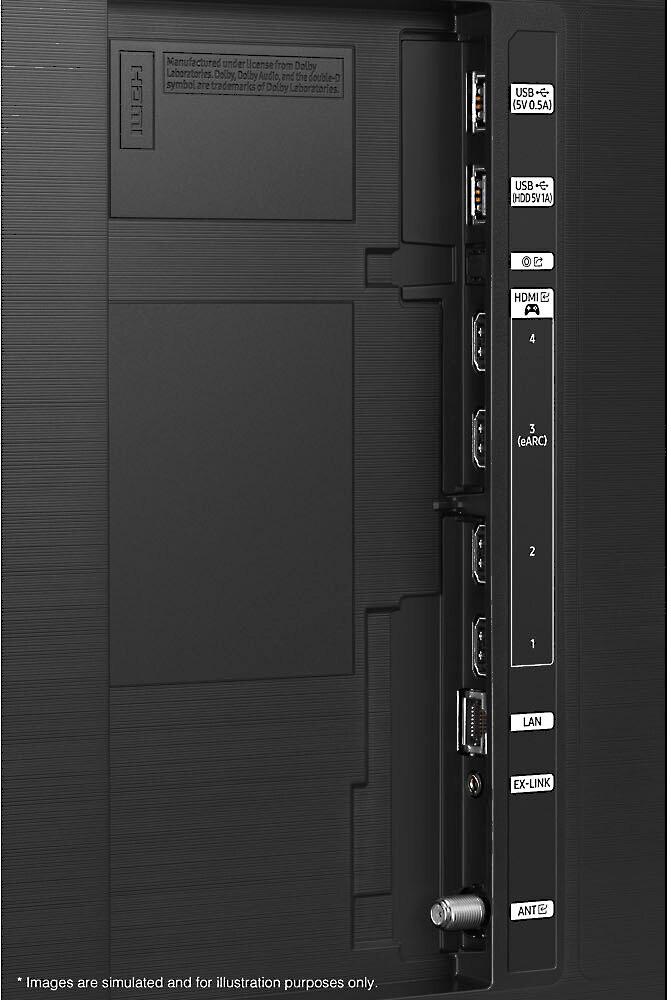
| Slim-Fit Wall Mount included, One Connect Box for clean cable management | Standard mounting, all connections directly to TV |
| Value Proposition - Performance per dollar at typical pricing | |
| Premium pricing for lifestyle features with performance compromises | Superior performance at lower cost, excellent value for picture quality |
The Samsung 65" QN90D Series 4K Neo QLED Smart TV delivers significantly better picture quality with its Mini LED backlighting and local dimming zones. It achieves much higher brightness for impactful HDR content and superior contrast for deeper blacks. The Samsung 65" The Frame QLED 4K 2024 TV lacks local dimming and struggles with HDR brightness, making it less suitable for serious movie watching and home theater setups.
Yes, the Samsung 65" The Frame QLED 4K 2024 TV features Art Mode that displays paintings, photographs, and personal images when not watching TV. It includes a motion sensor that activates the display when you enter the room and offers customizable bezels to match your decor. The matte anti-reflective coating helps create a realistic artwork appearance by reducing glare.
Both TVs offer excellent gaming performance with low input lag and VRR support. However, the Samsung 65" QN90D Series 4K Neo QLED Smart TV has advantages with its 144Hz capability for PC gaming and superior brightness that makes HDR games more immersive. The Samsung 65" The Frame QLED 4K 2024 TV still performs well for gaming but offers less visual impact in dark gaming scenes.
The Samsung 65" QN90D Series 4K Neo QLED Smart TV excels in bright rooms through exceptional peak brightness that overcomes ambient light. The Samsung 65" The Frame QLED 4K 2024 TV handles bright rooms differently with its anti-reflective matte coating that reduces direct reflections, though the overall image may appear less vibrant in very bright conditions.
The Samsung 65" QN90D Series 4K Neo QLED Smart TV typically costs less while delivering superior picture quality, brightness, and gaming performance across nearly every metric. The Samsung 65" The Frame QLED 4K 2024 TV commands a premium for its unique design and Art Mode features but offers compromised performance for traditional TV viewing.
Yes, both the Samsung 65" The Frame QLED 4K 2024 TV and Samsung 65" QN90D Series 4K Neo QLED Smart TV support Variable Refresh Rate (VRR), Auto Low Latency Mode (ALLM), and 120Hz refresh rates for console gaming. The QN90D additionally supports up to 144Hz for PC gaming.
The Samsung 65" The Frame QLED 4K 2024 TV is exceptionally thin at just 1 inch deep and includes a Slim-Fit Wall Mount for nearly flush installation. The Samsung 65" QN90D Series 4K Neo QLED Smart TV has a more conventional thickness and requires standard wall mounting, though it still mounts relatively close to the wall.
The Samsung 65" QN90D Series 4K Neo QLED Smart TV offers superior audio with full Dolby Atmos support through its 2.2 channel system. The Samsung 65" The Frame QLED 4K 2024 TV has Dolby Atmos bypass only with its 2.0.2 channel setup. Both provide decent built-in sound but work best with external sound systems for home theater use.
The Samsung 65" The Frame QLED 4K 2024 TV suffers from poor black levels due to lack of local dimming and insufficient HDR brightness. The Samsung 65" QN90D Series 4K Neo QLED Smart TV can show subtle blooming or halos around bright objects on dark backgrounds, though this is well-controlled compared to older LCD technology.
The Samsung 65" QN90D Series 4K Neo QLED Smart TV is strongly recommended for home theater use due to its superior contrast, brightness, and HDR performance. Professional reviews consistently advise against using the Samsung 65" The Frame QLED 4K 2024 TV for serious home theater applications due to its picture quality limitations.
Only the Samsung 65" The Frame QLED 4K 2024 TV offers customization with interchangeable magnetic bezels in various colors and styles to match your decor. The Samsung 65" QN90D Series 4K Neo QLED Smart TV has a conventional TV design without customization options but focuses entirely on performance.
Both the Samsung 65" The Frame QLED 4K 2024 TV and Samsung 65" QN90D Series 4K Neo QLED Smart TV run Samsung's updated Tizen platform with access to major streaming services and voice assistant support. The Frame TV adds Art Store access for additional artwork, while both offer similar smart home integration through Samsung's SmartThings ecosystem.
We've done our best to create useful and informative comparisons to help you decide what product to buy. Our research uses advanced automated methods to create this comparison and perfection is not possible - please contact us for corrections or questions. These are the sites we've researched in the creation of this article: tomsguide.com - rtings.com - rtings.com - youtube.com - bestbuy.com - techlicious.com - youtube.com - smalllilystudio.com - theeverymom.com - livingetc.com - pcrichard.com - image-us.samsung.com - samsung.com - images.samsung.com - samsung.com - buydig.com - tvsbook.com - bestbuy.com - samsung.com - samsung.com - flatpanelshd.com - tomsguide.com - abt.com - youtube.com - youtube.com - rtings.com - samsung.com - samsung.com - standardtvandappliance.com - gerhardsappliance.com - bestbuy.com - image-us.samsung.com - youtube.com - images.samsung.com

Privacy Policy
Terms and Conditions - Affiliate Policy
Home Security
© Copyright 2008-2026.
11816 Inwood Rd #1211, Dallas, TX 75244