



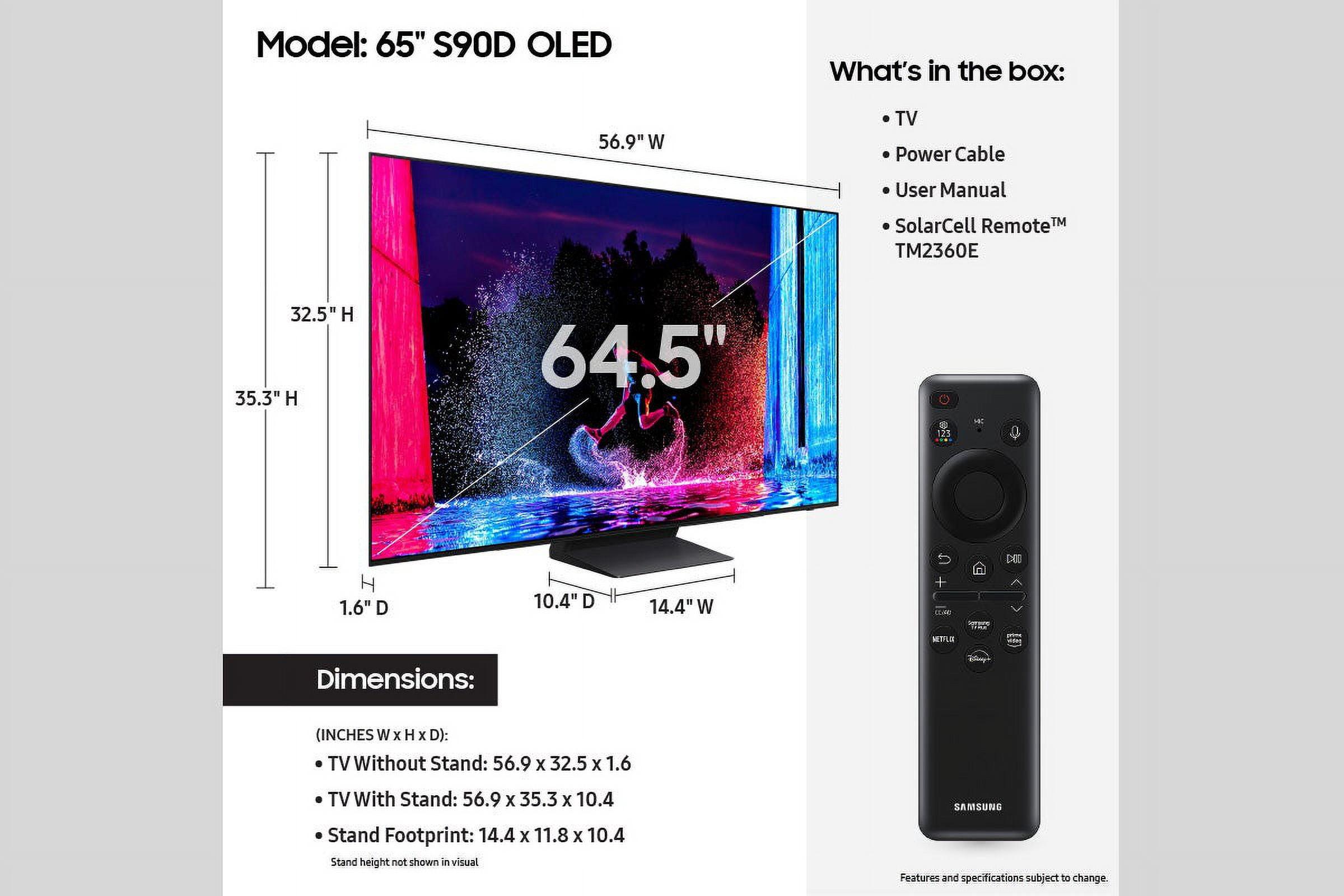
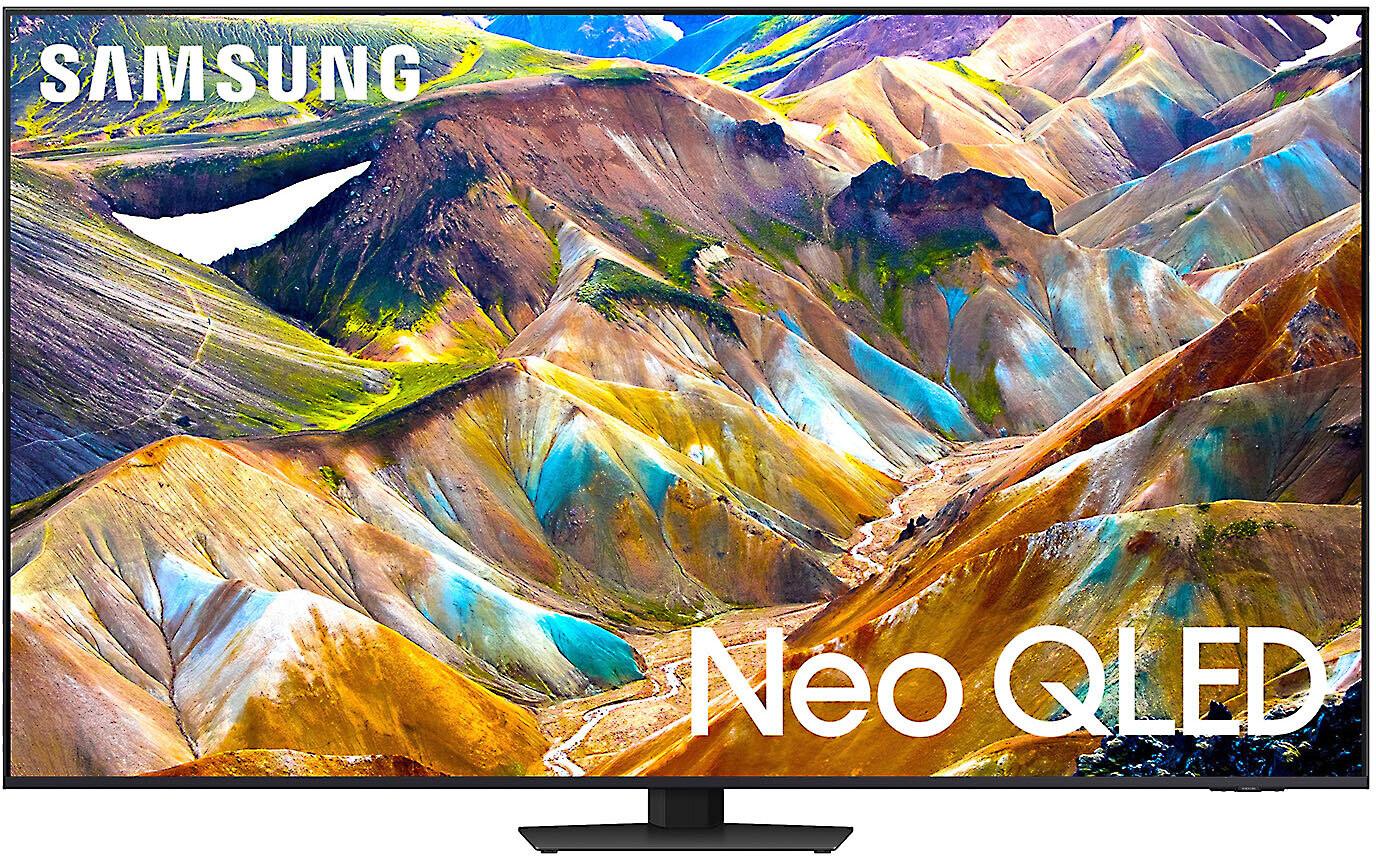
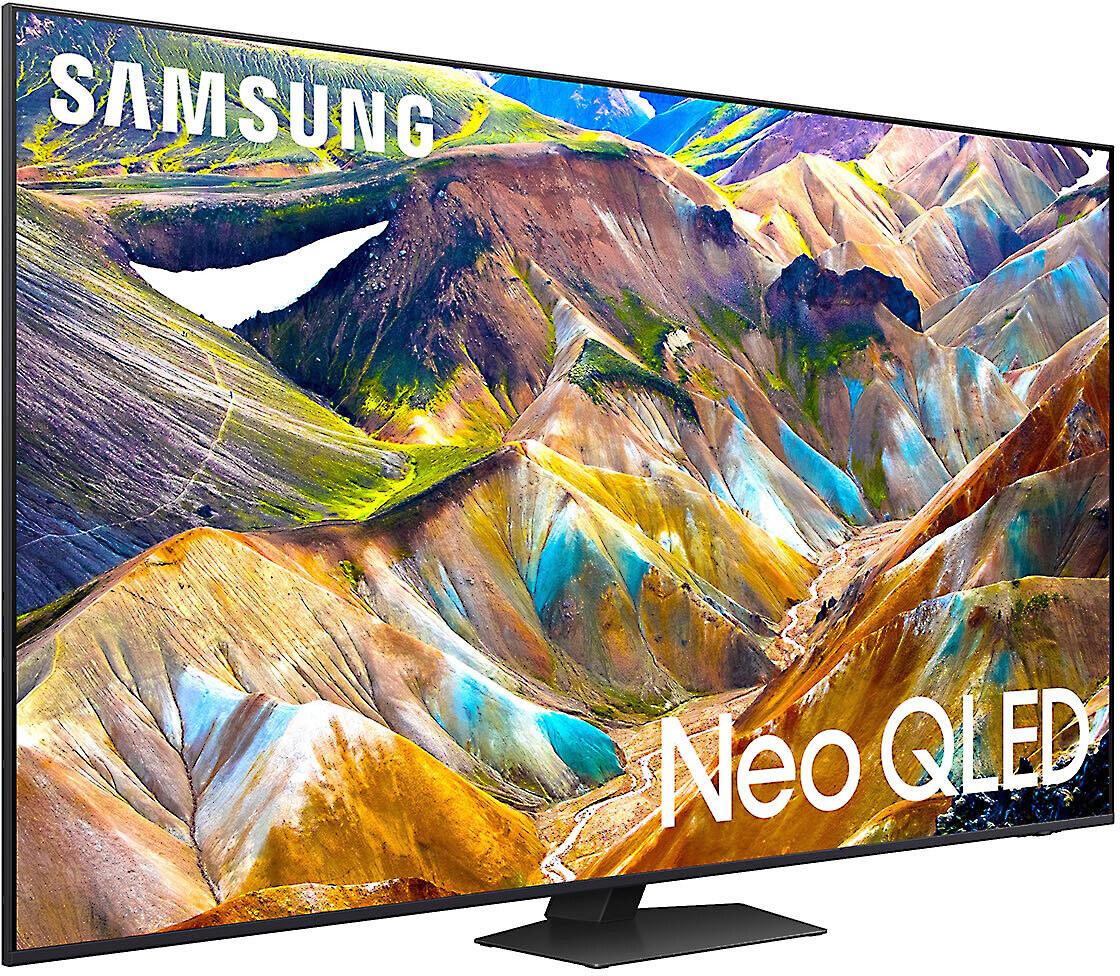
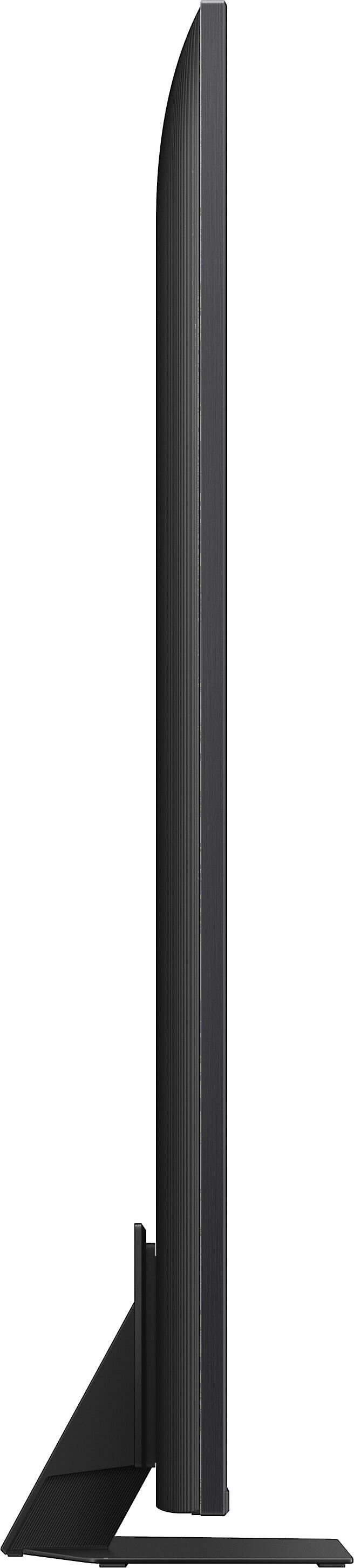
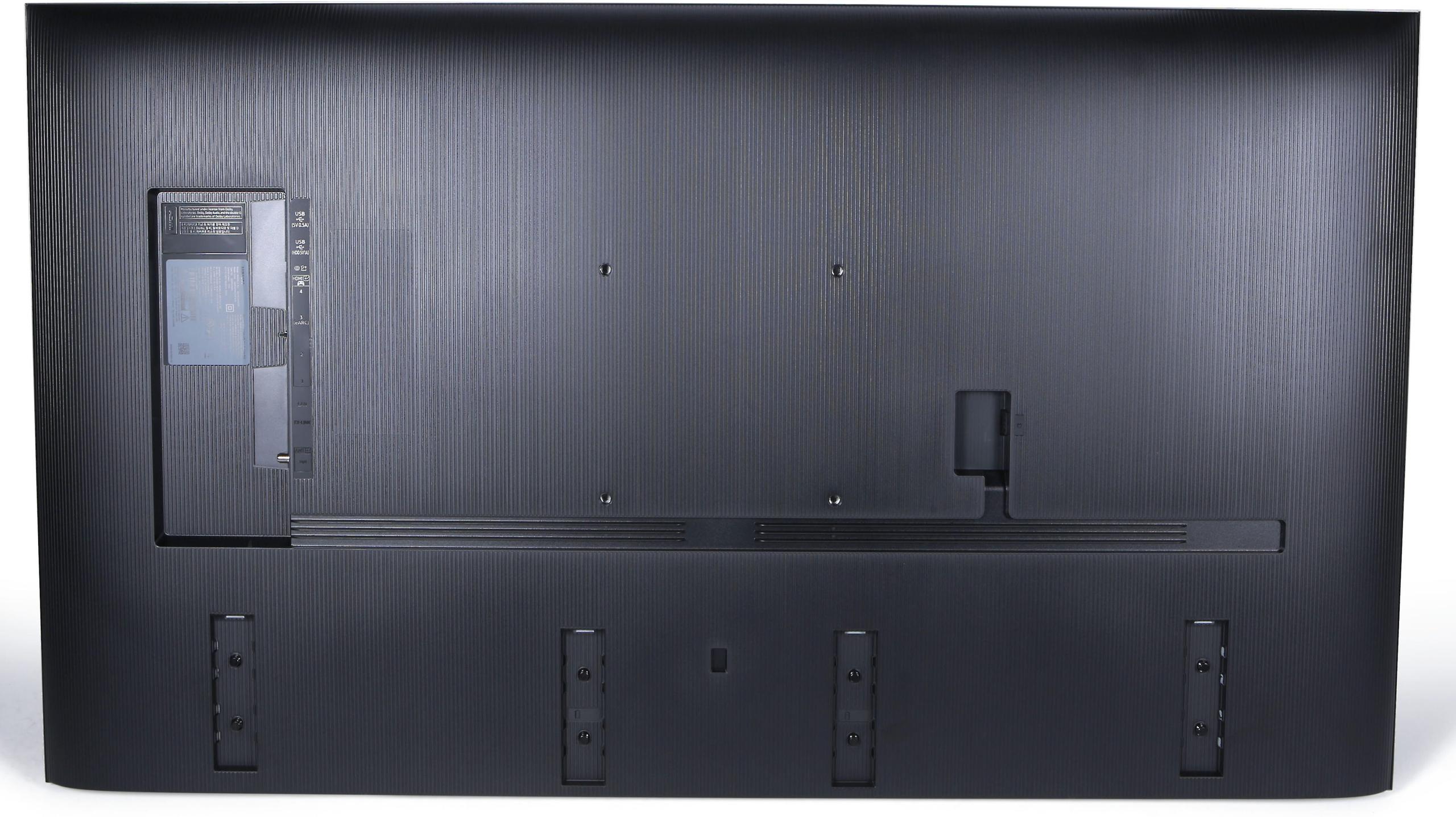
When Samsung launched both the The Frame QLED and OLED S90D in 2024, they created an interesting dilemma for TV shoppers. Here are two premium 65-inch televisions from the same manufacturer, released in the same year, yet they represent completely different philosophies about what a TV should be in your home.
At the time of writing, the S90D OLED typically costs several hundred dollars less than The Frame, despite offering superior display technology. This unusual pricing dynamic makes the comparison even more intriguing and forces us to think carefully about what we're really paying for.
The 65-inch TV market sits in the sweet spot for many homes – large enough to create an immersive experience without overwhelming most living rooms. Both of these Samsung models compete in the premium segment, but they approach that premium positioning very differently.
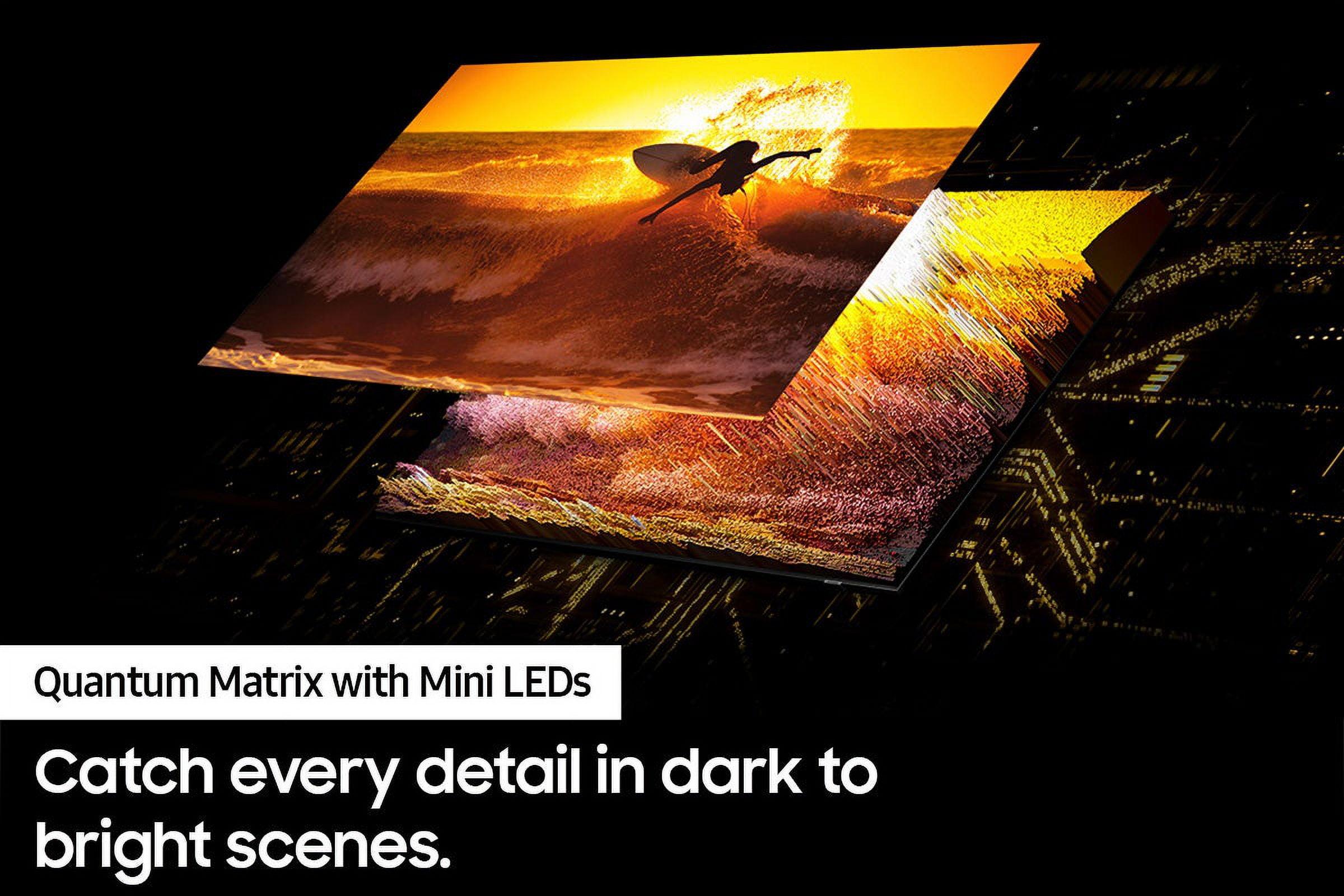
The most fundamental consideration when choosing between these TVs is understanding what type of display technology powers each one. This isn't just technical jargon – it directly impacts what you see on screen every day. The Frame QLED uses what's called QLED technology, which is essentially a fancy LCD screen. It has a backlight (like a flashlight) that shines through layers of material to create the picture you see. The S90D uses OLED technology, where each individual pixel creates its own light and can turn completely off when needed.
Think of it like the difference between a slide projector and a piece of paper with glowing dots. The slide projector (QLED) always has some light bleeding through, while the glowing dots (OLED) can turn completely black when not needed.
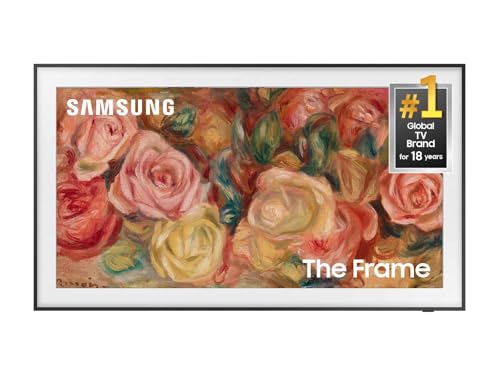
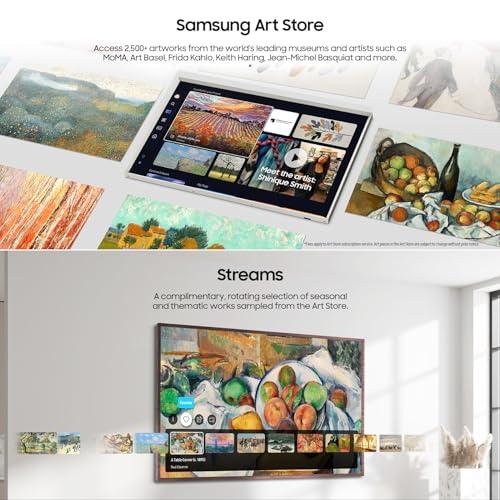
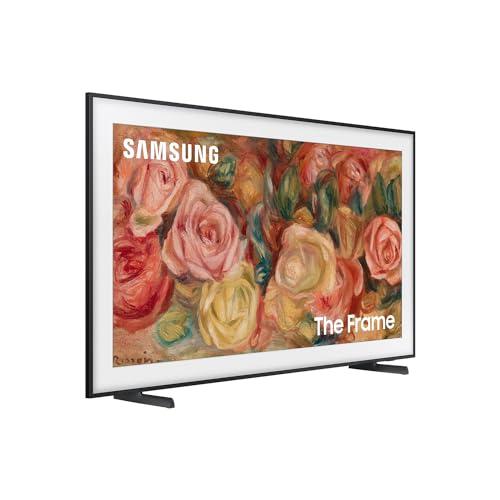
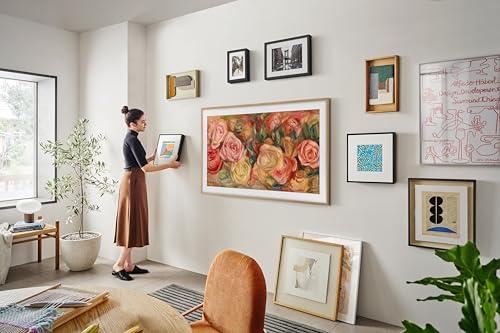
Here's where these TVs diverge most dramatically. The Frame is designed around a simple but revolutionary idea: your TV doesn't need to look like a TV. When you're not watching it, the screen transforms into a digital art gallery, displaying paintings, photographs, or your own pictures with remarkable authenticity.
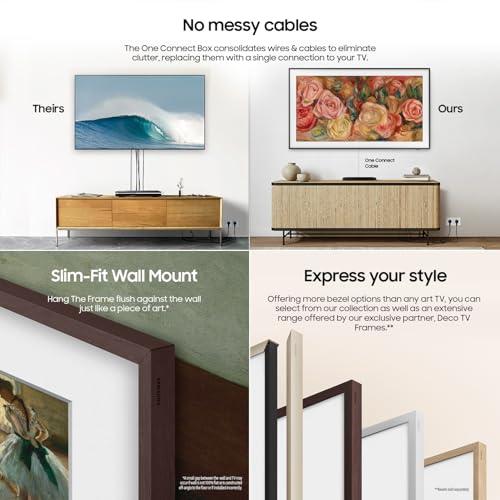
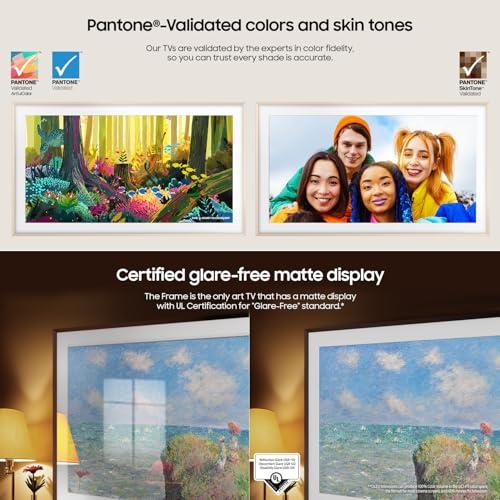
Samsung achieved this through several clever innovations. The screen has an anti-glare matte coating that makes displayed artwork look like it's printed on canvas rather than glowing from a screen. You can buy magnetic bezels in different colors and materials to make it look like a real picture frame. The TV even comes with a motion sensor that turns the display on when you enter the room and off when you leave, just like you'd expect from a piece of art.
The engineering behind this art mode is genuinely impressive. The TV dynamically adjusts its refresh rate from 120Hz down to 60Hz when displaying static images, saving energy while maintaining the illusion of a real artwork. The brightness sensor automatically adjusts the display based on your room's lighting, ensuring the "artwork" always looks natural.
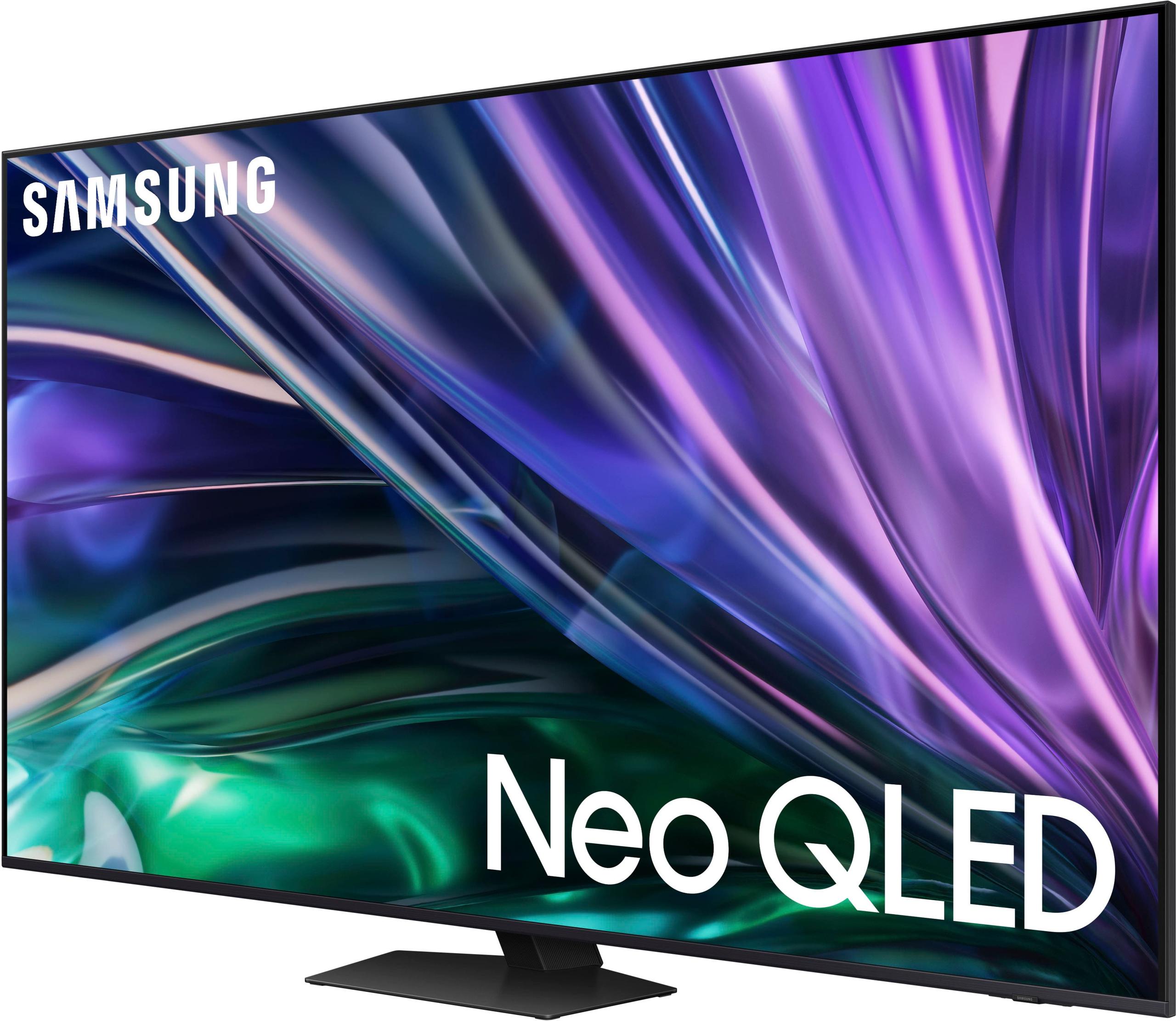
Meanwhile, the S90D OLED takes a more traditional approach – it's designed to disappear into the background when off and deliver the best possible picture when on. It's still thin and elegant, but it makes no attempt to masquerade as something other than a television.
This is where the technical differences between QLED and OLED create real-world viewing differences that you'll notice immediately. The S90D OLED can achieve what's called "perfect blacks" – when a pixel needs to show black, it simply turns off completely. No light escapes, creating a true absence of illumination.
The Frame, being an LCD-based QLED, always has its backlight on to some degree. Even when trying to display black, some light leaks through, resulting in what looks more like dark gray. This fundamental limitation affects everything else about the picture.
In a dark room watching a movie, the difference is striking. Space scenes in Star Wars or dark horror movies showcase this perfectly – the OLED's blacks disappear into the darkness of your room, while the QLED's "blacks" remain visible as a faint gray glow. This creates what we call contrast ratio – the difference between the darkest and brightest parts of the image. The S90D has essentially infinite contrast, while The Frame is limited by its LCD technology.
Color performance also favors the OLED. Both TVs use quantum dot technology for enhanced color, but the S90D's ability to completely turn off pixels means colors appear more vibrant and pure. When you see a bright red rose against a black background, the OLED can make that red absolutely pop because the black around it is truly black, not grayish.
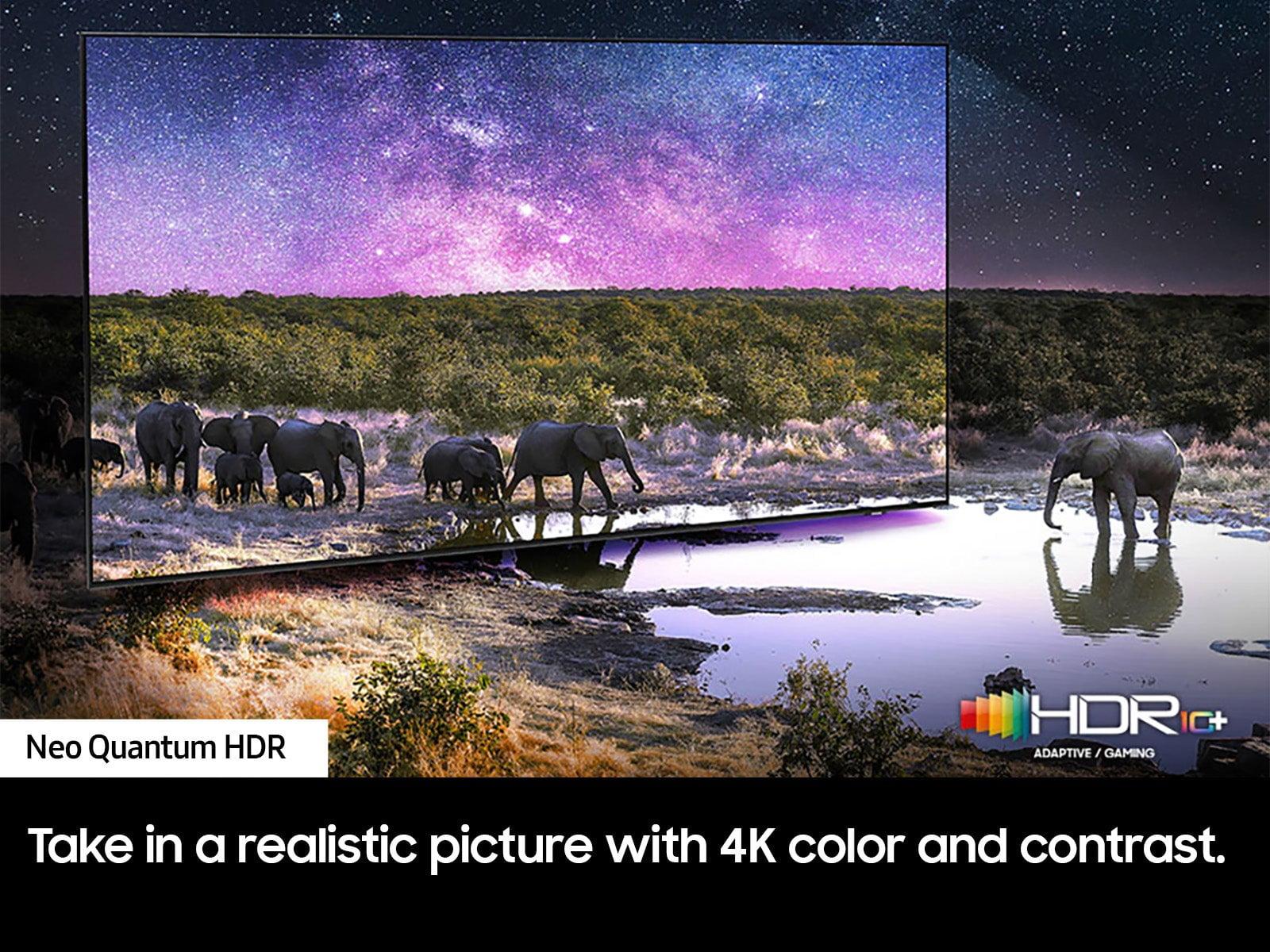
For HDR content – those movies and shows with enhanced brightness and color – the S90D delivers a more dramatic experience. HDR works by having very bright highlights and very dark shadows in the same scene. Since the OLED can achieve perfect blacks, those bright highlights appear more impressive by comparison.
The Frame does have one picture quality advantage: it tends to get brighter in very bright rooms. If you have large windows and lots of sunlight streaming in during the day, the QLED can fight that ambient light better than the OLED. However, both TVs have anti-reflective coatings that help significantly with glare.
Gaming has become a major consideration for TV buyers, especially with the current generation of PlayStation 5 and Xbox Series X consoles. Here, the S90D OLED pulls ahead decisively.
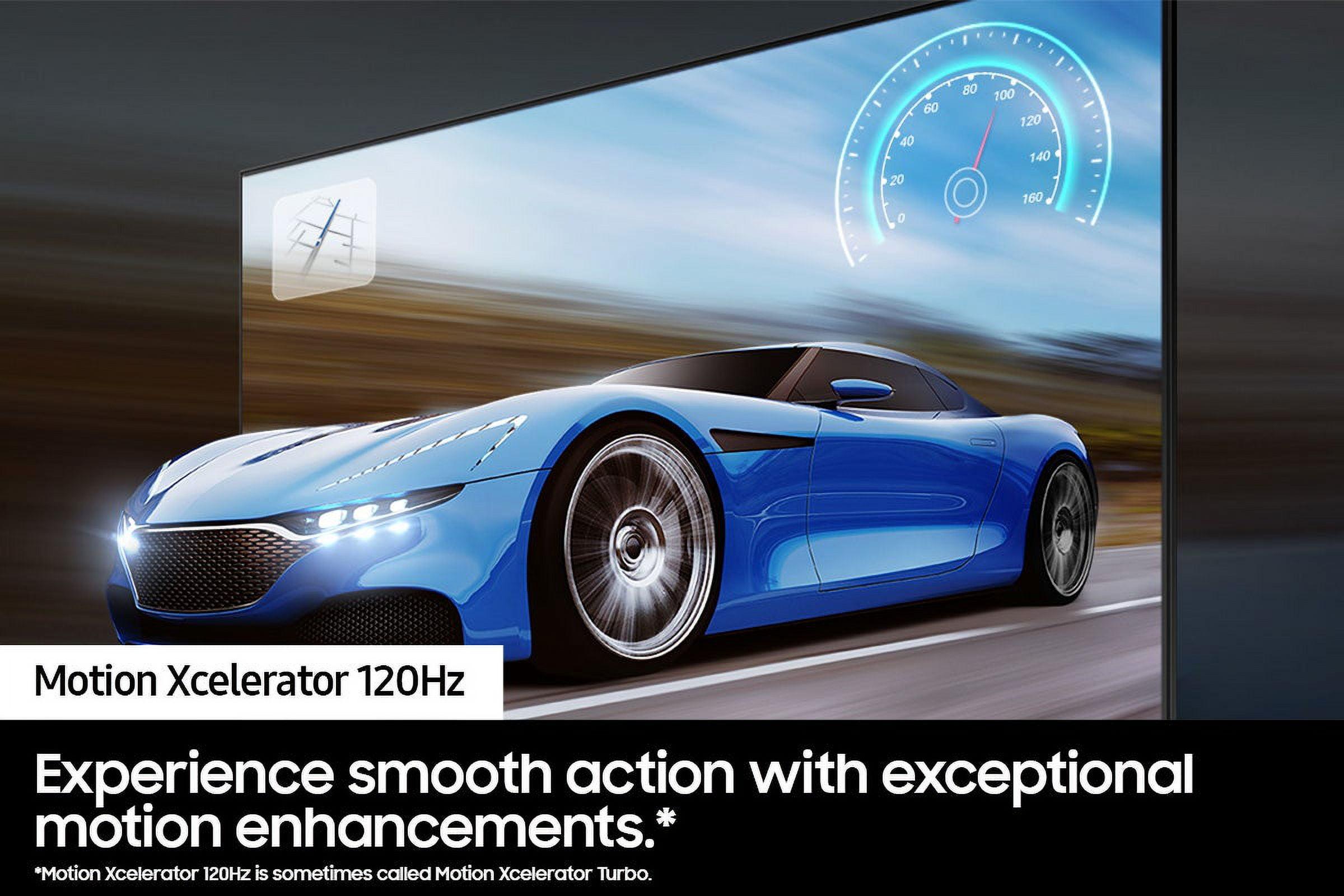
The most important gaming metric is input lag – the time between when you press a button and see the result on screen. Both TVs perform well here, but the S90D has a faster response time, meaning moving objects appear clearer with less blur. If you're playing competitive online games or fast-paced action titles, this difference is noticeable.
The S90D also supports up to 144Hz refresh rate (compared to 120Hz on The Frame), and crucially, it has four HDMI 2.1 ports that can all handle high-bandwidth signals. The Frame has fewer HDMI 2.1 ports, which could be limiting if you have multiple gaming consoles and other devices.
Both TVs support Variable Refresh Rate (VRR), which synchronizes the TV's refresh rate with your gaming console's output to eliminate screen tearing. However, the S90D's superior contrast and faster response time make it the better choice for serious gaming.
If you're setting up a dedicated home theater or media room, the choice becomes clearer. The S90D OLED is simply the better TV for watching movies and shows in a controlled lighting environment. The perfect blacks, superior contrast, and wider viewing angles all contribute to a more cinematic experience.
The viewing angle difference is particularly important for home theater setups. OLEDs maintain their picture quality even when viewed from the side, while QLED TVs like The Frame can look washed out if you're not sitting directly in front of them. This makes the OLED better for rooms where people might be seated at various angles.
However, if your "home theater" is actually your main living room where you watch TV during the day with natural light streaming in, The Frame's anti-glare properties and overall aesthetic integration might be more valuable than the OLED's superior contrast.
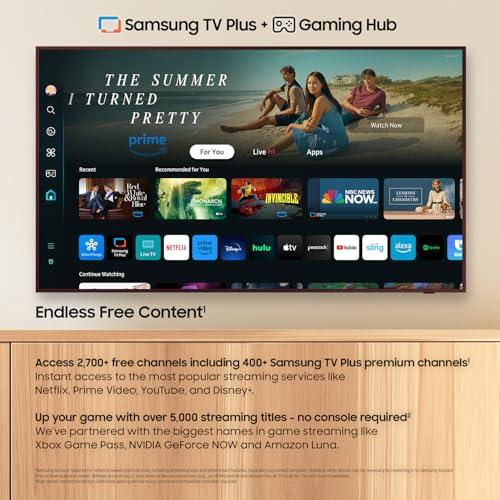
Both TVs run Samsung's 2024 version of Tizen OS, so the smart TV experience is essentially identical. You'll get access to all major streaming apps, and the interface is responsive and well-designed. Both support voice control through Bixby, Alexa, or Google Assistant.
The S90D has a slight edge in processing power with its NQ4 AI Gen2 processor, which uses 20 specialized neural networks to upscale lower-resolution content to 4K. In practical terms, this means old TV shows or lower-quality streaming content might look slightly sharper on the OLED.
Neither TV will replace a good sound system, but both offer decent built-in audio. The S90D has a slight advantage with its 2.1 channel system (meaning it has a dedicated channel for bass) compared to The Frame's 2.0.2 setup. Both support Dolby Atmos for more immersive sound, and both can coordinate with Samsung's soundbars through a feature called Q-Symphony.
Realistically, if you're spending this much on a premium TV, you'll likely want to pair it with a separate sound system anyway. The built-in speakers are adequate for casual viewing but won't deliver the full impact of movie soundtracks or gaming audio.
This is where things get interesting. At the time of writing, the S90D OLED typically costs less than The Frame, despite offering objectively superior display technology. This unusual pricing situation makes the OLED an obvious choice purely from a performance-per-dollar perspective.
The Frame's premium pricing reflects its unique aesthetic features and the engineering required to make a TV look like art. You're paying for the customizable bezels (sold separately), the art mode functionality, and the overall lifestyle integration. It's a bit like comparing a sports car to a luxury sedan – one prioritizes performance while the other focuses on a different kind of experience.
The total cost of ownership also differs. The Frame really shines when you invest in the ecosystem – buying different bezels for different seasons or rooms, subscribing to Samsung's Art Store for access to famous paintings and photographs. These additional costs can add up, but they're also part of what makes the product unique.
Both TVs represent significant improvements over their predecessors. The 2024 Frame introduced better anti-reflection technology and became the first TV to receive Pantone art certification, ensuring color accuracy for displayed artwork. The matte finish was refined to better mimic real canvas textures.
The S90D benefits from Samsung's continued OLED improvements, with better peak brightness than previous generations and more sophisticated processing algorithms. The 2024 model also supports higher refresh rates for gaming, reflecting the growing importance of gaming in the TV market.
The Frame QLED makes sense for specific buyers and situations:
The S90D OLED is the better choice for:
In our evaluation of expert reviews and user feedback, the S90D OLED emerges as the stronger television in traditional TV metrics – picture quality, gaming performance, and value. It delivers premium OLED technology at a surprisingly competitive price point.
However, The Frame succeeds at something entirely different. It's not trying to be the best TV; it's trying to be the best living room companion that happens to also be a TV. If that distinction matters to you – if you value how your TV looks when it's off as much as how it performs when it's on – then the premium pricing makes more sense.
The choice ultimately comes down to priorities. Do you want the best possible viewing experience, or do you want a TV that enhances your room's aesthetic even when you're not watching? Both are valid approaches, but they lead to very different products.
For most buyers focused on getting the best TV performance and value, the S90D OLED is the clear winner. For those who see their TV as a design element first and entertainment device second, The Frame offers something truly unique in the market.
| Samsung 65" The Frame QLED 4K 2024 TV | Samsung 65" OLED S90D TV |
|---|---|
| Display Technology - Fundamentally affects picture quality and contrast | |
| QLED (LCD with Quantum Dot) - relies on backlight, limited black levels | OLED - self-illuminating pixels, perfect blacks and infinite contrast |
| Screen Size and Resolution - Standard for premium 65" TVs | |
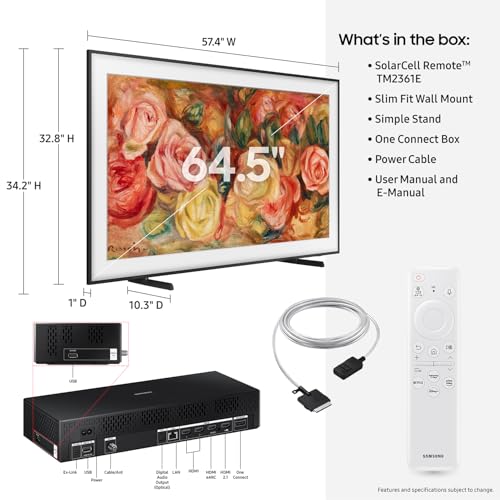
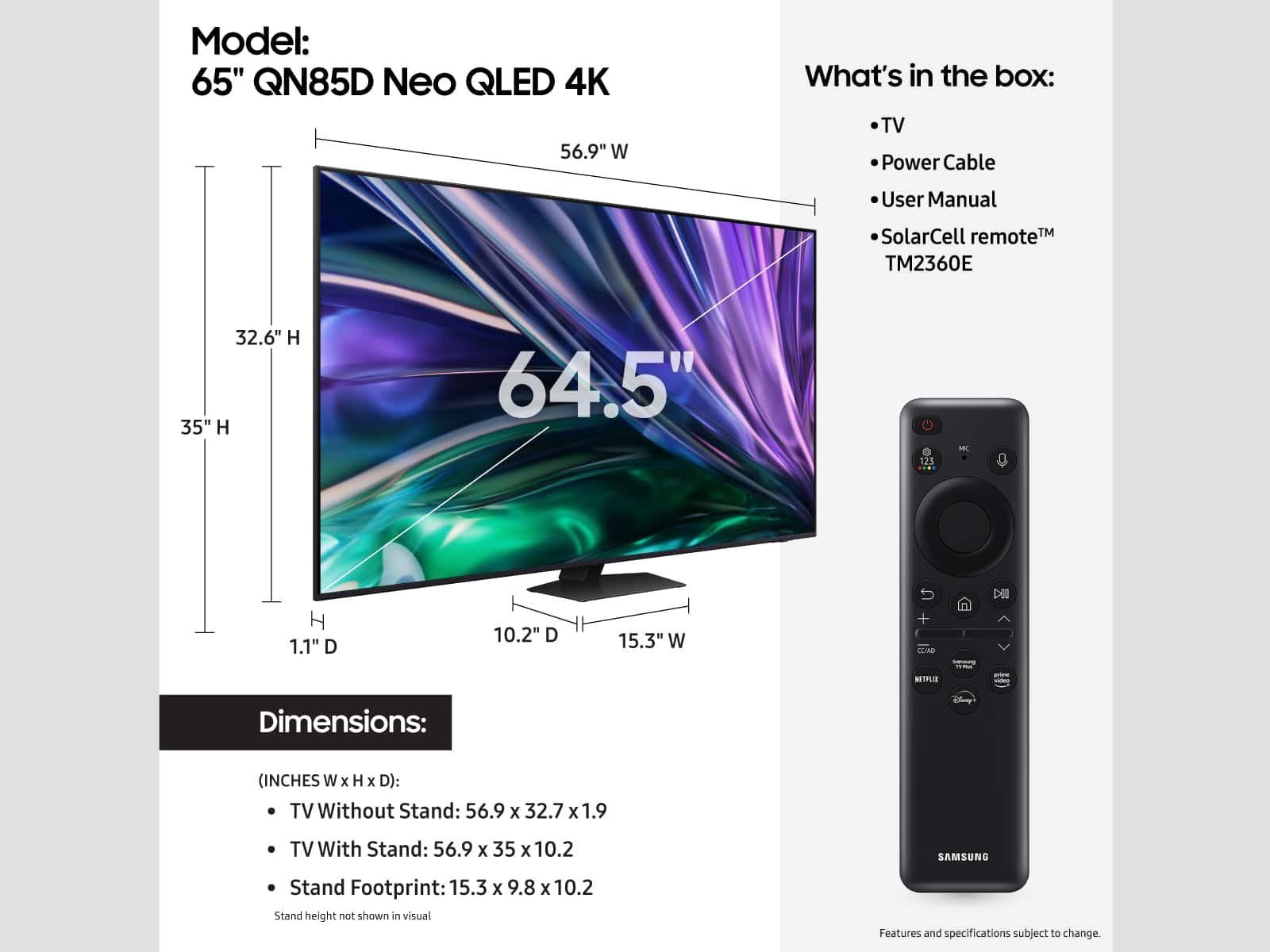
| 65" (64.5" diagonal), 4K UHD (3,840 x 2,160) | 65" (64.5" diagonal), 4K UHD (3,840 x 2,160) |
| Refresh Rate - Critical for gaming and smooth motion | |
| 120Hz native | 144Hz with Motion Xcelerator - better for competitive gaming |
| HDR Support - Enhances brightness and color range | |
| HDR10, HDR10+, HLG (no Dolby Vision) | HDR10, HDR10+, HLG (no Dolby Vision) |
| Gaming Performance - Important for console gamers | |
| 4K@120Hz, limited HDMI 2.1 ports, decent input lag | 4K@144Hz, four HDMI 2.1 ports, faster response time |
| Viewing Angles - Matters for multi-person viewing | |
| Average - quality degrades when viewed from sides | Ultra Viewing Angle - consistent quality from any position |
| Anti-Glare Technology - Reduces reflections in bright rooms | |
| Matte Display with premium anti-reflection coating | Anti-reflective coating - good but not as effective as The Frame |
| Art Mode and Aesthetic Features - Unique lifestyle integration | |
| Art Mode, customizable magnetic bezels, motion sensor, One Connect Box | Traditional TV design - no art display capabilities |
| Processor and Upscaling - Improves lower-quality content | |
| Quantum Processor 4K with AI upscaling | NQ4 AI Gen2 with 20 specialized networks - more advanced |
| Audio System - Built-in speaker performance | |
| 40W 2.0.2 channel, Dolby Atmos, Object Tracking Sound | 40W 2.1 channel, Dolby Atmos, OTS Lite - slight bass advantage |
| Smart TV Platform - Apps and interface experience | |
| 2024 Tizen OS with full streaming app support | 2024 Tizen OS with full streaming app support |
| Design and Installation - Physical characteristics | |
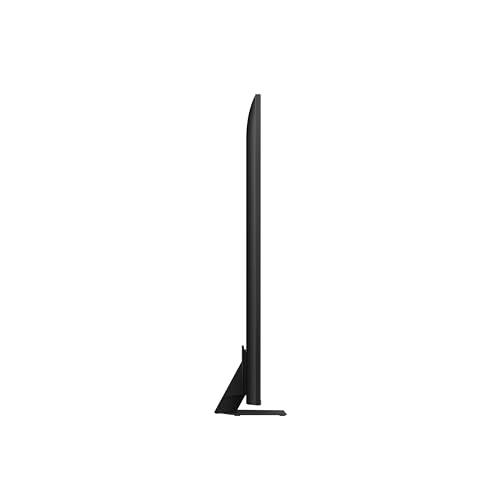
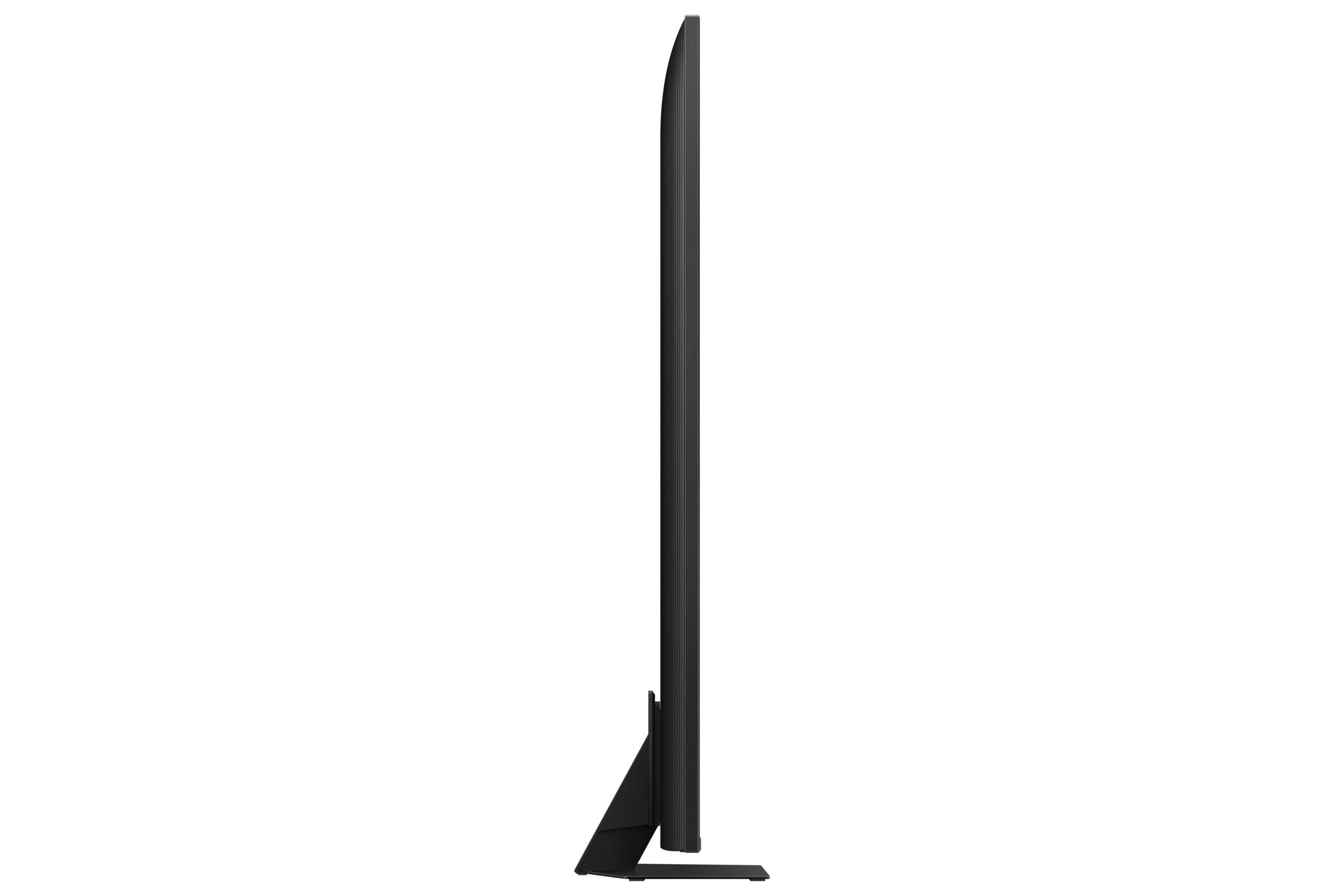
| 1.0" thin, One Connect Box for cable management, flush wall mount | 1.6" thin, traditional design, center stand |
| Unique Value Proposition - What sets each apart | |
| Doubles as digital art display, blends into room décor | Superior picture quality at lower price point |
The Samsung 65" OLED S90D TV delivers superior picture quality with perfect blacks, infinite contrast, and more vibrant colors. The Samsung 65" The Frame QLED 4K 2024 TV offers decent picture quality but cannot match the OLED's contrast performance due to its LCD backlight technology. For pure viewing experience, the S90D OLED is the clear winner.
The primary difference is their design philosophy and display technology. The Frame QLED functions as both a TV and digital art display with customizable bezels, while the S90D OLED focuses purely on delivering premium picture quality. The Frame uses QLED (LCD) technology, while the S90D uses OLED technology with self-illuminating pixels.
The Samsung OLED S90D is superior for gaming with 144Hz refresh rate, four HDMI 2.1 ports, faster response time, and lower input lag. The Frame TV supports 120Hz gaming but has fewer HDMI 2.1 ports and slower response times. Serious gamers should choose the S90D for the best performance.
Yes, the Samsung Frame QLED TV convincingly displays artwork when not watching TV. Its anti-glare matte screen, customizable magnetic bezels, and Art Mode with motion sensor create an authentic art gallery experience. The S90D lacks these aesthetic features and looks like a traditional TV when off.
The Samsung S90D OLED offers better value with superior OLED technology typically at a lower price than the Frame. You get better picture quality, gaming performance, and viewing angles for less money. The Frame TV commands a premium for its unique art display features rather than performance.
Both TVs feature anti-glare technology, but the Samsung Frame handles bright rooms better with its premium matte display coating that reduces reflections more effectively. The S90D OLED has anti-reflective coating but may struggle more in very bright environments, though its superior contrast helps maintain picture quality.
The Samsung OLED S90D is ideal for home theater use with perfect blacks, infinite contrast, and wide viewing angles that maintain quality from any seating position. The Frame QLED has narrower viewing angles and elevated black levels that are less suitable for dedicated movie watching in dark rooms.
The Samsung Frame has limited viewing angles, elevated black levels, fewer HDMI 2.1 gaming ports, and typically costs more than the S90D OLED. You're paying a premium for aesthetic features rather than picture performance. Additional bezels and art content also cost extra.
The Samsung Frame is thinner at 1.0 inch and designed specifically for flush wall mounting with its included Slim-Fit mount and One Connect Box for cable management. The S90D OLED is still slim at 1.6 inches but uses a more traditional mounting approach without the clean cable solution.
Choose the Samsung Frame if room aesthetics and art display matter more than ultimate picture quality, especially in bright spaces. Select the Samsung S90D OLED if you prioritize superior picture quality, gaming performance, and better value. The S90D is the better TV, while the Frame is the better lifestyle product.
We've done our best to create useful and informative comparisons to help you decide what product to buy. Our research uses advanced automated methods to create this comparison and perfection is not possible - please contact us for corrections or questions. These are the sites we've researched in the creation of this article: tomsguide.com - rtings.com - rtings.com - youtube.com - bestbuy.com - techlicious.com - youtube.com - smalllilystudio.com - theeverymom.com - livingetc.com - pcrichard.com - image-us.samsung.com - samsung.com - images.samsung.com - samsung.com - buydig.com - tvsbook.com - bestbuy.com - samsung.com - samsung.com - flatpanelshd.com - bestbuy.com - valueelectronics.com - youtube.com - cnet.com - bestbuy.com - videoandaudiocenter.com - youtube.com - samsung.com - samsung.com - pcrichard.com - samsung.com

Privacy Policy
Terms and Conditions - Affiliate Policy
Home Security
© Copyright 2008-2026.
11816 Inwood Rd #1211, Dallas, TX 75244