


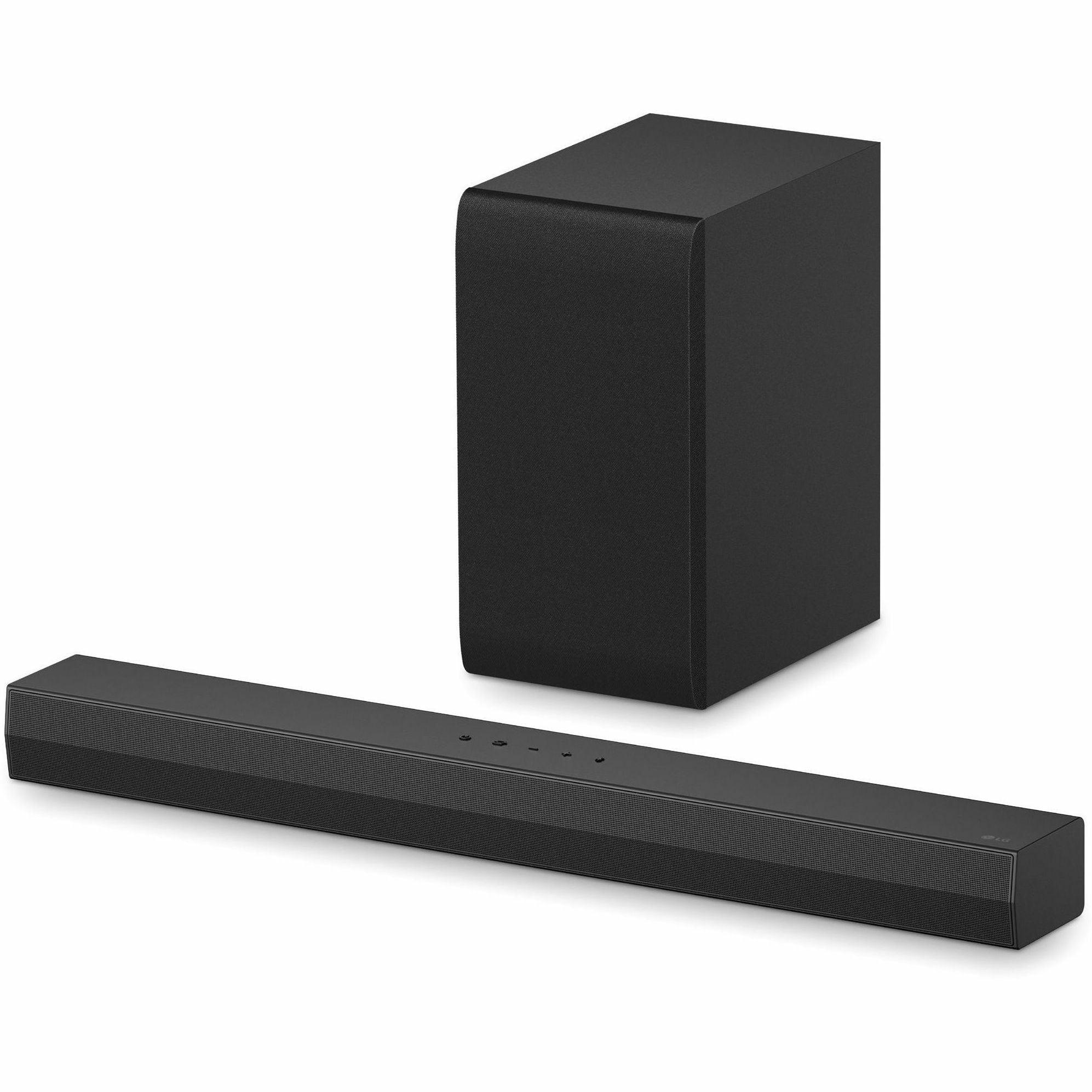
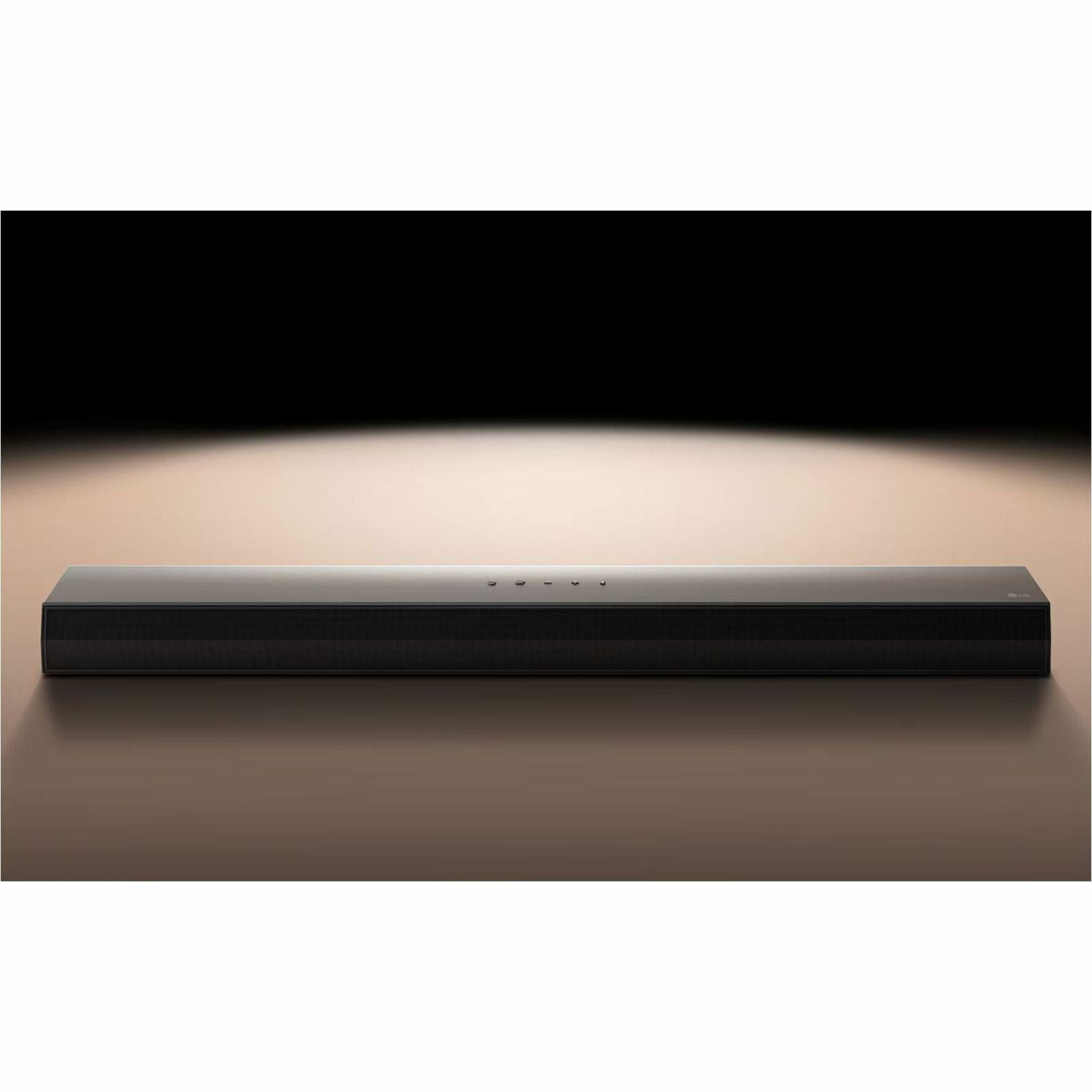


If you're tired of straining to hear dialogue over your TV's tinny speakers, you've probably started looking at soundbars. These sleek audio upgrades promise better sound without the complexity of a full surround sound system, and entry-level 2.1 models represent the sweet spot for most people's first soundbar purchase.
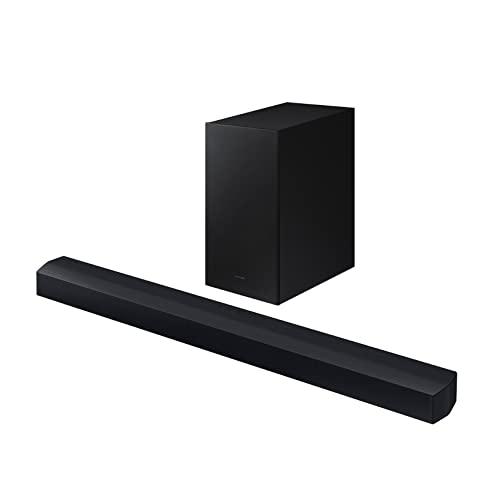
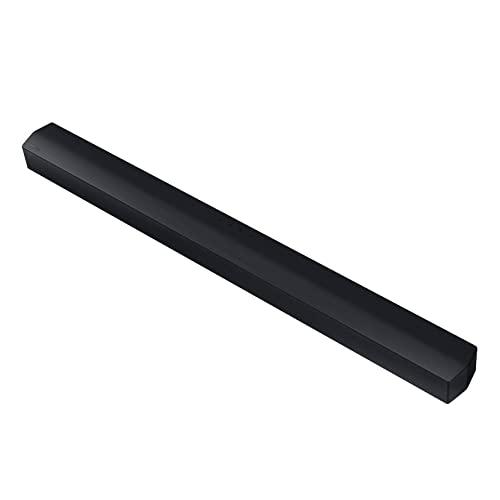
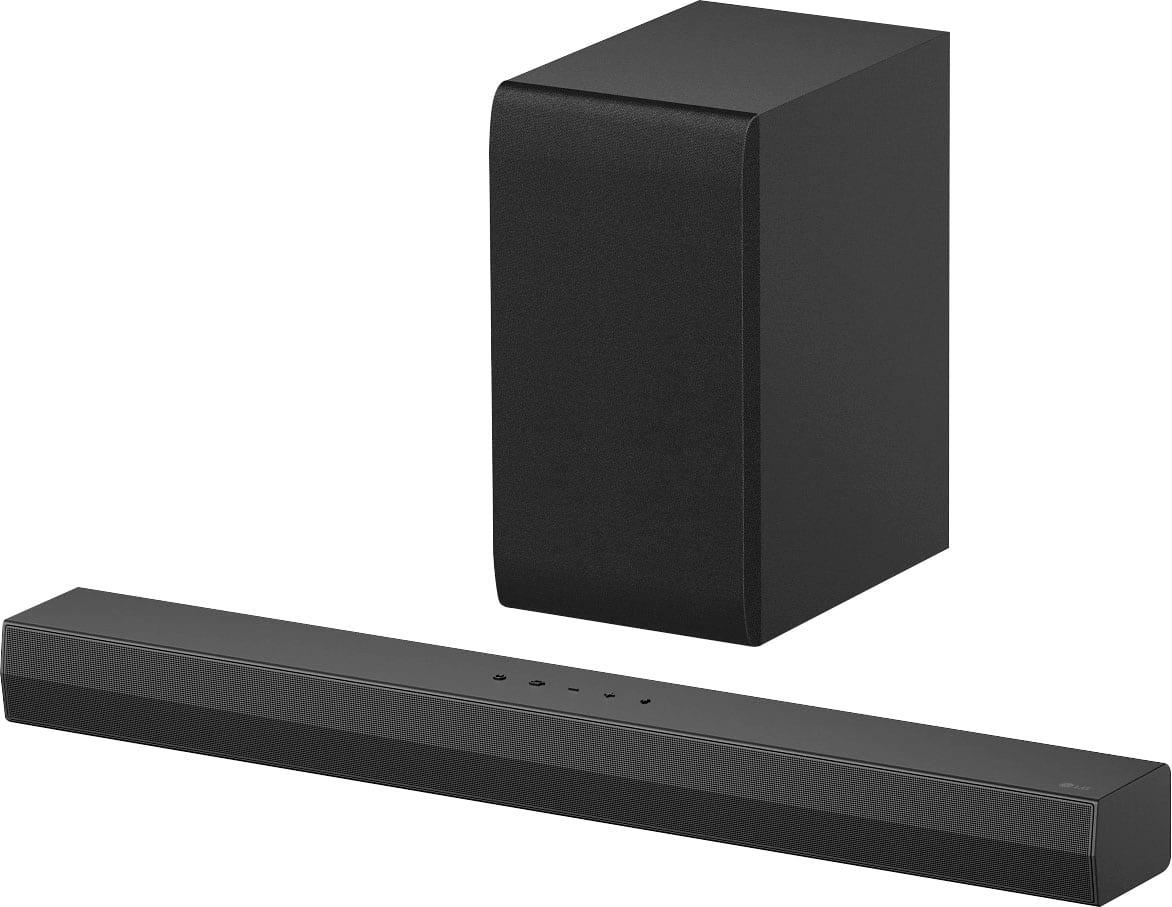
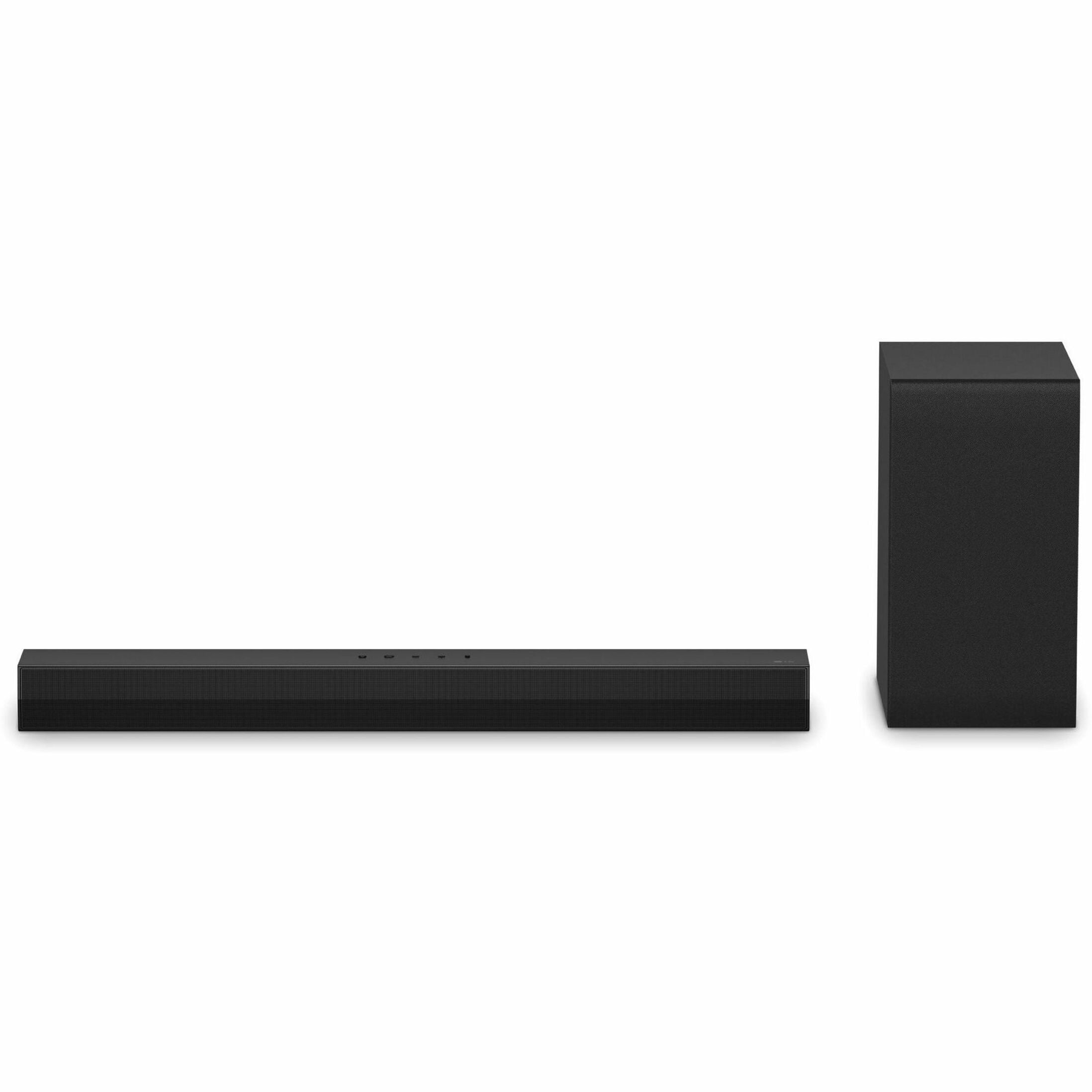
Today we're comparing two popular budget options: the Samsung HW-C450 and the LG S40T. Both are 2.1-channel systems, meaning they include a main soundbar with left and right speakers plus a separate subwoofer for bass. At the time of writing, both hover around the $130-150 price range, making them direct competitors for your entertainment budget.
The "2.1" designation tells us these systems have two main channels (left and right) plus one subwoofer channel (the ".1"). This is the simplest soundbar configuration that still provides meaningful bass improvement over TV speakers, which typically can't produce frequencies below 200Hz effectively due to their tiny drivers.
Before diving into specifics, it's worth understanding what separates decent budget soundbars from disappointing ones. The most important factors are dialogue clarity, bass impact, and connectivity options. Many people buy soundbars primarily to hear TV dialogue better, so speech intelligibility matters more than flashy surround effects. Bass quality determines whether action scenes and music feel engaging or flat. Connectivity affects both convenience and future-proofing—modern features like HDMI ARC (Audio Return Channel) allow single-cable connections to your TV and support for higher-quality audio formats.
The challenge with budget soundbars is that manufacturers must make compromises. Some focus on adding extra features while using cheaper speakers. Others prioritize audio quality but skip modern connectivity. The best budget options find the right balance for their intended use.
The Samsung HW-C450 appears to be from Samsung's earlier C-series generation, likely released before 2023. The LG S40T, by contrast, launched in 2024 as part of LG's current soundbar lineup. This timing difference matters because soundbar technology has evolved significantly in recent years.
When the Samsung was released, optical connections were still common, HDMI ARC was less widespread, and Bluetooth audio quality lagged behind today's standards. The LG benefits from more recent development, incorporating HDMI ARC as standard, Bluetooth 5.3 for better wireless performance, and AI-powered audio processing that wasn't available in earlier generations.
This generational gap doesn't automatically make the LG superior—sometimes older products offer better value as prices drop—but it does mean the LG includes more current technology standards.
Both soundbars tackle dialogue clarity differently, and this difference reveals their design philosophies. The Samsung HW-C450 uses a dedicated Voice Enhance mode that boosts midrange frequencies where human voices live (roughly 1-4kHz). When activated, this mode makes speech more prominent but requires manual switching depending on content type.
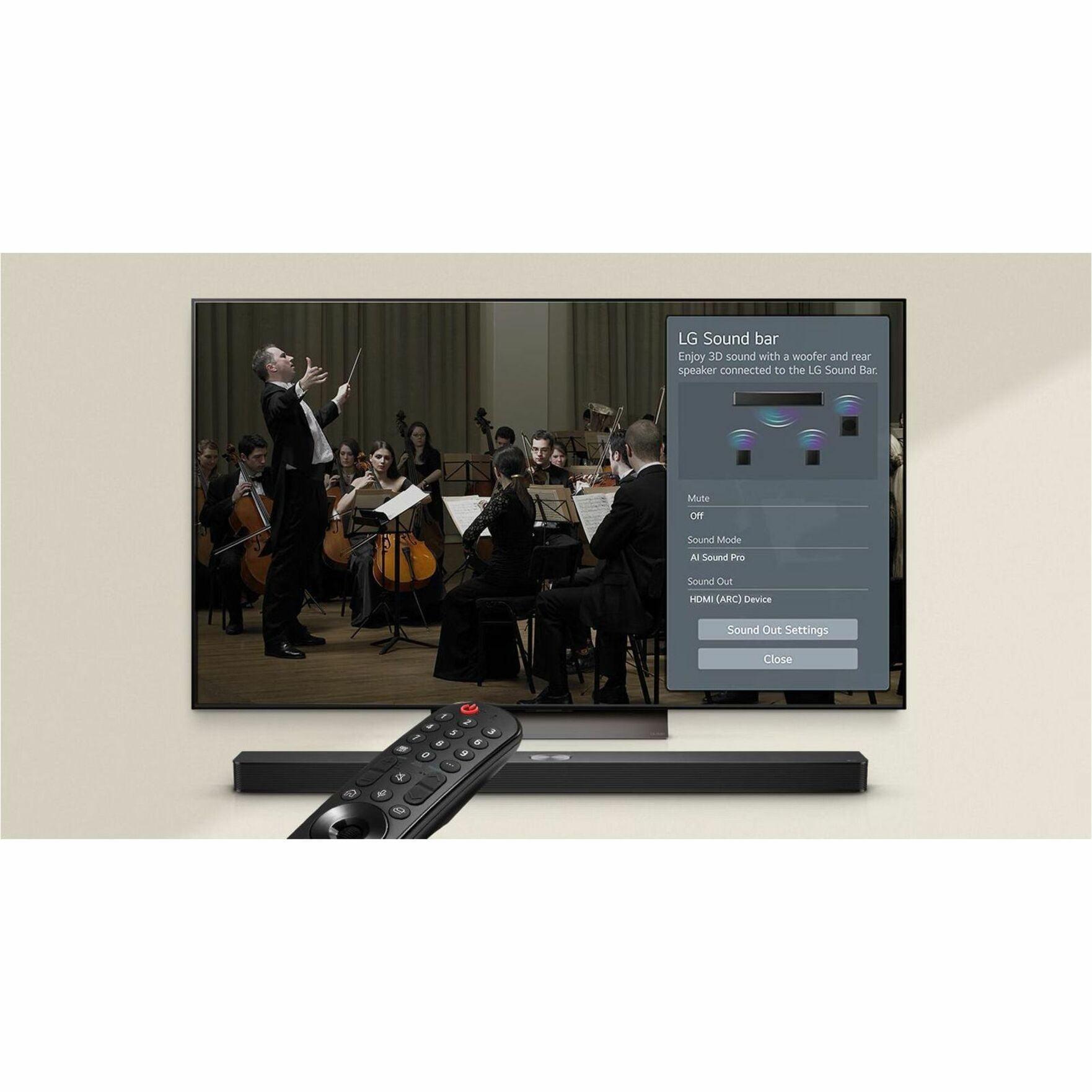
The LG S40T takes an automated approach through its AI Sound Pro system. This technology continuously analyzes incoming audio and adjusts the frequency response to optimize dialogue without user intervention. While you lose manual control, you gain convenience—the system automatically detects when you're watching dialogue-heavy content versus action scenes and adjusts accordingly.
Based on user reviews and expert evaluations, both approaches work well for their intended purposes. The Samsung gives enthusiasts more control over sound character, while the LG removes the guesswork for casual users who just want better audio without thinking about it.
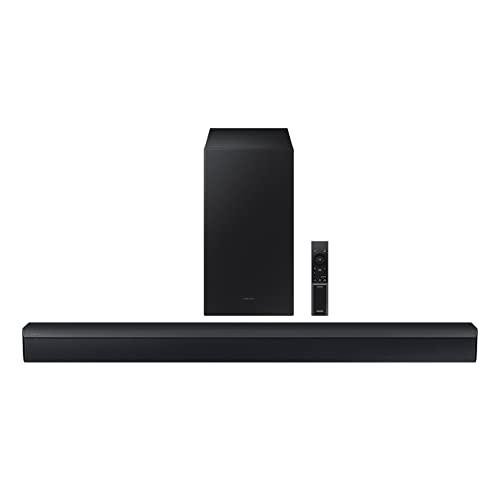
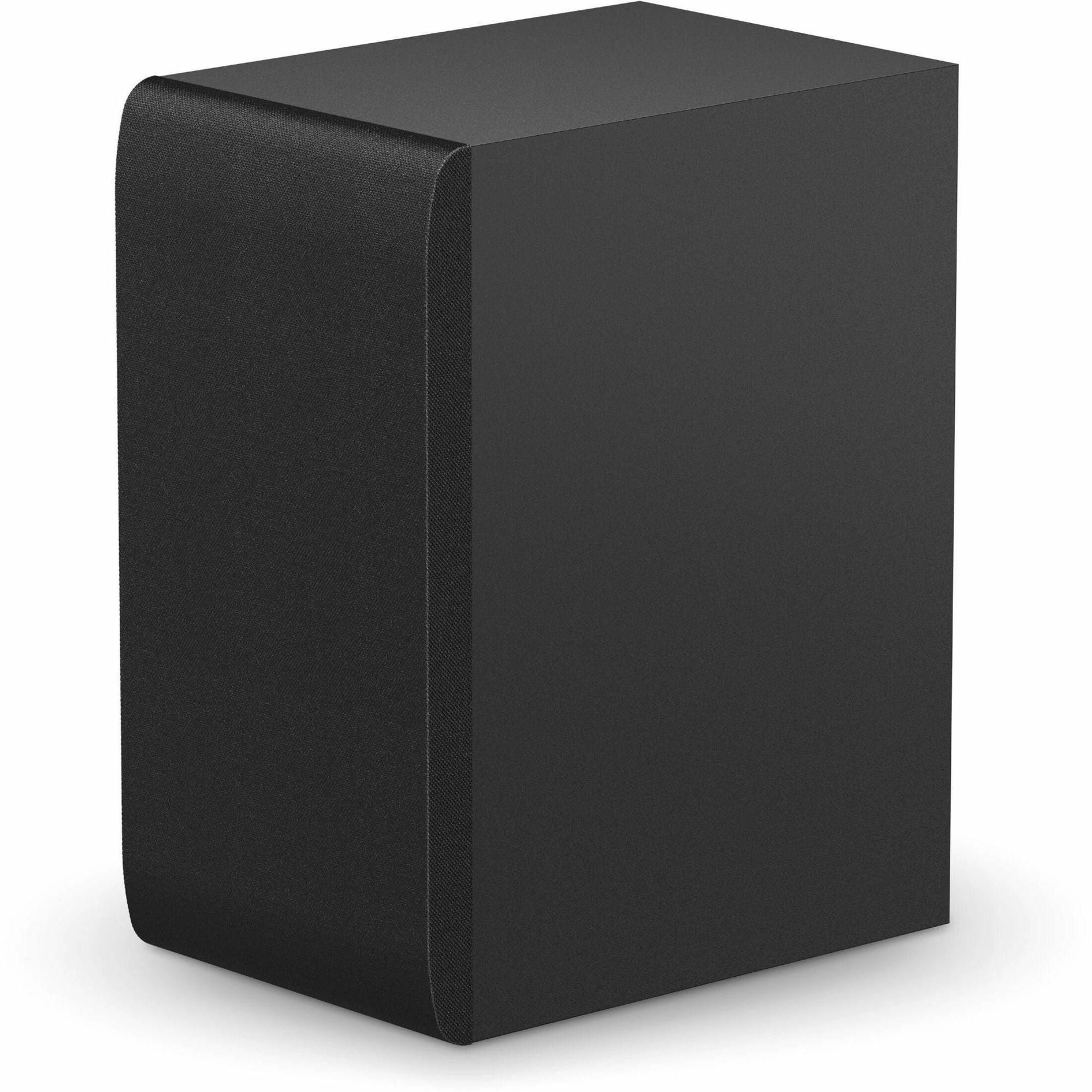
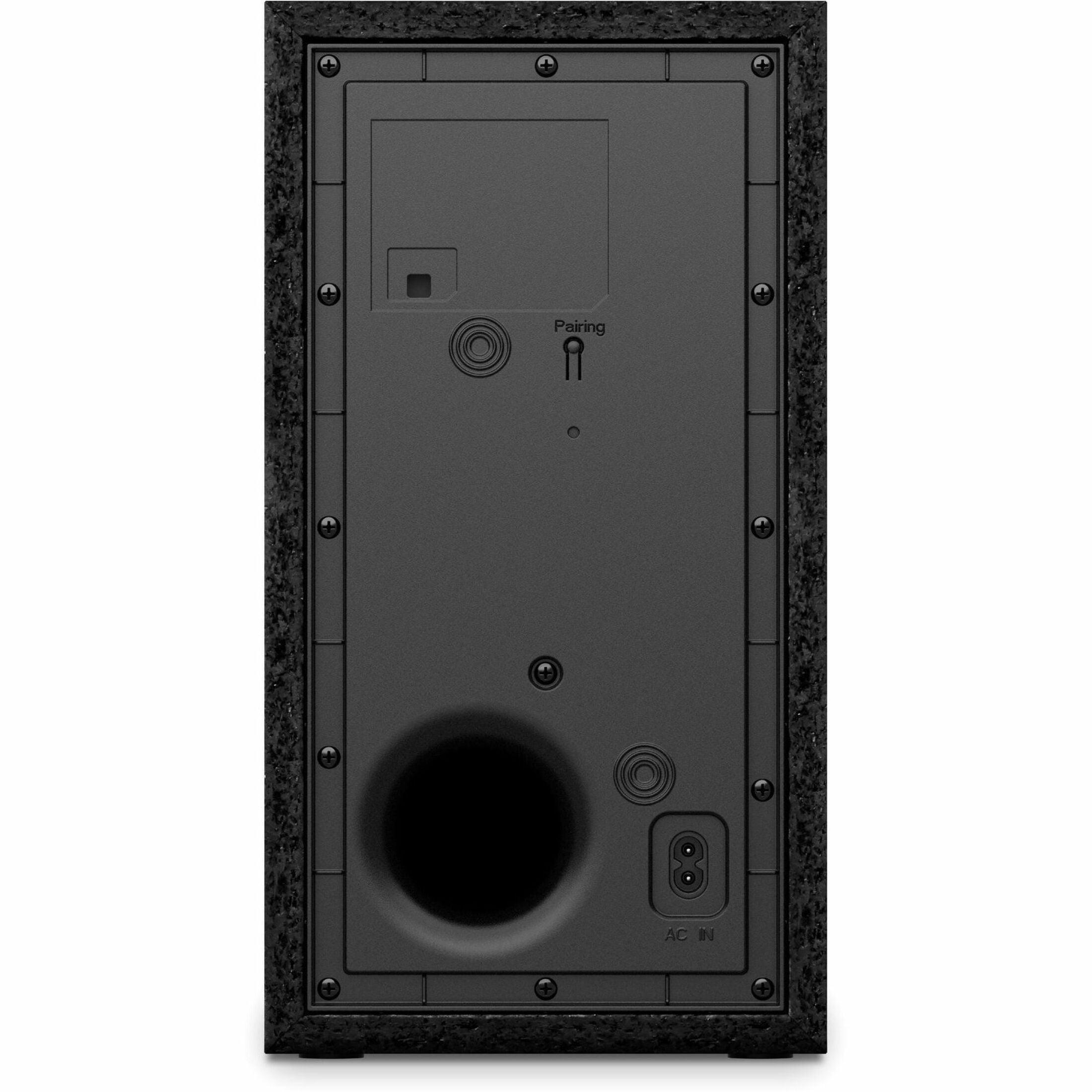
Both systems include wireless subwoofers that connect automatically to the main soundbar, eliminating the need for long speaker cables. The specifications show similar power ratings (both claim 300W total), but power numbers in budget soundbars often mislead more than they inform.
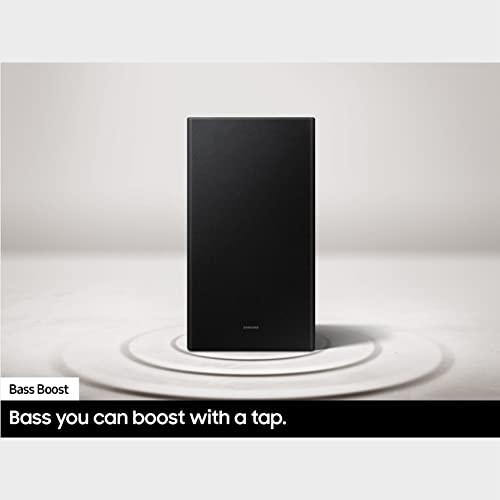
The Samsung HW-C450 includes a Bass Boost mode that emphasizes low frequencies for more impactful movie explosions and music with heavy bass lines. User feedback suggests this mode can make the bass feel more dramatic, though sometimes at the expense of accuracy—the bass becomes more prominent but potentially boomy or overwhelming in smaller rooms.
The LG S40T focuses on balanced bass integration through its AI optimization. Rather than offering manual bass control, the system automatically adjusts subwoofer output based on room acoustics and content type. Reviews indicate this produces more consistent bass quality across different content, though it may feel less dramatic than the Samsung's boosted mode.
For home theater use, the choice depends on your priorities. If you want bass that grabs attention during action movies, the Samsung's manual controls offer more dramatic impact. If you prefer bass that stays proportional and doesn't overpower dialogue, the LG's balanced approach works better.
This is where the biggest performance difference emerges. The Samsung HW-C450 includes DTS Virtual:X processing, which creates simulated surround sound from the two-channel soundbar. This technology uses psychoacoustic principles—essentially tricks your brain uses to locate sounds—to make audio seem wider and more enveloping than what two speakers should logically produce.
DTS Virtual:X works by introducing subtle delays, phase shifts, and frequency filtering that mimic how sound reaches your ears in a real surround environment. The effect varies significantly depending on your room, seating position, and the source material, but when it works well, movies and games feel more immersive. Action sequences gain spatial depth, and you might notice effects seeming to come from beside or slightly behind you.
The LG S40T doesn't include comparable virtual surround processing. Instead, it focuses on accurate stereo imaging and relies on its AI system to create appropriate width and depth for different content types. The result is more predictable and natural-sounding, but without the dramatic spatial effects the Samsung can produce.
For home theater enthusiasts who primarily watch movies and play games, the Samsung's virtual surround capabilities offer real advantages. For mixed use—TV shows, news, music, and occasional movies—the LG's straightforward approach often sounds more appropriate.
Here's where the generational difference becomes most apparent. The Samsung HW-C450 relies on optical digital input and basic Bluetooth connectivity. Optical connections work reliably but limit audio quality to compressed formats like standard Dolby Digital. The Bluetooth implementation uses the basic SBC codec, which compresses audio significantly and can introduce latency issues.
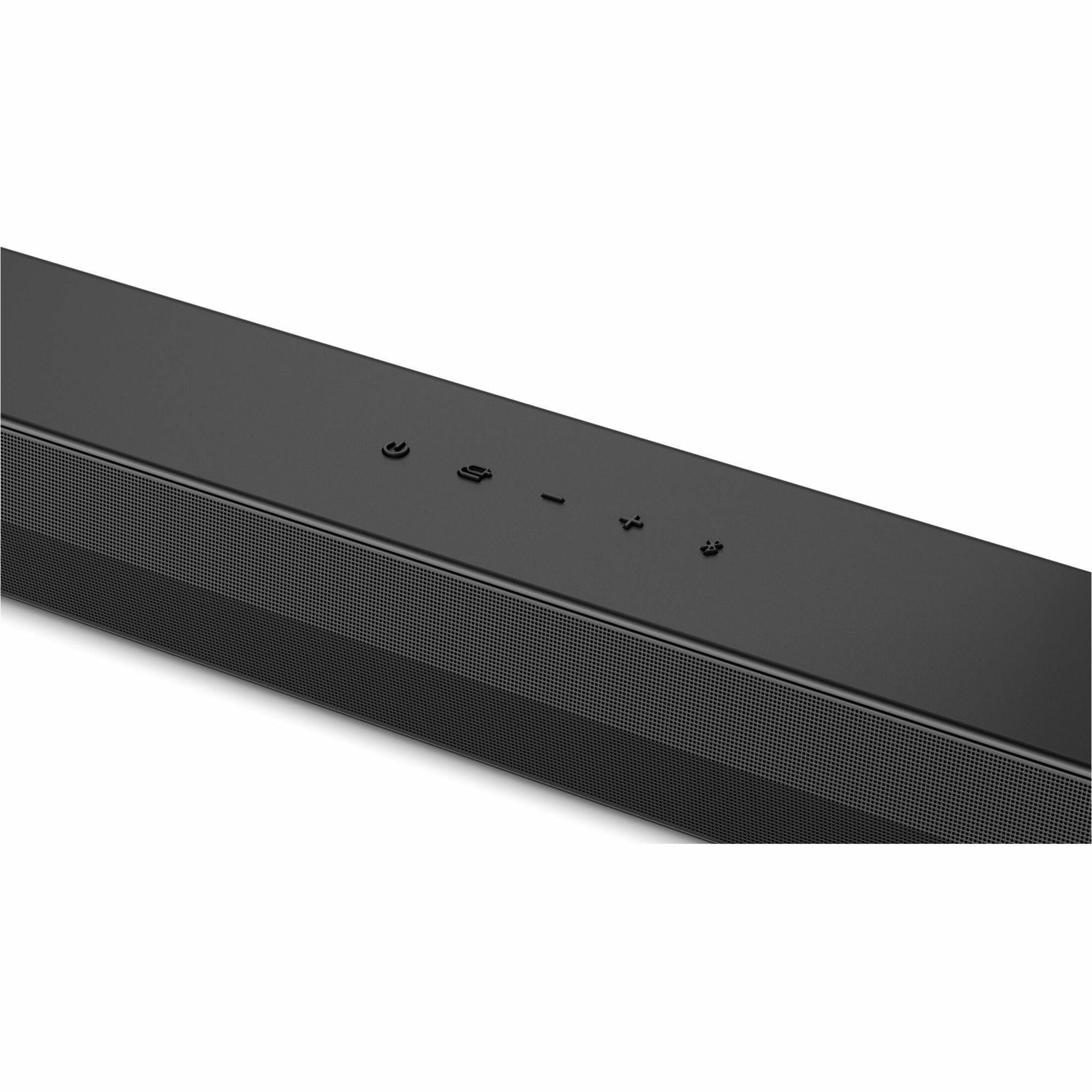
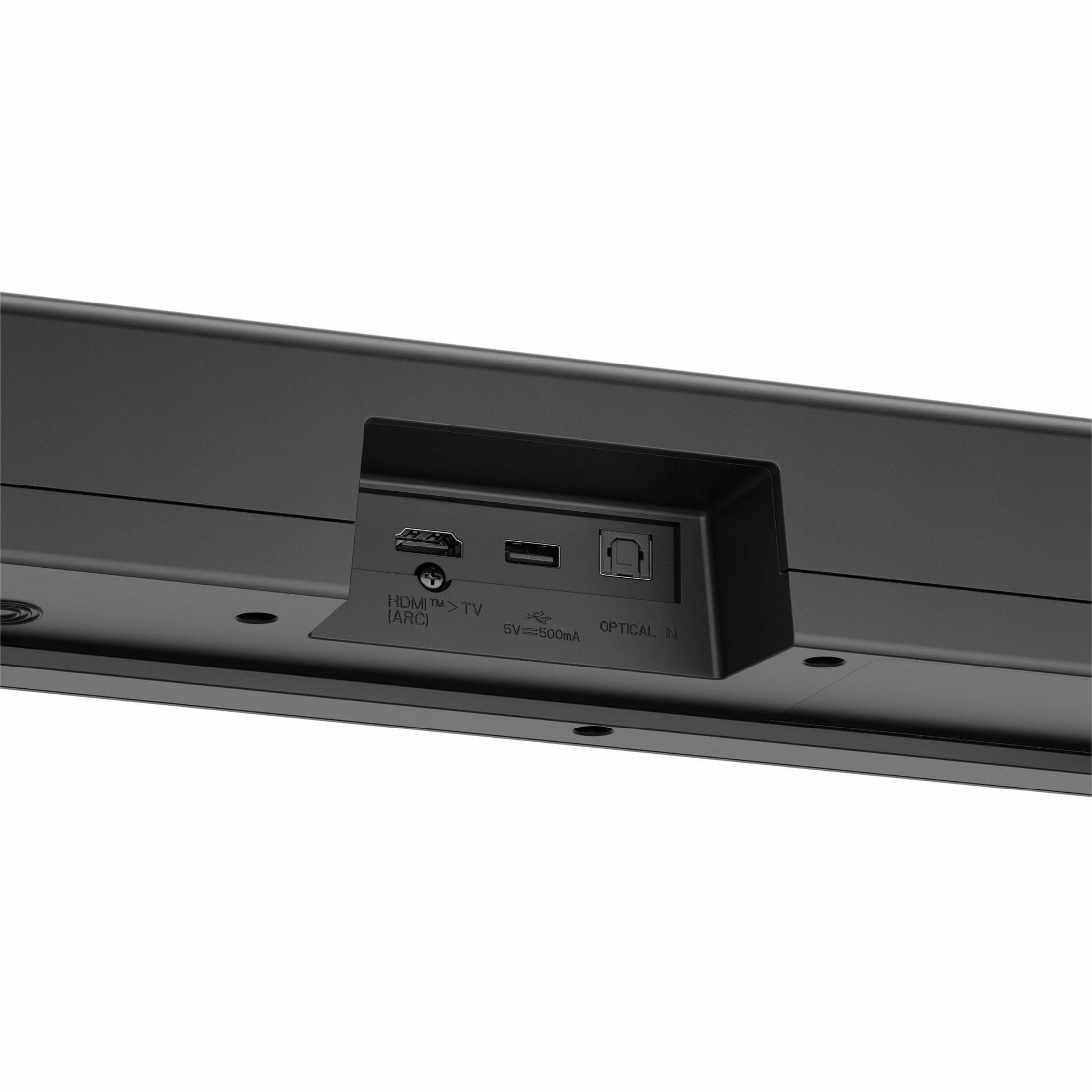
The LG S40T includes HDMI ARC input alongside optical and USB connections. HDMI ARC allows lossless audio transmission from compatible TVs and enables convenient single-cable setup. When your TV and soundbar connect via HDMI ARC, the TV remote can control soundbar volume, and the soundbar automatically turns on when you start watching TV.
The LG also features Bluetooth 5.3, which offers better range, stability, and audio quality compared to older Bluetooth versions. Perhaps more importantly, it supports multi-device pairing—up to eight devices can stay connected simultaneously, making it easier to switch between your phone, tablet, and laptop for music streaming.
For future-proofing, the connectivity difference is significant. As streaming services increasingly offer higher-quality audio and devices phase out optical outputs, HDMI ARC becomes essential. Most TVs sold since 2020 include HDMI ARC, making the LG more compatible with current and future setups.
The Samsung HW-C450 integrates well with Samsung's ecosystem. If you own a Samsung TV, you can control both devices with a single remote, and features like Auto Power Link ensure the soundbar turns on automatically when you start the TV. This integration works smoothly but benefits only Samsung TV owners.
The LG S40T offers broader smart functionality through the LG ThinQ app. This smartphone app allows remote control, sound customization, and firmware updates. While not revolutionary, app control proves convenient for adjusting settings without finding the physical remote.
Both systems include useful listening modes. The Samsung offers Night Mode, which compresses dynamic range—making loud explosions quieter while boosting whispered dialogue—perfect for late-night viewing without disturbing neighbors or family. The LG's AI system provides similar functionality automatically, detecting nighttime viewing patterns and adjusting output accordingly.
Gaming represents one area where the Samsung HW-C450 clearly excels. Its dedicated Game Mode enhances directional audio cues while reducing background noise, making it easier to hear approaching enemies in competitive games. Combined with DTS Virtual:X processing, this creates better spatial awareness than standard TV speakers can provide.
The game mode also optimizes for low latency, reducing the delay between on-screen action and corresponding audio. While the difference measures in milliseconds, competitive gamers notice improved synchronization between visual and audio cues.
The LG S40T lacks a dedicated gaming mode but handles gaming adequately through its adaptive AI system. The automatic optimization works fine for casual gaming but doesn't provide the specialized enhancements serious gamers might appreciate.
If gaming represents a significant part of your entertainment time, particularly competitive multiplayer games where audio cues matter, the Samsung offers meaningful advantages. For occasional gaming mixed with TV and movie watching, the LG's general-purpose optimization suffices.
At the time of writing, both soundbars compete closely on price, with the LG S40T typically available for slightly less than the Samsung HW-C450. However, value extends beyond initial cost to include features, performance, and longevity.
The LG provides more features per dollar, including HDMI ARC, advanced Bluetooth, app control, and current-generation technology. These additions cost nothing extra but significantly improve usability and future compatibility.
The Samsung offers more specialized features like DTS Virtual:X and gaming optimization, which add value for users who specifically benefit from these capabilities. However, its limited connectivity options may reduce its useful lifespan as audio standards continue evolving.
For most buyers, the LG represents better overall value. Its modern features and balanced performance suit a wider range of use cases, while its lower price makes it easier to justify as a starter soundbar.
Both systems work best in small to medium rooms—roughly up to 200 square feet. In larger spaces, their limited power and two-channel design struggle to fill the room effectively, regardless of virtual surround processing.
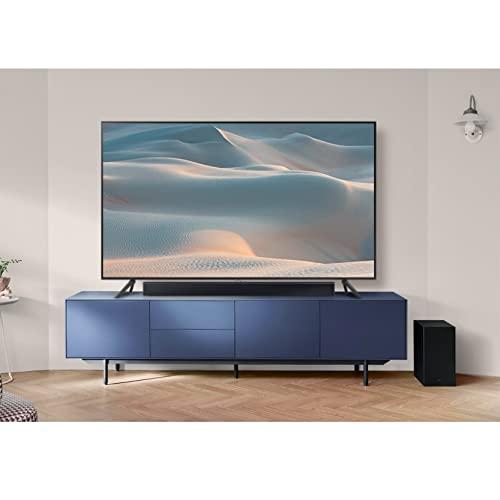
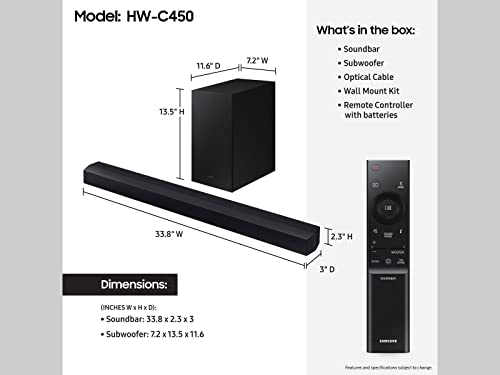
The Samsung HW-C450 benefits from wall mounting options, allowing placement directly below wall-mounted TVs for optimal sound projection. Its DTS Virtual:X processing works better when the soundbar sits at ear level, making wall mounting particularly beneficial.
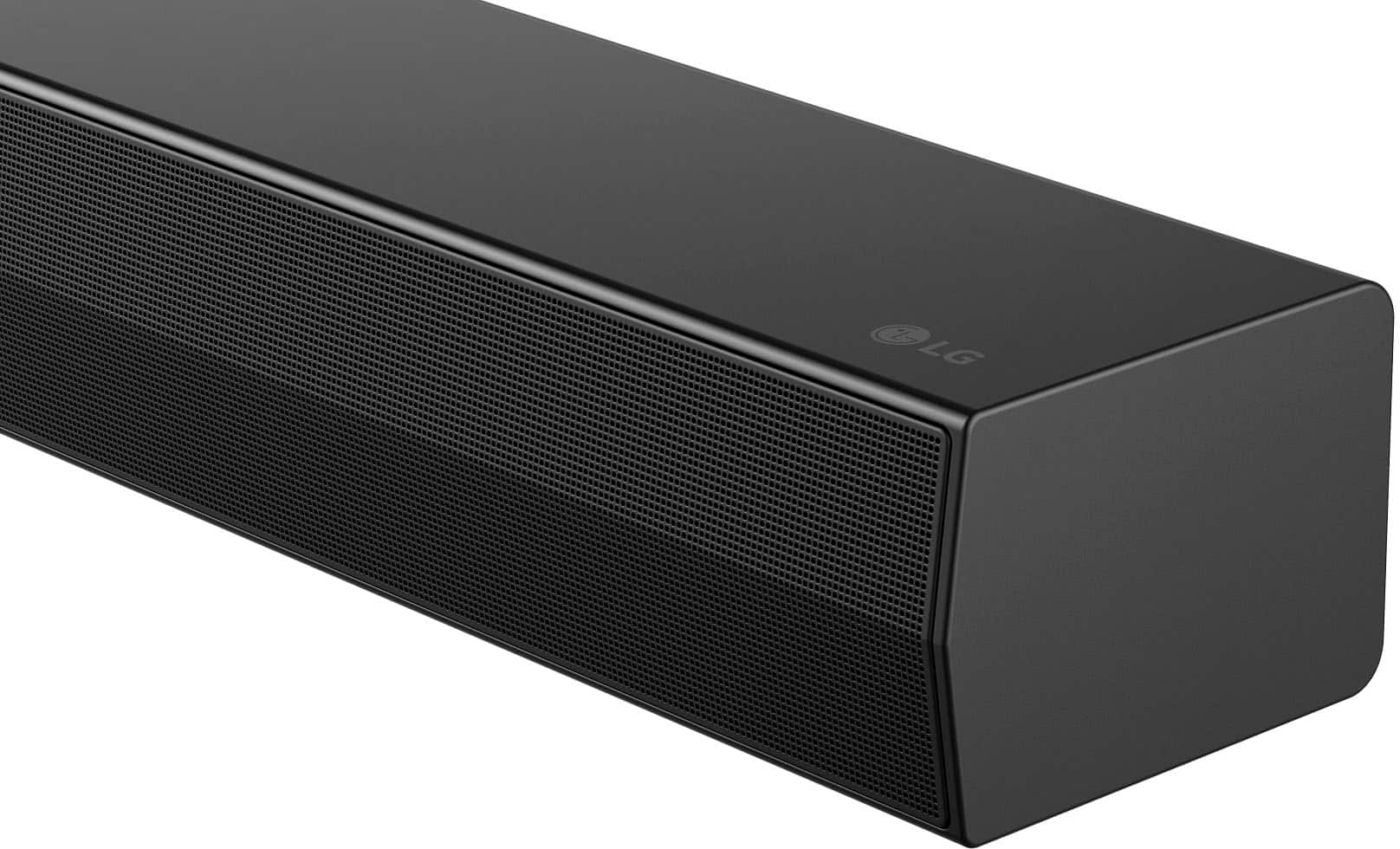
The LG S40T requires stand placement, which may limit positioning options but ensures optimal subwoofer pairing since both components typically sit near floor level.
After extensive research into user reviews, expert opinions, and technical specifications, the LG S40T emerges as the better choice for most people. Its combination of modern connectivity, automatic optimization, and competitive pricing makes it more versatile and future-proof.
Choose the LG S40T if you want the best overall value, have a modern TV with HDMI ARC, prefer set-and-forget operation, or frequently stream music via Bluetooth. Its balanced approach suits mixed entertainment use and works well for users who want better audio without becoming audio enthusiasts.
Choose the Samsung HW-C450 if you own a Samsung TV and value ecosystem integration, prioritize virtual surround effects for movies, are a serious gamer who benefits from specialized audio modes, or can find it significantly discounted. Its specialized features serve specific use cases well but may feel limiting for general use.
Both soundbars deliver meaningful improvements over TV speakers, but the LG's modern features and automatic optimization make it the more practical choice for most homes. The Samsung serves specialized needs well but shows its age in connectivity and user experience compared to current-generation alternatives.
| Samsung HW-C450 | LG S40T |
|---|---|
| Release Year - Newer models typically offer better connectivity and features | |
| Pre-2024 (older generation) | 2024 (current generation) |
| Total Power Output - Higher wattage can mean louder volumes and better dynamics | |
| 300W total (80W bar + 220W subwoofer) | 300W total (similar power distribution) |
| HDMI Connectivity - Essential for modern TV integration and audio quality | |
| No HDMI ports (optical and USB only) | HDMI ARC included (single-cable TV connection) |
| Bluetooth Version - Newer versions offer better range and audio quality | |
| Basic Bluetooth with SBC codec (compressed audio) | Bluetooth 5.3 with multi-device pairing (up to 8 devices) |
| Virtual Surround Technology - Creates wider soundstage from 2-channel system | |
| DTS Virtual:X (dedicated 3D audio processing) | AI Sound Pro (automatic optimization, no virtual surround) |
| Gaming Features - Specialized modes enhance competitive gaming audio | |
| Dedicated Game Mode with directional enhancement | No dedicated gaming mode (AI adapts automatically) |
| Smart App Control - Allows customization and updates via smartphone | |
| Basic remote control only | LG ThinQ app with remote control and customization |
| TV Ecosystem Integration - Works best with same-brand TVs | |
| Samsung TV integration (one remote, auto power) | Universal compatibility with HDMI ARC TVs |
| Audio Processing Approach - Manual vs automatic sound optimization | |
| Manual modes (Voice Enhance, Bass Boost, Night Mode) | Automatic AI optimization (content-adaptive processing) |
| Future-Proofing - Connectivity standards for long-term usability | |
| Limited (optical-dependent, older Bluetooth) | Excellent (HDMI ARC, current Bluetooth, app updates) |
The LG S40T provides better overall value with modern HDMI ARC connectivity, Bluetooth 5.3, smartphone app control, and automatic AI sound optimization at a typically lower price point. The Samsung HW-C450 offers specialized features like DTS Virtual:X and gaming modes but lacks modern connectivity standards.
Both soundbars work for basic home theater use, but they serve different needs. The Samsung HW-C450 excels with DTS Virtual:X surround processing and manual sound modes for movie watching. The LG S40T offers better TV integration through HDMI ARC and automatic optimization for mixed home theater content.
The LG S40T wins on connectivity with HDMI ARC for single-cable TV connection, Bluetooth 5.3 for stable wireless streaming, and multi-device pairing. The Samsung HW-C450 relies on optical input and basic Bluetooth, which limits audio quality and future compatibility.
The Samsung HW-C450 is specifically designed for gaming with a dedicated Game Mode that enhances directional audio and reduces latency. The LG S40T handles gaming adequately through automatic optimization but lacks specialized gaming features.
The LG S40T offers easier setup with HDMI ARC single-cable connection and automatic AI optimization that adjusts sound without user input. The Samsung HW-C450 requires optical connections and manual mode switching but integrates well with Samsung TVs.
Yes, both the Samsung HW-C450 and LG S40T include wireless subwoofers that connect automatically to the main soundbar, eliminating cable runs across your room while providing enhanced bass response.
For movies with surround effects, the Samsung HW-C450 provides more immersive sound through DTS Virtual:X processing. For general TV viewing with mixed content, the LG S40T offers more consistent performance through automatic optimization and better dialogue clarity.
The Samsung HW-C450 supports one-remote control with compatible Samsung TVs. The LG S40T works with any TV remote when connected via HDMI ARC, plus offers smartphone app control through LG ThinQ.
The LG S40T is significantly more future-proof with HDMI ARC support, Bluetooth 5.3, 2024 release date, and app-based updates. The Samsung HW-C450 uses older connectivity standards that may become obsolete as devices drop optical outputs.
The LG S40T handles music streaming better with Bluetooth 5.3, multi-device pairing, and balanced sound tuning. The Samsung HW-C450 works for music but uses basic Bluetooth with compressed audio quality.
Both soundbars suit small to medium rooms up to 200 square feet. The Samsung HW-C450 may feel more spacious due to virtual surround processing, while the LG S40T provides more accurate sound placement and automatic room optimization.
TV brand matters somewhat. The Samsung HW-C450 integrates best with Samsung TVs for unified remote control and auto-power features. The LG S40T works universally with any HDMI ARC-equipped TV and offers broader compatibility across all brands.
We've done our best to create useful and informative comparisons to help you decide what product to buy. Our research uses advanced automated methods to create this comparison and perfection is not possible - please contact us for corrections or questions. These are the sites we've researched in the creation of this article: e-catalog.com - alibaba.com - smart.dhgate.com - greentoe.com - requiremints.com - versus.com - bhphotovideo.com - rtings.com - soundmachine.com.mt - samsung.com - samsung.com - youtube.com - bhphotovideo.com - newegg.com - images.samsung.com - bestbuy.com - samsung.com - youtube.com - jsappliance.com - gadgetsleo.com - youtube.com - saraappliance.com - walmart.com - bestbuy.com - bestbuy.com - pcrichard.com - lg.com - lg.com - lg.com - lg.com - microcenter.com - flanners.com - bestbuy.com - microcenter.com

Privacy Policy
Terms and Conditions - Affiliate Policy
Home Security
© Copyright 2008-2026.
11816 Inwood Rd #1211, Dallas, TX 75244